21 Natural Texture Interior Design Ideas for Organic Warmth
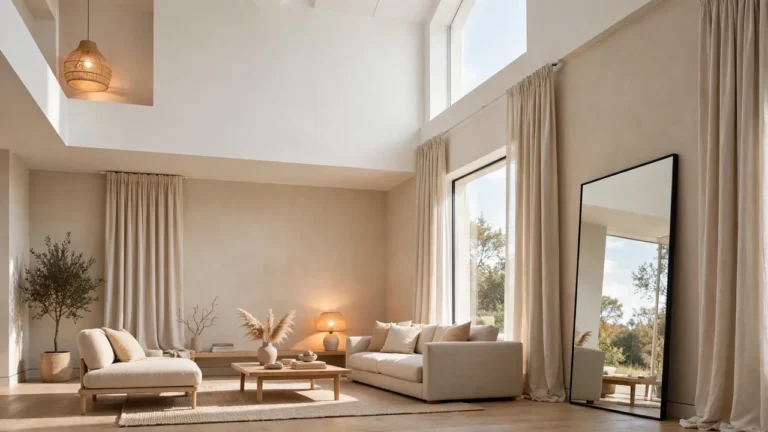
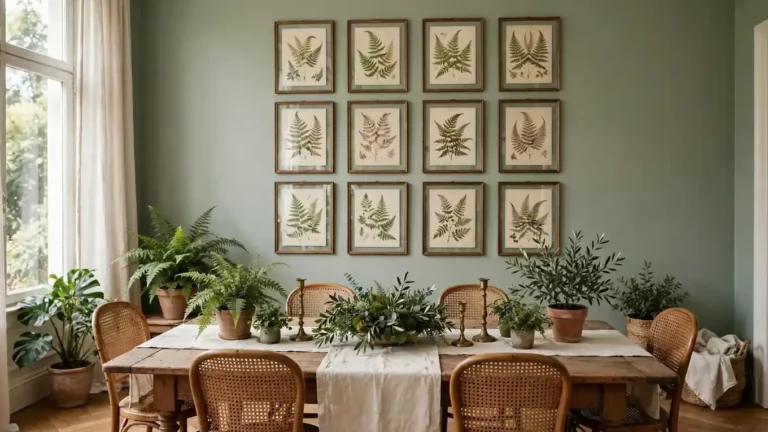
A room can look finished and still feel flat, and the missing piece is often texture rather than color or furniture. natural texture interior design ideas bring warmth through wood grain, woven fibers, raw stone, and soft linen, giving a space depth you can sense the moment you walk in. These materials age gracefully, catch light in lovely ways, and make even a simple room feel collected and calm.
Start with one honest material and build from there, letting each layer add comfort without clutter. Our recent guide to layered lighting living room ideas shows how light can soften these surfaces even further, and the same slow approach works here. Small swaps, like a jute rug or a linen throw, often change a room more than a full overhaul ever could.
Warm Wood Accents
Credit: Ata Ebem
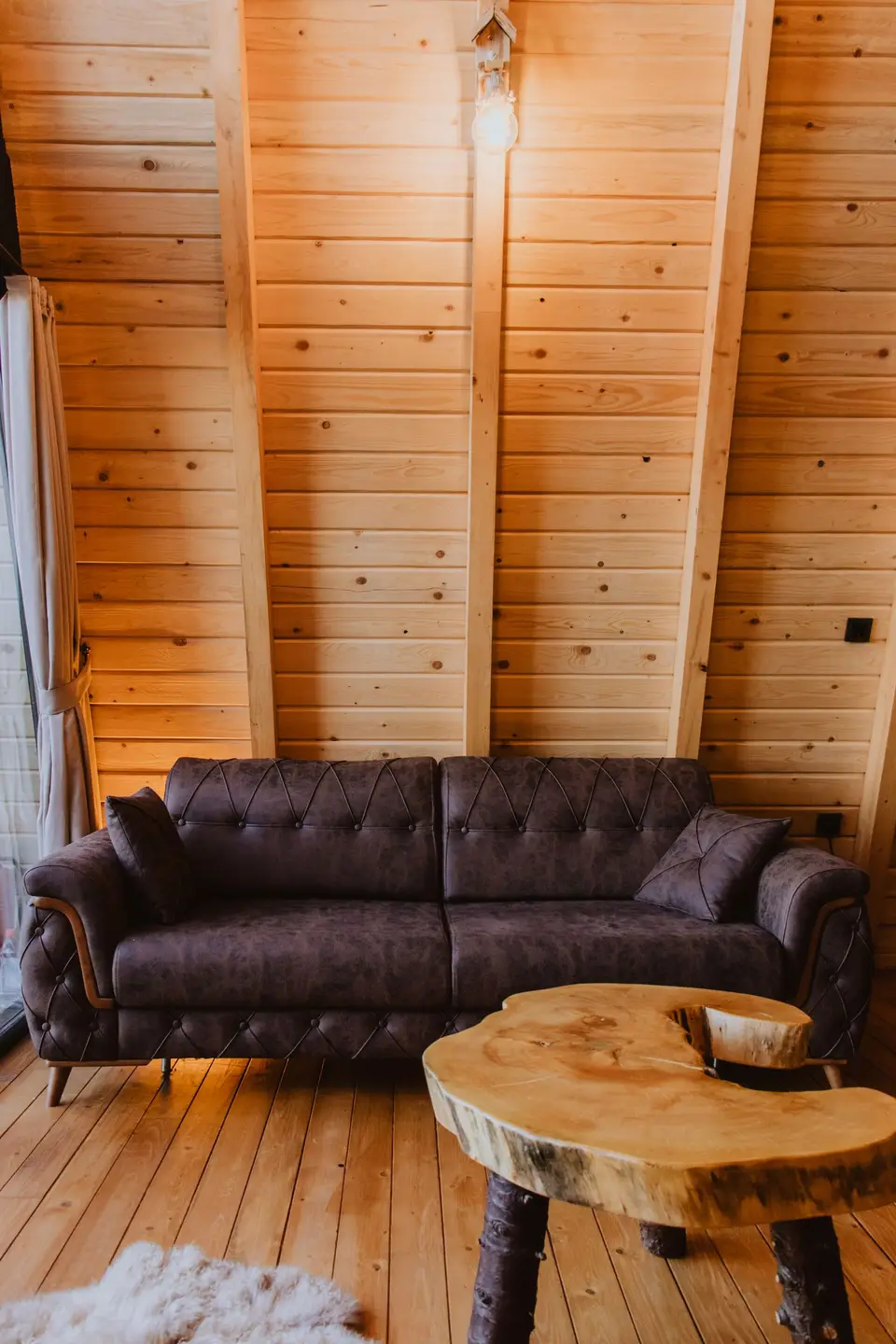
Wood brings instant warmth to a room, and the grain itself does most of the decorating. A walnut side table, an oak bench, or a reclaimed beam adds character that paint alone cannot match. In my experience, rooms with visible wood feel grounded and welcoming, even when the rest of the palette stays quiet and pale.
Mix tones rather than matching every piece exactly, since slight variation keeps the look natural. Pair a dark console with lighter oak stools, then repeat one tone in a frame or a tray. The result feels collected over time, not bought in a single afternoon, and that slow richness suits almost any home.
Rattan Furniture Pieces

Credit: juliane Monari
- A rattan armchair softens a bare corner without blocking daylight or crowding the floor.
- Rattan pendant shades cast a warm, patterned glow across the ceiling after dark.
- A cane-front cabinet hides everyday clutter behind an airy, breathable face.
- Rattan trays gather remotes, candles, and small books into one tidy spot.
- A woven headboard adds texture behind the bed without heavy wood or fabric.
Rattan works best when it stays light in tone and open in weave, so a room keeps its airy feel. I’ve noticed that one or two rattan pieces are plenty, since too many can turn a calm space busy. Balance each woven piece with smooth wood or plain linen.
Linen Layering Basics

Credit: Aljona Ovtšinnikova
Quick Tip: Choose linen in washed, muted tones so wrinkles read as softness rather than mess.
Linen layers a bed or sofa with a relaxed, lived-in softness that stiff fabrics cannot copy. Start with plain linen bedding, then add a heavier throw at the foot of the bed for contrast. In my experience, mixing two linen weights looks richer than matching a full set, and the fabric only gets softer with every wash. Keep colors close, like oat, stone, and pale sage, so the layers blend instead of competing. A linen curtain in the same family ties the whole room together without any extra effort.
Flat To Textured
Credit: Luke de Moura
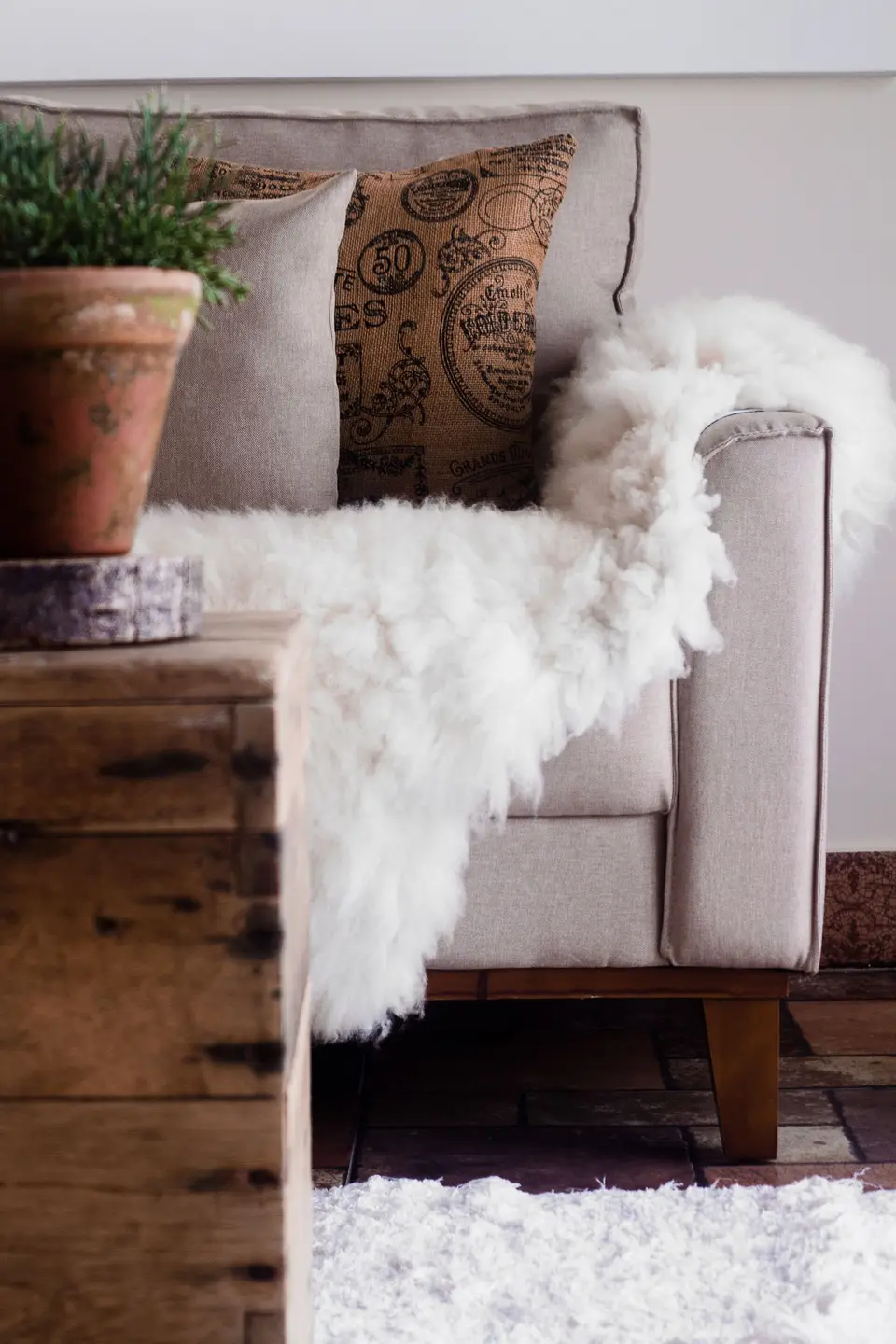
BEFORE: The living room looked tidy but strangely empty, with smooth walls, a flat rug, and cushions in one plain fabric. Nothing invited touch, and the eye slid straight past every surface.
AFTER: A chunky wool throw, a woven basket, and a rough plaster vase changed the same room overnight. Light now catches ridges and weave, and every seat feels warmer and more welcoming. Guests reach for the throw without thinking, which tells you the texture is doing its quiet work.
I’ve seen this work well in many cases, where three varied surfaces beat a shelf of matching ornaments. Start with the largest surface, the rug or sofa, then add smaller contrasts until the room feels layered but never crowded.
Stone Surface Steps

Credit: Max Vakhtbovych
- Pick one stone surface, like a marble tray or a slate coaster set.
- Place it where hands land often, such as a coffee table or entry console.
- Pair the cool stone with warm wood to keep the mix balanced.
- Wipe it clean weekly so the natural veining stays the star.
Stone brings a cool, grounded note that softens rooms full of fabric and wood. I’ve noticed that small stone pieces work better than large slabs in compact homes, since they add weight without dominating the floor plan. A single travertine bowl or granite board can anchor a whole table, and its veining gives the eye a natural pattern to rest on.
Jute Versus Sisal

Credit: Charm Andaya
| Feature | Jute | Sisal |
|---|---|---|
| Feel | Soft, slightly coarse | Firm, crisp |
| Look | Warm golden tones | Pale, clean lines |
| Best spot | Bedrooms, low-traffic corners | Hallways, busy entries |
| Care | Shake out, blot spills | Vacuum often, avoid damp |
Both fibers bring honest, earthy warmth, yet they suit different rooms. Jute feels softer under bare feet, so it shines beside a bed or under a reading chair. Sisal stands up to shoes and pets, which makes it the smarter pick for entries and stairs. I’ve noticed that choosing by traffic, not just by color, keeps a natural rug looking good for years. Either way, a plain border keeps the look calm and tailored.
Woven Basket Rules

Credit: Julia Kuzenkov
Do: Use baskets to hide throws, toys, and charging cables.
Do: Mix two basket sizes for a collected, natural look.
Do: Line a basket before storing damp items like towels.
Do: Place one large basket beside the sofa for daily use.
Don’t: Let baskets pile up until they read as clutter.
Don’t: Store heavy books in a soft, unstructured basket.
Don’t: Pick shiny plastic that mimics weave but feels false.
Baskets are the easiest texture to live with, since they add warmth while solving storage at the same time. I’ve noticed that natural seagrass and rattan age well, softening in color rather than wearing out. Keep the palette close, with one or two materials repeated around the room, and the baskets will look intentional instead of improvised.
Natural Texture Facts
Credit: Rachel Claire
Cost: Most texture swaps cost little, from baskets to throws.
Time: A room refresh takes one relaxed afternoon.
Skill Level: Beginner friendly, with no tools required.
Best For: Calm rooms that feel flat or overly smooth.
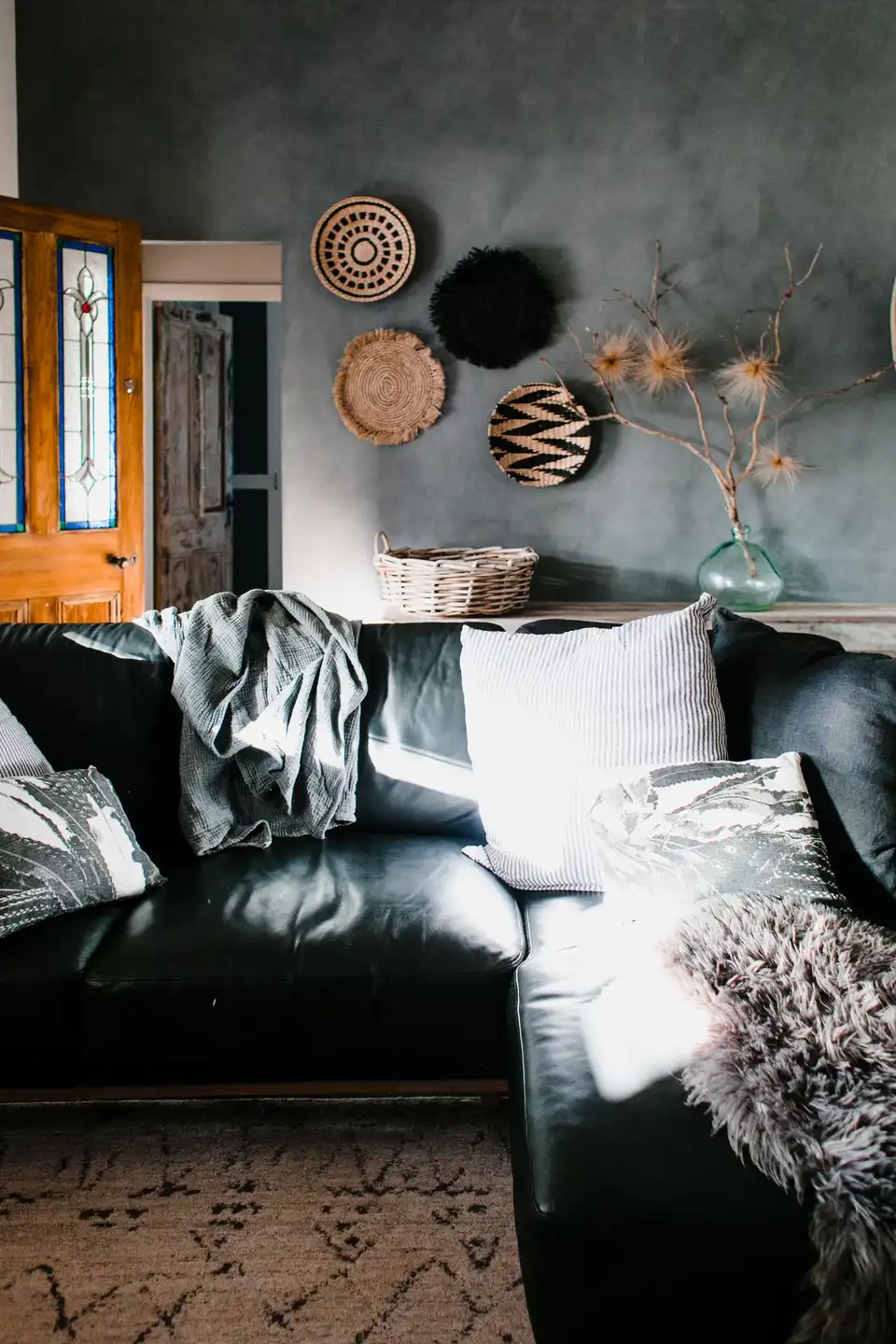
Texture rewards small budgets more than most decorating moves, since a single woven piece can shift a whole room. I’ve seen this work well in many cases, where renters use baskets, throws, and rugs to warm a space without painting a wall. Start with what you touch most, the sofa, the bed, or the floor, and let those surfaces carry the texture story. That focus keeps spending low and impact high.
Boucle Softness Layers

Credit: Pavel Morillo
Boucle brings a soft, nubby surface that invites touch the moment you sit down. A boucle chair or a pair of cushions can warm a sleek room without adding color or pattern. The looped yarn catches light gently, so the fabric looks plush from every angle, even in a small, plain corner.
Keep boucle in pale, warm neutrals so its texture stays the focus. Pair it with smooth leather or dark wood, and the contrast makes both materials feel richer. I’ve noticed that one boucle piece per seating area is plenty, since the nubby surface already draws the eye and softens the whole arrangement.
Terracotta Warmth Touches

Credit: Sid Maia
- A terracotta pot cluster warms a windowsill with earthy, sun-baked color.
- Terracotta tiles add rustic warmth to a kitchen floor or entry step.
- A single terracotta vase grounds a pale shelf with one bold, natural note.
- Terracotta candle holders glow softly beside a woven basket at night.
- Small terracotta dishes corral keys and rings by the front door.
Terracotta works like a warm neutral, pairing with cream, sage, and deep wood without shouting. I’ve noticed that unglazed pieces feel more organic than glossy ones, since the matte surface shows the clay itself. Keep the finish rough and the shapes simple, and the warmth will read as earthy rather than themed.
Wool Throw Styling

Credit: Ksenia Chernaya
Quick Tip: Drape a wool throw over one sofa arm, never folded flat, so it looks inviting.
Wool throws add instant coziness, and the chunkier the knit, the stronger the effect. Choose a throw in a warm neutral, then let it fall naturally over a chair or bed edge. I’ve noticed that a throw left casually in place gets used far more than one stored in a basket. Wash it gently, dry it flat, and it will stay soft and full for years of evenings. Keep a second throw nearby for guests, since shared warmth makes a room feel truly welcoming. That simple habit turns a plain sofa into a favorite seat.
Bare To Organic
Credit: Tiffany Christie Freeman
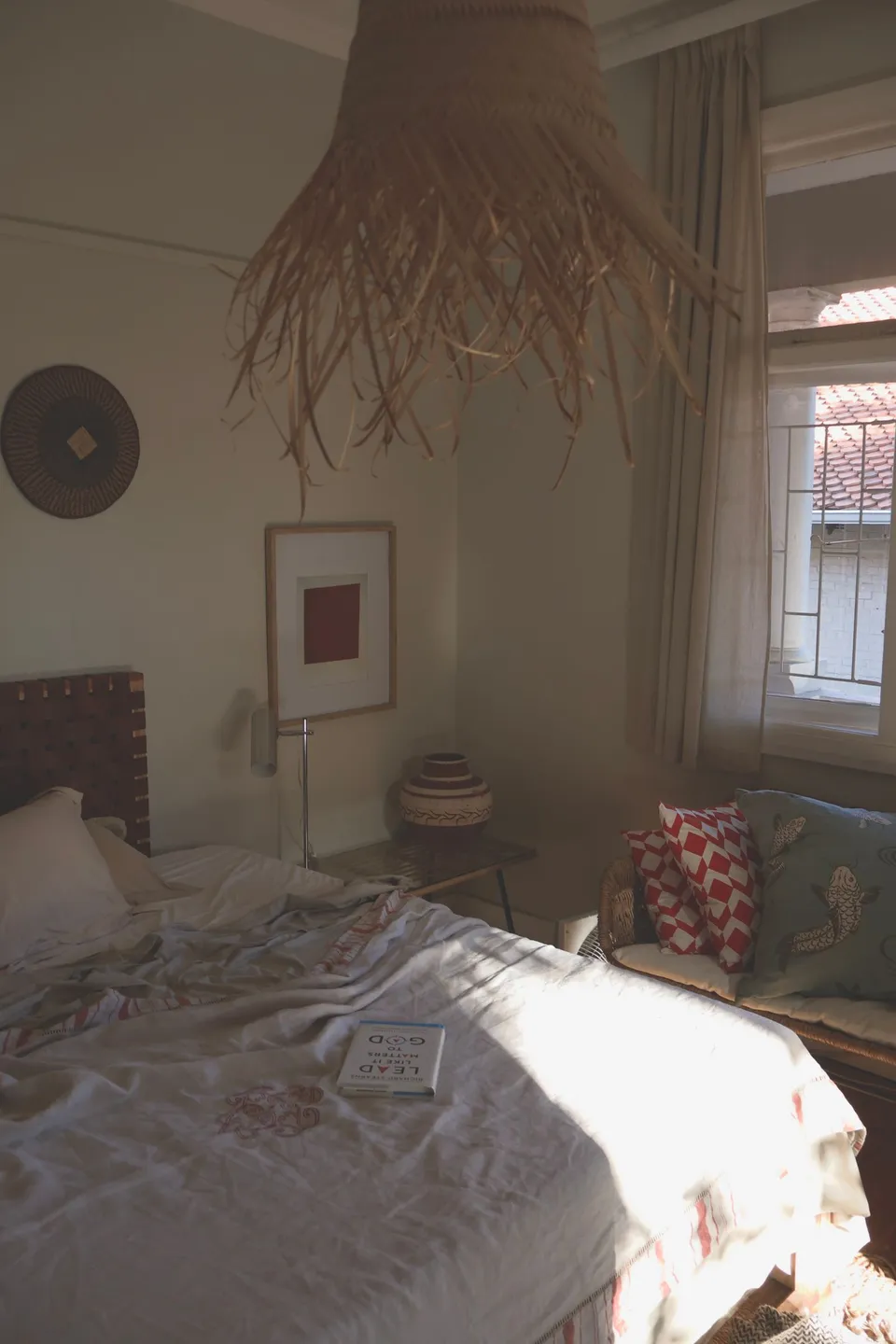
BEFORE: The bedroom felt cold and staged, with slick bedding, bare walls, and not a single natural surface. Sleep came slowly, since nothing in the room felt soft or grounding. Mornings felt no better, with hard light bouncing off every smooth plane.
AFTER: Linen bedding, a rattan lamp, and a wooden tray gave the same room a calm, organic rhythm. Shadows softened, colors warmed, and the bed finally looked like a place to rest.
This shift is the heart of natural texture interior design ideas, where honest materials replace cold, slick surfaces. Start with bedding, since you touch it every night, then add wood and weave at the edges. I’ve noticed that three natural layers are enough to change how a room feels, without a single large purchase.
Texture Mixing Steps

Credit: Jonathan Borba
- Start with one dominant texture, like smooth wood or soft linen.
- Add a contrasting layer, such as rough jute beside polished stone.
- Repeat each texture twice so the mix looks deliberate.
- Step back and remove one piece if the room feels busy.
Mixing textures works like mixing tones in music, where contrast creates interest and repetition creates calm. I’ve noticed that rooms with three to four textures feel richest, while more than five can turn restless. Keep colors close while textures vary, and the room will feel layered, warm, and easy to live with. That balance is the whole secret, and it costs nothing to practice.
Cotton Versus Linen

Credit: Aljona Ovtšinnikova
| Feature | Cotton | Linen |
|---|---|---|
| Feel | Soft, smooth | Textured, airy |
| Look | Crisp, neat | Relaxed, slubbed |
| Care | Machine wash easy | Wash gentle, line dry |
| Best for | Everyday bedding | Summer layers, curtains |
Cotton suits daily use, since it washes easily and stays soft through many cycles. Linen suits warmer months, with an airy weave that breathes on hot nights. I’ve noticed that mixing the two works well, with cotton sheets under a linen throw giving both comfort and texture. Choose by season, and your bed will feel right all year. Either fiber looks best in muted, natural tones that let texture lead. That simple rule keeps bedding calm and timeless.
Leather Patina Rules
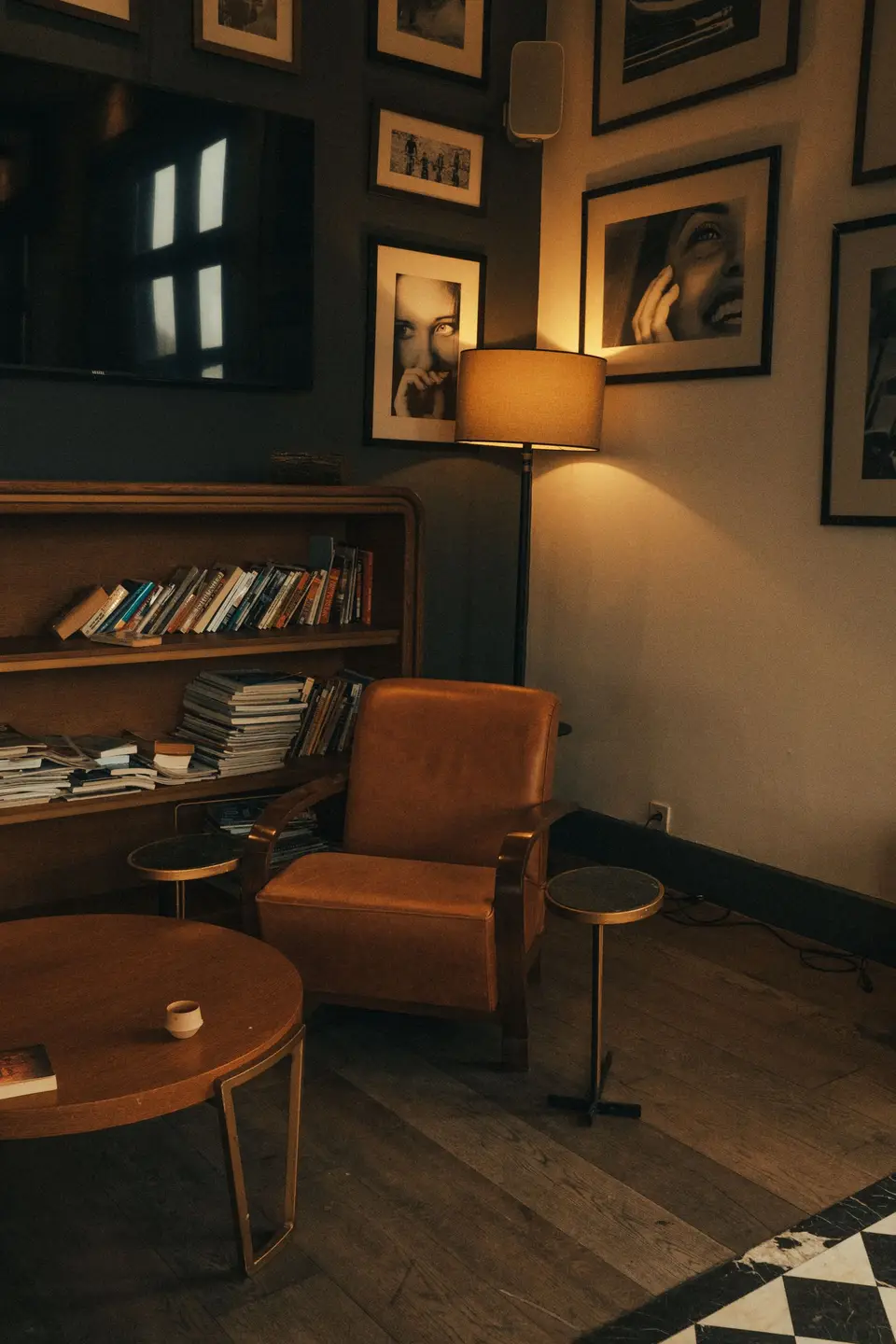
Credit: Sami Aksu
Do: Let leather age naturally, since marks add character over time.
Do: Condition leather twice a year to keep it supple.
Do: Pair worn leather with linen and wood for balance.
Don’t: Place leather in harsh, direct sun all day.
Don’t: Scrub stains hard, since that spreads damage.
Don’t: Hide patina under covers, as wear tells the story.
Leather rewards patience, growing richer with every year of honest use. For more classic pieces, our guide to vintage bedroom furniture ideas shows how aged leather and antique wood work together beautifully. I’ve noticed that a worn chair often becomes the favorite seat in a home, precisely because its surface carries memories.
Budget Texture Facts

Credit: Selenic Moon
Cost: Most texture pieces cost under fifty dollars each.
Time: One weekend refreshes a whole room.
Skill Level: Beginner friendly, with no special tools.
Best For: Renters and small budgets that want big warmth.
Texture is kind to small budgets, since baskets, throws, and rugs cost far less than new furniture. I’ve seen this work well in many cases, where thrifted wood and woven finds warm a room for very little money. Shop secondhand first, since aged materials already carry the patina that new pieces try to copy. That approach saves money and keeps good materials in use. Start small and add slowly.
Plaster Wall Charm

Credit: Pavel Morillo
Plaster walls bring a soft, hand-worked surface that flat paint cannot copy. The subtle ridges catch light through the day, so the wall seems to shift as the sun moves. I’ve noticed that limewash over plaster gives the gentlest effect, with color settling into every hollow and rise.
Keep furniture simple against plaster, since the wall already carries the interest. A wooden bench, a linen curtain, and one ceramic vase are plenty beside such a surface. The room will feel calm, crafted, and warm, with texture doing the quiet work that bold color often tries to do. That restraint is what makes plaster feel timeless.
Seagrass Rug Styling
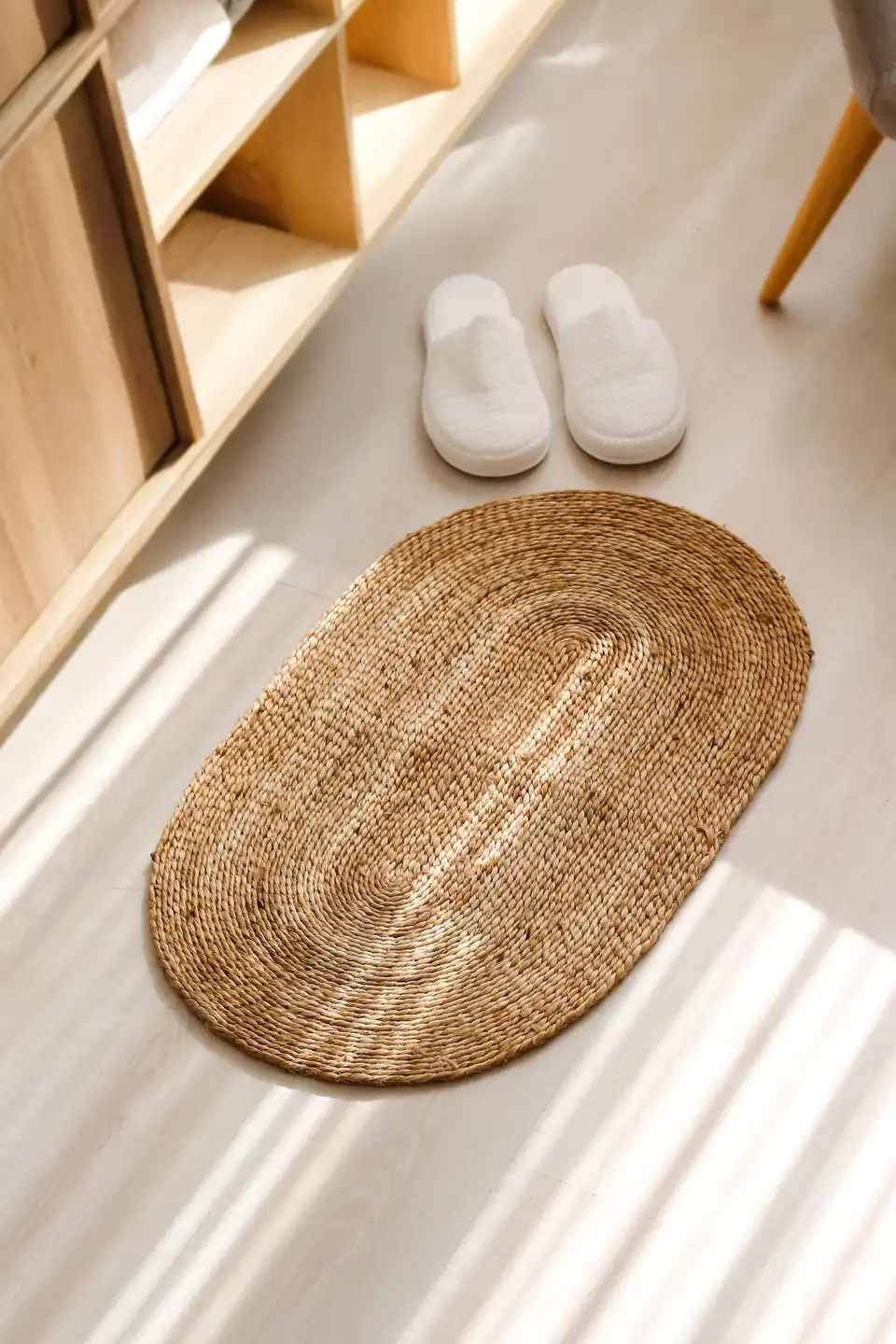
Credit: Kader D. Kahraman
- A seagrass rug grounds a living room with pale, woven warmth.
- Seagrass suits entries, since it handles shoes and dirt well.
- Layer a small wool rug over seagrass for softness underfoot.
- Seagrass pairs calmly with white walls and dark wood alike.
- Shake a seagrass rug outside weekly to keep it fresh.
Seagrass is the workhorse of natural textures, tough enough for busy floors yet soft enough in tone for calm rooms. I’ve noticed that its pale color lifts dark furniture and small spaces alike, acting like a neutral that still adds interest. Keep the edges bound and the size generous, so the rug anchors the seating rather than floating beneath it.
Seasonal Texture Refresh
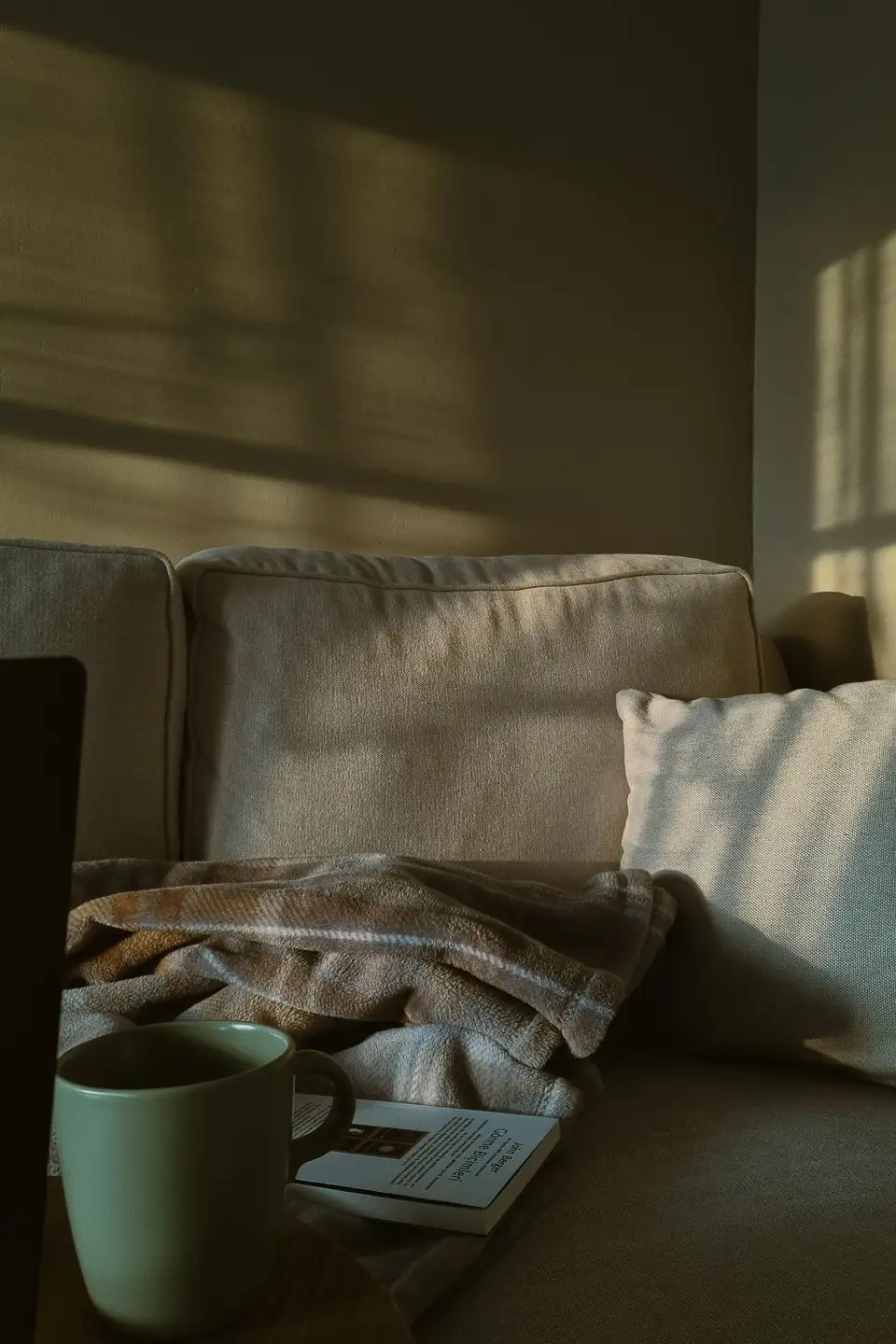
Credit: Sümeyye Ertan
Quick Tip: Swap one heavy layer for a lighter weave each spring to reset the room.
Seasonal refreshes keep texture feeling current without a full redecoration. In spring, trade wool for linen and heavy throws for cotton gauze. Autumn calls the reverse, with chunky knits and felted wool returning to chairs and beds. I’ve noticed that two small swaps per season are enough, since the room keeps its character while the touch of each surface changes with the weather. Store off-season pieces in breathable baskets, never sealed plastic, so fibers stay fresh. That rhythm keeps every season feeling intentional, fresh, and new.
Stark To Earthy

Credit: Maksim Goncharenok
BEFORE: The apartment looked modern but cold, with white walls, metal chairs, and a glossy floor. Nothing softened the edges, and the space felt more like a showroom than a home. Guests perched politely, never quite settling in for a long stay.
AFTER: A jute rug, linen curtains, and a woven pendant turned the same rooms warm and earthy. Wood tones softened the white walls, and the glossy floor finally had a soft layer underfoot. Now guests linger over coffee, which is the truest test of a welcoming home.
I’ve seen this work well in many cases, where natural layers rescue a stark room faster than new furniture. Begin with the floor, then soften windows and seating, and warmth will follow on its own.
Finishing Texture Steps

Credit: Tuğçe Açıkyürek
- Walk the room and note which surfaces feel cold or slick.
- Add one natural layer to each cold spot, starting with the largest.
- Repeat one material twice so the finish looks planned.
- Live with the layers a week before adding anything more.
Finishing touches matter most when they stay quiet and useful. I’ve noticed that a room feels done once every surface invites touch, from the rug underfoot to the throw on the chair. Resist one more ornament, since texture already gives the eye plenty to enjoy. Step back, breathe, and let the natural layers speak for themselves. That patience is what separates a layered room from a crowded one.
Conclusion
Texture is the quiet layer that turns a house into a home, and natural texture interior design ideas prove that warmth needs no grand budget. Start with one honest material, add layers slowly, and let each surface earn its place. Save this guide to your Pinterest boards so you can return to these ideas whenever a room feels flat, and share it with a friend who loves organic, lived-in style. Your calmest, warmest room is only a few natural layers away. Small, honest swaps today will keep your home feeling warm for years to come.