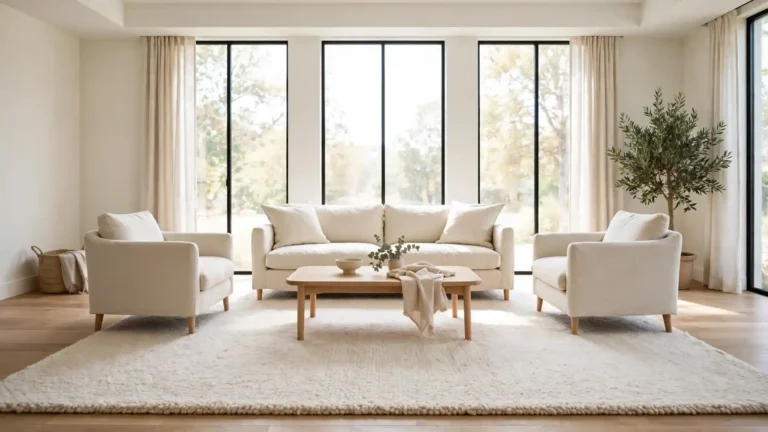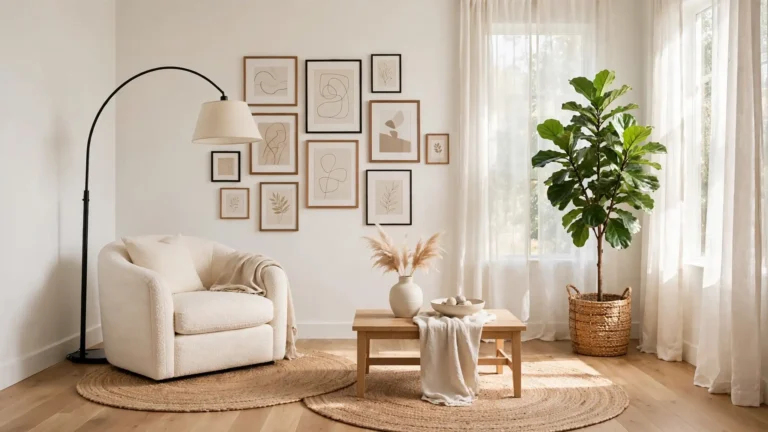
22 Layered Lighting Living Room Ideas for a Cozy, Stylish Glow
A living room that glows softly in the evening usually has one secret behind it: layered lighting living room ideas that mix overhead light, lamps, and accent glow instead of relying on a single ceiling fixture. One bright light flattens a room, while several gentle sources at different heights make the same space feel warm, deep, and inviting. The change costs little, yet the effect feels dramatic from the first night the layers come on together. For more classic room inspiration, see these vintage bedroom furniture ideas that pair old charm with soft light.
Good lighting works in layers because each layer has a job. Overhead fixtures give general brightness, table and floor lamps add pools of warmth at seating height, and small accents highlight art, shelves, and plants. When the three work together, a room can shift from bright and lively during the day to calm and cozy after dark. The sections below walk through each layer, one idea at a time, with simple steps that fit rented rooms and owned homes alike.
Overhead Ambient Layers
Credit: Max Vakhtbovych
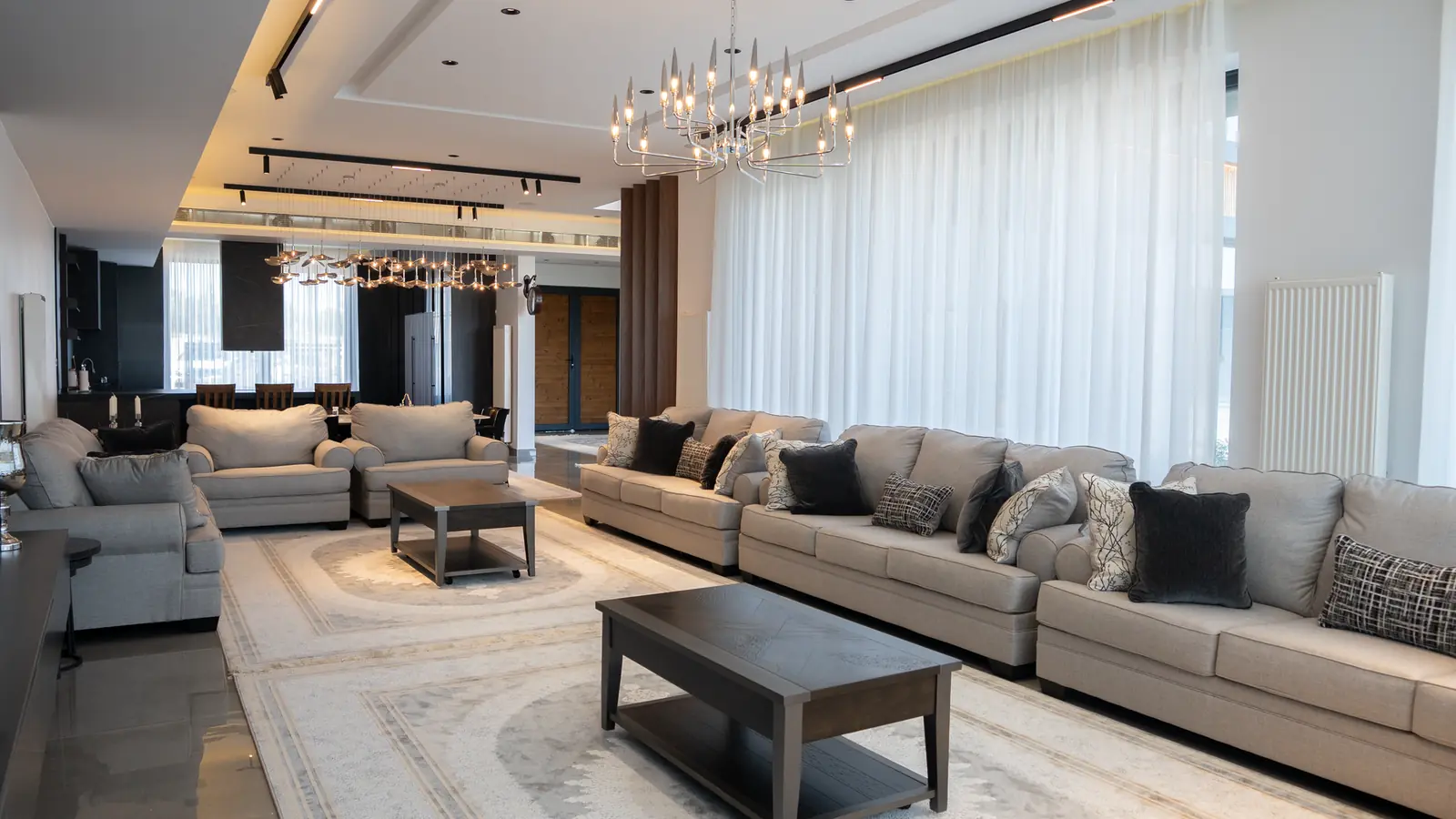
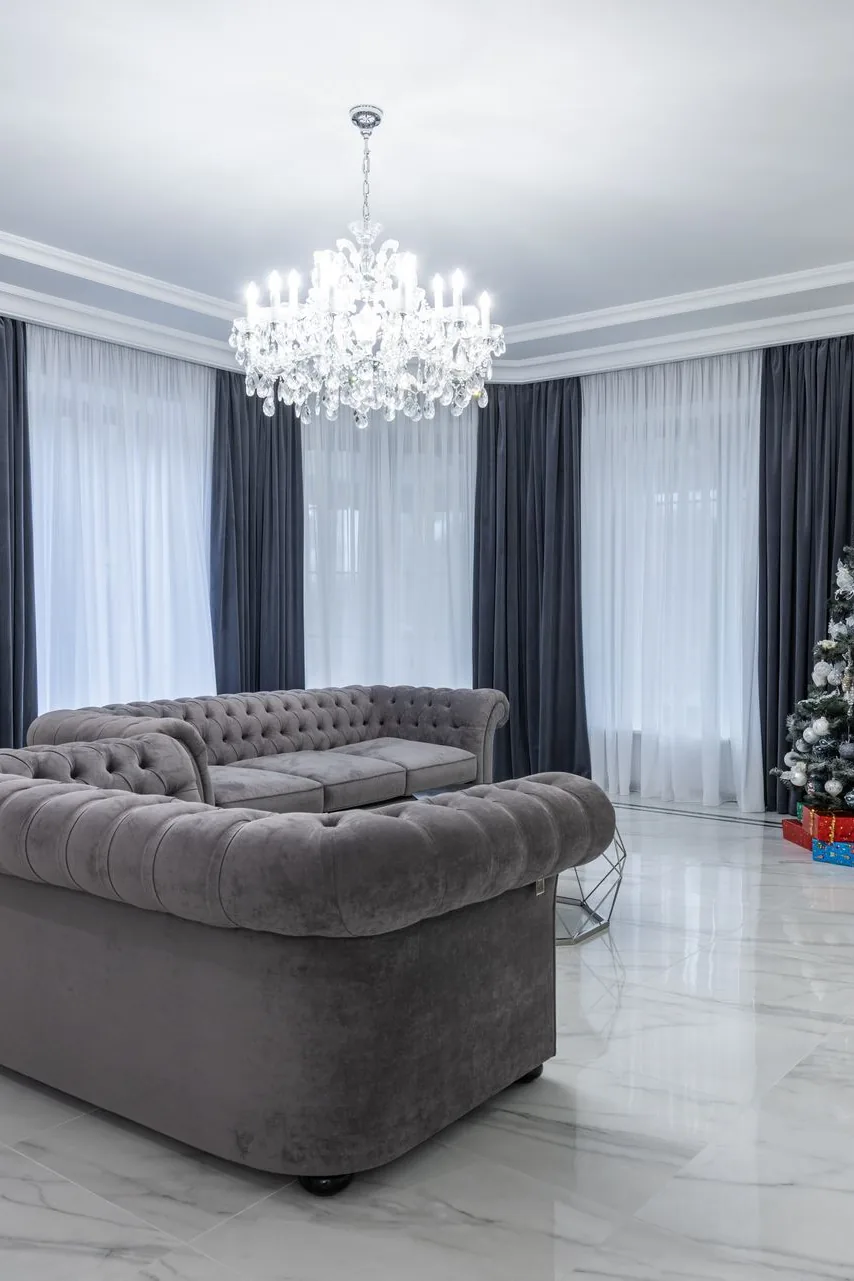
Overhead light sets the base mood for a living room, and a single harsh ceiling fixture rarely flatters anyone or anything in the space. A dimmable ceiling fixture, recessed lights, or a soft central pendant spreads light evenly and keeps corners from falling into shadow. The goal is a gentle wash of light that lets furniture, color, and texture show up without glare.
Start by swapping bright white bulbs for warm white ones, then add a dimmer so the fixture can shift from daytime brightness to a calm evening glow. In my experience, rooms feel larger and more welcoming when overhead light stays soft rather than stark. Test the setting at night, when the room is actually used most, and adjust until the light feels easy on the eyes.
Warm Table Lamps

Credit: cottonbro studio
- Place one lamp on each side of a sofa for balanced, even warmth.
- Choose warm white bulbs near 2700K for a candle-like evening glow.
- Match lamp height to seating so light falls at shoulder level.
- Pick linen or fabric shades that soften light and hide glare.
Table lamps do the quiet work of making a living room feel lived in. Their low, warm pools of light draw people toward seats and conversation, while overhead light alone tends to push everyone toward the edges of the room. Two matching lamps anchor a sofa beautifully, and a single lamp can rescue a dark corner chair.
Floor Lamp Corners
Credit: Max Vakhtbovych
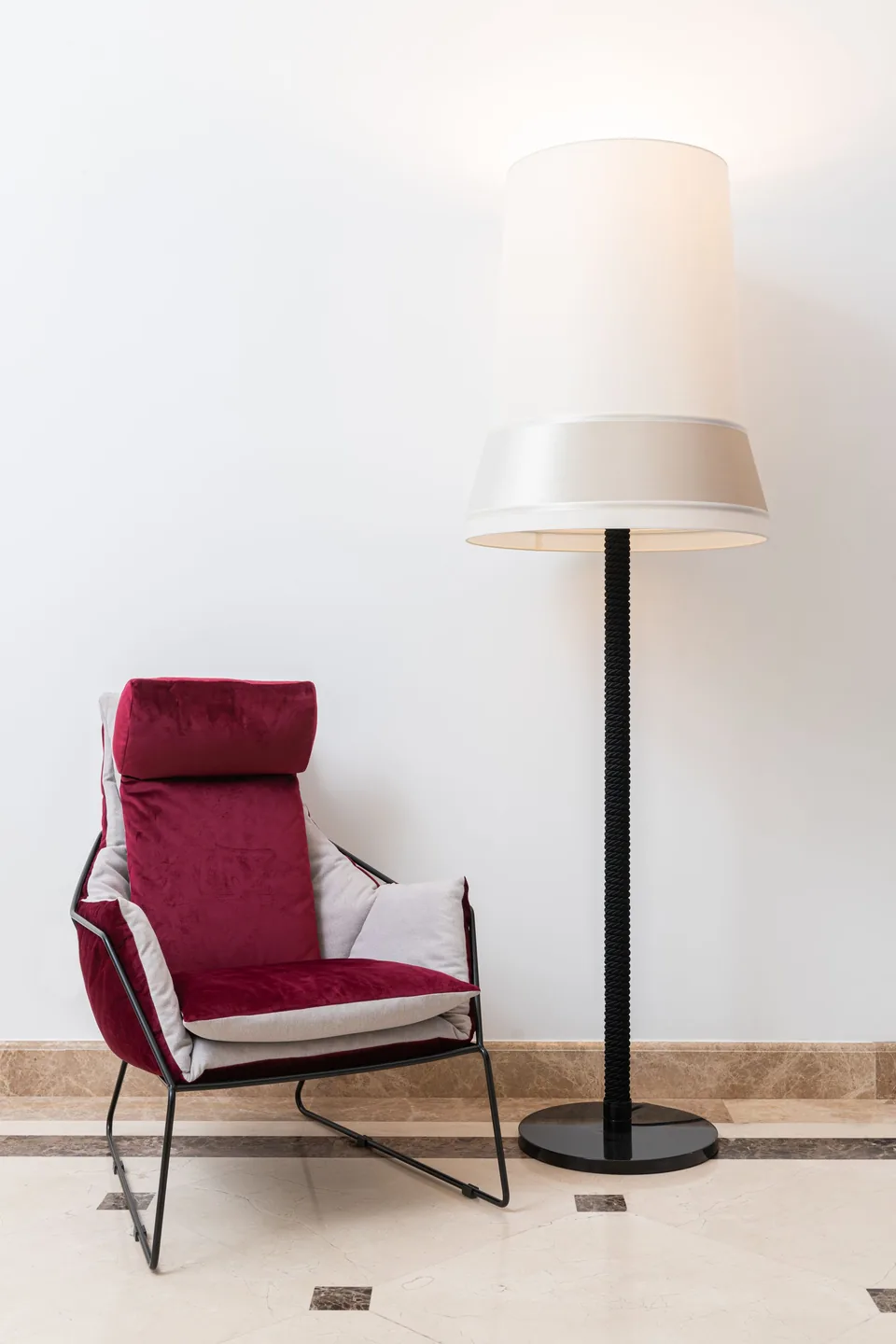
Quick Tip: Angle a floor lamp slightly behind and beside a chair, not directly overhead, so light falls across a book or a project without shining into tired eyes. A shade that points light downward gives the best reading glow, while an upward-facing torchiere bounces soft light off the ceiling for general warmth.
Floor lamps solve the corner problem in rooms where wiring a wall light feels out of reach. An arc lamp can stretch over a sofa, a slim torchiere fits a tight gap beside a bookcase, and a tripod lamp adds shape even when switched off. Place one near the spot where someone actually sits after dinner, and the corner stops feeling like leftover space.
Dimmer Switch Magic

Credit: Denis Gvozdov
BEFORE: The room had one switch and one mood: full brightness or darkness. Movie nights felt like an office, dinners felt exposed, and the pretty lamps stayed off because the ceiling light already flooded the space.
AFTER: With dimmers on the main fixtures, the same room now shifts through the day. Bright light suits cleaning and homework, medium light suits cooking and chatting, and low light turns the lamps into the stars of the evening. The room finally matches the moment.
Dimmers cost little and change everything about how a room feels after dark. Many models fit existing switches without new wiring, and smart dimmers add phone control for renters who want flexibility. Set overhead lights low in the evening and let lamps carry the glow for the coziest result.
Reading Nook Lighting
Credit: GirlvsGlobe86
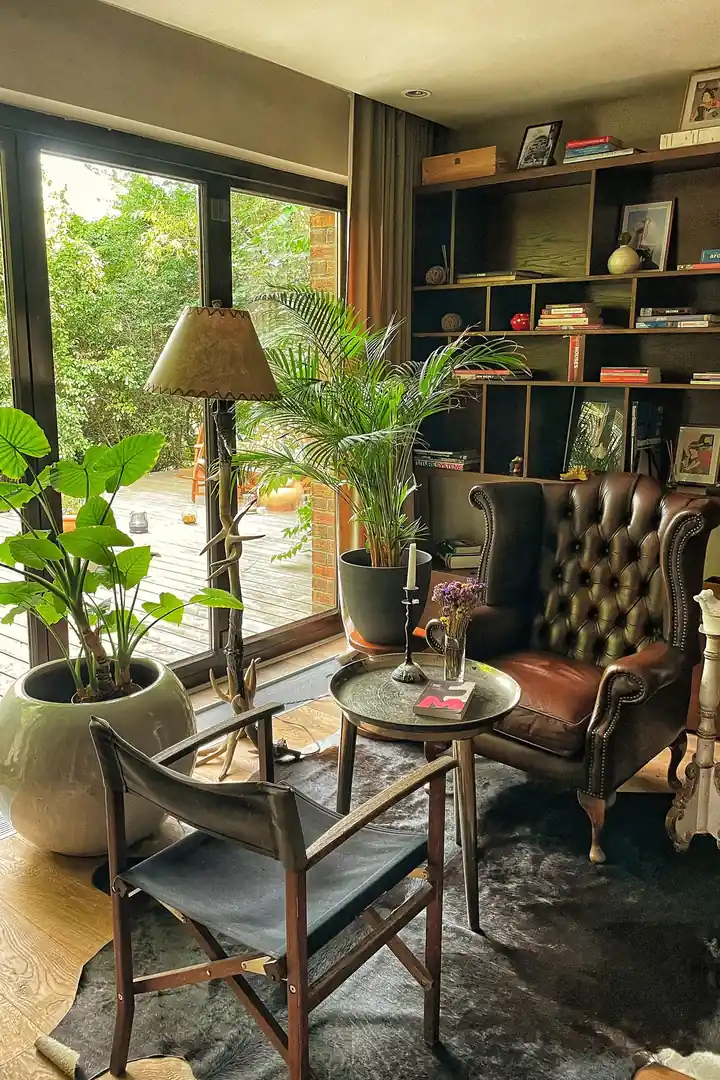
- Pick the chair first, then place light just behind its shoulder.
- Choose a focused lamp with an adjustable head for aimed light.
- Add a tiny side table for a book, a mug, and a phone.
- Layer a soft background lamp so the nook never feels like a spotlight.
A reading nook needs light that serves the reader without washing out the rest of the room. Focused light on the page plus a gentle glow nearby keeps eyes comfortable and the corner inviting. That balance matters more than brightness alone, since a harsh single lamp can make a cozy chair feel like an exam desk.
Warm Versus Cool
Credit: Sami Abdullah
| Feature | Warm Light | Cool Light |
|---|---|---|
| Color temperature | 2700K, golden glow | 4000K+, crisp daylight |
| Best time | Evenings, relaxing | Daytime, detailed tasks |
| Room feeling | Cozy, intimate | Bright, energetic |
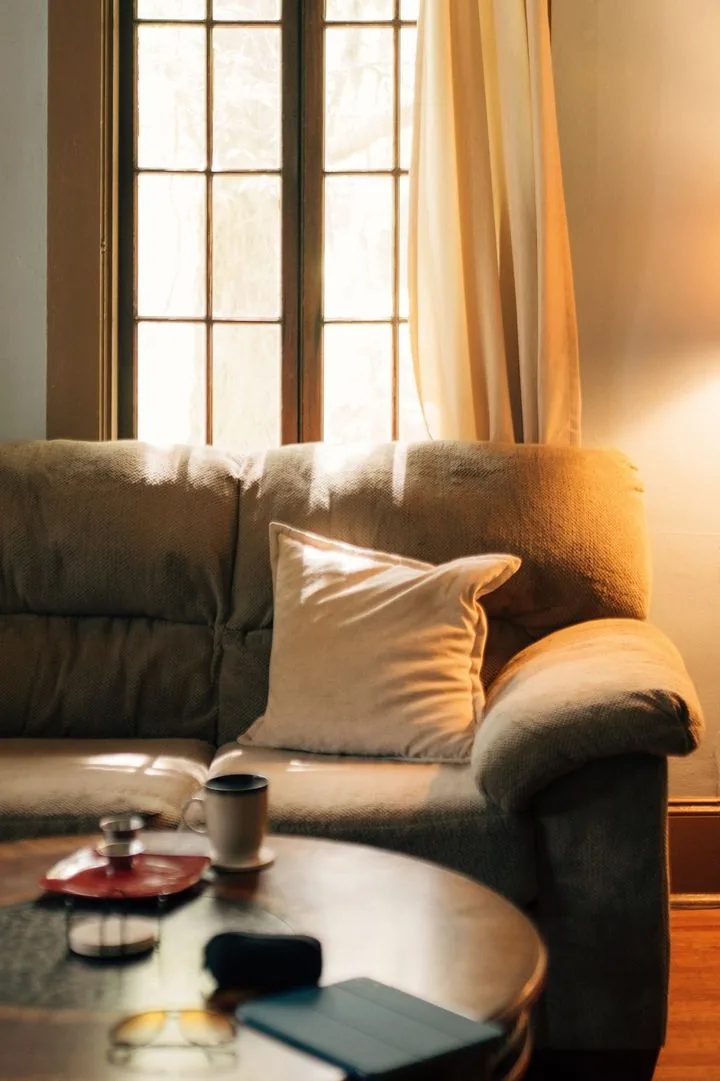
Color temperature quietly decides whether a living room feels like a retreat or a workspace. Warm light relaxes the eye and flatters wood, fabric, and skin tones, which suits evenings and gatherings. Cool light sharpens focus for crafts, homework, and reading fine print. Mixing both through the day, warm at night and cooler by day, gives a room two useful moods. Dim the ceiling light low tonight and let two lamps carry the room, then notice how much softer faces and colors look.
Sconce Styling Rules

Credit: Pușcaș Adryan
Do:
- Mount sconces at eye level, around 60 inches from the floor.
- Flank a sofa, a mirror, or art with a matching pair.
- Use warm bulbs so wall light feels soft, not clinical.
Don’t:
- Place sconces where they shine straight into seated eyes.
- Mix wildly different sconce styles on one wall.
- Skip dimmers on hardwired sconces near a TV wall.
Wall sconces add a layer of light without taking floor or table space, which makes them ideal for small rooms and narrow walls. A pair beside a fireplace or above a console creates symmetry and a gentle wash of light that overhead fixtures miss. Plug-in sconces offer the same look without an electrician, so renters can enjoy the effect too.
Layered Lighting Facts

Credit: Oliver Atherton
Cost: A basic three-layer setup starts near the price of one good floor lamp.
Time: Most lamp layers take under an hour to place and plug in.
Skill Level: Beginner friendly, no wiring needed for plug-in layers.
Best For: Living rooms that feel flat or harsh after dark.
Three layers beat one bright fixture in almost every living room. Overhead light covers general brightness, lamps add warmth at seating height, and accents draw the eye to favorite details. That combination hides flaws, deepens color, and makes a room feel finished even when furniture stays simple, budgets stay modest, and lighting stays warm.
Statement Pendant Glow
Credit: Oladimeji Ajegbile
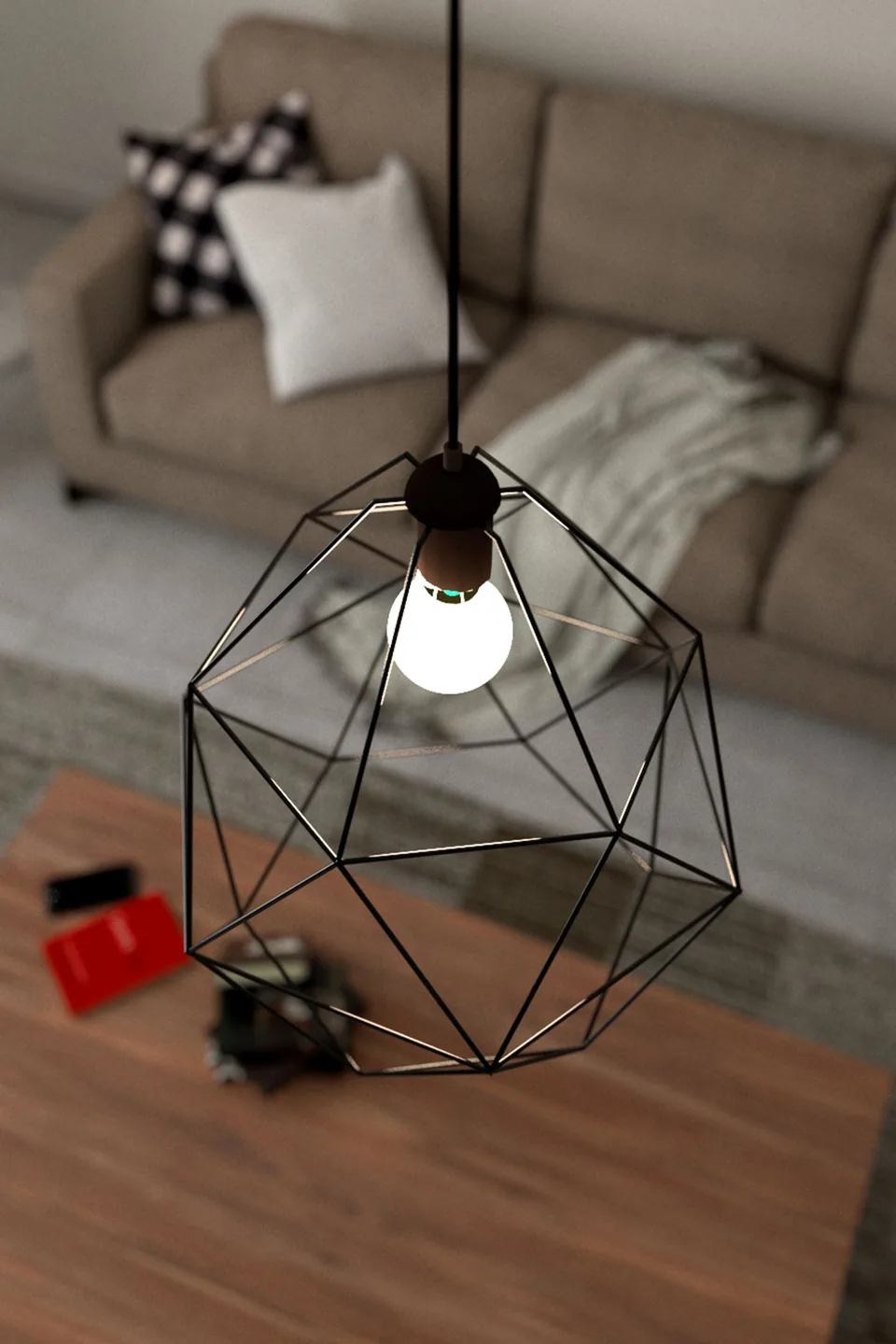
A pendant gives a living room a centerpiece that also earns its keep as light. Hung low over a coffee table or a reading chair, it creates a pool of warm light that anchors the seating area and draws the eye downward into conversation. The trick lies in scale: a pendant too small vanishes, while one too large crowds the ceiling line.
Choose a shade that hides the bulb from seated sightlines, then hang it near 30 inches above a table surface for a comfortable glow. Woven, glass, and metal shades each shape light differently, so pick the mood first and the material second. I’ve noticed rooms with a single strong pendant feel more intentional than rooms with scattered small fixtures.
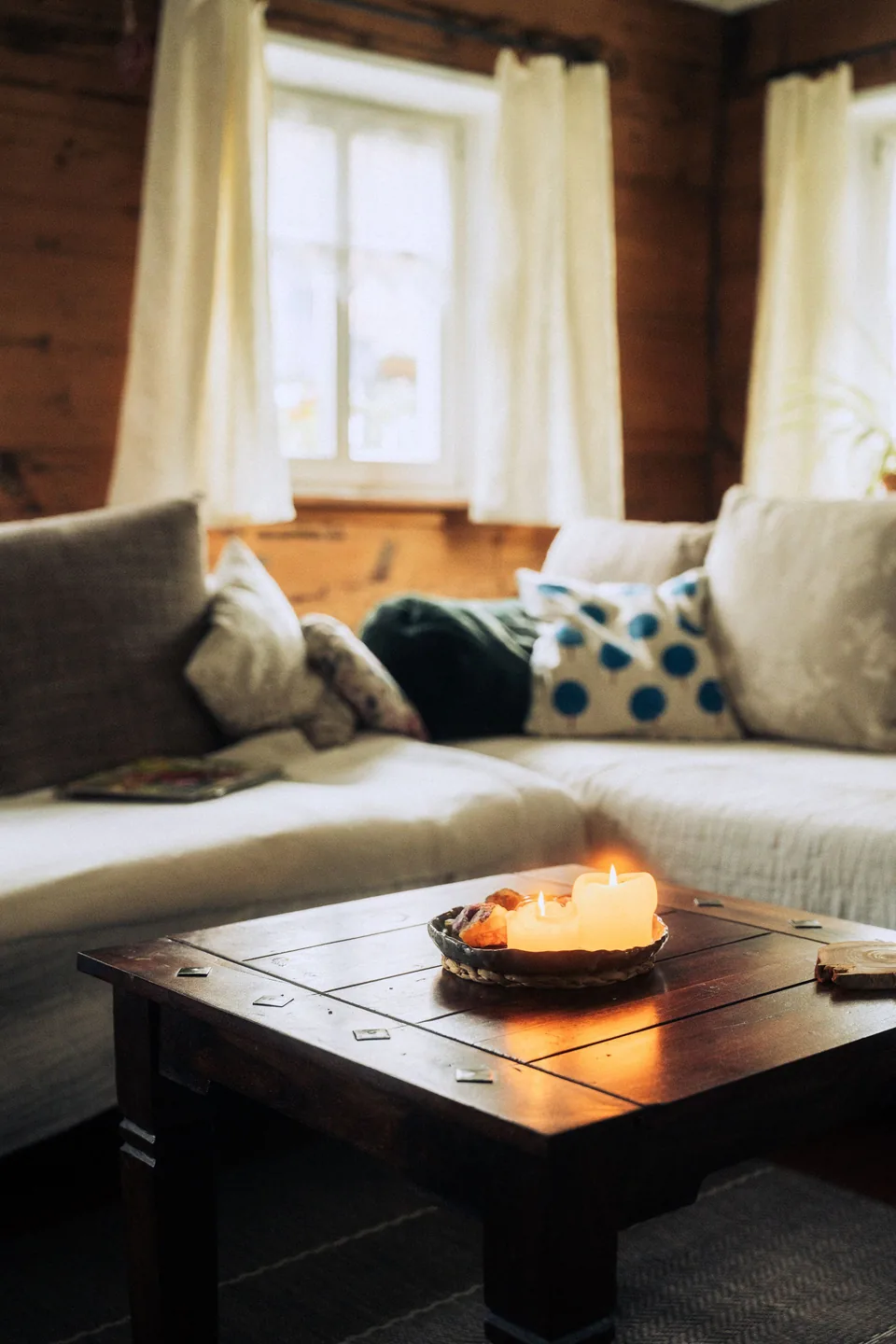
Candlelight Evening Layers
Credit: Naro K
- Group candles in odd numbers for a natural, relaxed display.
- Use flameless candles near curtains, books, and curious pets.
- Place a tray under candles to protect wood and fabric surfaces.
- Mix pillar heights so the glow feels layered, not flat.
Candlelight is the oldest layer of living room light, and it still works because flames flicker at eye level and warm the whole mood of a room. Real candles suit mantels and sturdy trays, while flameless versions offer the same glow in homes with kids or pets. Either way, candlelight pairs beautifully with dimmed lamps for slow evenings. Keep a lighter or matches in the same tray so the ritual stays easy every night.
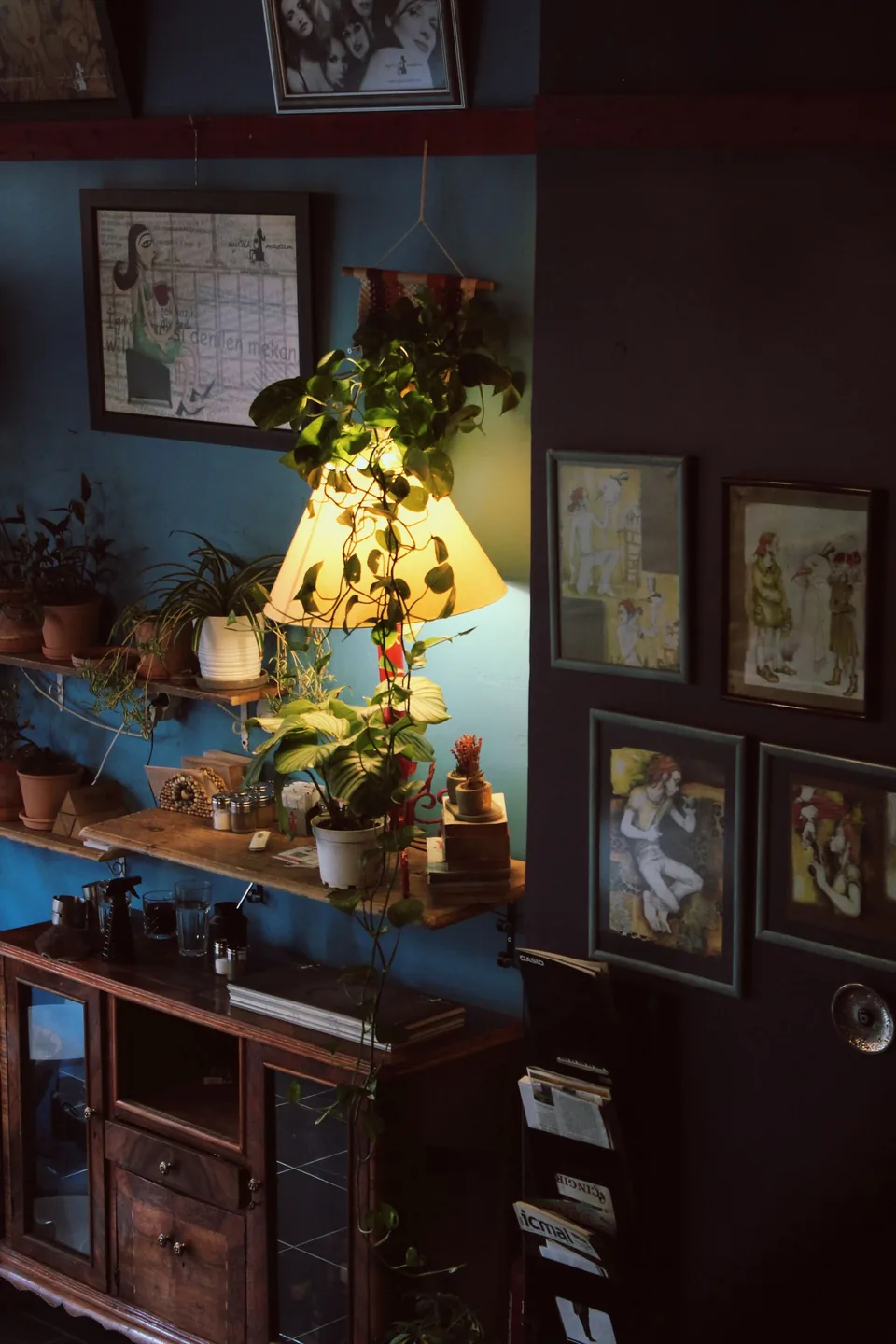
Picture Light Accents
Credit: Dilara Aksoy
Quick Tip: Mount a picture light slightly above the frame and tilt it down so light washes the art without bouncing glare into the room. Battery picture lights make the effect possible on any wall, and warm bulbs keep colors rich instead of washed out.
Art deserves its own light, since a dark painting or a row of photos can vanish after sunset even in a bright room. A slim picture light turns a gallery wall into a focal point and adds a refined layer that guests notice without knowing why the wall suddenly looks gallery ready. Keep the glow subtle so the art, not the fixture, holds attention.
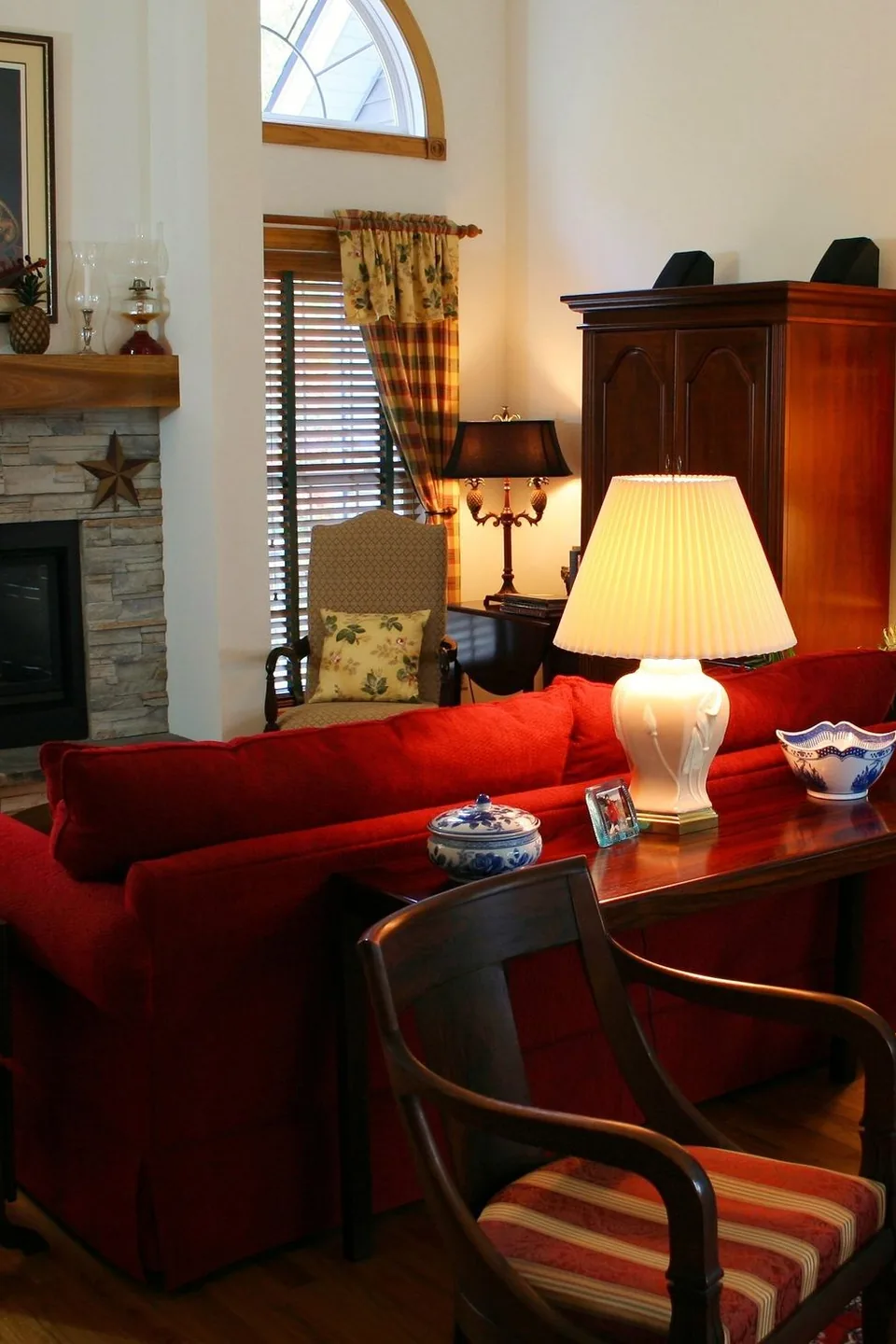
Dark To Glowing
Credit: Pixabay
BEFORE: Evenings in this room meant one ceiling light and deep shadows in every corner. The sofa area felt exposed, the bookcase disappeared, and guests drifted toward the kitchen, where the light felt kinder.
AFTER: Lamps on side tables, a floor lamp by the chair, and a small accent light on the shelves changed the whole evening. Shadows softened, the room felt larger, and people stayed put. That shift shows why layered lighting living room ideas matter more than any single fixture choice.
Rooms rarely need more light; rooms need light in more places. Spreading modest brightness across three heights removes harsh contrast and lets each zone feel cared for. Start with one lamp, live with it for a week, then add the next layer where darkness still gathers.
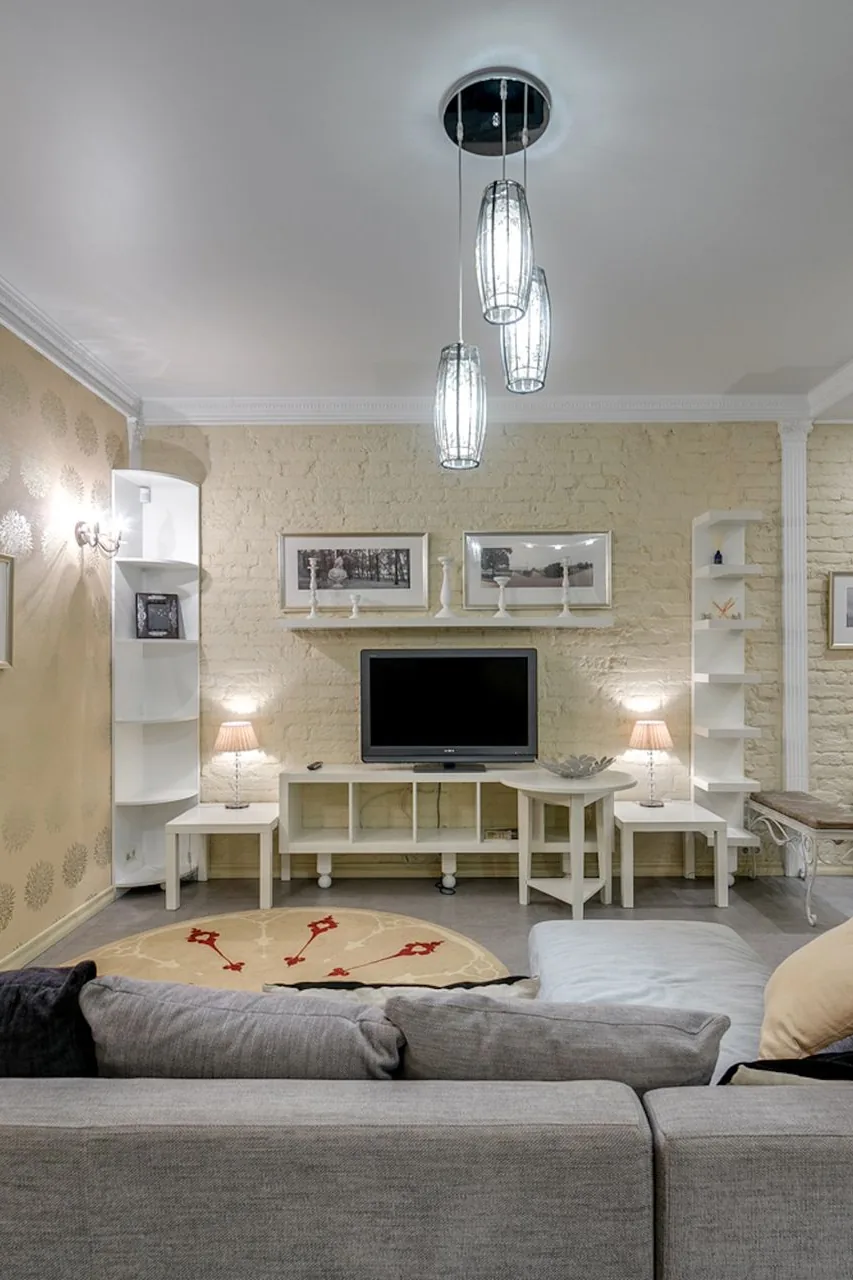
Layering Steps Guide
Credit: Алан Албегов
- Set overhead light first for general, even brightness.
- Add task lamps beside every seat used after dark.
- Place accent lights on shelves, art, and plants.
- Put dimmers or smart plugs on each layer for control.
- Walk the room at night and fill any remaining dark gaps.
Layering works best as a sequence rather than a shopping spree. Overhead light first, then task light, then accents, with a night walk to check the result. That order keeps spending focused and prevents the common mistake of buying matching lamps that all serve the same height and leave the ceiling dark. Write the layers down before shopping so each purchase fills a real gap.
Lamp Versus Overhead
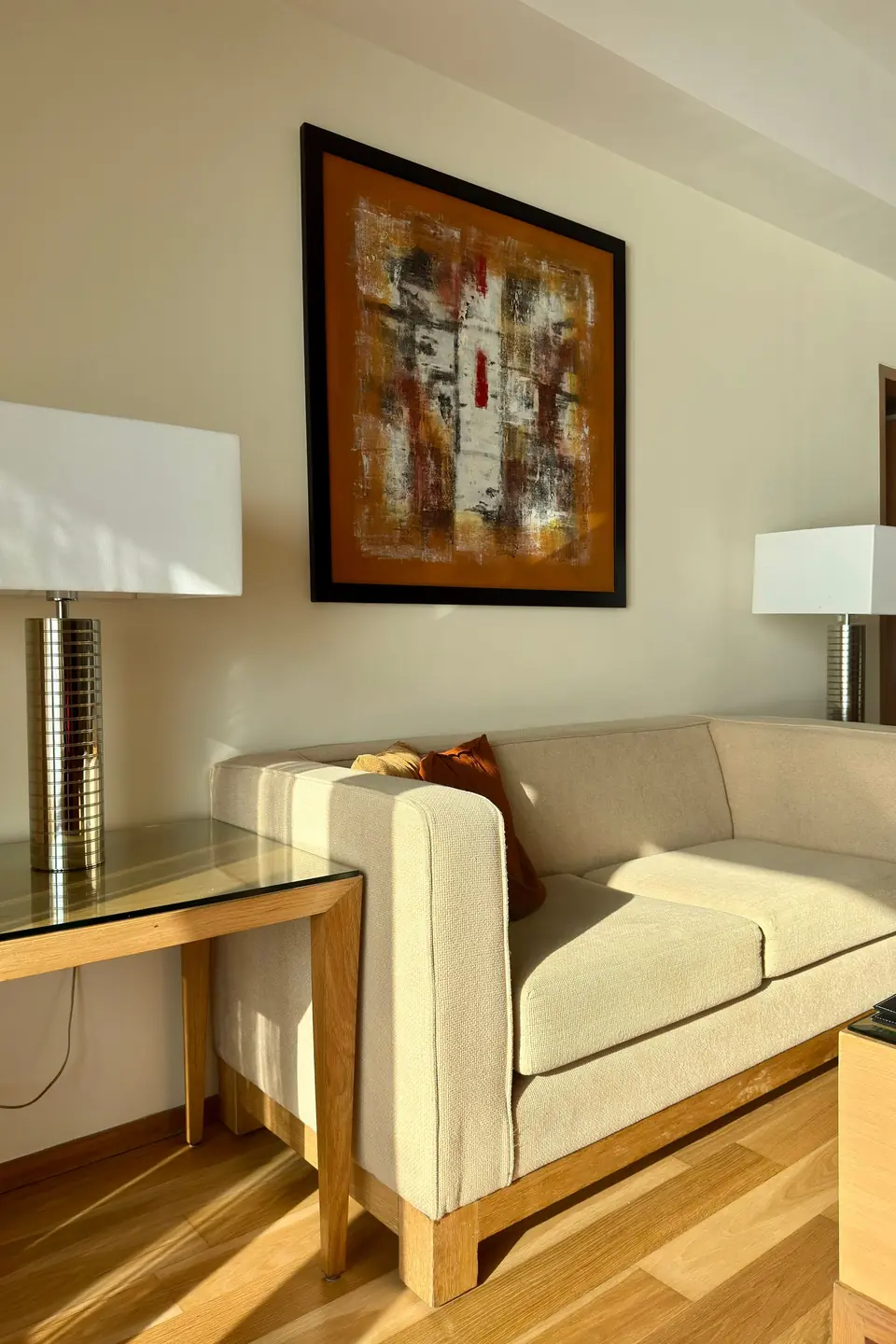
Credit: Nihar Manyalli
| Feature | Lamps | Overhead Light |
|---|---|---|
| Light height | Seating level, warm pools | Ceiling level, broad wash |
| Best use | Reading, relaxing, talking | Cleaning, hosting, cooking |
| Mood | Intimate, calm | Bright, open |
Lamps and overhead fixtures serve different jobs, and a room needs both to feel complete. Overhead light covers the whole space for busy moments, while lamps create intimate zones for quiet ones. Leaning on only one type leaves a room either too flat or too dim, so the sweet spot sits in pairing them and dimming each to suit the hour. Walk the room after dark and check each seat: if one spot still feels dim, a small lamp there beats a brighter ceiling bulb every time.
Cozy Corner Rules
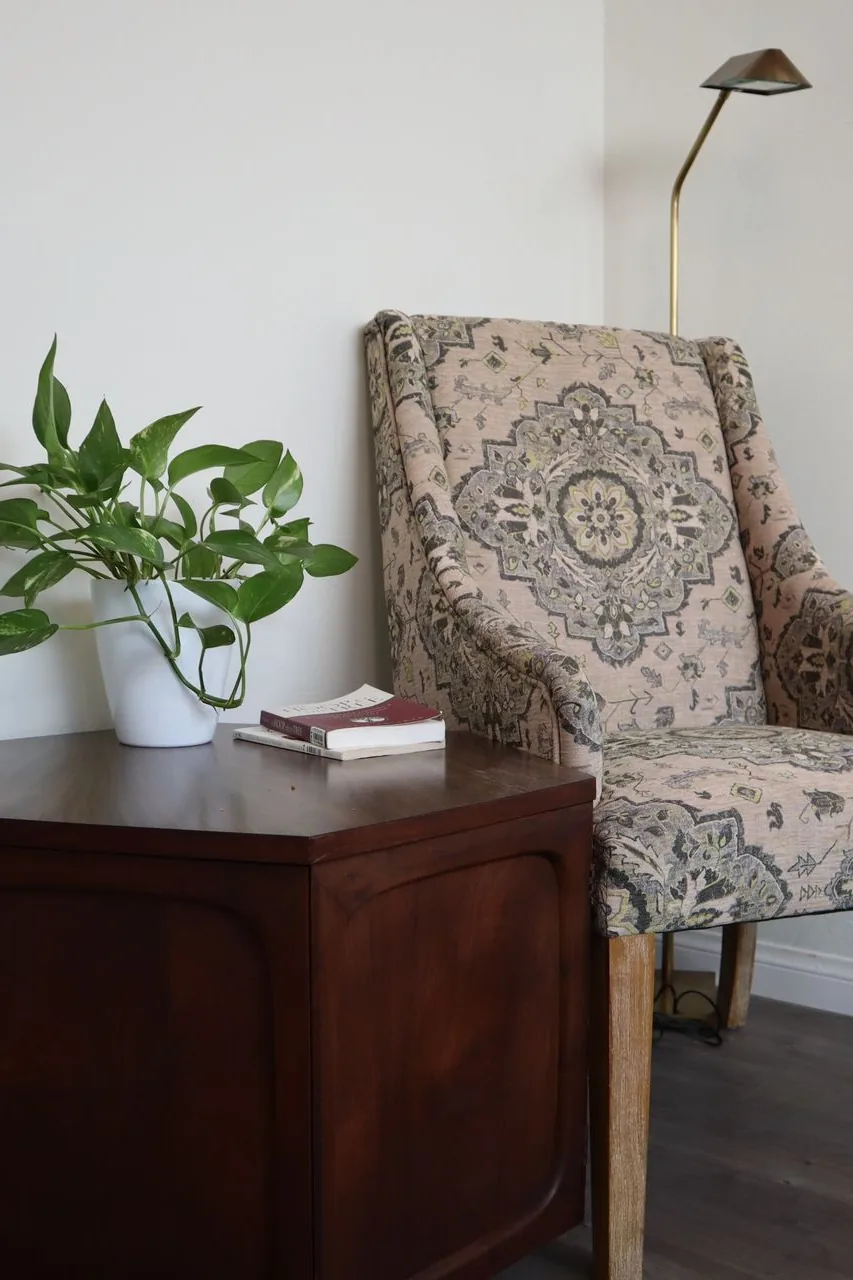
Credit: Maeve Nguyen
Do:
- Anchor the corner with one chair, one lamp, and one small table.
- Keep the lamp shade at seated eye level for comfortable light.
- Add a plant or a stack of books to soften the lamp glow.
Don’t:
- Crowd the corner with three competing light sources.
- Point a bare bulb toward the main seating area.
- Hide the corner behind heavy curtains that block lamp light.
A cozy corner needs restraint more than gear. One warm lamp, one comfortable seat, and one surface for a drink create a spot people actually use. For kitchens that need the same warm balance, see these modern traditional kitchen design ideas that mix classic details with soft, modern light.
Lighting Budget Facts
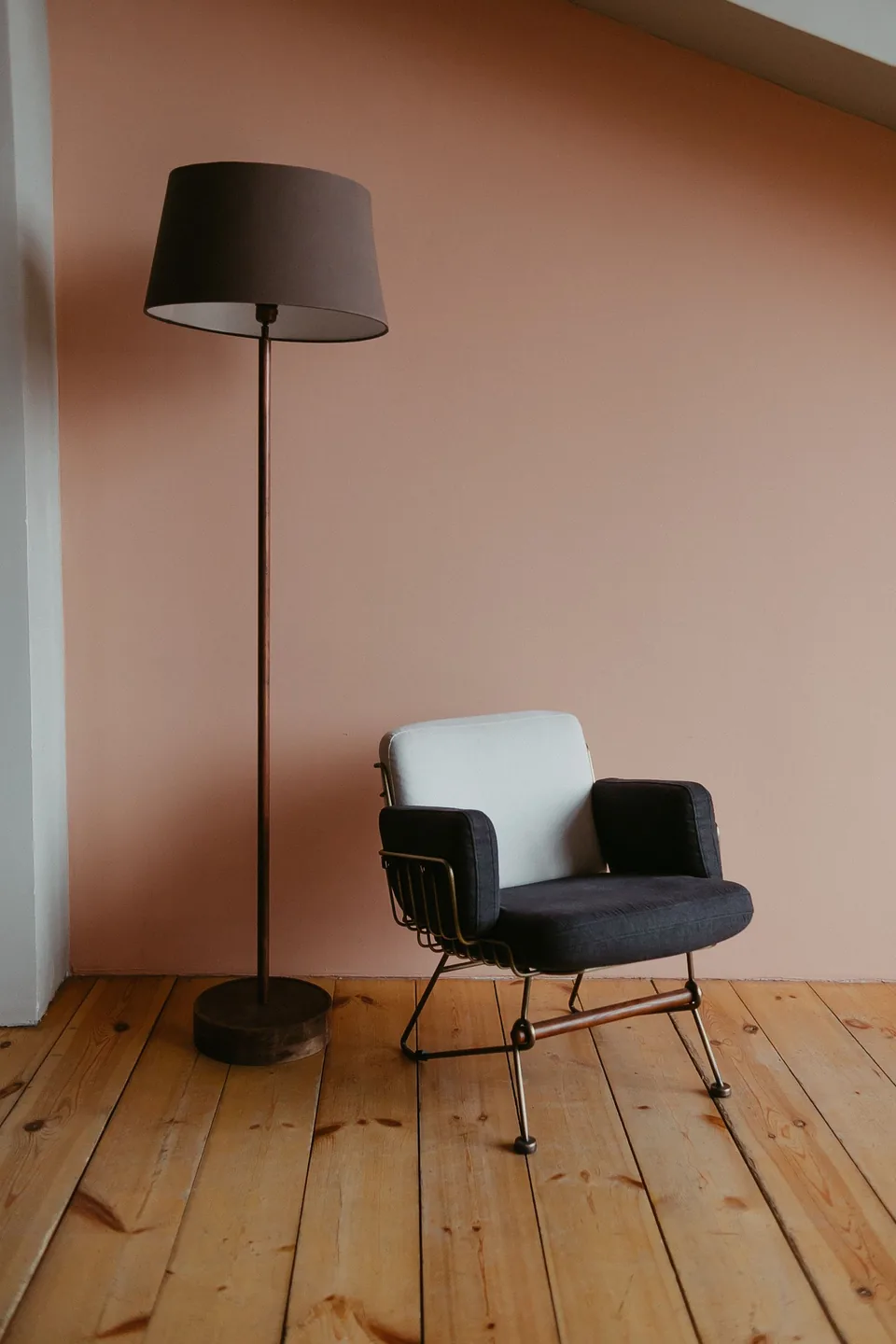
Credit: Mila Popova
Cost: Thrifted lamps plus warm bulbs can layer a room for very little.
Time: A full budget refresh fits easily into one weekend afternoon.
Skill Level: Beginner friendly, with no tools beyond a screwdriver.
Best For: Renters and first homes that need warmth fast.
Budget lighting rewards patience more than spending. Secondhand lamps, sale shades, and warm bulbs transform a room for a fraction of designer prices, and plug-in options avoid electrician bills entirely. Focus money on bulbs and dimmers first, since light quality shapes a room more than fixture labels ever will. Check thrift shops and clearance racks often, since good lamps appear there regularly.
String Light Charm
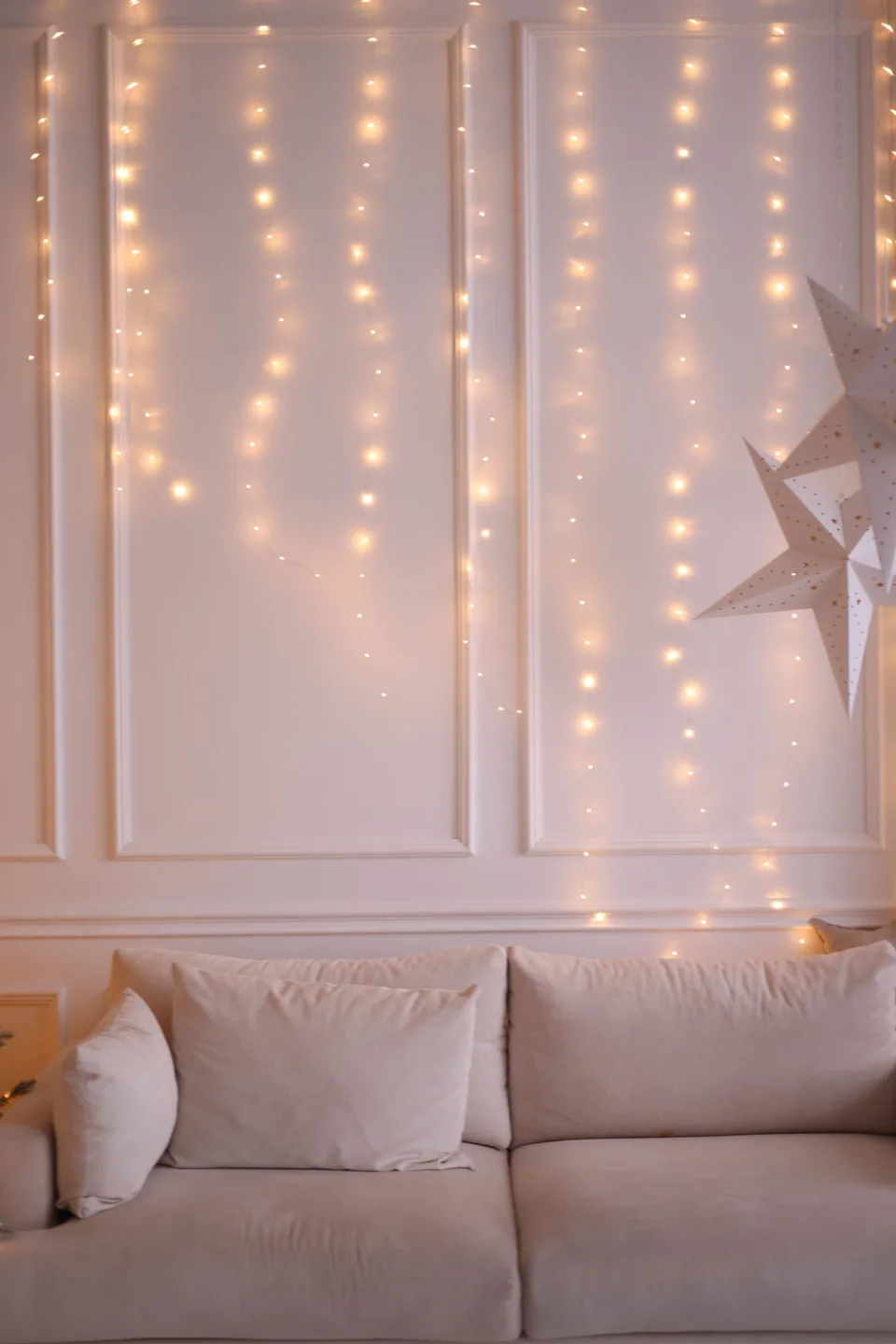
Credit: Valeria Boltneva
String lights belong beyond holidays when the bulbs stay warm and the strands stay tidy. Draped along a shelf, a window frame, or a mantel, they add a gentle sparkle layer that overhead lights and lamps rarely provide. The glow feels festive without shouting, and it flatters plants, photos, and textured walls nearby.
Keep strands short and hidden at the plug end so the light, not the wire, draws attention. Warm white beats multicolor for everyday rooms, and a timer keeps the glow effortless after dark. That’s why many experts recommend string lights as a low-cost fourth layer in rooms that already have overhead, lamp, and accent light.
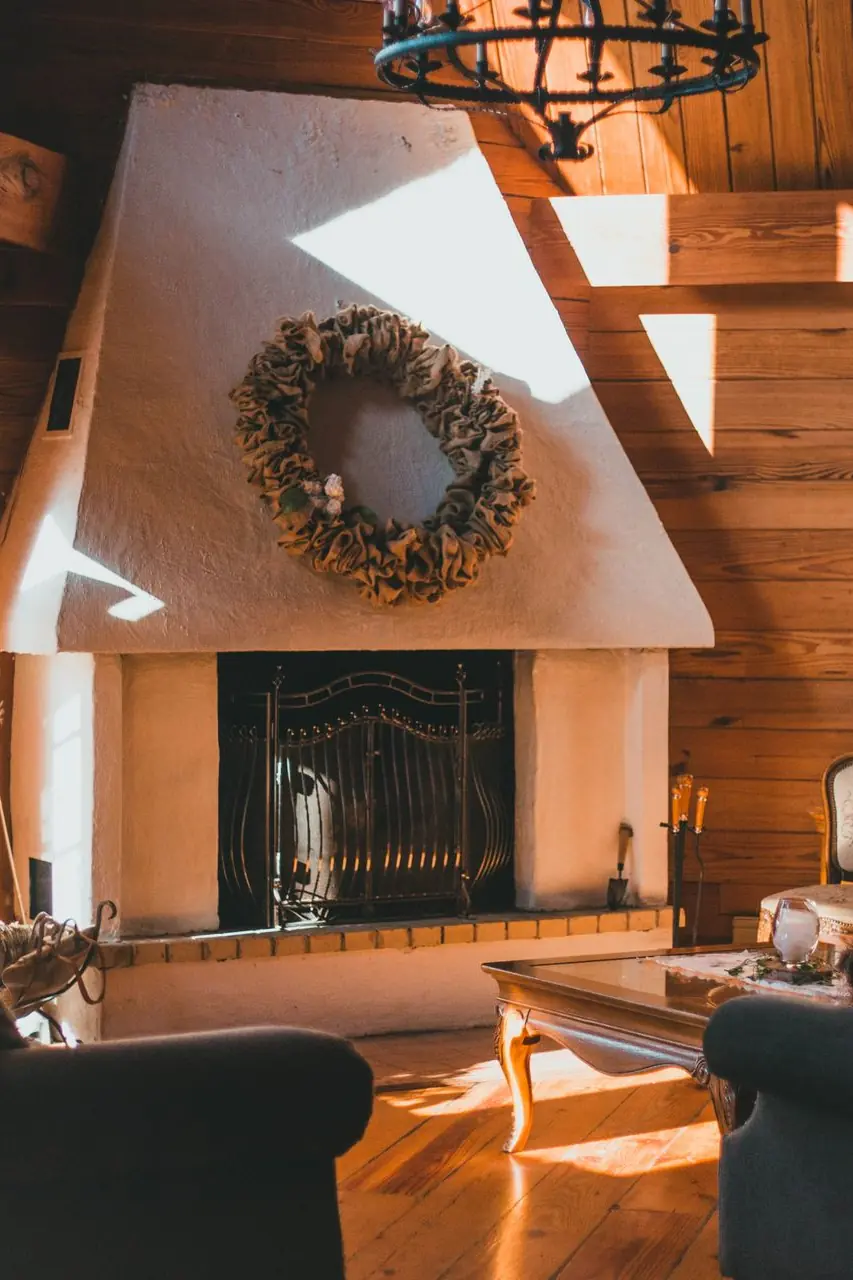
Fireplace Glow Layers

Credit: Erik Mclean
- Let firelight lead, then keep lamps low so flames stay visible.
- Place one lamp on each side of the mantel for symmetry.
- Use candles on the mantel only with a sturdy, heat-safe tray.
- Dim overhead lights fully when the fire is lit.
A lit fireplace already gives a living room a living layer of light, and the rest of the room should support it rather than compete with it. Low lamps beside the mantel keep seating readable without washing out the flames, while a dark ceiling lets the fire own the evening. The result feels gathered and calm, like the room itself is settling in.
Seasonal Light Refresh
Credit: Erik Mclean
Quick Tip: Swap cool daylight bulbs for warm ones as days shorten, and move a lamp closer to the seat used most in winter. A small change in bulb color and lamp placement can make a familiar room feel new for the season without buying a single fixture.
Light needs shift with the seasons, since summer evenings stay bright late while winter afternoons fade early. A seasonal refresh means checking bulb color, cleaning dusty shades, and repositioning one lamp toward the winter reading spot. Those tiny adjustments keep the room glowing through dark months instead of feeling dim by dinnertime.
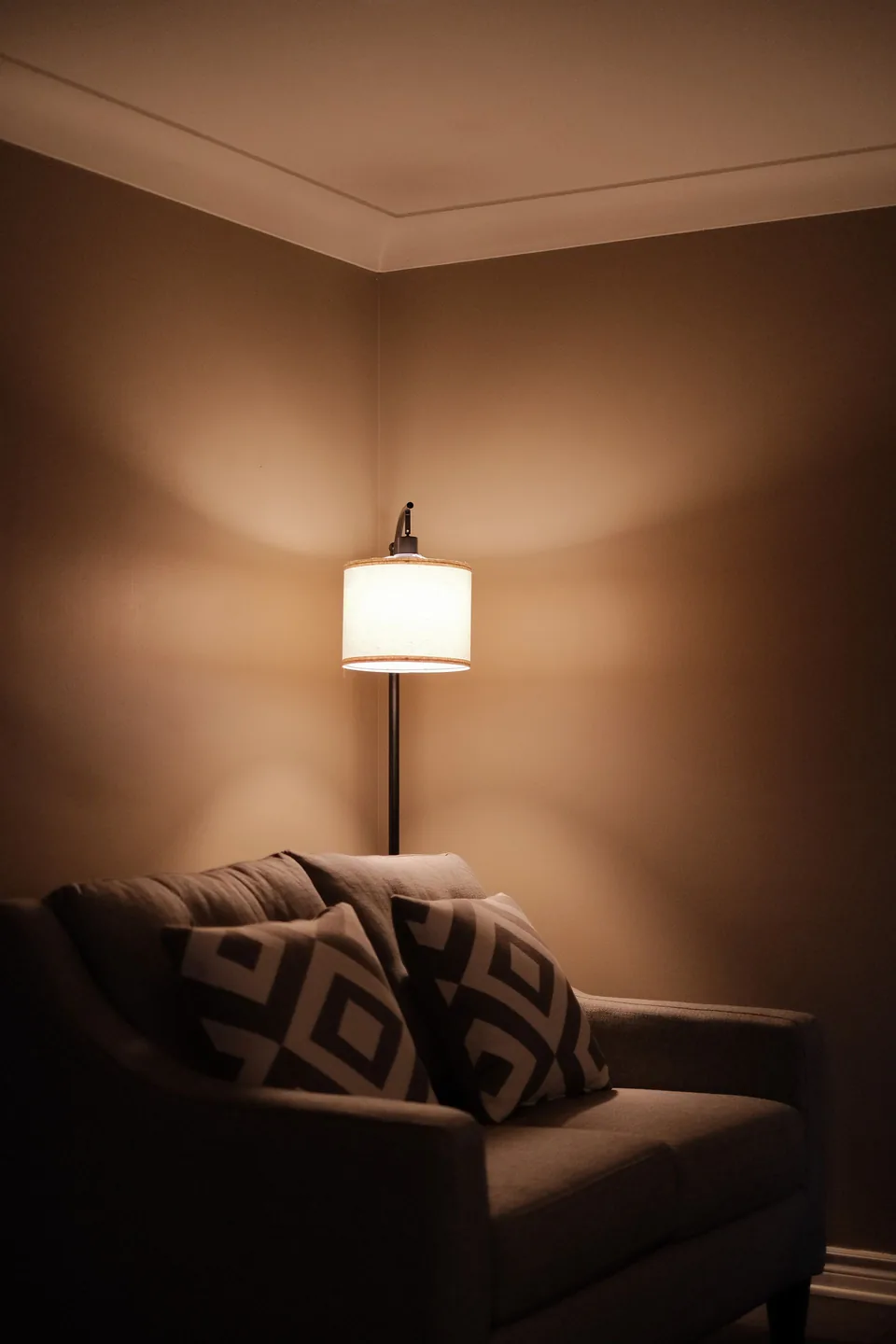
Flat To Layered
Credit: Shan Nir
BEFORE: One ceiling fixture lit the whole room at a single level. Faces looked tired, colors looked washed out, and the corners stayed dark no matter how bright the bulb claimed to be.
AFTER: A dimmed ceiling light, two table lamps, and a shelf accent now share the work. Faces look softer, colors look richer, and the room feels deeper, as though an extra wall of warmth appeared overnight.
Flat light comes from a single source at a single height, while layered light spreads modest brightness across the room. The fix rarely needs rewiring, since plug-in lamps and battery accents add layers anywhere. Begin with seating height, then add wall and shelf glow until no corner feels forgotten.
Evening Routine Steps

Credit: Eddie O.
- Dim overhead lights as soon as dinner ends.
- Switch on table lamps near the main seating spots.
- Light candles or accents for a final soft layer.
- Lower shades and screens so lamp glow leads the room.
An evening lighting routine turns a chore into a small ritual that signals the day is winding down. Dimming overhead light first, then bringing lamps up one by one, lets eyes adjust and moods settle. Families often find that a consistent routine helps kids sleep better and helps adults leave work mode behind. Keep the routine short and simple so it survives busy nights and tired evenings alike.
Bulb Versus Fixture

Credit: Bruna Corrêa
| Feature | Right Bulb | Right Fixture |
|---|---|---|
| Main impact | Color, warmth, brightness | Direction, spread, style |
| Cost | Low, easy to swap | Higher, longer commitment |
| Fixes | Harsh or cold light | Dark corners, glare spots |
Bulbs decide how light feels, while fixtures decide where light goes, and both choices deserve attention. A warm dimmable bulb can rescue a plain fixture, yet no bulb can fix a lamp that points glare into seated eyes. Spend first on bulb color and dimming, then on fixture placement, and the room gains warmth without a renovation budget. Check bulb boxes for color temperature and dimming support before buying, since those two details shape evening comfort most.
Conclusion
Layered light turns an ordinary living room into a place people want to linger, and the method stays simple: overhead light for general brightness, lamps for warmth at seating height, and accents for favorite details. Start with one layer, test it at night, and add the next where darkness still gathers. Save this guide on Pinterest so the ideas stay handy when lamp shopping starts, and share the glow with a room that deserves it. With a little patience, layered lighting living room ideas can make every evening at home feel softer, warmer, and more welcoming.