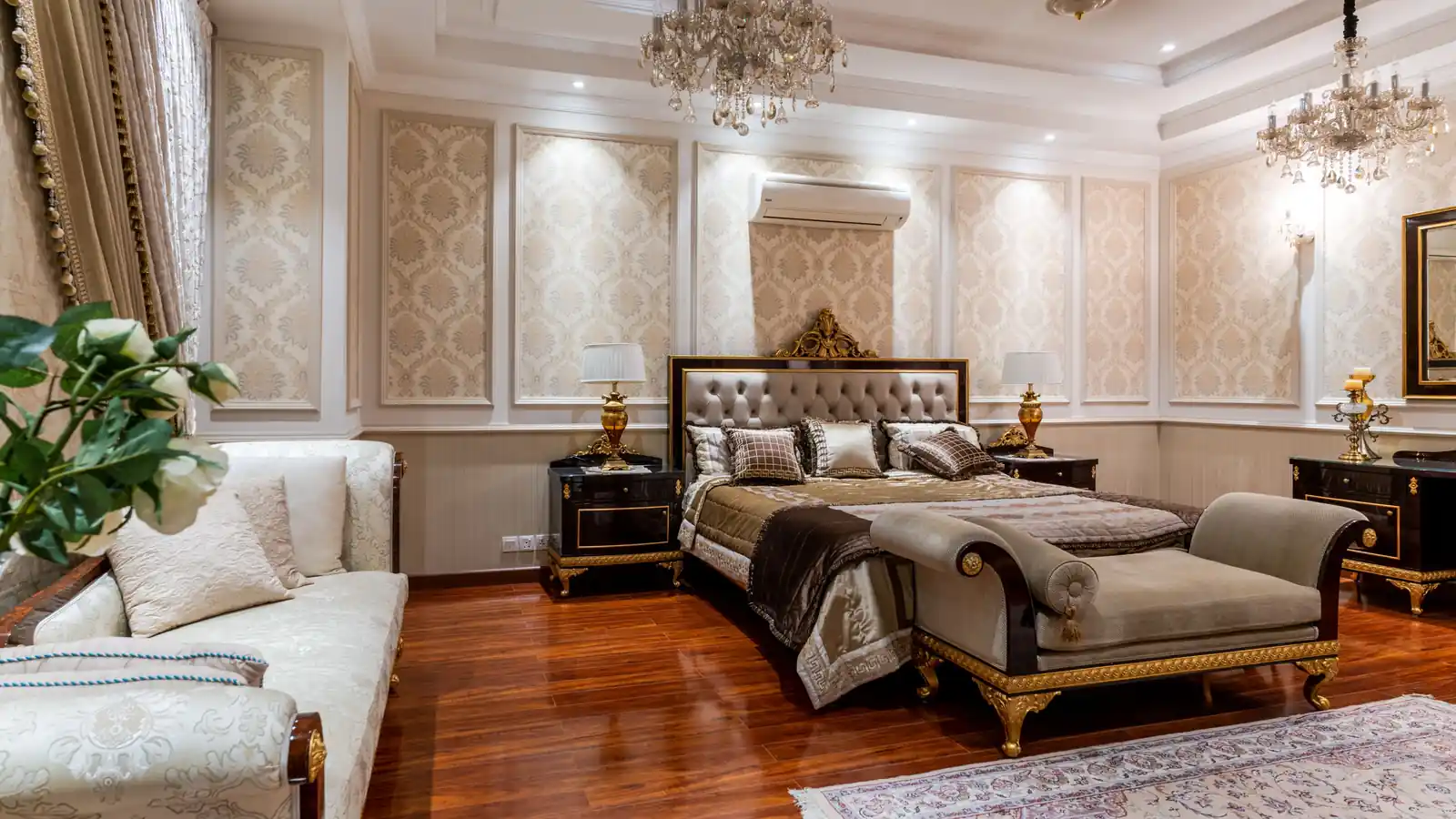
23 Vintage Bedroom Furniture Ideas for Classic, Lasting Charm
Bedrooms with soul rarely come from a single shopping trip, and vintage bedroom furniture ideas prove that character beats perfection every time. A carved headboard, a dresser with a past, or a mirror that has watched decades pass can turn a plain room into a place with a story. The sections below show how to mix those finds with everyday comfort, so the room feels collected, warm, and easy to live in rather than staged or fussy.
Each idea keeps one foot in the past and one in the present, pairing old pieces with fresh bedding, soft light, and breathing room. The goal is a bedroom that looks like it grew over time, not one that was decorated in a weekend. For a different take on blending old and new, see these modern traditional kitchen design ideas, which use the same balance of classic detail and clean lines in another room of the home.
Ornate Wooden Headboards

Credit: Chris Brown
A carved wooden headboard changes a bedroom the moment it enters the room, because the eye lands on craftsmanship before anything else. Deep scrollwork, turned posts, and a warm patina give the bed a presence that flat modern frames simply cannot match, Pair the piece with crisp white bedding so the carving stays the star, then add one textured throw for softness without clutter.
Scale matters more than ornament here. A tall headboard suits a room with generous ceiling height, while a lower carved panel works better in a cozy space where a towering frame would crowd the wall. Keep wall art minimal nearby, letting the woodwork breathe, and choose bedside lamps that echo its finish rather than competing with it. The result feels intentional, grounded, and quietly grand.
Antique Dresser Styling

Credit: Max Vakhtbovych
- Anchor the dresser with a mirror or framed art hung just above it.
- Group objects in odd numbers, varying heights for a natural rhythm.
- Leave one stretch of surface empty so the piece itself can breathe.
- Use a tray to gather small items like jewelry, keys, and perfume.
- Swap drawer pulls only if the originals are broken or missing.
An antique dresser earns its place through proportion and patina, not through fuss. The wood tells its age through nicks and color shifts, and those marks read as warmth rather than wear when the styling stays calm. Keep the top edited to a few loved objects. In my experience, a dresser styled this way becomes the quiet anchor of the whole room.
Vintage Nightstand Pairing
Credit: Fadime Demirtaş
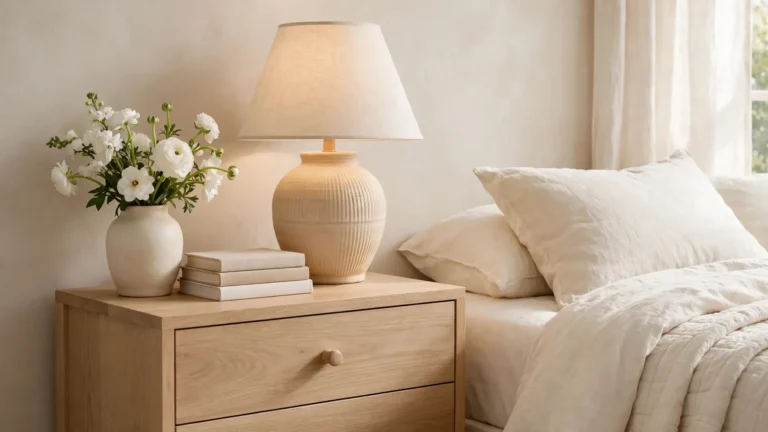
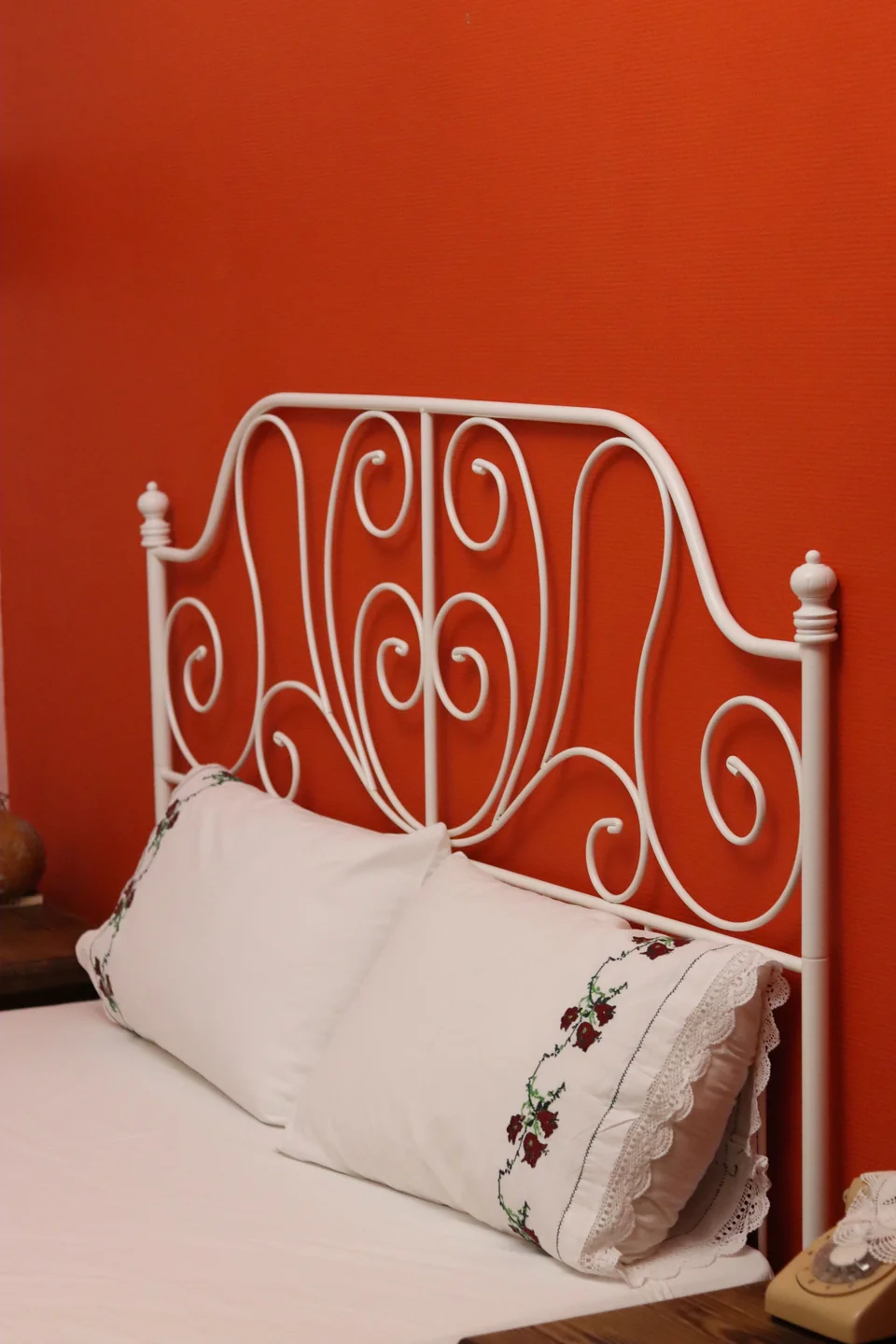
Quick Tip: Mismatched nightstands look deliberate when they share one trait, such as wood tone, height, or hardware finish. Match the lamp shades instead of the tables, and the pair reads as a thoughtful collection rather than a mistake. Keep both surfaces clear except for a lamp, a book, and a glass of water.
Nightstands set the rhythm of a bedroom, framing the bed like quiet bookends. Vintage pairs rarely match perfectly, and that slight difference adds charm when the heights stay close. A taller table on one side can hold a reading lamp, while the lower one keeps essentials within reach. The trick is balance, not symmetry, and a shared finish ties the whole arrangement together beautifully.
Dated To Distinguished
Credit: Max Vakhtbovych
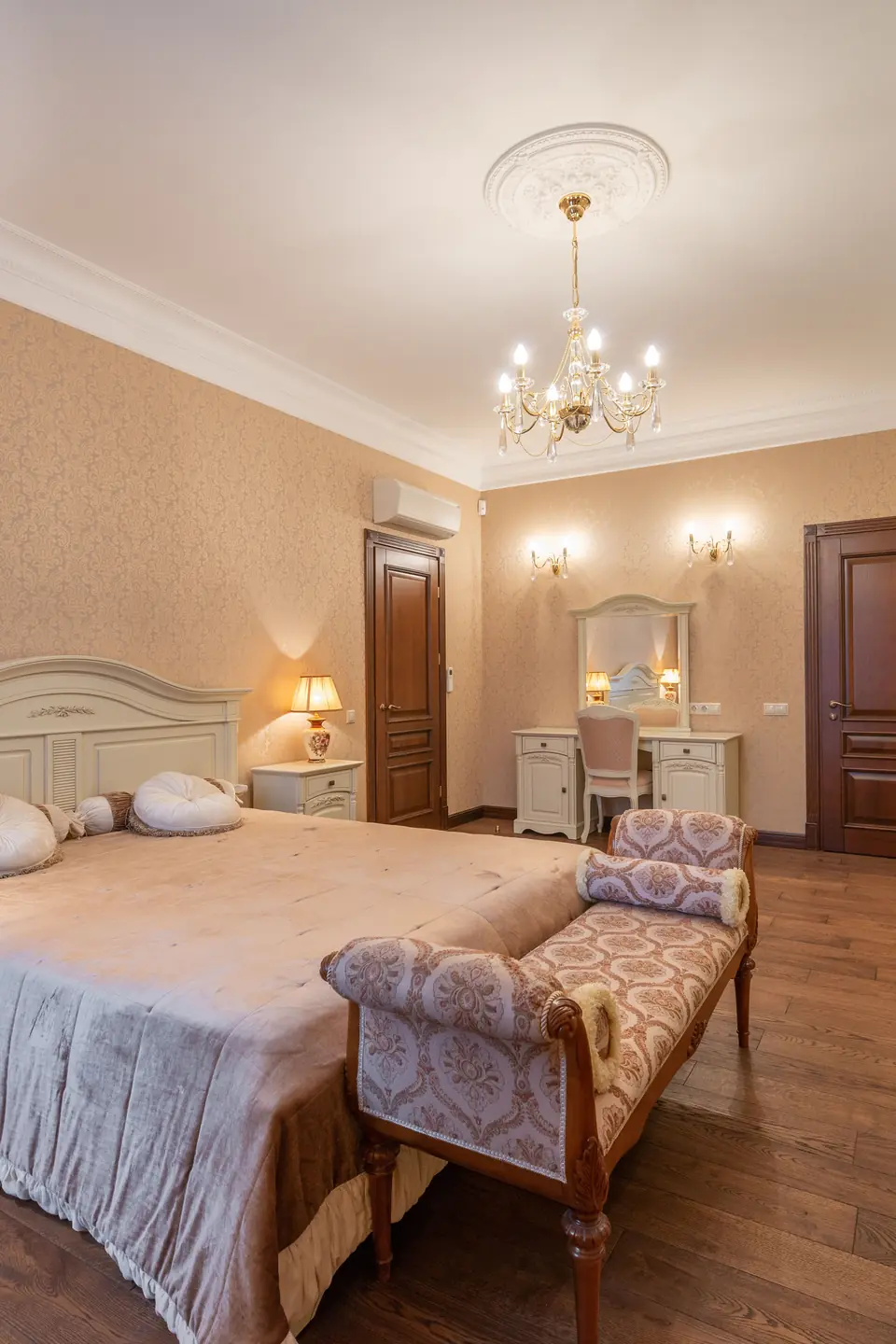
BEFORE: The room felt heavy and dim, with a scratched dark bed frame, dated floral bedding, and crowded nightstands that left no room to breathe. Nothing matched, yet nothing stood out either, and the space read as tired rather than timeless.
AFTER: A gentle refinishing brought the bed frame back to life, fresh linen bedding lightened the whole room, and edited nightstands gave each piece space to shine. The same furniture now feels distinguished, warm, and intentional.
Transformation rarely needs new furniture, just new eyes. Sanding out scratches, swapping tired bedding, and removing one or two crowded objects can shift a room from dated to distinguished in a single weekend. Keep the pieces with good bones, and let light, linen, and breathing room do the rest of the work.
Restoring Old Pieces
Credit: Semih Başaran
- Clean the piece gently with mild soap and a soft cloth first.
- Test any finish in a hidden spot before touching visible surfaces.
- Repair wobbly joints with wood glue and clamps, not nails.
- Touch up scratches with a matching stain pen or wax stick.
- Seal the work with paste wax for a soft, authentic sheen.
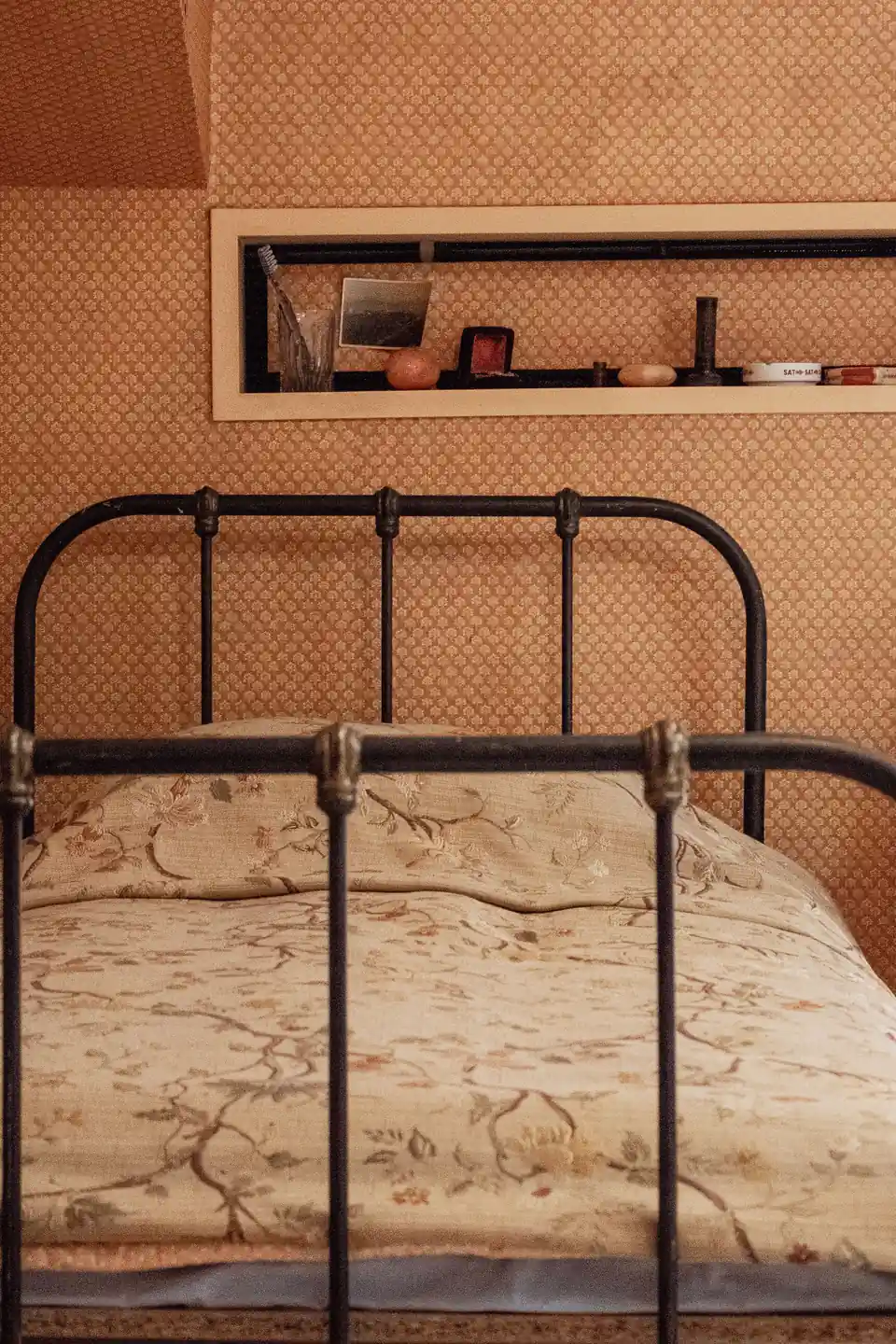
Restoration rewards patience more than skill. Most vintage pieces need cleaning and minor repair rather than a full refinish, and keeping the original patina preserves both value and character. Work slowly, one drawer or panel at a time, and stop before the piece looks new. A restored dresser or bed should look loved, not remade, and that restraint is what keeps its story intact.
Walnut Versus Oak
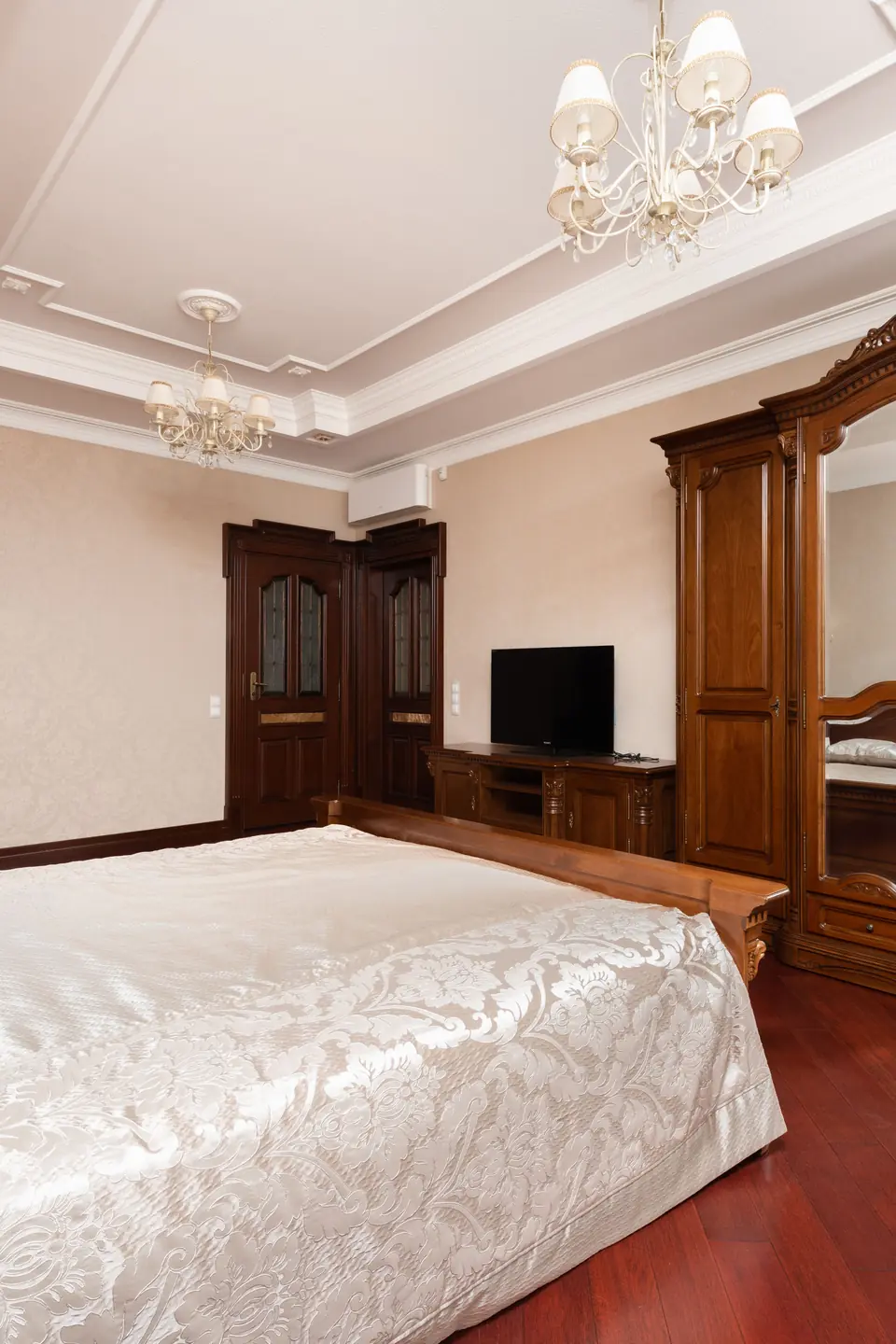
Credit: Max Vakhtbovych
| Feature | Walnut | Oak |
|---|---|---|
| Color | Deep chocolate brown | Warm honey tones |
| Grain | Straight and elegant | Bold and visible |
| Feel | Rich and formal | Light and casual |
| Best pairing | Cream and brass accents | Linen and soft greens |
Walnut brings drama to a bedroom, its dark tones grounding pale walls and light bedding with instant sophistication. Oak feels lighter and more casual, with visible grain that suits relaxed, cottage-style rooms. Walnut pairs beautifully with brass and cream, while oak loves linen and soft greens. Neither wood wins outright; the right choice depends on the mood the room should carry, and mixing the two works when one clearly leads.
Mixing Eras Gracefully
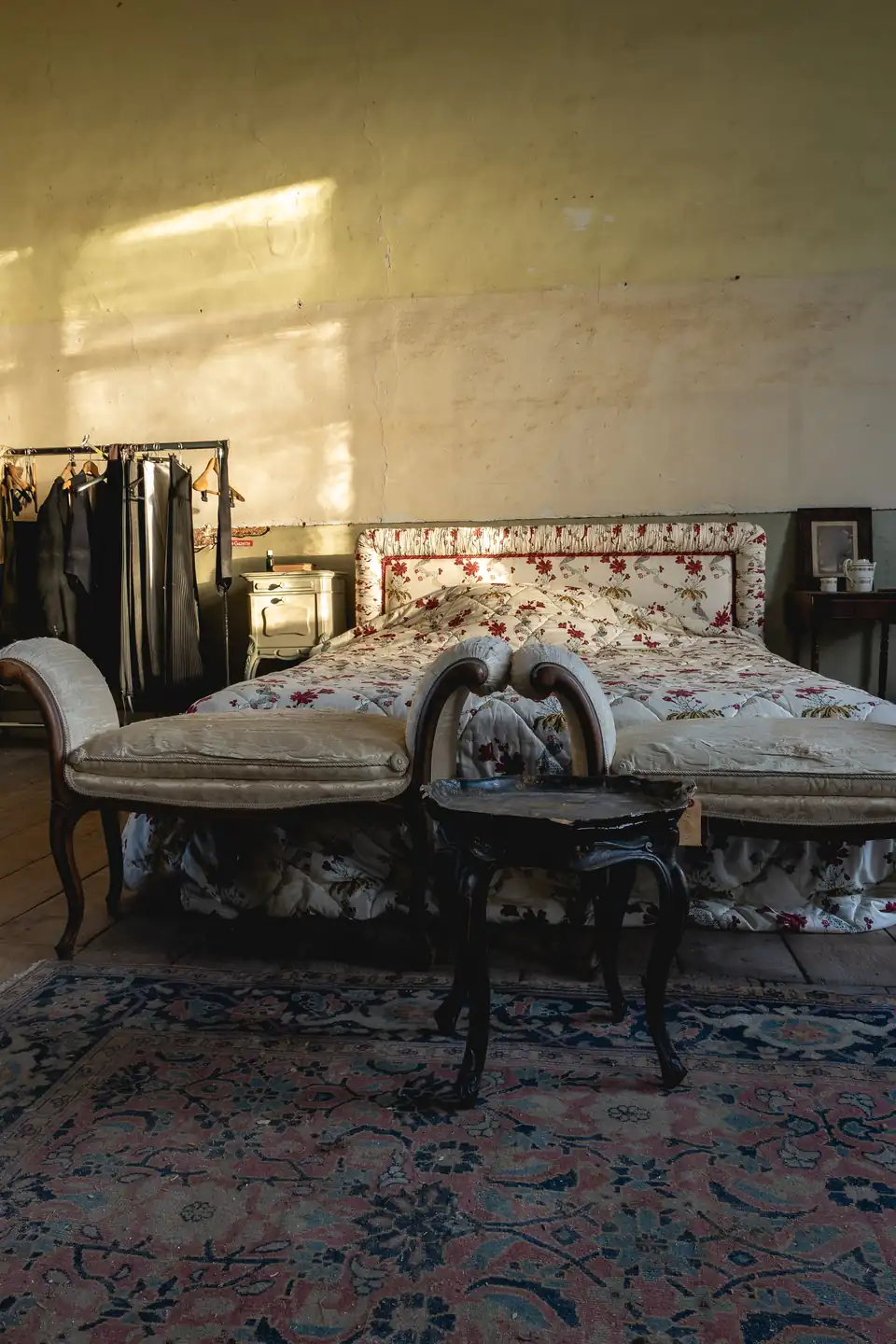
Credit: Sonny Vermeer
Do: Let one era lead, with other pieces playing supporting roles.
Do: Repeat a finish or color across decades to tie pieces together.
Do: Keep bedding simple so mixed furniture stays the focus.
Don’t: Crowd every decade into one room at once.
Don’t: Match everything, or the room loses its collected feel.
Don’t: Hide vintage pieces behind modern clutter and cords.
Mixing eras works when the room has a clear anchor, usually the bed, and everything else supports it. A Victorian headboard can sit happily beside a mid-century lamp when both share warm wood tones or brass details. The eye needs a thread to follow, and a repeated finish provides it. I’ve noticed that rooms mixing eras feel most alive when they leave space around each piece.
Vintage Furniture Facts

Credit: Eugenia Remark
Cost: Quality vintage pieces often cost less than new reproductions.
Time: Sourcing a full room can take weeks of patient hunting.
Skill Level: Beginner friendly, with basic cleaning and minor repairs.
Best For: Bedrooms that need warmth, character, and a collected feel.
Vintage furniture carries history in its joints and grain, and that history is part of its appeal. Solid wood construction means many old pieces outlast modern flat-pack furniture by decades, and their weight alone signals quality. Sourcing takes patience, since the right dresser or bed rarely appears on the first hunt. Yet the search itself becomes part of the room’s story, and each find arrives with a past that new furniture cannot offer.
Carved Four Poster Beds
Credit: Michael D Beckwith
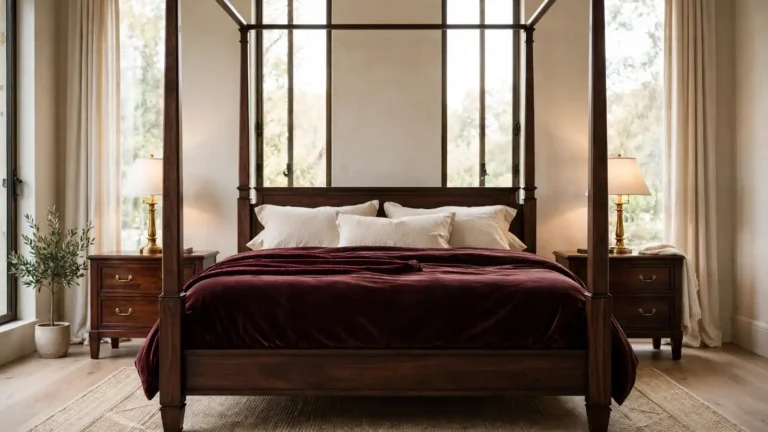
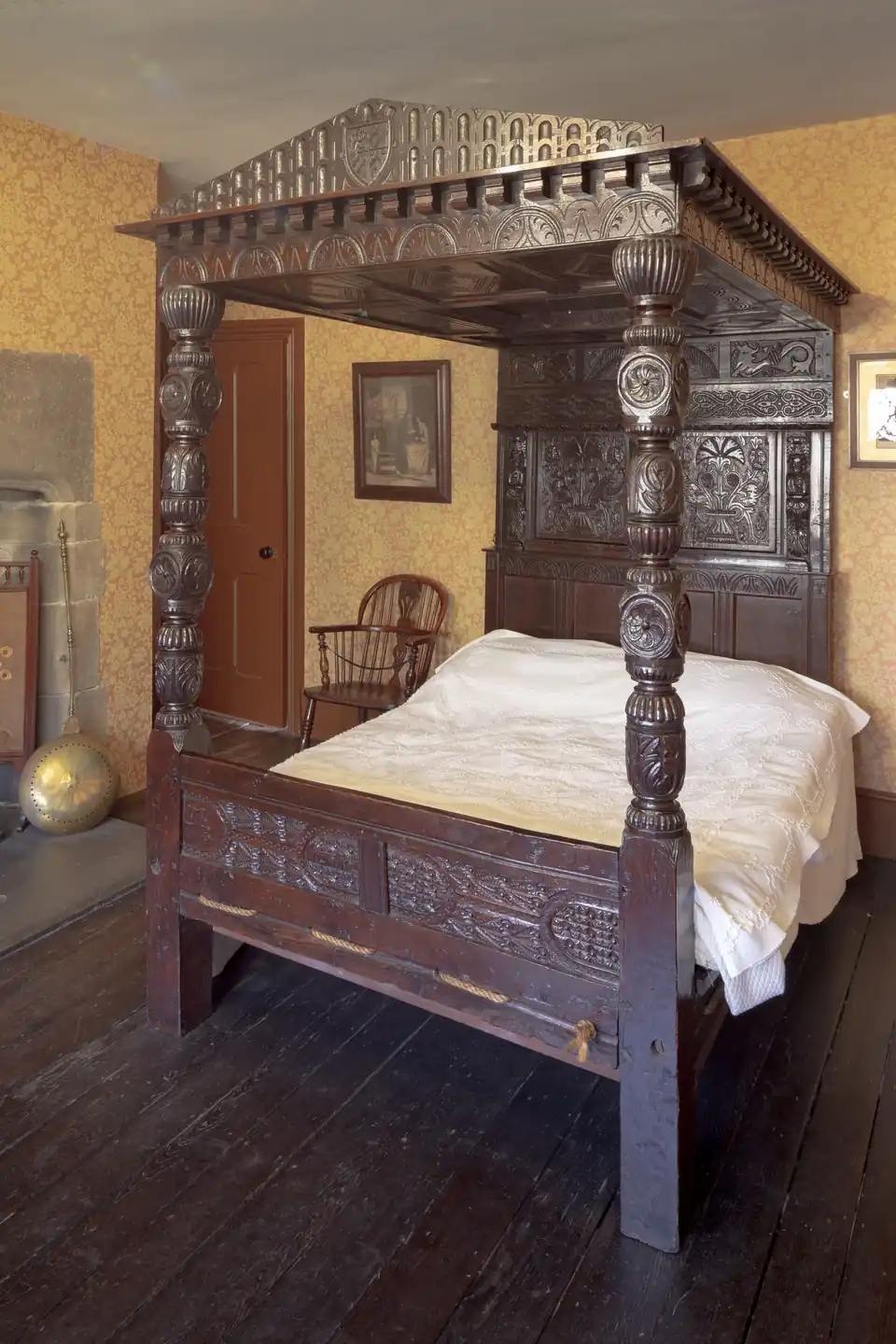
A four poster bed turns sleep into ceremony, its tall posts framing the room like architecture. Carved details catch light and shadow through the day. Keep bedding simple and light, so the posts stay the focus, and skip heavy canopies that can make the room feel closed in. Sheer panels, if used at all, should whisper rather than block.
Proportion decides whether a four poster feels grand or overwhelming. In a smaller room, choose slimmer posts and a lower frame, letting the bed anchor without dominating every sightline. Taller ceilings welcome bolder carving and higher posts, which draw the eye upward and make the room feel larger. Either way, clear space around the bed matters, since a four poster needs air to breathe.
Vintage Vanity Corners
Credit: Max Vakhtbovych
- Place the vanity near natural light for easy morning routines.
- Choose a mirror with an aged frame that echoes the bed.
- Keep the surface to daily essentials plus one pretty object.
- Add a small stool or chair that tucks neatly underneath.
- Use a lidded box to hide cotton pads and small tools.
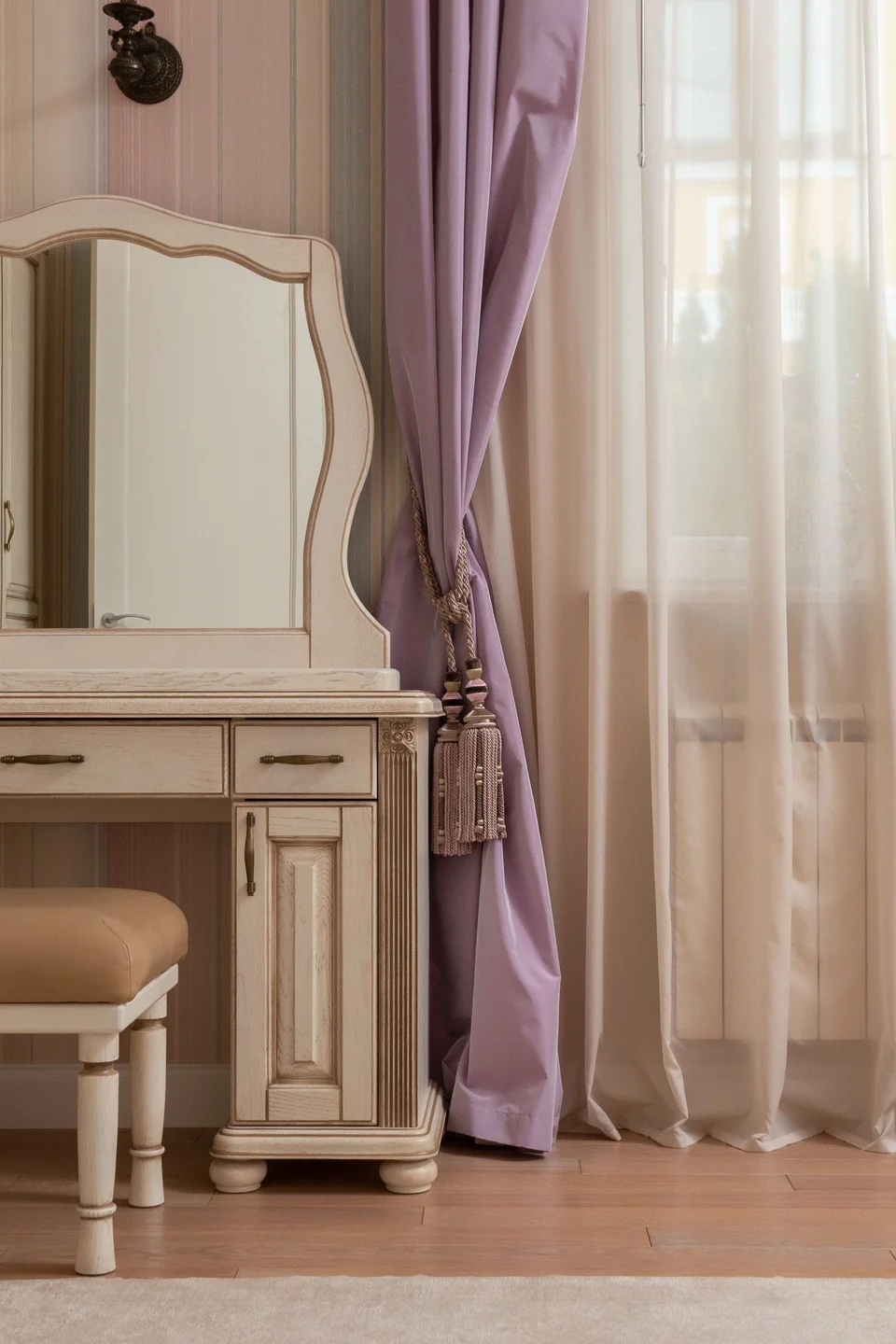
A vanity corner gives a bedroom a sense of ritual, a small place set aside for slow mornings. Vintage vanities bring curved legs, dovetailed drawers, and mirrors with soft silvering that flatters everyone. The corner should feel personal rather than perfect, with a favorite perfume bottle or a framed photo among the practical items. When the chair tucks away and the surface stays edited, the whole corner reads as both useful and romantic.
Brass Hardware Refresh
Credit: Brett A
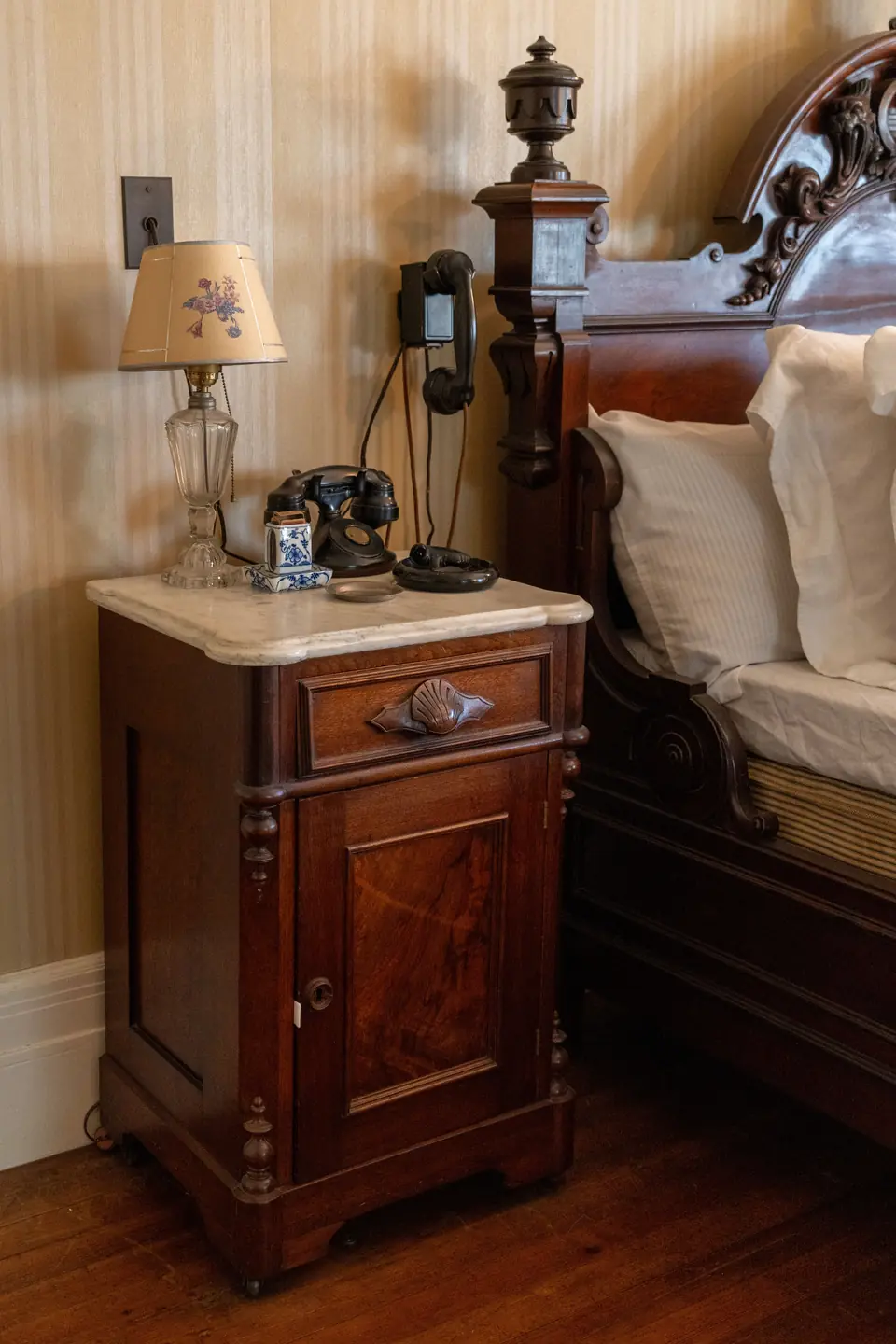
Quick Tip: Brass hardware transforms tired drawers in an afternoon, and the warm metal suits nearly every vintage wood tone. Remove one pull first and test the fit, since older pieces use spacing that modern hardware may not match. Polish gently rather than aggressively, keeping a soft aged glow instead of a mirror shine.
Hardware acts like jewelry for furniture, small details that change the whole impression. Original brass pulls often hide under tarnish, and a gentle polish can reveal their true color without erasing age. When originals are missing, choose unlacquered brass that will age alongside the piece. The result feels authentic, warm, and quietly polished, and the bedroom gains a glow that paint alone cannot deliver.
Plain To Period Charm
Credit: Max Vakhtbovych
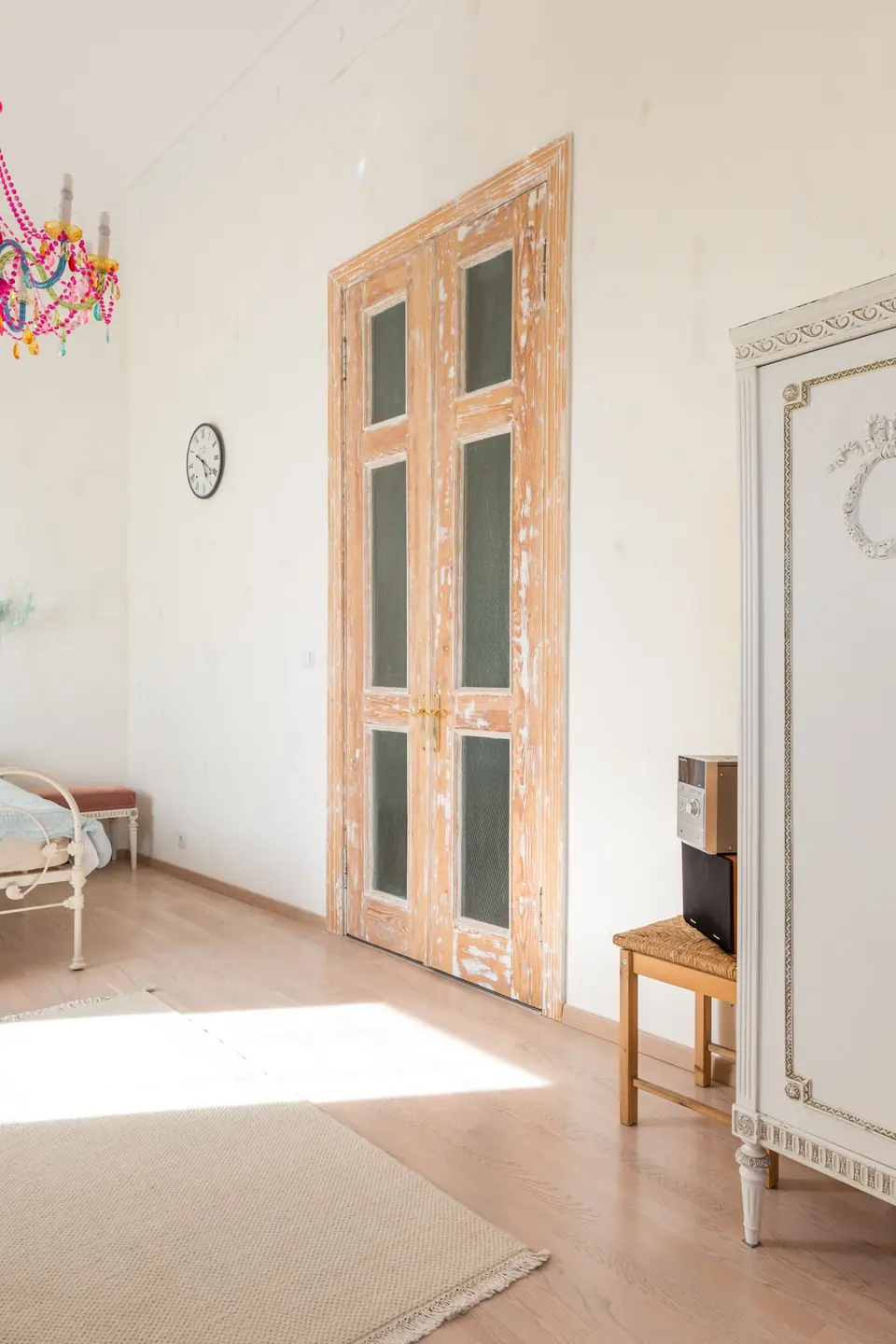
BEFORE: The bedroom looked flat and forgettable, with a plain metal frame, bare walls, and bedding in a single washed-out shade. Nothing invited a second look, and the room felt more like a waiting area than a place to rest.
AFTER: A vintage wooden bed, layered quilts, and framed botanical prints gave the room period charm. The same footprint now feels storied and welcoming.
Period charm comes from layering, not from buying a matching set, and vintage bedroom furniture ideas shine brightest when old pieces mix with soft textiles and warm light. Start with the bed, then add one vintage piece at a time, letting each find settle before adding the next. The room grows into its character gradually, and that slow layering is exactly what makes it feel genuine.
Sourcing Authentic Finds

Credit: Mahmoud Yahyaoui
- Check joints first: dovetails signal solid, older construction.
- Look under drawers and behind pieces for maker marks.
- Smell the wood; musty odors can mean hidden damage.
- Test every drawer and door before agreeing on a price.
- Measure doorways and stairs before hauling anything home.
Authentic finds hide in estate sales, charity shops, and online marketplaces, often priced far below their quality. Dovetailed drawers, solid wood backs, and hand-cut details separate true vintage from mass-produced lookalikes. Patience pays off here, since the best pieces appear when least expected. Bring a tape measure, check the piece in daylight, and trust solid construction over a pretty finish, which can always be refreshed later.
Antique Versus Reproduction
Credit: Helena Jankovičová Kováčová
| Feature | Antique | Reproduction |
|---|---|---|
| Construction | Solid wood, hand joined | Factory built, consistent |
| Patina | Natural age and wear | Applied distressed finish |
| Price | Varies, often a bargain | Predictable retail price |
| Character | One of a kind | Matching sets available |
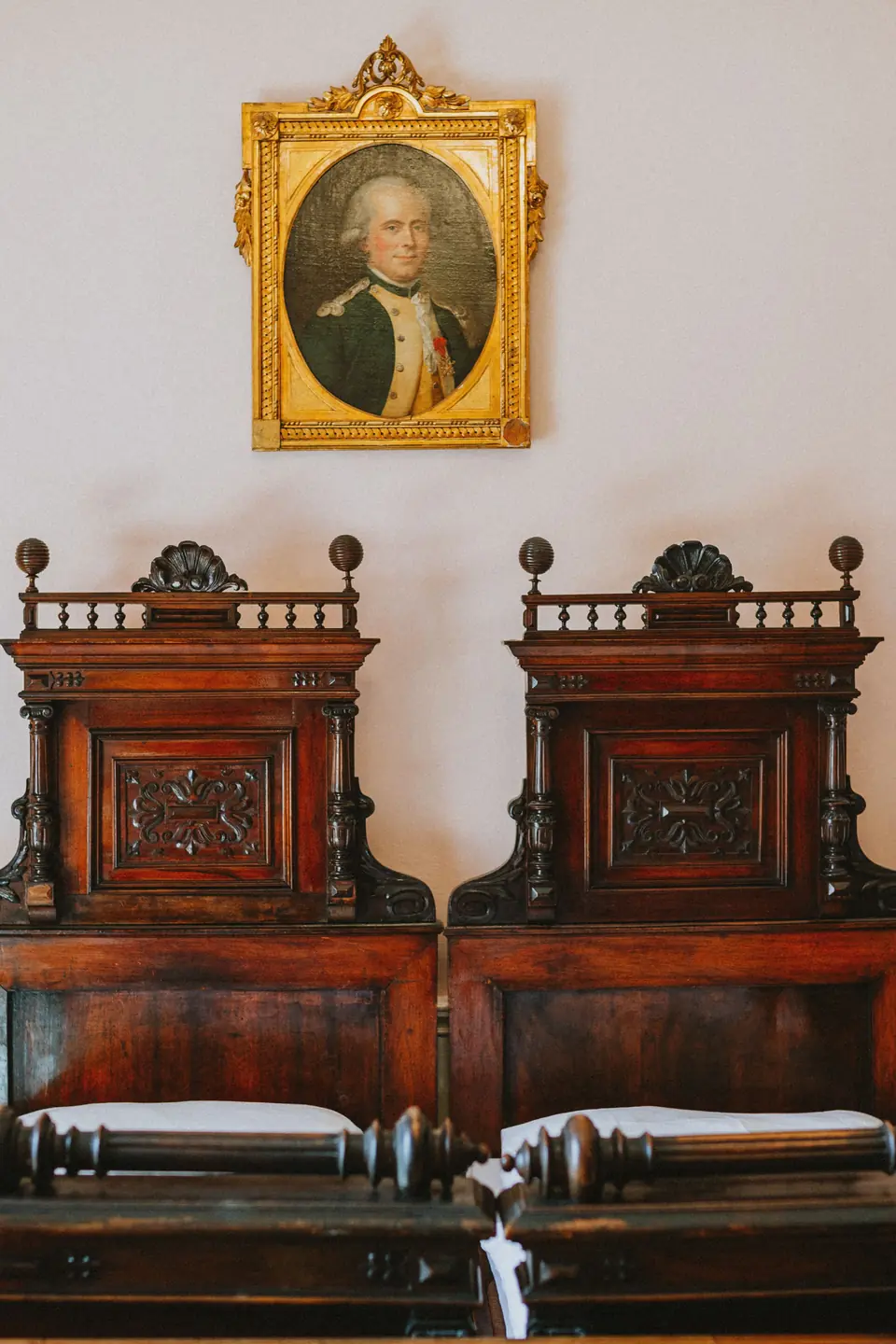
Antiques carry marks of real use, and those marks give a bedroom depth that reproductions struggle to copy. Reproductions offer predictable sizes, sturdy warranties, and finishes that match across a set, which matters in a busy household. A smart room mixes both, letting a genuine antique bed anchor the space while reproduction nightstands handle daily wear. The blend keeps the room honest, practical, and full of character without feeling like a museum.
Vintage Bedroom Balance

Credit: Max Vakhtbovych
Do: Balance heavy vintage pieces with light, airy bedding.
Do: Leave open wall space so the room can breathe.
Do: Repeat one accent color in bedding and art.
Don’t: Fill every corner, or the room feels like a shop.
Don’t: Use dark colors on every surface at once.
Don’t: Ignore lighting, since dim rooms age badly.
Balance keeps vintage rooms from tipping into clutter, and the simplest rule is contrast: heavy wood against light linen, dark frames against pale walls. Open space matters as much as furniture, giving each piece room to be noticed. For another room where balance matters, see these living room built in cabinet ideas, which pair substantial storage with calm, livable styling. In bedrooms, the same restraint turns a collection into a retreat.
Heirloom Care Facts
Credit: Max Vakhtbovych
Cost: Basic care costs little, mostly cloth, wax, and time.
Time: A seasonal wipe-down keeps pieces healthy for years.
Skill Level: Easy, with gentle products and soft cloths.
Best For: Family pieces meant to last another generation.
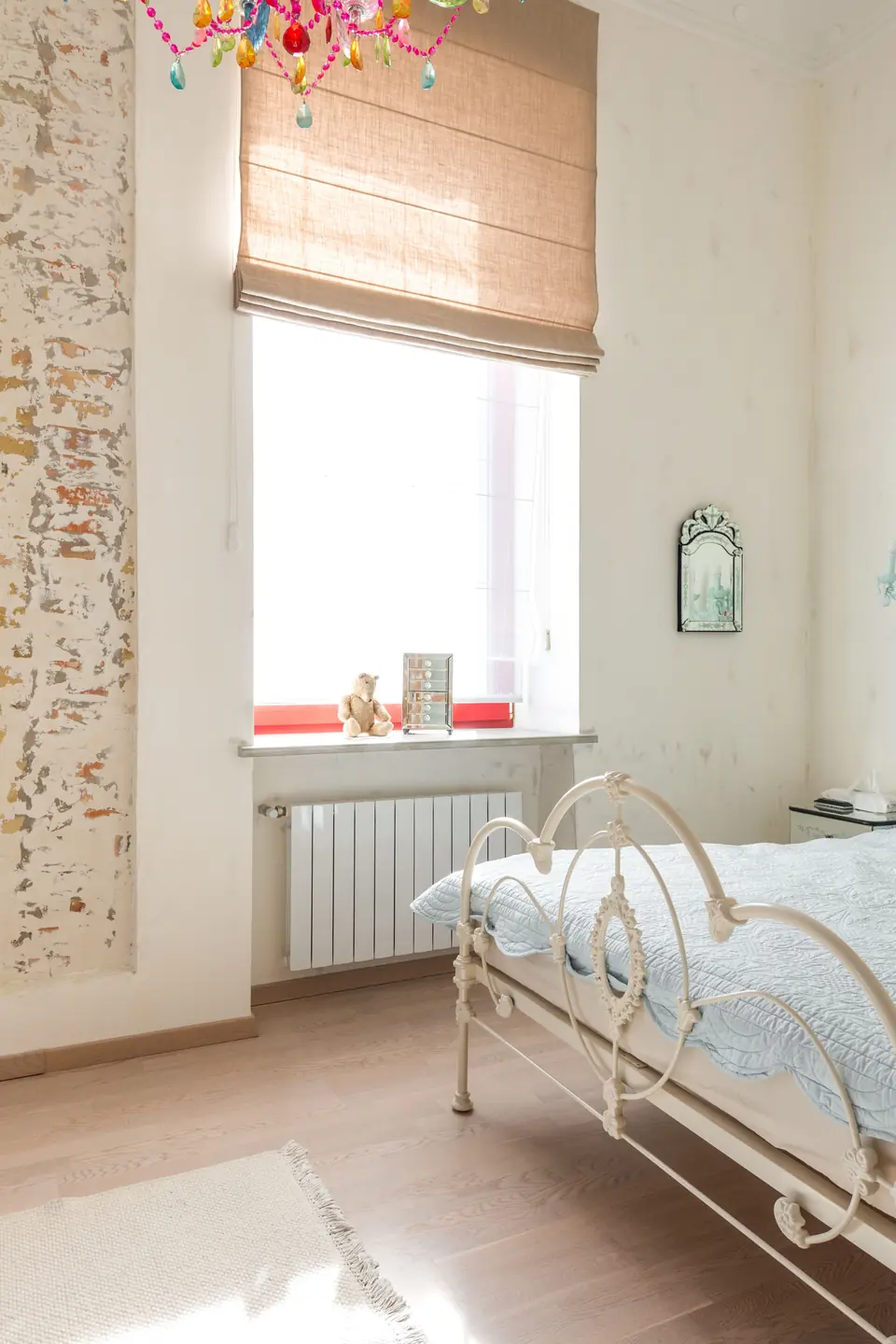
Heirloom furniture survives when care stays gentle and regular. Dust with a soft cloth, avoid silicone sprays that build up on old finishes, and keep pieces out of direct sun and damp corners. Small repairs made early prevent larger damage later, and a yearly wax keeps wood fed and glowing. That’s why many experts recommend simple routines over harsh products, since old wood responds best to a light, steady hand.
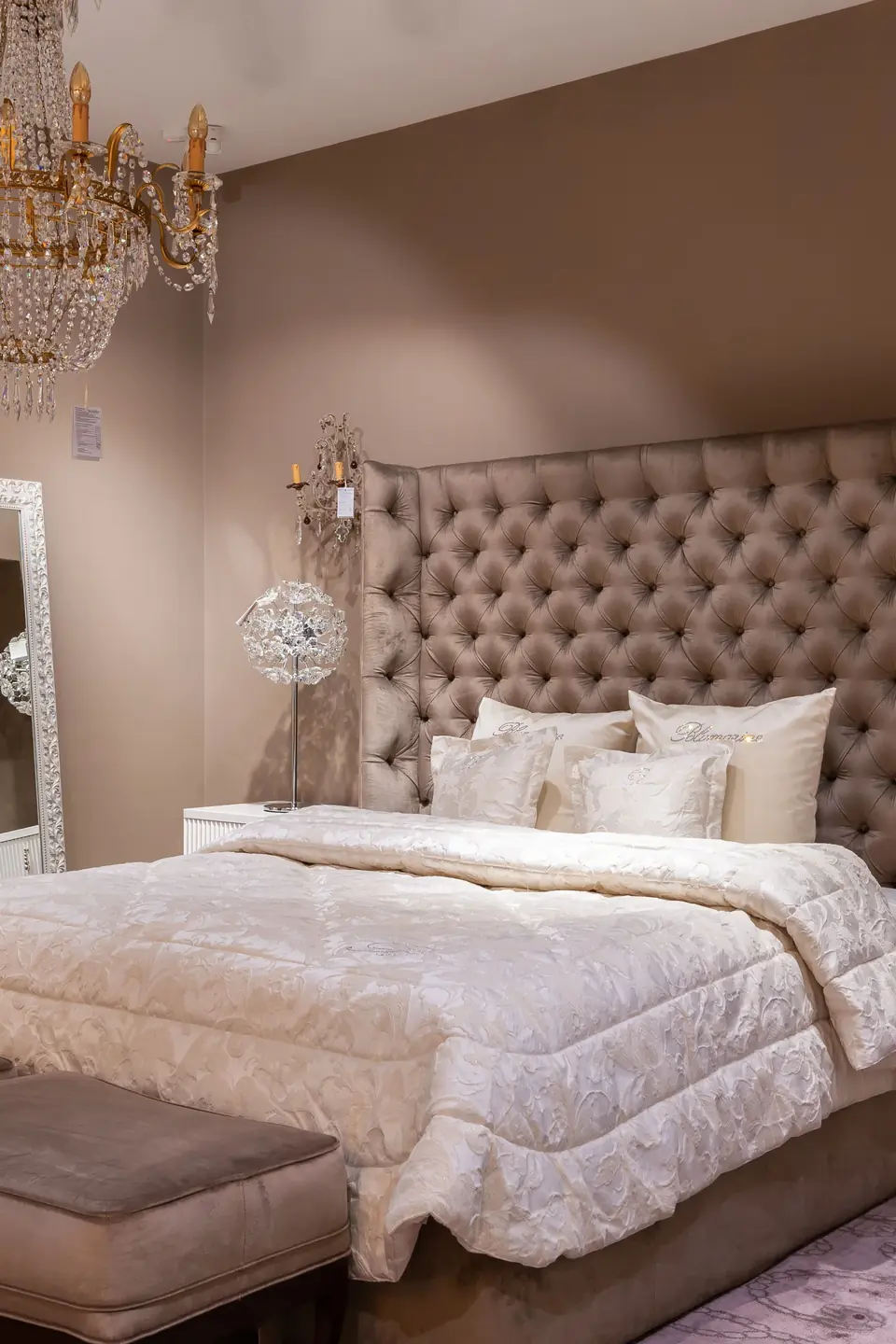
Tufted Velvet Seating
Credit: Max Vakhtbovych
A tufted velvet bench at the foot of the bed adds instant old-world luxury, its soft buttons and deep color inviting a pause before the day begins. Velvet catches light differently from flat fabrics, shifting shade as the viewer moves. Choose a muted tone like sage, blush, or dusty blue, so the piece complements vintage wood rather than competing with it.
Placement matters as much as fabric. A bench needs enough clearance to walk around, and its length should stay slightly narrower than the bed itself. In smaller rooms, a single tufted chair in a corner offers the same softness without crowding the floor. Either way, velvet seating turns a bedroom corner into a destination, a small luxury that makes mornings feel slower and evenings feel richer.
Vintage Mirror Styling
Credit: Yan Krukau
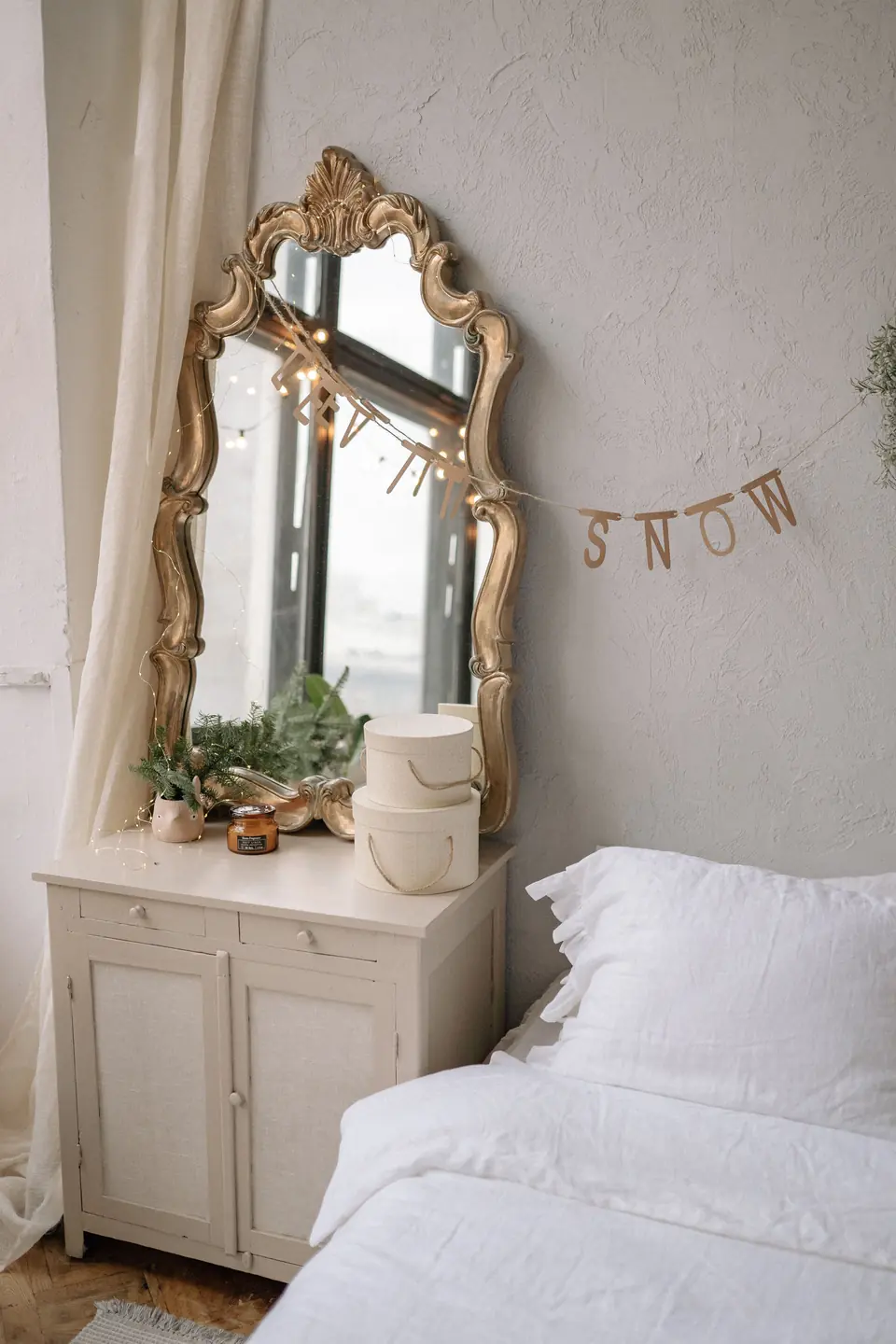
- Hang the mirror where it reflects a window, doubling daylight.
- Let an aged gilt frame be the room’s jewelry, not a background piece.
- Lean large mirrors against the wall for a relaxed, collected feel.
- Pair a bold mirror with quiet bedding to keep balance.
- Clean old glass gently, keeping its soft, flattering silvering.
Old mirrors bring light and depth into a bedroom, and their slightly foxed glass flatters in a way new mirrors rarely do. An ornate frame adds architecture to a plain wall, turning an empty stretch into a focal point. Placement counts: a mirror facing a window doubles daylight, while one above a dresser anchors the whole arrangement. Keep the surrounding wall calm, and the mirror will do the decorating on its own.
Layering Vintage Textiles
Credit: esrageziyor
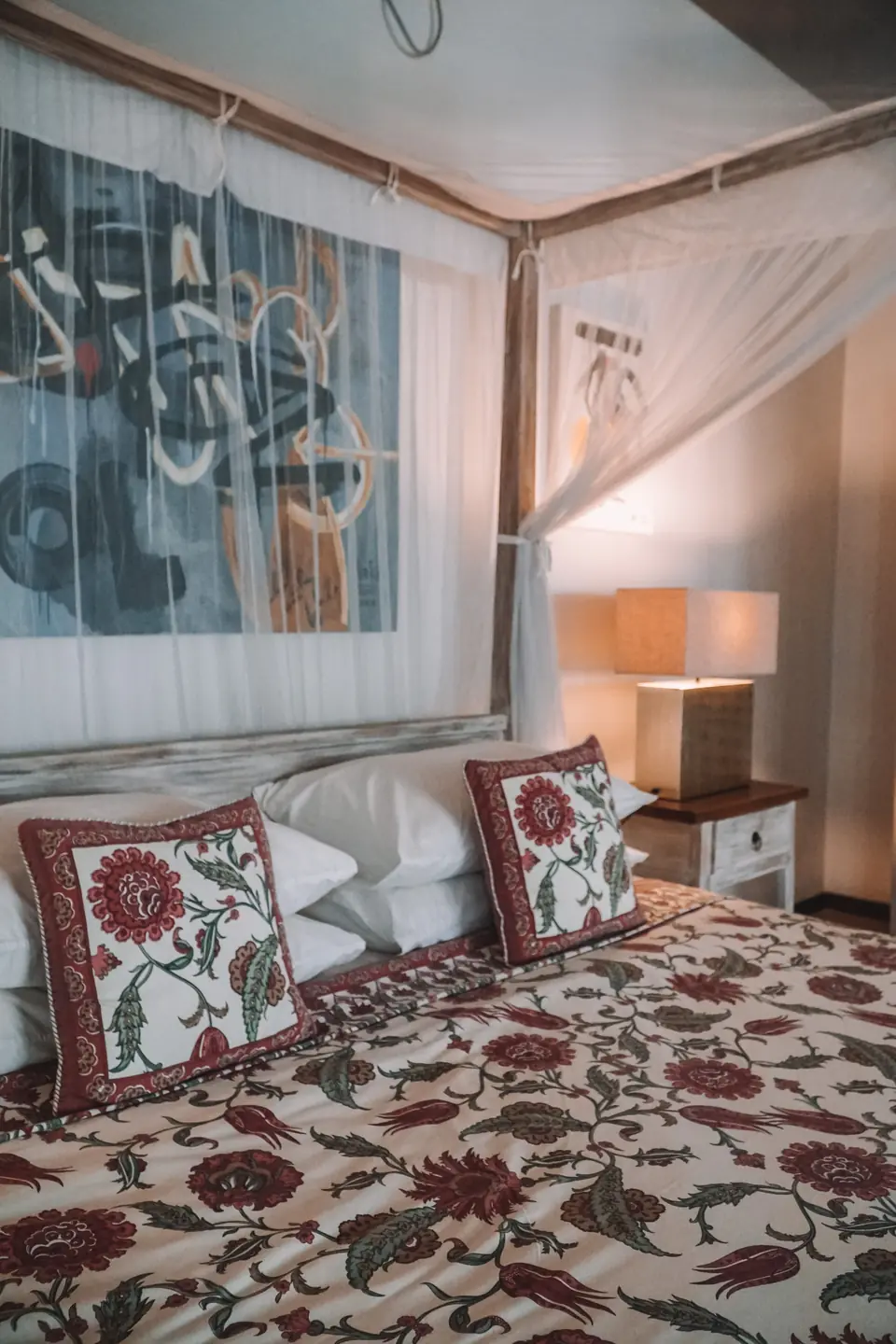
Quick Tip: Layer textiles by weight, starting with crisp sheets, adding a quilt, and finishing with a crochet or wool throw folded at the foot. Mix patterns in one color family so the bed feels rich without turning busy, and keep pillow numbers modest for a bed that stays easy to make each morning.
Textiles soften vintage furniture, bridging hard wood and cool walls with warmth the eye can feel. A handmade quilt adds pattern and history, while a simple linen duvet keeps the look fresh rather than fussy. Fold throws instead of draping them loosely, since neat layers read as intentional. The bed becomes the room’s softest spot, inviting rest while showing off the vintage frame beneath it.
Bare To Beautifully Vintage
Credit: Max Vakhtbovych
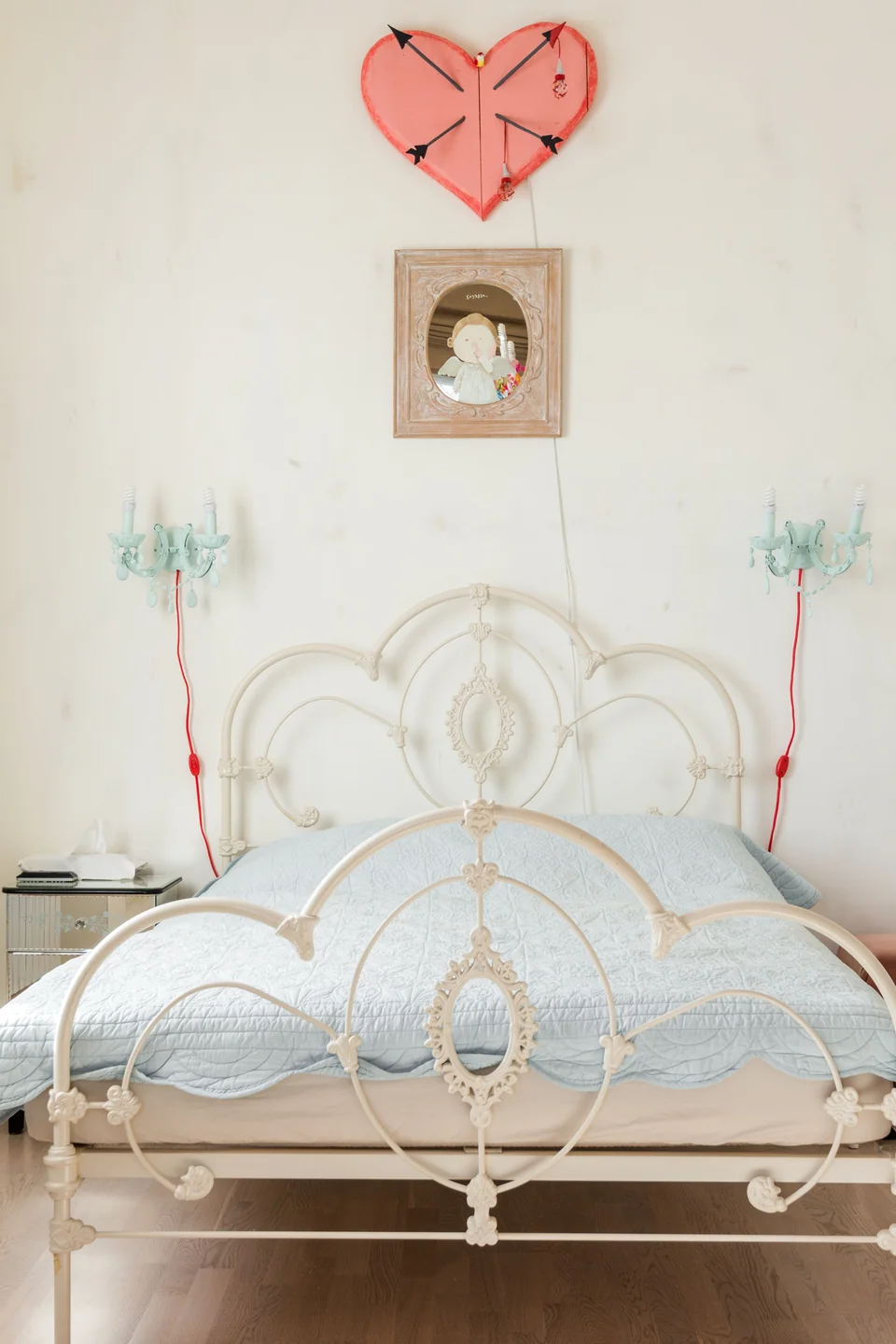
BEFORE: The room held only a bare mattress frame, white walls, and a single overhead bulb, feeling more like a storage space than a bedroom. Nothing softened the corners, and nothing suggested anyone truly lived there.
AFTER: An antique bed, a patchwork quilt, and warm bedside lamps turned the same room into a beautifully vintage retreat, with every corner now offering comfort and character.
Starting from bare walls is a gift, since every addition earns its place. Choose the bed first, then build outward with one vintage piece at a time, testing each against the light and the layout. Textiles come next, softening edges, followed by lamps that warm the whole scene. The room fills slowly, and that patience shows in the final result, which feels gathered rather than bought.
Finishing Vintage Pieces

Credit: Nadin Romanova
- Sand lightly, working with the grain, never against it.
- Wipe away dust with a tack cloth before any finish.
- Apply thin coats, letting each one dry fully first.
- Buff between coats with fine steel wool for smoothness.
- Finish with wax, buffed to a soft, low glow.
Finishing turns a tired find into a treasure, but restraint keeps it vintage. Thin coats preserve grain and detail, while thick layers hide the very character worth saving. Work in a dust-free corner, take breaks between coats, and judge the piece in daylight before adding another layer. The goal is a finish that protects without disguising, so the wood still looks and feels like it has lived a little.
Painted Versus Natural
Credit: Max Vakhtbovych
| Feature | Painted | Natural |
|---|---|---|
| Look | Soft, cottage charm | Warm, rich grain |
| Upkeep | Touch-ups hide wear well | Wax keeps it glowing |
| Grain | Hidden under color | Fully visible patina |
| Best room | Bright, airy bedrooms | Cozy, darker bedrooms |
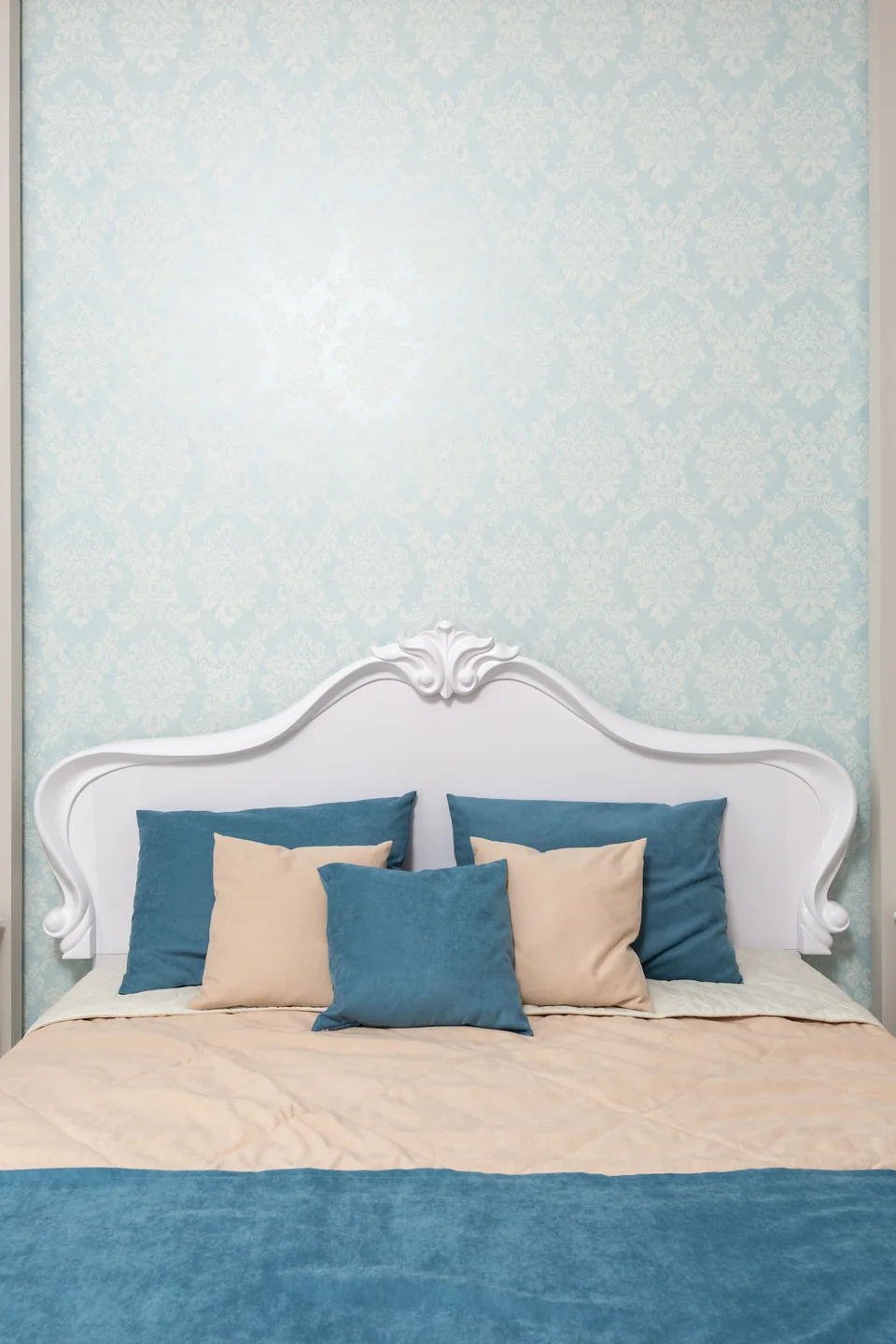
Painted vintage furniture suits bright rooms, where soft sage, cream, or dusty blue adds cottage charm without heaviness. Natural wood keeps grain and patina visible, grounding darker rooms with warmth and depth. Paint hides repairs and unifies mismatched pieces, while natural finishes celebrate each piece’s history. Many bedrooms use both, painting secondary pieces and leaving the bed or dresser natural, so the room gains lightness without losing its vintage soul.
Vintage Storage Rules
Credit: Max Vakhtbovych
Do: Use armoires and dressers as the main storage, not open bins.
Do: Line drawers with paper to protect both wood and clothes.
Do: Keep daily items in the easiest drawers to reach.
Don’t: Overload antique drawers, since old joints have limits.
Don’t: Store heavy items on top of fragile vintage pieces.
Don’t: Block beautiful furniture with laundry baskets and bags.
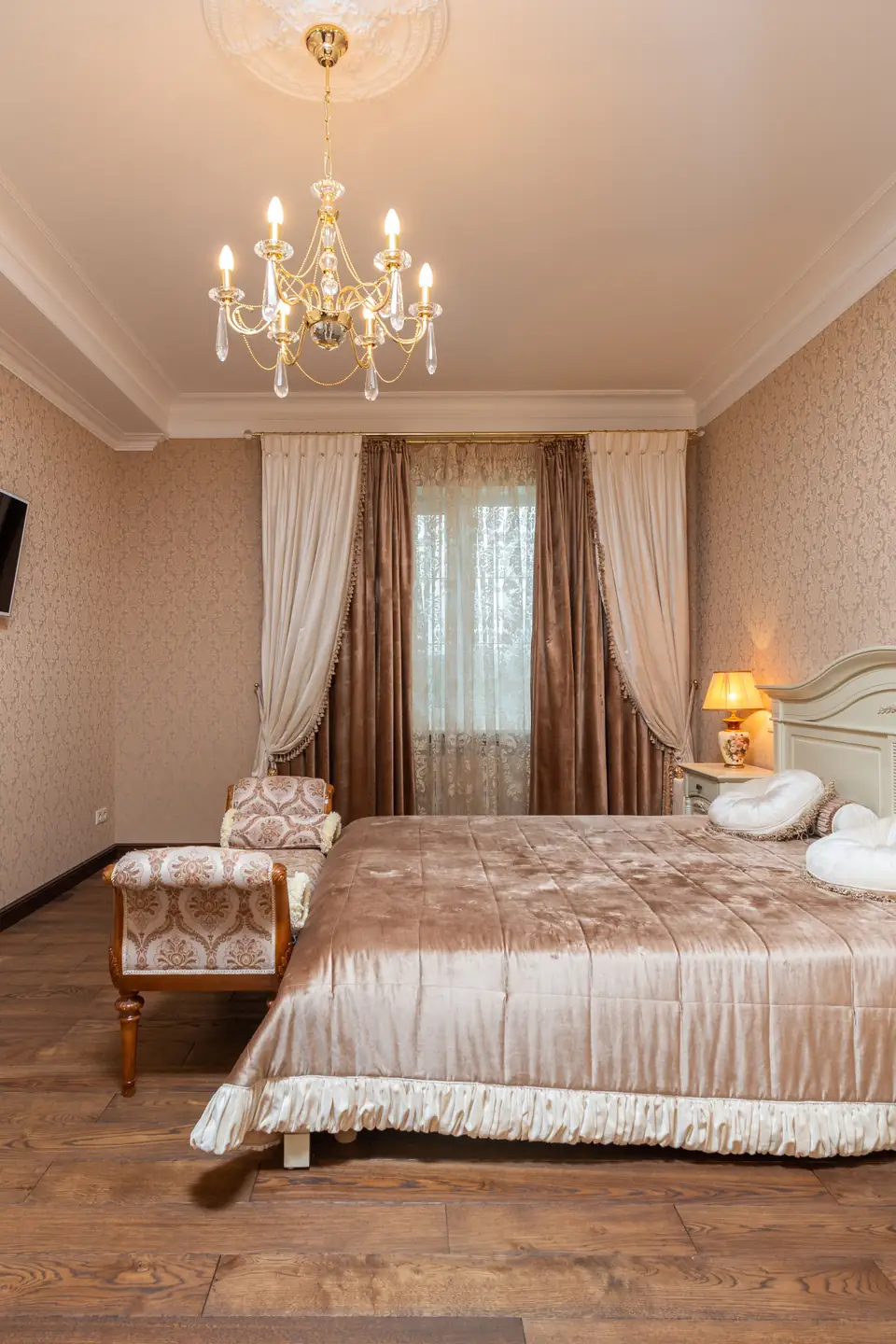
Storage in a vintage bedroom should hide in plain sight, inside pieces that already belong there. Armoires swallow hanging clothes, dressers hold folded layers, and a blanket chest at the foot of the bed handles extras. When storage lives inside beautiful furniture, the room stays calm and the pieces earn their floor space. I’ve seen this work well in many cases, where the prettiest room is also the tidiest.
Conclusion
Vintage furniture gives a bedroom something new pieces cannot buy: a sense of time, warmth, and quiet confidence. Start with one piece that speaks to you, whether a carved headboard or a humble dresser, and build the room around it slowly. Let patina stay, let light in, and let the room grow into itself. Pin your favorite vintage bedroom furniture ideas from this guide to your boards, and return to them whenever a new find catches your eye. Your bedroom deserves pieces with a past, and a future full of rest.