22 Built In Bookshelf Design Ideas for a Beautiful, Organized Home
A blank living room wall holds more promise than most people realize, and built in bookshelf design ideas turn that empty stretch into storage, display space, and a focal point all at once. Built-ins frame a room with intention, giving books, art, and keepsakes a permanent home instead of letting them drift across random furniture.
In this guide you will find 22 fresh takes on built-ins, from wall-to-wall libraries to cozy window seats, each one shaped for real living rooms and real budgets. We also link to kitchen island pendant lighting ideas for readers planning a wider home refresh, since good storage thinking carries from room to room.
Wall to Wall Shelves

Credit: Curtis Adams
A full wall of shelving changes how a living room feels the moment you walk in, because the eye travels across books, baskets, and art instead of stopping at a blank patch of paint. Floor-to-ceiling built-ins make low ceilings look taller, since vertical lines pull the gaze upward and the shelves hold the whole wall together as one calm composition.
Keep the middle shelves for books you actually reach for, and save the highest row for lighter pieces that read well from below. A few open gaps matter as much as the filled ones, giving the wall room to breathe and keeping the display from feeling like a warehouse shelf.
Fireplace Built-In Bookshelves

Credit: Curtis Adams
- Flank both sides of the firebox for a balanced, fitted look.
- Match the shelf depth to the mantel so nothing juts forward.
- Leave one shelf open near the hearth for firewood or baskets.
- Paint the built-ins the same shade as the mantel for unity.
- Add picture lights above the top shelf to warm the whole wall.
Fireplace built-ins earn their keep in every season, holding winter reads close at hand and summer vases when the fire rests. The symmetry calms a busy room, and the shelves give the mantel a finished frame that freestanding bookcases rarely match, even after years of daily use.
Cozy Reading Nook

Credit: Vika Glitter
Quick Tip: Place a small lamp on the lowest shelf so evening reading never strains your eyes.
A reading nook works when the shelves wrap close around the chair, keeping a stack of current books, a throw, and a mug within arm’s reach. Deep shelves suit oversized art books, while slim rows hold paperbacks upright without wasted depth. Add a cushion in a washable fabric, since nooks invite long sits and the occasional coffee spill, and choose warm bulbs that flatter both pages and wood tones. I’ve noticed the best nooks leave one shelf deliberately empty, ready for the next book that earns its place.
Window Seat Shelves
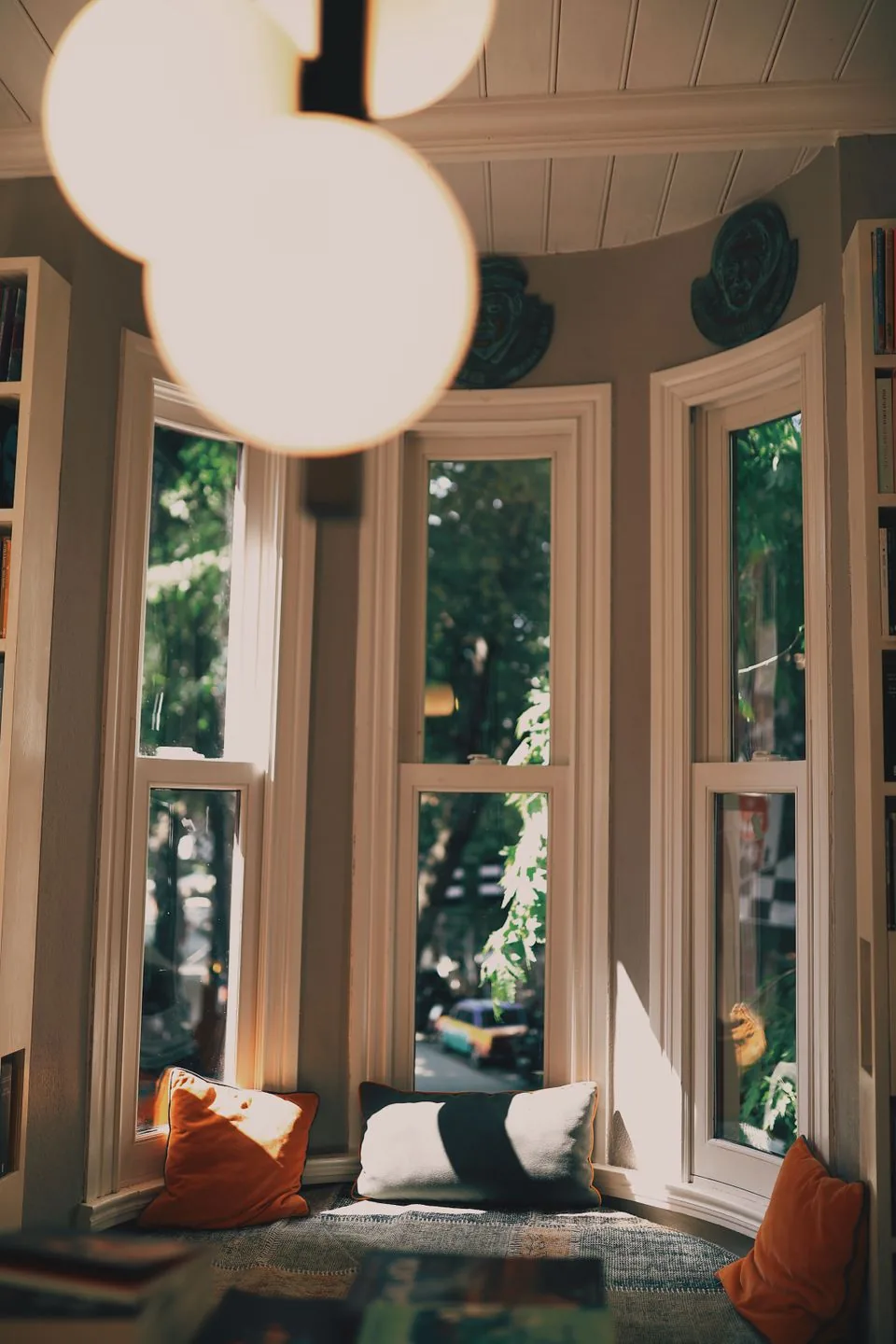
Credit: Nida Kurt
BEFORE: The window wall held a single curtain rod and a bare sill, so the brightest corner of the room stayed empty while books piled on the coffee table.
AFTER: Low shelves now run beneath the sill, the cushion invites long afternoon sits, and side bookcases frame the window like a picture worth keeping.
Window seats succeed when the shelf depth matches the cushion, so books sit flush instead of sliding behind pillows. Choose a washable cushion cover, keep the sill clear for plants, and let daylight do the decorating work for most of the day and into the evening.
Painted Built-In Shelves

Credit: Masihullah Mobin
- Sand every shelf lightly, then wipe away dust before priming.
- Apply two thin coats of primer, letting each coat dry fully overnight.
- Roll cabinet paint in thin layers for a smooth finish without brush marks.
- Sand lightly between coats with fine paper for a furniture-grade surface.
- Let the shelves cure for two full days before loading books.
Painted built-ins forgive older walls, since one calm color hides seams, patches, and mismatched boards in a single sweep. White keeps small rooms bright, deep green adds quiet drama, and a satin finish wipes clean after dusty book rearrangements without repainting for years in busy homes.
Open Versus Closed Storage

Credit: Hakim Santoso
| Feature | Open Shelves | Closed Cabinets |
|---|---|---|
| Display style | Books and art stay visible | Clutter hides behind doors |
| Dust care | Needs weekly dusting | Stays cleaner longer |
| Build cost | Lower material cost | Higher material cost |
| Best rooms | Calm adult living rooms | Busy family spaces |
| Flexibility | Easy to restyle often | Fixed look lasts years |
| Lighting | Easy to light well | Needs internal lights |
Open shelves suit collectors who enjoy restyling, while closed cabinets rescue rooms where board games, chargers, and homework piles need a door to hide behind. Many living rooms mix both, keeping pretty books open and everyday mess tucked away below for a calmer look every day.
Styling Shelf Layers

Credit: juliane Monari
- Do: Group books in odd numbers for a natural rhythm.
- Do: Mix tall vases with low bowls to vary heights.
- Do: Leave breathing space on every shelf.
- Do: Repeat one accent color across the wall.
- Don’t: Fill every inch from edge to edge.
- Don’t: Line up books at identical heights everywhere.
- Don’t: Mix too many colors on one shelf.
Layered shelves feel collected rather than staged when each row holds a mix of heights, textures, and one quiet accent. Step back often while styling, since the whole wall matters more than any single shelf. Trust your eye over strict rules, and remove one piece before calling the wall finished.
Small Space Facts
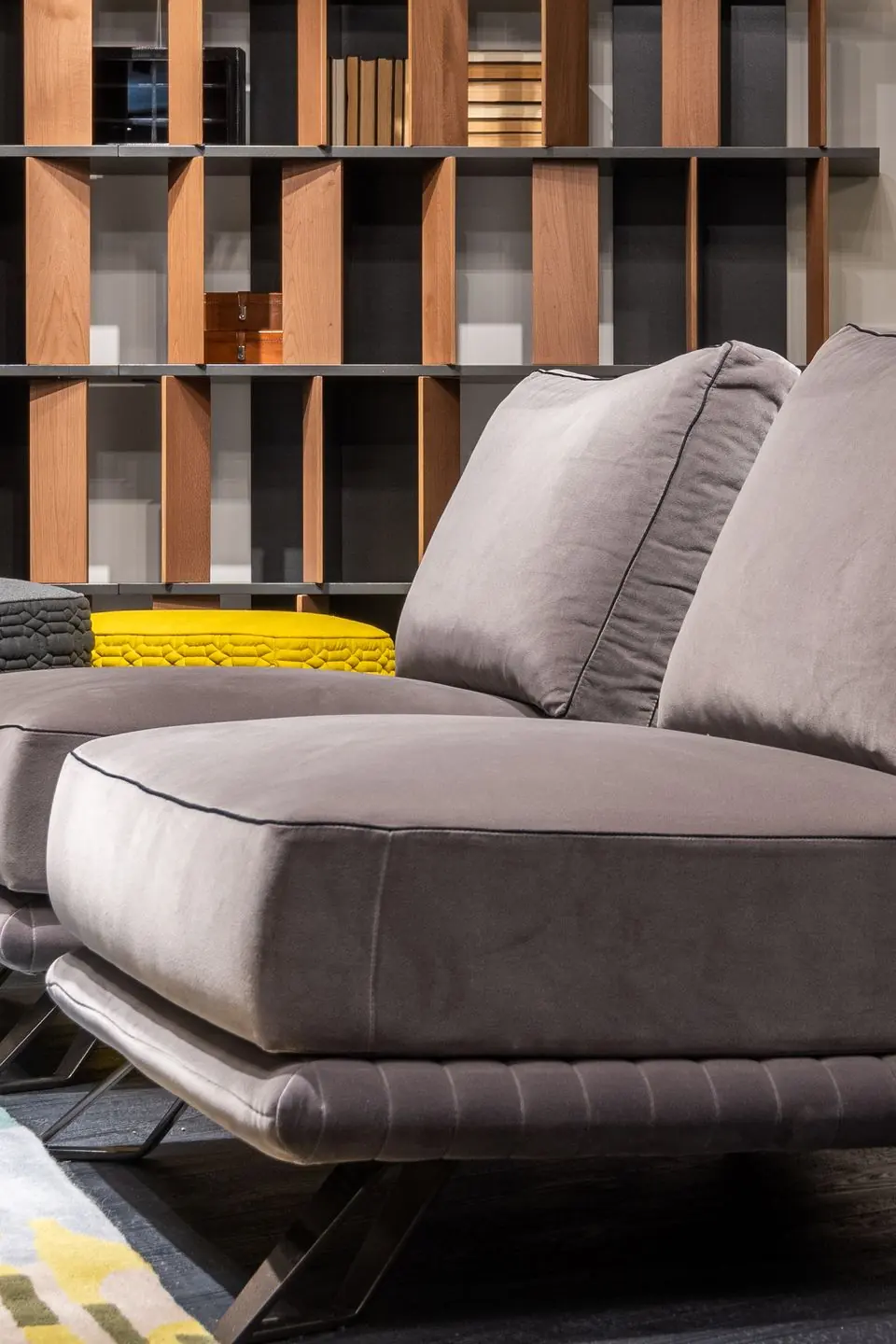
Credit: Max Vakhtbovych
Cost: A single alcove unit costs far less than a full wall.
Time: Most small built-ins finish within one weekend.
Skill Level: Basic measuring and painting skills suffice.
Best For: Apartments and narrow living rooms.
Small rooms gain the most from built-ins, since shelves use wall depth that furniture cannot reach and keep floors clear for walking. Choose slim depths, pale paint, and open tops so the unit reads as architecture rather than furniture. A mirror on the facing wall doubles the airy effect. Keep the lowest shelf for baskets that hide remotes and chargers, so the room stays tidy even when guests drop by unannounced.
Symmetrical Wall Shelves

Credit: Katy Re
Symmetry calms a living room fast, because matching shelves on both sides of a fireplace or television give the eye a clear, balanced path. Identical heights, matching baskets, and mirrored art keep the wall feeling intentional, even when the books themselves differ from side to side, and guests notice the calm before they notice the books.
Break the mirror slightly with one personal piece per side, like a framed photo or a travel keepsake, so the wall feels lived in rather than showroom perfect. Small differences keep symmetry warm, while the overall balance holds the room together. That gentle contrast is what makes a formal layout feel like home.
Hidden Desk Bookshelves
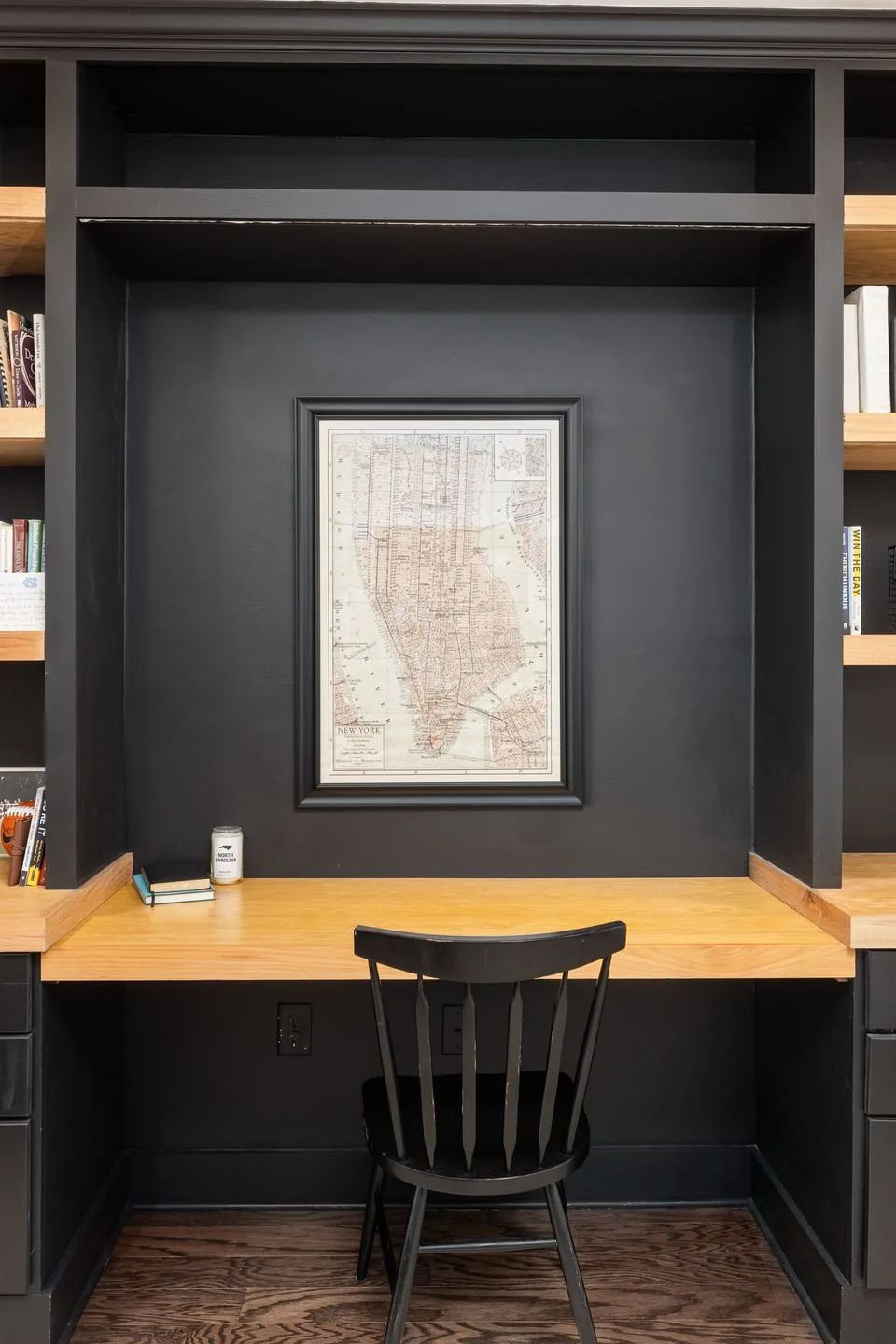
Credit: Curtis Adams
- Tuck a fold-down desk between two bookcases for homework space.
- Keep chargers and notebooks on the lowest shelf for easy reach.
- Add a small lamp above the desk to mark work hours.
- Close the desk at night so the wall reads as shelves only.
- Hide cables behind a slim channel along the shelf back.
Hidden desks suit living rooms that double as offices, since the work zone vanishes after hours and guests see only books and art. The trick lies in sizing the desk to the bookcase bay, so the closed front sits flush with the shelf frames on every side.
Arched Bookshelf Charm

Credit: Feyza Gönülal
Quick Tip: Echo the arch shape in a mirror or artwork nearby so the curve feels deliberate.
Arched tops soften tall bookcases, turning a plain storage wall into a gentle architectural feature that suits both old homes and new builds. The curve draws the eye upward without stealing shelf space, and it pairs well with rounded vases, soft linen, and warm wood finishes that repeat the shape quietly. Keep the arch shallow for low ceilings, since a deep curve eats headroom and crowds the top shelf, and paint the inner curve a shade lighter to make the shape read clearly from across the room.
Plain Corner To Library

Credit: Wolf Art
BEFORE: The corner held a lonely floor lamp and a stack of books on the floor, so the room’s best reading light went unused while books stayed boxed in the garage.
AFTER: Corner shelves now climb both walls, the lamp tucks beside a chair, and the stack has become a small library with room to grow and a basket below for magazines.
Corners suit L-shaped shelves, since two short runs hold more books than one long run and leave the middle of the room open. Measure both walls, keep the corner shelf square, and let the tallest books anchor the outer ends for a balanced look from every seat.
Built-In Styling Steps

Credit: Taryn Elliott
- Empty every shelf completely, then group books by size and color.
- Place large books and baskets first to set the structure.
- Add art, plants, and keepsakes in the gaps that remain.
- Repeat the accent color twice per shelf for calm rhythm.
- Step back, remove one item per shelf, and call it done.
In my experience, built in bookshelf design ideas age best when shelves hold room for new finds instead of arriving fully stuffed on day one. Leave gaps on purpose, rotate pieces with the seasons, and let the wall tell your story slowly rather than all at once over time.
Painted Versus Stained

Credit: Max Vakhtbovych
| Feature | Painted Shelves | Stained Wood |
|---|---|---|
| Look | Crisp and modern | Warm and natural |
| Upkeep | Wipes clean easily | Needs occasional oiling |
| Cost | Lower material cost | Higher material cost |
| Best rooms | Bright small spaces | Cozy traditional rooms |
| Aging | Chips show over time | Scratches blend in well |
| Style | Bold color statements | Quiet grain beauty |
| Repairs | Easy touch-up paint | Harder spot repairs |
Paint suits rooms that need light, while stain suits rooms that already feel warm, and the right choice often follows the floors. Match painted shelves to trim for a unified wall, or match stained shelves to existing wood so the unit feels original to the house.
Shelf Styling Rules

Credit: Fernanda Neitzel
- Do: Anchor each shelf with one tall piece.
- Do: Stack books horizontally for visual rest.
- Do: Use baskets for small clutter below.
- Don’t: Cram paperbacks shoulder to shoulder.
- Don’t: Place fragile pieces near busy walkways.
- Don’t: Ignore the top shelf entirely.
Rules help until taste takes over, and the best shelves break one small rule on purpose while keeping the rest. A single sideways stack, one bold color, or an empty stretch can wake up a wall that otherwise feels too careful, so style with confidence and adjust over weeks, not minutes. I’ve seen this work well in many cases, especially when the room already has strong furniture lines.
Budget Built-In Facts
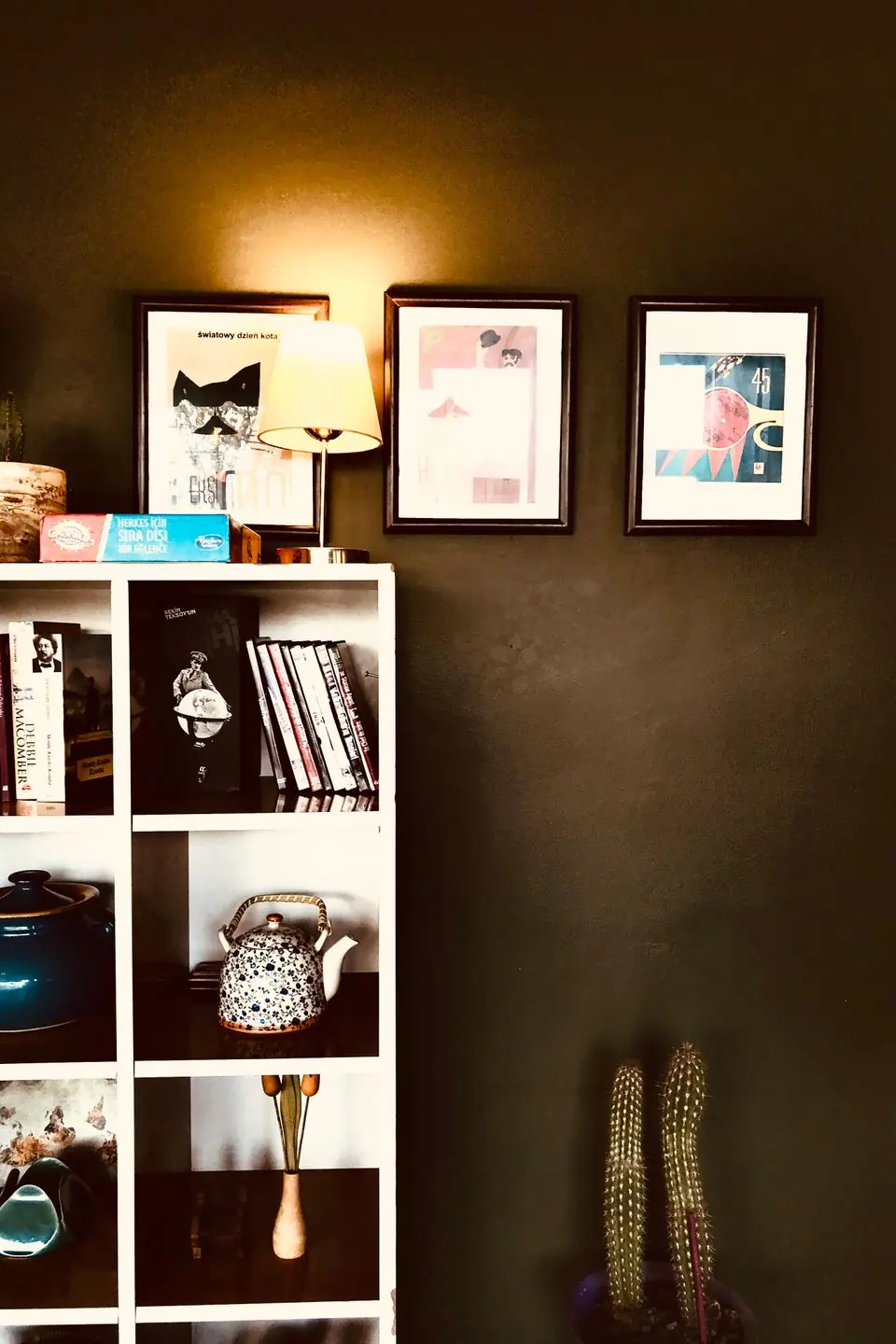
Credit: Bilge Şeyma Kütükoğlu
Cost: Stock bookcases joined together mimic custom work cheaply.
Time: A weekend build suits most simple wall units.
Skill Level: Saw, drill, and paint cover most steps.
Best For: Renters and first-time builders.
Budget built-ins look custom when trim hides the seams between stock bookcases, and one coat of matching paint erases the evidence completely. Add crown molding at the top, a baseboard below, and suddenly the wall reads as fitted joinery rather than flat-pack furniture. Keep the paint satin, since flat paint marks fast on shelves that see daily use, and save the fanciest hardware for the doors you touch most.
Alcove Shelving Ideas

Credit: Fatma
Alcoves beg for shelves, since the recessed walls already frame the unit and remove the need for side panels. Measure the narrowest point, build to that width, and scribe small filler strips to hide any gaps where old walls bow inward. Old houses reward this patience, because no two alcoves measure quite the same.
Shallow alcoves suit paperbacks and small art, while deep ones hold baskets and board games out of sight. Paint the back wall a shade deeper than the shelves, and the alcove gains depth that makes the whole room feel larger. That simple paint trick costs little and changes the room more than new furniture would.
Built-In Lighting Glow

Credit: Max Vakhtbovych
- Fit slim LED strips under each shelf for even light.
- Choose warm white bulbs to flatter wood and book spines.
- Hide drivers behind the top cornice for a clean look.
- Add a dimmer so evening glow stays soft and calm.
- Angle puck lights toward art, not directly at seating.
Shelf lighting turns books into decor after dark, giving the wall a gallery feel without new art. The glow also helps readers find titles fast, and a dimmer keeps the room restful once the lamps go low for the night in every season. Battery pucks suit renters who cannot wire new circuits.
Seasonal Shelf Refresh

Credit: Alina Skazka
Quick Tip: Swap only the top shelf each season to refresh the wall without restyling everything.
Seasonal swaps keep built-ins feeling current, since a few autumn leaves, winter candles, or spring stems change the mood without moving a single book. Store a small box of seasonal pieces near the shelves, rotate them on the first weekend of each season, and enjoy a wall that never grows stale. Keep the base styling untouched, so the refresh takes minutes rather than an afternoon, and let kids choose one piece per season for a personal touch. That rhythm keeps the wall lively all year.
Bare Wall To Library

Credit: Francesco Ungaro
BEFORE: The living room wall stood empty except for a small clock, and guests assumed the room was still waiting for furniture while books stayed boxed in the garage.
AFTER: Floor-to-ceiling shelves now hold the family collection, the clock anchors the center, and the room finally feels finished with baskets below for games and blankets.
A bare wall becomes a library in stages, starting with one bookcase bay and growing as budget allows. Paint each new bay to match, keep shelf heights consistent, and soon the wall reads as one planned unit rather than separate pieces bought over time for years.
Custom Fit Steps

Credit: Ono Kosuki
- Measure the wall at top, middle, and bottom for bows.
- Build the carcass slightly narrow, then scribe filler strips.
- Fix the unit to studs so loaded shelves never sag.
- Add trim, caulk seams, and paint for a fitted finish.
- Style slowly, leaving gaps for books yet to come.
Custom fits reward careful measuring, since a unit scribed to old walls looks original while a stock unit leaves gaps that catch the eye. Readers finishing a whole-room plan often pair shelves with bedroom ceiling design ideas for a coordinated home, and the same measure-twice habit serves both projects well over time.
Built-In Versus Freestanding

Credit: Max Vakhtbovych
| Feature | Built-In Shelves | Freestanding Bookcase |
|---|---|---|
| Fit | Tailored to the wall | Fits any room fast |
| Storage | Uses full wall height | Limited by unit size |
| Cost | Higher upfront cost | Lower upfront cost |
| Moving | Stays with the house | Moves with you |
| Look | Smooth and architectural | Flexible and casual |
| Install | Needs tools and time | Ready in minutes |
| Resale | Adds perceived value | No lasting change |
Built-ins win for permanence and presence, while freestanding bookcases win for renters and anyone who rearranges often. The honest choice follows your timeline, since a home you plan to keep rewards fitted shelves and a short stay favors furniture that travels.
Conclusion
Built-ins reward patience more than perfection, and built in bookshelf design ideas work best when you start with one wall, one budget, and one clear purpose for the shelves. Measure twice, style slowly, and let the shelves grow with your collection instead of forcing a finished look on day one. Small choices, like warm lighting and a few empty spots, keep the whole wall feeling calm rather than crowded. Pin your favorite idea from this guide to your home board, then share it with a friend who keeps dreaming about a tidier living room. Your future shelves will thank you for the plan you make today.