
How to Make Low Ceilings Look Higher
If your ceiling sits closer than you would like, you already know how a room can feel heavy and cramped. Learning how to make low ceilings look higher changes everything about how a space feels, and In my experience the right tricks can add what feels like a foot of height without moving a single wall.
This guide walks you through ten simple fixes, from paint tricks to lighting, that draw the eye upward and open up your rooms. You can start this weekend with tools you probably already own. For a related challenge, see our guide on how to fill empty corners in living rooms for more ways to make small rooms feel complete.
Why Low Ceilings Feel Oppressive
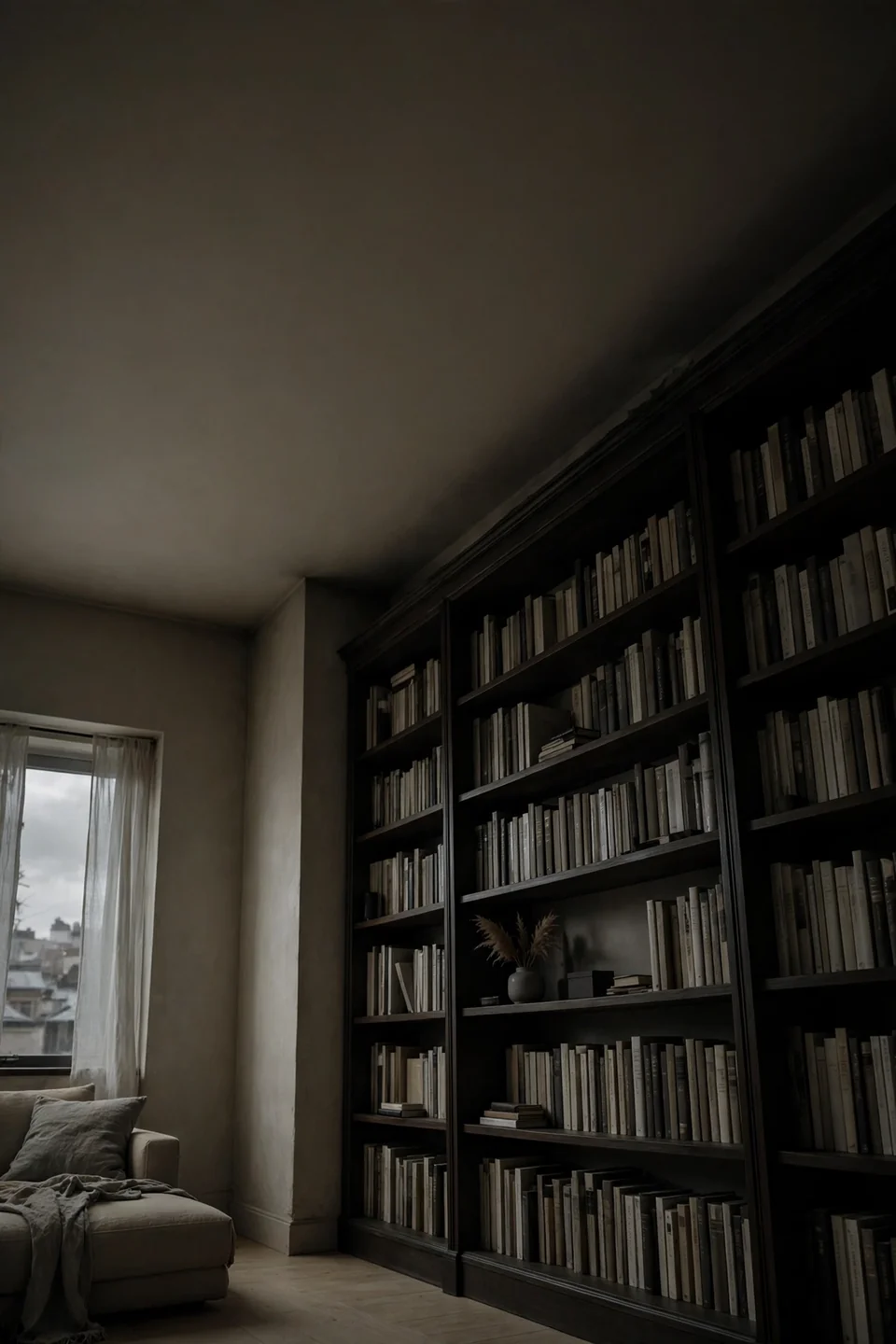
Low ceilings press the whole room downward, making even spacious floors feel tight and closed in. Light has less room to bounce, shadows gather at the top of walls, and every tall piece of furniture starts to feel like it is crowding you.
The good news is that ceiling height is mostly a visual trick. Your eyes judge it by comparing wall color, furniture lines, and light. When those cues point upward, the ceiling reads taller even though nothing actually moved. That is why small decor changes create such an outsized difference.
Assess Your Ceiling’s Reality
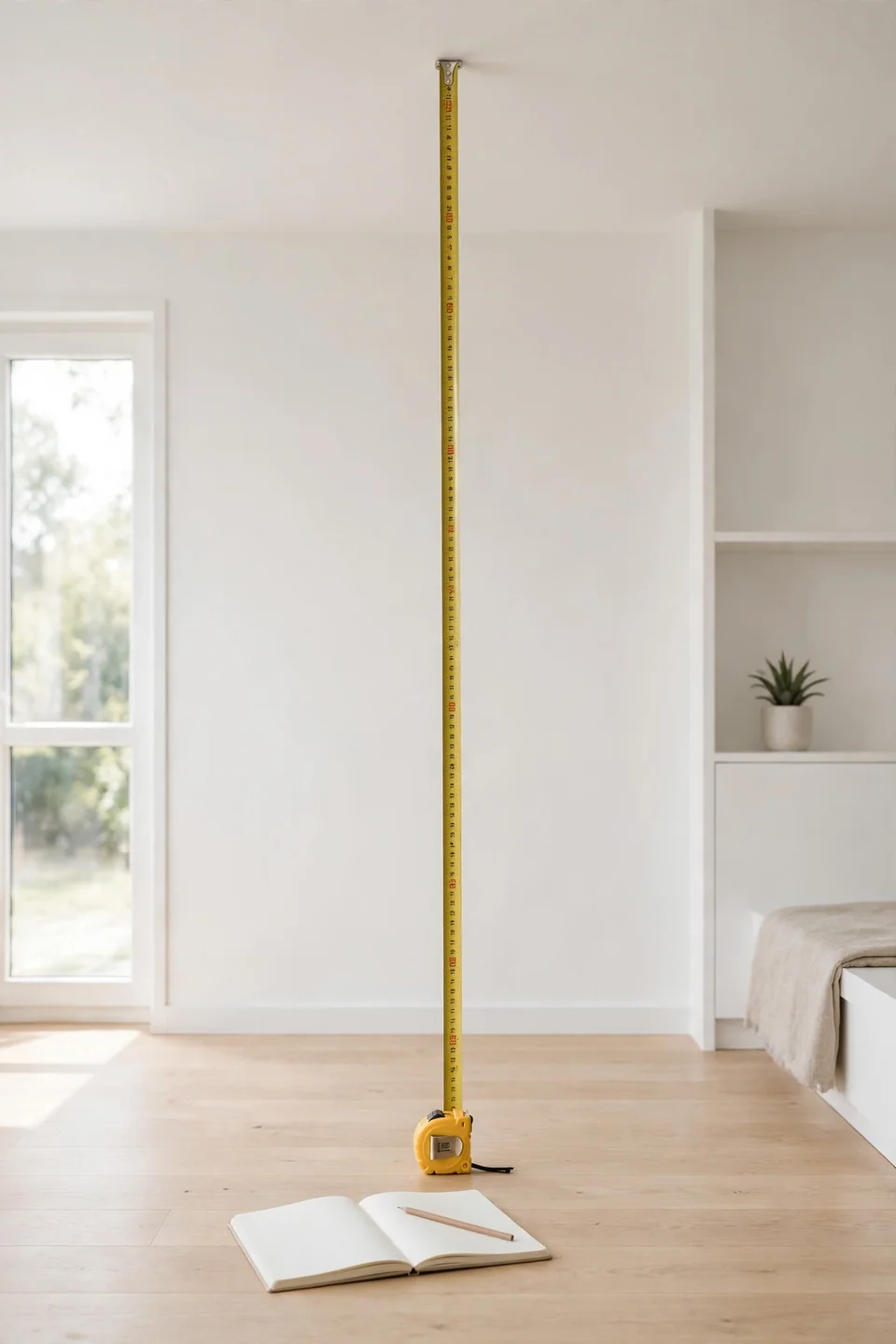
Before you buy anything, take stock of what you are working with. Every ceiling is different, and knowing your exact measurements and problem spots keeps you from wasting money on fixes you do not need. This quick check takes ten minutes and guides every choice that follows.
- Measure your ceiling height in two or three spots with a tape measure, since floors can slope and rooms often vary by an inch or two.
- Stand in the doorway and note what your eye hits first; that first impression usually reveals whether the problem is color, clutter, or lighting.
- Check how your current curtains hang, because rods mounted at the window frame make ceilings feel much lower than rods mounted near the ceiling.
- Look at your tallest furniture and lamp heights, since anything that nearly touches the ceiling visually shortens the wall.
Use Vertical Paint Tricks
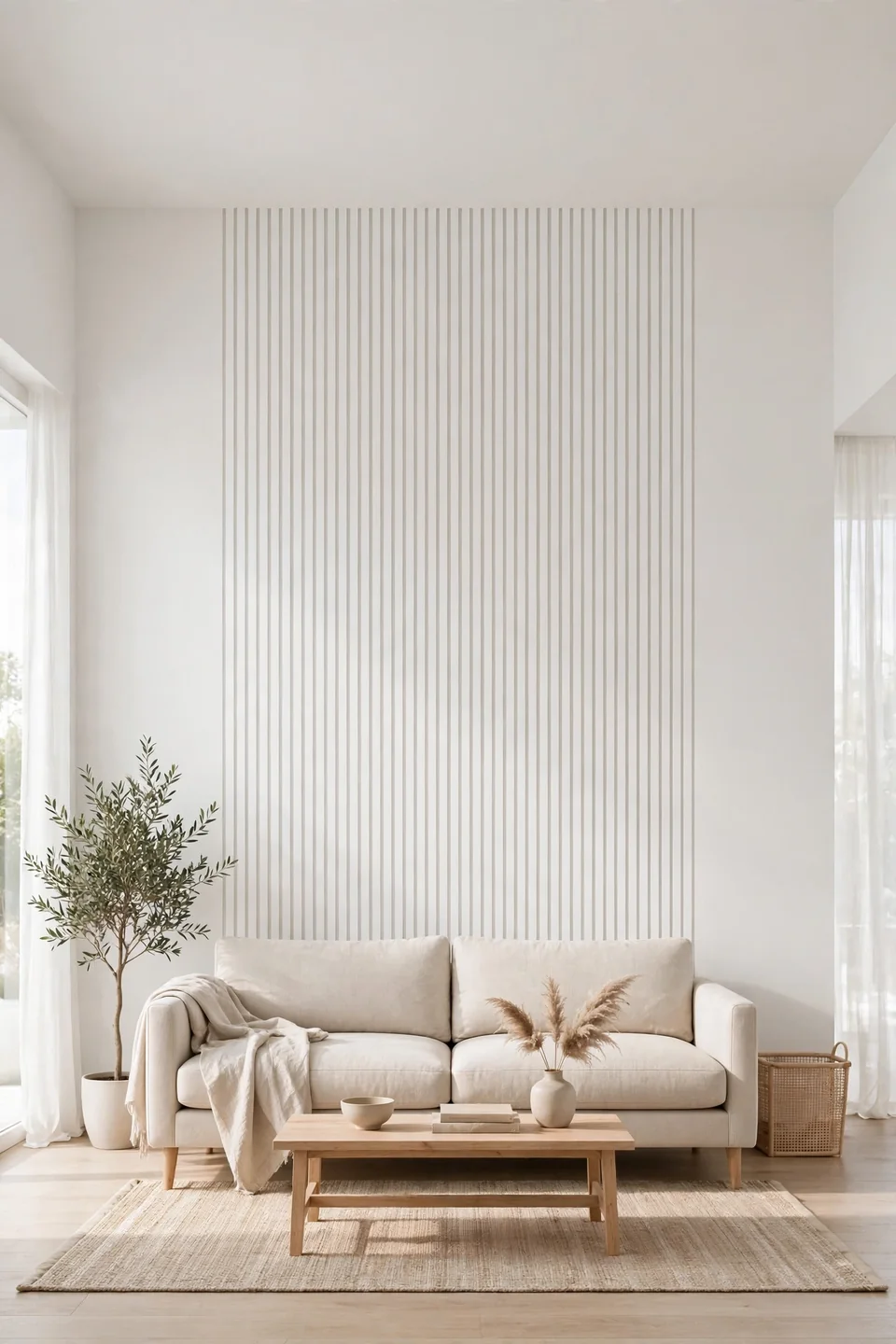
Quick Tip: Paint the walls and ceiling the same light color to blur the line where they meet. Your eye stops looking for the edge, and the room feels taller instantly. White, warm ivory, and pale greige all work beautifully here.
Stripes are another powerful tool when you want extra height. Thin vertical stripes in soft, tone-on-tone colors draw the eye straight up the wall without feeling busy. Keep the contrast gentle, because bold stripes can overwhelm a small room. I have seen this single change make an eight-foot ceiling feel nearly nine.
Choose Low-Profile Furniture

Common Mistake: Most people fill low rooms with tall bookcases and high-back chairs, then wonder why the space feels crushed. Furniture that reaches toward the ceiling leaves no visual breathing room above it. The wall disappears behind the bulk, and the ceiling seems to drop even lower.
The Fix: Swap in low-profile pieces with visible legs and open space beneath. Sofas under 32 inches high, low media consoles, and short dressers leave a generous band of wall showing above them. That visible wall is what makes your ceiling read taller.
Scale matters as much as height. A slim-legged sofa in a light fabric feels airy, while a bulky dark sectional anchors the room to the floor. When shopping, check the back height before you fall in love with a piece, because even two inches make a noticeable difference in a low room.
Hang Curtains High and Wide
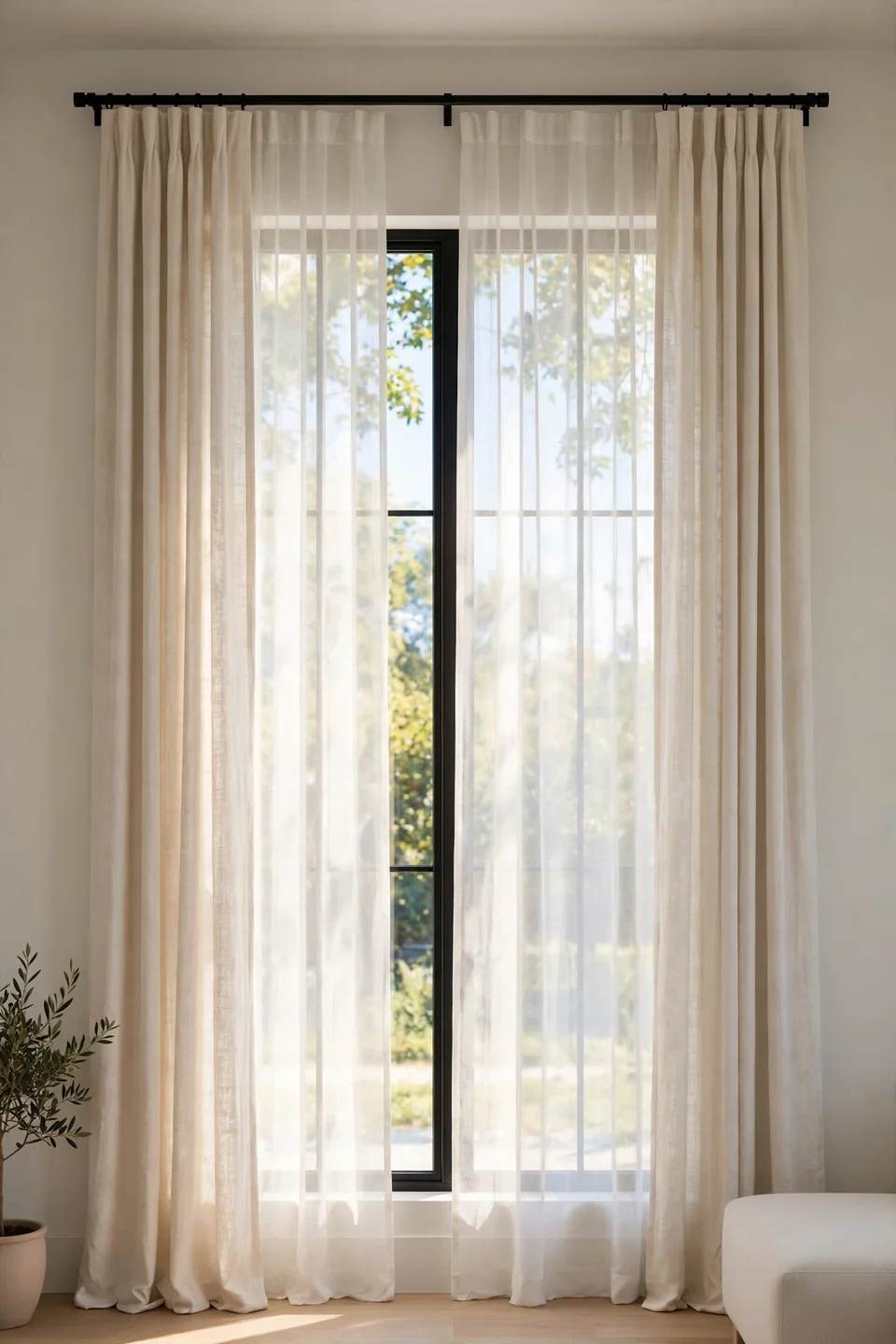
What You Need:
- Curtain rod: A rod that extends 6 to 10 inches past each side of the window frame, so panels never block the glass.
- Lightweight panels: Sheer or linen curtains in a light tone that let daylight pour through while adding softness.
- Brackets: Sturdy brackets mounted 4 to 6 inches below the ceiling line, which is the whole trick.
- Steam or iron: Wrinkle-free panels look longer, so press them before hanging for a clean vertical line.
This is one of the fastest ways to change how tall a room feels. High-mounted curtains create one long vertical line from ceiling to floor, and your eye follows it upward. Once you see how to make low ceilings look higher with curtains alone, the change usually shows the same day you hang them.
Use Vertical Lighting
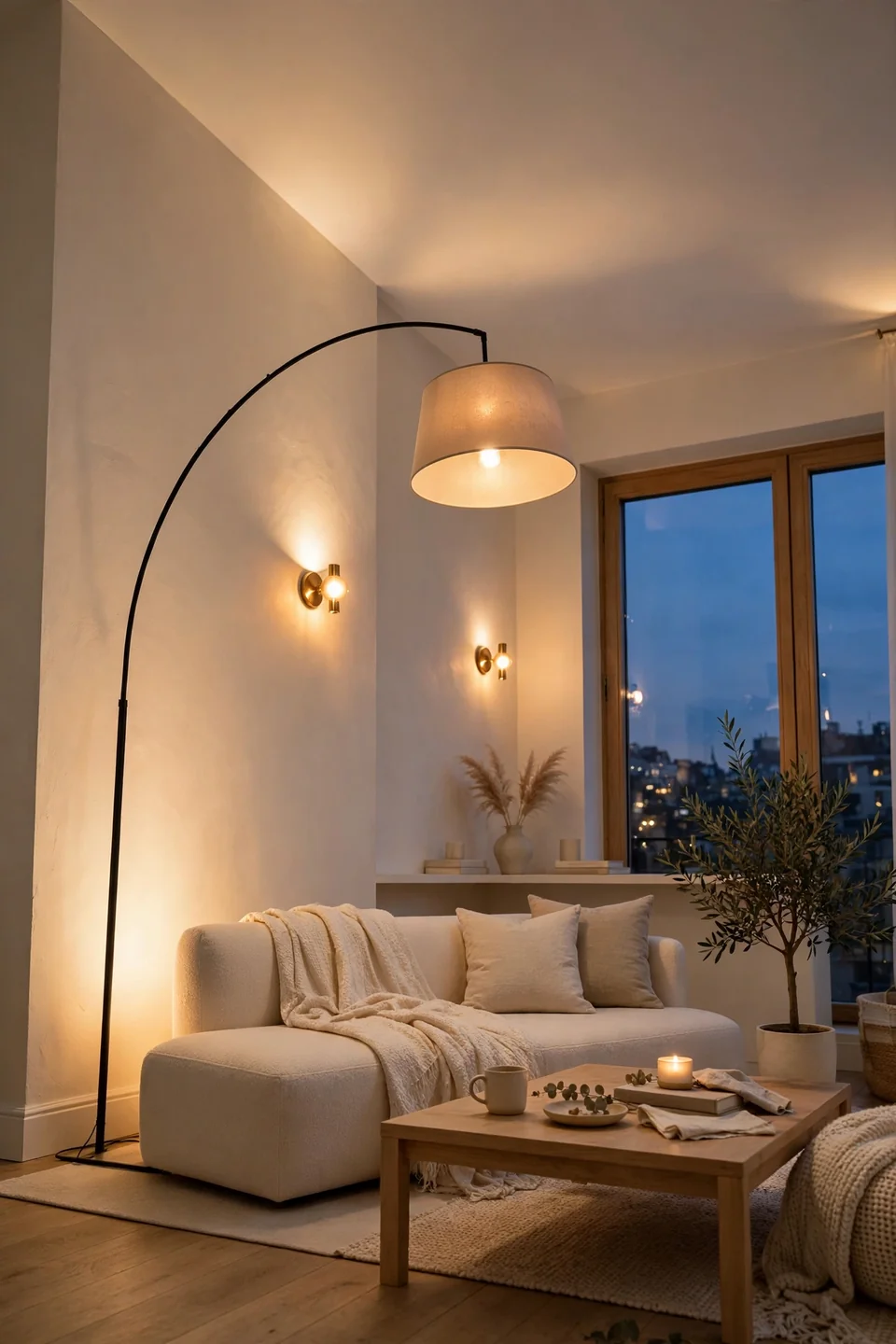
Before: A single ceiling fixture blasts light straight down and leaves the upper walls in shadow. The dark band where wall meets ceiling becomes a hard visual border, and the room reads exactly as low as it is. Most low rooms stay stuck in this pattern for years.
After: Layered lighting washes the walls from floor to ceiling with a soft, even glow. Wall sconces, tall floor lamps, and picture lights pull the eye upward along bright vertical paths. The shadow line disappears, and the ceiling feels like it lifted several inches.
Aim at least some light upward. Uplight floor lamps and wall washers bounce brightness onto the ceiling itself, which erases that heavy, pressing feeling. Keep bulbs warm and consistent in color temperature so the whole room glows evenly instead of fighting itself. Three light sources per room is a reliable rule of thumb.
Add Vertical Decor Lines

Do This:
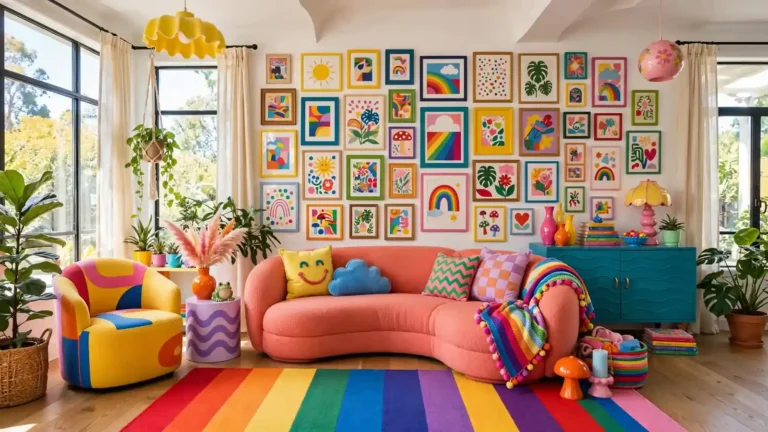
- Hang tall, narrow art or a vertical gallery that stretches up the wall.
- Use floor-to-ceiling bookshelves painted the same color as the wall.
- Place a tall plant like a fiddle leaf fig in a corner to draw the eye up.
- Choose vertical shiplap or beadboard to add subtle upward lines.
Avoid This:
- Do not hang wide horizontal art that pulls the eye sideways.
- Do not line up short decor pieces at the same mid-wall height.
- Do not use heavy horizontal beams or chunky crown molding.
- Do not fill the wall with busy patterns that chop it into pieces.
Vertical lines are the oldest trick in design for adding perceived height. They work because your brain reads repeated upward movement as distance. Even a single tall mirror leaning against the wall can stretch a room, especially when it reflects a window and doubles the light.
Keep Floors Clear and Light
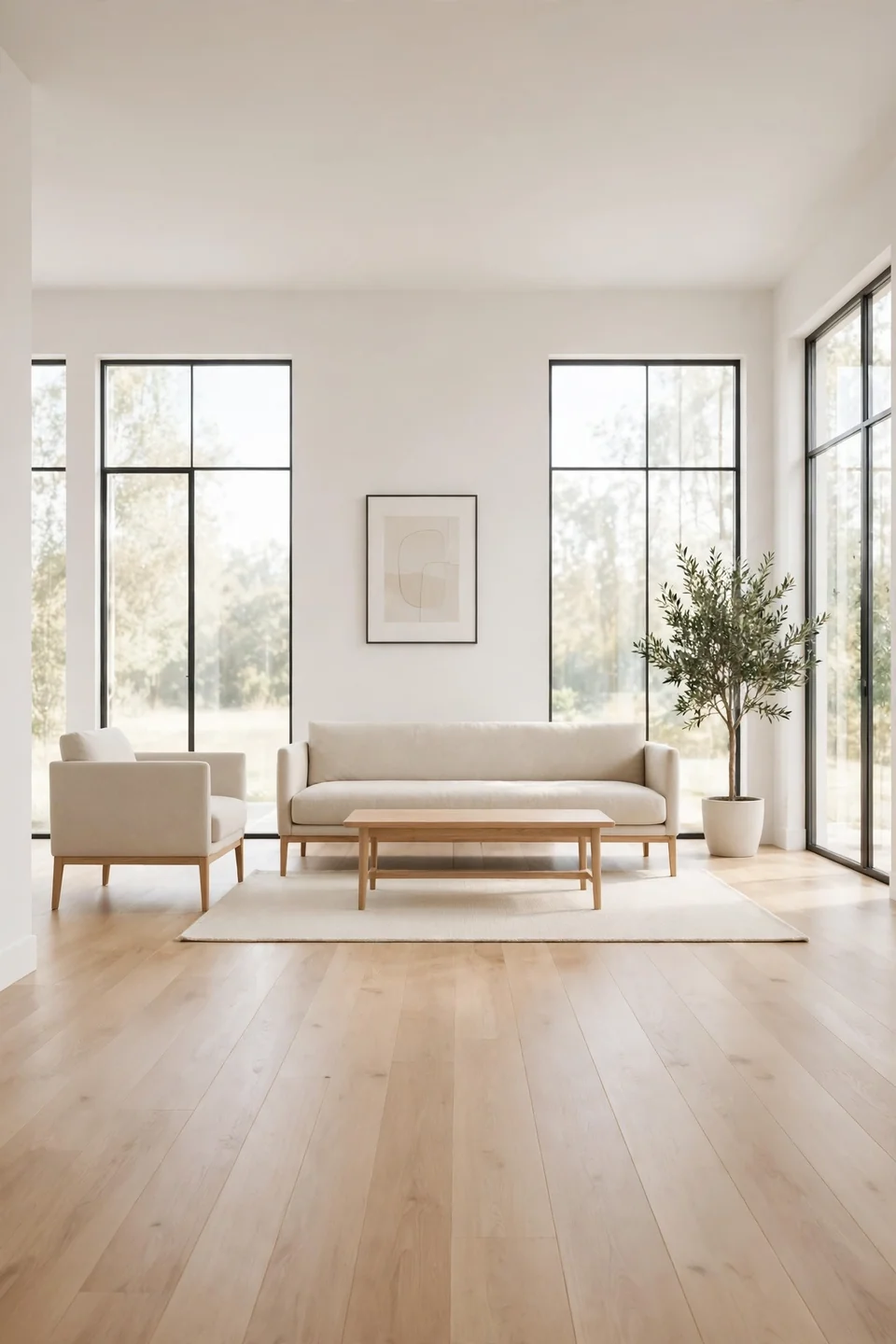
Time Needed: One afternoon | Difficulty: Easy | Cost: Free to low
Best For: Rooms that feel crowded at floor level
Result: More visible floor makes walls look taller
Clutter on the floor shrinks a room from the bottom up. When you can see a clear stretch of light flooring, the walls seem to rise from farther away. Tuck shoes into closed storage, choose furniture with legs, and let rugs sit flat and simple. The cleaner the floor reads, the taller the ceiling feels.
If your layout itself feels tricky, our guide on how to decorate awkward living room layouts pairs well with these height tricks.
Common Height-Killing Mistakes
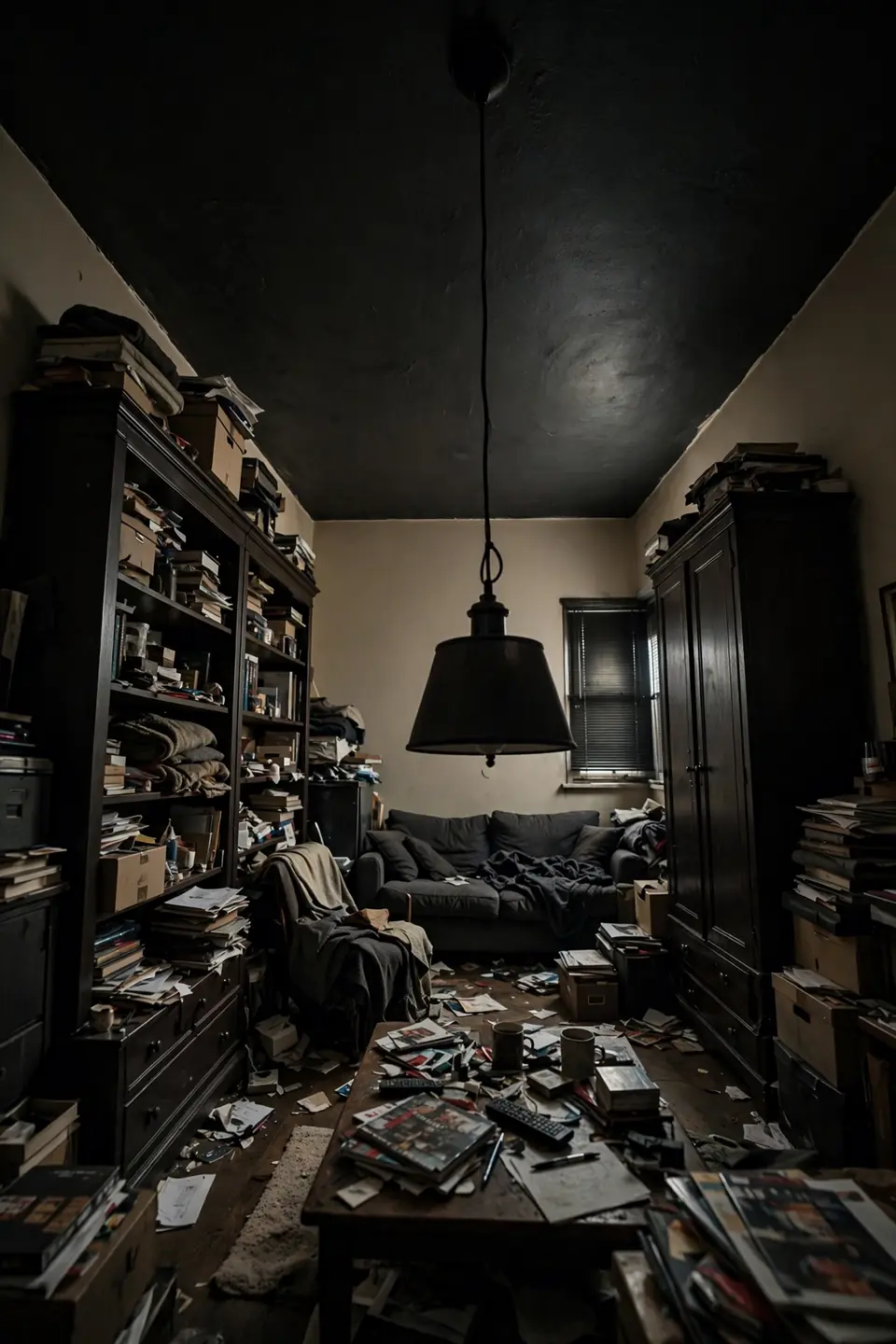
The biggest mistake is painting the ceiling a dark or contrasting color. It drops a visual lid onto the room and makes every wall feel shorter. Dark ceilings can look dramatic in tall rooms, but in a low room they only press everything down.
Another common error is hanging pendant lights too low over tables and islands. A fixture that dangles into your sightline chops the room in half. Raise pendants so their lowest point sits well above head height, and choose slim designs that disappear instead of demanding attention.
Pro Tips for Taller-Feeling Rooms
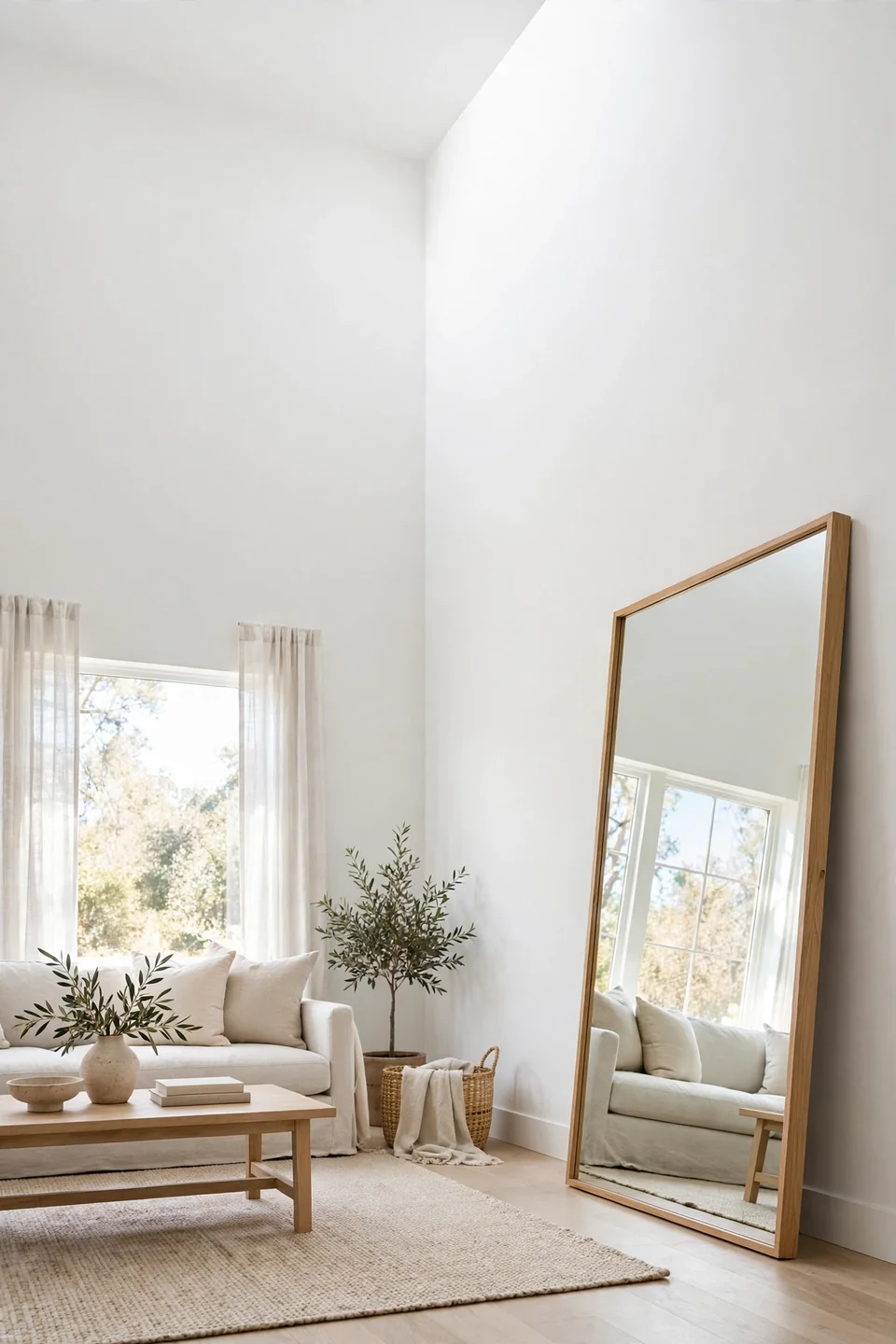
These finishing moves pull everything together. None cost much, and each one stacks with the rest. Apply two or three this weekend and you will feel the difference the moment you walk back in. In my experience, small fixes stacked together beat any single big change.
- Keep the ceiling the brightest surface in the room, since the eye reads the lightest plane as the farthest away.
- Match your wall color closely to the ceiling color so the two blend into one continuous surface.
- Remove anything that hangs below seven feet in walkways, because low obstacles shrink perceived height fast.
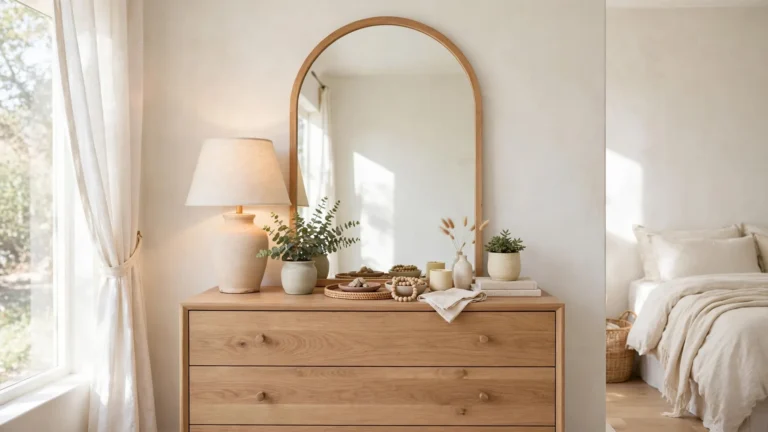
- Add one tall mirror to bounce light upward and double the sense of vertical space.
Conclusion
Low ceilings do not have to limit how your home feels. With the right paint, lighting, and furniture choices, any room can feel taller and more open than its measurements suggest. Start with the easiest wins, like raising your curtain rods and clearing the floor, then layer in the rest over time. If this guide helped you see how to make low ceilings look higher, save it to Pinterest so you can find it when you start your weekend refresh. I have seen how making this one change can completely shift the mood of a home, and yours is next.



One Comment