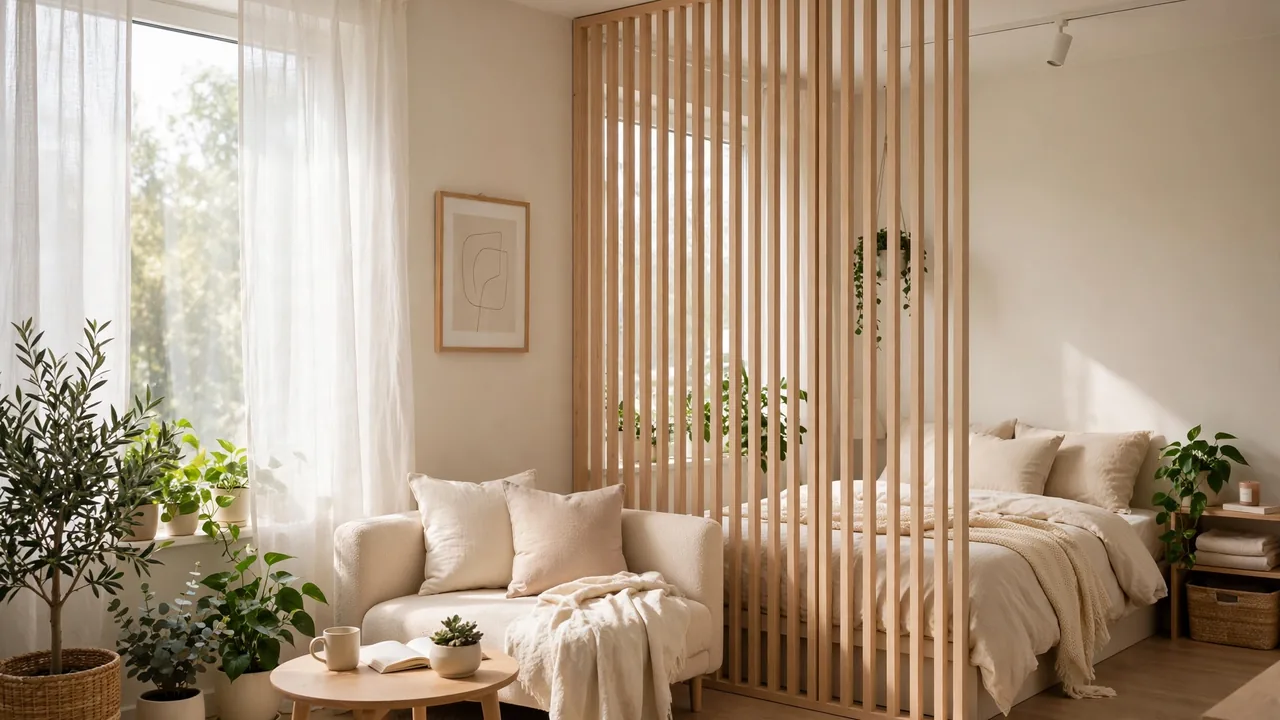
How to Create Privacy in Small Apartments
Sharing a small apartment can make privacy feel like a luxury you cannot afford. Whether you live with roommates, family, or in a studio where every corner is visible, learning how to create privacy in small apartments changes how peaceful your home feels.
You do not need permanent walls or a big budget to carve out personal space. Clever curtains, simple dividers, and smart furniture placement create breathing room fast. In my experience, one well-placed screen calms a whole flat. These ideas pair well with how to make low ceilings look higher for even more visual openness.
By the end of this guide, you will know exactly which privacy tricks fit your space, your budget, and your lease rules. Let us build you a calmer, more private home, starting today.
Why Privacy Is Hard in Small Apartments
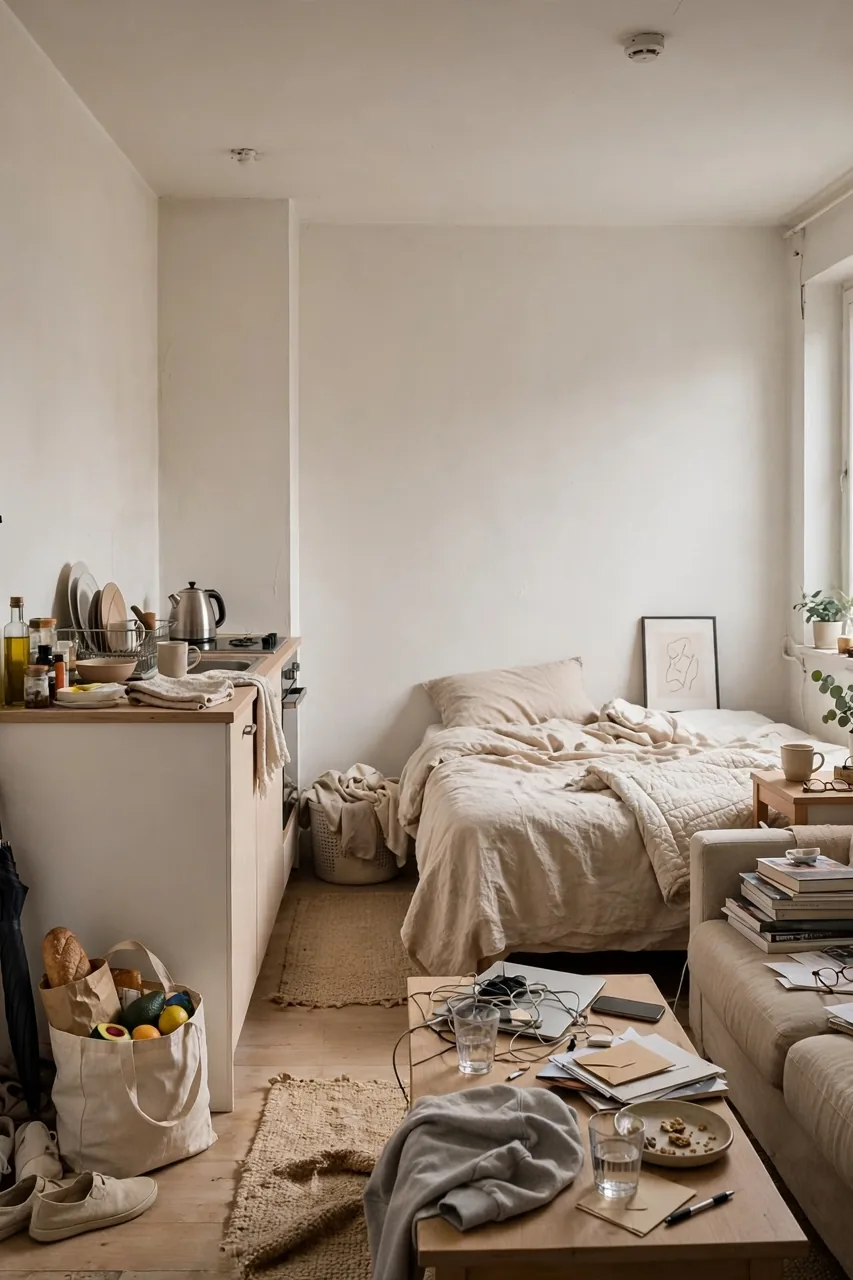
Small apartments rarely come with privacy built in. Open-plan layouts, thin walls, and shared living areas mean every sound and sightline travels. Add roommates or a busy family schedule, and personal space shrinks to almost nothing. It is no wonder so many renters feel on edge at home.
The good news is that privacy problems are design problems, and design problems have solutions. You cannot move walls, but you can redirect sightlines, soften noise, and claim small zones as your own. Understanding why your space feels exposed is the first step toward fixing it.
Map Your Privacy Pain Points
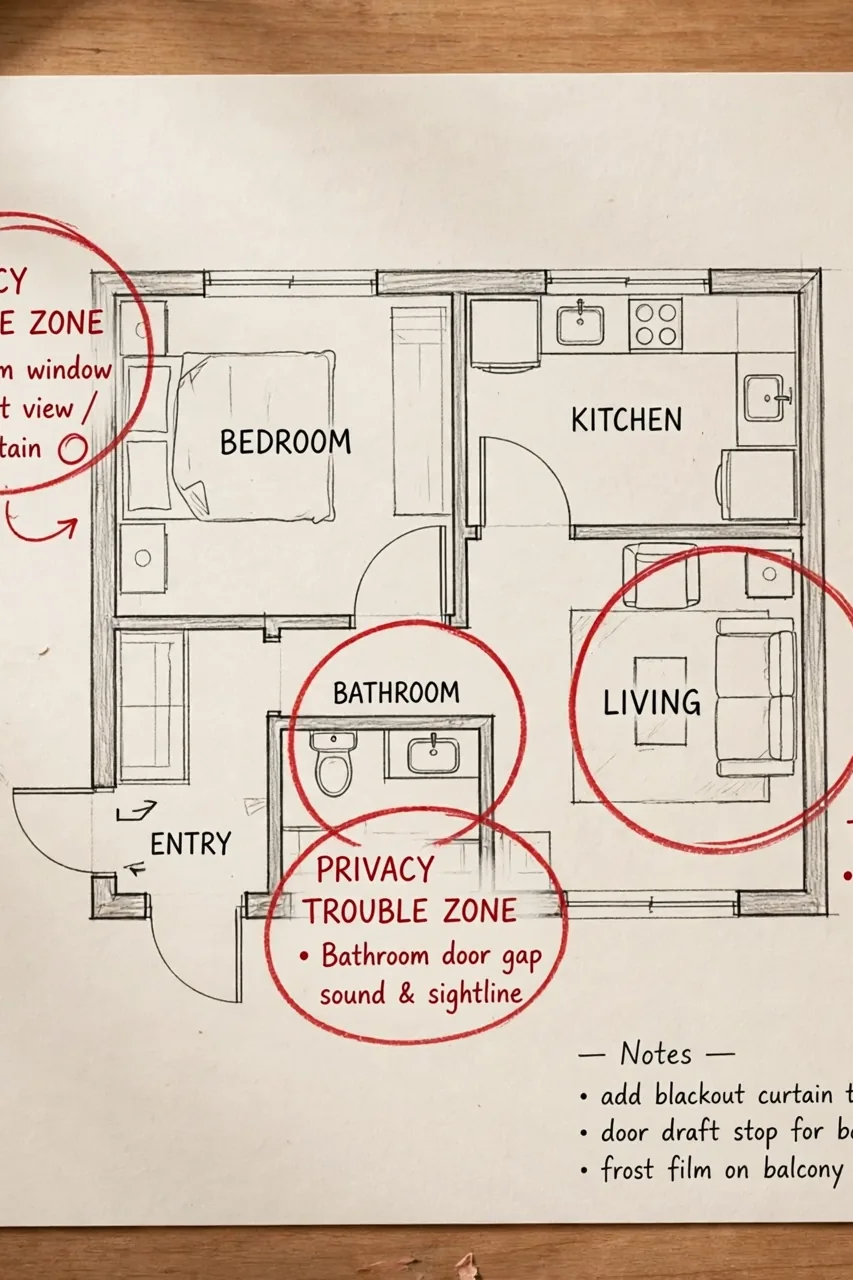
Before buying anything, find out where privacy breaks down in your home. A quick walkthrough shows you exactly which spots need attention, so you spend money only where it counts. This ten-minute audit saves both cash and guesswork every time.
- Stand in each doorway and note what you can see. Any bed, desk, or bathroom door in direct view needs screening.
- Sit in your usual spots and listen for five minutes. Note which noises travel through walls or doors.
- Ask everyone in the home where they feel most exposed. Their answers often surprise you.
- Sketch a simple floor plan and mark the trouble zones. This becomes your privacy action map.
Use Room Dividers Smartly
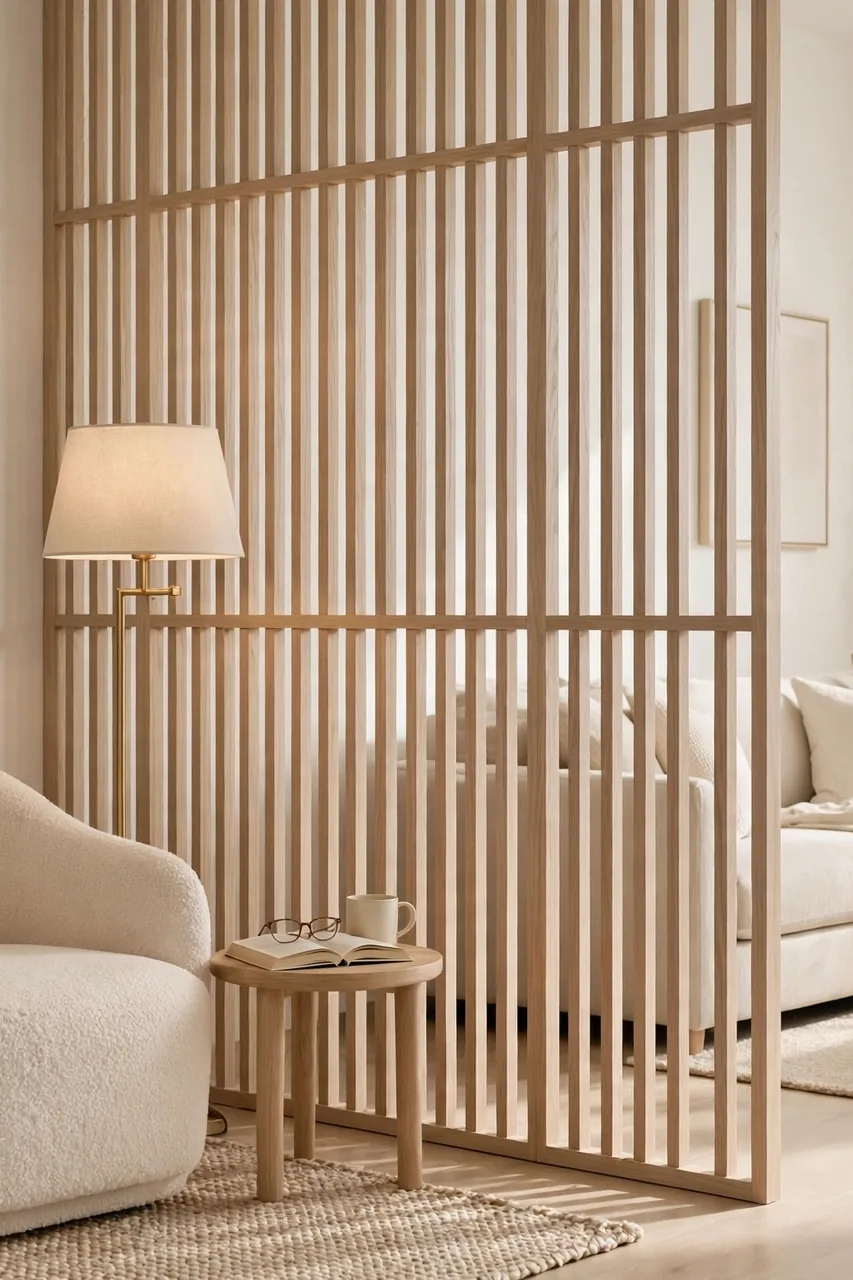
Quick Tip: Choose dividers that match your light needs. Open shelving units and slatted screens divide space while letting daylight flow through. Solid panels work better for bedrooms, where true visual privacy matters most.
Room dividers are the fastest way to split a small apartment into private zones. Folding screens, bookcase dividers, and hanging panels all work without a single nail in the wall. Pick pieces that double as storage or decor so every inch earns its keep. Your studio instantly feels like it has real rooms.
Layer Curtains for Privacy
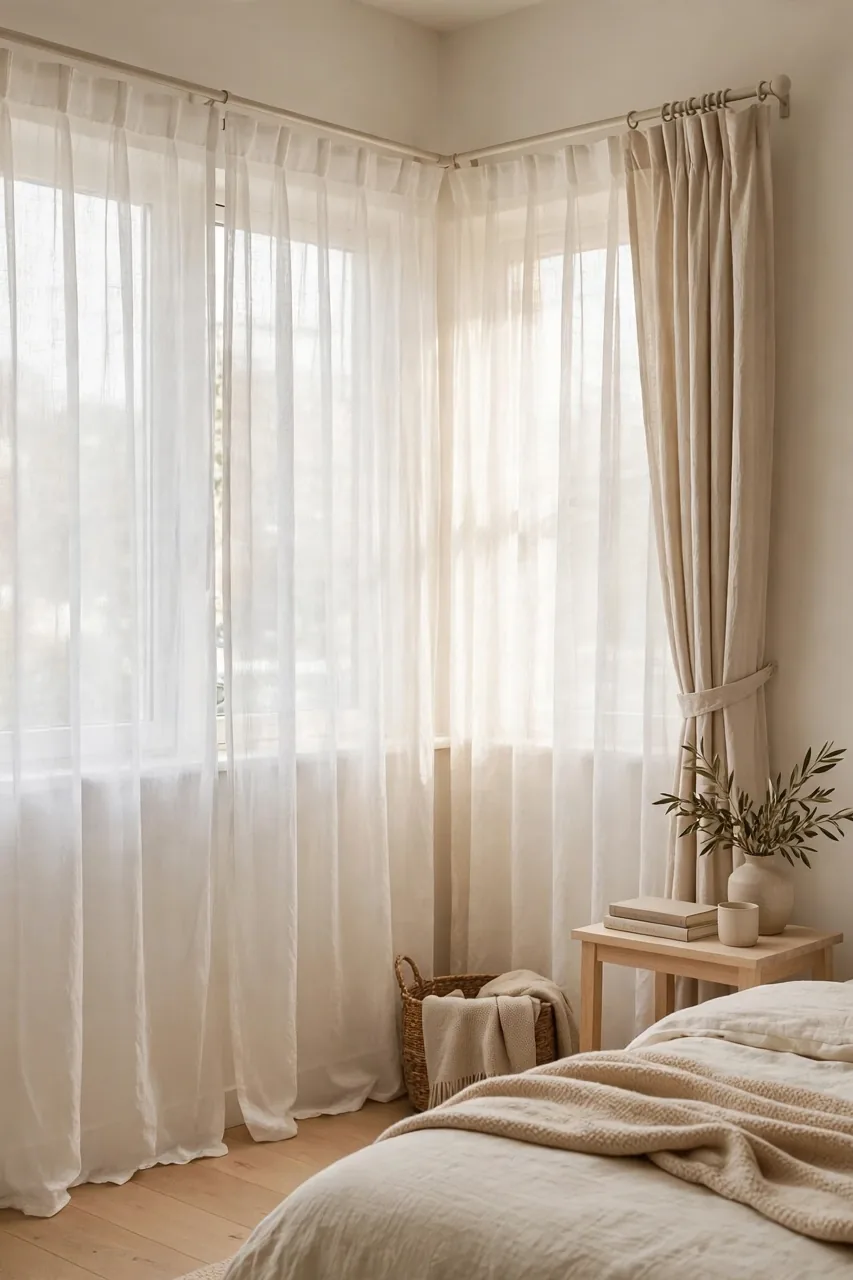
Common Mistake: Most renters hang one thin curtain panel and call it done. Sheer fabric looks pretty during the day but turns your windows into a stage at night. Anyone outside sees every silhouette and movement.
The Fix: Layer a sheer panel with a heavier curtain on a double rod. Sheers give you soft daylight privacy by day, and the heavier layer closes for full coverage after dark. Ceiling-mounted tracks work even in rentals with adhesive hooks.
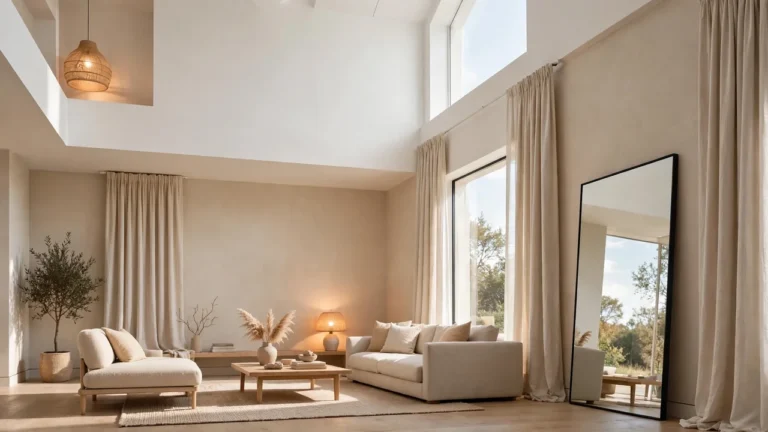
Curtains do more than dress windows. They also divide sleeping areas, hide open closets, and soften echoey rooms. Hang them from ceiling to floor to make walls feel taller and zones feel intentional. The right fabric turns a flimsy setup into a real private retreat.
Create Zones Without Walls
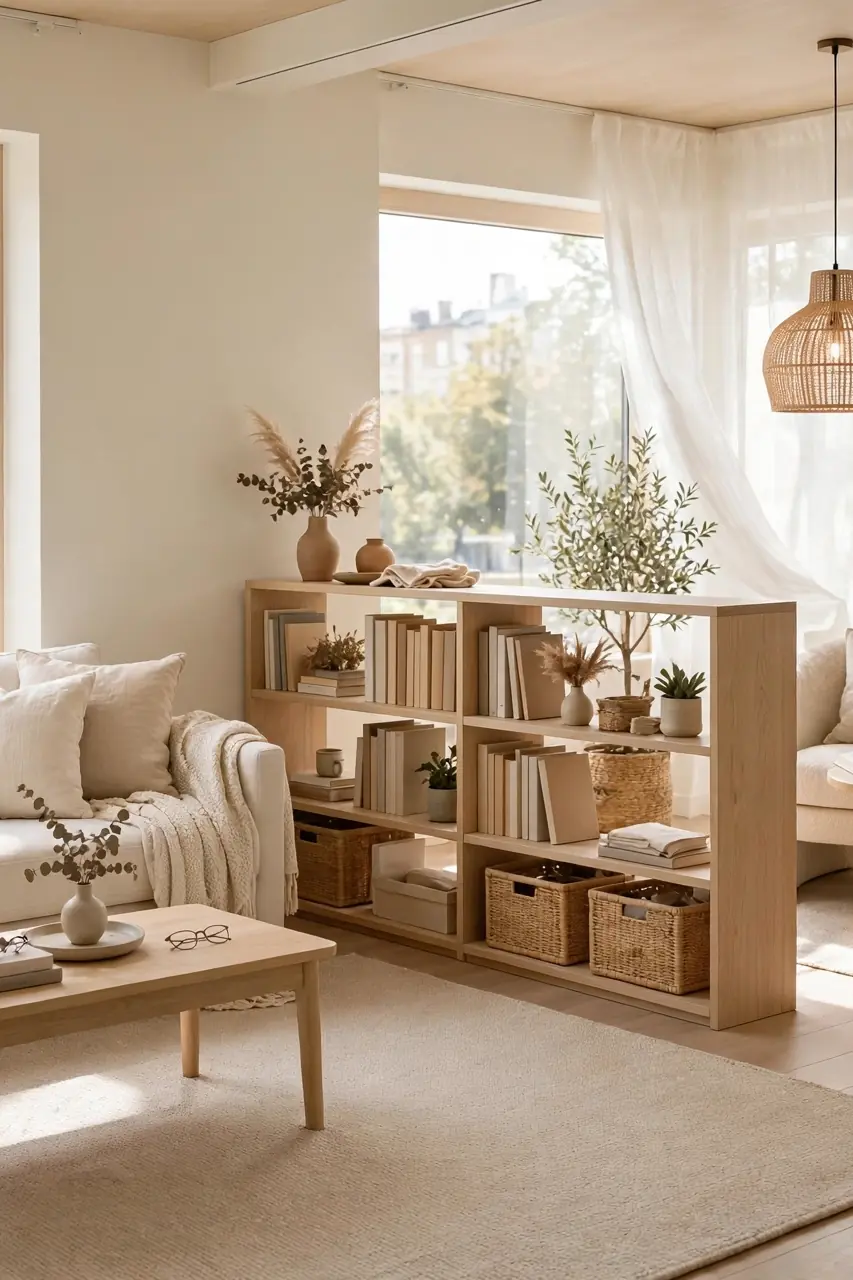
What You Need:
- A large area rug: anchors a living zone and signals where one area ends and another begins.
- A low open bookshelf: marks a boundary while keeping sightlines open and airy.
- A pendant light or floor lamp: defines a reading or dining corner with a pool of light.
- A folding screen: the quickest visual barrier for sleeping or work areas.
- Plants in tall planters: soften edges and add a living, breathing partition.
Zoning tricks the eye into reading one room as several. Each zone gets its own anchor piece, its own lighting, and its own purpose. Guests understand the layout without a single wall being built. Your small apartment starts feeling bigger and more organized at the same time.
Soundproof on a Budget
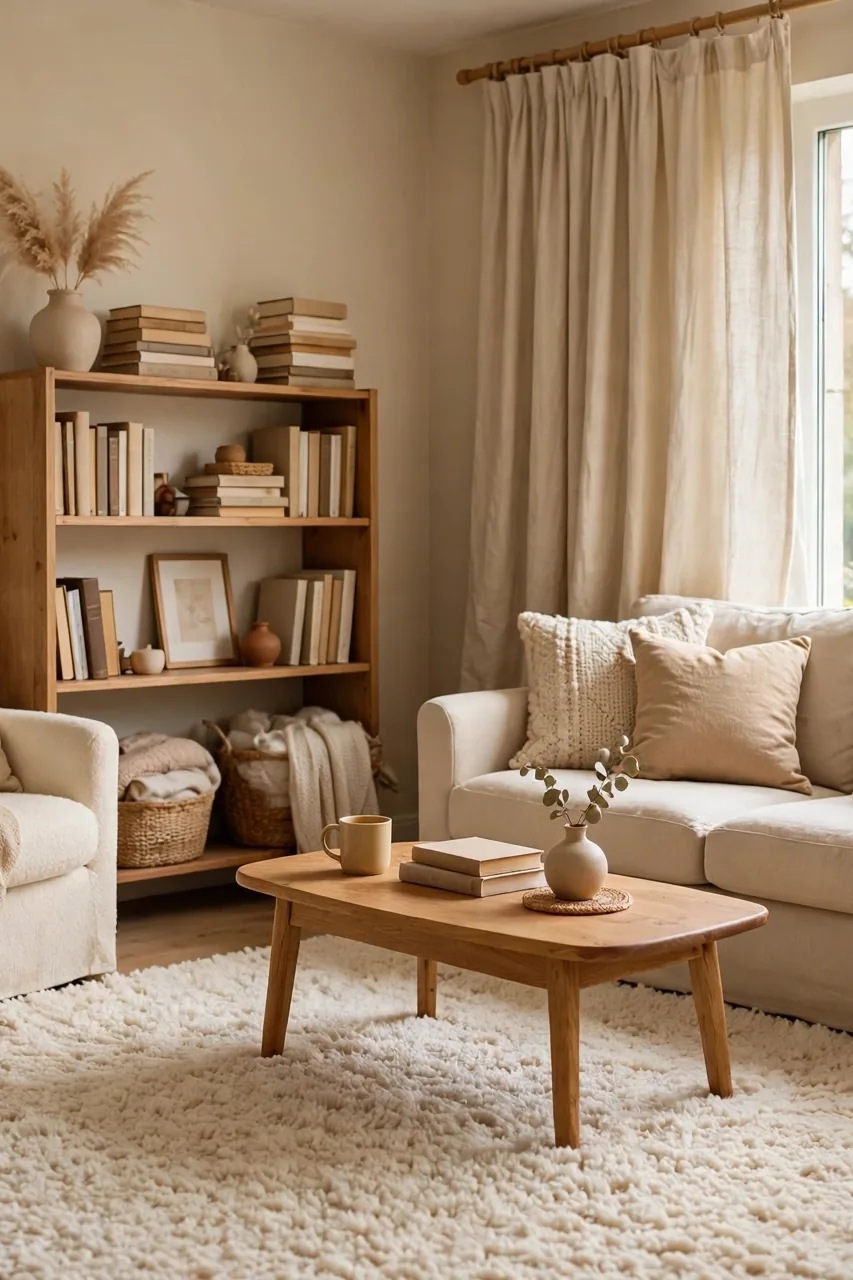
Before: Thin apartment walls carry every conversation, TV show, and footstep straight through. You lower your voice at night and still worry the neighbors hear everything. Phone calls feel public and sleep gets interrupted by hallway noise.
After: With a few soft layers in place, your rooms feel noticeably quieter. Thick rugs, heavy curtains, and sealed door gaps absorb the worst of it. Conversations stay in the room, and outside noise fades into the background.
You cannot rebuild walls, but you can tame how sound moves. Soft furnishings absorb echo, draft stoppers seal door gaps, and bookshelves against shared walls add mass. Each layer makes a small but real difference. Stack three or four of these tricks and the change is dramatic.
Use Furniture as Barriers
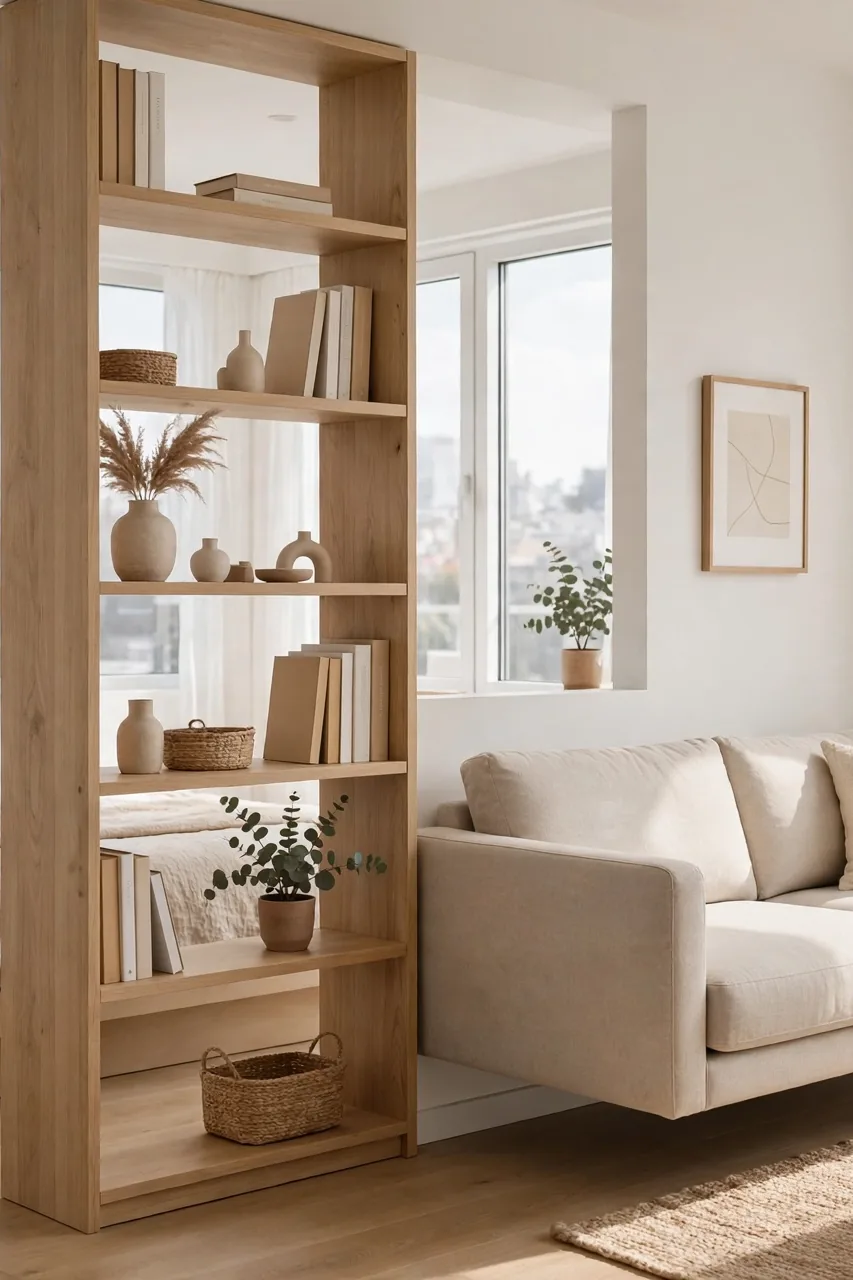
Do This:
- Place a tall bookshelf perpendicular to the wall to split a studio into sleeping and living zones.
- Float your sofa with its back to the bed to create a natural room divider.
- Use a wardrobe or dresser to block sightlines into a home office corner.
- Angle an armchair to carve out a private reading spot.
Avoid This:
- Do not push every piece against the walls; floating furniture creates better zones.
- Do not use bulky pieces that block windows and steal daylight.
- Do not create dead corners that collect clutter behind barriers.
- Do not forget walkways; leave at least 30 inches for comfortable passage.
Furniture you already own can do the job of walls. The trick is thinking in zones instead of rooms. Every large piece becomes a boundary marker that guides the eye. Rearranging costs nothing, so experiment until the layout feels right. Small shifts often make the biggest difference.
Once your furniture zones feel settled, refine the leftover spots with how to fill empty corners in living rooms. When you learn how to create privacy in small apartments, a few awkward gaps usually remain, and styling them makes every zone feel finished.
Add Plants for Natural Screens
Quick Facts:
Best For: softening dividers and filling awkward gaps
Time Needed: one afternoon to place and arrange
Cost: low to medium depending on plant size
Pro Tip: group plants in odd numbers for a natural look
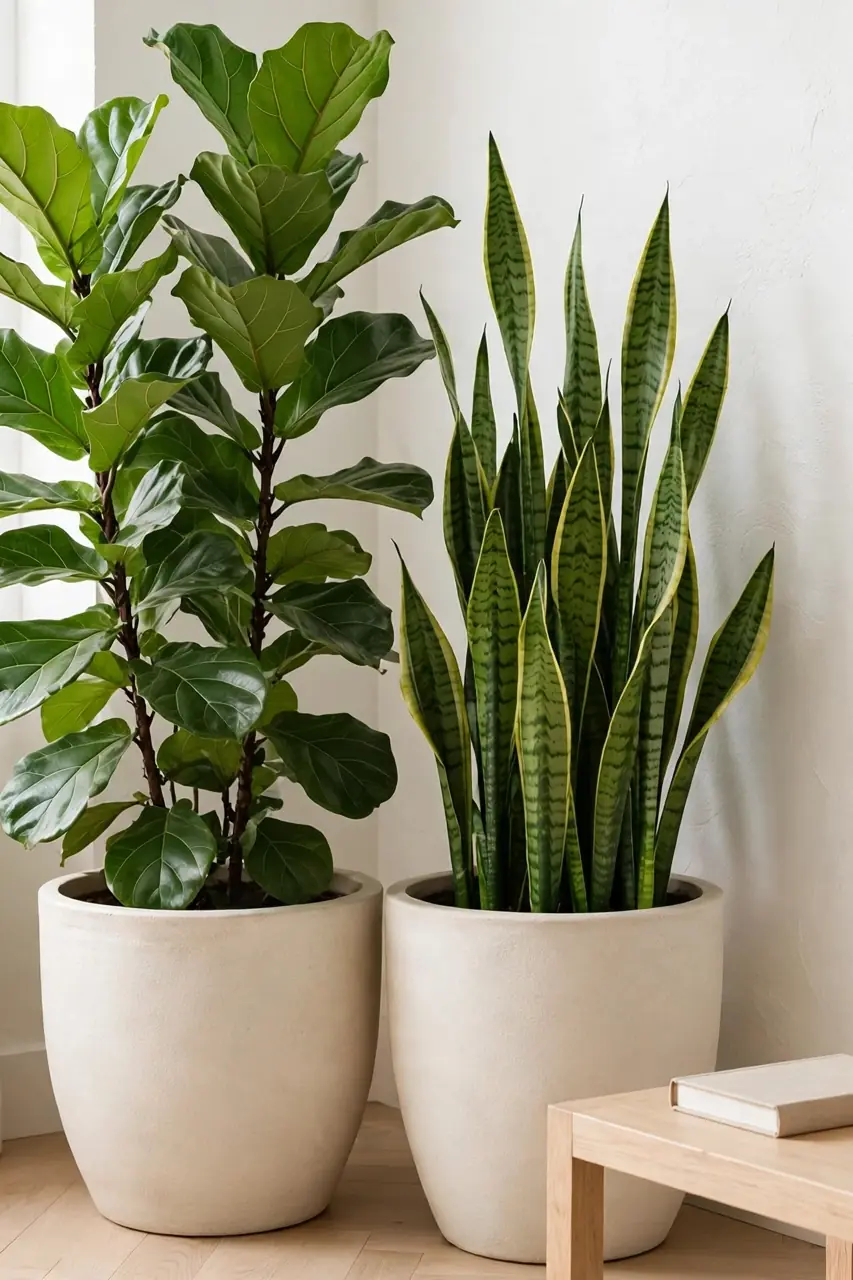
Plants make the friendliest privacy screens. Tall varieties like fiddle leaf figs, snake plants, and bamboo palms block sightlines without blocking light. Cluster them in large pots to build a green wall effect. They also clean the air and lift your mood, which small spaces desperately need.
Common Privacy Mistakes
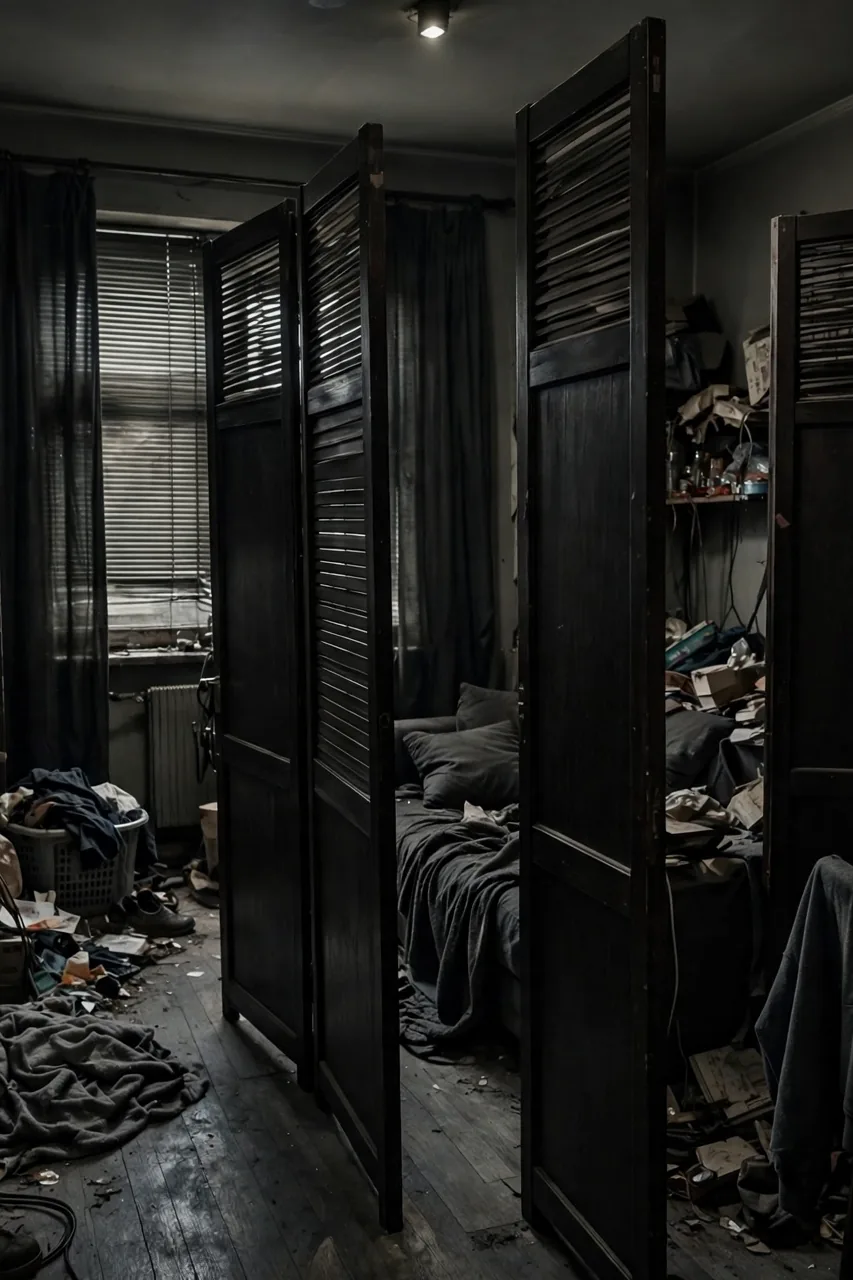
The biggest mistake is going too far and chopping your apartment into dark little boxes. Heavy solid dividers everywhere block daylight and make rooms feel smaller than they actually are. Privacy should never come at the cost of light, air, and that open feeling you want at home.
Another common slip is ignoring sound while fixing sightlines. A beautiful screen means little if every word still carries through the walls. Treat visual and sound privacy as a pair. I have seen renters transform their homes simply by addressing both together instead of one alone.
Pro Tips for Private Small Spaces
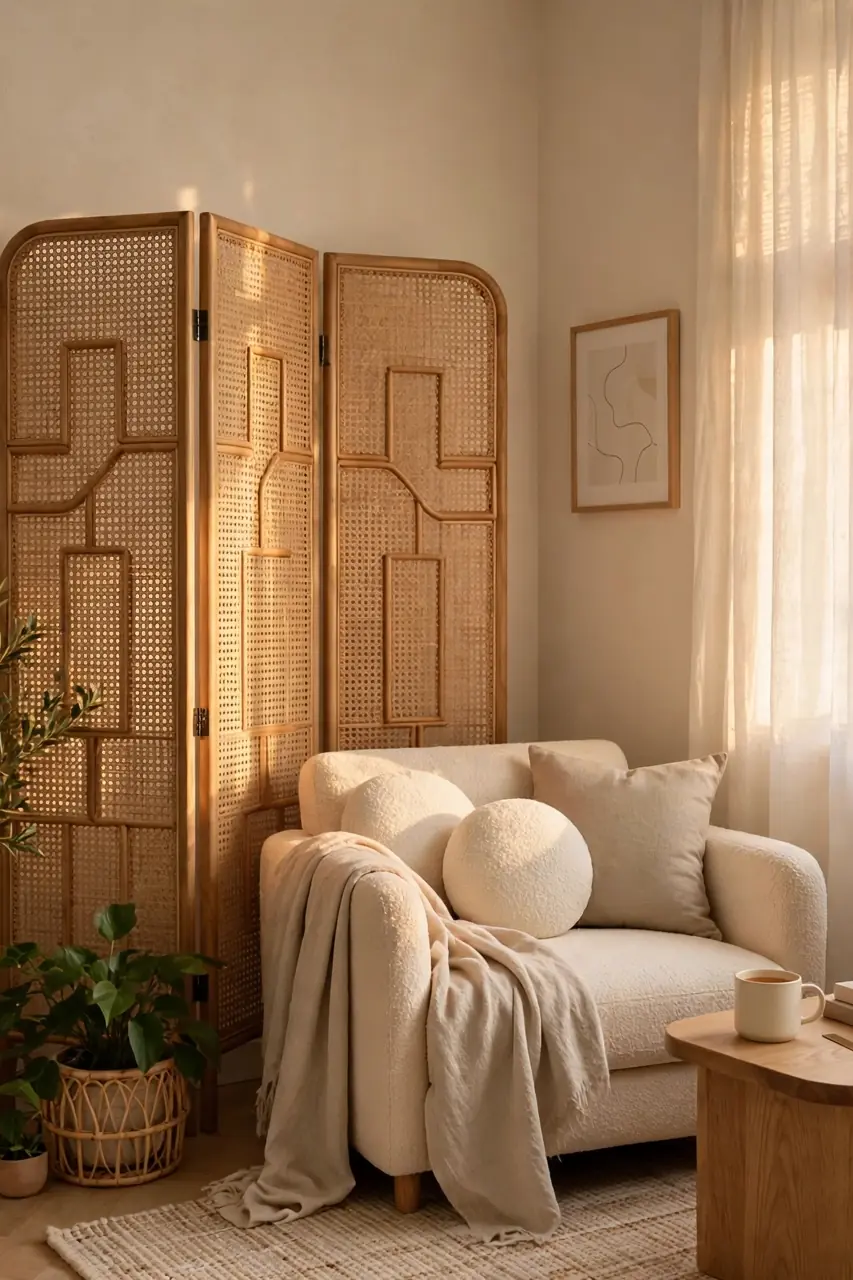
These finishing touches take your privacy setup from good to great. They cost little, take minutes, and make your apartment feel like a true retreat. Small details create the calm you have been missing, so do not skip this final pass.
- Add felt pads under divider feet so you can slide screens around without scratching floors.
- Keep a lightweight folding screen handy for instant privacy when guests stay over.
- Use scented candles or a small diffuser in your private zone to mark it as your own space.
- Review your setup every few months and adjust as seasons and light change.
Conclusion
Privacy in a small apartment is absolutely achievable, even on a tight renter’s budget. Start with one divider or curtain, then layer in zoning and sound softening as you go. Once you know how to create privacy in small apartments, your home finally feels like yours again. Save this guide on Pinterest so you can revisit each idea while you shop for pieces. I have seen how making this one change can completely shift how a home feels day to day. Your calmer, more private space is closer than you think.
One Comment