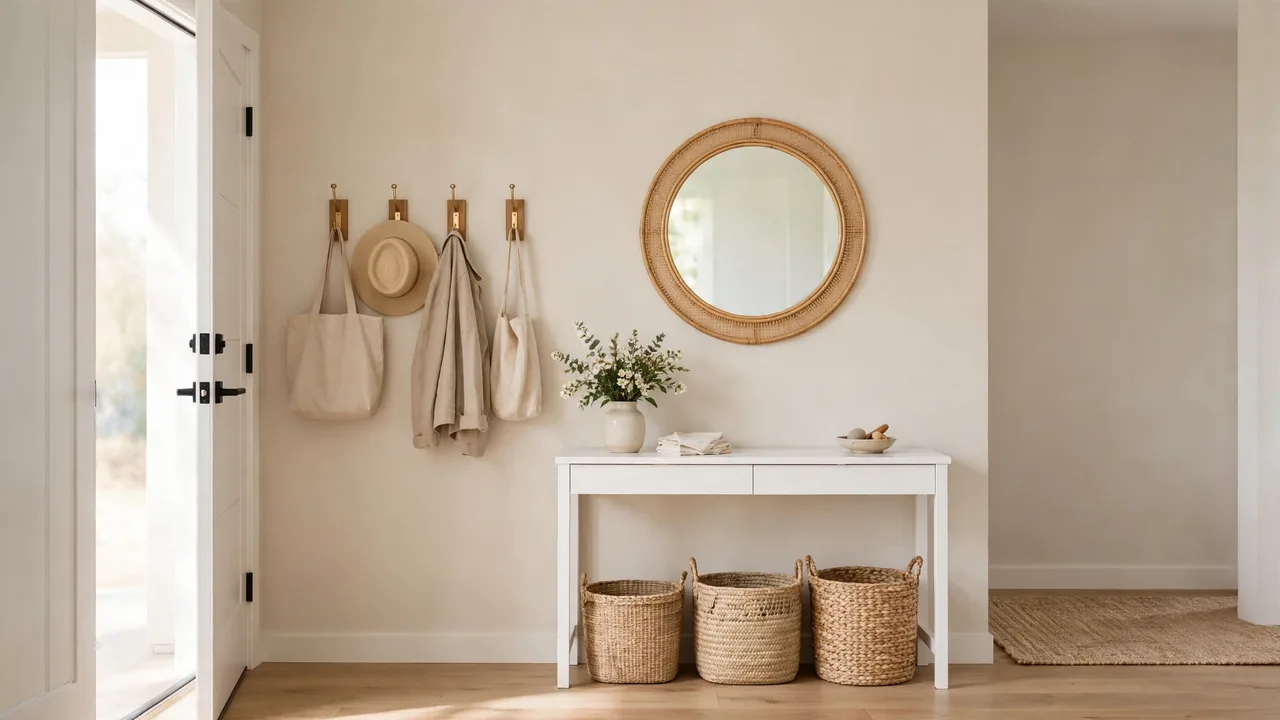
How to Organize Cluttered Entryways
Your entryway is the first thing you see when you walk in, so when it looks like a dumping ground, the whole home feels off. Learning how to organize cluttered entryways changes that feeling fast. In my experience, this one small zone sets the tone for everything behind it.
Shoes pile up, mail spreads across the console, and keys vanish right when you need them. It is a common mess, and fixing it does not require a big budget or a full weekend. For small-space ideas that pair well with this guide, see how to create privacy in small apartments.
Follow the steps below and your entryway will greet you with calm instead of chaos.
Why Entryways Become Clutter Zones
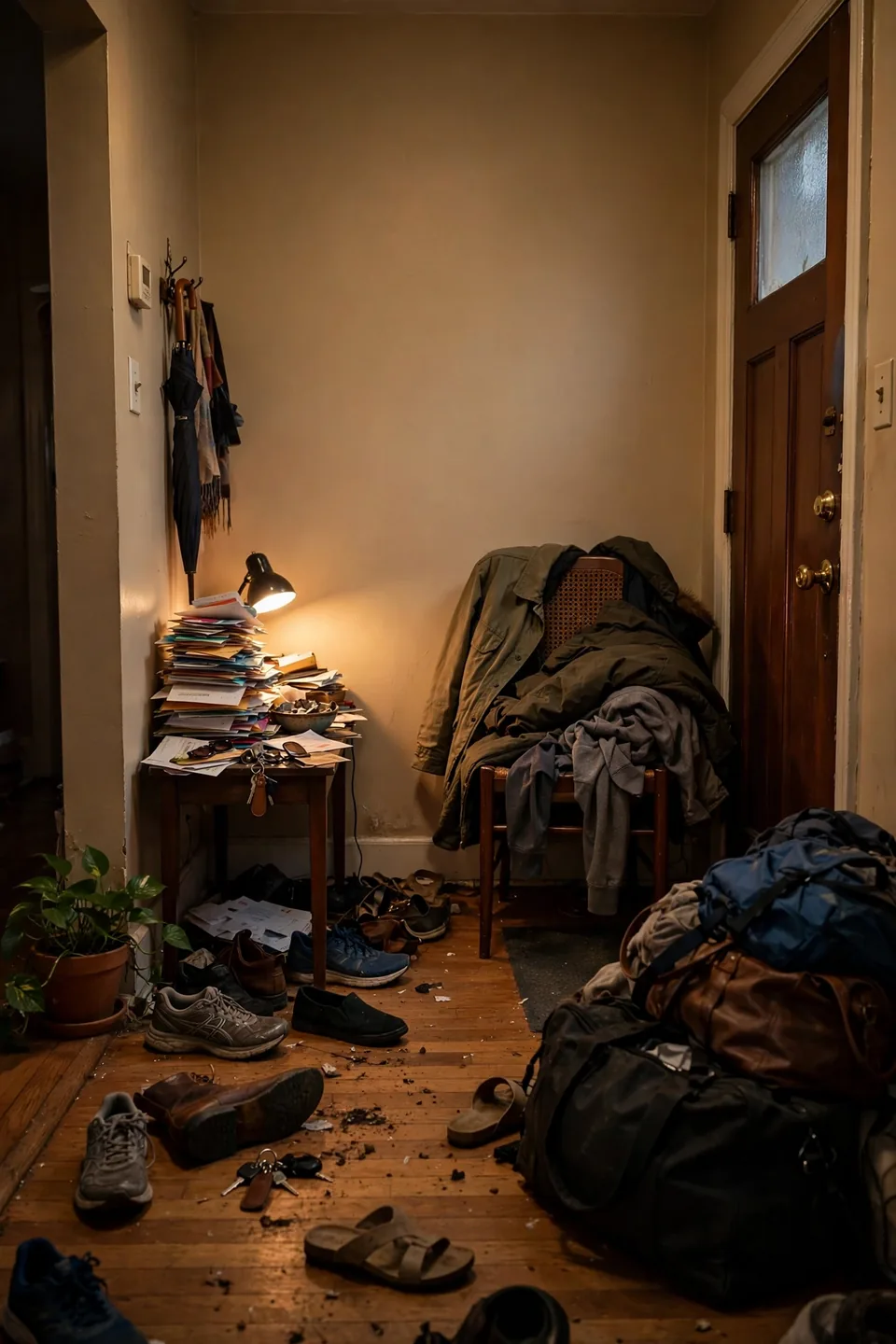
Every member of the household drops things the moment they walk through the door. Coats land on the nearest chair, bags slide to the floor, and shoes get kicked off without a second thought. Nobody means to make a mess, but with no system in place, the entryway quietly collects everything.
The problem grows because entryways are transition spaces, not destinations. You pass through in a rush, so nothing gets put away properly. Once a pile forms, everyone adds to it because it already looks messy. Understanding this pattern is the first move toward a tidy entrance.
Clear Everything Out First
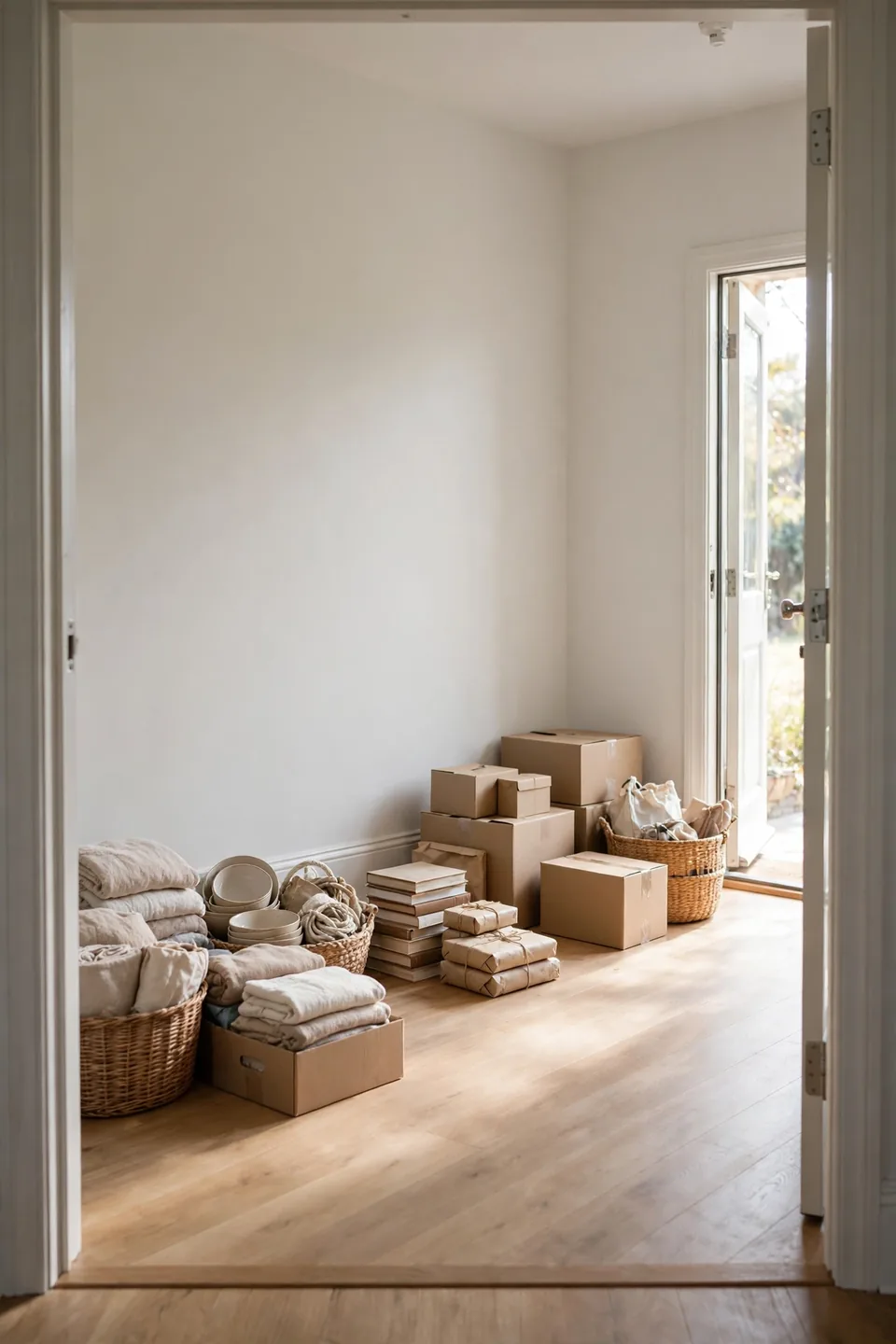
You cannot organize what you cannot see, so the reset starts with a full clear-out. Pull every single item out of the entryway and lay it on the floor nearby. This blank slate shows you exactly what you are dealing with and stops hidden clutter from surviving.
- Pull everything out, including the stuff shoved in corners and behind the door. You need the full picture before you decide anything.
- Sort items into three piles: keep in the entryway, relocate elsewhere, and donate or toss. Be honest about what truly belongs by the door.
- Wipe down the console, hooks, and floor while the space is empty. A clean base makes the reset feel real and fresh.
- Return only what truly belongs by the door. Everything else finds a new home today, not tomorrow.
Create Drop Zones for Everyone
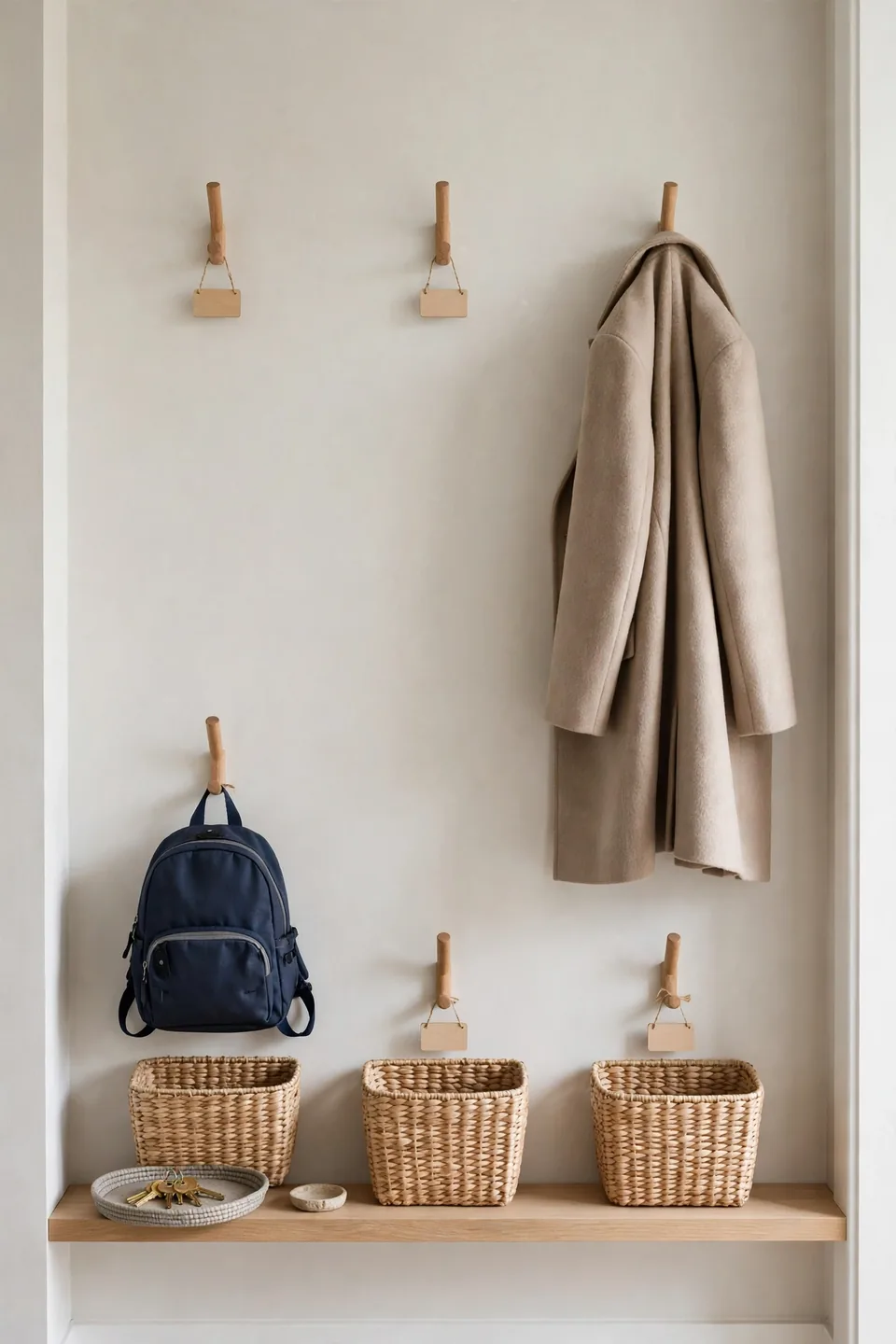
Quick Tip: Give every person in the house their own labeled spot, even if it is just one hook and a small basket. Shared zones fail because nobody feels responsible for them. Personal zones work because ownership is clear.
Kids need a low hook for backpacks and a basket for shoes they can actually reach. Adults do well with a wall hook for keys and a tray for sunglasses and wallets. When each person has a defined landing spot, the daily drop becomes automatic instead of chaotic.
Add Hooks and Racks
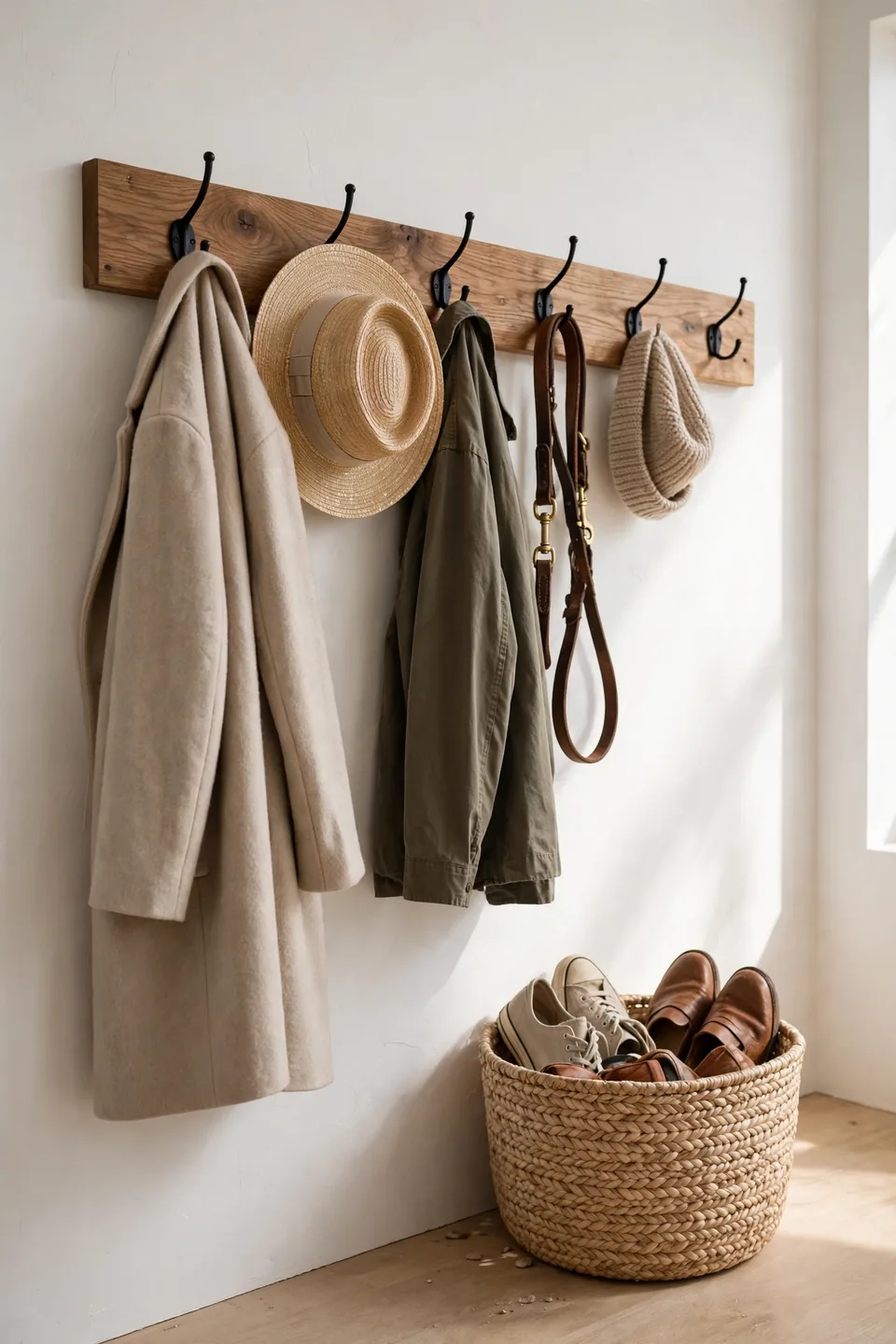
Common Mistake: Most people mount one or two hooks and call it done, then wonder why coats still end up on chairs. Two hooks cannot serve a family of four, and a single row at adult height shuts out the kids completely.
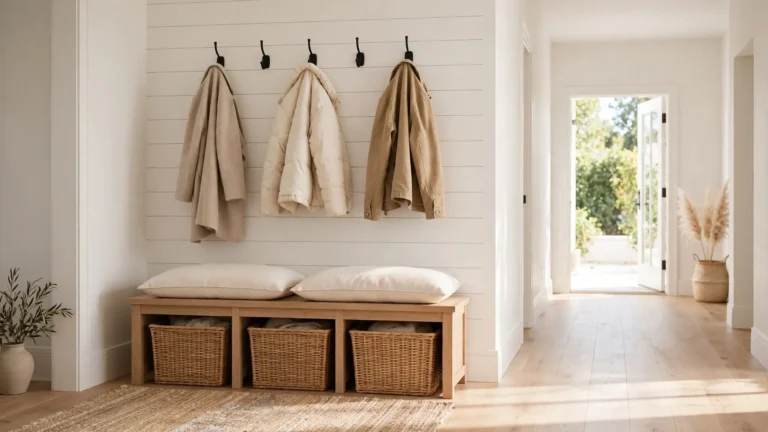
The Fix: Install a full row of sturdy hooks at two heights, one for adults and one for kids. Add a wall-mounted rack or peg rail near the door for bags and leashes. Match the number of hooks to the number of people, plus two spare.
Space hooks about eight inches apart so bulky winter coats do not crowd each other off. Choose hooks that hold at least fifteen pounds, because cheap adhesive ones fail right when you trust them most. In my experience, this one upgrade clears more clutter than any new piece of furniture.
Choose the Right Console Table
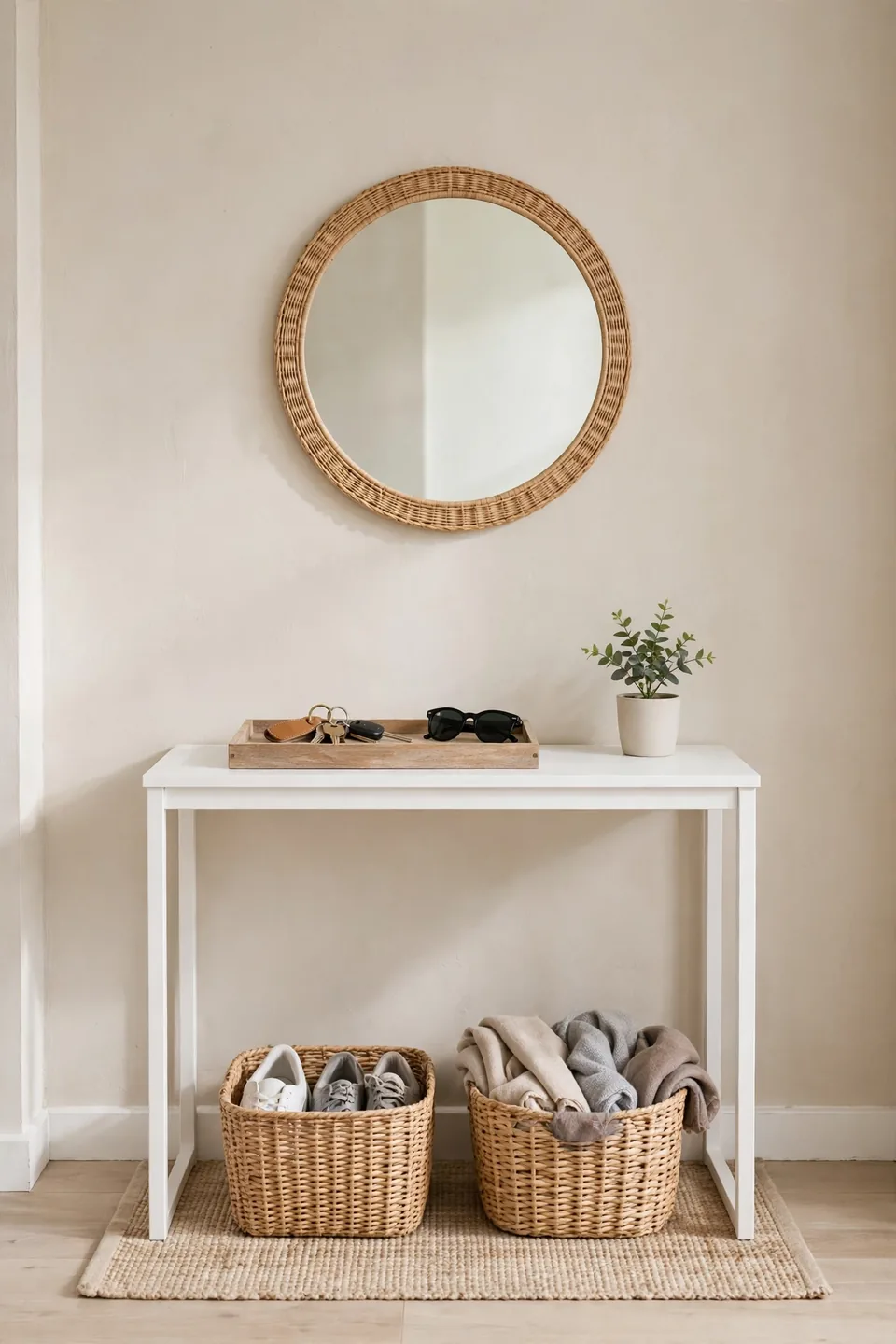
What You Need:
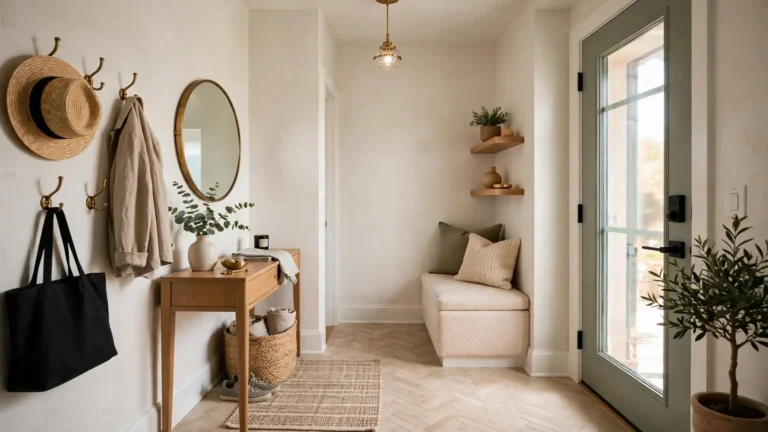
- A slim console table, no deeper than twelve inches, so it fits narrow entries without blocking the path.
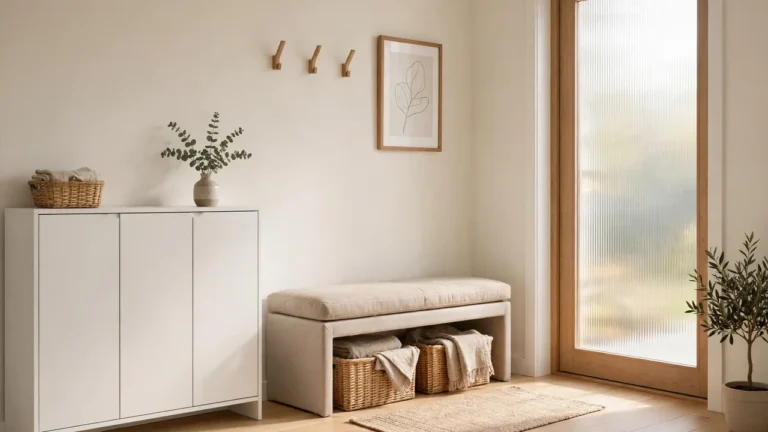
- Two or three small baskets or bins that slide underneath for shoes, scarves, and pet supplies.
- A shallow tray for the tabletop to catch keys, wallets, and sunglasses in one visible spot.
- A small lidded box for the odds and ends that always appear, like batteries, tape, and spare buttons.
- Felt pads for the table feet to protect floors and stop the table from sliding when bumped.
The right table earns its place by giving every small item a visible home. Skip bulky dressers that eat floor space and force everyone to squeeze past. A slim console with storage underneath keeps the walkway clear and the surface useful at the same time.
Corral Shoes Smartly
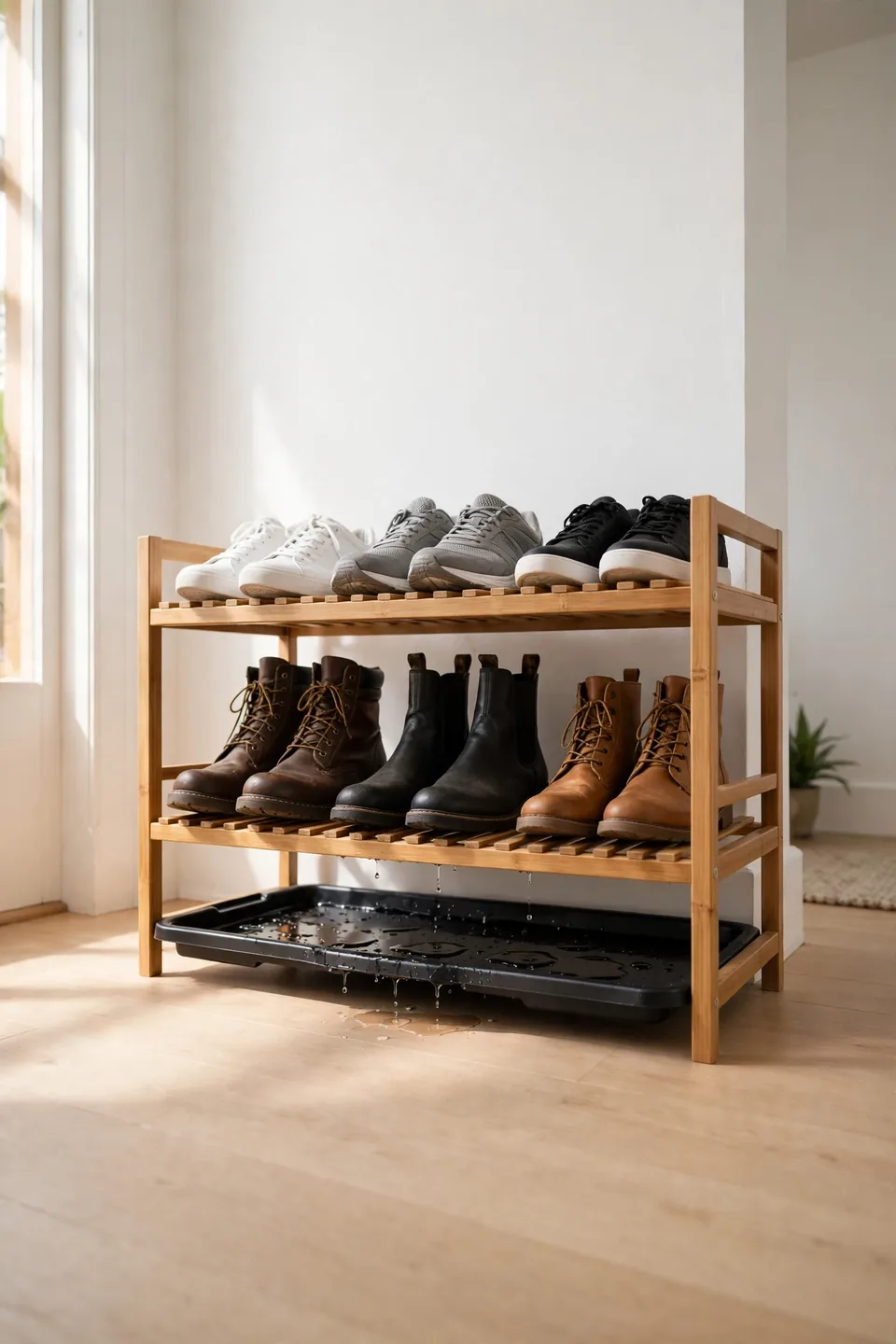
Before: Shoes scattered across the entryway floor create a tripping hazard and make the whole space look chaotic. Pairs separate, laces tangle, and guests have nowhere safe to step. Every morning starts with a hunt for the matching shoe.
After: Each pair sits in its own slot on a slim rack or inside a labeled cubby. The floor stays clear, mornings run smoother, and the entryway looks calm even at full capacity. Guests see order instead of a shoe explosion.
Limit the entryway to the shoes you wear daily and store the rest in bedroom closets. A boot tray by the door catches wet soles in rainy months and keeps floors clean. One pair per person per season is the rule that keeps the rack from overflowing.
If your entryway feels cramped as well as cluttered, these ideas for how to make low ceilings look higher pair perfectly with an organized entrance.
Tame Mail and Keys
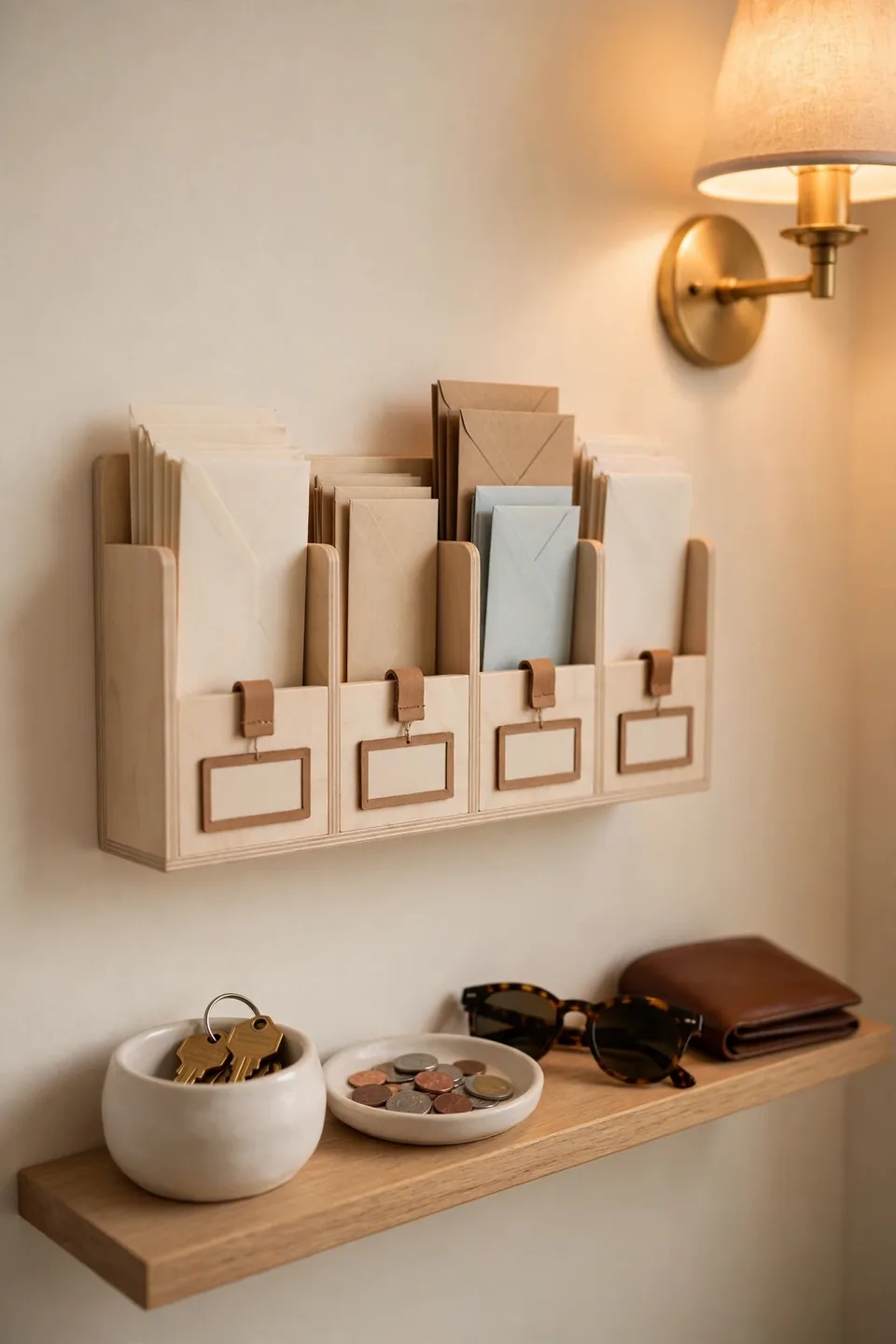
Do This:
- Mount a small wall file or slim basket by the door for incoming mail.
- Keep a dedicated key hook or bowl in the exact same spot every day.
- Sort mail the moment you walk in: recycle junk immediately, file the rest weekly.
- Charge your phone on the console so keys, wallet, and phone live together.
Avoid This:
- Do not let mail pile up on the console until it slides onto the floor.
- Do not hang keys on random hooks; one home for keys, always.
- Do not keep every catalog and flyer; if you will not read it, recycle it now.
Mail and keys cause outsized stress because you need them at the worst moments. A fixed spot for both removes the daily panic entirely, and I’ve noticed that households with a key bowl rarely lose keys. Make the spot impossible to miss so every family member actually uses it.
Keep It Clean Daily
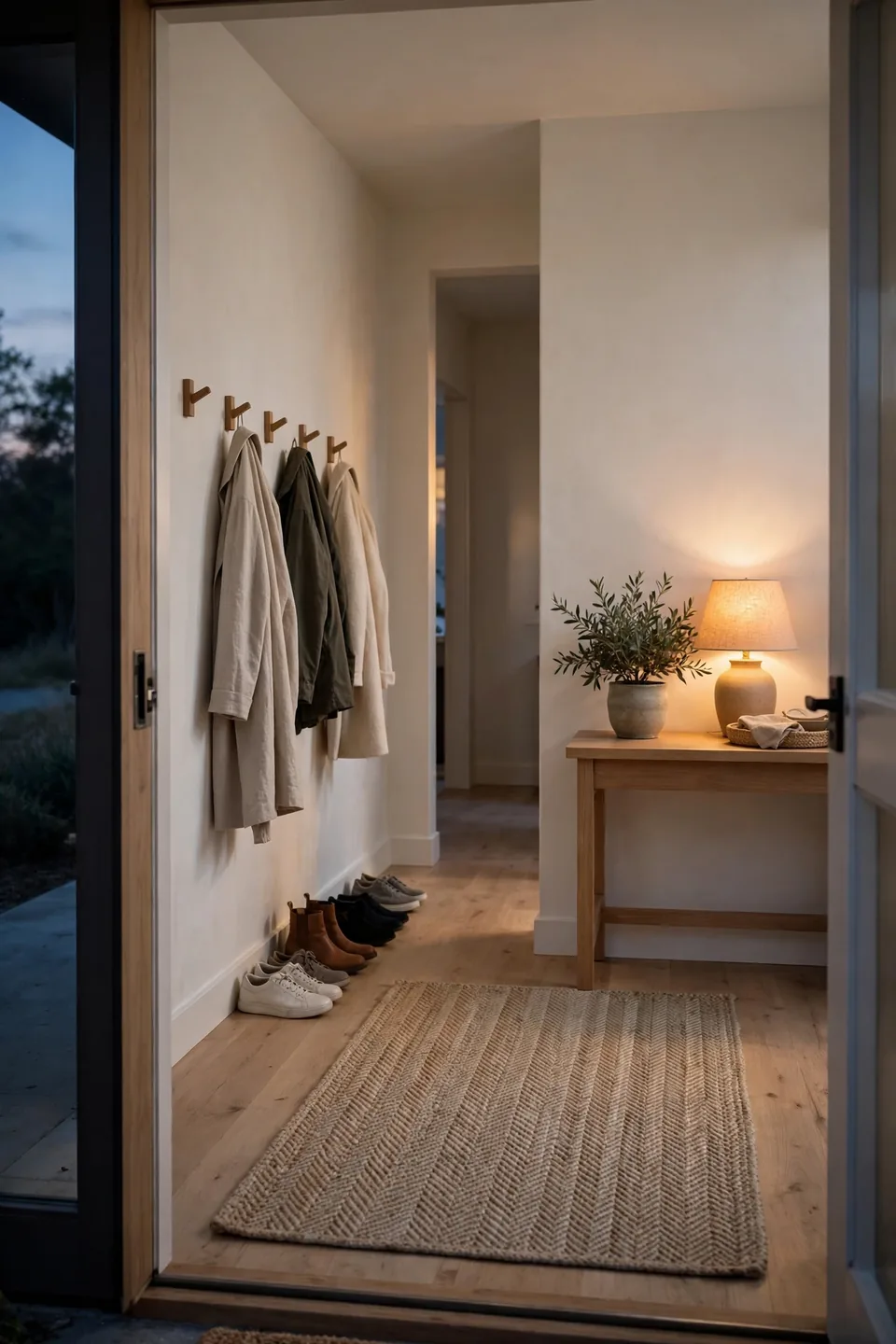
Time Needed: 5 minutes each evening
Difficulty: Easy, anyone can do it
Best For: busy households with kids and pets
Result: an entryway that stays tidy all week
Once you know how to organize cluttered entryways step by step, the daily reset takes only five minutes. Return stray items to their zones, toss junk mail, and line up shoes before bed. This tiny habit protects all the work you did and keeps chaos from creeping back.
Common Entryway Mistakes
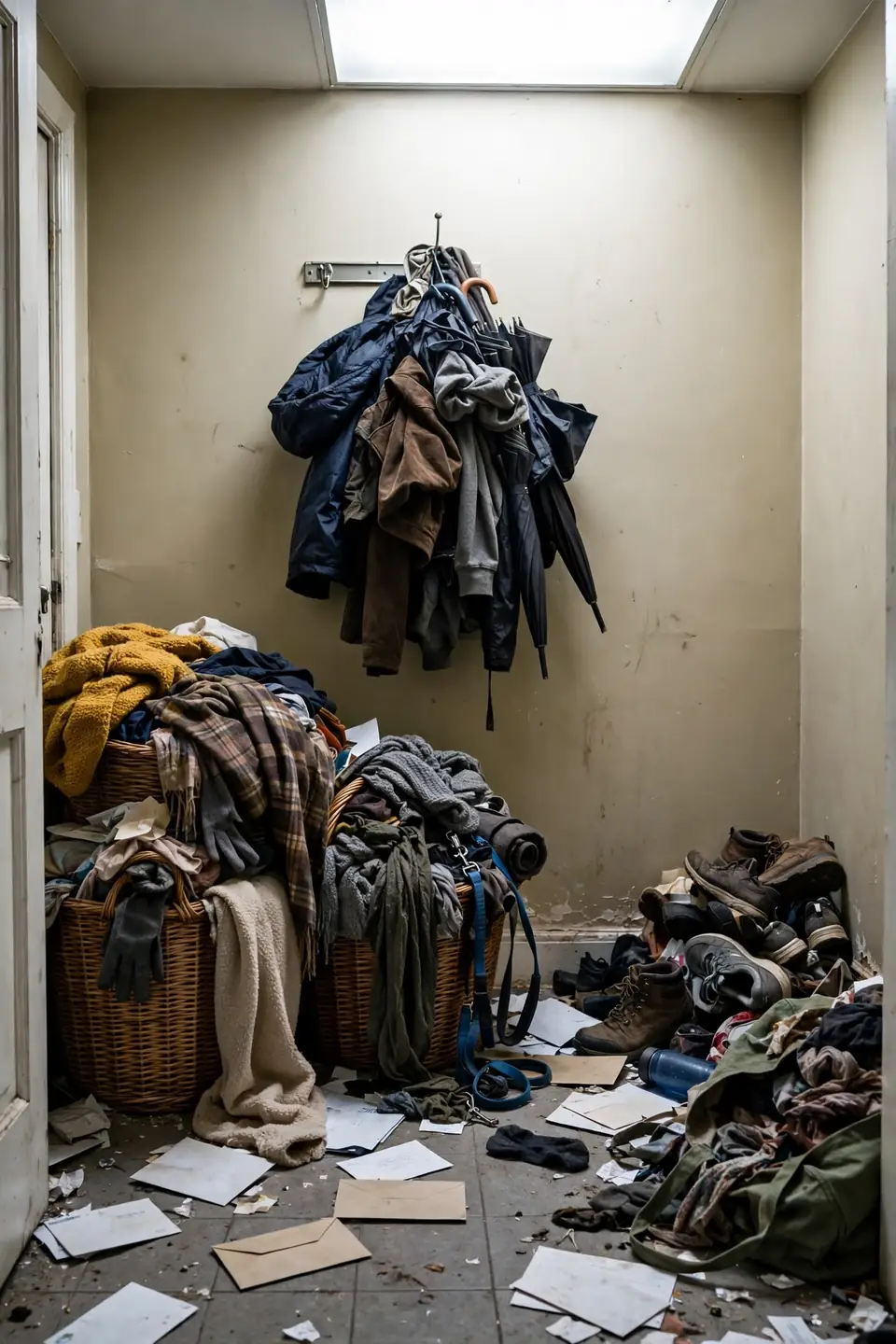
The biggest mistake is buying storage before clearing the clutter, because new baskets just give mess a prettier place to hide. Another error is building a system only one person understands, so everyone else ignores it. Start with less stuff, then buy only what the remaining items need.
People also forget about vertical space and cram everything at floor level. Walls offer free real estate for hooks, shelves, and slim cabinets that cost nothing in floor area. Finally, skipping the daily reset lets one messy day snowball into a month of chaos.
Pro Tips for a Tidy Entry
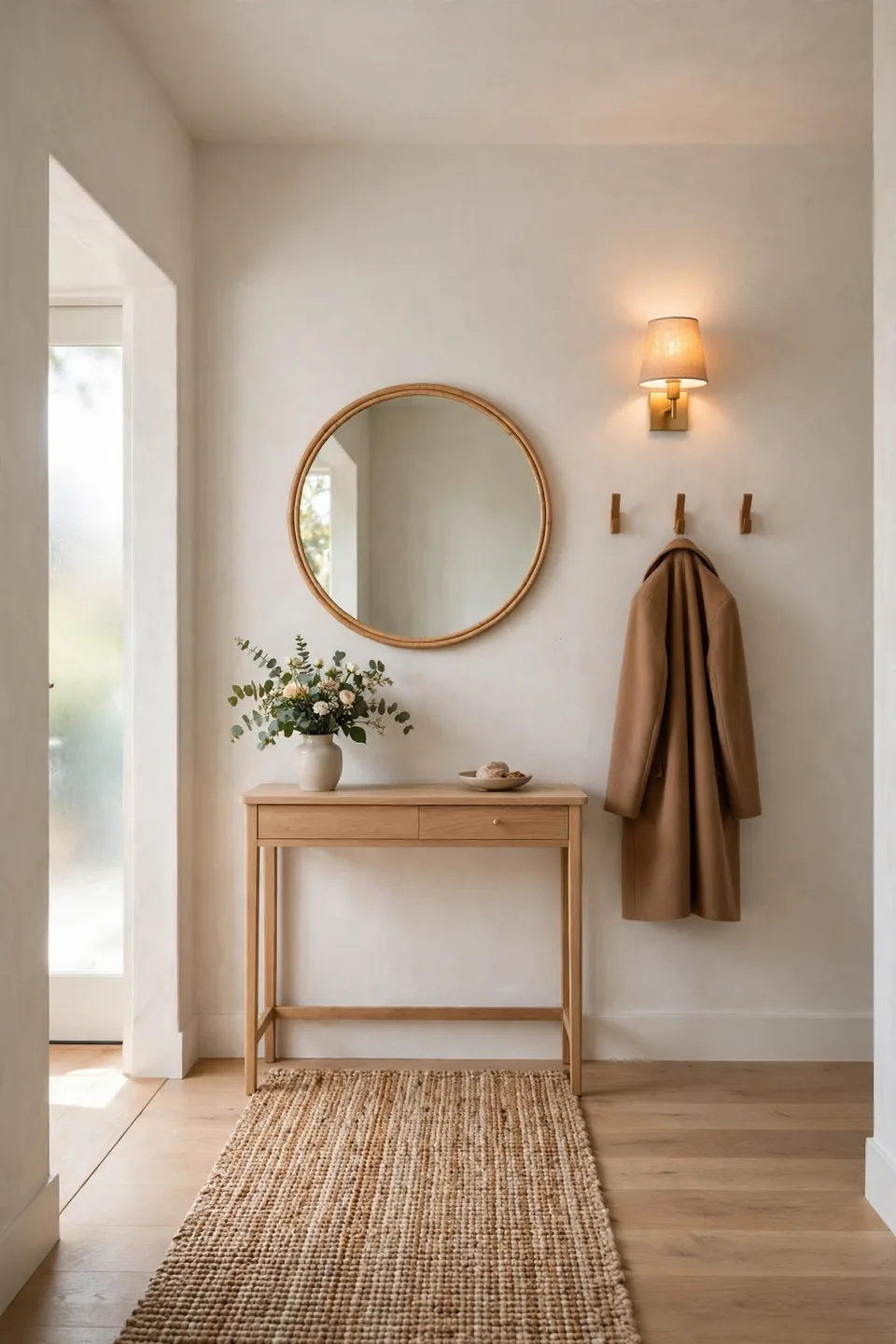
These finishing touches take your entryway from simply organized to genuinely welcoming. Small upgrades in lighting, scent, and style make the space feel intentional rather than purely functional. Guests notice the difference immediately, and so will you every time you walk in.
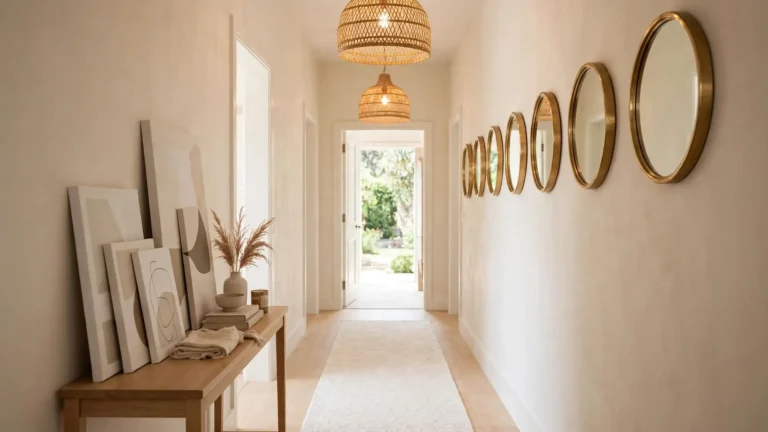
- Add a small mirror to bounce light and give the space a finished feel. It also helps with last-minute checks before heading out.
- Place a washable runner rug to define the zone and catch dirt. Choose a dark pattern that hides everyday wear.
- Keep a small plant or fresh flowers on the console for life and color. Even one stem changes the whole mood.
- Install a motion-sensor night light so the entryway glows welcomingly after dark. No more fumbling for switches.
Conclusion
A calm entryway is not about perfection, it is about having a simple system that everyone can follow. When you learn how to organize cluttered entryways the practical way, the space starts working for you instead of against you. Save this guide on Pinterest so you can revisit each step during your reset weekend. I’ve seen how making this one change can completely shift how a whole home feels. Start with the clear-out today, and enjoy walking through a doorway that finally welcomes you home. Your future self will thank you every single morning.

2 Comments