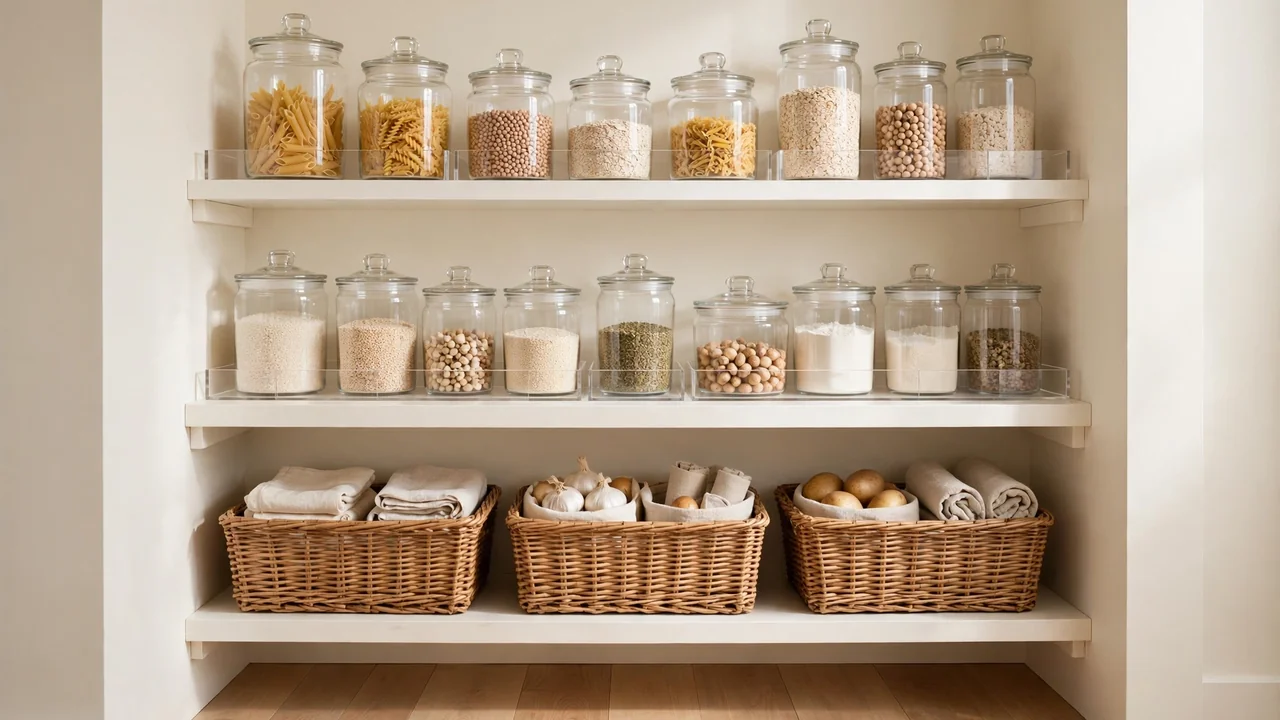
How to Organize a Small Pantry
You open the pantry door and bags tumble out. Boxes hide behind boxes, and you buy a third jar of cumin because you cannot find the first two. Learning how to organize a small pantry fixes this fast, and in my experience it takes one focused afternoon.
A tiny pantry can hold plenty once everything has a home. You will sort what you own, give each category a clear zone, and use containers that make the space work harder. The same zone idea works anywhere, as how to make a living room cozy shows for shared rooms.
By the end of this guide, your shelves will feel calm and you will find every ingredient in seconds. Grab a trash bag and a marker, and let us get started.
Why Small Pantries Overflow Fast
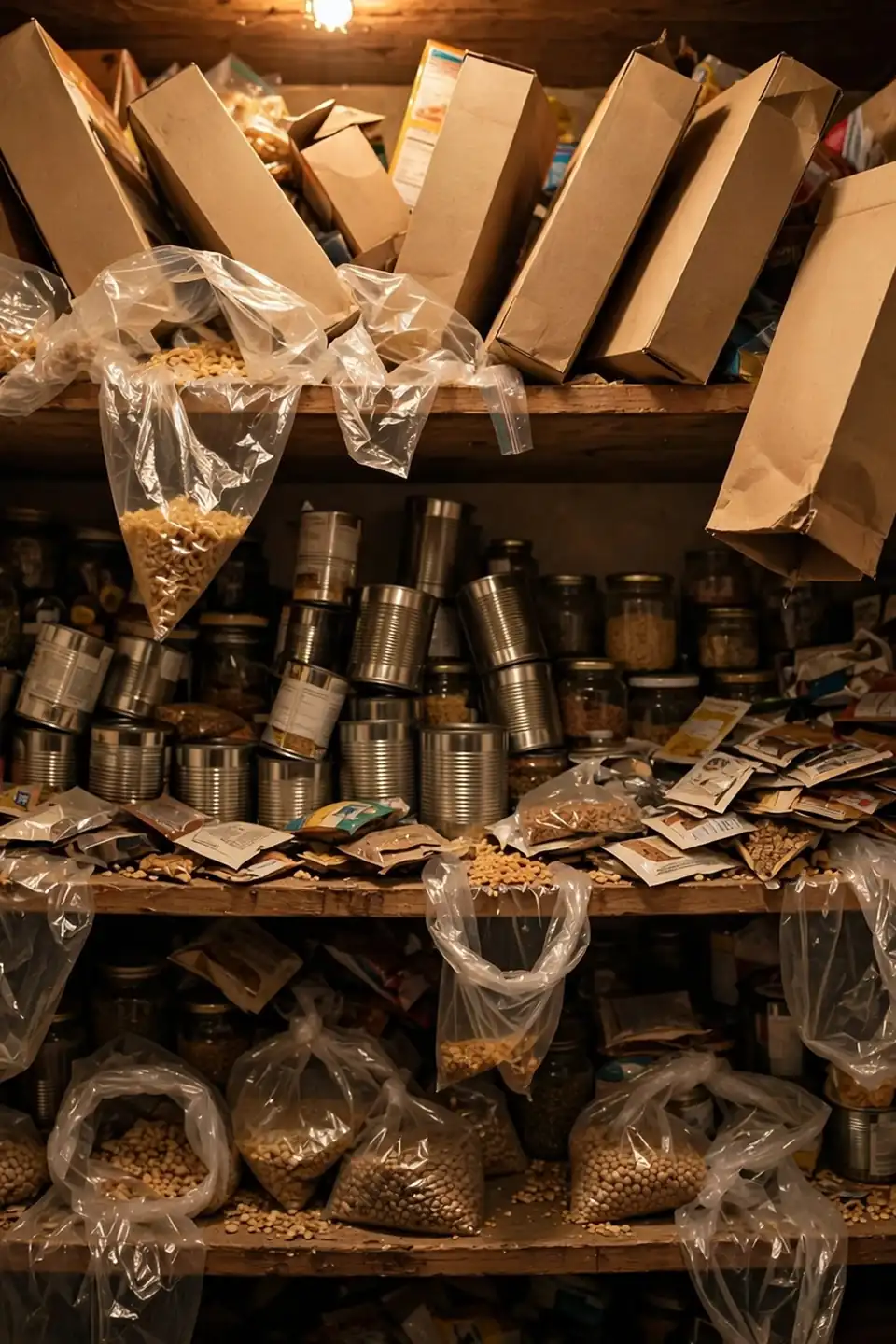
Small pantries fail for one simple reason. Everything lands wherever space allows, so nothing has a real home. A half-used bag of rice blocks the pasta, and snacks multiply on every shelf. You stop seeing what you own, so you overbuy until every shelf holds duplicates.
The good news is that overflow is a system problem, not a space problem. A shelf organized by category holds far more than one full of random piles. Once you see the real cause, the fix becomes clear, and the next sections walk you through it.
Empty and Sort Everything
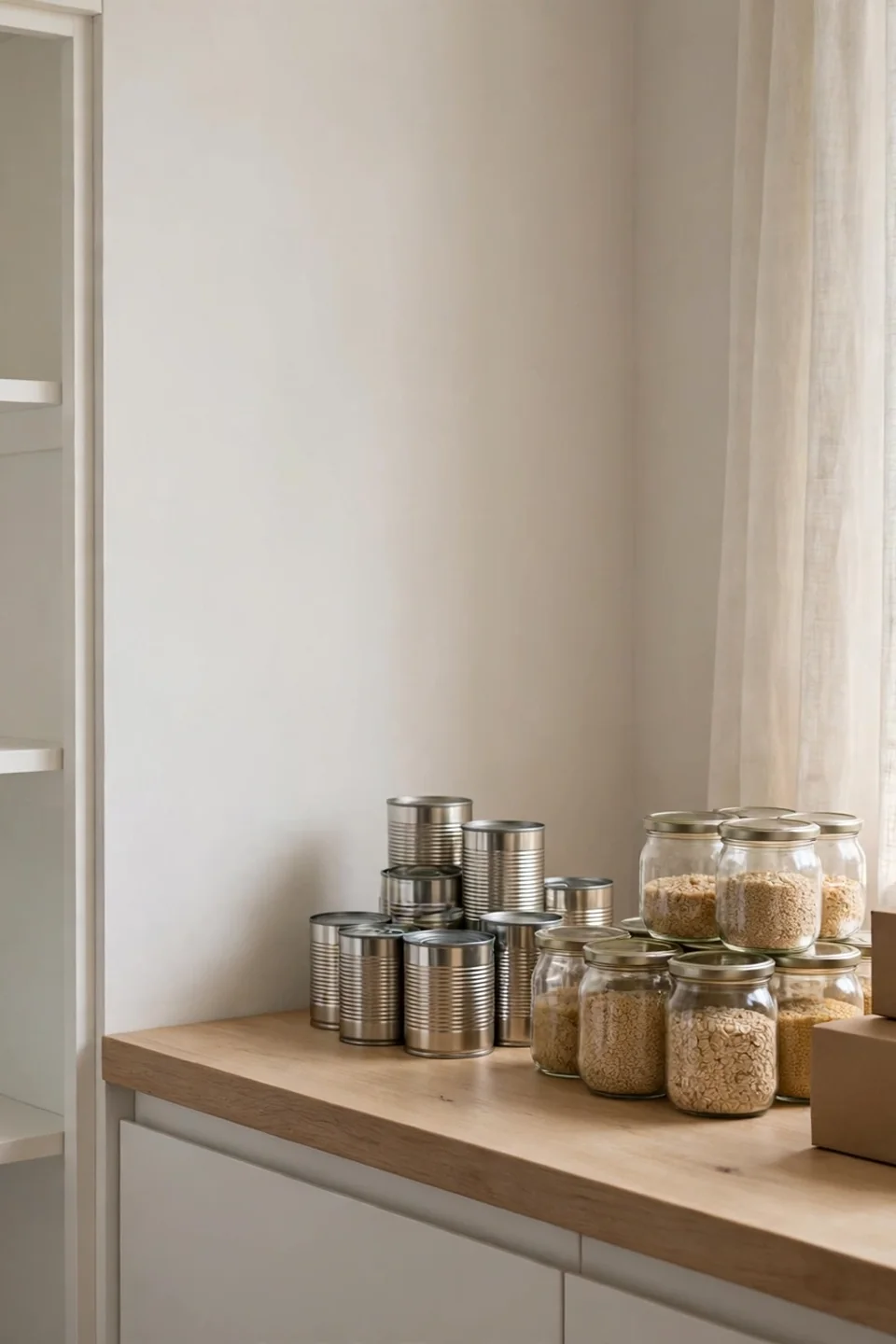
You cannot organize what you cannot see. Pulling everything out of the pantry shows exactly what you own, what has expired, and what you keep buying twice. This reset takes about an hour, and it makes every later step far easier.
- Set three bags on the floor labeled trash, donate, and relocate. Every item goes into one bag or back on the counter.
- Check dates as you sort. Toss anything expired or stale, and move duplicate boxes into one pile.
- Group what remains into loose piles: baking, snacks, canned goods, grains, and spices. These piles become your zones.
- Wipe the empty shelves with a damp cloth before anything goes back. A clean start makes the system stick.
Zone by Category
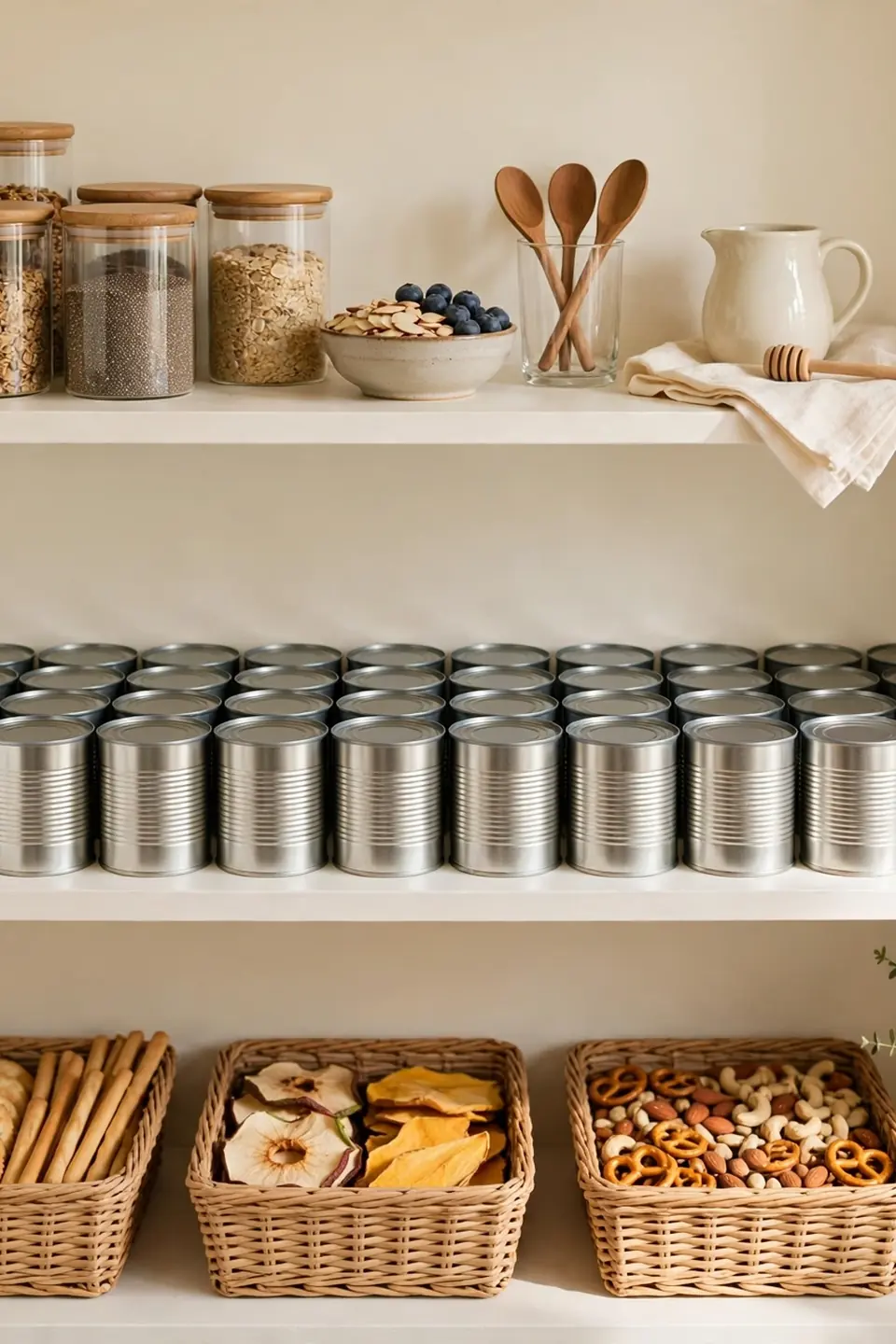
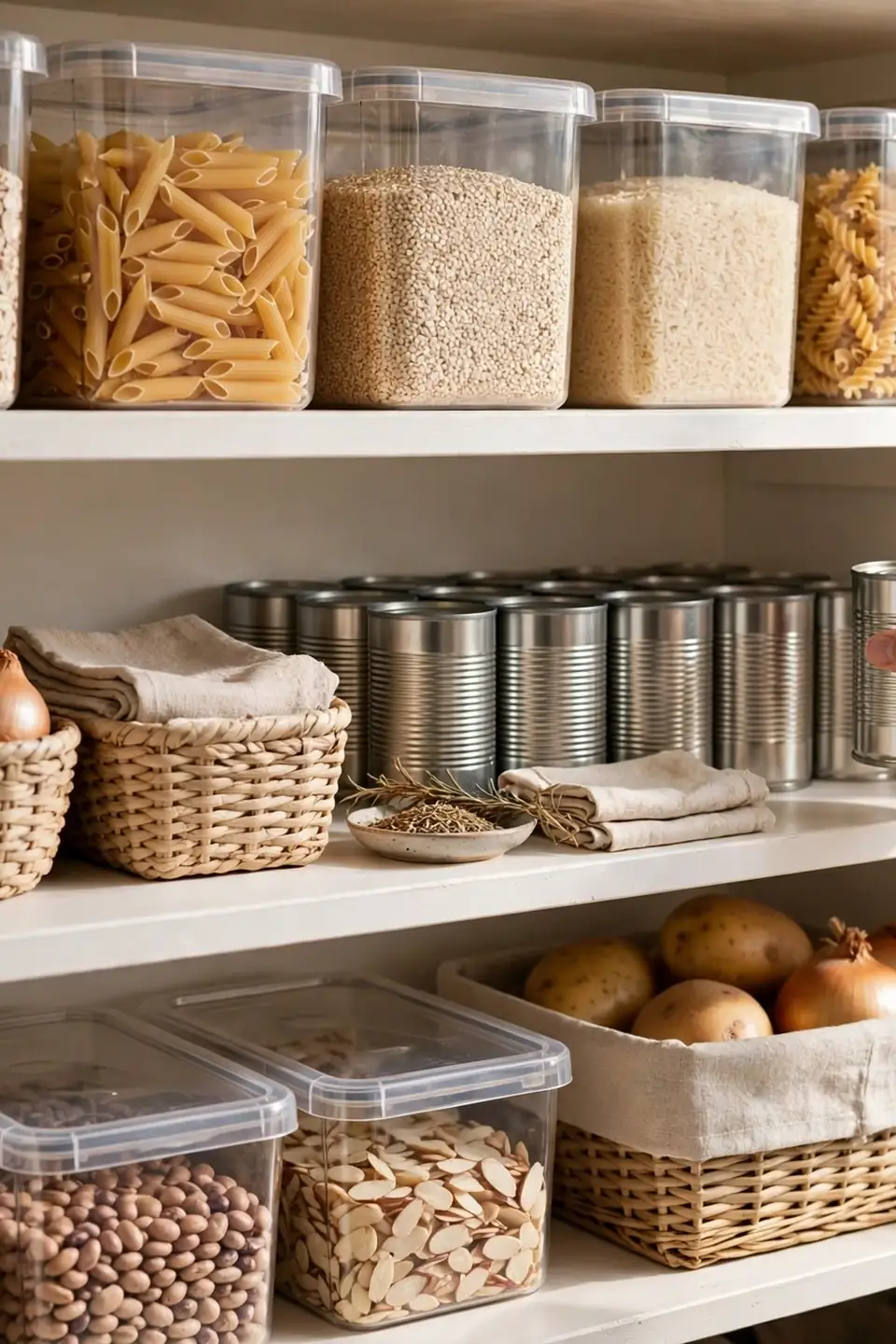
Quick Tip: Give each zone a full shelf or a clear shelf section. Keep daily items at eye level, heavy things low, and rarely used items up high. When every category has a fixed spot, putting groceries away takes seconds.
Think of your pantry in layers. Breakfast items live together, dinner ingredients share a shelf, and snacks get their own bin. This layout matches how you actually cook, so you grab one zone instead of hunting five shelves. Your future self will thank you every single evening.
Use Clear Containers
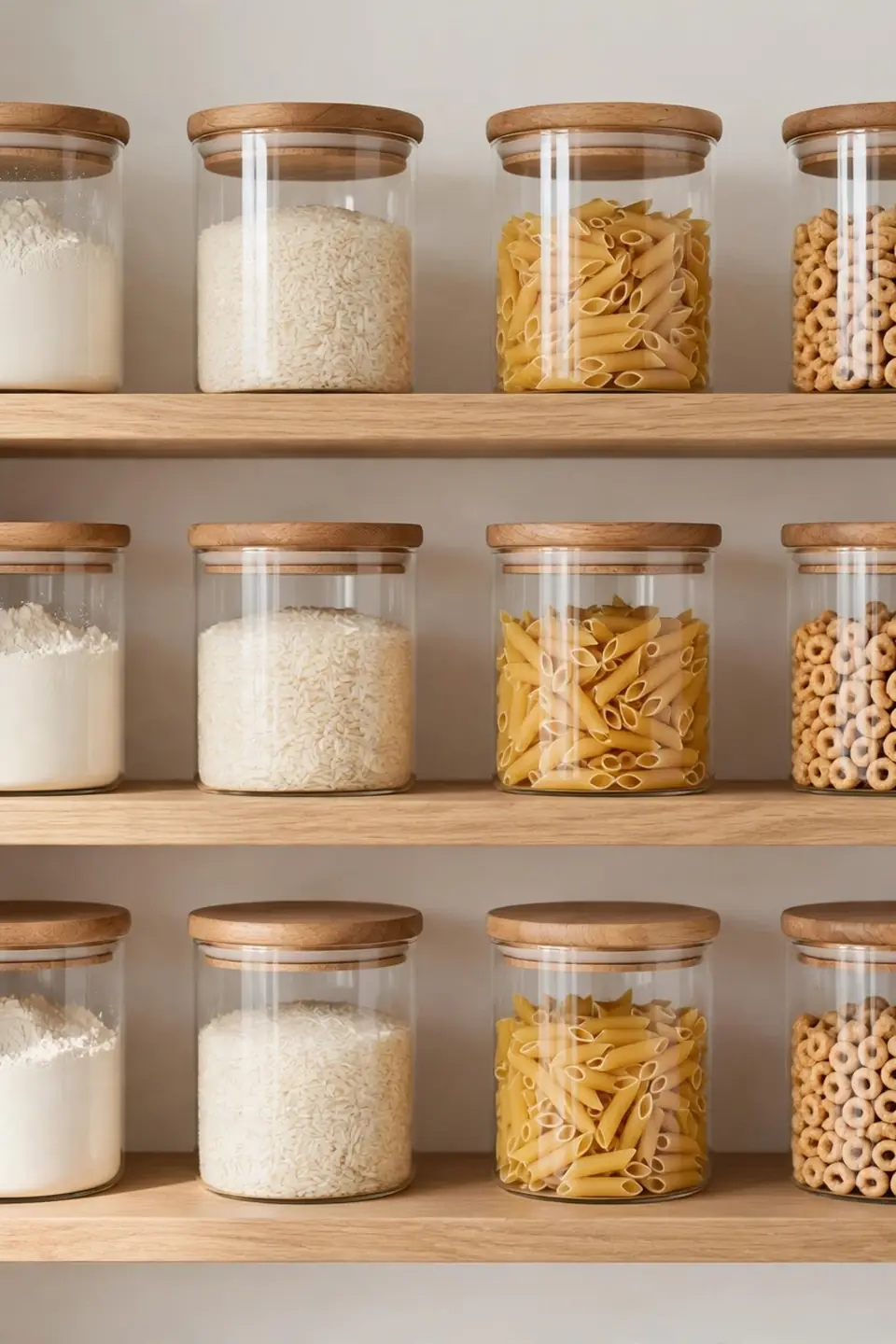
Common Mistake: Most people buy pretty containers before they know what needs storing. They end up with jars that do not fit the shelves and bins that hide food until it spoils. Matching sets look nice in photos but often fail in real pantries.
The Fix: Measure your shelves first, then buy only what fits the space and the food you actually keep. Use clear bins so you can see levels at a glance, and transfer just the bulky dry goods like flour, rice, and cereal. Keep the rest in original packaging to save money.
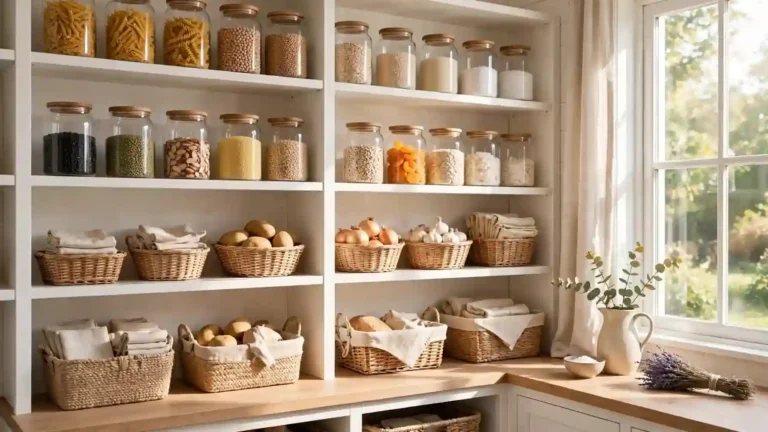
Clear containers earn their place by showing you what is running low. When you can see the pasta level without opening a box, your shopping list writes itself. Start with four to six bins for your biggest categories, then add more only when a real need appears.
Maximize Door Space
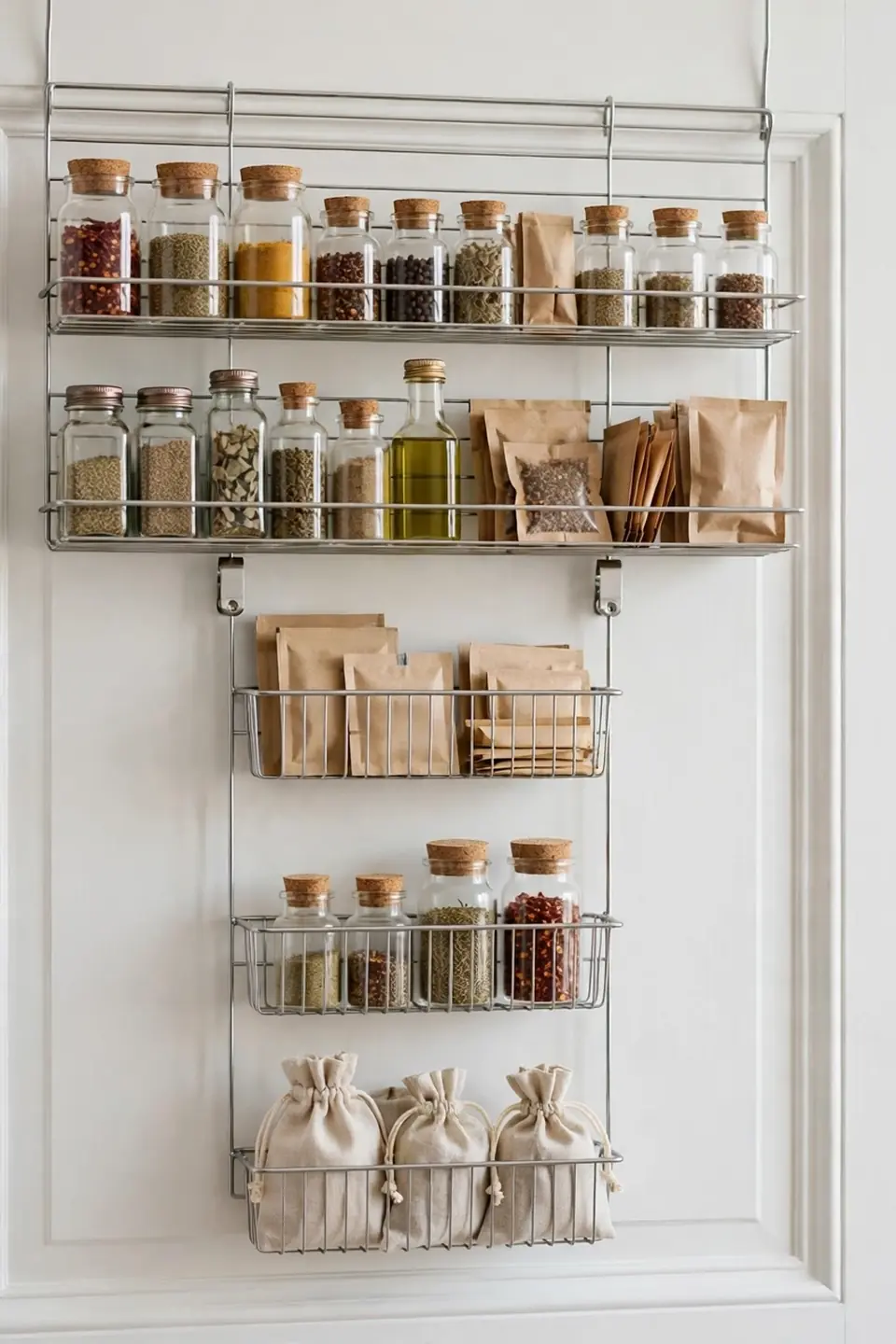
What You Need:
- Over-door rack: A slim wire or plastic rack hooks over the pantry door and holds spices, packets, and small bottles.
- Adhesive hooks: Stick two or three inside the door to hang measuring cups, scissors, or a small trash bag.
- Narrow shelf baskets: Clip-on baskets turn dead door space into extra rows for wraps, bags, and foil.
- Magnetic strip: A short magnetic strip on the door holds metal spice tins right where you can see them.
The back of the door is free real estate. I have noticed that most people ignore it completely, yet it can hold a full spice collection without touching a single shelf. Install one rack at a time so the door still closes easily, and keep the heaviest items on the shelves, not the door.
Stack With Risers
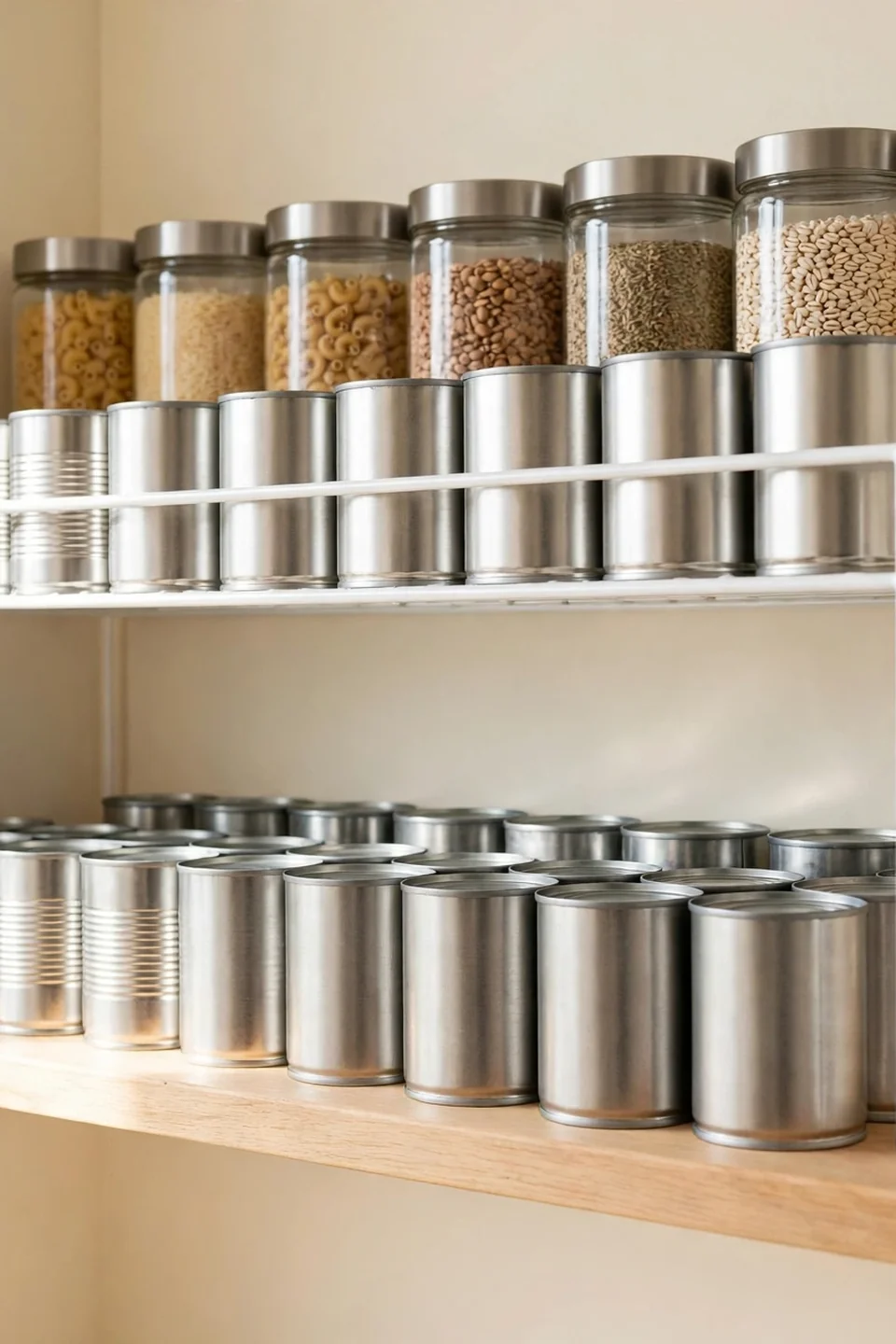
Before: Short shelves waste the air above every can and jar. You stack cans two high and the top ones wobble, so you leave the upper half of the shelf empty. Deep shelves become dark caves where old soup hides.
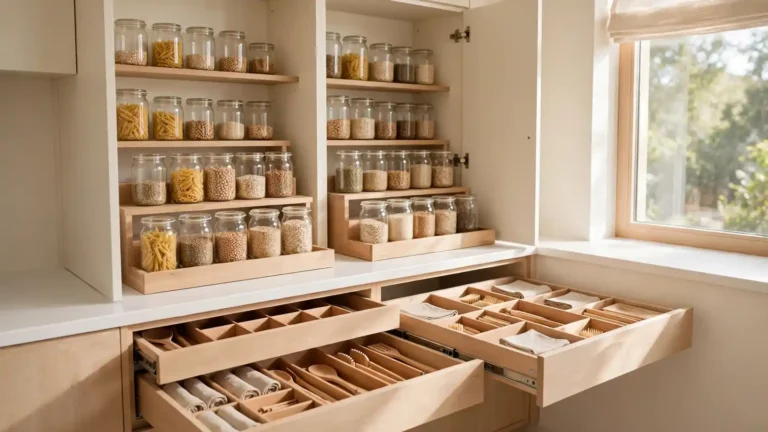
After: A simple shelf riser creates a second level, so every can sits visible and reachable. You double your storage without adding a single shelf. Reaching for dinner takes seconds because nothing hides behind anything else.
If you remember one trick for how to organize a small pantry on a budget, make it this one. Start with the shelf you open most each day, add one sturdy riser, and arrange cans in neat rows by type. You will feel the difference the same evening when dinner prep takes half the time.
Label Everything
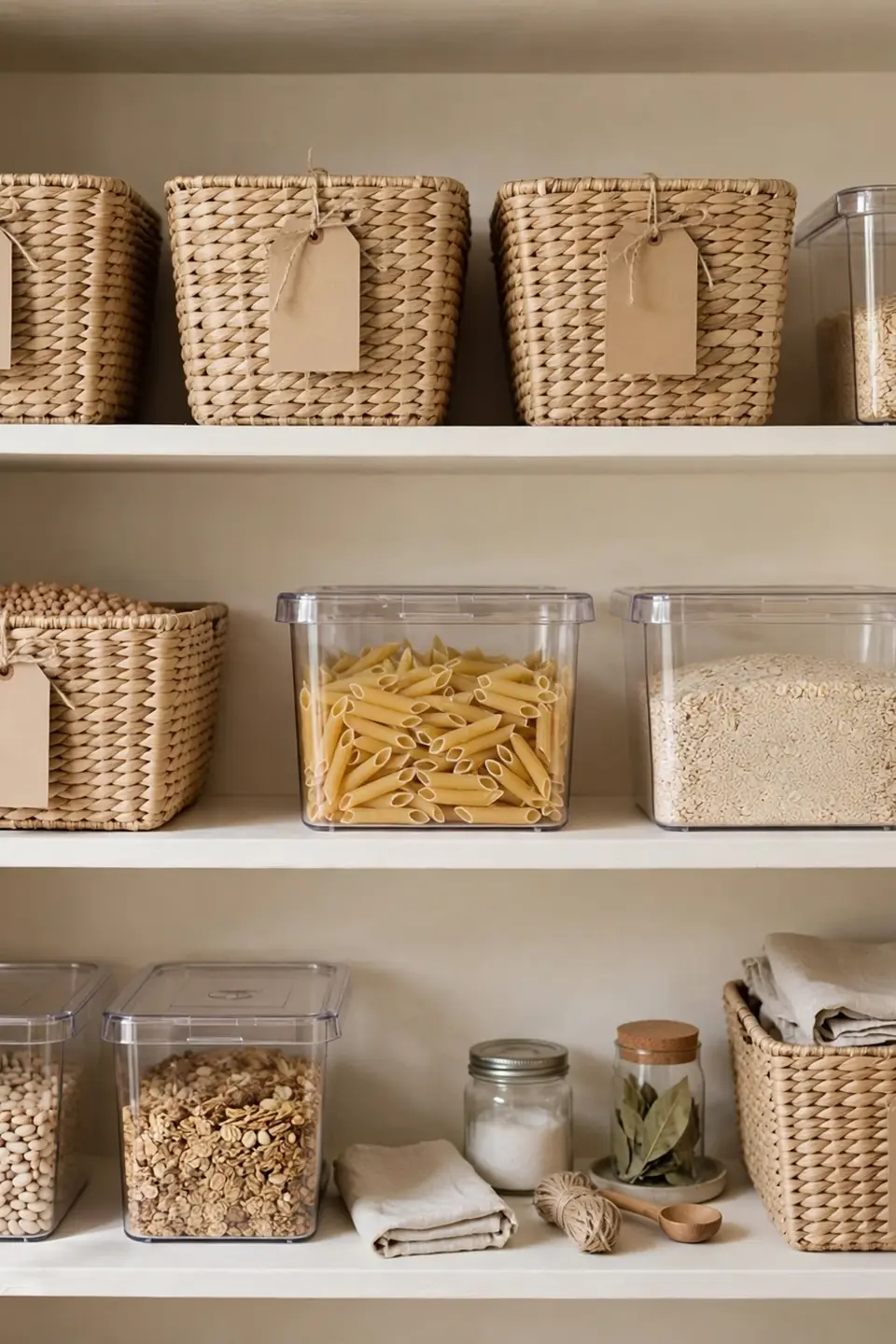
Do This:
- Label every bin and shelf edge with short clear names.
- Use a label maker or simple masking tape and a marker.
- Date bulk bags so you use the oldest flour first.
- Label the zones, not just the containers, so helpers put things back right.
Avoid This:
- Do not write tiny labels nobody can read from two feet away.
- Avoid labeling before the system settles, or you will redo them all.
- Do not skip labels on shared pantries, or housemates will wreck the order.
- Avoid fancy coded labels that need a key to understand.
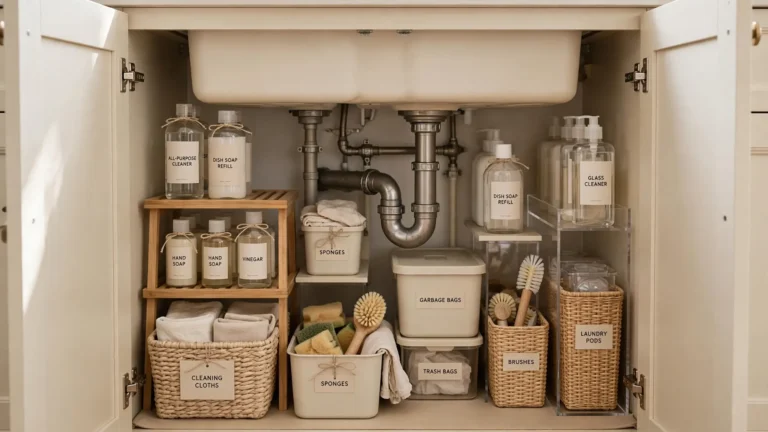
Labels turn a good system into one the whole household can actually keep. When the oatmeal bin says oatmeal, nobody has to ask where it goes. Spend twenty minutes labeling once, and the pantry will stay organized for months with almost no daily effort at all.
Maintain the System
Time Needed: 10 minutes weekly
Difficulty: Easy
Cost: Free
Best For: busy households that shop often
A pantry stays organized with tiny weekly habits anyone can keep. Toss expired items every Sunday, push older cans forward when new groceries arrive, and return stray items to their zones before they pile up. These three habits take ten minutes and stop clutter from creeping back in.
Closets and drawers need the same zone thinking, as how to decorate a small bedroom shows for tight sleeping spaces.
Common Pantry Mistakes
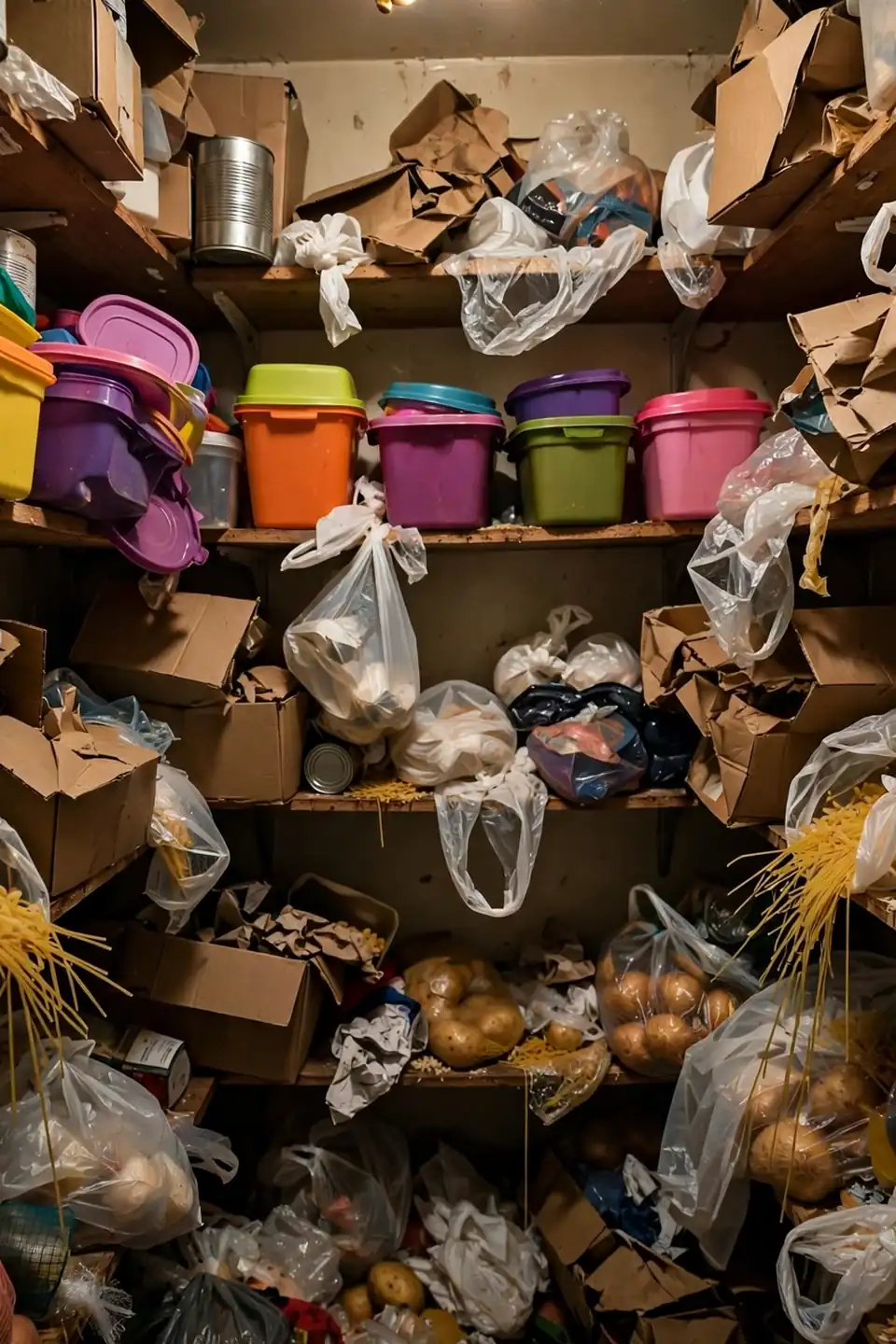
The biggest mistake is decanting everything into matching jars on day one. You spend a fortune on pretty containers, then realize the shelves are too short for the tall ones or too deep for the small ones. Another classic error is buying organizers before measuring, which leaves awkward gaps no bin can fill.
People also forget the family factor. A perfect system fails if kids cannot reach the snack shelf or a partner cannot find the coffee. Design for the shortest and busiest person in your home, and the pantry will stay tidy without constant nagging.
Pro Tips for Lasting Order
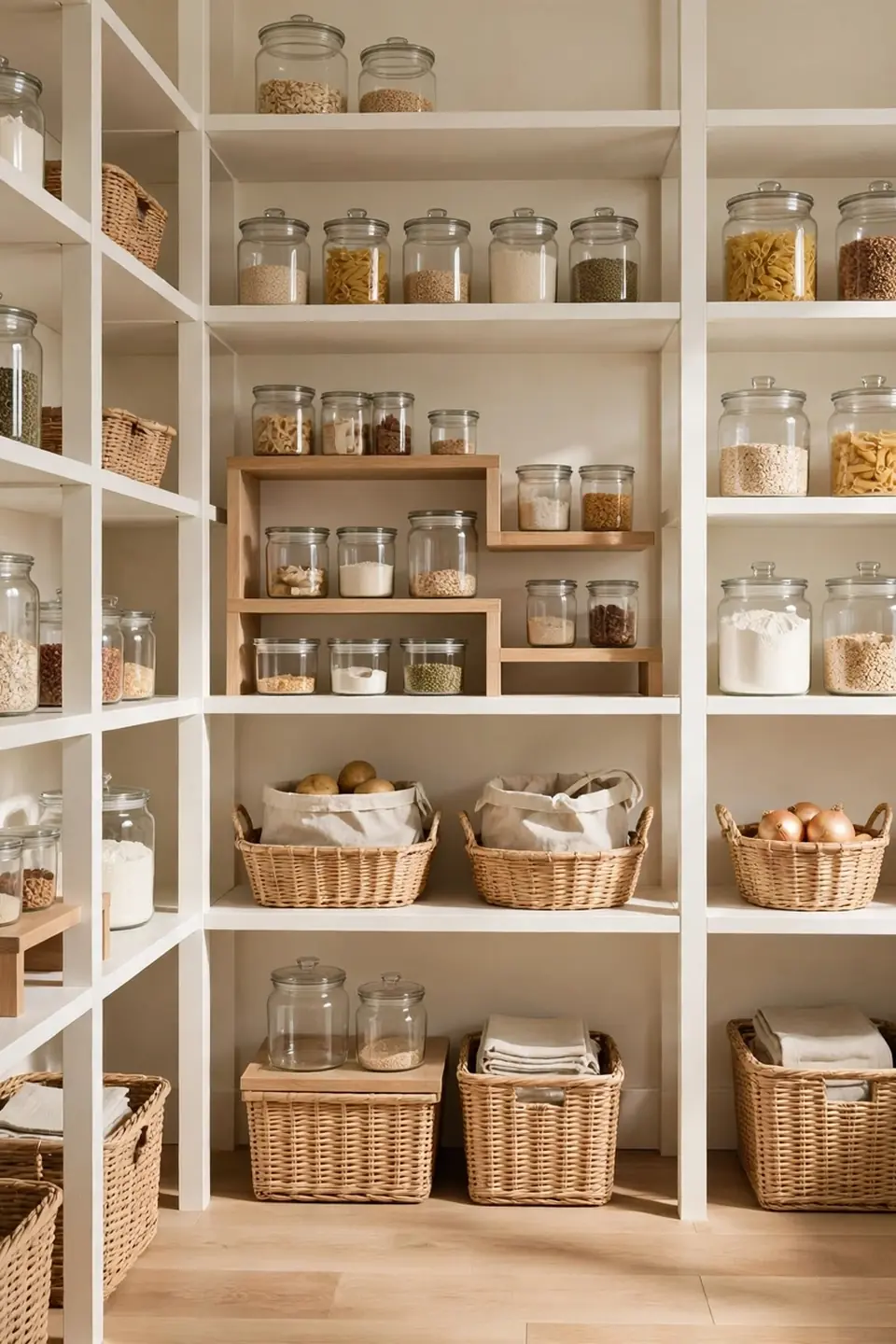
The final stretch is about keeping your hard work intact for months. These small habits protect your system through busy weeks and big grocery hauls without extra effort. Pick two to start, and add the rest when they feel easy.
- Shop with a list built from a quick pantry scan, so duplicates stop entering the house.
- Return every item to its zone the same day you shop, before bags pile on the counter.
- Do a five-minute reset each Sunday: toss the expired, straighten the rows, done.
- Reassess zones every season, since holiday baking and summer snacks change what you store.
Conclusion
Your pantry went from chaos to calm with one afternoon of honest sorting and smart zoning. Every shelf now has a purpose, and finding ingredients feels easy instead of stressful. That is the payoff when you learn how to organize a small pantry as a system, not a one-time cleanup.
I have seen how making this one change can completely shift the result. Start with the zone you open most, keep the weekly reset short, and the order will hold. Save this guide on Pinterest so it is there the next time your shelves need a reset, and share it with someone whose pantry needs the same help.
One Comment