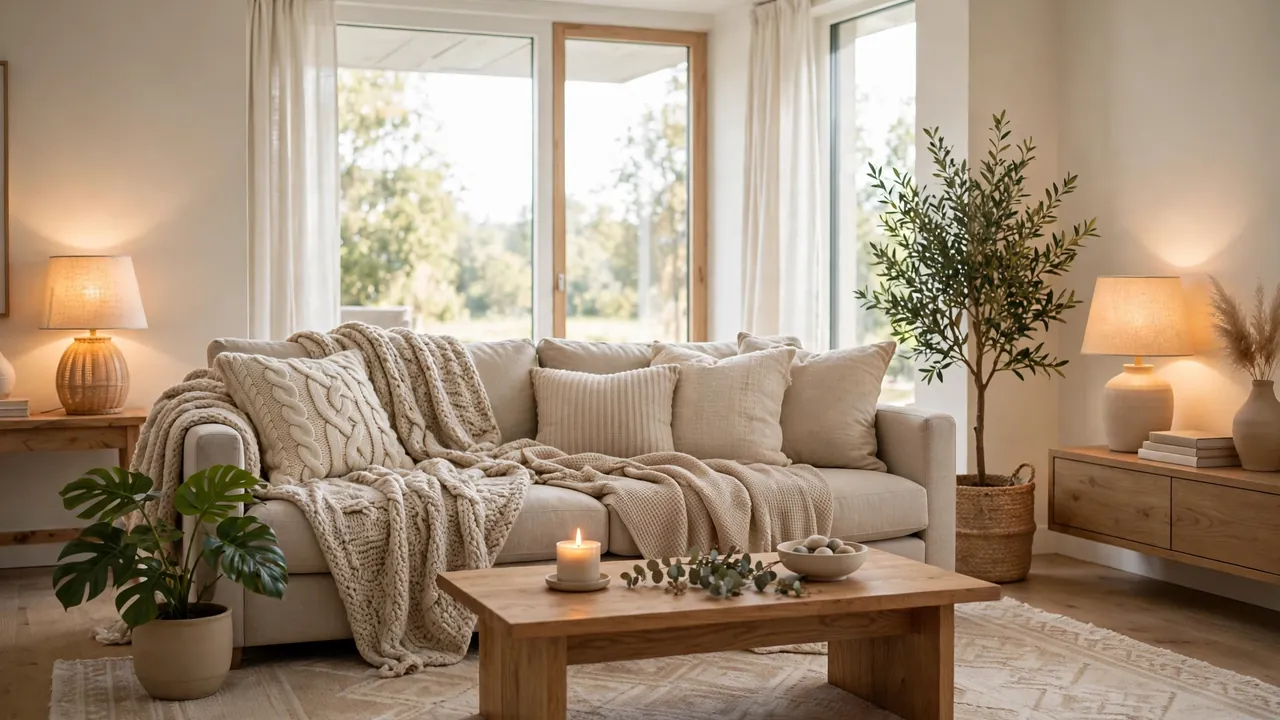
How to Make a Living Room Cozy
Does your living room look nice but still feel cold and uninviting? You are not alone. Learning how to make a living room cozy is less about buying new furniture and more about layering warmth through texture, light, and layout. In my experience, small tweaks create the biggest shift.
This guide walks you through ten simple steps, from lighting and color to furniture arrangement and personal touches. If you recently learned how to decorate a small bedroom, you will recognize some of the same principles here, applied to your main gathering space.
By the end, your living room will invite long conversations and slow evenings. Let us start with why some rooms feel cold in the first place.
Why Some Living Rooms Feel Cold
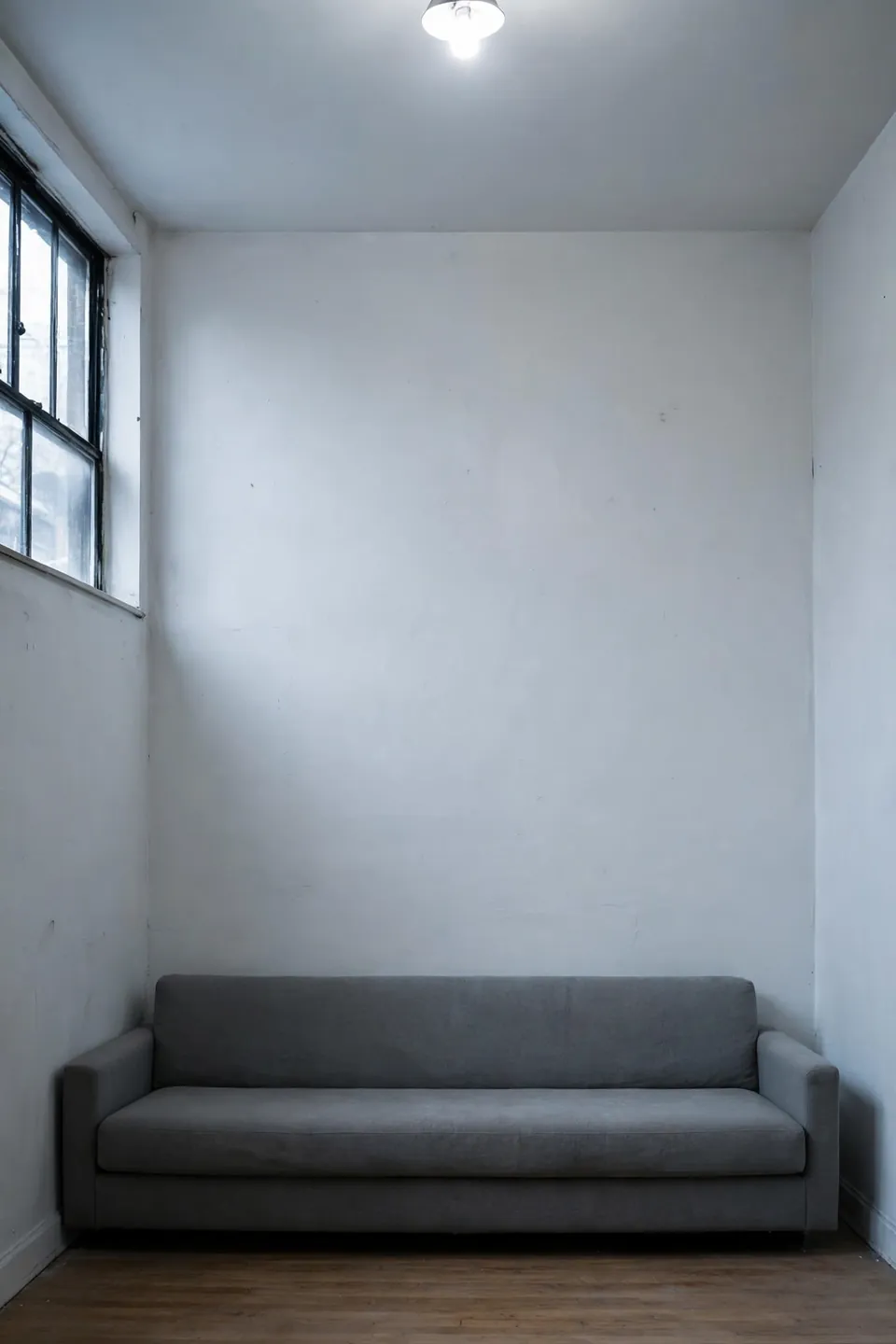
Cold living rooms almost always share the same culprits. Hard surfaces everywhere, a single bright overhead light, bare walls, and furniture pushed flat against the walls create a space that looks finished but feels hollow. Nothing soft invites you to sit down and stay awhile.
The good news is that none of these problems require a renovation. Coziness is built in layers, and each layer adds warmth your eye and body can actually feel. Understanding what makes a room feel cold is the first step toward fixing it for good.
Layer Warm Textures

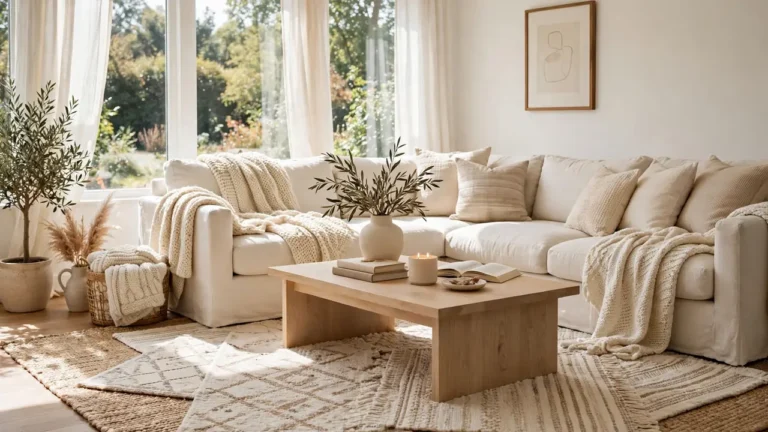
Texture is the fastest way to warm up a room because your brain reads soft surfaces as comfort. Start with what you already own, then add one or two pieces that invite touch. A single chunky throw can change the entire mood of a sofa.
- Drape a chunky knit throw over one sofa arm so it looks casually inviting.
- Add two or three cushions in mixed fabrics like velvet, linen, and wool.
- Place a soft area rug under the coffee table to ground the seating zone.
- Swap stiff curtains for heavier linen panels that pool slightly on the floor.
Add Soft, Warm Lighting
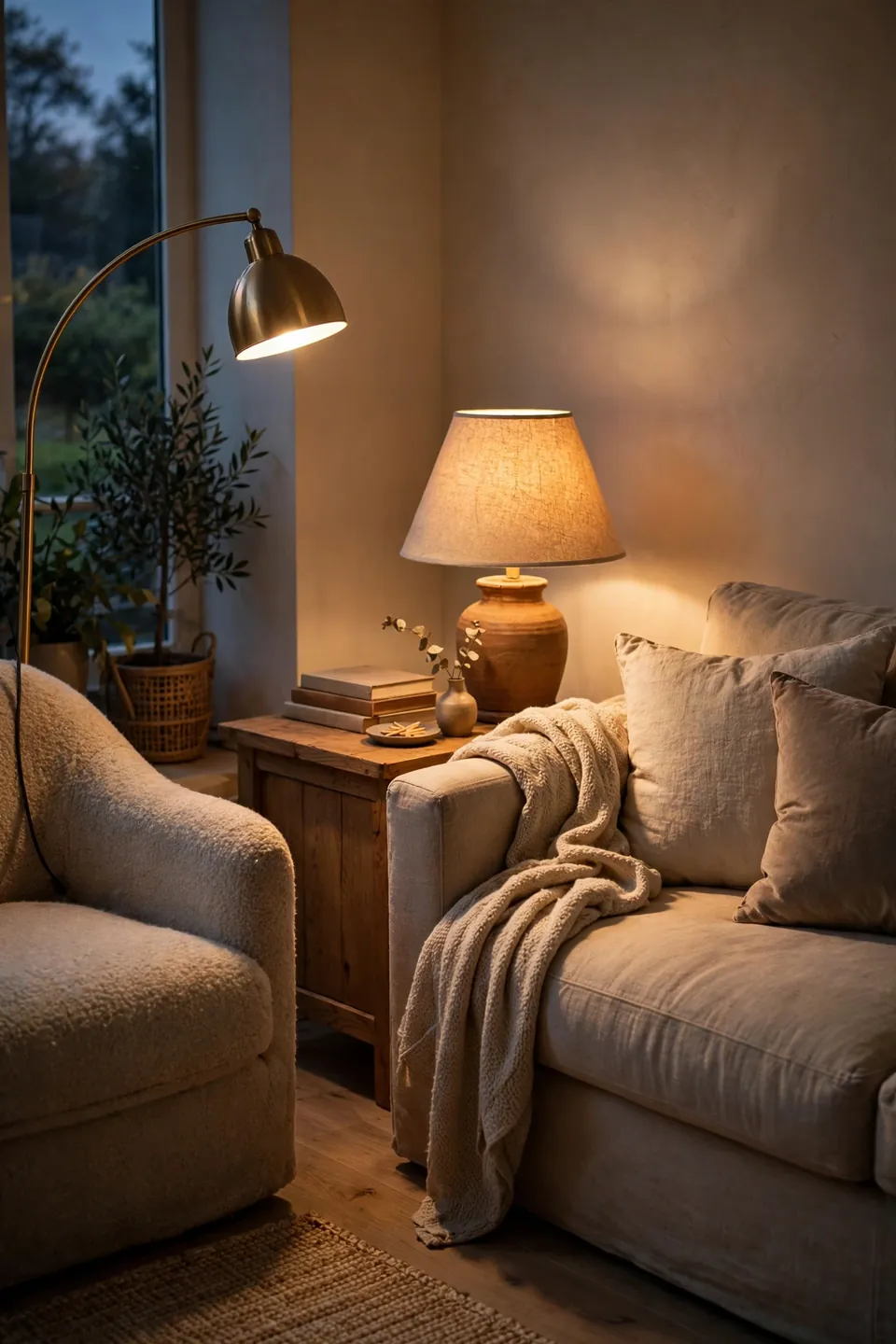
Quick Tip: Overhead lights flatten a room and wash out every cozy detail you add. Turn them off in the evening and rely on lamps instead. Three light sources at different heights instantly make a living room feel warmer and more intimate.
Table lamps with warm bulbs around 2700K give the softest glow. Place one beside the sofa for reading, one on a console for ambiance, and let a floor lamp arc over a chair. I have noticed that dimmers make the biggest difference of all, because you can tune the mood as the evening goes on.
Choose Cozy Colors
Common Mistake: Many people assume a cozy room needs dark paint, so they choose a heavy charcoal or deep brown. The result often feels smaller and gloomier instead of warm, especially in rooms with little natural light.
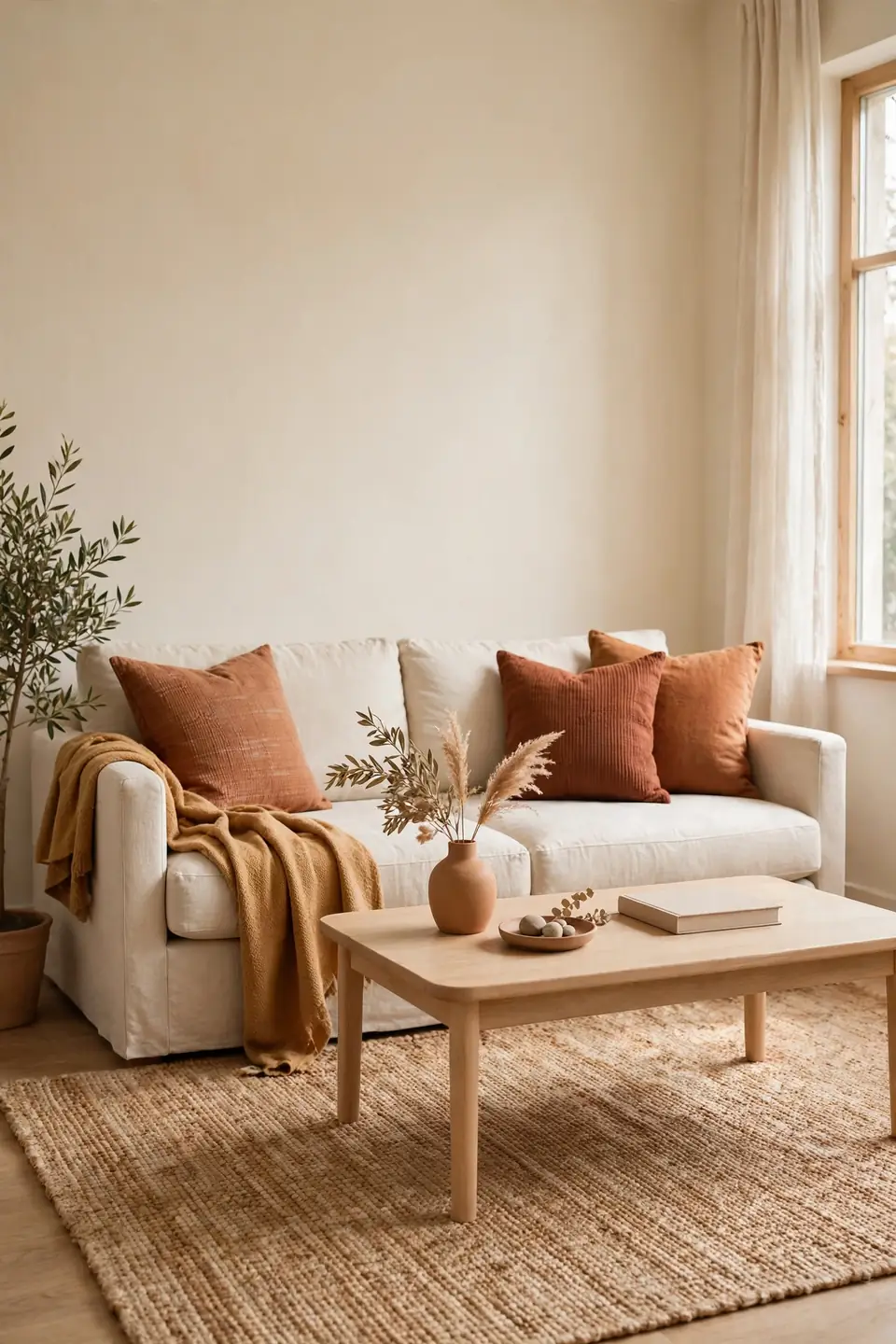
The Fix: Pick warm neutrals with yellow or red undertones instead of flat gray or stark white. Warm beige, soft terracotta, or creamy ivory bounce light while still feeling rich. Test paint swatches on two walls and check them at night under your lamps before committing.
If repainting feels like too much, add color through textiles and art instead. Rust-colored cushions, an ochre throw, or a warm-toned rug can shift the whole palette without touching a brush. Color works hardest when it repeats in at least three places around the room.
Arrange for Conversation

What You Need:
- A tape measure, so you keep walkways at least 30 inches wide while pulling furniture inward.
- Your main seating pieces, since a sofa and two chairs form the classic conversation triangle.
- A central surface, because a coffee table or ottoman anchors the group and holds drinks.
- A rug large enough for front legs, which visually ties the whole seating group together.
Pull seating away from the walls so chairs face each other rather than a television. Once you understand how to make a living room cozy through arrangement alone, you will see that closeness creates comfort. Keep the layout tight enough that people can talk without raising their voices.
Bring in Natural Elements

Before: The room feels flat and artificial, with every surface made of the same smooth materials. Plastic planters, synthetic fabrics, and glossy finishes give the eye nothing organic to rest on, so the space never quite relaxes.
After: A woven basket, a wooden bowl, and one real plant change everything. The mix of grain, fiber, and living green adds depth that manufactured decor cannot copy. Guests may not name what changed, but they will feel the difference immediately.
Start with one large plant like a fiddle leaf fig or olive tree in a corner. Add smaller touches such as a stone tray on the coffee table or dried stems in a ceramic vase. Natural materials age beautifully, so your room will look better the longer you live with them.
Add Personal Touches
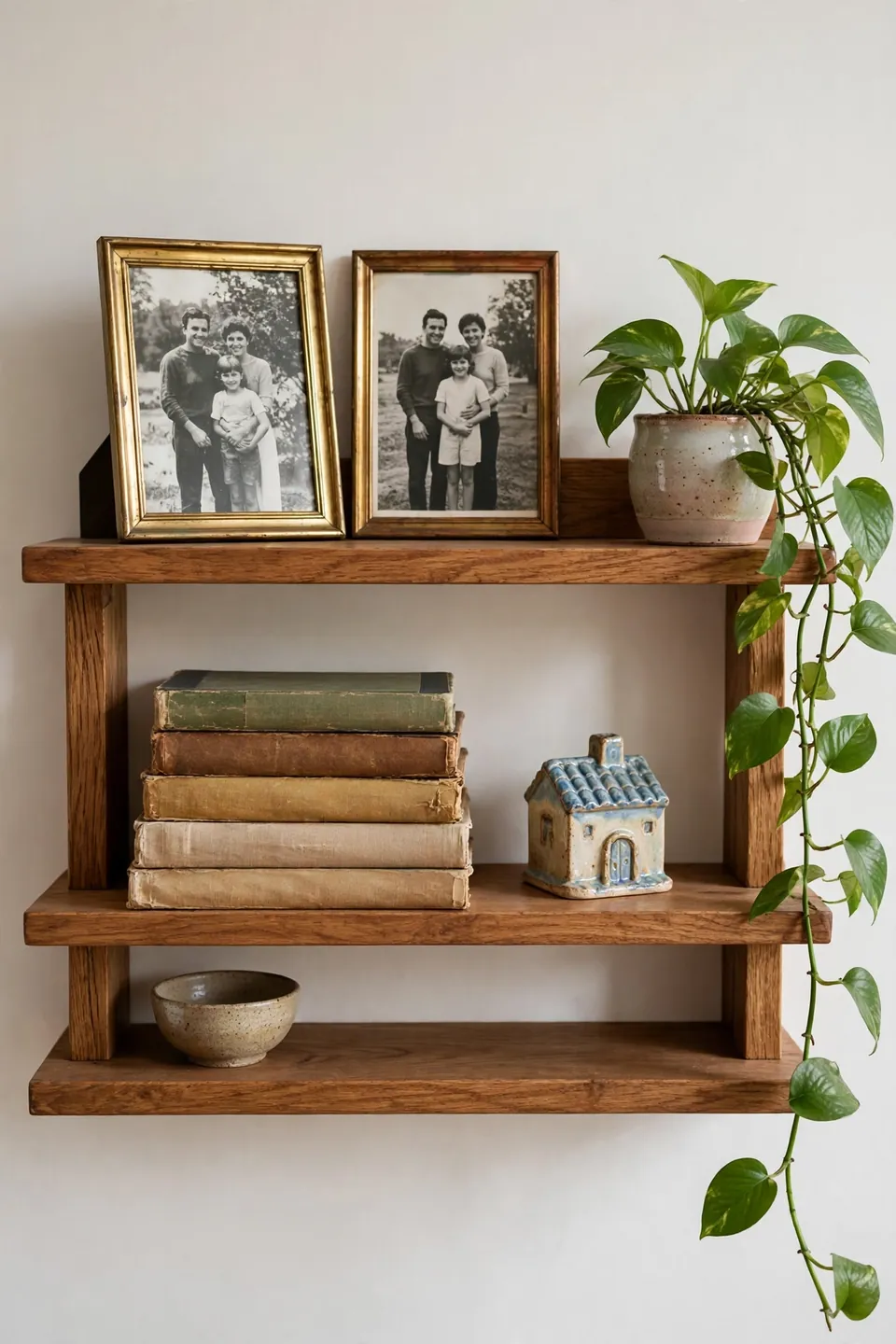
Do This:
- Frame a few family photos and mix them with art on one shelf.
- Display books you actually love instead of decorative-only volumes.
- Show one or two travel souvenirs that start conversations.
- Keep a basket of games or a guitar visible so the room invites activity.
Avoid This:
- Do not fill every surface, because clutter reads as chaos rather than warmth.
- Do not buy generic decor sets that could belong to anyone.
- Do not hide everything personal behind closed cabinets.
- Do not add more than you can dust and enjoy weekly.
Personal items make a living room feel lived in rather than staged. Choose pieces with real stories and give each one breathing room on shelves or side tables. When every object means something to you, the room naturally radiates the comfort you are after. Real memories beat store displays every single time.
Scent and Sound Matter

Time Needed: 10 minutes to set up | Difficulty: Easy | Cost: Low | Best For: Evening relaxation
A softly scented candle or essential oil diffuser tells your brain the room is a place to unwind. Pair it with low background music or the quiet hum of a fireplace video. These invisible layers complete the cozy feeling that visuals alone cannot finish. Choose one signature scent so guests associate it with your home.
Common Coziness Killers
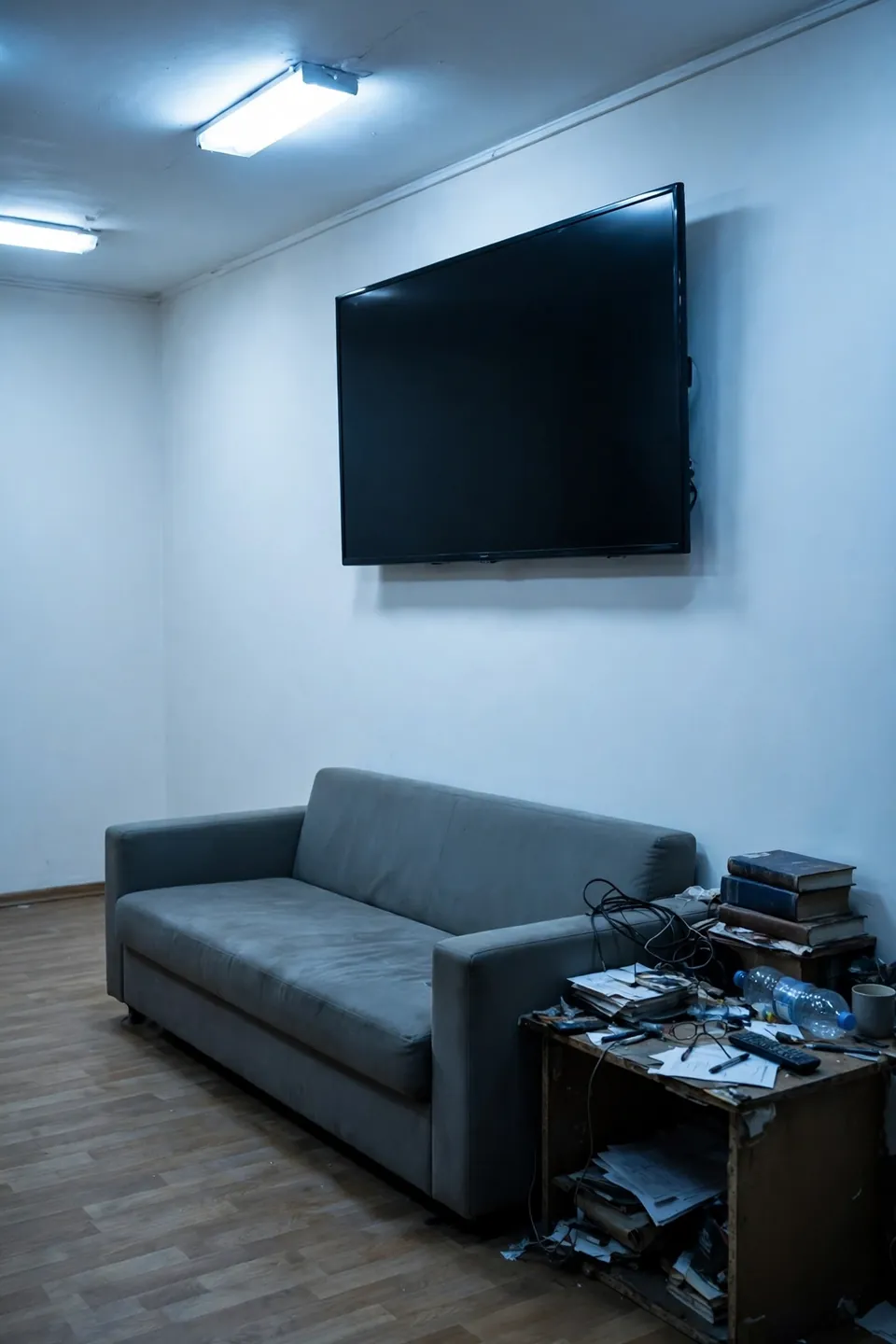
Even well-decorated rooms lose their warmth to a few sneaky habits. Harsh blue-white bulbs, a television as the only focal point, and bare floors that echo every footstep all work against comfort. Overstuffed layouts with no breathing room feel tense rather than welcoming.
Fix the biggest offender first instead of trying to change everything at once. Swap the bulbs, angle the seating toward each other, and roll out a rug this weekend. Small corrections compound quickly, and your living room will start feeling like a warm hug before you know it.
If your ceilings slope, these ideas pair well with our guide on how to decorate rooms with slanted ceilings, which covers angled walls and low rooflines.
Pro Tips for Year-Round Cozy

True coziness should not disappear when the seasons change. A few smart swaps keep your living room inviting through summer heat and winter chill alike. Think in removable layers so the room adapts gracefully without a full redecorate every single season.
- Swap heavy throws for lightweight cotton or linen versions in summer.
- Change cushion covers seasonally to refresh color without new furniture.
- Adjust lighting brightness as daylight hours shift through the year.
- Store off-season textures in a lidded basket so swaps take minutes.
Conclusion
A truly cozy living room is built one warm layer at a time, not bought in a single shopping trip. Start with texture and lighting, then add the personal touches that make the space unmistakably yours. Once you learn how to make a living room cozy, you will find yourself lingering there longer every evening. I have seen how a few thoughtful changes can turn the coldest room into the heart of the home. Save this guide on Pinterest so you can work through each step at your own pace, and share it with someone whose living room needs a little warmth.



One Comment