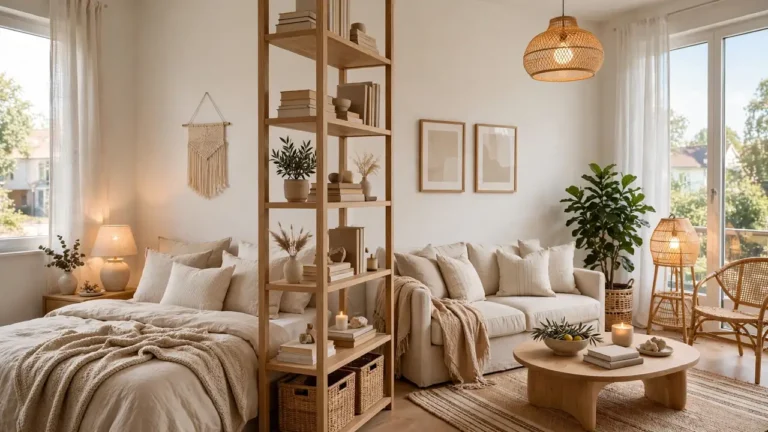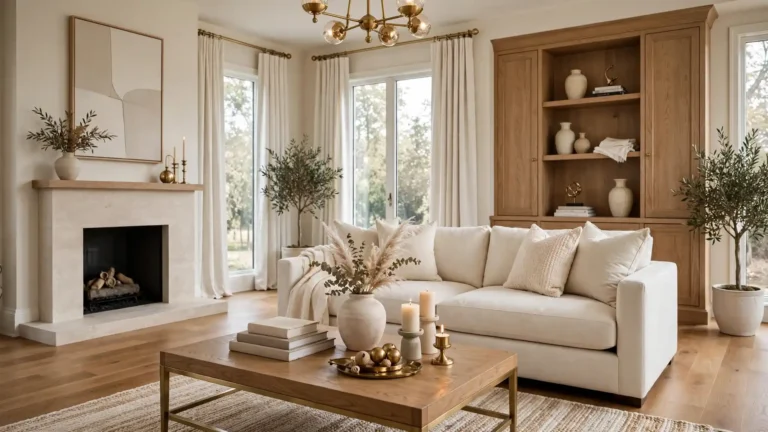
How to Arrange Furniture in a Room With Multiple Windows
Rooms with lots of glass can feel tricky to arrange, but learning how to arrange furniture in a room with multiple windows turns that abundance of light into your biggest asset. The glass becomes the star, and every piece you place either frames it or fights it. If you read how to decorate a living room with a window behind the tv, you already know one window can complicate a layout, and several multiply the puzzle.
The secret is planning around sight lines instead of walls. Spend one afternoon mapping where sunlight falls and where views open up, and your layout will practically draw itself. Light makes small rooms breathe and large ones feel connected, so let the windows lead the design.
Start With a Light Study Walkthrough
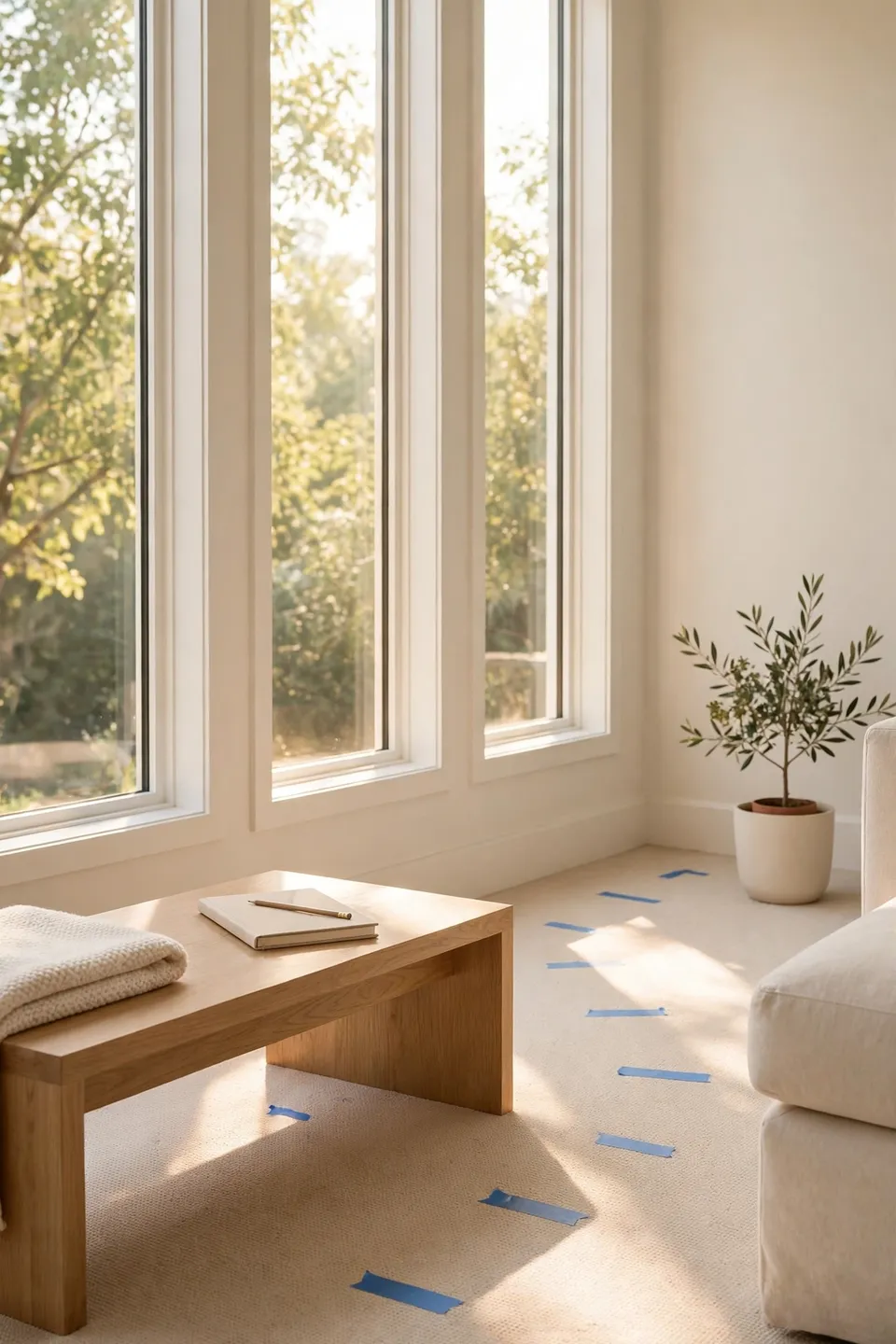
Before moving a single chair, watch how light travels through your room for a full day. Morning sun may flood the east windows while the afternoon glare hits the west side, and each window creates its own shifting pool of brightness. Jot down quick notes at breakfast, lunch, and dinner so the pattern becomes obvious.
Note the hours when each seat would catch direct sun or harsh backlight, because glare decides where the sofa and the television can live comfortably. This simple habit prevents the classic mistake of arranging everything first and squinting through movie night later.
Anchor Seating to the Brightest Wall
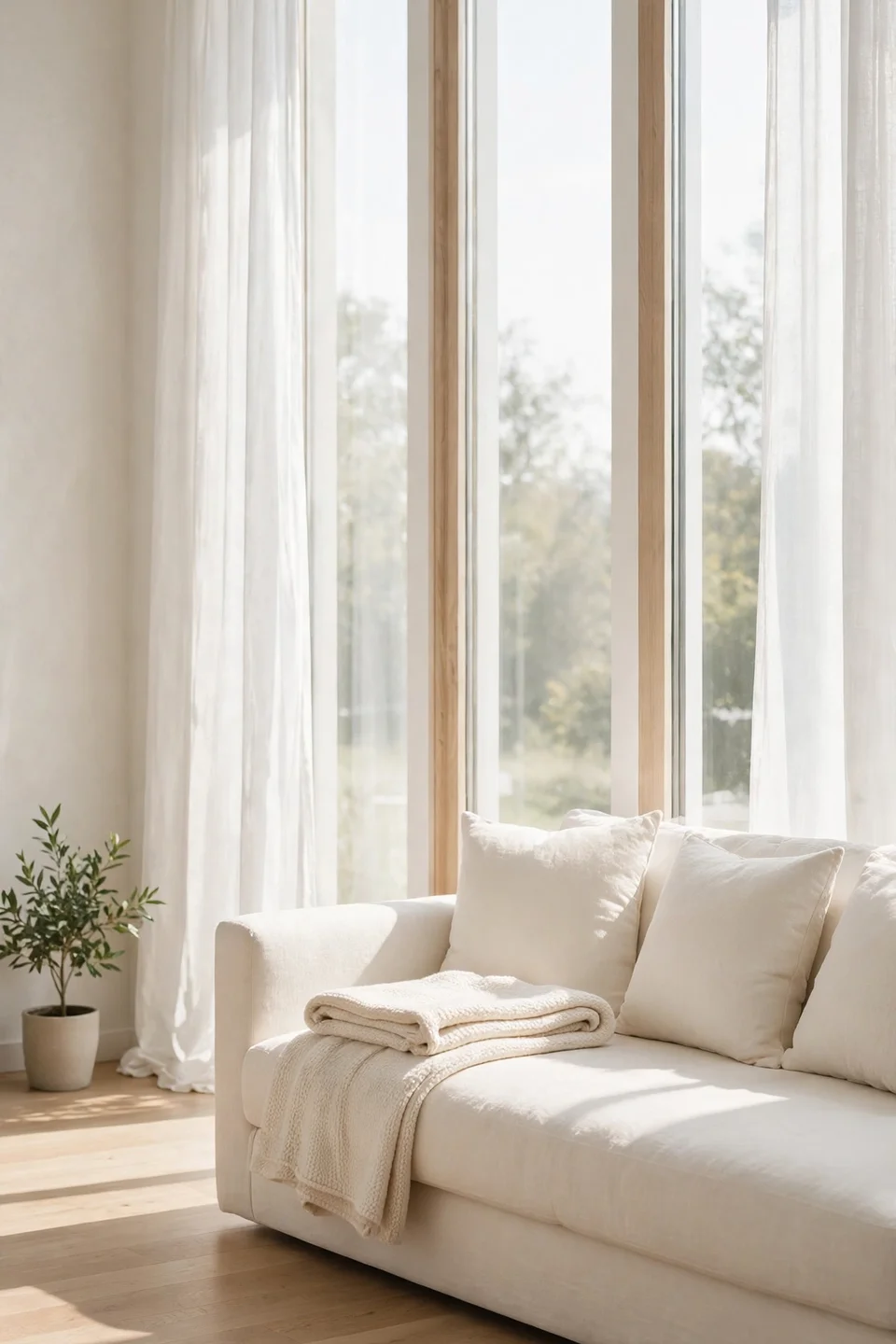
Every room with multiple windows has one wall that gathers the most daylight, and that wall deserves your main seating group. Anchoring the sofa near the brightest glass makes the whole arrangement feel intentional, welcoming, and bathed in natural light.
- Stand in each corner at midday and pick the spot with the softest, most even light for the main sofa.
- Place the sofa so it faces or sits beside the bright wall, never with its back pressed flat against tall glass.
- Pull armchairs into a loose arc that keeps sight lines open to at least two windows.
- Add a low coffee table in the center so the arrangement breathes without blocking any views.
Float Pieces Off the Glass
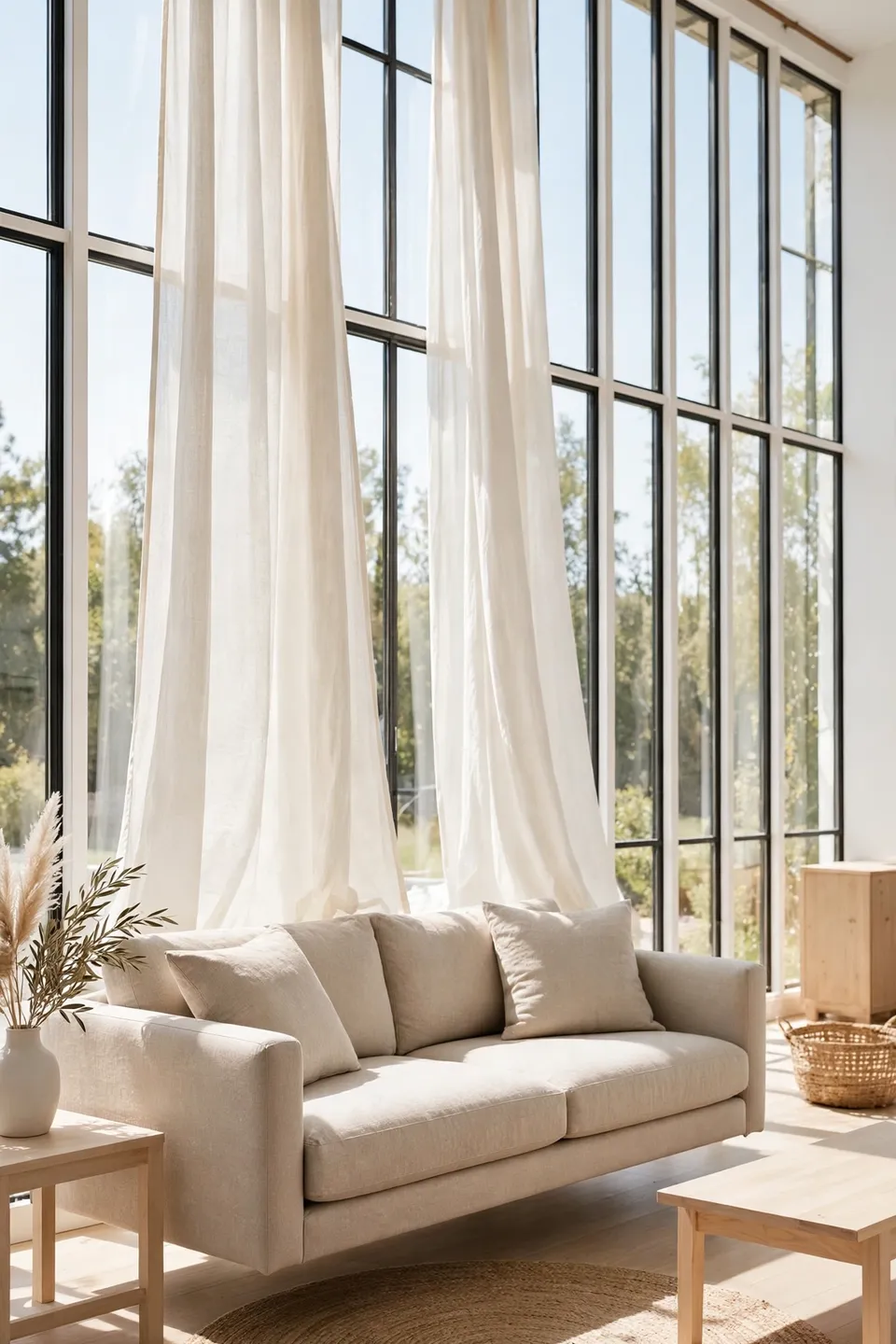
Quick Tip: Pull every piece of furniture at least six inches away from window walls, even in tight rooms.
Furniture pressed against glass looks cramped and blocks the lower sash from opening. A small gap lets curtains hang freely, allows air to circulate, and gives the eye a clean line between the furniture and the frame. In narrow rooms this trick also keeps chair backs from scraping sills and makes vacuuming the edges easier.
Stop Blocking Windows With Tall Furniture
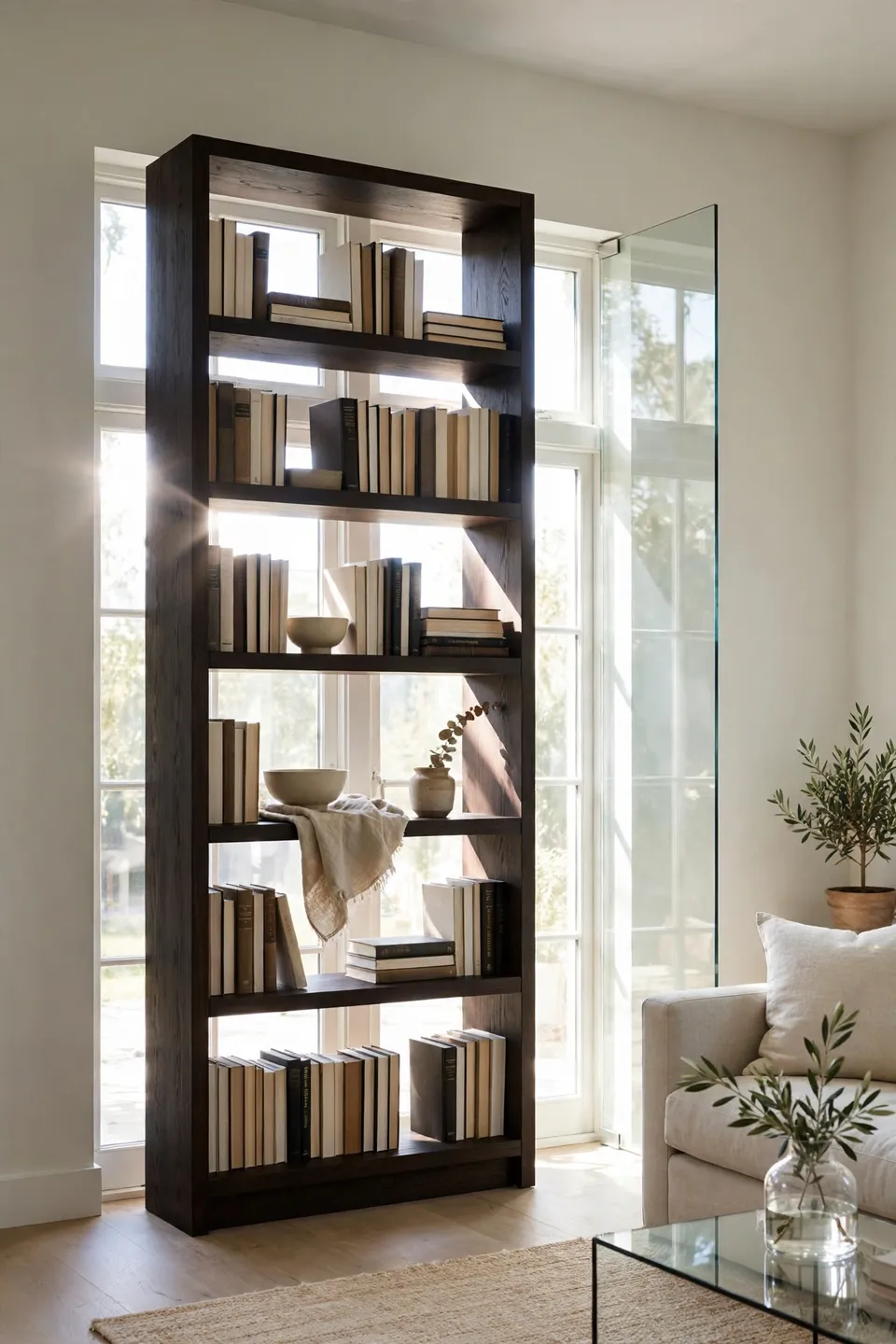
Common Mistake: Pushing tall bookcases or armoires in front of windows to fill empty wall space.
The Fix: Move tall storage to solid walls and reserve window walls for pieces below sill height.
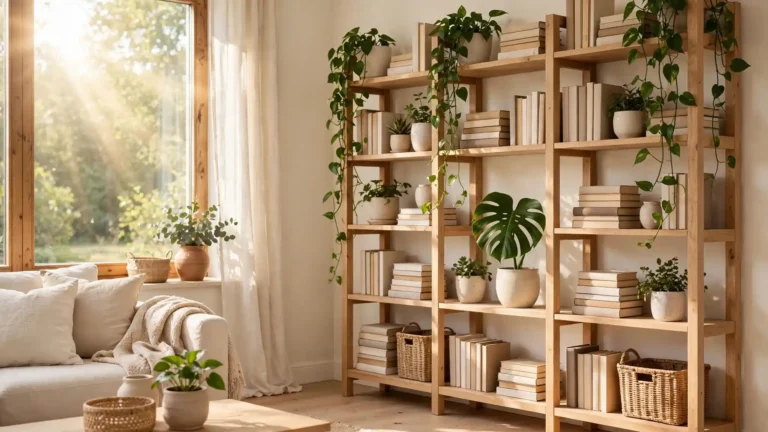
Tall furniture in front of glass steals daylight and makes windows look like afterthoughts. A bookcase against a solid wall still stores plenty while the windows stay clear to do their job. If solid wall space is scarce, choose low credenzas or open shelving that sit beneath the sill line.
Gather Your Layout Tools First

What You Need:
- Painter’s tape for marking furniture footprints on the floor
- A tape measure and a simple room sketch
- Felt pads so you can slide pieces without scratching floors
- A phone camera to photograph each arrangement from the doorway
Testing layouts with tape outlines saves your back and your floors. Mark each piece’s footprint, live with the outlines for a day, and walk the paths to check clearances. Photographs reveal balance problems your eyes miss in person, so compare shots before committing to the heavy lifting.
From Scattered Chairs to a Conversation Zone
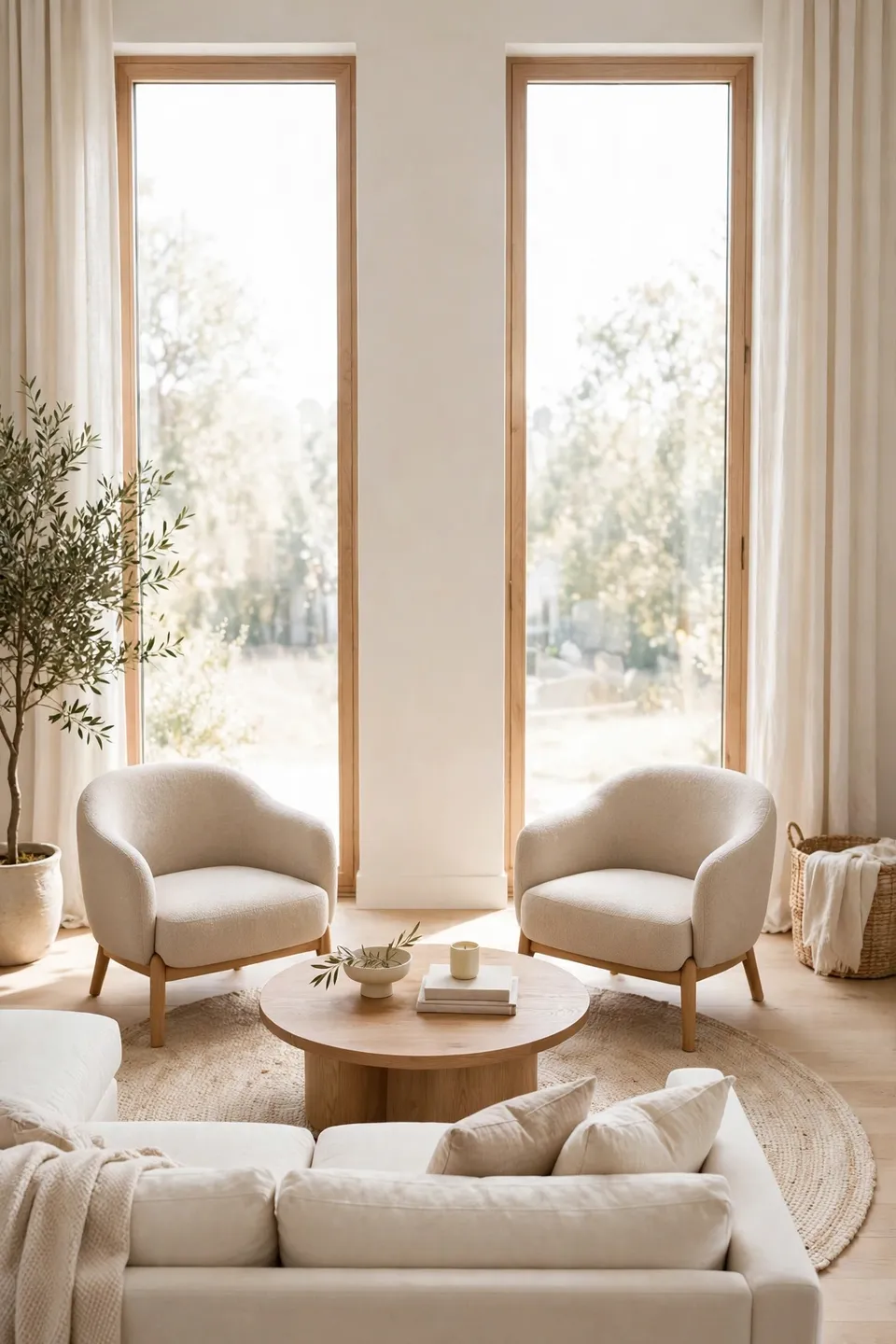
BEFORE: Chairs hugged each wall to stay out of the sun, leaving a hollow middle and four disconnected window views.
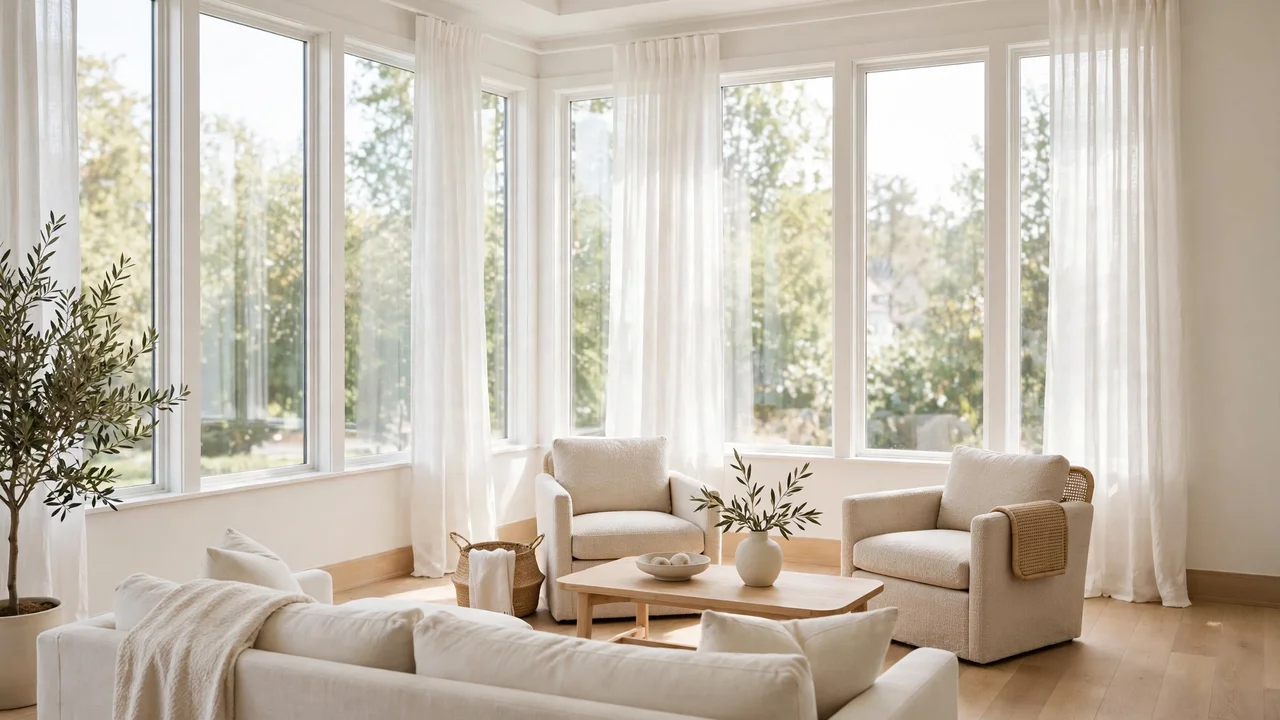
AFTER: Seating floats in a loose circle near the brightest pair of windows, every chair angled to share both the conversation and the view.
The center of the room often works better than the edges when glass surrounds you. If your kitchen shares this layout, the same idea applies, and how to make a kitchen with dark cabinets feel brighter shows how light placement changes everything. Keep the middle clear for traffic and let seating breathe near the glass.
Layer Curtains Without Losing Light
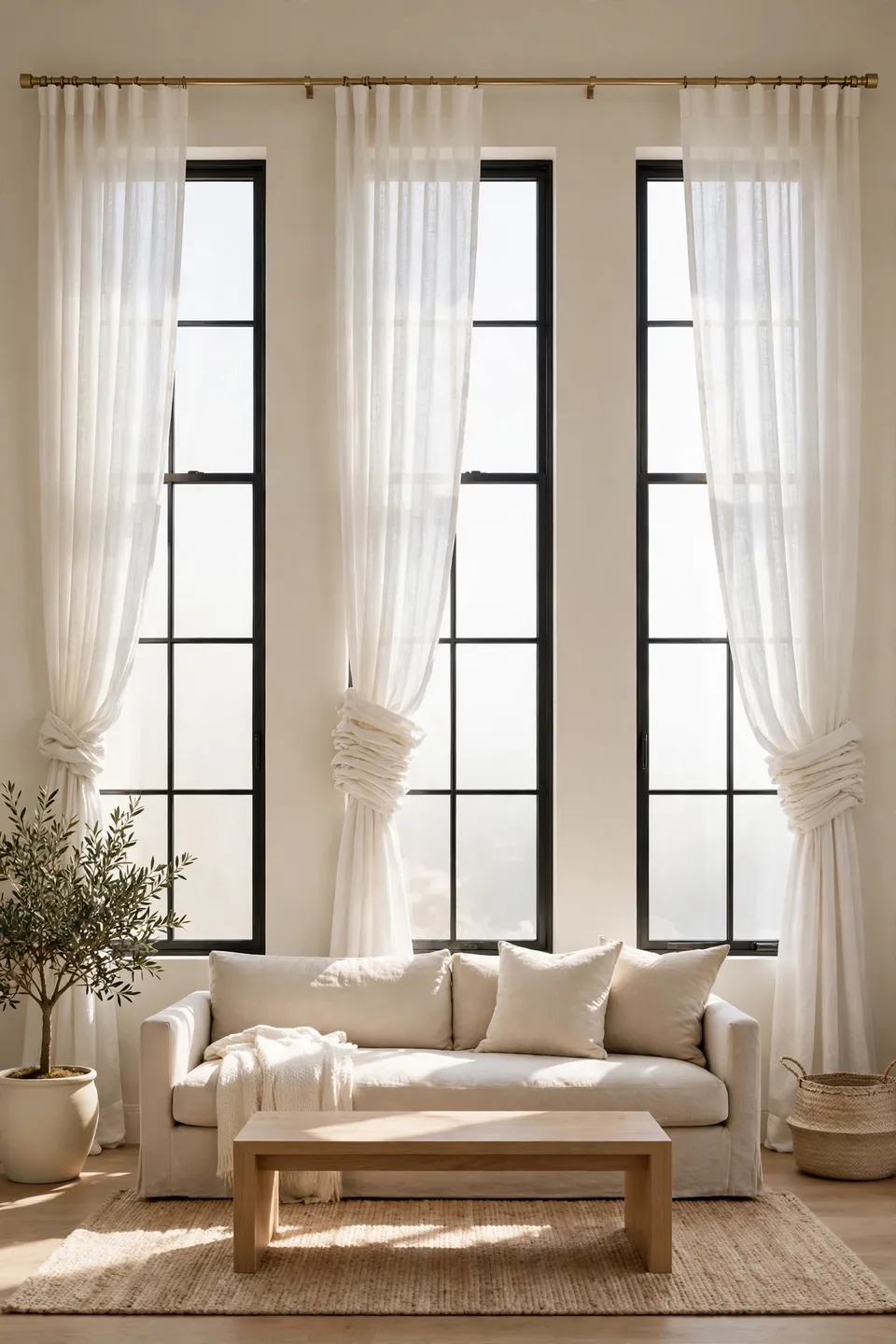
Do This:
- Hang one sheer linen layer for daytime privacy that still glows
- Mount rods wide and high so panels stack fully off the glass
- Choose a second heavier panel only for bedrooms or media corners
Avoid This:
- Heavy drapes on every window, which cancel the daylight you wanted
- Short curtains that chop the window in half visually
- Dark hardware that draws hard lines across bright glass
Window treatments in a multi-window room should frame the light, not fight it. Sheers soften glare while keeping the room bright, and wide-mounted rods make each window look larger. Reserve blackout layers for the windows that truly need them, and let the rest stay light and airy.
Quick Facts for Window-Filled Rooms
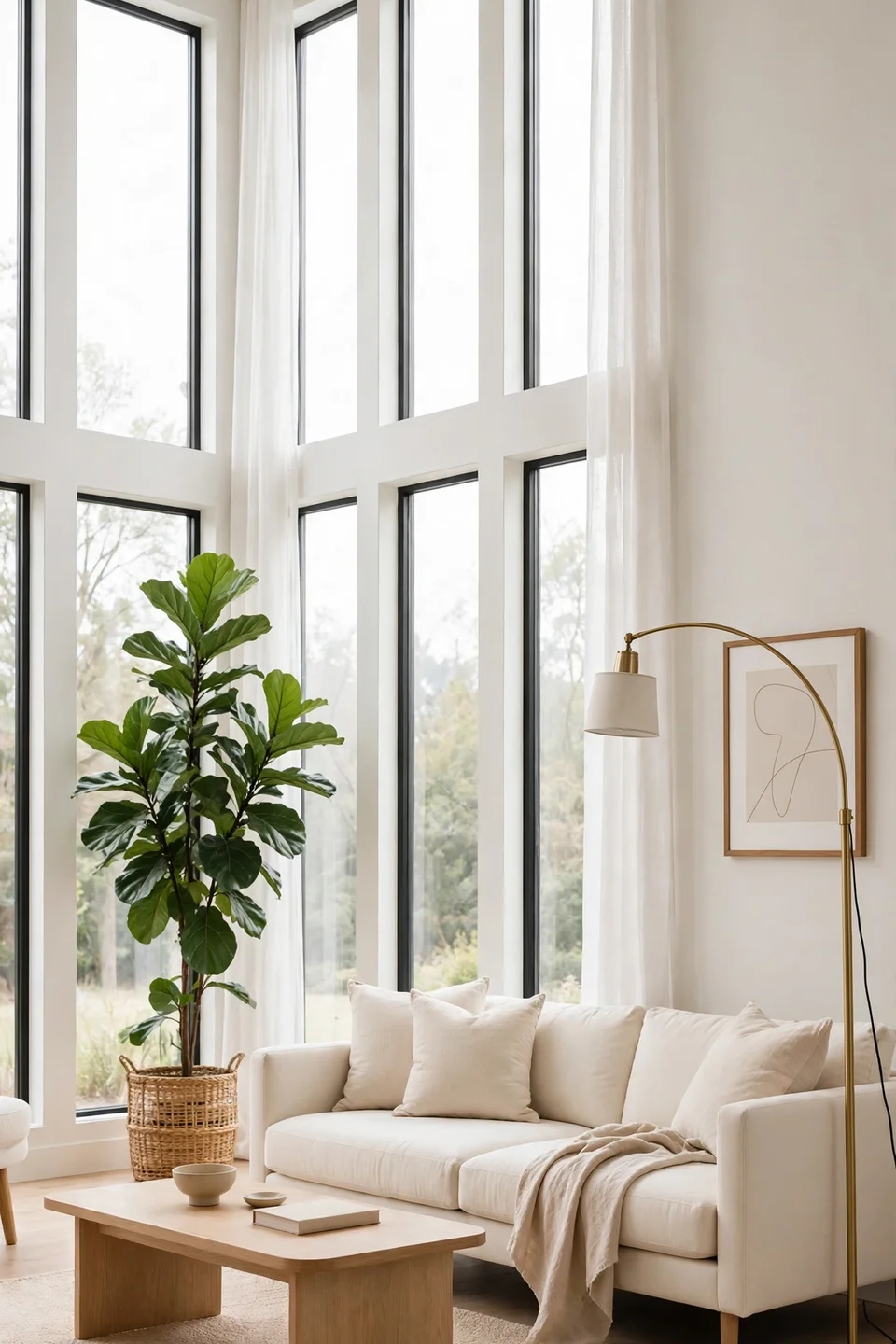
Best Sofa Distance: 8 to 10 feet from the main window wall for even light
Walkway Width: 30 to 36 inches between furniture and glass
Biggest Win: Low-profile pieces under 34 inches keep every sill visible
Budget: Rearranging costs nothing; sheers and rods run about $40 per window
These quick numbers take the guesswork out of spacing. Measure once before you lift anything, and you will avoid the two classic errors of cramped walkways and blocked sills. Write the measurements on your room sketch so every future tweak stays consistent and your layout stays balanced no matter how often you rearrange.
Angle Furniture Toward the View
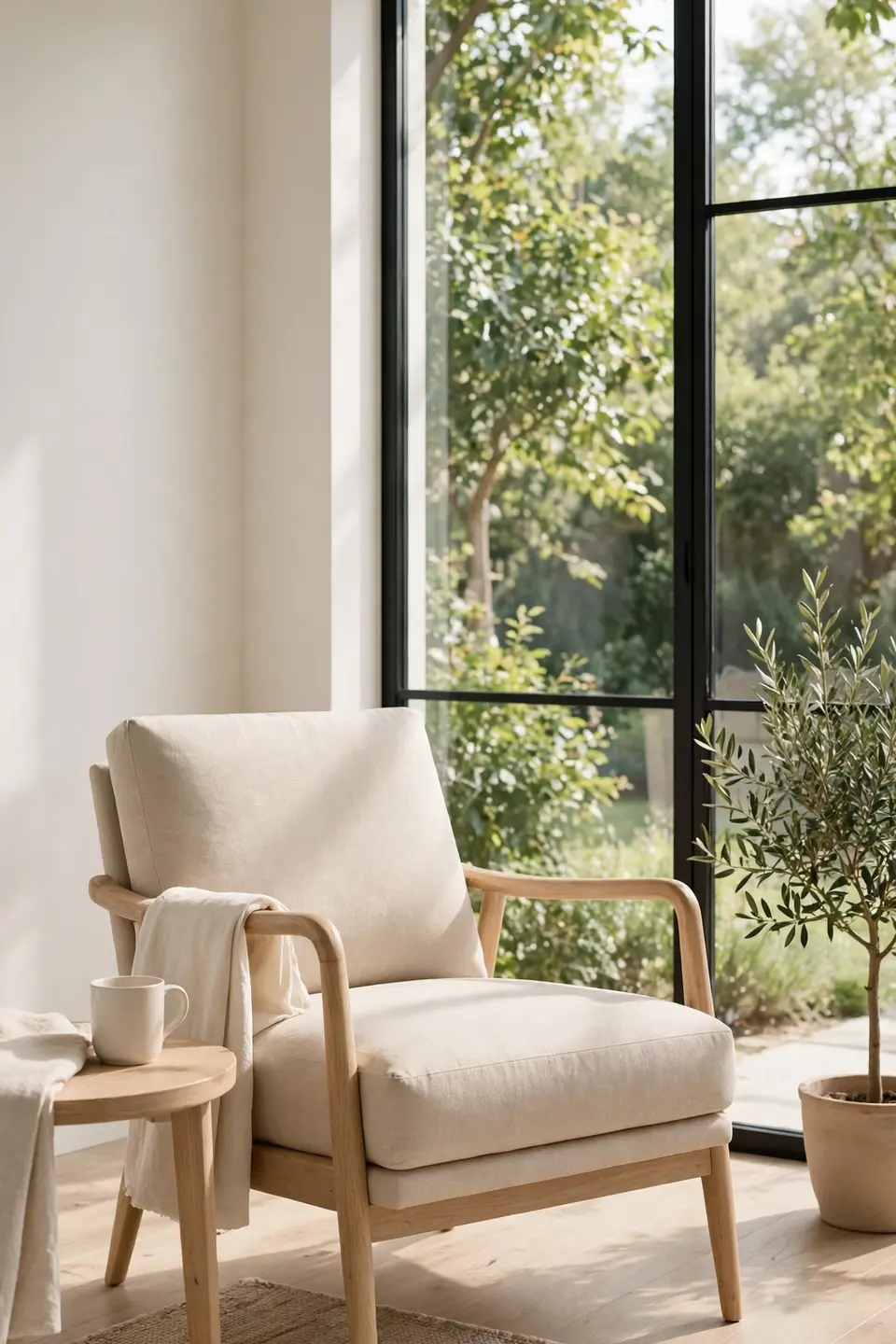
Instead of lining every piece parallel to the walls, angle one or two key pieces toward the best view. A reading chair turned slightly toward the garden window feels intentional, while the rest of the room keeps its calm and orderly rhythm. The angled piece becomes a quiet focal point without blocking light.
This gentle turn breaks the boxiness that rows of windows can create and gives the eye a place to rest. Try the move on an accent chair first, keeping the angle near 15 degrees, so the result feels relaxed rather than random.
Balance the Room Corner by Corner

With the main zones set, walk each corner and check that no spot feels forgotten or overcrowded. Balanced corners make a window-filled room feel finished, because every angle of the glass gets equal attention. Give empty corners a plant or floor lamp, and thin out any corner that feels stuffed.
- Place a tall plant or floor lamp in any bare corner so the eye travels the full room.
- Step back to the doorway and check that furniture heights step down gently toward the windows.
- Shift one piece at a time, photographing each change before deciding what stays.
- Sit in every seat for a minute to confirm the view and the light feel right.
Conclusion
Living with several windows is a gift once the layout works, and how to arrange furniture in a room with multiple windows comes down to honoring the light instead of fighting it. Keep tall pieces low, let seating face the glass, and give every window a clear job in the design. Small changes like floating the sofa or swapping heavy drapes for sheer linen can shift the whole mood of the space. Save this guide to your Pinterest home ideas board so you can revisit each step when you start rearranging.