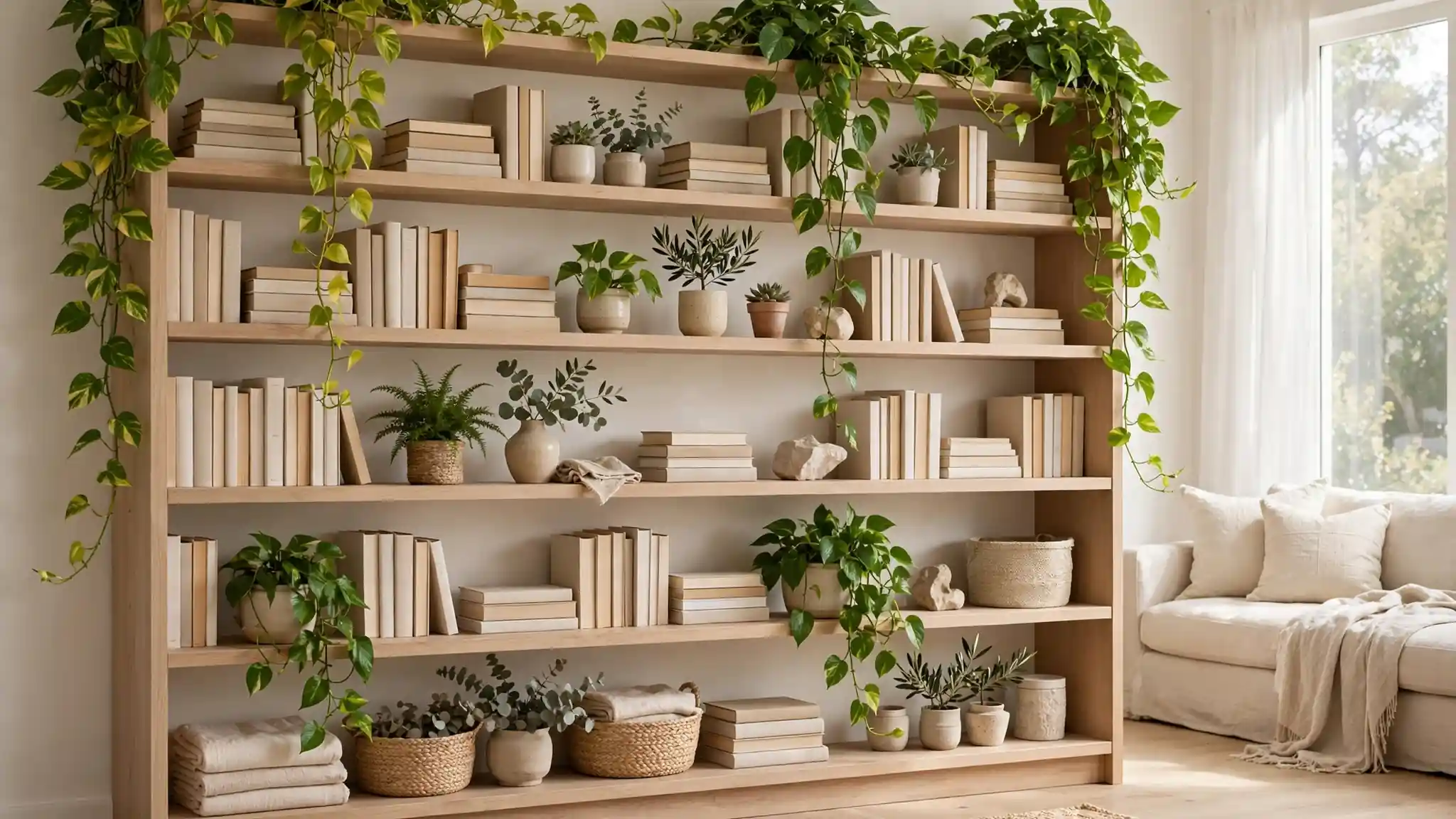
21 Bookshelf Styling Ideas With Plants for a Fresh, Natural Look
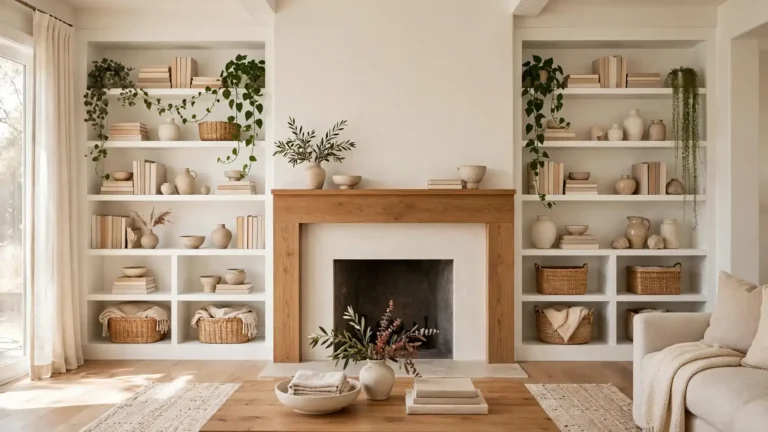
Bare shelves collect dust and look unfinished, but the right greenery changes everything. These bookshelf styling ideas with plants show how to mix books, decor, and live plants into shelves that feel fresh and intentional. I have seen a single trailing pothos turn a flat bookcase into the prettiest corner of a room. Whether your shelves are packed or minimal, plants add life, color, and softness that no object can match. For a coordinated living room, pair your shelves with these tv stand decor ideas for modern living rooms.
Below you will find 21 plant-forward styling moves, from easy low-light picks to bold statement trees. Each idea works with real bookshelves in real homes, and every one includes practical care tips. Grab a watering can and get ready to style shelves you will love looking at every single day.
Trailing Pothos Cascade for bookshelf styling ideas with plants
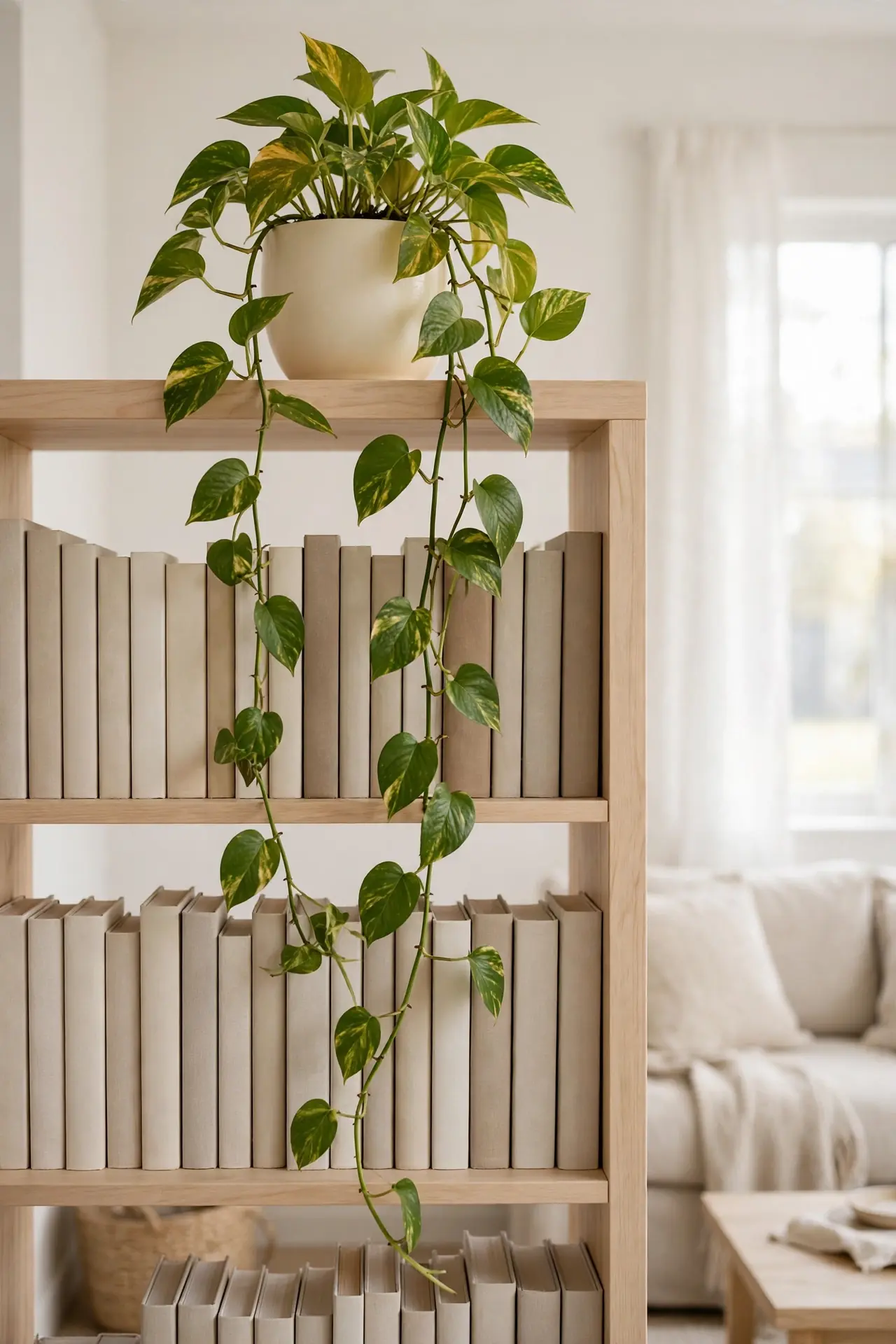
A golden pothos spilling over a shelf edge is the fastest way to make a bookcase feel alive. The heart-shaped leaves catch the light, and long vines soften the hard lines of book spines. In my experience, pothos forgives almost everything, including low light and the occasional missed watering. Place the pot on the top shelf and let three to five vines trail down one side for a balanced look.
Water when the top two inches of soil feel dry, usually every seven to ten days. Rotate the pot once a month so growth stays even on all sides. Yellow leaves usually mean too much water, so let the soil dry out a little more between drinks. This plant suits beginners and rewards small effort with lush, fast growth.
Fiddle Leaf Statement
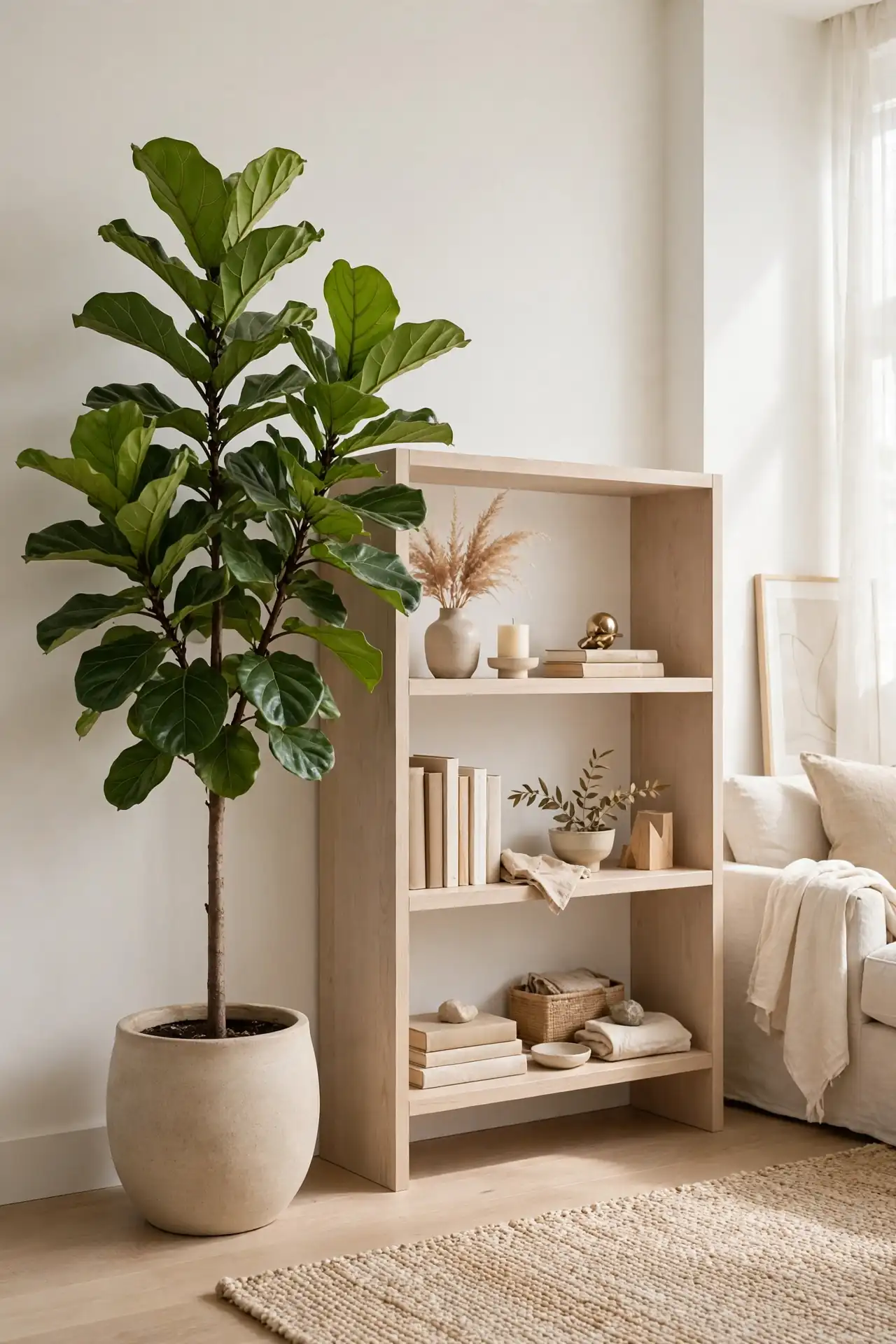
- Pick a fiddle leaf fig between two and three feet tall so it rises above the shelf line.
- Give it the brightest spot near your bookcase, ideally within a few feet of a window.
- Water deeply only when the top three inches of soil feel dry to the touch.
- Dust the large leaves monthly with a damp cloth so they absorb light well.
- Rotate the pot a quarter turn every two weeks to prevent leaning to one side.
A fiddle leaf fig turns an ordinary bookcase into a styled moment. I have seen one healthy tree carry an entire wall of shelves. Keep expectations realistic though, since this plant drops leaves when moved or overwatered. Once settled in bright, steady light, it grows into a sculptural anchor worth the patience.
Snake Plant Pairing
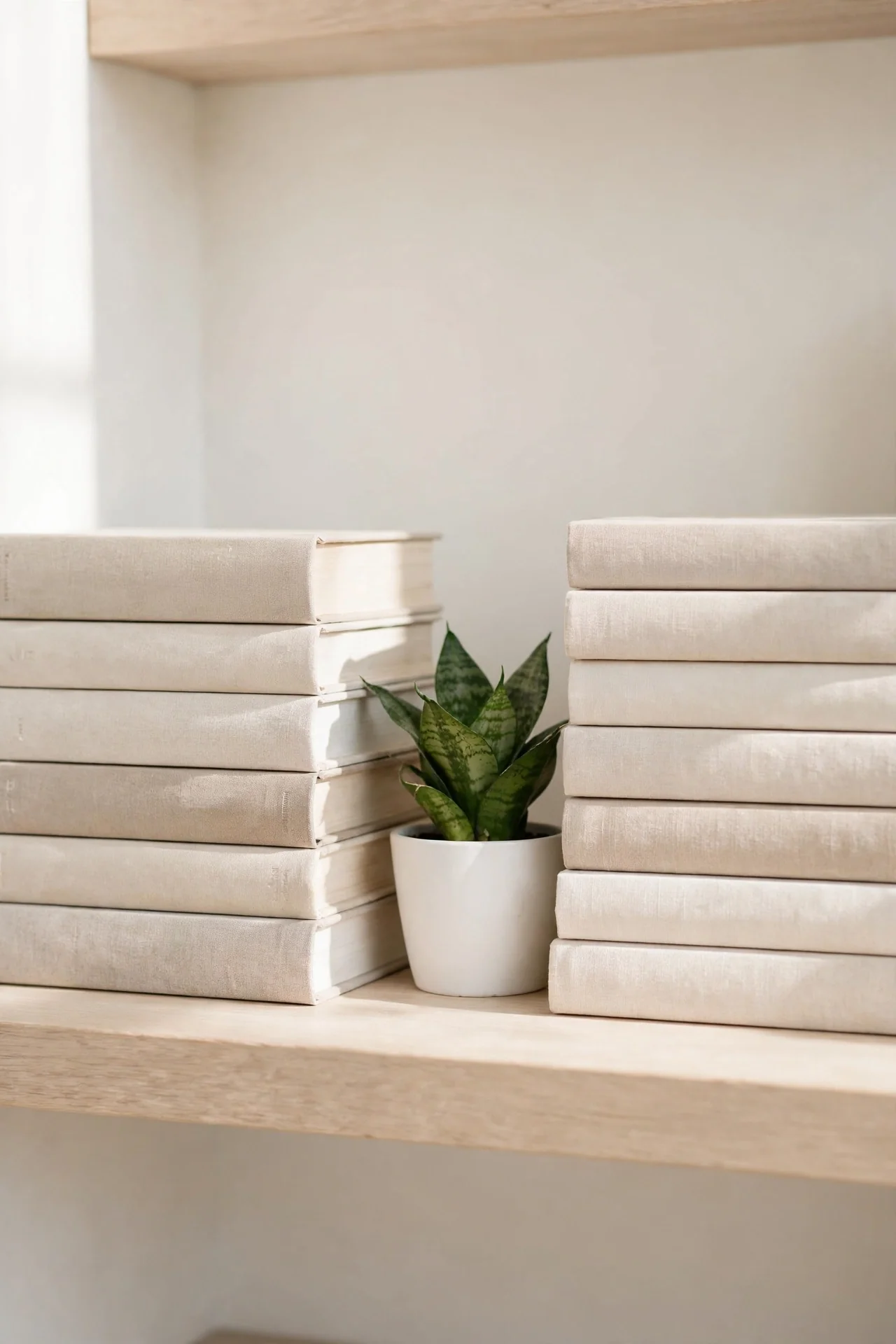
Quick Tip: Tuck a compact snake plant between book stacks where nothing else seems to fit. Its upright leaves add height without spreading wide, and it tolerates the dim corners of deep shelves. Choose a small six-inch pot so the plant reads as an accent, not a takeover.
Snake plants ask for almost nothing and give structure in return. Water every two to three weeks, less in winter, and skip misting entirely. I have noticed they look sharpest beside horizontal book stacks, where the vertical leaves create pleasing contrast. One plant per shelf section is plenty for the effect. Dust the leaves a few times a year to keep them looking sharp.
Herb Shelf Garden
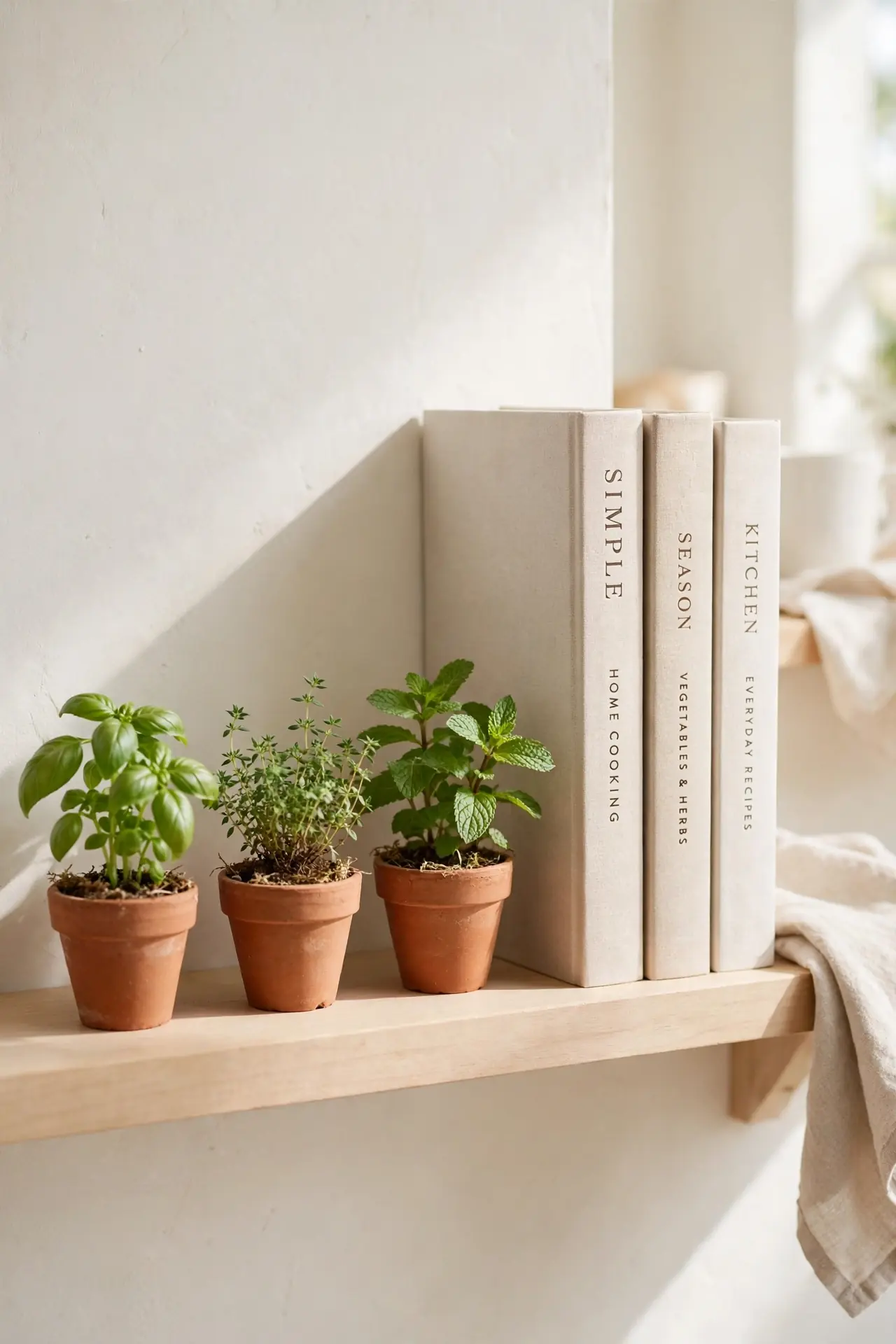
BEFORE: A kitchen-adjacent bookshelf holds cookbooks nobody opens and a dusty vase. The shelf feels decorative but useless, and the books stay untouched week after week.
AFTER: Small pots of basil, thyme, and mint line up beside the cookbooks, turning the shelf into a working herb garden. Snipping fresh herbs for dinner becomes part of the daily routine.
Herbs need four to six hours of bright light, so this idea suits shelves near a sunny window. Water when the soil surface dries, and pinch basil regularly to keep it bushy. I have tried this in my own kitchen nook and the scent alone makes the shelf worth it. Replace tired plants each season for continuous harvests.
Succulent Cluster Trio
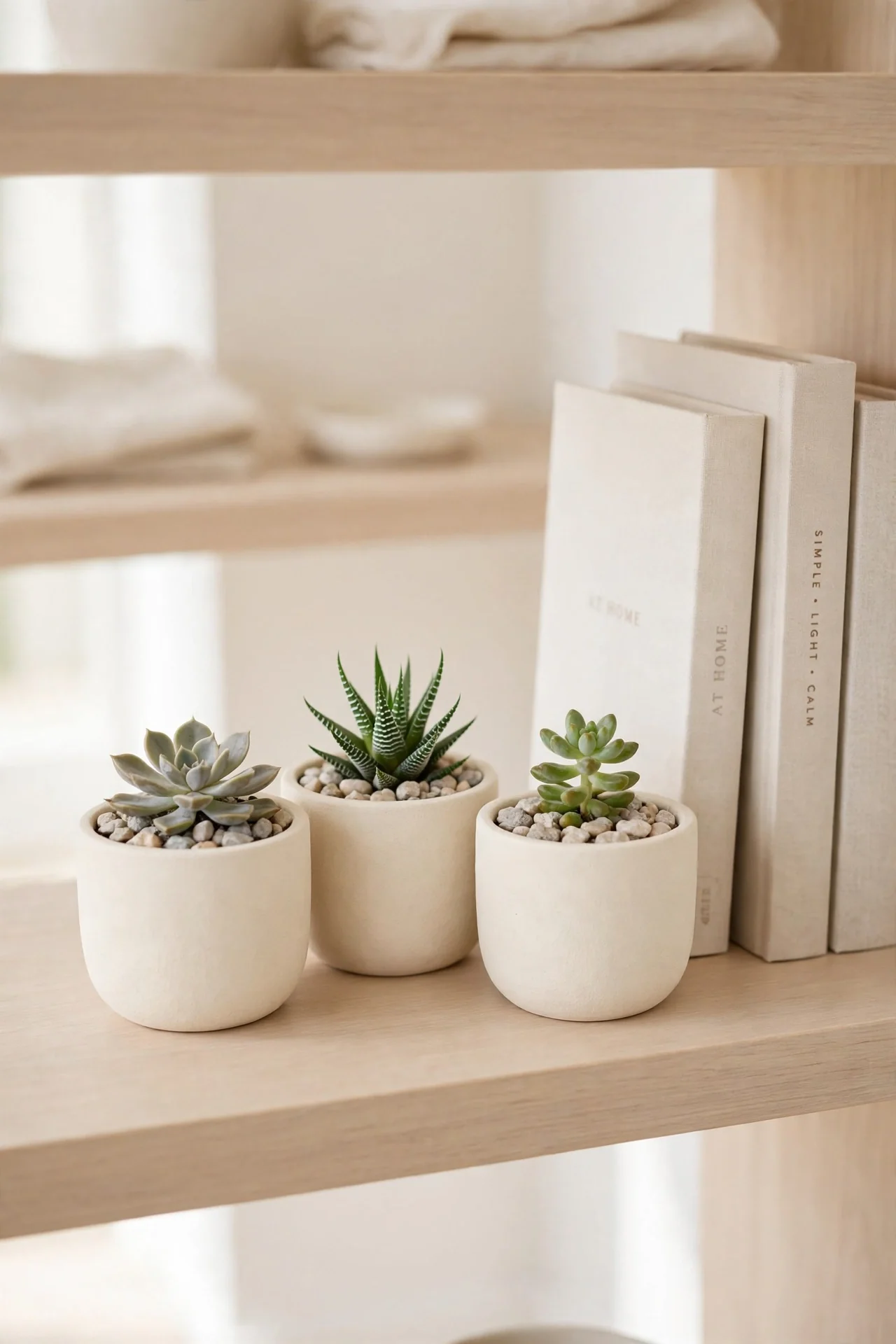
- Choose three succulents in different shapes: one rosette, one trailing, one upright.
- Plant them in matching small pots, no wider than four inches each.
- Group the trio on one shelf with two inches of space between the pots.
- Top the soil with small pebbles for a finished and tidy look.
Odd-numbered groupings always look more natural than pairs, which is why the trio works so well. Succulents want bright light and very little water, so let the soil dry fully between drinks. I have seen this single cluster pull together an entire shelf. Keep water off the leaves, since wet foliage invites rot.
Hanging Fern Layers
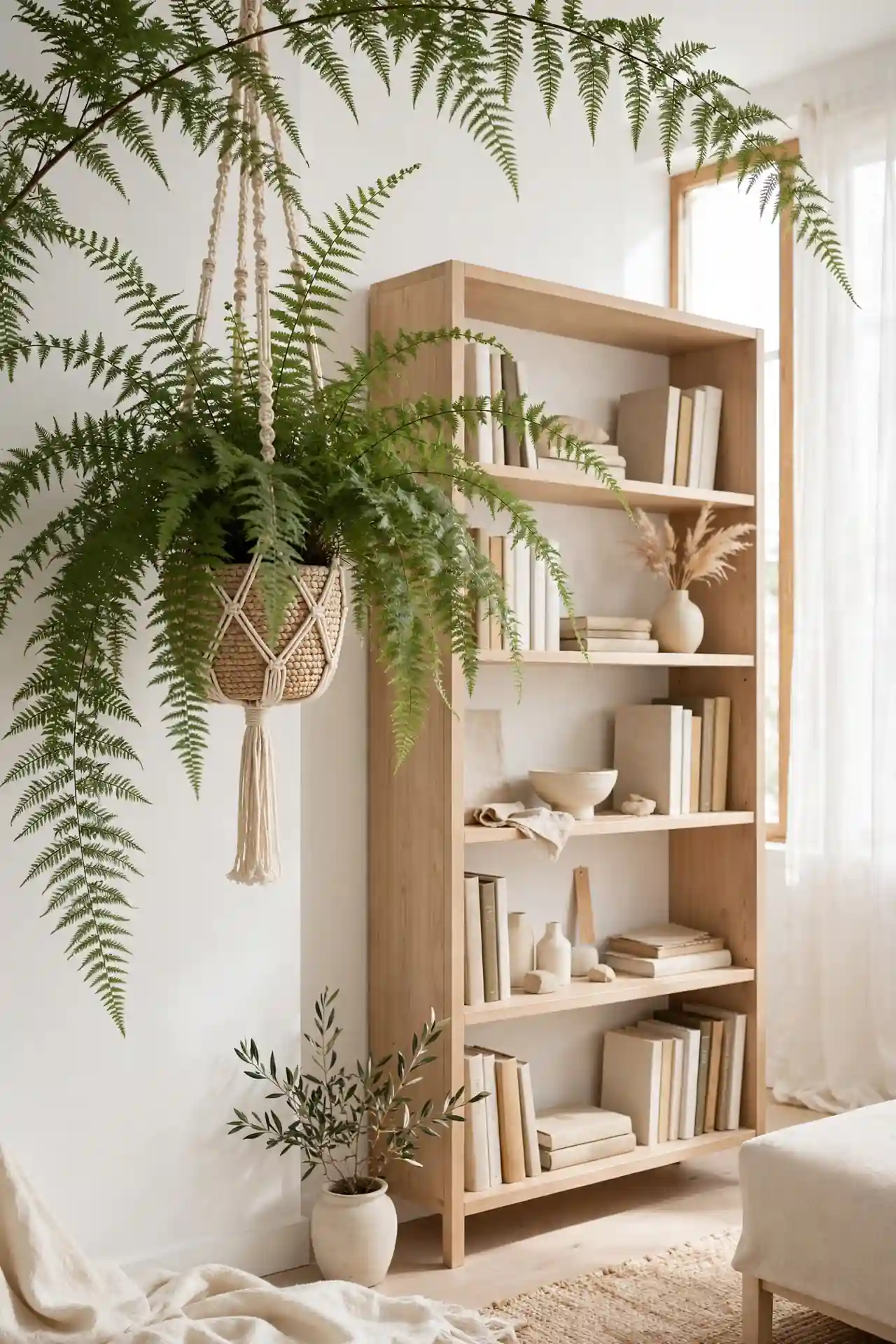
| Boston Fern | Bird’s Nest Fern |
| Loves humidity and regular misting | Tolerates drier indoor air well |
| Fronds arch and trail softly downward | Broad leaves stay upright and bold |
| Needs bright indirect light daily | Handles medium light without fuss |
| Fast grower that fills space quickly | Slow sculptural grower with presence |
Ferns soften shelf edges like nothing else can. Hang one at each end of a long bookcase so the fronds frame the books between them. I have noticed ferns look best when pots sit slightly forward on the shelf, letting fronds spill freely. Water consistently and keep them away from heating vents.
Monstera Corner Anchor
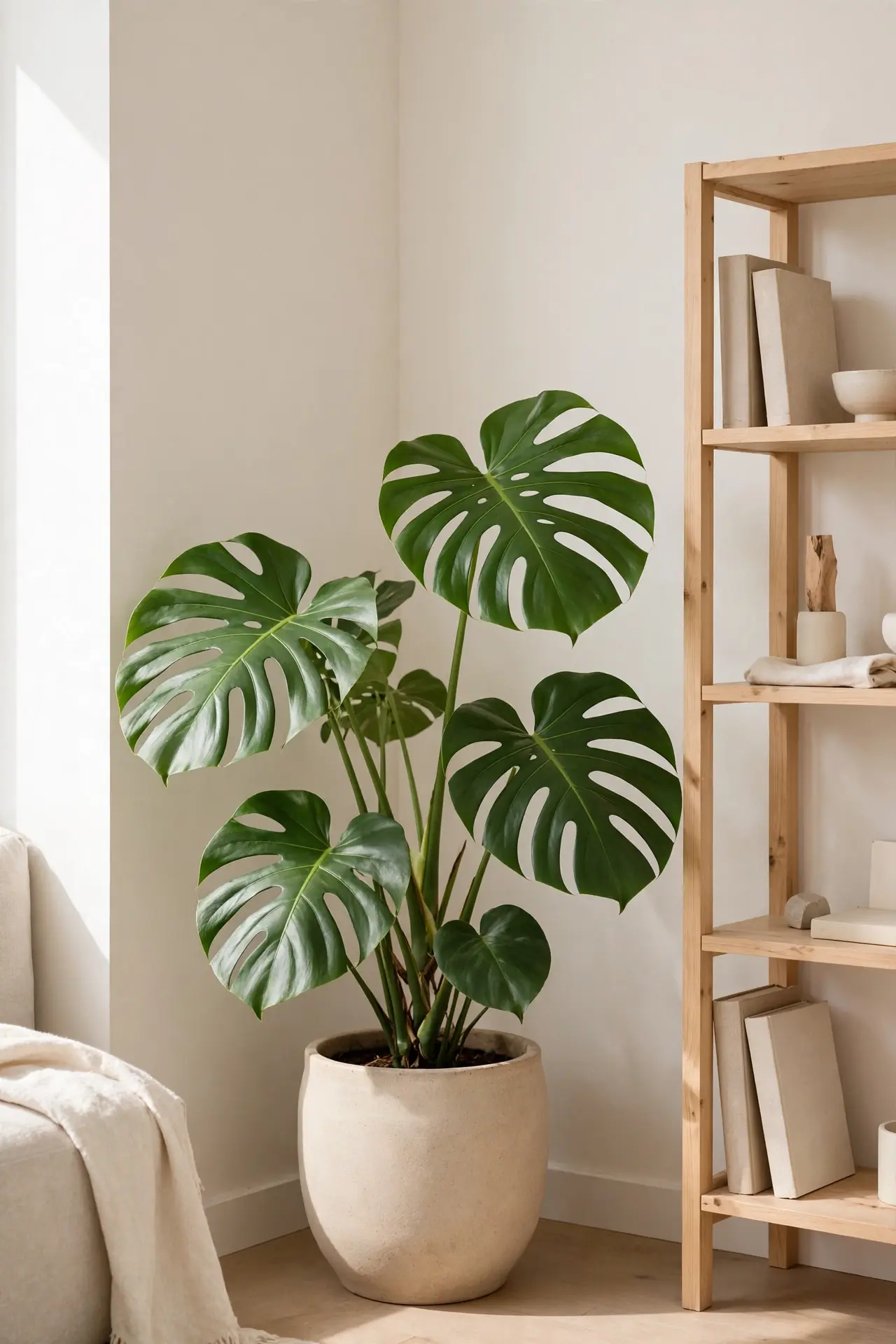
DO: Give it a corner spot with room to spread wide.
DO: Wipe the leaves monthly to keep their natural shine.
DO: Add a moss pole once the stems start to lean.
DON’T: Place it in harsh direct afternoon sun.
DON’T: Let the pot sit in standing water.
DON’T: Expect fast growth in dark rooms.
A monstera gives bookshelf styling ideas with plants their boldest moment. The split leaves read as living art beside simple book rows. In my experience, one medium monstera beside a bookcase beats five small plants scattered around. Let the top two inches of soil dry between waterings and enjoy each new leaf.
Air Plant Accents
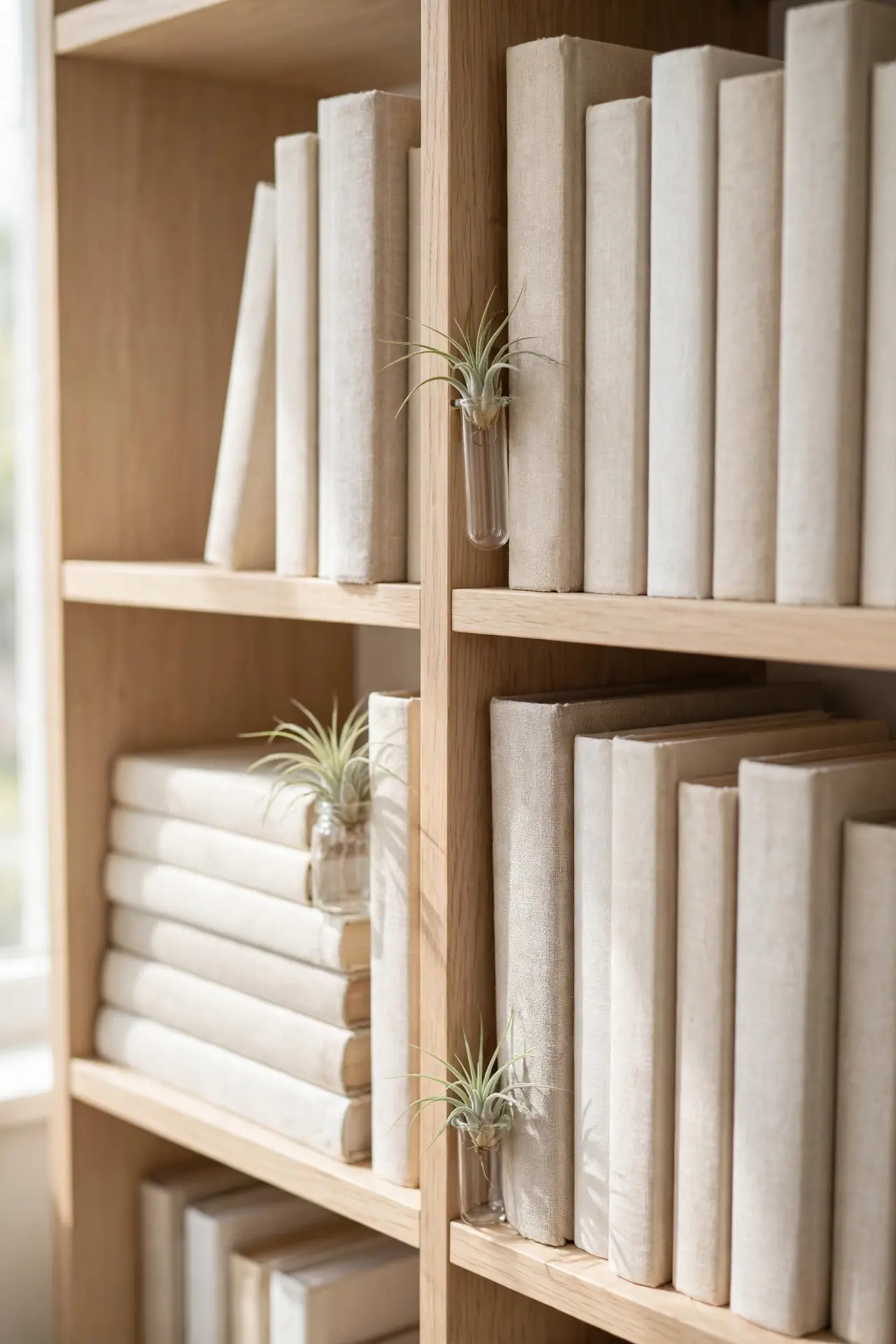
Cost: Low | Time: Minutes | Skill Level: Beginner | Best For: Tiny shelf gaps
Air plants need no soil, so they tuck into spots nothing else can use. Nestle them into driftwood pieces, small bowls, or between heavy bookends. Soak them in room-temperature water for twenty minutes weekly, then shake off the excess and let them dry upside down. I have tried them on narrow shelves where pots never fit, and they always earn their place. They come in dozens of shapes, from spiky to soft and silvery, so collecting a few different types keeps the display interesting. Group three to five together for the most impact.
Calathea Color Pop
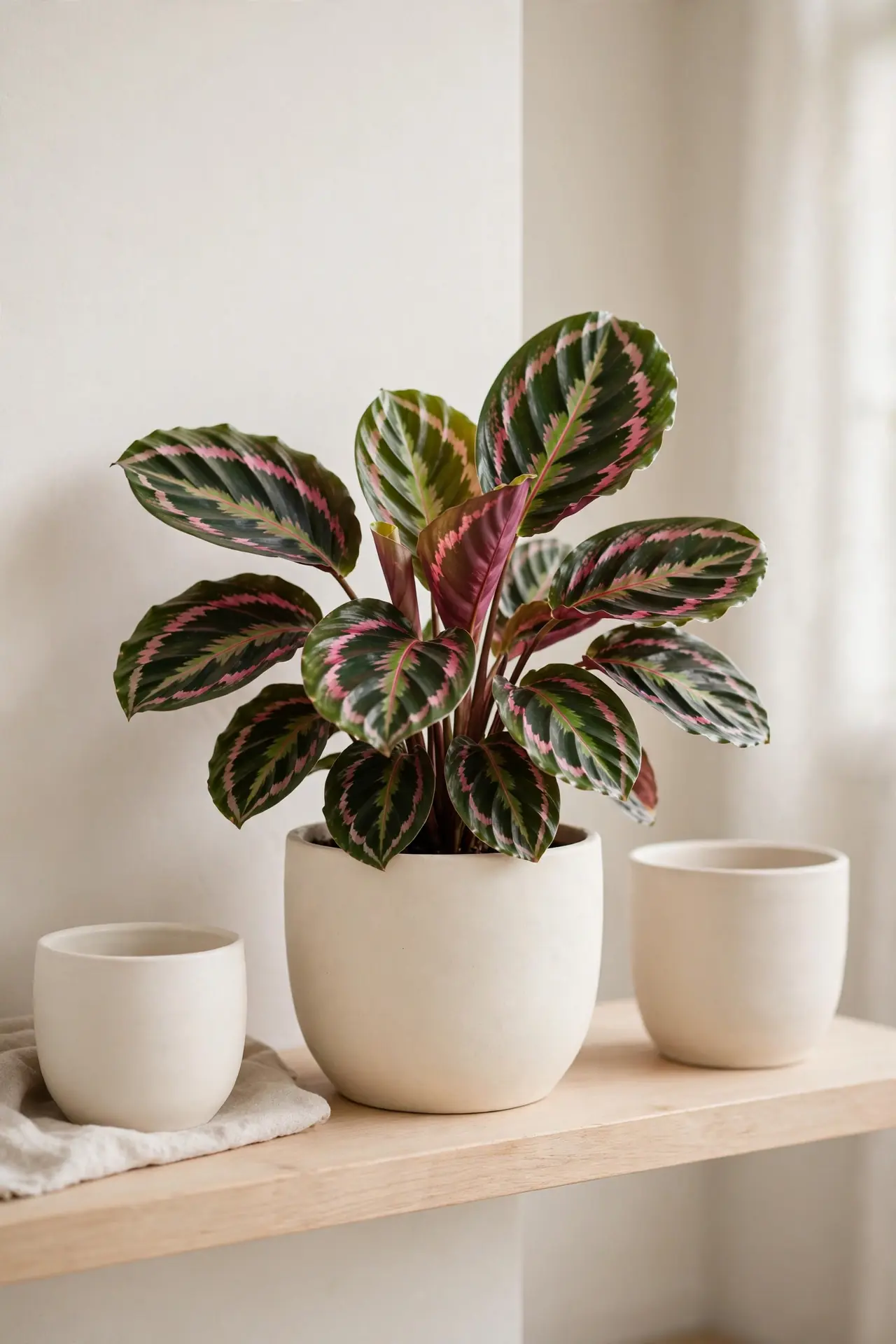
Calatheas paint shelves with patterned leaves in greens, pinks, and creams. The bold markings act like artwork, so you need fewer decorative objects around them. They prefer medium indirect light and steady moisture, which makes them ideal for living room shelves away from windows. Group one calathea with plain ceramic pots and let the foliage lead the display.
Keep the soil lightly moist but never soggy, and use room-temperature water to avoid shocking the roots. Brown leaf edges usually signal dry air, so a nearby pebble tray helps a lot. I have seen a single rattlesnake calathea outshine an entire styled shelf. This plant suits collectors who enjoy a little daily attention.
Books and Botanicals
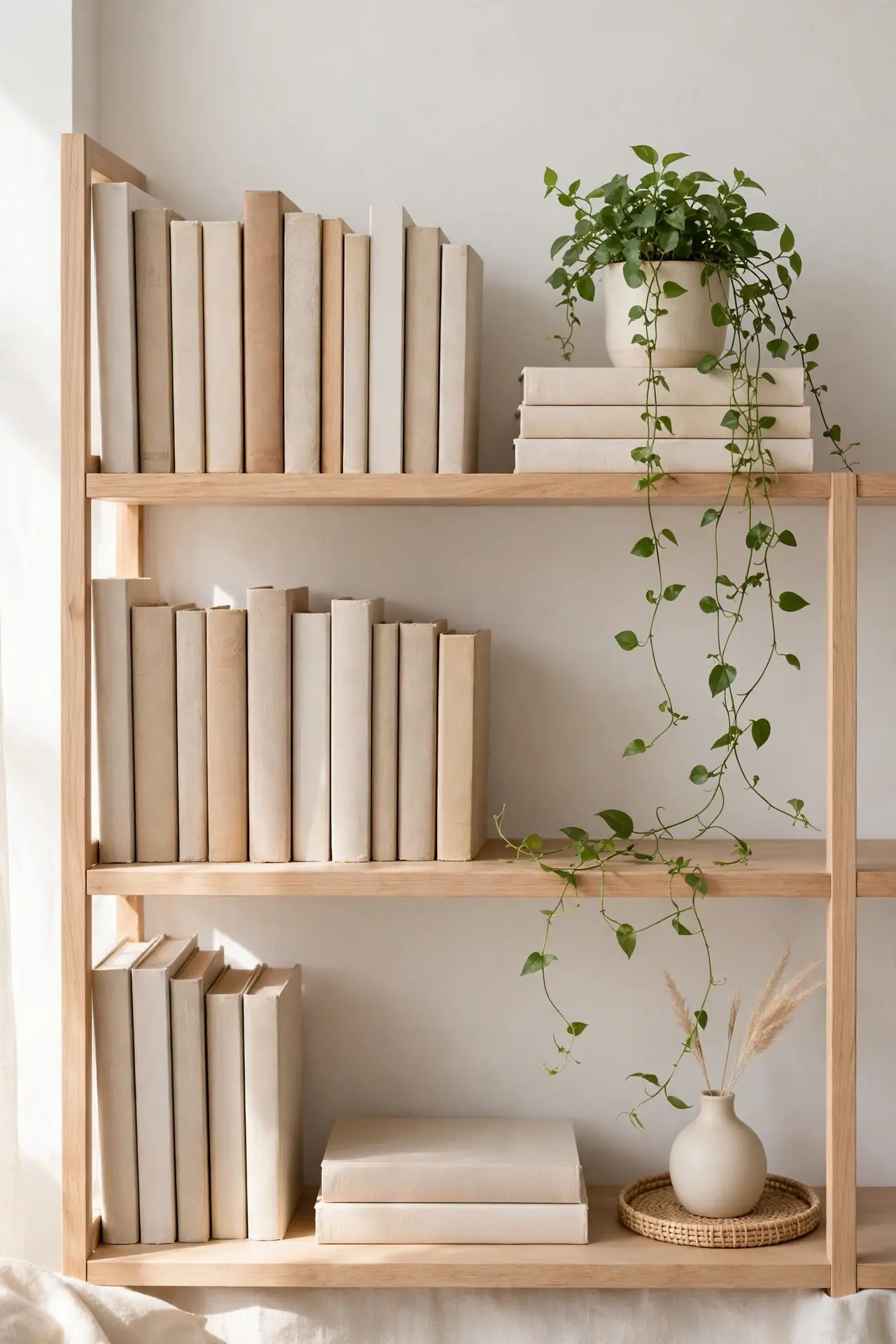
- Alternate vertical book rows with potted plants to create natural rhythm.
- Lay two or three books flat, then top the stack with a small plant.
- Match pot colors to nearby book spines for a pulled-together palette.
- Leave breathing room, since crowded shelves hide both books and plants.
- Vary plant heights so the eye travels up and down the case.
The magic happens in the mix, not in choosing one over the other. I have noticed shelves look richest when roughly one third of the space holds plants. Start with your books, then fill the gaps with greenery until the balance feels right. Step back often, since distance reveals what close-up styling misses.
ZZ Plant Ease for bookshelf styling ideas with plants
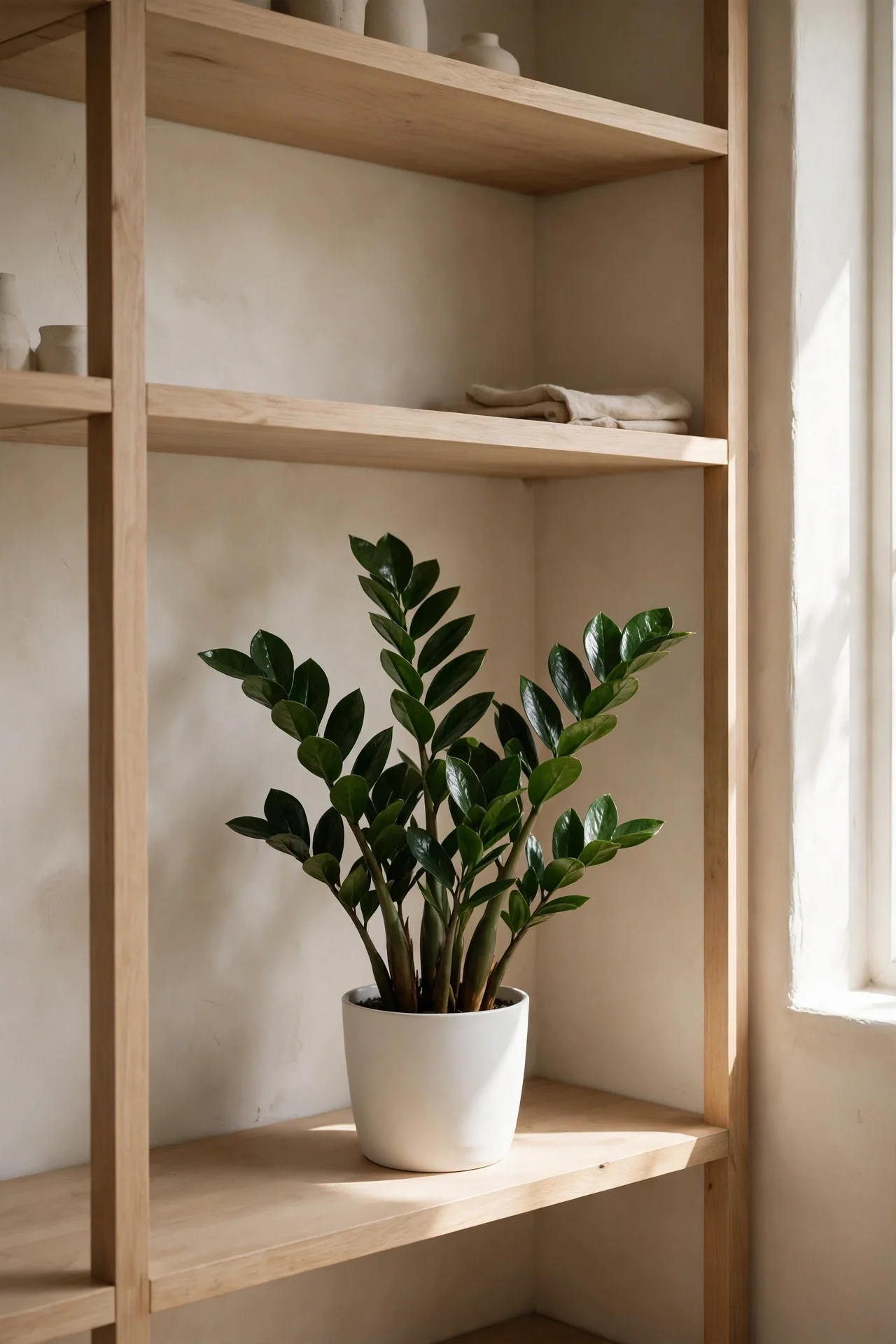
Quick Tip: Place a ZZ plant on a low shelf where light barely reaches. Its glossy leaves reflect what little light exists, brightening dark corners naturally. Water only when the soil is fully dry, which might mean once a month in winter.
ZZ plants survive neglect that kills fussier greenery. The thick stems store water, so forgetting a watering rarely matters. I have seen them thrive on office shelves with only fluorescent light above. Wipe the leaves occasionally to keep their shine. For busy plant parents, this is the most forgiving shelf plant you can buy, and new stems reward patience.
Propagation Station
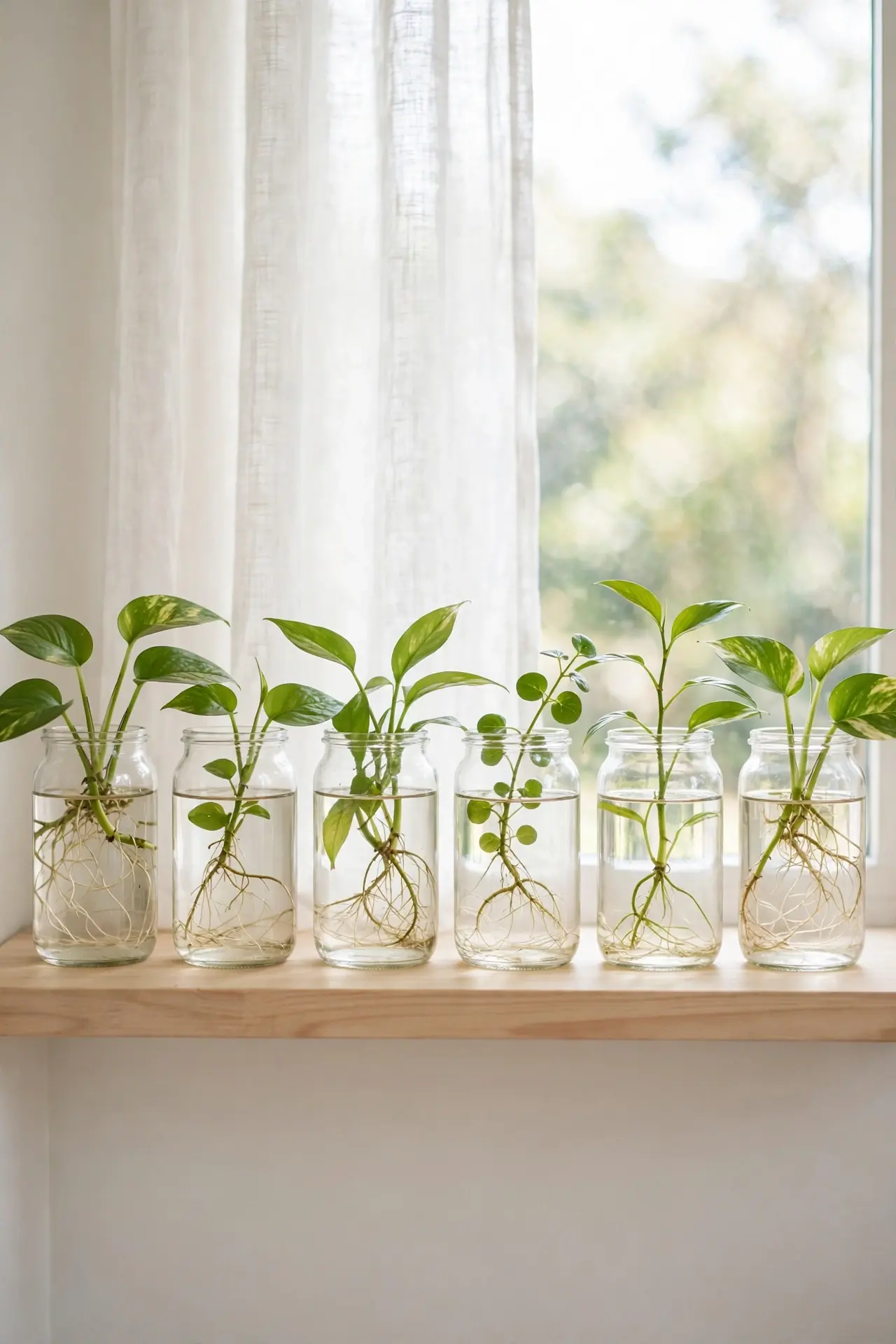
BEFORE: Cuttings from your pothos and philodendron sit in a cloudy jar on the counter, forgotten and half-rooted. They look messy and never quite make it into soil.
AFTER: A row of clean glass vessels on one shelf holds cuttings at different rooting stages, turning propagation into living decor. Each jar catches the light and shows off delicate new roots.
Change the water weekly and keep jars in bright indirect light for the fastest rooting. Snip stems just below a node, where roots emerge most readily. I have tried this with pothos, philodendron, and monstera cuttings, and guests always ask about the display. Move rooted cuttings to soil once roots reach two inches long.
Olive Tree Elegance
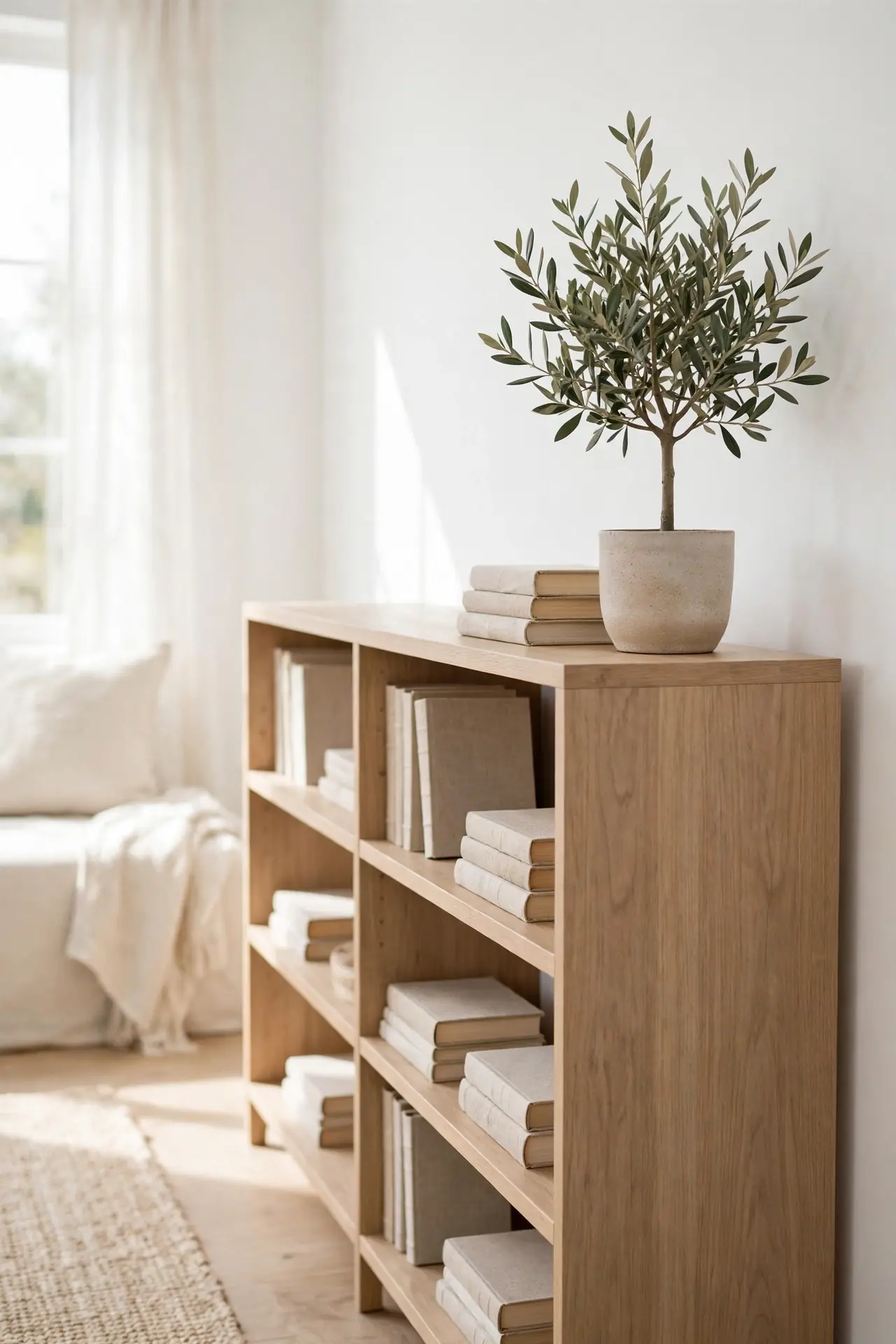
- Select a small olive tree, two to three feet tall, in a neutral ceramic pot.
- Position it at the end of the bookcase where it gets bright light.
- Water when the top inch of soil dries, and ensure sharp drainage.
- Prune lightly in spring to keep the shape airy and open.
An olive tree brings quiet Mediterranean charm to bookshelves. The silvery leaves pair beautifully with linen-bound books and light wood tones. I have noticed this plant photographs especially well, which matters for shelf styling. It wants as much light as you can give, so reserve it for your brightest shelf spot.
Moss Pole Climbers
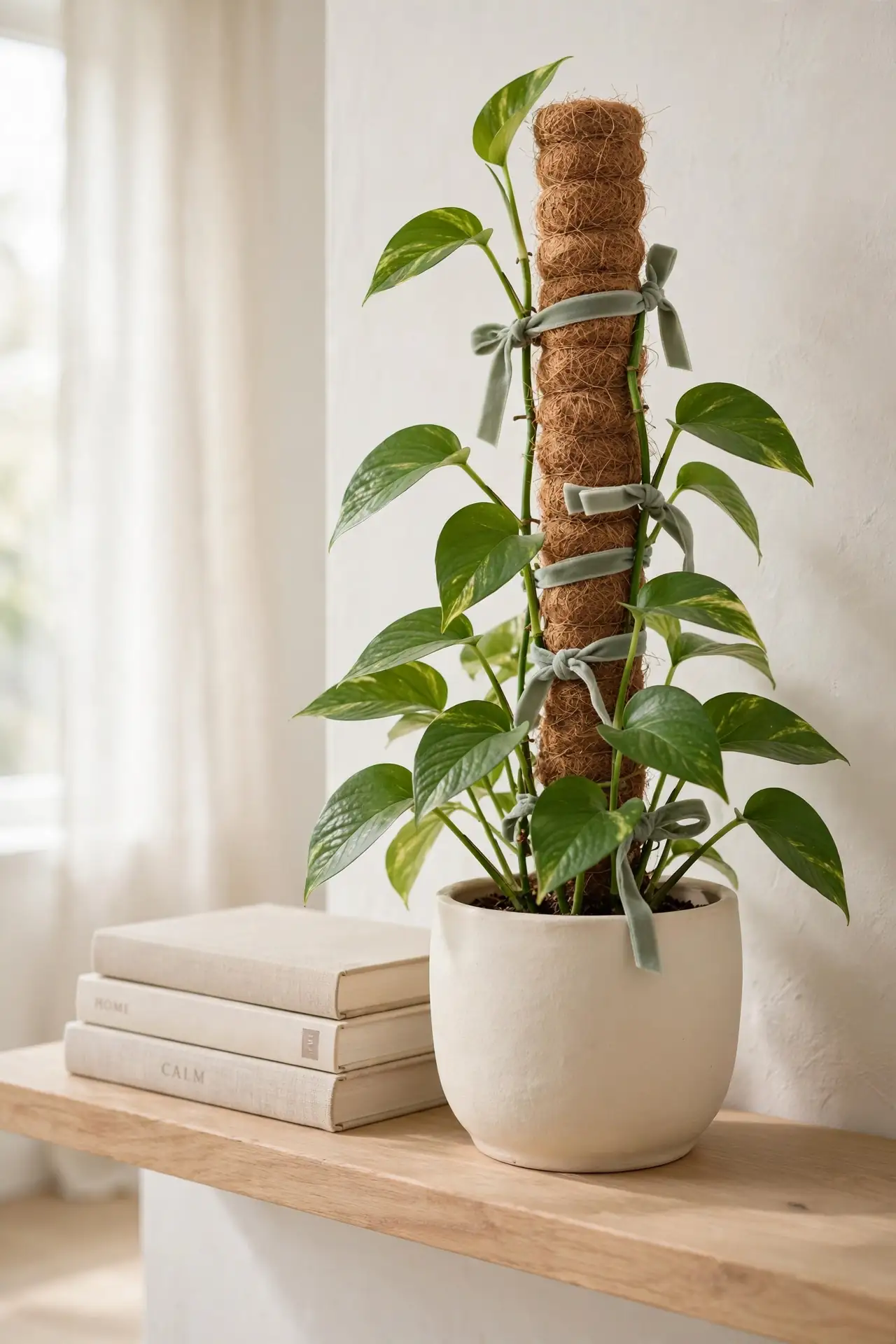
| Pothos on Pole | Philodendron on Pole |
| Grows quickly upward with vigor | Heart leaves stay smaller and neat |
| Tolerates lower light conditions | Prefers bright indirect light daily |
| Easy to train with soft ties | Climbs readily on its own |
| Very forgiving of missed care | Slightly fussier about watering |
Training a climber up a moss pole turns one plant into a vertical garden. Secure stems loosely with soft ties and mist the pole to encourage aerial roots. This trick adds height without taking shelf space, which is gold in small rooms. For more entryway greenery, see these small front entryway decorating ideas. I have seen a two-foot pole transform a plain pothos completely.
Terrarium Focal Point
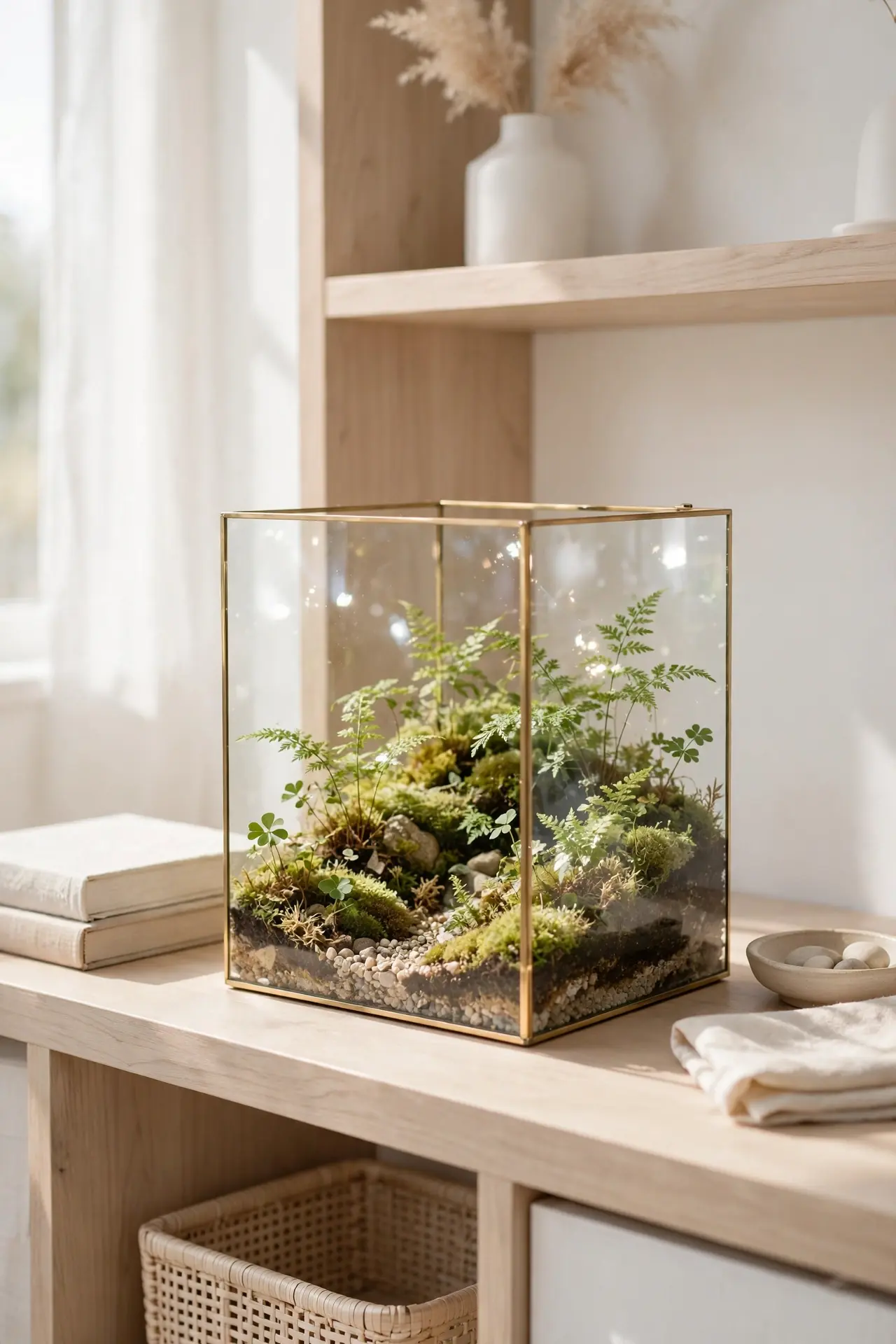
DO: Choose a glass vessel with a wide opening.
DO: Layer pebbles, charcoal, then soil inside.
DO: Pick small ferns or mosses for planting.
DON’T: Seal succulents inside closed glass.
DON’T: Overwater, since there is no drainage.
DON’T: Place the vessel in direct sun.
A terrarium works like a tiny world inside your bookshelf styling ideas with plants lineup. The glass catches light and draws every eye on the shelf. In my experience, open terrariums succeed far more often than closed ones, so skip the lid. Mist lightly every few days and enjoy the miniature landscape. A small stone or figurine adds personality without crowding the plants.
Dried Botanical Mix
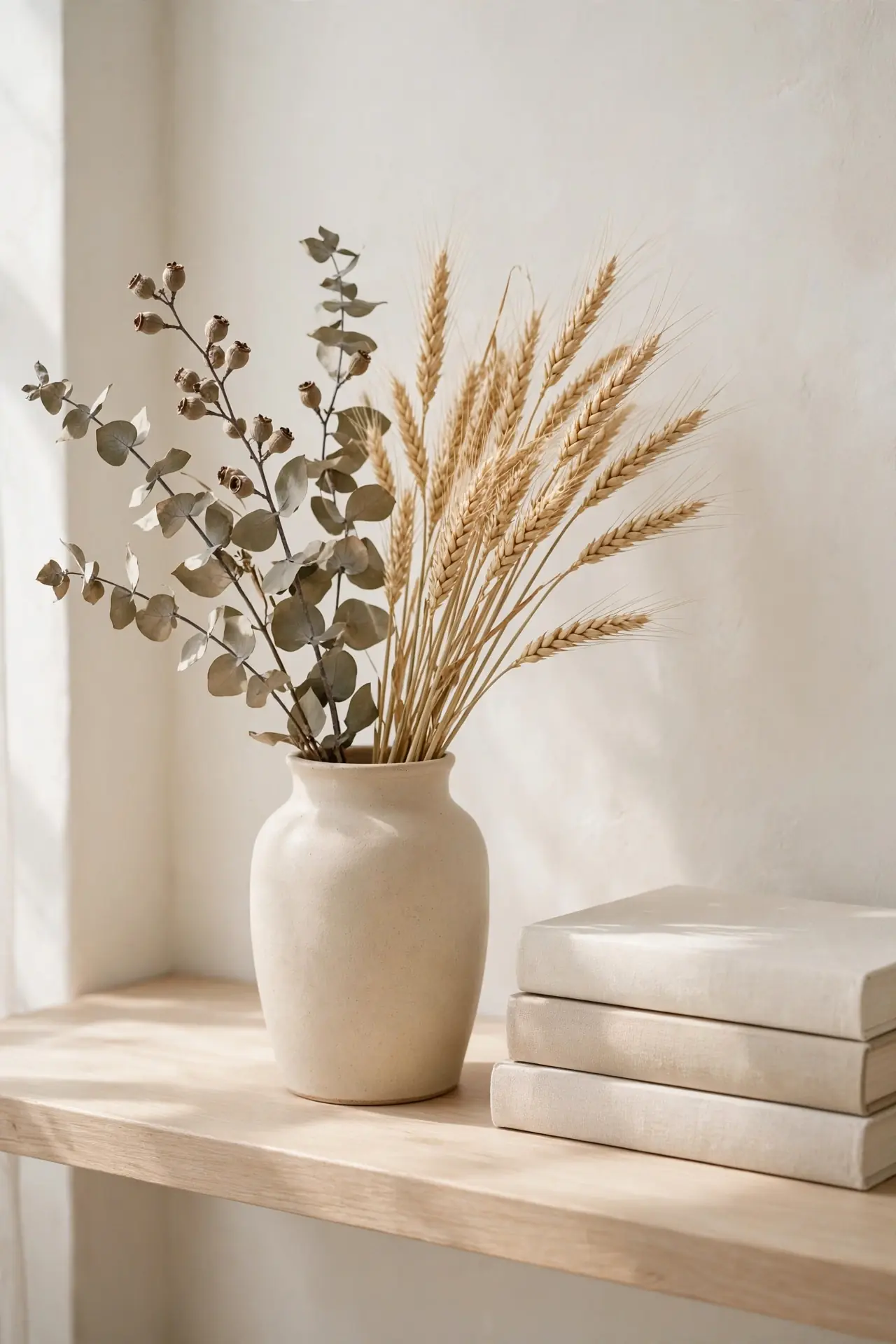
Cost: Low | Time: One afternoon | Skill Level: Beginner | Best For: Low-maintenance shelves
Dried eucalyptus, wheat stems, and pampas plumes bring texture without any watering schedule. Tuck tall stems into a floor vase beside the bookcase and shorter bundles onto the shelves. I have noticed dried botanicals look best in odd numbers and simple vessels. Mix textures for the strongest effect: feathery plumes beside structured wheat and soft eucalyptus rounds. Keep arrangements away from humid rooms, since moisture makes dried stems droop and lose shape. A light spritz of hairspray helps pampas plumes shed less over time, keeping your floors cleaner.
Bird of Paradise Drama
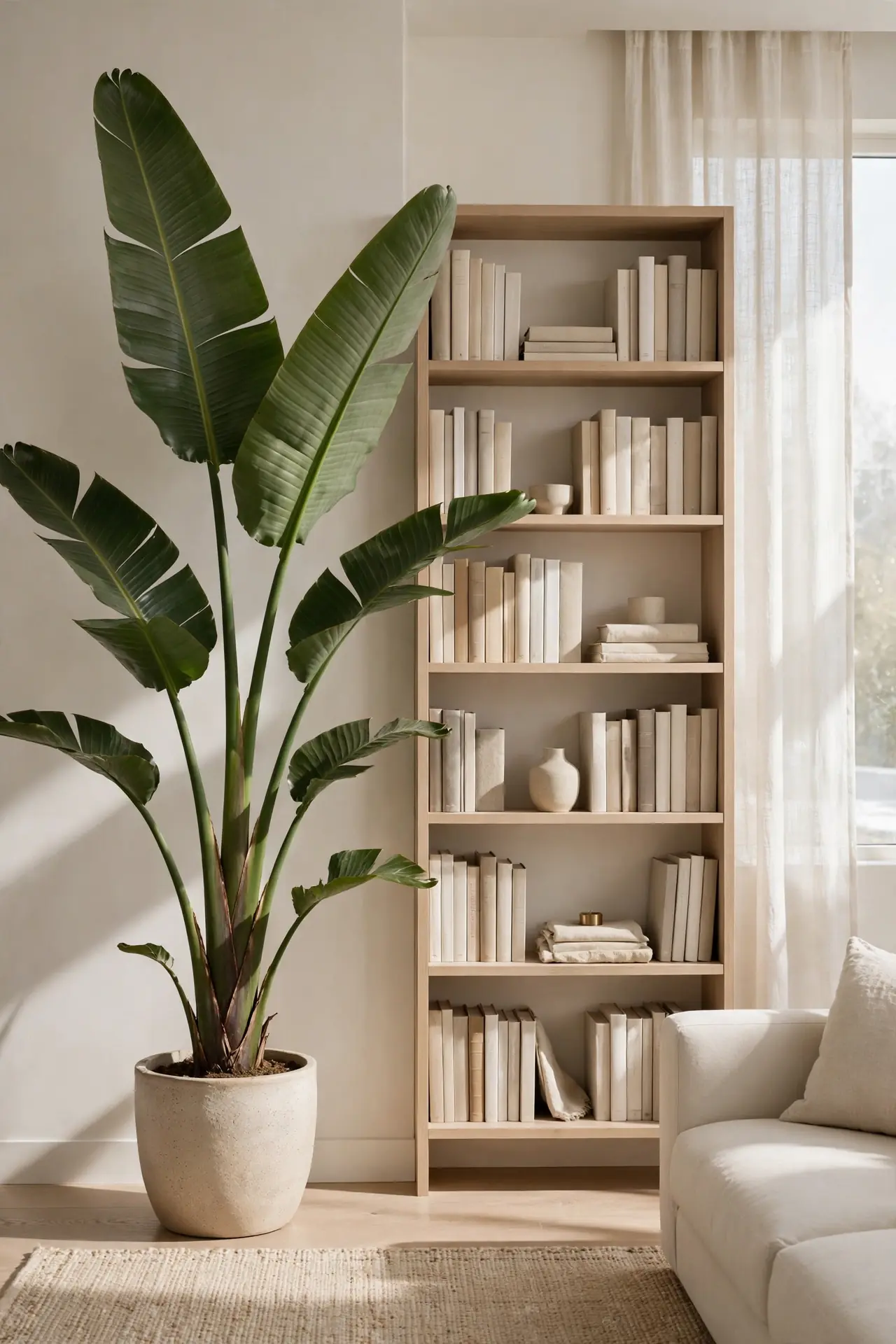
A bird of paradise makes the boldest statement a bookshelf can hold. The huge banana-like leaves tower over book rows and demand attention from across the room. Give it your brightest spot and plenty of elbow room, since mature leaves span wide. This plant suits confident stylists who want one dramatic moment rather than many small ones.
Water when the top two inches dry out, and wipe the broad leaves monthly to keep them glossy. Brown edges usually mean low humidity, so a humidifier nearby helps in dry climates. I have seen this plant anchor an entire living room wall. Be patient with new leaves, since each one unfurls slowly into something spectacular.
Shelf Watering Rhythm
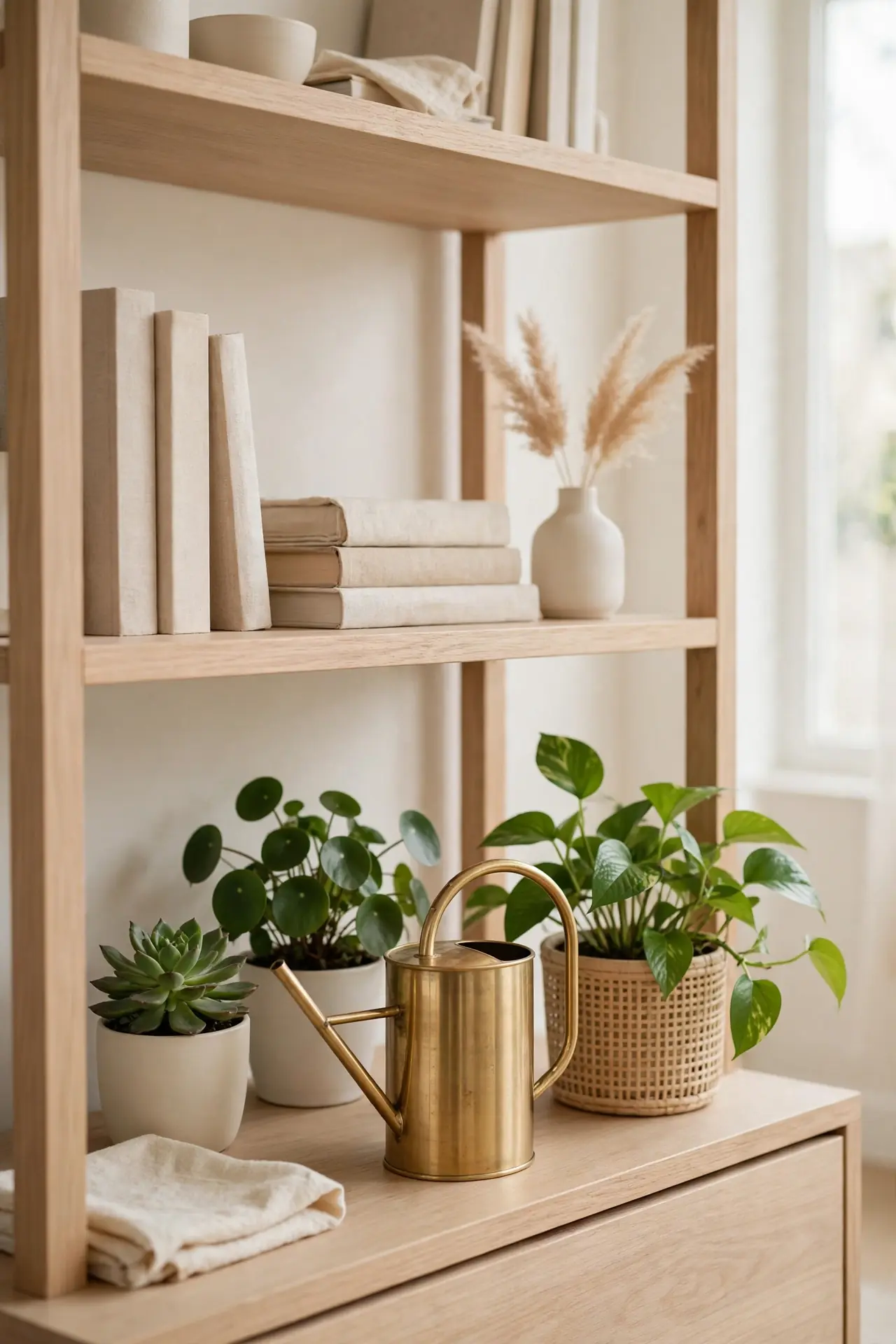
- Group plants with similar water needs on the same shelf.
- Check soil every Sunday with a finger test, not a fixed schedule.
- Keep a slim watering can on the bottom shelf for easy reach.
- Empty saucers after watering so roots never sit wet.
- Note each plant’s rhythm on a small tag until it becomes habit.
A simple routine beats a perfect schedule you never follow. I have noticed most shelf plants die from too much love rather than too little. When in doubt, wait another day before watering. Your plants will tell you what they need if you learn to read drooping leaves and dry soil.
Woven Basket Planters
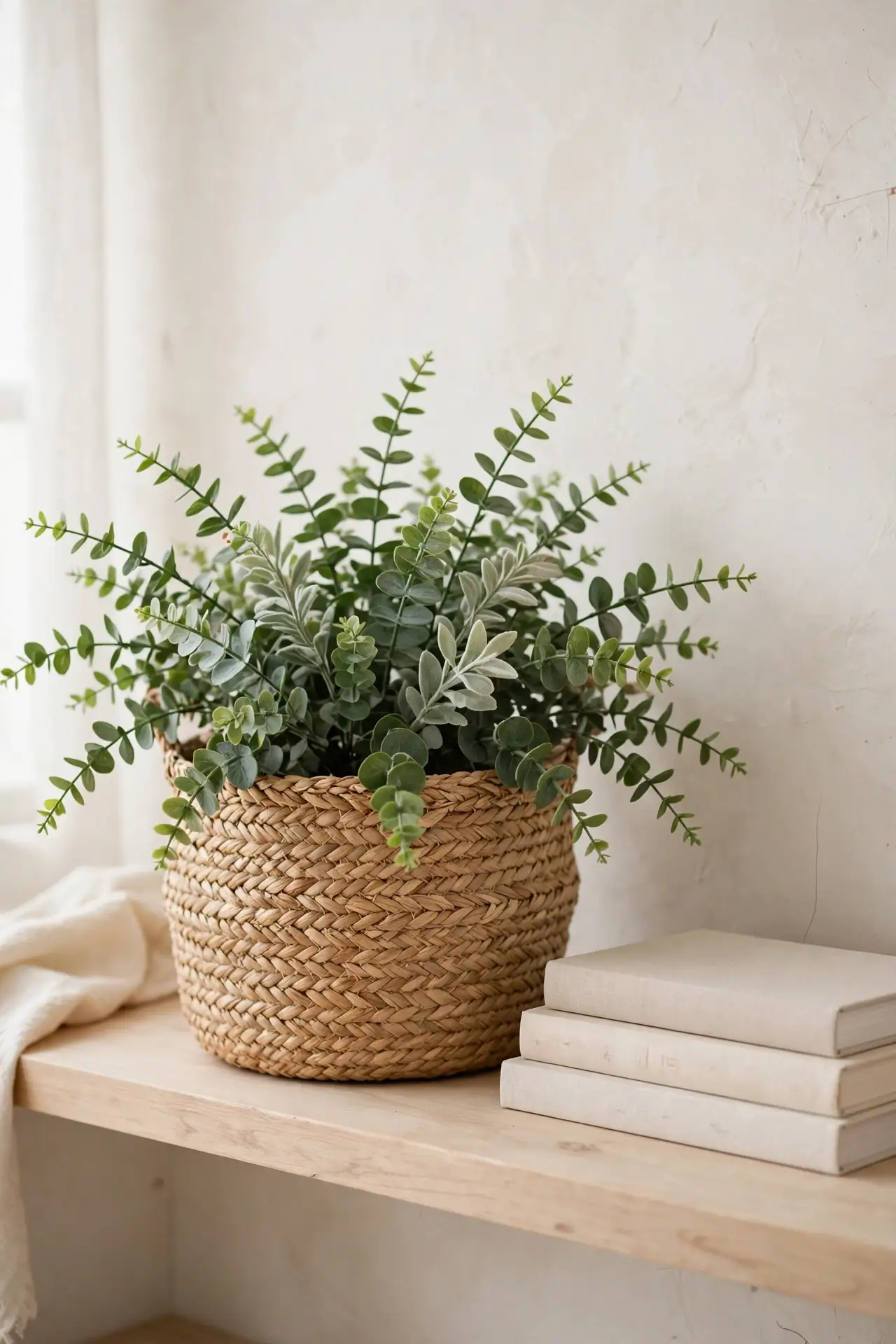
Quick Tip: Slip nursery pots inside woven baskets for instant texture. The baskets hide plain plastic and add warmth that ceramic sometimes lacks. Line the basket with a plastic saucer first to protect the weave from water damage.
Baskets soften the look of a styled bookcase in a way hard pots cannot. Choose tight weaves for small shelves and chunkier ones for floor-level baskets. I have seen seagrass and rattan pair especially well with light wood shelves. Water the plant over a sink and return the basket only after dripping stops completely. Replace baskets every couple of years as fibers wear, keeping the look fresh.
Seasonal Plant Swap
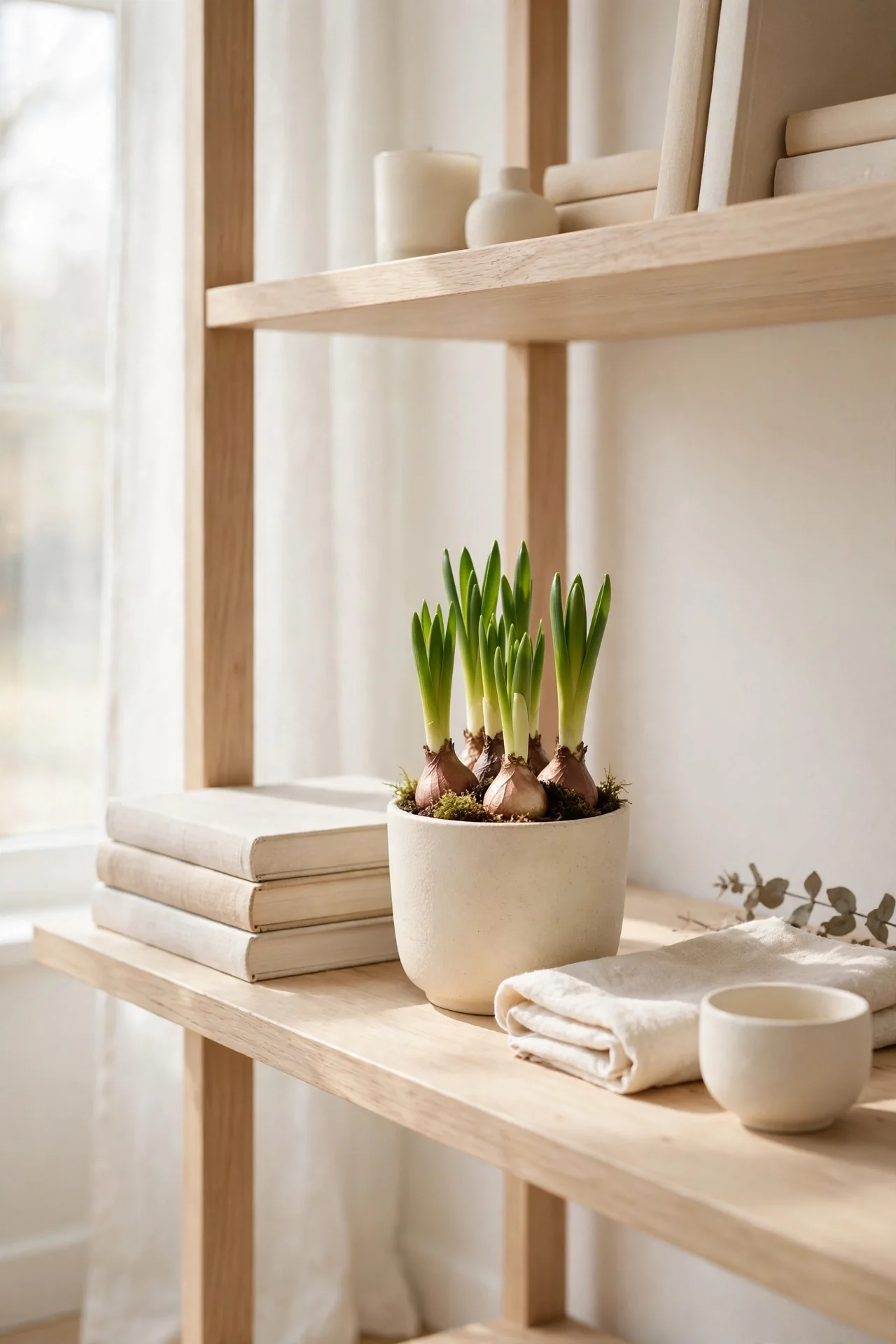
BEFORE: The same plants sit in the same spots all year, and the shelves start to feel stale. You stop noticing the greenery entirely, which defeats its whole purpose.
AFTER: Swapping in seasonal stars, like cyclamen in winter or small citrus in summer, keeps shelves feeling current. The rotation takes an afternoon and renews your love for the whole bookcase.
Keep a few seasonal plants in a holding area and rotate them onto prime shelves. Store off-season plants where they still get decent light. I have tried this with holiday cactus, spring bulbs, and summer herbs. The small effort makes shelves feel styled rather than static all year long.
Mini Jungle Shelf for bookshelf styling ideas with plants
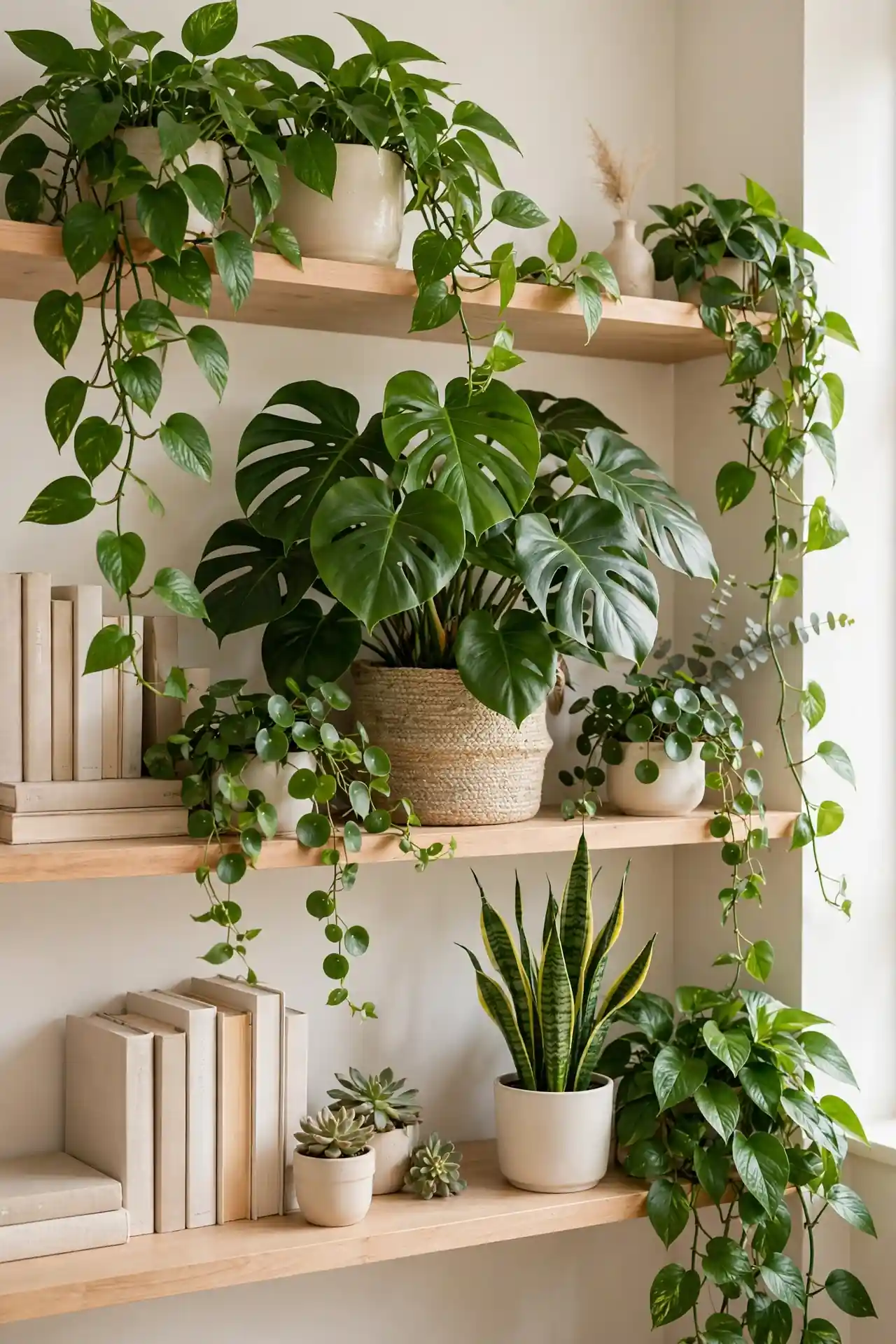
- Clear one full shelf to serve as your dedicated jungle zone.
- Place the tallest plant at the back and layer shorter ones forward.
- Mix leaf shapes: broad, trailing, spiky, and round for contrast.
- Fill every gap until the shelf feels lush but not cramped.
Committing one shelf to pure abundance creates the lushest moment in the room. The density reads as intentional rather than messy when leaf shapes vary. I have seen this single shelf become the most photographed spot in a home. Water carefully since crowded pots dry at different rates, and a small humidifier nearby keeps tropical leaves happy through dry winters. Enjoy your indoor jungle daily.
Conclusion
Your shelves are ready for their green transformation. Start with one or two of these bookshelf styling ideas with plants, then build your collection as your confidence grows. I have seen how small changes like these can completely shift the way a space feels, turning plain storage into a living focal point. Save your favorites on Pinterest, try them this weekend, and share photos with friends who need shelf inspiration. Remember that every expert was once a beginner with a single pothos, so give yourself grace as you learn each plant’s rhythm. Happy styling, and may your plants thrive as beautifully as your shelves do.