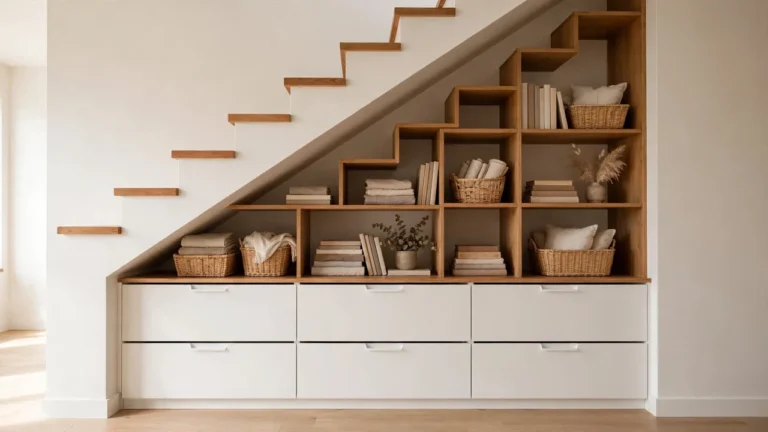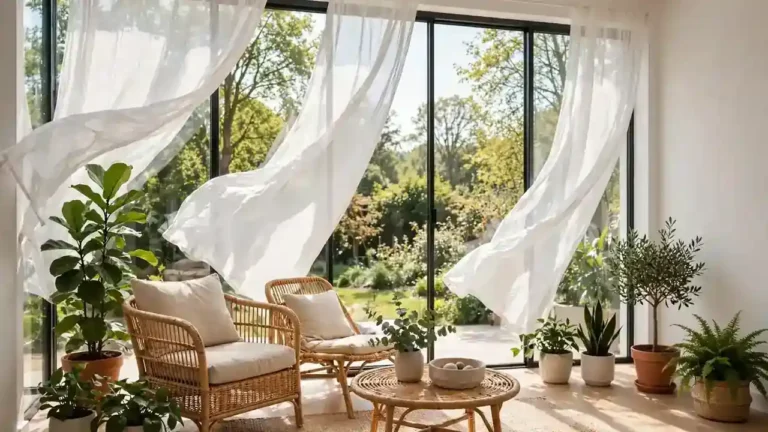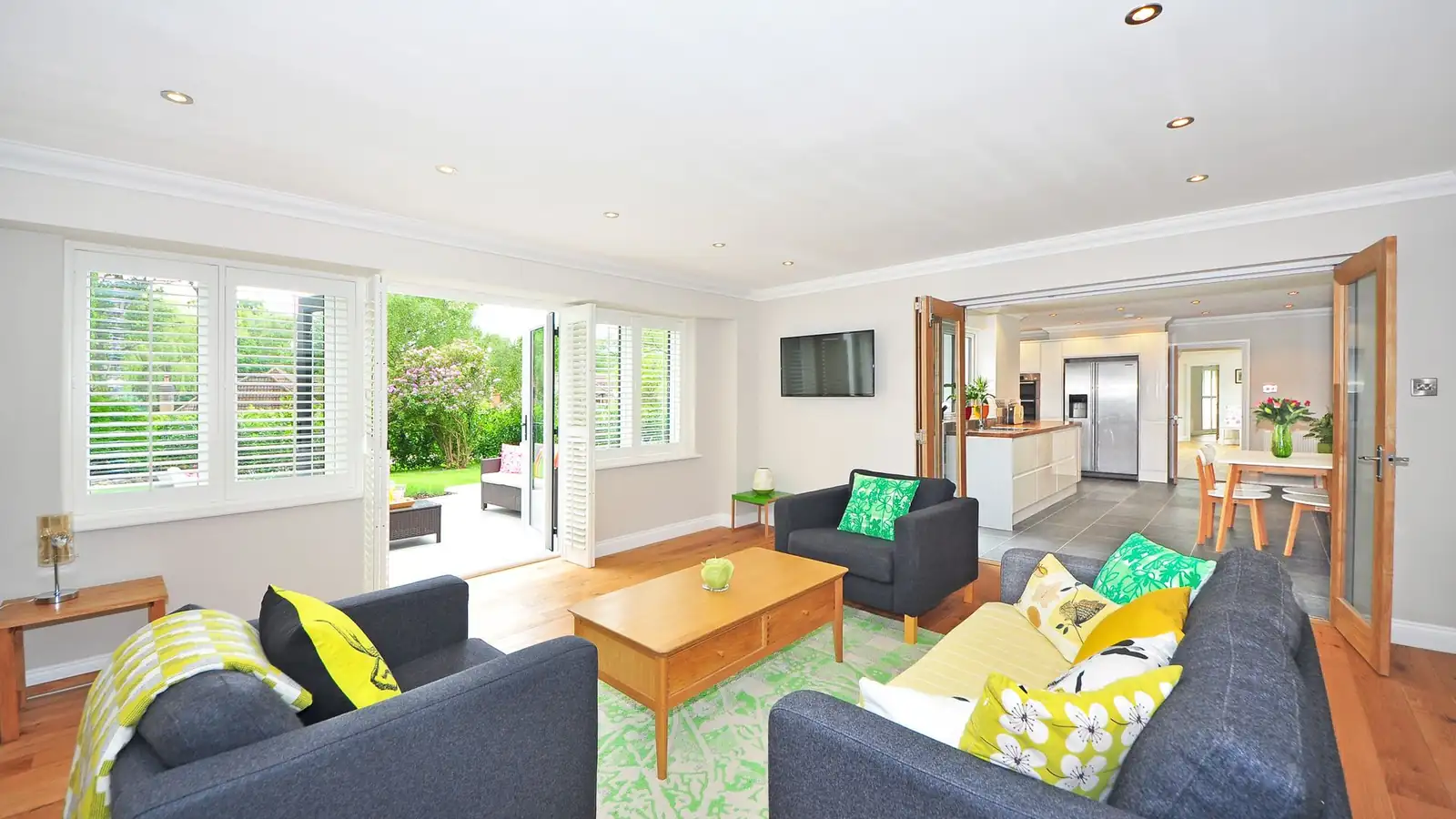
21 Natural Wood Home Decor Ideas for Organic Warmth
A room warmed by honest timber feels grounded the moment you walk in, and natural wood home decor ideas give that warmth a clear direction. Grain, knots, and soft honey tones bring a calm that painted surfaces rarely match, and they pair easily with linen, stone, and plants. Whether your home leans modern or rustic, wood adds depth without noise, and a few well chosen pieces can change how a whole room feels.
In this guide you will find 21 ways to bring wood into every room, from beams and shelves to benches and frames, each one simple enough to try this weekend. You will also learn which finishes suit your light and how to mix wood tones without clashing. Before you start, take a look at our earlier guide to contemporary bedroom decorating ideas for a fresh take on calm, modern rooms, then come back and pick the wood ideas that fit your home best.
Warm Wood Beams

Credit: Max Vakhtbovych
A ceiling beam draws the eye upward and gives a room instant structure, even when the rest of the decor stays simple. Dark walnut beams suit tall rooms with white walls, while pale oak beams keep low ceilings feeling open and bright. In my experience, one strong beam beats a row of thin ones, since a single chunky piece reads as intentional rather than fussy.
Start with the beam over the main seating area or the dining table, where guests naturally look first. Sand the surface lightly, seal it with a matte finish, and leave the grain visible for warmth. Pair beams with soft linen curtains and a woven rug so the room stays welcoming, not heavy.
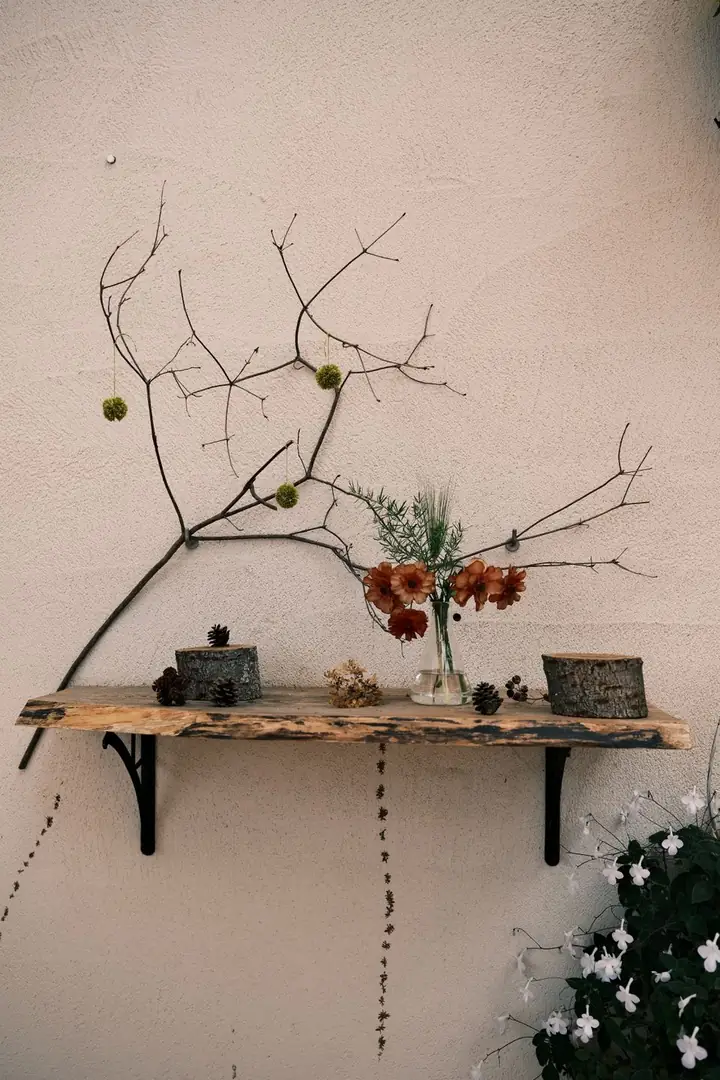
Live Edge Shelves
Credit: Huu Huynh
- Pick a slab with a gentle curve so the edge feels organic, not jagged.
- Mount brackets into studs, since a thick slab plus books weighs more than expected.
- Seal the top with food safe oil when the shelf sits near a kitchen.
- Style with ceramics, small plants, and one stack of books for balance.
- Leave breathing room between objects so the wood stays the star.
Live edge shelves work best where the wall stays plain, because a busy backdrop fights the natural edge. Hang one shelf above a desk or two staggered shelves beside a sofa, and keep the finish close to the other wood tones in the room for a calm, collected look.
Reclaimed Wood Tables

Credit: A D R I A N A
Quick Tip: Ask the seller where the wood came from, since barn wood and factory beams age very differently.
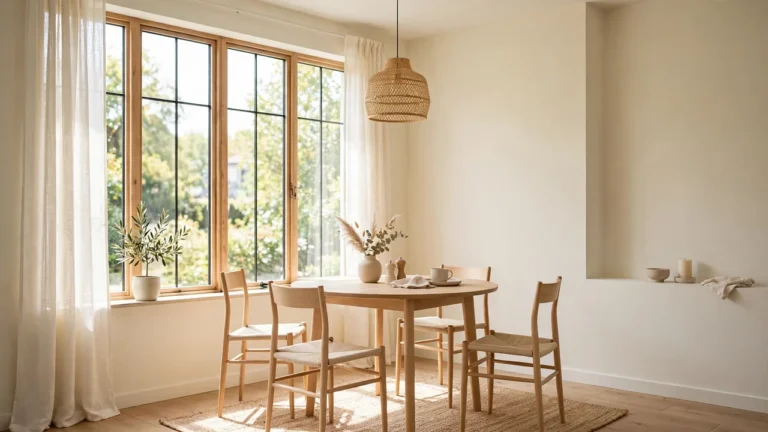
A reclaimed table carries marks that new wood cannot fake, from nail holes to faded saw lines, and those marks become the talking point of the room. Pair a rough top with simple chairs so the table stays the focus, and use a clear matte seal to protect the surface without hiding its past. Keep the rest of the table styling light, with a linen runner and a low vase, so the wood story stays easy to read. In my experience, a reclaimed top ages even better once it earns a few new marks of its own.
Wood Accent Walls

Credit: Max Vakhtbovych
BEFORE: The living room wall was flat white and forgettable, and the sofa seemed to float without any anchor in the space.
AFTER: Warm planks now run floor to ceiling behind the sofa, and the whole room feels grounded, layered, and far more inviting.
A wood accent wall works when the planks stop at one wall, since covering every surface can close a room in fast. Choose a tone that echoes your floor but stays a shade lighter or darker, and let the grain run vertically to lift a low ceiling. Finish the look with one large mirror or a simple piece of art, so the wall keeps its calm rhythm.
Natural Wood Frames

Credit: Lisett Kruusimäe
- Measure the art first, then choose a frame depth that suits the piece.
- Sand any rough edges and wipe the frame clean before hanging.
- Hang the largest frame at eye level and build smaller frames around it.
Wood frames soften bold art and warm up black and white prints, which makes them a safe first step into natural materials. Match the frame tone to the largest wood piece in the room, like a table or a shelf, so the gallery wall feels planned rather than random. Keep glass simple and skip heavy gold or ornate finishes when the art itself carries strong color.
Oak Versus Walnut

Credit: Curtis Adams
| Feature | Oak | Walnut |
|---|---|---|
| Tone | Light honey with soft golden warmth | Deep chocolate with cool dark richness |
| Grain | Open grain with clear natural markings | Fine grain with a smooth even surface |
| Feel | Bright casual and easy to live with | Rich formal and quietly dramatic |
| Best room | Living rooms and light filled kitchens | Dining rooms and calm home studies |
| Care | Oil once a year to keep it glowing | Wax twice a year for lasting depth |
Oak suits bright, casual rooms where a light, open feel matters most, while walnut brings depth to dining rooms and studies. Test both finishes against your floor in daylight before you commit, since shop lights shift warm tones more than expected, and bring home samples when possible.
Rustic Decor Rules

Credit: Max Vakhtbovych
Do:
- Mix rough wood with soft linen so the room feels warm, not rough.
- Let one large wood piece anchor each room.
- Repeat the same wood tone twice for a calm rhythm.
Don’t:
- Do not crowd every surface with wood, or the room turns heavy.
- Do not pair dark wood with dark walls in small rooms.
- Do not hide grain under thick glossy paint.
Rustic style works when wood looks lived in rather than staged, so leave a few honest marks visible. Balance heavy pieces with light fabrics and open floor space, and the room will feel collected over time instead of decorated in one rushed weekend.
Wood Texture Facts
Credit: Natalia Sevruk
Cost: Reclaimed boards cost more than new pine, but a little goes far.
Time: A small shelf project takes one relaxed afternoon.
Skill Level: Beginner friendly with basic sanding and sealing.
Best For: Living rooms, kitchens, and calm entryways.
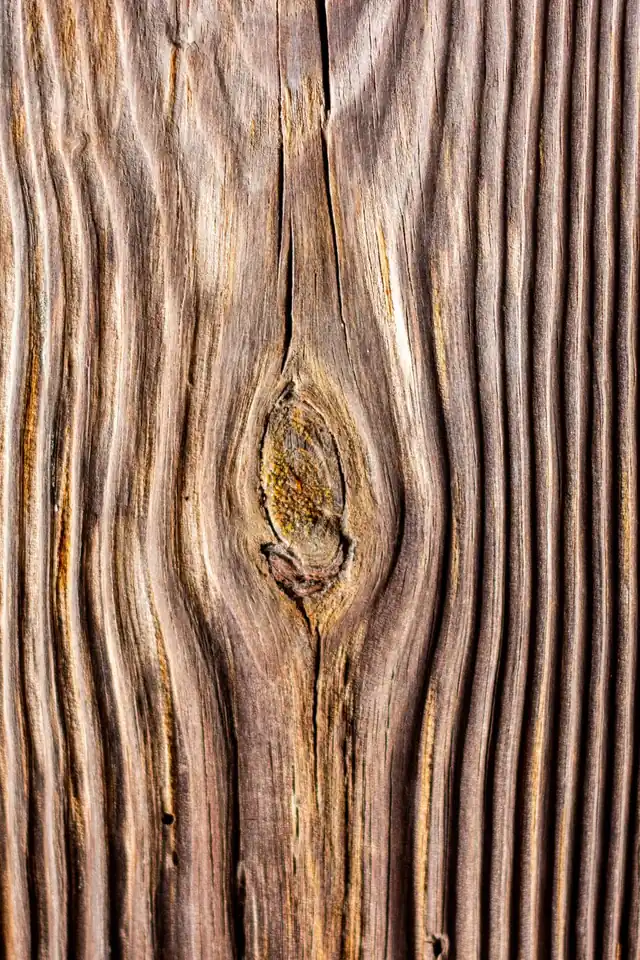
Texture is what makes wood feel alive, from smooth sanded oak to rough sawn pine with visible saw marks. Run your hand over samples before buying, since a finish that looks soft in photos can feel rough in person. Mix one rough texture with one smooth finish in each room, and the contrast will keep the space interesting without any extra decor.
Wooden Bench Charm

Credit: Karina Karina
A wooden bench by the door turns a plain entry into a warm welcome, and it earns its place by holding bags, shoes, and guests who need a moment to sit. Choose a bench with a lower shelf for baskets, and the clutter stays hidden while the wood stays visible.
In the bedroom, a bench at the foot of the bed gives you a spot for tomorrow clothes and a folded throw. Keep the finish close to your bed frame tone, and add one slim cushion so the bench feels made for sitting, not just for show. That small habit keeps mornings calmer and bedrooms tidier.
Open Wood Shelving

Credit: Andrea Davis
- Hang shelves at eye level so everyday dishes stay easy to reach.
- Group items by color for a calm shelf that still feels personal.
- Leave one open gap on each shelf so the display can breathe.
- Use solid brackets rated for the shelf weight plus dishes.
- Dust baskets with a dry brush so weave gaps stay clean.
Open shelving suits kitchens and living rooms where the wood itself adds warmth, but it asks for regular tidying. Keep the prettiest pieces on show and store the rest behind closed doors, so the shelves read as styling rather than storage. I’ve noticed that three shelves beat five, since fewer shelves force better choices and calmer rooms.
Carved Wood Details

Credit: Mufaddal Behlul
Quick Tip: Run a soft brush over carvings before dusting, since cloth alone misses deep grooves.
Carved panels, turned legs, and hand cut trim add a crafted feel that flat boards cannot match, and they reward a closer look. Use carvings sparingly, on one mirror frame or one headboard, so the detail reads as special rather than busy. Pair carved wood with plain linen and simple walls, and the room keeps its calm while the craftsmanship quietly shines. That’s why many experts recommend starting with a single carved piece and living with it for a month before adding more. That patience keeps the room collected, not crowded.
Cluttered To Calm

Credit: Cup of Couple
BEFORE: The sideboard held stacks of mail, tangled chargers, and three half used candles, and the wood top had vanished under the mess.
AFTER: One tray now holds the keys and mail, a single vase stands at one end, and the warm wood grain finally leads the room again.
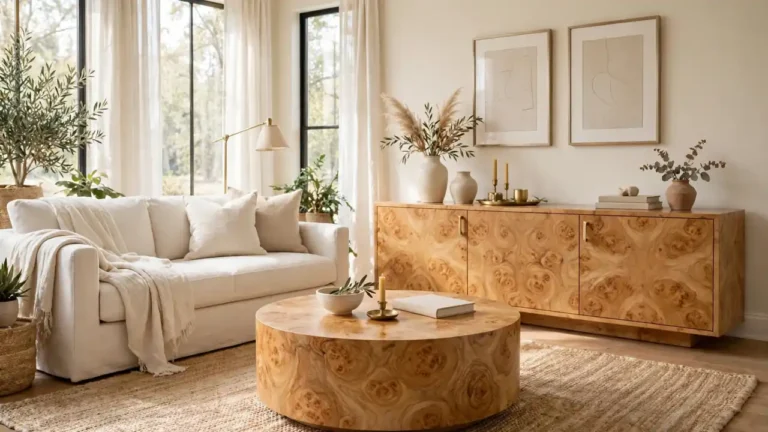
Wood surfaces invite clutter because they feel sturdy and forgiving, so give every item a home before it lands on them. A tray, a basket, and a five minute evening reset keep tables clear, and the wood stays the feature instead of the dumping ground. Keep this habit for a week and the calm starts to feel automatic.
Style Matching Steps

Credit: Osmany Mederos
- Pick the largest wood piece in the room and name its tone.
- Choose new pieces within one shade of that tone.
- Add one contrasting texture, like linen or stone, for balance.
Matching wood tones across rooms keeps a home feeling joined up, and natural wood home decor ideas work best when the tones stay in one warm or cool family. When you browse our guide to French country kitchen design ideas you will see the same rule at work, with cream cabinets and warm beams sharing one soft palette. Test samples side by side in daylight, and trust your eye over any label.
Pine Versus Teak

Credit: Maaz Ali
| Feature | Pine | Teak |
|---|---|---|
| Tone | Pale gold that warms with age | Rich brown with a golden glow |
| Grain | Knotty grain with bold character | Straight grain with a silky feel |
| Feel | Casual relaxed and budget friendly | Refined durable and weather resistant |
| Best room | Bedrooms and bright family spaces | Bathrooms and covered outdoor rooms |
| Care | Seal yearly to guard soft grain | Oil rarely since nature protects it |
Pine suits relaxed rooms and tight budgets, while teak earns its price in wet rooms and busy homes. Check how each wood handles your daily routine before buying, since soft pine dents faster under heavy use.
Vintage Wood Rules

Credit: Daven Hsu
Do:
- Check old pieces for solid joints before you fall for the look.
- Clean vintage wood gently with soap and a soft cloth.
- Let patina stay, since it tells the piece story.
Don’t:
- Do not paint over rare grain without a clear reason.
- Do not buy a wobbly frame just because it looks old.
- Do not mix more than two vintage eras in one room.
Vintage wood brings history into a room, but the best finds are the ones that still work hard every day. Look for dovetail joints, real wood backs, and honest wear on edges, and skip pieces that need major repair unless you love the project. One strong vintage piece per room keeps the story clear.
Budget Wood Facts

Credit: Mehmet Turgut Kirkgoz
Cost: Pine and poplar cost far less than walnut or teak.
Time: A weekend is enough for a shelf or bench project.
Skill Level: Simple cuts and sanding suit most beginners.
Best For: First homes, rentals, and starter rooms.
Wood style does not need a large budget when you start small and build slowly. One pine shelf, a thrifted bench, and a wood tray can shift a whole room, and each piece can be upgraded later as funds allow. I’ve seen this work well in many cases, especially when the first pieces are chosen for grain and tone rather than size.
Wood Reading Corners
Credit: GirlvsGlobe86
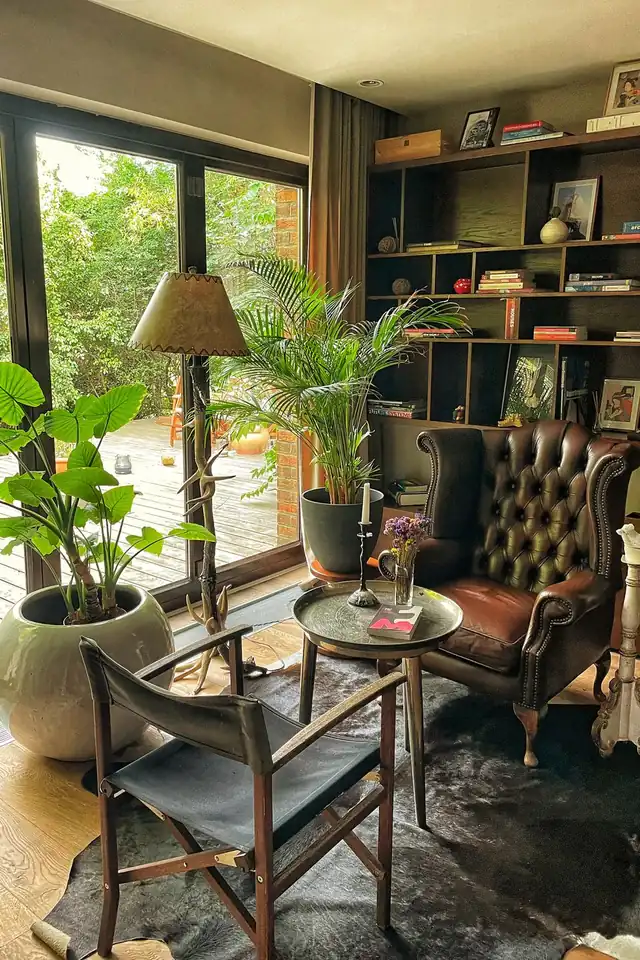
A quiet corner with a wood chair, a small shelf, and a warm lamp becomes the spot everyone reaches for at the end of the day. Pick a chair with arms wide enough for a book and a cup, and keep a basket nearby for the books you return to most.
Place the chair near a window when possible, since daylight makes wood tones glow and reading easier on the eyes. Add a soft throw and a low side table, and the corner will feel finished without any extra fuss or cost. That simple setup turns an unused corner into the coziest seat in the house.
Woven Wood Storage
Credit: American Cleaning Institute
- Choose baskets with tight weaves so small items never slip through.
- Label baskets on the side you face, not the top, for quick finds.
- Mix one large basket with two small ones for a balanced shelf.
- Keep baskets dry and out of direct sun to stop fading.
- Dust baskets with a dry brush so weave gaps stay clean.
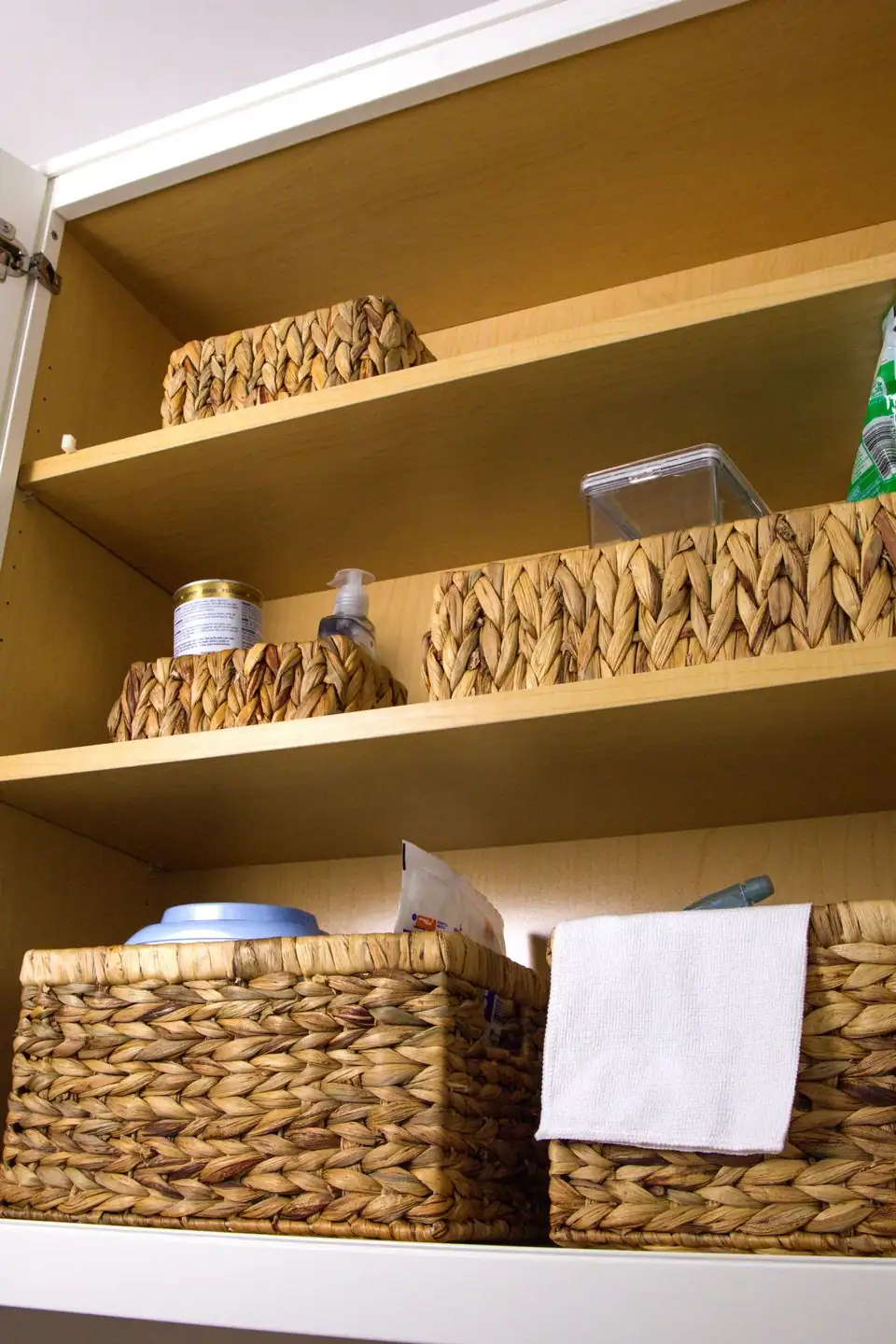
Woven wood storage hides clutter while adding texture, which makes it ideal for living rooms and bedrooms. Use baskets for throws, toys, and chargers, and the room stays tidy without looking staged. Rotate basket contents each season so nothing forgotten stays hidden for months.
Small Room Tricks
Credit: Max Vakhtbovych
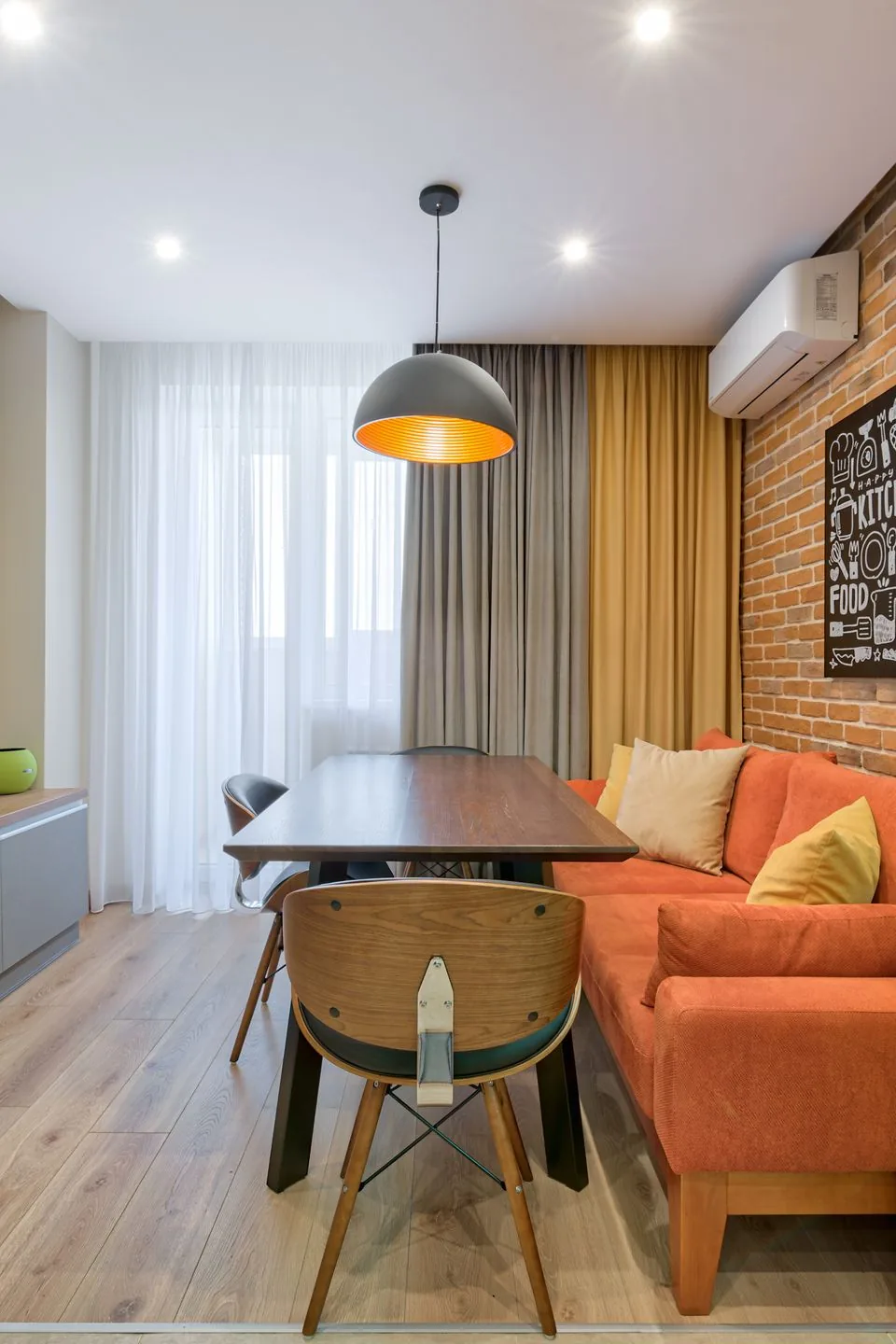
Quick Tip: Use pale wood in small rooms, since dark tones can close the space in fast.
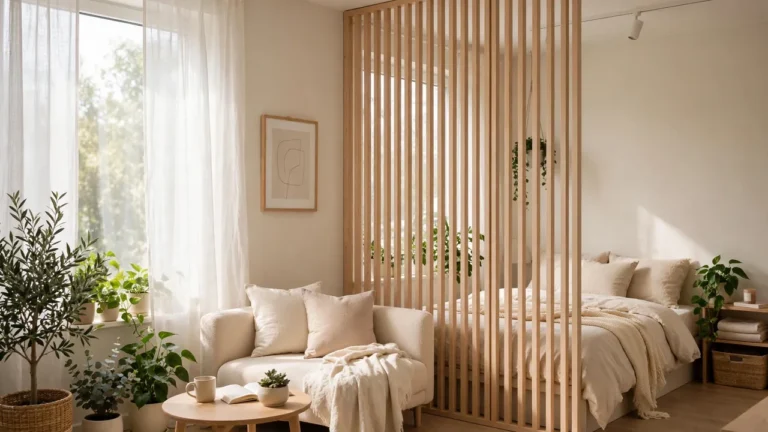
Small rooms love wood when the pieces stay slim and the tones stay light, because heavy dark furniture eats floor space visually. Choose a narrow console, a floating shelf, and one light wood stool instead of a bulky cabinet, and leave wall space bare above them. Mirrors near wood pieces bounce light around the room, and the whole space feels larger without losing any warmth. I’ve noticed that one pale wood piece near the door sets the tone for the whole room, so start there and build slowly.
Dated To Dreamy
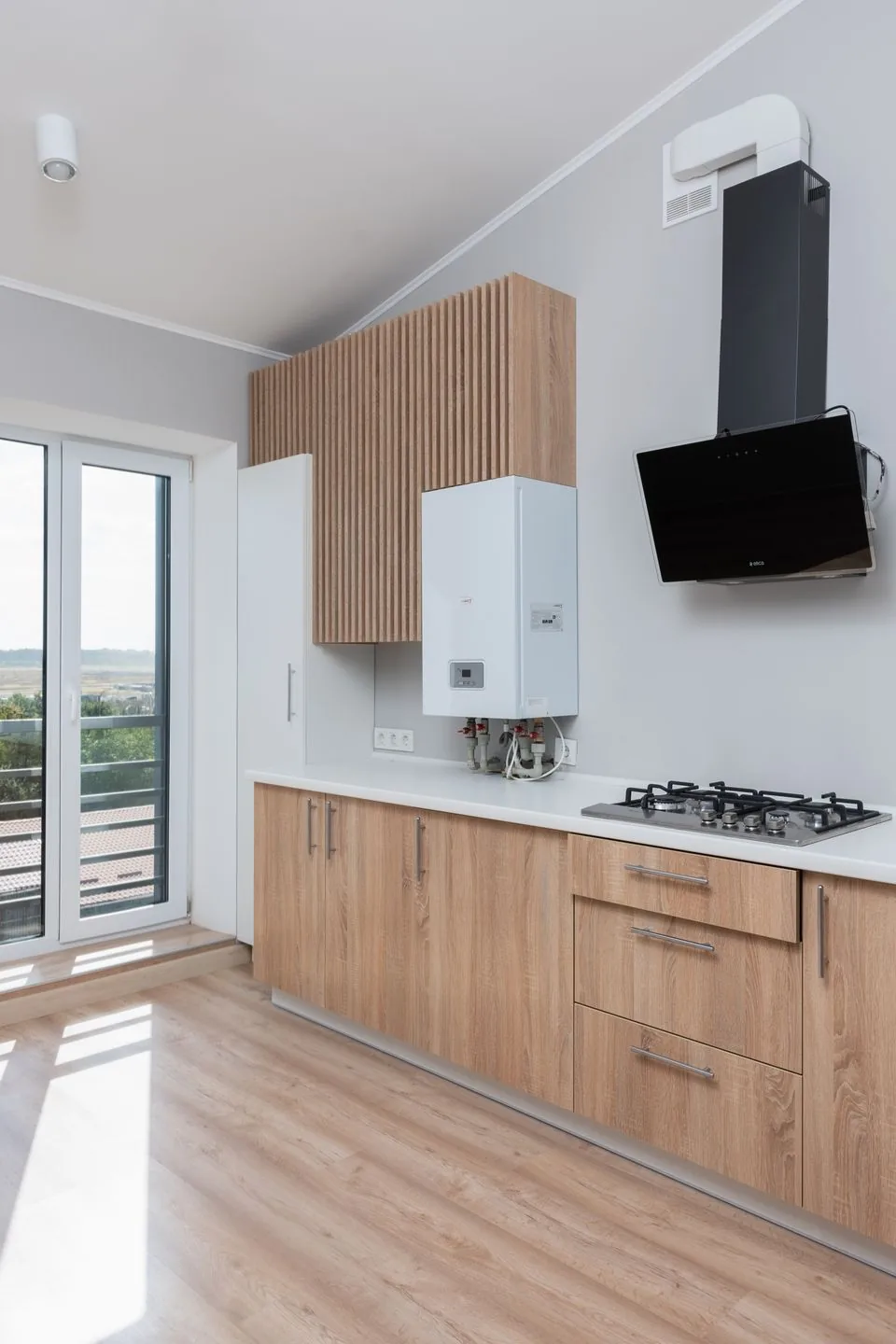
Credit: Max Vakhtbovych
BEFORE: The room felt stuck in another decade, with orange toned cabinets, heavy curtains, and a dark floor that swallowed the light.
AFTER: Sanded cabinets, linen curtains, and a pale rug now let the same wood shine, and the room feels fresh, calm, and current.
You rarely need to replace good wood, since a light sand and a new finish can rescue most dated pieces. Start with the largest surface, test the finish in a hidden spot, and work in daylight so the true tone shows. Swap heavy hardware for simple pulls, and the whole room lifts without a full remodel.
Layer Wood Tones

Credit: Jonathan Borba
- Start with the floor tone as your anchor shade.
- Add furniture one shade lighter or darker than the floor.
- Repeat the darkest tone once in a small accent piece.
Layered wood tones feel rich when they share a warm or cool base, even when the shades differ by a few steps. Keep the lightest tone for large surfaces and the darkest tone for small accents, so the room reads as calm rather than busy. Step back often while styling, since distance shows clashes that close up views can hide. That simple habit keeps layered rooms feeling planned and peaceful. Trust the process and adjust one piece at a time.
Conclusion
Wood brings a home to life in a way few materials can, and natural wood home decor ideas prove that warmth starts with honest grain and simple choices. Pick one idea from this guide, try it this weekend, and let the room grow slowly around it. A single beam, shelf, or bench can change how a whole home feels, and the best rooms are the ones that grow one thoughtful piece at a time. Save this article on Pinterest so you can return to it whenever a room needs fresh warmth, and share your favorite wood look with friends who love natural style too.