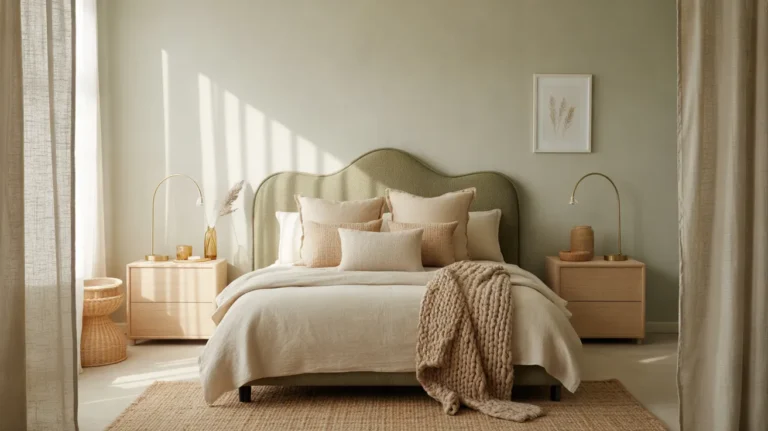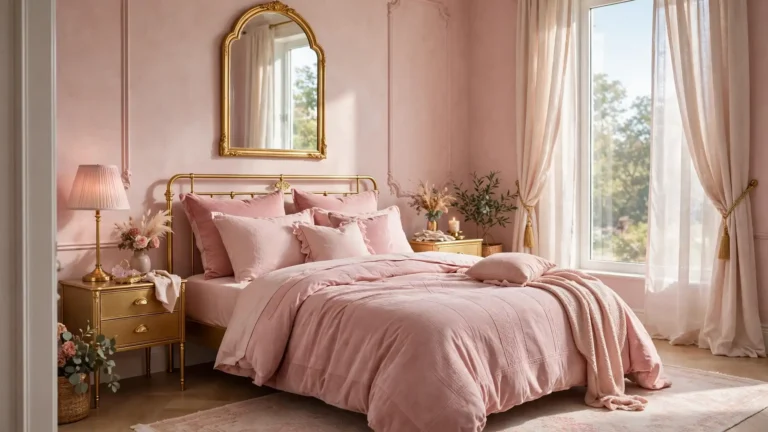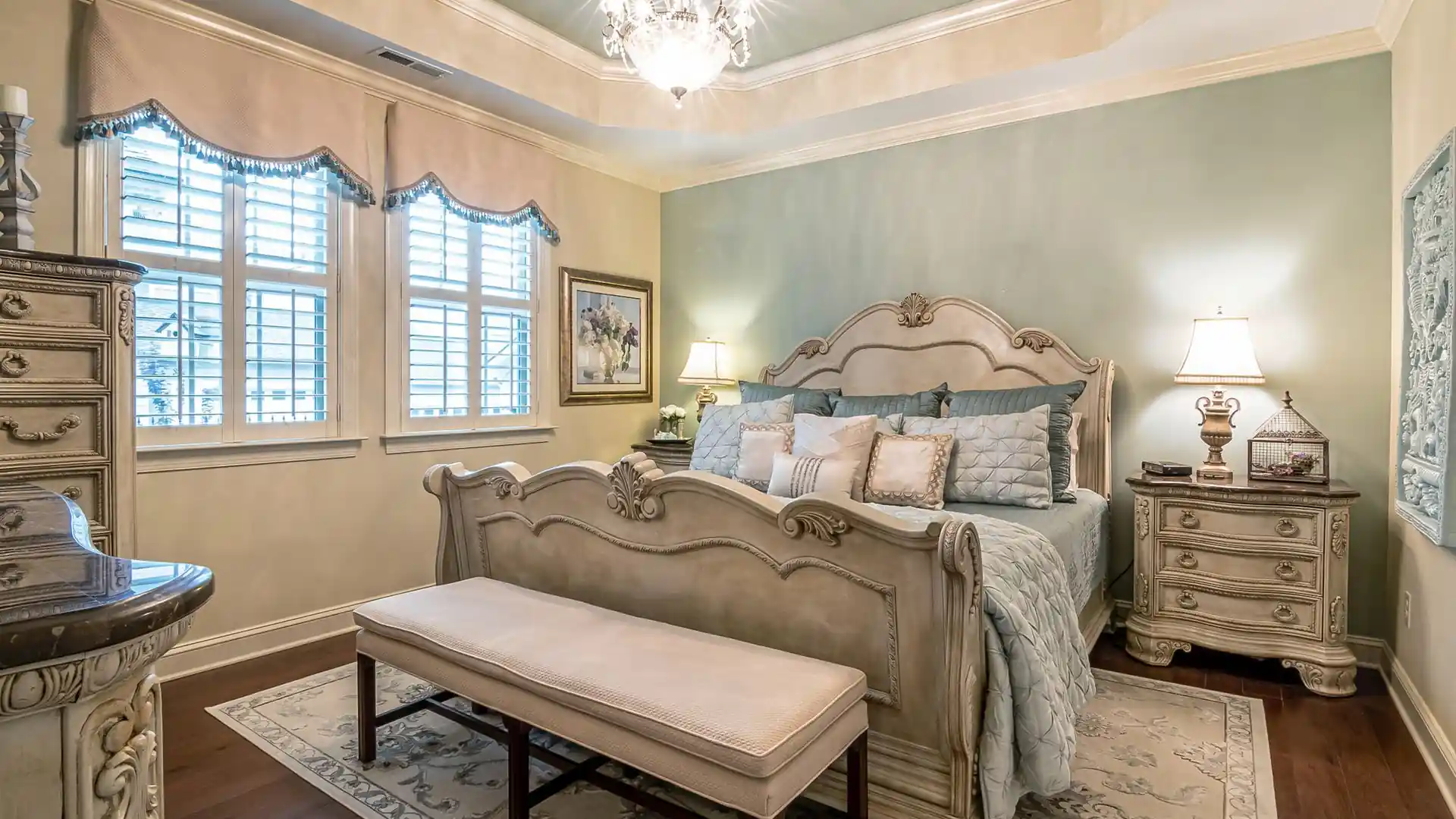
24 Traditional Bedroom Decorating Ideas for Timeless Comfort
A room with deep cushions, warm wood, and soft lamplight invites people to stay a little longer, and traditional bedroom decorating ideas turn that feeling into a plan that works one piece at a time. Classic rooms succeed because every choice has a reason, from the weight of the curtains to the finish on the nightstand. For a warmer take on natural materials, see these natural wood home decor ideas alongside the classic looks below.
The sections below cover beds, wood tones, bedding, light, and small updates that suit older homes and new rooms alike. Each idea stands on its own, so a reader can start with the bed, the windows, or the walls and still end with a room that feels settled and calm. Timeless style rewards patience, and small careful changes often beat a full redo.
Classic Four Poster Beds
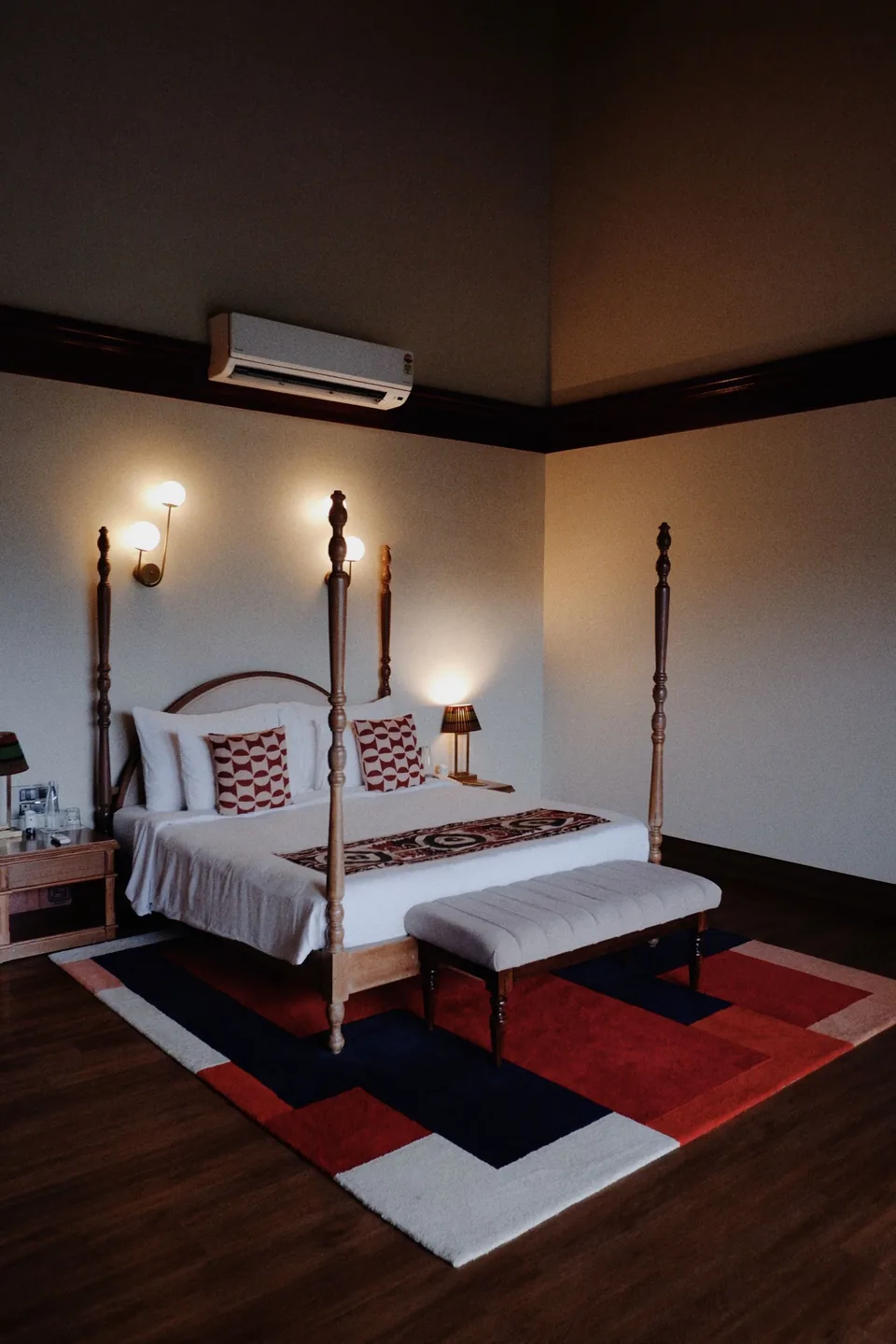
Credit: Aman Uttam
A four poster bed changes a bedroom the moment it goes up, because the tall posts draw the eye upward and give the whole room a sense of structure. Draped linen or a simple canopy softens the frame without hiding it, and the bed becomes the clear center of the room. Pair the frame with plain bedding in cream or soft white so the wood or metal posts stay the star of the space.
Keep the rest of the room calm so the bed keeps its presence. A pair of matching lamps, one rug under the foot, and a single bench at the end finish the look without crowding it. In my experience, rooms with one strong focal point feel calmer than rooms where every piece competes for attention.
Warm Wood Furniture

Credit: Keegan Checks
- Cherry and walnut pieces bring depth to pale walls and keep a room from feeling flat.
- A matching dresser and nightstand pair anchors the bed wall with quiet symmetry.
- Brass pulls and knobs warm up dark wood without adding shine or fuss.
- One antique chair in the corner adds history and a place to sit while dressing.
Wood tones matter more than matching sets, so mix cherry, oak, and walnut in the same warm family and let the grain do the talking. A dark headboard against cream walls reads rich rather than heavy, and a lighter bench at the foot keeps the mix from turning somber. I’ve seen this work well in many cases where the room felt cold before the wood arrived.
Layered Bedding Comfort

Credit: Andrea Davis
Quick Tip: Build bedding in three layers: a fitted sheet, a flat sheet or light quilt, and a folded throw at the foot. Each layer adds warmth and texture, and the bed looks finished even when the throw stays folded all day.
Start with crisp cotton sheets, then add a coverlet in a soft solid or a small classic print. Fold a heavier blanket across the lower third of the bed for cold nights, and finish with two sleeping pillows plus two Euro squares behind them. The stack should look inviting rather than tall, so keep pillow counts modest and let the fabrics carry the interest.
Cluttered To Calm
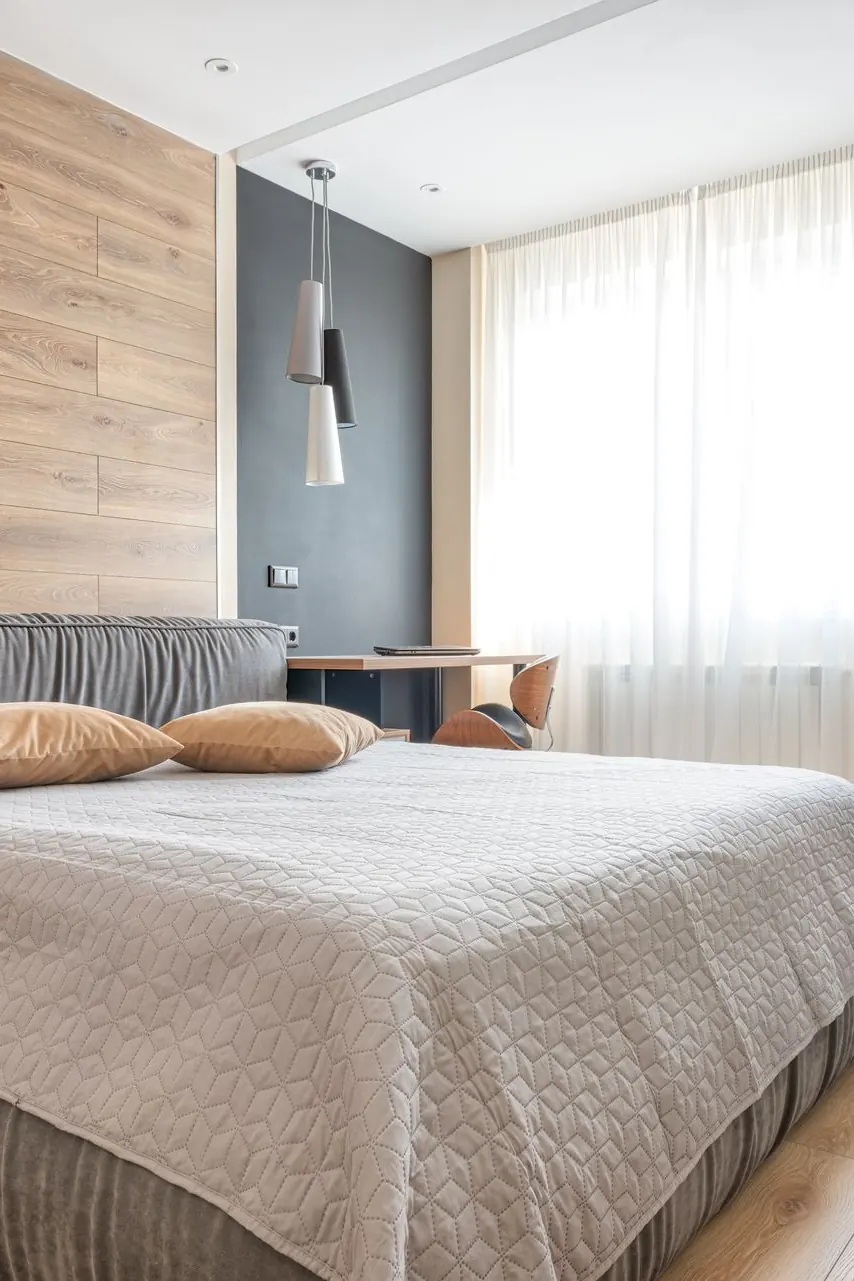
Credit: Max Vakhtbovych
BEFORE: The nightstands held chargers, books, water glasses, and mail, while the chair by the window had become a second closet. The room felt busy even when it was clean, because every surface carried one thing too many.
AFTER: Each nightstand now holds a lamp, one book, and a small dish for a watch. The chair stands clear with a single folded throw, and the dresser top carries only a mirror and a vase. The room feels larger without moving a single wall.
Clearing surfaces is the fastest classic update, and it costs nothing but an hour. Give every item a drawer or basket home, then leave half of each surface empty. The eye rests on the bed and windows instead of clutter, and the room reads more elegant.
Nightstand Styling Steps

Credit: Mikhail Konetski
- Place a lamp first, since light sets the height and the mood for the whole corner.
- Add one small stack of two books to ground the lamp and hold a reading pair.
- Set a tiny dish or tray beside the books for a watch, rings, or keys.
- Finish with one living touch, such as a small plant or a single stem in a bud vase.
Keep the grouping tight and low so the lamp stays the tallest piece in the arrangement. Matching nightstands on both sides of the bed give the room balance, while slightly different lamps keep it from feeling like a showroom. Step back from the doorway after styling and remove one item if the surface still feels crowded.
Wood Versus Painted
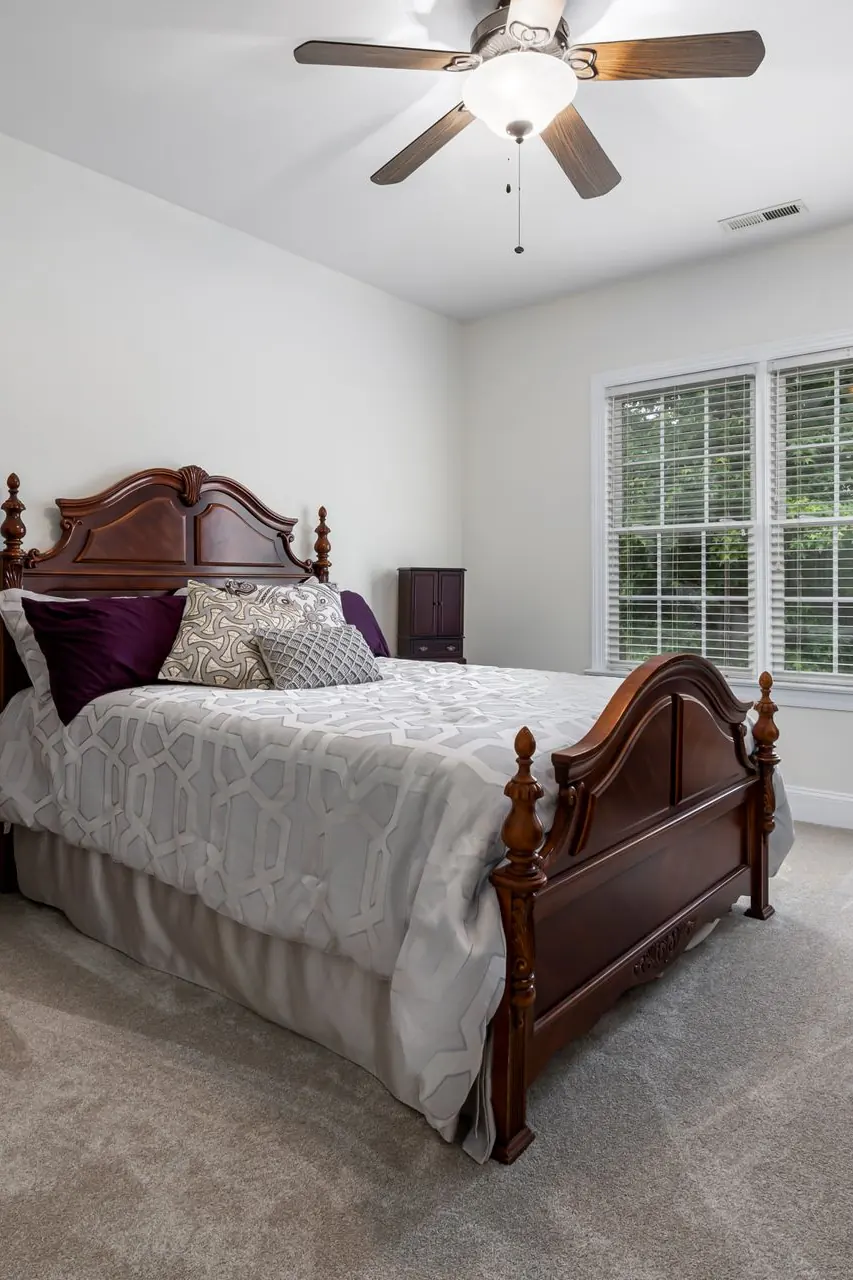
Credit: Curtis Adams
| Feature | Wood Finish | Painted Finish |
|---|---|---|
| Warmth | Deep and rich | Light and airy |
| Upkeep | Polish twice a year | Wipe clean weekly |
| Best Room | Cozy dark rooms | Small bright rooms |
| Aging | Grows more beautiful | Chips need touch ups |
Wood finishes suit rooms that need warmth, while painted pieces suit rooms that need light, and many classic bedrooms use both at once. A wood bed with painted nightstands keeps the mix balanced, and a painted dresser against a wood floor stops the room from feeling dark. Choose the finish that fixes the room’s main problem, then repeat it in at least two places so the choice looks planned.
Timeless Decor Rules
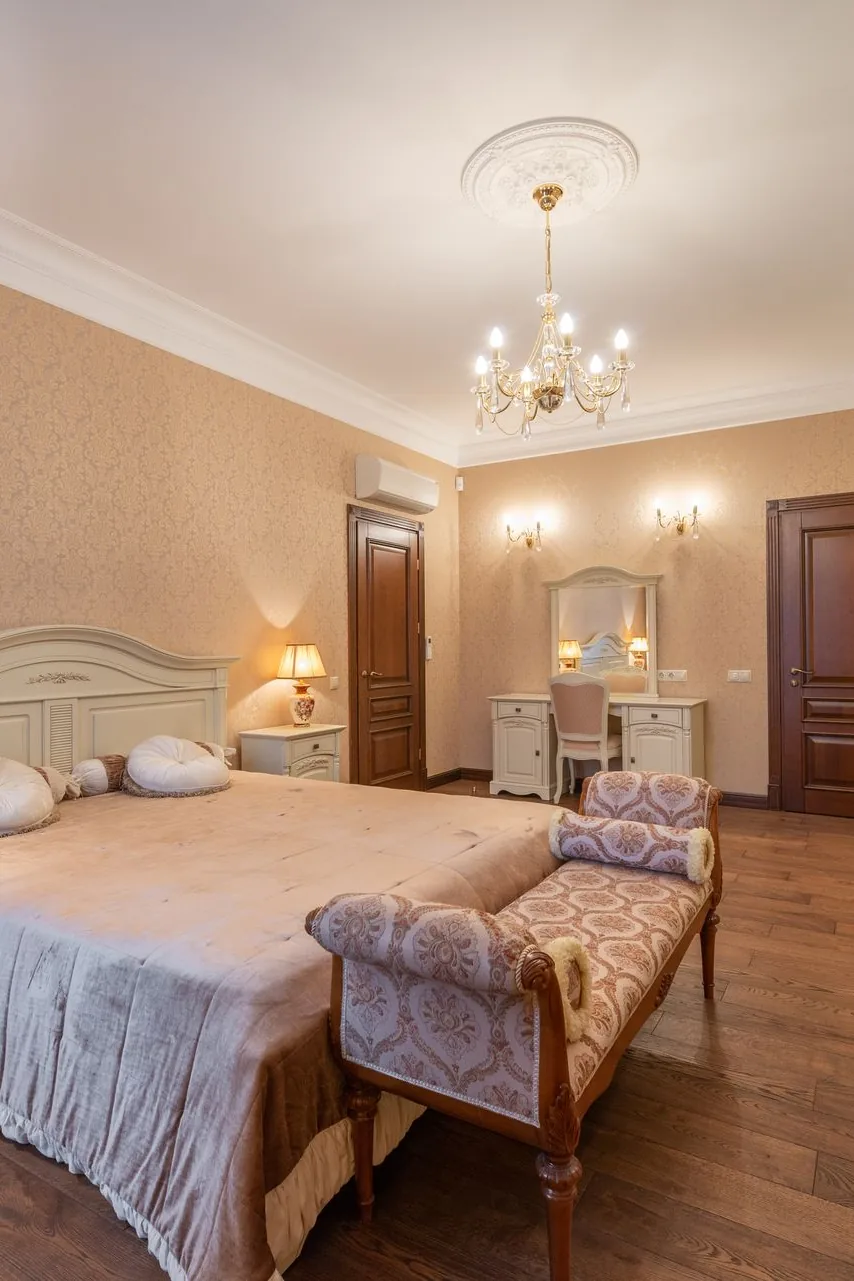
Credit: Max Vakhtbovych
Do:
- Repeat one wood tone and one metal finish through the whole room.
- Hang curtains high and wide so windows look taller than they are.
- Leave breathing room around the bed instead of pushing furniture to every wall.
Don’t:
- Mix more than two strong patterns in one small room.
- Push the bed against a wall when a centered placement fits.
- Fill every surface, since empty space is part of the classic look.
Classic rooms follow a few steady rules and then relax inside them, which is why they age so well. Symmetry calms the eye, natural materials warm the space, and a restrained palette lets one beautiful piece shine. Break one rule on purpose, such as an unexpected lamp color, and the room gains character without losing its calm.
Bedroom Layout Facts
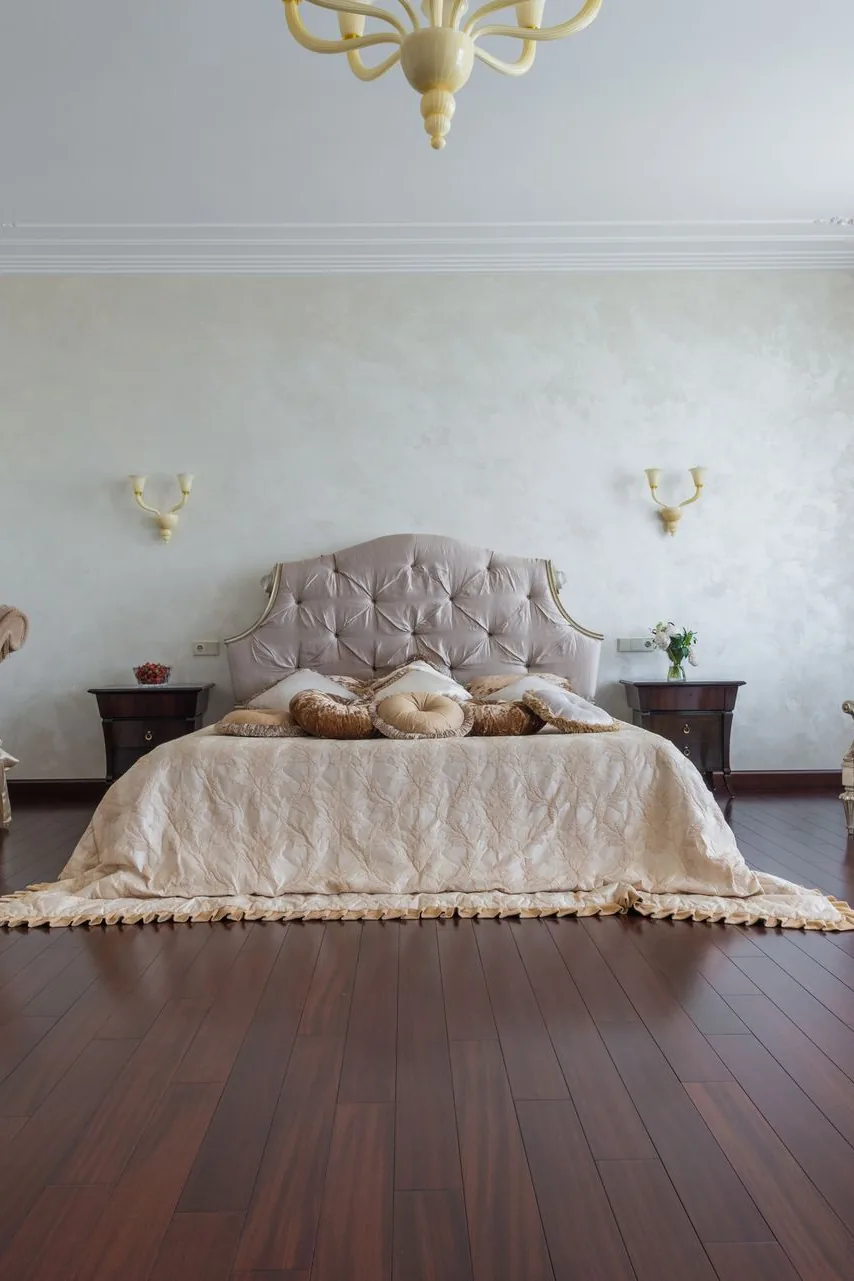
Credit: Max Vakhtbovych
Cost: Free when only furniture moves.
Time: About two hours for a full room reset.
Skill Level: Beginner friendly with a tape measure.
Best For: Rooms that feel cramped despite fair size.
Start by centering the bed on the longest clear wall, then place nightstands with at least a small gap on each side. Leave two feet of walking space around the bed where possible, and put the dresser where its drawers open fully without hitting a door. That’s why many experts recommend sketching the layout on paper first, since moving heavy pieces twice wastes an afternoon. A rug under the front legs ties the grouping together.
Elegant Drapery Layers
Credit: Алексей Вечерин
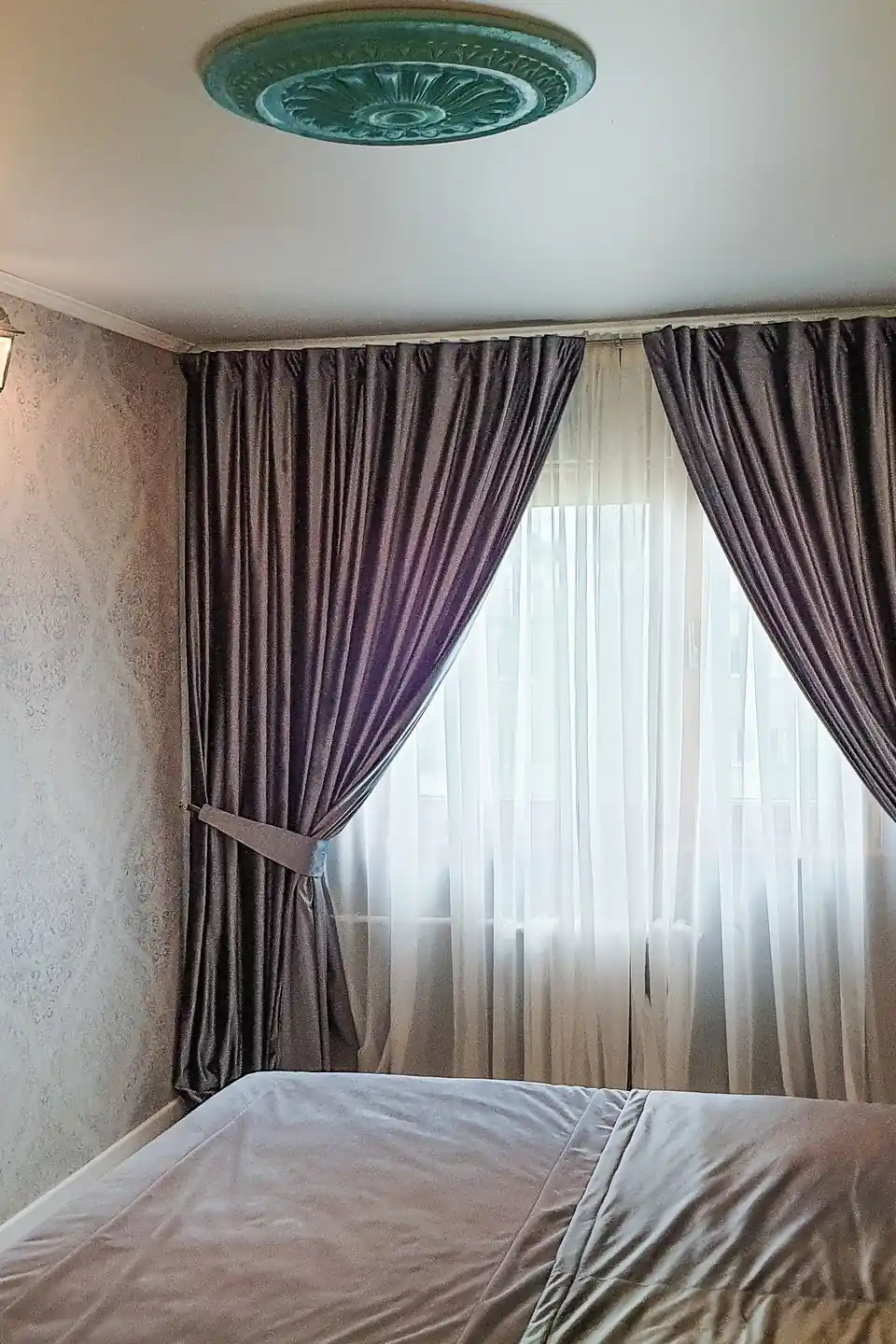
Long drapery changes a bedroom faster than paint, because fabric softens hard window frames and adds height in one move. Hang the rod close to the ceiling and wide past the frame so the window reads larger, then let the panels fall to the floor without pooling. A sheer inner layer keeps privacy during the day while the heavier outer panels frame the view at night.
Choose linen or cotton in a solid color pulled from the bedding, and skip bold prints when the room already has pattern elsewhere. Heavy velvet suits cold rooms and formal houses, while washed linen suits relaxed classic rooms that get strong sun. The right drapery makes mornings gentler and evenings quieter, which is exactly what a bedroom should do.
Antique Accent Pieces
Credit: Michael D Beckwith
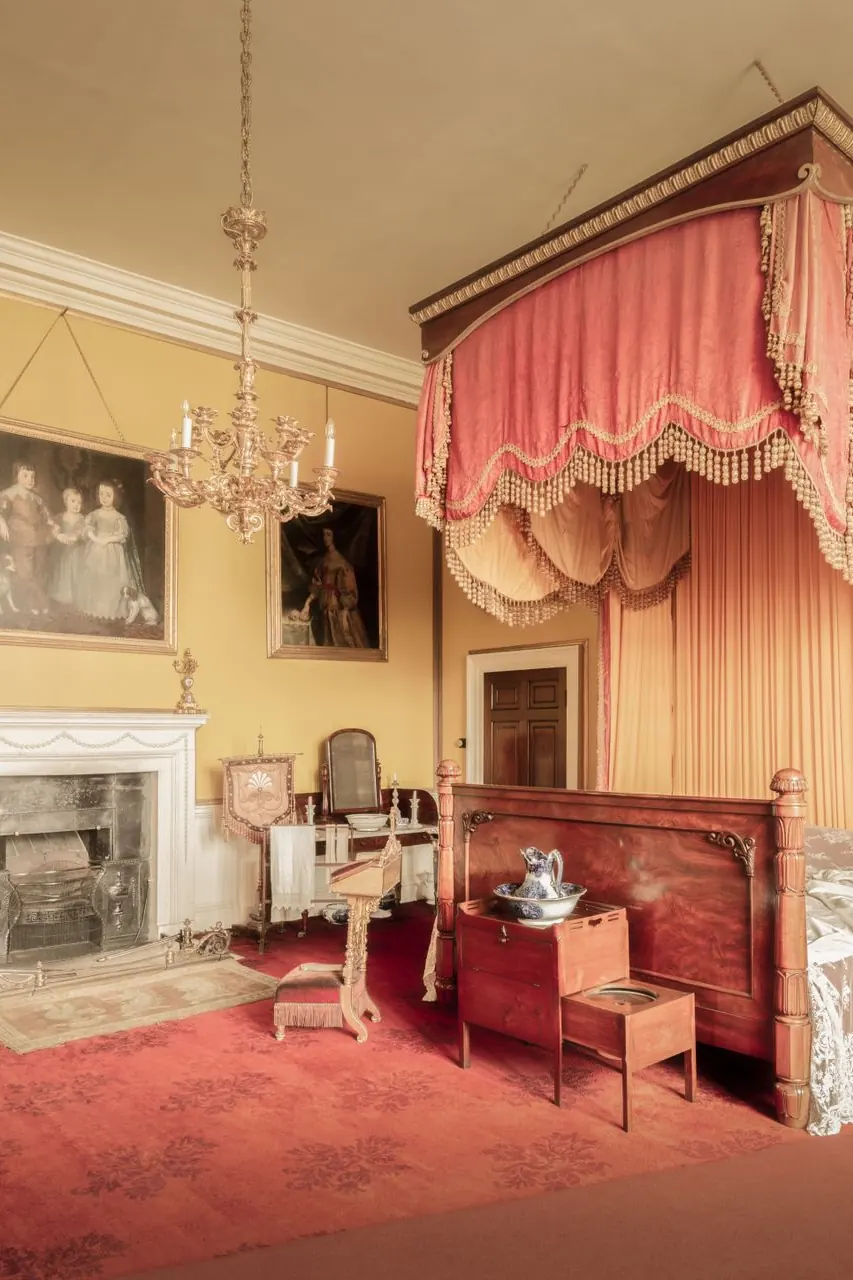
- An old mirror over the dresser doubles light and adds a sense of history.
- A carved chair in the corner gives the room a story and a useful seat.
- Brass candlesticks on the mantel or dresser add glow without new wiring.
- A small oil painting in a gilt frame warms a plain wall at once.
One or two antiques carry a room, while a house full of them can feel like a shop. Look for pieces with honest wear, such as softened edges and a mellow finish, since those marks read as age rather than damage. Place the strongest antique where the eye lands first, then let newer pieces support it quietly from the sides.
Soft Lamplight Glow
Credit: Vitaliy Izonin
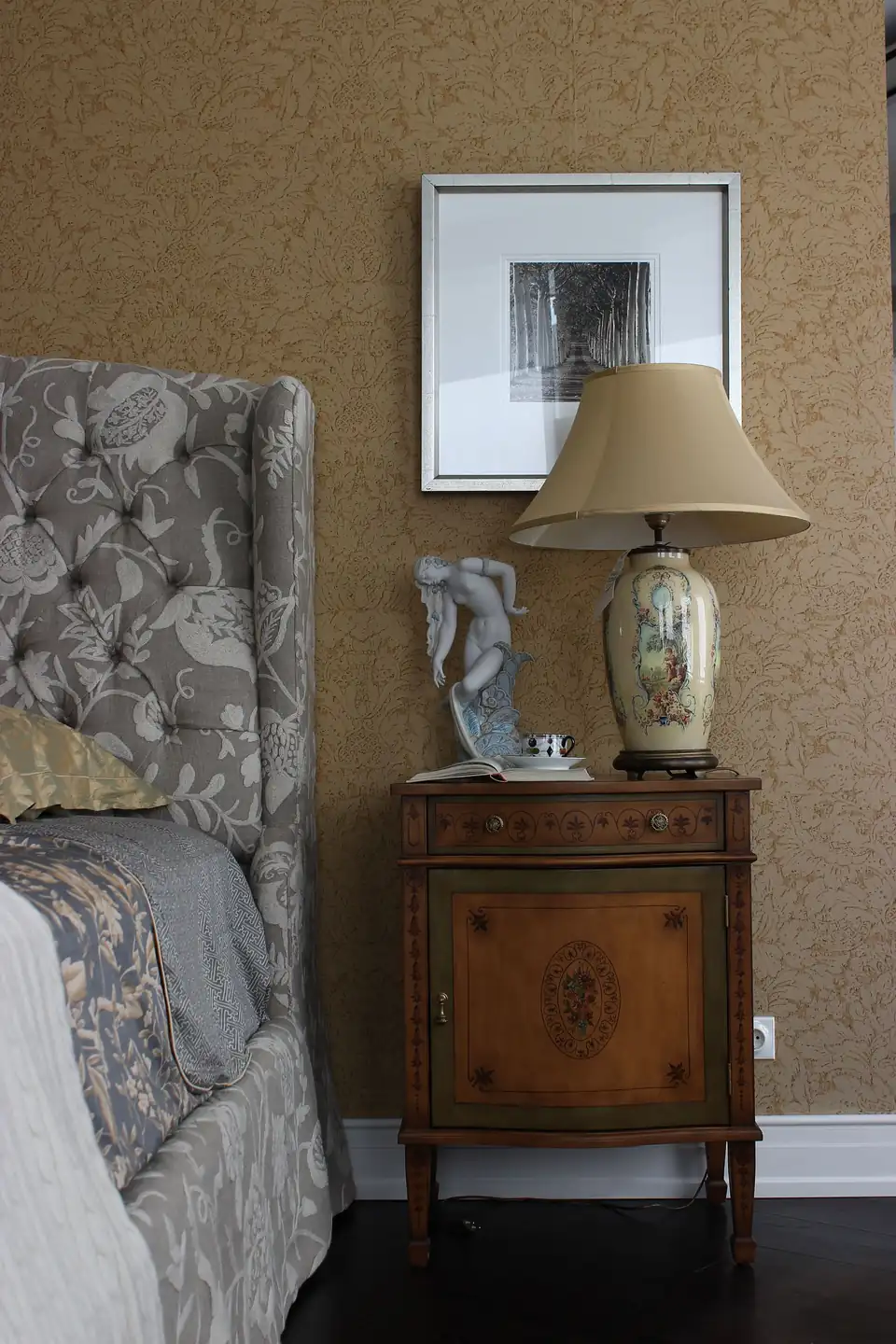
Quick Tip: Swap bright white bulbs for warm white ones near the bed, and put each bedside lamp on its own switch or dimmer. Warm light flatters wood tones and skin alike, and separate controls let each sleeper set their own level.
Layer three light sources when possible: bedside lamps for reading, one overhead fixture for dressing, and a small accent lamp or candle glow for evenings. Keep shades in cream or linen so the light stays soft, and match shade heights so the pair of lamps reads as one calm unit. Good lamplight turns a plain bedroom into a restful retreat every night.
Dated To Dreamy
Credit: Max Vakhtbovych
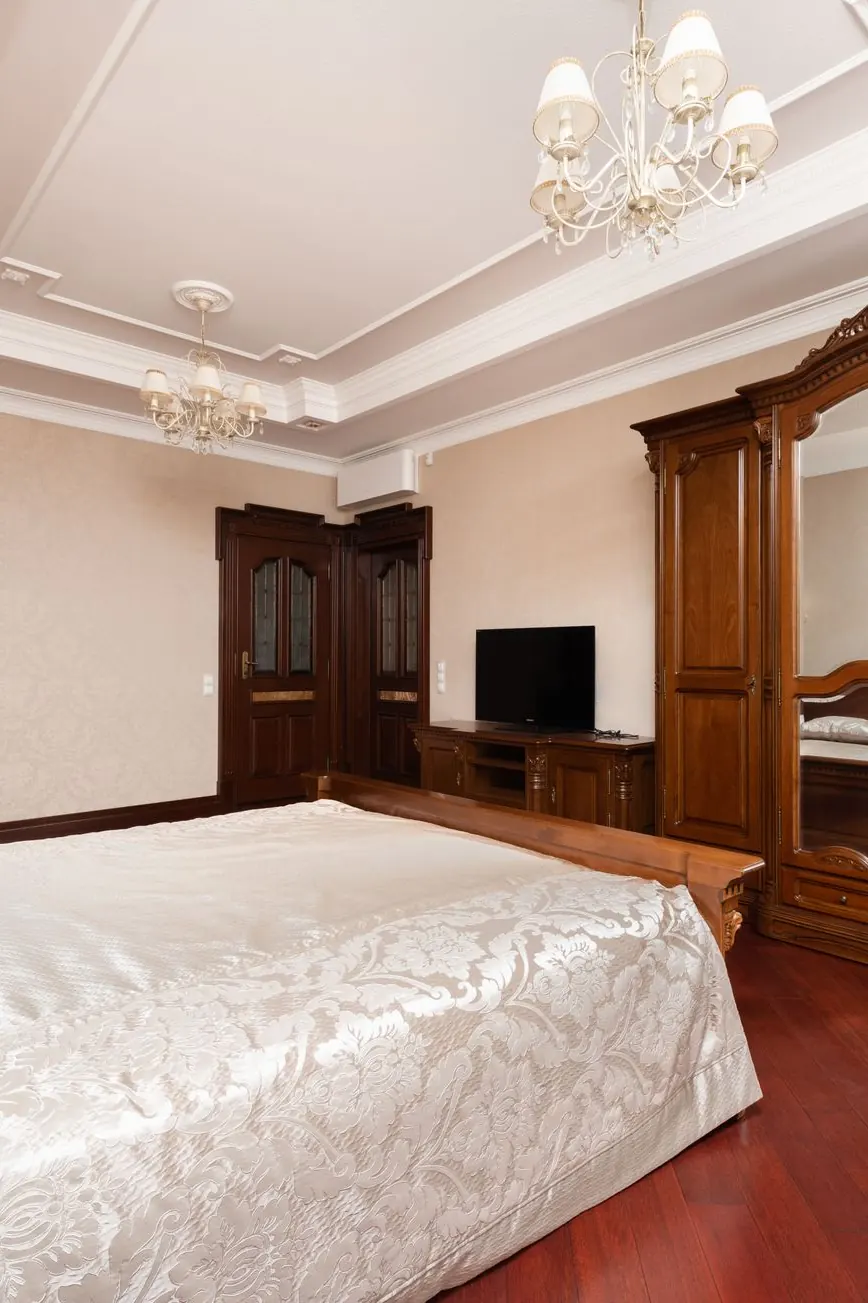
BEFORE: The room had a shiny floral bedspread, heavy dark curtains that never opened, and a television on a bulky stand facing the bed. Everything matched too closely, and the space felt stuck in one decade.
AFTER: A plain quilt in warm white replaced the shiny spread, linen panels replaced the heavy curtains, and the television moved to the dresser wall. The same furniture suddenly looks current, because lighter fabrics let the wood tones breathe.
Updating a dated bedroom rarely needs new furniture, since fabric and light do most of the work. Swap the bedspread first, then the curtains, then the lampshades, and pause after each change to judge the effect. Small swaps in the right order often save a full renovation budget for another room.
Style Matching Steps

Credit: Curtis Adams
- Pick one anchor piece, usually the bed, and name its wood tone and style period.
- Match new pieces to that anchor in tone rather than exact finish or brand.
- Repeat one metal finish on lamps, pulls, and frames through the room.
- Pull one accent color from the bedding into curtains and art for unity.
Matching by tone instead of by set keeps a room from looking bought all at once, and it leaves room for found pieces with real character. In my experience, traditional bedroom decorating ideas work best when the room feels gathered over time rather than staged in a day. Step back often while arranging, and trust the mix once the tones start to echo each other.
Cotton Versus Linen

Credit: dm_shpitz
| Feature | Cotton | Linen |
|---|---|---|
| Feel | Smooth and crisp | Soft and textured |
| Warmth | Even all year | Cool in summer |
| Care | Easy machine wash | Gentle cycle preferred |
| Look | Neat and pressed | Relaxed and lived in |
Cotton suits sleepers who love a crisp turned down bed, while linen suits sleepers who love texture and a relaxed drape. Many classic bedrooms layer both, with cotton sheets under a linen coverlet, so the bed feels neat and soft at once. Choose cotton for guest rooms that need easy care, and linen for a primary bedroom where the rumpled look feels intentional. Keep a spare set of each fabric so laundry day never leaves the bed bare.
Heirloom Display Rules
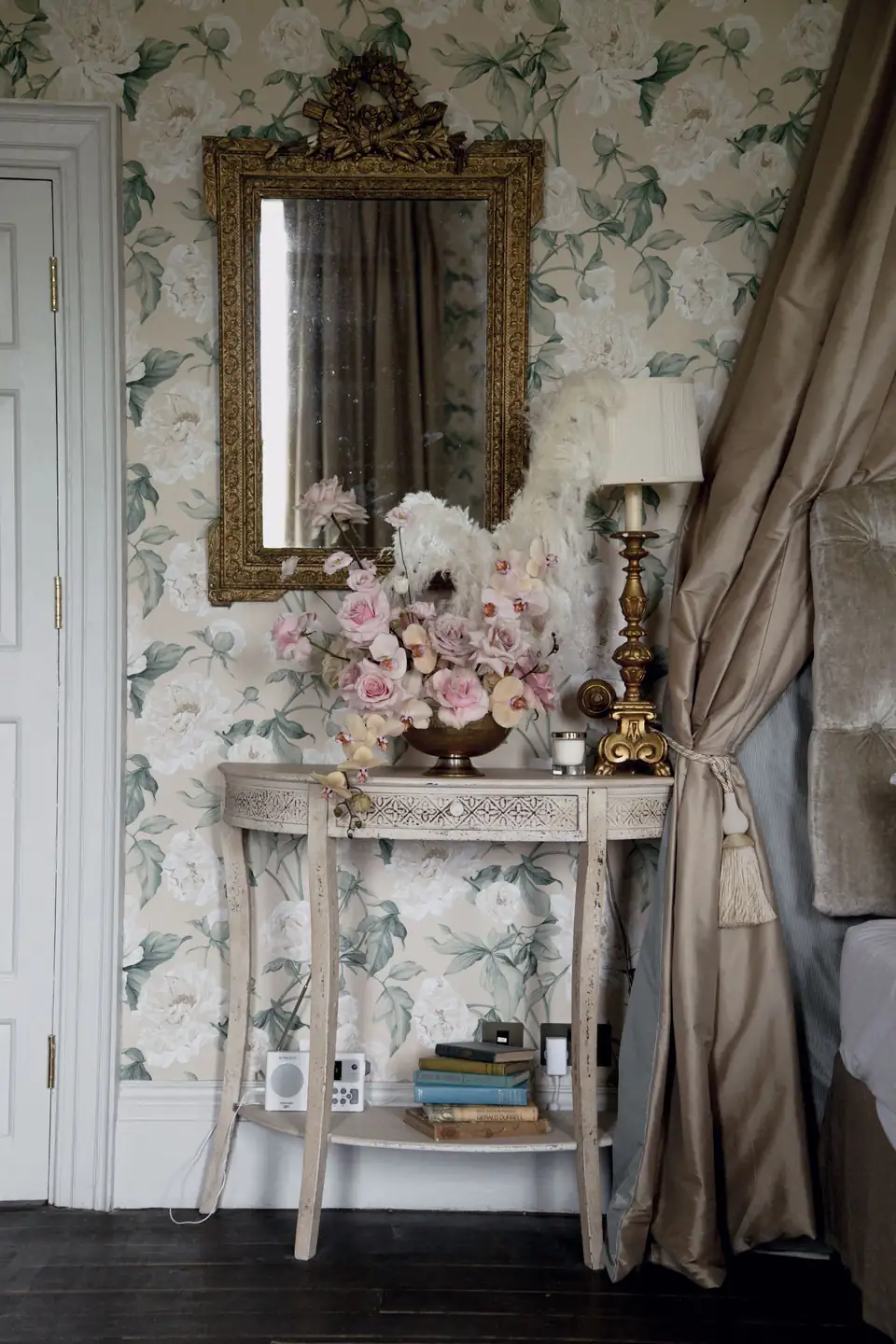
Credit: alleksana
Do:
- Give one heirloom the best spot, such as the wall above the dresser.
- Group smaller keepsakes on a single tray so they read as one display.
- Mix old and new pieces so heirlooms feel loved rather than stored.
Don’t:
- Crowd every heirloom onto one shelf where nothing stands out.
- Hide fragile pieces behind newer decor that blocks the view.
- Force a piece into a room where its color fights the palette.
Heirlooms carry memory, so display them where daily life can enjoy them rather than in a spare room nobody enters. A grandmother’s mirror above a dresser or a father’s chair by the window keeps the past present in a gentle way. Rotate pieces with the seasons when the collection grows, and each return feels fresh again.
Budget Classic Facts

Credit: Curtis Adams
Cost: Under two hundred dollars for fabric and paint swaps.
Time: One weekend for the main changes.
Skill Level: Beginner friendly with basic tools.
Best For: Renters and first homes with good bones.
Paint does more than any other budget move, so refresh one accent wall or a tired dresser in a warm white first. Thrift shops often hide solid wood nightstands under dated finishes, and a new knob set can make them look intentional. I’ve noticed that rooms improve fastest when the money goes to bedding and light, since those touch daily comfort directly. Swap lampshades before buying lamps, since new shades change light for little money.
Reading Nook Corners
Credit: Korn Puengtrakull
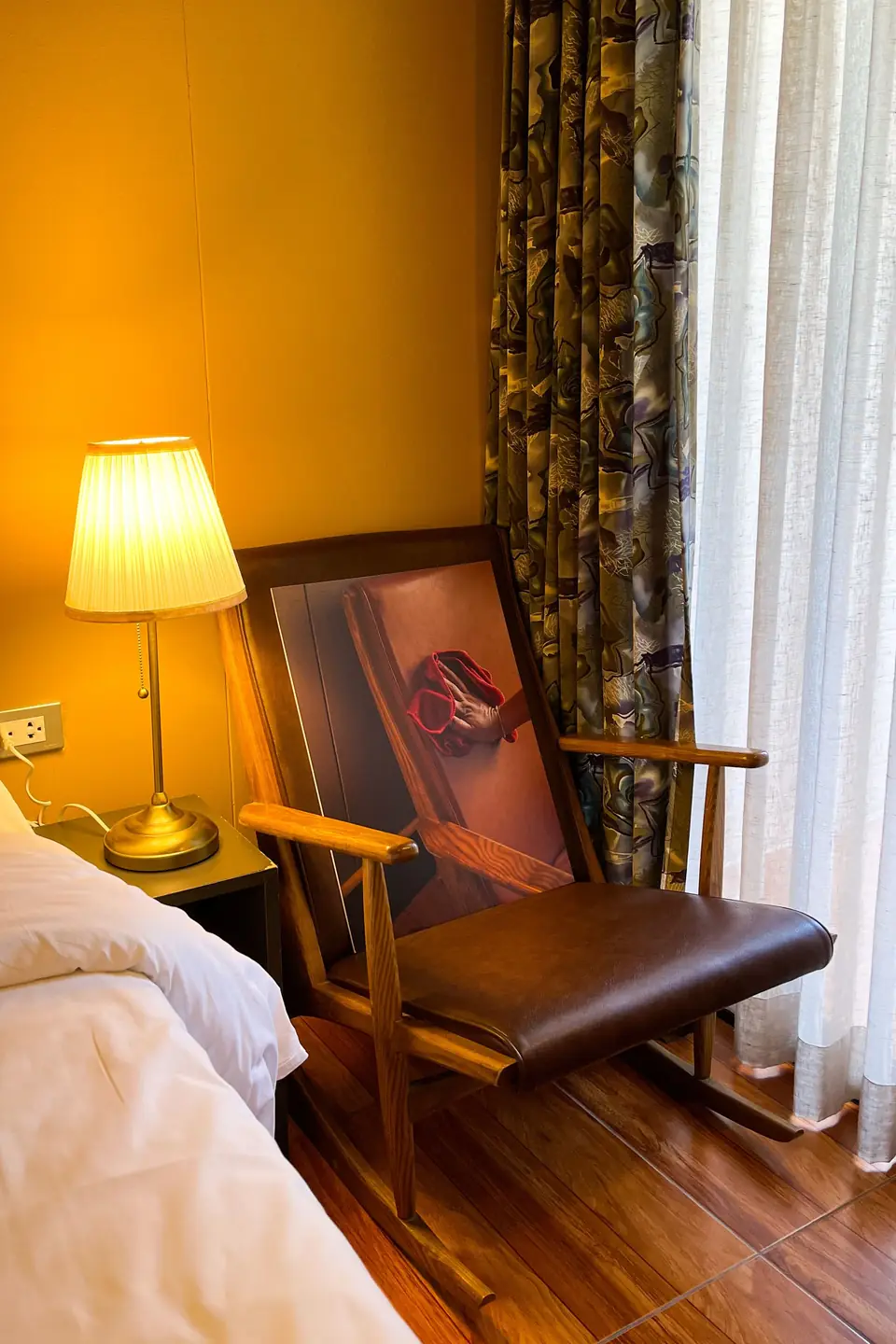
A reading corner needs only three things: a chair that invites a long sit, light that falls over the shoulder, and a small surface for a book and a cup. Place the chair near a window when possible, since daylight makes the corner feel like a retreat rather than leftover space. A floor lamp behind the chair extends reading into the evening without lighting the whole room.
Keep the corner separate from the bed zone with a small rug or a turned chair angle, so the nook reads as its own place. A basket for current books and a soft throw over the arm finish the setup without extra furniture. Even a small bedroom can hold a nook when the chair stays slim and the table stays tiny.
Cozy Textile Layers

Credit: Waqar Hassan
- A knit throw at the foot adds warmth that guests can reach without remaking the bed.
- Velvet cushions in deep tones ground a pale room and invite a long rest.
- A flat weave rug under the bed softens cold floors on winter mornings.
- Curtains in a heavier weight keep drafts out and evenings quieter.
Textiles carry the comfort of a classic bedroom, since wood and metal alone can feel hard by evening. Mix two or three textures rather than two or three colors, so the room stays calm while the hand finds interest everywhere. Wash throws often and rotate cushions with the seasons to keep the layers feeling fresh rather than dusty.
Small Room Tricks

Credit: Alexander Mass
Quick Tip: Hang one large mirror opposite the window to double daylight, and keep the bed frame low so the ceiling feels higher. Light walls and one rug instead of many small ones also help a small room breathe.
Small classic rooms benefit from furniture that does two jobs, such as a bench with storage at the foot of the bed. For a modern take on compact classic style, see these contemporary bedroom decorating ideas next to the traditional looks here. Keep patterns small in scale, since oversized prints can shrink a room fast, and let one calm color run through bedding and curtains.
Bare To Cozy
Credit: Curtis Adams
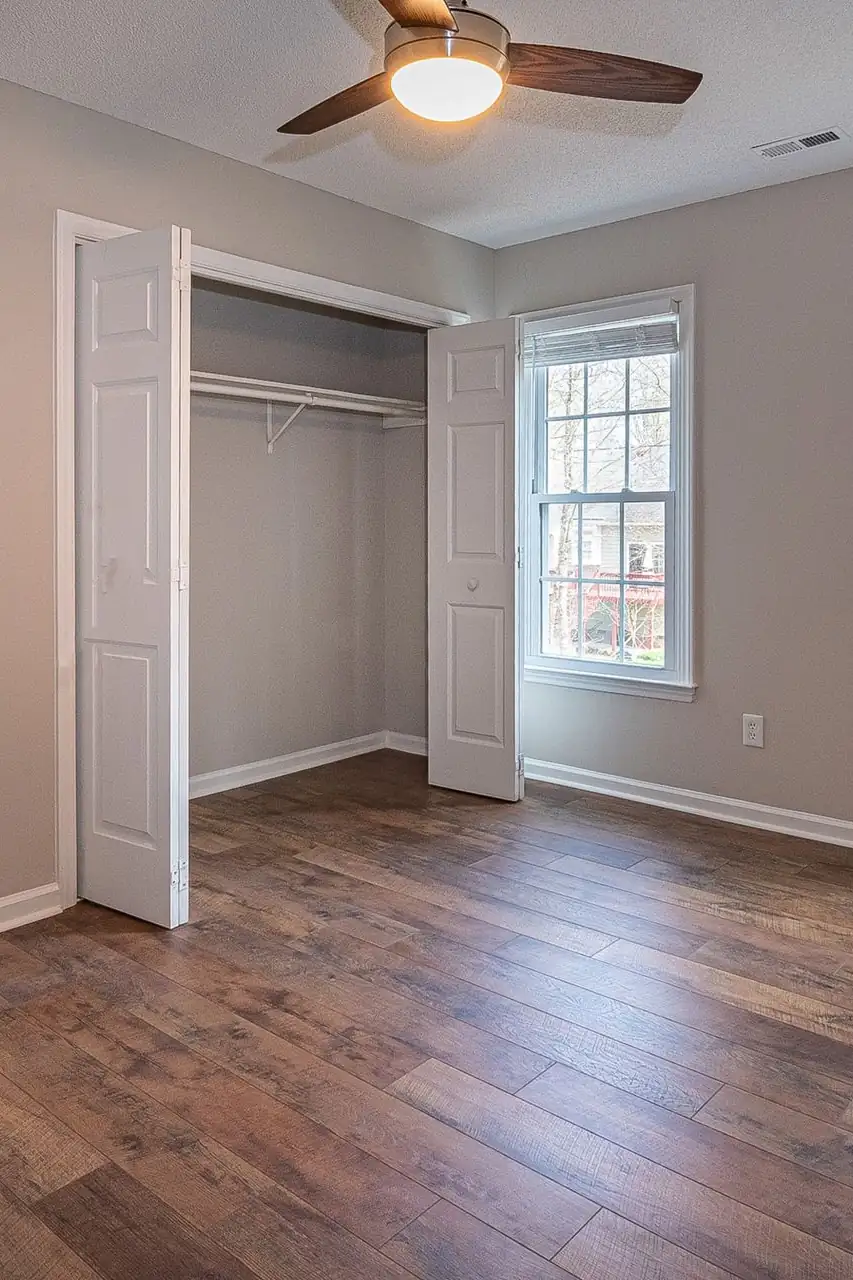
BEFORE: The room held a bed, a dresser, and bare windows, and it echoed like a guest room nobody had claimed. White walls and empty surfaces made the space feel cold despite good daylight.
AFTER: Curtains softened the windows, a quilt and throw warmed the bed, and two framed prints gave the walls a story. A rug under the bed and a lamp on each nightstand finished the change in a single weekend.
Bare rooms turn cozy through layers rather than purchases, since fabric, light, and art do the warming work. Start with curtains and bedding, then add a rug and lamps, and stop before every surface fills. The goal is a room that invites a slow morning, not a room that shows off its shopping list.
Refresh Seasonally Steps

Credit: Céline
- Swap heavy throws for lighter cotton layers when warm weather arrives.
- Change cushion covers to the season’s palette, keeping the same inserts.
- Open curtains wider and clean the windows so daylight reaches deeper.
- Add one seasonal touch, such as fresh flowers or a sprig of pine.
Seasonal refreshes keep a classic room from feeling frozen, and they cost little when the base stays neutral. Store off season textiles in labeled bins so swaps take an hour rather than a day. A room that shifts gently with the year feels alive, while a room that never changes can start to feel like a museum.
Brass Versus Chrome
Credit: Max Vakhtbovych
| Feature | Brass | Chrome |
|---|---|---|
| Tone | Warm and golden | Cool and bright |
| Feel | Old world charm | Crisp and modern |
| Care | Polishes with age | Wipes clean fast |
| Best Pairing | Wood and cream | White and gray |
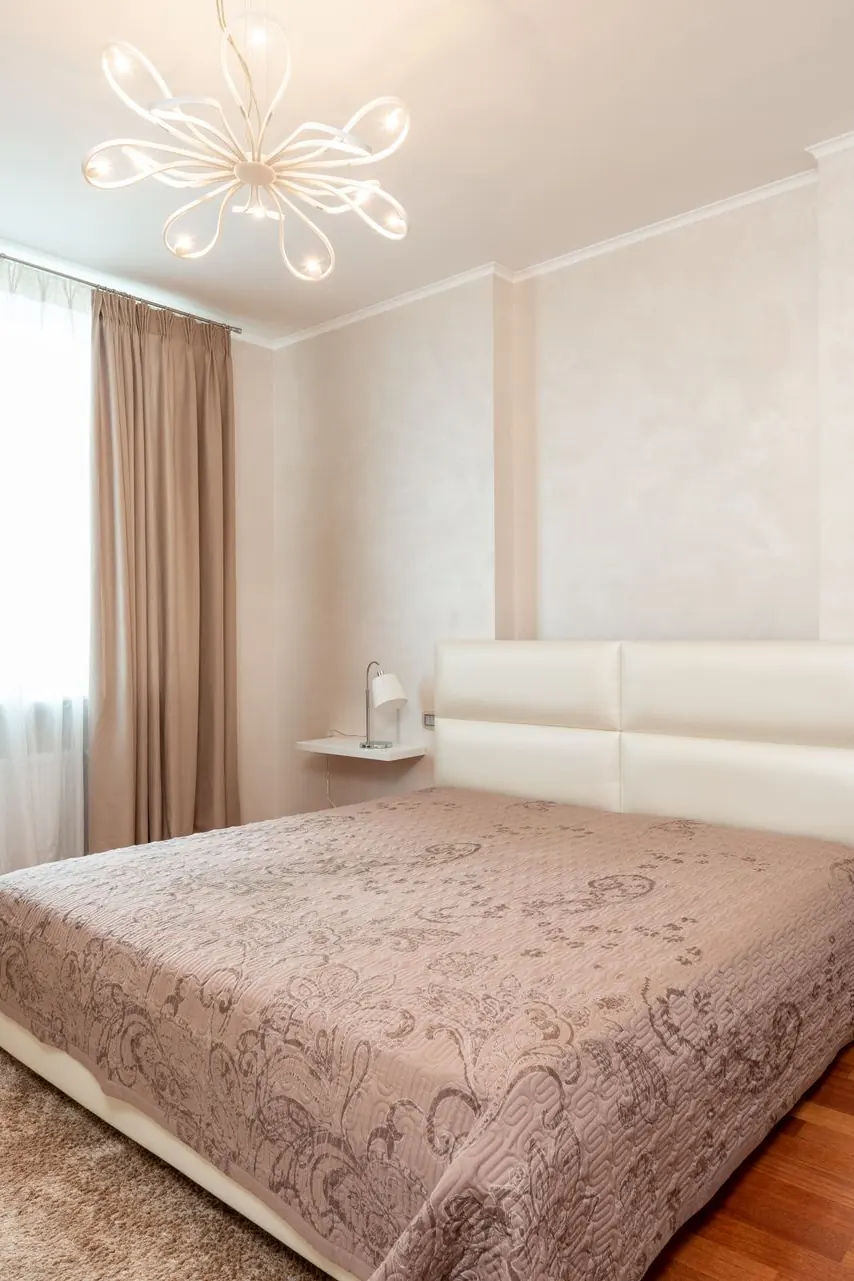
Brass warms a classic bedroom and suits wood tones, while chrome cools a room and suits pale palettes. Most traditional rooms lean brass for lamps and pulls, since the golden tone echoes candlelight and old fixtures. Use one metal through the room for calm, and save the second metal for a single accent, such as a mirror frame, so the mix looks chosen. Test both metals against the bedding before committing to a full room of hardware.
Gallery Wall Rules

Credit: Eugenia Remark
Do:
- Plan the layout on the floor before hanging a single frame.
- Keep two inches between frames so the grouping reads as one unit.
- Mix frame sizes while holding one finish for calm cohesion.
Don’t:
- Hang art above eye level where nobody can enjoy the details.
- Mix glossy and matte finishes until the wall looks scattered.
- Fill the wall edge to edge when a little margin frames it better.
Gallery walls suit the wall above a dresser or along a hallway, since those spots invite a slow look. Start with the largest piece slightly off center, then build outward with smaller frames in a loose grid. Step back after every third frame, since a wall that grows slowly stays balanced better than one hung all at once.
Seasonal Comfort Facts

Credit: Steph Quernemoen
Cost: Low when the base bedding stays neutral.
Time: About one hour per seasonal swap.
Skill Level: Beginner friendly with storage bins.
Best For: Rooms that feel stale between seasons.
Winter calls for a heavier quilt and closed drapery at night, while summer calls for cotton layers and open windows at dawn. Store off season pieces clean and dry, and label each bin by season so swaps stay quick. A bedroom that shifts with the year keeps its comfort through every month, and the ritual itself becomes part of the room’s charm. Keep throws within reach through winter, and fold them away once warm nights return.
Conclusion
Classic bedrooms earn their comfort one careful choice at a time, from the bed frame to the last lamp shade. The ideas above give a starting point for any room, whether the plan is a single weekend refresh or a slow year of small upgrades. Keep the palette calm, the wood warm, and the light soft, and traditional bedroom decorating ideas will serve the room for years rather than one season. Save this article on Pinterest so the checklist stays close when the next update begins, and enjoy the quiet comfort of a room done right.