23 Modern Farmhouse Entryway Decor Ideas for a Warm Welcome
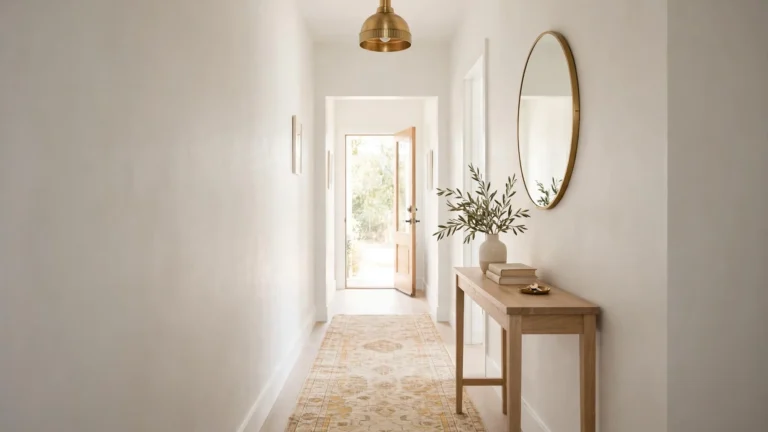
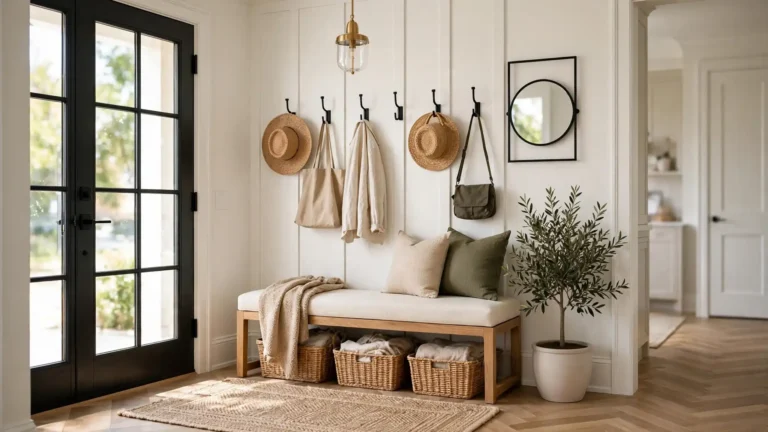
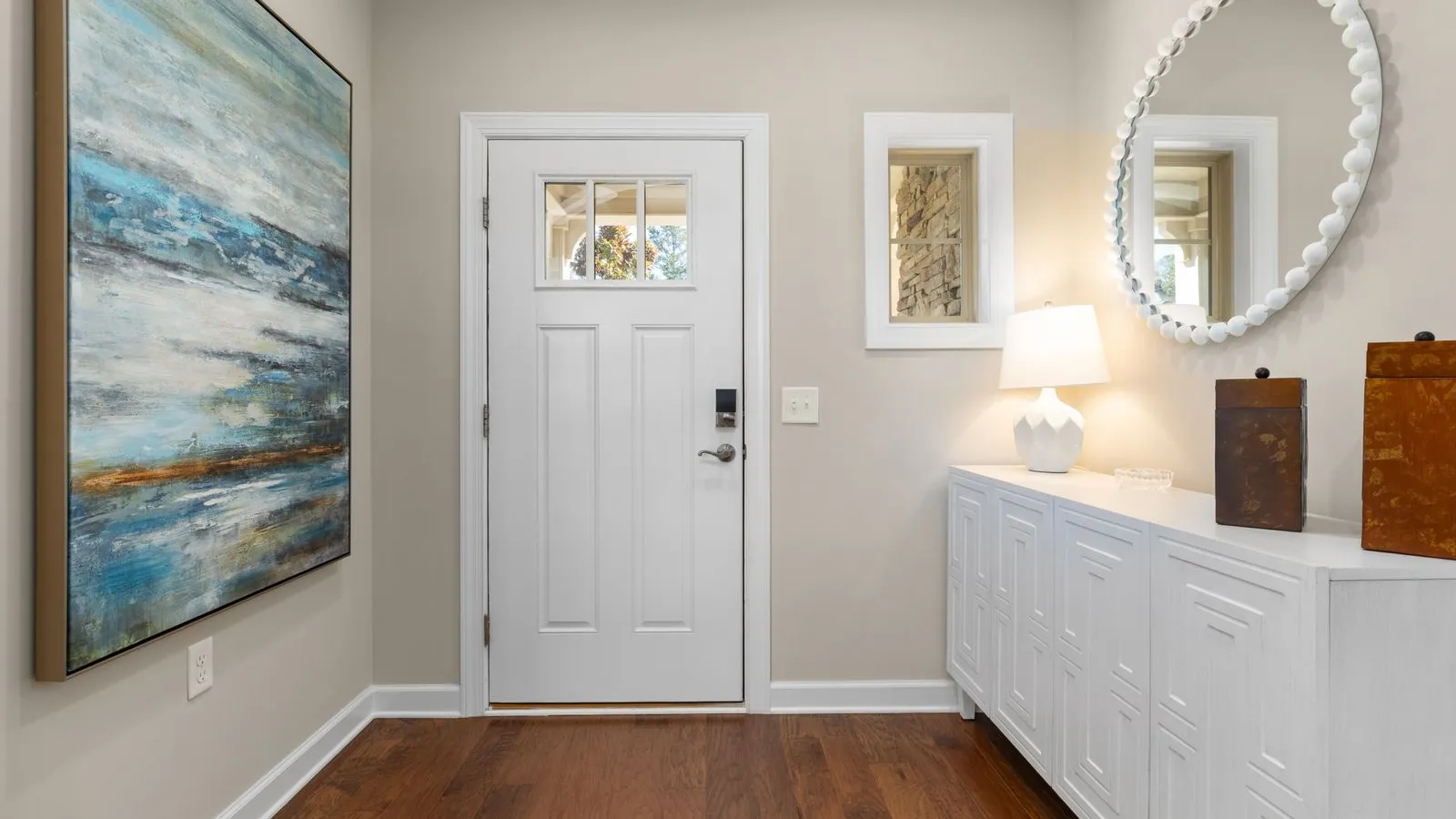
The first step inside a home sets the tone for everything that follows, and modern farmhouse entryway decor turns that small pass-through into a warm welcome. A bench to drop bags, hooks at hand height, and a mirror that catches morning light make the space work hard without feeling busy. Soft neutrals, honest wood, and woven texture keep the look calm, while one or two vintage finds give it soul. Even a narrow hall can feel generous when every piece earns its place.
Start with the bones of the space, then layer in storage and light, and finish with pieces that feel collected rather than staged. The ideas below walk through consoles, mirrors, benches, rugs, and lighting, with practical steps for small foyers and busy family entries alike. If you love the calm of classic rooms, the traditional bedroom decorating ideas in our recent guide show the same warm palette at work in a softer setting. Read on for twenty-three ways to make your entry feel welcoming from the very first step.
Shiplap Wall Charm
Credit: Max Vakhtbovych
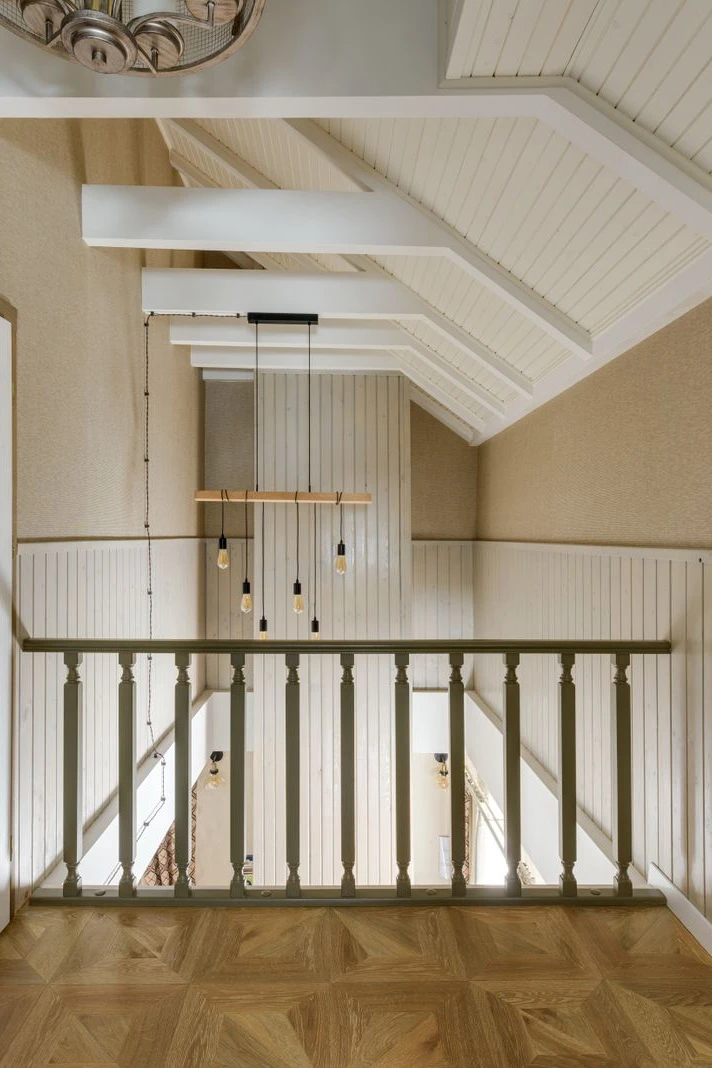
A shiplap wall gives an entry instant farmhouse character, even when the rest of the hall stays plain. Horizontal boards draw the eye along the wall and make a narrow space feel longer, while a soft white wash keeps the look bright. In my experience, painted shiplap forgives scuffs better than flat drywall, which matters in a spot where bags and shoes pass daily.
Keep the boards tight and the gaps even, and paint before hanging hooks or mirrors so the finish stays clean. One accent wall is usually enough, since wrapping every surface can make a small foyer feel boxed in. Pair the wall with a simple bench and a woven basket, and the entry reads as finished rather than fussy.
Console Table Warmth
Credit: Şeydanur Yıldız
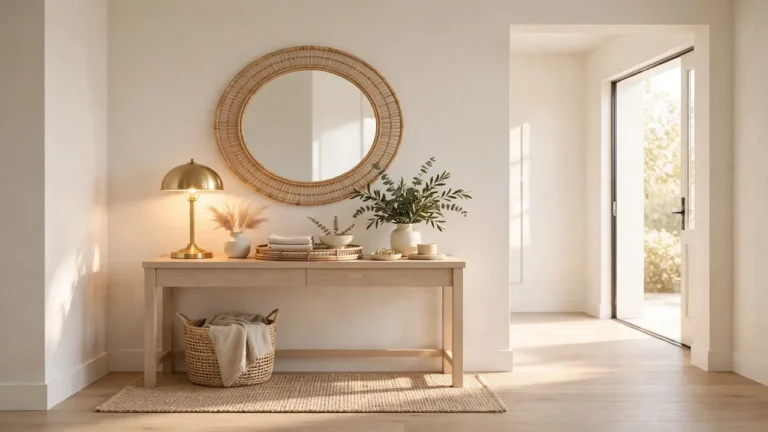
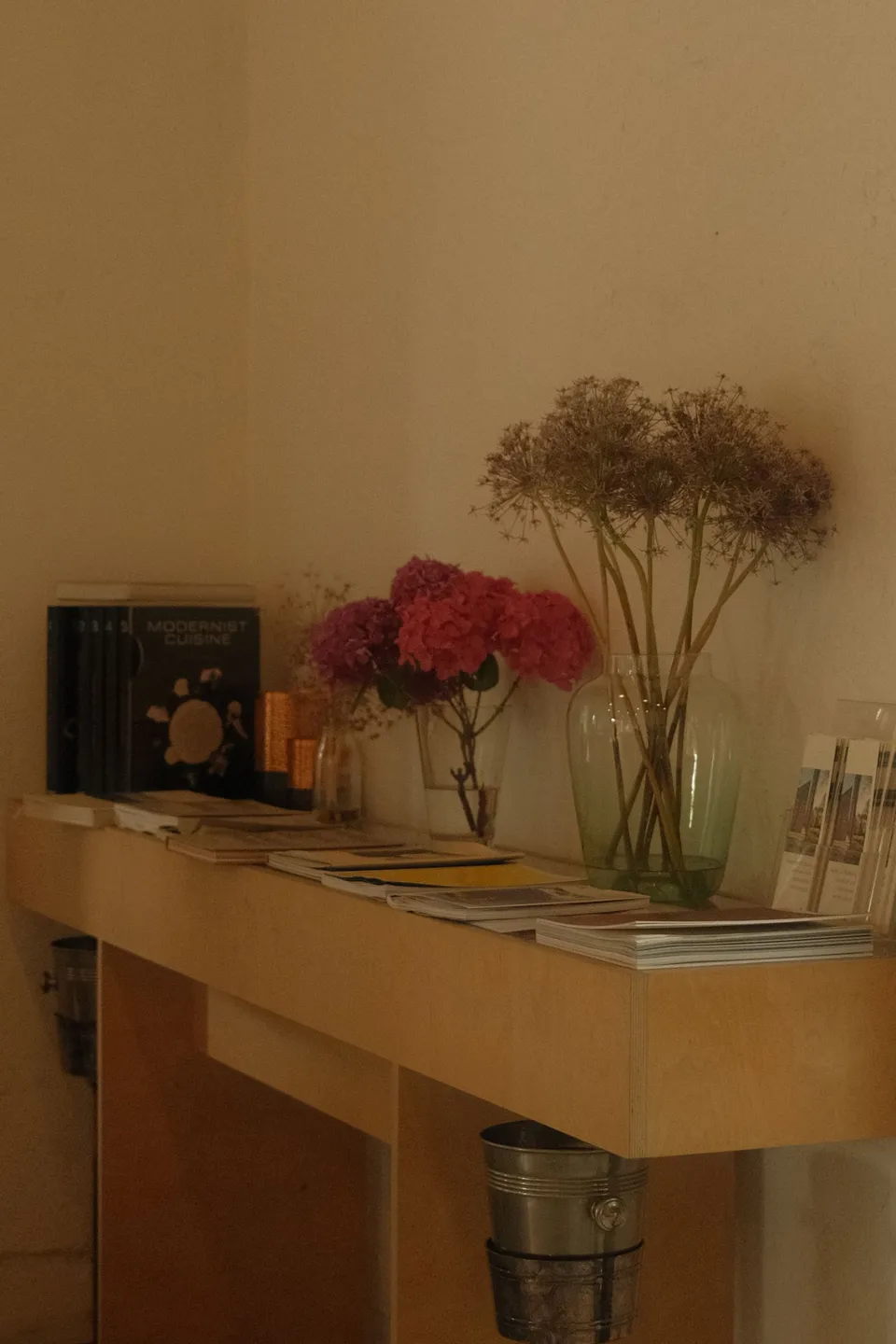
Warm wood, a low lamp, and a catch-all bowl turn a console from furniture into a welcome station.
- Choose a console that fits the wall with room to walk past comfortably.
- Anchor it with a mirror or a framed print hung at eye level.
- Add a small lamp for evening glow and a bowl for keys.
- Keep one drawer or basket free for mail and sunglasses.
- Leave breathing room on top so the display feels calm, not crowded.
A console works best when it holds only what the household uses daily. Rotate seasonal stems or a framed photo to keep the vignette fresh without adding clutter. I’ve noticed that entries stay tidier when every item has a visible home, so guests and family both know where things belong.
Round Mirror Moments
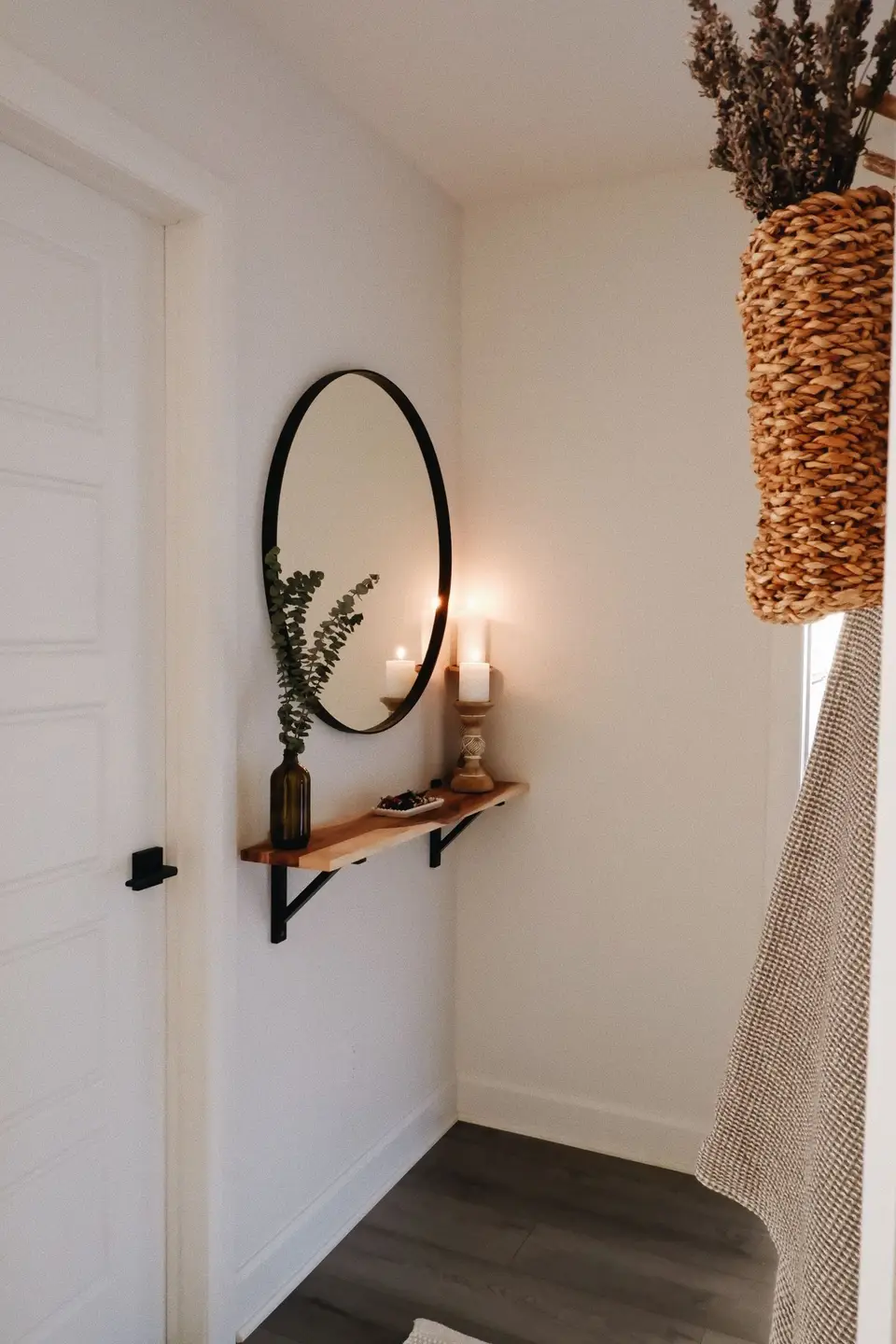
Credit: Kim Delsame
Quick Tip: Hang a round mirror so its center sits at eye level, then step back to check the reflection before fixing it in place.
Round mirrors soften the straight lines of shiplap and console tables, and they bounce light into dark corners. A wood or black metal frame ties the mirror to nearby hooks and baskets, while an oversized frame can anchor a bare wall on its own. Keep the glass clean and the sill below it clear, and the mirror becomes a last check before heading out the door. A small stool or basket beneath the mirror gives the vignette a finished base, and a candle or tiny vase adds life without crowding the surface.
Bench And Basket Storage

Credit: Rachel Claire
BEFORE: Shoes piled by the door, coats draped over chairs, and a bare wall that greeted guests with clutter.
AFTER: A low bench with baskets beneath, hooks at two heights, and a mirror that doubles the light.
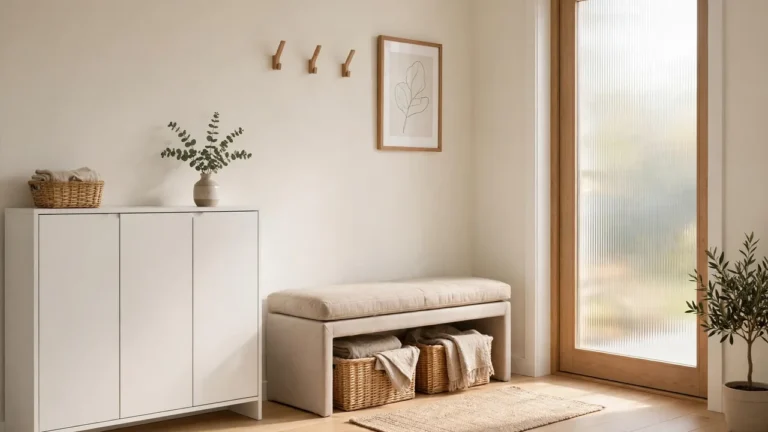
The change needs no remodel, just a plan for where each daily item lives. Measure the bench to the wall, leave space for the door swing, and choose baskets that slide out easily. I’ve seen this work well in many cases, even in rentals, because freestanding pieces leave no marks behind. Hooks at two heights let adults and children each reach their own pegs, and a narrow rug underfoot catches grit before it travels further into the house.
Layer Lighting Steps

Credit: Mitchell Luo
- Clear the entry completely and sweep the floor.
- Place the largest piece first, usually a bench or console.
- Add hooks at adult and child height near the door.
- Layer a table lamp or wall sconce for evening warmth.
- Finish with a rug, a mirror, and one plant.
Working in this order keeps the layout honest, since each layer answers a real need before decoration begins. Leave walkways clear and test the door swing before fixing anything to the wall. Small entries benefit most from this sequence, because every inch has to earn its place. Test the layout at night as well as in daylight, since sconces and lamps change how the entry feels after dark.
Wood Versus Painted
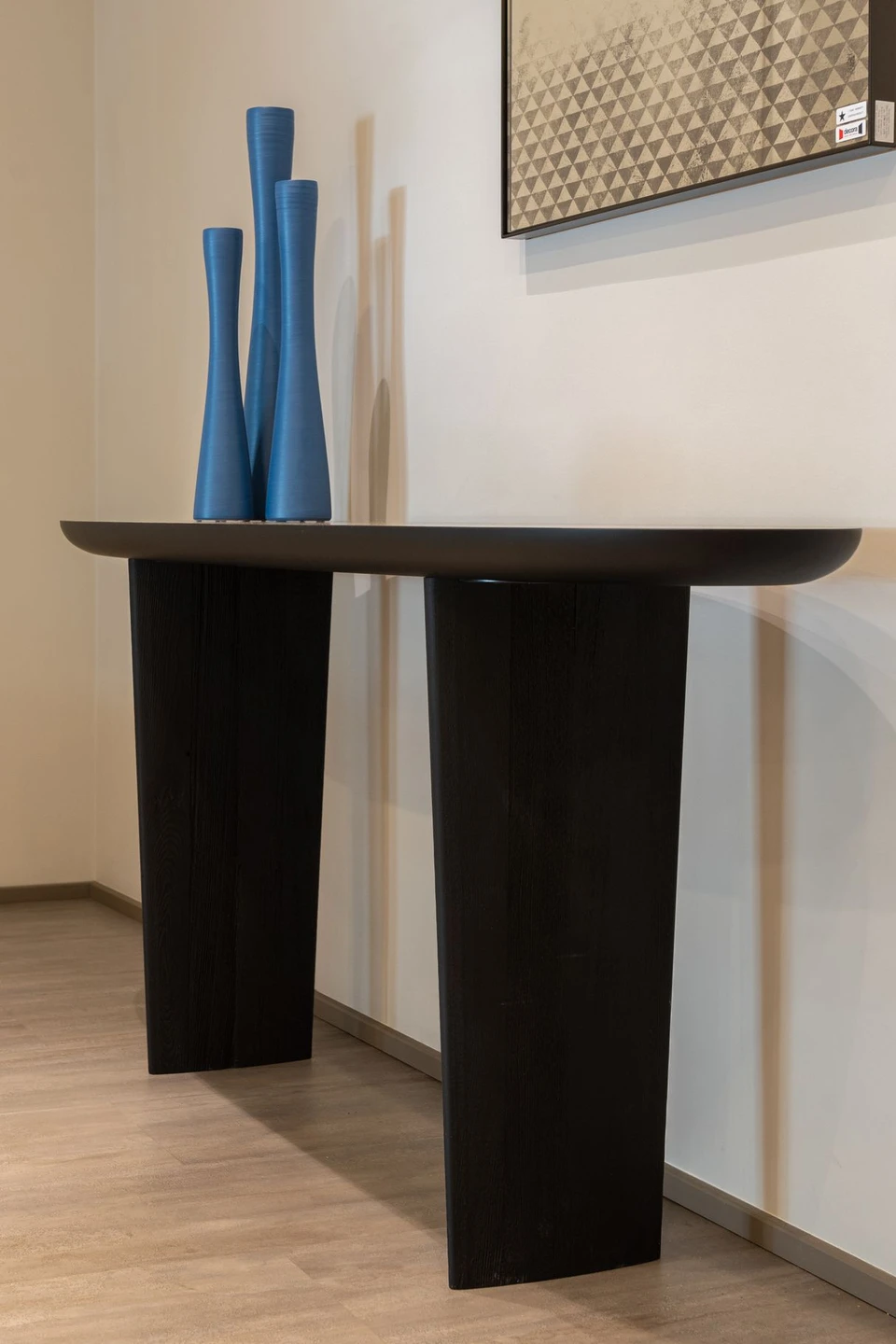
Credit: Max Vakhtbovych
| Feature | Wood Finish | Painted Finish |
|---|---|---|
| Warmth | Rich and natural | Crisp and bright |
| Upkeep | Oil twice a year | Wipe clean weekly |
| Cost | Higher upfront | Budget friendly |
| Style Fit | Rustic rooms | Small bright halls |
Wood brings grain and warmth that deepens with age, while painted finishes feel crisp and bright in small halls. Choose wood when the entry already holds warm tones, and painted pieces when the space needs light. Either choice works with shiplap, baskets, and black metal hooks, so let the existing floors guide the call. Sample both finishes against the existing floor before committing, since warm oak floors favor wood while cool tile leans toward painted pieces.
Entryway Decor Rules
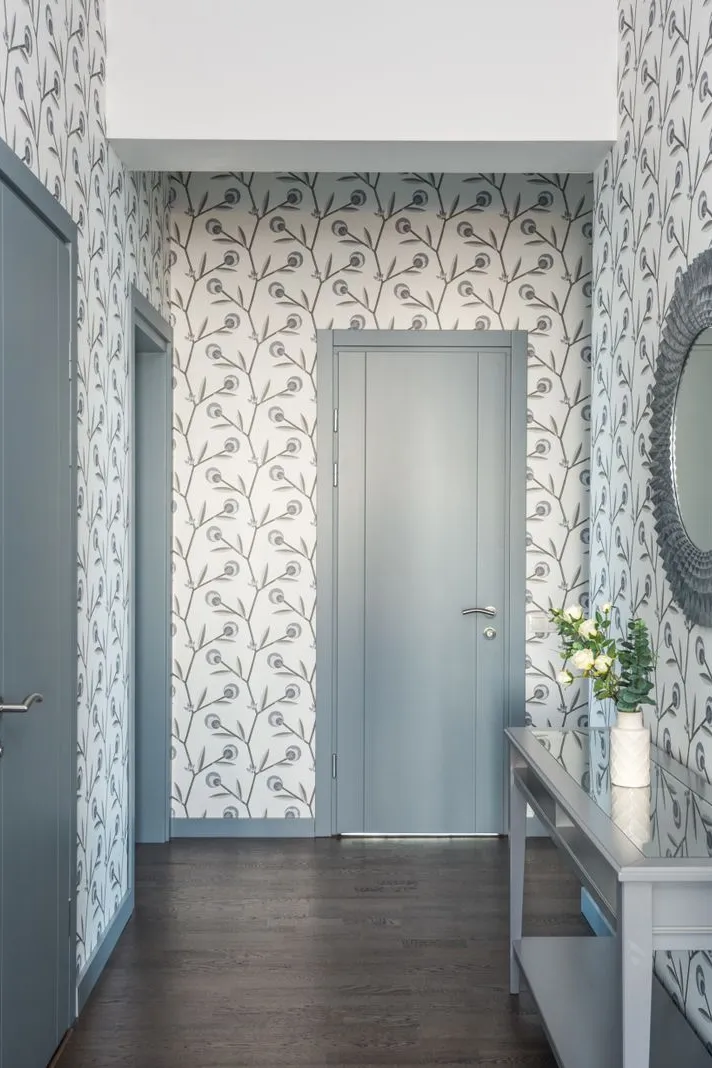
Credit: Max Vakhtbovych
Do:
- Do keep hooks at a height every family member can reach.
- Do use baskets to hide shoes and seasonal gear.
- Do add one warm light source near the door.
Don’t:
- Don’t block the door swing with furniture or tall plants.
- Don’t crowd the console with items nobody uses daily.
- Don’t mix more than two metal finishes in one small entry.
A short list of habits keeps the entry working long after the decorating is done. Return keys and bags to the same spot each evening, and clear the baskets once a week. Small routines protect the look far better than a yearly overhaul ever could.
Small Foyer Facts

Credit: Max Vakhtbovych
Cost: Most entry refreshes land between fifty and three hundred dollars.
Time: A weekend afternoon covers paint, hooks, and styling.
Skill Level: Beginner friendly, with no special tools beyond a drill and level.
Best For: Rentals, family homes, and narrow halls that need order.
These numbers stay modest because entry styling leans on paint, baskets, and hooks rather than built-ins. Spend the largest share on the bench or console, since that piece takes daily wear. Thrifted mirrors and frames stretch the budget further without dulling the result. Measure the foyer before shopping, since even a few extra inches of console depth can block comfortable passage.
Rustic Hook Rows

Credit: Yasin Tubail
Rows of hooks turn a blank wall into the hardest working spot in the house. Space them wide enough for coats to hang without bunching, and stagger two heights so children reach their own pegs. Black metal, wood, or brass hooks each read differently against shiplap, so match the finish to the mirror frame for a pulled together feel.
Leave one hook empty near the door for guests, and hang a small basket beneath for scarves and gloves. Hooks hold more than coats when a tote or dog leash joins the row, which keeps clutter off the floor. A rail with five or six pegs suits most families, while a single row of three fits a tight hall.
Woven Basket Storage
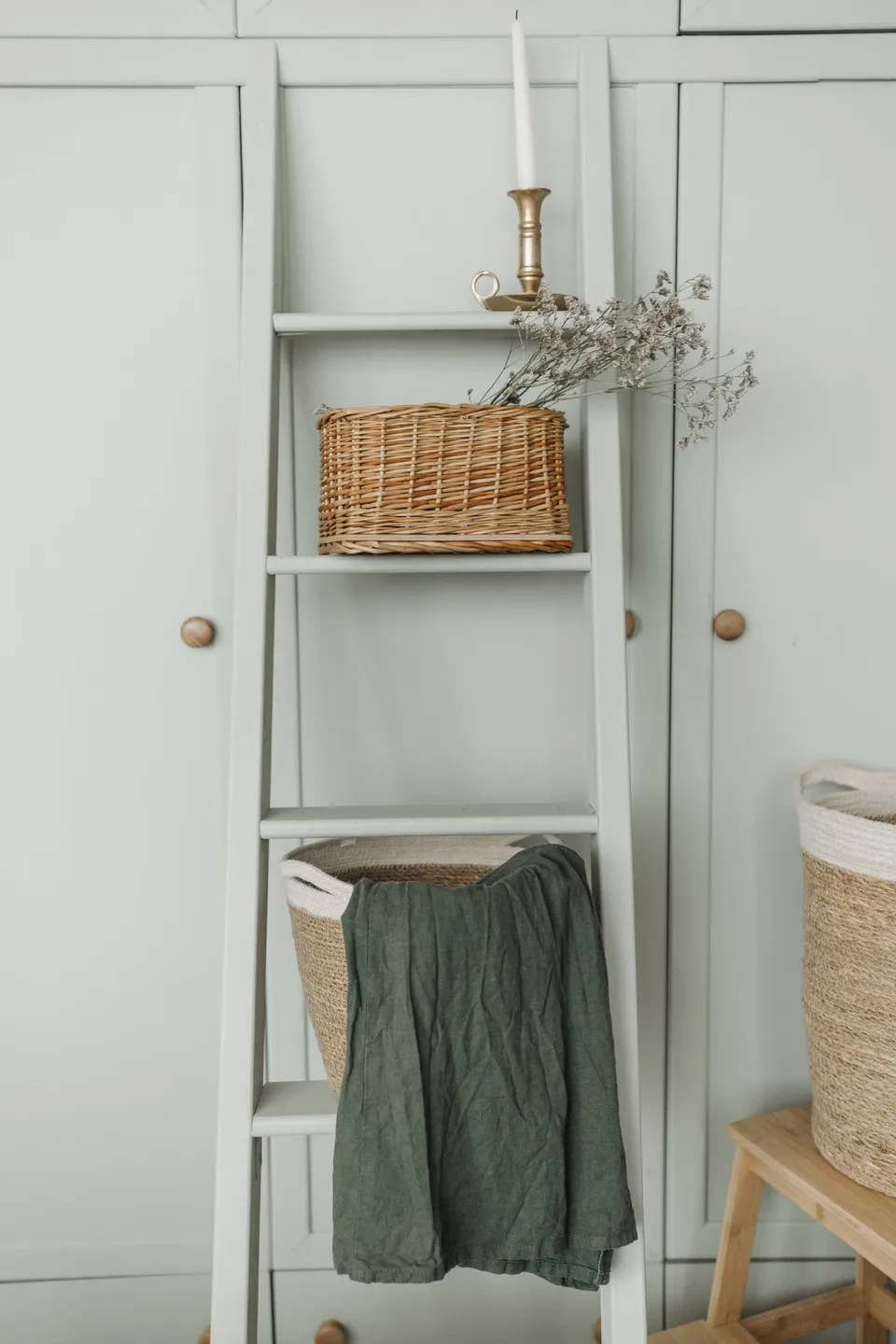
Credit: Pavel Danilyuk
Baskets hide the mess that entries collect while adding the texture farmhouse rooms need.
- Slide flat baskets under benches for shoes and boots.
- Use lidded baskets on shelves for hats and gloves.
- Label one basket per person in busy households.
- Choose seagrass or cotton rope for a soft, natural look.
Baskets work because they forgive imperfection, holding odd shapes without demanding perfect folding. Shake them out weekly and rotate contents with the seasons to keep them useful. When a basket frays or stains, replace it without guilt, since these pieces are meant to work hard. Woven texture also softens hard floors and painted walls, which is why baskets belong in nearly every farmhouse entry.
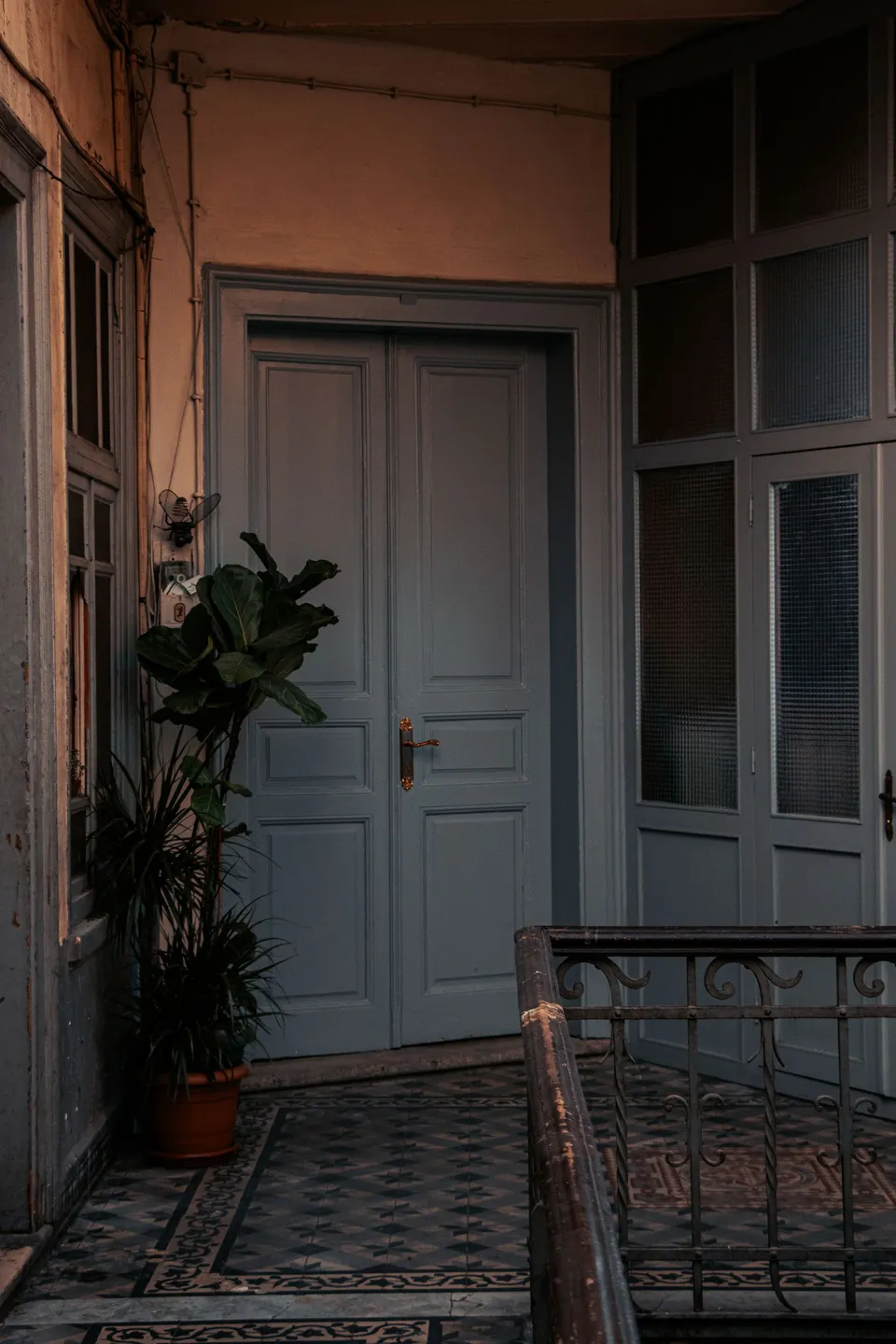
Greenery Soft Touches
Credit: asude
Quick Tip: Place greenery where it catches daylight but stays clear of the door swing, and water on a set day each week.
A trailing pothos on a shelf or a potted olive tree by the bench softens wood and shiplap without adding visual noise. Faux stems suit dark halls, while real plants reward bright entries with fresh growth. Keep pots light enough to move for sweeping, and wipe leaves monthly so the green stays vivid. Keep a small watering can nearby so the routine stays easy, and rotate pots monthly so growth stays even on all sides. Trailing stems look best when they spill from a high shelf, while floor plants anchor the bench end of the hall.
Cluttered To Calm

Credit: Satvinder Ghotra
BEFORE: A jumble of shoes, mail, and bags met every arrival, and the hall felt smaller than it was.
AFTER: Labeled baskets, a clear console top, and a rug that defines the drop zone.
The shift comes from assigning every category a container before buying anything new. Sort what actually lands in the entry over one week, then match baskets to those piles. Daily resets take two minutes once the system exists, and guests notice the calm immediately. Photograph the finished entry once the system is set, since the image makes it easy to quickly restore order after busy weeks.
Style Matching Steps
Credit: Max Vakhtbovych
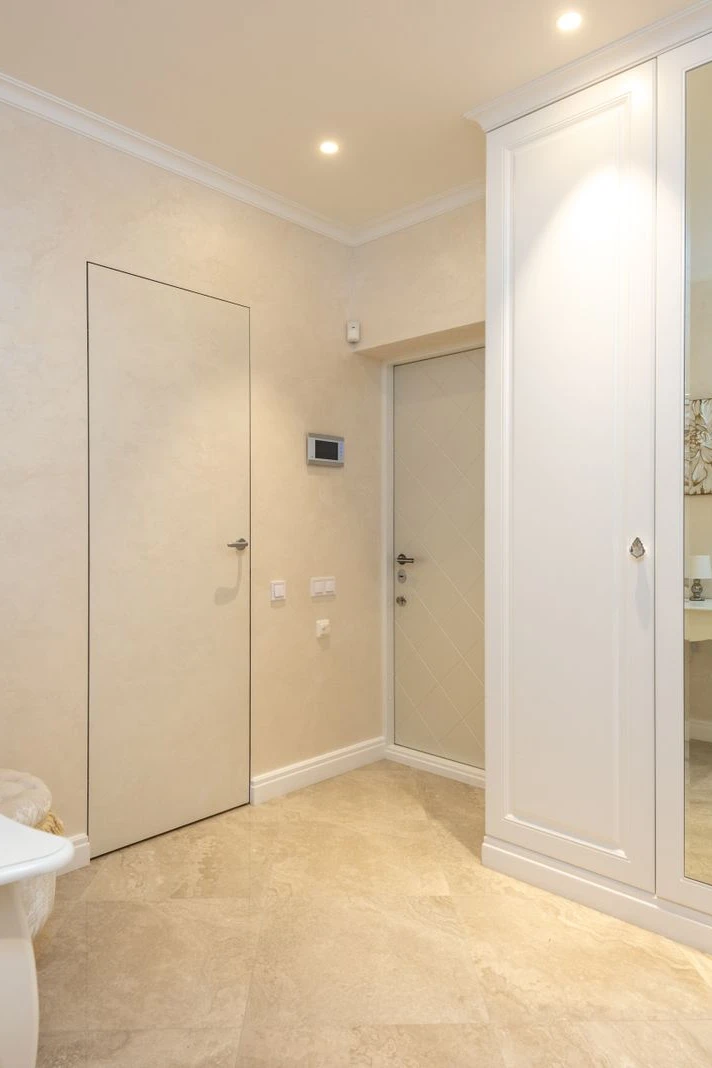
- List the finishes already in the entry, from floors to door hardware.
- Pick one wood tone and one metal to repeat throughout.
- Match new hooks, frames, and baskets to those two anchors.
- Step back and remove anything that fights the palette.
A tight palette is what makes modern farmhouse entryway decor feel collected rather than accidental, and the same restraint works in every room of the house. When wood tones and metals repeat, even mixed vintage pieces sit comfortably together. That’s why many experts recommend starting with what exists instead of buying a matching set. Photograph the entry in daylight before shopping, since the image reveals clashing finishes that the eye overlooks in person.
Rug Versus Runner

Credit: Obsolete Lense
| Feature | Area Rug | Runner |
|---|---|---|
| Coverage | Square foyers | Long halls |
| Cleaning | Shake out weekly | Machine washable |
| Fit | Under benches | Along the walkway |
| Feel | Soft and grounded | Guiding and tidy |
Rugs anchor the entry and catch grit before it travels further into the house. A runner suits long halls, while a square rug fits a square foyer. Choose washable fibers for muddy seasons, and layer a coir mat outside the door for the first line of defense. Leave a few inches of bare floor around the rug edges so the pattern reads clearly, and shake the rug outside weekly during muddy months.
Vintage Find Rules
Credit: Nasharet
Do:
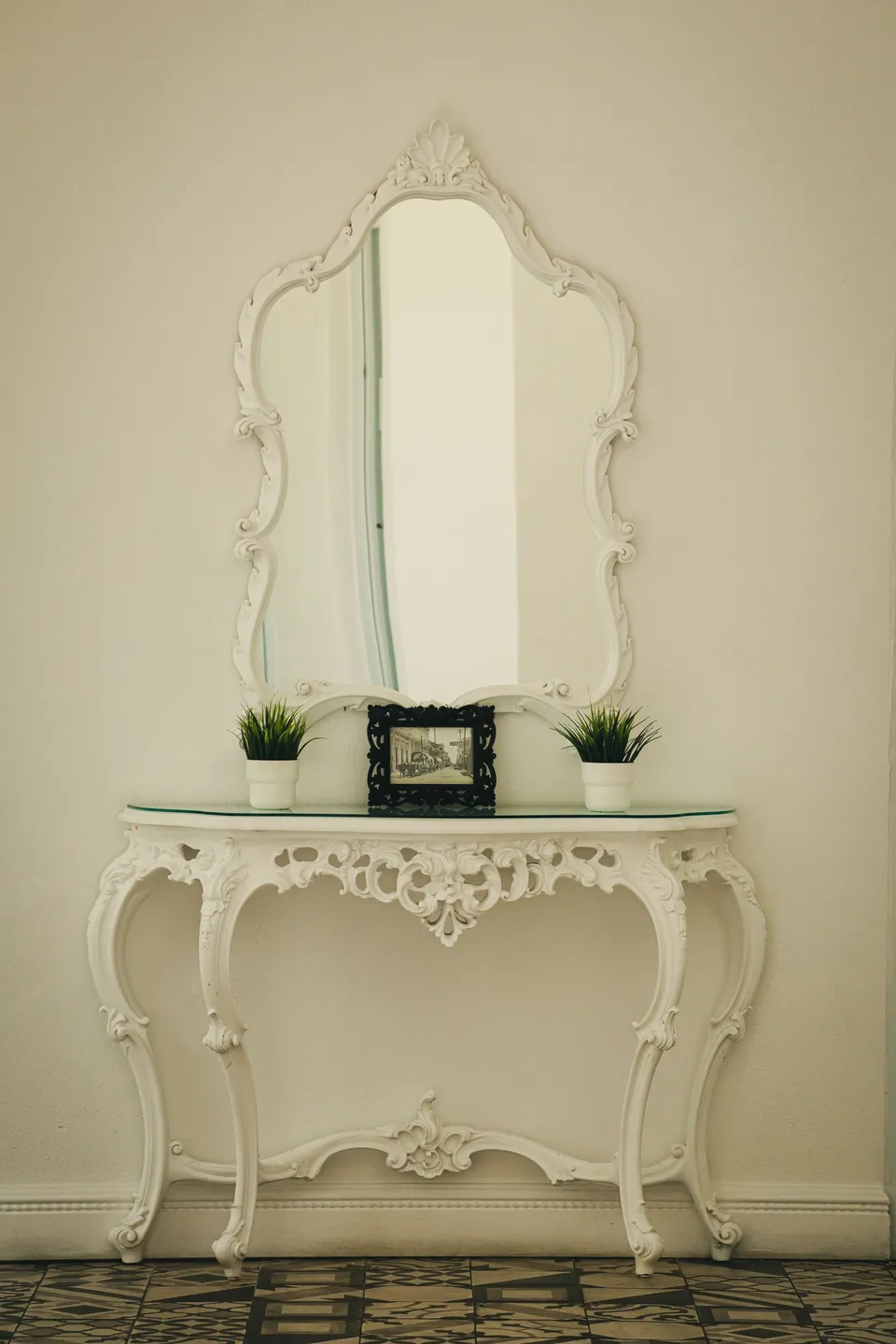
- Do check thrift shops for solid wood benches and mirrors.
- Do test vintage pieces for wobble before bringing them home.
- Do mix one antique with newer storage for balance.
Don’t:
- Don’t buy painted pieces with chipped paint or damaged joints.
- Don’t let a single large find crowd the walkway.
- Don’t refinish every vintage piece; patina adds character.
Vintage finds give an entry history that new furniture cannot fake, but condition matters more than age. Tighten joints, clean brass gently, and leave honest wear where it tells a story. One strong antique per entry is plenty, since the room still has to work hard daily.
Budget Farmhouse Facts

Credit: Beyza Kılıçdere
Cost: Thrifted benches and mirrors often cost under fifty dollars each.
Time: A thrifting trip plus an afternoon of cleaning and styling.
Skill Level: Beginner, with basic tightening and cleaning only.
Best For: Budget refreshes and homes that favor character over matching sets.
Farmhouse style rewards patience more than spending, since the best pieces surface slowly. Check thrift shops monthly, measure before buying, and keep a running list of missing pieces. The entry grows richer over time when each addition earns its place. Save the largest share of the budget for the bench, since that piece takes daily weight and wear from bags and boots.
Cozy Corner Seating
Credit: Max Vakhtbovych
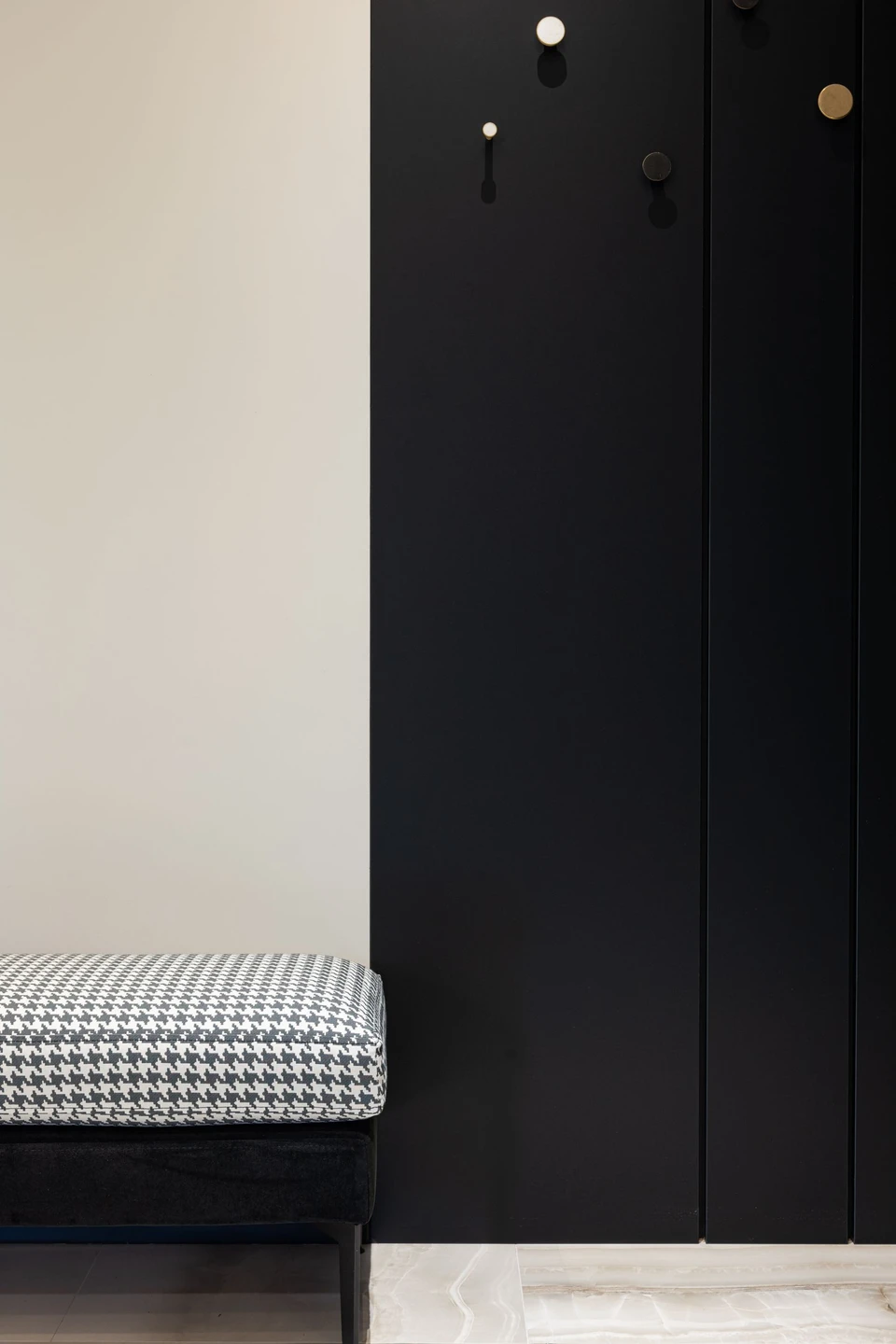
A small chair or cushioned stool gives the entry a place to pause, which changes how the whole hall feels. Tuck it beside the console or under a window, and add a cushion in a washable cover for muddy days. The seat also serves as a perch for lacing boots, so it earns its footprint daily.
Keep the chair light enough to move for sweeping, and skip arms that snag coats passing by. A woven throw draped over the back adds softness without demanding storage space. In tight entries, a folding stool hung on a hook works just as well as a full chair.
Seasonal Swap Ideas

Credit: Nati
Seasonal swaps keep the entry feeling fresh without a full redecorate each quarter.
- Swap stems and wreaths with the seasons, from eucalyptus to pine.
- Rotate rug colors from light linen tones to deeper plaids.
- Change basket liners and cushion covers for instant warmth.
- Add candles or lanterns when evenings grow longer.
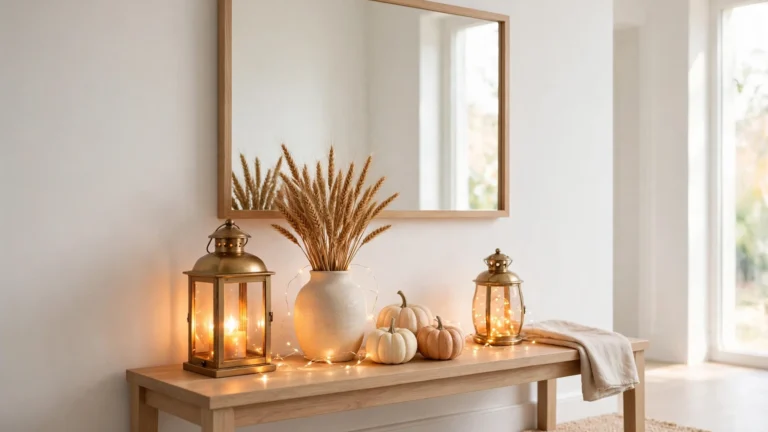
Small changes carry the whole room because the entry is seen briefly and often. Store off-season pieces in one labeled bin near the door so swaps take minutes. The bones stay constant while color and scent shift, which keeps the welcome feeling new. A single storage bin for off-season stems and covers keeps swaps quick, and labeling the bin avoids digging through boxes each quarter.
Small Entry Tricks
Credit: Aekchai Pongvitayapanu
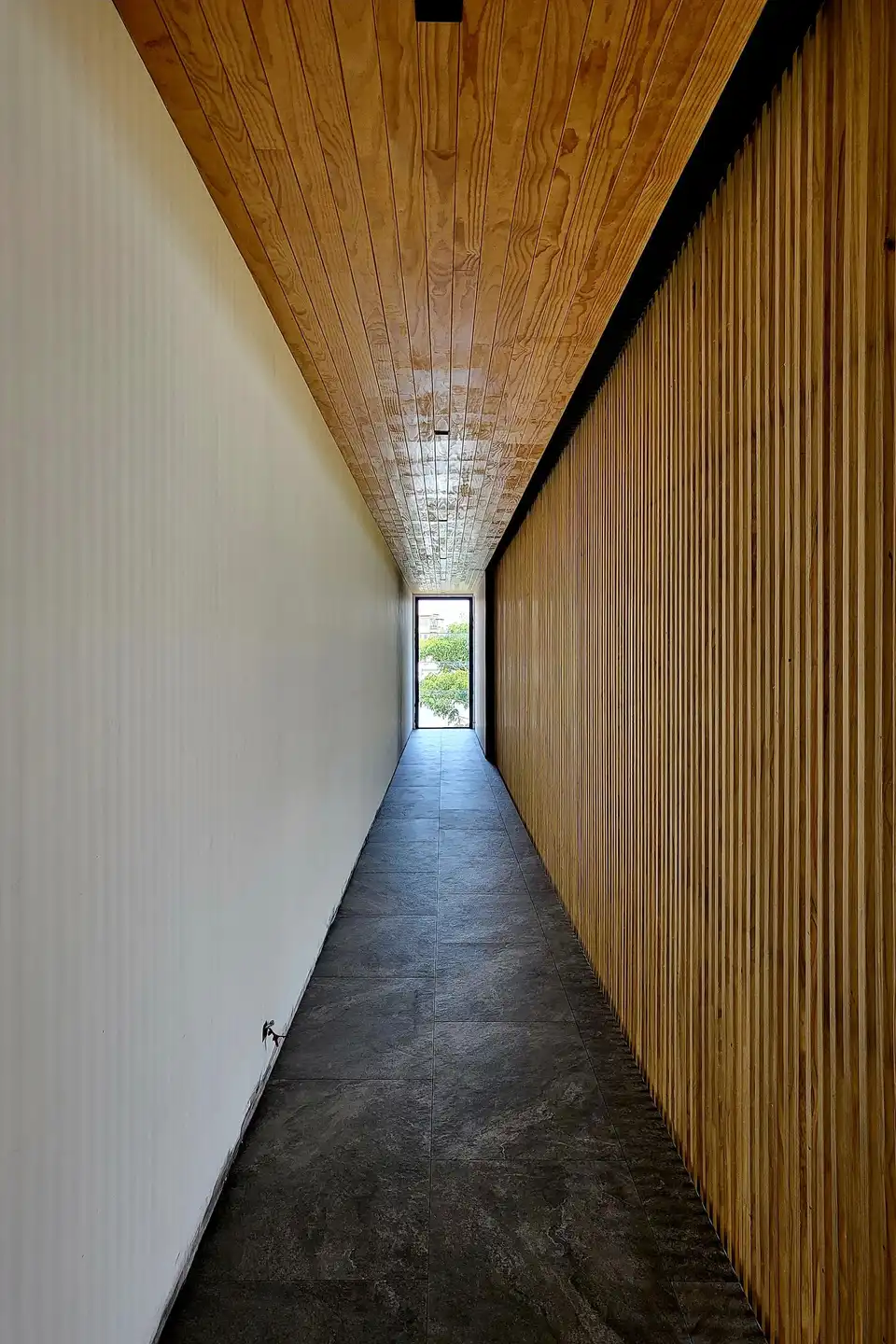
Quick Tip: Measure the narrowest point of the entry before buying, then subtract two inches for comfortable passage.
Tight entries punish oversized furniture, so slim consoles and wall-mounted hooks beat deep benches. Mirrors and light paint stretch the space visually, while vertical storage draws the eye upward. The same honest wood tones that ground larger rooms work here too, and natural wood home decor ideas show how warm timber softens even the smallest hall. Keep floors clear and let one strong piece lead. A slim wall shelf above the hooks holds sunglasses and mail without stealing floor space, which matters most in narrow halls.
Dated To Dreamy
Credit: Curtis Adams
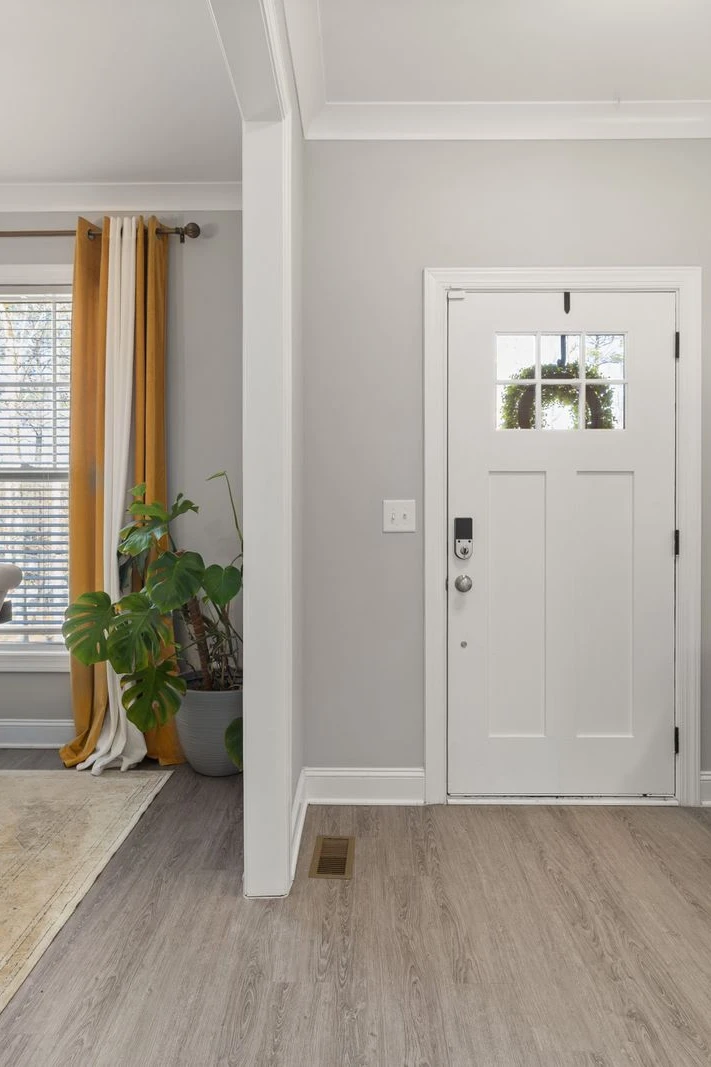
BEFORE: Builder-grade walls, a hollow door, and no storage left the entry feeling unfinished.
AFTER: Shiplap, a wood bench, warm sconces, and baskets that hide daily clutter.
Paint and freestanding pieces do most of the work, so renters can reach the same result without construction. Swap the light fixture for a warm sconce, lean a mirror instead of hanging one, and roll out a washable rug. The room reads as intentional the moment storage and light have a plan. Keep the palette to warm whites and one wood tone during the refresh, since restraint makes a small entry feel larger and calmer.
Refresh Seasonally Steps
Credit: Curtis Adams
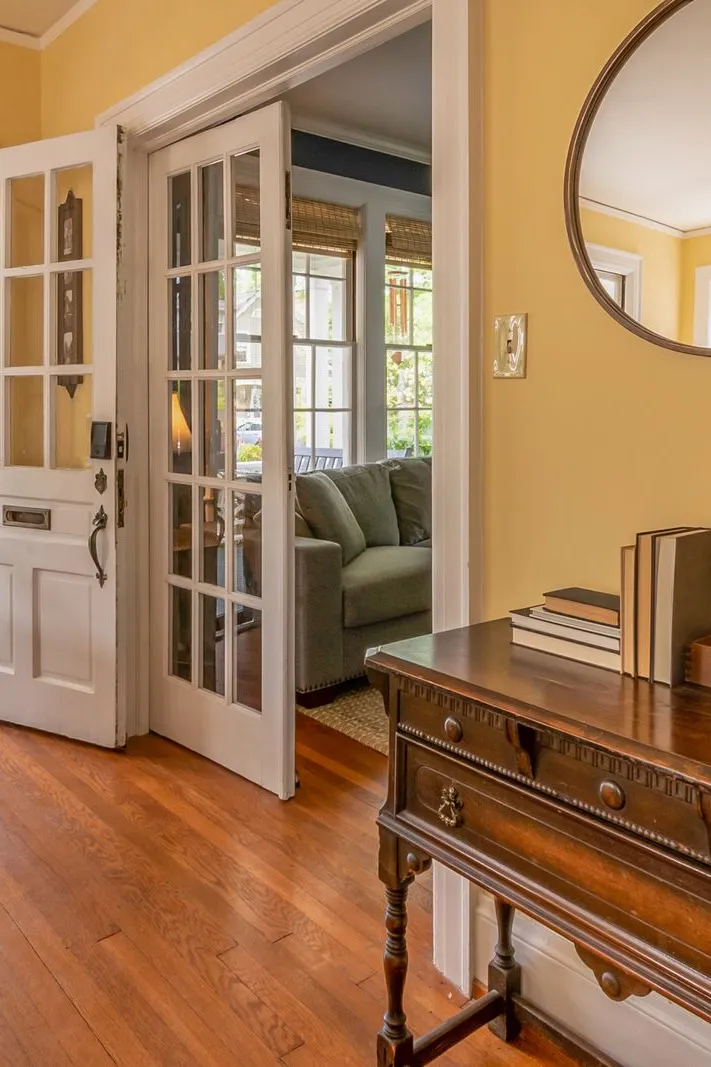
- Pull out anything that has not been used in a month.
- Wipe hooks, shelves, and mirror glass clean.
- Rotate in fresh stems and a clean rug.
- Check baskets for broken handles or fraying.
- Return only pieces that serve the season ahead.
A seasonal reset takes under an hour and prevents the slow creep of clutter. Work through the entry with a donation bag in hand, and be honest about what still earns space. The room stays welcoming when every object has a reason to be there. Finish by opening the front door and viewing the entry as a guest would, since that first glance reveals what still needs attention.
Matte Versus Gloss

Credit: April Miyako
| Feature | Matte Finish | Gloss Finish |
|---|---|---|
| Light | Soft and muted | Bright and reflective |
| Cleaning | Hides fingerprints | Wipes clean fast |
| Feel | Calm and chalky | Crisp and polished |
| Best For | Busy family entries | Small bright halls |
Matte finishes hide fingerprints and scuffs, which suits busy family entries. Gloss reflects light and wipes clean, but shows every mark in bright halls. Mix the two deliberately, with matte on large surfaces and gloss on small accents, for depth without visual noise. Test paint swatches on the actual furniture piece rather than on paper, since light in the entry shifts how each finish reads throughout the day.
Mixing Metal Rules
Credit: Optical Chemist
Do:
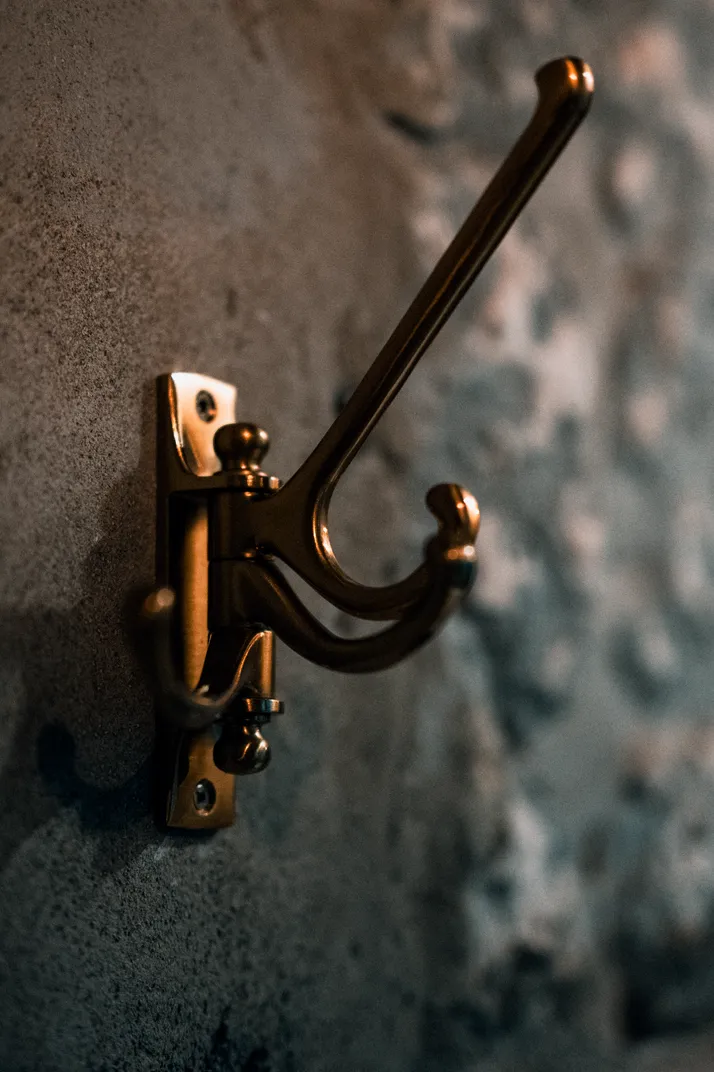
- Do repeat one metal across hooks, frames, and lighting.
- Do warm cool metals with wood and woven texture.
- Do test finishes together in daylight before committing.
Don’t:
- Don’t combine brass, chrome, and black in one small entry.
- Don’t let shiny fixtures fight a soft farmhouse palette.
- Don’t ignore door hardware when choosing new finishes.
Mixed metals work when one finish clearly leads and the second plays a quiet supporting role. Black hooks with brass lighting feels intentional, while three competing finishes feel accidental. Stand in the doorway and scan the whole entry, since that first view reveals what clashes.
Conclusion
An entry that welcomes well asks little of its owners: a bench, hooks, light, and a place for everything. Start with one change this weekend, whether a mirror, a rug, or a row of hooks, and let the room grow from there. The beauty of modern farmhouse entryway decor lies in its patience, gathering warmth piece by piece instead of demanding a full overhaul. Save this guide to Pinterest for your next refresh, and return whenever the seasons change. Your front hall will thank you every time the door opens.