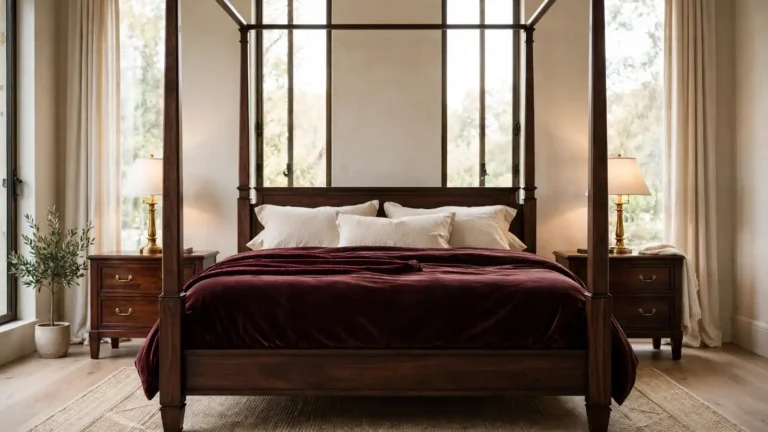
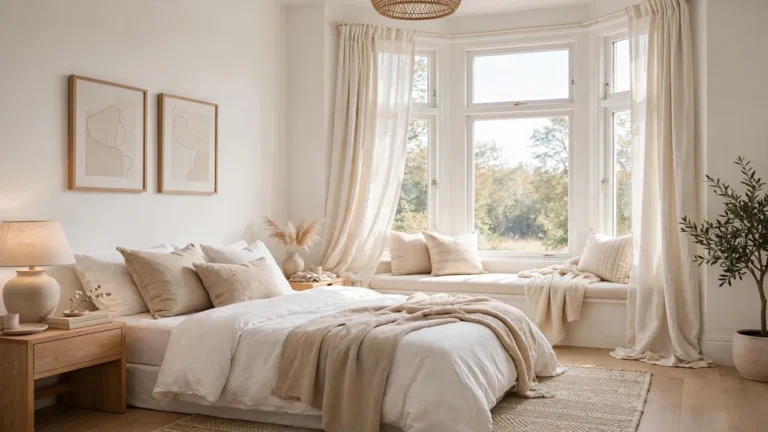
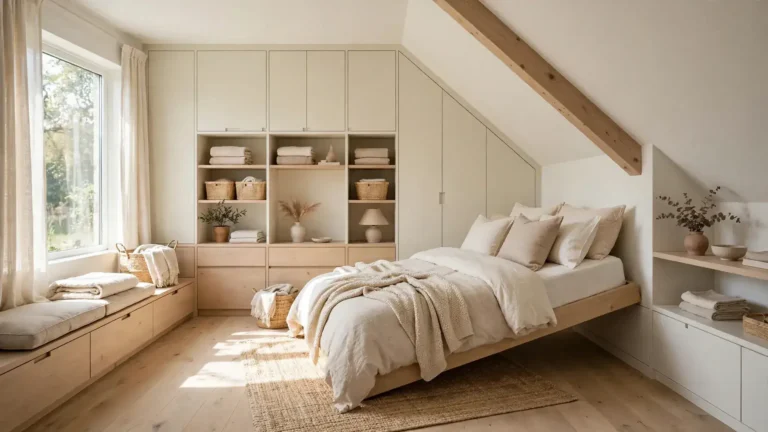
25 Upholstered Headboard Bedroom Ideas for Luxe Comfort
A bedroom feels finished when the bed itself looks inviting, and upholstered headboard bedroom ideas give that feeling a soft, tailored shape. Padded panels, velvet pile, and linen texture turn a plain wall into a backdrop worth waking up to, and the whole room suddenly feels calmer, warmer, and more considered.
Soft headboards also pair beautifully with natural textures elsewhere in the home, much like the wood slat wall living room ideas that bring warmth to a sitting room. Here, twenty-five padded styles show how fabric, height, and shape can change a bedroom, from low linen panels to tall velvet wings, so the bed becomes the room’s true centrepiece.
Tufted Velvet Headboards

Credit: edithub pro
A tufted velvet headboard turns an ordinary bed into the room’s quiet showpiece the moment you walk in. Deep buttons catch the light, soft pile invites a hand to linger, and the whole bed suddenly looks dressed for a special occasion rather than simply made.
Pair it with crisp white sheets and a single textured throw so the velvet stays the star. In my experience, a deep emerald or dusty blush velvet warms a neutral room without shouting, and a tall tufted panel makes a small bedroom feel grand rather than cramped. Keep bedside lamps low and warm, and the whole corner glows like a boutique hotel suite you get to sleep in every night.
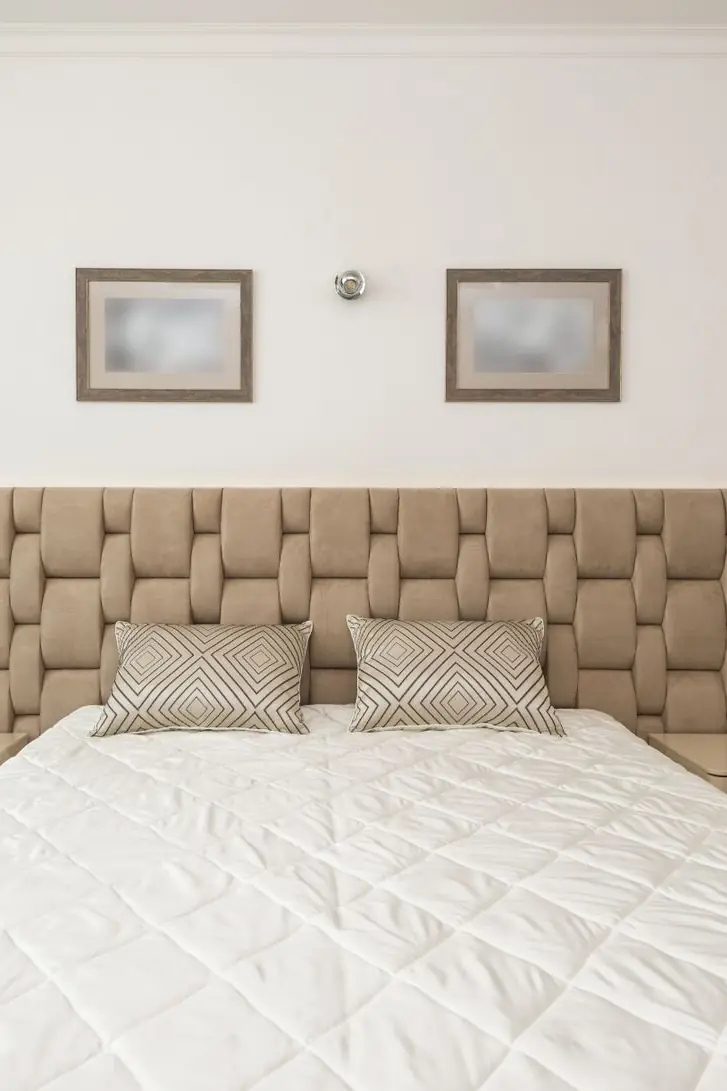
Linen Slipcover Headboards
Credit: Max Vakhtbovych
- Choose a washable linen slipcover for easy care.
- Match the headboard tone to curtains or bedding.
- Keep the frame slim so small rooms stay airy.
- Add two Euro pillows to soften the straight top edge.
- Steam the cover after washing to smooth wrinkles.
- Layer a folded throw across the foot to echo the linen tone.
Slipcovered linen suits relaxed bedrooms because the fabric can be removed, washed, and refreshed whenever life leaves a mark. I’ve noticed pale oatmeal and soft ivory hide dust better than stark white, and a slightly loose fit looks intentional rather than sloppy when the rest of the bedding stays crisp.
Channel Tufted Elegance

Credit: Wilcle Nunes
Quick Tip: Test fabric swatches against the bedroom wall in both daylight and lamplight before ordering, since channel stitching can look flat or rich depending on the light.
Vertical channels draw the eye upward, which helps a low ceiling feel taller and a narrow room feel less boxed in. Pair the channels with plain bedding so the stitching reads clearly, and choose a mid-tone fabric that holds its colour under warm bulbs. That’s why many experts recommend sampling three shades before committing to one. A slim bench at the foot keeps the tall lines in proportion. Keep wall art minimal above the channels so the texture stays the focus.
Tall Wingback Headboards

Credit: Max Vakhtbovych
BEFORE: The bed stood against a bare painted wall with a thin metal frame, and the whole corner felt cold and unfinished no matter how neatly the bedding was arranged.
AFTER: A tall wingback panel in warm taupe now frames the pillows, softens the wall, and gives the room a sheltered, cocooned feeling that makes bedtime genuinely inviting.
Wingback sides work hardest in rooms with drafts or hard corners, because the padded wings block chilly air and soften sharp edges at once. I’ve seen this work well in many cases where a simple flat panel felt too plain, and the extra height also makes reading in bed far more comfortable.
Button Tufted Classics

Credit: Elizabeth Tamara
- Measure the wall width and mark the centre point.
- Choose a button depth that matches the mattress thickness.
- Fix a sturdy French cleat to wall studs.
- Hang the panel level, then dress the bed.
Button depth matters more than most shoppers expect, because shallow buttons disappear under pillows while deep ones gather dust and demand regular vacuuming. A medium depth suits most bedrooms, and a quick weekly pass with an upholstery brush keeps the tufts looking crisp. I’ve noticed darker fabrics forgive dust far better than pale ones, so households with pets often lean toward charcoal, navy, or forest tones that still read as classic.
Velvet Versus Linen
Credit: Raphael Loquellano
| Feature | Velvet | Linen |
|---|---|---|
| Feel | Plush and rich | Light and relaxed |
| Care | Brush weekly | Machine wash cover |
| Cost | Higher | Moderate |
| Best for | Glam bedrooms | Casual bedrooms |
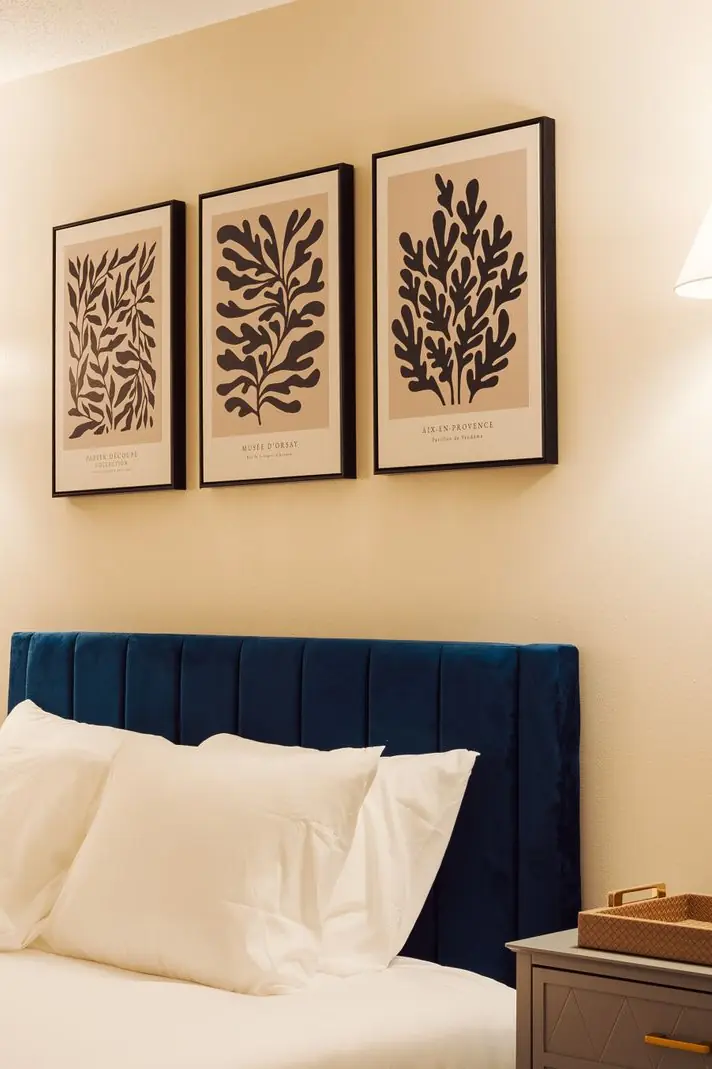
Velvet rewards bedrooms that stay fairly still, since the pile shows every dent from a leaning cushion, while linen forgives daily use and actually looks better slightly rumpled. Budget also pulls the choice in different directions, because a good velvet panel costs more upfront but lasts for years, whereas a linen slipcover costs less and can be replaced when tastes change. I’ve noticed renters usually pick linen for flexibility, while homeowners settling in for the long term often invest in velvet.
Headboard Styling Rules

Credit: Anna Zanovelli Bacci
- Do: Measure the wall before ordering a tall panel.
- Do: Test fabric swatches in bedroom light.
- Do: Anchor the panel to wall studs.
- Don’t: Pick a panel wider than the bed frame.
- Don’t: Ignore pillow height when choosing panel height.
- Don’t: Use harsh cleaners on velvet pile.
These small checks prevent the most common regrets, because a panel that is too wide crowds bedside tables and one that is too short leaves pillows flopping over the top edge. Stud anchoring matters most for tall panels, which can lean forward over time if they rely on the bed frame alone. A few minutes with a tape measure and a stud finder saves a wobbly result.
Upholstered Headboard Facts
Credit: aju.bee
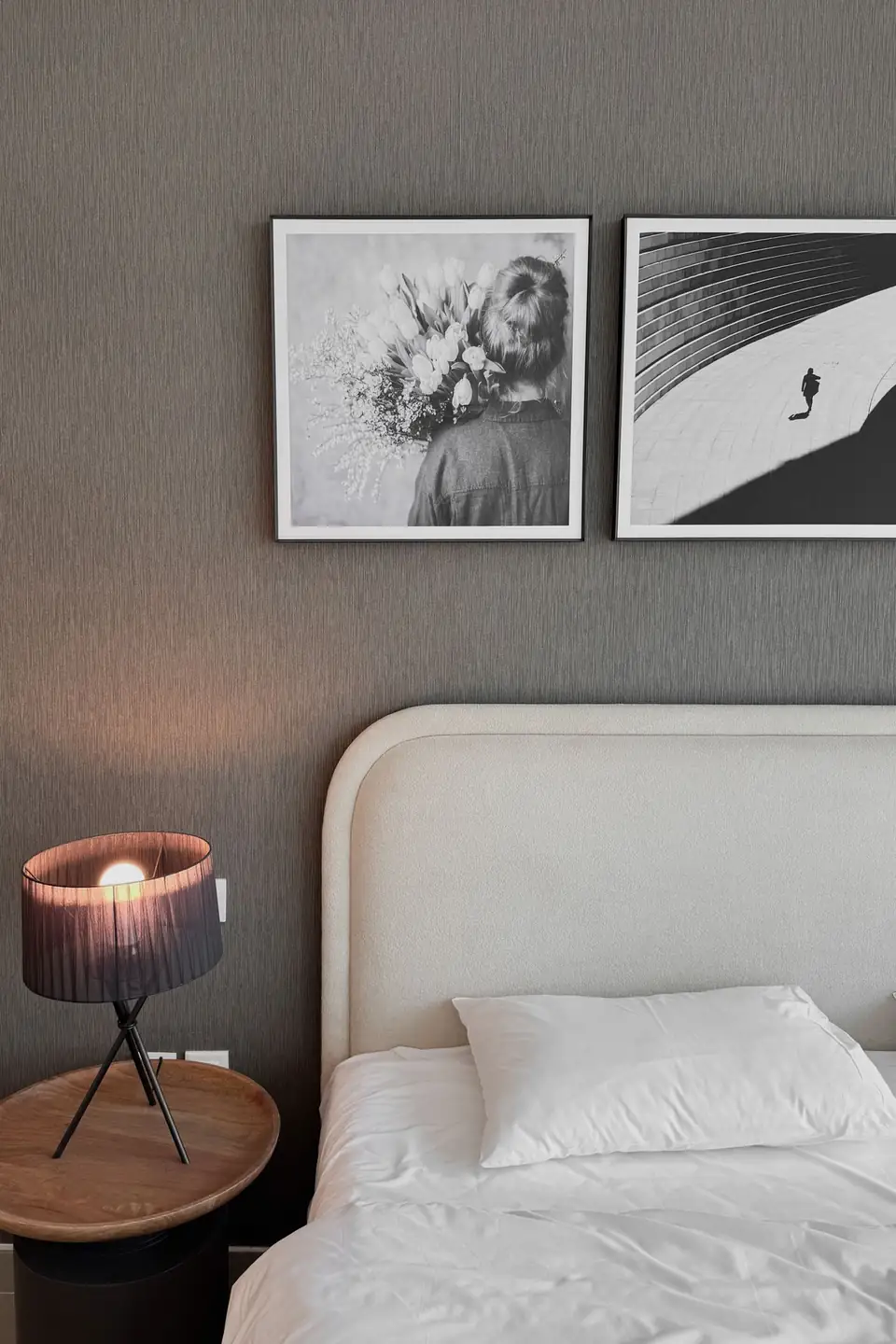
Cost: Slipcovered linen panels often start lower than custom velvet.
Time: Most panels hang in under an hour.
Skill Level: Beginner friendly with basic tools.
Best For: Renters and frequent redecorators.
Slipcovered panels suit people who change their minds, because a fresh cover costs far less than a new panel and takes minutes to swap. Pale linen brightens a dark room, while deeper shades ground a bright one, and both wash well when the cover unzips fully. I’ve noticed bedrooms with washable covers stay fresher longer, especially in homes with children or pets, since spills stop being a crisis and start being a laundry day.
Curved Boucle Headboards

Credit: AJ Ahamad
A curved boucle headboard softens every straight line in the bedroom, from the bed frame to the nightstands, and the nubby texture begs to be touched. Cream boucle glows against warm white walls, and the gentle arch keeps the room feeling calm rather than fussy.
Keep the rest of the bedding simple so the curve stays visible, with plain pillowcases and a light throw folded at the foot. In my experience, boucle pairs best with wood tones and soft metals, which warm the pale fabric without competing for attention. The result feels like a quiet boutique corner, soft under lamplight and restful at first light.
Nailhead Trim Details
Credit: Flo Dahm
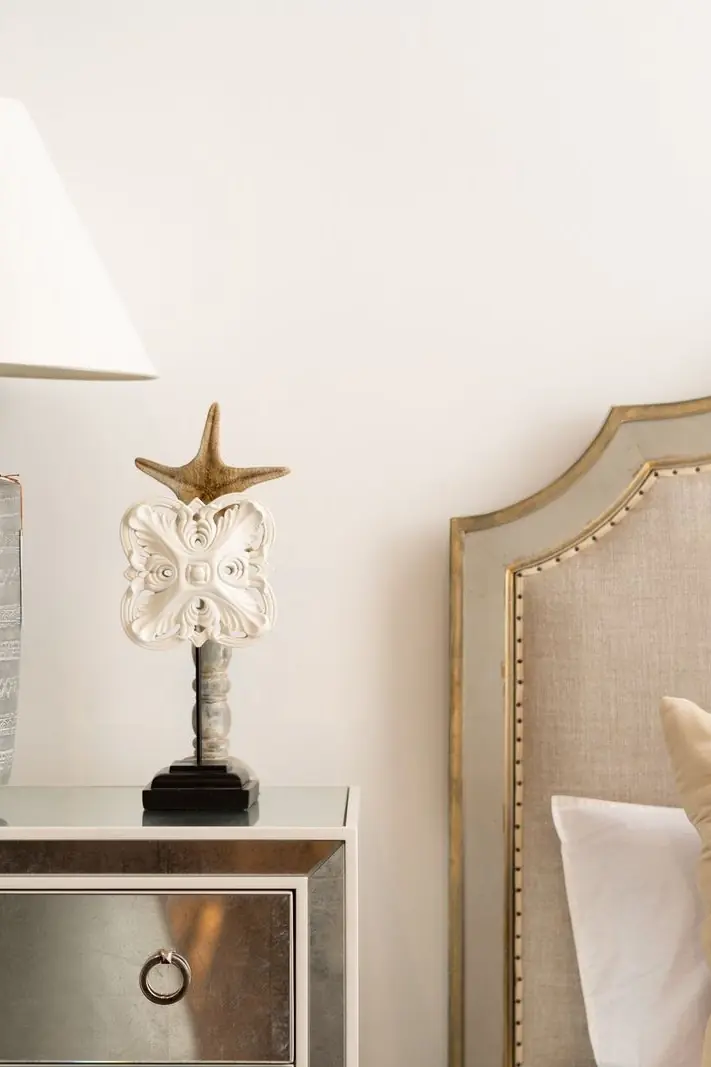
- Choose brass or pewter studs to match existing hardware.
- Space studs evenly along the outer edge.
- Keep studs off the pillow zone to avoid snags.
- Test one stud on a hidden corner first.
Nailhead trim adds a tailored edge without changing the whole panel, which makes it a smart update for a headboard that already fits the room. A single row reads classic, while a double row leans glamorous, and matching the metal to lamps or drawer pulls ties the whole bedroom together. I’ve noticed brushed finishes hide fingerprints better than polished ones, a small detail that keeps the trim looking sharp between cleanings.
Low Profile Comfort

Credit: Max Vakhtbovych
Quick Tip: A low headboard suits rooms with artwork above the bed, since it leaves wall space for frames without crowding the pillows.
Low panels also help small bedrooms breathe, because the eye travels past the bed to the wall instead of stopping at a tall block of fabric. Pair a low panel with tall bedside lamps to restore balance, and let the bedding carry the colour. In my experience, a low linen panel with plump pillows looks generous rather than small, especially when the throw matches the rug tone. Keep the wall above plain or hang one wide frame for a calm finish.
Plain Wall To Plush
Credit: Lisa Anna
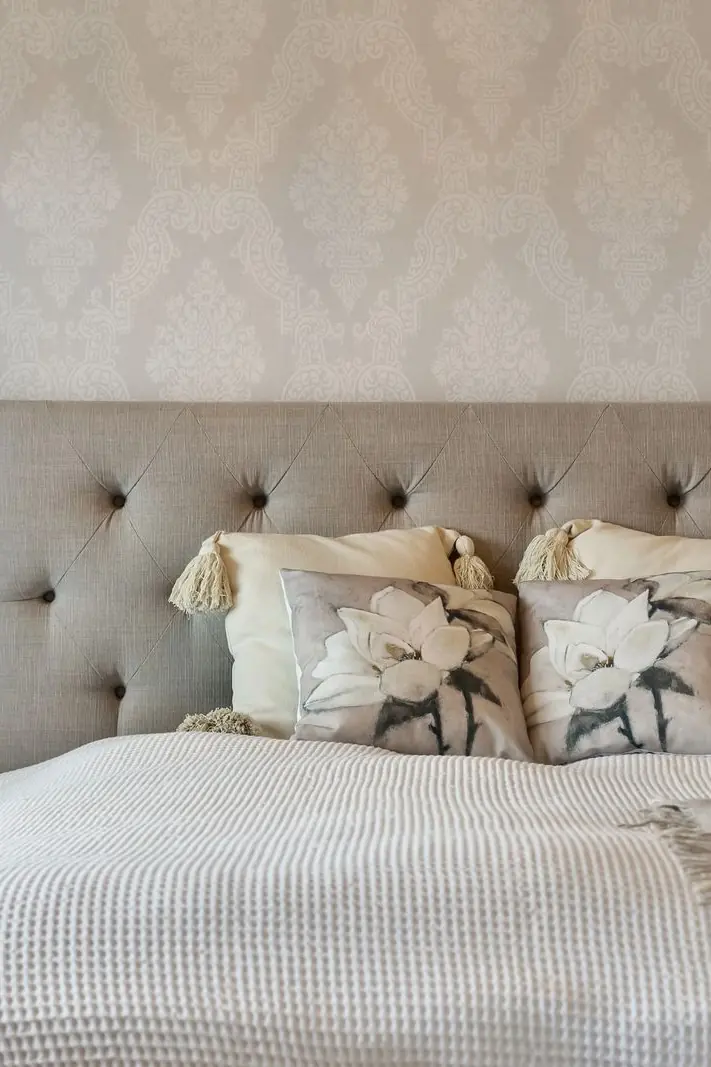
BEFORE: The bedroom wall stood empty above a low wooden frame, and the bed looked temporary even with fresh sheets and folded throws.
AFTER: A wide upholstered panel now anchors the bed, the pillows sit upright without slipping, and the room finally reads as a finished, restful retreat.
Many upholstered headboard bedroom ideas start with exactly this kind of simple change, where one padded panel replaces a bare wall and the whole room lifts. Measure twice so the panel spans the full bed width, and the result looks custom rather than improvised. Add matching cushion covers to tie the new panel into the existing bedding scheme.
Layering Bedding Steps

Credit: Martin Lang
- Start with clean, pressed pillowcases as the base.
- Add sleeping pillows flat against the panel.
- Layer Euro squares in front of the sleepers.
- Finish with a small lumbar cushion and a folded throw.
Layering in this order keeps the headboard visible, which matters when the panel itself carries the pattern or texture. Sleepers stay hidden behind the display pillows during the day, then come forward at night without remaking the whole bed. I’ve noticed this routine also protects the panel fabric, since display pillows take the daylight fading instead of the upholstery. Shake out the display pillows weekly so they keep their shape.
Fabric Versus Leather

Credit: Yelena from Pexels
| Feature | Fabric Panel | Leather Panel |
|---|---|---|
| Feel | Soft and warm | Smooth and cool |
| Care | Vacuum and spot clean | Wipe with damp cloth |
| Ageing | Softens with use | Develops rich patina |
| Cost | Usually lower | Usually higher |
Fabric panels invite leaning back with a book, while leather suits sleepers who like a cool, wipe-clean surface and a sharper silhouette. Households with pets often prefer leather for claw resistance, though good fabric with a tight weave holds up well too. I’ve noticed the deciding factor is usually climate, since leather feels cold in winter bedrooms and fabric feels heavy in humid ones. Test both materials in store before ordering online.
Headboard Care Rules
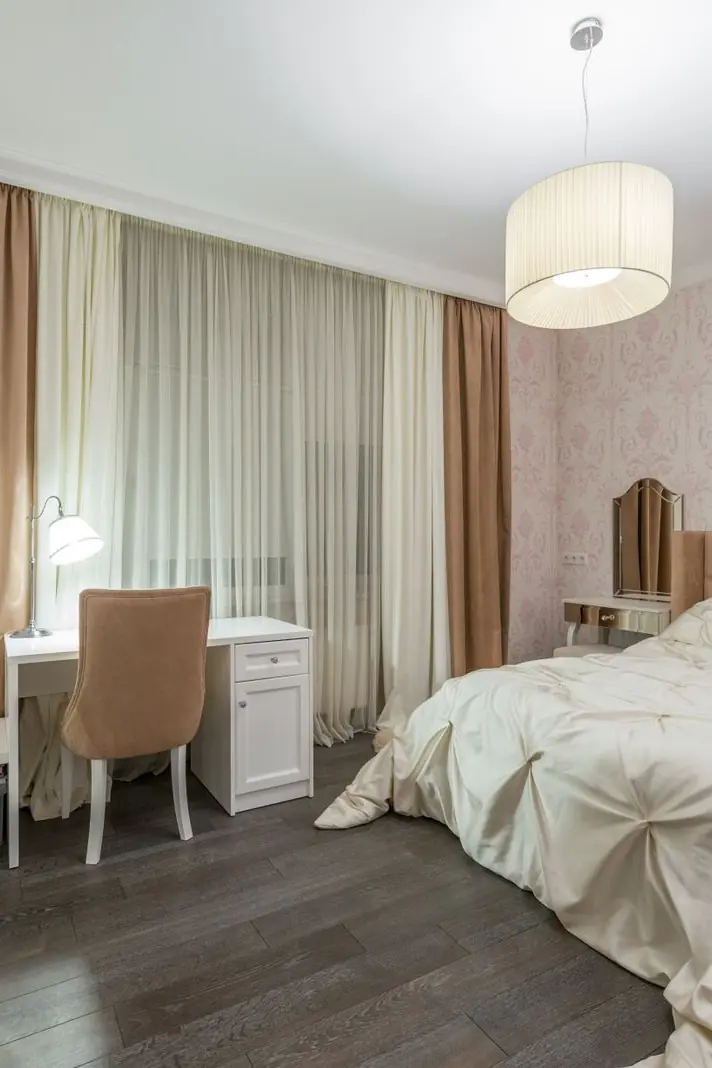
Credit: Max Vakhtbovych
- Do: Vacuum the panel weekly with an upholstery brush.
- Do: Blot spills at once instead of rubbing.
- Do: Rotate display pillows to even out fading.
- Don’t: Soak the padding with liquid cleaners.
- Don’t: Place the panel in direct harsh sunlight.
- Don’t: Use bleach on coloured fabrics.
Gentle care keeps padding plump and fabric fresh for years, and the same calm, neutral approach suits the rest of the room too, much like the neutral living room furniture ideas that favour soft tones over loud ones. A yearly professional clean revives tired panels, while daily habits do the quiet work in between.
Budget Luxe Facts
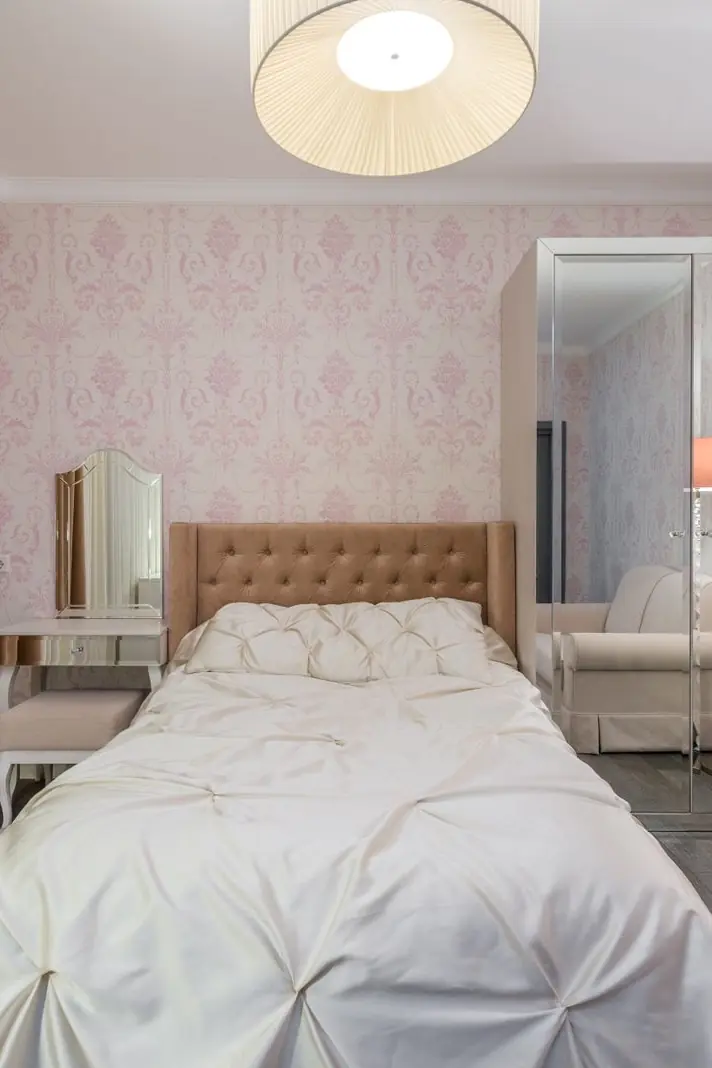
Credit: Max Vakhtbovych
Cost: Ready-made panels cost far less than bespoke ones.
Time: A panel swap takes under an hour.
Skill Level: Beginner friendly with two people.
Best For: Small bedrooms needing instant polish.
Budget panels prove that luxe is a look, not a price tag, because clean lines and good fabric matter more than a famous label. Check the frame underneath before buying, since a sturdy wooden base outlasts a flimsy one by years. I’ve noticed the best bargains pair a simple panel with rich bedding, which lifts the whole bed for the cost of new pillowcases. Shop end-of-line fabrics for the deepest discounts.
Arched Upholstered Headboards

Credit: Max Vakhtbovych
An arched panel softens a boxy bedroom in one move, because the curve breaks up flat walls and draws the eye gently upward. Pale linen arches suit cottage rooms, while tall velvet arches lend a boutique hotel mood to plainer spaces.
Keep side tables low so the arch stays the tallest shape in the room, and echo the curve with a round mirror or arched lamp shade. In my experience, one repeated curve is enough, and a second arch elsewhere in the room can tip the look from graceful into themed. Let the bedding stay plain so the shape speaks first.
Patterned Fabric Headboards

Credit: Lee Salem
- Pick one pattern scale and repeat it sparingly.
- Balance bold prints with plain bedding.
- Match the pattern’s background to the wall tone.
- Keep curtains plain when the headboard is patterned.
Patterned panels reward restraint everywhere else, because the headboard already supplies the room’s visual energy. A floral or geometric print pairs best with solid pillowcases and a single accent cushion pulled from the print itself. I’ve noticed the calmest patterned bedrooms share one trick, which is letting the wall behind stay quiet so the print reads as art rather than noise. Step back from the doorway to judge the balance.
Seasonal Bedding Refresh

Credit: Marion Batteur
Quick Tip: Swap pillowcases and throws with the seasons to refresh the bed without replacing the headboard itself.
Crisp cotton suits warm months, while brushed flannel and chunky knits warm the bed through winter, and the headboard anchors both looks without effort. Store off-season bedding in breathable bags so it stays fresh, and wash throws before the first cold night. In my experience, this small ritual makes the bedroom feel new four times a year for the cost of a laundry load. Keep one spare set ready so swaps never wait for wash day. A single autumn cushion can shift the whole palette.
Dated To Dreamy
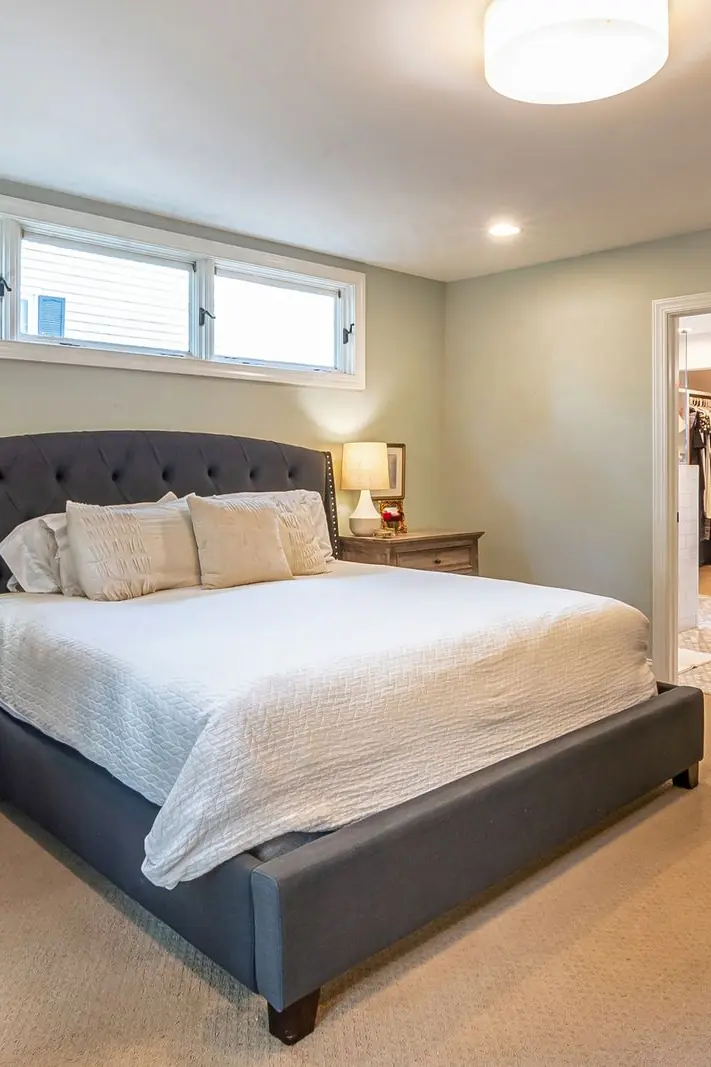
Credit: Curtis Adams
BEFORE: The old wooden slats rattled at night, the pillows slid down by morning, and the bedroom felt dated despite new paint and curtains.
AFTER: A padded panel now holds every pillow upright, silences the rattling frame, and turns the bed into the calm centre of the room.
This swap suits renters too, because a freestanding panel leans against the wall without drilling and moves easily to the next home. I’ve seen this work well in many cases where landlords refused wall fixings, and the padded panel still changed the room overnight. Add felt pads behind the panel to protect the paint.
Styling Steps Guide

Credit: Max Vakhtbovych
- Stand the panel against the wall and check the height.
- Mark stud positions with painter’s tape.
- Fix brackets level across both studs.
- Lift the panel onto the brackets and test for wobble.
Two people make this job far safer, since padded panels are bulky and awkward to hold level while marking holes. A spirit level matters more than speed here, because a tilted panel shows against every straight line in the room. I’ve noticed the most common mistake is skipping the stud finder, which leaves heavy panels hanging on plaster that eventually gives way. Tighten all fixings once more after a week.
Tall Versus Low Headboards

Credit: Max Vakhtbovych
| Feature | Tall Panel | Low Panel |
|---|---|---|
| Height | Above pillows | Level with pillows |
| Feel | Grand and cocooning | Light and open |
| Rooms | Large bedrooms | Small bedrooms |
| Care | Harder to move | Easy to lift |
Tall panels suit rooms with high ceilings and generous floor space, because their height needs air around it to avoid looming over the bed. Low panels suit cosy rooms, since they leave wall space for art and keep sightlines open. I’ve noticed couples often compromise with a mid-height panel, which supports reading while still showing a framed print above. Measure pillow height before deciding, since pillows set the minimum useful height.
Luxe Layering Rules
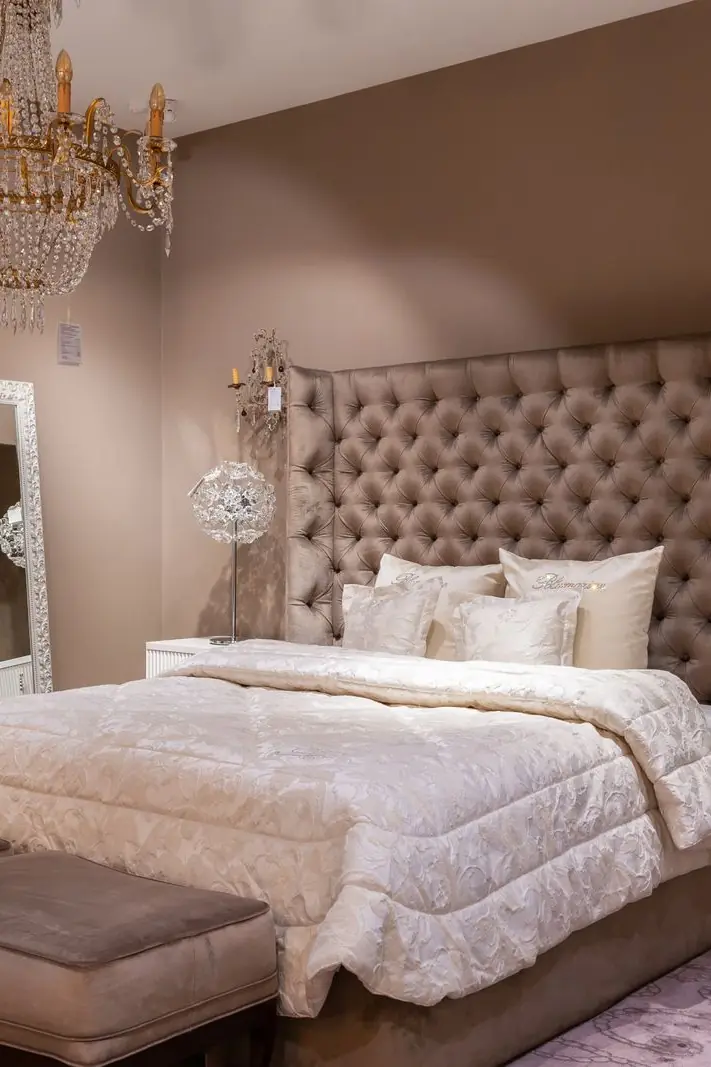
Credit: Max Vakhtbovych
- Do: Layer textures rather than matching everything exactly.
- Do: Repeat one accent colour in cushions and art.
- Do: Leave breathing space around the headboard edges.
- Don’t: Crowd the bed with too many cushions.
- Don’t: Mix more than two strong patterns.
- Don’t: Hide a beautiful panel behind tall pillows.
Restraint lets the headboard lead, while a few repeated touches keep the room feeling deliberate rather than random. I’ve noticed the most inviting bedrooms share this balance, with texture doing the talking and colour playing a supporting role. Step back often while styling, since the doorway view reveals clutter that close-up arranging hides.
Timeless Headboard Facts
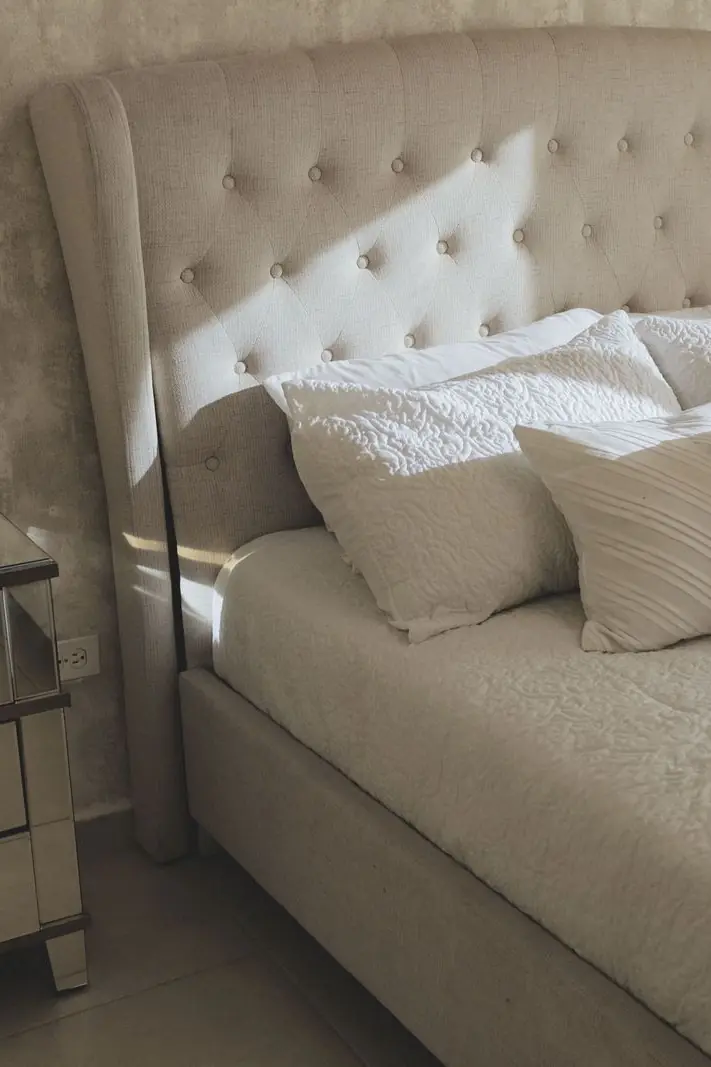
Credit: Luis Quintero
Cost: Classic shapes hold resale value best.
Time: A timeless panel suits a decade of styles.
Skill Level: No skill needed beyond hanging.
Best For: Forever homes and slow decorators.
Timeless shapes outlast trends because they rely on proportion and good fabric rather than novelty details. A simple rectangular or gently arched panel in a solid neutral adapts to new bedding, new rugs, and even new wall colours without a second purchase. I’ve noticed slow decorators buy once and restyle often, which saves money and keeps the bedroom feeling settled rather than chased by fashion. Choose solid neutrals for the longest life.
Statement Headboard Style

Credit: Max Vakhtbovych
A statement panel earns its place by doing one thing brilliantly, whether that is height, colour, or an unforgettable shape. Deep emerald velvet, oversized wings, or a dramatic arch can each carry a whole bedroom, provided everything else steps back and lets the panel lead.
Pair the statement with quiet bedding, plain walls, and simple lamps, and the room feels considered rather than crowded. In my experience, one bold choice beats three half-hearted ones every time, and the bed becomes a place worth showing off. Let the panel be the first thing guests notice and the last thing remembered. That confidence is what turns a bedroom into a retreat.
Conclusion
From tufted velvet to relaxed linen, padded headboards prove that comfort and style share the same pillow. Pick the height, fabric, and shape that suit the room, layer bedding with care, and let the bed hold the spotlight it deserves. If one of these upholstered headboard bedroom ideas caught your eye, save it to a bedroom board on Pinterest so the details stay close when shopping day arrives. A well-chosen headboard rewards every single night, turning ordinary sleep into a small nightly luxury worth looking forward to. Small changes like fresh pillowcases or a folded throw keep the look feeling new through every season.