24 Awkward Layout Bedroom Ideas for Clever Space Solutions
Some bedrooms seem designed to frustrate, with doors in the wrong place and corners that defy furniture. The right awkward layout bedroom ideas can turn even the strangest floor plan into a calm, comfortable retreat. I have noticed that most layout headaches come from a few repeat offenders: poor traffic flow, wasted corners, and furniture sized for a different room entirely. The fixes are simpler than you would expect.
In this guide, I am sharing 24 clever strategies for taming tricky spaces, from angled furniture arrangements to smart storage that uses every inch. If clutter is your biggest battle, these awkward layout bedroom storage ideas pair perfectly with the layout tricks below. Let us make your difficult room feel like it was designed just for you.
Corner Bed Placement
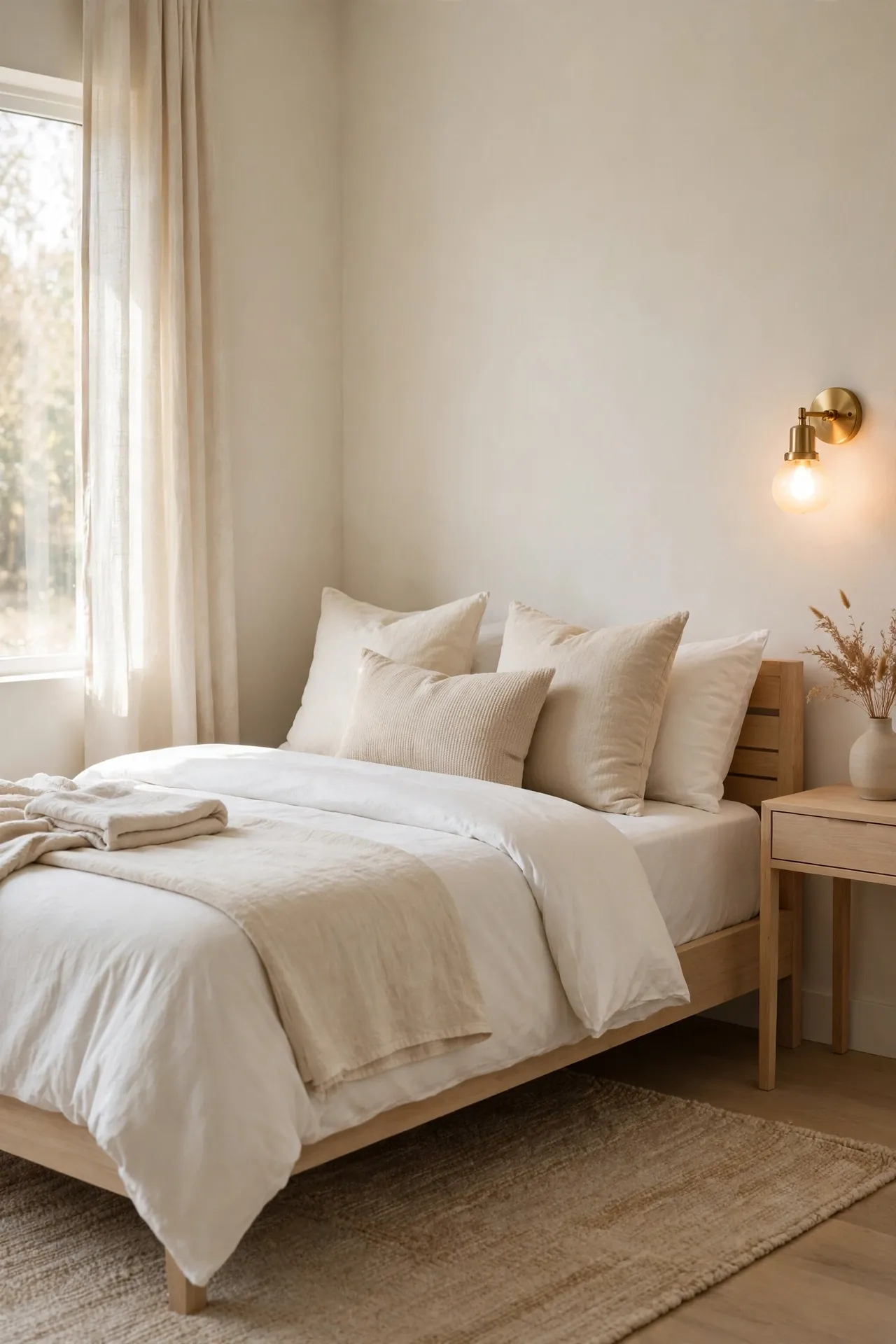
Pushing the bed into a corner instantly frees up the center of a difficult room. Most people default to centering the bed on a wall, but in an oddly shaped bedroom that habit wastes precious floor space. A corner placement opens a clear path along two sides and creates one generous open zone instead of two cramped slivers.
Anchor the arrangement with a rug tucked under the two outer bed legs. Add a wall mounted sconce above the outer nightstand so you skip bulky table lamps. In my experience, corner beds work best in square rooms with a door in the opposite corner, since the diagonal sightline makes the space feel larger than it measures.
Diagonal Furniture Angles
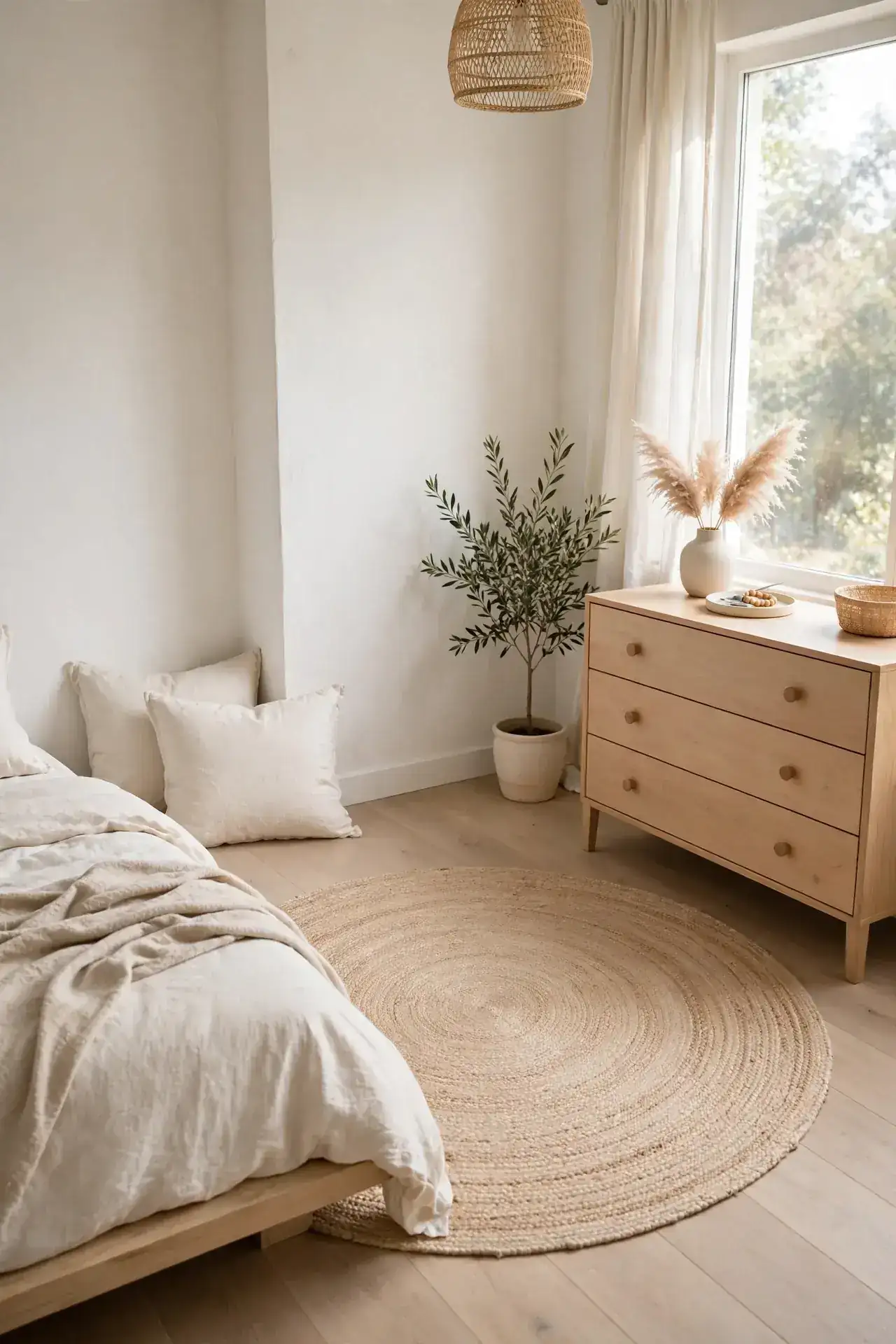
- Angle the bed across one corner to soften a long, tunnel-like room and create visual interest.
- Place the dresser on the opposite diagonal so the two largest pieces balance each other.
- Use a round rug in the middle to echo the angled lines and tie the arrangement together.
- Keep walkways at least 30 inches wide so angled pieces never block comfortable movement.
Diagonal layouts trick the eye into reading more square footage than the tape measure shows. That is why many experts recommend trying an angled arrangement before buying new furniture for a difficult room. Sketch it on paper first, then shift one piece at a time.
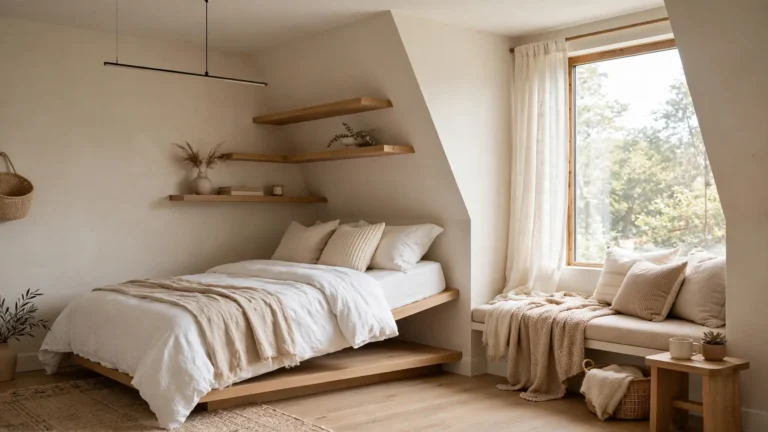
Alcove Sleeping Nook
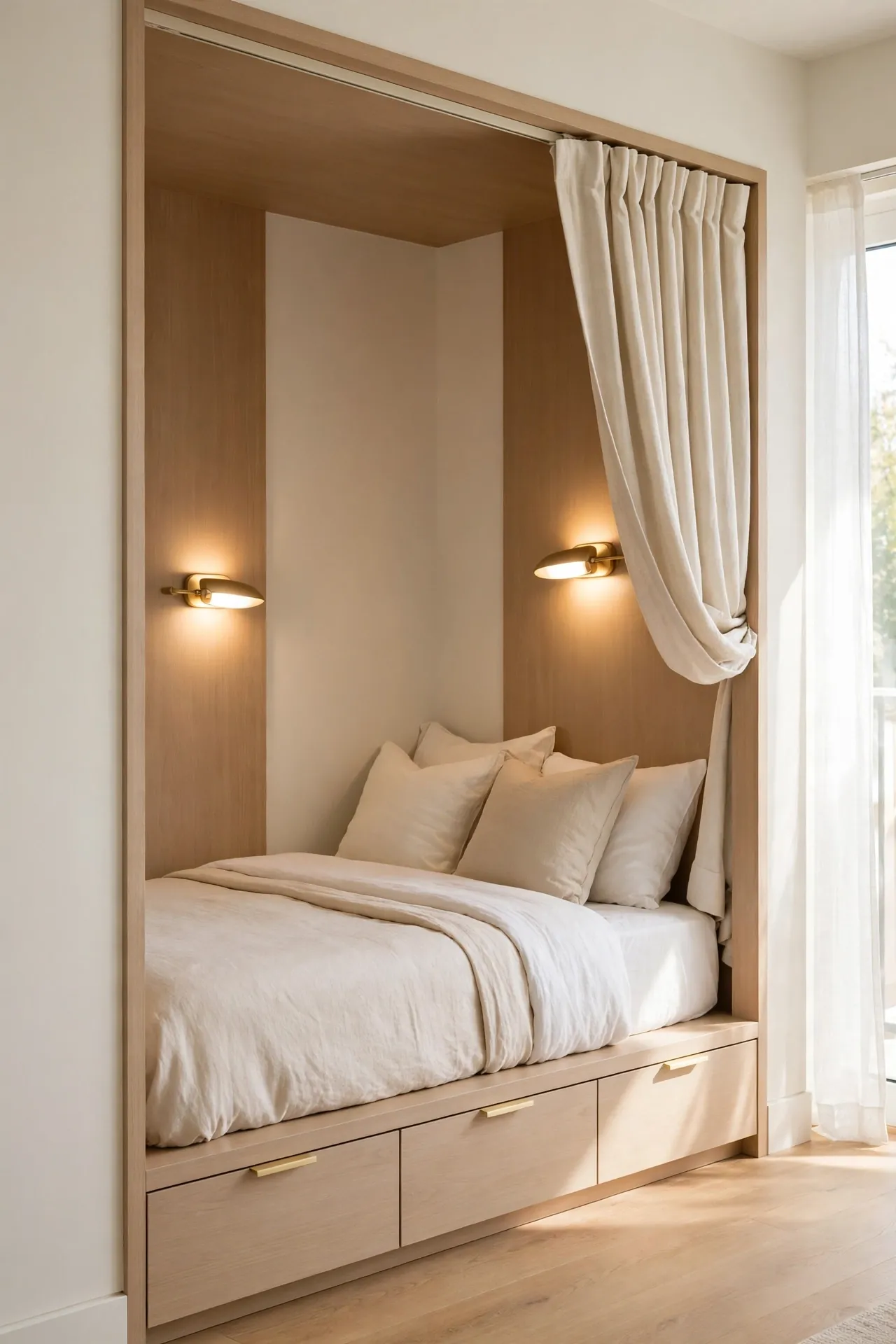
Quick Tip: Turn a shallow alcove into a built in sleeping nook by fitting the bed frame snugly inside it. Add wall mounted reading lights on both sides and a curtain on a ceiling track for privacy. The enclosed feeling makes small, oddly shaped rooms feel intentional and cozy rather than cramped.
Alcoves that once held nothing but dust become the star of the room with this approach. Measure carefully before ordering a frame, since alcove widths vary. A platform bed with drawers underneath doubles the win by adding hidden storage to the nook. Curtains in a heavy linen add both privacy and sound softening.
Floating Storage Walls
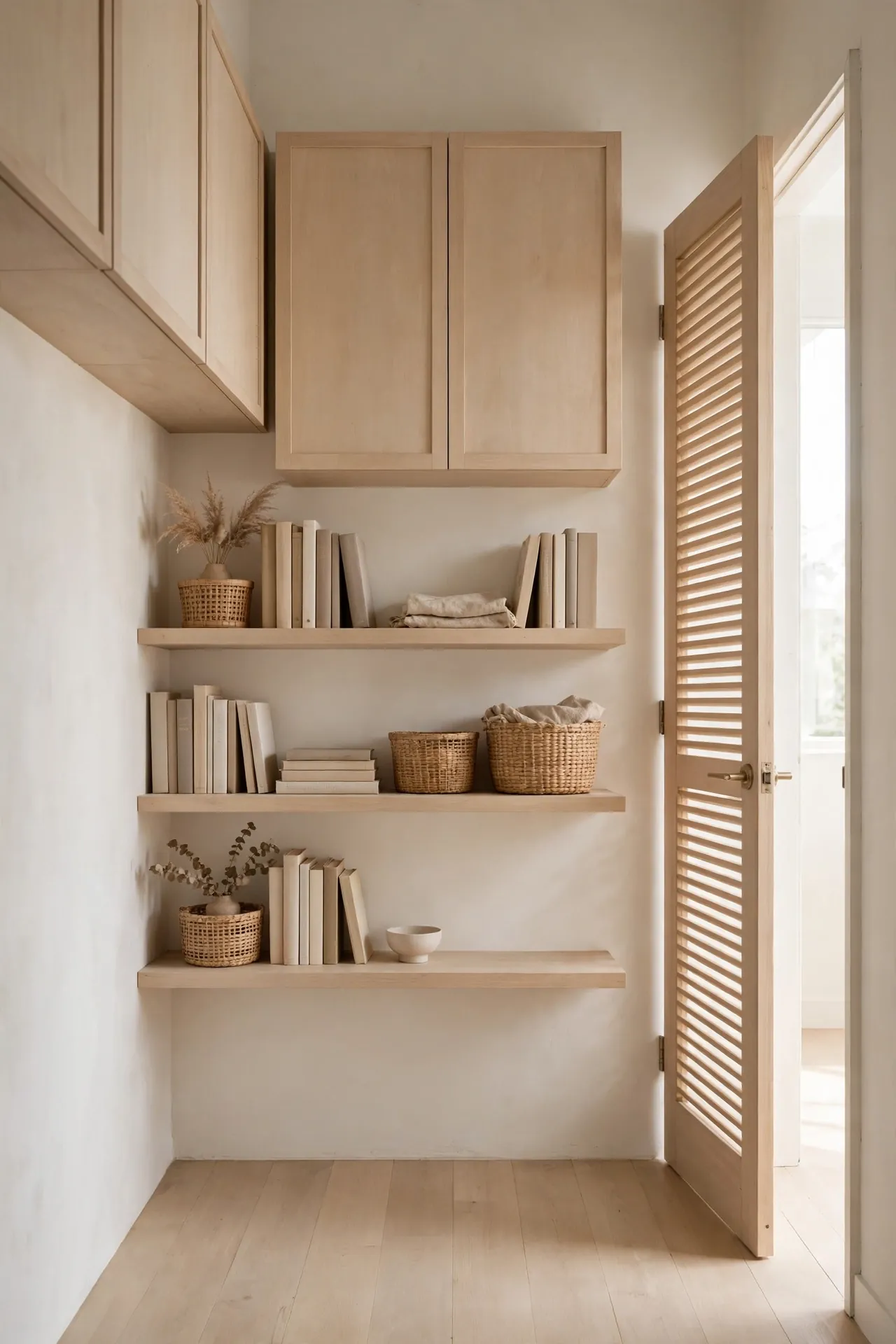
BEFORE: A narrow bedroom with a door swinging into the middle left zero wall space for a dresser. Clothes piled on chairs and the floor, and every surface felt cluttered within days of tidying.
AFTER: Floating shelves and wall mounted cabinets now run along the only long wall. The floor stays clear, the door swings freely, and the room finally breathes.
Going vertical is the single fastest fix for rooms with limited wall space. I have seen this work well in many cases where renters cannot add built ins. Choose shelves rated for real weight and anchor every bracket into studs for safety.
Mirrored Illusion Magic
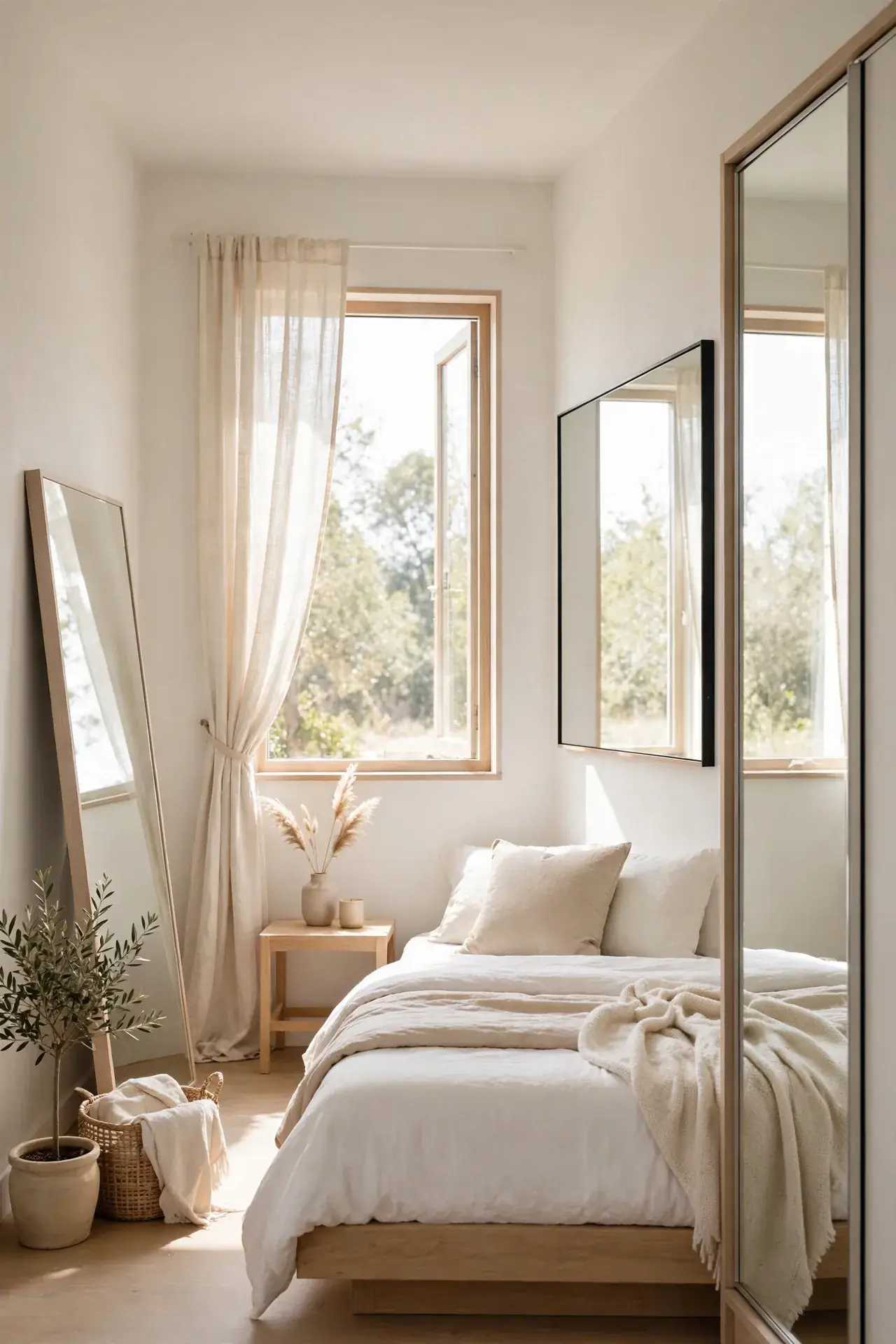
- Hang a large mirror opposite the main window to bounce daylight deep into dark corners.
- Choose a mirrored wardrobe door to double storage and light reflection in one move.
- Lean a full length mirror in an unused corner to stretch the visual depth of the room.
- Keep mirror frames slim and simple so reflections stay clean and uncluttered.
- Wipe mirrors weekly so dust never dulls their brightening effect.
Mirrors are the oldest trick for small, awkward rooms because they genuinely work. Avoid placing them where they reflect clutter, since doubling mess doubles stress. One well placed mirror beats three random ones every time.
Zoned Layout Dividers
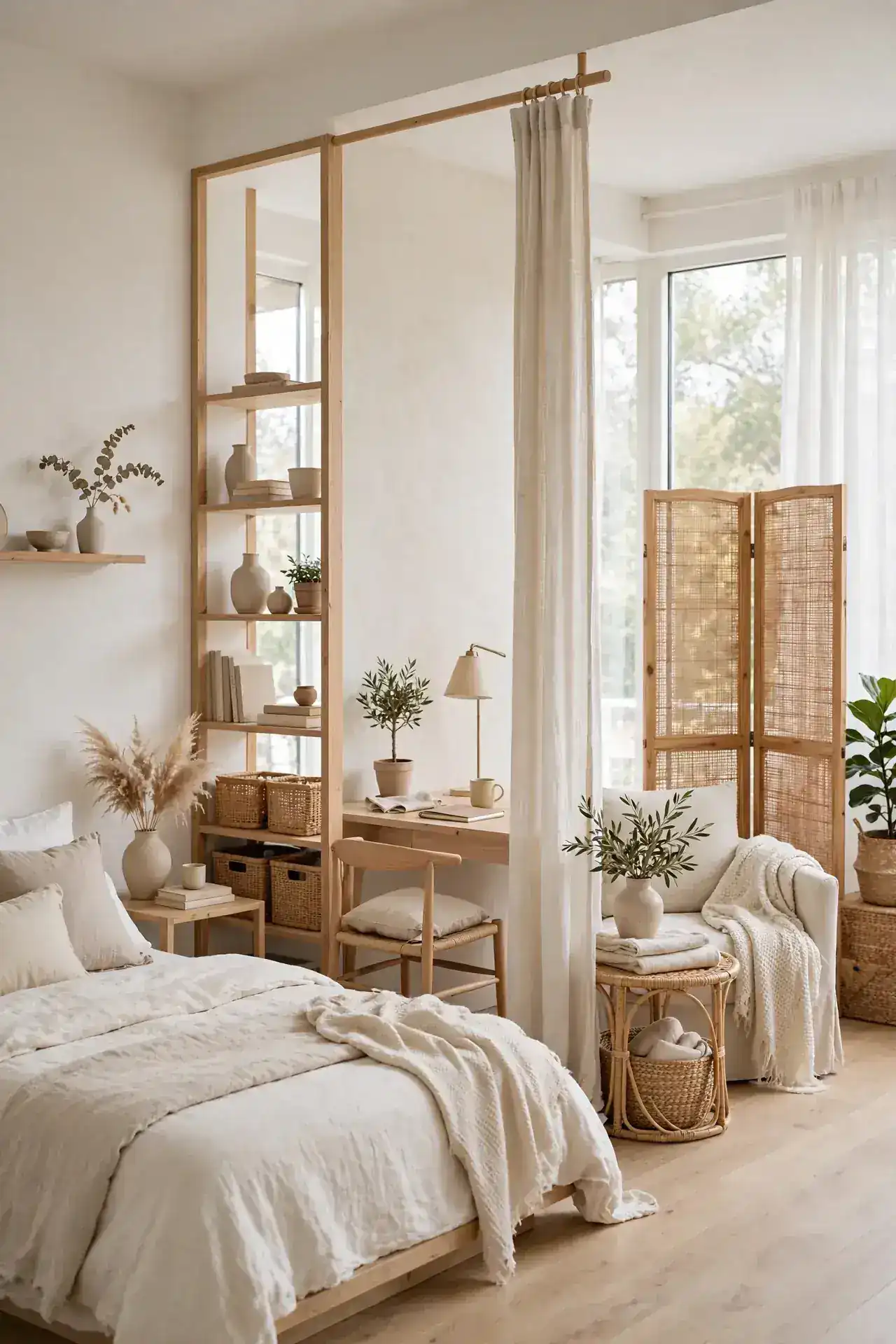
| Divider Type | Best For | Cost Level |
|---|---|---|
| Open bookshelf | Awkward corners, keeps light flowing through | Low |
| Curtain panel | Renters needing soft, removable separation | Very low |
| Folding screen | Flexible zones with a strong style statement | Medium |
| Sliding barn panel | Long narrow rooms, dramatic room division | Medium high |
| Low dresser | Under windows, defines zones without blocking light | Low |
Dividers carve distinct zones out of one confusing open area without any construction or landlord approval. I have noticed open shelves work best because they divide space while adding useful storage at the same time. Pick the option that suits your budget and how permanent you want the change to feel.
Low Profile Furnishing
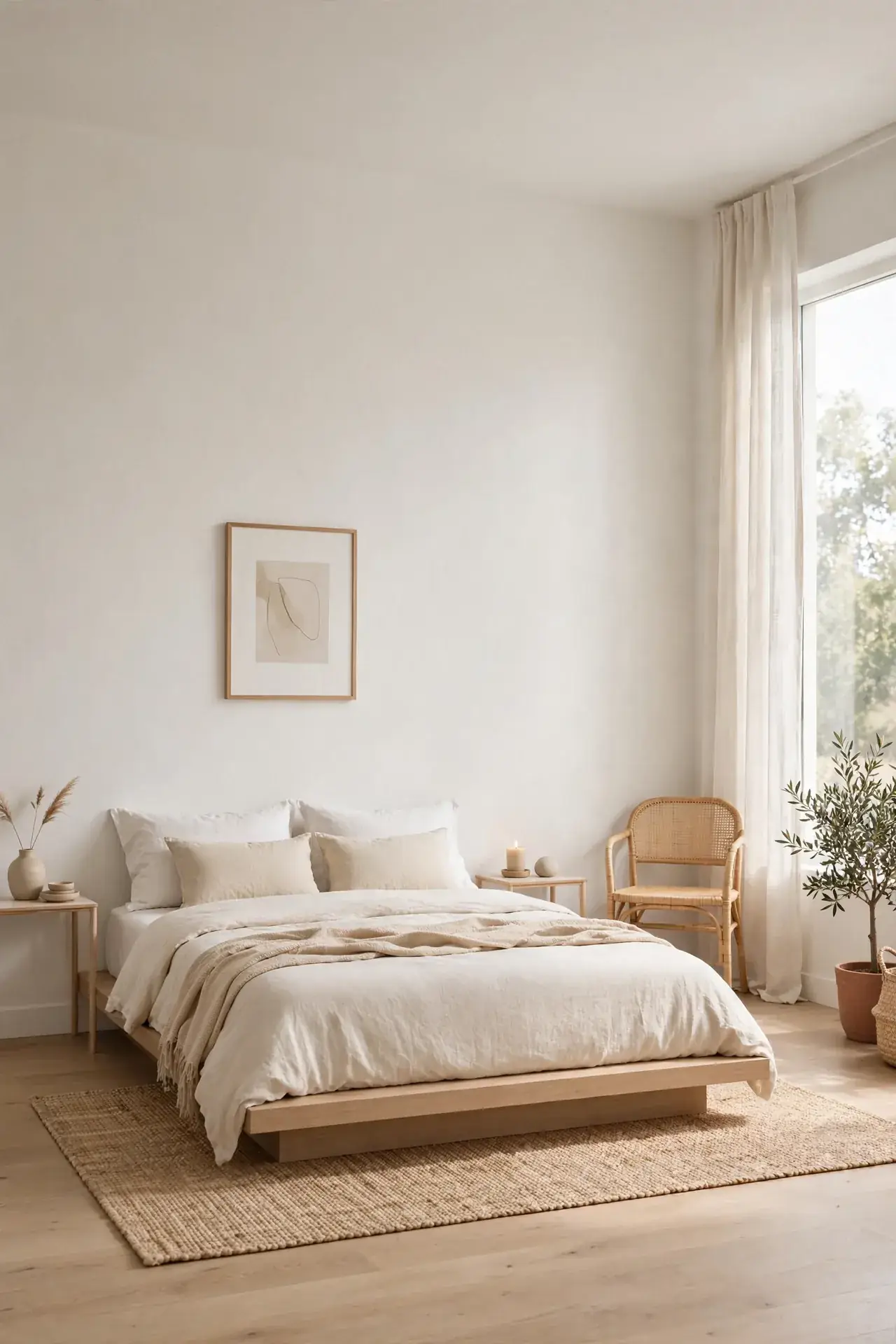
DO:
- Choose a platform bed under 14 inches high to keep sightlines open across the room.
- Pick nightstands narrower than 16 inches so tight walkways stay comfortable.
- Select armless chairs that tuck fully under desks or into corners.
DON’T:
- Do not buy a tall headboard that visually chops a low ceiling room in half.
- Do not use a bulky dresser where a slim chest of drawers would fit.
- Do not place oversized lamps on small surfaces in narrow passages.
Low, slim furniture keeps an awkward room feeling airy instead of stuffed. Measure your narrowest walkway before shopping and bring a tape measure to the store. Small scale pieces often cost less, which is a welcome bonus.
Window Seat Conversion
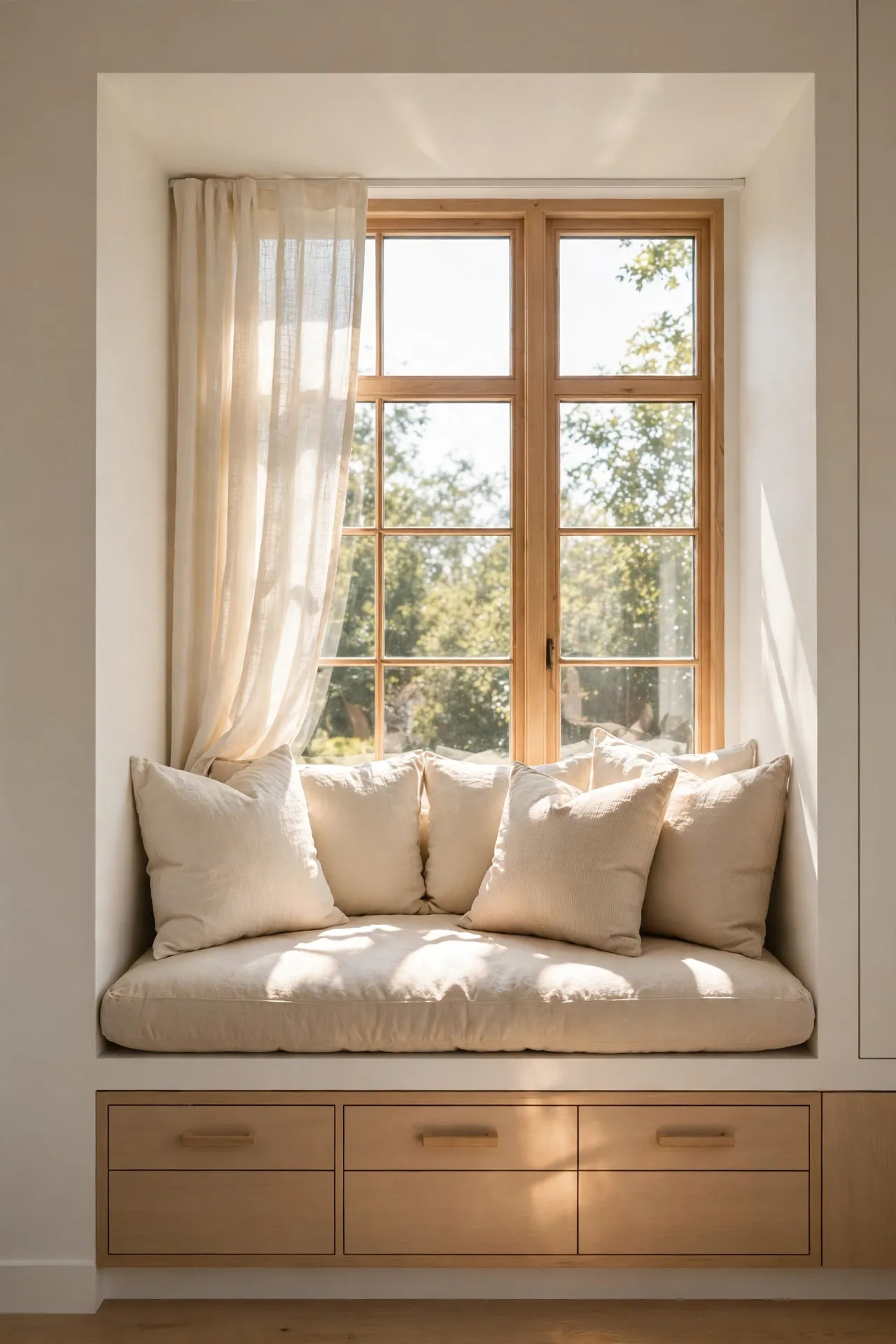
Cost: Low to medium depending on cushion choice | Time: One weekend for a simple build | Skill Level: Beginner friendly with basic tools | Best For: Deep sills, bay windows, and wide casements | Result: Beloved reading spot with hidden storage inside
A window seat turns dead space beneath a window into the most loved spot in the bedroom. Add a thick cushion cut to fit, then pile on pillows in washable covers. I have seen this work well in many cases where the window wall felt unusable before. Build storage into the base with hinged lids or drawers and the seat earns its footprint twice over.
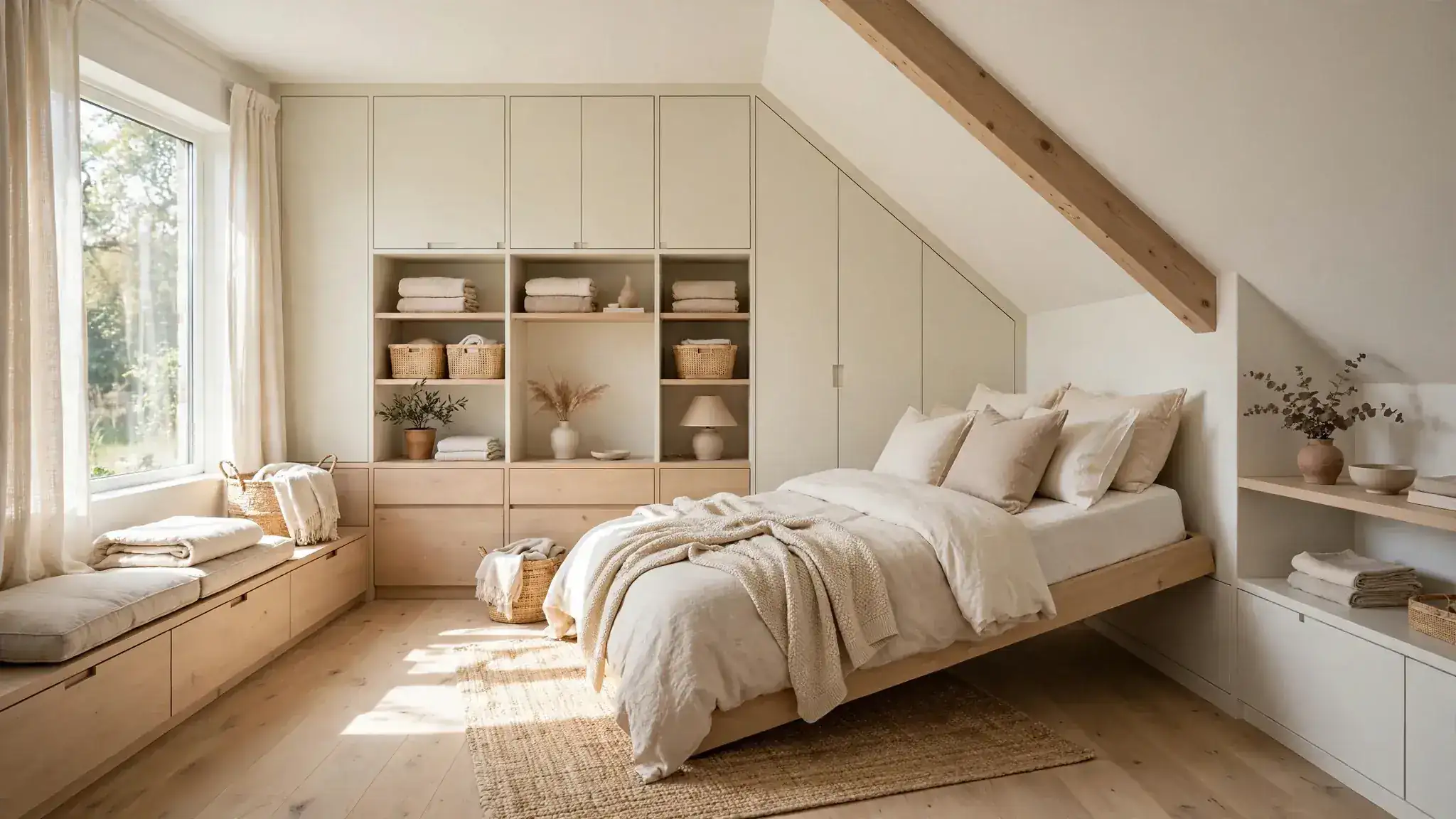
Built In Wardrobes
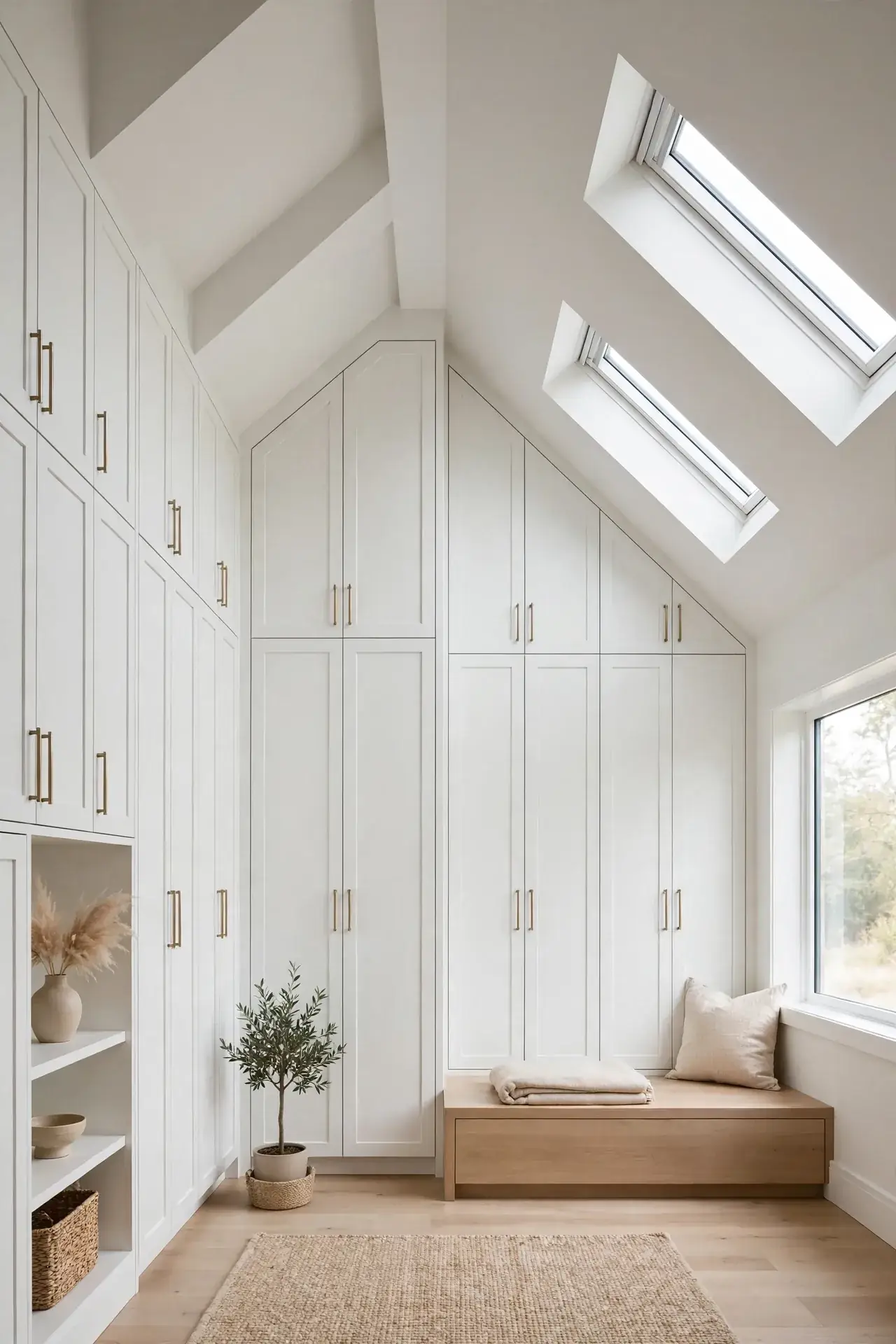
Awkward alcoves and sloped ceilings become assets when you fill them with built in wardrobes. Custom or semi custom units use every inch of strange geometry that freestanding furniture wastes. The result looks intentional, as if the room was designed around the storage rather than fighting it. Measure twice and plan door swings carefully before ordering anything custom.
If full custom is out of budget, hack stock cabinets with trim and paint for a built in look. I have noticed that floor to ceiling units make low rooms feel taller by drawing the eye upward. Finish with matching hardware across all doors so the wall of storage reads as architecture, not furniture.
Rolling Storage Carts
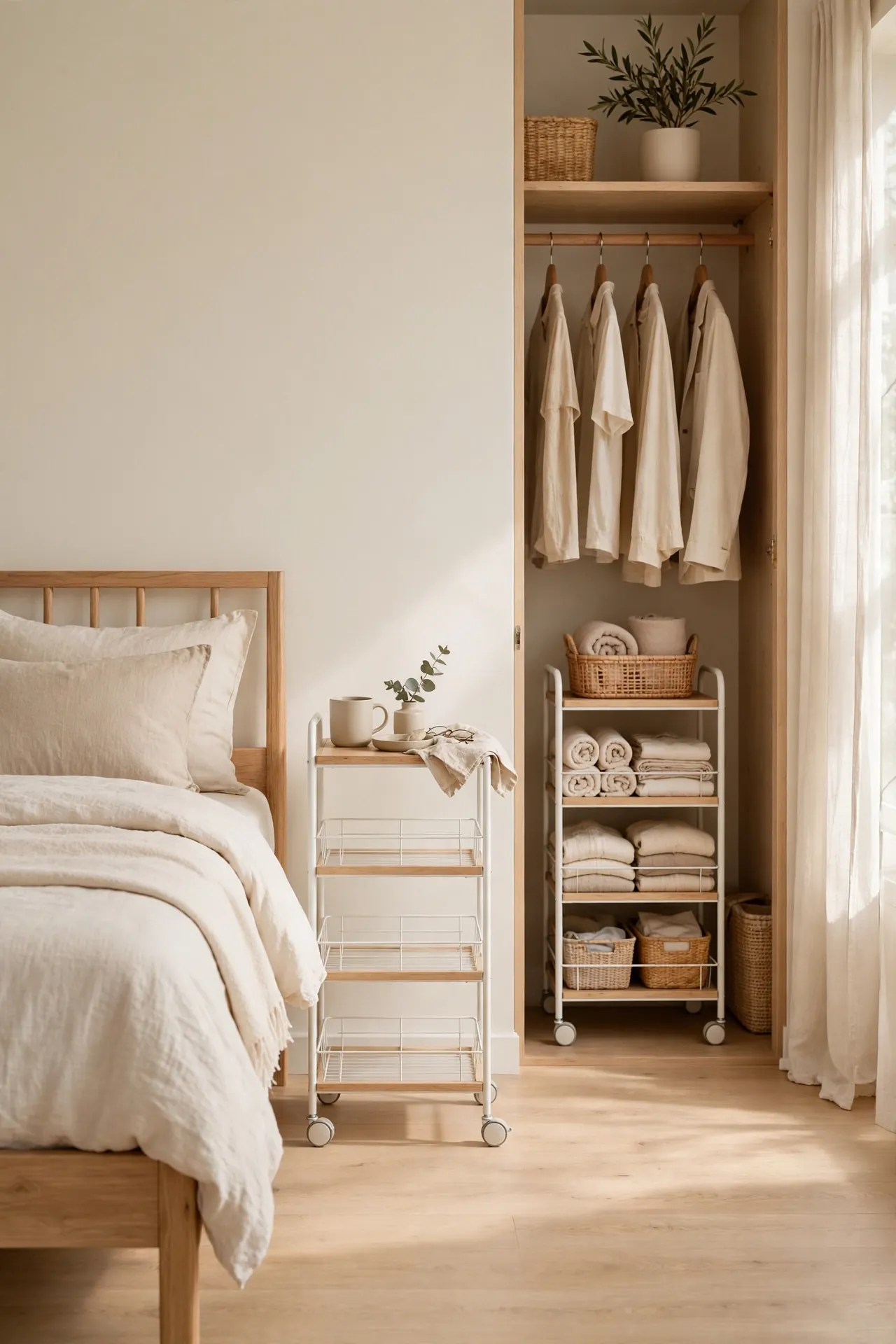
- Park a slim rolling cart beside the bed as a nightstand that moves when you need floor space.
- Use a three tier cart in the closet to sort shoes, bags, and accessories by category.
- Roll a craft or work cart into a corner by day and out to the center when in use.
- Choose carts with locking wheels so they stay put on uneven or sloped floors.
Wheeled storage adapts to awkward layouts because it never commits to one spot. That is why many experts recommend carts for renters who rearrange often. Pick narrow models under 14 inches wide to slip through tight gaps.
Rug Anchored Zones
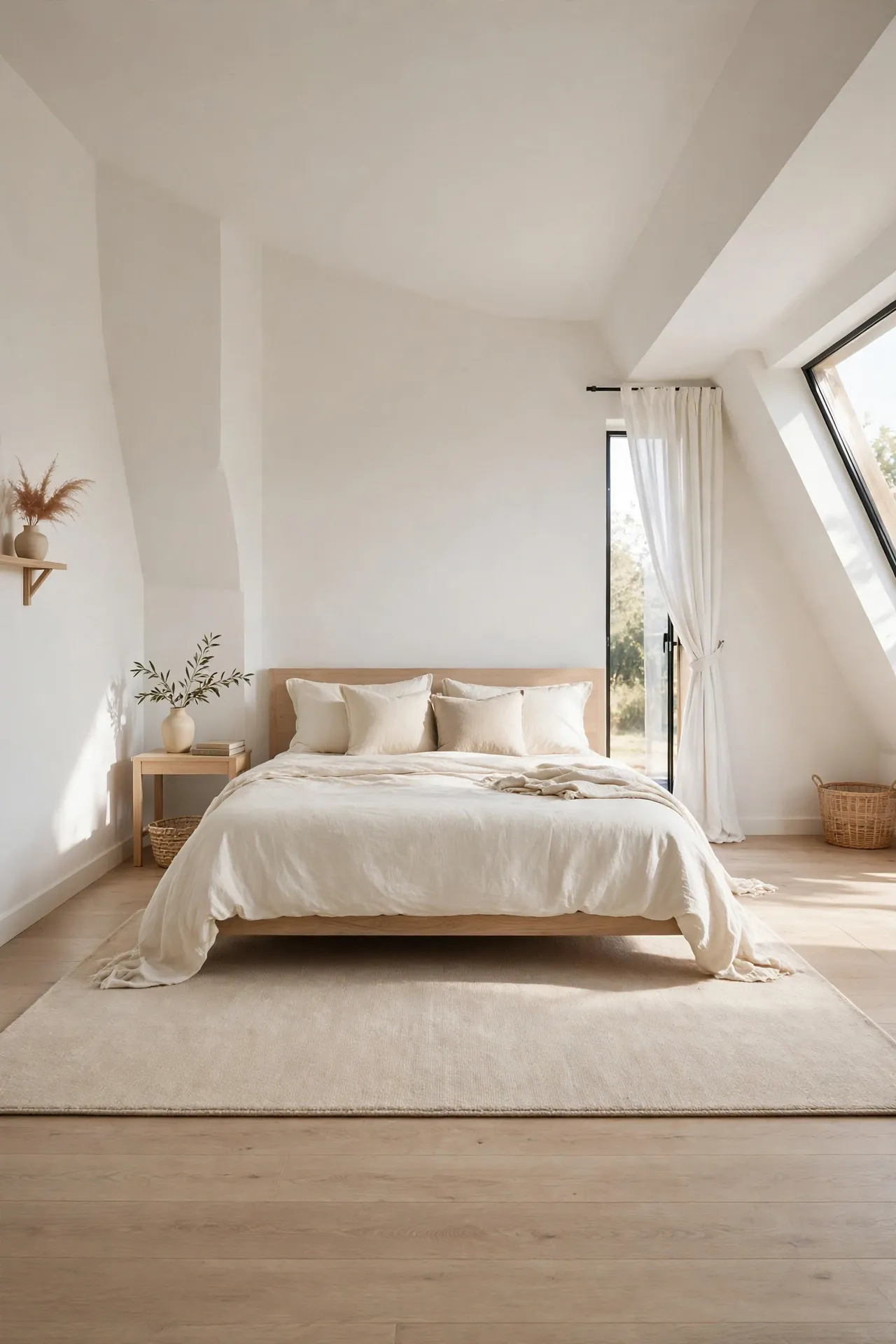
Quick Tip: Lay a rug under the front two thirds of the bed to anchor the sleeping zone in an open or oddly shaped room. The rug defines where the bedroom begins and ends, even without walls. Choose a low pile weave so doors can swing over it and chairs roll easily.
Rugs are the cheapest way to create order in a confusing layout. In my experience, one large rug beats several small ones that chop the floor into fragments. Leave at least 18 inches of bare floor around the rug so the room still breathes. Vacuum the edges regularly so the boundary stays crisp and defined.
Wall Mounted Lighting
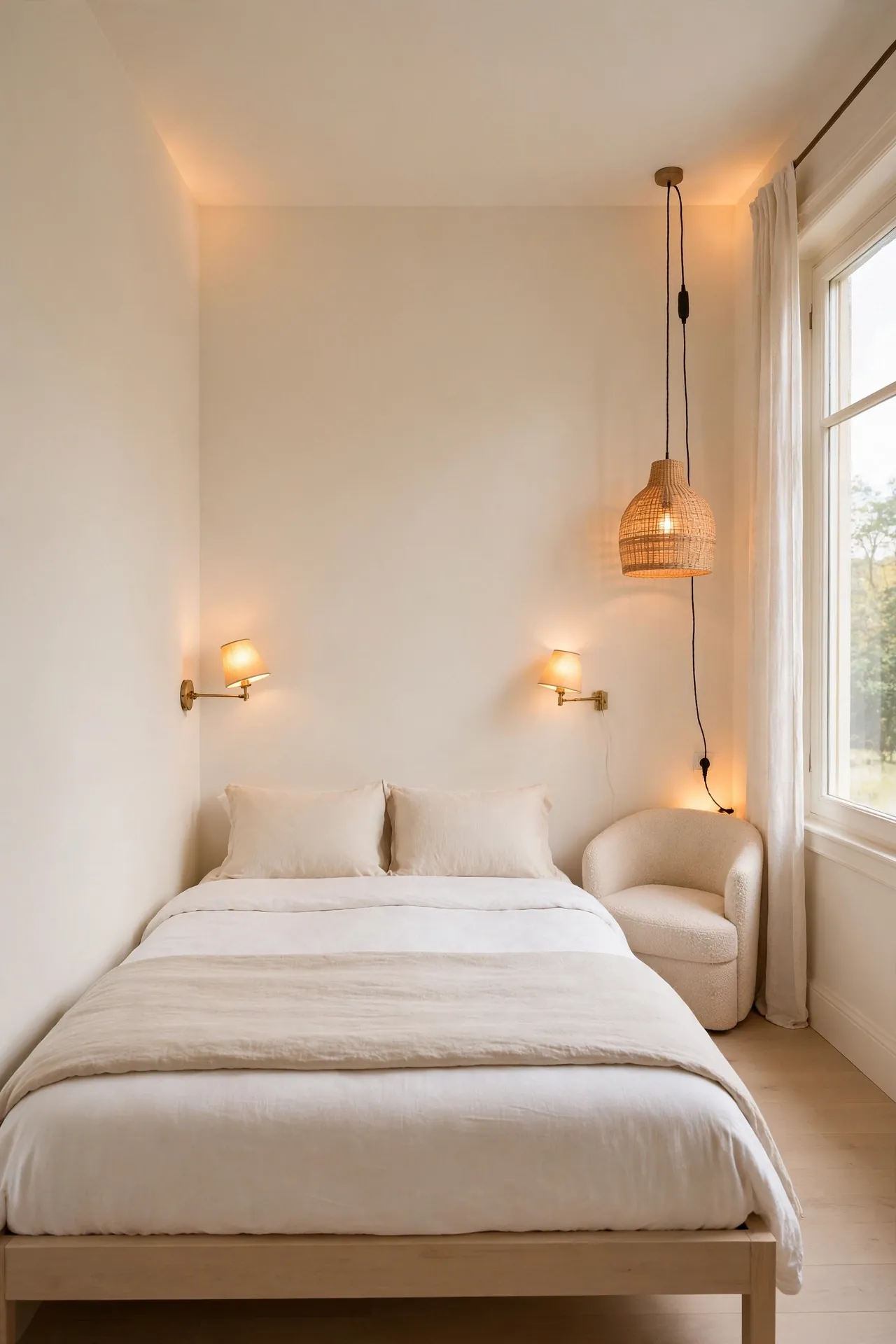
BEFORE: Table lamps crowded every surface in a narrow bedroom, and cords snaked across walkways. The room felt dark in corners despite three lamps burning.
AFTER: Swing arm sconces now flank the bed and a plug in pendant hangs over the reading chair. Surfaces are clear, cords are gone, and every corner glows warmly.
Getting lamps off furniture frees surprising amounts of space in tight rooms. Plug in sconces need no electrician, which renters love. Aim lights at walls rather than straight down to wash awkward angles in soft, flattering light. Dimmers add evening coziness without any rewiring at all. Choose warm white bulbs around 2700K for the most flattering bedroom glow.
Slim Nightstand Alternatives
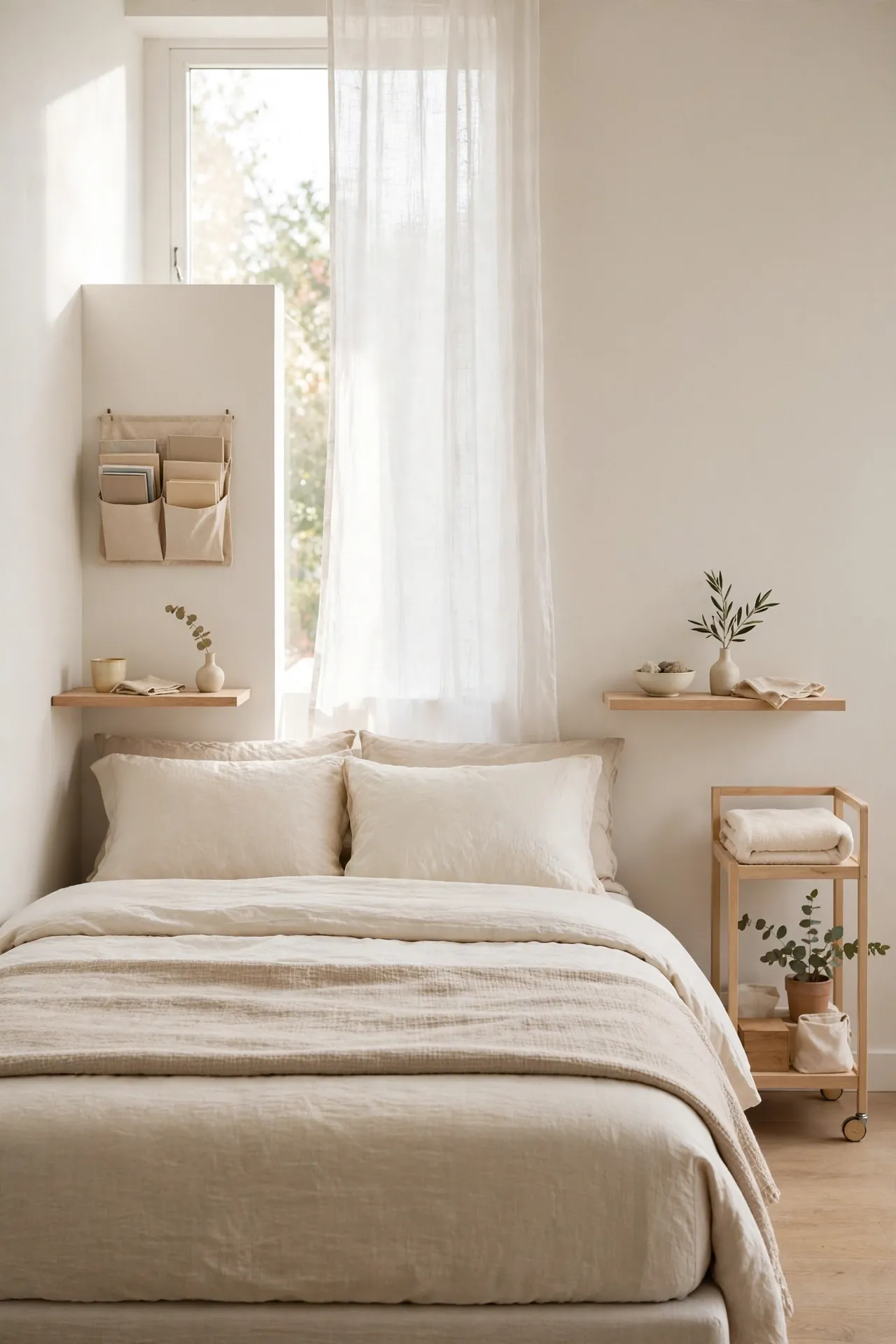
- Mount a floating shelf at mattress height on each side of the bed for a zero footprint nightstand.
- Hang a small wall pocket or organizer for glasses, books, and charging cables.
- Slide a narrow rolling cart between bed and wall where a table cannot fit.
- Clip a reading light to the shelf so no lamp base steals surface space.
- Keep a small tray on the shelf to corral tiny items neatly.
Traditional nightstands waste space in rooms where every inch counts. These slim swaps keep essentials within reach without blocking walkways. I have tried wall pockets myself and they hold more than you would expect.
Statement Accent Wall
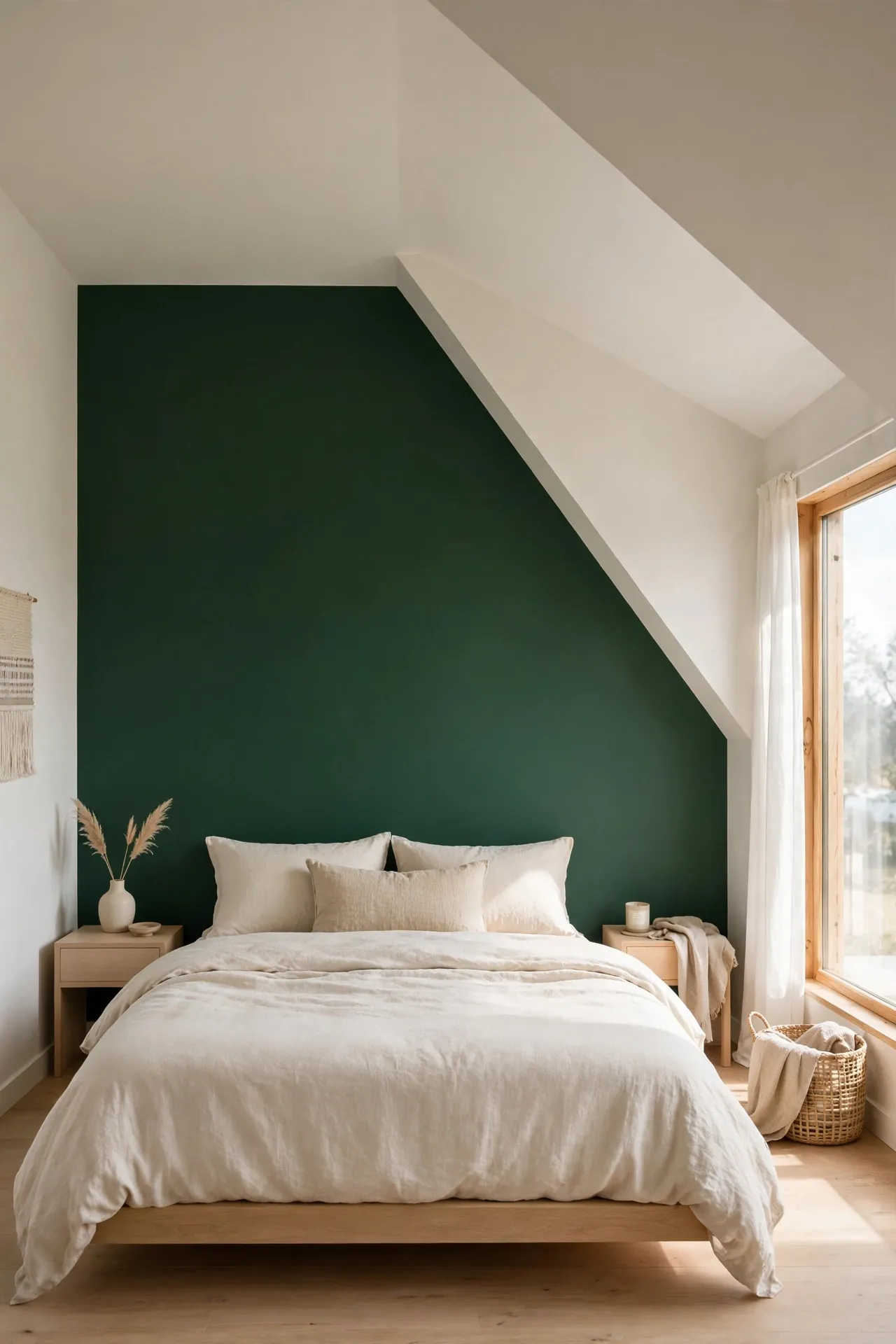
| Accent Choice | Effect on Layout | Effort |
|---|---|---|
| Deep paint color | Pulls focus to one wall, hides odd angles | One weekend |
| Peel stick mural | Adds depth to flat, boxy rooms | One afternoon |
| Wood slat panels | Warms up cold, angular spaces | Two days |
| Bold wallpaper | Distracts from asymmetrical features | One weekend |
| Fabric panels | Softens hard corners, adds texture | One day |
One bold wall gives an awkward room a clear focal point so odd angles fade into the background. I have noticed dark greens and warm terracottas work especially well in bedrooms. Keep the other walls light so the accent feels intentional rather than heavy. Test large swatches first since lighting changes everything.
Vertical Shelf Towers
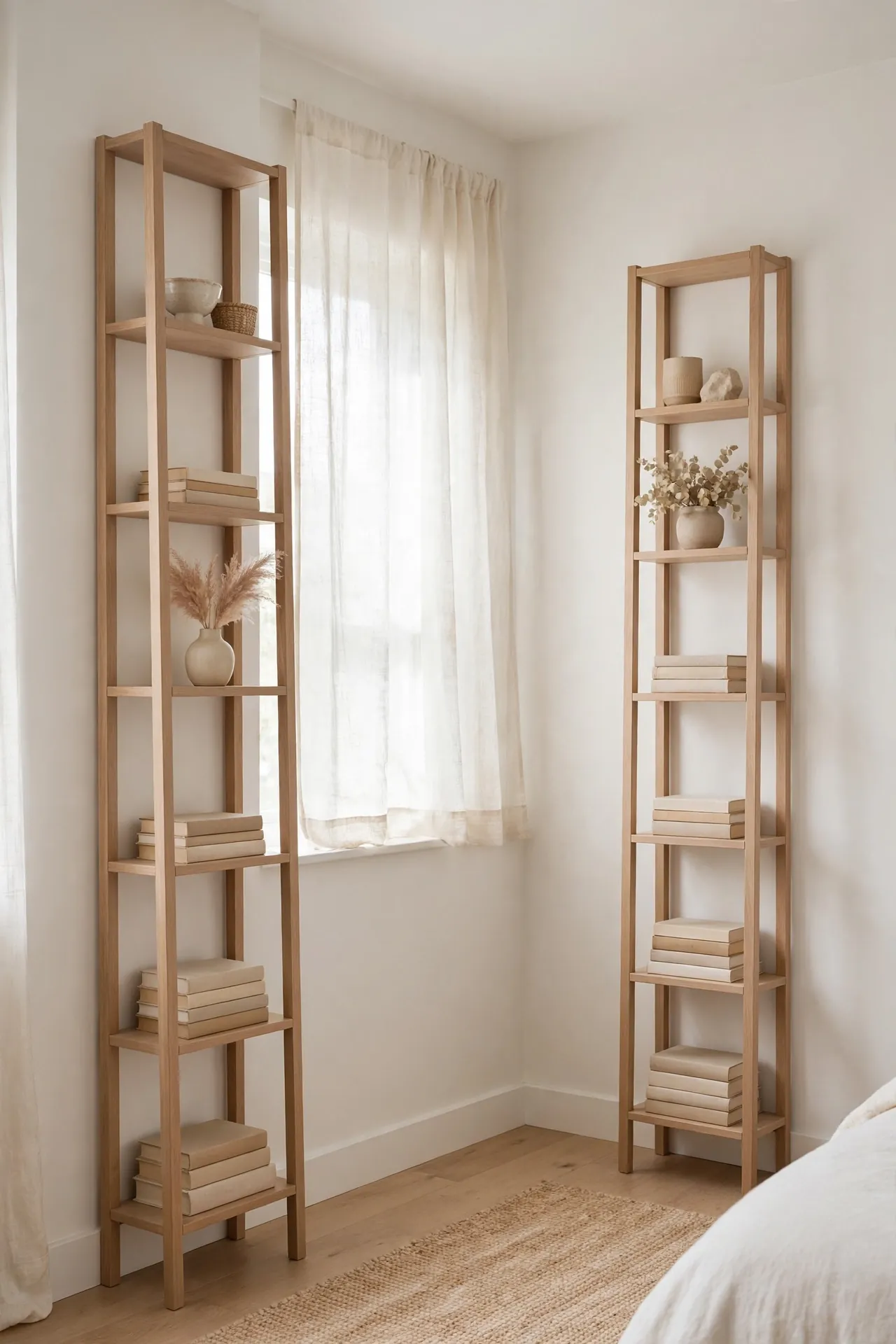
DO:
- Place tall narrow shelves in dead corners to claim unused vertical space.
- Style shelves with books below and decor above for a balanced look.
- Anchor every tall unit to the wall so it cannot tip in tight quarters.
DON’T:
- Do not block windows with tall furniture that steals natural light.
- Do not overload top shelves with heavy items in high traffic areas.
- Do not leave tall shelves unstylish; bare towers look like office storage.
Going up instead of out is the golden rule for awkward bedrooms. I have seen this work well in many cases with ceilings over eight feet. Keep the styling simple and the towers disappear into the architecture.
Curtain Panel Dividers
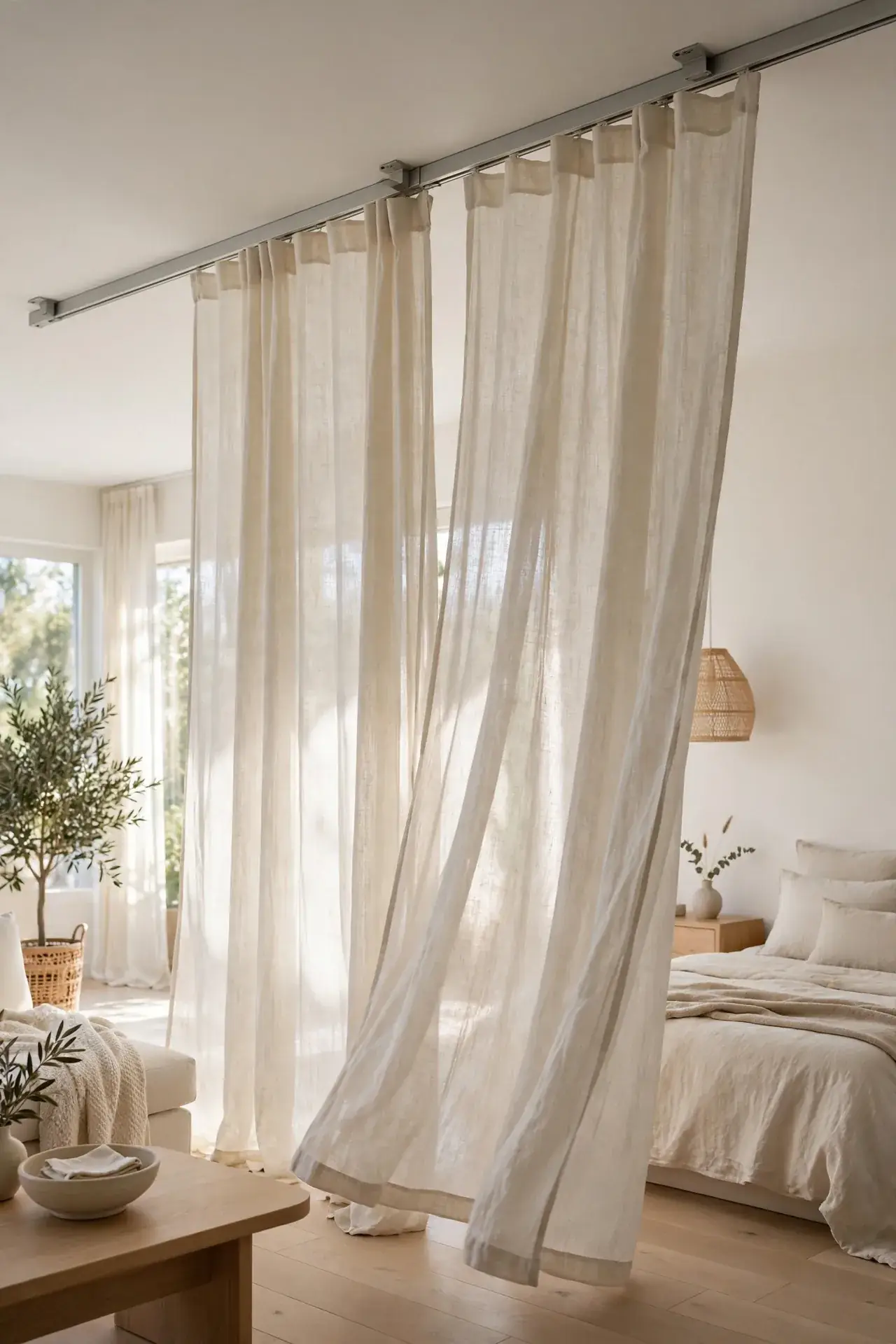
Cost: Very low, just fabric and a track | Time: One afternoon to hang | Skill Level: Beginner, no tools needed | Best For: Renters, studios, and shared bedrooms | Result: Soft visual separation that preserves natural light
Ceiling mounted curtain tracks create flexible room division that opens or closes in seconds. Hang linen panels for a breezy feel that still lets light filter through. I have noticed this trick works beautifully in studio apartments where the bed sits in the main living area. Choose washable fabric and mount the track as close to the ceiling as possible so the panels read as walls, not shower curtains.
Multi Use Ottomans
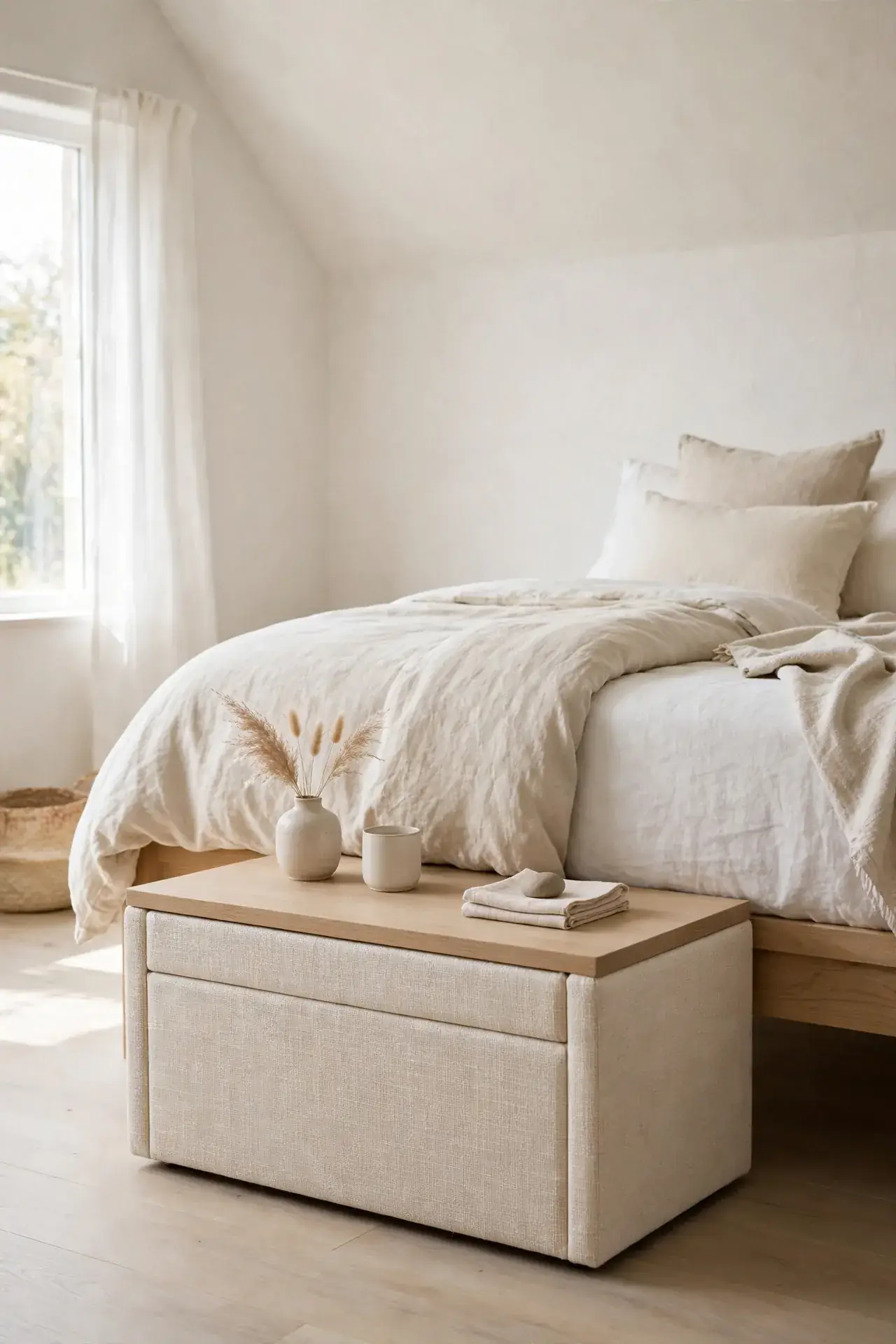
An ottoman that stores blankets inside and seats guests on top earns its place in any awkward bedroom. Tuck it at the foot of the bed, float it in a dead corner, or slide it under a console when not needed. Few pieces adapt to strange layouts as gracefully. Choose one with a firm flat top so it doubles as a side table.
Look for ottomans with hidden storage and washable covers for real life durability. I have tried several styles and hinged lids beat lift off tops for daily use. Size it to your space: too large and it becomes another obstacle in an already tricky room. Round shapes navigate tight corners better than square ones.
Pocket Door Solutions
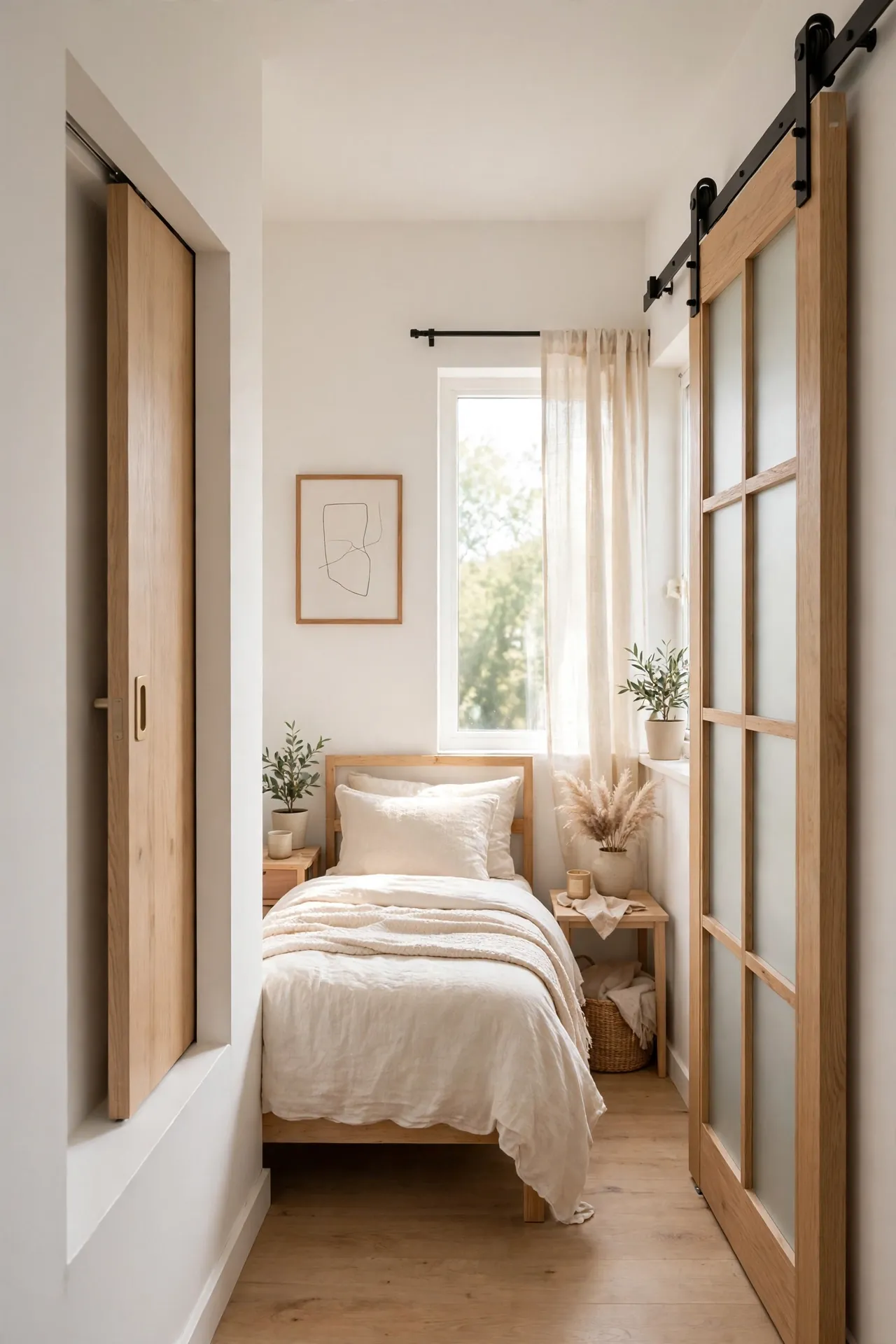
- Replace a swinging bedroom door with a pocket door to reclaim up to 10 square feet of floor space.
- Use a barn style slider when wall cavities cannot fit a true pocket door.
- Choose frosted glass inserts to borrow light from hallways into dark bedrooms.
- Add soft close hardware so sliding doors never slam in the night.
- Paint the slider the same color as the wall so it disappears when open.
Doors that swing into the room are silent space thieves in awkward layouts. That is why many experts recommend sliders as a first renovation priority. Check wall interiors for pipes and wires before committing to a pocket installation.
Round Rug Softening
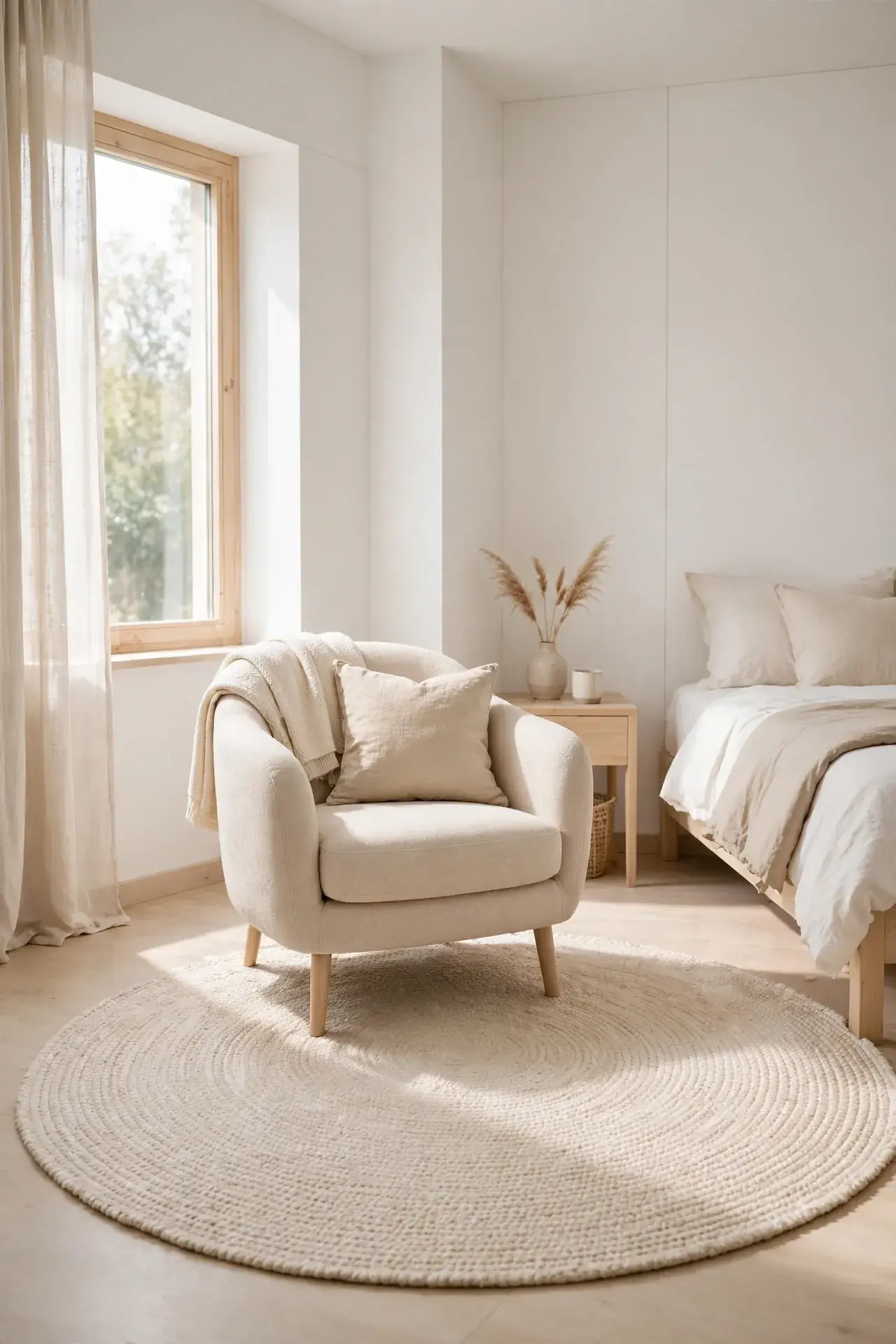
Quick Tip: Swap a rectangular rug for a round one to soften boxy rooms full of hard angles. The curved edge breaks up rigid lines and makes furniture groupings feel intentional. Center it under a reading chair or at the foot of the bed for instant warmth. Choose a flat weave if the rug sits in a doorway swing path.
Round rugs are secret weapons for rooms with too many corners. In my experience, a five foot diameter suits most bedroom nooks without overwhelming them. Layer a smaller round rug over a large neutral one for extra texture and depth. Jute and wool blends wear best under daily foot traffic.
Under Bed Drawers
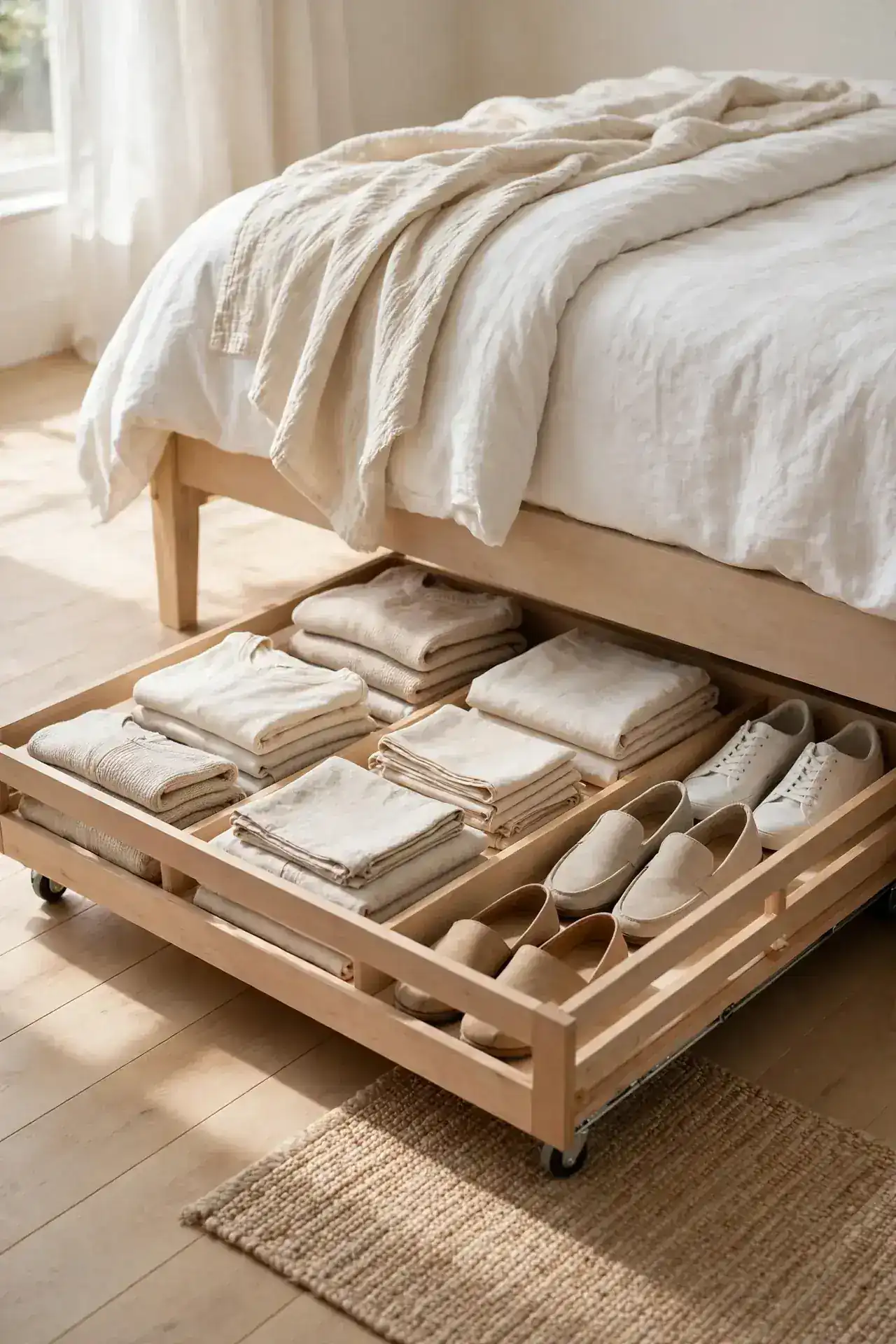
BEFORE: The space under the bed collected dust bunnies and long lost socks. Every closet overflowed while twelve inches of perfectly good height sat completely unused below the mattress. Nobody ever looked under there except to lose things.
AFTER: Rolling drawers now hold off season clothes, spare linens, and shoes in neat rows. The closet finally breathes and the bedroom floor stays clear every day. Getting dressed takes half the time it used to.
Under bed storage is the easiest square footage you will ever gain in a bedroom. Choose drawers with smooth wheels that glide on your flooring type. Label the fronts so you actually remember what lives in each drawer. Vacuum underneath twice a year to keep everything fresh and dust free.
Open Closet Styling
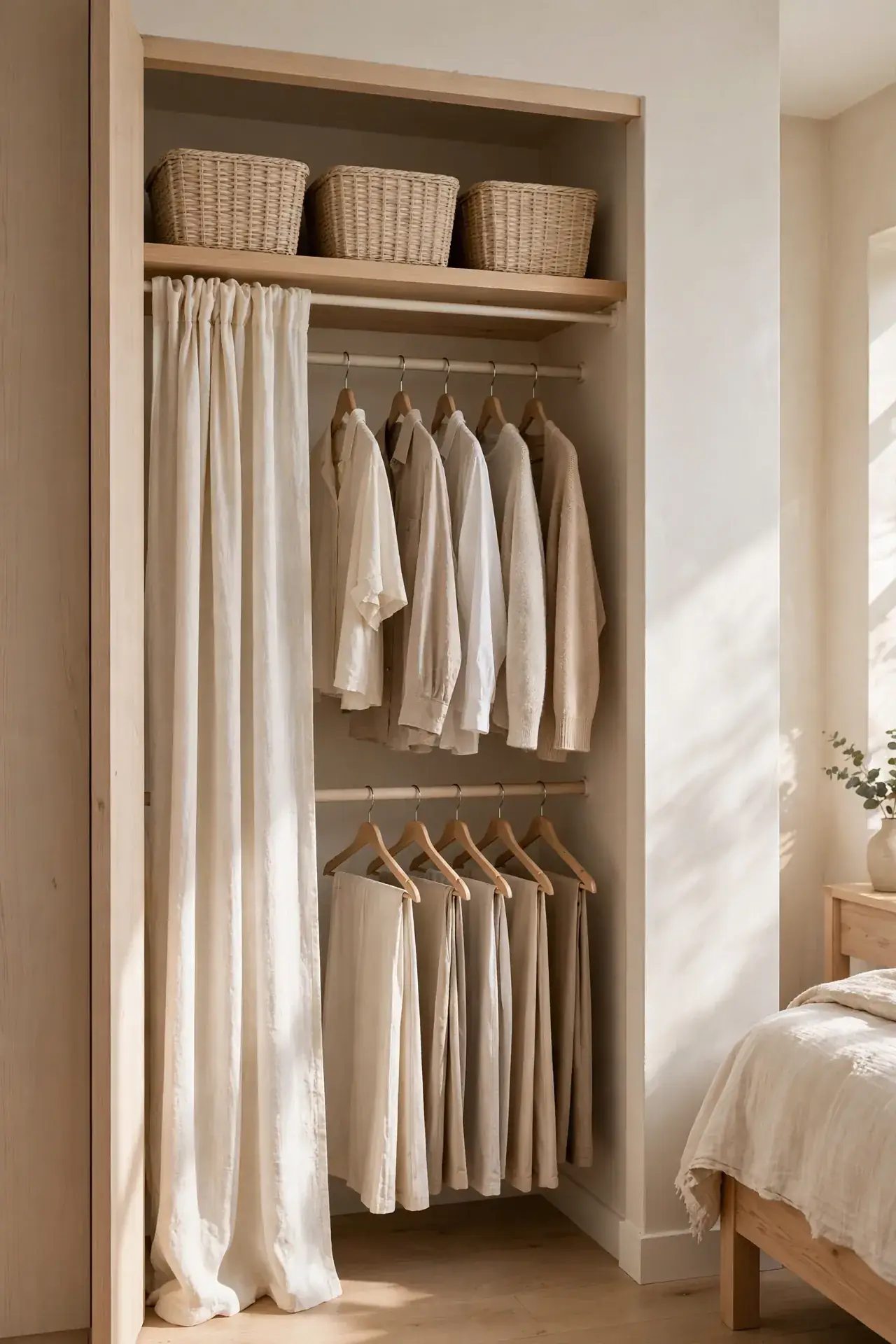
- Remove closet doors to gain the swing space and let the storage become decor.
- Install a double hang rod to double capacity in the same vertical footprint.
- Add matching baskets and bins on the top shelf for a tidy, cohesive look.
- Hang a curtain on a tension rod for days when you want it all hidden.
Open closets turn storage into a design feature instead of an afterthought. Keep the color palette tight so the visible clothes read as intentional styling. I have noticed this trick makes small rooms feel larger by removing visual barriers. For more compact room strategies, explore these small bedroom ideas.
Doorway Clearance Planning
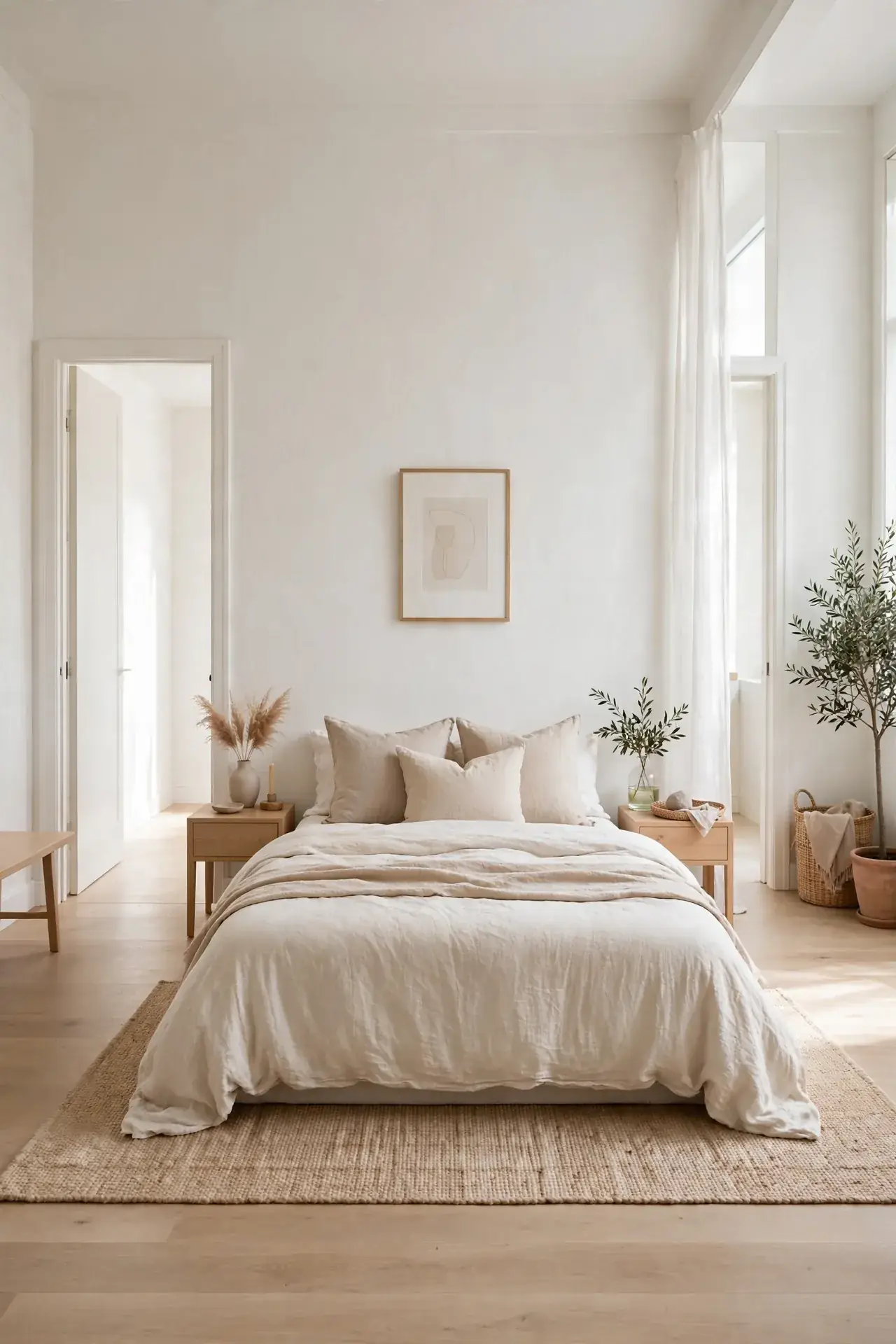
| Door Problem | Space Smart Fix | Difficulty |
|---|---|---|
| Door hits bed | Swap to pocket or barn slider | Medium |
| Door blocks closet | Reverse the swing direction | Easy |
| Two doors collide | Remove one, widen the other | Medium |
| Door opens to wall | Add a stop and rearrange furniture | Easy |
| Narrow doorway | Use offset hinges for 2 extra inches | Easy |
Walk through your room and note every spot where doors fight furniture. Fixing clearances first makes every other layout change easier. I have seen this work well in many cases as the starting point for a full room refresh. A free swinging door should never force you to sidestep daily.
Cozy Textile Layering
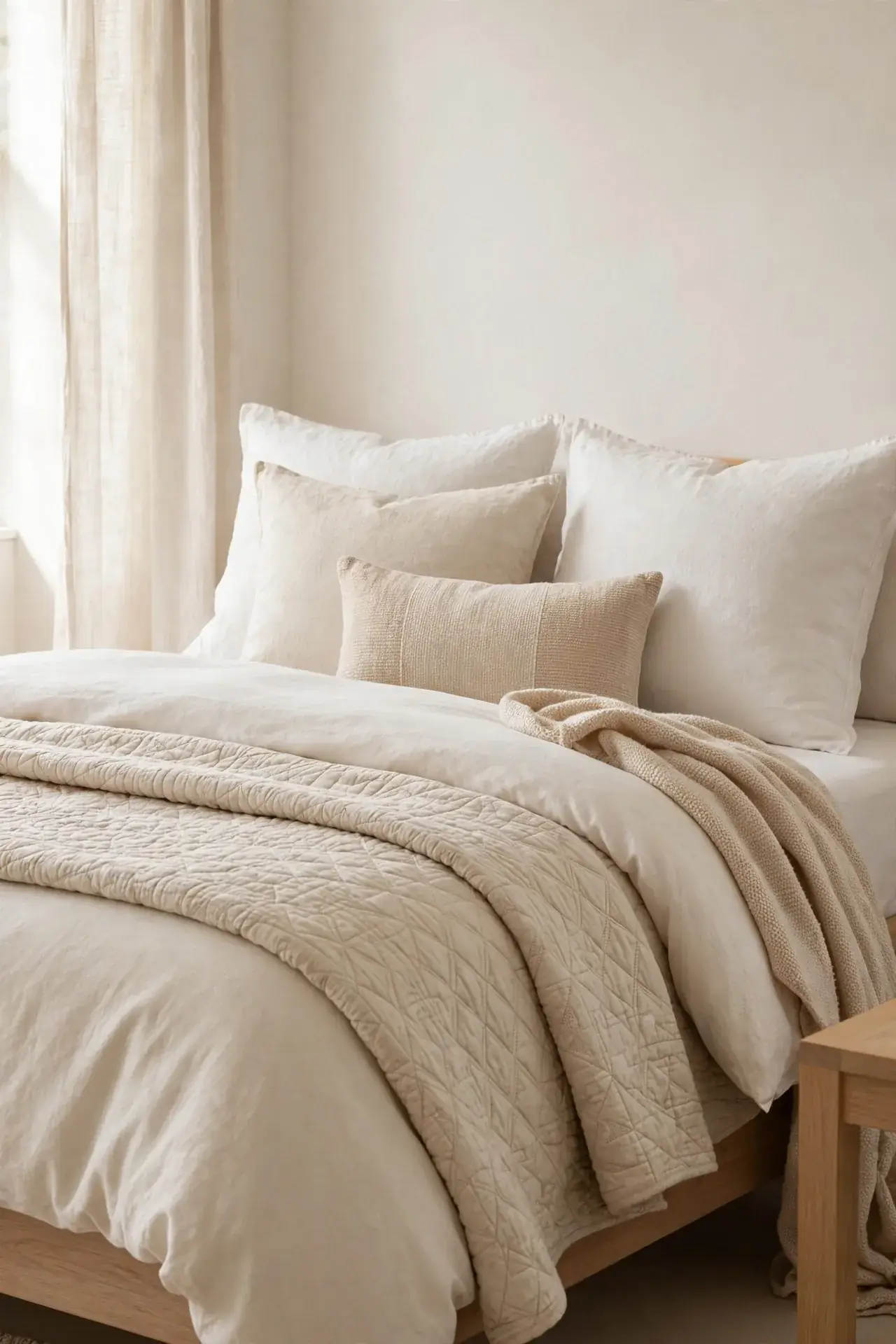
DO:
- Layer a quilt over a duvet for depth that makes awkward rooms feel inviting.
- Mix three pillow sizes, large Euro, standard, and lumbar, for a styled bed.
- Drape a throw across one corner to soften sharp furniture angles.
DON’T:
- Do not match every textile or the room will feel flat and showroom stiff.
- Do not skip a bed skirt when under bed storage is visible.
- Do not use dark heavy fabrics in a small room with one tiny window.
Textiles forgive a multitude of layout sins by adding warmth everywhere. Stick to a tight palette of three colors so layers feel rich, not chaotic. Washable fabrics keep the cozy practical for everyday life.
Decluttered Traffic Flow
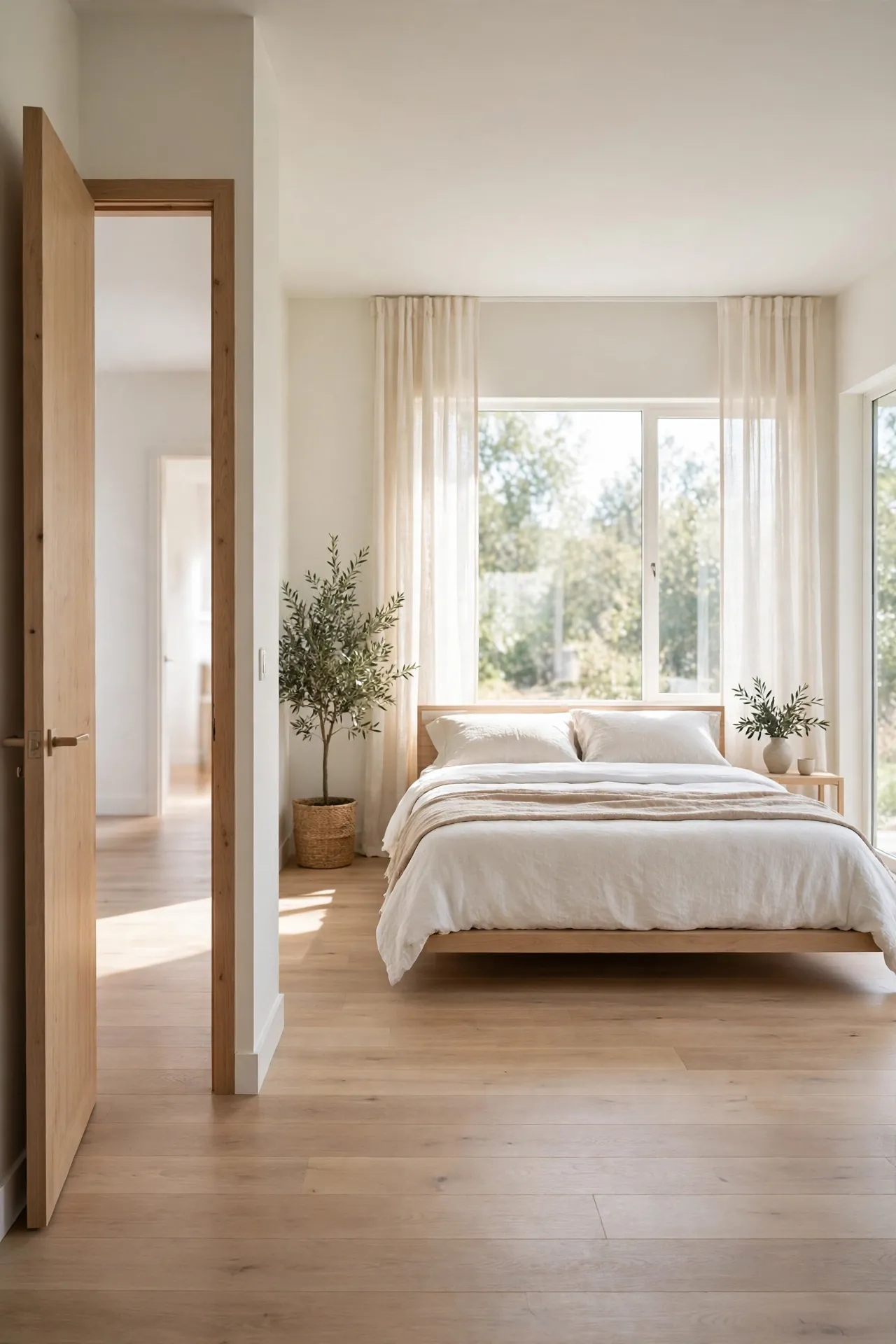
Cost: Free | Time: One afternoon | Skill Level: Anyone can do it | Best For: Every awkward bedroom | Result: Clear paths and calmer energy
Walk your natural path from door to bed to window and remove anything that forces a detour. I have noticed clutter collects exactly where traffic should flow, which makes awkward rooms feel twice as tight. Keep three feet of clear width on main paths and two feet on secondary ones. Relocate the laundry chair, the stack of books, and the storage bin that migrated into the walkway. A room you can cross without thinking instantly feels larger and calmer.
Conclusion
Strange floor plans are far more common than most people admit, and these awkward layout bedroom ideas prove that no room is beyond hope. I have seen how small changes like these can completely shift the way a space feels. Start with the fix that addresses your biggest daily frustration, then add more tricks as time allows. Save this guide on Pinterest so your favorite ideas are waiting when you are ready to rearrange, and share it with anyone battling a baffling bedroom. Pick one idea this weekend and feel the difference by Monday. Your calm, easy flowing retreat is closer than you think.