22 Dining Room Centerpiece Decorating Ideas for Elegant Gatherings
A dining table feels unfinished until the middle earns its moment, and dining room centerpiece decorating ideas turn a plain surface into the heart of every gathering. A low runner of greenery, a cluster of candles, or one bold vase can set the mood before the first plate arrives, and small choices in height, color, and texture shape how the whole room feels. The same soft, layered feeling found in upholstered headboard bedroom ideas works at the table too, where linen runners and cloth napkins add instant warmth.
Start with the table you already own, not a new one, and let the centerpiece do the work of making dinner feel special. Keep arrangements low enough for conversation, repeat one material twice for calm, and leave room for serving dishes so beauty never blocks dinner. In my experience, the most loved tables mix one fresh element with one lasting piece, so the look stays easy to refresh week after week.
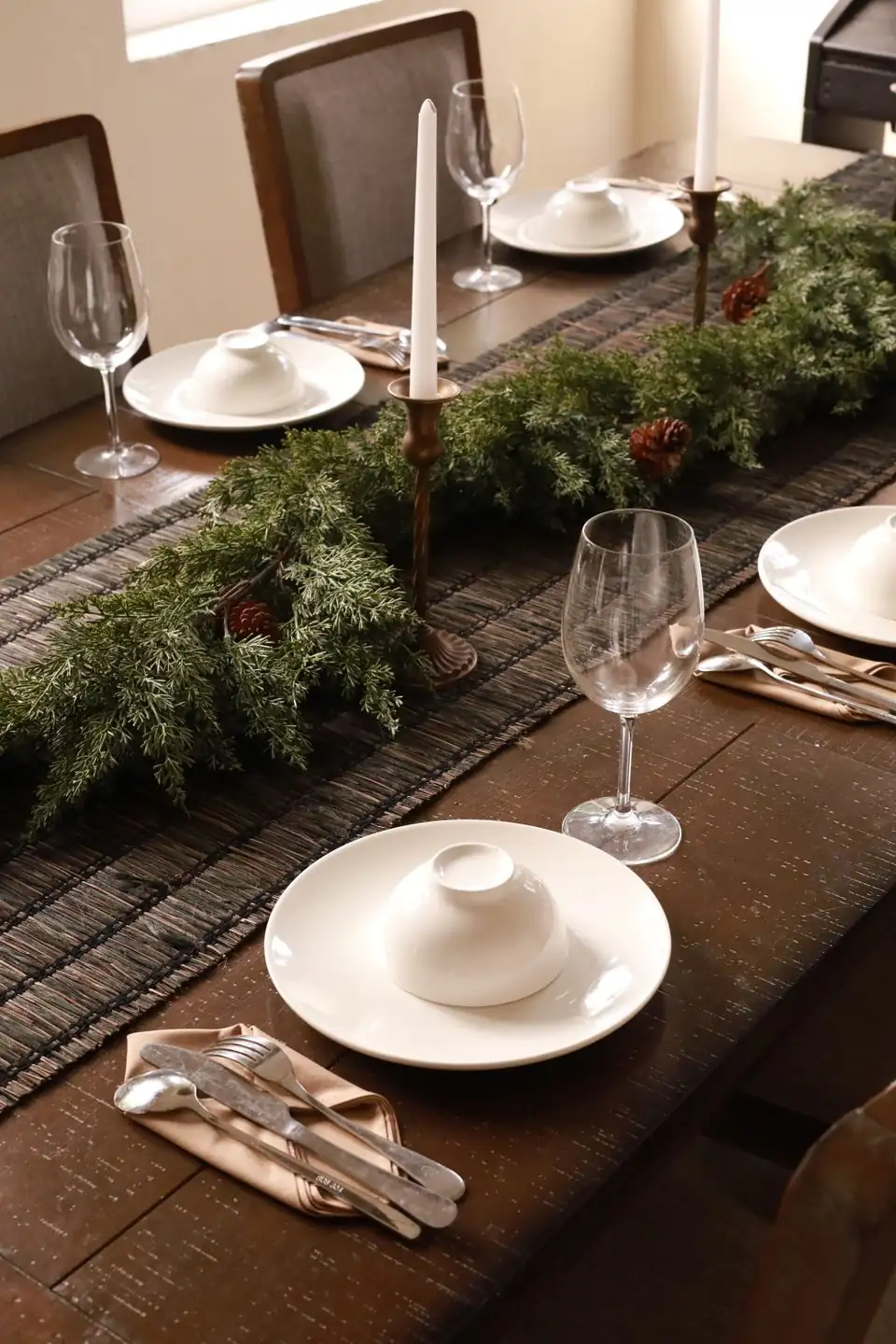
Candlelit Greenery Runners
Credit: Hồng Quang Official
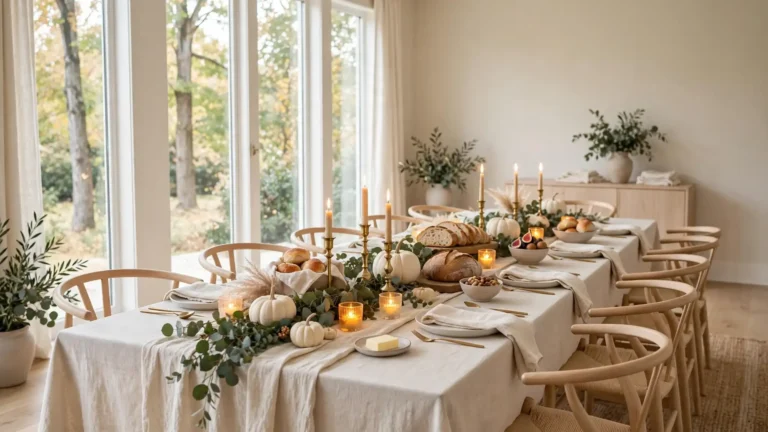
A runner of fresh greenery down the middle of the table gives dinner an instant garden feeling, even on an ordinary Tuesday. Lay eucalyptus or olive branches end to end, tuck small candles between the stems, and let the leaves spill slightly over the edges for a relaxed shape. Keep the runner narrow so plates sit flat, and trim any stems that brush against glasses. The glow of candlelight through leaves softens the whole room, and guests notice the scent before they notice the decor.
Repeat the same green at each place with a single sprig on the napkin, and the table reads as one calm, finished scene.
Fresh Floral Centerpieces
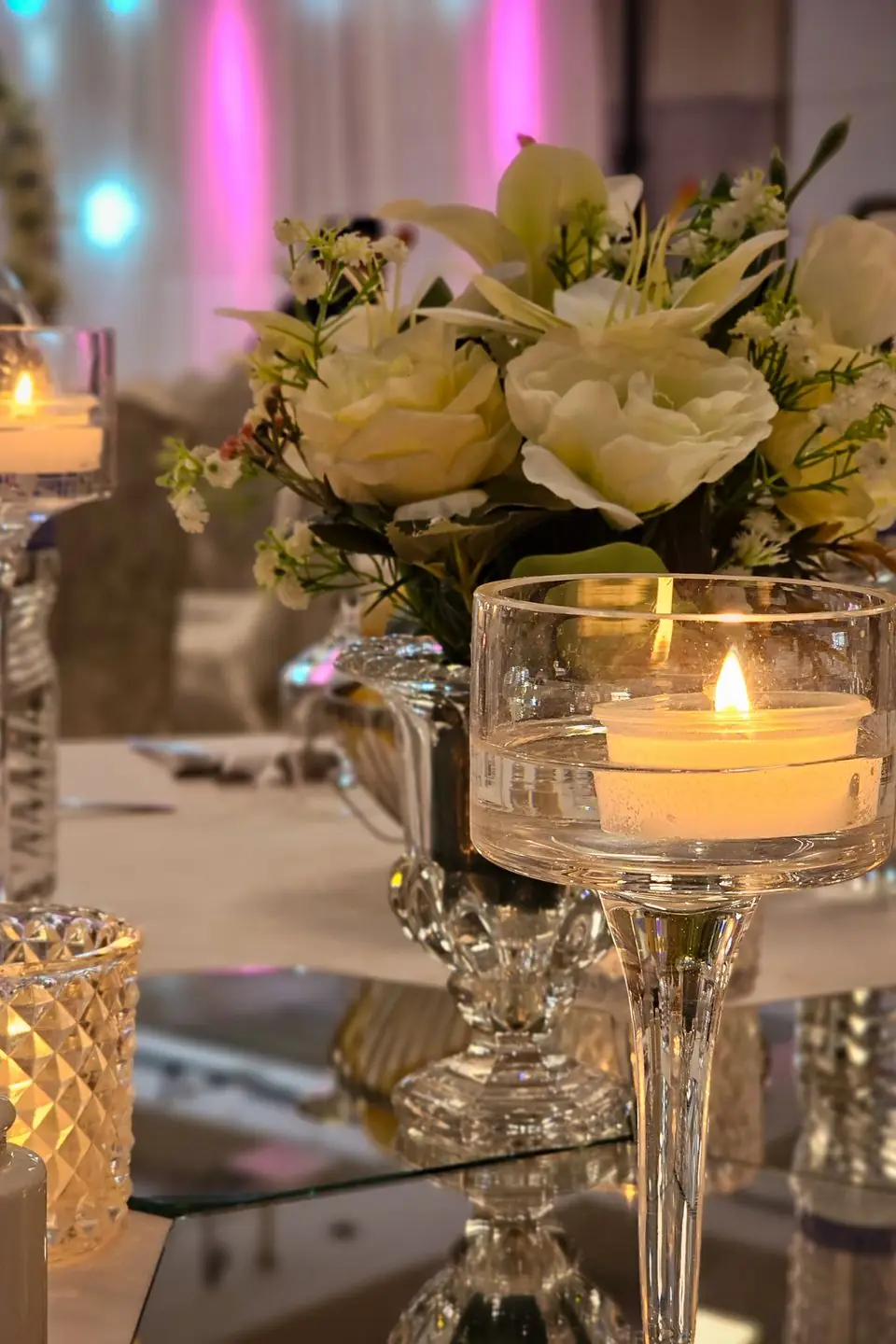
Credit: zeynep
- Choose one flower type in two shades for a calm, full look.
- Cut stems at an angle so blooms drink well all evening.
- Keep the vase low so faces stay visible across the table.
- Add filler greens last to hide stems and soften edges.
- Match the vase to the table style, glass for light rooms and ceramic for warm ones.
A fresh bouquet beats a fussy arrangement because it looks alive rather than arranged. Change the water every two days, snip the ends again, and the same flowers can carry a table from a weeknight supper to a weekend party with ease.
Rustic Wooden Trays
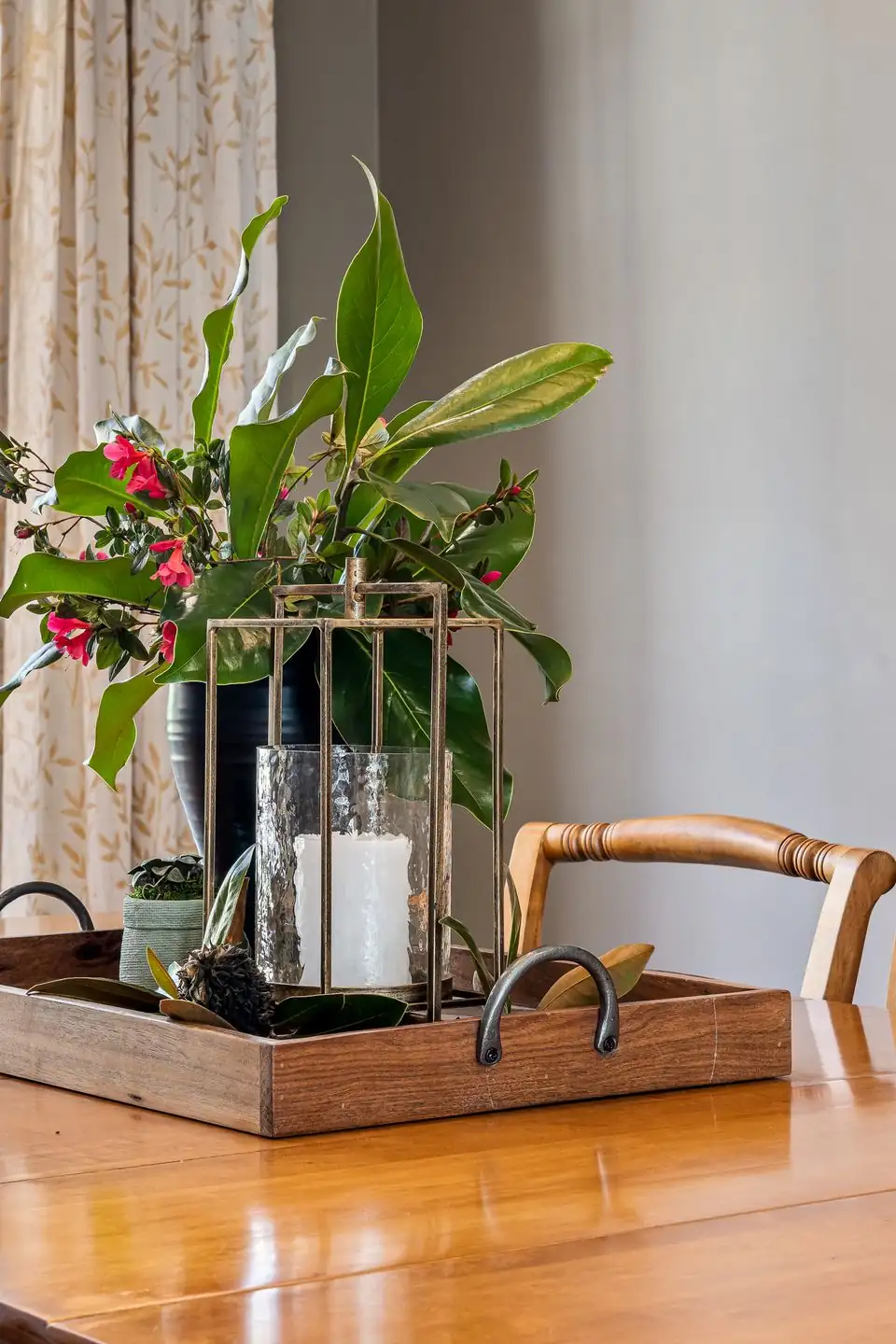
Credit: Curtis Adams
Quick Tip: Line the tray with a linen cloth before setting down candles, so wax drips land on fabric you can wash.
A wooden tray turns scattered candles and small vases into one clear centerpiece, and it moves off the table in one lift when dinner needs more room. Choose a tray slightly longer than it is wide, group items in odd numbers, and leave one corner open for a small plant or a stack of napkins. The wood warms up glass and metal, and the whole table feels gathered rather than cluttered, even when the pieces themselves are simple.
Bare Table To Elegant
Credit: Samuel Peter
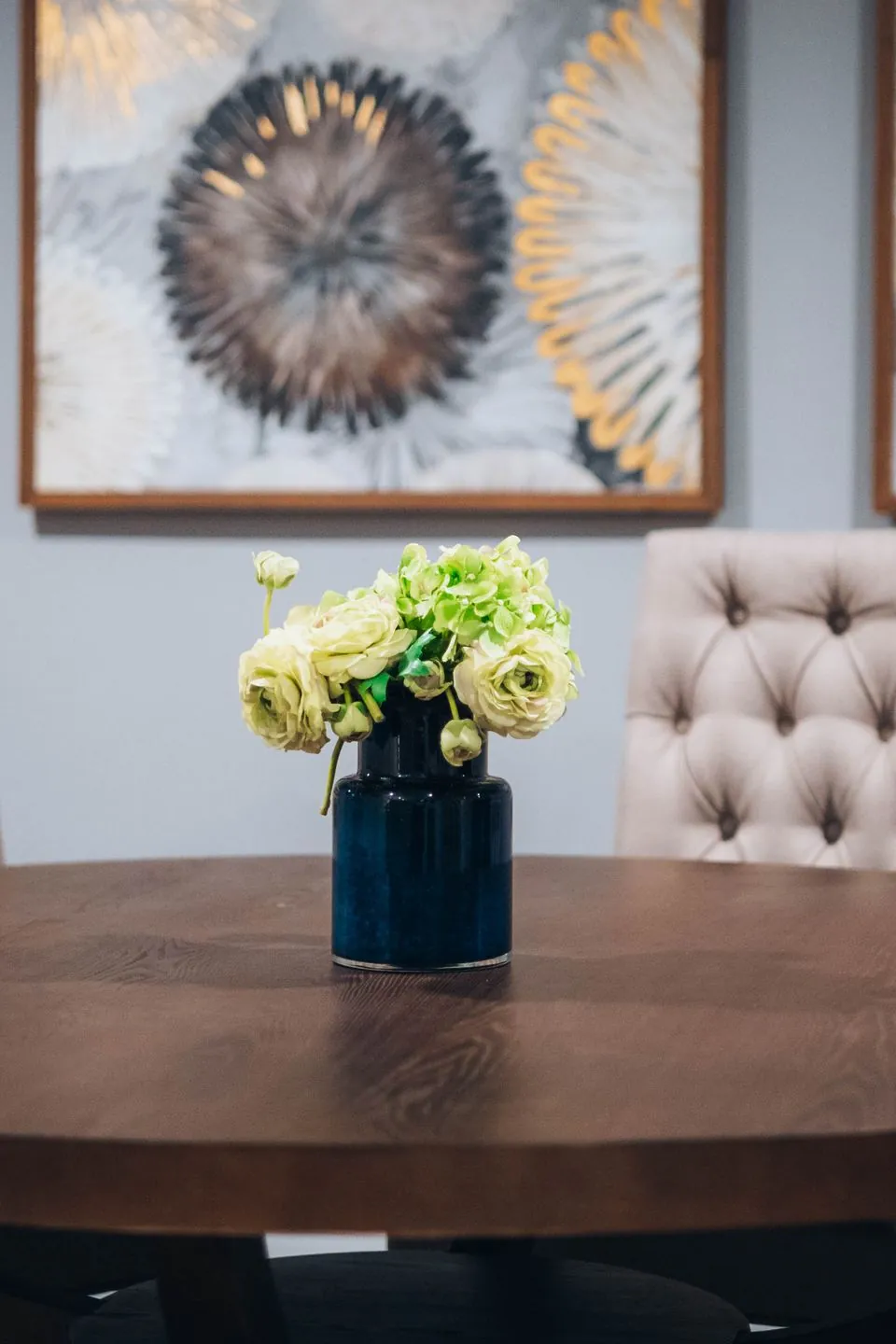
BEFORE: The table stood empty between meals, a flat stretch of wood with no focal point and no reason to linger.
AFTER: A linen runner, three candles at mixed heights, and a low bowl of lemons now draw the eye, and the same table invites long dinners.
The change costs little because the pieces already lived in the house, just waiting for a shared home on the table. Start with a runner, add candles next, and finish with one natural element like fruit or leaves. I’ve seen this work well in many cases, since a bare table only needs three layers to feel dressed: cloth, light, and something living.
Layered Candle Steps
Credit: cottonbro studio
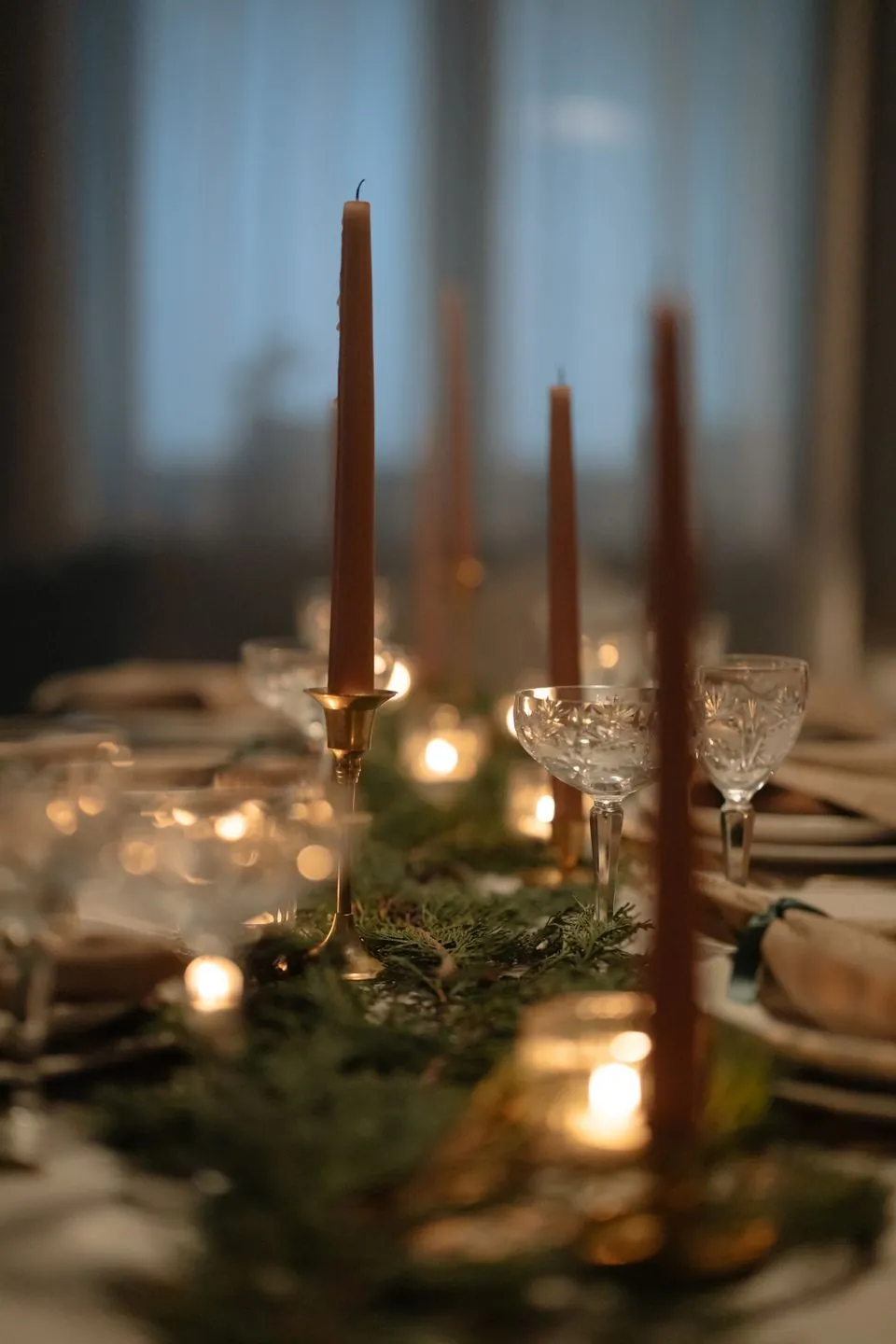
- Set a long tray or runner down the center first.
- Place the tallest candles at the ends and shorter ones inside.
- Add small votives between pillars to fill gaps.
- Light the tallest candles first, then work inward.
- Tuck a few green sprigs around the bases for color.
Layered candles give a table depth that one candle alone cannot, since light at several heights feels like a small celebration. Keep flames away from leaves and paper, use steady holders on flat bases, and never leave burning candles alone in the room. The result is a warm pool of light that flatters food, faces, and the whole evening.
Fresh Versus Faux Florals
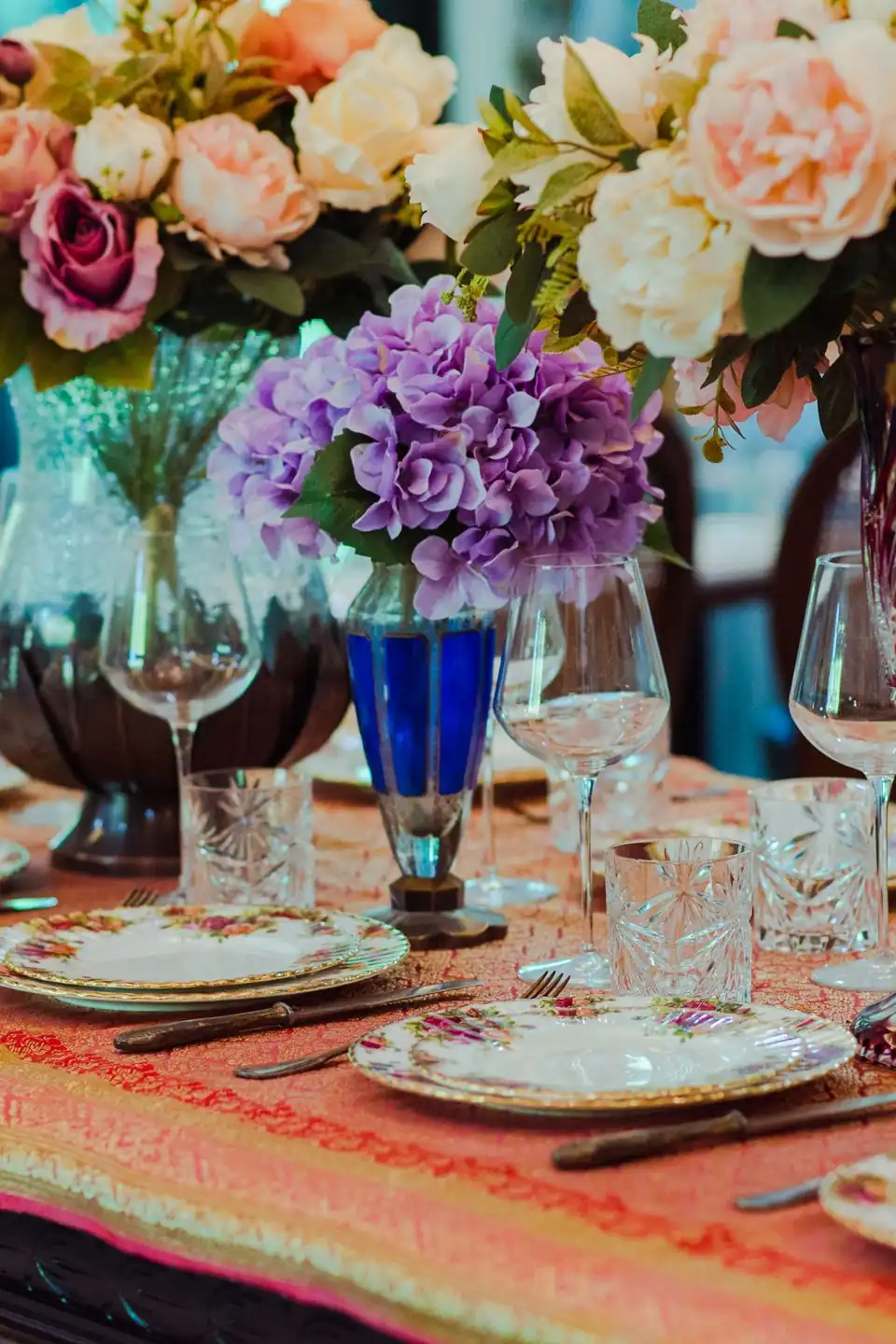
Credit: ธันยกร ไกรสร
| Option | Cost | Upkeep |
|---|---|---|
| Fresh Blooms | Higher | Water daily |
| Faux Stems | One-time | Dust only |
| Mixed Arrangement | Mid-range | Swap weekly |
Fresh flowers win on scent and softness, while faux stems win on staying power and allergy-free rooms, so the right pick depends on the occasion. For a big dinner, fresh blooms feel generous; for a table that must look good every day, faux stems save time and money. Many hosts mix both, using real greenery with faux blooms, and guests rarely spot the blend once candles are lit and plates are set. Start with faux for everyday calm, then swap in fresh stems for birthdays, holidays, and nights when the table deserves extra care.
Seasonal Styling Rules
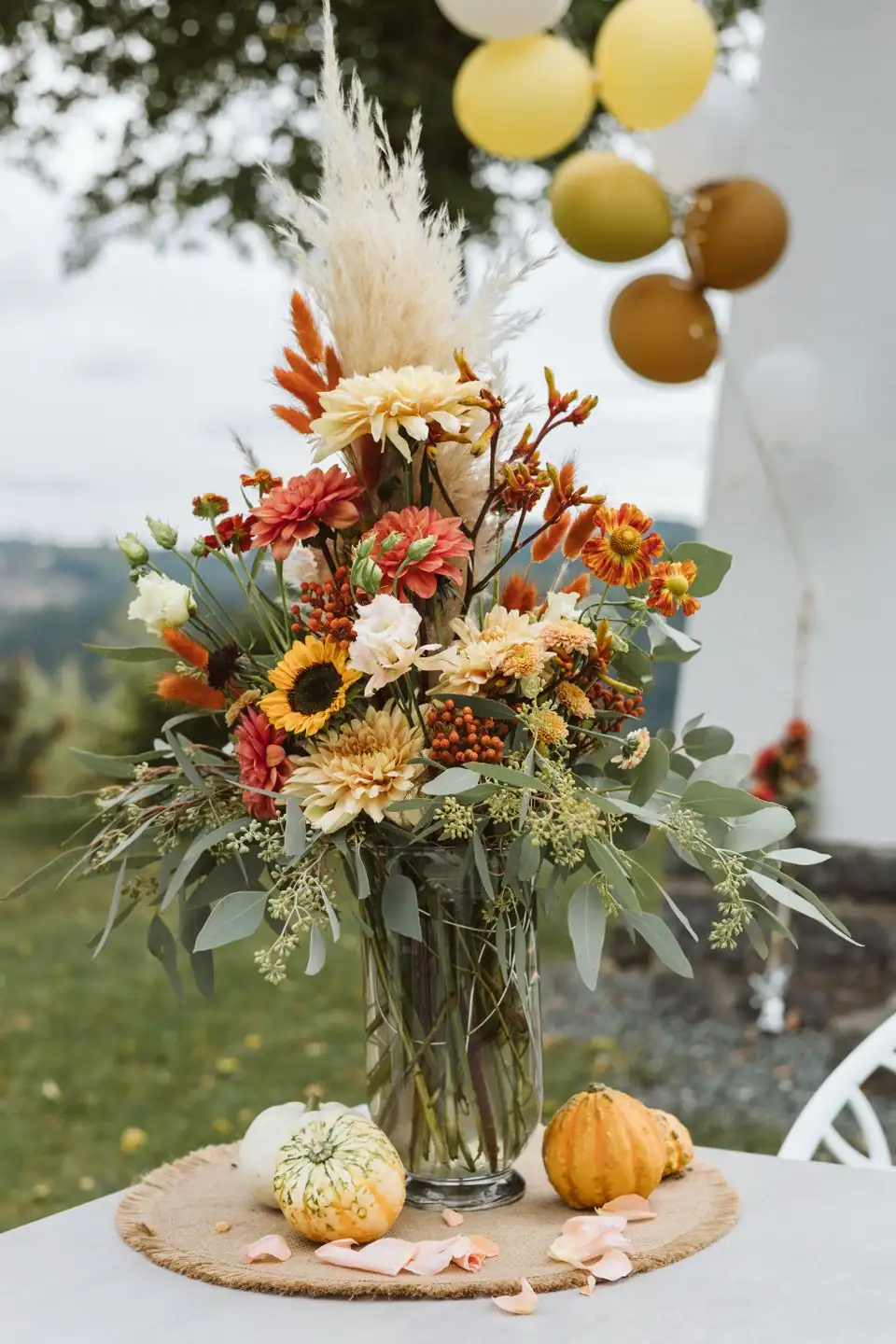
Credit: Nadin Romanova
Do: Repeat one seasonal color in napkins and candles.
Do: Swap only the centerpiece, not the whole table.
Do: Use real leaves, fruit, or branches for scent.
Don’t: Mix two holidays in one arrangement.
Don’t: Block faces with tall seasonal branches.
Don’t: Buy new dishes for every season.
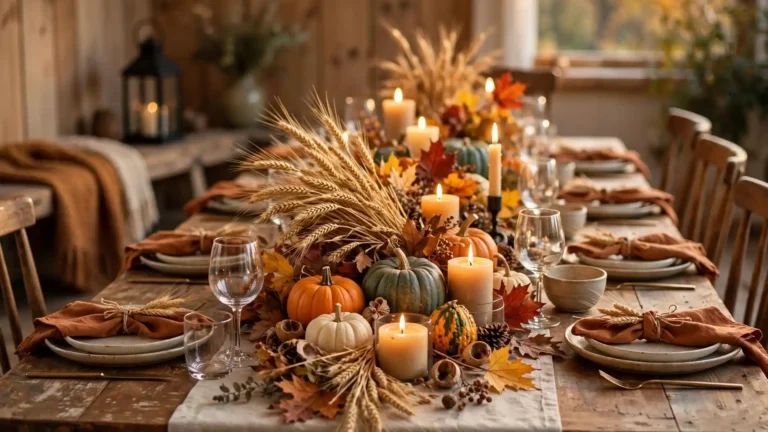
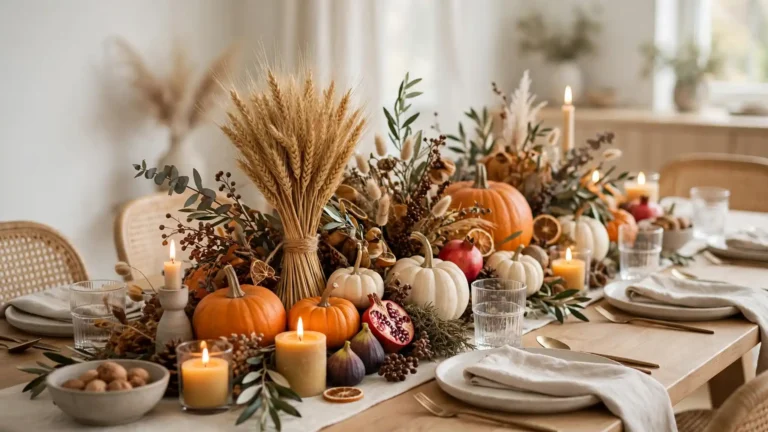
Seasonal styling stays joyful when the base table never changes and only the middle gets a fresh twist. A neutral runner, plain plates, and steady candle holders carry every season, while pumpkins, pine, or spring buds rotate through the center. That way the table feels new four times a year without a full restyle or a crowded cupboard.
Centerpiece Budget Facts
Credit: Nati
Cost: $10 to $40 for a full table look.
Time: 20 minutes to style from scratch.
Skill Level: Beginner friendly, no tools needed.
Best For: Weeknight dinners and small parties.
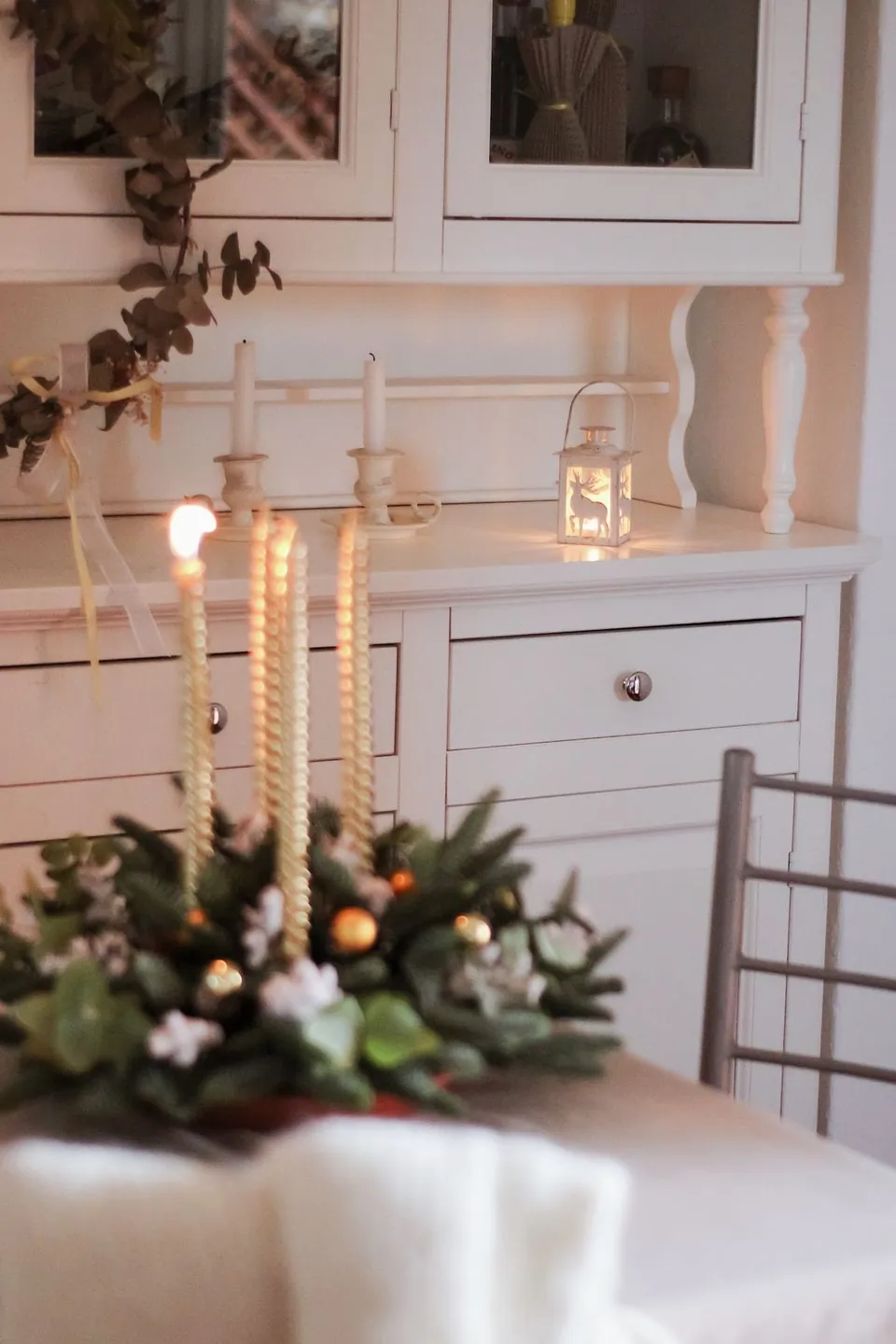
A lovely centerpiece rarely needs a big budget, since candles, greenery, and a bowl from the kitchen already cover the basics. Thrift shops hold brass holders and glass vases for a few dollars, and garden clippings cost nothing at all. Spend the saved money on good candles, which burn cleaner and longer, and the table will look far more costly than the receipt suggests. Keep a small box of spare candles and ribbon, and last-minute guests never catch the table unprepared.
Gold Accent Elegance
Credit: Matheus Bertelli
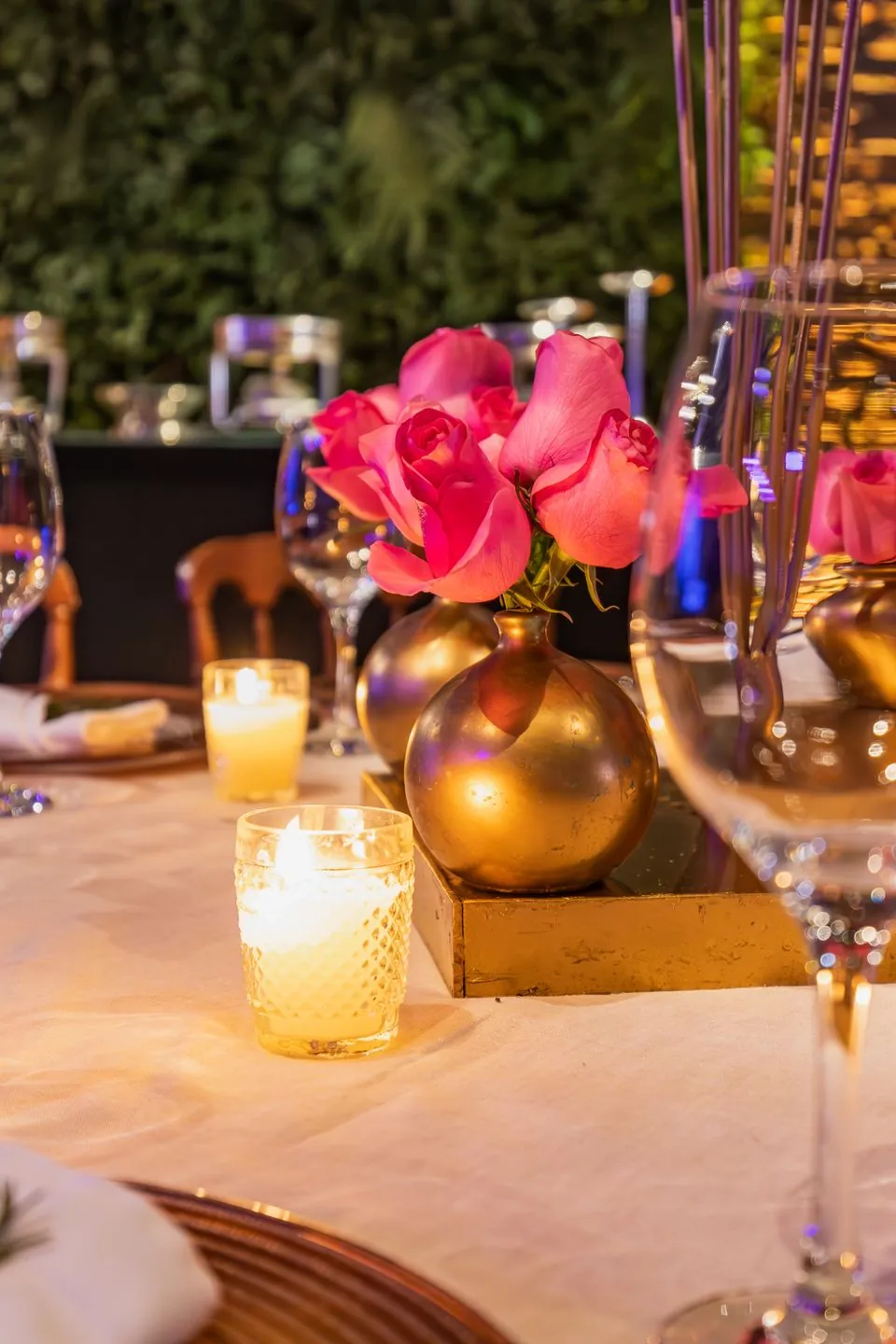
Gold accents give a dining table a quiet richness that never shouts, especially against white plates and dark wood. A thin gold rim on a tray, a pair of brass candle holders, or a gilded bowl can lift the whole setting without a single new dish. Keep gold to two or three pieces so the shine reads as warmth, not glitter, and pair it with cream linen for softness.
At night, candlelight catches gold edges and makes the table glow, which is why many hosts save their brass for evening meals. Mix old and new gold pieces freely, since matching sets matter less than a shared warm tone across the table.
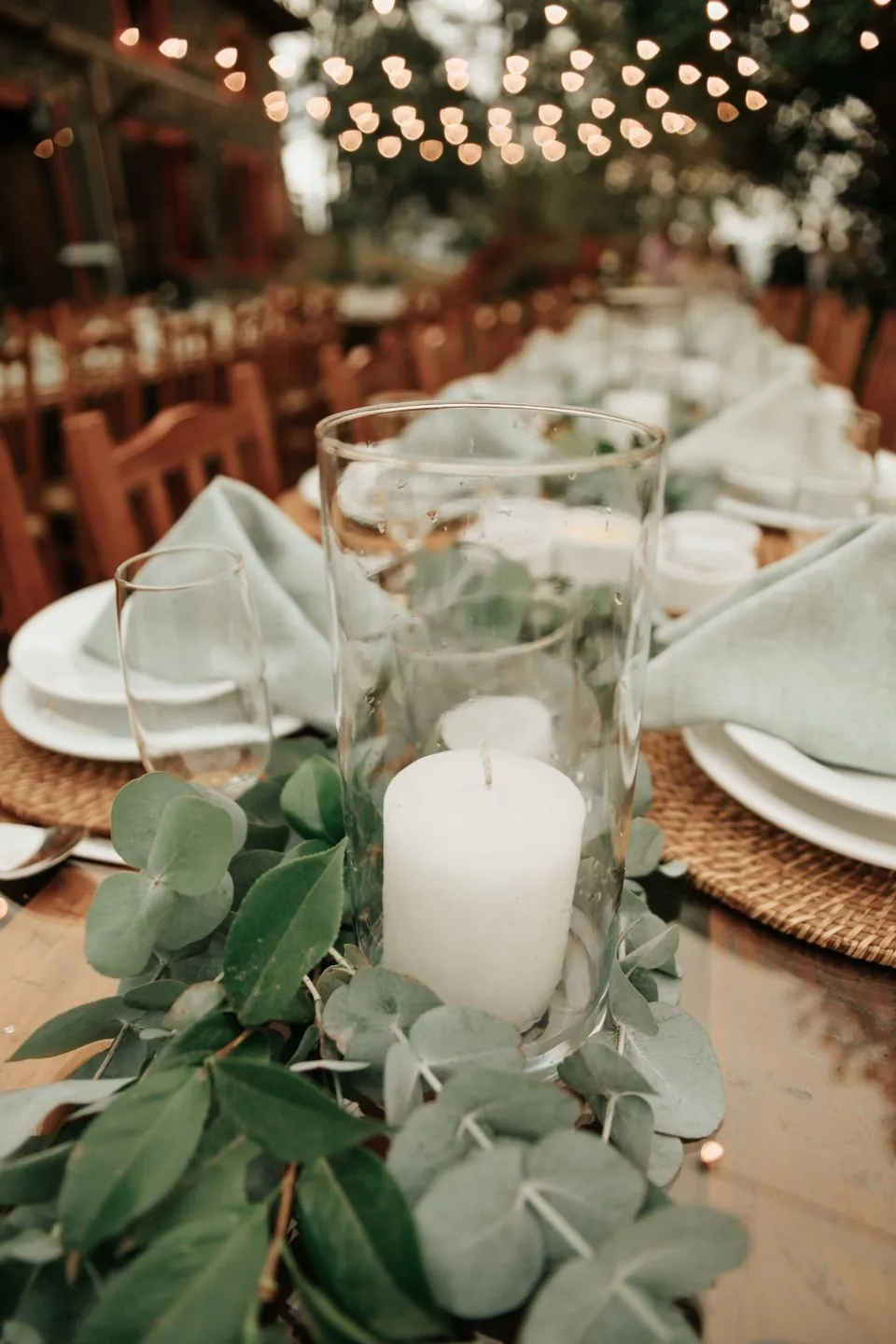
Eucalyptus Garland Charm
Credit: Jonathan Borba
- Lay one long garland down the center, not two short ones.
- Tuck white candles into the leaves every 12 inches.
- Trim stems that hang past the table edge.
- Mist the leaves lightly so they stay fresh longer.
- Add a few white blooms at the ends for a soft finish.
Eucalyptus smells clean, looks soft, and stays green for days, which makes it the easiest garland for busy hosts. Its dusty blue-green tone calms bright rooms and flatters both wood and white tables. Pair it with plain white candles and the table feels calm, fresh, and ready without much fuss at all.
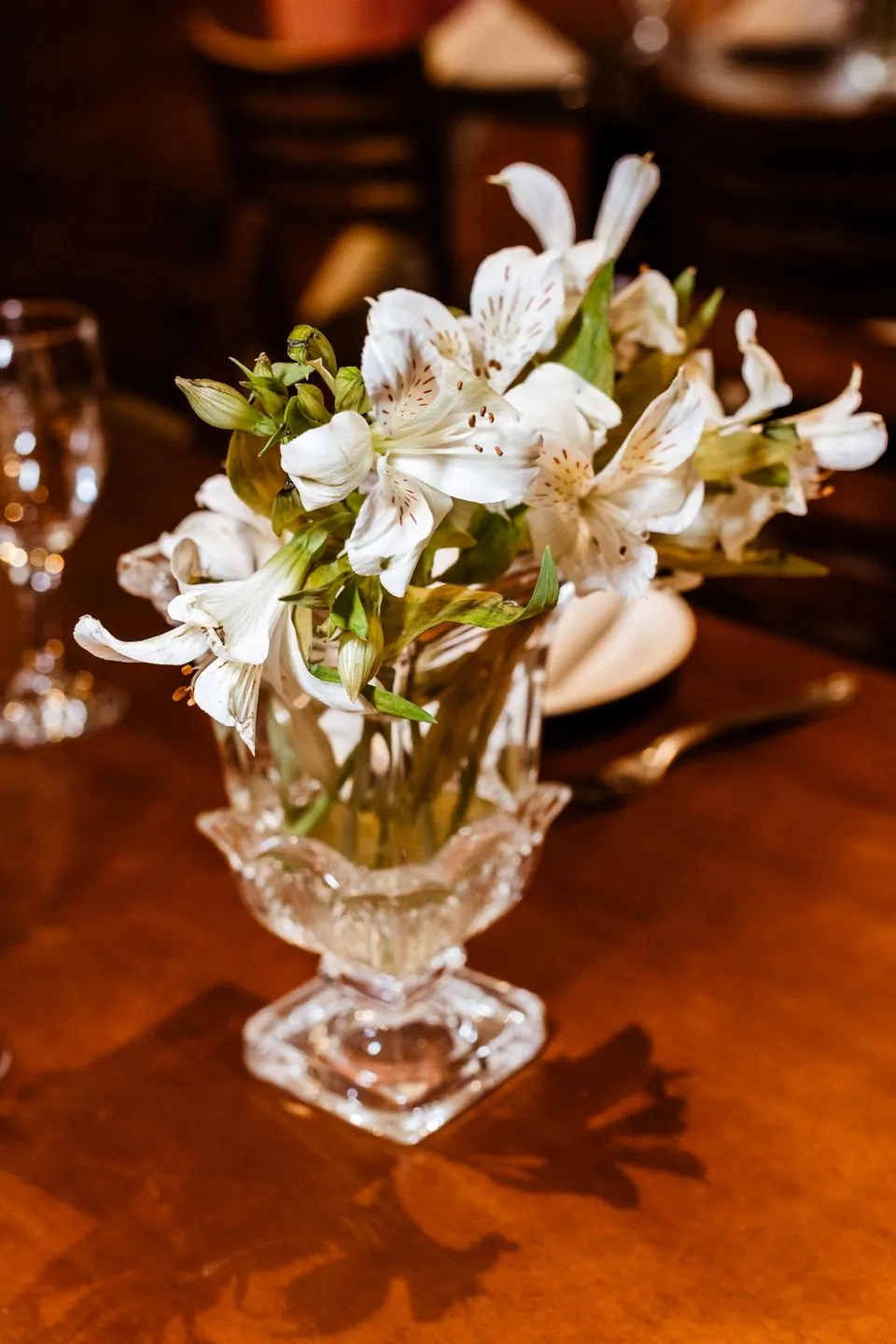
Vintage Glass Vases
Credit: Jonathan Borba
Quick Tip: Fill vintage vases only halfway with water, so old glass stays stable and stems get support from the narrow neck.
Old glass brings a story to the table that new vases cannot copy, with bubbles, ripples, and soft tints that catch light. Hunt for one tall vase and two short ones, group them close, and let a few stems do the talking instead of a crowded bouquet. Wash vintage glass by hand, dry it well, and the same three vases can serve every dinner for years. That’s why many experts recommend starting with thrifted glass, since charm costs far less than perfection.
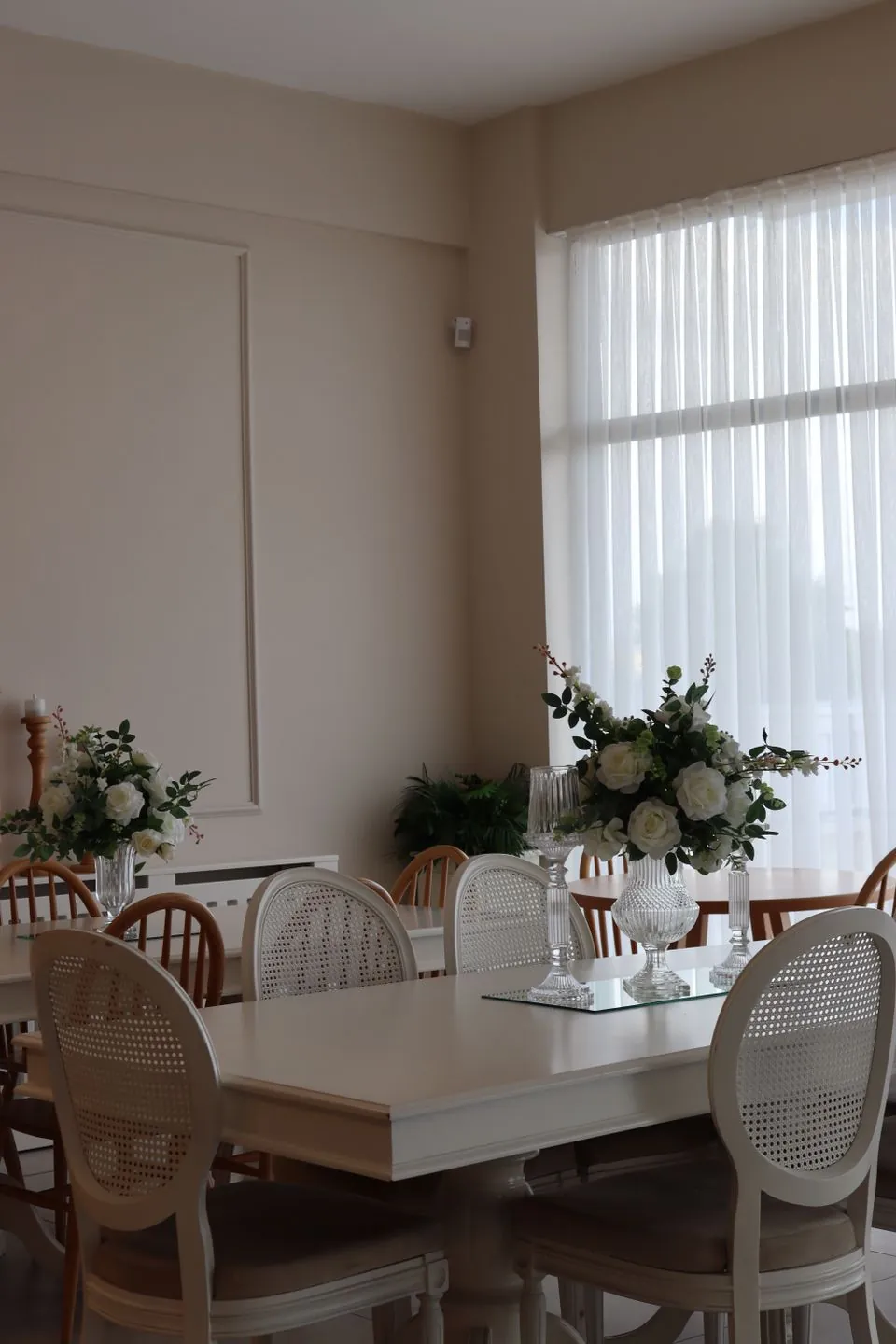
Plain To Polished
Credit: Nurgül Kelebek
BEFORE: The table held only salt, pepper, and a stack of mail, with no center and no welcome for guests.
AFTER: A runner, a bowl of greenery, and two candles now give the table a center, and weeknight meals feel like small occasions.
The trick is keeping the base simple so the centerpiece shines, and dining room centerpiece decorating ideas work best when one clear focal point leads the eye. Clear the mail first, lay the runner second, and add light last, since order keeps the styling calm. In a few minutes, the same table that felt forgotten becomes the room everyone gathers around.
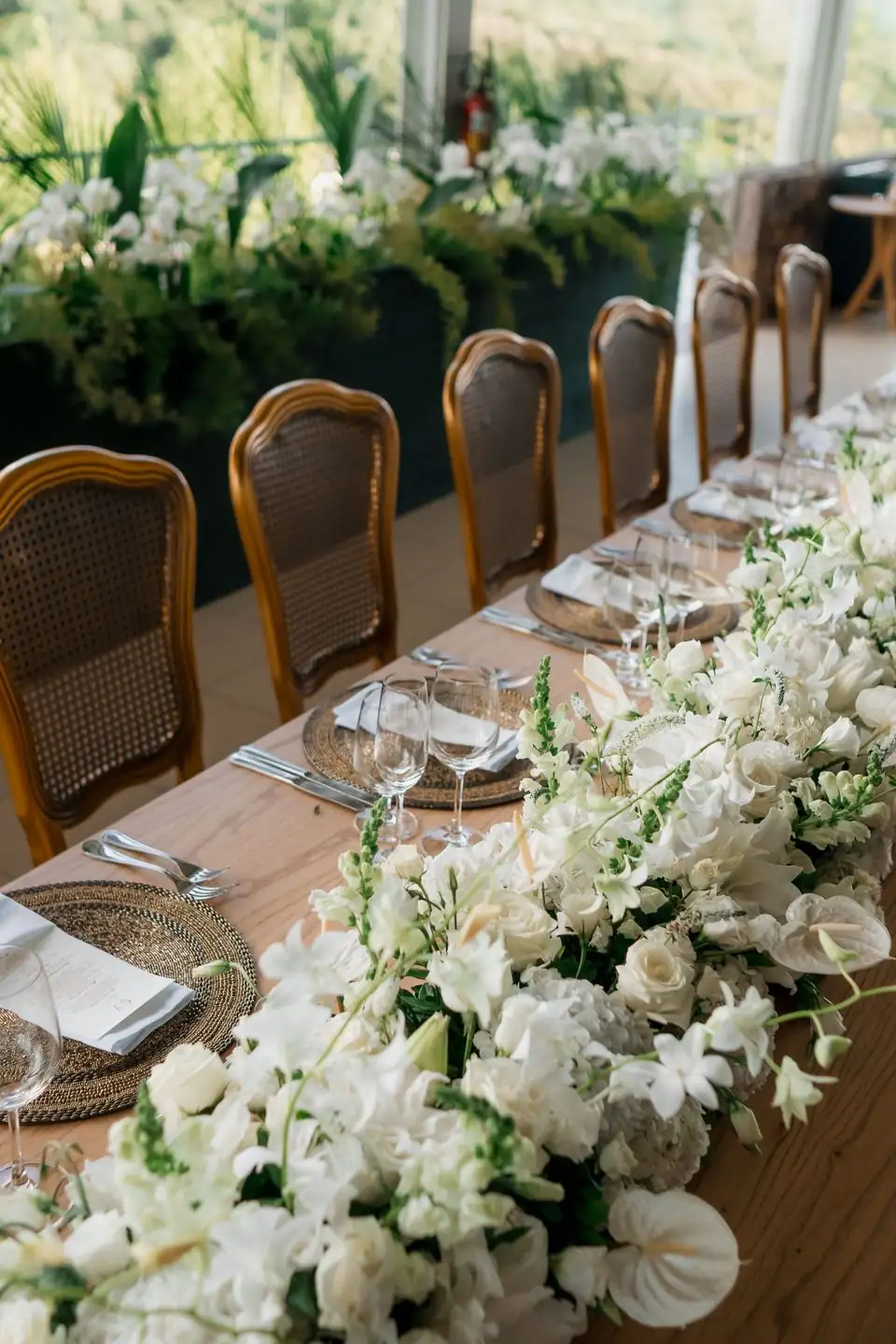
Tablescape Building Steps
Credit: Jonathan Borba
- Start with a clean table and a pressed runner.
- Set the centerpiece first, then build outward.
- Add plates, glasses, and cutlery around the center.
- Finish with napkins and one small favor per guest.
- Step back and remove one item if the table feels crowded.
Building outward from the center keeps the table balanced, since the middle sets the height and color for everything else. Leave at least a hand span between the centerpiece and the first plate, and check sight lines from every chair before guests arrive. A table built this way looks planned without feeling stiff, and dinner starts with everyone already admiring the scene.
Tall Versus Low Centerpieces
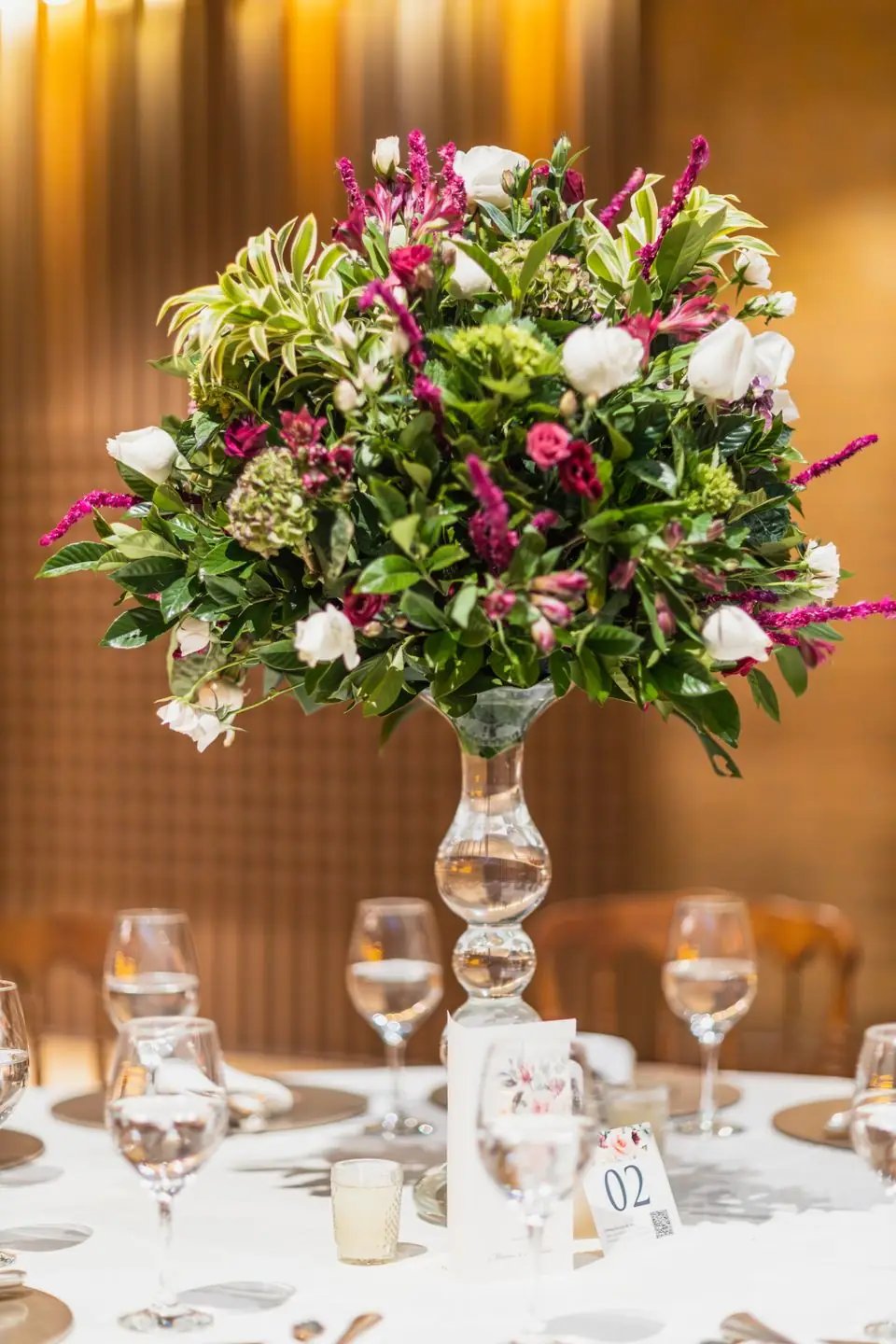
Credit: Matheus Bertelli
| Style | Best For | Watch Out |
|---|---|---|
| Tall Vases | Big rooms | Blocks faces |
| Low Bowls | Conversation | Needs filler |
| Mixed Heights | Drama | Can look busy |
Tall centerpieces suit large rooms with high ceilings, where height draws the eye upward and the table still feels open. Low bowls suit small rooms and long talks, since nothing stands between guests. Mixed heights give drama but need care, so keep tall pieces at the ends and low ones in the middle. Choose by room size first, and the centerpiece will flatter the space instead of fighting it. Test the height by sitting down and checking the view across the table before the first guest arrives.
Centerpiece Care Rules
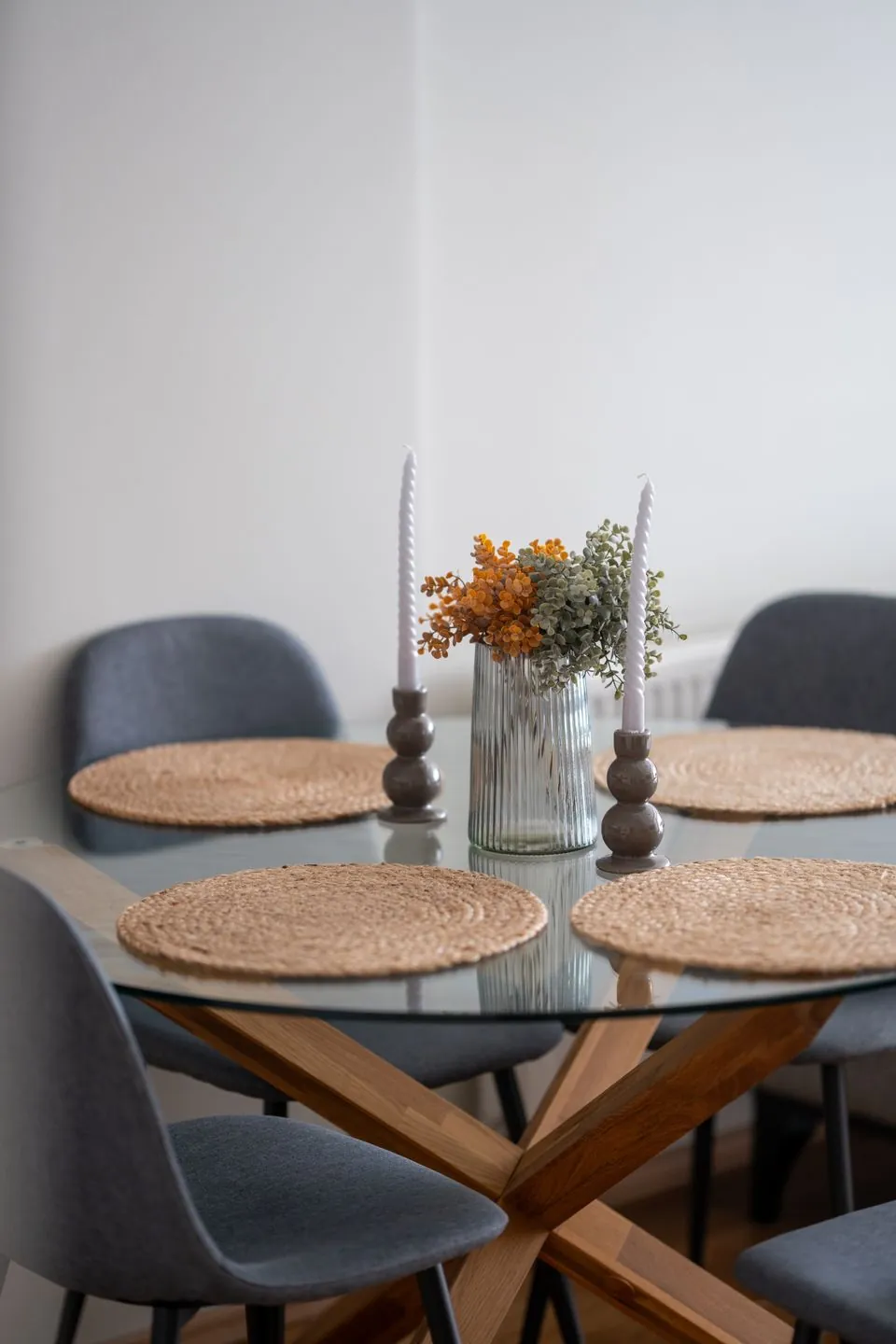
Credit: Edmond Elshani
Do: Trim stems every two days for fresh flowers.
Do: Wipe candle holders after each dinner.
Do: Store faux stems upright in a tall box.
Don’t: Place candles under low shelves or curtains.
Don’t: Let water sit in vases for a week.
Don’t: Crowd the center with too many pieces.
Care keeps a centerpiece looking fresh long after styling day, and the same calm layering found in wood slat wall living room ideas works here too, where one warm material ties the whole room together. Wipe wood trays dry, dust faux leaves monthly, and swap tired blooms before guests notice. A few minutes of care each week keeps the table ready for any meal.
Budget Tablescape Facts
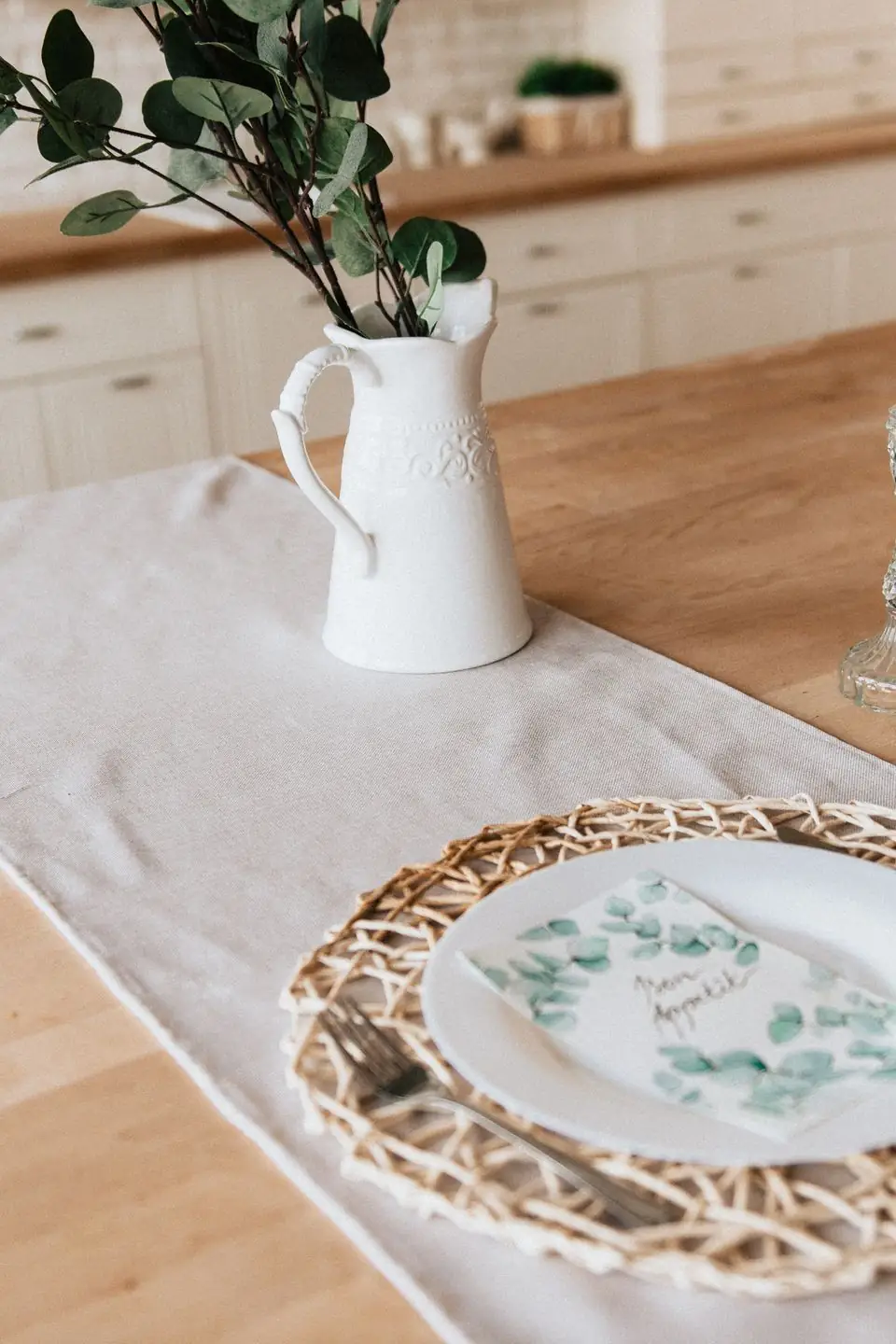
Credit: Dmitry Zvolskiy
Cost: Under $25 with thrifted holders and garden greens.
Time: 15 minutes once the base is set.
Skill Level: Easy for first-time hosts.
Best For: Everyday tables and holiday dinners.
Budget tablescapes shine when one good idea repeats, like matching candles down the runner or one green in every vase. Shop the house first: jars, bowls, and trays already on shelves often beat new buys. Add fresh herbs from the kitchen for scent, and the table smells as good as it looks without a florist bill. I’ve noticed that guests remember candlelight and scent far longer than price tags, so spend effort on glow rather than goods.
Fruit Bowl Centerpieces
Credit: Wolf Art
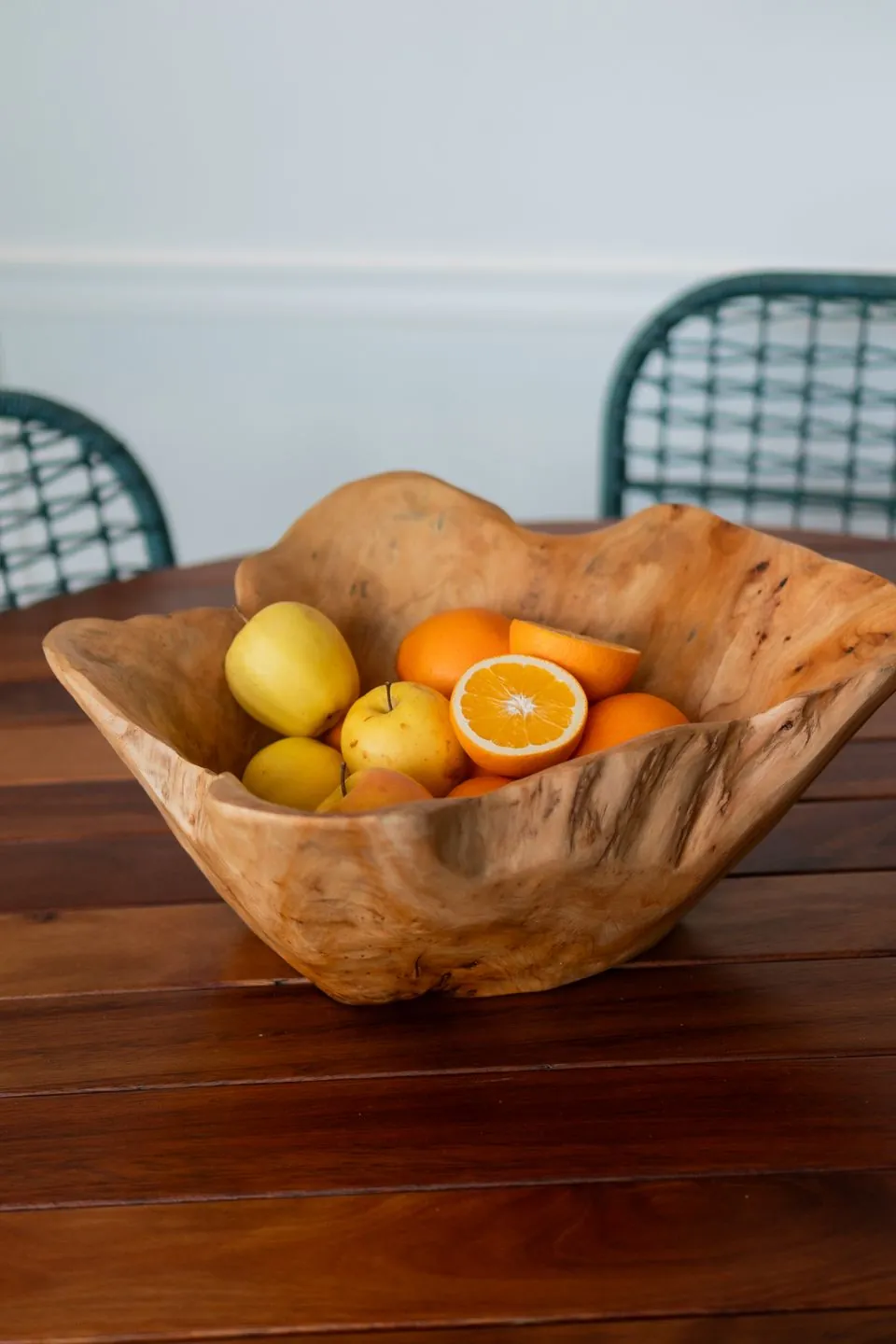
A bowl of fruit is the easiest centerpiece of all, since it looks abundant, smells fresh, and feeds guests after dinner. Pile lemons, oranges, or apples in a wide bowl, add a few leaves for color, and set it slightly off center so the table keeps one clear side for serving. The color pops against wood, marble, or white linen alike.
Swap fruit weekly so the bowl never holds tired pieces, and wash the bowl well between fills. For parties, mix two fruits and one green sprig per bowl, and the simplest table suddenly looks styled with care. Keep the bowl low and wide, never tall and narrow.
Lantern Glow Ideas
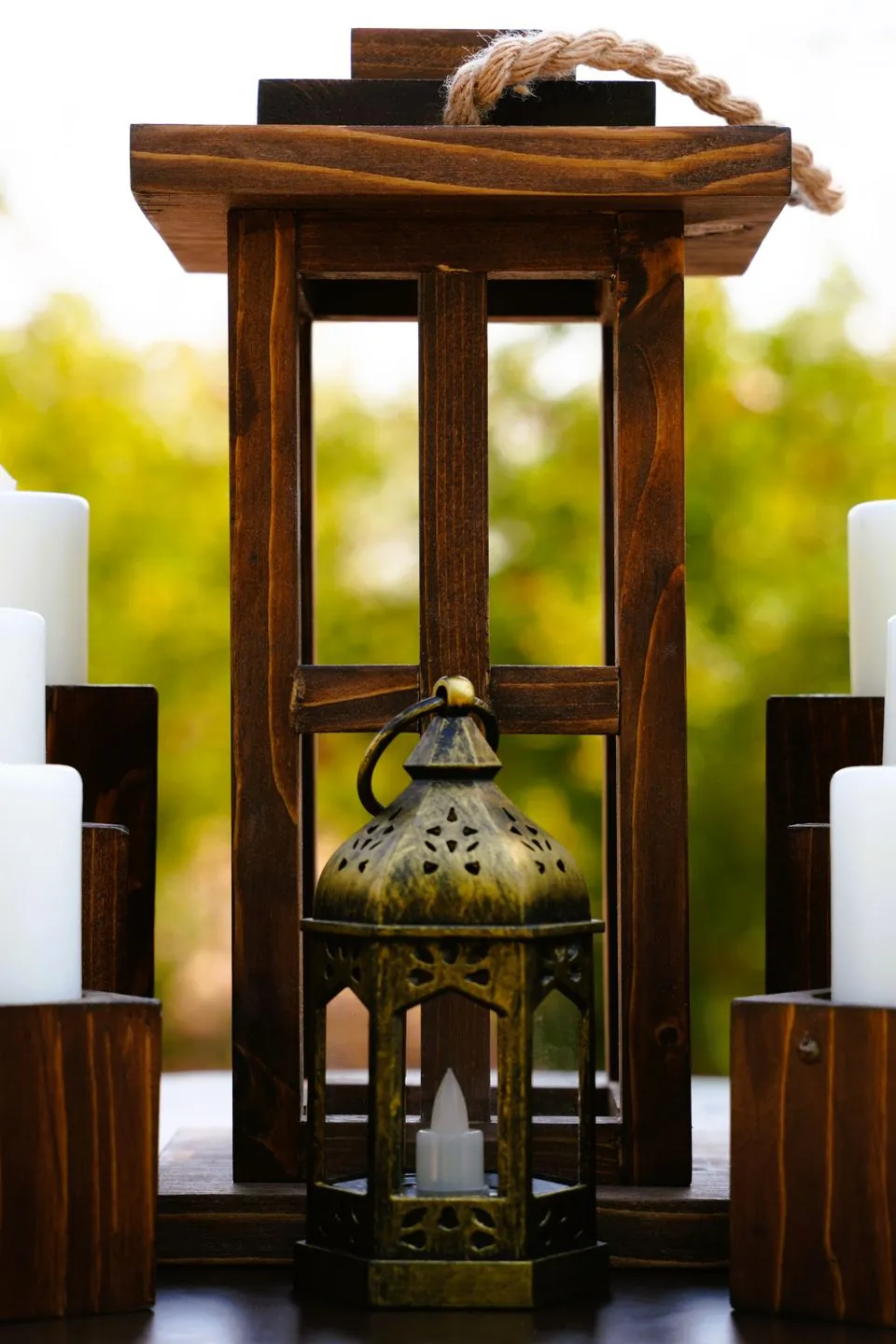
Credit: AmirHadi Manavi Moghadam
- Place one large lantern in the middle for a clear focal point.
- Use flameless candles inside lanterns near curtains.
- Group two small lanterns at the ends for balance.
- Add fairy lights inside glass lanterns for extra glow.
- Wipe glass panels clean so the light stays bright.
Lanterns give a table a cozy, gathered feeling that open candles alone rarely match, since the glass softens every flame. They suit porches, patios, and dining rooms alike, and they move outside easily when dinner shifts outdoors. Choose black metal for modern rooms, wood for rustic ones, and gold for evenings that call for shine.
Holiday Table Refresh

Credit: Ioana Motoc
Quick Tip: Keep the holiday centerpiece low and flame-safe, so gifts, plates, and conversation all fit around it.
A holiday table needs only a few festive touches to feel special, since the meal and the guests already bring the joy. Add pine branches, a few ornaments in a bowl, and candles in safe holders, then stop before the table feels crowded. Save one fresh element, like rosemary sprigs at each plate, and the whole room smells like the season. After the feast, pack ornaments away but keep the candles, and the table stays ready for the next gathering. That restraint is what makes a holiday table feel elegant rather than busy.
Dated To Dreamy
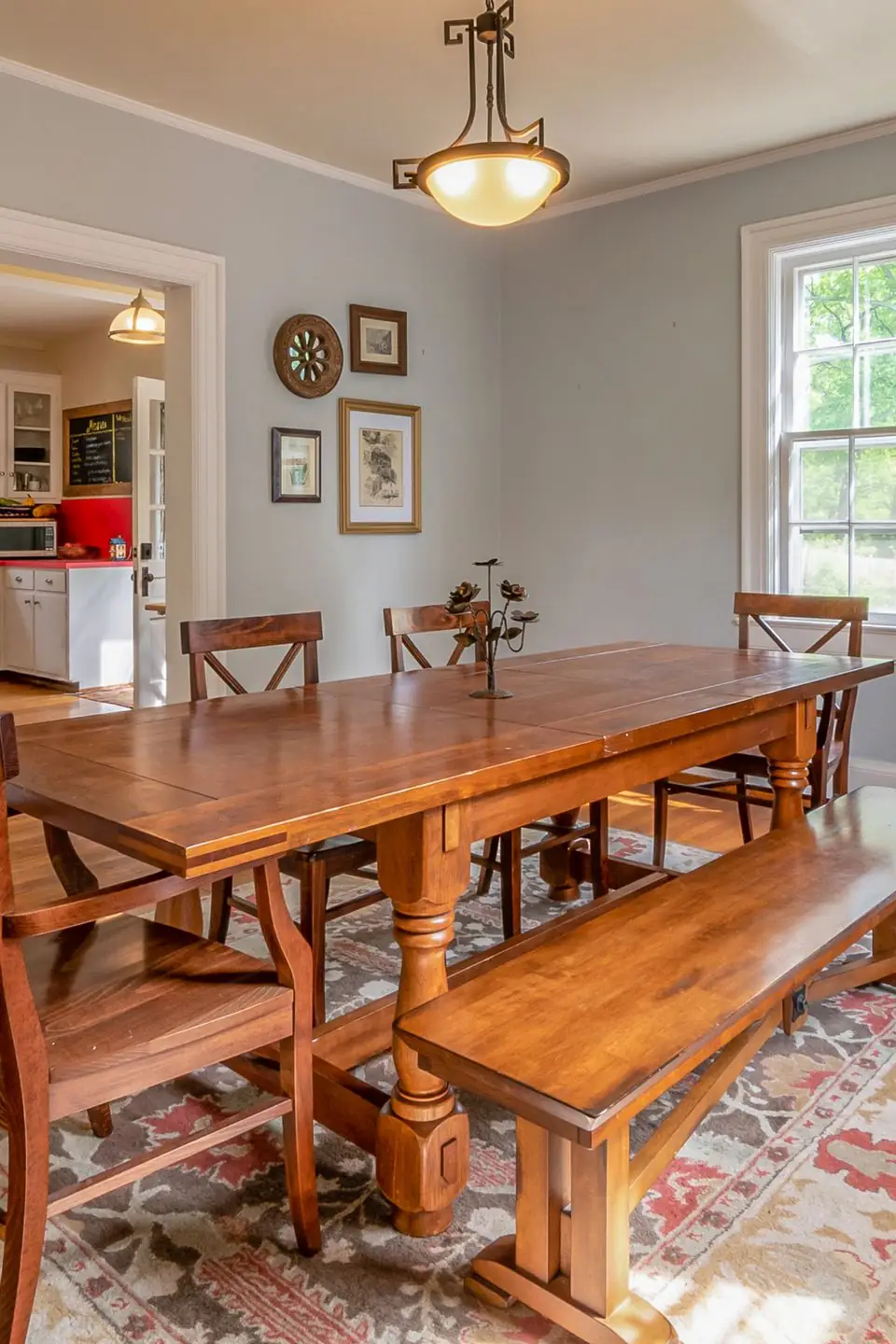
Credit: Curtis Adams
BEFORE: The table wore a faded plastic cloth and one dusty silk flower, and dinners felt more like chores than occasions.
AFTER: A washed linen cloth, a wooden tray, and fresh greenery now make the same table feel calm, current, and ready for guests.
No new table was needed, only a kinder eye for what already sat in cupboards and the garden. Replace plastic with cloth, silk with fresh stems, and one tired piece with one living one, and the room shifts fast. Small swaps beat big spending here, since a table that feels cared for makes every meal taste a little better.
Finishing Steps Guide
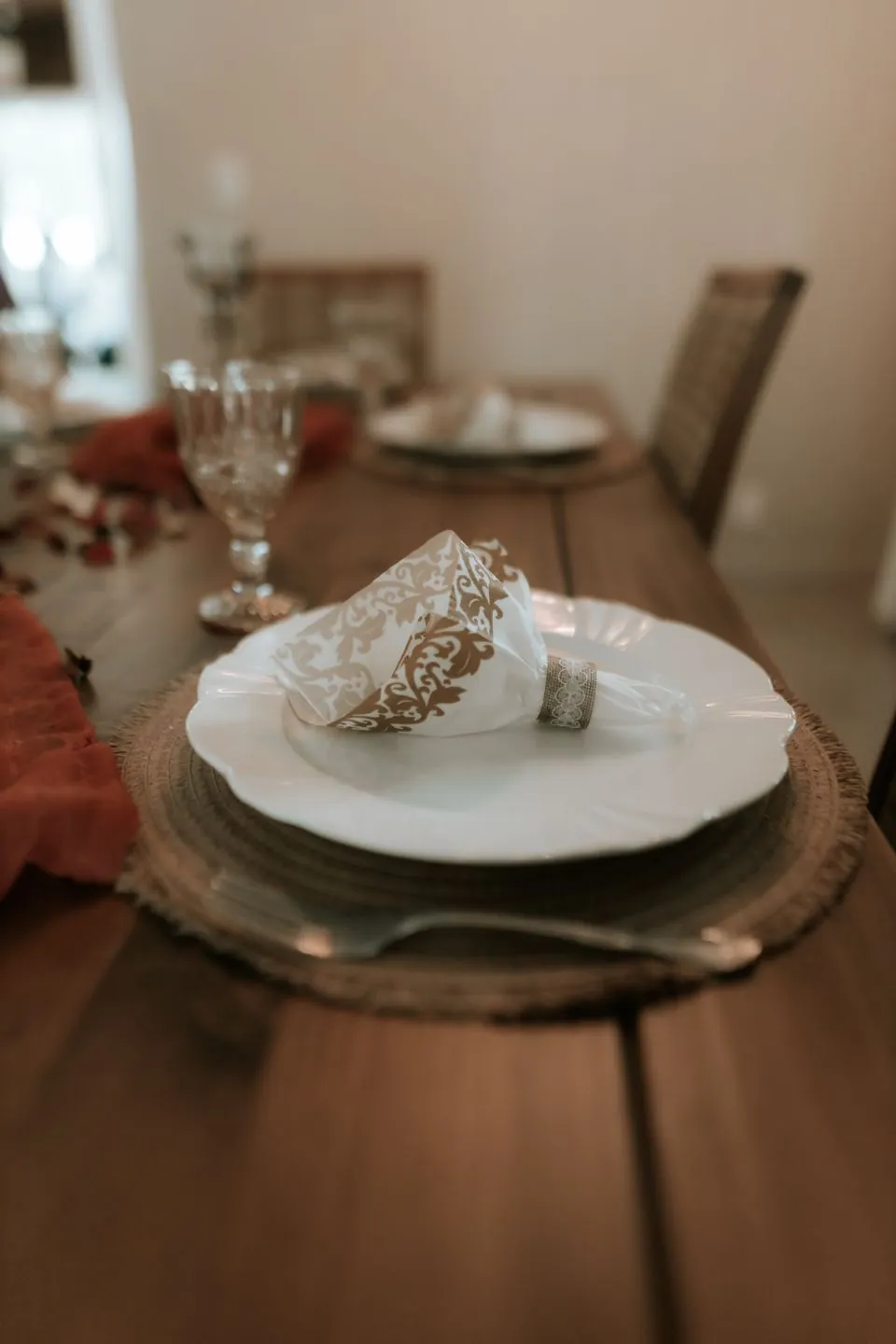
Credit: Alexander Mass
- Fluff greenery and straighten candles before guests arrive.
- Set one water glass per guest near each plate.
- Light candles last, right before seating everyone.
- Check sight lines from each chair once more.
- Place a small card or sprig at each setting for warmth.
Finishing steps matter because they turn a styled table into a welcoming one, with no wobbling candle or blocked view to distract dinner. Walk around the table once, fix anything leaning, and breathe before the doorbell rings. A calm host sets a calm table, and guests relax faster when the room already feels settled and ready. That final walk is the difference between a table that looks styled and one that feels loved.
Classic Versus Modern
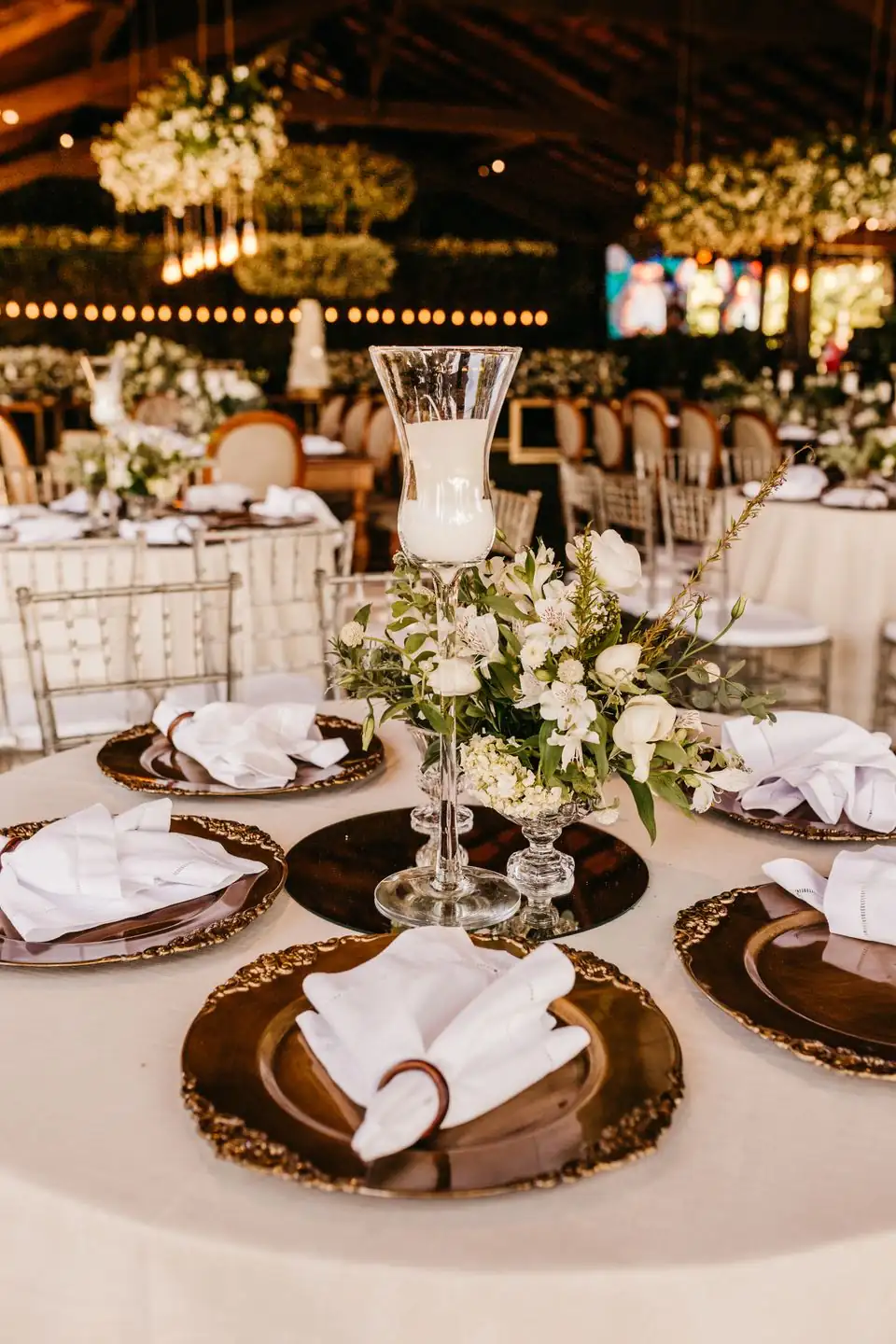
Credit: Jonathan Borba
| Look | Key Pieces | Mood |
|---|---|---|
| Classic | Candles, silver, roses | Timeless |
| Modern | Glass, minimal stems | Sleek |
| Mixed | Brass, greenery, linen | Warm |
Classic centerpieces lean on candles, silver, and roses for a timeless mood that suits formal dinners and family traditions. Modern ones lean on glass, single stems, and open space for a sleek mood that suits small rooms and busy weeks. Mixed tables borrow brass from classic style and greenery from modern style, and the blend feels warm rather than confused. Pick the mood that matches the meal, and the centerpiece will feel right without trying hard. Start classic for holidays, modern for weeknights, and mixed when friends gather.
Conclusion
A table dressed with care turns ordinary dinners into memories, and dining room centerpiece decorating ideas give every host a simple way to start. Pick one idea from this list, style it tonight, and notice how the room changes when the middle of the table finally gets attention. Save this post on Pinterest so the ideas stay close for birthdays, holidays, and quiet weeknights alike, and share your favorite table with friends who love gathering too. Small changes at the center make the biggest difference, and your next dinner already has a head start.