How to Make a Small Bedroom Work Without a Dresser
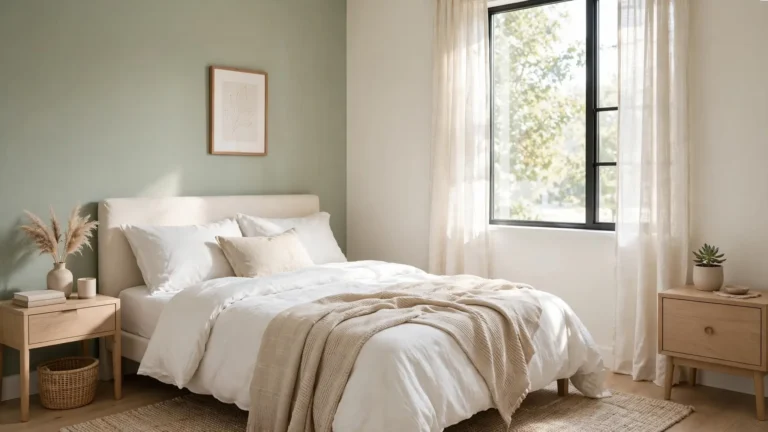
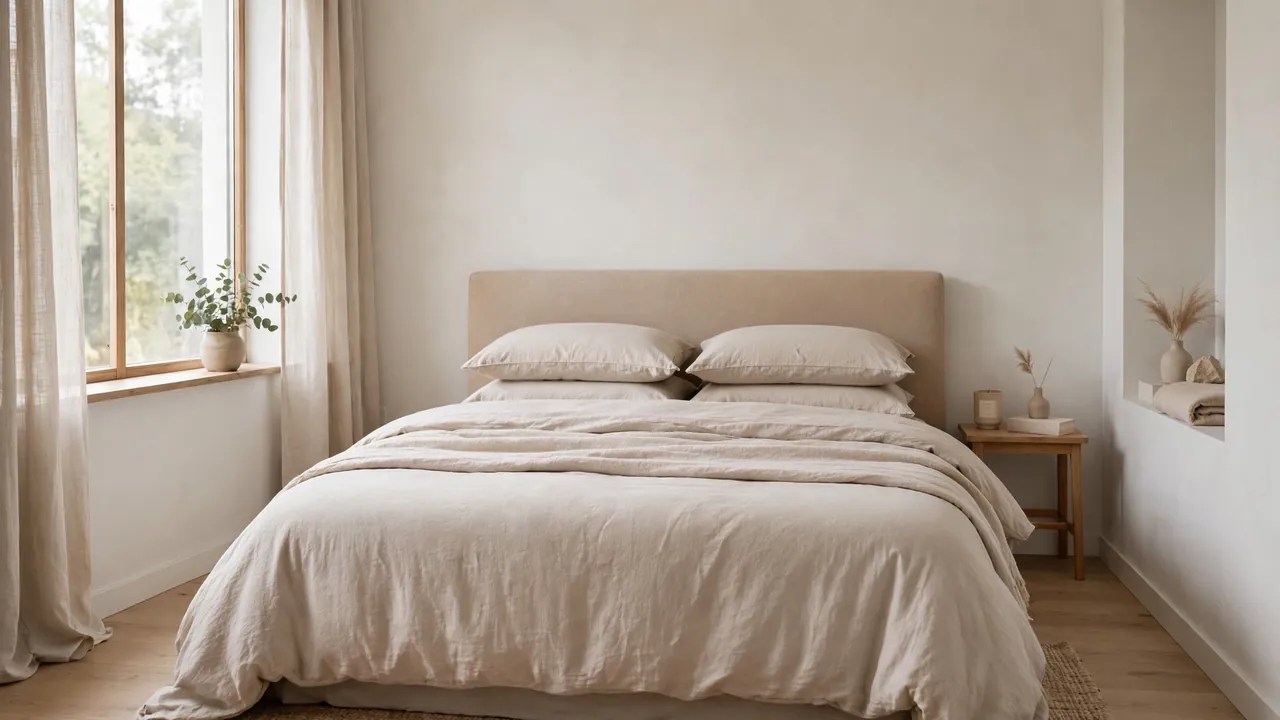
When floor space is tight, learning how to make a small bedroom work without a dresser changes everything. Clothes and essentials all need a home, and a dresser is not the only answer. A few smart swaps give you the same storage with a smaller footprint.
The trick is to spread storage around the room instead of stacking it in one spot. Under the bed, behind the door, inside the closet, and along the walls all count. Each zone takes pressure off, and together they replace a dresser.
Our guide to how to decorate a home with different ceiling heights uses the same declutter-first mindset for calm, connected spaces. Ready to rethink your bedroom storage?
Audit Your Clothing Zones
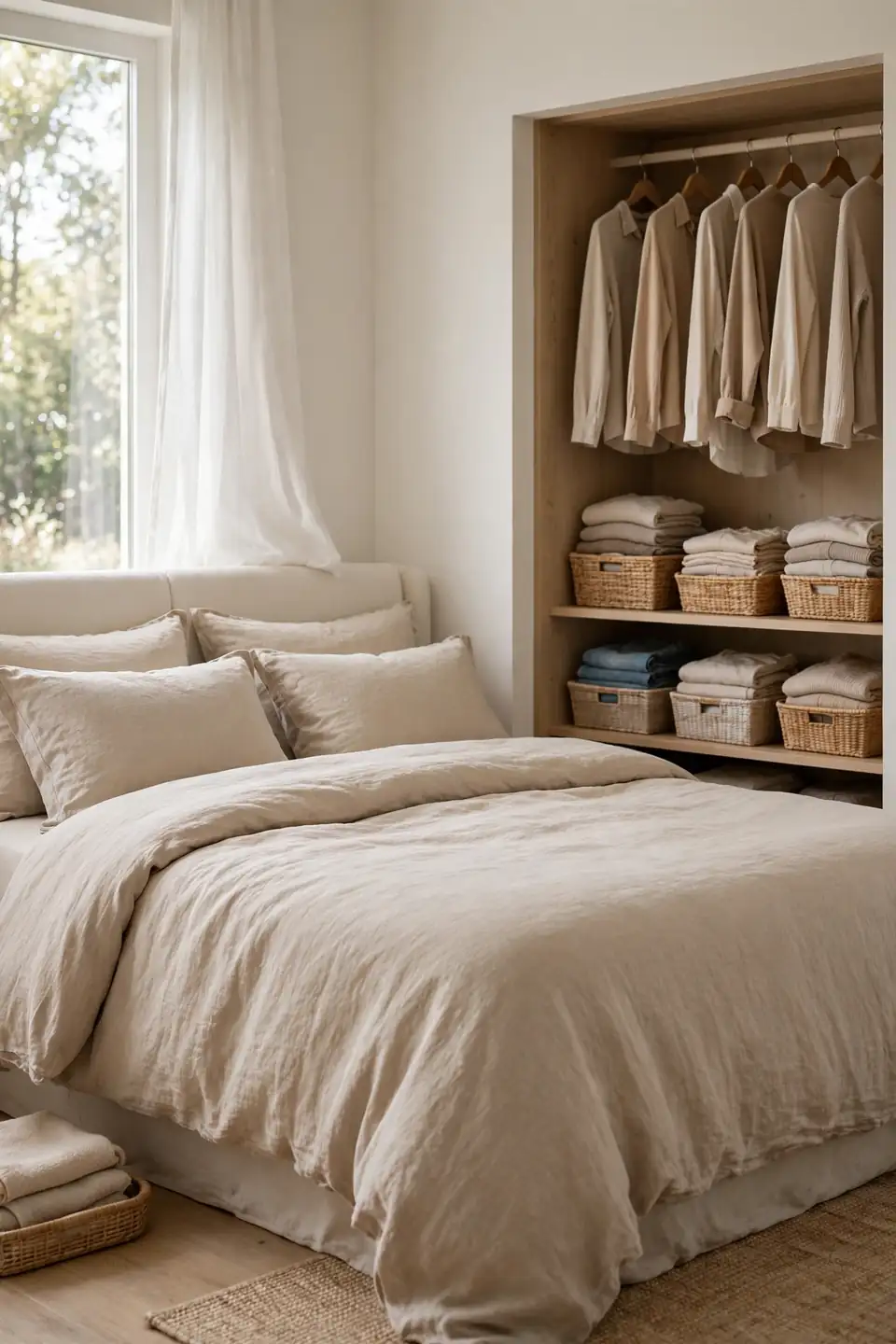
Start by pulling everything out of your current storage spots and sorting clothes into three piles: daily wear, occasional pieces, and rarely worn items. Most people discover a third of their wardrobe never gets touched. Be honest about what you actually wear, since every kept item needs a home in this room.
Once the piles are made, bag up the rarely worn items for donation or storage elsewhere. What remains is your true wardrobe, and it is usually smaller than expected. This honest reset makes every other tip in this guide work, so do not skip it.
Build a Capsule Wardrobe First
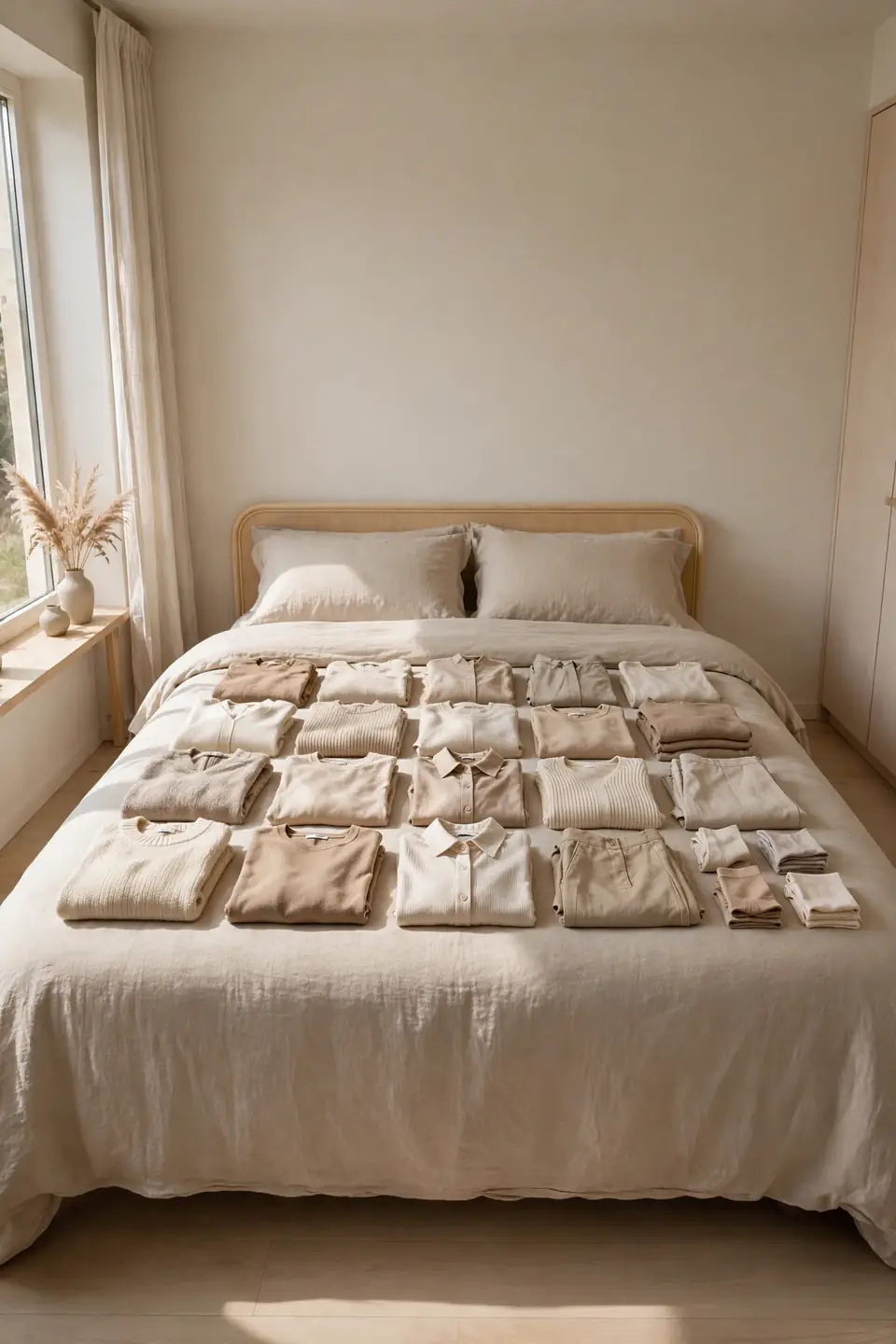
A smaller wardrobe fits a smaller room. A capsule collection of versatile pieces in coordinating colors gives you more outfits from fewer items, which means less storage to find. Neutral basics plus a few favorites are all most people need for daily life.
- Pick a two-week rotation of outfits you love wearing and set everything else aside.
- Keep only pieces that mix and match, so each top works with each bottom.
- Limit accessories to one small tray or box on a shelf.
- Donate or store the rest for one month before deciding what truly comes back.
Use the Space Under Your Bed

Quick Tip: Measure the clearance under your bed before buying any bins, since even one extra inch of height changes what fits.
The area under your bed is the biggest hidden drawer in the room. Low rolling bins hold folded clothes, shoes, and seasonal extras, sliding away completely out of sight. Choose shallow, wide containers over deep ones so nothing gets lost at the back. This single zone can replace two dresser drawers.
Rework the Closet You Already Have
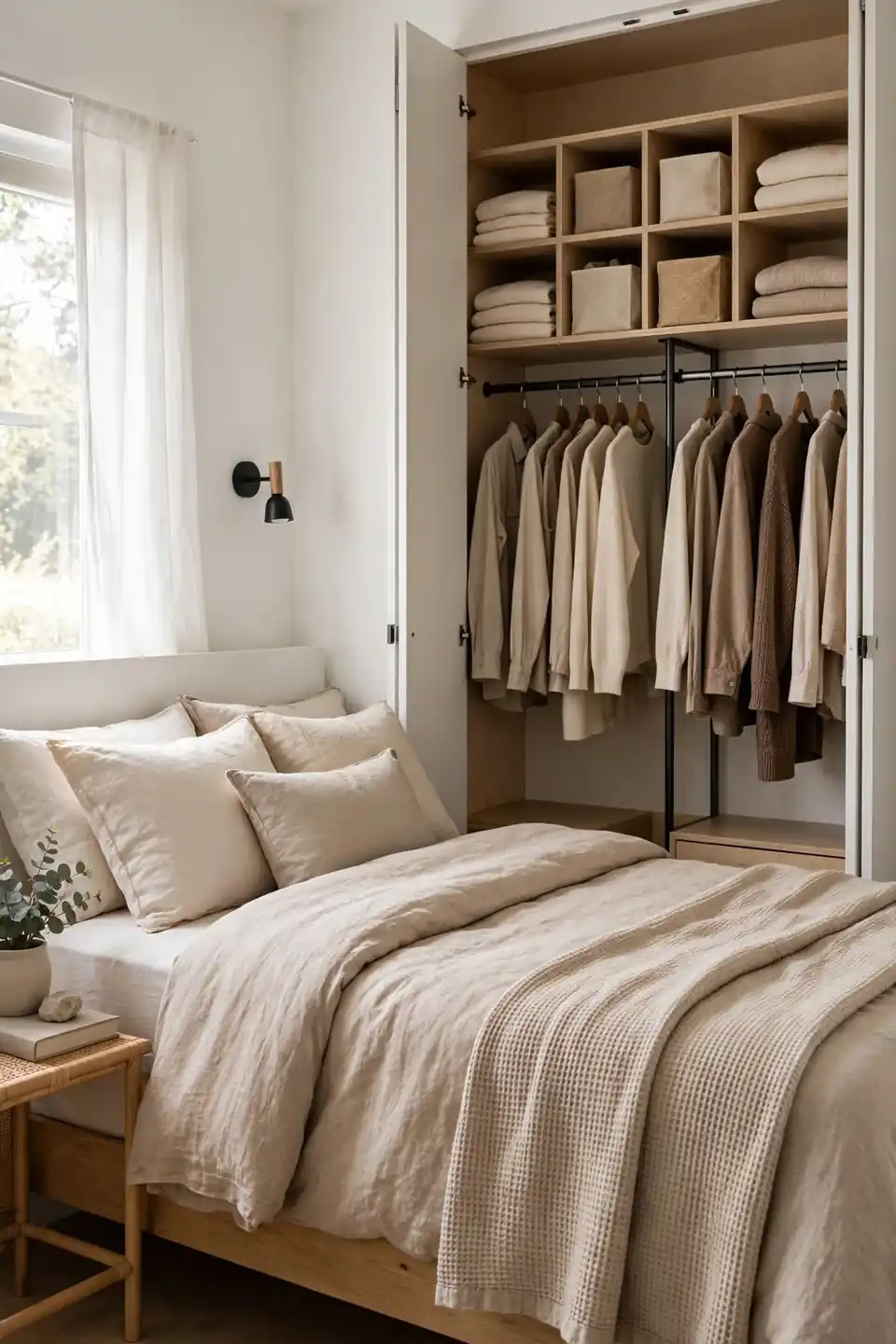
Common Mistake: Leaving the closet as one long empty rod with a single shelf above it, which wastes most of the vertical space.
The Fix: Add a second hanging rod below the first for shirts and folded pants, then fill the upper shelf with small bins for accessories and undergarments.
This single upgrade can double or even triple what your closet holds. Tension rods and hanging shelf organizers cost little and need no tools to install. With the closet working harder, bulky extra furniture becomes unnecessary. The idea of needing a dresser starts to fade fast.
Dresser Swaps That Actually Work

What You Need:
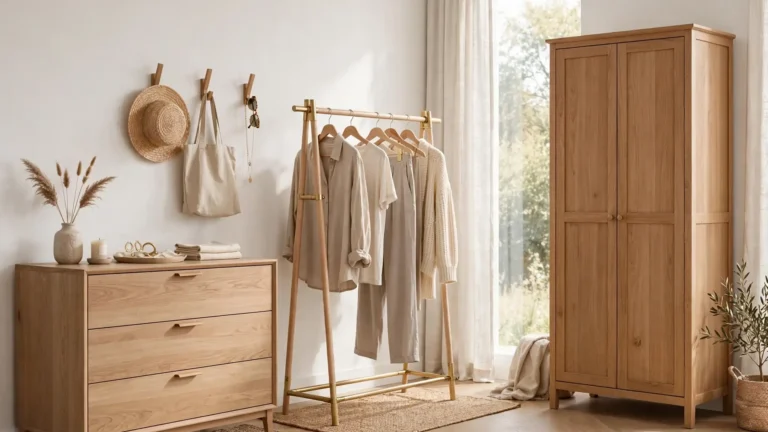
- A slim open garment rack for hanging daily outfits
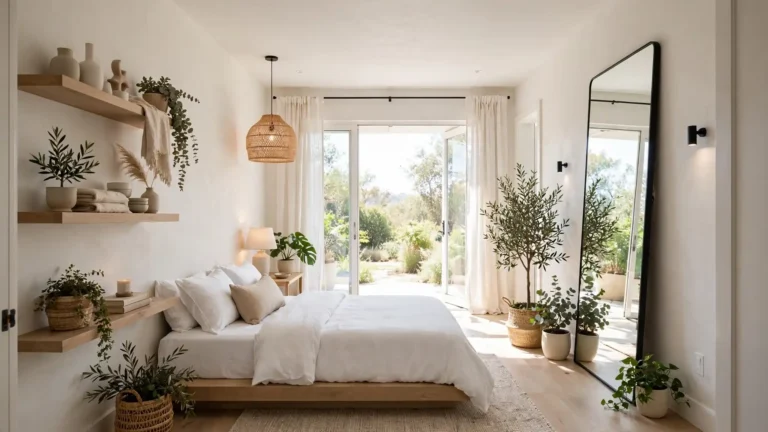
- Floating shelves for folded knits and jeans
- A storage bench at the foot of the bed for extras
- An over-the-door organizer for shoes and accessories
- Stackable fabric bins that fit inside the closet
None of these takes the floor space a dresser demands, yet together they hold just as much. A garment rack keeps tomorrow’s outfit visible, shelves turn dead wall space into folded storage, and the bench hides blankets and off-season items. Pick two or three swaps based on what you own most.
Turn One Wall Into a Clothes Station

BEFORE: Clothes drape over a chair in the corner, the closet rod is jammed full, and getting dressed means digging through piles every morning.
AFTER: One wall holds hooks for jackets and bags, a pegboard for accessories, and two slim shelves for folded items, so everything has a visible home.
Dedicating a single wall keeps clothing storage contained instead of scattered. Hooks and pegboards use almost zero floor space, and seeing your options laid out makes mornings faster. Our guide to how to arrange furniture in a living room with a walkway covers the same keep-paths-clear thinking for tight layouts.
Style Surfaces Without Clutter
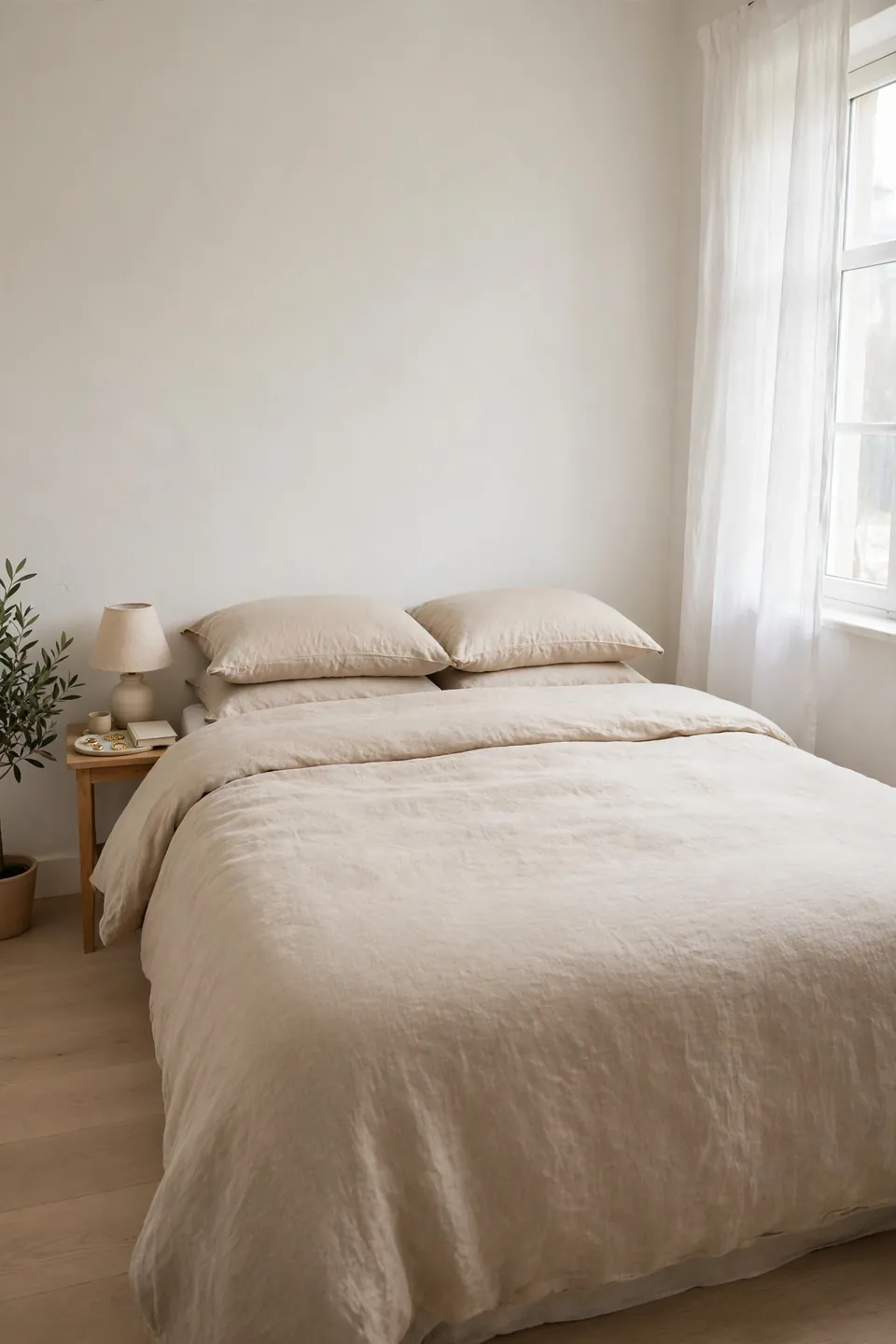
Do This:
- Keep one small tray for daily jewelry and a watch
- Use the nightstand top only for a lamp, book, and water
- Store everything else inside closed bins or drawers
Avoid This:
- Piling mail, chargers, and random items on every flat surface
- Using the bed as a folding station that never gets cleared
- Leaving shopping bags on the floor for days
Without a dresser top to catch clutter, other surfaces can quickly become dumping grounds. The fix is a simple rule: every flat surface holds three or fewer items. Trays and small boxes give little things a boundary, and the room keeps its calm, styled look instead of sliding back into chaos.
Laundry Systems That Prevent Piles

Quick Facts:
Best hamper: Slim divided style that fits in a closet or corner
Wash rhythm: One full load per week keeps piles away
Fold rule: Put clothes away the same day they dry
Overflow fix: A single hook for tomorrow’s outfit only
Laundry is where dresser-free bedrooms usually fall apart, because clean clothes with no drawer become chair piles. A divided hamper sorts as you toss, and a weekly wash rhythm keeps the pile small. Fold and put everything away the same day, which takes ten minutes and saves a week of visual mess.
Rotate Clothes by Season
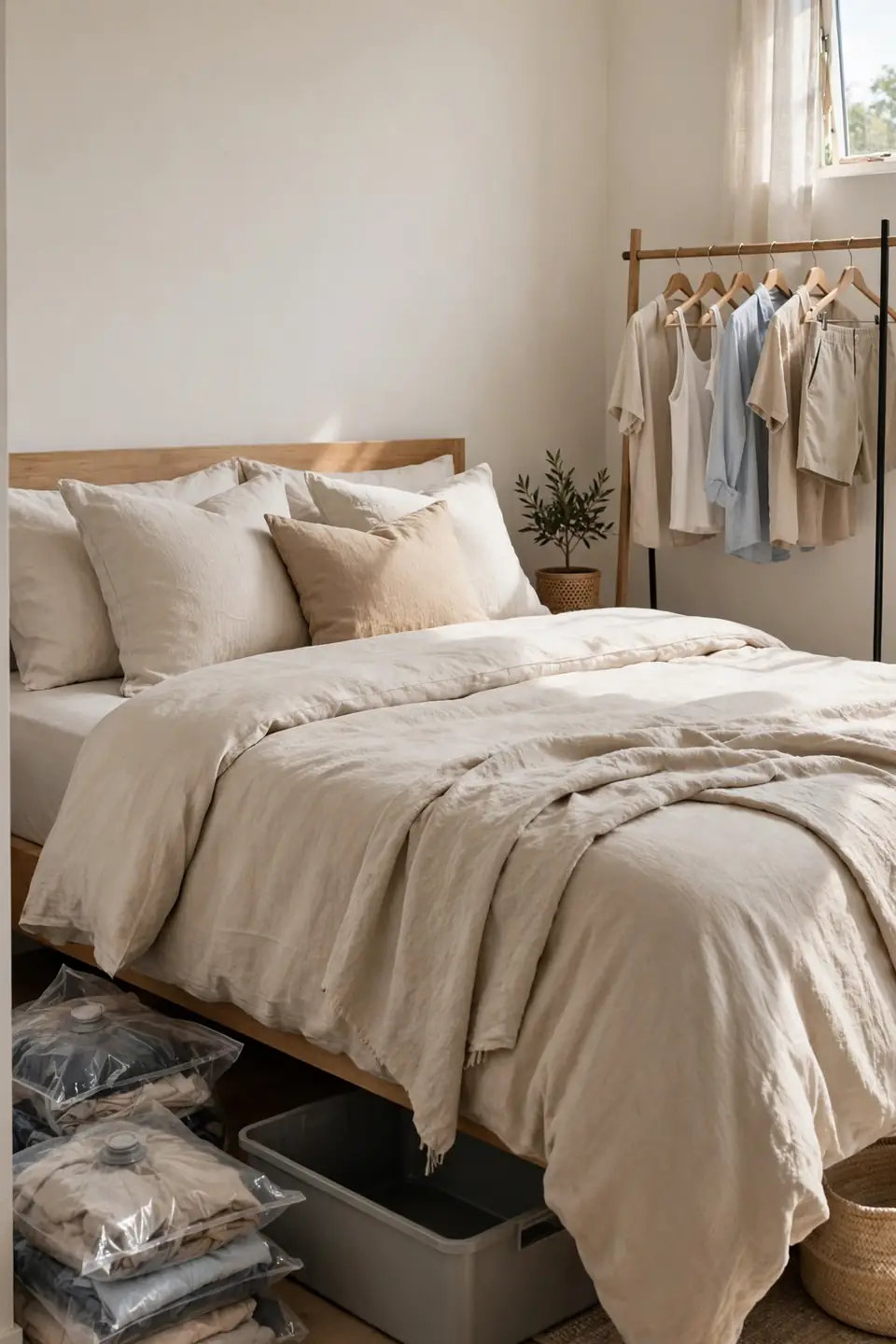
Storing only the current season in the bedroom cuts your storage needs in half. Heavy coats and bulky sweaters take up the most room, yet they sit unused for months. Pack them into vacuum bags or a labeled bin and slide them under the bed or into another room until their season returns.
This rotation also gives you a natural decluttering moment twice a year. When the seasons change, try on anything you are unsure about and let go of what no longer fits or flatters. Your in-room wardrobe stays lean, current, and easy to manage without any extra furniture.
Do a Weekly Five-Minute Reset
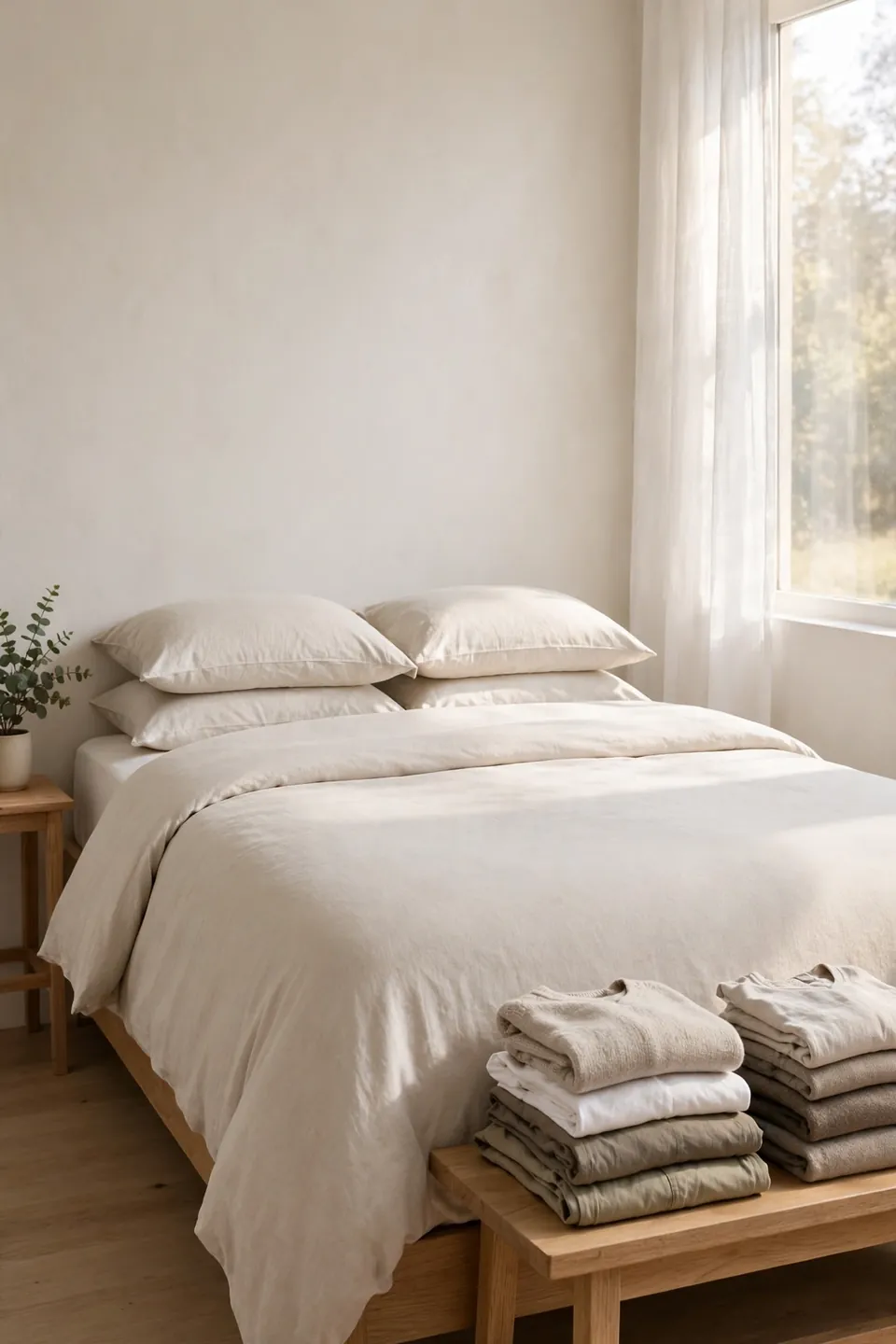
A dresser-free room only stays tidy with a tiny maintenance habit. Once a week, spend five minutes putting every stray item back in its zone. This small ritual stops clutter from rebuilding and keeps the whole system working with almost no effort.
- Collect every item that is out of place into one pile on the bed.
- Return clothes to their hooks, shelves, bins, or the hamper.
- Clear flat surfaces back down to three items or fewer.
- Check under the bed and behind the door for escapees.
Conclusion
Living without a dresser turns out to be a gift once the right zones are in place. When you know how to make a small bedroom work without a dresser, every inch of the room earns its keep, from the space under the bed to the back of the door. The result is a bedroom that feels bigger, calmer, and easier to keep clean.
Start with the clothing audit and add one swap at a time, and you will be surprised how fast the room comes together. Save this guide to your bedroom board on Pinterest so you can revisit the ideas whenever your storage needs change.