24 Low Ceiling Bedroom Makeover Ideas for Airy Charm
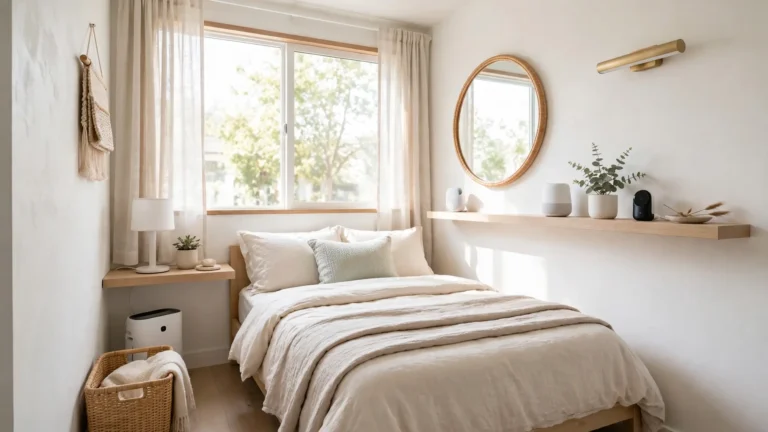
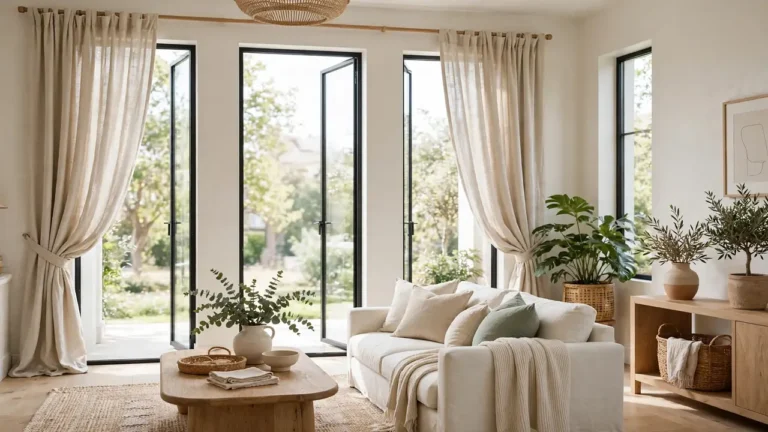
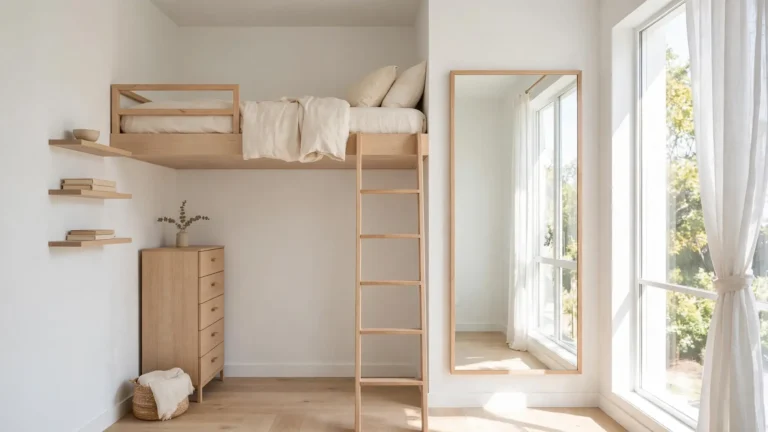
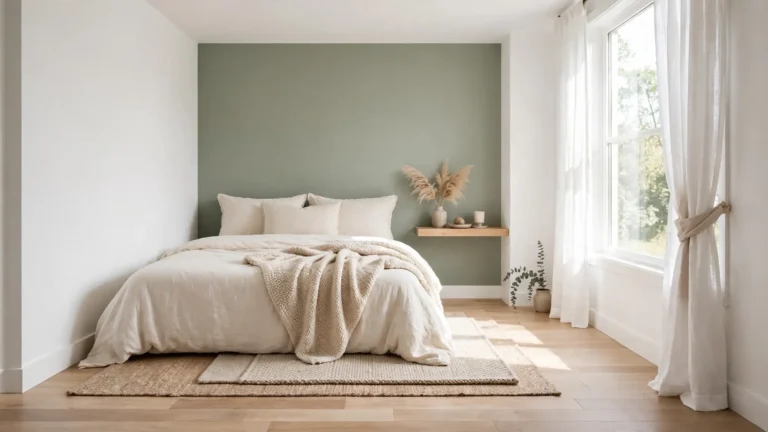
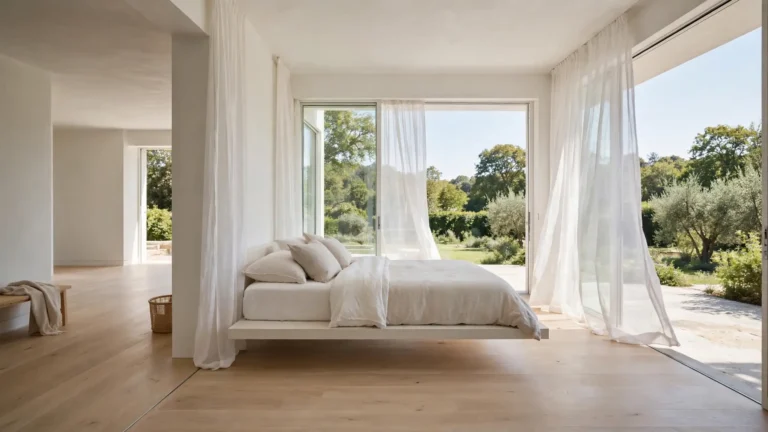
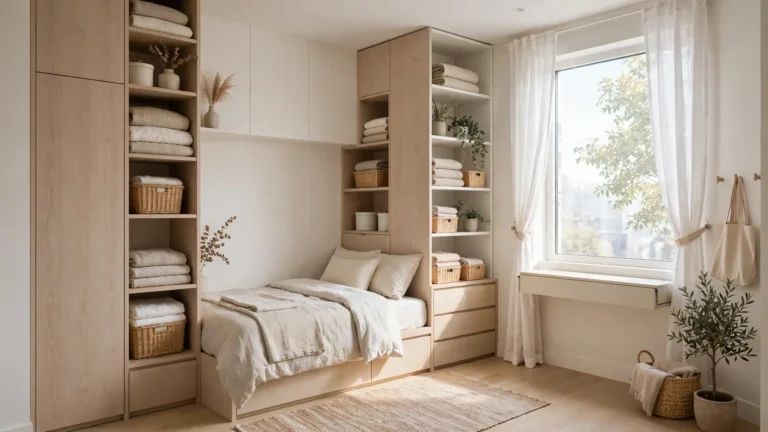
A low ceiling can make even a lovely bedroom feel cramped, but the right low ceiling bedroom makeover ideas change everything. I’ve seen rooms gain a sense of airiness without moving a single wall, just by shifting paint, light, and furniture choices. The secret lies in drawing the eye upward and keeping every surface calm and uncluttered. Small tweaks like brighter ceilings, taller-looking curtains, and slimmer furniture stack up fast. Whether your ceiling sits at seven feet or just feels low, these 24 ideas will help your bedroom breathe again. If you love this topic, you will also enjoy our low ceiling bedroom decor guide for even more airy styling inspiration.
Fresh Ceiling Paint
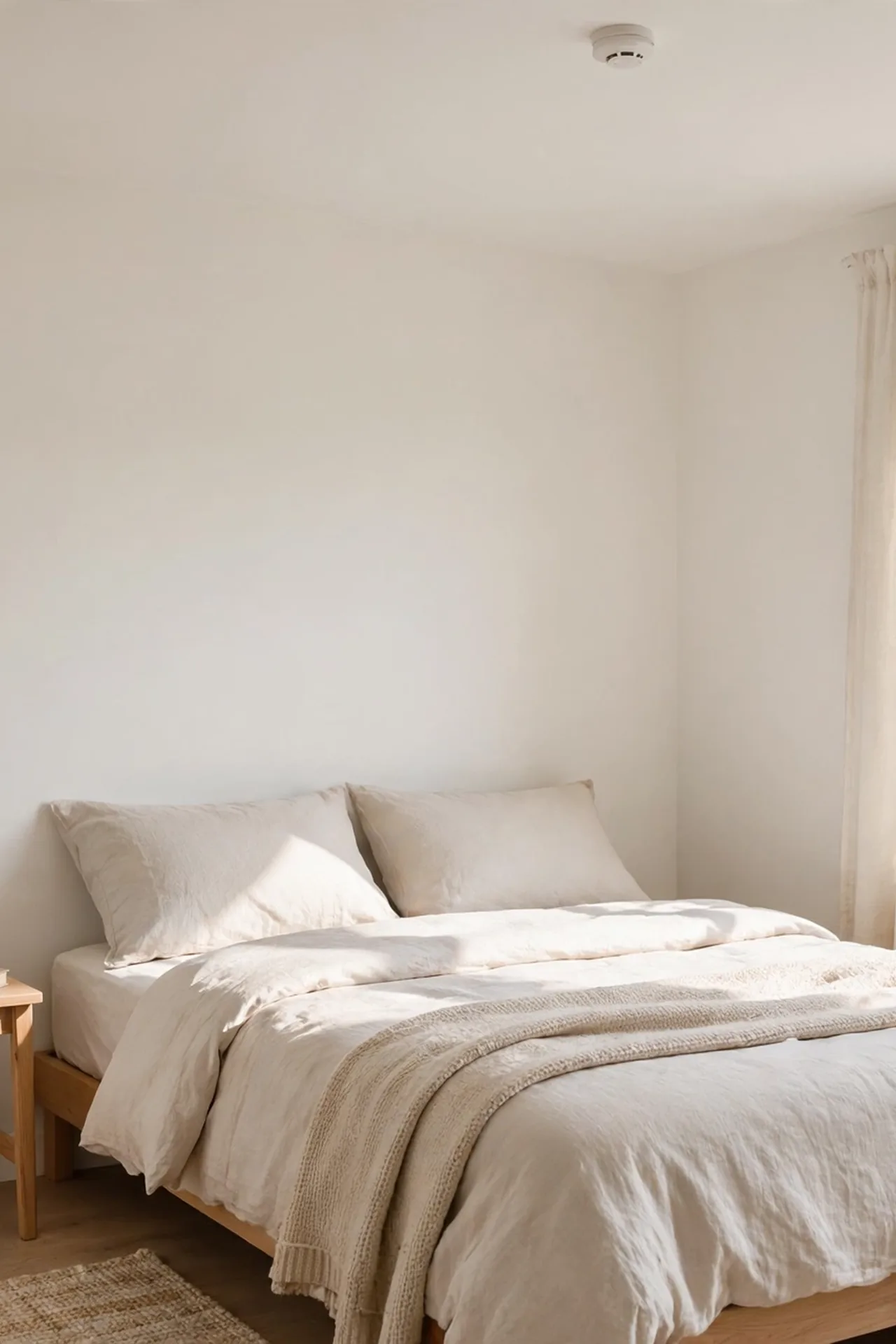
Nothing lifts a low ceiling faster than a fresh coat of the brightest white you can find. Flat or matte ceiling paint kills shadows and glare, so the whole surface recedes instead of pressing down on the room. I always suggest painting the ceiling two shades lighter than the walls, or pure white if the walls are already pale. The contrast disappears and the eye reads one continuous airy shell.
Skip any tint of gray or cream on the ceiling itself, since even warm whites can look dingy overhead in low light. Two thin coats beat one thick coat for an even finish, and a roller on a pole keeps the job quick. In my experience, this single weekend change makes the biggest visual difference of any low ceiling trick.
Low Bed Refresh

- Swap a tall sleigh or four-poster frame for a low platform bed to open up the upper wall.
- Choose a headboard under 40 inches so more painted wall stays visible above it.
- Keep bedding low and tailored; skip the towering pile of euro shams.
- Float the bed slightly off the wall to create a shadow line that adds depth.
- Match the bed frame finish to the floor for one long, unbroken horizontal line.
Lowering the bed drops the visual center of the room, which leaves the ceiling feeling farther away. I have watched clients gain what feels like six inches of height from this swap alone. Pair it with crisp, light bedding and the whole room reads taller, calmer, and far more restful.
Stripe Wall Magic

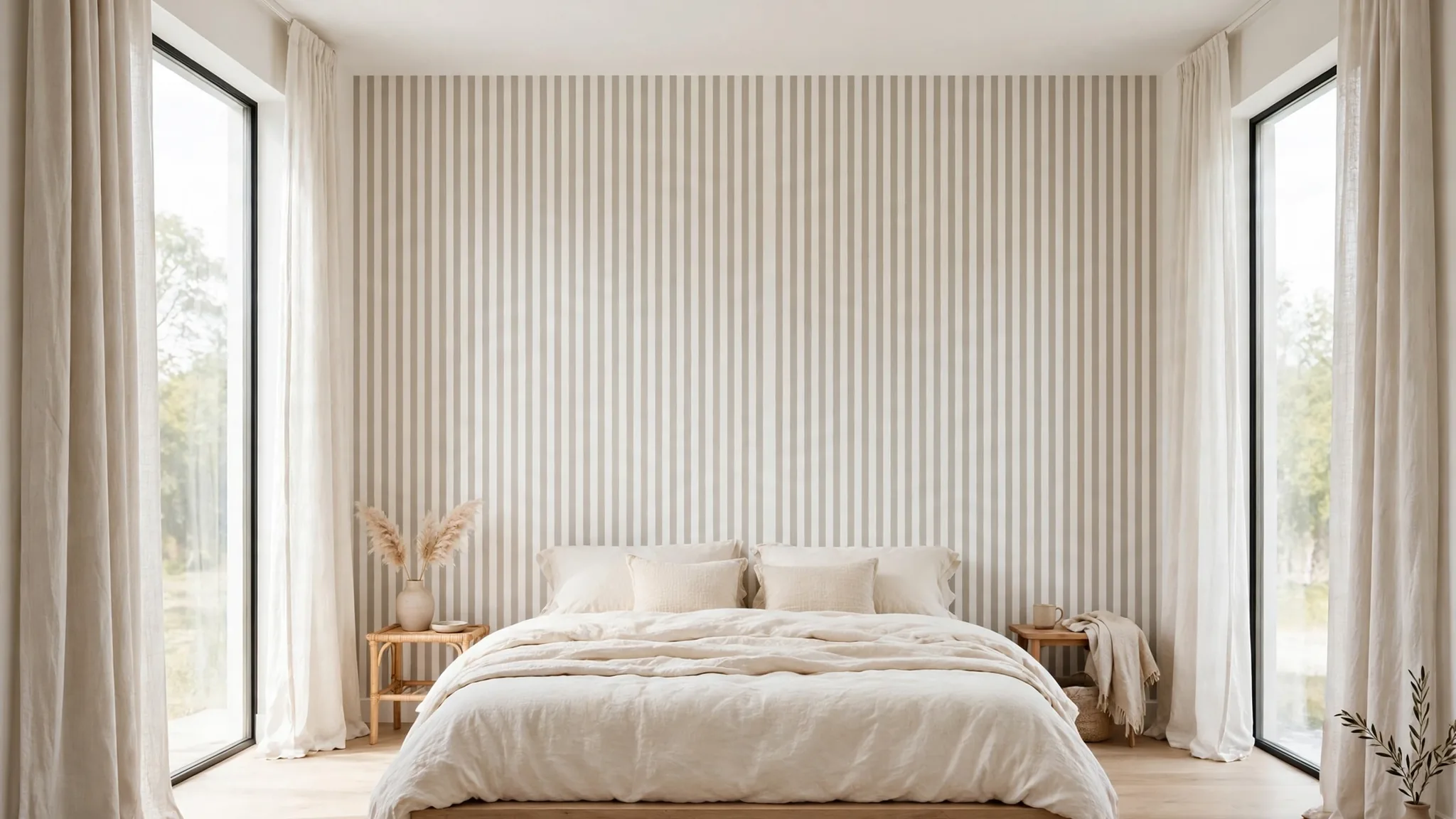
Quick Tip: Vertical stripes pull the eye straight up, which is exactly what a low ceiling needs. Pick tone-on-tone stripes in whites or pale neutrals so the pattern stays quiet. Wide stripes feel calmer than pinstripes in a bedroom, and a single accent wall is plenty.
Peel-and-stick wallpaper makes this a renter-friendly afternoon project with zero commitment. Start behind the bed so the stripes frame your headboard like a backdrop. I have seen this work well in many cases, especially in rooms under eight feet. Keep the ceiling bright white and let the stripes do the heavy lifting for you. The result feels custom and intentional, like a boutique hotel room designed around height.
Light Fixture Swap
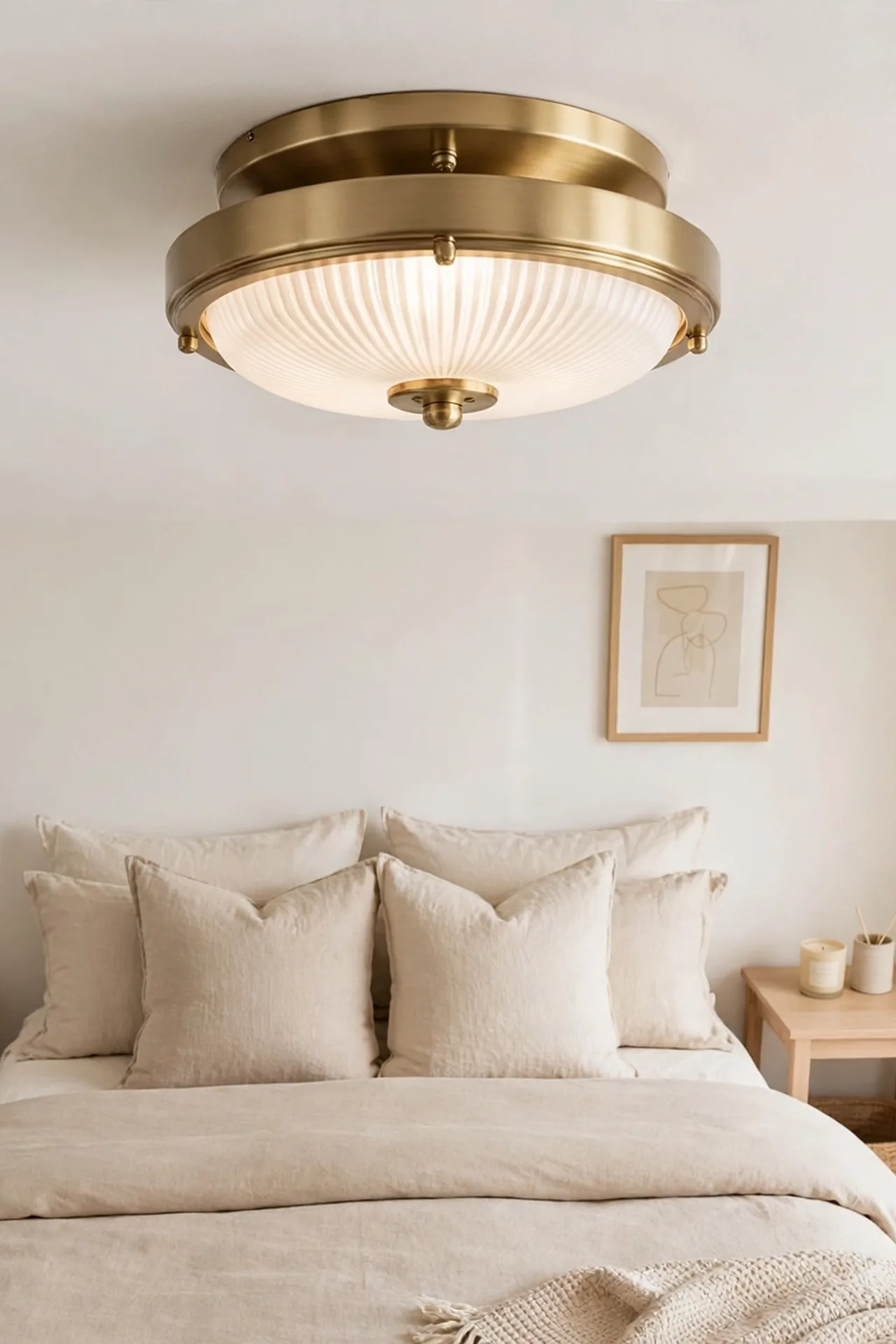
BEFORE: A dangling pendant or bulky ceiling fan eats up precious inches and chops the room in half visually. Every time you glance up, the fixture reminds you how close the ceiling really is.
AFTER: A slim flush mount or semi-flush fixture hugs the ceiling and spreads light evenly. The ceiling plane stays clean, the room glows brighter, and nothing hangs into your sightline.
Measure your clearance before you shop; anything deeper than six inches is too much for a truly low ceiling. I lean toward frosted glass or fabric drums that diffuse light softly. The swap takes under an hour and the room instantly feels less crowded overhead.
Curtain Height Play
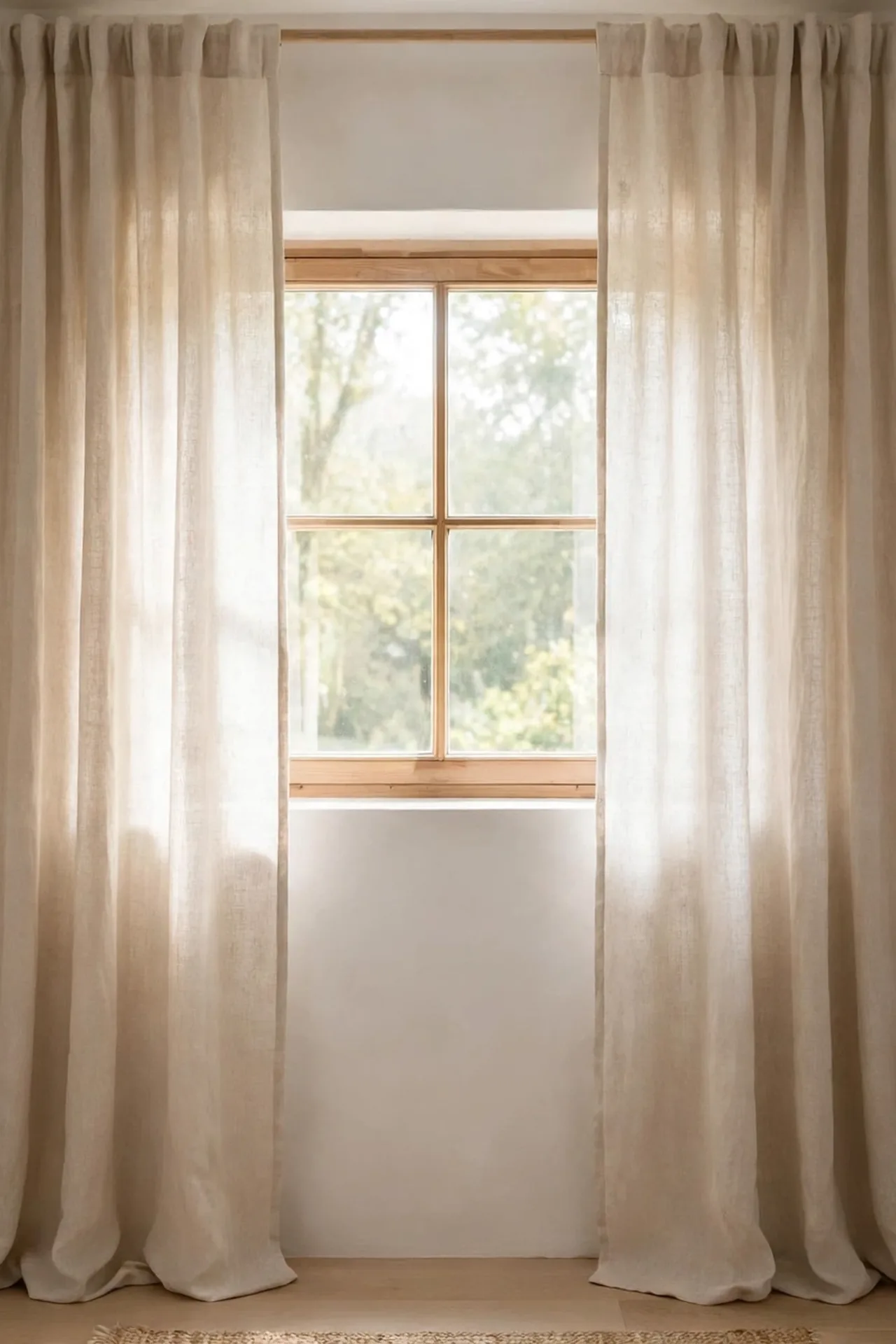
- Mount the curtain rod 4 to 6 inches below the ceiling, not at the window frame.
- Choose panels long enough to just kiss the floor for one unbroken vertical line.
- Pick a fabric close to your wall color so the window wall reads as one tall plane.
- Extend the rod 6 to 10 inches past each side of the window to widen the view.
- Skip heavy valances or toppers that cut the wall height in half.
This classic designer move works because it borrows wall height the window never had. Your eye follows the fabric from ceiling to floor and assumes the whole wall is grand. I have tried this in rentals and owned homes alike, and guests always guess the ceilings are higher than they are.
Mirror Wall Boost
| Mirror Style | Best Spot | Height Effect |
| Leaning floor mirror | Opposite the window | Doubles light and depth |
| Mirrored closet doors | Closet front | Erases a visual wall |
| Round wall mirror | Above the dresser | Lifts one focused zone |
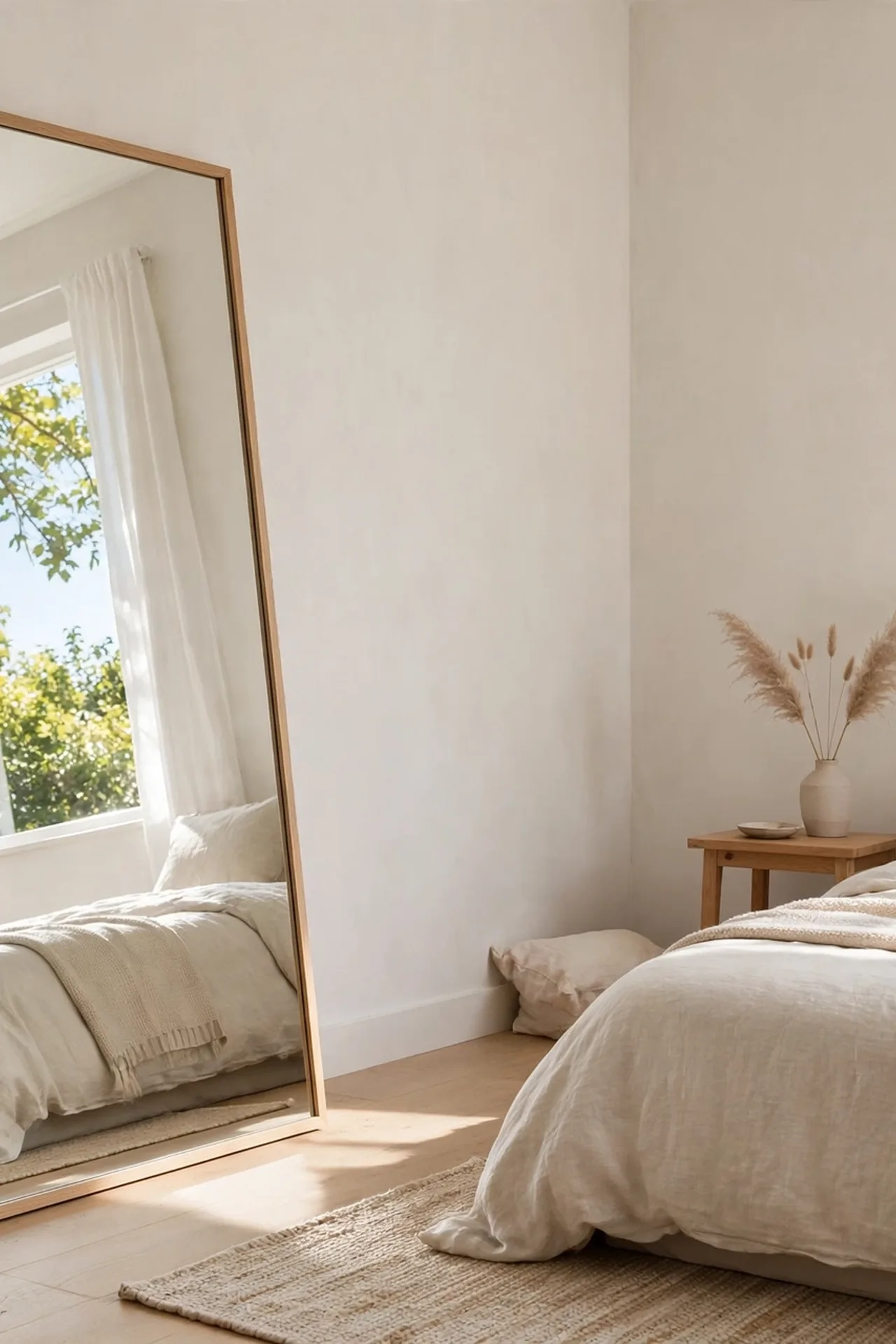
Mirrors bounce daylight into dark corners and trick the eye into seeing double the space.
Angle a tall mirror to catch the window and the brightest part of the ceiling. The reflection stretches the room upward in a way paint alone cannot. I recommend one large mirror over a cluster of small ones, since a single clean reflection feels calmer and more expansive. Lean it securely against the wall and watch the whole room breathe easier instantly.
Palette Reset Plan

DO: Keep walls, trim, and ceiling in one light color family. DO: Repeat two or three soft neutrals in bedding and rugs. DO: Let texture, not color contrast, create interest.
DON’T: Paint a dark accent wall that visually advances toward you. DON’T: Mix more than four distinct colors in a small room. DON’T: Use high-contrast trim that outlines every low edge.
A unified palette blurs where walls end and the ceiling begins, which is the whole goal. Dark colors absorb light and make boundaries feel closer, while soft neutrals reflect it. I have noticed that rooms painted in a single warm white instantly feel a foot taller, and the calm palette helps you sleep better too.
Furniture Scale Check
Cost: Free to audit | Time: One hour | Skill Level: Beginner | Best For: Overstuffed rooms
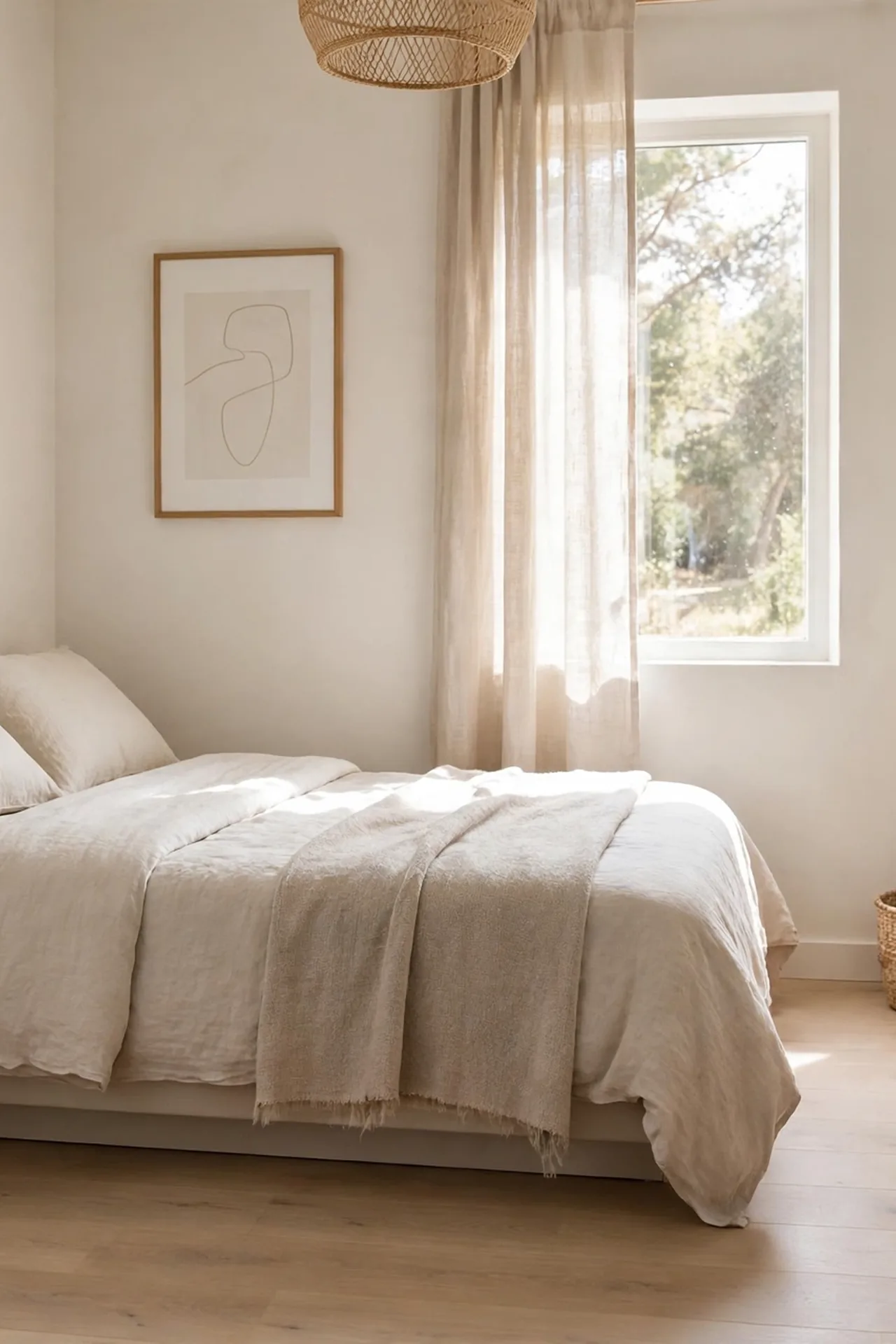
Oversized furniture crowds a low ceiling by filling the middle band of the room. Walk through with fresh eyes and flag anything that blocks light or juts into walkways. A chunky armoire or oversized chair can make eight feet feel like seven. Measure twice, then swap bulky pieces for slimmer silhouettes with visible legs.
Furniture with legs shows floor underneath, which keeps sightlines open and airy. That is why many experts recommend leggy mid-century style pieces for small rooms. One honest edit of your largest piece often transforms the whole feel of the space.
Declutter First Move
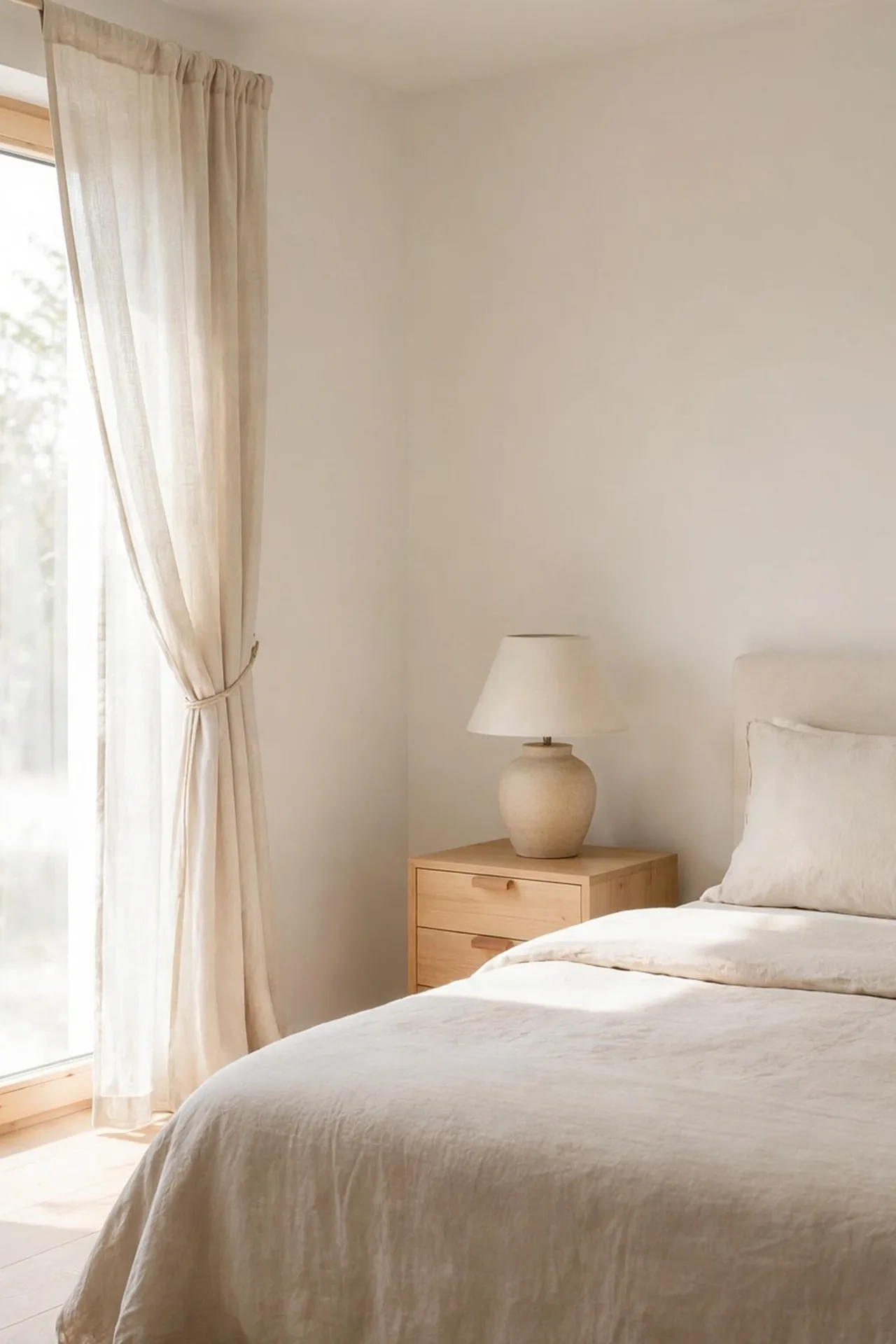
Before you buy a single thing, clear every surface down to the essentials. Visual clutter raises the perceived height of your belongings and lowers the perceived height of your ceiling. I always start makeovers with three laundry baskets labeled keep, relocate, and donate, working clockwise around the room.
Be ruthless with the top of the dresser and nightstands, since horizontal clutter reads as visual noise. Once surfaces breathe, the walls look taller by comparison and the ceiling feels less oppressive. Give every remaining item a proper home so clutter cannot creep back. This free first step makes every other idea on this list work twice as well, and the calm it brings is immediate.
Floor Rug Runner

- Lay a runner along the longest axis of the room to stretch sightlines.
- Choose a low-pile rug in a light tone that blends with the floor.
- Leave 6 to 12 inches of bare floor visible around the edges.
- Avoid busy patterns that chop the floor into visual fragments.
- Layer a small rug over a larger neutral one only if both stay flat and thin.
A runner guides the eye down the length of the room instead of letting it stall. Long, unbroken floor lines make walls feel farther apart and ceilings feel higher. I love how a simple jute or flat-weave runner adds warmth without adding any visual weight to a low room.
Wall Art Placement

Quick Tip: Hang art slightly higher than usual, with the center around 60 to 62 inches from the floor. One large piece beats a scattered gallery wall in a low room. Wide horizontal art stretches the wall sideways and balances a low ceiling beautifully.
Keep frames thin and light, and leave generous white space around each piece. Crowded walls press inward and emphasize every low inch, while generous breathing room lets the eye travel upward freely. This small discipline pays off across the entire room. I have seen this work well in many cases: a single oversized landscape print can make a boxy bedroom feel like a gallery suite.
Sconce Light Layers
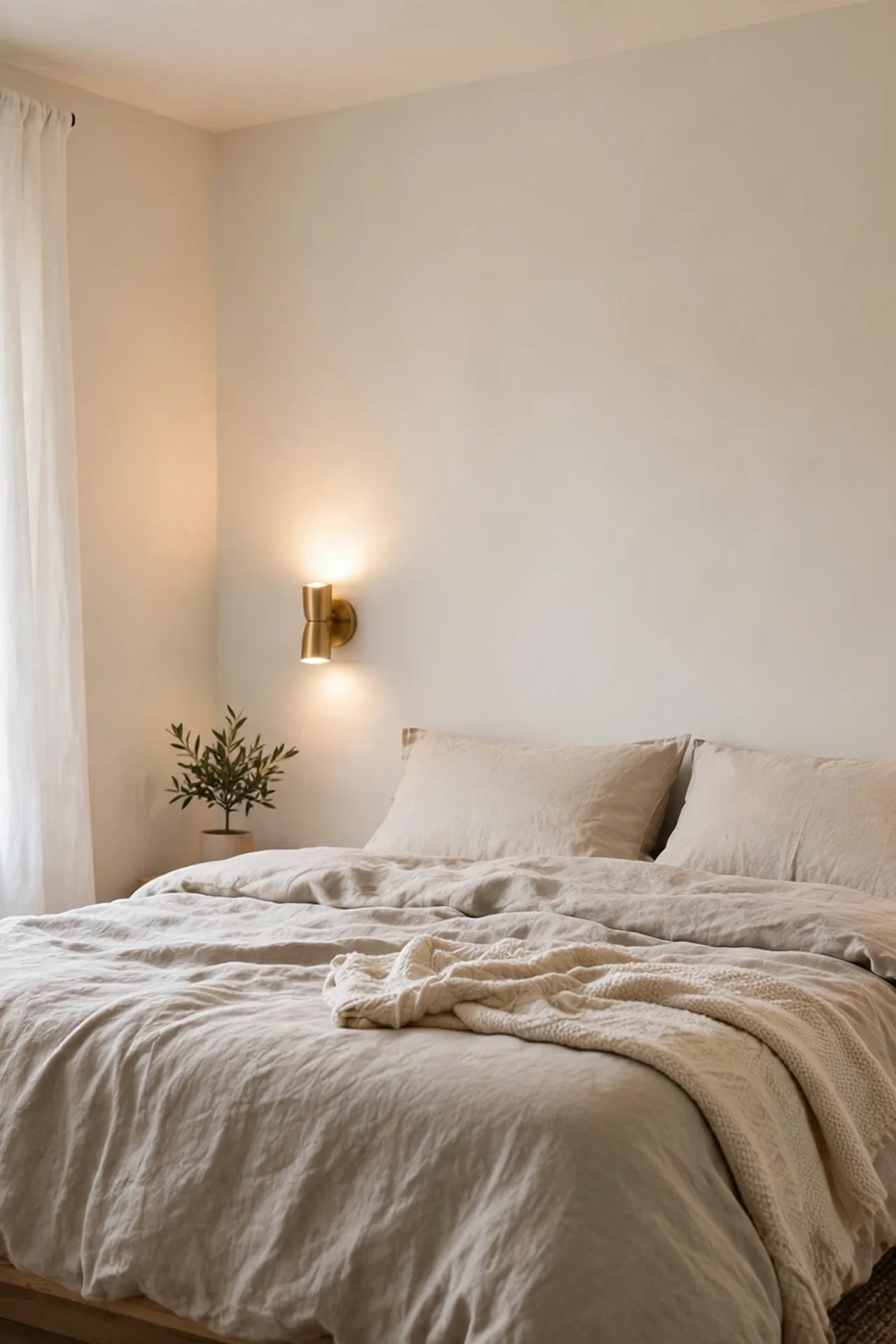
BEFORE: A single overhead light casts harsh downward shadows that emphasize how close the ceiling is. Table lamps hog nightstand space and add more clutter at eye level.
AFTER: Wall sconces wash light upward, grazing the ceiling with a soft glow that lifts it visually. Nightstands stay clear, and the room gains warm, layered light at three heights.
Choose plug-in sconces if you rent, or hardwired ones for a cleaner look. Mount them about 55 inches high, flanking the bed symmetrically. Choose warm white bulbs around 2700K for a cozy glow that flatters both skin tones and paint colors. The upward wash is the key detail; it turns the ceiling into a reflector instead of a lid.
Bedding Color Story

- Start with white or ivory sheets as a bright, light-reflecting base.
- Add a duvet in a soft neutral like oatmeal, sand, or pale gray.
- Layer one textured throw in a slightly deeper tone for depth.
- Limit accent pillows to two or three in matching tones.
- Fold the top sheet back to show a crisp, tailored edge.
Bedding covers the largest surface in the room, so its color sets the ceiling mood. Light, tonal bedding keeps the visual weight low and lets the eye drift upward. I have tried dark dramatic bedding in low rooms and it always anchors the space downward; pale layers do the opposite and the room feels instantly taller.
Shelf Niche Styling

| Shelf Style | Placement | Why It Works |
| Single long floating shelf | Above the headboard | Draws the eye up in one line |
| Two stacked short shelves | Beside the window | Adds height without bulk |
| Recessed wall niche | Inside the wall | Zero protrusion, pure depth |
Open shelves add vertical interest without the visual weight of a bookcase.
Style them sparsely: a small plant, two books, one object, then breathing room. Crowded shelves lower the perceived ceiling and add visual noise, while carefully edited ones lift it. Less truly is more when every inch of height counts in the room. I keep the top shelf slightly higher than feels natural, which trains the eye to travel upward every time you enter.
Headboard Height Trick

DO: Choose a tall, narrow headboard that reaches toward the ceiling. DO: Upholster it in a light fabric that blends with the wall. DO: Center it precisely to create one strong vertical axis.
DON’T: Pick a short, wide headboard that emphasizes horizontal lines. DON’T: Hang competing art directly above a tall headboard. DON’T: Choose dark wood that stops the eye cold.
A tall headboard is the easiest vertical line you can add to a bedroom. It pulls the gaze up and makes the wall behind the bed feel grand. I love linen or boucle in warm white; the texture catches light beautifully. This one piece can carry the whole height illusion on its own.
Window Wall Brighten

Cost: Low | Time: One weekend | Skill Level: Beginner | Works In: Any bedroom with a window
The window wall sets the brightness baseline for the whole room. Wash the glass inside and out, then swap heavy drapes for sheer linen that glows. I once doubled the perceived size of a basement bedroom just by maximizing its one small window; light is that powerful.
Paint the window trim the same bright white as the ceiling so the frame disappears into the light. Keep the sill clear except for one small plant. When daylight floods in unobstructed, the ceiling naturally feels farther away. For more inspiration, see our low ceiling bedroom storage ideas to keep that bright wall clutter free.
Crown Molding Detail
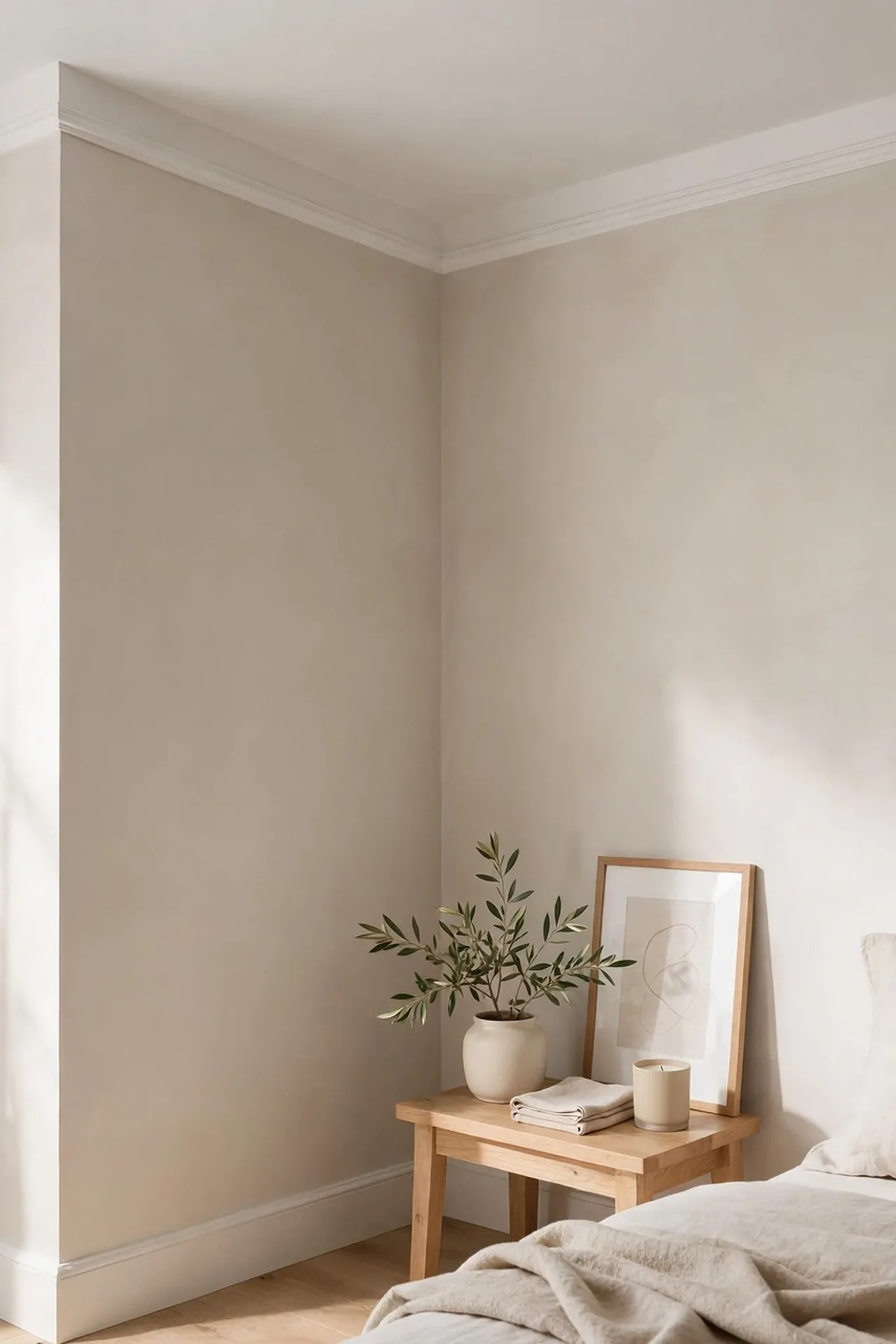
Slim crown molding softens the hard line where wall meets ceiling, and that softness reads as height. Choose a narrow profile, no more than three inches, painted the same white as the ceiling. The eye glides over the transition instead of stopping at a sharp corner.
Peel-and-stick molding makes this renter friendly and surprisingly convincing from normal viewing distance. I have installed it in an afternoon with just a measuring tape and a steady hand. The finished edge looks custom and quietly expensive, lifting the whole room with architectural polish. It is a small investment that reads as a major upgrade, especially in bedrooms where you notice the ceiling every morning.
Closet Door Update
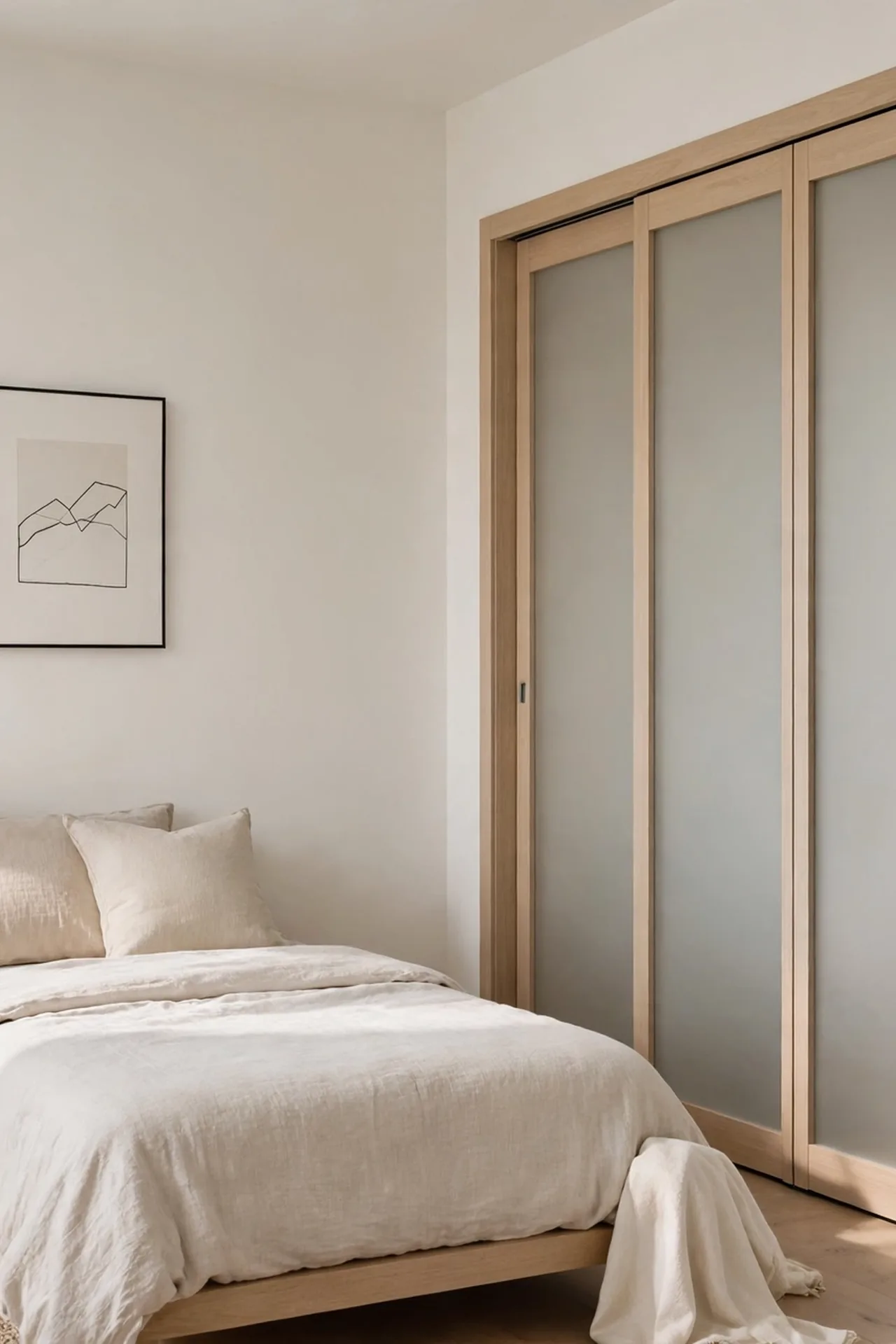
- Swap swinging doors for sliding or bifold ones to free floor space.
- Choose mirrored panels to double light and erase a flat wall.
- Paint louvered doors the wall color so they blend into the background.
- Remove doors entirely and hang a linen curtain for softness.
- Add slim vertical handles that echo the room’s upward lines.
Closet doors cover a huge wall area, so their look shapes the whole room. Mirrored sliders are my favorite fix: they bounce light, hide clutter, and need zero swing clearance. In my experience, this swap alone can make a narrow low bedroom feel twice as open.
Plant Shelf Touch

Quick Tip: A high shelf with trailing plants draws the eye to the top of the wall, which is prime real estate in a low room. Pothos and philodendron thrive in bedroom light and forgive missed waterings. Keep the shelf narrow and the pots light colored.
Mount the shelf about a foot below the ceiling so the greenery cascades downward. The living vertical line softens the ceiling edge beautifully. I have seen this work well in many cases, and guests always comment on how fresh the room feels. One shelf is enough, since restraint keeps the whole arrangement airy and elegant. Water sparingly and dust the leaves monthly so your green accent always looks fresh and vibrant.
Canopy Drape Softness

BEFORE: A bare ceiling over the bed feels flat and close, especially at night when shadows pool overhead. The sleeping zone can feel like a low cave no matter how pretty the bedding is.
AFTER: Sheer fabric draped from a ceiling-mounted ring softens the overhead plane and adds romantic height. Light filters through the gauze, and the bed becomes a dreamy focal point.
Use the sheerest white voile you can find so daylight still pours through. A simple embroidery hoop or curtain wire ring costs very little. This trick works magic in rentals because it needs only tiny ceiling hooks, and the softness it adds is pure charm.
Beam Accent Charm
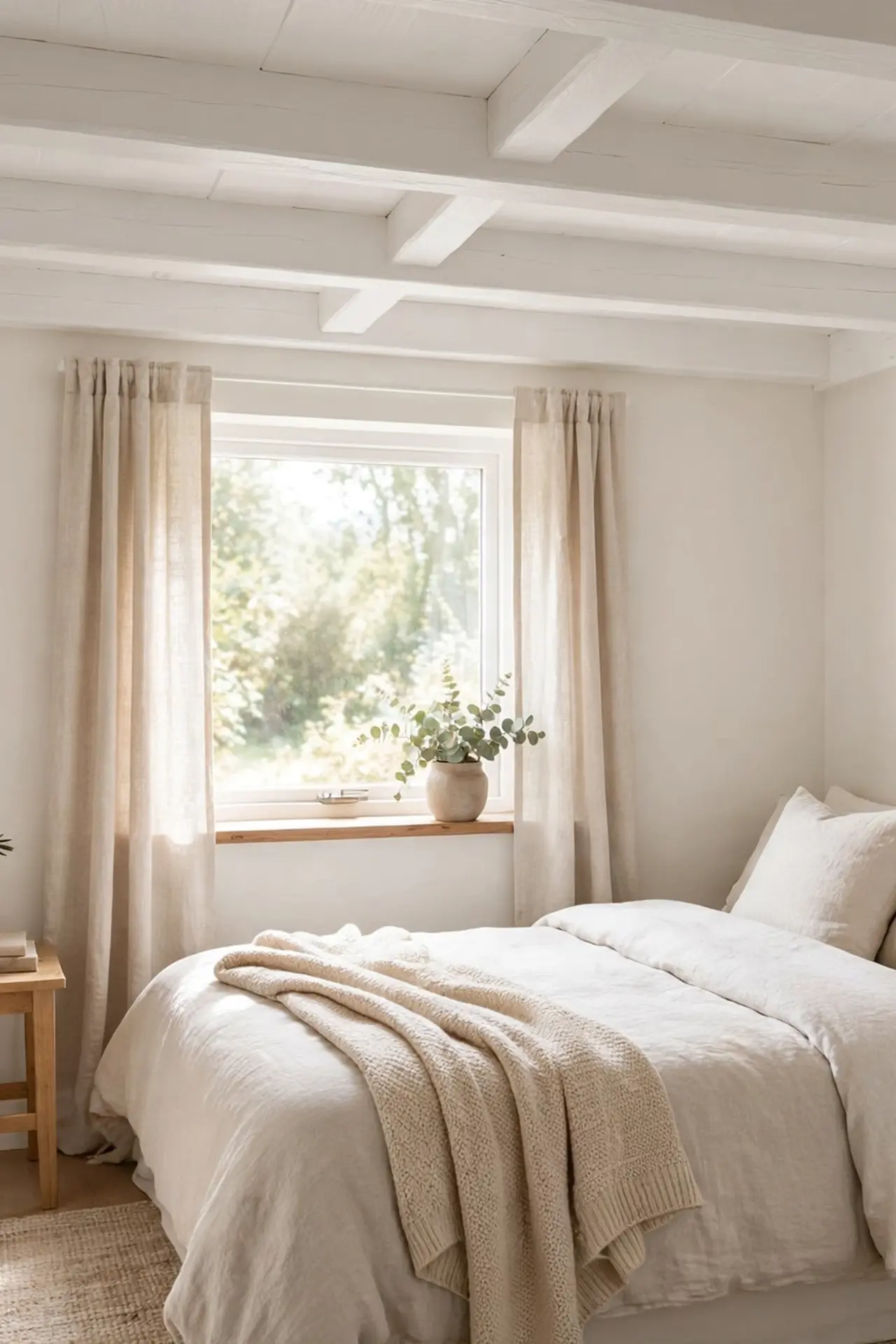
- Measure the ceiling and mark beam positions with painter’s tape first.
- Choose lightweight faux beams in white or pale wood tones.
- Space beams 3 to 4 feet apart for a balanced rhythm.
- Secure with construction adhesive and a few screws into joists.
- Paint beams the ceiling color for subtle texture, not contrast.
Faux beams give the eye something interesting to follow across the ceiling, which paradoxically makes it feel higher. White-on-white beams add texture without visual weight. I have installed these in two homes and the cottage charm they bring always surprises people; the ceiling becomes a feature instead of a flaw.
Nightstand Slim Swap

| Nightstand Style | Footprint | Airiness Score |
| Floating wall shelf | Zero floor space | Highest |
| Slim legged table | Small footprint | High |
| Bulky cabinet | Large footprint | Low |
Floating nightstands free the floor completely, which keeps sightlines open at bed level.
Mount a simple oak shelf or a compact floating drawer at mattress height on each side of the bed for symmetry. The clear floor beneath makes the room feel larger instantly. I switched to floating nightstands years ago and never looked back. The visual lightness they bring to a low bedroom is remarkable, and cleaning underneath takes seconds. It is a small change with an outsized payoff.
Gallery Wall Rhythm

DO: Arrange frames in a vertical column to emphasize height. DO: Use matching thin frames for a calm rhythm. DO: Leave generous spacing so each piece breathes.
DON’T: Spread frames wide across the wall in a horizontal sprawl. DON’T: Mix heavy dark frames that weigh the wall down. DON’T: Hang anything below 50 inches that drags the eye down.
A vertical gallery column acts like an arrow pointing at the ceiling. Three matching prints in a tall stack create rhythm without chaos. I have noticed that vertical arrangements make even narrow walls feel grand, and they photograph beautifully for anyone sharing their own low ceiling bedroom makeover ideas journey online.
Final Style Layer

Cost: Varies | Time: One afternoon | Skill Level: Beginner | Result: A polished, taller-feeling room
Step back and review the room as a whole before calling it done. Check that every vertical line flows unbroken from floor toward ceiling, and remove one item from each surface for final breathing room. I always do this last pass with fresh eyes after a coffee break.
Add one textured throw and one small plant as finishing warmth, then stop. restraint is the final luxury in a low ceiling space. When every choice serves airiness, the room rewards you daily with calm, and that feeling is the true payoff of the whole project.
Conclusion
A low ceiling is simply a design puzzle, and now you hold 24 solutions. From bright paint and tall headboards to floating nightstands and sheer canopies, each idea nudges the eye upward and fills the room with light. Start with the free wins like decluttering, then layer in the weekend projects that excite you most. I have seen how small changes like these can completely shift the way a space feels. Save your favorites on Pinterest, try one idea this weekend, and share your own low ceiling bedroom makeover ideas results with friends who need the inspiration.