21 Shared Sibling Bedroom Storage Ideas for Peaceful Order
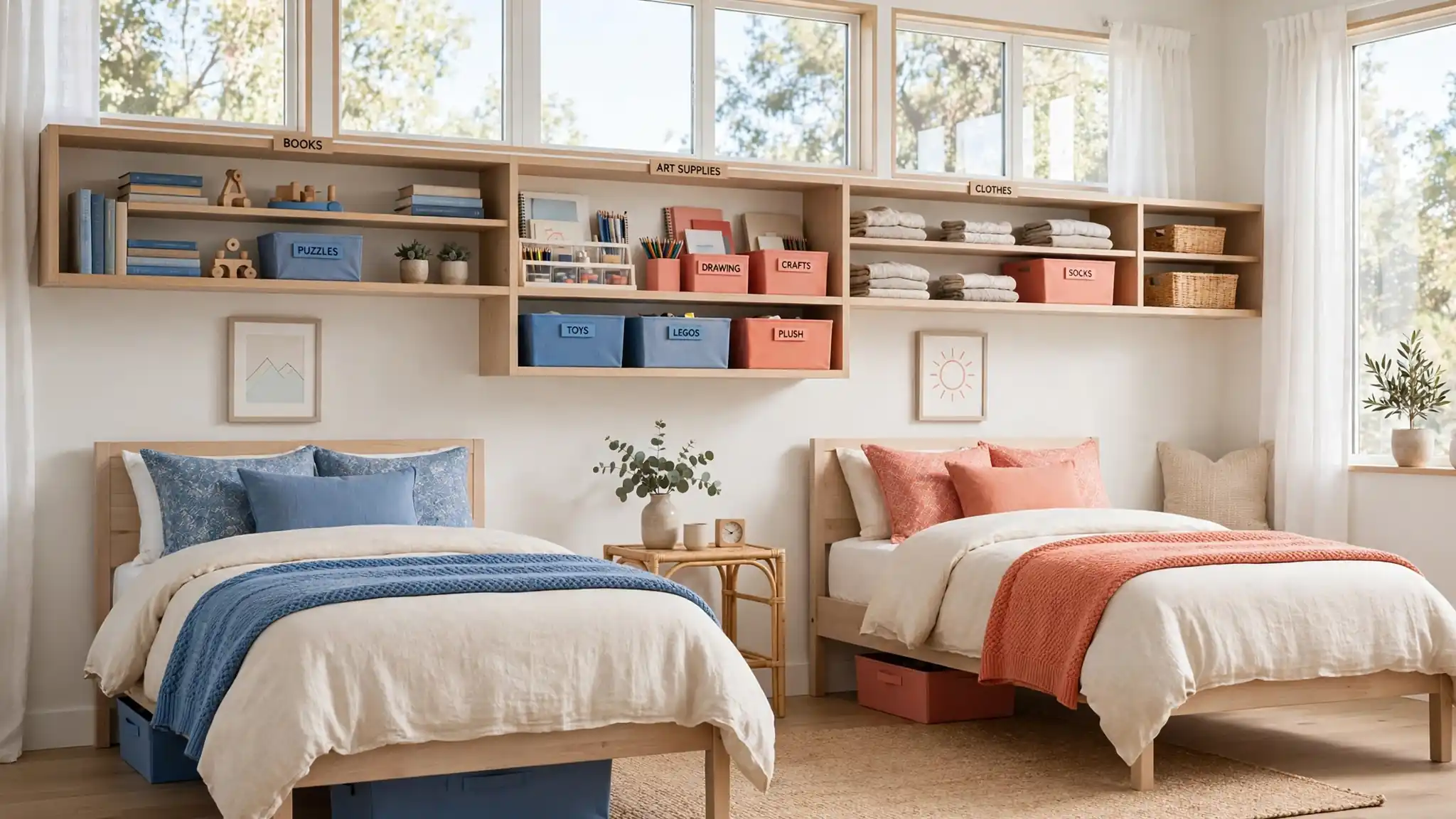
shared sibling bedroom storage ideas can turn a chaotic shared room into a peaceful space where every child feels at home. When two or more kids share a bedroom, clutter multiplies fast and arguments over mess follow close behind. The secret is giving each child clear ownership of their belongings through smart zones, labeled containers, and furniture that works twice as hard. These 21 ideas will help you create a shared bedroom that stays organized, feels fair to everyone, and still leaves room for play. Peaceful mornings start with smart storage.
Designing storage for siblings sharing a room means balancing togetherness with personal space. I’ve noticed that the same principles behind great nightstand setups apply here: every item needs a designated home within arm’s reach. Kids thrive when they know exactly where their things belong, and labeled systems remove the guesswork that leads to mess. The ideas below focus on fairness, accessibility, and designs that grow with your children.
Color Coded Bins
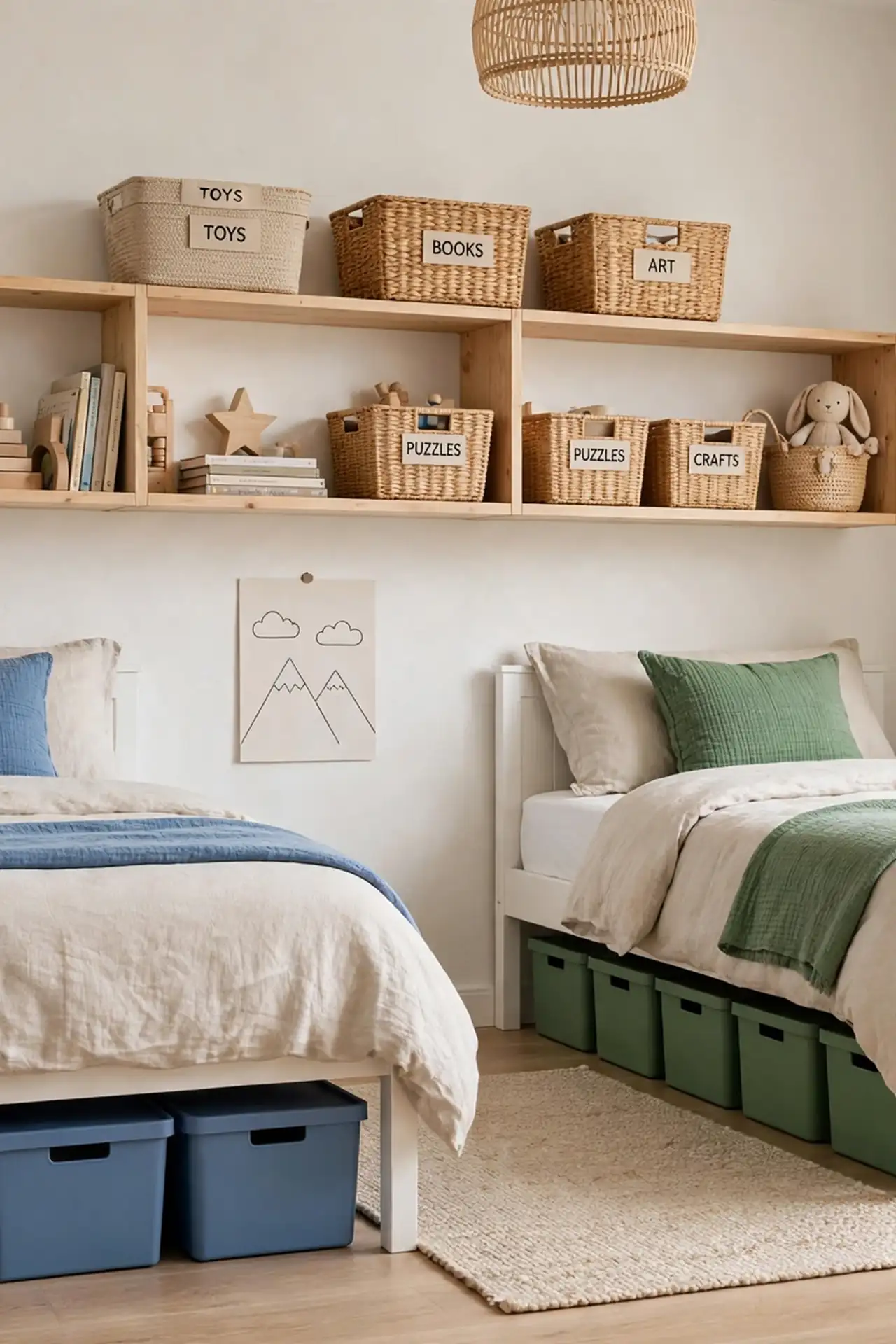
Assigning each sibling a signature color ends the daily argument over whose stuff is whose. Buy bins, baskets, and boxes in two distinct colors like blue and coral, then sort everything from toys to school supplies into the matching shade. Kids as young as three quickly learn that blue means mine and coral means yours. The visual system works beautifully even before children can read fluently.
Keep the color system consistent across the entire room for maximum impact. Use matching colored labels on shelves, hooks, and drawers so each child instantly recognizes their zone. When new items enter the room, sort them by color immediately before clutter takes hold. In my experience, this simple trick cuts cleanup arguments in half within the first week.
Twin Bed Drawers
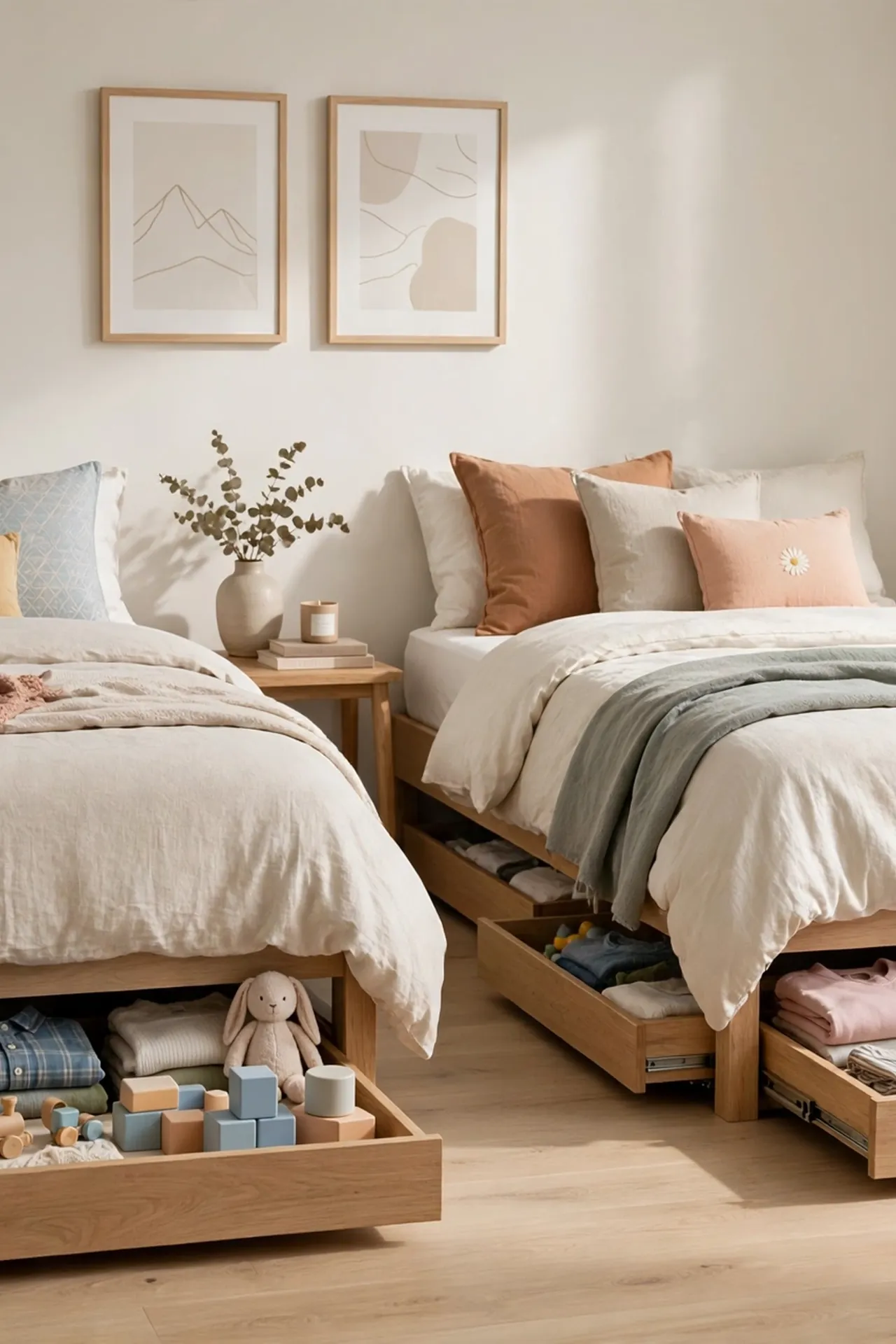
- Under-bed drawers turn wasted space into each child
Labeled Shelf Zones

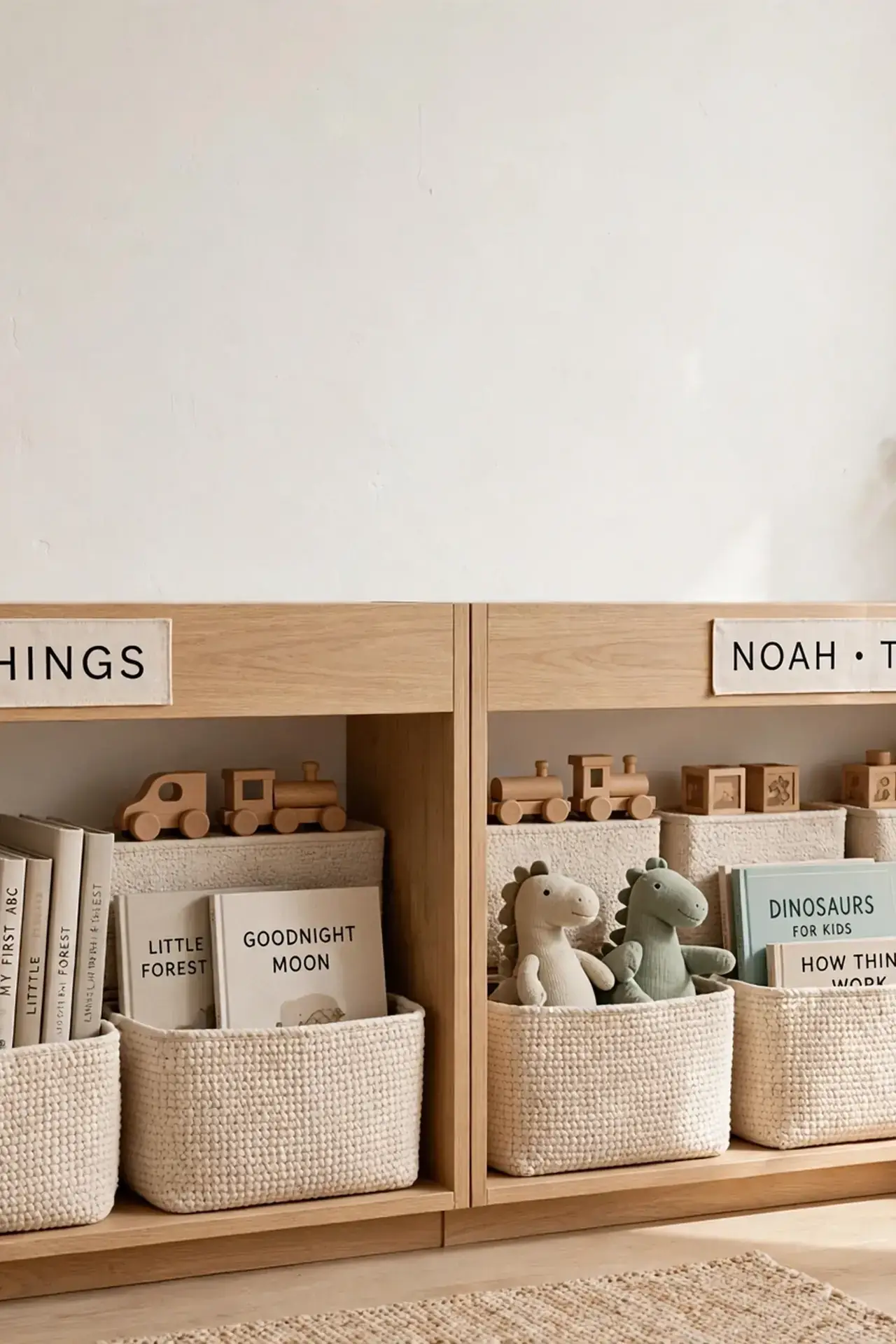
Quick Tip: Divide every shared shelf exactly in half with a strip of washi tape down the middle. Add each child’s name in big letters above their side, plus a small photo for pre-readers. Review the zones together monthly and adjust boundaries as collections grow. Kids respect labeled territory far more than vague verbal rules about sharing space.
Visible labels transform an ordinary bookshelf into two personal territories. When each child sees their name marking their zone, they naturally keep it tidier. The tape divider makes the boundary impossible to miss or dispute. This tiny investment of time prevents countless sibling squabbles over shelf space.
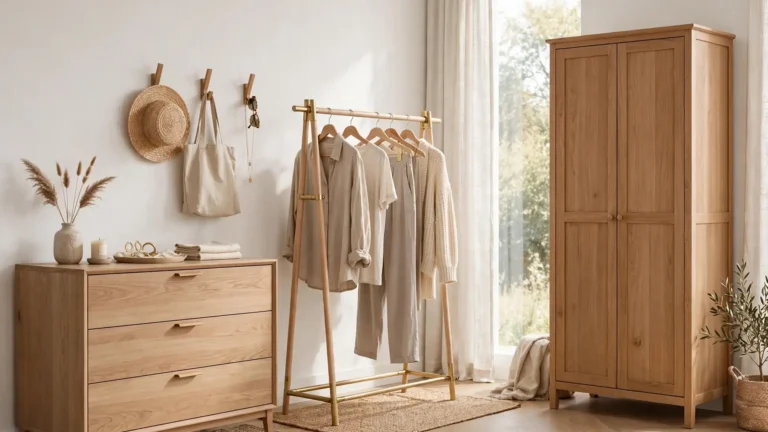
Split Closet Halves
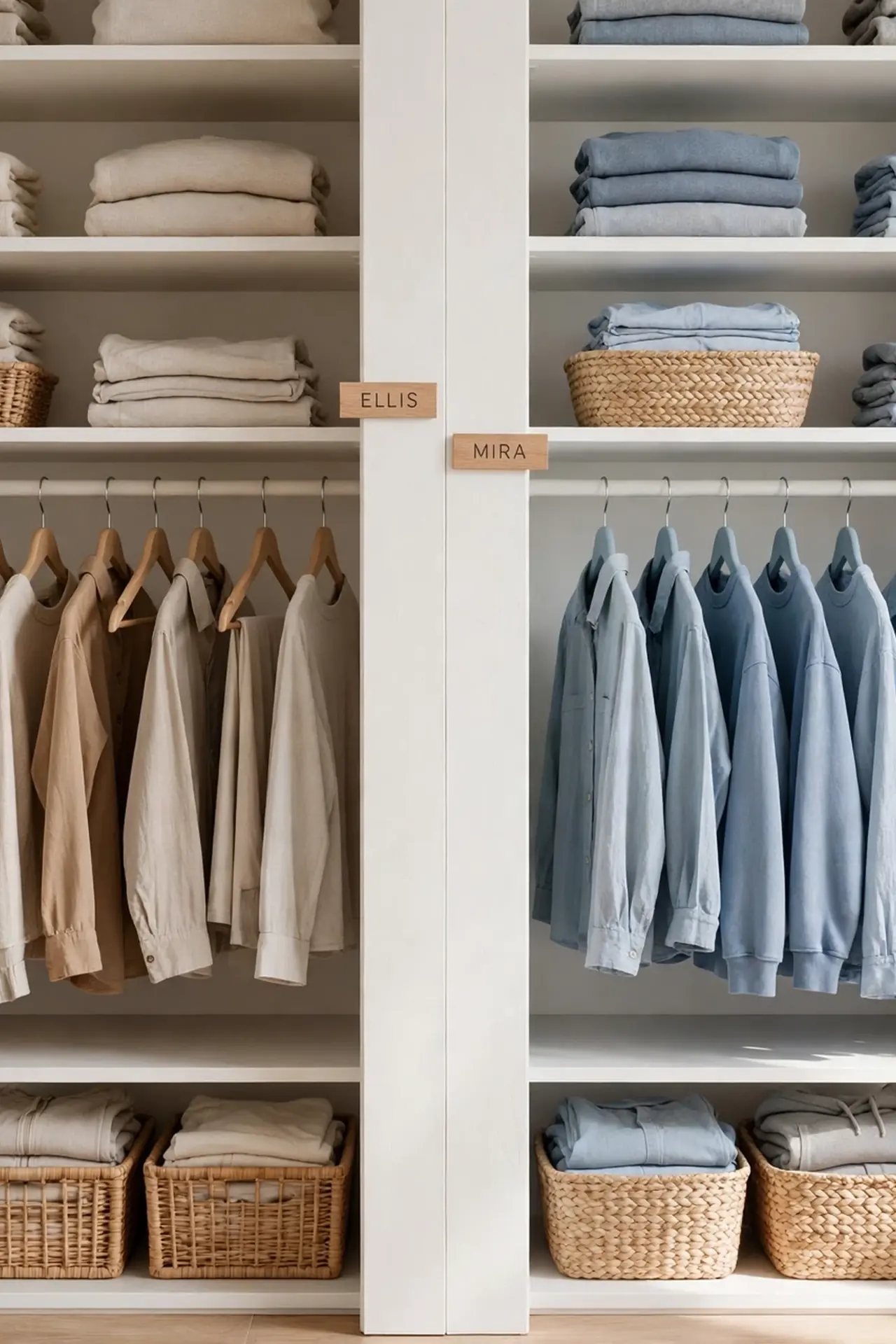
BEFORE: Both siblings’ clothes hung jumbled on one rod, and finding a favorite shirt meant digging through the other’s things. Mornings were stressful, items went missing, and blame flew freely. The shared closet caused most before-school arguments.
AFTER: A center divider now gives each child their own closet half with a rod and shelves. Color-coded hangers reinforce the system, and mornings run smoothly because everyone knows exactly where their clothes live. The closet finally feels fair.
Splitting the closet down the middle is the most effective change for shared sibling rooms. Use a tension rod divider or narrow shelving unit as the boundary. Give each side identical hanging space to keep things fair. When kids feel they own their half, they take better care of it.
Toy Rotation System
- Sort all toys into three labeled boxes, one per rotation group.
- Place only one box of toys on the shelves at a time.
- Store the other two boxes in the closet or under beds.
- Swap the active box every two weeks on a set day.
- Donate toys the kids ignore through two full rotations.
Rotating toys keeps the bedroom tidy while making old favorites feel exciting again. With only a third of toys out at once, cleanup takes minutes instead of hours. Kids actually play more deeply with fewer choices around. This system is a lifesaver for shared rooms where toy chaos multiplies.
Bunk Bed Cubbies
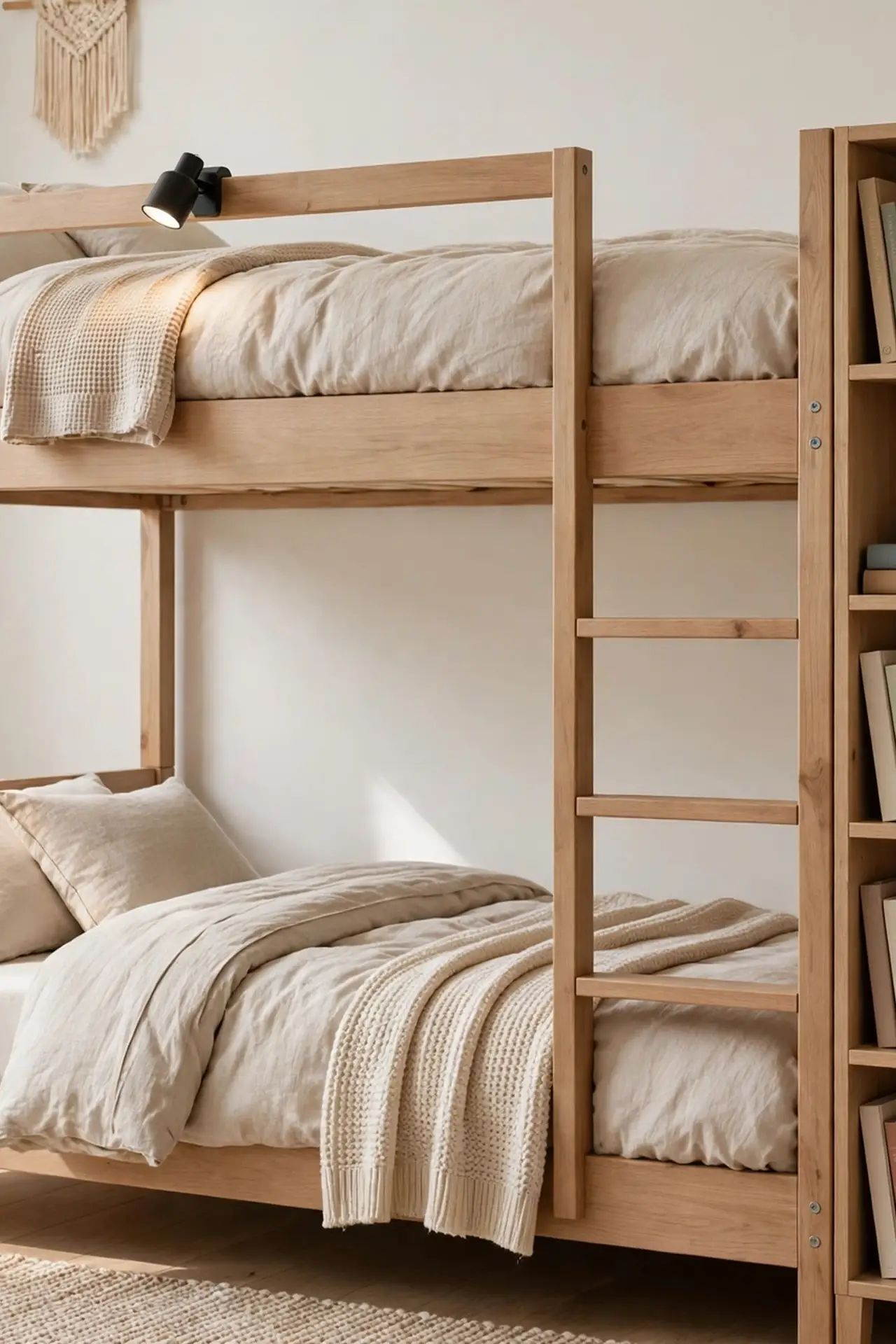
Cubby Spot What to Store Why It Works Head-end cubby Books and reading light Bedtime routine stays tidy Side cubbies Water bottle and tissues Night needs within reach Foot-end cubby Stuffed animals Comfort items have a home Top bunk edge Clip-on reading light Safe glow without cords Built-in cubbies beside each bunk give siblings equal bedside storage without needing nightstands. Every child gets the same number of cubbies, which keeps things fair and arguments low. Bedtime essentials stay off the floor and within arm’s reach. It’s personal space carved right into shared furniture, and kids love having a spot that is only theirs.
Personal Nightstand Caddies
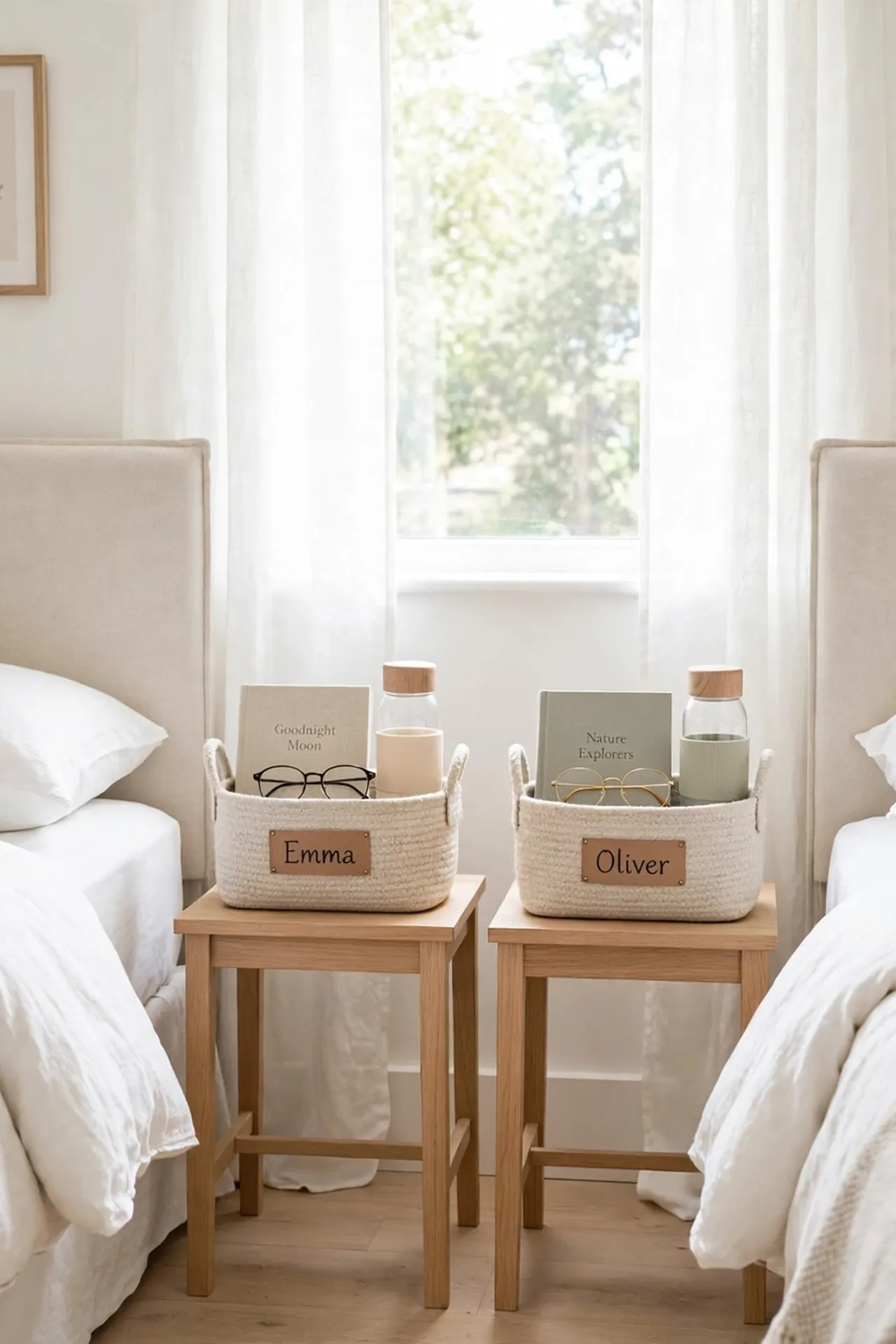
DO: Give each child their own caddy or tray on the shared nightstand.
DO: Let kids choose their caddy color to build ownership pride.
DO: Limit caddy contents to true bedtime essentials only.
DON’T: Let one sibling’s items spill over onto the other’s side.
DON’T: Use the nightstand as overflow storage for toys or clothes.
DON’T: Skip labels, since clear names prevent midnight mix-ups.
When siblings share one nightstand, individual caddies keep the peace beautifully. Each child gets a defined tray-sized territory for their water, book, and glasses. The physical boundary makes sharing feel fair instead of forced. Bedtime runs smoother when nobody is reaching across anyone else.
Wall Hook Rows
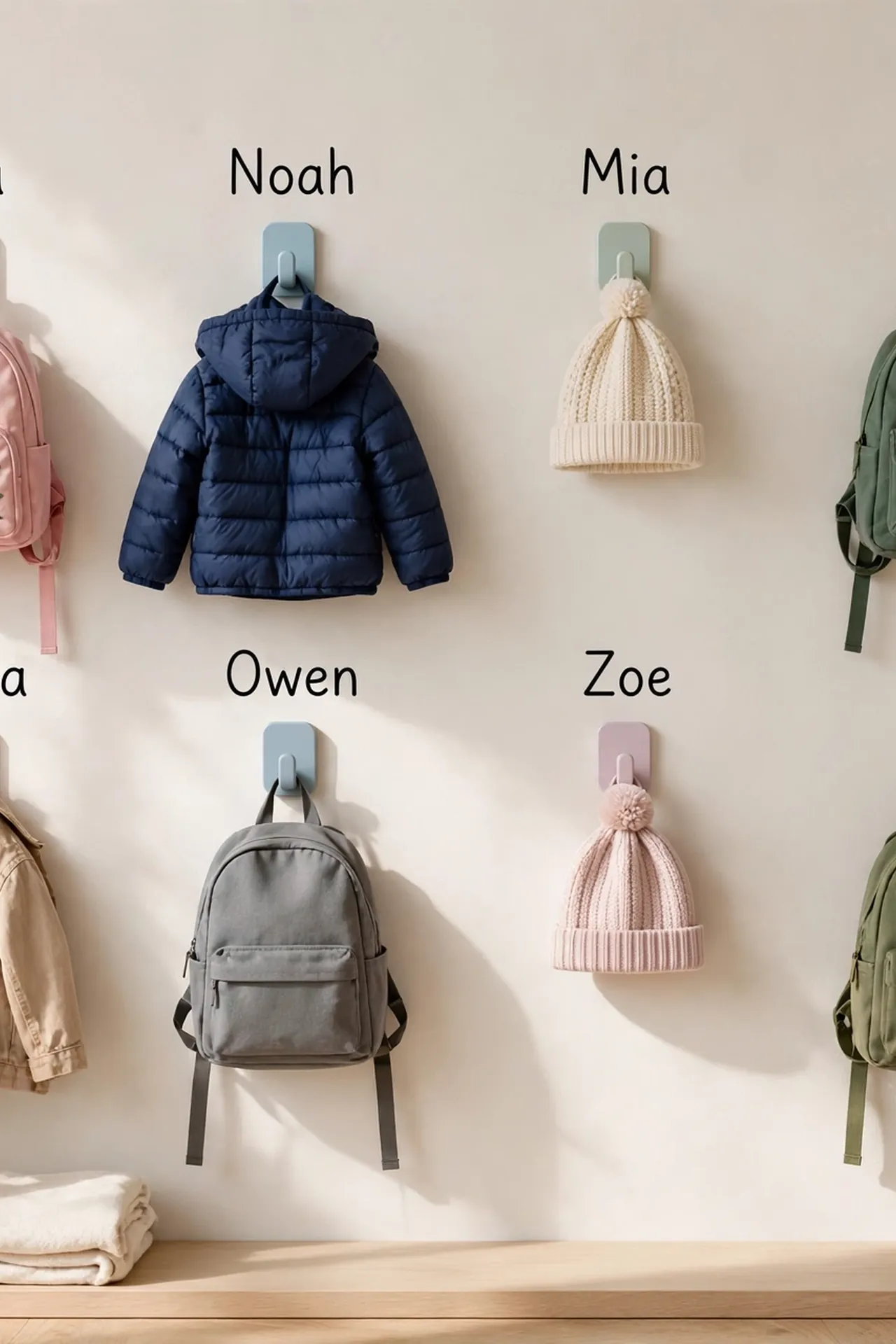
Cost: Low, just a hook rail and screws | Time: About one hour to install | Skill Level: Beginner, no special tools needed | Best For: Backpacks, jackets, hats, and daily essentials | Result: Faster mornings with zero lost items
Rows of wall hooks at kid height give every backpack and jacket an instant home. Assign three hooks per child and label them clearly with names or photos. Hooks use zero floor space while keeping daily essentials visible and easy to grab. Choose sturdy metal hooks that hold heavy school bags without bending. Mornings speed up dramatically when nothing hides in a pile, and kids build independence by managing their own gear.
Under Bed Rolling Carts
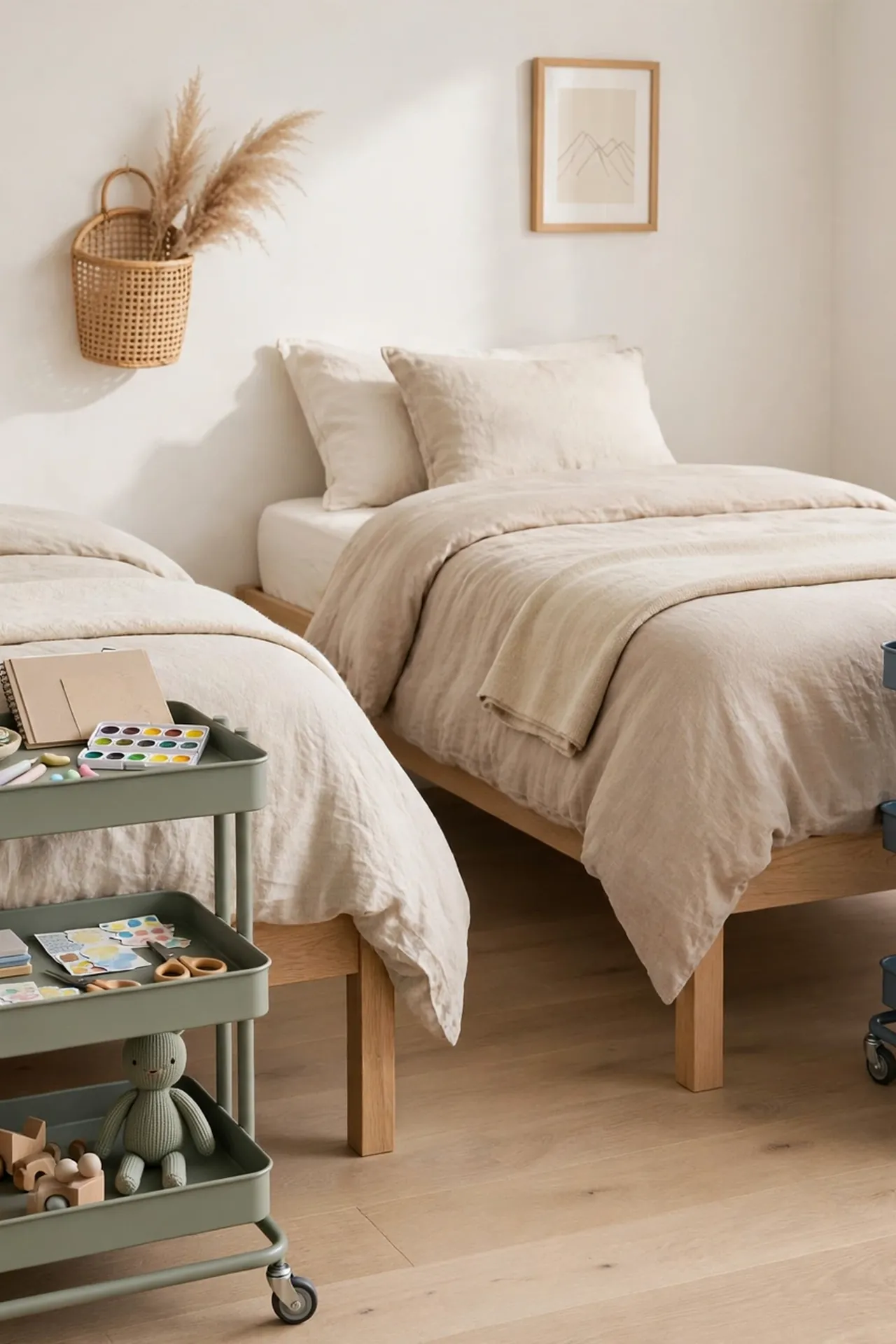
Slim rolling carts slide under beds by day and roll out as activity stations when needed. Give each sibling their own cart stocked with their favorite art supplies or building toys. The mobility means kids can create anywhere in the room, then tuck everything away in seconds. Cleanup becomes almost fun when it is this easy.
I’ve seen this work well in many cases where siblings have very different interests. One cart might hold art supplies while the other stores building blocks, and neither child has to compromise. Choose carts with locking wheels so they stay put during use. The under-bed parking spot keeps the room looking tidy between play sessions.
Divided Dresser Drawers
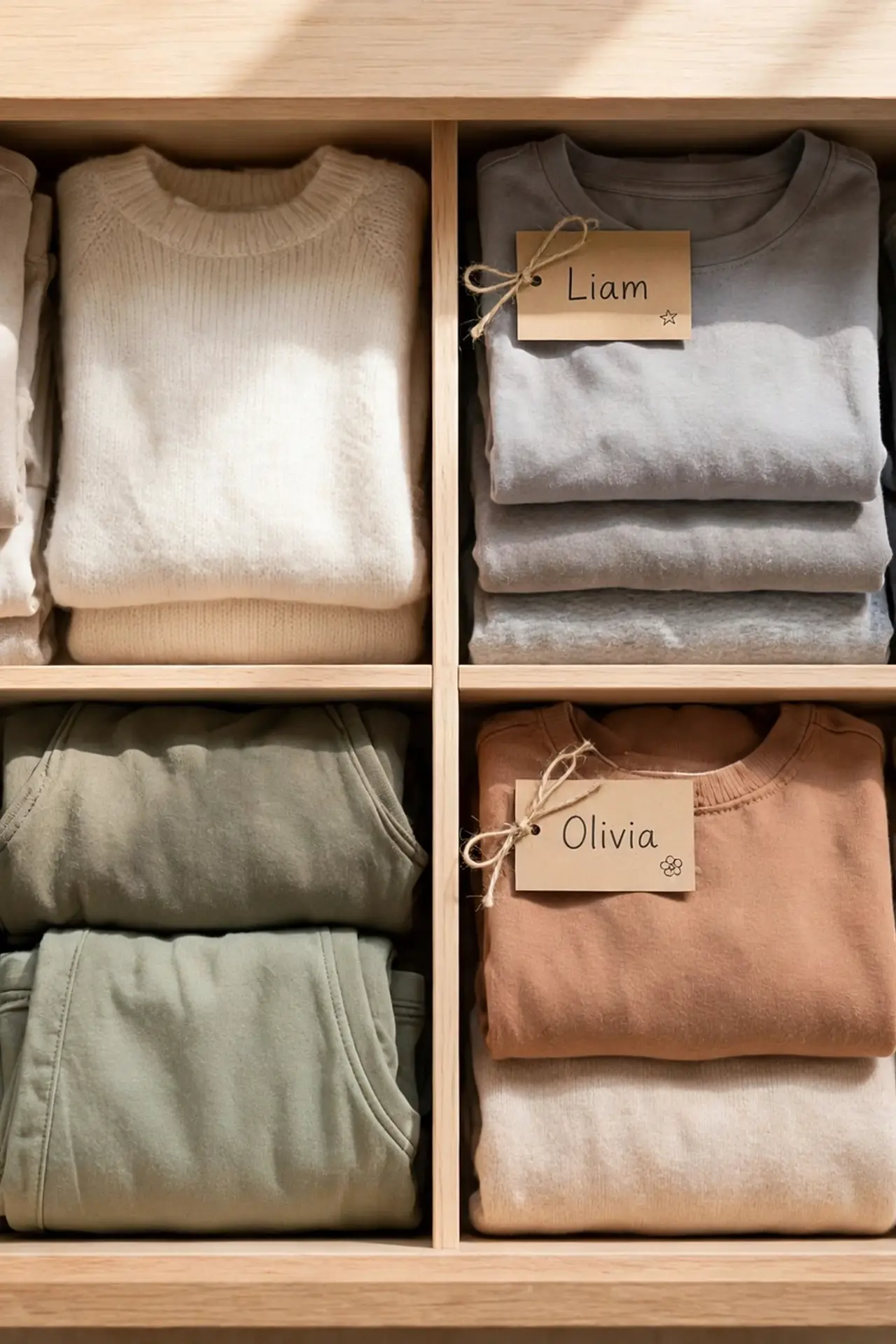
- Adjustable drawer dividers split each drawer into two equal halves instantly.
- File-fold clothes vertically so every item is visible without digging.
- Assign the left half to one sibling and the right to the other consistently.
- Use small photo labels for younger kids who cannot read names yet.
- Revisit the split monthly as seasons change clothing needs.
Sharing a dresser works fine when every drawer has a clear divider down the middle. Both kids get equal space, and the physical barrier prevents clothes from migrating. File folding makes mornings faster since everything is visible at a glance. The system costs little but delivers daily peace during the morning rush.
Hanging Closet Organizers
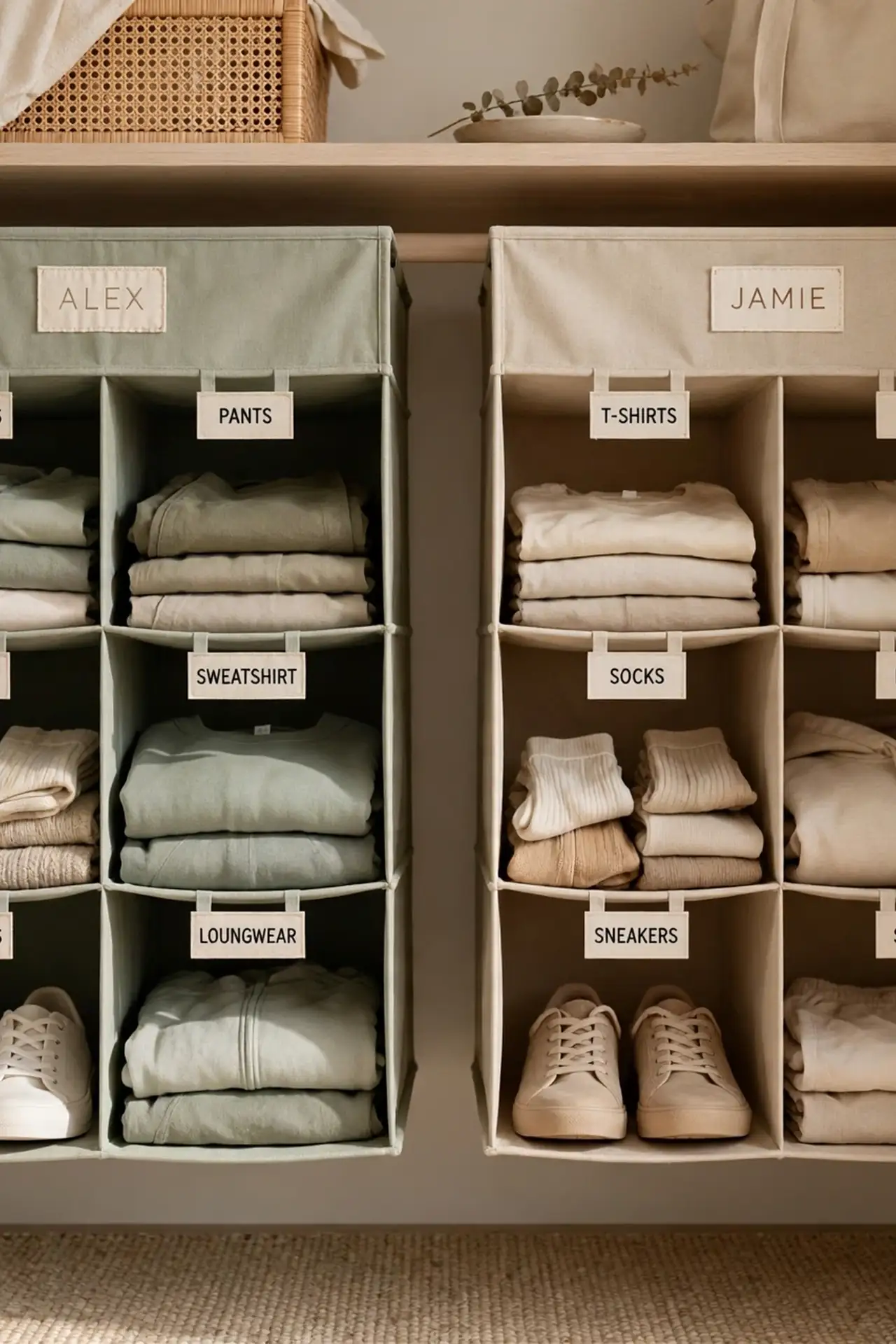
Quick Tip: Hang one fabric organizer per child on the closet rod for instant divided shelving. Dedicate each cubby to a clothing category like shirts, pants, or pajamas. Label the cubbies with pictures for little ones. These organizers cost little, need no tools, and double your usable closet storage overnight.
Fabric hanging organizers are the fastest way to double closet storage for siblings. Each child gets their own column of cubbies, creating clear ownership without any construction. The soft structure is safe for small rooms and little heads. Choose different colors per child to reinforce the room’s color-coding system. When kids outgrow the system, it folds flat in seconds.
Name Tag Baskets
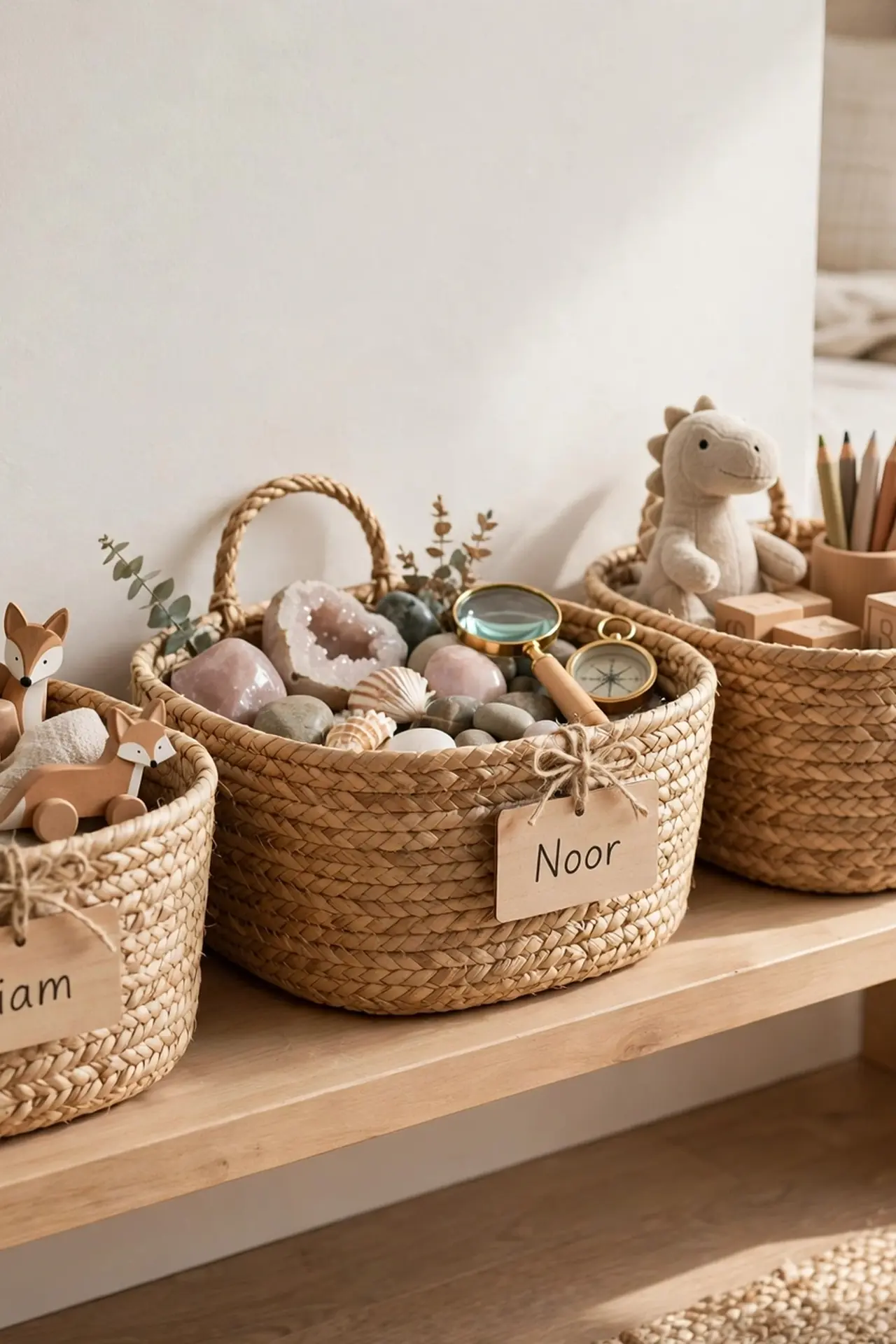
BEFORE: Toys and treasures piled together in one big toy box, and every cleanup ended with accusations about who made the mess. Finding a specific toy meant dumping everything onto the floor. The shared toy box was a battleground disguised as storage.
AFTER: Each child now has two labeled baskets on a low shelf for their own treasures. Cleanup means sorting into your own baskets, which feels fair and manageable. The name tags make ownership clear, and the room stays noticeably tidier.
Personal baskets with name tags give each sibling a defined spot for special things. Woven baskets look warm and hide clutter beautifully. Let kids decorate their name tags to build pride in their space. Two baskets per child is the sweet spot between enough storage and overwhelming choice.
Shared Book Ledge
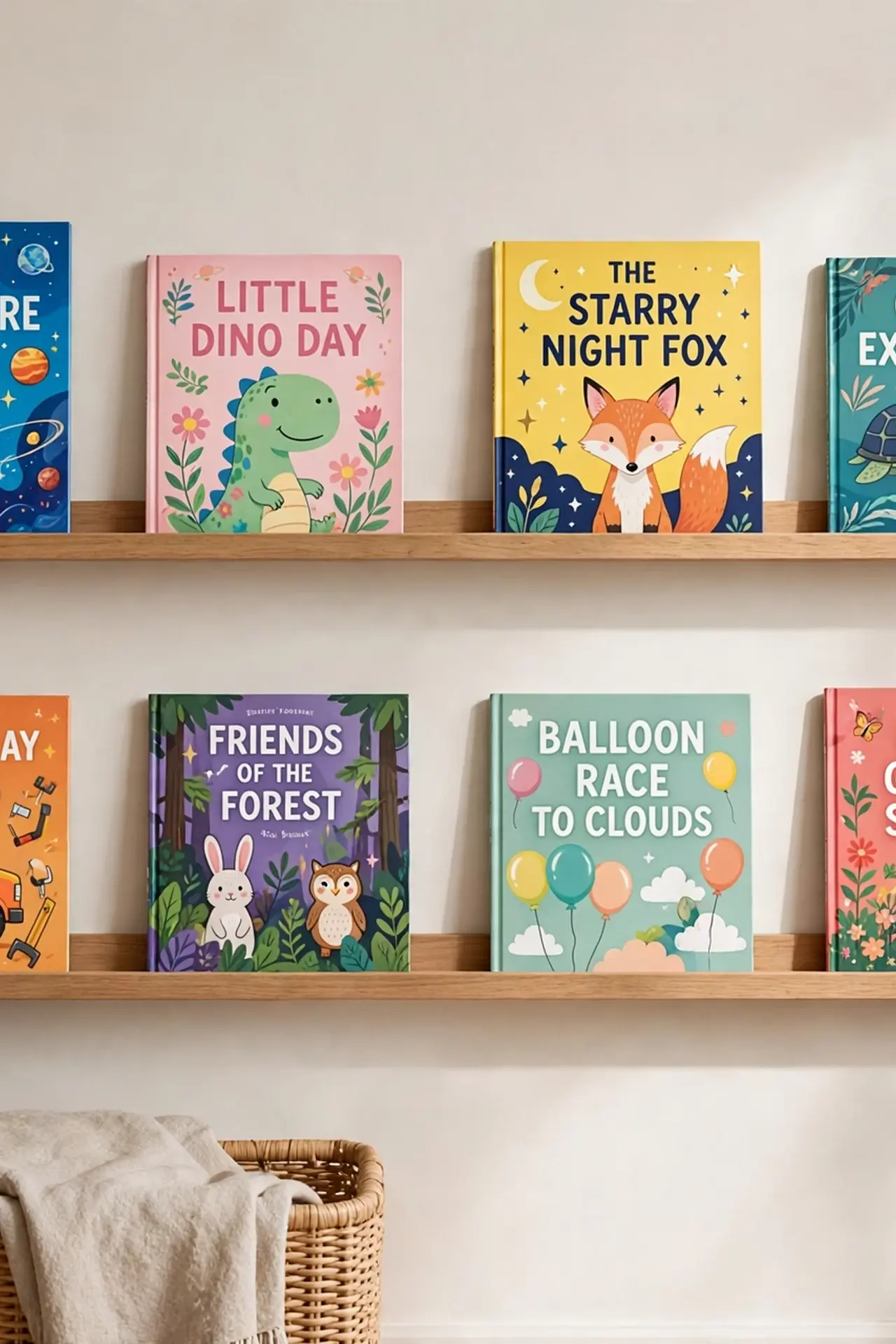
- Mount two narrow ledges at kid height along one bedroom wall.
- Alternate books between siblings so both see their favorites displayed.
- Rotate the displayed books weekly to keep the collection feeling fresh.
- Store the remaining books in labeled bins below the ledges.
- Let each child choose one new library book for the ledge every week.
Book ledges display covers facing out, turning storage into decoration that invites reading. Sharing the ledge teaches compromise while the alternating pattern keeps things fair. Kids reach for books more often when covers are visible. Mount a second ledge lower so toddlers can reach their own favorites independently. This is shared storage that actually brings siblings together.
Over Door Racks
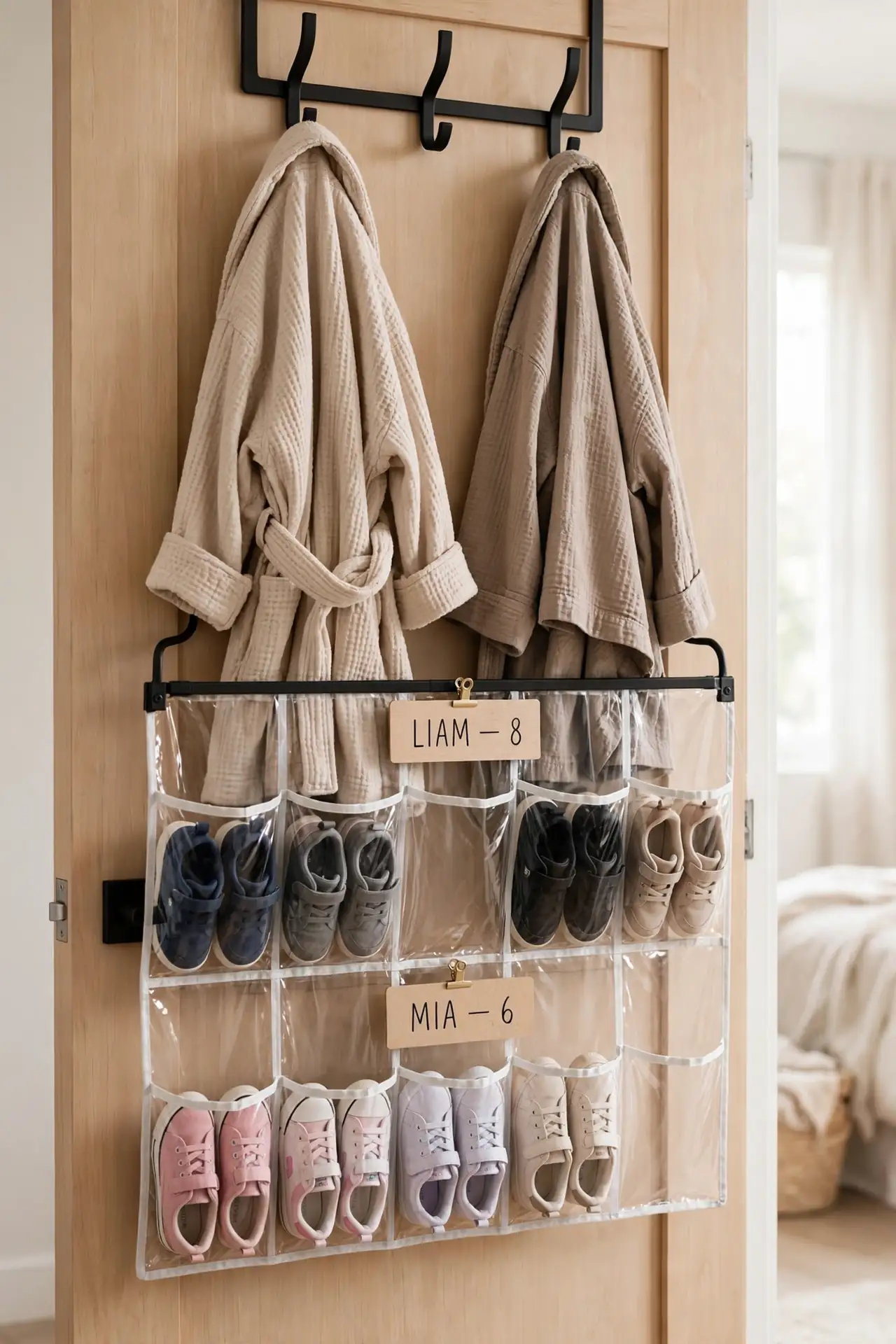
Rack Type Stores Sibling Split Clear pocket organizer Shoes and accessories Top rows one child, bottom rows other Wire over-door rack Books and games Left hooks vs right hooks Hook rail Robes and costumes Alternate hooks by color Basket hooks Laundry bags Dirty clothes sorted per child The back of the bedroom door is free storage space most families ignore completely. Over-door racks need no drilling, which renters will appreciate. Split the pockets or hooks evenly so each sibling gets identical space. Label each row with names so there is never confusion about whose pockets are whose. Door storage keeps floors clear and essentials easy to grab.
Individual Laundry Hampers
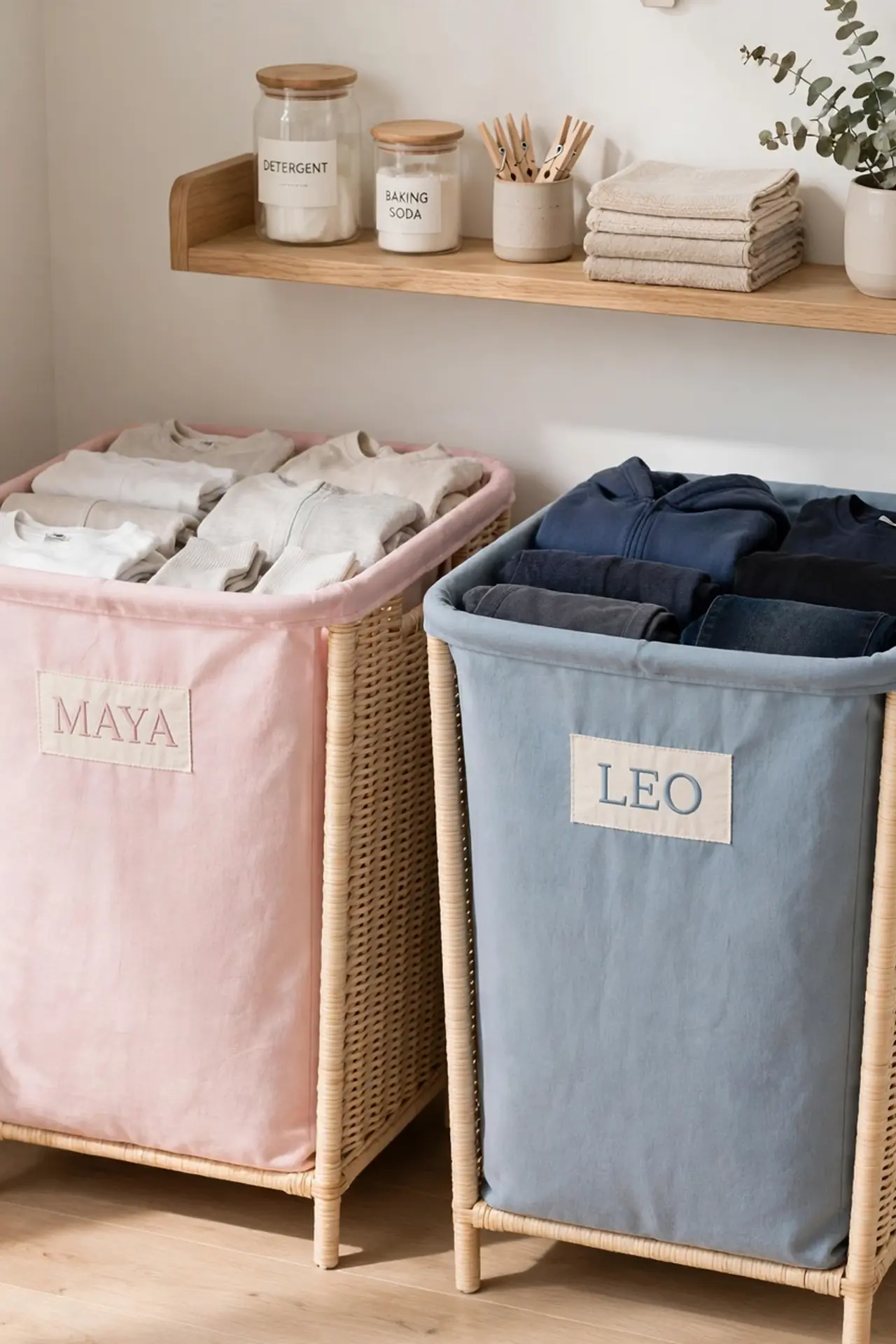
DO: Provide one hamper per child in their signature color.
DO: Place hampers where kids undress, not across the room.
DO: Choose hampers with lids to contain odors and visual mess.
DON’T: Share one hamper, since sorting mixed laundry wastes time.
DON’T: Buy oversized hampers that encourage week-long pileups.
DON’T: Hide hampers in the closet where kids will ignore them.
Separate hampers teach responsibility and make laundry day dramatically simpler. When each child’s clothes are already sorted, washing becomes a quick grab-and-go task. The color coding reinforces the room’s whole organization system. Small hampers also mean more frequent washing and less bedroom odor.
Desk Drawer Dividers
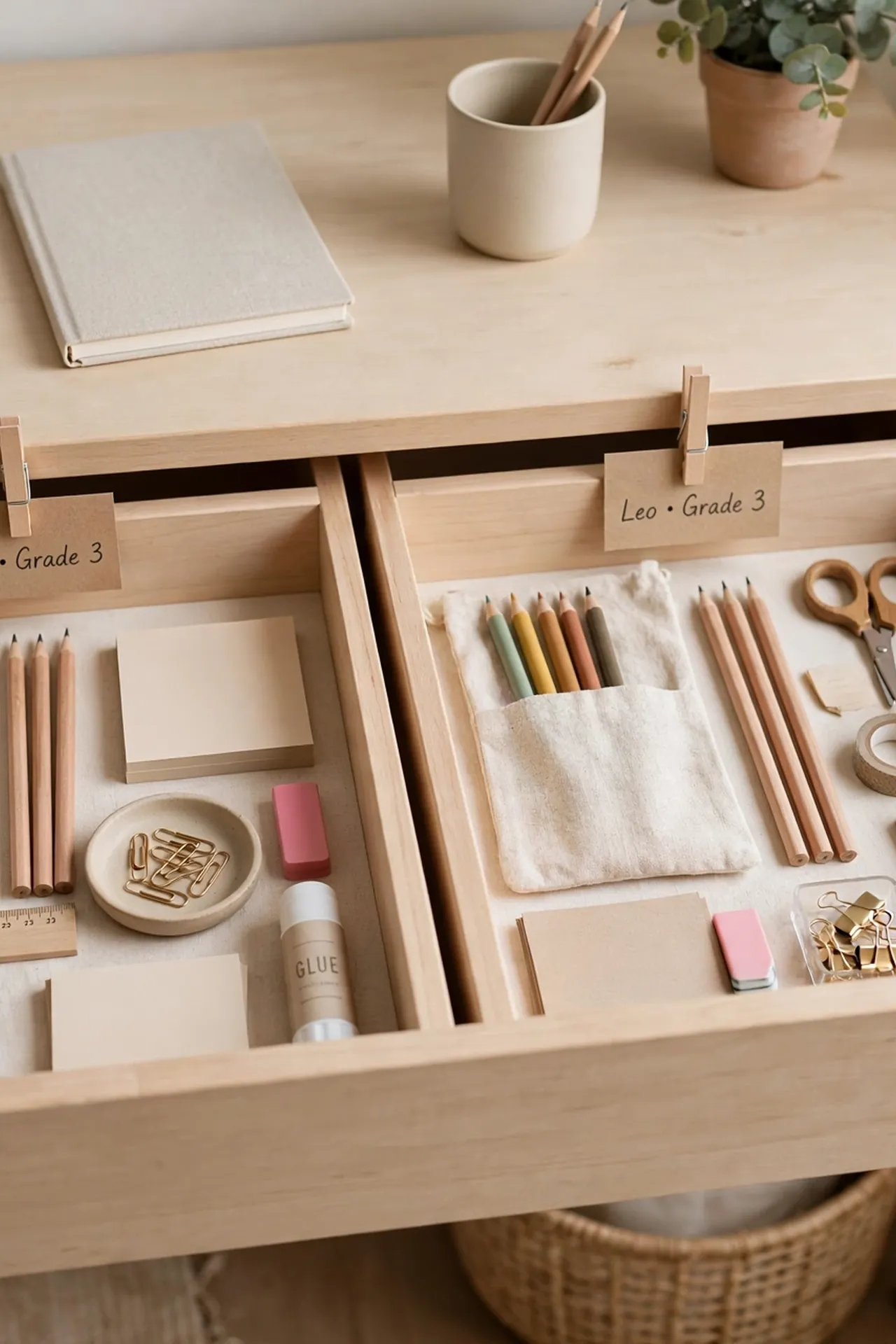
Cost: Low, just dividers or small trays | Time: 20 minutes to set up | Skill Level: Beginner, kids can help arrange | Best For: School supplies, homework essentials, and small treasures | Result: Calmer homework time with everything in reach
When siblings share a desk, divided drawers prevent the daily hunt for a working pen. Split each drawer evenly and let kids arrange their own half exactly how they like. Personal control over even a small space builds organizational habits that last. Homework time gets calmer when supplies are always where they belong, and sharing feels fair. Revisit the layout each school term as supply needs change.
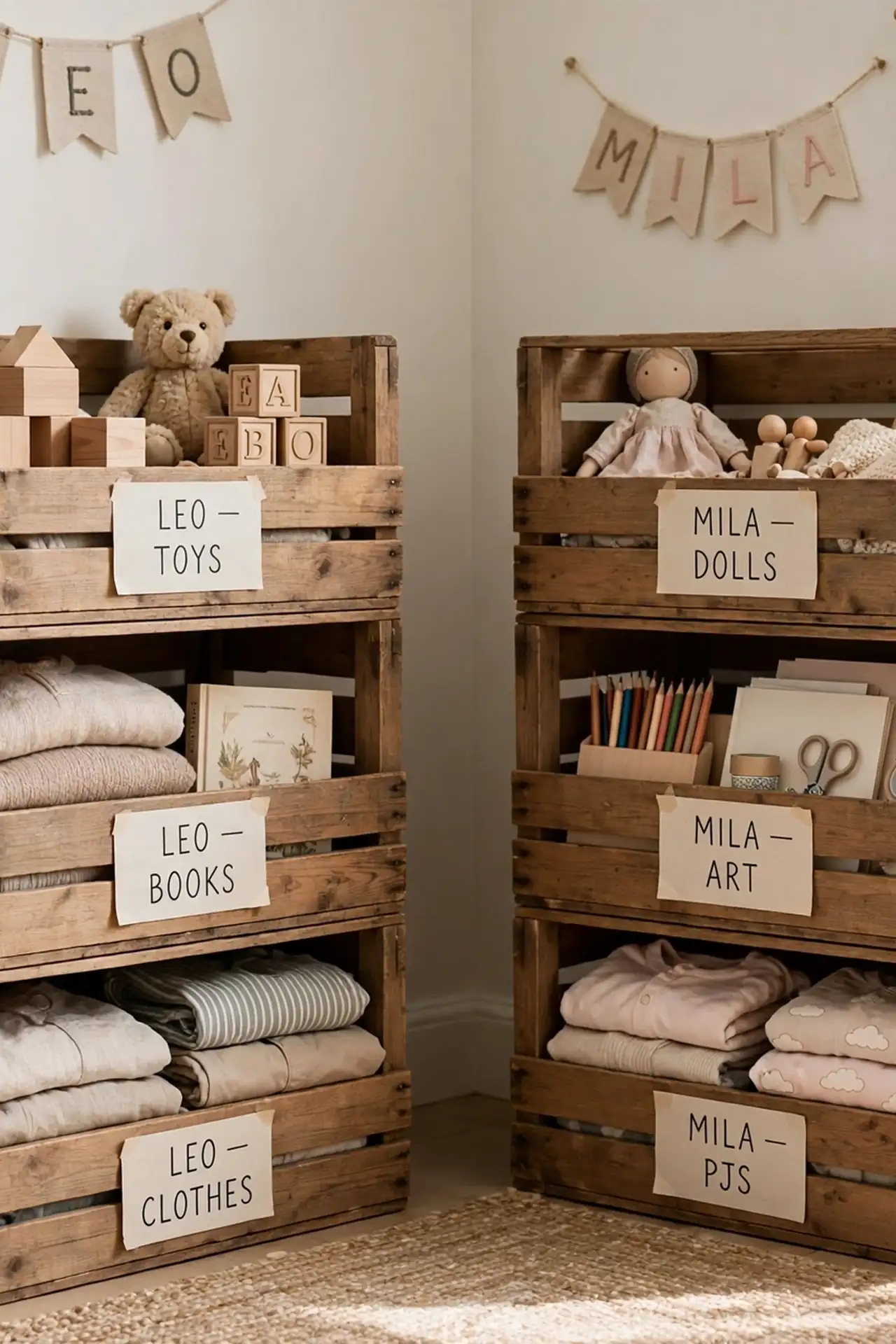
Stackable Crate Towers
Stackable crates build custom storage towers that grow with your family. Start with two crates per child and add more as collections expand. Each sibling owns their tower completely, which eliminates sharing disputes. The modular design means you can rearrange the towers whenever the room layout changes.
That’s why many experts recommend modular storage for growing kids. Unlike fixed furniture, crates adapt to changing needs without new purchases. Paint each tower in the child’s signature color for instant identification. Sand the edges smooth and seal with a non-toxic finish to keep little hands safe. These affordable towers often outlast more expensive kids’ furniture.
Bedside Pocket Organizers
- Hanging pocket organizers turn mattress sides into storage without any floor space.
- Each child gets their own organizer with pockets sized for books and treasures.
- Choose machine-washable fabric that survives kid life easily.
- Secure the straps tightly so the organizer doesn’t slip during sleep.
- Limit pockets to five or six so kids prioritize true favorites.
Bedside pocket organizers are perfect when there is no room for nightstands at all. They keep bedtime essentials right where kids need them. The hanging design works on any bed frame style. Choose organizers with different patterns so each child instantly recognizes their own in the dark. Siblings love having their own pocket collection within arm’s reach.
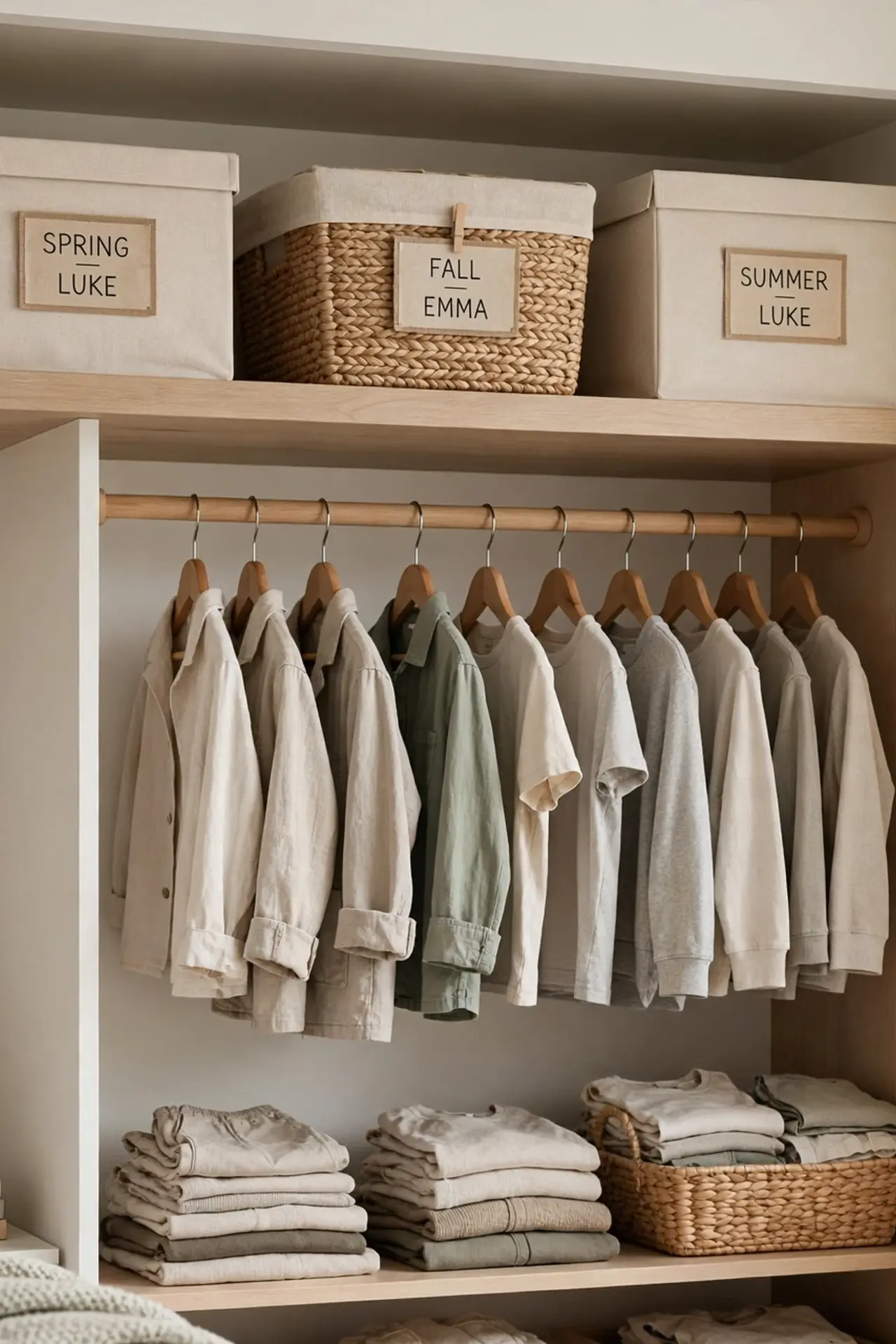
Seasonal Swap Boxes
Quick Tip: Store out-of-season clothes in labeled boxes on the highest closet shelf. Mark each box with the season and the child’s name in big letters. Swap the boxes when weather changes, which takes under an hour twice a year. This keeps daily drawers uncluttered and right-sized for what kids actually wear now.
Seasonal rotation prevents drawers from overflowing with clothes nobody is wearing. Kids get dressed faster when every visible option fits the current weather. The twice-yearly swap is also a perfect moment to donate outgrown items. Involve the kids in the swap so they learn seasonal planning skills early. Less daily clutter means a calmer shared bedroom year-round.
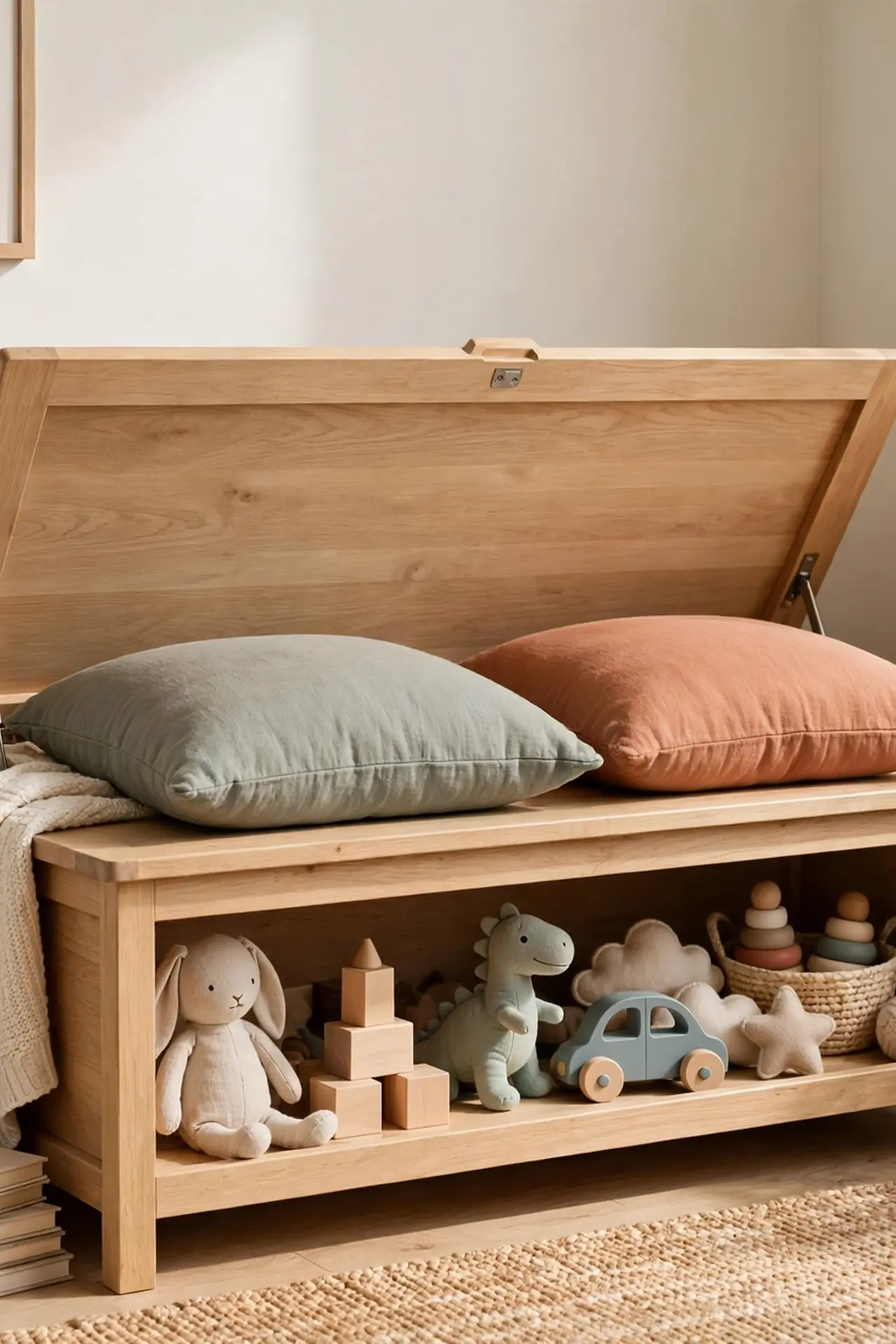
Corner Storage Bench
BEFORE: The bedroom corner collected random toys, outgrown shoes, and forgotten art projects. It was dead space that somehow still looked messy. Both kids avoided the corner, yet their stuff always migrated there mysteriously.
AFTER: A storage bench now fills the corner with hidden toy storage inside and a cozy seat on top. Each child has their own cushion in their signature color. The corner transformed from dumping ground to favorite reading spot.
A corner bench turns awkward dead space into triple-purpose storage, seating, and display. The hidden compartment swallows toys in seconds before guests arrive. Topped with cushions, it becomes the room’s coziest hangout. Corners work hardest when you give them a clear job.
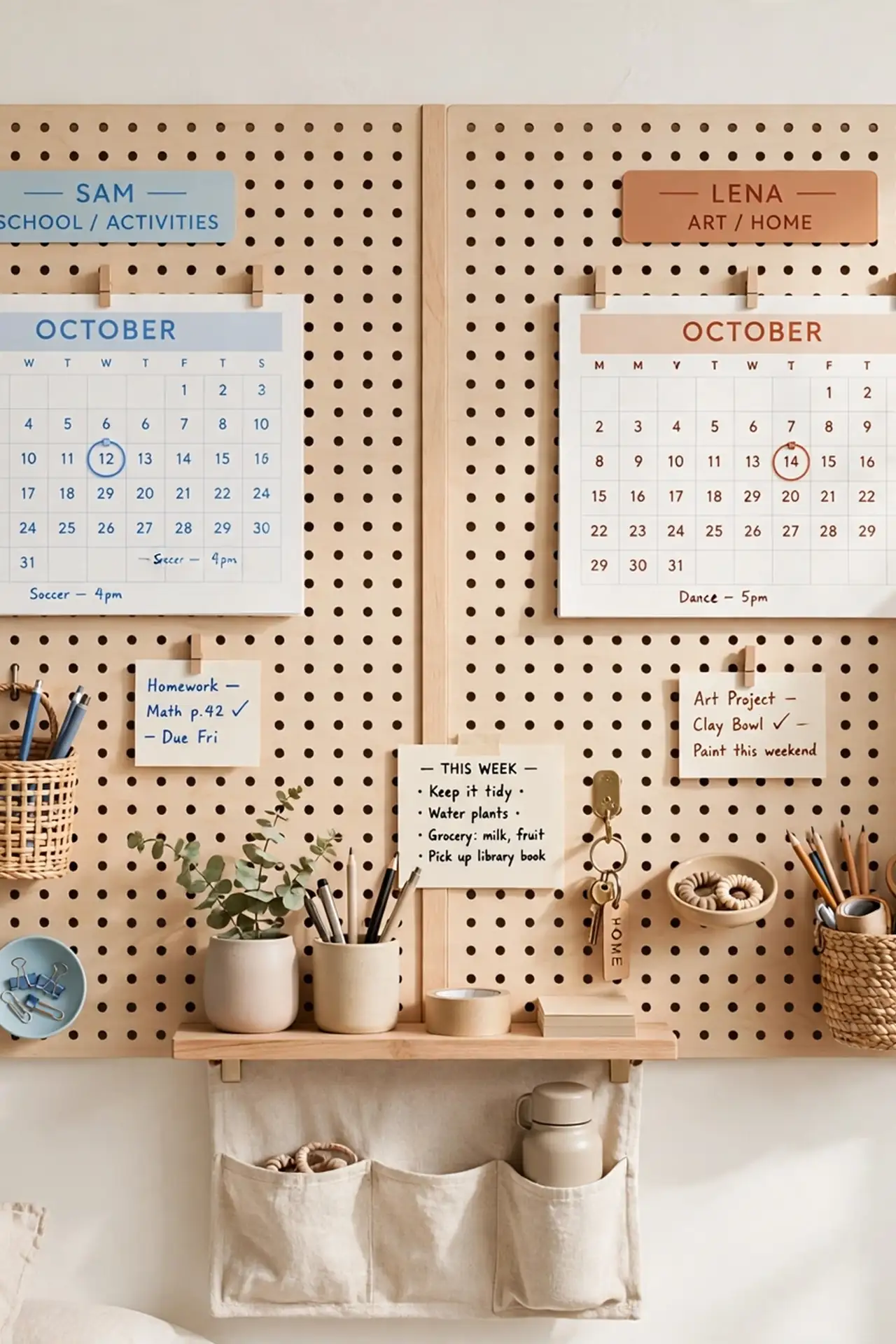
Pegboard Command Center
- Mount a large pegboard on the wall at kid-accessible height.
- Draw a line down the middle and assign one half to each child.
- Add hooks, small shelves, and baskets using pegboard accessories.
- Hang a weekly calendar on each side for schedules and reminders.
- Let kids rearrange their half whenever they want a refresh.
A pegboard command center gives each sibling a customizable vertical headquarters. The split design keeps things fair while the movable accessories adapt as needs change. Kids enjoy rearranging their side, which keeps them engaged with staying organized. Mount it where both kids can reach comfortably every day. It’s part storage, part self-expression wall.
These shared sibling bedroom storage ideas prove that fairness and order can absolutely coexist in one room. For more space-smart inspiration, explore our small apartment living room layouts that use the same zoning principles. Start with the color-coding system, then add one idea each weekend. Your peaceful, organized shared bedroom is closer than you think.
Conclusion
Sharing a bedroom teaches kids compromise, but smart storage makes the lessons much gentler. These 21 ideas show that shared sibling bedroom storage ideas work best when every child gets clear ownership and equal space. From color-coded bins to pegboard command centers, each solution reduces arguments while building lifelong organizational habits. I’ve seen how small changes like these can completely shift the way a space feels. Save your favorites on Pinterest, try the color system this weekend, and share your peaceful shared bedroom with other parents who need these ideas.
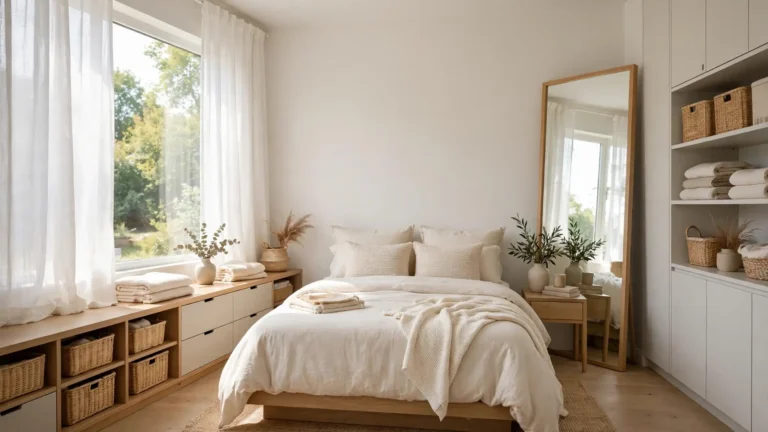
‘s personal dresser without using floor area. - Assign the left bed’s drawers to one sibling and the right bed’s to the other for clear ownership.
- Deep drawers hold folded clothes while shallow ones organize socks, accessories, and small toys.
- Choose smooth-gliding drawers that little hands can open and close independently.
- Label each drawer front with names or pictures so sorting becomes second nature.
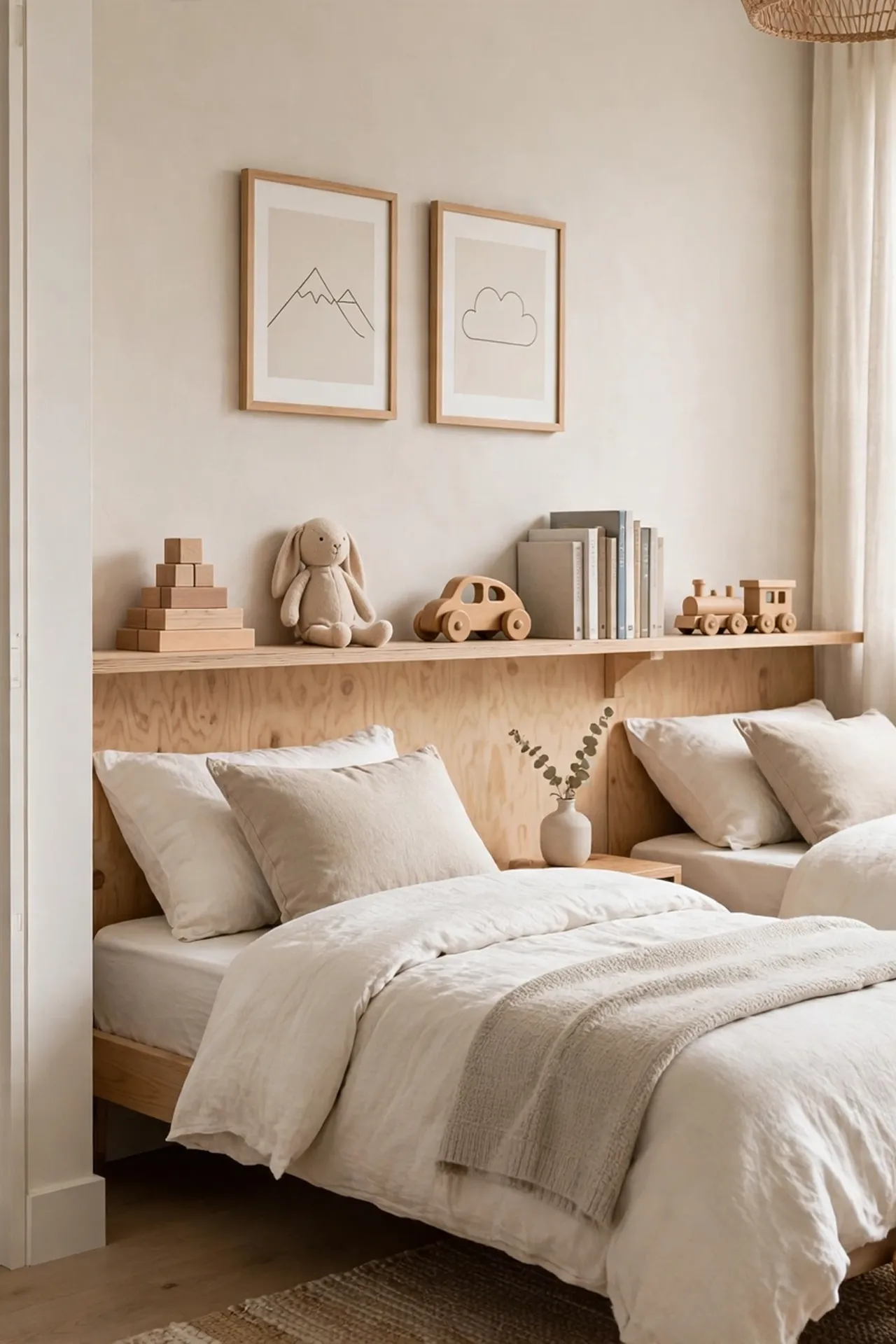

Captain’s beds with built-in drawers give each sibling private storage that feels entirely their own. This setup works especially well when closet space is limited or shared uneasily. Kids love having a secret spot for treasures right under their mattress.



5 Comments