How to Decorate a Living Room With Too Much Natural Light
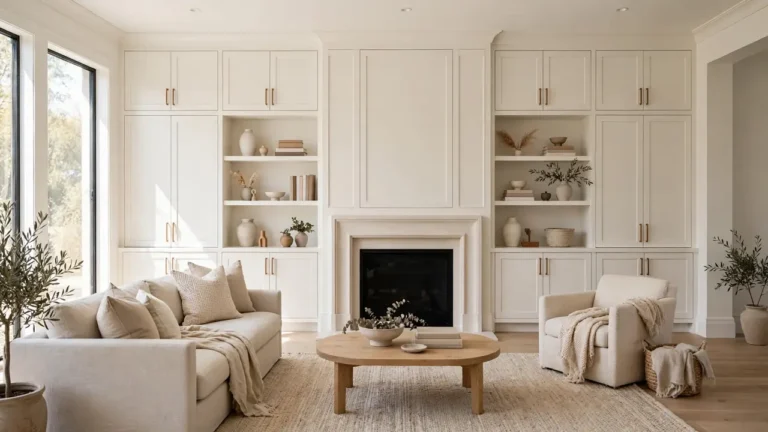
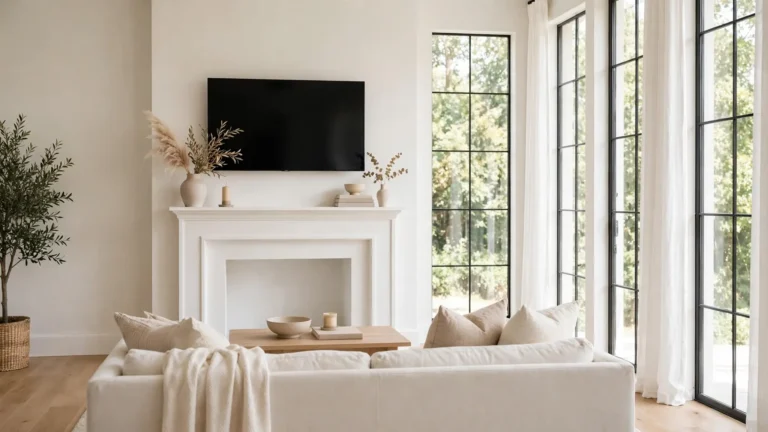
A flood of sunlight can turn a living room into a squinting zone instead of a relaxing retreat. The good news is that learning how to decorate a living room with too much natural light comes down to small, thoughtful tweaks. Sheers, layered treatments, and smart furniture placement transform harsh glare into a warm, welcoming glow.
Sunlight is a gift, but too much of it can wash out colors, overheat the room, and fade your favorite sofa. The right approach balances brightness with comfort so the room feels airy without the harsh edges. Small upgrades work wonders everywhere; this guide to how to make a small bathroom look more luxurious on a budget shows how little it takes. Keep reading for simple fixes that work in any style.
Layer Treatments to Tame Bright Windows

Single-layer curtains rarely handle a sun-drenched window on their own. Heavy drapes block too much light and make the room feel closed in, while bare sheers leave you squinting by midday. Layering solves both problems at once: a light-filtering shade underneath plus fuller curtains on top gives you three settings instead of one.
Start with the base layer first, then add panels that frame the window. I’ve noticed this combination keeps morning light soft while letting you close everything for movie nights. The layered look also adds depth, so windows feel styled instead of stark.
Soften Harsh Light in Four Steps
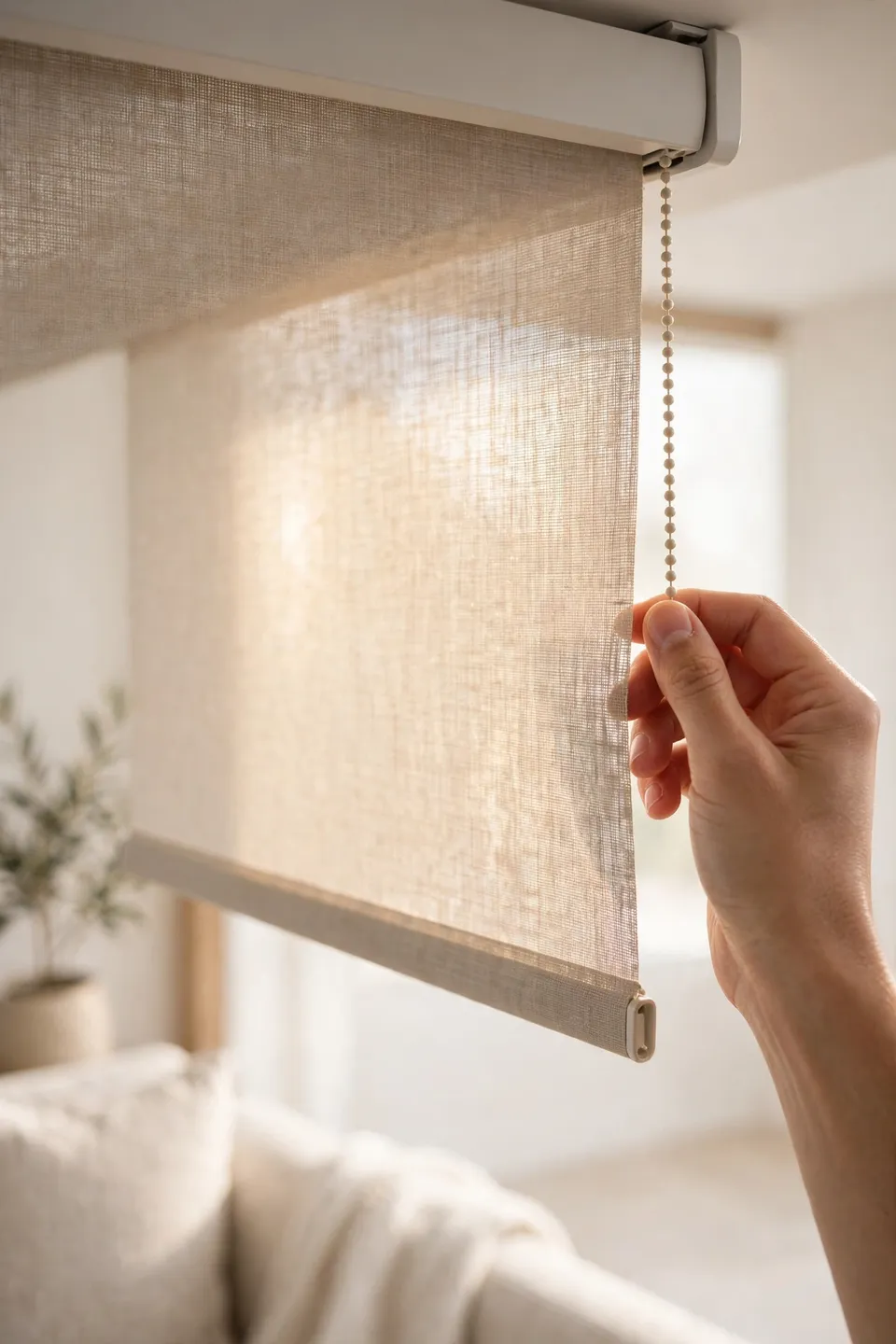
Taming glare does not require blackout curtains or dark paint. A few quick moves redirect and filter sunlight so the room stays bright without the strain. Follow these steps on the sunniest day of the week to see the real difference.
- Hang light-filtering shades or sheers first to cut direct glare while keeping the room bright.
- Add lined curtains on a wide rod so panels stack clear of the glass and frame the view.
- Pull seating back from the window wall so faces never sit in the full blast of sun.
- Choose matte finishes for tables and floors to kill the shiny bounce that doubles glare.
Where Should the Sofa Sit in a Bright Room?

Quick Tip: Float the sofa so its back faces away from the window wall.
Backs to the glass keeps glare out of everyone’s eyes and stops the TV from washing out. A sofa facing into the room invites conversation and feels more social. If the layout allows, add a slim console behind it for lamps and books, which finishes the back view from the window side.
The Biggest Window Mistake in Sunlit Rooms

Common Mistake: Covering every window with heavy blackout curtains just to fight the glare.
The Fix: Use layered treatments that filter light in stages instead of blocking it all.
All-or-nothing curtains turn a bright room into a cave by noon. Layered sheers and shades let you dial brightness as the sun moves. Smart layouts help everywhere; see how to add a kitchen island without blocking walkways for proof. Flexible rooms get used far more than ones that are blinding or dark.
Light Control Essentials to Keep Handy

What You Need:
- Light-filtering roller shades or sheer panels
- Lined curtains on a wide rod
- UV-blocking window film for the strongest window
- Matte finish paint and a low-sheen rug to cut reflective glare
- A tall plant to break up harsh sunbeams
These five pieces cover nearly every bright-room problem without a remodel. Shades handle the midday peak, curtains dress the windows for evening, and matte surfaces plus greenery soften whatever light remains. Buy them once and the room stays comfortable through every season, saving both your eyes and your furniture.
Glare-Filled Room to Gentle Glow

BEFORE: Bare windows blast the sofa with midday sun, the rug fades in stripes, and the TV screen turns into a mirror by three o’clock. Everyone migrates to darker corners, and the prettiest part of the room goes unused for half the day.
AFTER: Layered sheers and lined curtains filter the light to a soft wash, the rug keeps its color, and seating faces away from the glare. The whole room feels calm, usable, and inviting from morning to evening.
The shift takes one weekend and no new furniture at all. Window treatments do the heavy lifting while small layout tweaks protect seating and screens from the strongest rays. The result is a living room that welcomes sunlight instead of fighting it every sunny afternoon.
Protect Fabrics and Floors From Sun Damage
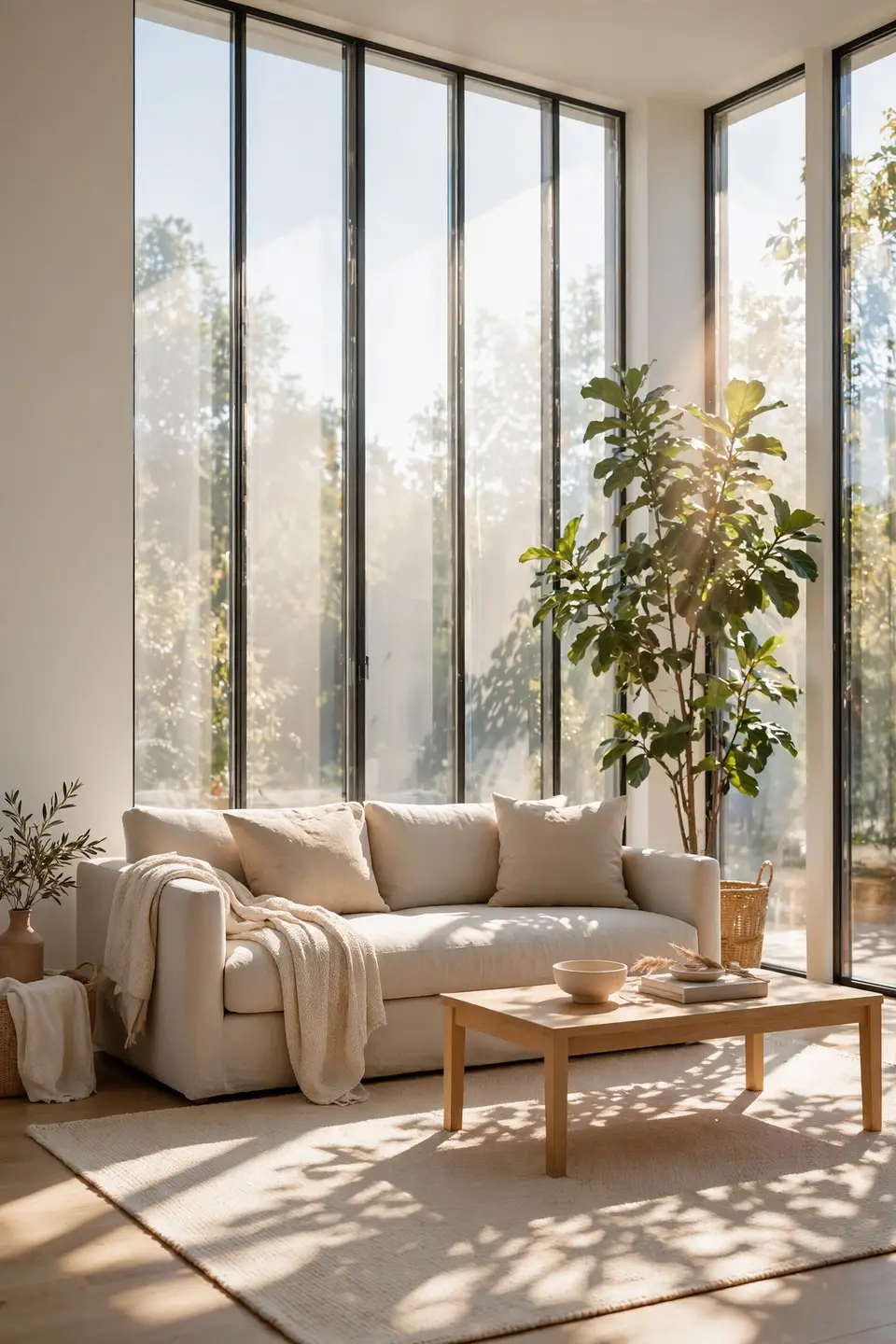
Do This:
- Rotate cushions and rugs every few months so fading stays even
- Apply UV-blocking film to south and west facing windows
- Choose fade-resistant fabrics like solution-dyed acrylic for sunny spots
Avoid This:
- Placing dark leather or silk directly in the sunbeam path
- Using glossy varnishes that bounce extra light into eyes
- Ignoring the rug, which often fades first and fastest
Sun damage creeps in slowly, then suddenly the color looks washed out. These habits spread wear evenly and block the harshest rays before they bleach fabric or crack finishes. Check sunny spots each season for early fading. A little prevention now saves the real cost of replacing a faded sofa later.
What Direction Does Your Sun Come From?

Quick Facts:
South-facing: Strongest all-day light, needs the most filtering.
West-facing: Harshest late afternoon glare, the toughest to tame.
East-facing: Bright mornings that fade by noon, easiest to live with.
North-facing: Soft and even, rarely causes glare problems.
Knowing your window direction tells you exactly where to invest. West and south windows earn the layered treatments and UV film, while east windows often need only simple sheers. Match the solution to the sun and the whole room stays balanced and comfortable all day long.
Warm Colors Balance Cool Brightness

Bright rooms often feel stark because sunlight washes pale walls into a flat white. Warm tones like creamy beige, soft terracotta, or muted honey push back against that glare and make the space feel grounded. Even small doses of warmth change how the whole room reads.
A warm-toned rug under the coffee table or throw pillows in amber and rust works beautifully. I’ve seen this work well in many cases: the warm accents absorb visual brightness and the room instantly feels cozier. Keep the palette soft and the sunlight becomes an asset instead of a problem.
Prevent Furniture Fading in Sunny Rooms

UV rays fade fabric, crack leather, and bleach wood over time. Protecting furniture does not mean hiding your favorite pieces from the sun forever. These simple steps shield upholstery and finishes while keeping the room light, open, airy, and welcoming.
- Apply UV-blocking film to the windows that get the longest direct sun each day.
- Rotate cushions, throws, and rugs quarterly so any fading stays even and subtle.
- Move the most sun-sensitive pieces, like dark leather chairs, a few feet from the glass.
- Choose fade-resistant fabrics for anything that must sit in a sunny spot.
Conclusion
Too much sun stops being a problem once the room has layers to lean on. With filtered light, smart seating, and a few warm accents, the brightness that once caused squinting becomes the best feature of the space. Start with one window this weekend and add layers as you go. If this guide to how to decorate a living room with too much natural light helped, save it to your Pinterest board so you can find these ideas when the sun comes streaming back through your windows. Your future self will thank you on the next bright afternoon.