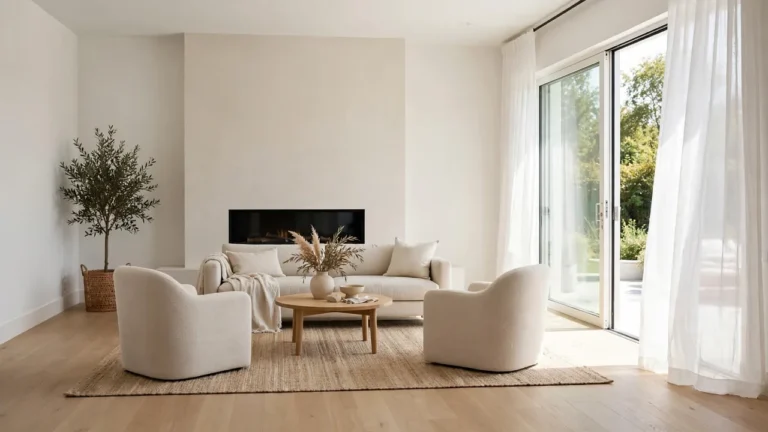
How to Decorate a Living Room With a Low Window Sill
A low window sill can make a living room feel tricky to style, since most furniture wants to cover it. Yet learning how to decorate a living room with a low window sill is simpler than it looks, and that wall can become the brightest, most inviting spot in your whole home.
This guide walks you through every decision in order, from measuring the sill to styling the ledge, so nothing gets blocked and no daylight goes to waste. For a related layout puzzle, see how to arrange furniture in a bedroom with two doors for tips that transfer beautifully to tricky walls.
Start by Measuring the Sill Height

Everything starts with the tape measure, not the sofa. A sill at 18 inches off the floor behaves very differently from one at 28 inches, and guessing is where most plans go sideways. Note the sill depth too, because a deep ledge gives styling room a thin one lacks.
While you are at it, measure the window width and the distance to the ceiling. Those numbers tell you how much wall to fill above the glass and whether a low console clears the sill. This quick audit prevents the classic mistake of buying first and measuring after.
Choose Furniture That Sits Below the Sill

Low-profile furniture keeps the window and its light fully visible. Look for pieces whose backs stay under the sill line so daylight flows uninterrupted across the room. Measure each candidate piece before it crosses your doorway, and keep the glass completely clear.
- Pick a sofa with a back height of 30 inches or less for a standard low sill.
- Slide a narrow console table under the window, leaving 2 inches of clearance below the sill.
- Use armless accent chairs, which read lower and keep sight lines open.
- Try a low bookshelf on the window wall only if its top stays beneath the glass.
Turn the Sill Into a Display Ledge

Quick Tip: Treat a deep sill like a floating shelf and style it in odd-numbered groups of three or five.
A small stack of art books, a trailing pothos, and a ceramic vase create depth without blocking light. Keep the tallest item at the sides so the center of the window stays open to the sky. Swap one piece each season, and the ledge never feels tired.
Avoid the Tall-Furniture Trap
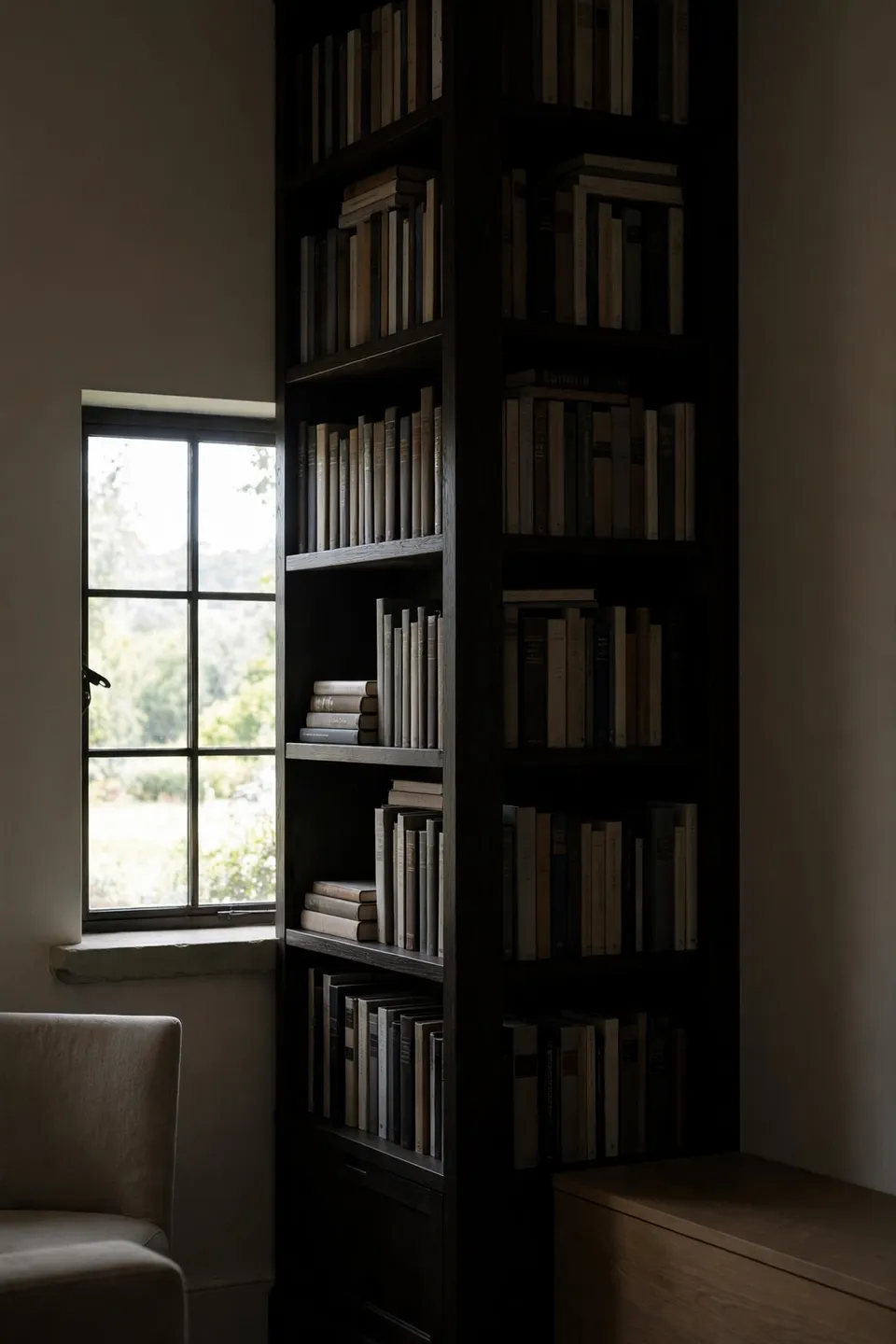
Common Mistake: Pushing a tall bookcase or TV stand in front of the window, which chops the wall in half and swallows daylight.
The Fix: Move tall storage to the solid walls beside the window and keep everything under the glass low and horizontal.
When the window wall stays low, the whole room feels taller and the light reaches deeper into the space. If you need storage, flank the window with two matching low cabinets instead of one tall tower. You gain the same capacity without casting any shadow.
Gather Your Styling Essentials
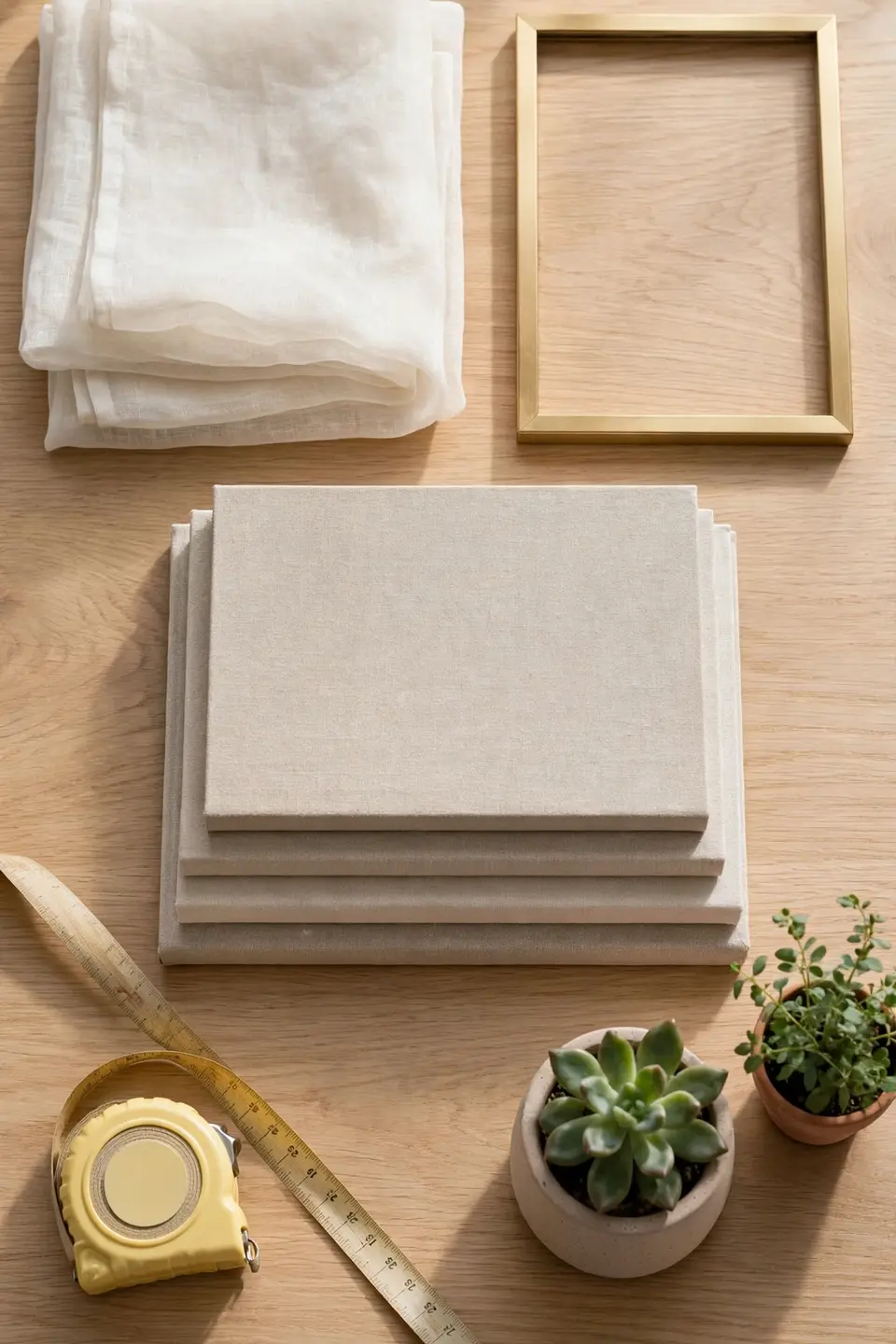
What You Need:
- Tape measure for sill height, depth, and window width
- Low console table or bench, 24 to 30 inches tall
- Sheer linen curtains and a slim inside-mount rod
- Three to five small decor pieces for the sill ledge
- Painter’s tape for mapping furniture footprints on the floor
With these pieces on hand, every decision gets easier. The tape confirms clearances, the low console anchors the wall, and the sheers soften the glass without hiding the sill. Keep the decor pieces small and light in color so the window itself remains the star.
Layer the Window Wall Like a Vignette

BEFORE: A bare low window with a plain sill and nothing beneath it, leaving a wide empty band of wall that feels unfinished and cold.
AFTER: The same wall layered with a low console, styled sill ledge, and sheers, so the window reads as an intentional vignette rather than an awkward gap.
Build the layers from the floor upward: a soft rug, the low console, the styled sill, and one piece of art beside the window. Each layer frames the light instead of fighting it. For keeping rooms feeling pulled together, how to make a small home feel more cohesive with color pairs well with this approach.
Balance the Space Above and Below
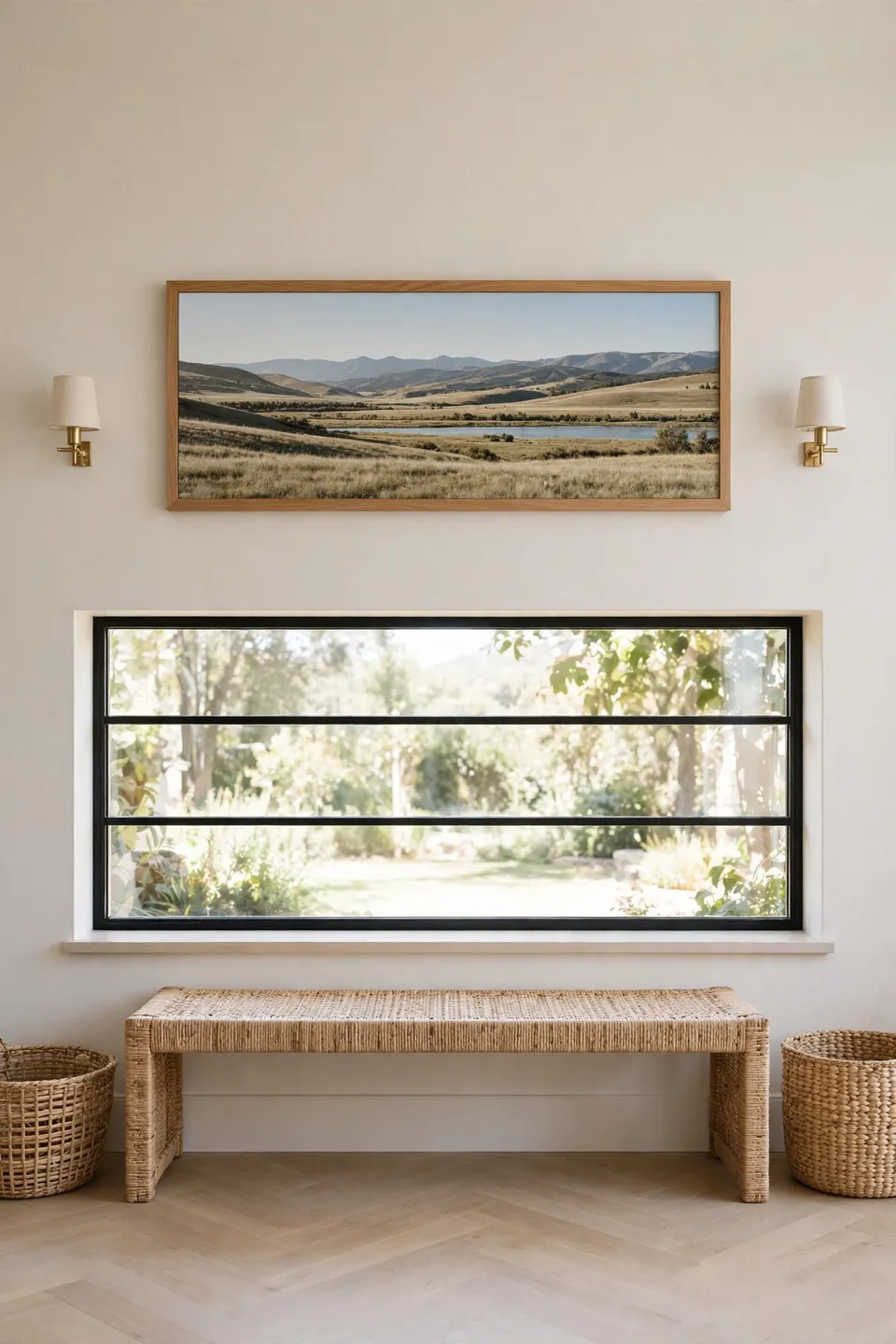
Do This:
- Hang one wide, low piece of art above the window to echo its horizontal shape.
- Center a low bench or pair of ottomans under the sill for symmetry.
- Repeat one material, like light oak, above and below the window line.
Avoid This:
- One tall narrow frame that fights the window’s wide proportions.
- A heavy skirted sofa pushed hard against the sill.
- Dark curtains that close off the glass and the ledge together.
Balance comes from matching visual weight on both sides of the sill line. When the art above mirrors the furniture below, the window feels like the centerpiece of a composed wall instead of a gap that needs hiding. Let symmetry do the heavy lifting here.
Small Details That Finish the Look
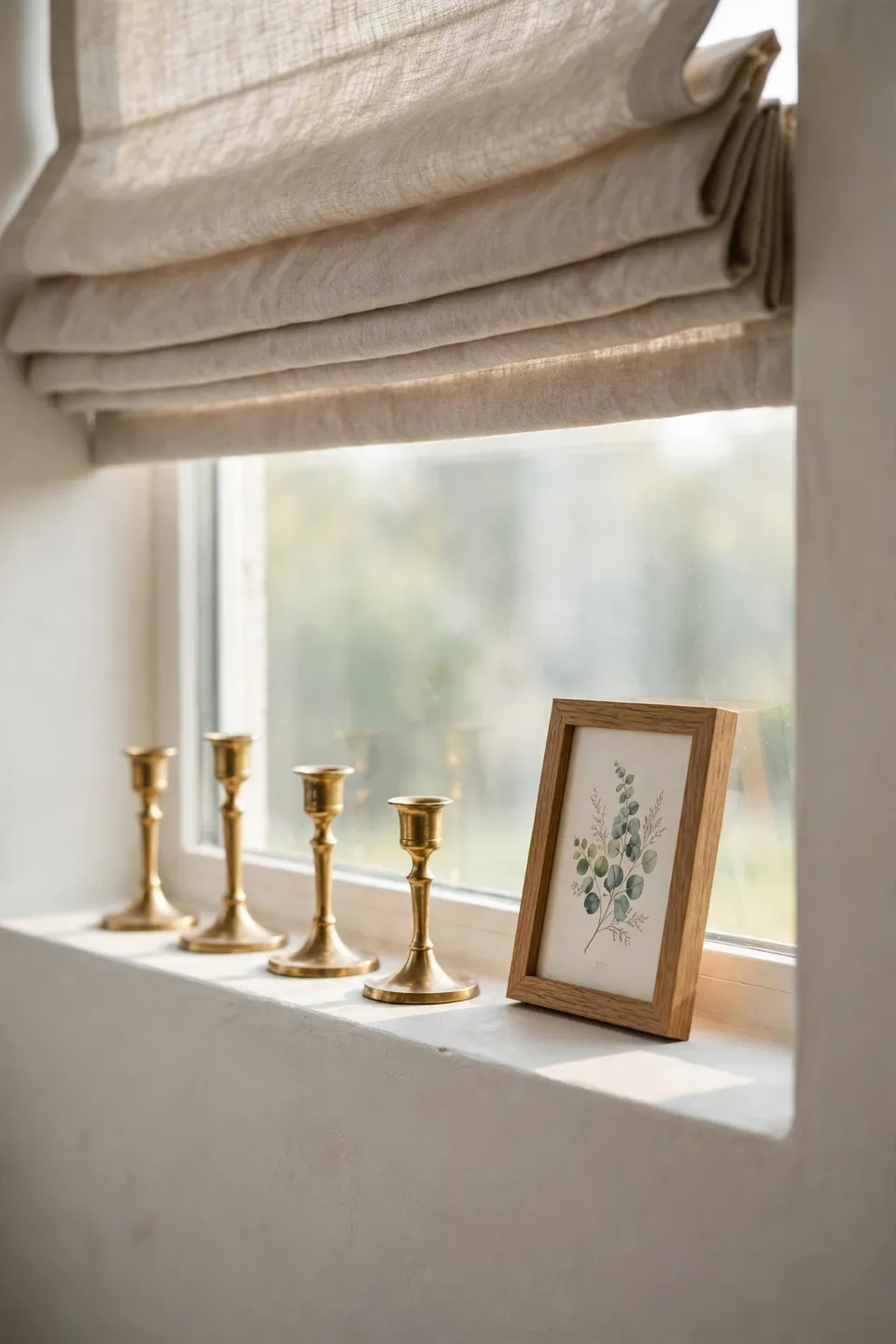
Quick Facts:
Sill Depth: 4 inches or more makes the best display ledge
Clearance Rule: keep 2 inches between furniture tops and the sill
Best Fabric: sheer linen softens light without hiding the ledge
Refresh Cycle: restyle the sill once per season for a fresh feel
Details do the quiet work here. A slim roman shade mounted inside the frame keeps the sill fully usable, and small brass or ceramic accents catch the light beautifully. Keep cords tucked neatly behind the console so nothing ever dangles across the glass or blocks the view.
Tie the Room Together From Every Angle
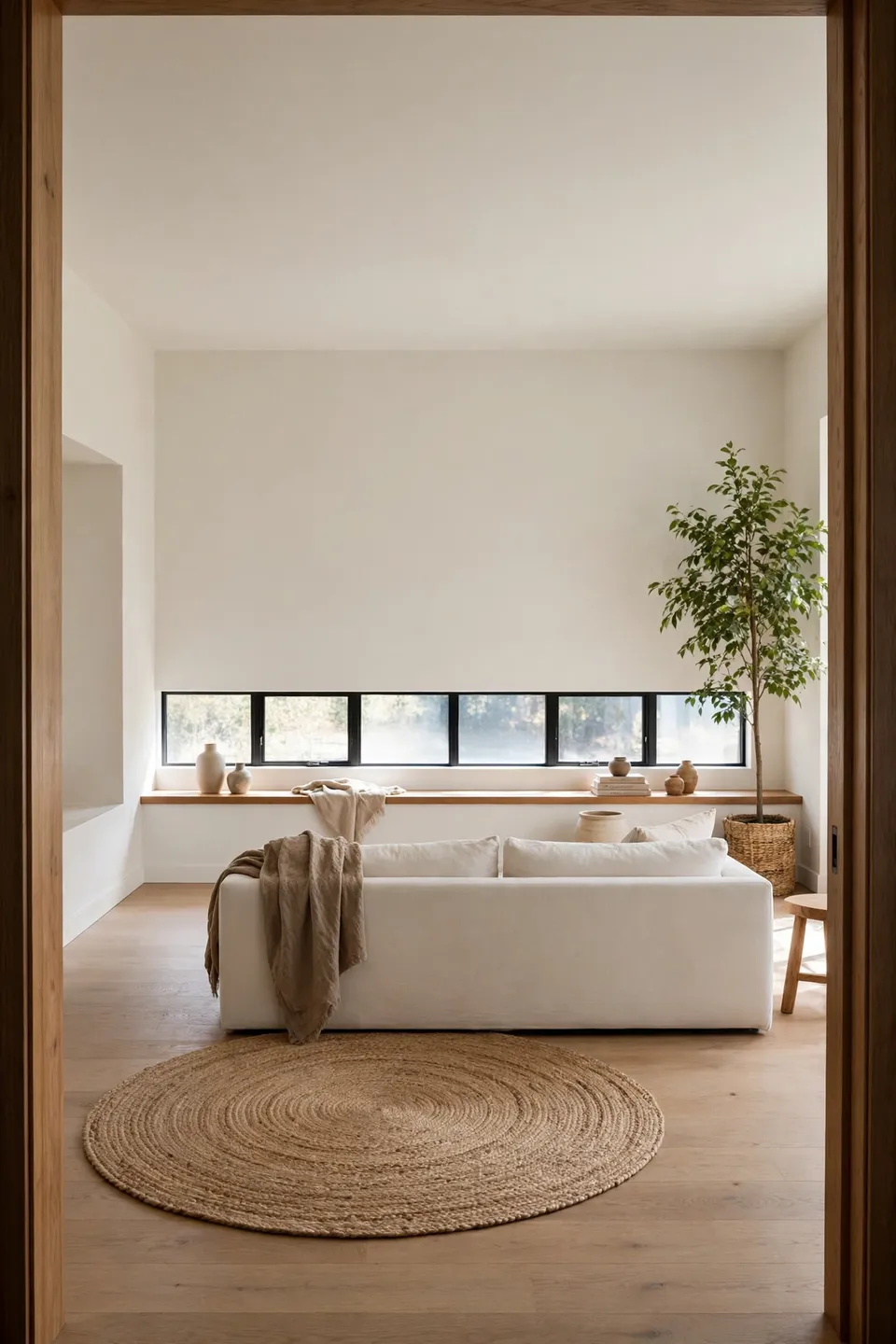
Step back to the doorway and check the window wall from every seat in the room. The sill styling should read clearly from the sofa, the armchair, and the entrance without any piece blocking the glass. Sight lines are the true test of a low-window layout.
Repeat one accent color from the sill decor elsewhere in the room, perhaps in a throw pillow or a piece of art, so the wall feels connected to everything around it. When the window wall speaks the same language as the rest of the space, the whole room relaxes into one calm composition.
Keep the Wall Looking Fresh Seasonally

Seasonal swaps keep the window wall feeling alive all year. Rotate the sill decor with the calendar so the brightest spot in the room always feels current. Store off-season pieces in one small labeled box to keep the ritual simple.
- Spring: fresh stems in a clear vase plus a small potted herb.
- Summer: a bowl of citrus and a folded light throw on the console.
- Fall: amber glass, pinecones, and one warm-toned candle.
- Winter: evergreen sprigs and a soft knit runner along the sill.
Conclusion
A low window sill stops being a problem the moment you design with it instead of around it. Once you master how to decorate a living room with a low window sill, that sunlit wall becomes the natural gathering point of the room, layered, balanced, and full of beautiful light.
Start with the tape measure this weekend, then style the sill one layer at a time until it feels right. Save this guide to your favorite Pinterest board so you can revisit each step whenever you refresh the room.