How to Arrange Furniture in a Bedroom With Two Doors
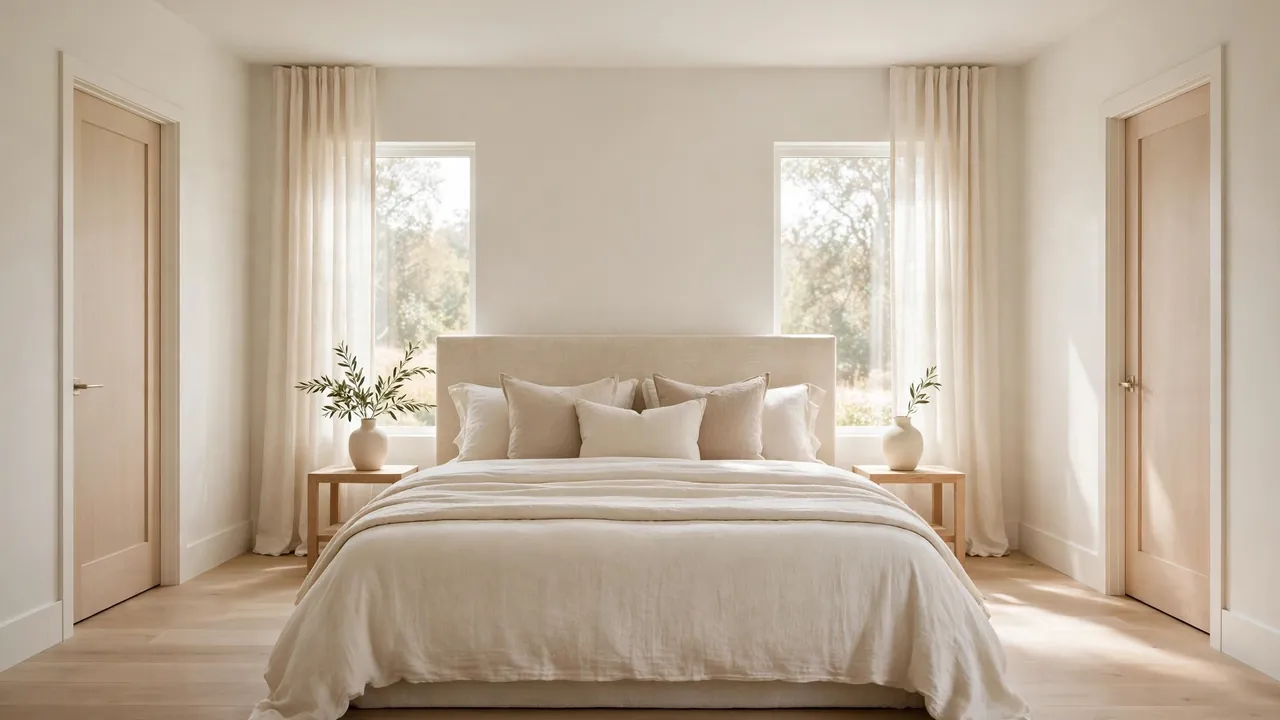
Two doors in one bedroom can feel like a puzzle, but learning how to arrange furniture in a bedroom with two doors makes the whole room work harder. Instead of seeing those openings as obstacles, treat them as the starting points of your layout.
Every door needs a swing zone and a clear walking path, so the trick is placing your bed first and fitting everything else around those paths. Once the bed has a home, dressers, nightstands, and lighting fall into place naturally.
This guide walks you through ten practical moves, from mapping door swings to your final walkthrough test. For a color trick that makes a divided layout feel unified, see how to make a small home feel more cohesive with color.
Start by Mapping Both Door Swings
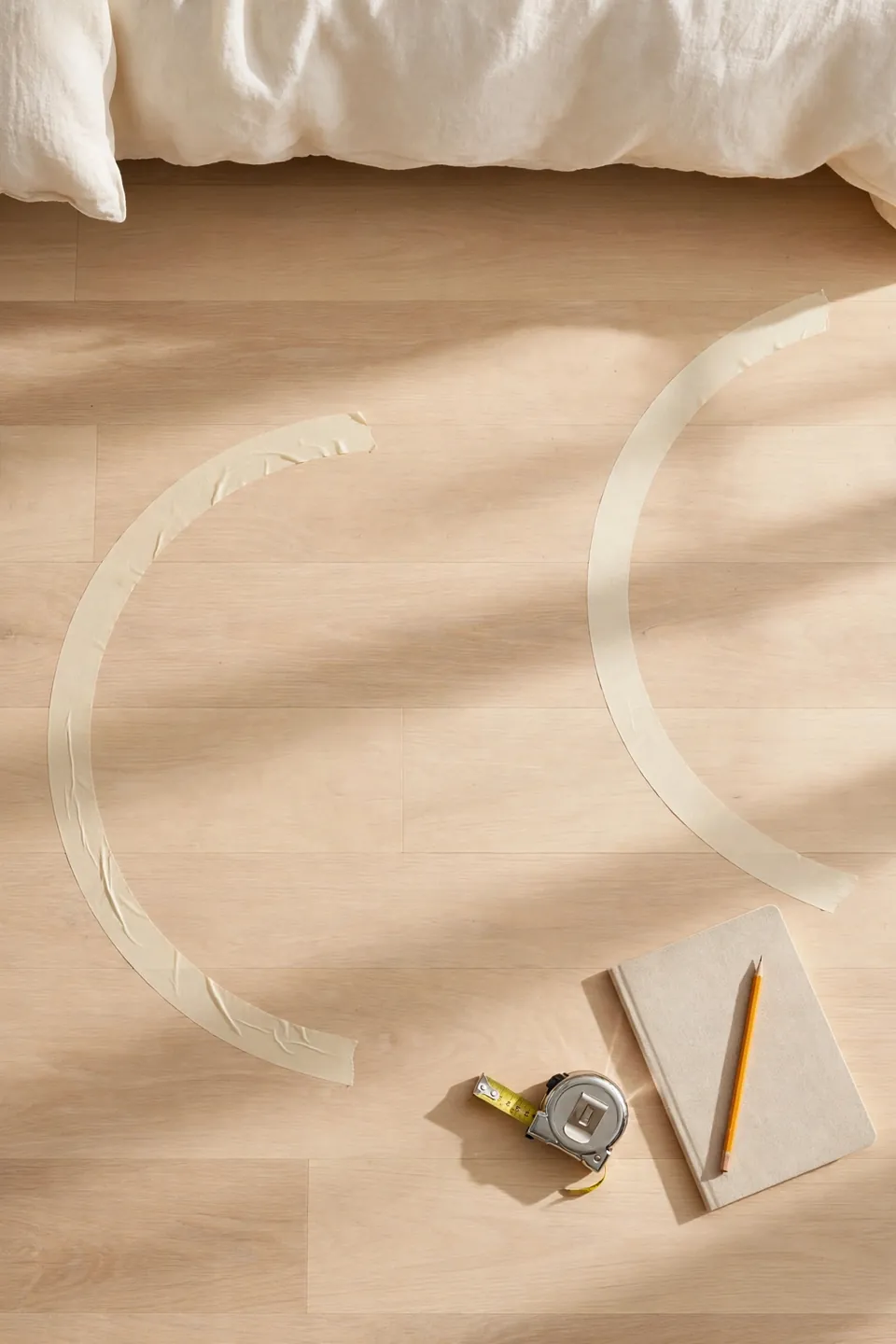
Before moving a single piece, stand in your bedroom and swing each door fully open, noting where the arc lands. Grab some painter’s tape and mark those arcs on the floor so you can see exactly which zones must stay empty. This step prevents the classic error of wedging a dresser where a door needs to open. I have seen this one trick save hours of heavy lifting, since it turns a vague sense of the room into a clear, honest map.
Walk the taped paths a few times to feel the natural flow between the doors.
Choose the Best Wall for the Bed
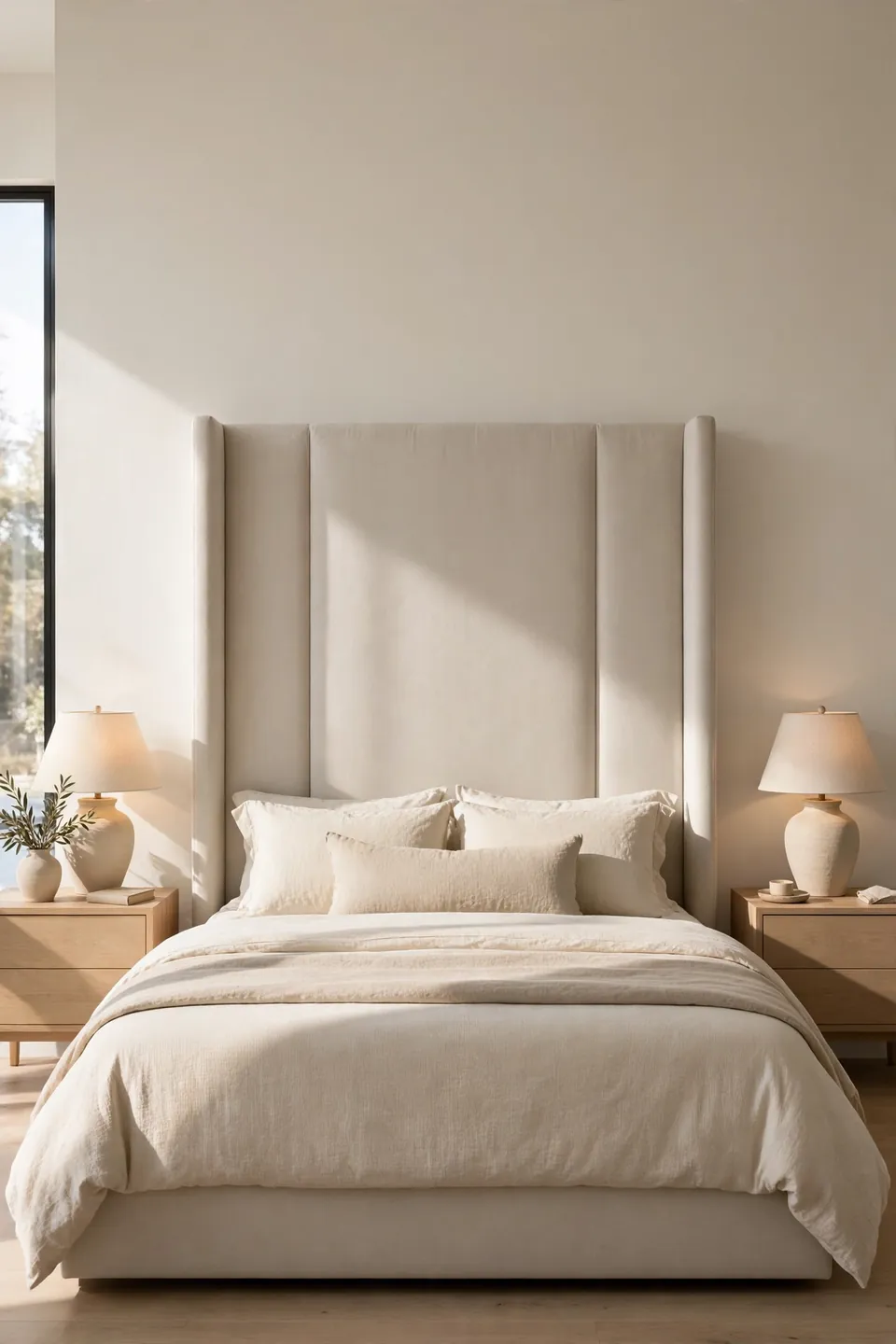
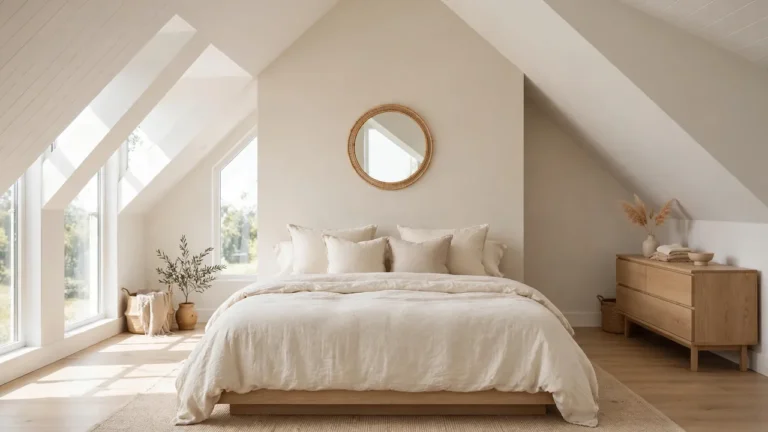
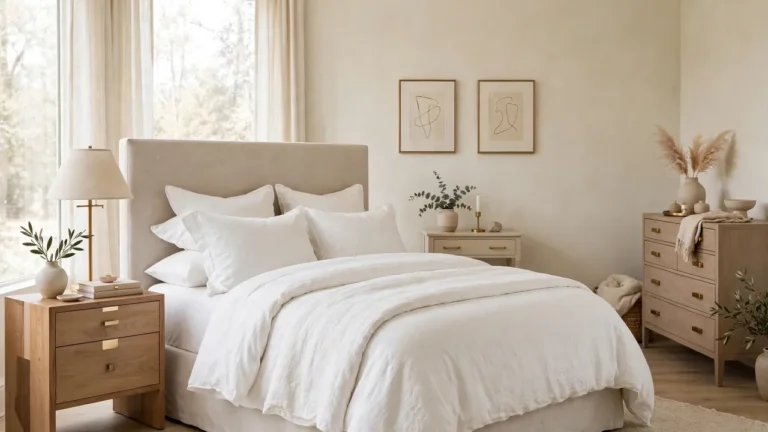
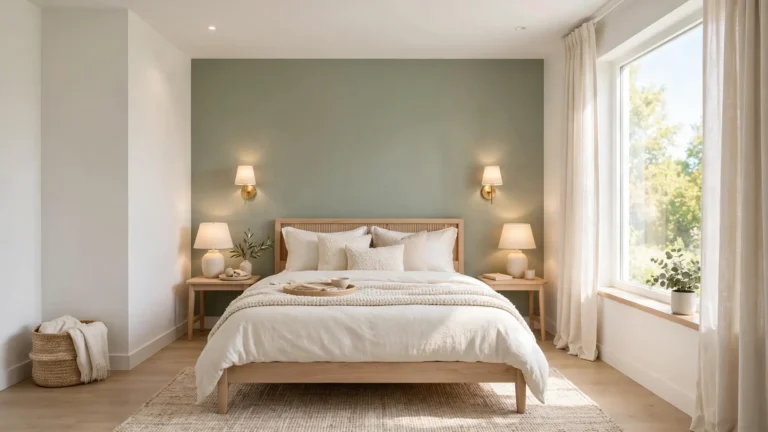
The bed is the biggest piece in the room, so its placement decides everything else. Look for a solid wall that neither door swing touches, ideally across from or beside the main door. This anchor spot keeps the bed out of traffic while giving the room a clear focal point.
- Pick the wall with the most uninterrupted width, avoiding walls cut by doors or windows.
- Center the headboard on that wall, leaving equal space on both sides if possible.
- Check that both nightstands fit without spilling into a door swing zone.
- Stand in each doorway and confirm the bed reads as the room’s focal point.
Keep Pathways Clear Between the Doors
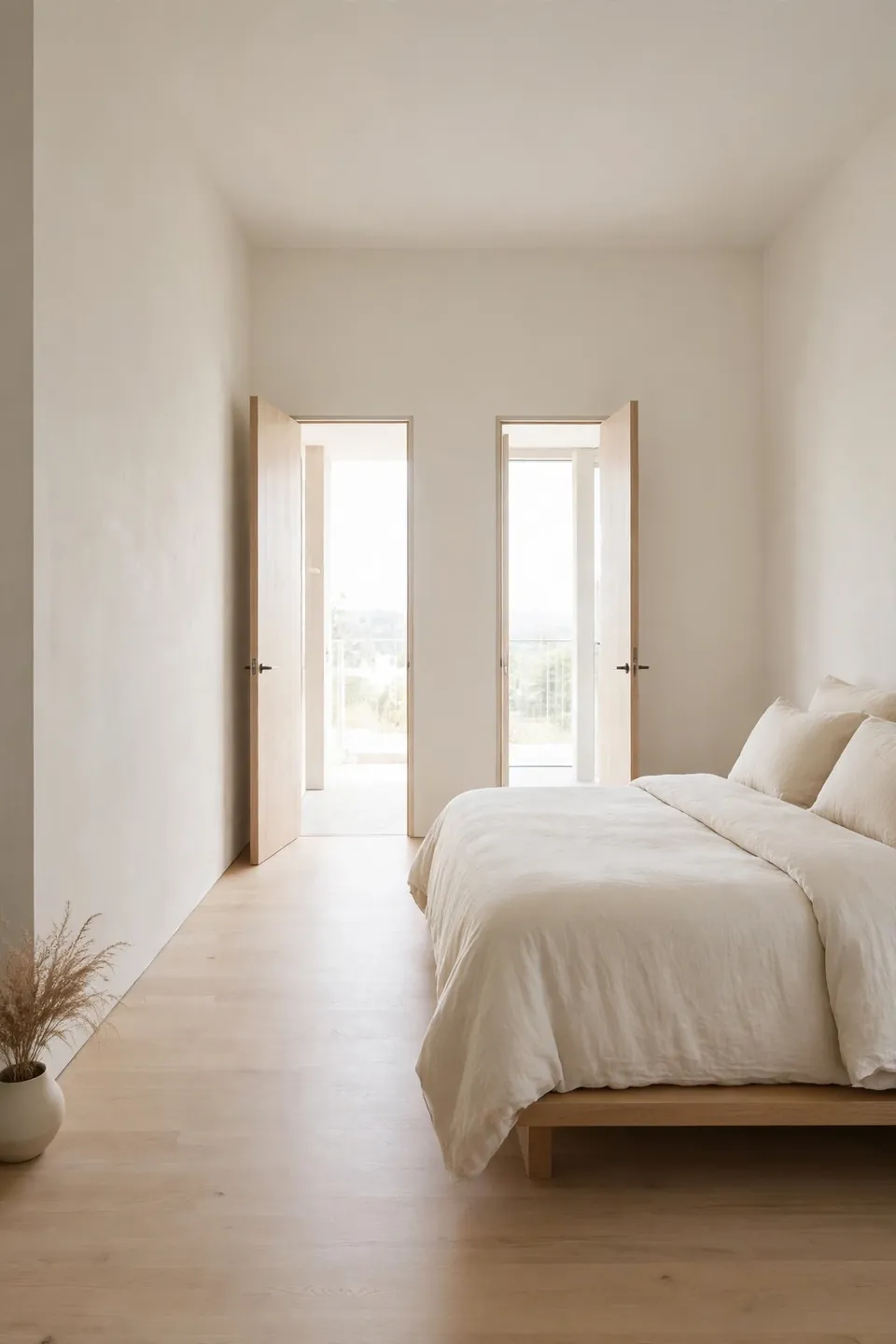
Quick Tip: measure the walking lane with your tape measure and mark it with a light strip of painter’s tape down the middle, so the path stays visible while you arrange everything else.
Keep at least 30 inches of walking space between the two doors, and never let a nightstand, bench, or basket narrow that lane. This corridor is the room’s highway, so clutter here makes everything feel cramped. When the path stays open, the bedroom feels larger and you stop stubbing toes in the dark.
Do Not Float the Bed in the Walkway
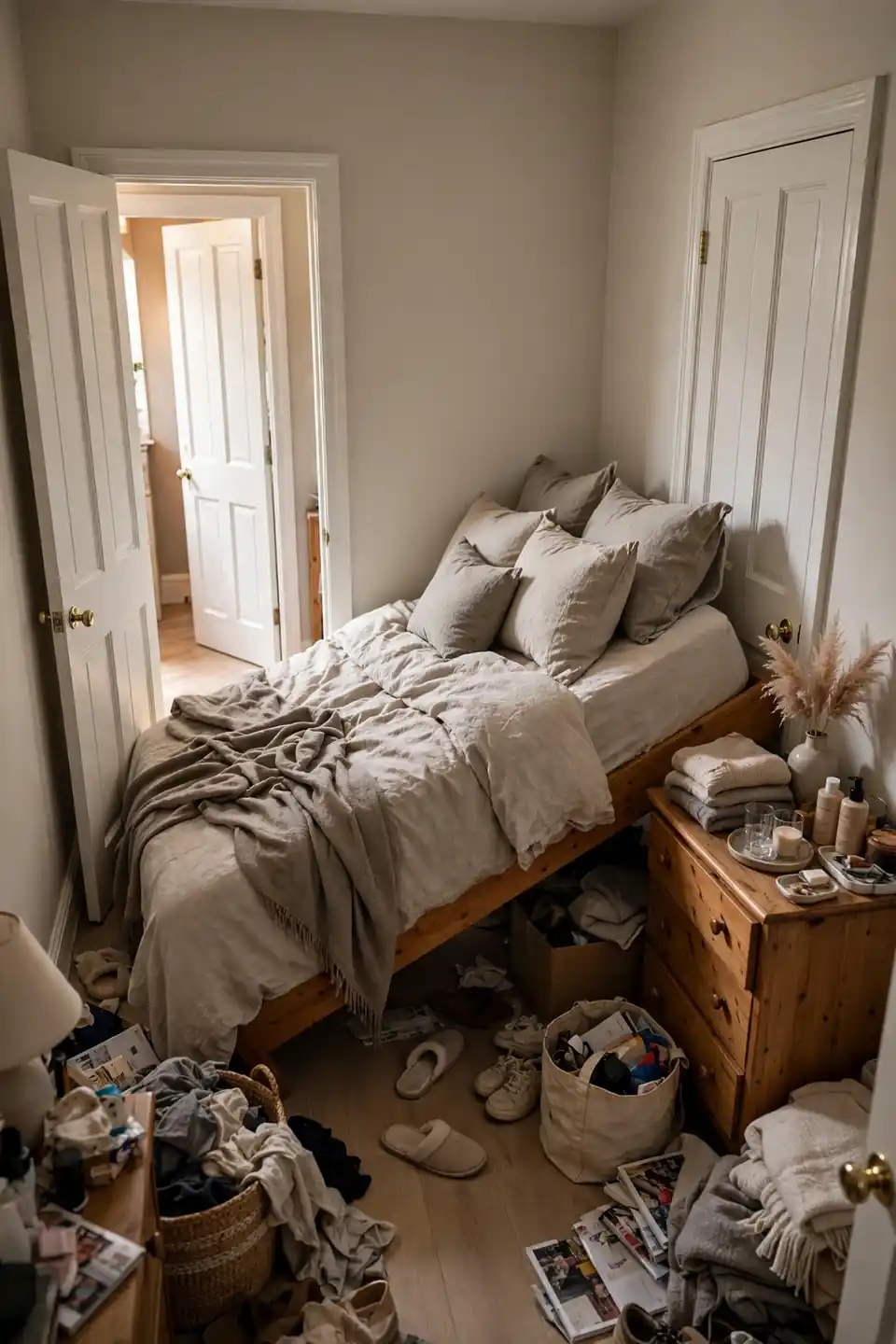
Common Mistake: pushing the bed into the middle of the room to fill the space, which leaves both doors opening onto a floating island of furniture. The result is a cramped maze where every trip to the closet or bathroom means squeezing past corners.
The Fix: anchor the bed against a solid wall instead, even if that wall feels less ideal at first glance. A wall-anchored bed frees the floor between the doors and makes the room read as calm and intentional rather than crowded.
I have noticed that rooms with two doors feel calmer when the largest piece hugs a wall. The eye travels cleanly from door to door, and the bed becomes a backdrop instead of a barricade. Give the wall-anchored setup a week before judging it fully.
Gather the Right Tools Before You Start
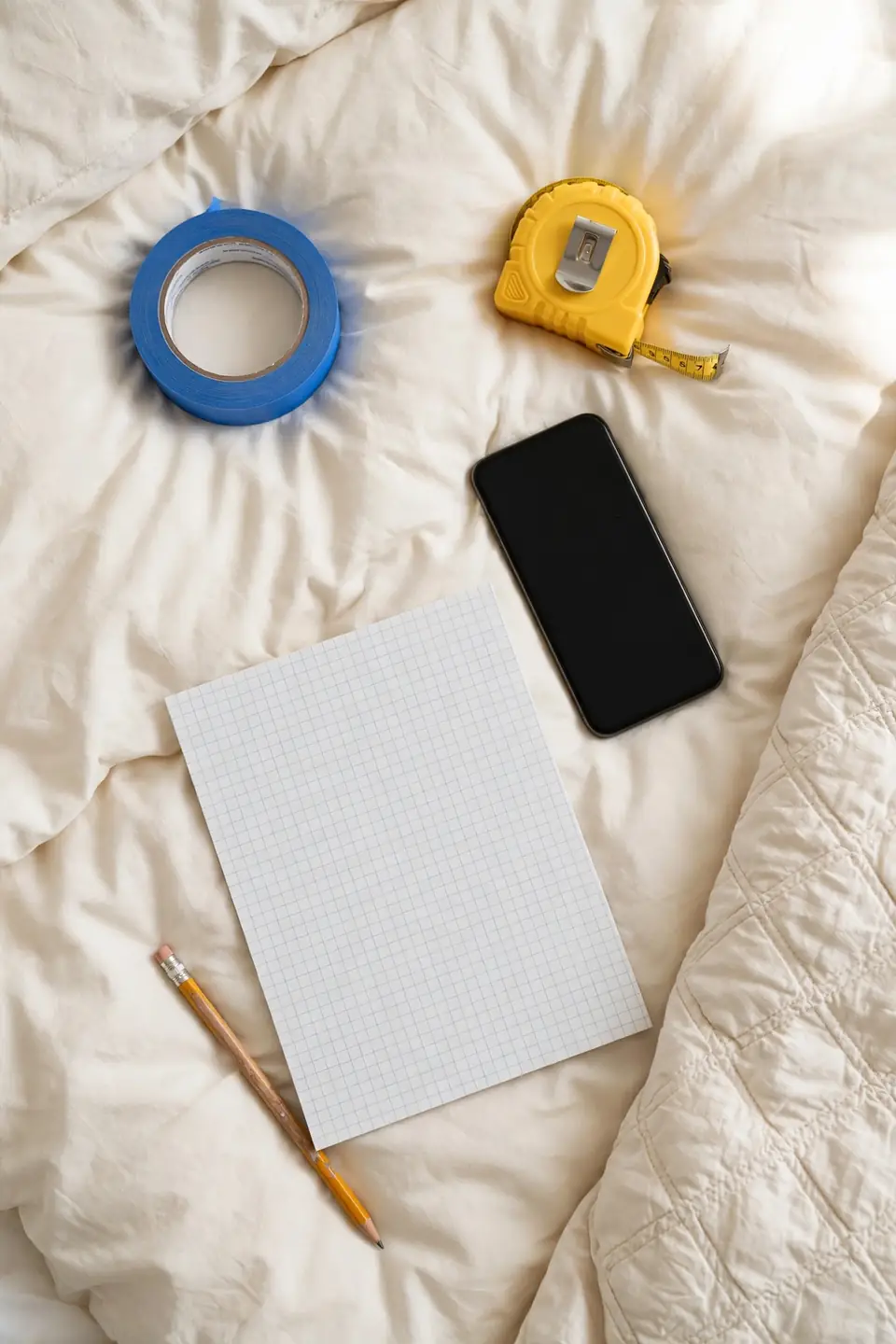
What You Need:
- Painter’s tape for marking door swings and pathways
- A tape measure for checking clearances
- Graph paper or a free room-planner app
- A friend to help slide heavy pieces safely
- A camera or phone for before photos
Having these on hand turns furniture arranging from a guessing game into a quick, confident project. Tape the swings, measure the walls, sketch two or three options on paper, and then move pieces only once. Most two-door bedrooms come together in a single afternoon with this prep.
From Blocked Door to Open Flow
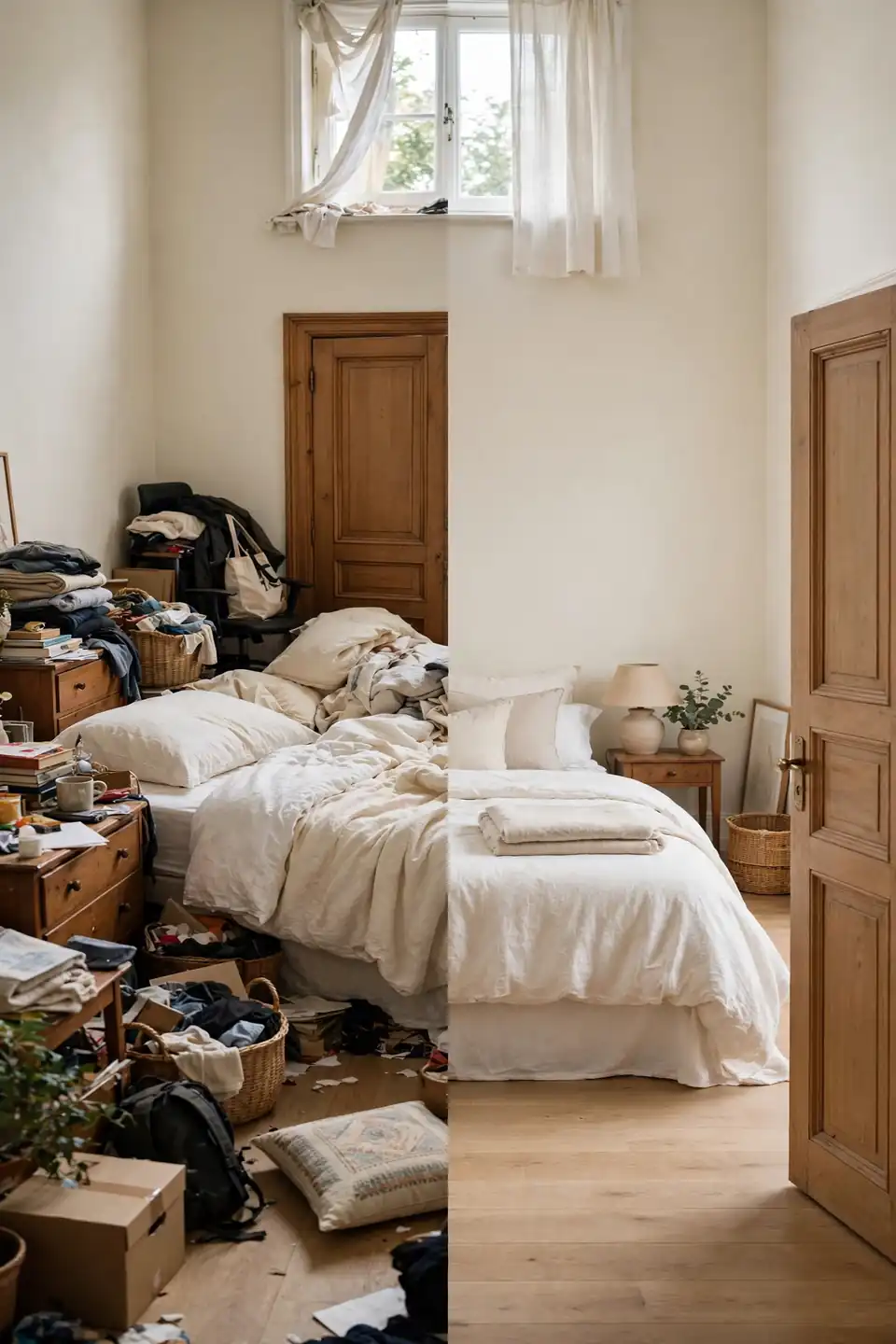
BEFORE: the bed sat diagonally across from the closet door, a dresser blocked half the bathroom door swing, and the path between the two doors zigzagged around a bench. Every morning felt like an obstacle course.
AFTER: now the bed anchors the longest solid wall, the dresser moved to the wall beside the closet, and the walkway between the doors runs straight and clear. The room feels open, and both doors swing fully without hitting anything.
This kind of change proves that small shifts create big results. If your walls have their own quirks beyond the doors, how to decorate a living room with an unusually shaped wall offers more ideas. Start with the bed, then adjust one piece at a time.
Smart Layout Choices for Two-Door Bedrooms
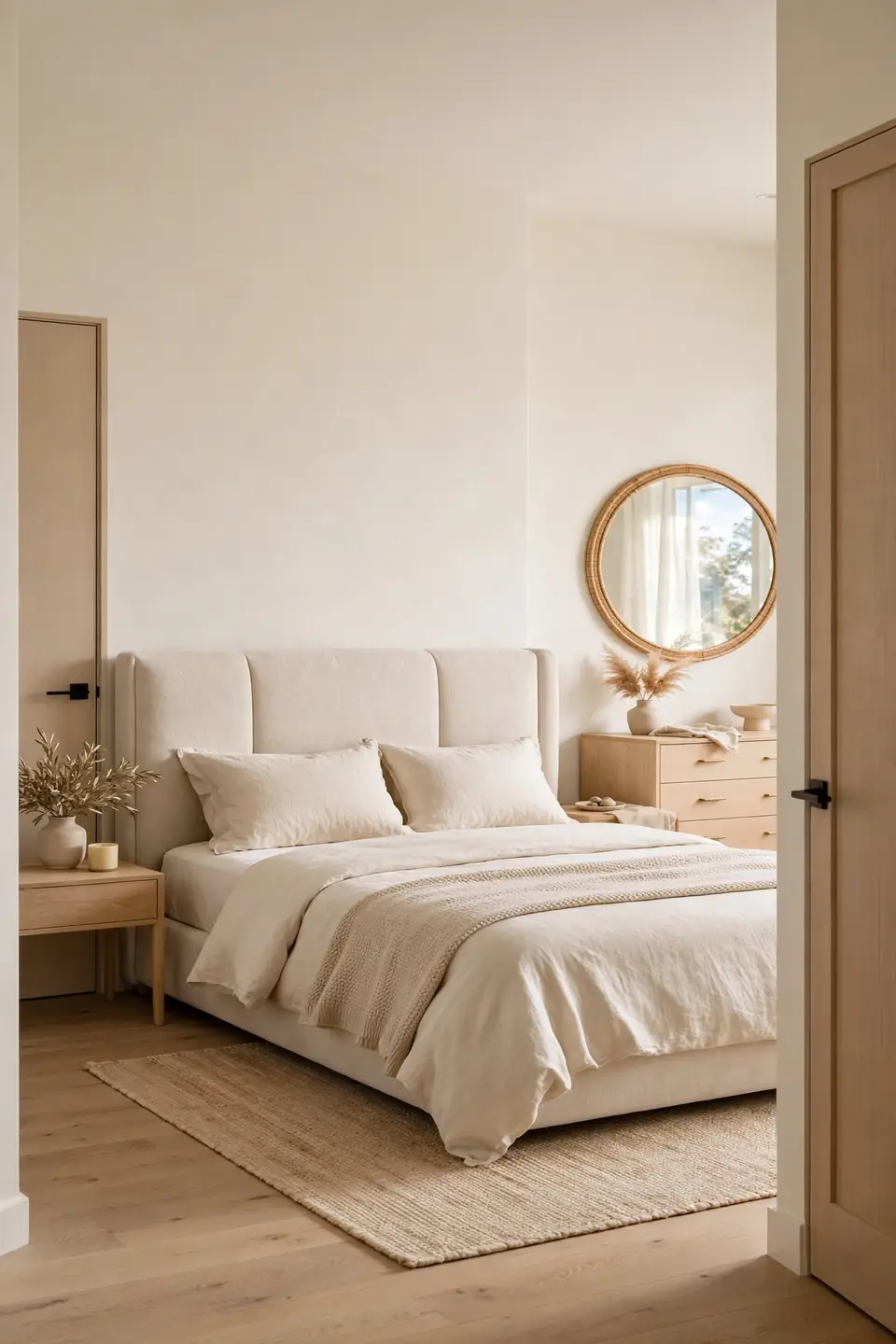
Do This:
- Place the bed on the longest uninterrupted wall
- Use low-profile nightstands that fit inside the bed’s footprint
- Choose a dresser that sits flat against a wall, not angled
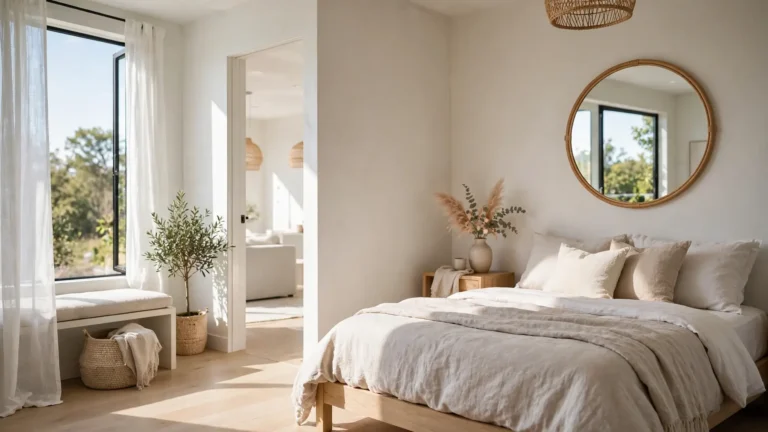
- Add a mirror to bounce light between the two doorways
Avoid This:
- Blocking either door’s swing with any furniture
- Floating the bed where it cuts the walking path
- Using tall bookcases near doors where they loom over the entry
- Piling storage bins in the corridor between the doors
These choices work because they respect the room’s traffic pattern instead of fighting it. Low, wall-hugging pieces keep sightlines open, while a mirror doubles the sense of space. Once the flow feels natural, the bedroom finally feels restful instead of busy, even with two doors in play.
Key Measurements for Two-Door Layouts
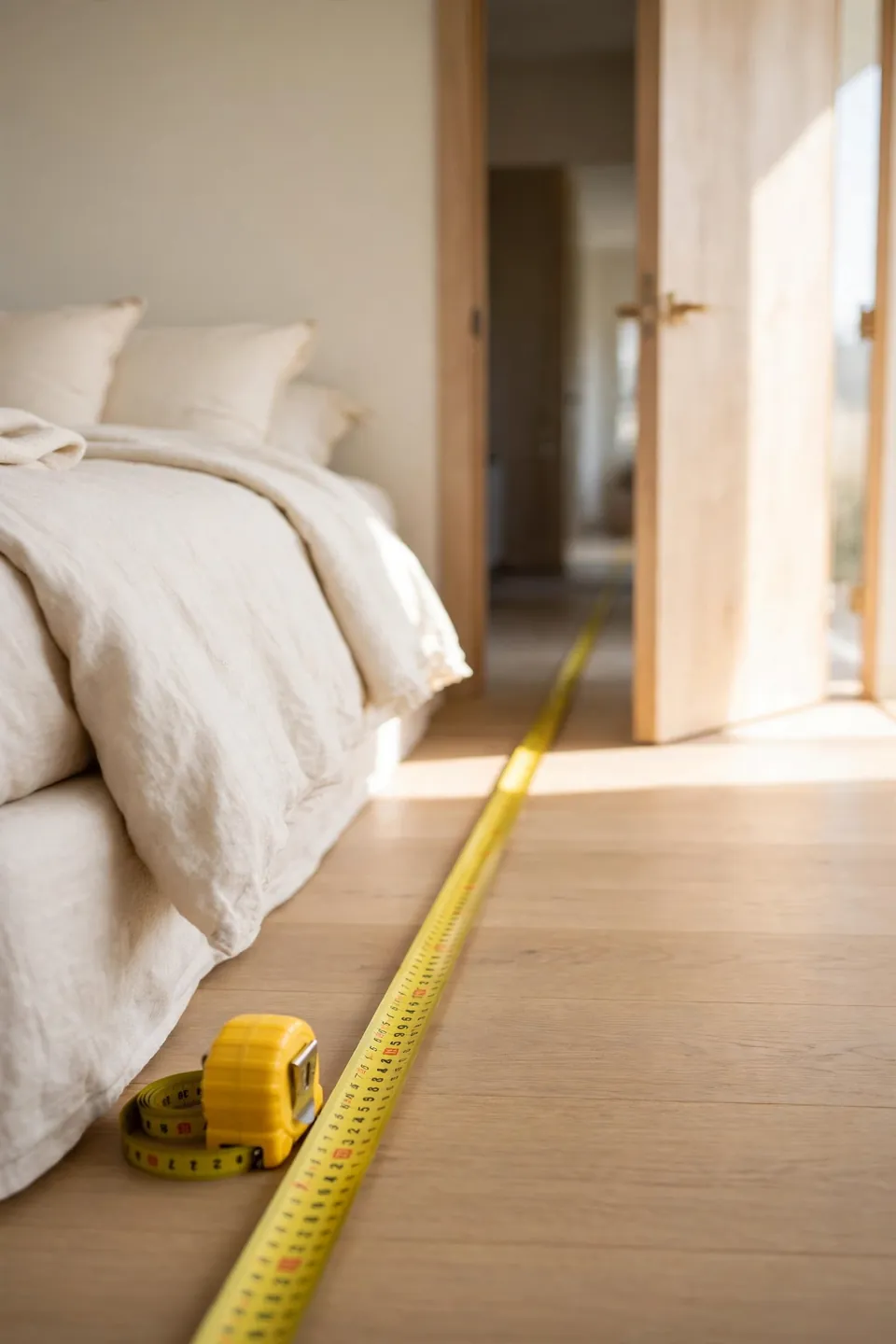
Walkway Width: keep 30 to 36 inches clear between the doors
Door Swing: most interior doors need a 28 to 32 inch arc
Bed Clearance: leave 24 inches on each side of the bed for easy access
Nightstand Fit: choose stands no wider than the space beside the bed
Write these numbers on your taped floor map before you start moving furniture. When every clearance checks out on paper, the real arrangement takes minutes instead of hours. These simple measurements are the difference between a room that flows and one that fights you daily.
Layer Lighting Around the Traffic Path

Good lighting makes a two-door bedroom feel intentional instead of chopped up. Place a table lamp on each nightstand so both sides of the bed glow evenly, and add a floor lamp in the corner farthest from the doors. This triangle of light draws the eye around the room instead of letting it stop at the traffic lane. That is why many experts recommend layering at least three light sources in tricky layouts.
Keep cords tucked behind furniture so the walkway stays trip-free and the room looks tidy from both doorways.
Do a Final Walkthrough Test
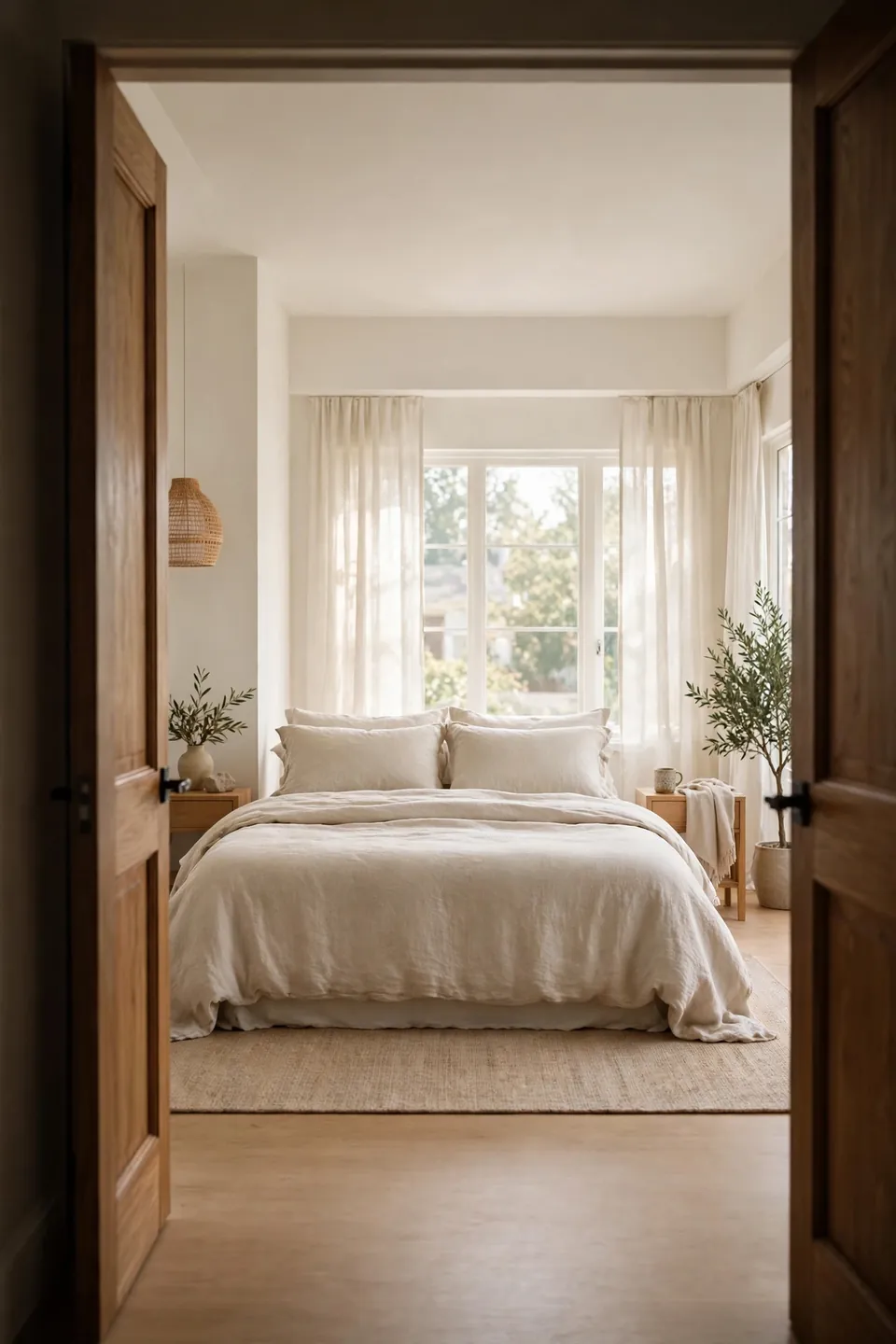
Once everything is in place, test the layout the way you will actually use it. Walk from each door to the bed, the closet, and the bathroom, checking that nothing blocks your path. This final check catches small snags before they become daily annoyances.
- Open both doors fully and confirm they clear all nearby furniture.
- Walk the main path in the dark to spot tripping hazards.
- Sit on the bed and check that nightstands are within easy reach.
- Live with the layout for three days, then fine-tune anything that bugs you.
Conclusion
A bedroom with two doors can still feel calm, open, and completely yours. The secret is simple: map the swings, anchor the bed on a solid wall, and keep the path between the doors clear. Once you see how to arrange furniture in a bedroom with two doors the easy way, the whole room clicks into place. Pin this guide to your bedroom board on Pinterest so you can revisit each step while you rearrange. Your perfect layout is closer than you think, so grab the tape and start today.