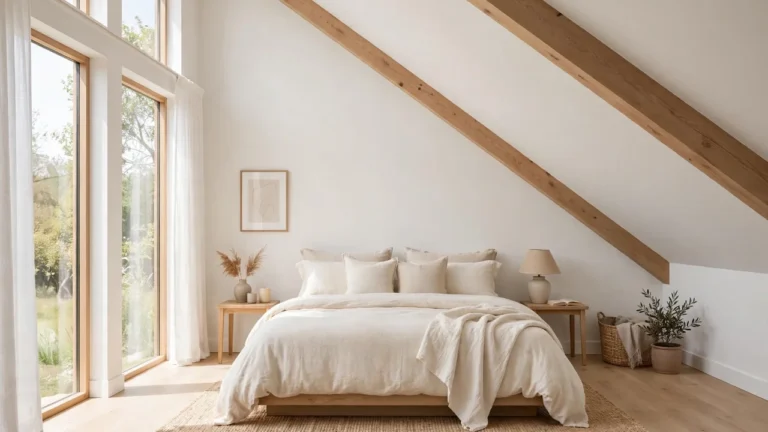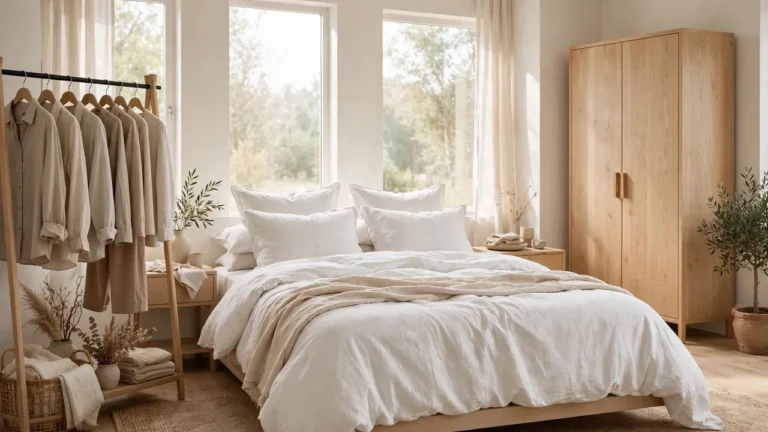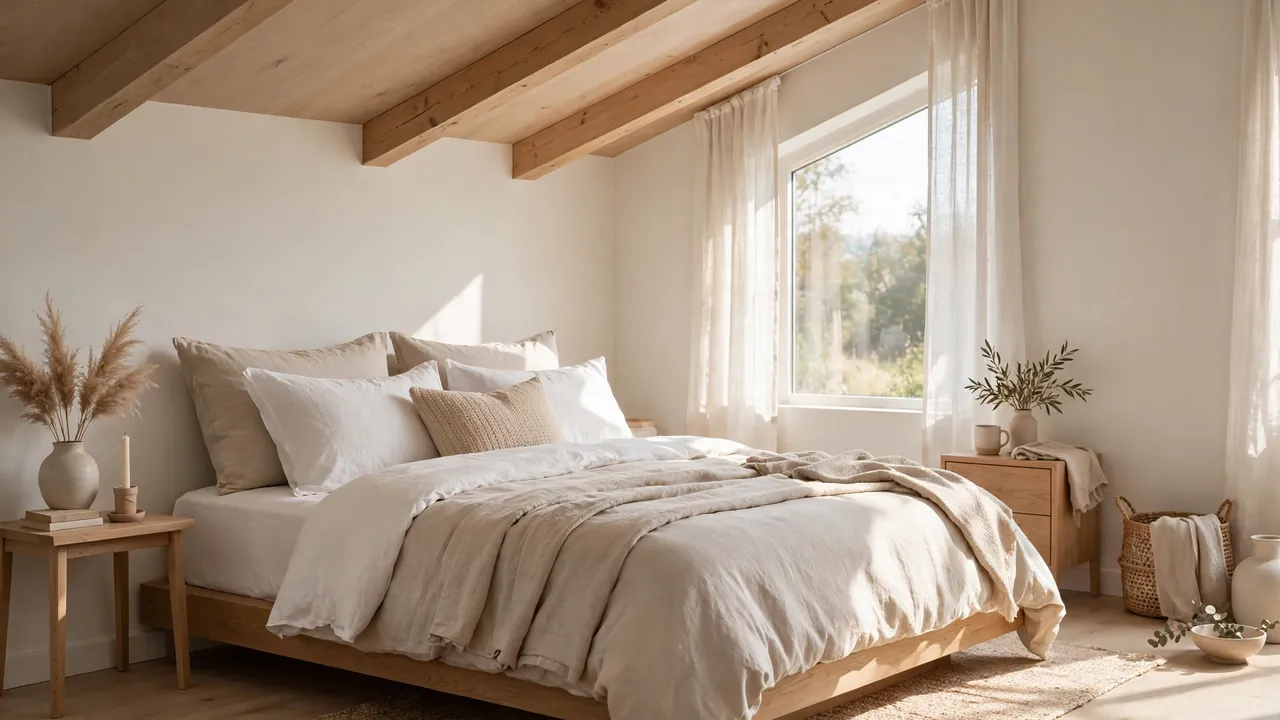
How to Decorate a Bedroom With Sloped Ceilings
Sloped ceilings can make a bedroom feel like a puzzle with missing pieces, but learning how to decorate a bedroom with sloped ceilings is simpler than it looks. Most people fight the angle when they should be working with it.
In my experience, the rooms that feel best are the ones where the slope becomes part of the design instead of an obstacle. If you are tackling tricky layouts elsewhere, this guide on how to arrange a living room with two doors uses the same approach. Below are ten practical ideas that turn the angle into an asset.
Each one is beginner friendly and works whether you own or rent. Start with the layout, then layer in furniture, color, and light, and the room will feel intentional instead of awkward.
Why Sloped Ceilings Feel Tricky
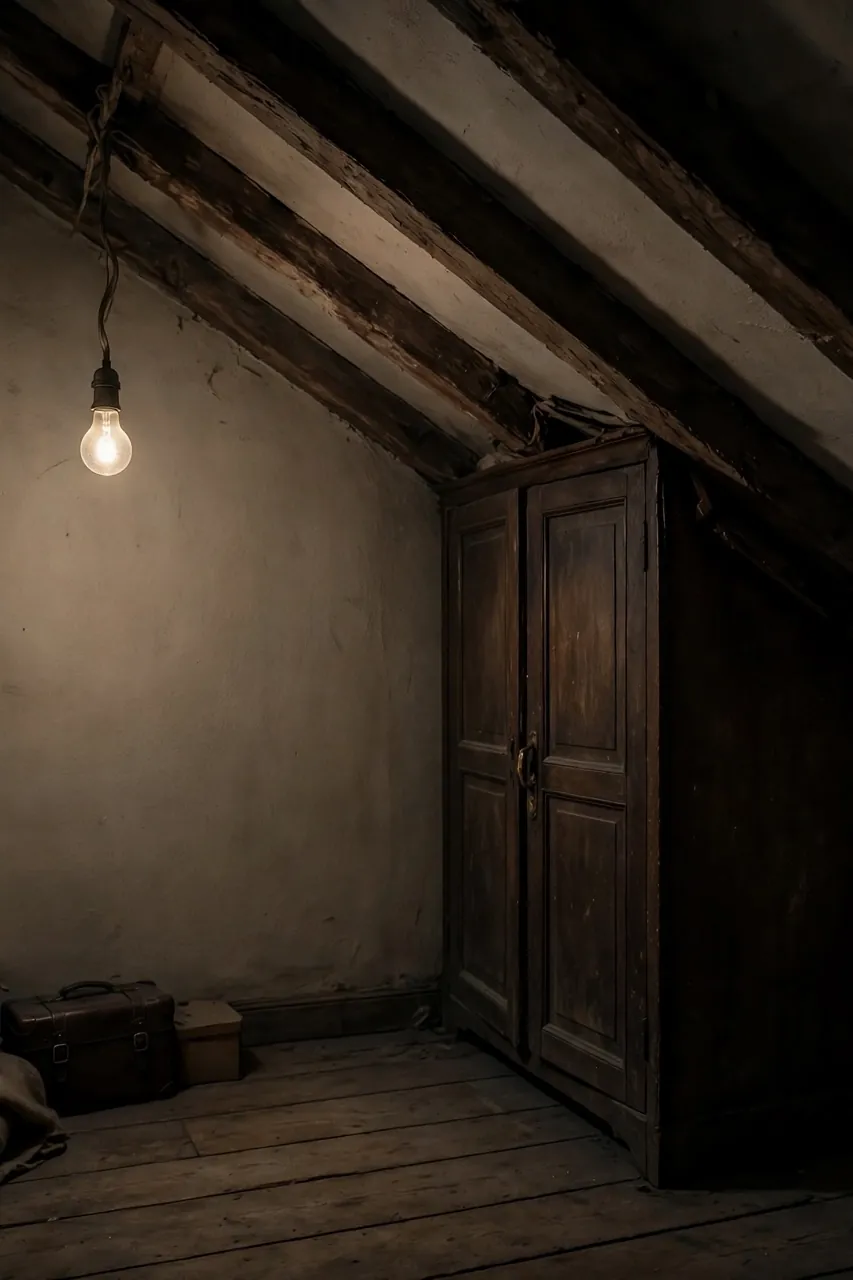
The low edge of a slope eats headroom and shrinks your furniture options fast. Tall wardrobes and high headboards collide with the ceiling, and the room feels much smaller than its floor plan promises on paper. Even walking near the low wall means ducking your head.
Lighting is the other headache. One overhead fixture leaves the low side dim and shadowy while the high side glares harshly. Once you accept the slope as a feature instead of a flaw, the whole room starts to make sense and decorating gets much easier.
Work With the Slope
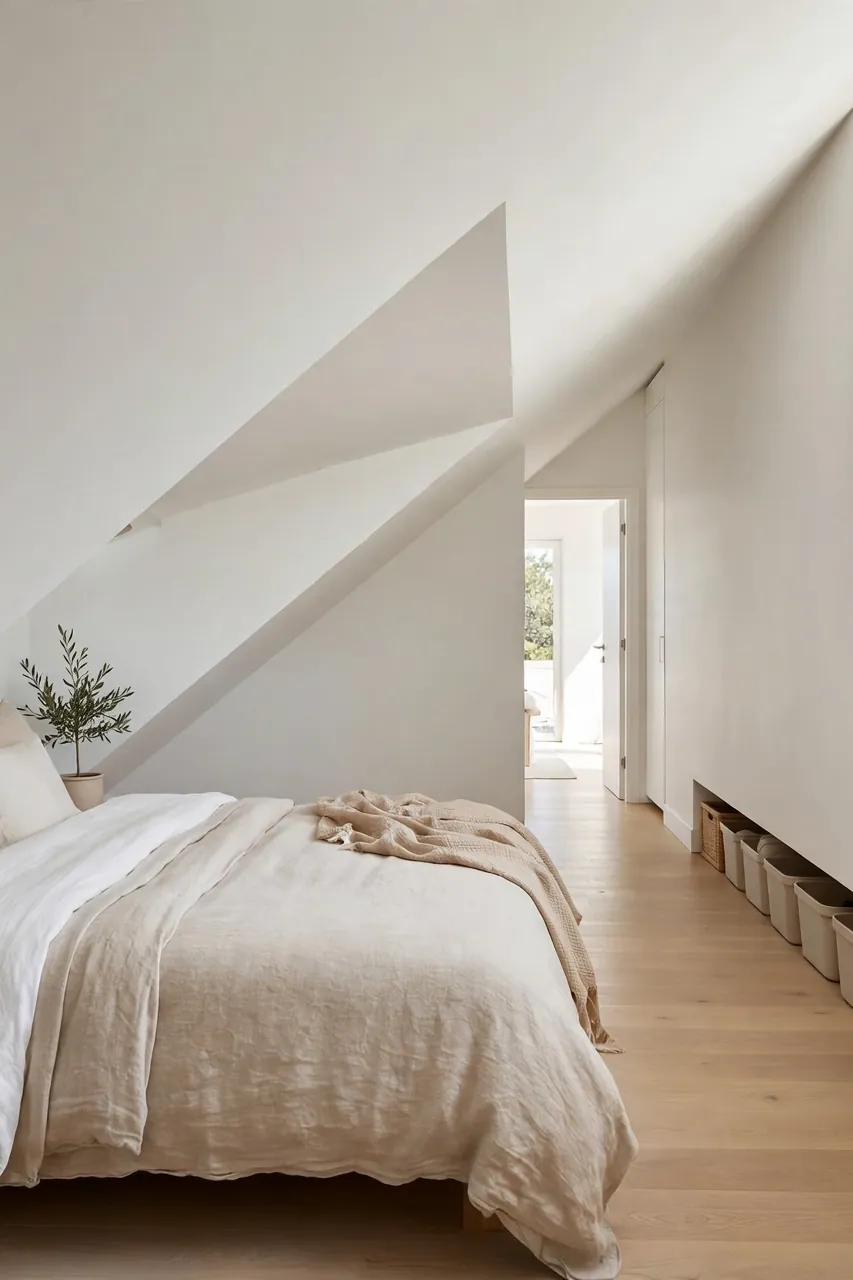
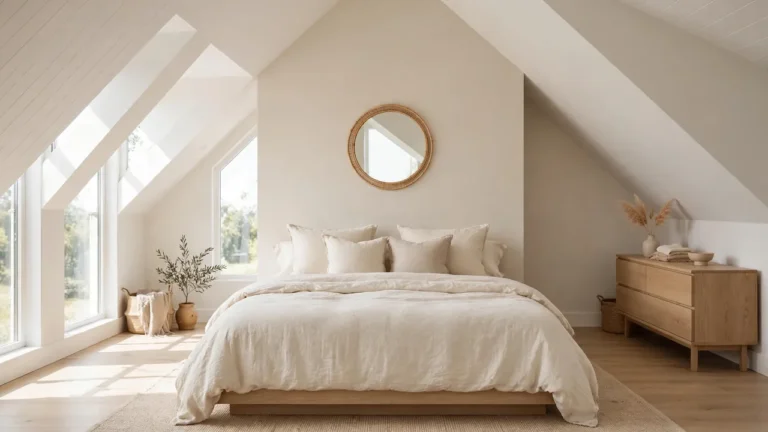
Stop pushing furniture against the high wall out of habit. The slope tells you exactly where things belong, and listening to it makes the room feel intentional instead of awkward. A thoughtful layout is the foundation everything else builds on.
- Place the bed under the lowest part of the slope, where you only need lying-down clearance, and keep walkways on the high side.
- Line storage along the low wall so bins and drawers tuck under the angle instead of blocking it.
- Repeat the slope’s line with angled art or a slanted shelf to make the ceiling feel planned.
- Leave the very lowest strip, under three feet, as breathing room rather than cramming things into it.
Choose Low-Profile Furniture
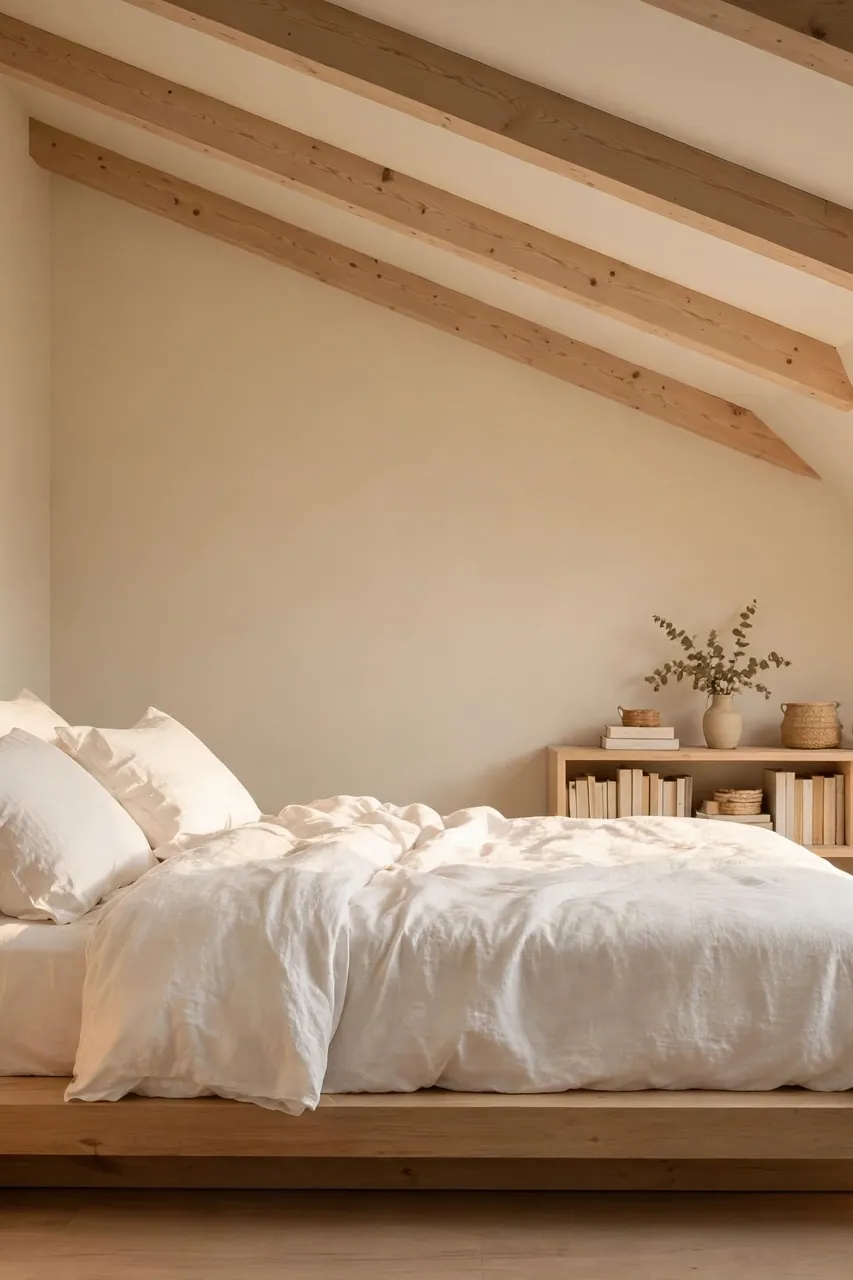
Quick Tip: Measure the ceiling height at the exact spot where each piece will sit before you buy anything. Bring a tape measure to the store and check headboard, dresser, and shelf heights against your room’s lowest point so nothing arrives too tall to fit.
Platform beds, low dressers, and short bookcases sit comfortably under a slope without crowding it. Choose pieces with clean horizontal lines so the eye travels along the room instead of up into the tight angle. In my experience, one low dresser beats two tall ones in a sloped room every time.
Paint Smartly
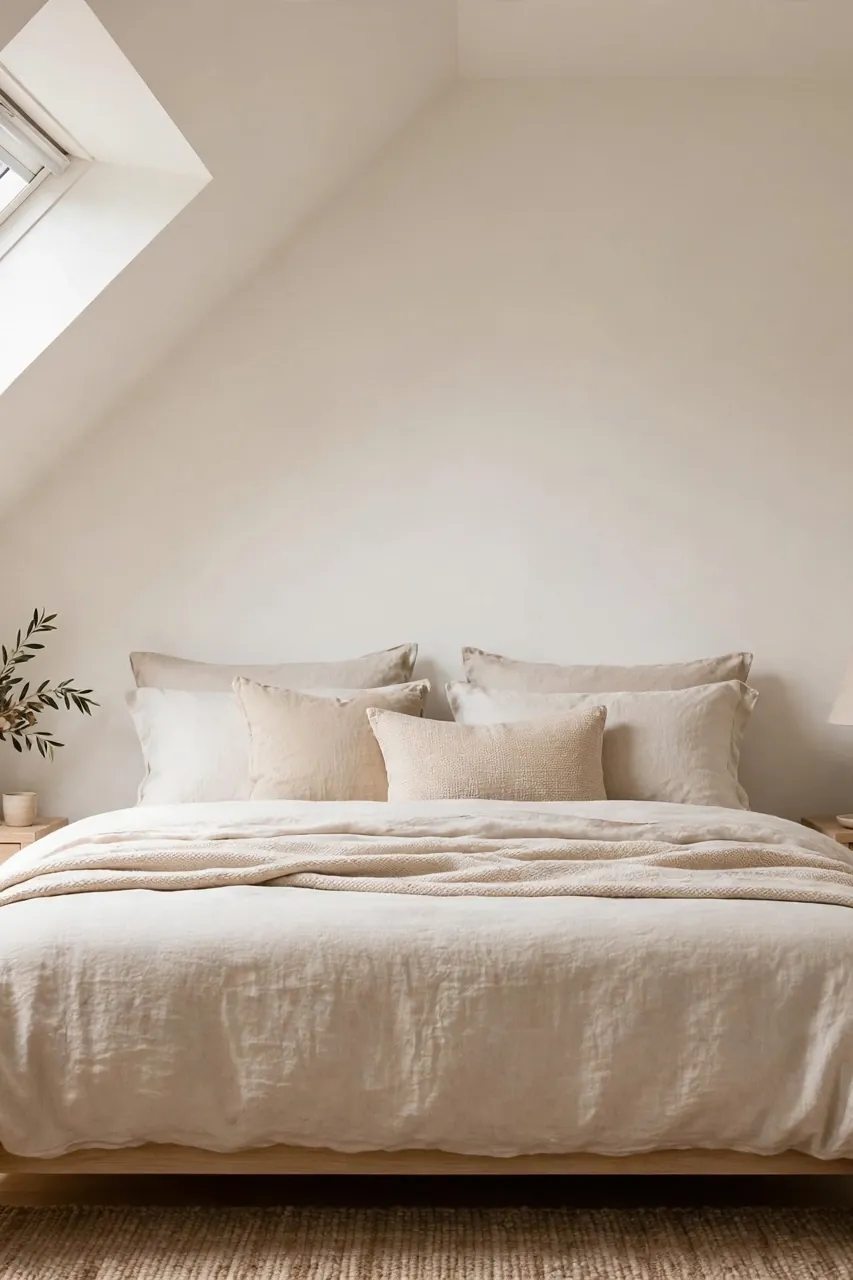
Common Mistake: Most people paint sloped ceilings a stark white to open up the room, which actually highlights the angle and makes the slope feel like a separate, lower lid. The sharp contrast draws the eye straight to the awkward line.
The Fix: Paint the slope the same color as the walls so the angle melts away and the room reads as one continuous space. A soft warm white or pale neutral on every surface blurs the joint and adds visual height.
If you love color, carry it up the slope too instead of stopping at the wall line. A single enveloping color makes the ceiling feel deliberate and cozy rather than like a mistake the builder left behind. The room will feel larger and more pulled together.
Add Built-In Storage
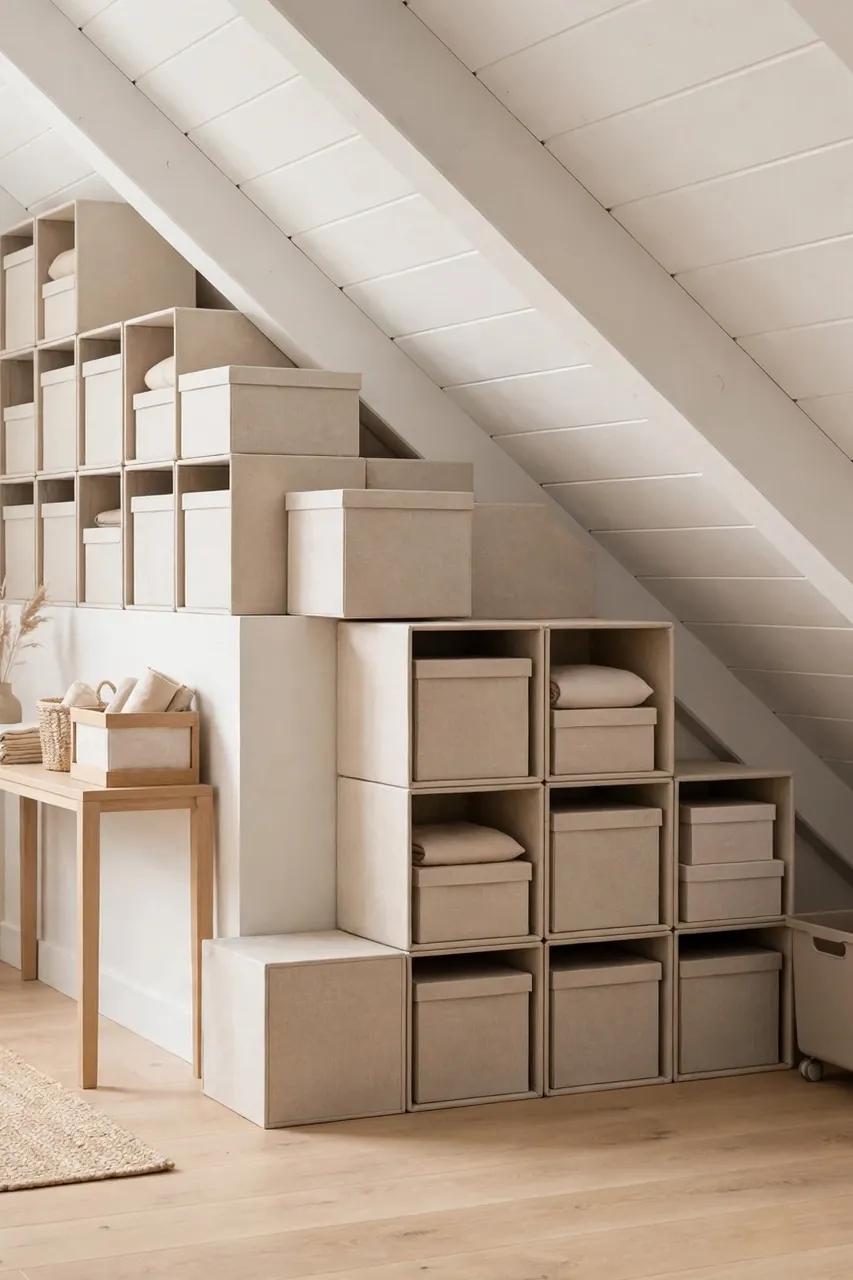
What You Need:
- Low rolling bins that slide under the eaves for shoes, linens, or seasonal clothes.
- A knee-wall dresser with drawers sized to the slope’s angle, custom or ready made.
- Stackable cubes that step down in height as the ceiling drops.
- A narrow console or shelf that hugs the lowest usable wall strip.
- Fabric storage boxes in a light color so they fade into the background.
The triangle of dead space under a slope is prime real estate when you fit storage to it. Bins on casters pull out easily, and stepped cubes follow the ceiling line without wasting an inch. When you plan how to decorate a bedroom with sloped ceilings around storage first, the rest falls into place.
Layer Lighting Low
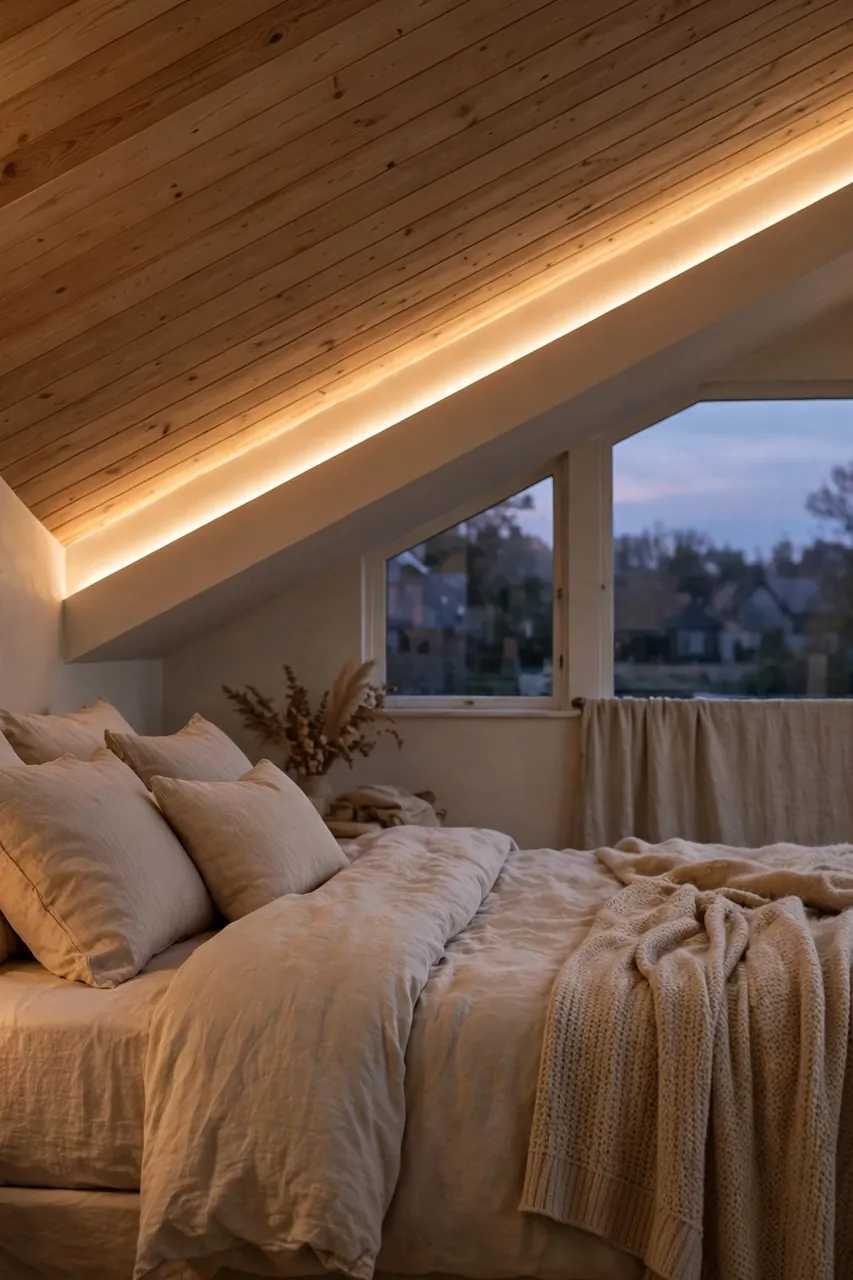
Before: A single ceiling fixture in the middle of the room leaves the low side of the slope in shadow. The far corner feels like a cave, and the bed tucked under the eaves gets almost no useful light for reading.
After: Wall sconces, a low table lamp, and LED strips tucked along the slope’s edge wash the angle with warm light. Every zone has its own source, and the sloped ceiling glows instead of looming.
Keep fixtures low and aimed along the slope rather than fighting for ceiling mounts. Battery-powered picture lights and plug-in sconces work beautifully where wiring is hard to reach. Warm bulbs keep the cozy angle feeling inviting, and dimmers let you set the perfect evening mood.
Dress the Windows
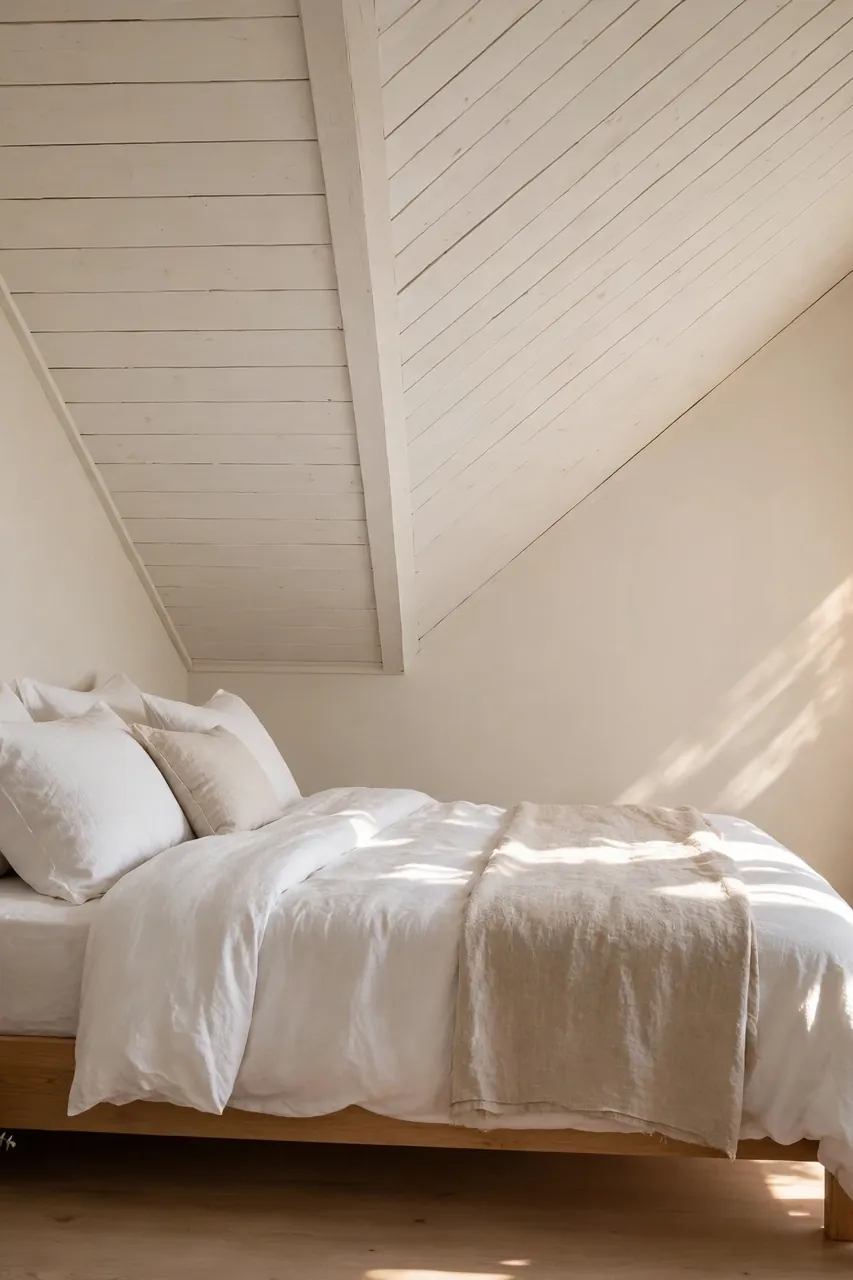
Do This:
- Hang the curtain rod at the highest point the wall allows to stretch the window’s height.
- Use light, airy fabrics that let daylight spill under the slope.
- Extend curtains past the window frame so the glass reads wider.
- Choose a rod that follows the room’s horizontal lines for calm balance.
Avoid This:
- Do not mount rods on the sloped surface itself, where they hang crooked.
- Do not use heavy dark drapes that swallow the limited light.
- Do not pick busy patterns that fight the ceiling’s strong diagonal.
- Do not leave the window bare if the view is a blank wall; a soft sheer still helps.
Windows under slopes are often small or oddly placed, so treat them as light sources first and decoration second. Sheers in a warm white soften the opening without blocking a single ray, and the whole room feels taller the moment light reaches the low corner.
Dark walls can make a sloped room feel even heavier, so if your bedroom walls are deep in tone, read how to brighten a room with dark walls next for ideas that pair well with these slope strategies.
Create Cozy Nooks
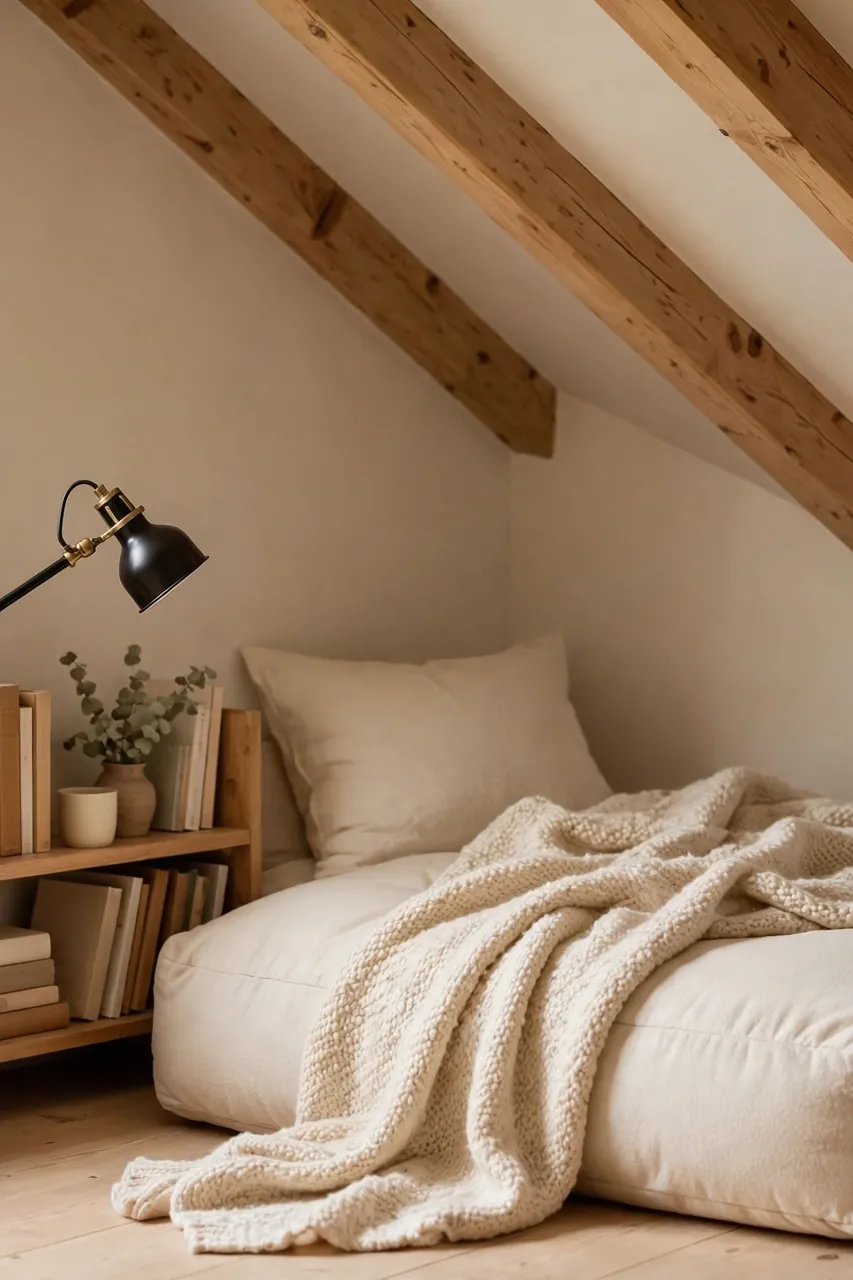
Quick Facts:
Best For: reading corners, window seats, and quiet retreats
Time Needed: one afternoon to set up
Cost: low, mostly cushions and a small lamp
Pro Tip: a floor cushion plus a throw turns the lowest corner into the room’s favorite seat
The low end of a slope is wasted on standing but perfect for sitting. Tuck a cushion, a small bookshelf, and a clip-on reading light into the tightest corner, and suddenly the problem area becomes the coziest seat in the house. I have seen this one change make people love their sloped bedroom.
Common Sloped Ceiling Mistakes
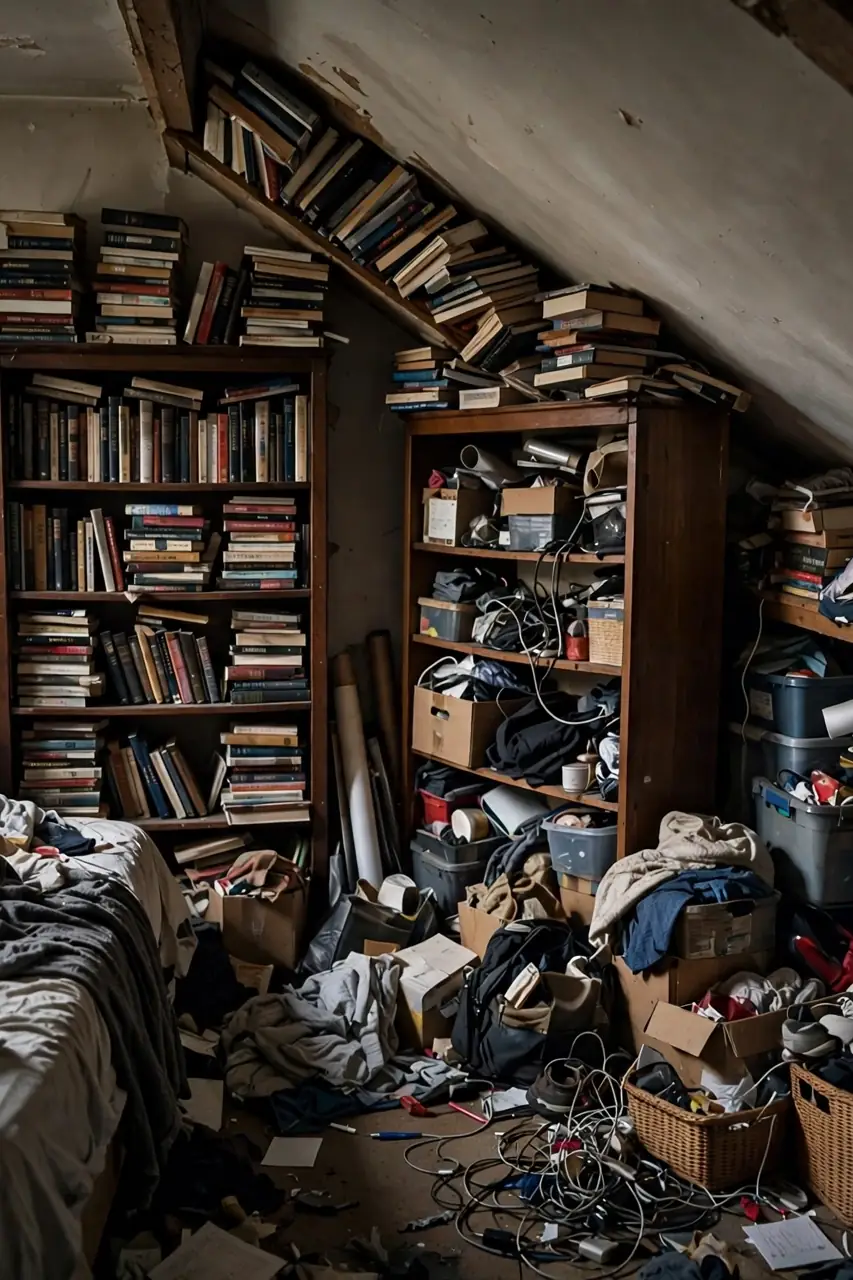
The biggest mistake is ignoring the slope entirely and decorating as if the ceiling were flat. Tall bookcases jammed under the angle look cramped, and art hung at standard height floats oddly far from the slanted surface above it. The room never feels settled.
The second mistake is overfilling the low side. Cramming storage into every inch under the eaves makes the room feel stuffed instead of smart. Leave some breathing room along the lowest strip so the angle reads as architecture, not as a closet you forgot to close.
Pro Tips for Sloped Bedrooms
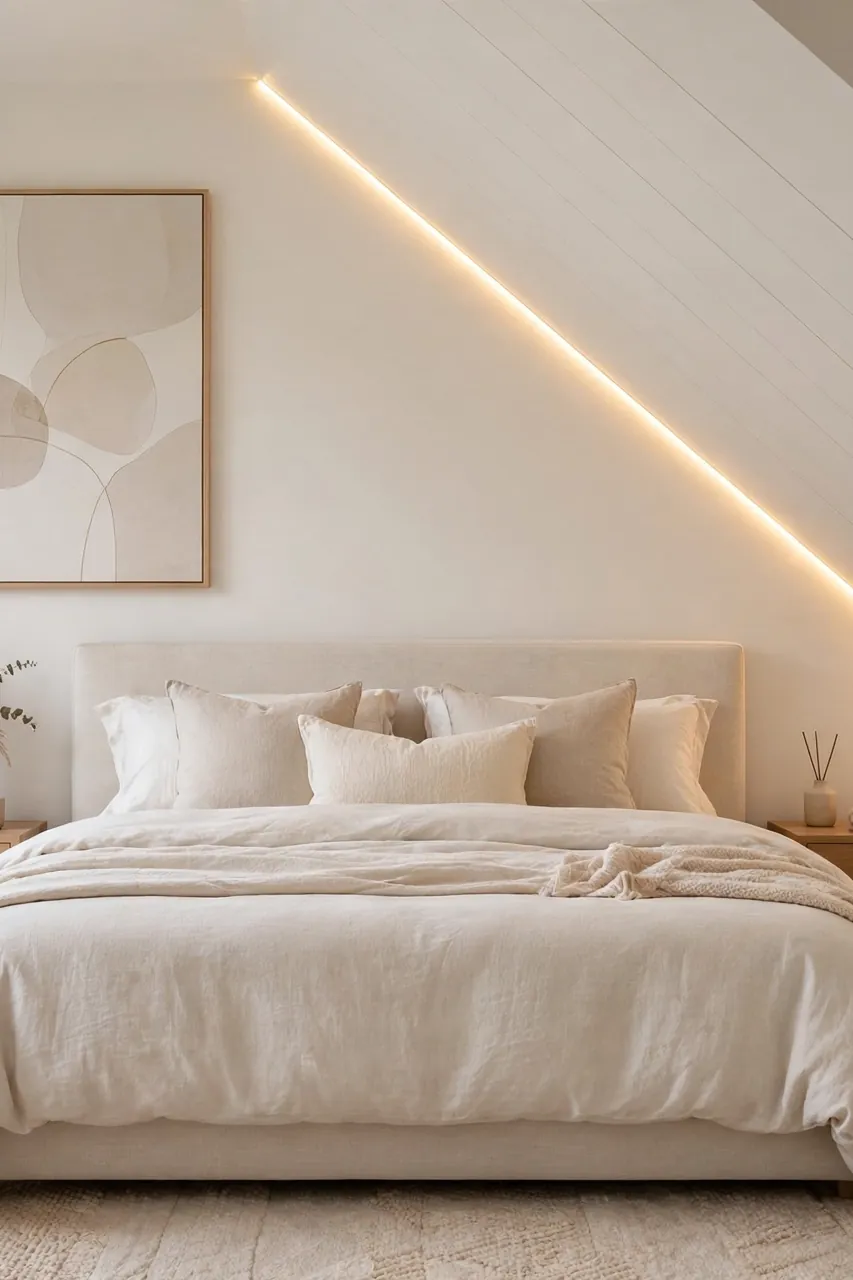
A few finishing moves pull the whole room together and give it that designed feel. These are the details that make a sloped bedroom look intentional rather than tolerated, and most of them take less than an hour to complete.
- Run LED strip lighting along the slope’s lowest edge to erase the shadow line at night.
- Hang one large piece of art on the high wall to anchor the room’s tall side.
- Use a rug to define the main living zone and visually square off the angled space.
- Keep the palette light and consistent so the slope feels like a warm envelope, not a lid.
Conclusion
Sloped ceilings stop feeling like a problem the moment you design with them instead of around them. Low furniture, smart paint, and layered light turn the angle into the room’s best feature, and the cozy nooks practically build themselves. If this guide on how to decorate a bedroom with sloped ceilings helped, save it on Pinterest so you can find it when you start your own project. I have seen how making this one change can completely shift the result, and your sloped bedroom might just become your favorite room in the house.