20 French Country Kitchen Decor Ideas for Rustic Elegance
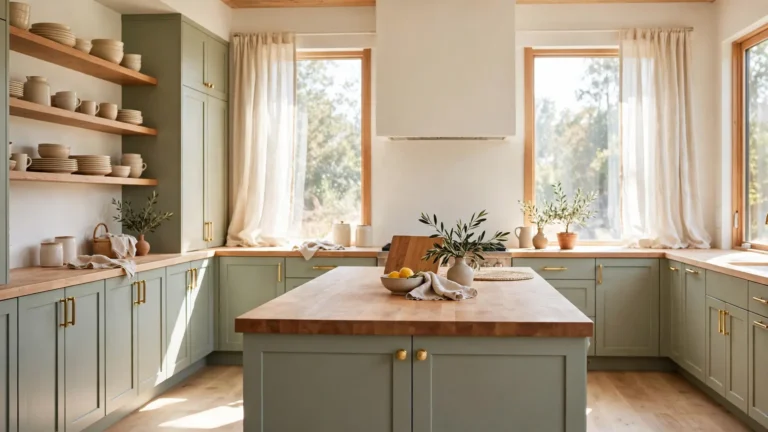
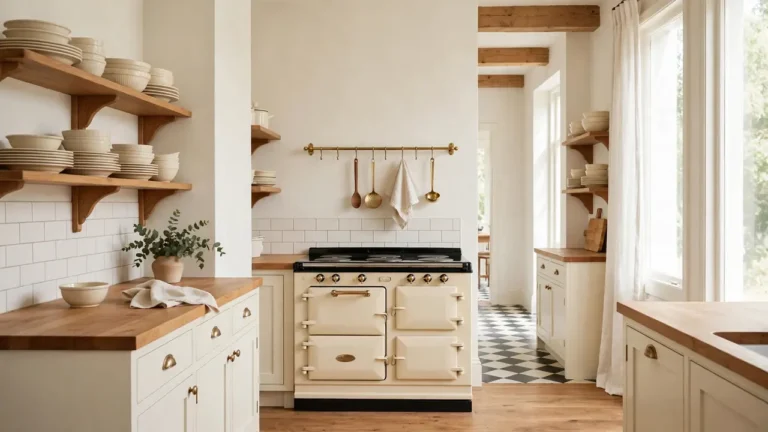
Warm, welcoming, and quietly elegant, French country kitchen decor ideas bring the relaxed charm of Provence into everyday cooking spaces. Creamy painted wood, worn copper, and soft linen replace cold, glossy finishes. The result feels collected over time rather than bought in a single afternoon.
This guide shares 20 practical ways to build that look, from distressed cabinetry to terracotta floors, with honest notes on cost and effort. If your taste also leans warm and sunlit, the modern Mediterranean interior design ideas in our other guide pair beautifully with these French touches. Start with one or two changes and let the room grow.
Distressed Cream Cabinetry

Cream cabinets with gently worn edges are the backbone of this look. The distressed finish hides everyday scuffs, so busy family kitchens actually suit it better than pristine showrooms. Paint existing cabinets instead of replacing them, and the whole room softens for the cost of primer, paint, and a free weekend.
Sand raised panel edges lightly after painting so the wood peeks through where hands naturally touch. In my experience, a warm cream like ivory or antique white beats bright white here, because it flatters limestone, wood, and copper without glare. Finish with aged brass or oil-rubbed bronze pulls for quiet contrast.
Exposed Wood Beam Ceilings
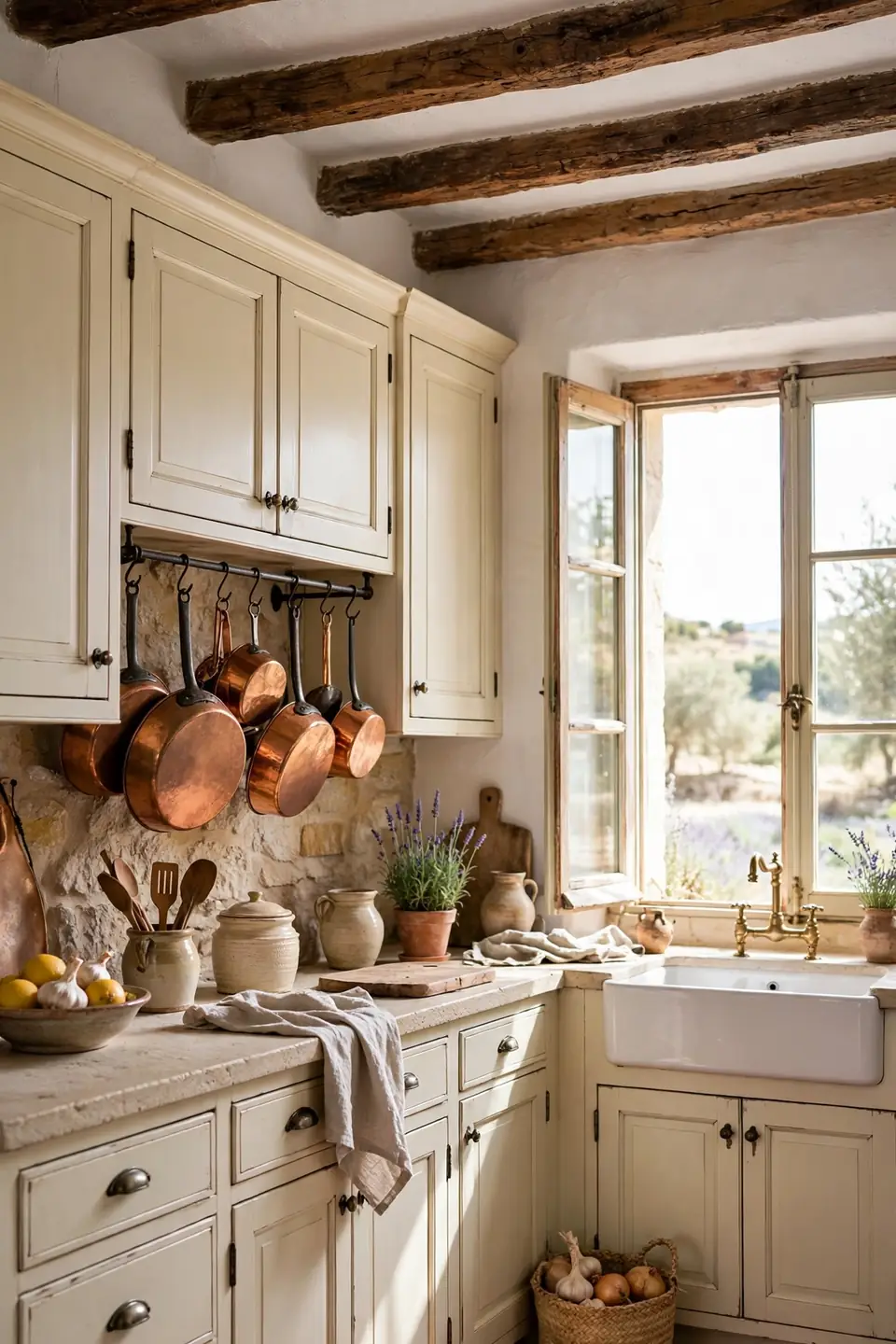
- Reclaimed beams bring saw marks and aged color that new lumber simply cannot fake.
- Faux hollow beams suit newer homes and install in a single afternoon.
- Stain beams two shades darker than the floor for gentle contrast overhead.
- Space beams three to four feet apart; crowded beams shrink small kitchens.
- Pair beams with pale walls so the wood stays the room’s focal point.
Beams change how a kitchen feels the moment you walk in. They add height, history, and a sense of shelter over the busiest room in the house. That’s why many experts recommend adding them before splurging on new appliances, counters, or trendy lighting. The bones matter most here.
Copper Pot Displays

Quick Tip: Hang pots from an iron rail mounted into wall studs, not drywall anchors. A full set of copper cookware is heavy, and studs keep the rail level for years. Leave small gaps between pans so each piece reads as decor, not clutter.
Copper warms a pale kitchen faster than almost any other material. Its rosy glow deepens with age, and a light polish once or twice a year keeps it handsome rather than shabby. Start with two or three pieces from a flea market. Mixed sizes and slightly different patinas look more authentic than a matched showroom set, and they cost far less.
Butcher Block Countertops
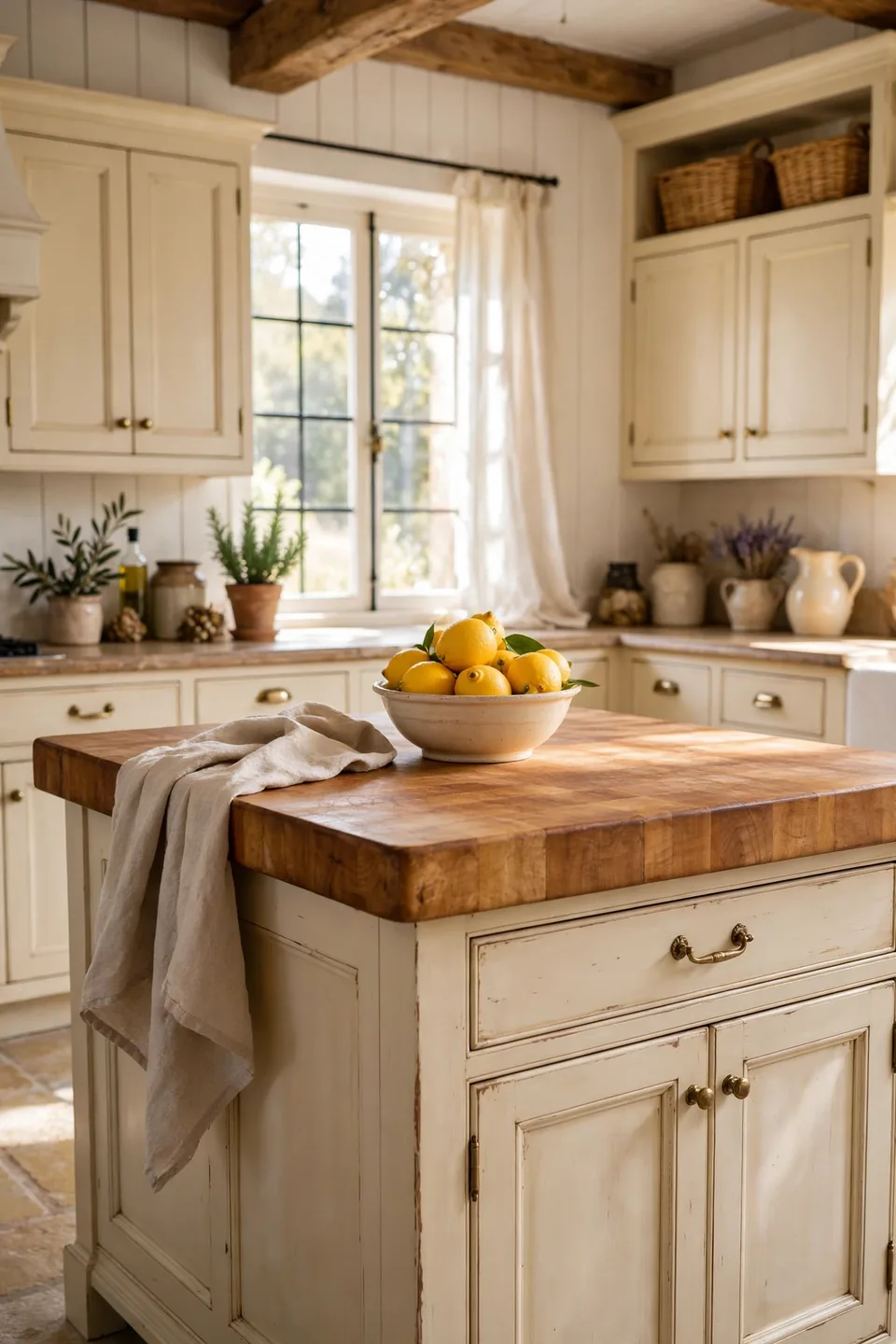
BEFORE: The old laminate counters looked flat and a little cold, with seams showing at every corner. The kitchen felt newer than the house and oddly disconnected from its wood floors and beams.
AFTER: Thick butcher block brought honey tones and visible grain to every work surface. Knife marks and water rings fade into the character of the wood instead of ruining it. The counters now invite cooking rather than careful avoidance.
Butcher block asks for simple care: mineral oil every few months and quick attention to standing water. In return it gives decades of service and can be sanded fresh whenever it tires. I’ve seen this work well in many cases, especially in homes where the kitchen doubles as the family gathering spot.
Open Plate Racks
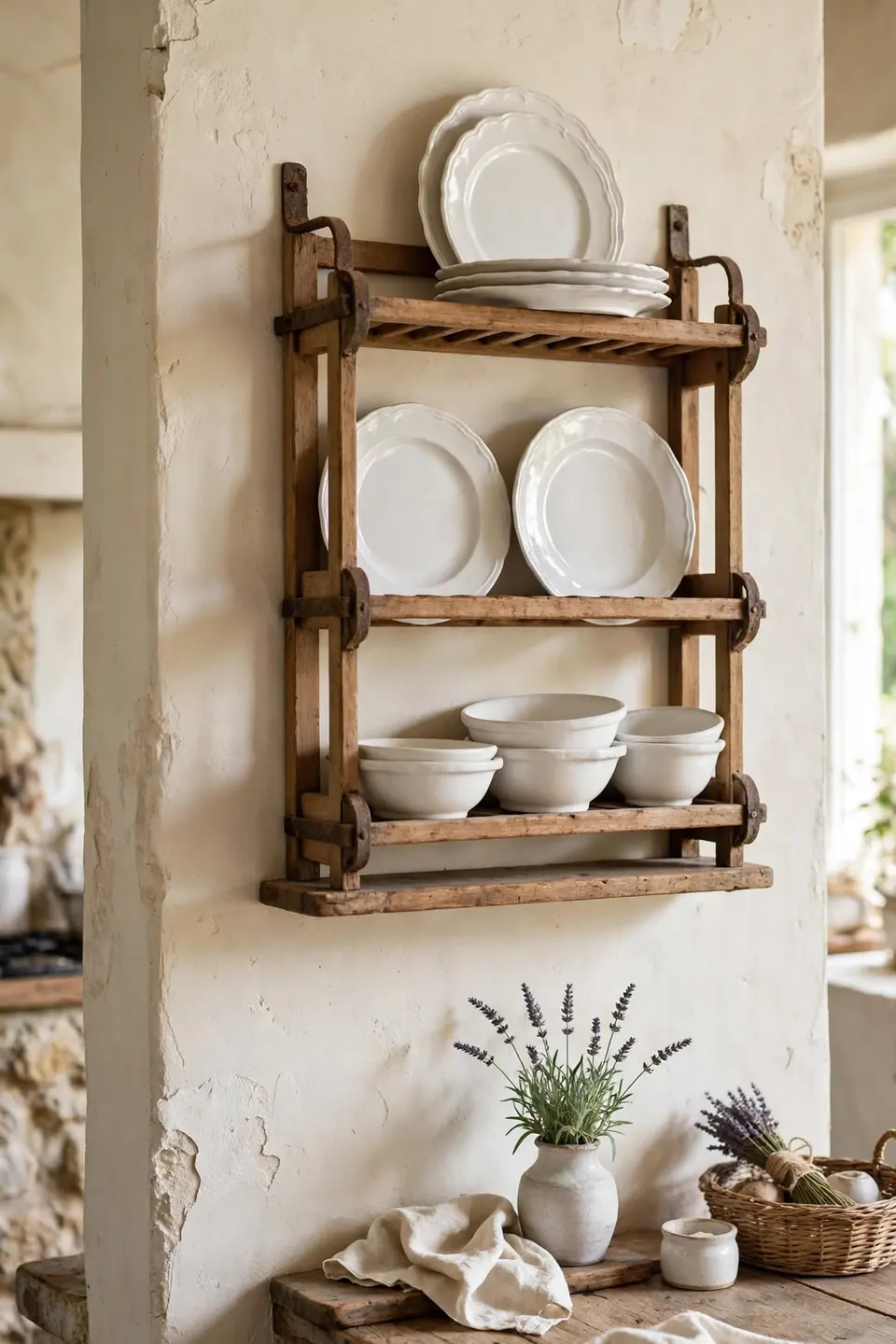
- Measure your largest dinner plates first, so grooves and depth fit them with room to spare.
- Mount the rack near the sink or dishwasher, where daily dishes are washed and put away.
- Paint or stain the rack to match your cabinetry for a calm, unified look.
- Mix plate sizes and add one small bowl or pitcher for variety.
- Leave a few slots empty. Breathing room keeps the display styled, not crowded.
Plate racks turn everyday dishes into the room’s decoration, which suits a style built on useful beauty. White ironstone is the classic choice, but soft blue or cream stoneware works too. Keep only what you use weekly on display, and store the rest behind doors to protect the uncluttered feel.
Farmhouse Apron Sinks

| Feature | Fireclay Apron Sink | Stainless Steel Sink |
|---|---|---|
| Material | Glazed fireclay with a smooth, glossy finish | Brushed metal with an industrial sheen |
| Style | Soft, traditional, and full of farmhouse character | Modern, sleek, and more commercial in feel |
| Care | Gentle cleaners keep the glaze bright for decades | Shows water spots and needs frequent wiping |
| Cost | Higher upfront, often $400 to $900 installed | Lower upfront, often $150 to $400 installed |
An apron sink earns its keep every single day. The deep basin swallows stockpots and sheet pans that overwhelm standard sinks, and the exposed front becomes a design feature. Pair it with a bridge faucet in aged brass to complete the period feel of the room.
Limestone Tile Backsplash

Do This:
- Do choose tumbled or honed tiles with soft, worn edges.
- Do seal stone before grouting and again afterward.
- Do use warm beige grout that blends with the stone.
- Do run tiles in a simple brick pattern for quiet texture.
Avoid This:
- Do not clean limestone with vinegar or lemon cleaners.
- Do not pick perfectly uniform tiles; variation looks real.
- Do not pair stone with glossy cabinets and competing sheens.
- Do not skip sealing behind the range.
Limestone brings the soft, chalky texture of old Provence walls right into the kitchen. Its tiny pits and fossils catch light differently through the day, so the backsplash never looks flat. Warm beige and bone tones also forgive the splashes and splatters of real cooking far better than glossy ceramic tile.
Toile Linen Curtains
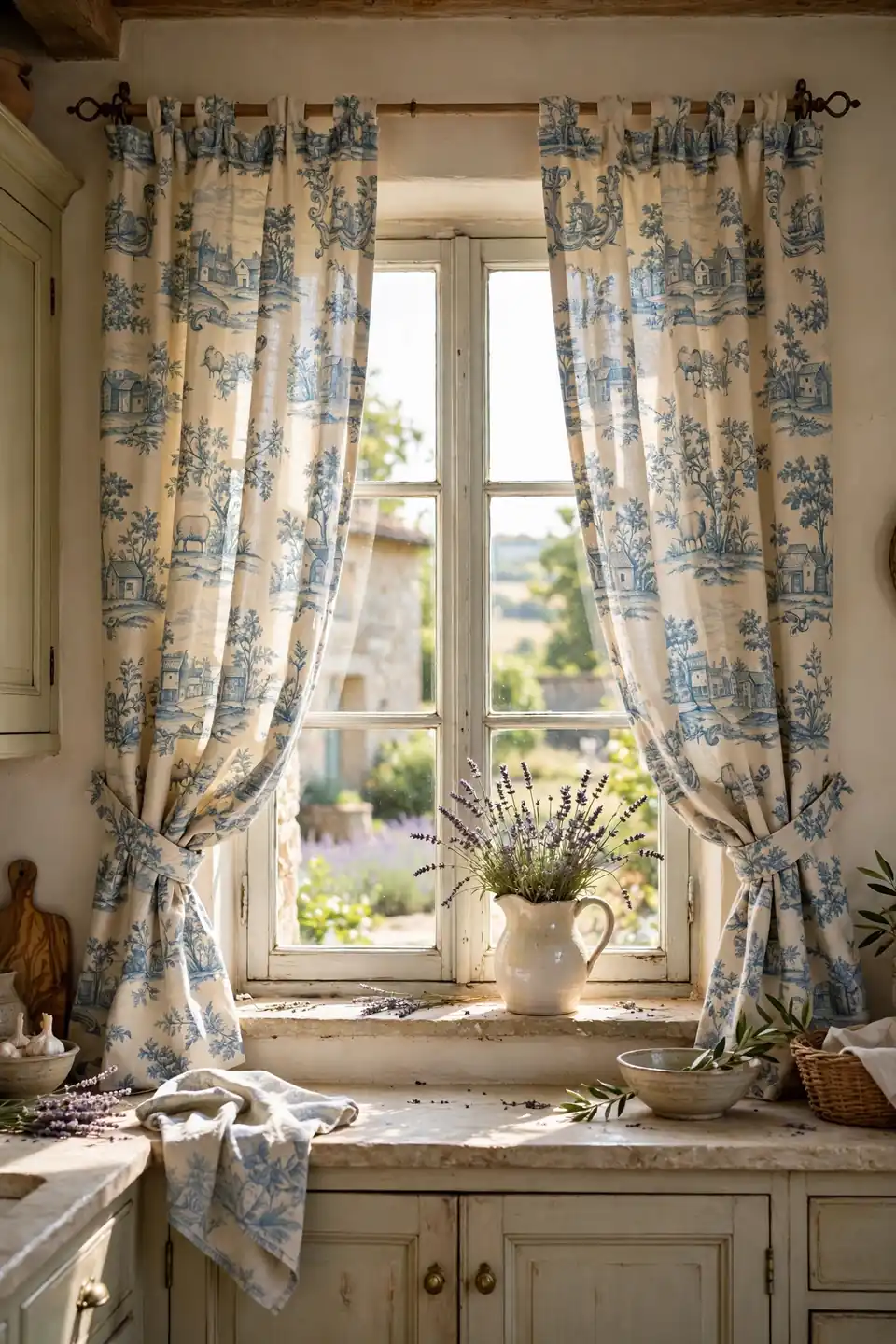
Cost: $40 to $120 per window for ready-made linen toile panels.
Best For: South and west windows where strong sun needs softening, not blocking.
Care Level: Low. Machine wash cold, line dry, and hang slightly damp to release wrinkles.
Result: Patterned softness that frames garden views without heavy formality.
Toile tells a story at the window. Its pastoral scenes of shepherds, chateaus, and gardens have charmed French homes for centuries, yet the pattern stays light because the scenes print in a single color. Blue and white is the classic pairing, but soft red or sage on cream feels just as at home. I’ve noticed shorter cafe length panels suit kitchen windows best, since they leave the sill free for herbs and keep fabric clear of steam and splashes.
Rustic Stone Walls
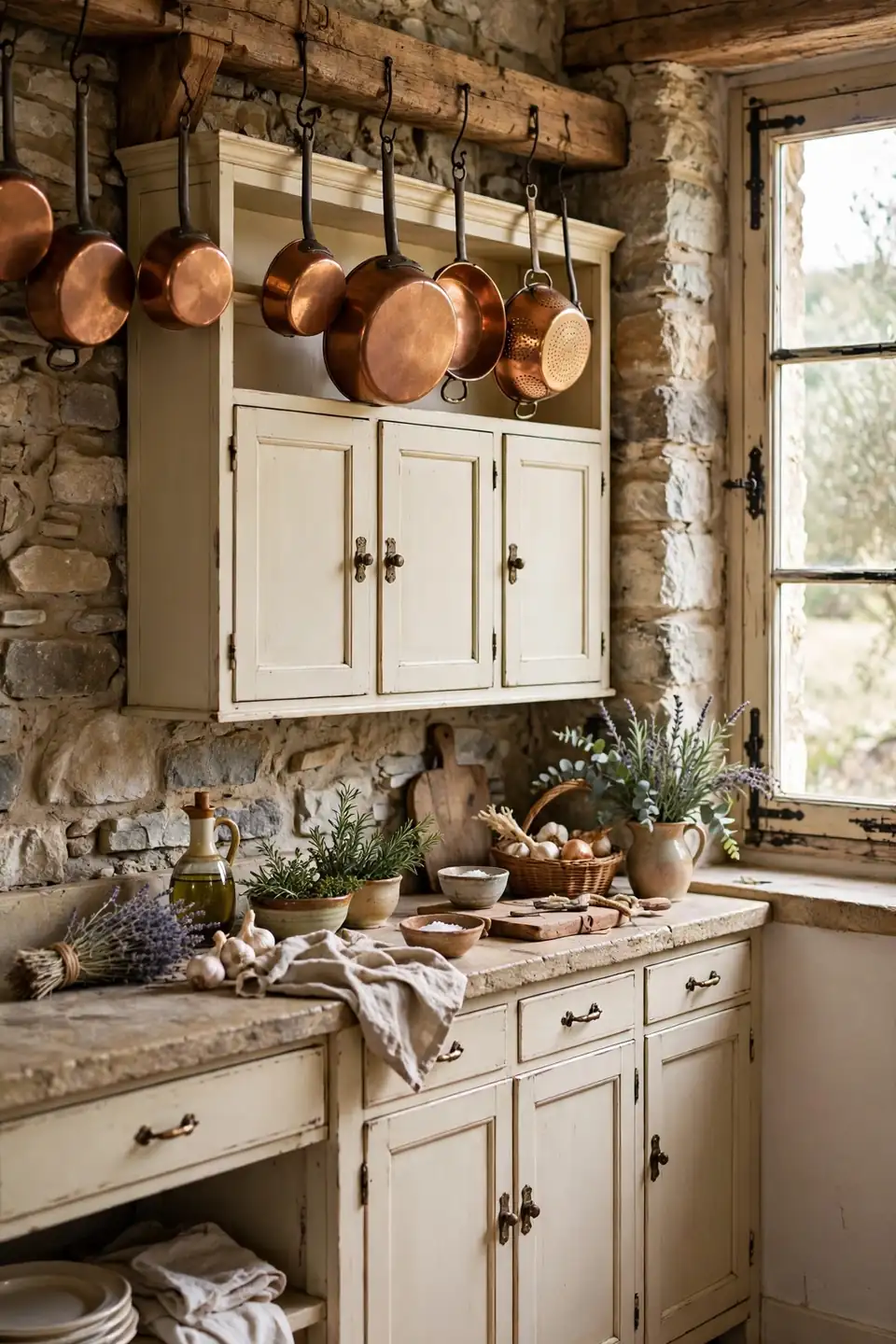
One exposed stone wall changes a plain kitchen into a room with a past. Real stone veneer panels now mimic old farmhouse masonry closely, and they install over drywall without footings or structural work. Choose warm, irregular stones in beige, bone, and soft gray.
Limit stone to a single wall so the texture stays special, and repeat its tones in your counters or floor. Among all the French country kitchen decor ideas in this guide, this one delivers the biggest transformation for a weekend of work. Keep nearby cabinets simple and pale so the masonry holds the spotlight it deserves.
Vintage Enamel Canisters

- Hunt flea markets and estate sales for enamel with honest chips and age marks.
- Group canisters in odd numbers, three or five, for a collected look.
- Store daily staples inside: flour, sugar, coffee, and loose tea leaves.
- Choose one accent color, usually soft blue or faded red, and repeat it.
- Line up sizes from tall to small so the row reads as one display.
Enamel canisters earn their counter space by working hard and looking gentle. The glossy finish wipes clean in seconds, and the metal lids keep staples fresh. A row of them along the backsplash gives a plain rental kitchen instant country character without a single renovation.
Lavender Accent Bouquets

Quick Tip: Dry lavender upside down in small bunches for a week before arranging it. Dried stems keep their color and scent for months, while fresh sprigs wilt within days. A light squeeze releases the fragrance again whenever the room needs it.
Lavender is the signature scent and color of Provence, and a little goes a long way in the kitchen. One pitcher on the table or a small bunch tied to a cabinet knob adds purple exactly where the eye lands. Swap in dried wheat or olive branches in winter to keep the arrangement seasonal without buying new decor each month.
Woven Rush Seating

BEFORE: The matching upholstered chairs looked formal and showed every crumb and coffee splash. Sitting through long Sunday lunches felt stiff, and the set fought the room’s relaxed wood and stone.
AFTER: Rush seat chairs lightened the whole corner. Their woven texture echoes baskets and placemats, and the seats shrug off daily wear. Cushions in washed linen add comfort for slow meals without restoring the formality.
Rush seating has served French farmhouses for centuries because it is repairable, comfortable, and honest. A damaged seat can be rewoven by a local craftsperson for less than a replacement chair. Mix rush chairs with a bench on one side of the table for the relaxed, gathered-over-time feel this style does best.
Antique Brass Faucets
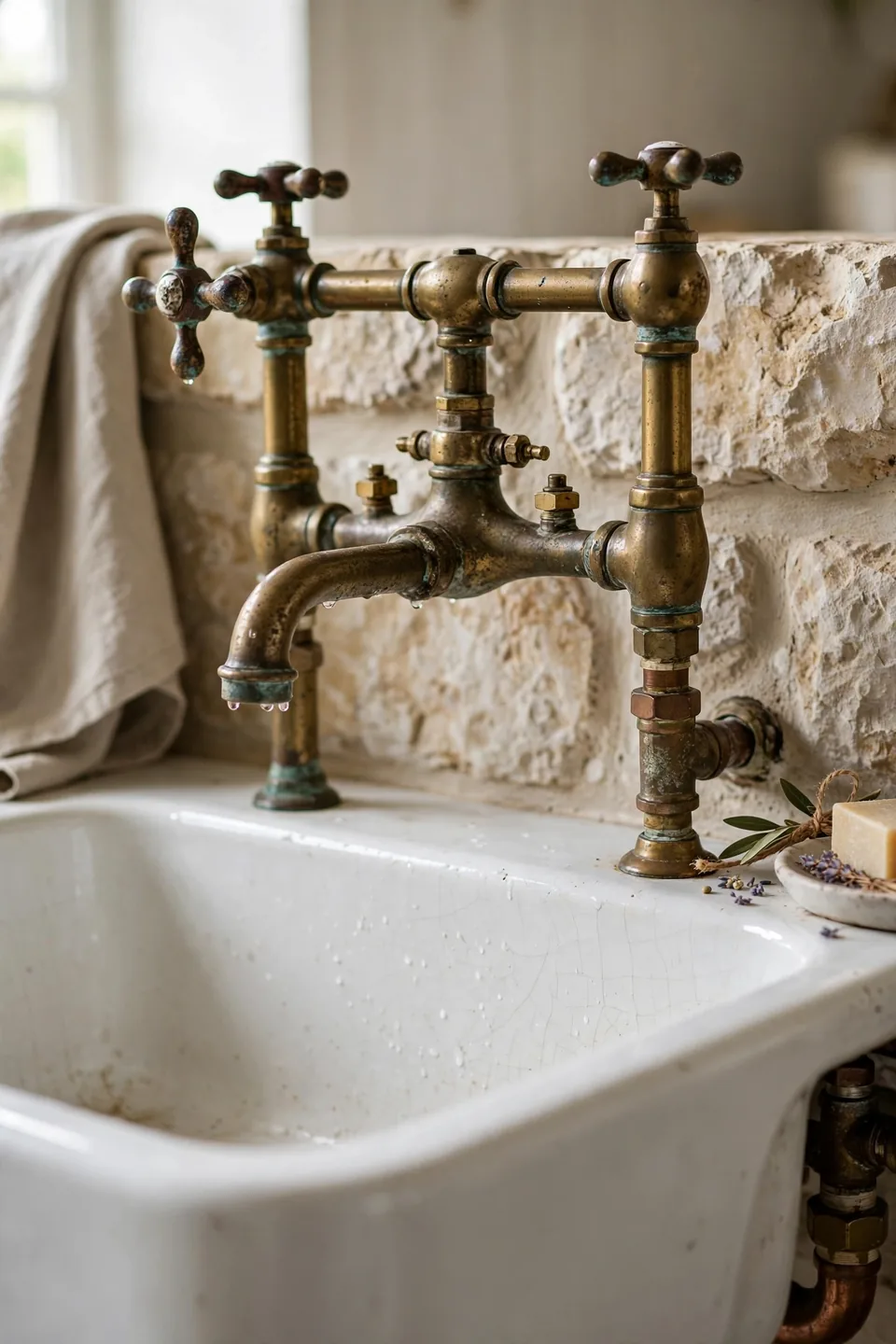
- Choose solid brass construction with a living finish that patinas over time.
- Match the faucet finish to cabinet pulls and light fixtures for a unified story.
- Pick a bridge or gooseneck shape that clears tall stockpots with ease.
- Hire a plumber if your sink has nonstandard hole spacing or old valves.
- Clean brass with mild soap and a soft cloth; skip abrasive polishes.
Unlacquered brass deepens in color every year, which is exactly the aged warmth this style wants. It also bridges styles gracefully: the same warm metal anchors the moody vintage living room decor in the next room of my own home, tying the two spaces together.
Checkerboard Tile Floors

| Feature | Checkerboard Tile | Natural Wood Planks |
|---|---|---|
| Look | Graphic, classic, and full of bistro charm | Warm, continuous, and quietly rustic |
| Durability | Handles water, mud, and heavy traffic easily | Needs sealing and care around sinks |
| Cost | $5 to $15 per square foot installed | $8 to $20 per square foot installed |
| Feel | Cool underfoot, perfect in warm climates | Soft and warm in every season |
Checkerboard floors carry instant history. The pattern has covered French bistros and farmhouses for generations, and it hides dirt between cleanings better than any solid color. Use cream instead of stark white squares to keep the contrast gentle and aged. It suits small kitchens too.
Herb Window Gardens
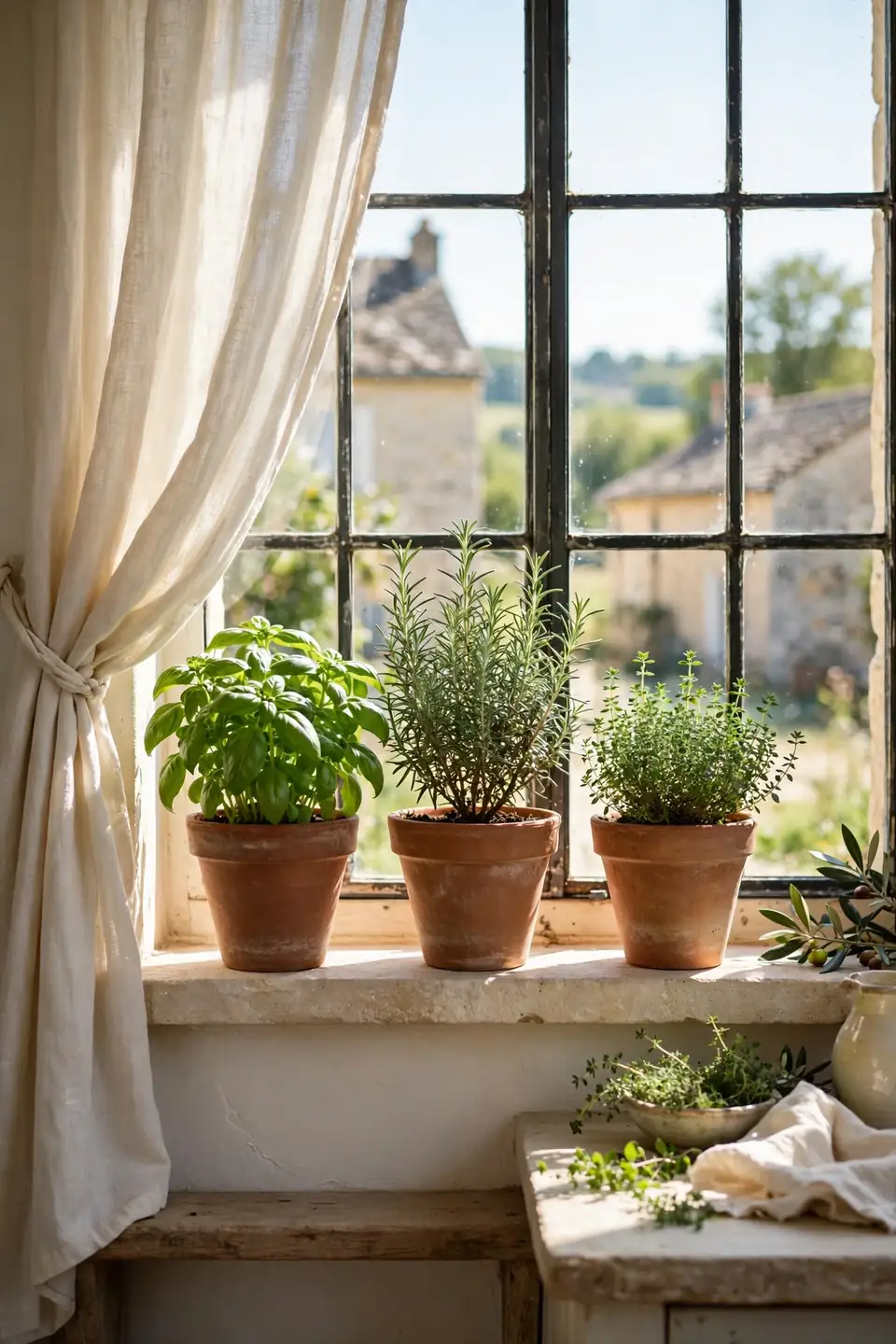
Do This:
- Do start with basil, thyme, and rosemary for easy wins.
- Do choose terracotta pots with drainage holes.
- Do pinch herbs often so plants grow bushy.
- Do rotate pots weekly for even light.
Avoid This:
- Do not overwater; herbs like soil that dries out.
- Do not press pots against cold winter glass.
- Do not harvest over a third of a plant at once.
- Do not use garden soil indoors; it breeds gnats.
A sill of herbs perfumes the kitchen every time you brush past, and it puts fresh flavor within arm’s reach of the stove. The green also softens stone and tile in a way no accessory can. Start with three pots this week and expand as your cooking does.
Galvanized Metal Accents
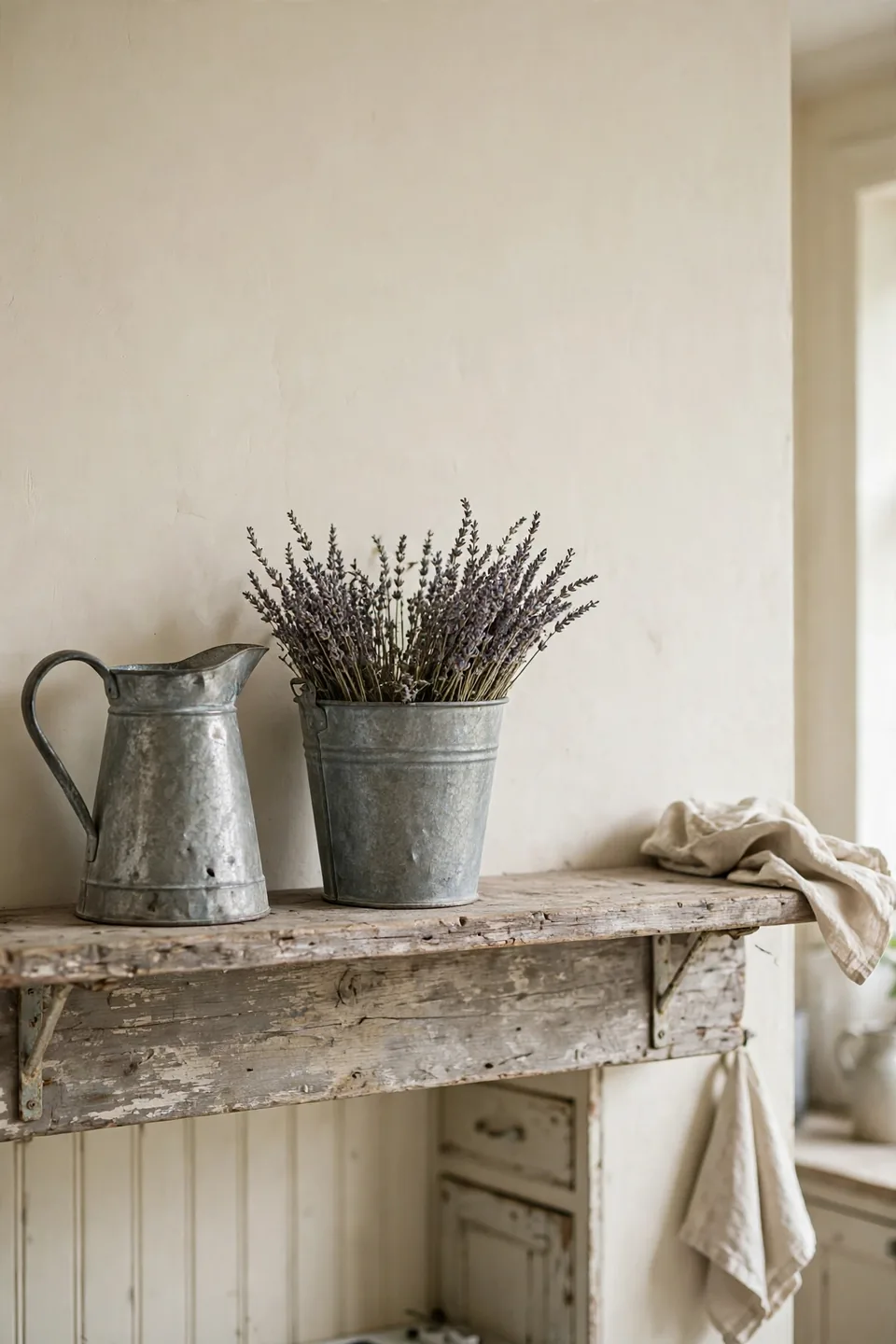
Cost: $10 to $40 per piece at flea markets and farm supply stores.
Best For: Counters, open shelves, and garden style centerpieces.
Pairs With: Lavender, white enamel, and weathered wood surfaces.
Maintenance: Rinse and dry fully to slow rust; a clear wax coat helps.
Galvanized metal brings the farmyard into the kitchen in the best way. Its matte zinc finish calms shiny appliances and adds a gray note that flatters cream and blue palettes. Fill a tall pitcher with dried lavender or wooden spoons, and use buckets to corral onions, garlic, and napkins on open shelves. The pieces dent and weather honestly, so secondhand finds often look better than new ones.
Weathered Wood Islands
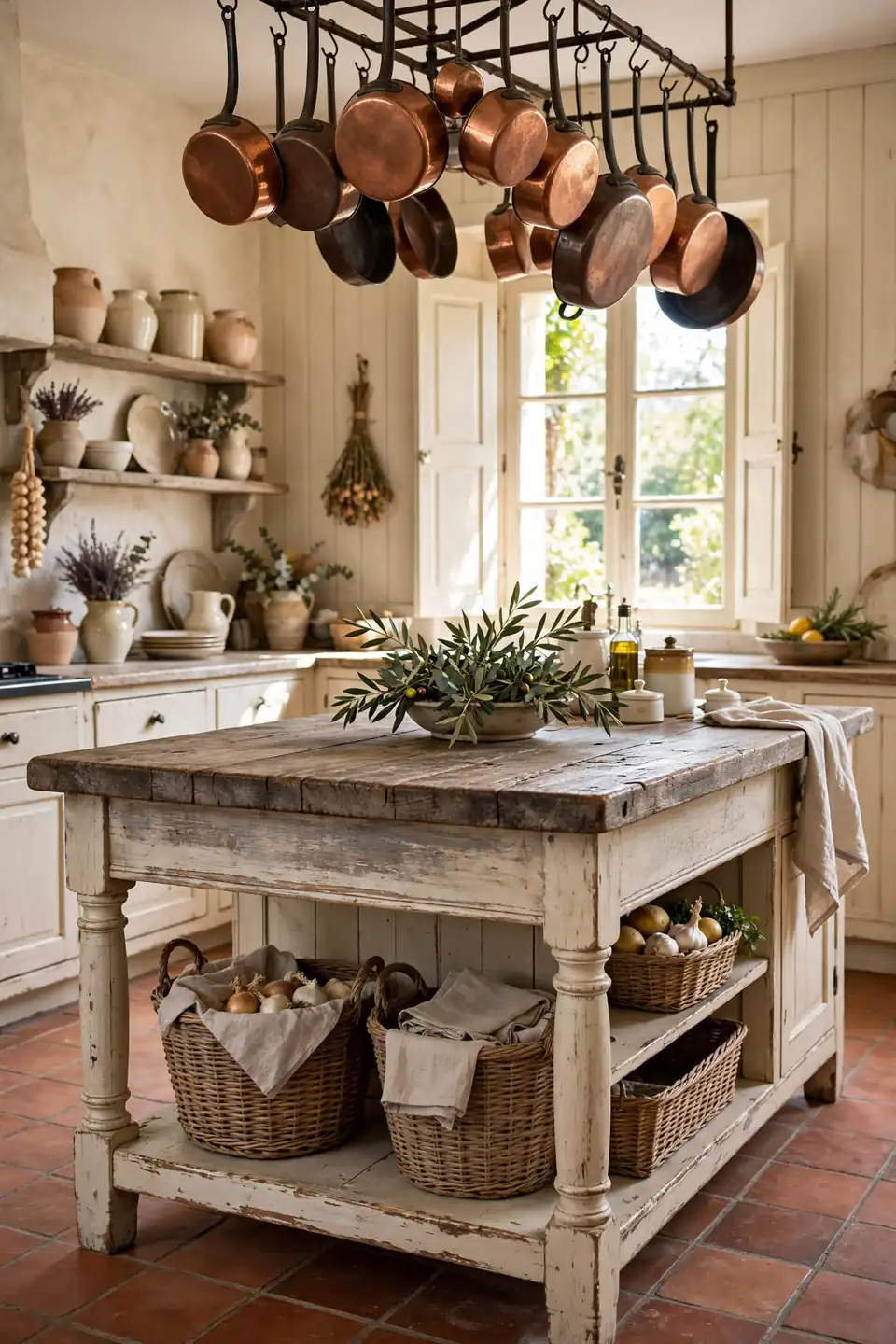
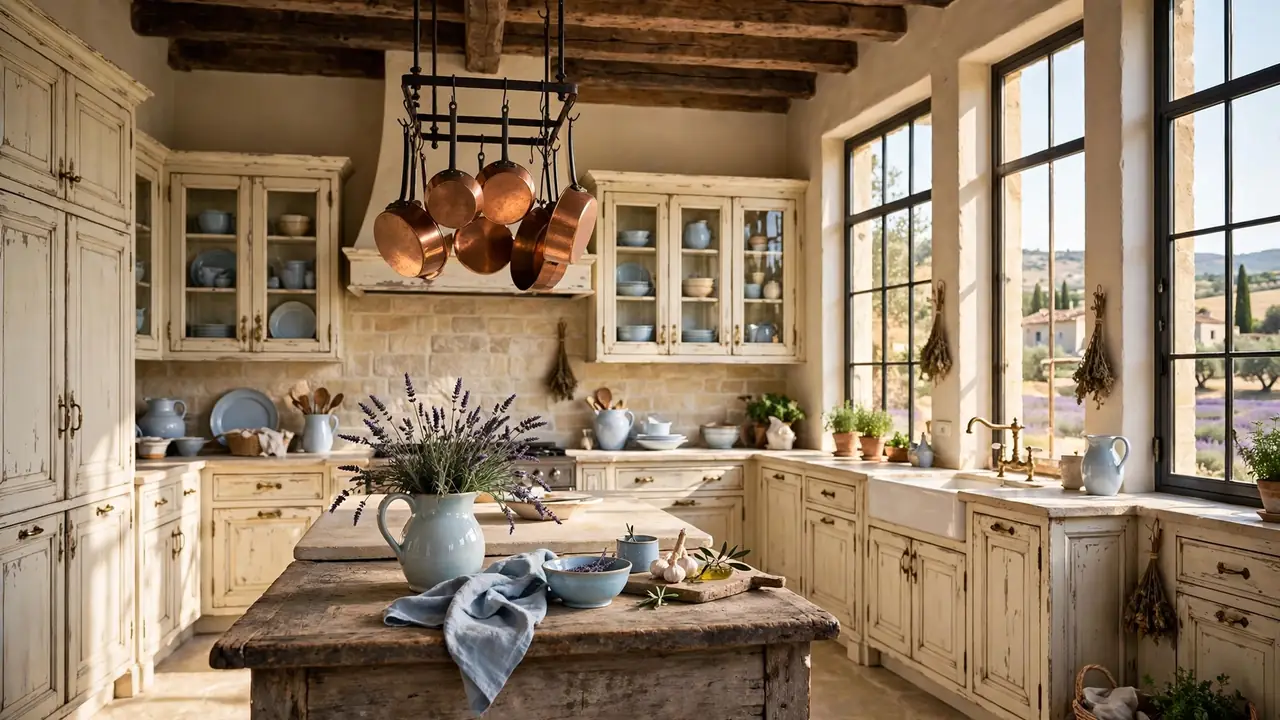
A weathered island gives a fitted kitchen a piece of furniture instead of more cabinetry. Old worktables, barn wood tops, and painted bases with open shelves all carry that found, lived-in feeling. The island becomes the room’s gathering point within days of its arrival.
Leave the top unsealed or finished with hard wax oil so marks become part of the story. In my experience, an island slightly smaller than you first imagine keeps traffic flowing and the room relaxed. Add locking casters if you host often, and the island can shift for parties, baking days, or a quiet breakfast for two.
Ornate Range Hoods
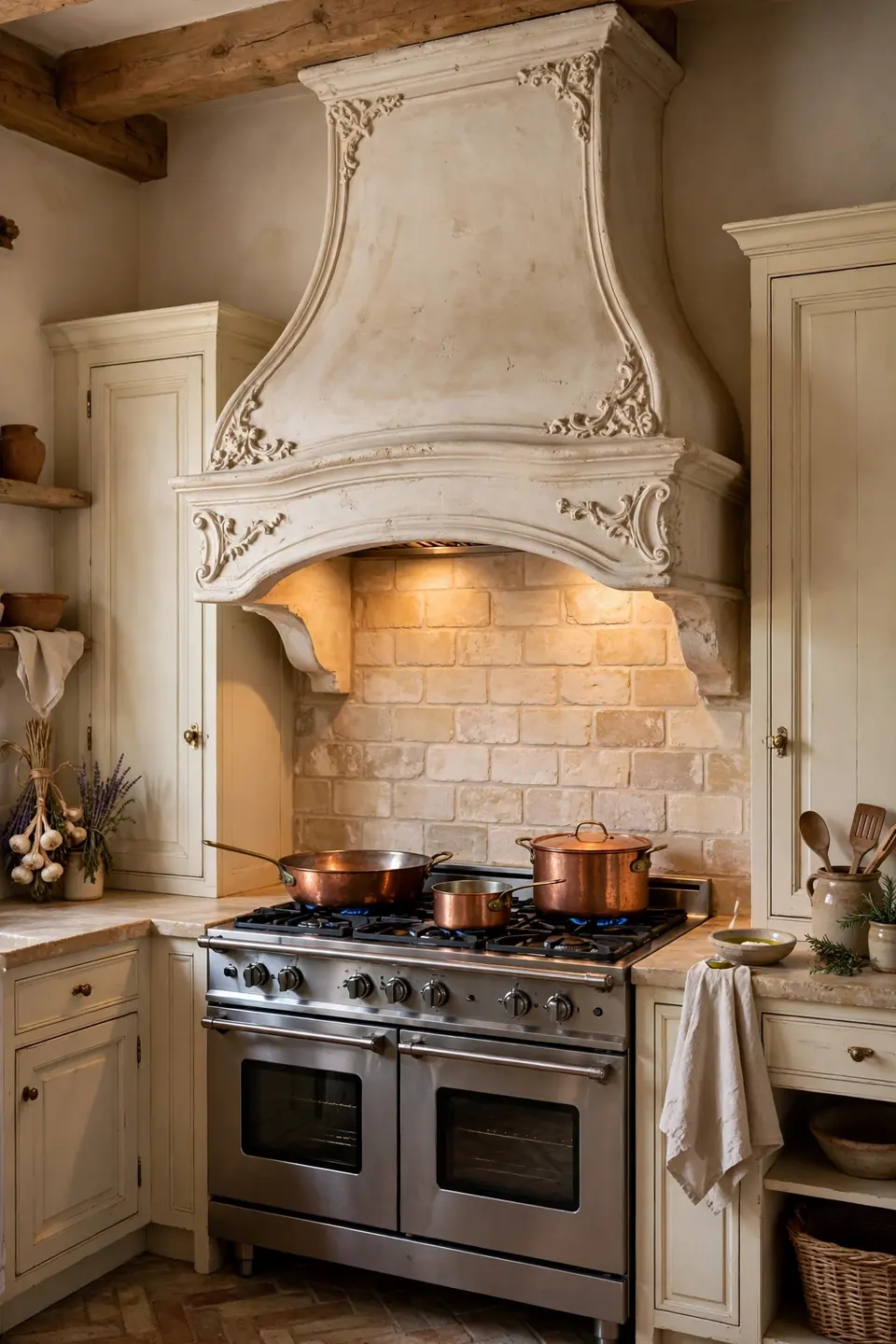
- Plaster and stucco hoods with curved sides give the softest, most traditional silhouette.
- Wood mantel style hoods suit kitchens that already feature beams and islands.
- Aged copper hoods echo hanging pots and deepen in color every year.
- Size the hood at least as wide as the range for proper capture.
- Keep the chimney simple so the curved base stays the star.
The range hood is the one element guests notice first, because it rises above everything else at eye level. A sculptural hood turns a standard stove into a hearth, which is the true heart of a country kitchen. Even a simple plaster reshape over an existing vent changes the room completely.
Checked Gingham Textiles
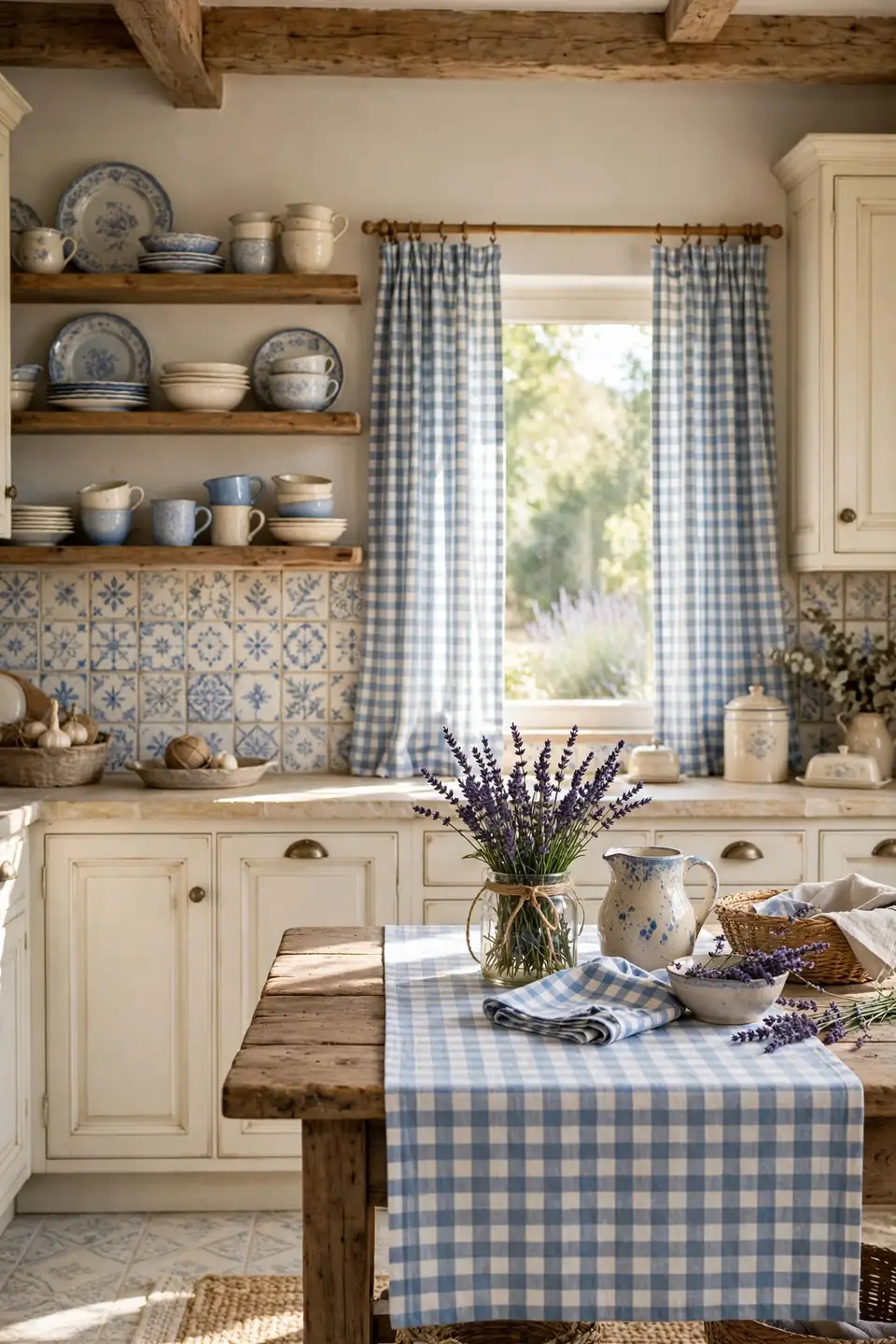
Quick Tip: Limit gingham to two or three textiles per room, like cafe curtains and a table runner. More than that tips the look from country charm into picnic theme. Keep the checks small in scale and the blue soft, closer to faded denim than navy.
Gingham is the friendliest pattern in the country playbook. It loosens up stone, wood, and formal cabinetry with a wink, and it washes and irons without fuss. Swap the runner seasonally: soft blue for spring, faded red for summer berries, and warm taupe checks when autumn cooking begins. The pattern also photographs beautifully for anyone who shares their kitchen online.
Terracotta Floor Tiles
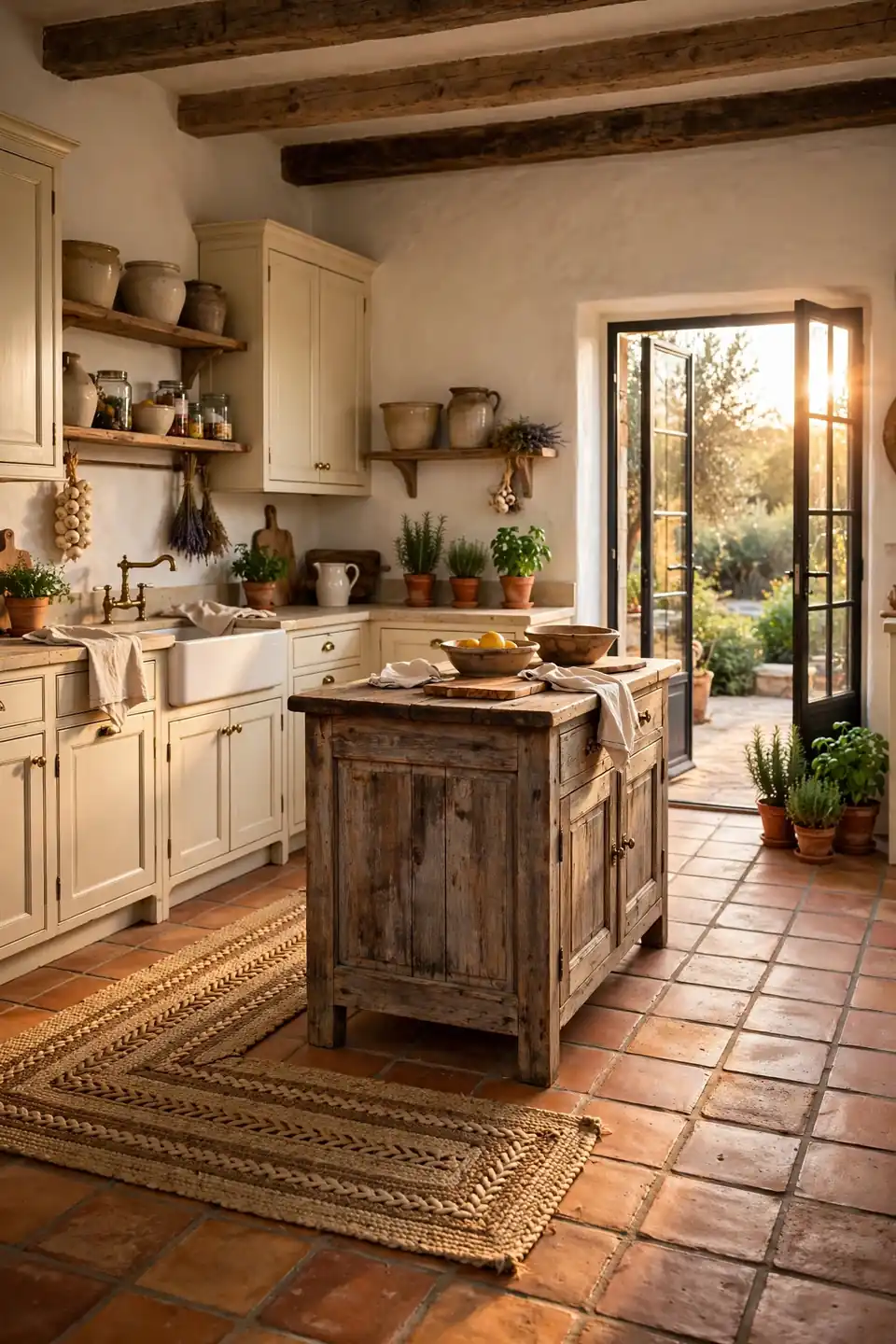
BEFORE: Gray vinyl planks made the kitchen feel like a rental flip. They clashed with the warm cabinets, echoed underfoot, and showed every crumb against their cool, flat color.
AFTER: Terracotta tiles grounded the room in warm, earthy color. Their handmade edges and shifting tones hide daily dust, and bare feet love them in summer. The whole kitchen finally matches the age and character of the house.
Terracotta asks for sealing once a year and rewards you with a floor that improves for decades. Chips and wear read as patina, not damage. If real clay feels like a leap, porcelain tiles printed with a terracotta look deliver most of the warmth with almost no upkeep.
Conclusion
French country style rewards patience. You do not need a full renovation to enjoy it; one rack of plates, a row of copper, or a pitcher of lavender already shifts how the kitchen feels. These French country kitchen decor ideas work because they favor honest materials and daily usefulness over trends. Save this guide to your Pinterest boards so the ideas wait for you on your next free weekend. Try the easiest one first, then share a photo and tag a friend who loves rustic kitchens. Small, warm changes add up to a room that truly feels like home.