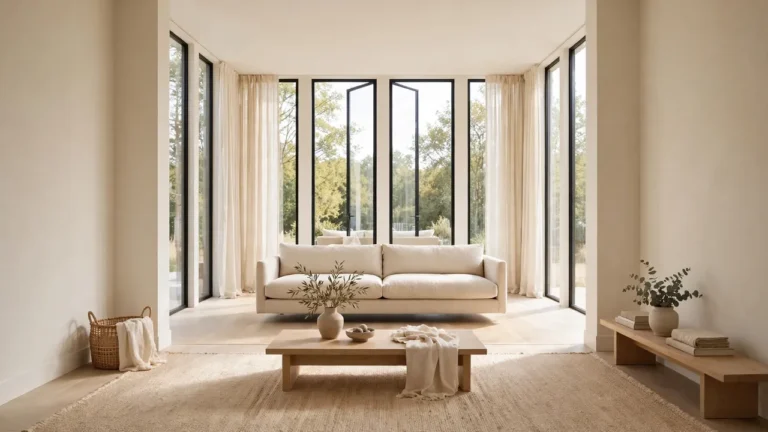
22 Bookshelf Decorating Ideas for a Stylish, Curated Display
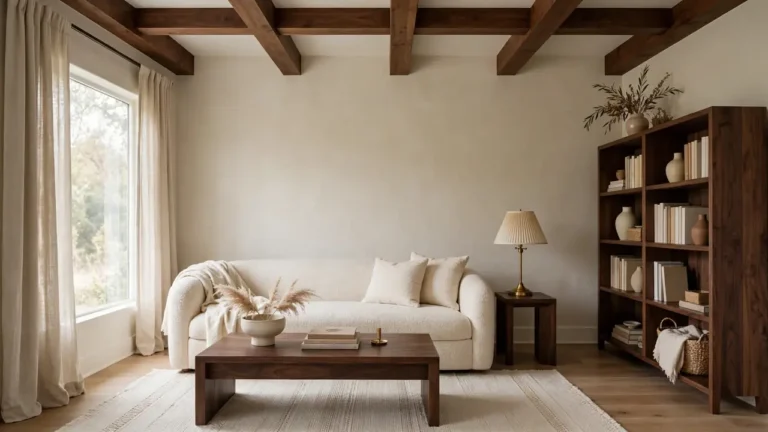
A bookshelf tells the truth about a room faster than any sofa can. Rows crammed spine to spine feel like storage, while shelves with space and height changes feel like a display. Good bookshelf decorating ideas are not about buying more things. They are about editing what you already own until every shelf earns its place on the wall.
The same editing eye that makes entryway table decorating ideas work beside a front door works here at a larger scale: group objects, vary heights, and leave empty space on purpose. In my experience, one cleared afternoon changes a bookcase more than a cart of new accessories ever will. Work shelf by shelf, from the top down, and let the books stay the main event.
Color Blocked Book Rows

Credit: ulrich Keutchatang
Sorting books by color sounds like a gimmick until it calms a chaotic bookcase in front of your eyes. Reds and rust tones gather on one shelf, blues and greens on the next, and suddenly the wall reads as bands of color instead of noise. Keep covers facing out and spines aligned at the same depth, and the whole row looks intentional.
Start with the shelf at eye level, because that row sets the tone for everything below it. Pull anything with a torn jacket, and let pale neutrals fill the shelf seen first from the doorway. I’ve noticed guests run a hand along a color blocked row the way they touch fabric in a store, reading the shelves like a rainbow they are allowed to handle.
Breathing Room Between Books

Credit: Esra Afşar
- Pull every third book from a crowded row and stack those sideways at the end of the shelf.
- Leave a palm width of empty space between groups so each cluster reads as its own moment.
- Stand one small framed photo where a book used to be, angled slightly toward the room.
- Keep the tallest books at the ends of a group, like bookends made of books themselves.
- Step back after each shelf; crowding creeps in while you work up close.
Empty space is not wasted space on a shelf. It is the pause that lets the eye rest between groups, and it makes the books you keep look chosen instead of stored. Rooms feel calmer when shelves breathe, and dusting takes half the time it used to.
Leaning Art On Shelves

Credit: Max Vakhtbovych
Quick Tip: Lean a small framed print against the back panel of a deep shelf instead of hanging it on the wall. The books in front hold it steady, and you can swap the art in seconds whenever the mood or the season changes.
Leaning art softens the hard grid that shelves and book spines create. A landscape print behind a short stack, a postcard sized sketch beside tall novels, and the shelf starts to feel collected rather than filed. Keep frames thin so they steal no depth, and let one corner overlap a book spine for that relaxed, unstudied look. The art also hides the scuffed back panel most bookcases pretend not to have.
Cluttered Shelf To Calm Display
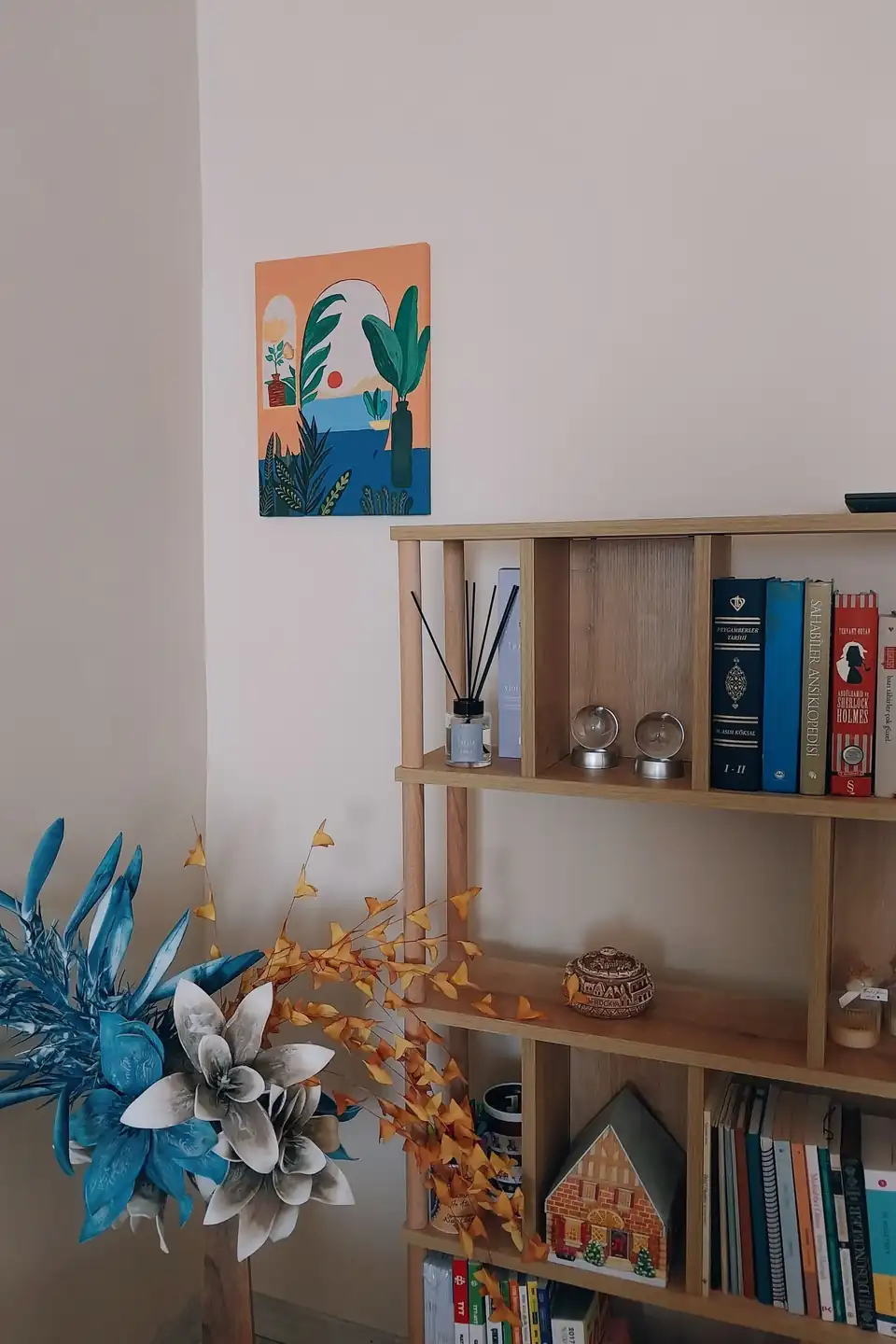
Credit: Hanife Altan
BEFORE: The bookcase by the window had become the house dumping ground. Board games teetered on top of novels, chargers tangled through the middle shelf, and a dead plant sat on the top row judging everyone who walked past.
AFTER: One Saturday of sorting changed it completely. Games moved to a closet basket, chargers got a drawer of their own, and every shelf kept only books plus one object with a real reason to be there.
The fix cost nothing but honesty about what a bookshelf is actually for. Everything removed found a better home elsewhere, and nothing left on the shelves apologizes for being there. Start with the worst shelf in your own house and give it the same treatment this weekend.
Style A Shelf In Steps

Credit: Andrea Davis
What You Need:
- Empty one shelf completely and wipe it down, because styling on dust never looks finished.
- Return the tallest books first, standing them at one end like a small skyline.
- Lay a short stack of two or three books flat beside the standing row.
- Set one object with height, a vase or a candle, on top of the flat stack.
- Fill the remaining gap with a small plant or a framed photo, then stop.
This order works because height lands first and decoration fills whatever is left, instead of the other way around. Most messy shelves were decorated first and filled with books later, which is why they fight you. One shelf styled this way takes about ten minutes once the sorting is done.
Vertical Versus Horizontal Stacks
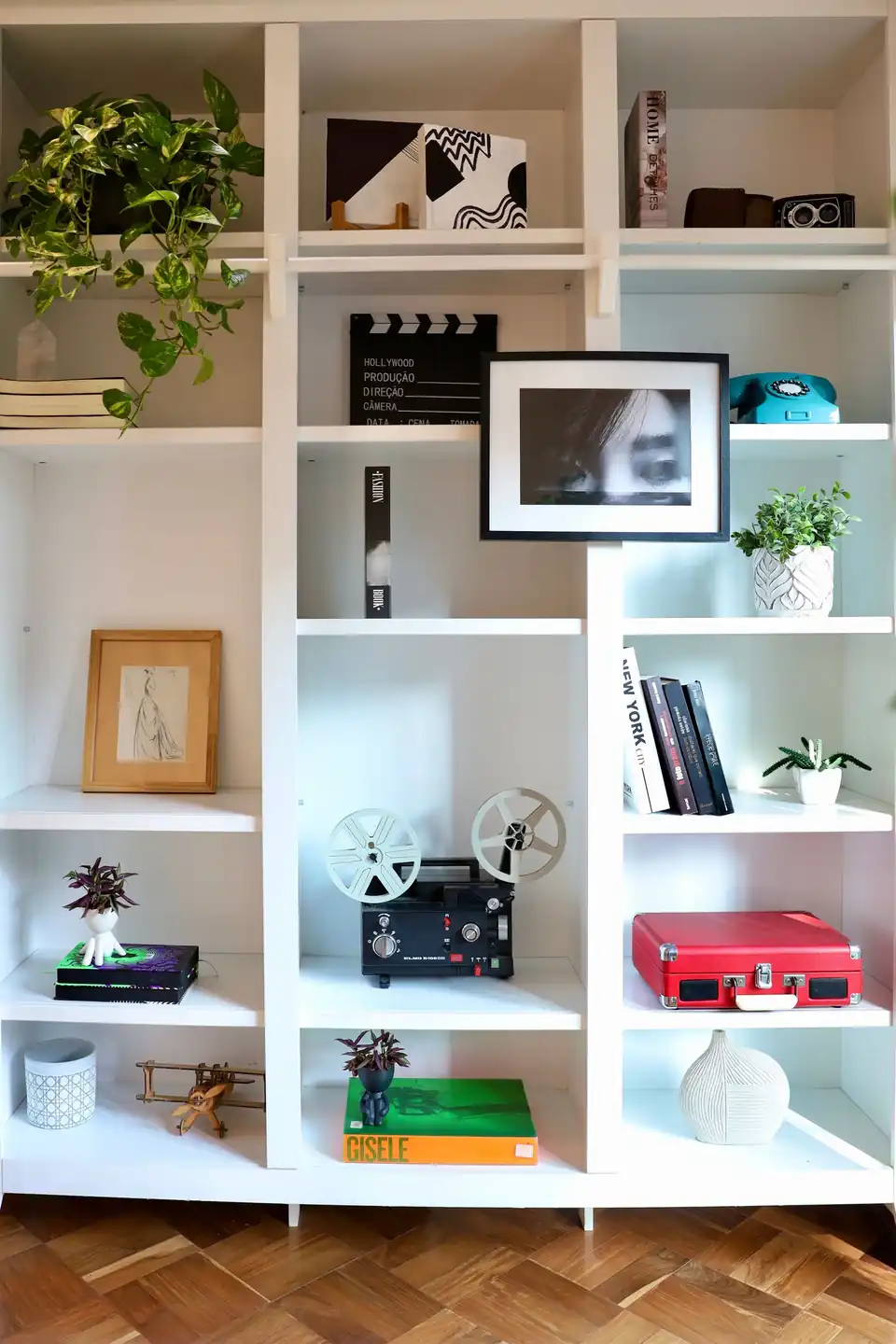
Credit: Flávia Vicentini
| Detail | Vertical Rows | Horizontal Stacks |
|---|---|---|
| Look | Classic library feel, spines in a clean line | Relaxed and styled, more like a display |
| Space | Fits the most books on one shelf | Uses height, holds fewer books overall |
| Best for | Big collections and reference books | Large art books and favorite reads |
| Styling room | Little space left for objects | Flat top surface for vases and art |
Most good shelves mix both, standing rows for the collection and one flat stack where an object needs a stage. The stack breaks the rhythm in a good way and gives the eye a place to land. Try one stack per bookcase before judging the look from the doorway.
Plants Among The Books

Credit: George Milton
Do:
- Do trail a pothos from the top shelf so vines soften the top edge.
- Do slide one small pot into an existing gap between book groups.
- Do set a saucer under every pot to protect the wood.
- Do choose low light plants like pothos and snake plants.
Don’t:
- Don’t water in place; carry pots to the sink to drain.
- Don’t let vines cover the spines you reach for every single week.
- Don’t crowd three plants on one shelf; one green moment is plenty.
Plants bring the one thing books cannot: movement. A leaf shifting in a draft makes the case feel alive, and green sits quietly beside any cover color. Keep the count low and watering careful, and shelves stay a library, not a jungle.
Shelf Styling Quick Facts
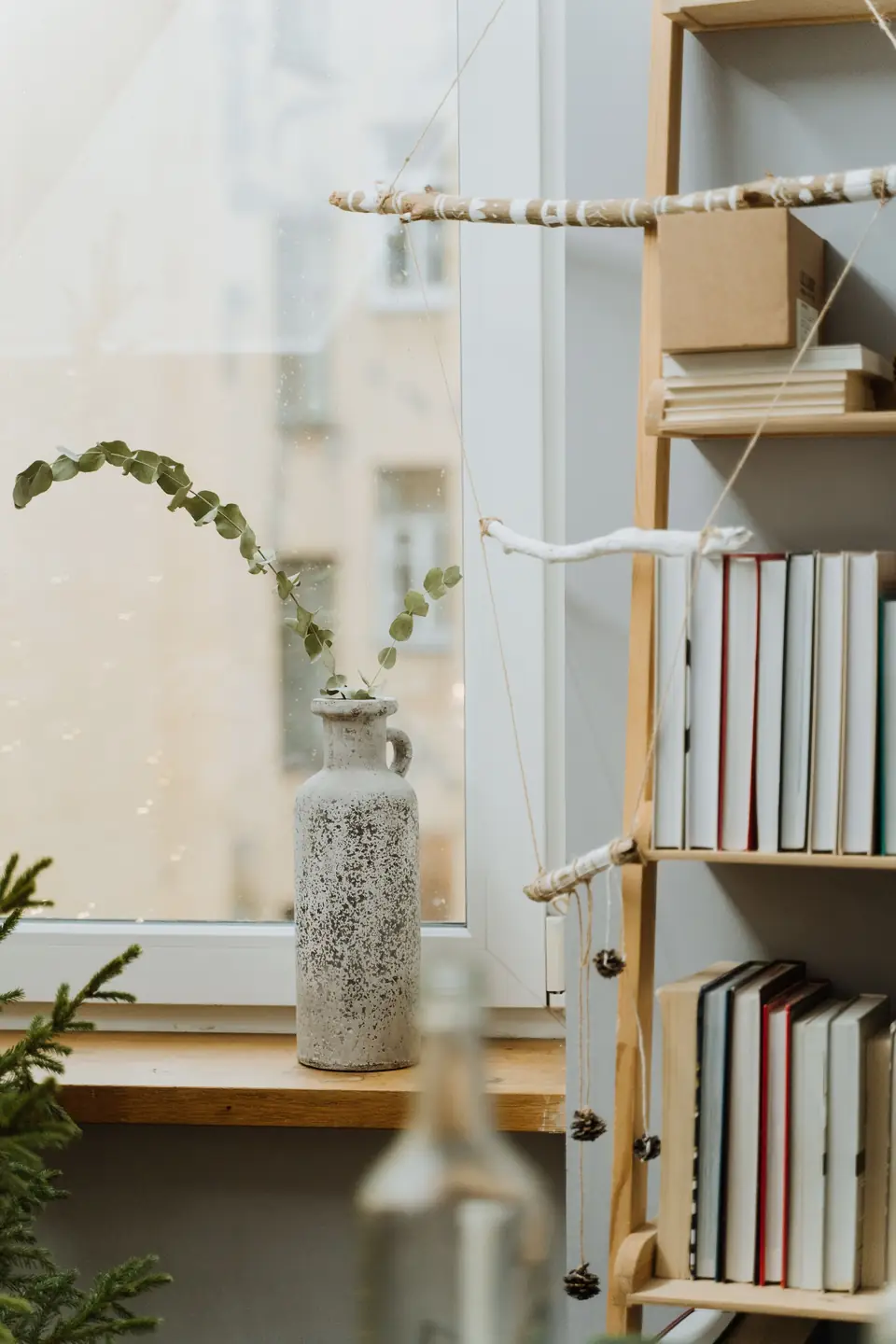
Credit: cottonbro studio
Cost: Mostly free, since you are rearranging books and objects you already own.
Time: One afternoon for a full bookcase, working shelf by shelf.
Skill Level: Beginner; a step stool and a soft cloth are the only tools.
Best For: Living rooms where the bookcase is the first thing guests see.
Styling a bookshelf asks for editing, not shopping. The real work is deciding what stays, what moves to another room, and what finally leaves the house for good. That honesty is why the result lasts longer than any store bought display. Start at eye level, work downward, and let each finished shelf set the standard for the next one below it.
Baskets And Storage Boxes
Credit: Keegan Checks
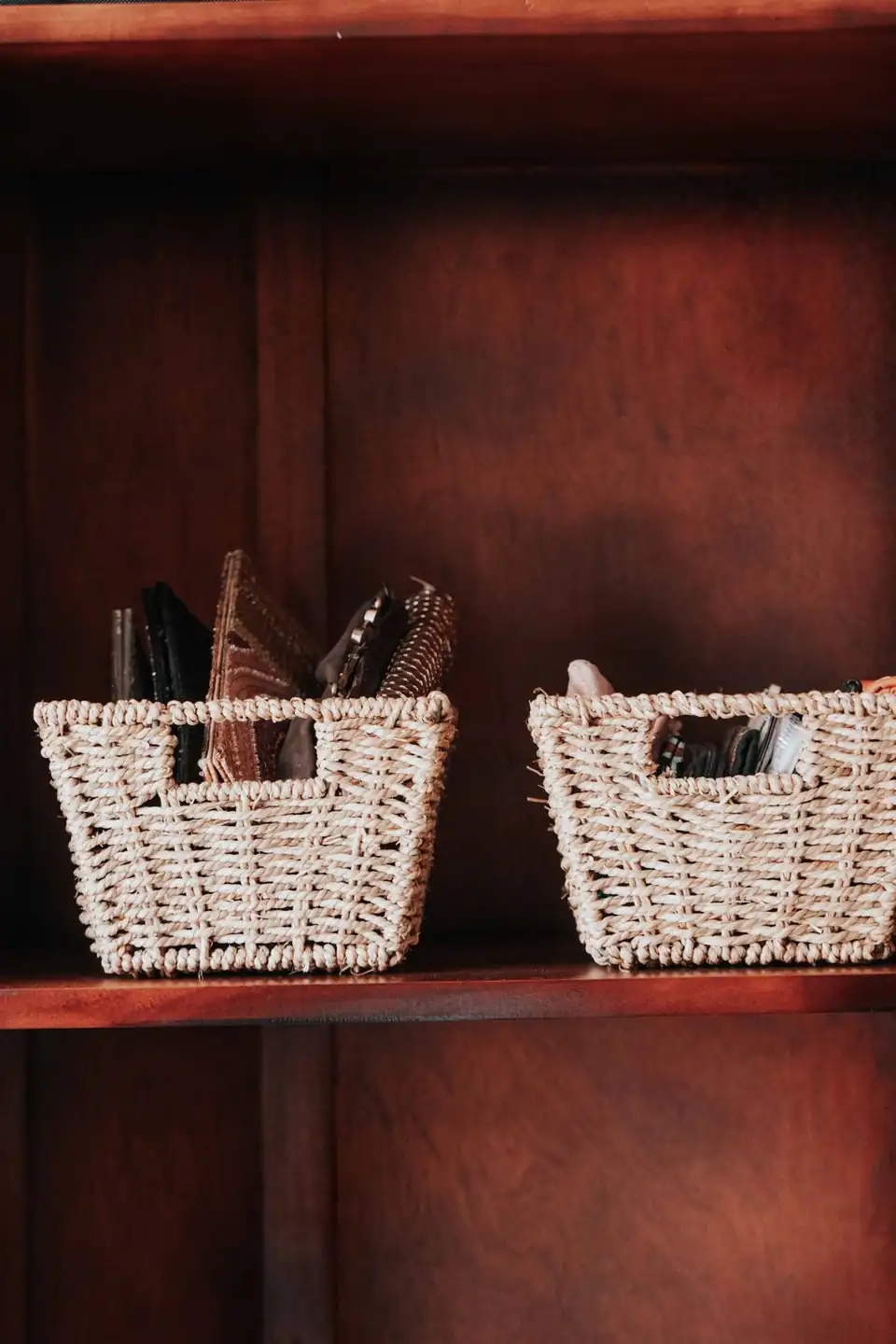
Some shelf clutter is worth keeping but not worth seeing. Remotes, coasters, reading glasses, and the household tape measure all need a home that hides them from view. A woven basket or a lidded box on a low shelf swallows the mess quietly and adds the texture that flat book spines cannot give a display.
Match the container to the shelf’s color family so it reads as part of the design, not as an apology. One basket per bookcase is usually enough, because two starts to look like storage again. Skip the labels, too. The box nearest the reading chair becomes the everything box within a month no matter what the label promised.
Bookends That Earn Attention
Credit: Antoaneta Mehandova
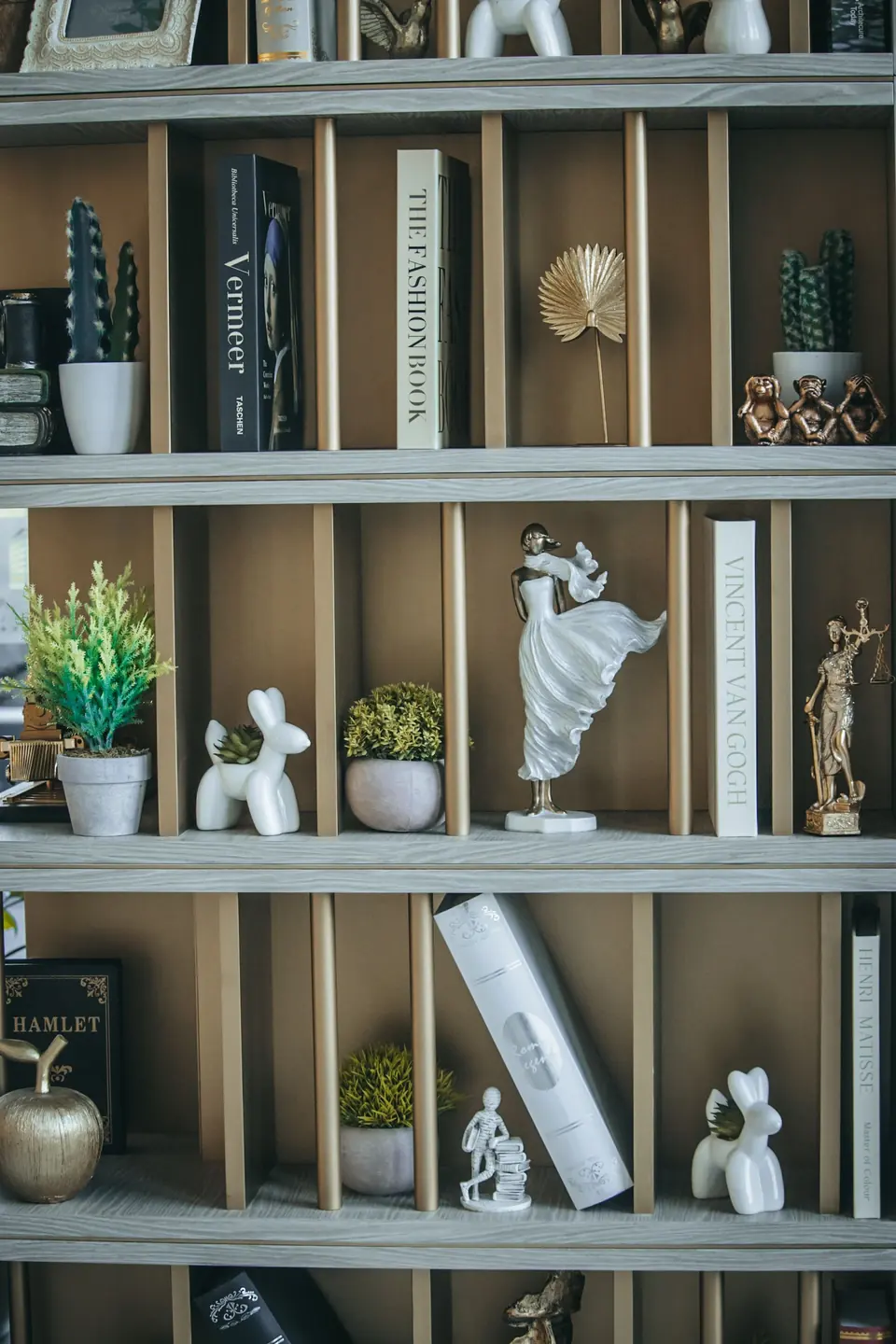
- Choose one heavy bookend with real presence: brass, stone, or carved wood all hold their ground.
- Let the other side of the row be a flat stack of books acting as its own end.
- Match metal bookends to the lamp or the hardware already working in the room.
- Skip novelty shapes that fight the books for attention every time you glance over.
- Test the weight in your hand; a bookend that slides is decor, not equipment.
Bookends are the jewelry of a bookcase, small but noticed by everyone. One strong pair can hold a whole shelf’s style together, especially at the end of the row nearest the door. Weight matters more than looks, because a bookend that creeps sideways gets straightened daily and cursed weekly.
One Vase, Big Impact
Credit: Candelaria G
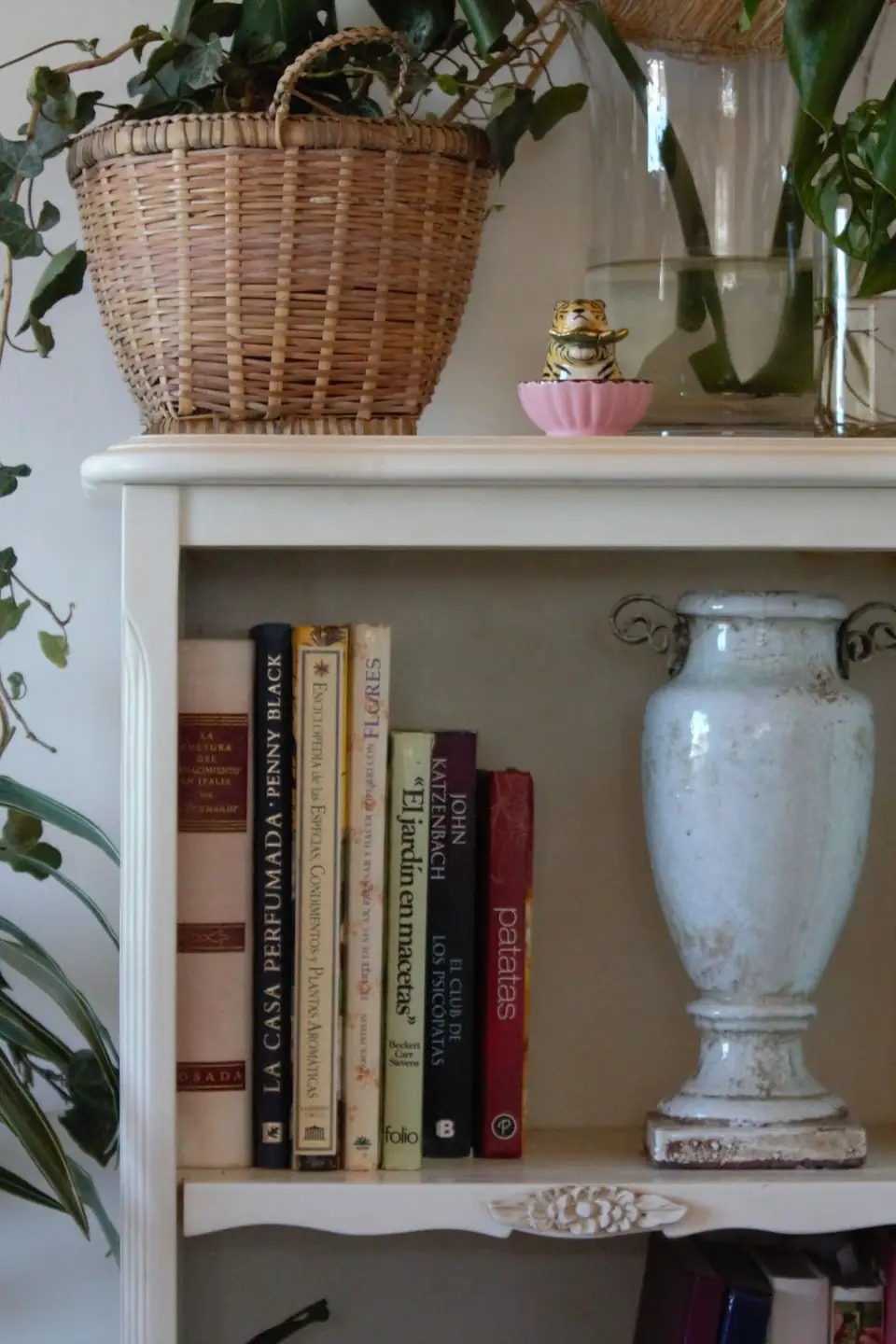
Quick Tip: Place one empty vase on a shelf and leave it empty on purpose. The shape alone gives the eye a resting place between busy spines, and the negative space inside the arrangement keeps the shelf from feeling like storage.
A single vase works because everything around it is rectangular. Books, shelves, frames, and boxes all speak in straight lines, so one calm curve changes the whole conversation. Choose a matte finish that absorbs light instead of throwing it back, and size the vase near the height of the books beside it. Clay, stone, and frosted glass all behave well here, while shiny chrome tends to shout. Let it stand alone for a week before adding anything near it; most shelves need less than their owners think.
Dark Corner To Bright Shelf

Credit: Ricky Esquivel
BEFORE: The corner bookcase stood in the room’s shadow all day long. Dark wood, dark covers, and no light of their own made the shelves disappear into the wall, and the books sitting on them went unread for months at a time.
AFTER: A small lamp on the middle shelf and pale stone bookends changed the math completely. The lightest covers moved down to the darkest rows, and the corner now glows like a shop window at dusk when the lamp clicks on.
Shelves fail in dark corners because books absorb what little light ever arrives there. Bring the light to the shelf instead of waiting for the room to provide it. Battery puck lights work where no outlet exists, and a set costs less than one new hardcover.
Group Objects In Threes
Credit: Sammsara Luxury Modern Home
What You Need:
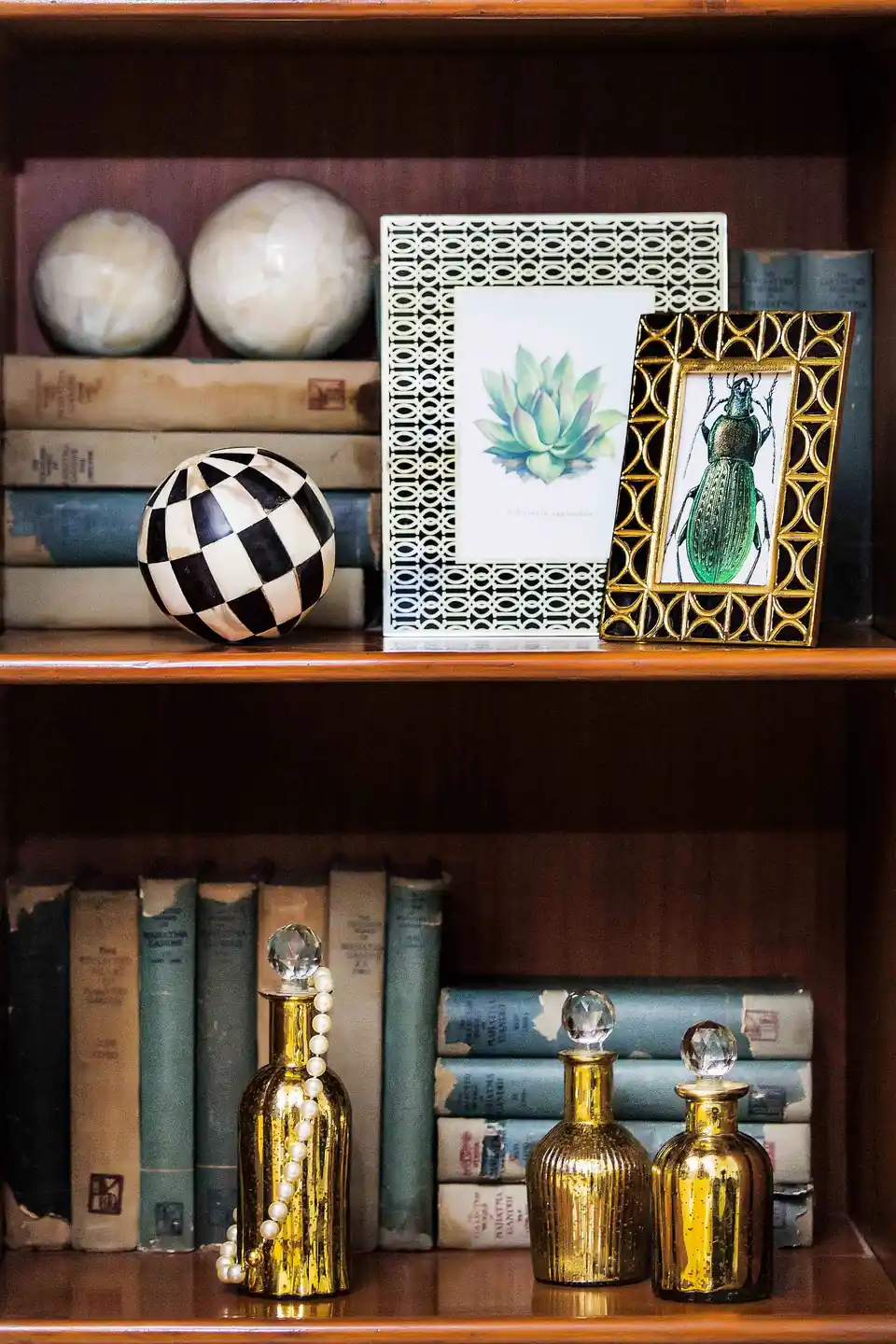
- Gather three related objects: a short stack of books, a small plant, and one framed photo.
- Set the tallest item at the back of the group, slightly off center.
- Place the medium item in front of it and a little to one side.
- Finish with the smallest item, overlapping the medium one’s edge just a touch.
- Leave clear space on both sides so the group reads as one shape.
Groups of three look arranged without looking stiff, which is why stylists love them. The same rule anchors most good bookshelf decorating ideas: odd numbers, varied heights, and one shared color or material tying the group together. Stand back and squint. A good group reads as a single shape, not three separate things competing.
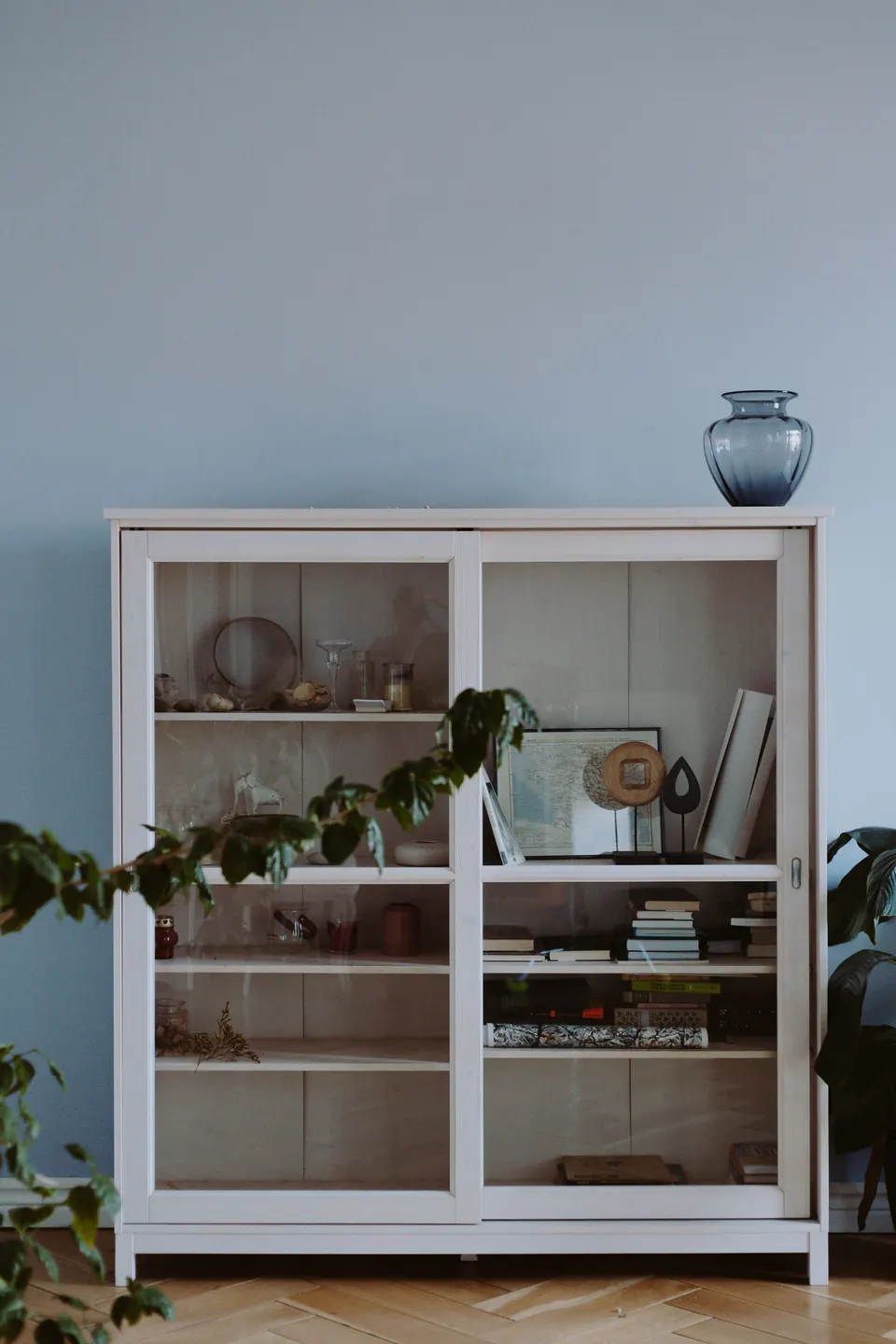
Glass Versus Wood Shelves
Credit: cottonbro studio
| Detail | Glass Shelves | Wood Shelves |
|---|---|---|
| Light | Lets light pass through every level | Shadows gather on the lower shelves |
| Strength | Fine for paperbacks, risky for heavy sets | Holds full encyclopedia sets without flexing |
| Style fit | Modern rooms and small collections | Classic rooms and serious libraries |
| Upkeep | Shows dust and fingerprints quickly | Hides dust, needs polish twice a year |
The honest answer is that most homes suit wood for the main collection and glass only where display matters more than storage. Glass earns its upkeep near a window, where the light it passes through the shelves is the whole point of choosing it.
Reading Nook Beside Shelves

Credit: miniperde
Do:
- Do angle a chair toward the shelves, close enough to touch the spines.
- Do keep a small side table beside it for a cup and reading glasses.
- Do aim one warm lamp at the chair, not the ceiling.
- Do leave a folded throw over the chair arm for cold evenings.
Don’t:
- Don’t block a full shelf with the chair back; keep every book reachable.
- Don’t let the nook become a dumping corner for bags and coats.
- Don’t choose a chair so deep that standing up feels like a workout.
A nook turns storage into a destination, the same comfort first thinking behind guest bedroom decor ideas, just scaled to one chair. Once the chair lands, shelves get styled more often, because someone sits and looks at them.
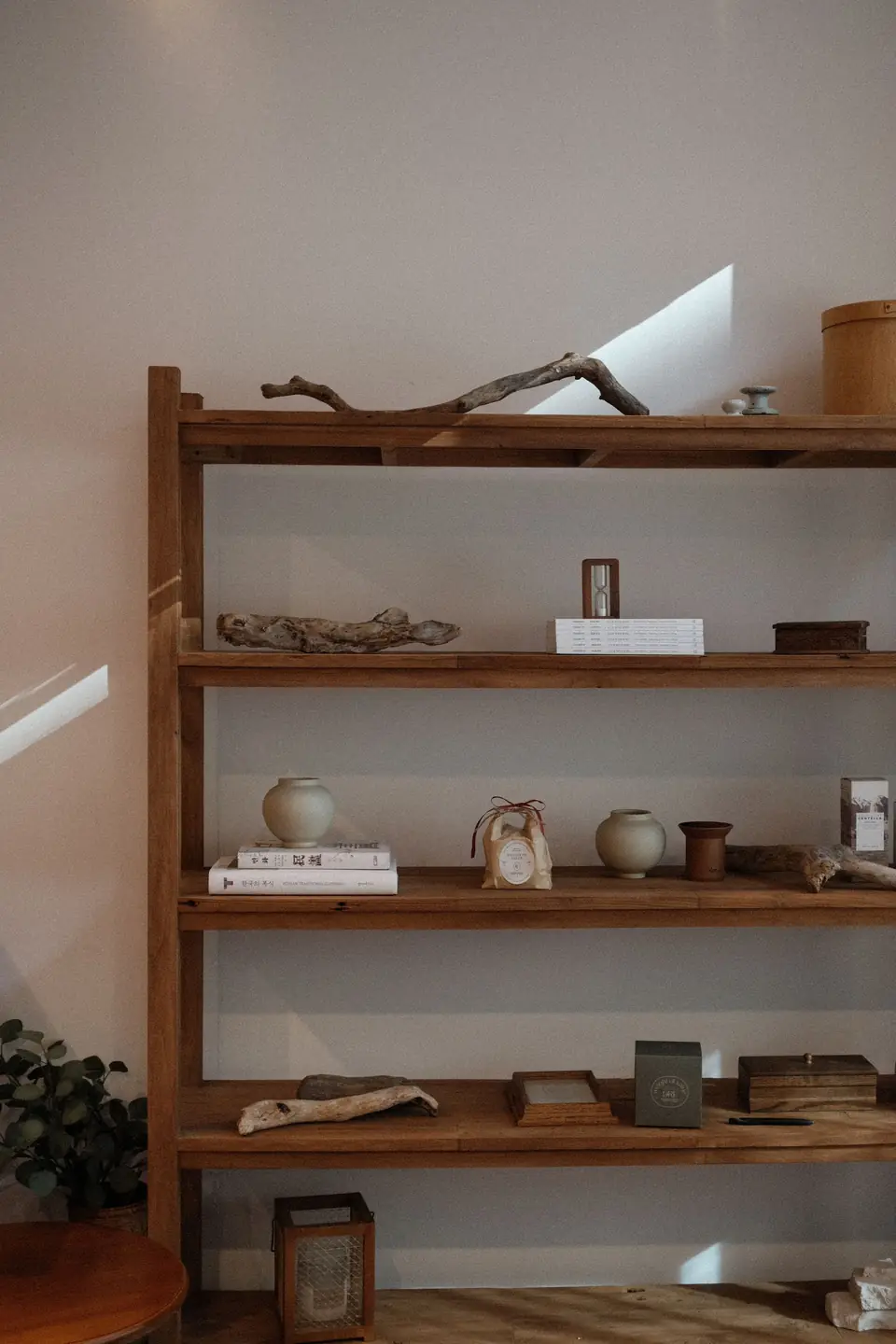
Small Shelf Quick Facts
Credit: Little forest 작은 숲
Cost: Under twenty dollars if you add one thrifted frame or basket.
Time: About thirty minutes for a two shelf case, start to finish.
Skill Level: Beginner; the only real skill involved is honest editing.
Best For: Hallways, bedrooms, and rented rooms with one small case.
Small shelves punish clutter faster than big ones, because every object takes a bigger share of the view. Edit twice as hard as you think you should, and keep one shelf nearly empty on purpose. That restraint is what makes visitors ask who styled it for you. I’ve seen this work well in many cases, and the smallest bookcase in the house often ends up the most photographed.
Mix Old And New Pieces

Credit: Taryn Elliott
A bookcase filled with only new objects looks like a shop window, and one filled with only old objects looks like an attic clearing itself out. The mix is where the personality lives. A flea market brass lamp standing beside this year’s novels tells a story that neither the lamp nor the novels could tell on their own.
Aim for roughly one old piece in every three on a shelf. Let the vintage item be the one carrying patina or a family story, and keep the newer pieces quiet around it so it can be heard. I’ve noticed the shelves people linger at longest always mix decades this way, old wood against new ceramic, worn leather against fresh linen.
Leave One Shelf Half Empty

Credit: Ron Lach
- Clear one full shelf down to a single stack of books and one object.
- Choose the shelf at sitting eye level, where the calm will be noticed most.
- Let the empty shelf sit right beside your fullest one for honest contrast.
- Resist refilling it for a full month, however tempting the space looks.
- Borrow the space only when something truly earns the spot over time.
An almost empty shelf is the loudest styling statement a bookcase can make. It proves the fullness everywhere else is a choice, not an accident or a storage shortage. Guests read it as confidence, and honestly, it is also the easiest shelf in the house to dust.
Candlelight On The Shelves

Credit: Wolf Art
Quick Tip: Set one candle in a heavy glass holder on a middle shelf, well away from book spines, and light it only while you are in the room. The flicker moving against the rows makes the whole bookcase feel like evening inside an old library.
Candlelight flatters books the way it flatters faces, warming their colors and softening worn covers and faded gilt. Keep the flame low, the holder heavy, and paper at a safe distance, or choose a good flameless candle for the same glow with none of the worry. Either way, the shelf becomes the room’s evening anchor, the place eyes land when the lamps feel too bright and the day needs a softer ending.
Packed Wall To Open Display

Credit: Francesco Ungaro
BEFORE: Every shelf on the living room wall was packed tight, edge to edge. Cookbooks stood beside tax guides, wedding gifts filled the gaps, and nobody could find a single title without pulling six books out first and losing the place.
AFTER: Half the books moved to bedroom shelves, and the wall case kept only the best looking third of the collection. Objects finally had room to appear between the rows, and finding any title now takes seconds instead of a search party.
Overflow is the real enemy here, not bad taste. One bookcase cannot hold a lifetime of reading and still look styled, so let other rooms carry their fair share. The wall shelf became the display, and the rest quietly became the library.
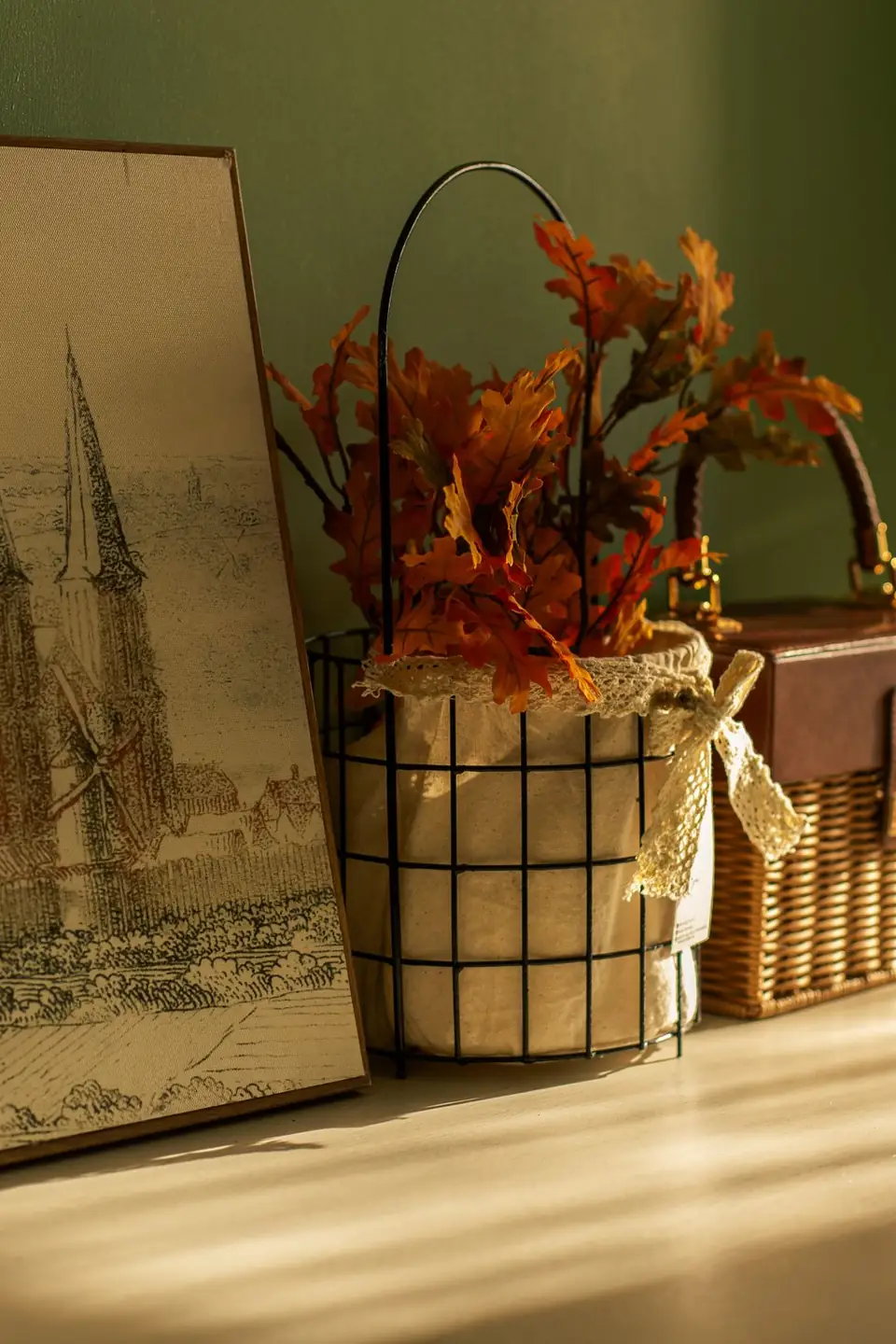
Rotate Displays By Season
Credit: Một Chút Mơ Tiệm ảnh
What You Need:
- Pick one shelf as the seasonal shelf, ideally the one at eye level.
- Box the current objects and store the box where decorations already live.
- Bring in three seasonal pieces, no more, and style them as one group.
- Swap the books on that shelf for covers in the season’s colors.
- Photograph the result so next year’s setup takes five minutes.
A rotating shelf keeps the whole bookcase feeling current without a full restyle four times a year. Small changes register strongly because every other shelf stays familiar around them. Mark the swap on the calendar for the season’s first weekend, next to the clock change, and it actually happens instead of being admired as an idea.
Hardcovers Versus Paperbacks

Credit: Josh Sorenson
| Detail | Hardcovers | Paperbacks |
|---|---|---|
| Look | Structured spines with a strong shelf presence | Softer rows, spines vary in height |
| Styling | Stand tall in rows and flat stacks | Group by color to calm the mix |
| Durability | Survive decades of regular handling | Covers bend and crack over time |
| Cost | Pricier, usually bought to keep | Cheaper, easy to pass along |
Neither format wins the shelf outright, whatever the purists claim. Hardcovers give a display its structure and presence, while paperbacks bring the honest, lived in feeling of a house that actually reads every day. Mix them with intention and the shelf tells the truth about your reading life.
Conclusion
Styled shelves quietly change how a whole room behaves. People sit nearer to them, read more from them, and photograph them without ever being asked. Start with one shelf, the worst one, and give it an honest edit this week: books first, objects second, and empty space left on purpose. Save these bookshelf decorating ideas to your Pinterest board before the weekend, try two or three of them on Saturday, and share a photo of the shelf that finally feels like yours. Small shelves, styled with care, carry a room further than most new furniture ever will.