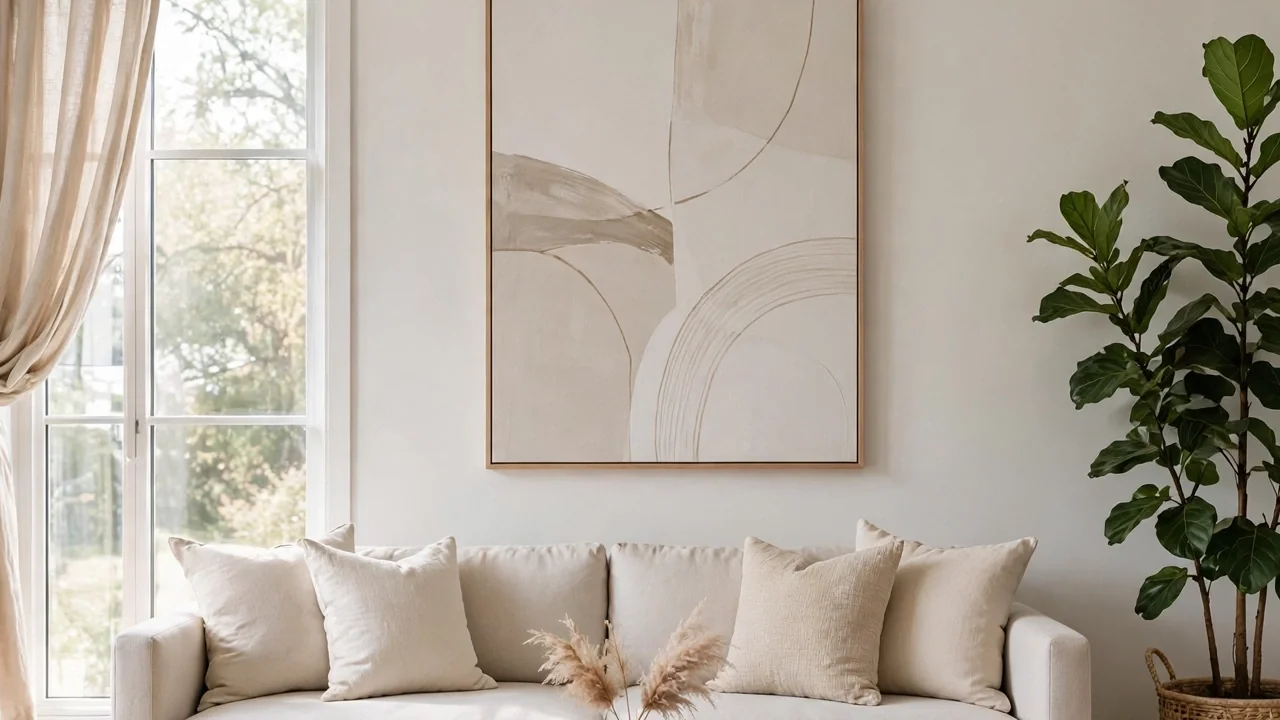
How to Decorate Around an Awkwardly Placed Window
You walk into a room and something feels off, but you cannot quite name it. Often the culprit is a window stuck in the wrong spot, and how to decorate around an awkwardly placed window is a question I hear from frustrated homeowners all the time. The good news is that an oddly placed window does not doom your whole wall. You just need the right tricks to make it look intentional.
These ideas work for tiny corner windows, off-center openings, and glass that sits too high or too low. In my experience, the moment a window stops looking like a mistake, the whole room feels polished. For a related trick, see my guide on how to make a narrow entryway look wider.
Why Awkward Windows Feel Wrong
A window in the wrong place throws off the balance your eye expects. Walls feel lopsided, art placement gets confusing, and the room can seem unfinished when everything else looks great. Most people assume the window itself is the problem.
The real issue is usually composition, not the window. Your brain reads a wall as a canvas, and a lone window floating off to one side breaks that picture. Once you understand this, the fix becomes simple. You just give the eye something else to follow so the window feels like part of the plan.
Embrace the Asymmetry
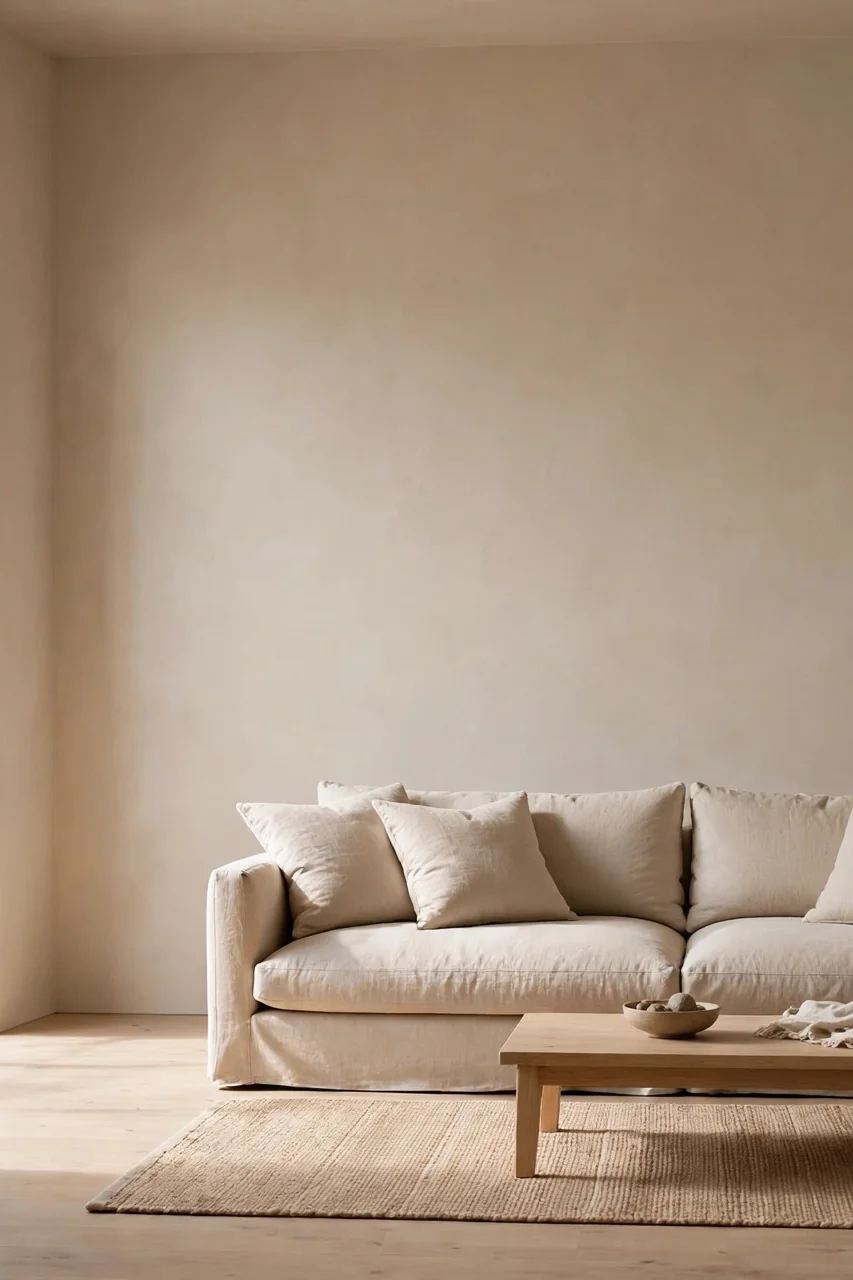
Instead of fighting an off-center window, design around it and let it anchor the room. Asymmetry looks stylish when it appears deliberate. Start by accepting the window as a fixed feature, then build balance on purpose rather than force fake symmetry. Take your time with each step.
- Stand back and view the whole wall from across the room, noting where the window actually sits.
- Place your largest furniture piece, like a sofa or console, offset in the opposite direction to counter the weight.
- Repeat one color from the window area on the opposite side so both sides feel connected.
- Step back again and check whether the wall now feels balanced before adding any art.
Balance With Art
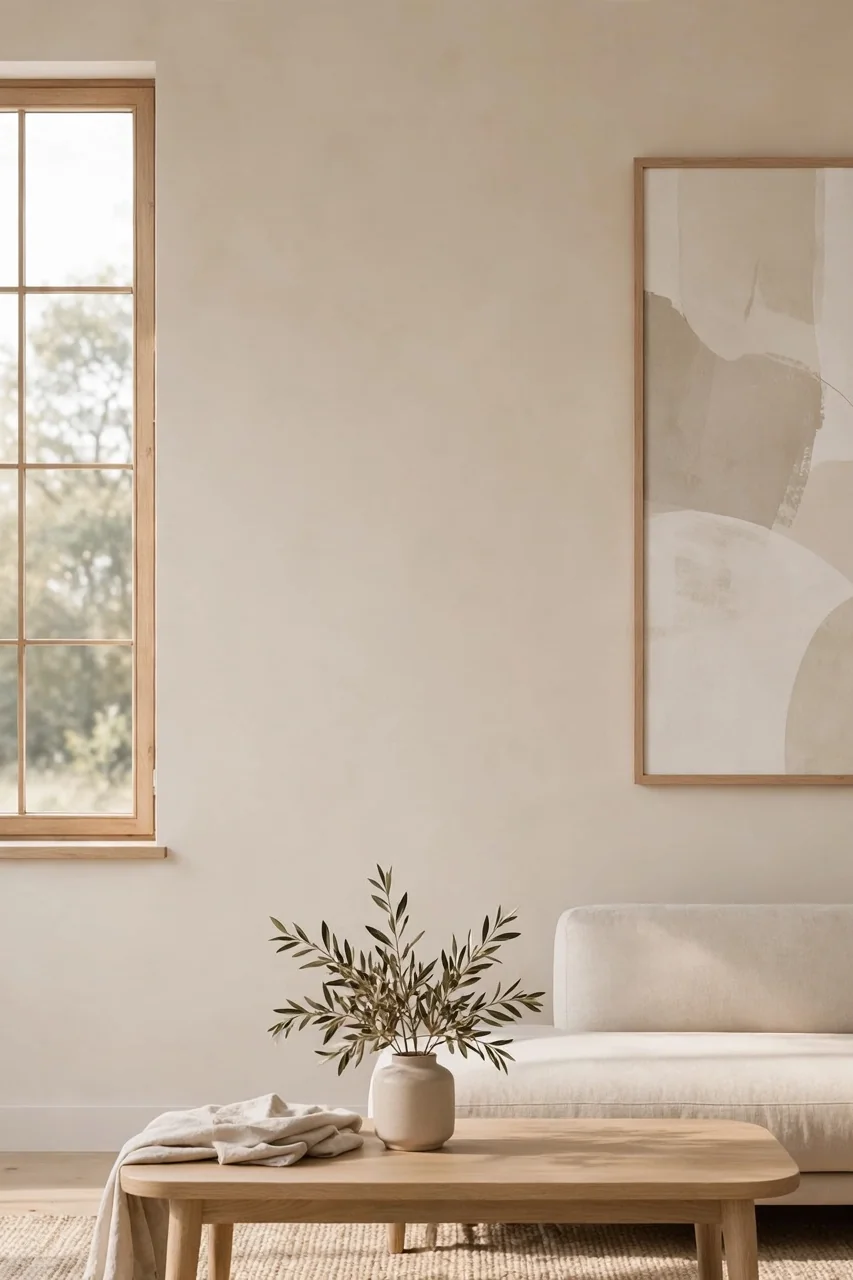
Quick Tip: Hang one larger piece of art on the empty side of the wall rather than a cluster of small frames. A single bold piece holds its own against a window and keeps the wall from feeling busy. Match the frame color to your curtain rod for a pulled-together look.
Art is the fastest way to even out an uneven window. Hang it so its center matches the window’s center height, and leave breathing room between the frame and the trim. This one move makes a strange layout look planned. Choose a frame color that echoes your curtain rod for a pulled-together feel.
Use Curtains to Center
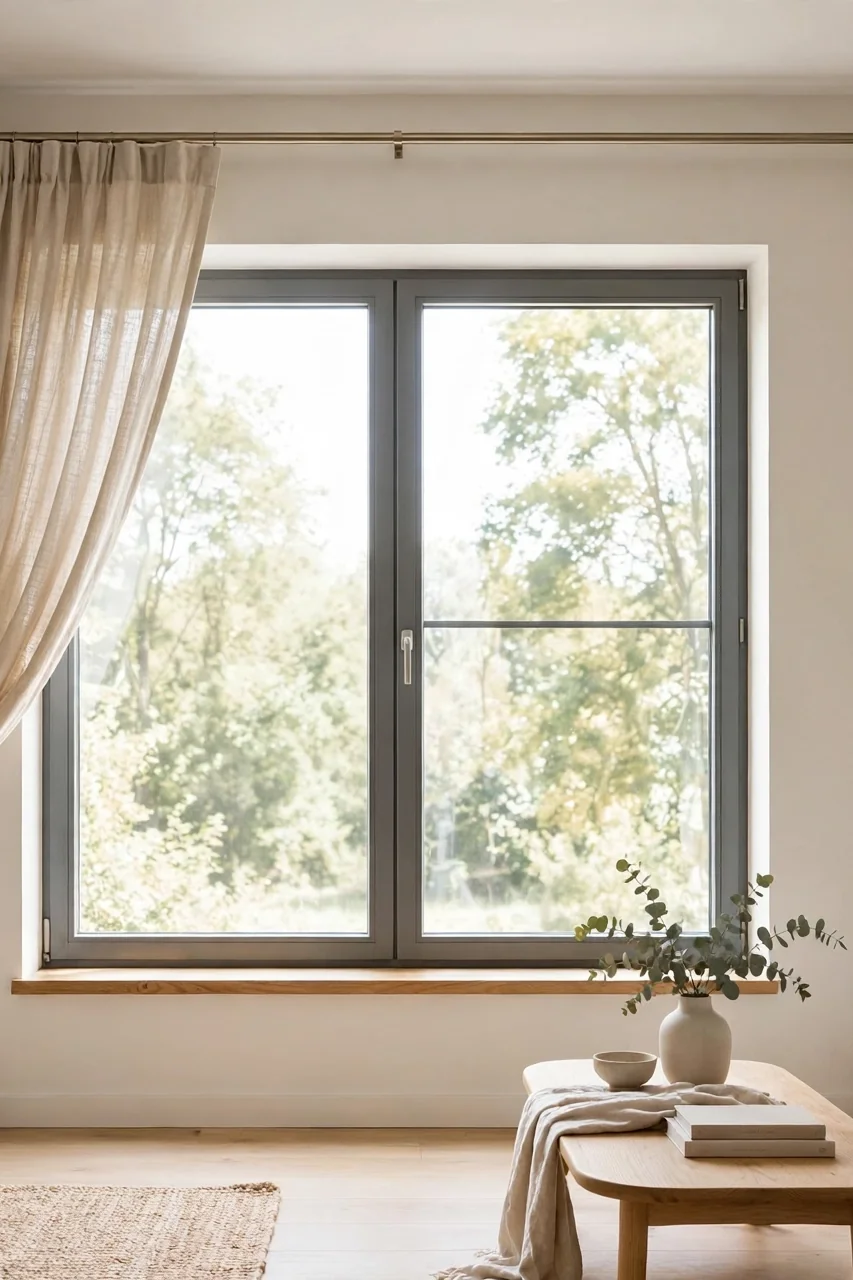
Common Mistake: Most people hang curtain panels exactly the width of the window frame, which just outlines the awkward placement. This draws even more attention to the fact that the window is off-center. The window ends up looking like a lonely island on a big blank wall.
The Fix: Extend the curtain rod well beyond the window on the shorter side to fake a wider, more centered window. Mount the rod closer to the ceiling and let the panels hang to the floor. The eye reads the whole curtained area as one balanced feature instead of a small off-center box.
Curtains are your best disguise for a poorly placed window. Use full, floor-length panels in a color close to your wall paint so the treatment blends rather than shouts. Keep the panels symmetrical even when the window is not, and the wall will finally feel calm.
Add a Tall Plant
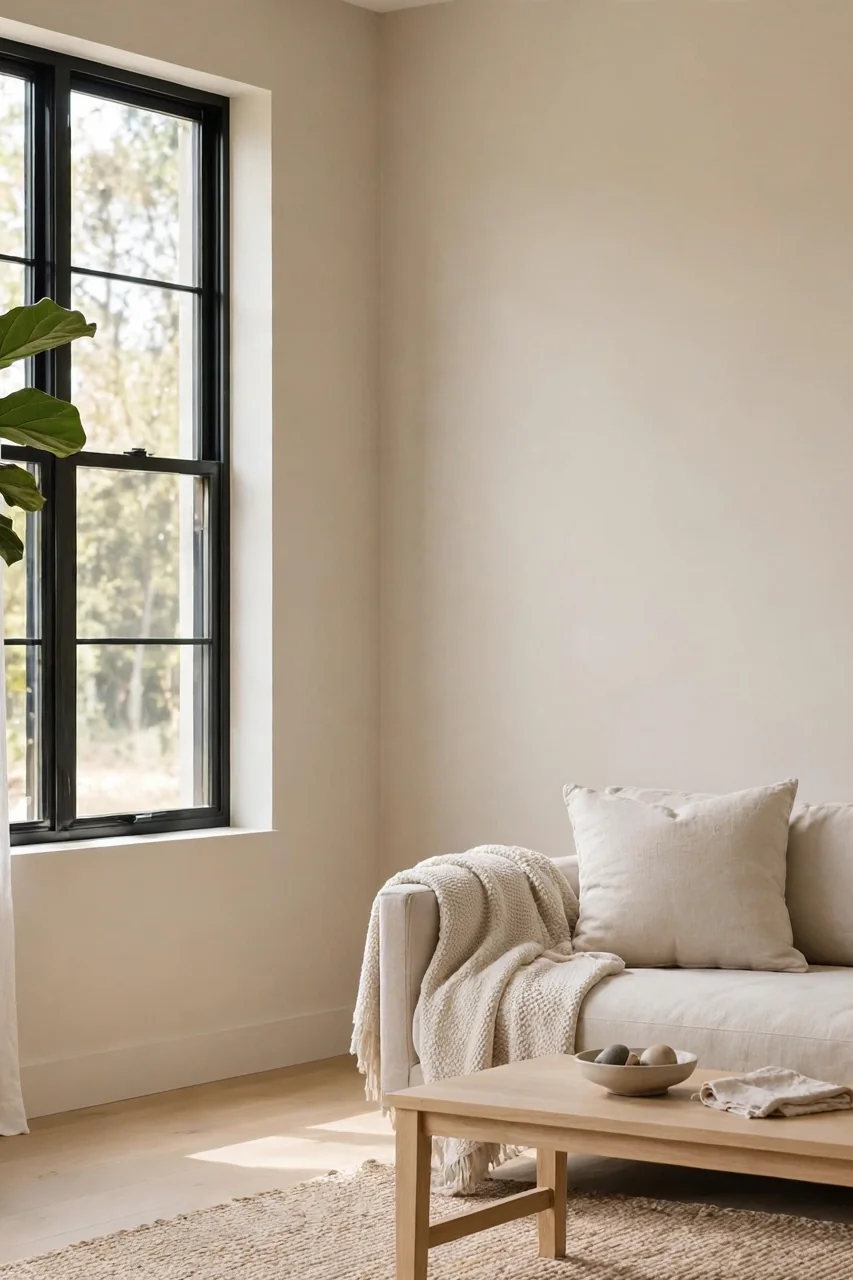
What You Need:
- A tall plant like a fiddle leaf fig or olive tree that reaches near the window height.
- A simple planter in a neutral tone that does not compete with the wall.
- A small saucer or tray to protect your floor from water.
- A light meter app or a sunny observation so the plant gets enough light.
- A step stool for reaching high leaves when dusting.
Plants add life and fill the empty side of the wall without any drilling or measuring. When you learn how to decorate around an awkwardly placed window with a tall plant, the wall suddenly feels full and balanced. Keep the planter simple so the greenery stays the star.
Create a Gallery Wall
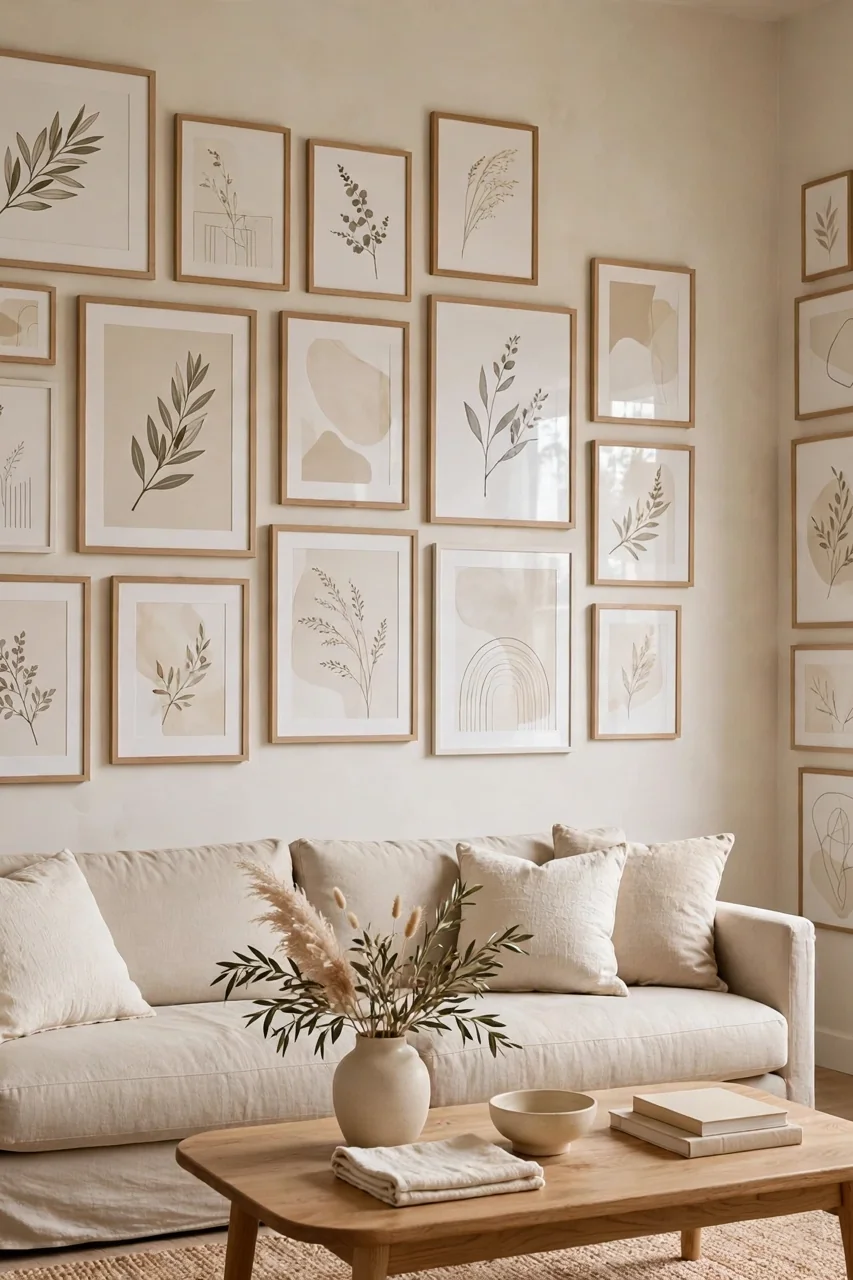
Before: The bare wall around your odd window looks empty and unfinished. The window floats alone and every flaw in the layout shows. Guests notice the strangeness even if they cannot explain it.
After: A gallery wall wraps the window into a bigger composition that feels collected and intentional. The window becomes one element among many, and the wall tells a story. Suddenly the placement looks like a design choice.
Gallery walls forgive almost any window placement. Start the arrangement from the window outward so the glass acts as the anchor piece. Mix frame sizes but keep two colors or fewer for cohesion, and space everything evenly for a calm result. Step back often while hanging to keep the balance right.
Anchor With Furniture
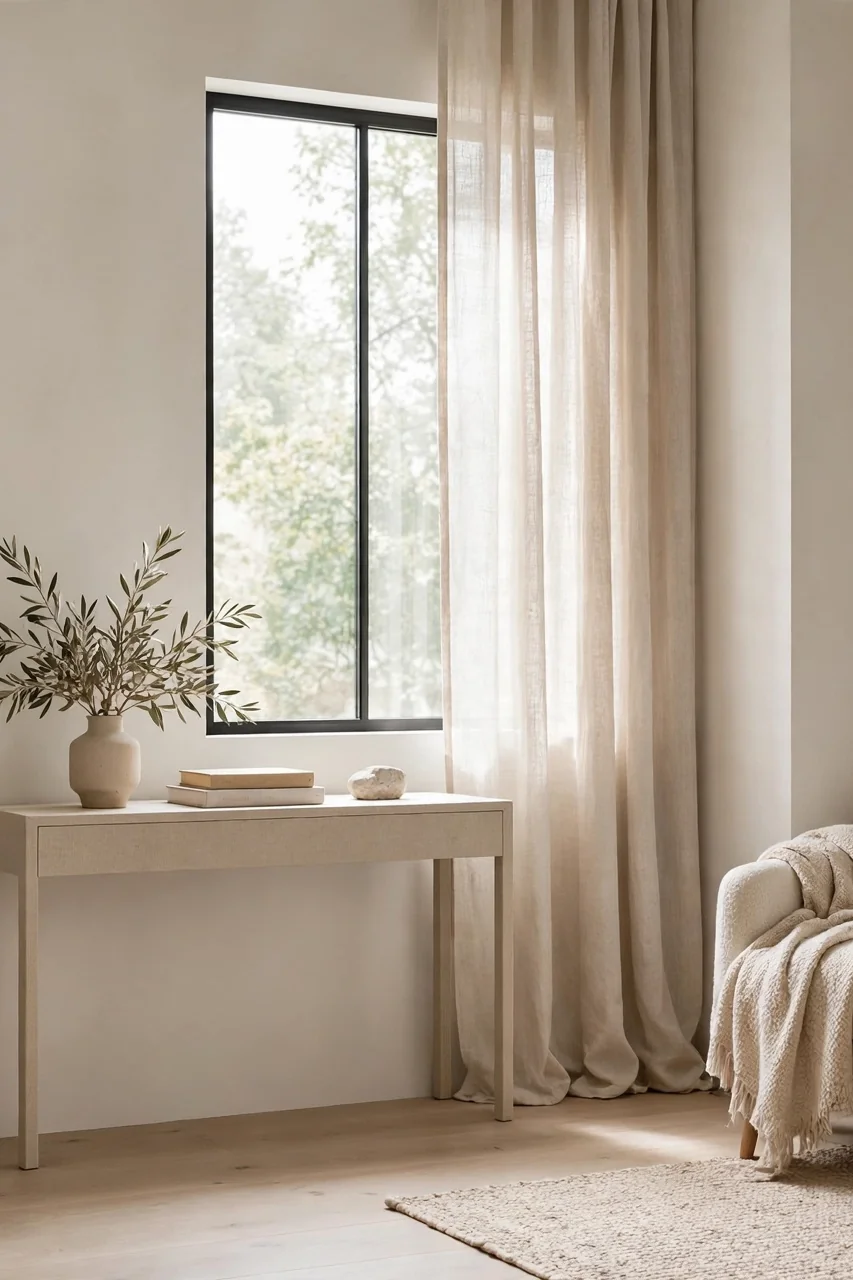
Do This:
- Place a console table or bench under the window to ground it visually.
- Float a reading chair in the room’s empty corner to fill the dead space.
- Use a tall bookshelf on the wall’s bare side to add matching visual weight.
- Angle a floor lamp near the window so light ties both sides together.
Avoid This:
- Do not push every piece of furniture against the walls, which leaves the middle empty.
- Do not use oversized pieces that crowd the window and block its light.
- Do not leave the window wall bare while overloading the opposite wall.
Furniture placement decides whether a window feels stranded or settled. Pull at least one piece a few inches off the wall to create flow and breathing room. When the furniture respects the window instead of ignoring it, the whole layout finally makes sense. Step back and view the room as a whole.
If you also struggle with scattered household items, my guide on how to organize cleaning supplies in a small home can help you clear the clutter first.
Layer Lighting
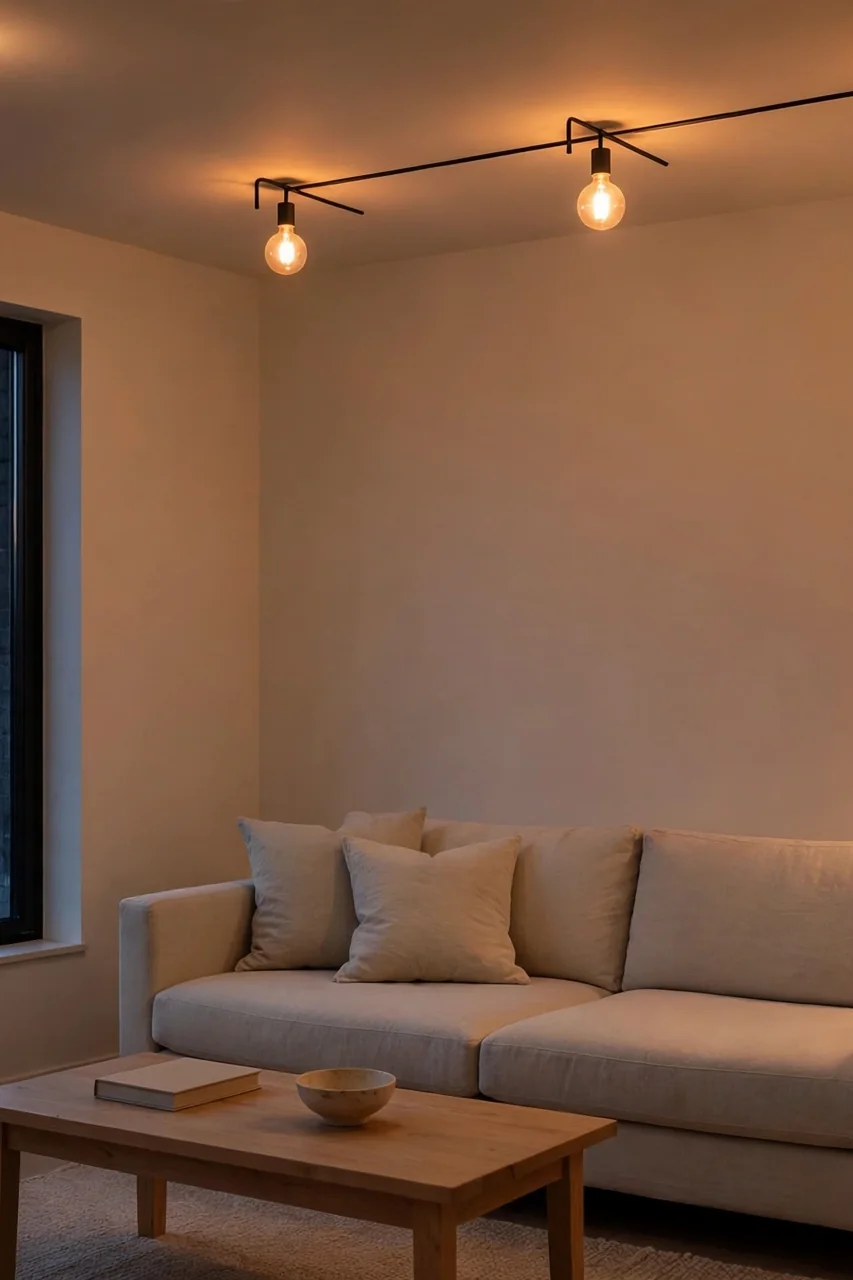
Time Needed: 30 minutes | Difficulty: Easy | Cost: Low
Best For: Evening balance | Tools Required: None
Pro Tip: Match bulb warmth across lamps | Result: Cohesive glow
Lighting pulls a lopsided wall together after dark. Place a lamp on the side opposite the window so brightness balances out across the whole room. Matching warm bulbs across every fixture keeps the mood even, cozy, and intentional from dusk to bedtime. Avoid cool white bulbs that make the wall feel cold.
Common Awkward Window Mistakes
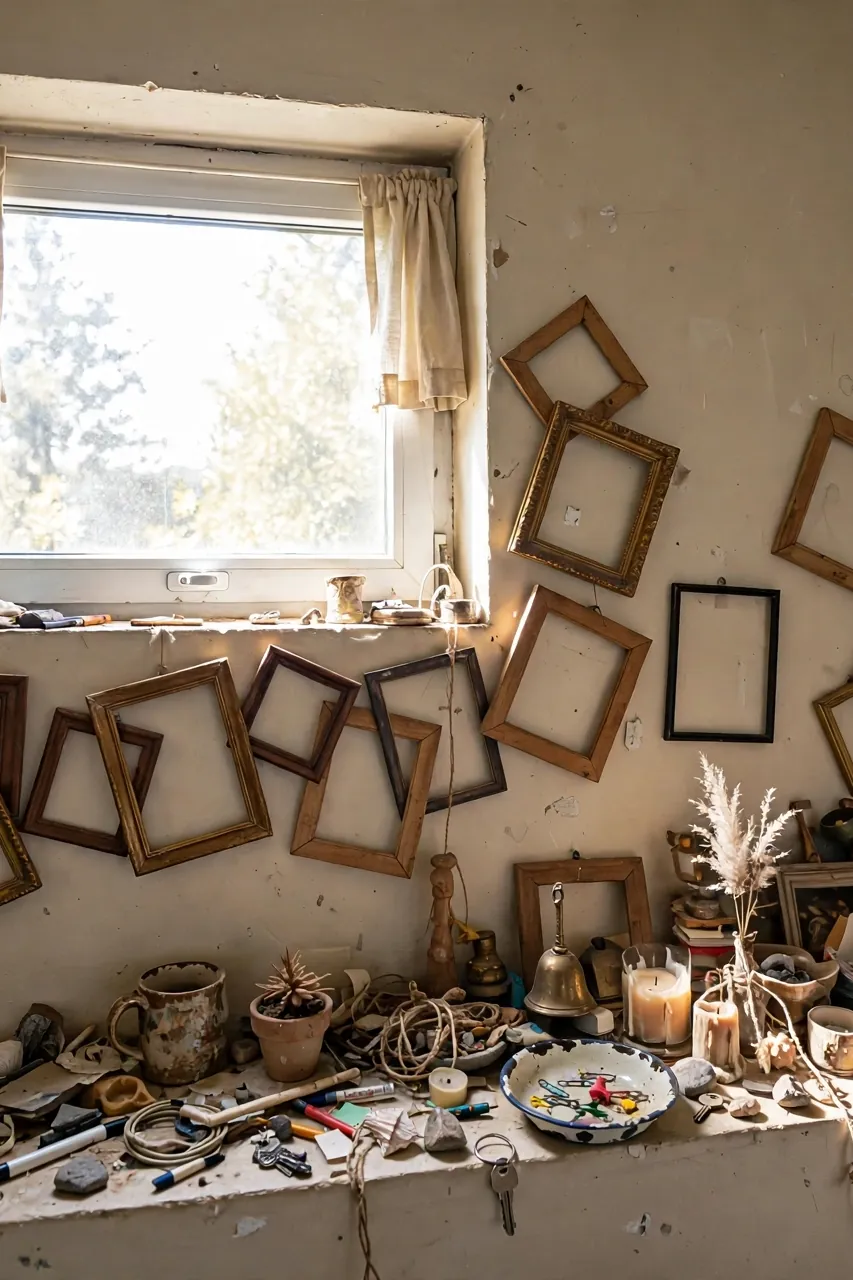
The biggest mistake is ignoring the window and decorating around it like it is invisible. People center art on the wall instead of relating it to the window, which makes the placement look worse. Another common slip is hanging tiny curtains that frame the oddity instead of disguising it.
Overfilling the wall with clutter is the other trap. Too many small objects near a strange window create visual noise that highlights the problem. Keep the styling simple, give each piece room to breathe, and the window will blend into a calm, finished wall.
Pro Tips for Tricky Windows
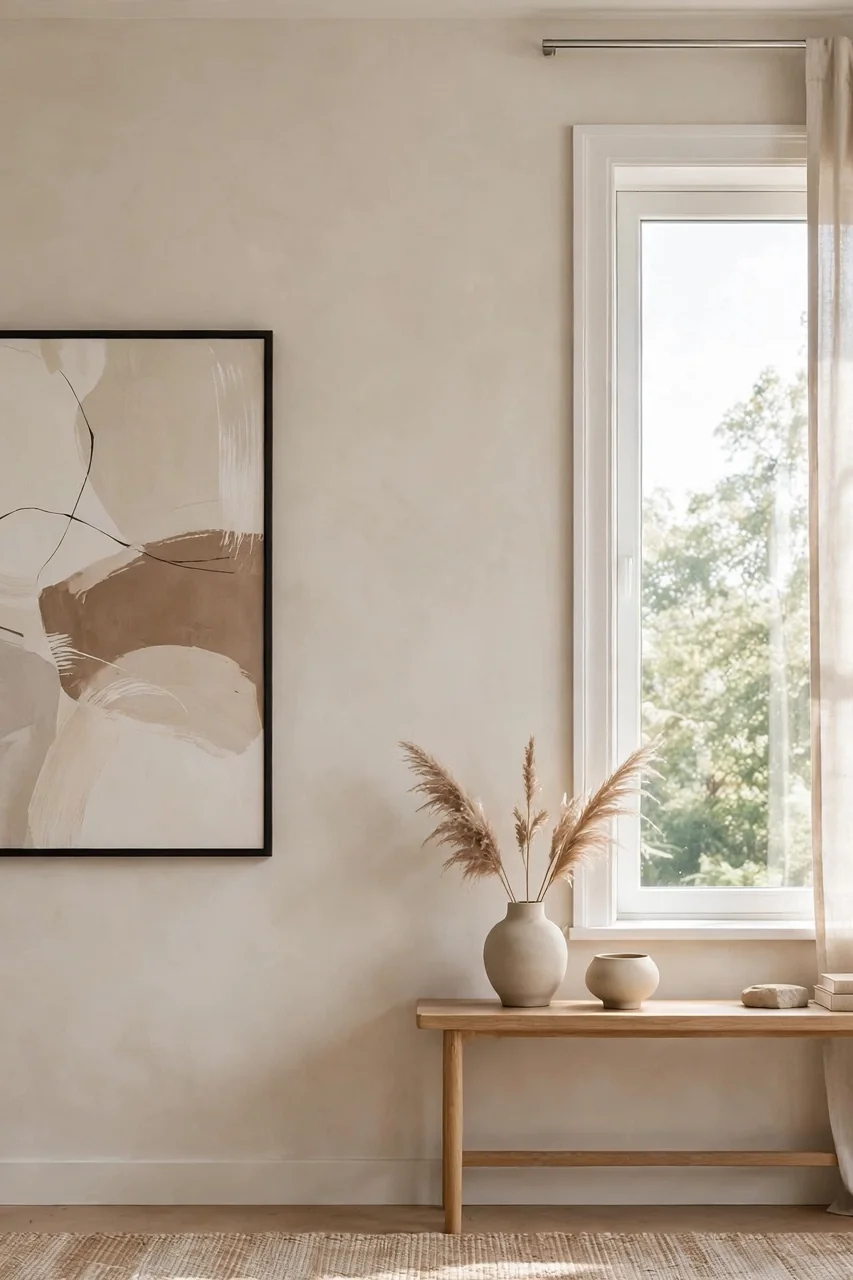
These finishing tips take your wall from acceptable to genuinely beautiful. Each one builds on what you have already done, so apply them in order. Small refinements often make the biggest difference in how the room feels. Take your time with each step.
- Paint the window trim the same color as the wall so it recedes and stops demanding attention.
- Add one statement piece, like an oversized vase or sculpture, on the empty side for bold balance.
- Use a rug to anchor the seating area toward the window so the layout feels connected.
- Live with the result for a week, then tweak one thing at a time until it feels right.
Conclusion
An awkward window does not have to ruin your wall. Once you know how to decorate around an awkwardly placed window, you can turn the strangest placement into a feature that looks completely intentional. Save this guide on Pinterest so you have it handy the next time a room feels off. Try one idea this weekend and notice how much calmer the space feels. I’ve seen this one change completely shift how a room feels, and I believe your room can be the next success story. Start small and enjoy the process.
2 Comments