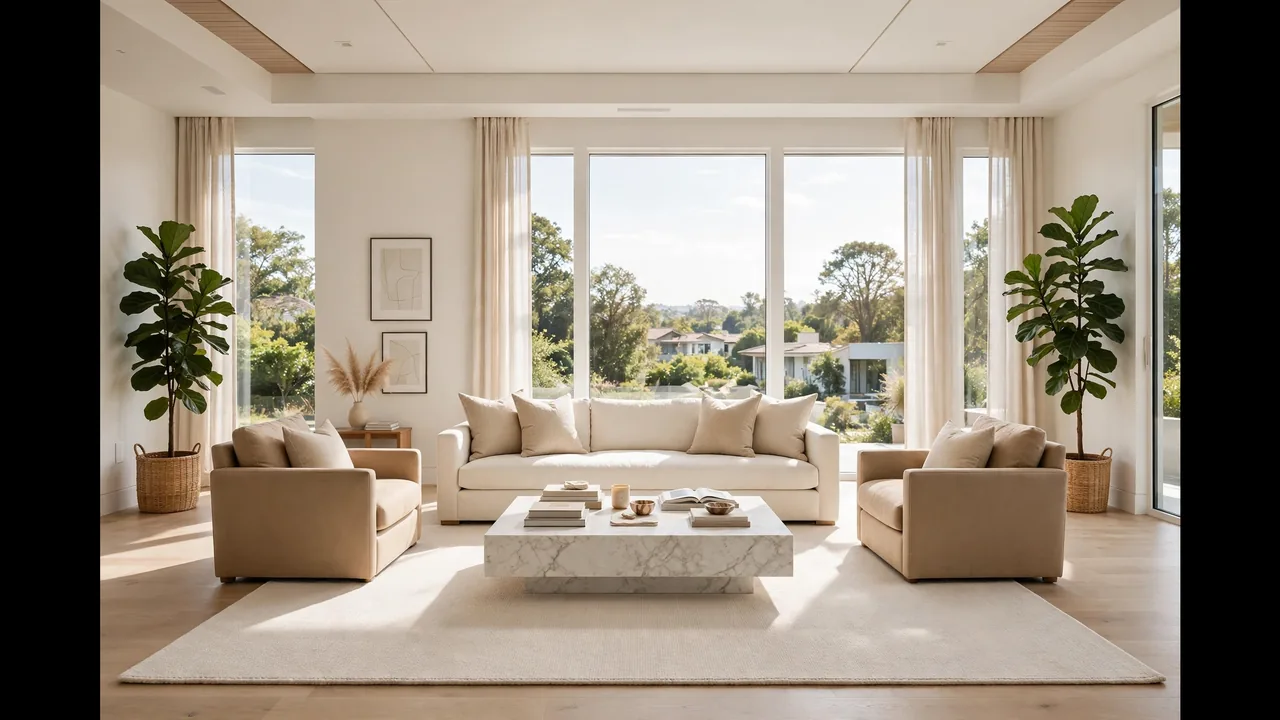
How to Arrange Furniture in a Square Living Room
A square room can feel like the easiest shape to furnish until you try. Learning how to arrange furniture in a square living room the right way turns that boxy space into a room that feels intentional and welcoming instead of flat.
In my experience, most people push everything against the walls and end up with a hollow middle that no one wants to sit in. The fixes below are beginner friendly and cost nothing. Once you see the patterns, you will arrange square rooms with confidence every time.
If your room also has a tricky architectural feature, read how to decorate a living room with a support column for ideas that pair well with these layouts. Now let us walk through the steps that make square rooms shine.
Why Square Rooms Feel Tricky
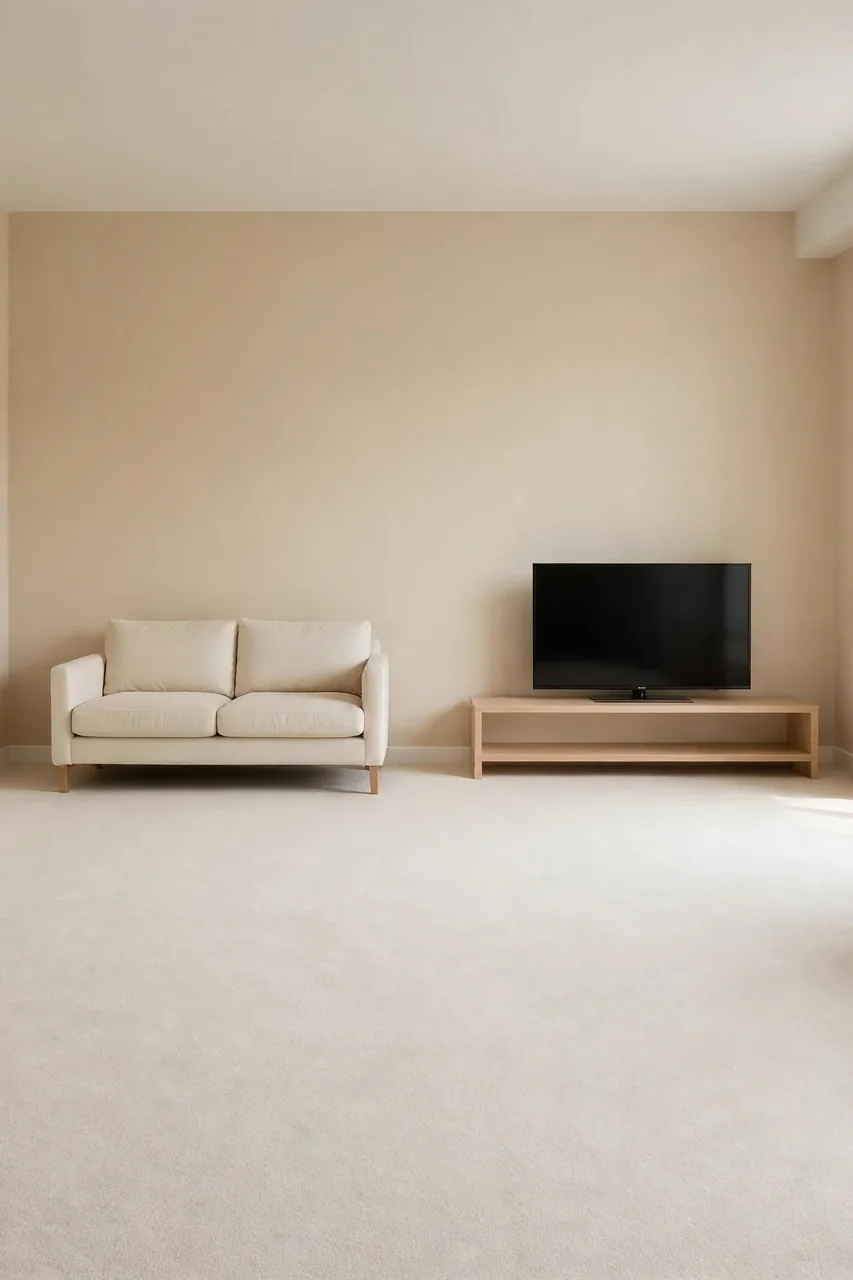
Square rooms lack the natural direction that long rooms give you. Without a clear long axis, furniture drifts to the edges and the middle sits empty, which makes the space feel both crowded and unfinished at the same time. It is a shape problem, not a taste problem.
The good news is that square rooms are actually flexible, often more so than narrow ones. Once you give the room a center and a clear purpose, the same four walls start working for you. These steps will show you exactly where to begin.
Find Your Focal Point
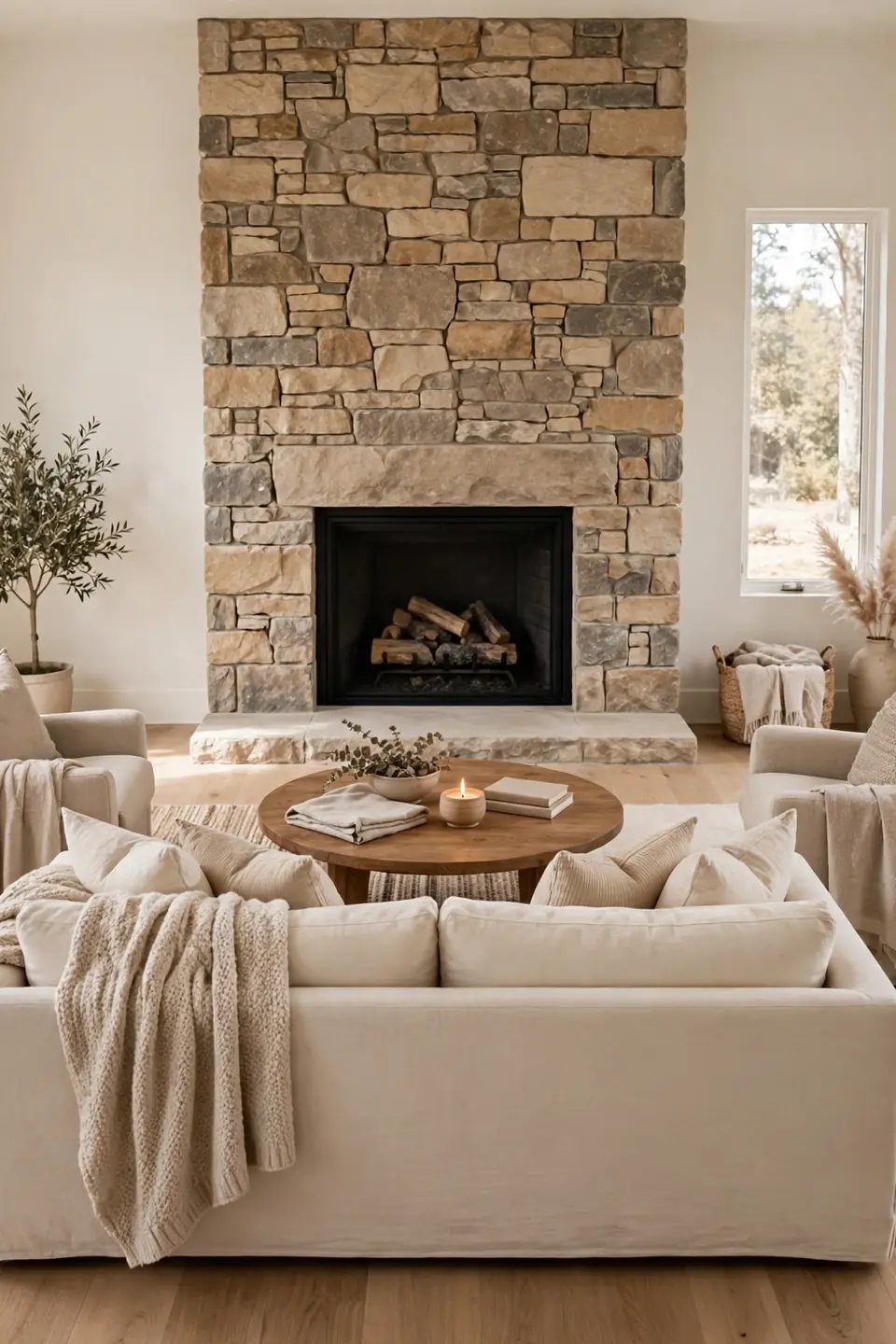
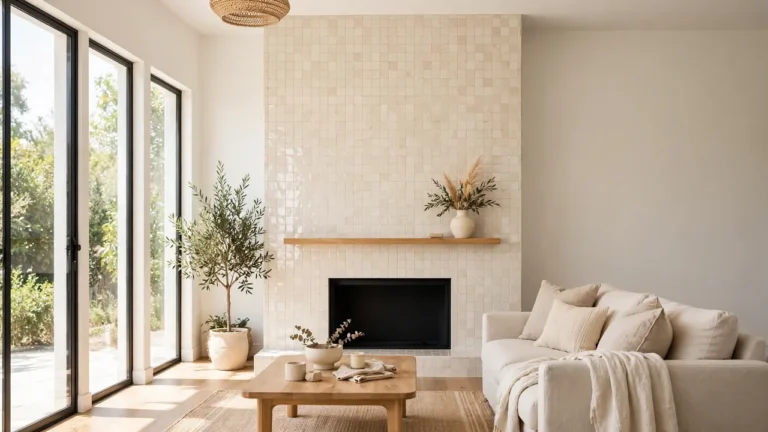
Every good layout starts with one star of the room. A focal point tells your furniture where to face, and without one every chair feels lost. Pick the strongest feature you already own and build the whole arrangement around it.
- Stand in the doorway and notice what your eyes land on first, since that is your natural focal point.
- If nothing stands out, create one with a large piece of art, a media console, or a statement mirror above the sofa.
- Angle your main seating toward it so the room gains a clear front and a sense of direction.
- Repeat one color or material from the focal point elsewhere in the room so the layout feels connected.
Anchor With a Rug
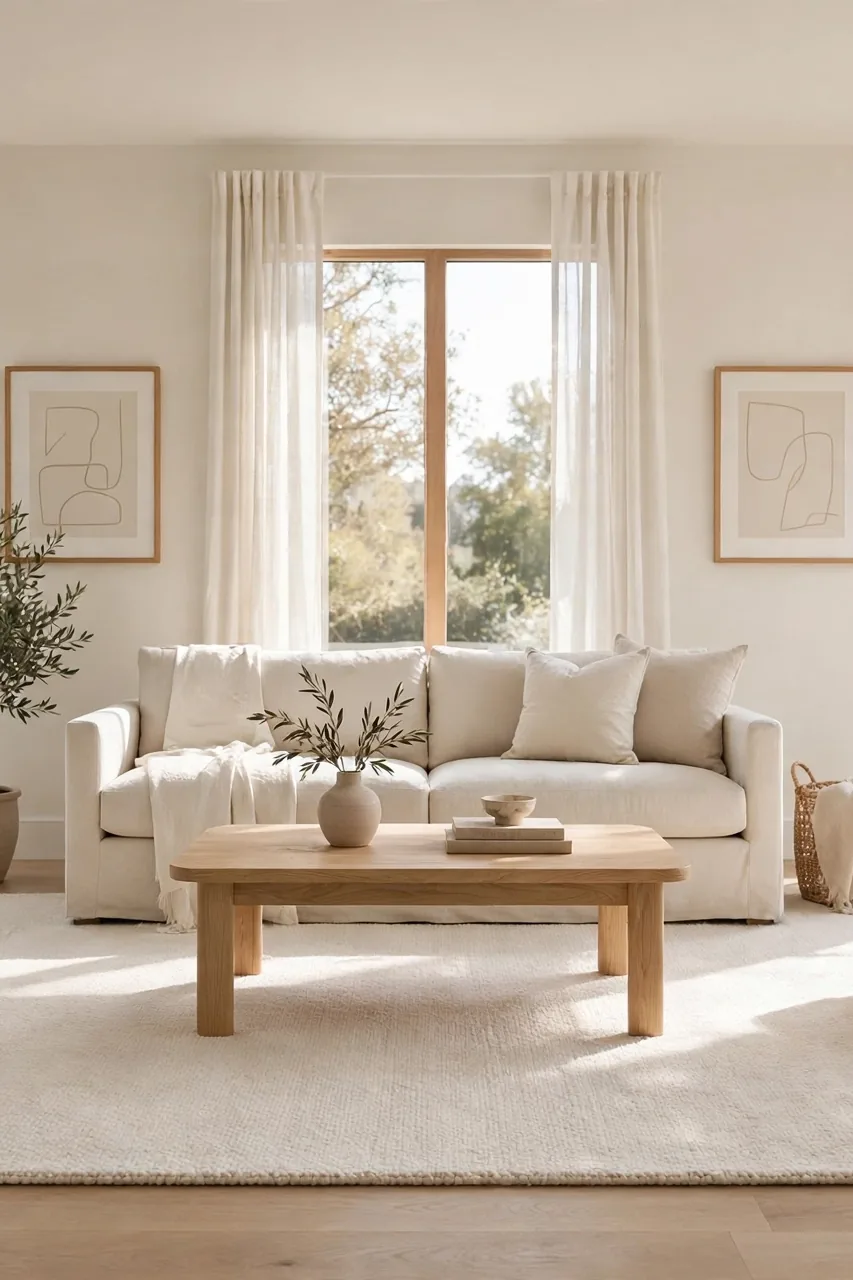
Quick Tip: Size the rug so the front legs of every seat rest on it. A rug that floats in the middle with furniture around it makes the room feel scattered, while a rug that touches all the seating pulls the whole group together.
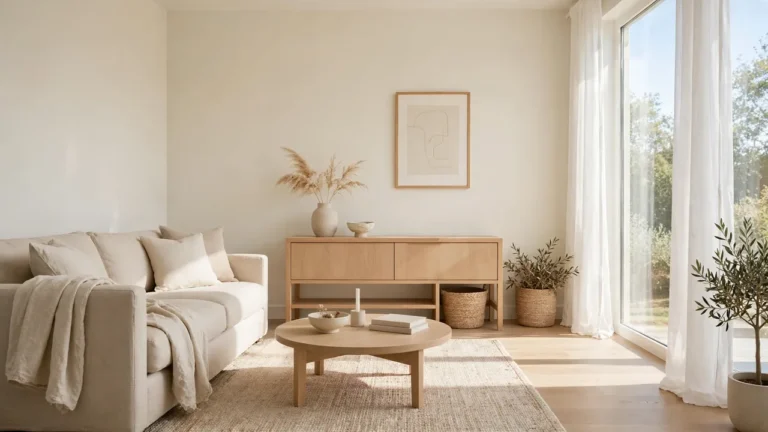
A rug works like a frame for your conversation area, giving the square room the center it was missing. Choose one large enough to hold the sofa and chairs, since a too small rug shrinks the space visually. Keep the pattern simple so the layout stays calm.
Create Conversation Zones
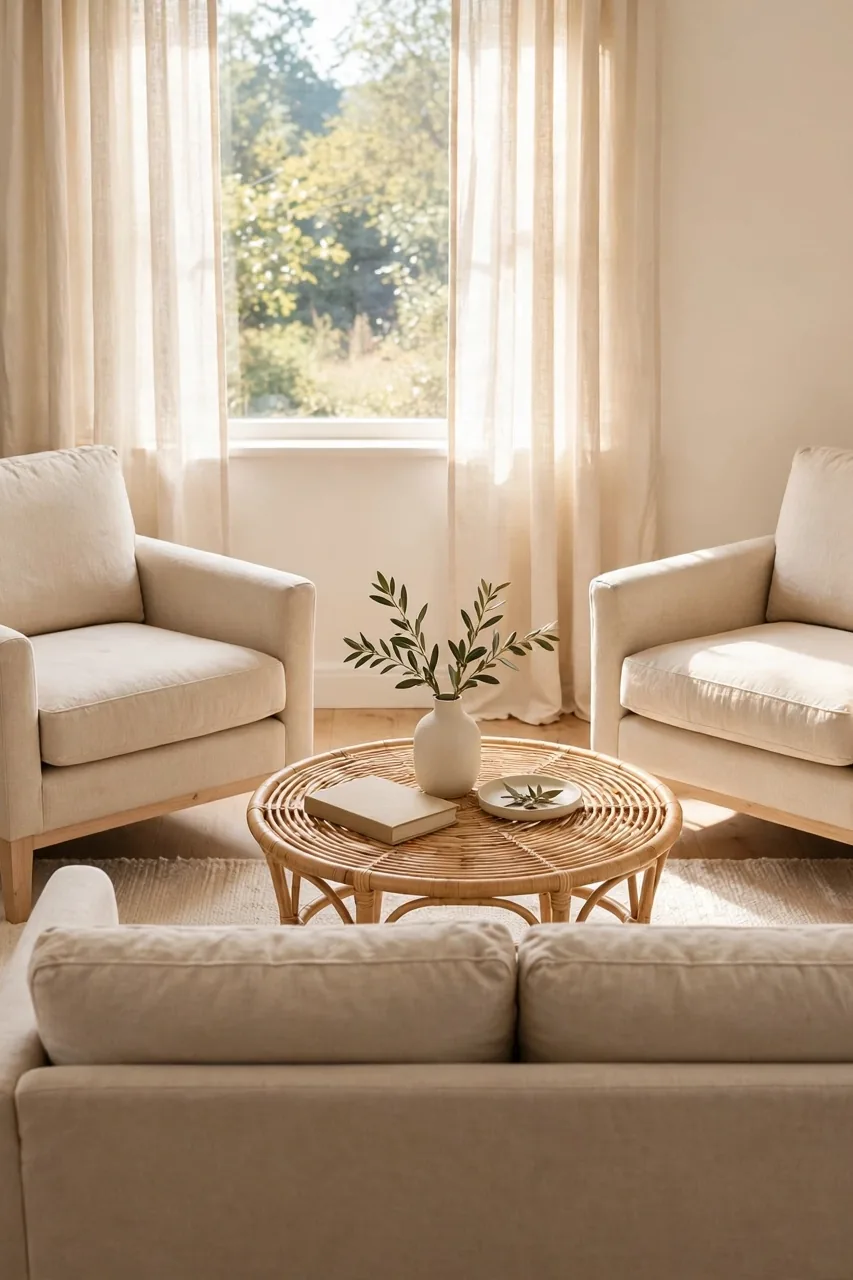
Common Mistake: Most people line every seat along the walls facing inward, which leaves a dead zone in the middle. Guests end up shouting across the room instead of talking comfortably.
The Fix: Pull the seating into a tight group around a coffee table or ottoman. Keep seats no more than eight feet apart so conversation feels easy and the empty center disappears.
In a square room, one central zone often works better than spreading furniture into corners. A tight grouping makes the space feel designed rather than accidental. If the room is large, add a second small zone like a window seat instead of stretching the main one.
Use the Corners
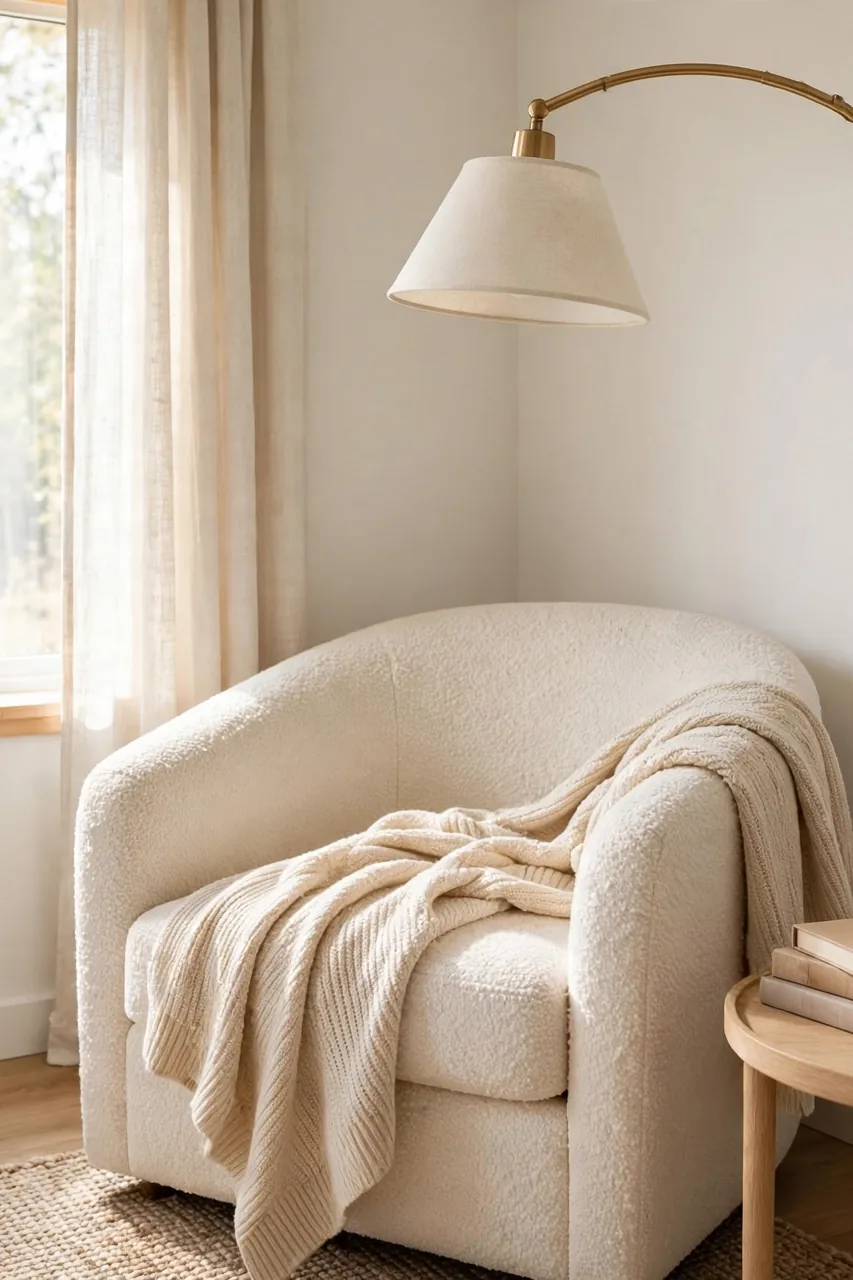
What You Need:
- A comfortable accent chair: pick one with a small footprint so the corner stays open, not crowded.
- A floor lamp: choose an arc or swing arm style to bring light exactly where you read.
- A small side table: keep it round and light so it tucks beside the chair without blocking flow.
- A soft throw: add one in a warm neutral to make the corner feel like a destination.
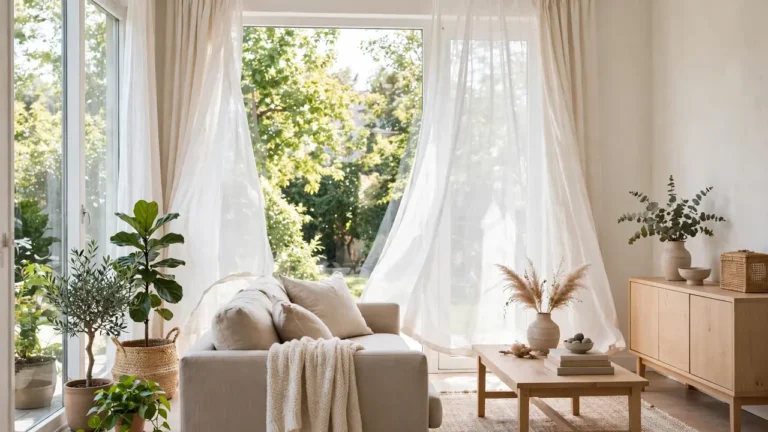
- A tall plant: place a slim olive tree or fiddle leaf behind the chair to fill the vertical space.
Corners are the secret weapon in square rooms because they hold secondary spots without breaking the main layout. When you learn how to arrange furniture in a square living room with its corners in mind, every inch starts earning its place. A reading nook or a plant stand turns dead space into a favorite spot.
Keep Traffic Flowing
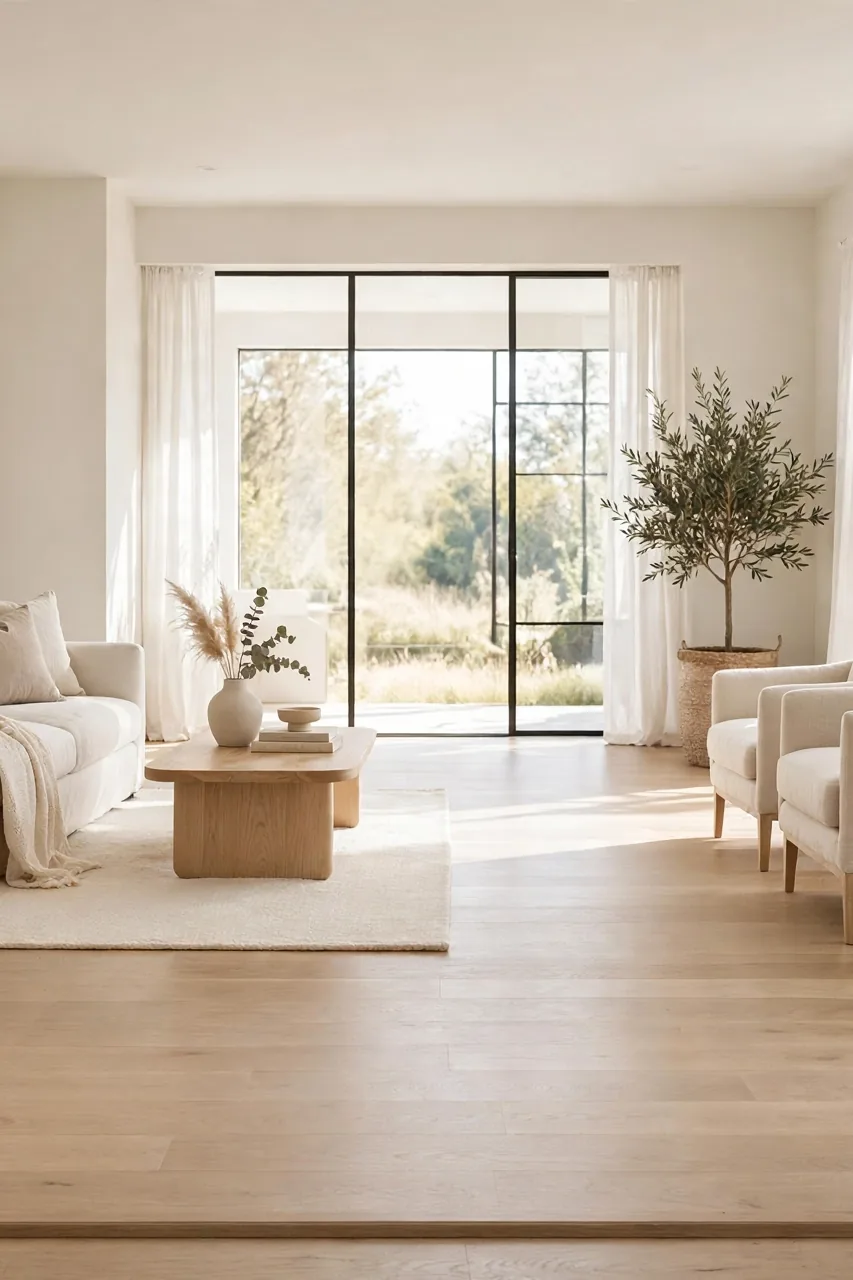
Before: The coffee table sat directly in the doorway path, so everyone shuffled around it sideways. The room felt like an obstacle course instead of a place to relax.
After: Moving the table six inches and angling the chairs opened a clear lane from door to window. Now people glide through without thinking, and the room feels twice as calm.
Walk the main paths yourself after arranging, since your body notices blocks your eyes miss. Keep at least thirty inches for main walkways and eighteen around the coffee table. Small shifts make a big difference, so nudge pieces until the route feels natural and easy.
Balance the Walls
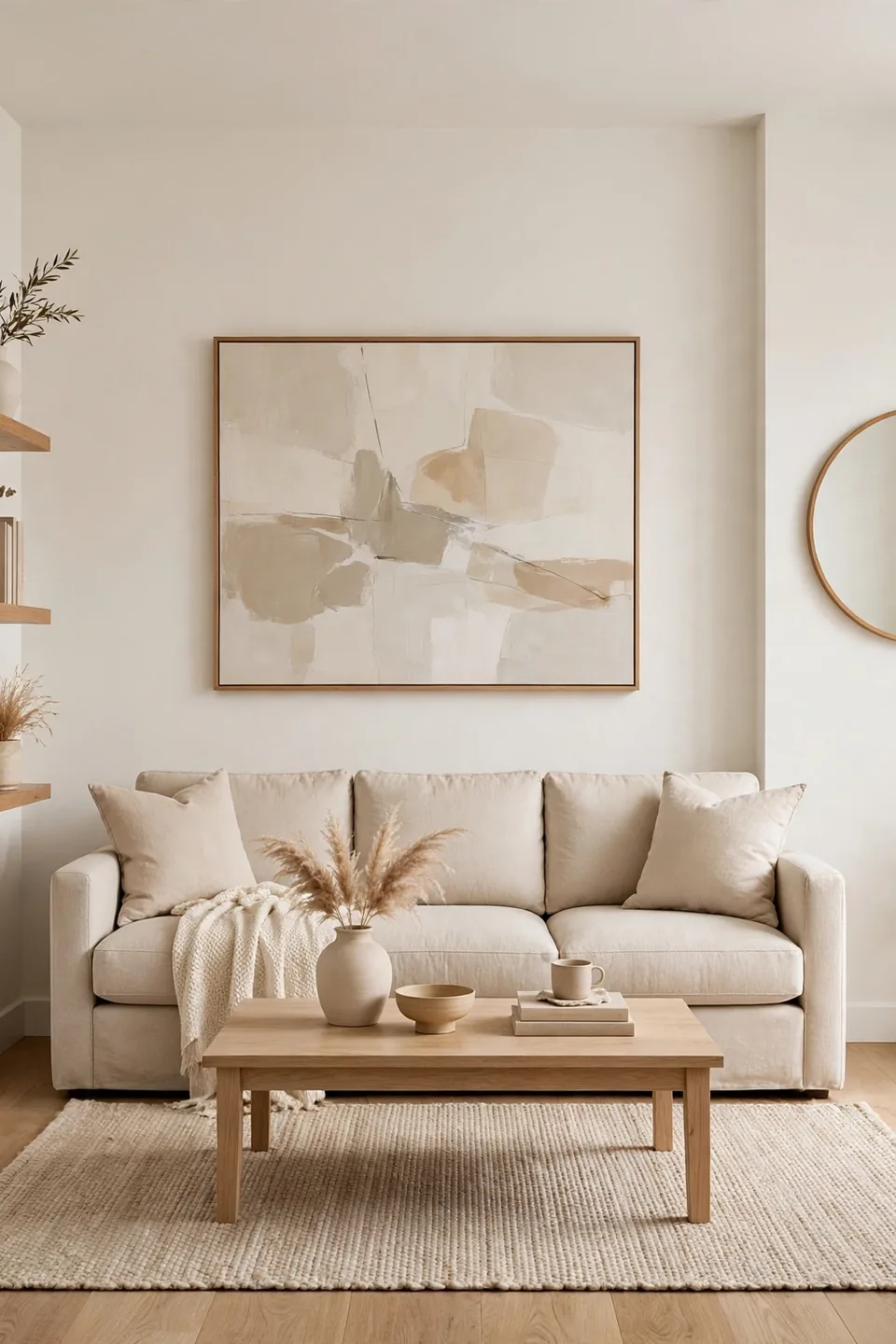
Do This:
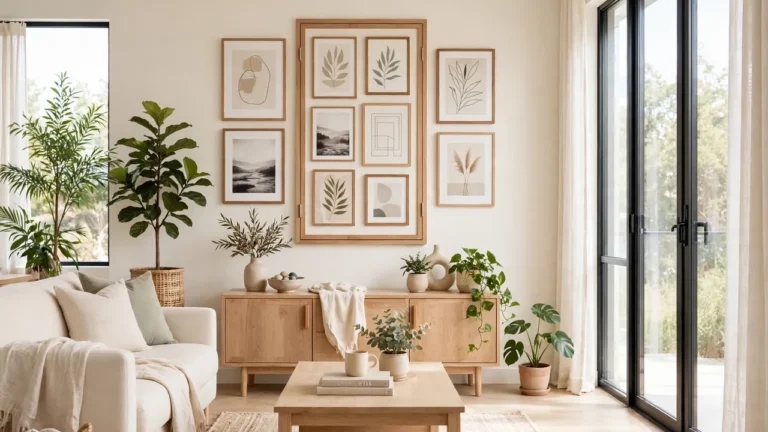
- Hang one large piece of art above the sofa to anchor that wall.
- Place a mirror opposite the window to bounce light around the room.
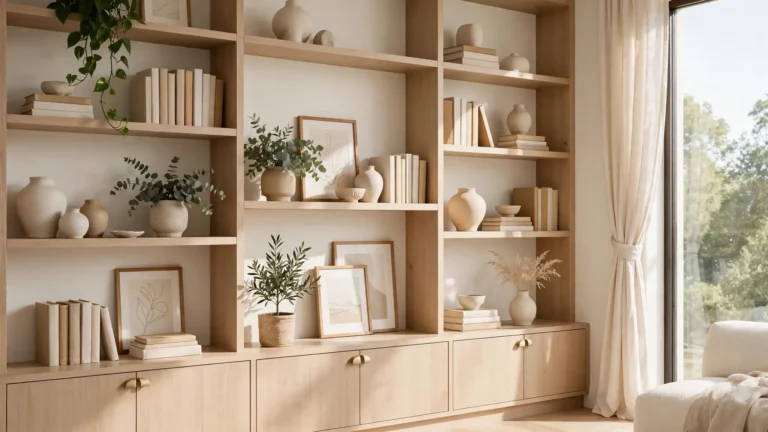
- Use floating shelves on a bare wall for storage that does not eat floor space.
- Repeat one wood tone on two different walls for quiet cohesion.
Avoid This:
- Do not hang tiny frames scattered across a big wall, since they look lost.
- Avoid matching art sets on every wall, which makes the room feel flat.
- Skip heavy dark frames on all four walls because they close the space in.
Walls carry half the visual weight in a square room, so treat them as part of the layout. Spread interest around instead of loading one wall while the others sit bare. Step back to the doorway and check the balance, then adjust until every wall earns its place.
For more ideas on tricky walls, see how to decorate around an awkwardly placed window and apply the same balancing tricks.
Choose Right-Sized Pieces
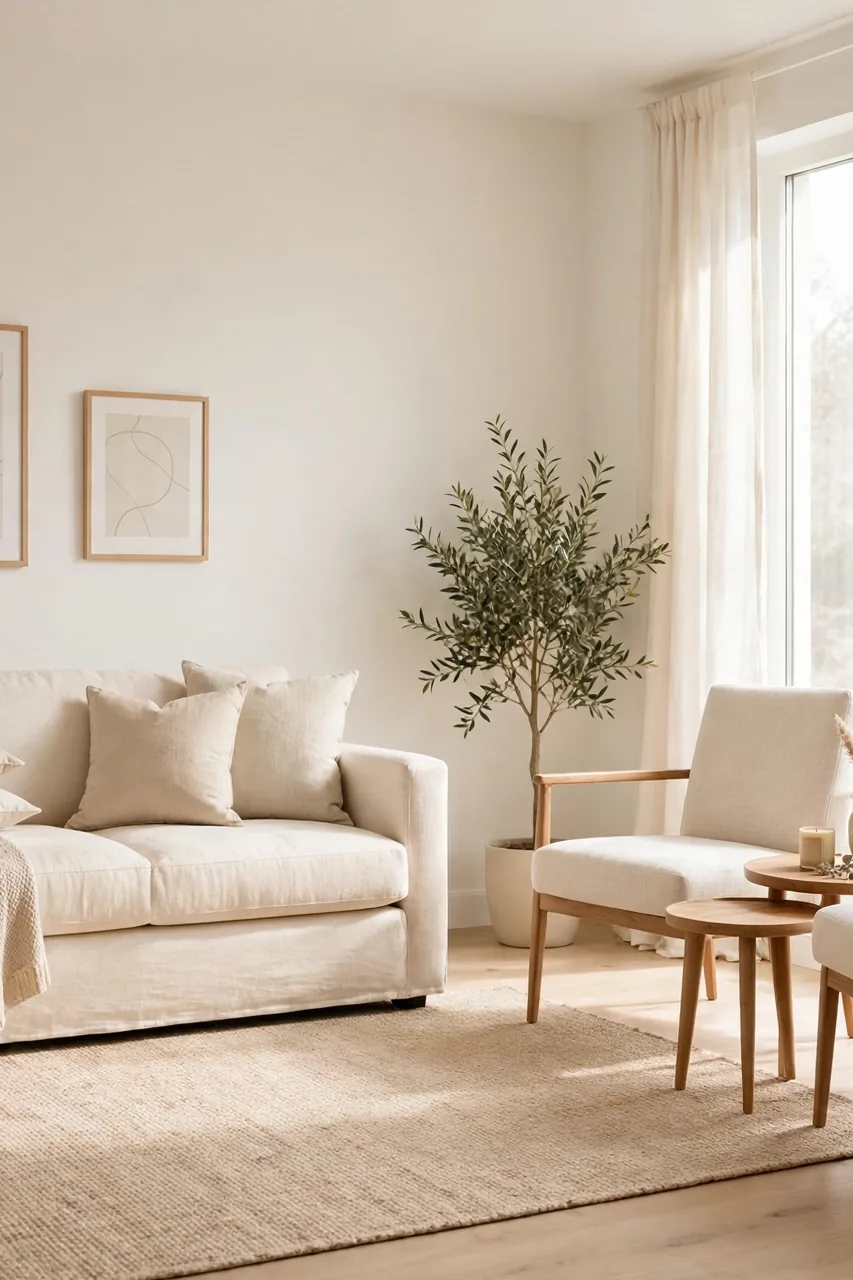
Best Sofa Size: loveseat or apartment sofa under 72 inches for most square rooms
Chair Clearance: leave 3 inches between pieces so the layout breathes
Table Rule: coffee table about two thirds the sofa length
Pro Tip: pieces with visible legs make the floor look larger
Scale matters more in a square room than in any other shape. One oversized sectional can swallow the whole layout, while right sized pieces leave air around them. Measure before you buy, and remember that smaller pieces grouped well always beat one giant piece comfortably.
Common Square Room Mistakes
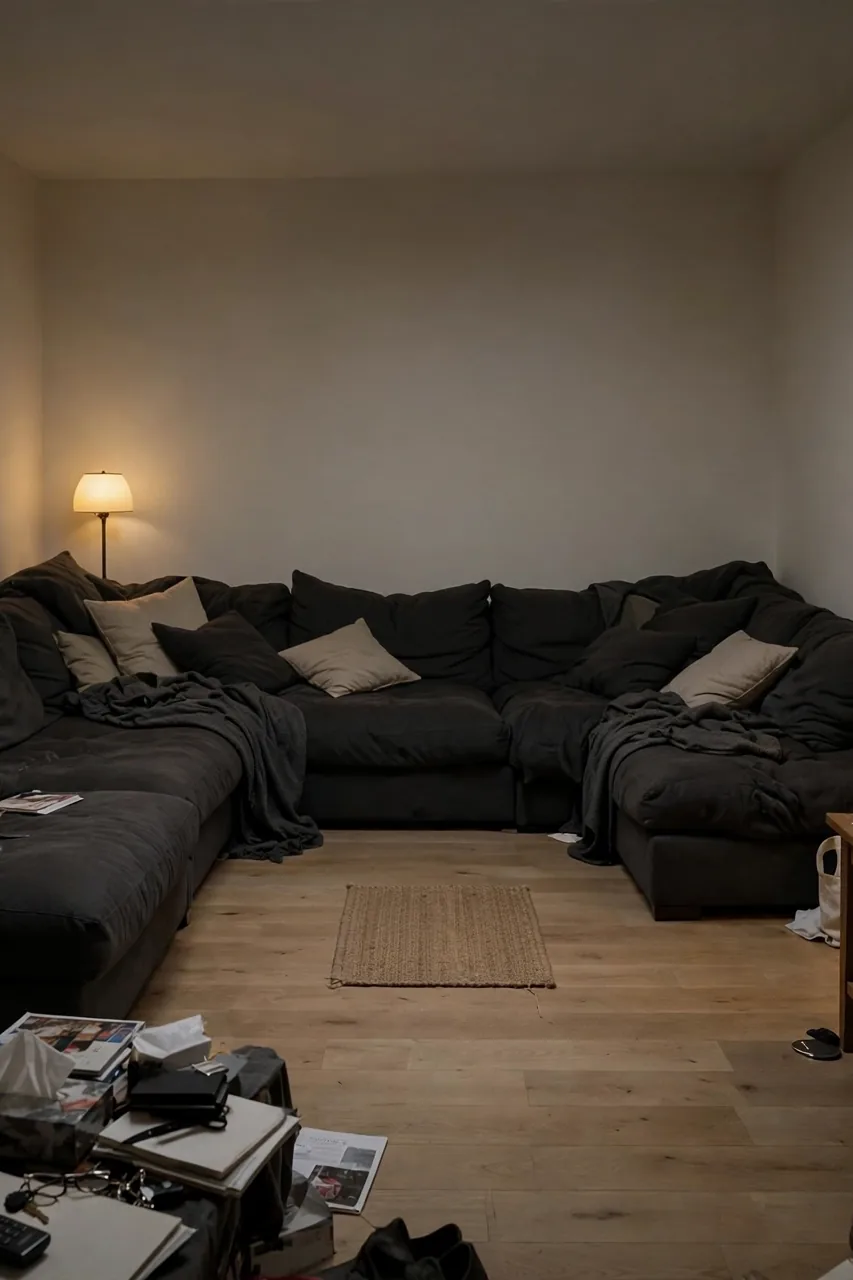
The most common mistake is buying furniture for the room you wish you had instead of the one you own. An oversized sectional, a giant entertainment unit, and a tiny rug combine into a room that fights itself. Measure twice and choose pieces that fit the actual square footage.
Another frequent error is ignoring the corners while overloading the center. Corners left bare make the room feel unfinished, while a crowded middle blocks movement. Fix both by pulling main seating slightly inward and giving each corner a simple job, like a plant, a lamp, or a small chair.
Pro Tips for Square Rooms
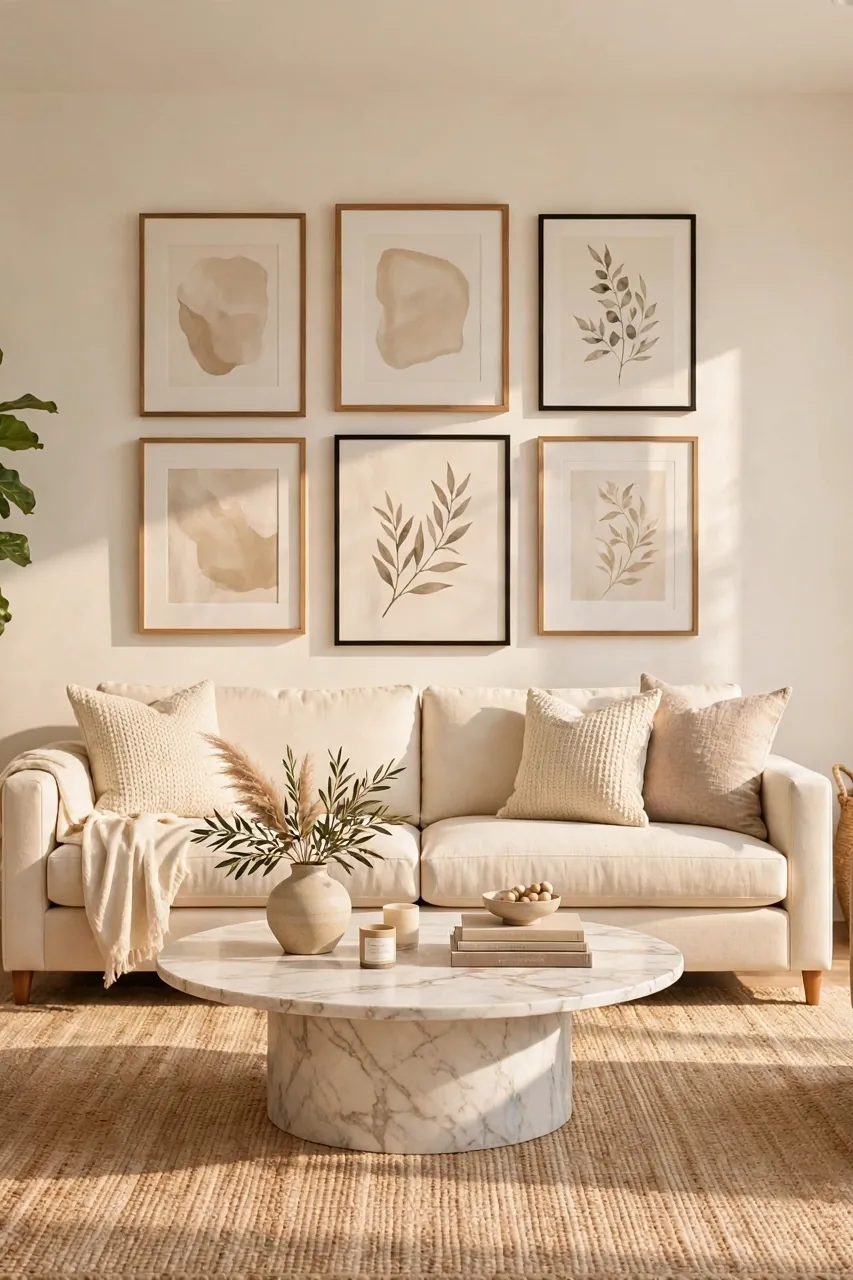
You now know the core moves, so here are the finishing touches that separate good rooms from great ones. These small upgrades take an afternoon at most and change how the whole space feels when you walk in every day.
- Add one tall element, like a floor lamp or a large plant, to draw the eye upward and make ceilings feel higher.
- Layer lighting with a mix of overhead, table, and floor lamps so the room glows instead of glaring.
- Edit ruthlessly: remove one item from each surface and watch the room breathe.
- Take a photo of the room, since the camera reveals imbalance your eyes have learned to ignore.
Conclusion
A square living room stops feeling boxy the moment every piece has a clear purpose. When you understand how to arrange furniture in a square living room around zones, flow, and balance, the same four walls feel larger and far more welcoming. Start with the focal point and the rug, since those two moves fix most of the awkwardness. Save this guide on Pinterest so you can revisit each step while you rearrange. I have seen how making this one change can completely shift the result, and I think you will feel the difference the same day you try it.
One Comment