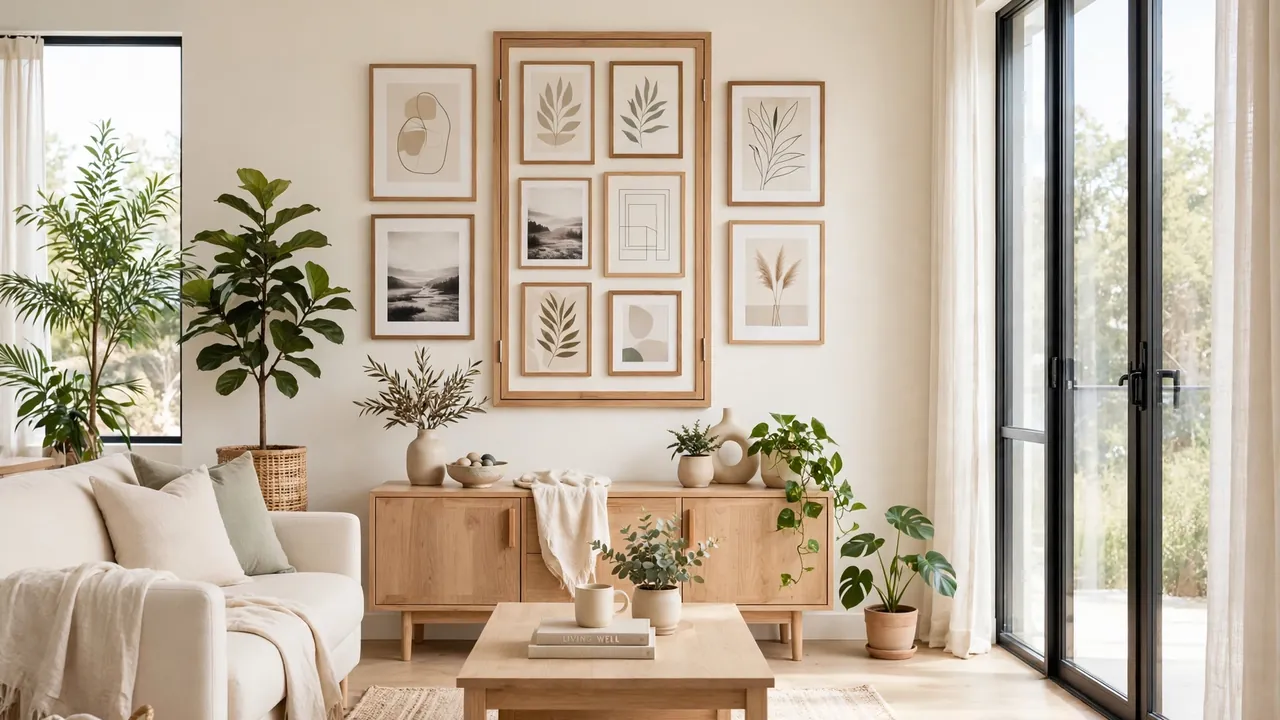
How to Hide an Ugly Electrical Panel
That gray metal box on your wall does not have to ruin your decor. When you learn how to hide an ugly electrical panel, the whole room feels finished instead of interrupted. The good news is that most covers cost very little and take under an hour.
In my experience, renters and homeowners ignore this one detail for years, then fix it in an afternoon. This guide walks you through safe, renter-friendly ways to cover it, and you might also like how to decorate a living room with a bay window for more wall ideas.
By the end, you will know which covers stay code-safe and which ones to avoid. Pick one idea below and start today.
Why Electrical Panels Are Eyesores
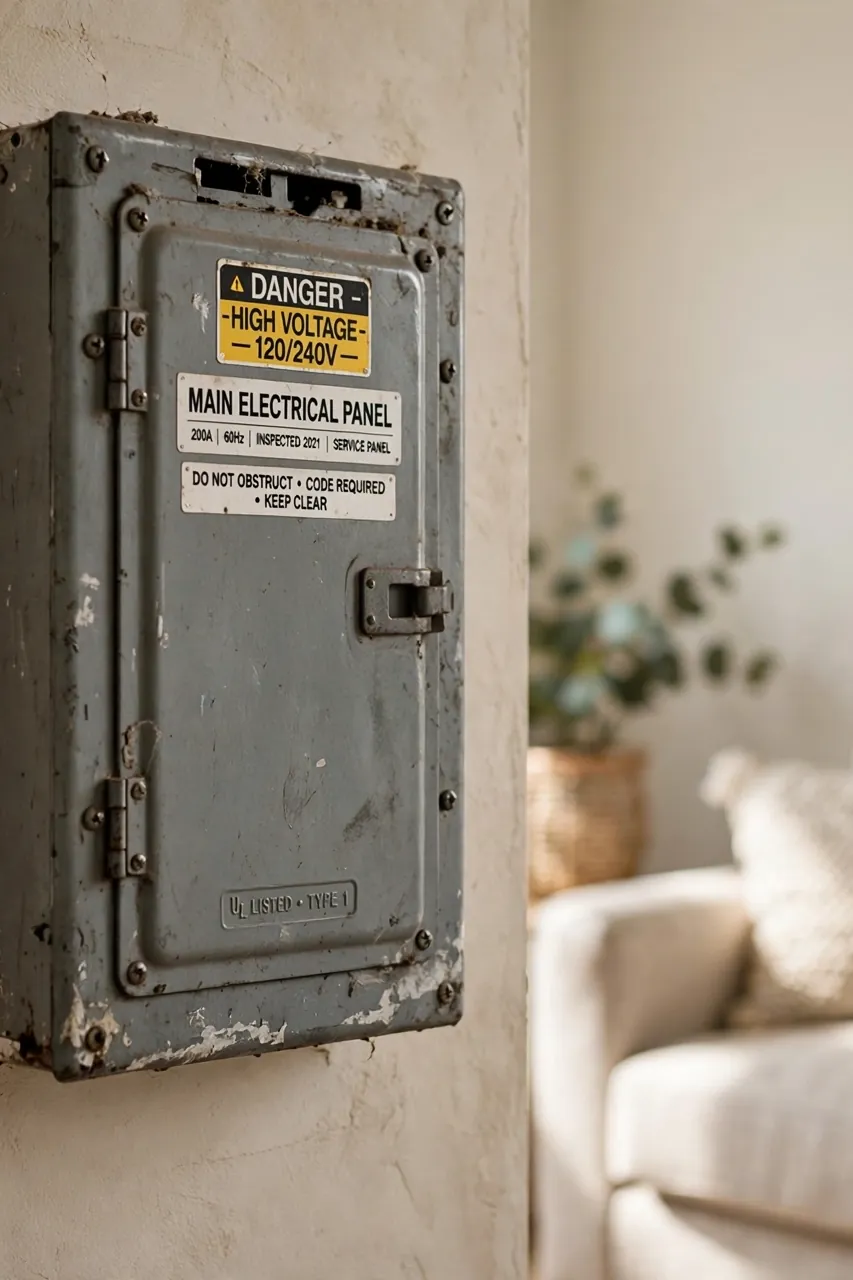
Builders put electrical panels wherever wiring is easiest, not where they look best. That leaves you with a bulky gray box sitting right in the middle of a hallway, bedroom wall, or living room, clashing with everything around it. It breaks the flow of your paint color, art arrangement, and furniture placement.
Unlike furniture, you cannot just move it or throw it away. It stays there permanently, drawing the eye every time you walk past. Covering it the right way restores balance to the room without touching a single wire, and most fixes take less than an afternoon.
Check the Safety Rules First
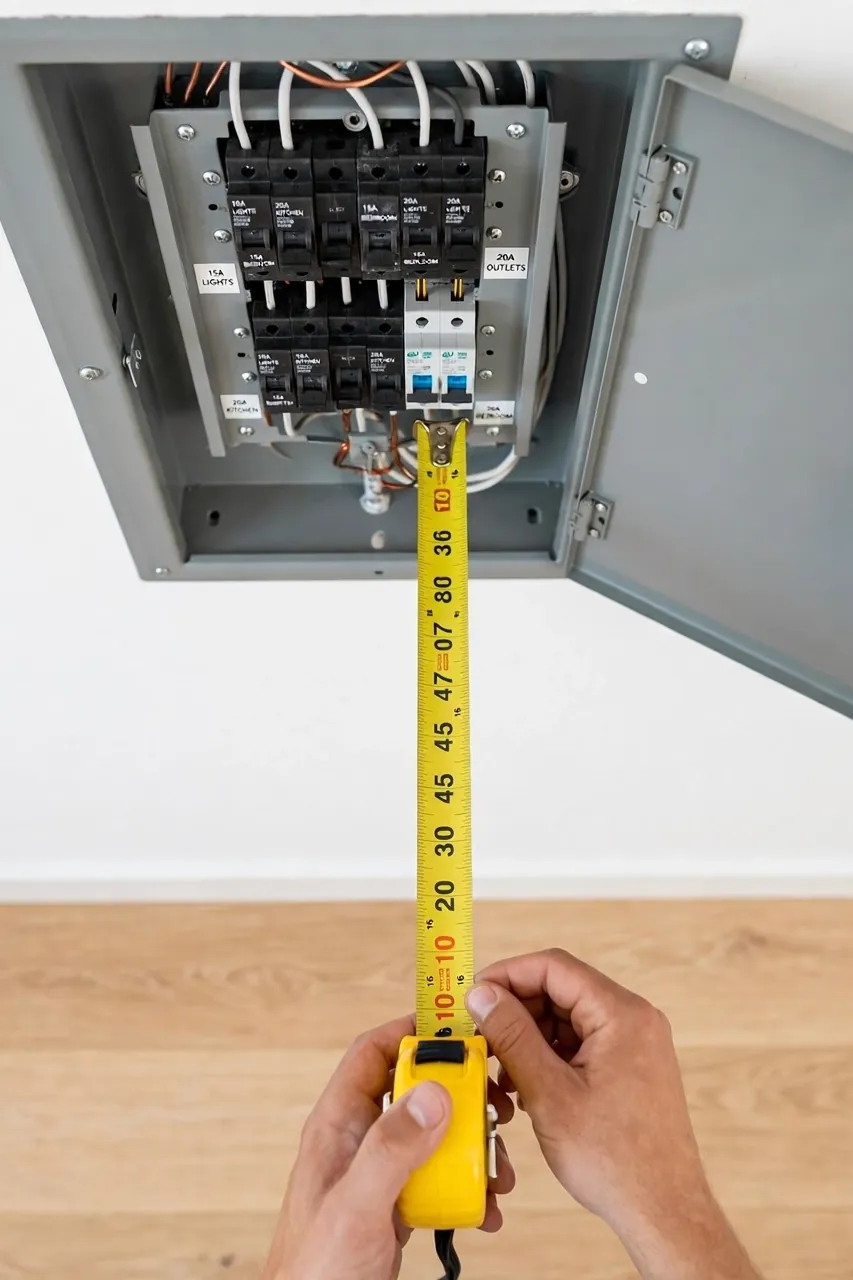
Before you cover anything, you need to know the clearance rules. Electrical codes require easy access to the panel at all times, and a cover that blocks the door or locks it shut can fail an inspection. These quick checks keep your project safe and legal.
- Keep at least 30 inches of clear width in front of the panel and 36 inches of depth, so an electrician can work comfortably.
- Never screw, nail, or glue anything directly onto the panel door or frame.
- Make sure the cover can be removed or opened in seconds without any tools.
- Check with your landlord or local code office if you are unsure about a specific cover idea.
Cover With Art
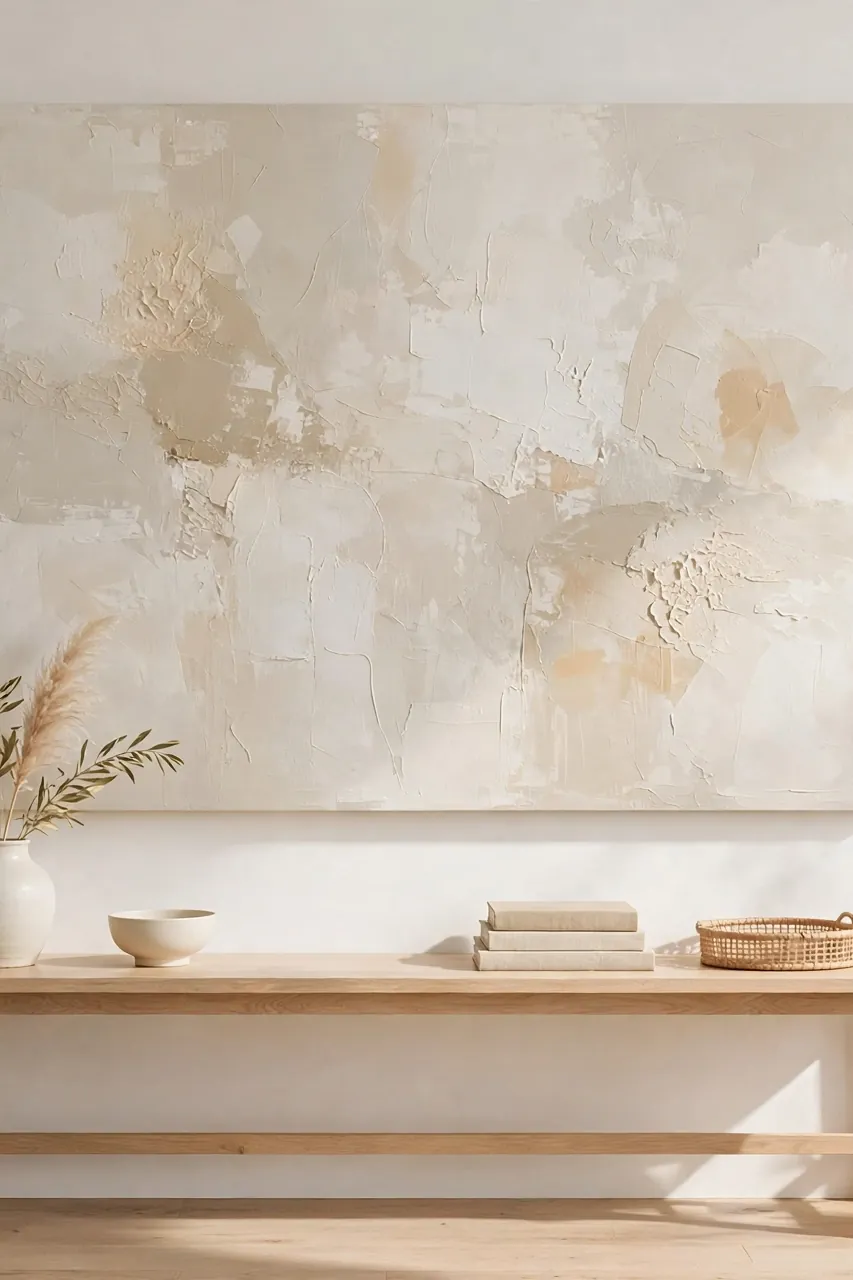
Quick Tip: Hang the art on a French cleat or sturdy hook so it lifts off in one motion. Choose a piece at least two inches wider than the panel on every side. Canvas prints work best because they are light and hide depth.
A large canvas turns the panel into a gallery moment instead of an eyesore. Pick artwork that matches your room’s colors so it looks intentional, not like a cover-up. Guests will admire the art and never guess what sits behind it, which is exactly the point.
Use a Cabinet Door
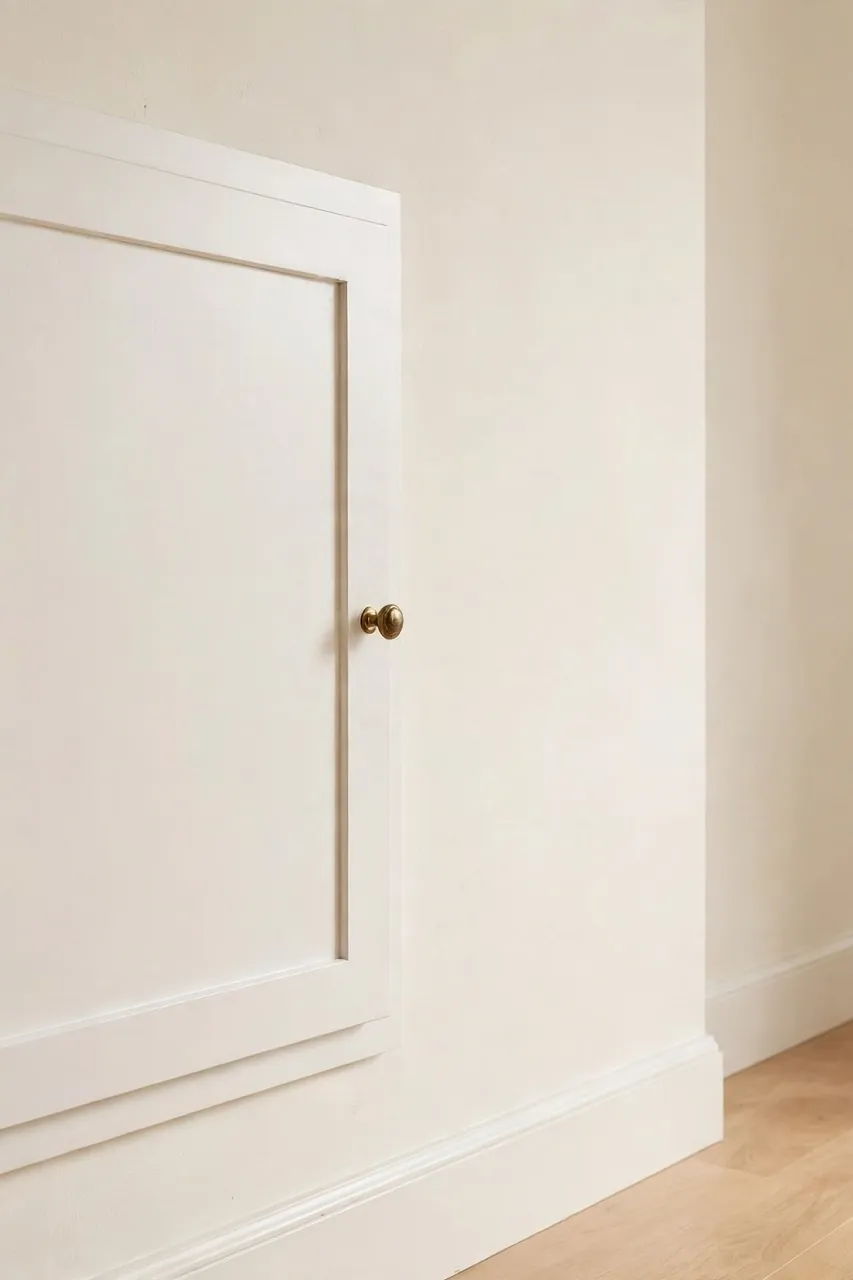
Common Mistake: Many people mount a full cabinet box over the panel and screw it into the wall studs. That traps heat, blocks quick access, and can violate clearance codes. It also looks bulky and defeats the purpose.
The Fix: Use just the cabinet door, hinged to a thin frame around the panel. It swings open like a medicine cabinet and closes flush with the wall. You get hidden storage looks with zero code risk.
A single cabinet door in a finish that matches your trim looks like built-in millwork. Add a small knob and it reads as intentional design. When you need the breakers, the door swings open in one motion and closes just as easily. It costs less than a framed print and lasts for years.
Try a Decorative Screen
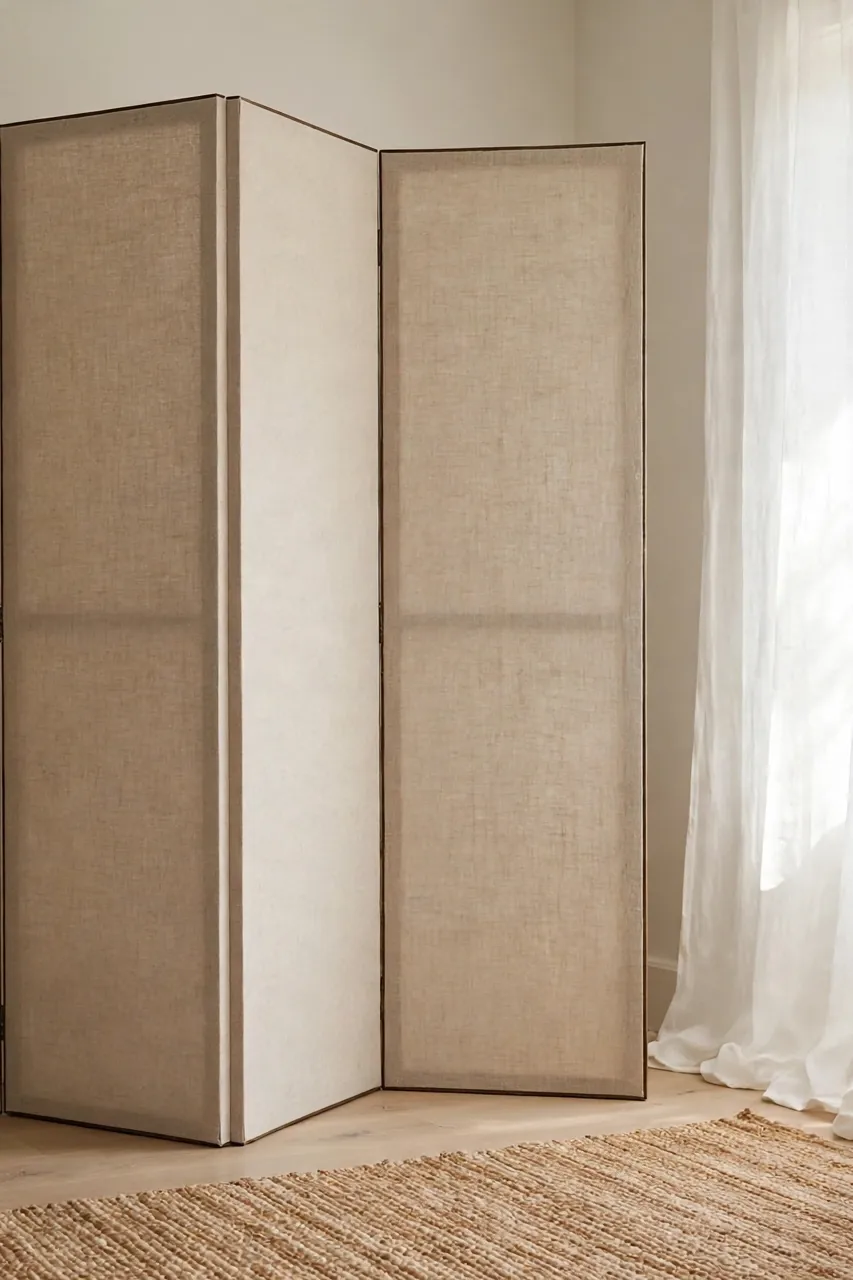
What You Need:
- A folding room divider or decorative screen tall enough to cover the panel.
- Felt pads for the feet so the screen does not scratch your floors.
- A measuring tape to confirm the screen fully hides the panel from every angle.
- Wall-safe hooks if you want to hang a flat tapestry or fabric panel instead.
A decorative screen is the fastest possible renter-friendly fix because nothing touches the wall. Fold it flat when an electrician visits, then set it back up in seconds. Choose a screen with a pattern you love and it becomes a design feature, not a disguise.
Paint to Blend

Before: The panel sticks out as a dark gray rectangle against your carefully chosen wall color. Every time you enter the room, your eye lands on it first. It makes the whole wall feel unfinished.
After: Once painted to match, the panel fades into the background and the wall reads as one clean surface. Art and furniture get the attention instead. The room finally feels pulled together.
Painting is the cheapest way to make progress, and learning how to hide an ugly electrical panel often starts with this simple step. Use a metal-safe primer and two coats of wall paint for a smooth finish. Keep the door edges clean so it still opens freely.
Hang a Mirror
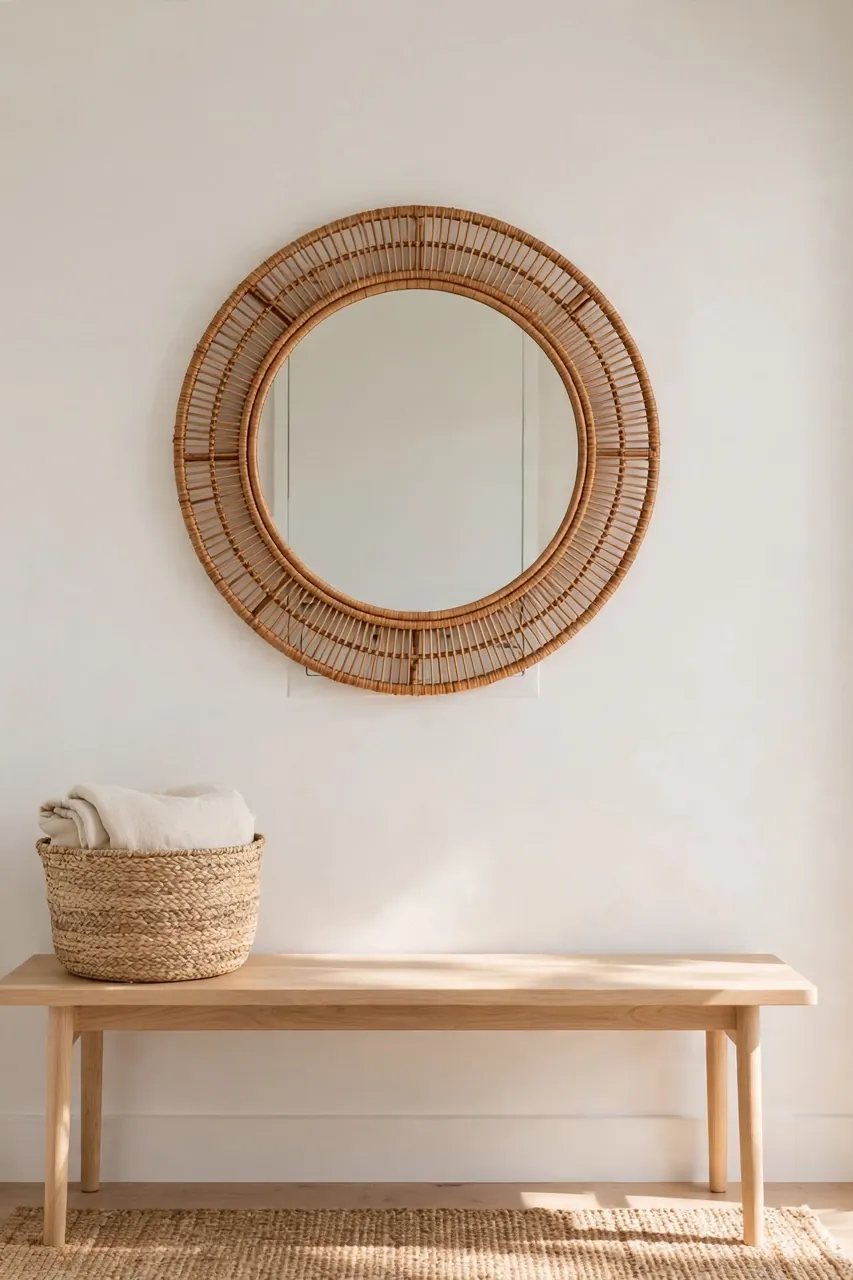
Do This:
- Hang the mirror on a secure hook rated for its weight.
- Center it over the panel so the panel stays fully covered.
- Pick a frame that matches your other decor for a cohesive look.
Avoid This:
- Do not use adhesive strips on heavy mirrors; they can fail without warning.
- Do not block the panel door from swinging open fully.
- Do not choose a mirror so small that the panel edges peek out.
A mirror does double duty by hiding the panel and bouncing light around the room. It works especially well in dark hallways where panels often live. Just make sure you can lift it off the hook quickly if you ever need breaker access. Keep the hook sturdy and check it yearly.
Once the panel is hidden, you can focus on the rest of the room. If your layout feels tricky, how to arrange furniture in an l-shaped living room has more ideas.
Build a Shallow Box
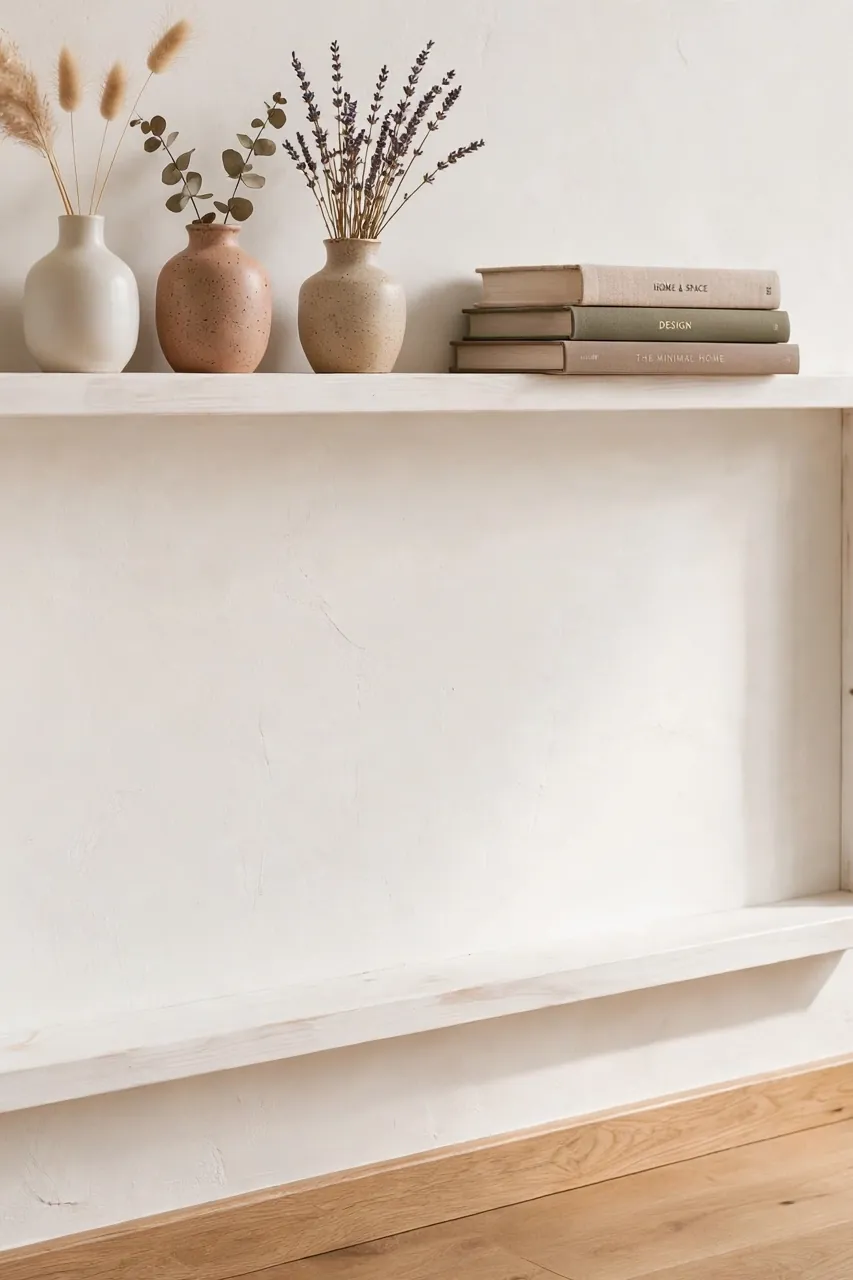
Time Needed: 1-2 hours | Difficulty: Easy | Cost: $20-40 | Tools Required: Saw, drill, sandpaper
A shallow open-back box frames the panel like a shadow box and gives you a tiny display shelf on top. Build it just deep enough to clear the door swing, then paint it to match your trim. It looks like custom carpentry for the price of a pizza.
Common Panel Hiding Mistakes
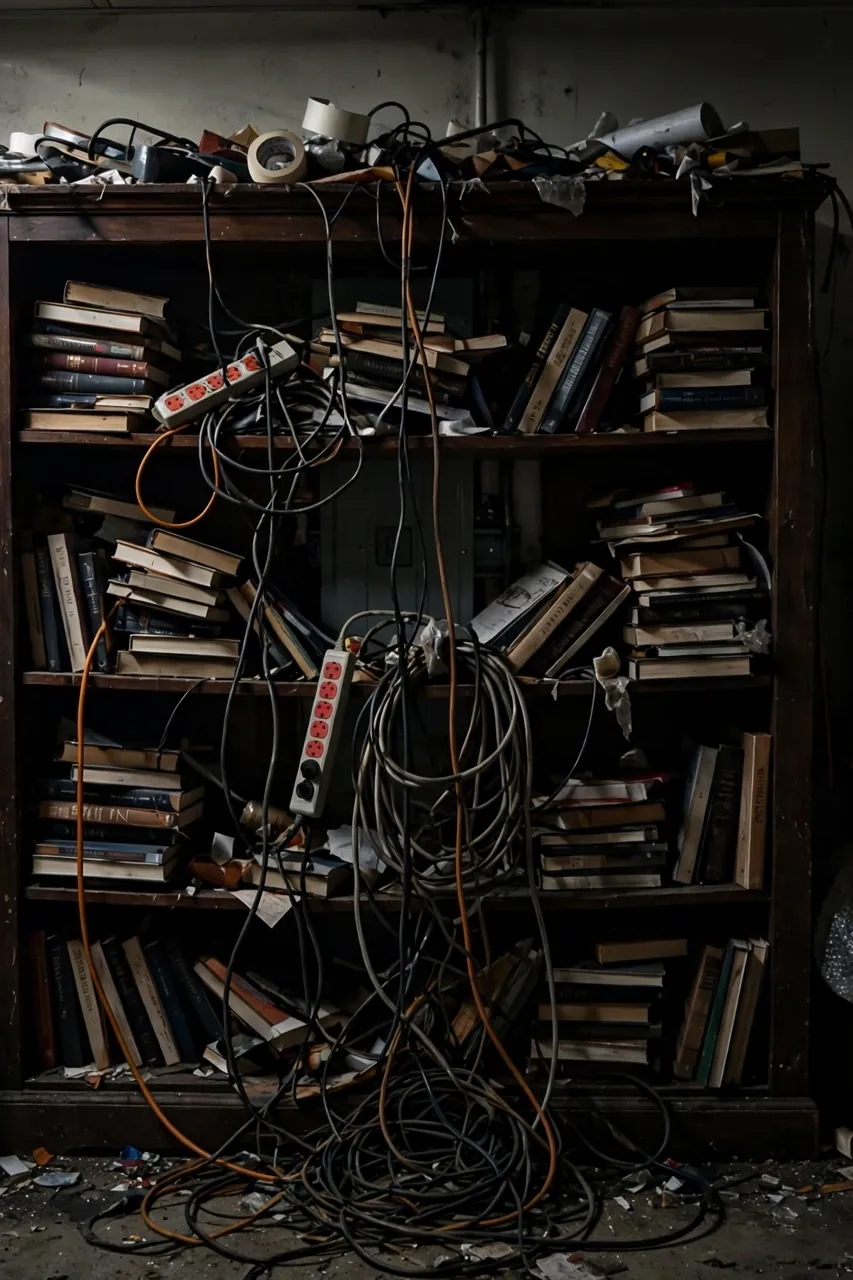
The biggest mistake is sealing the panel shut with screws, glue, or heavy furniture. That blocks emergency access and can violate local codes. Another common error is covering it with fabric that drapes into the box or hangs over the breakers. Always leave the door operable and the area in front clear.
People also forget to label which cover hides the panel, then panic during a power outage. Put a small reminder on the inside of the cover or tell everyone in the house where it is. A hidden panel should stay easy to find when it matters most.
Pro Tips for Hidden Panels
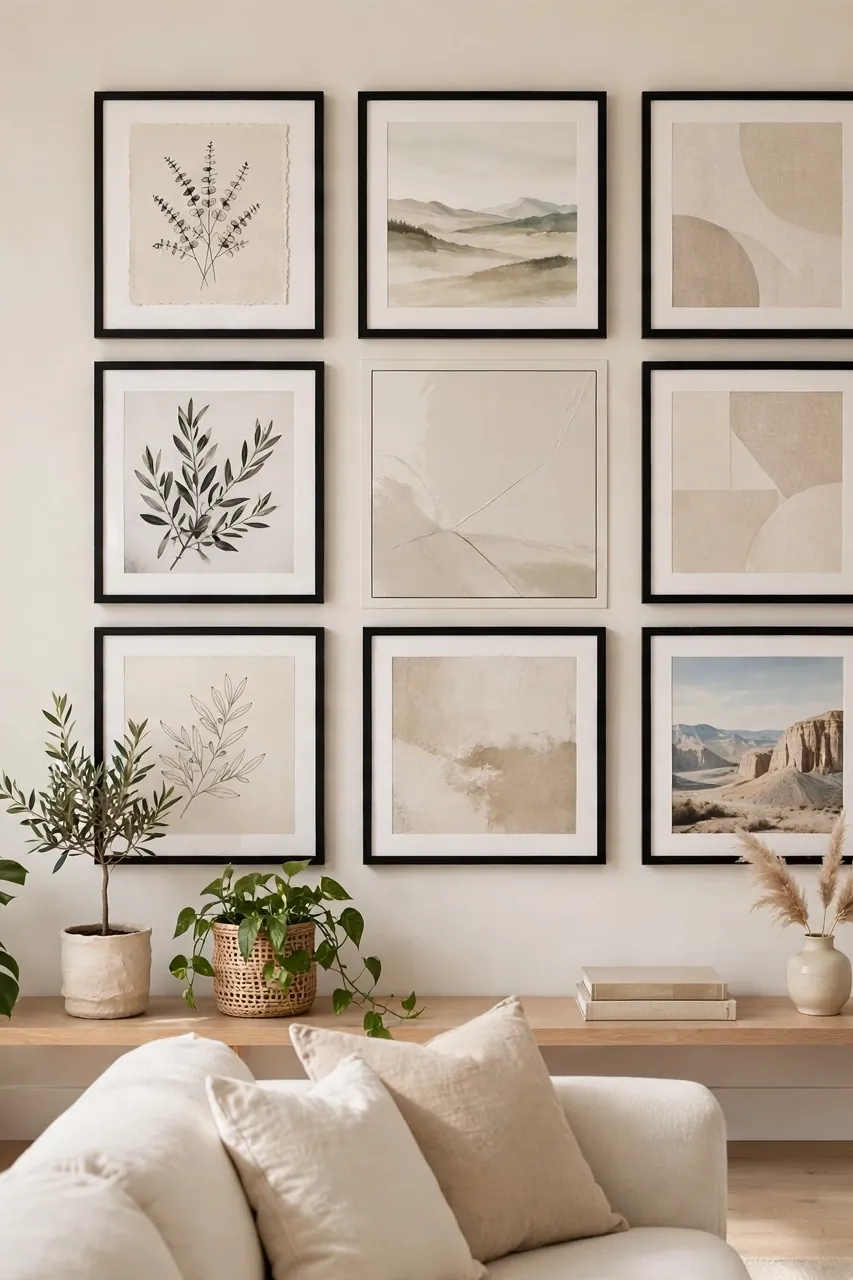
These finishing touches take your cover from good to truly invisible. They cost almost nothing yet make the biggest visual difference in the room. Work through them in order, and check the result from across the room for the cleanest finish.
- Step back ten feet after installing the cover and look for edges or shadows that give it away.
- Touch up paint around the cover so the wall color flows without interruption.
- Style the surrounding wall with art or shelves so the cover blends into a larger arrangement.
- Test that you can open or remove the cover in under ten seconds.
Conclusion
Now you know how to hide an ugly electrical panel without breaking any rules or risking safety. Pick the cover that fits your space and budget, install it this weekend, and enjoy a wall that finally looks intentional instead of interrupted. Save this guide on Pinterest so you can find it easily when you are ready to start your project. Share it with a friend whose panel is also ruining a good wall. I have seen how one small cover can change the whole feel of a room, and yours is next.



One Comment