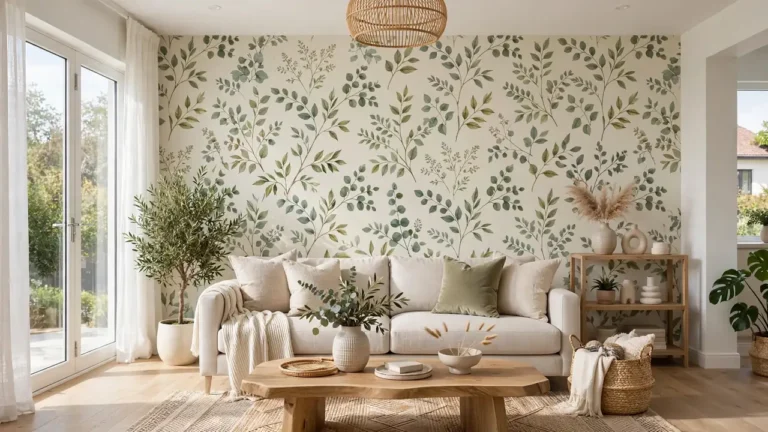
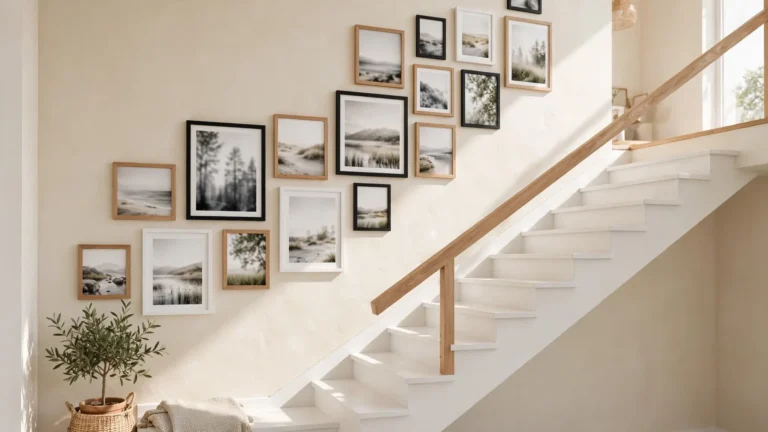
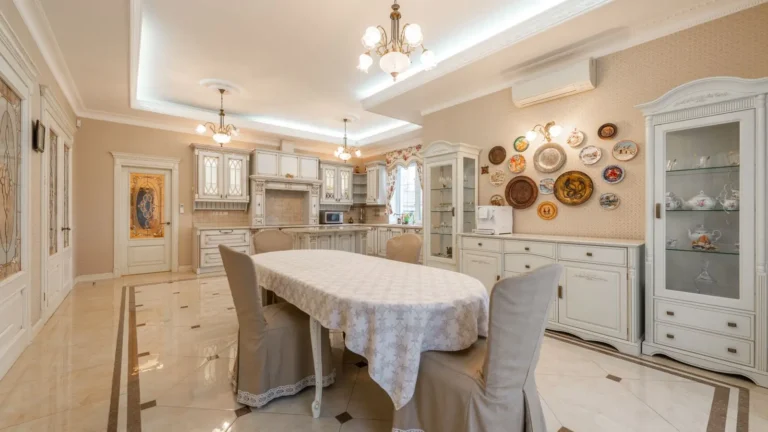
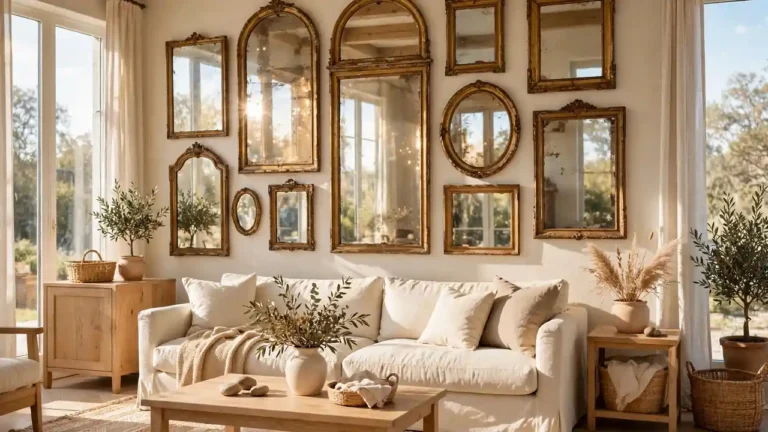
24 Venetian Plaster Wall Finish Ideas for a Luxurious Look
Some walls reflect light, and some walls seem to drink it in and glow from within. Venetian plaster wall finish ideas start with that glow: lime, marble dust, and pigment troweled thin, then burnished until the surface moves like slow water. Rooms feel calmer and richer at once, with no pattern to shout over the furniture.
This guide walks through twenty four finishes and rooms: polished living room walls, a tadelakt bathroom, honest costs, trowel steps, and the wax rules that keep the sheen alive. The same love of honest texture runs through seagrass wallpaper interior design, a natural fiber cousin of plaster. In my experience, one burnished wall changes how a whole home feels at dusk, when lamps pull the depth out of the finish.
Polished Marble Sheen Walls
Credit : AnnRoth 20
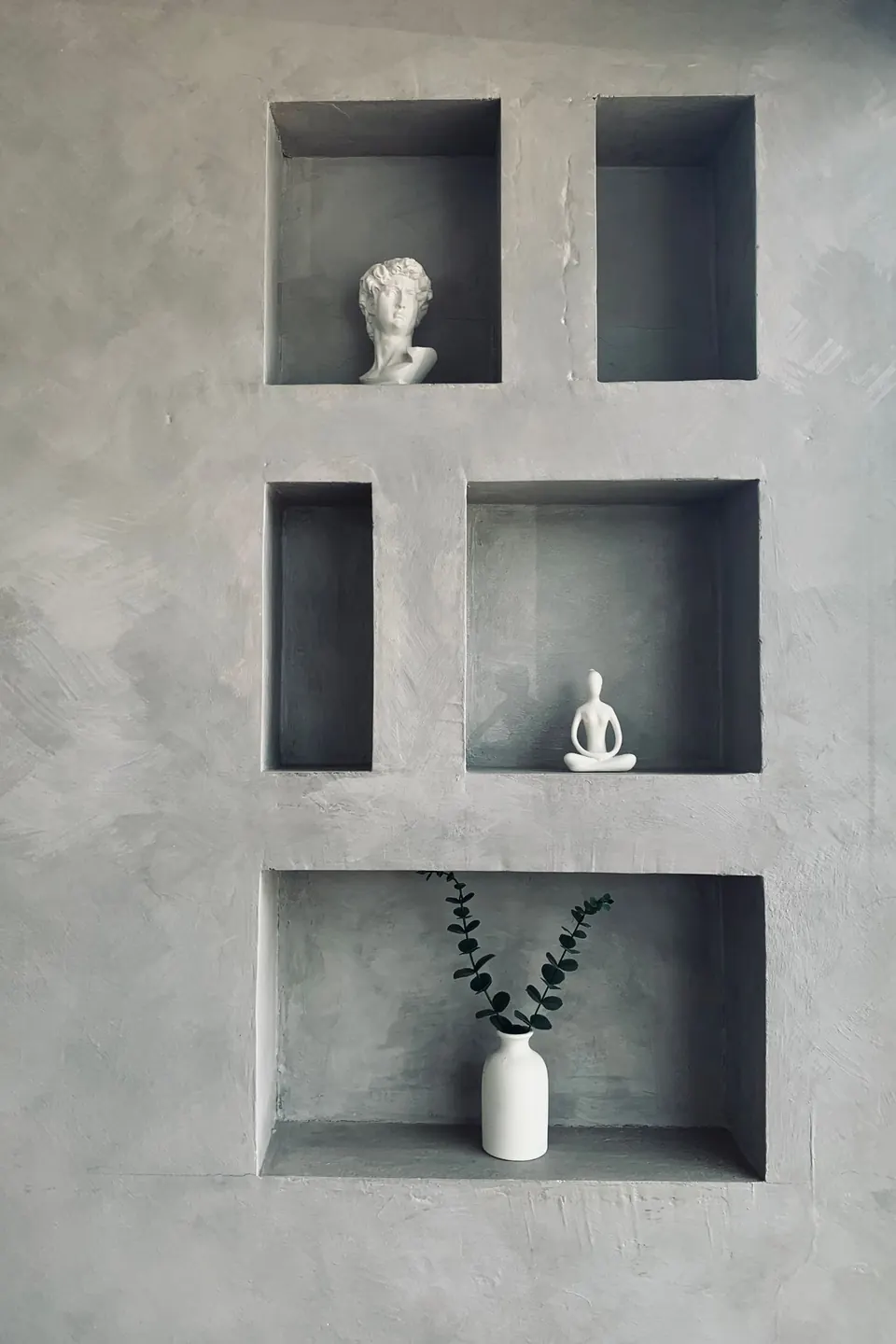
Light slides across a polished wall and pools in the shallow niches, turning simple shelves into small stages. Grey plaster with a marble soft sheen makes ceramics and glass look collected rather than stored, because every curve of the surface bends the daylight a little differently.
Burnishing is the secret behind that movement. The final pass presses a clean steel trowel at a low angle until the lime tightens and shines. Keep decor pale and sculptural on a wall like this, and let one dark piece, a bronze bowl or black vase, give the eye a place to land. Polish rewards restraint like no finish I know.
Warm Greige Living Room
Credit : Pavel Morillo
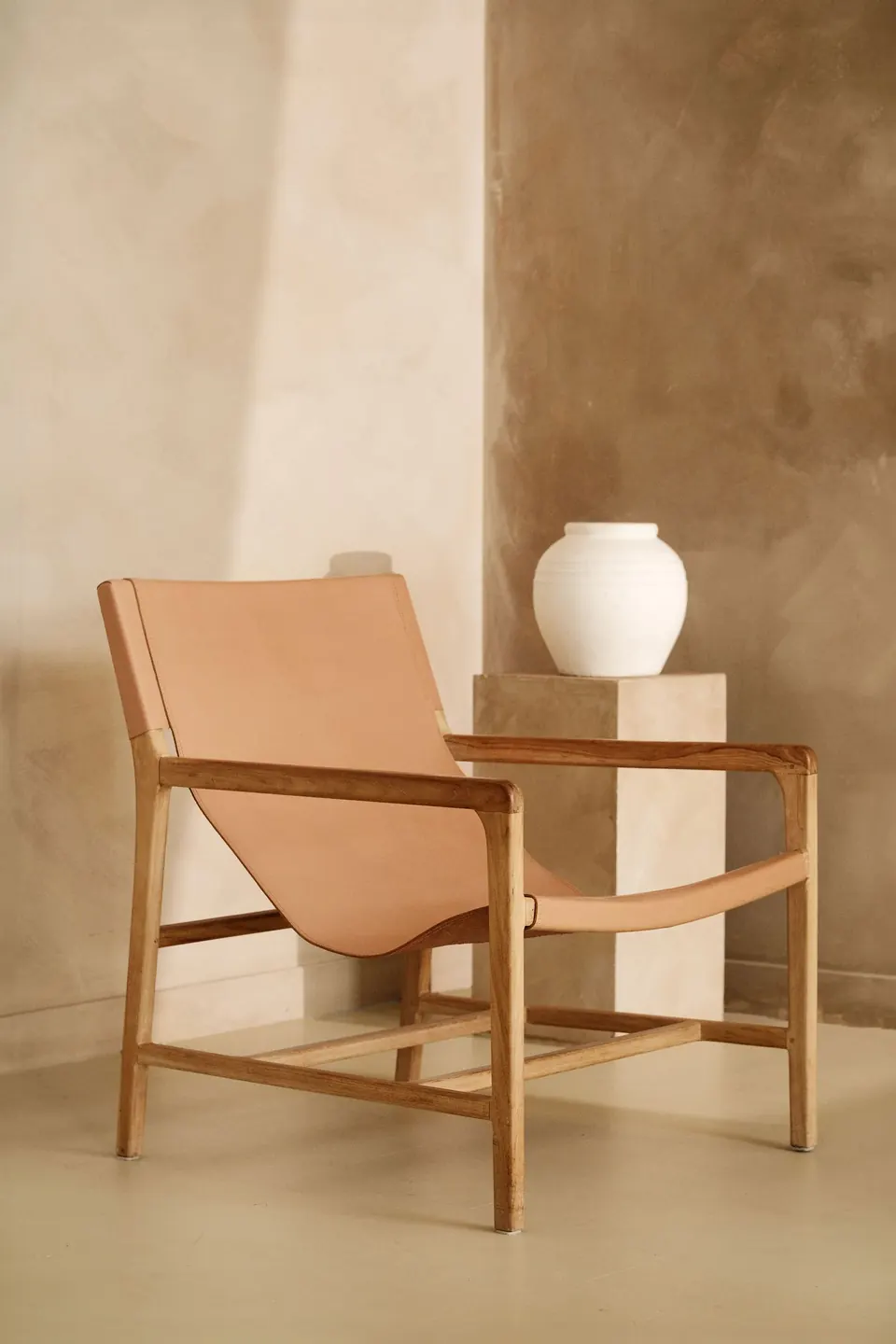
- A sling back leather chair warms the cool grey beige plaster behind it
- One oversized ceramic vase keeps the styling calm and sculptural
- Low pile rugs in flax tones let the wall texture stay the main event
- Matte black accents, used sparingly, sharpen the soft mineral palette
- Sheer linen curtains filter glare so the finish reads even all day
Greige plaster flatters nearly every wood tone, from pale oak to walnut, which makes it a safe first finish for open plan rooms. I’ve noticed the color shifts through the day, grey at breakfast and warm sand by evening, so the room never feels stuck in one mood.
Soft Limewash Bedroom Calm
Credit : Andrea Davis
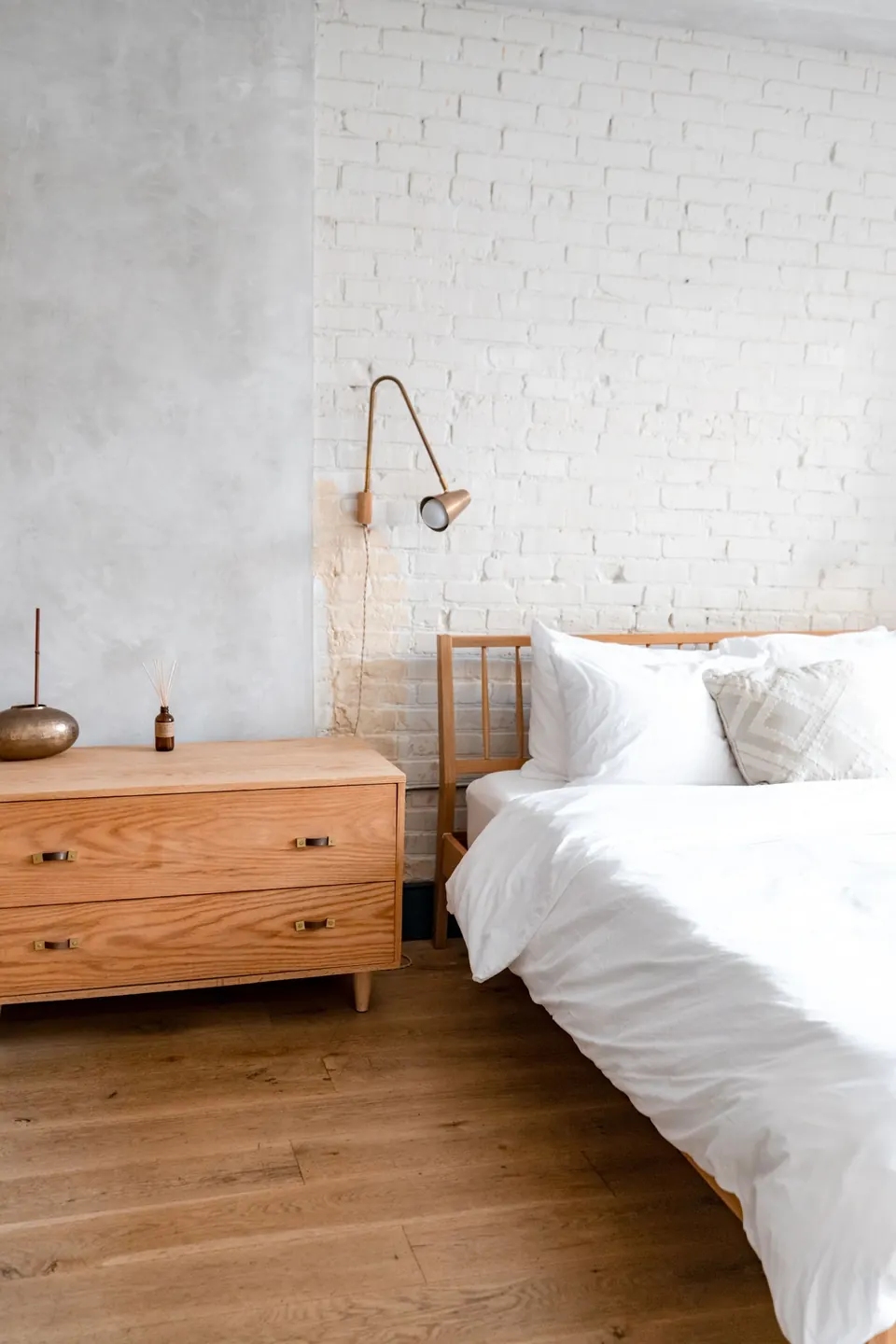
Quick Tip: Brush limewash on in loose crisscross strokes and never chase a perfect coat. The cloudy overlaps are the charm, and two thin coats dried overnight give the soft movement that reads calm rather than patchy when the morning light arrives.
Bedrooms reward that softness, since a limewash wall holds no glare and the mineral surface seems to lower the volume of the room. Pair it with washed linen bedding and pale wood, keep the palette to three tones, and let the wall stay the quiet hero behind the bed. A small woven rug and one plant keep the calm from turning cold.
Dull Flat To Polished
Credit : Pavel Morillo
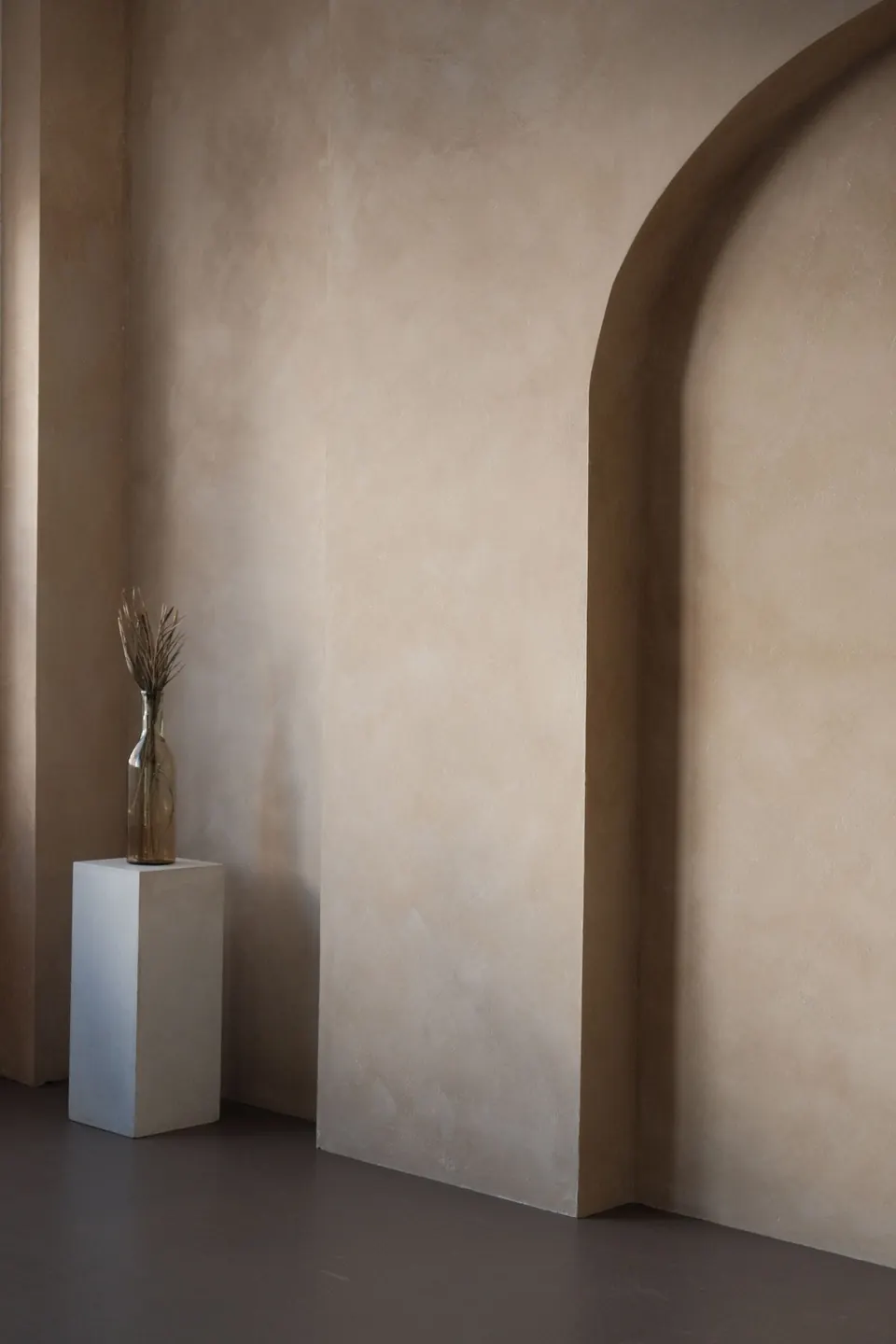
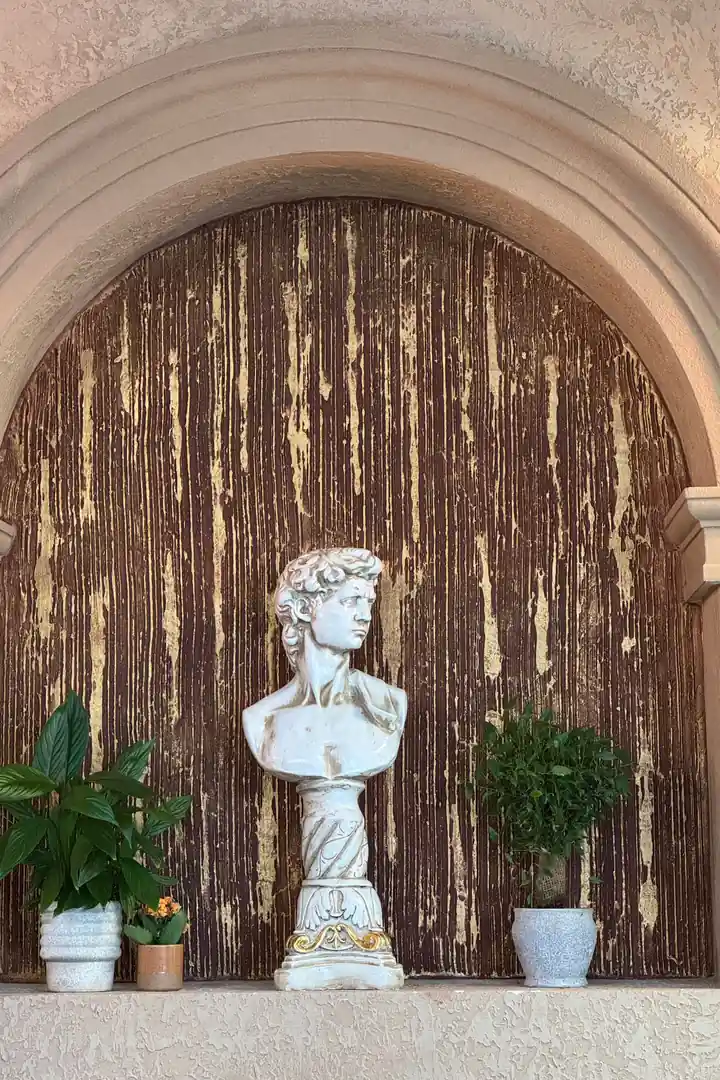
BEFORE: The studio corner stood plain and a little tired, with flat paint swallowing the arch and the daylight arriving with nowhere to play. Samples leaned against the baseboard for months while the room waited for a decision.
AFTER: Two coats of warm plaster later, the arch throws a soft shadow line and the wall holds light like brushed stone. A single pedestal and one sculptural piece finish the corner, because the surface itself now does the decorating.
Arches and plaster belong together, since the finish follows curves without seams or trim. Work the coats in the direction of the curve and keep edges damp while you move, so no lap lines freeze into the surface as it sets.
Apply Plaster In Steps

Credit : David Antonio Cruz Naira
- Wash the wall, fill cracks, and sand until the surface feels flat under a palm
- Roll on a quartz grip primer and let it dry a full day
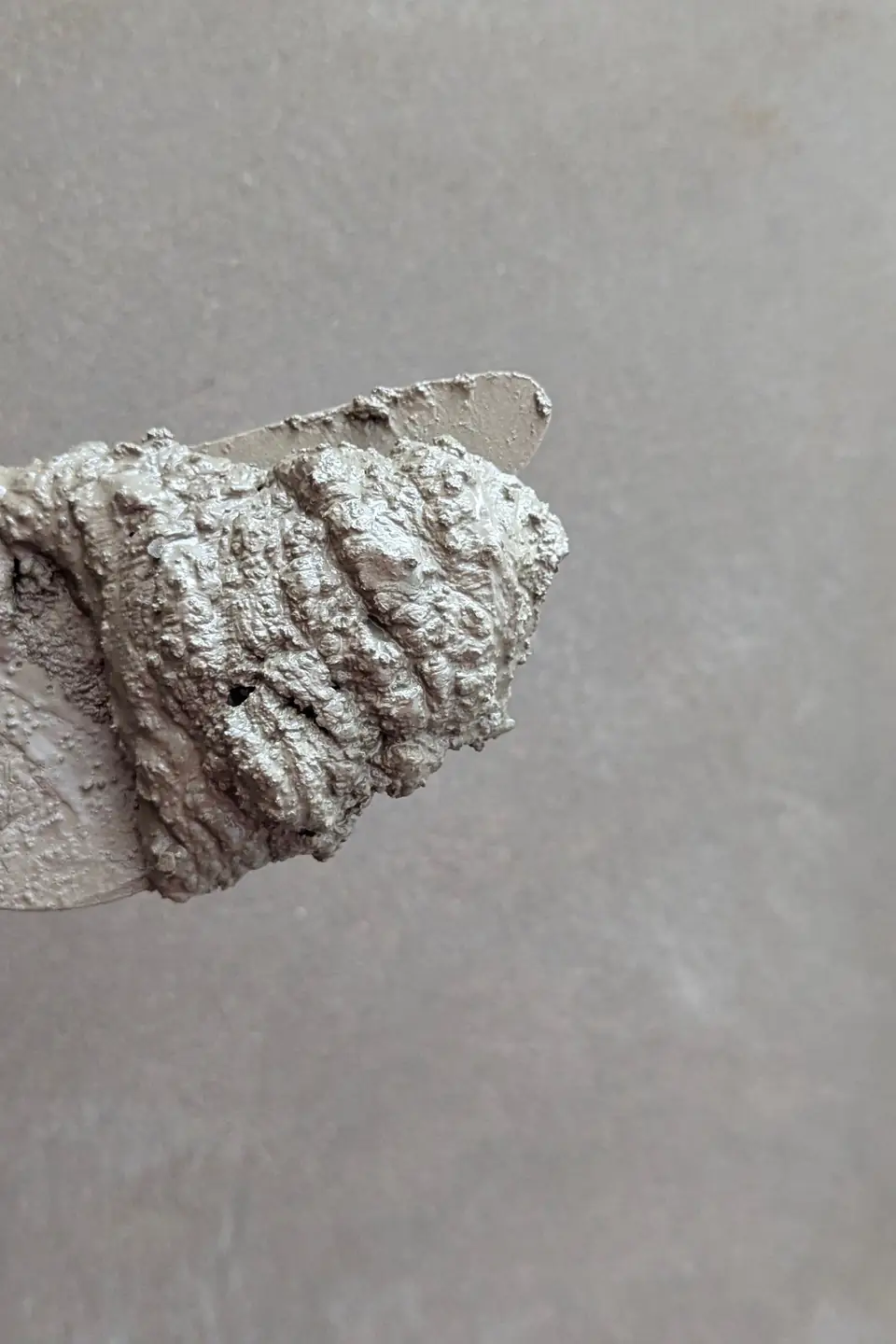
- Skim the first coat thin with a steel trowel, keeping the blade almost flat
- Mist, then lay the second coat in short overlapping arcs once the first turns matte
- Burnish the final pass in circles until the wall shines softly
Thin coats forgive beginners, while one thick coat traps moisture and prints every mistake. In my experience, the wall tells you when to stop: the trowel starts to sing, a faint ringing sound that means the lime has tightened enough.
Venetian Versus Limewash Finish
Credit : Sarah Hall
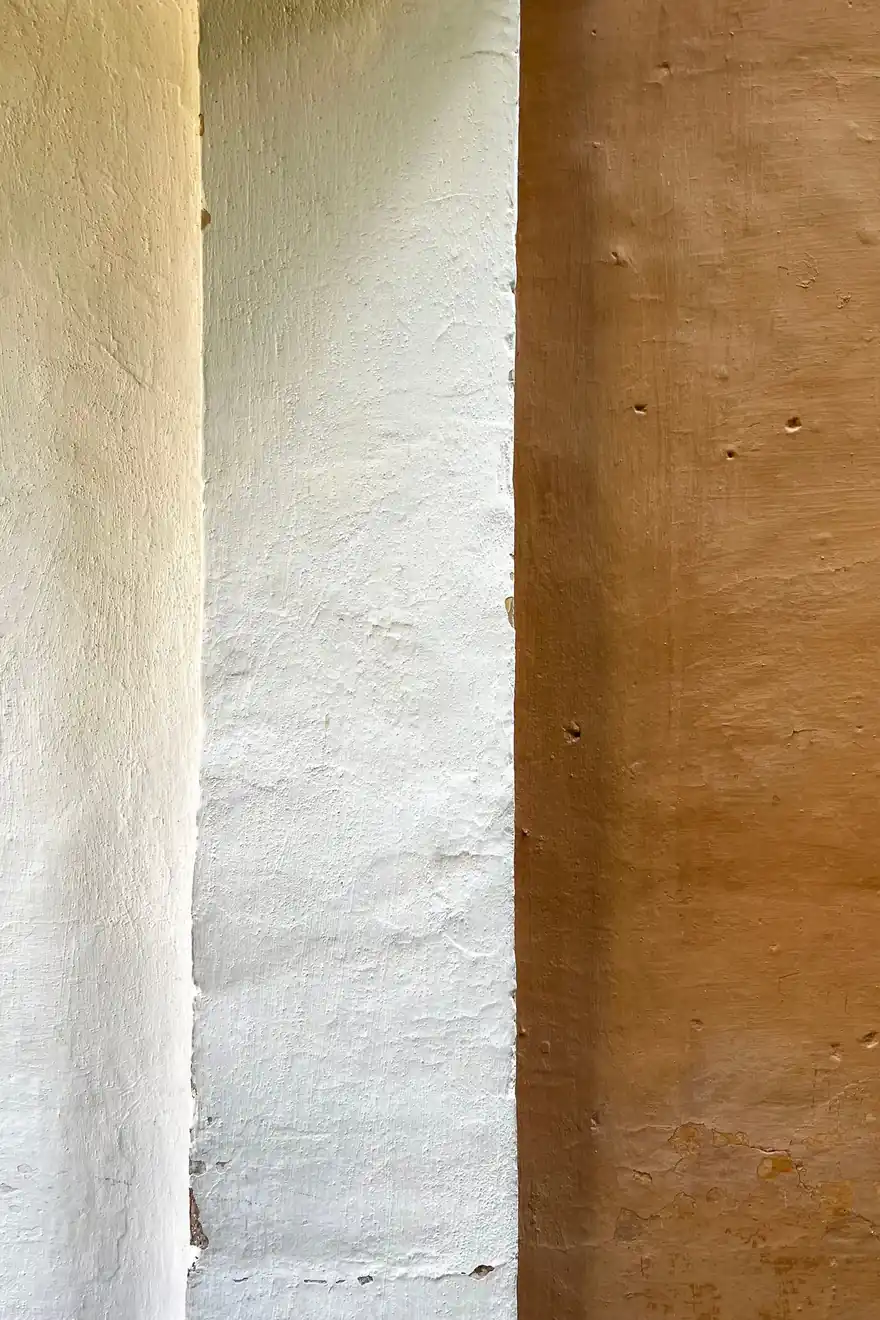
Both finishes come from lime, yet they behave like different materials once the trowel starts moving and the wall begins to drink.
| Feature | Venetian Plaster | Limewash |
|---|---|---|
| Depth | Polished layers, marble like movement | Flat, cloudy, brushed on texture |
| Shine | Soft glow up to mirror sheen | Fully matte, chalky calm |
| Cost | Higher, skilled labor per coat | Lower, friendly to beginners |
| Best Rooms | Living rooms and entryways | Bedrooms and calm corners |
Pick polished coats where lamplight and guests gather, and limewash where the mood should stay hushed. Many homes mix both, polished below the stairs and cloudy above them. Order sample boards of each and live with them side by side for a week before deciding.
Tadelakt Bathroom Glow Rules
Credit : Pablo RAMON
Do:
- Seal tadelakt with olive oil soap until water beads on the surface
- Round every corner before plastering, since the finish hates sharp edges
- Keep a soft cloth by the sink for quick splash wipe downs
- Choose brass or bronze fittings that warm against mineral tones
Don’t:
- Scrub with acidic cleaners that etch the polished lime skin
- Leave standing water pooled on ledges for days at a time
- Hang art with drilled anchors through the waterproof coat
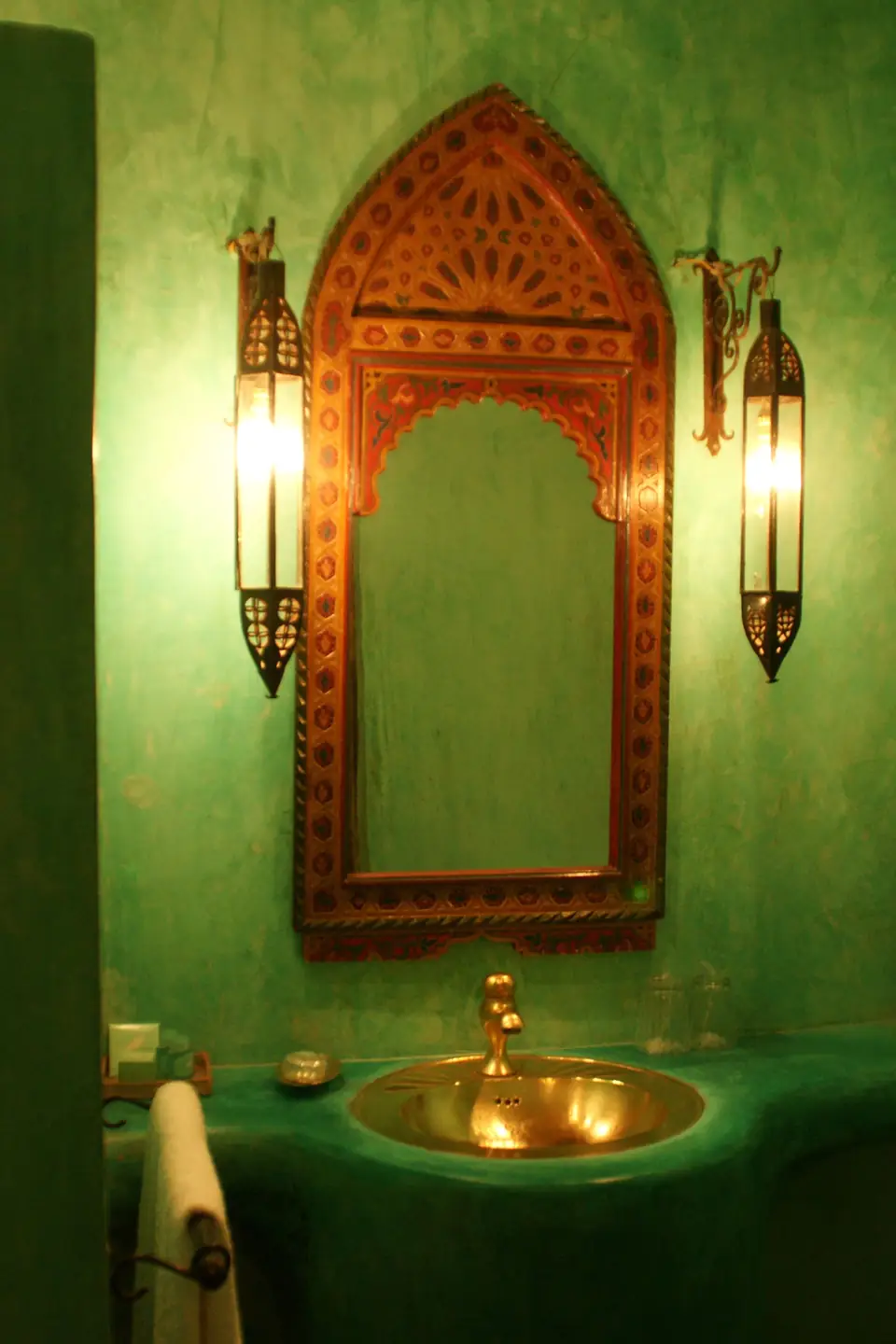
Tadelakt earns its glow through patience, layer after layer pressed with a stone until the surface turns waterproof and warm to the touch. The green walls in a hammam style bath show why people accept the labor: no grout lines, no cold tile, just one calm shell of color.
Plaster Cost Quick Facts
Credit : Yulia Shapereva s
Cost: Mid to high, driven by coats and skilled hours.
Time: Two to four days for one accent wall.
Skill Level: Beginner friendly in limewash, advanced in polished coats.
Best For: Rooms that need depth without pattern.
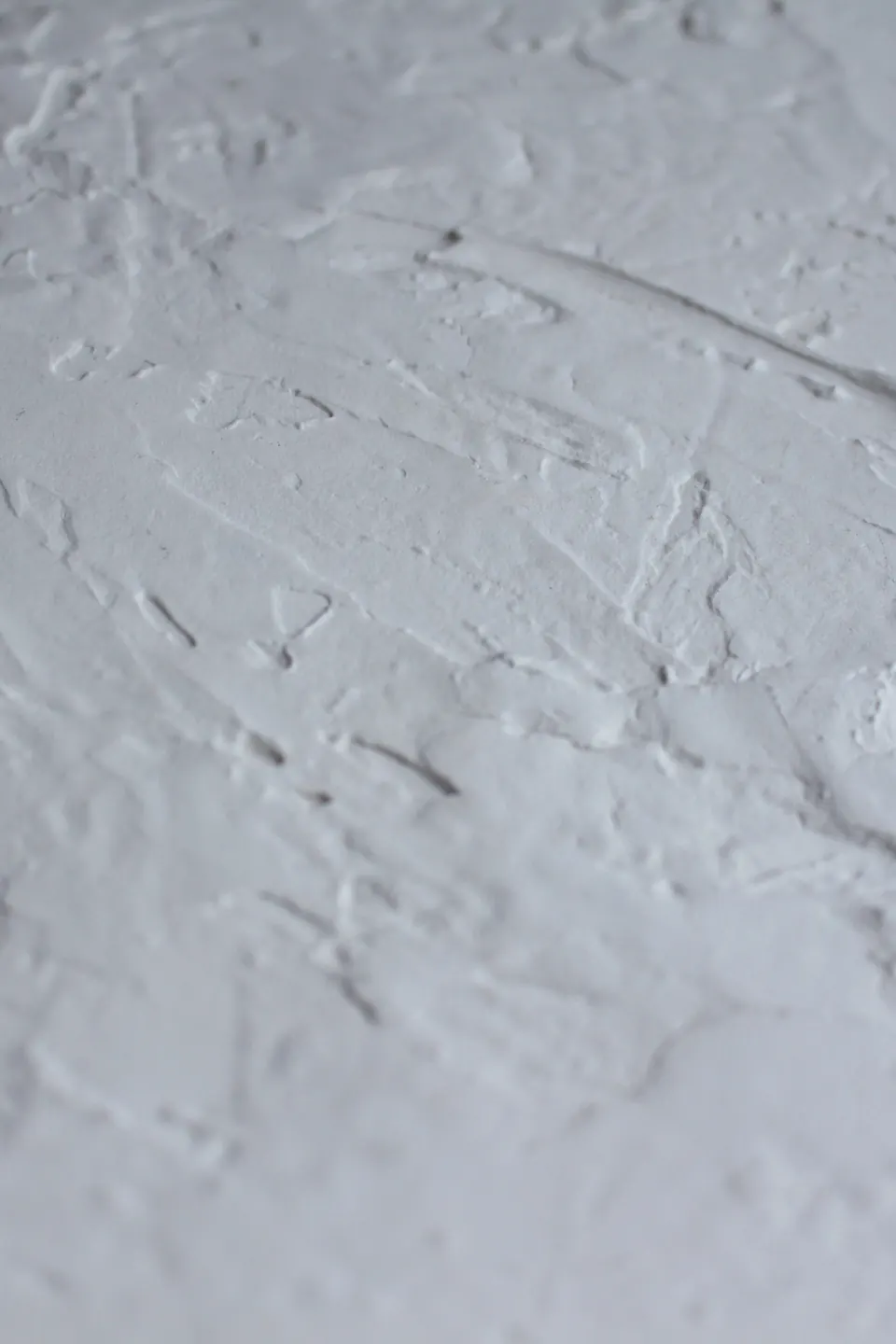
Material itself stays modest; a bag of lime plaster covers ground for the price of a nice dinner. Labor writes the real invoice, since each coat needs its own drying window and a trained hand at the trowel. Budget a sample board first, because testing two finishes at home costs little and saves the price of one wrong wall. Keep receipts by coat, since labor quotes vary wildly between towns.
Cloudy Taupe Accent Wall
Credit : Pavel Morillo
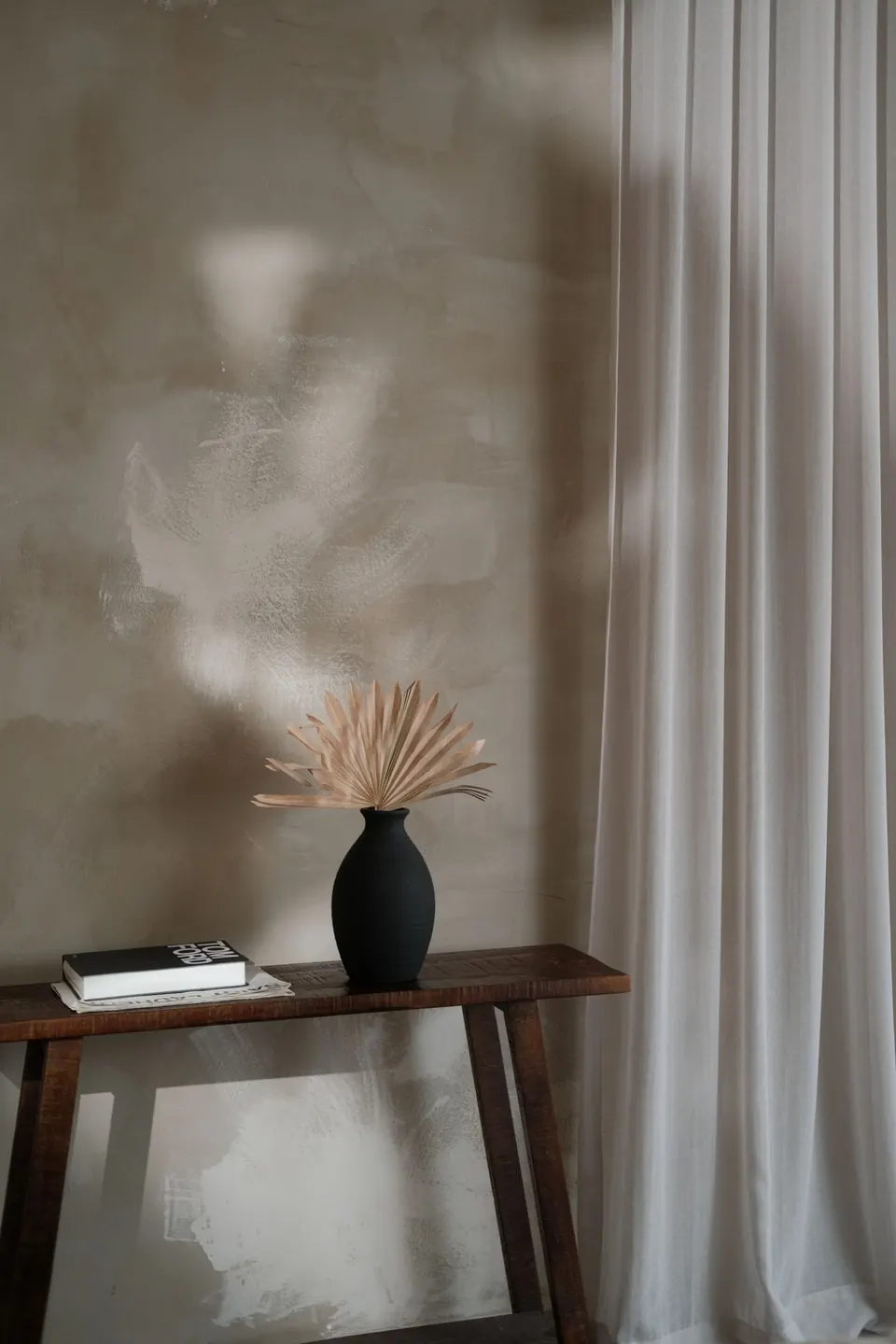
Taupe plaster behind a slim console turns an overlooked stretch of wall into the room’s quiet anchor. The cloudy finish shifts between grey and brown as clouds cross the window, so a black vase and a small stack of books read like a still life arranged against it.
Keep the styling low and wide on a wall like this, and repeat one tone from the plaster in a cushion or throw across the room. I’ve seen this work well in many cases where framed art felt forced: the texture is the picture, and the furniture only needs to agree with it.
Burnished Bronze Metallic Walls
Credit : Luk Sauvage
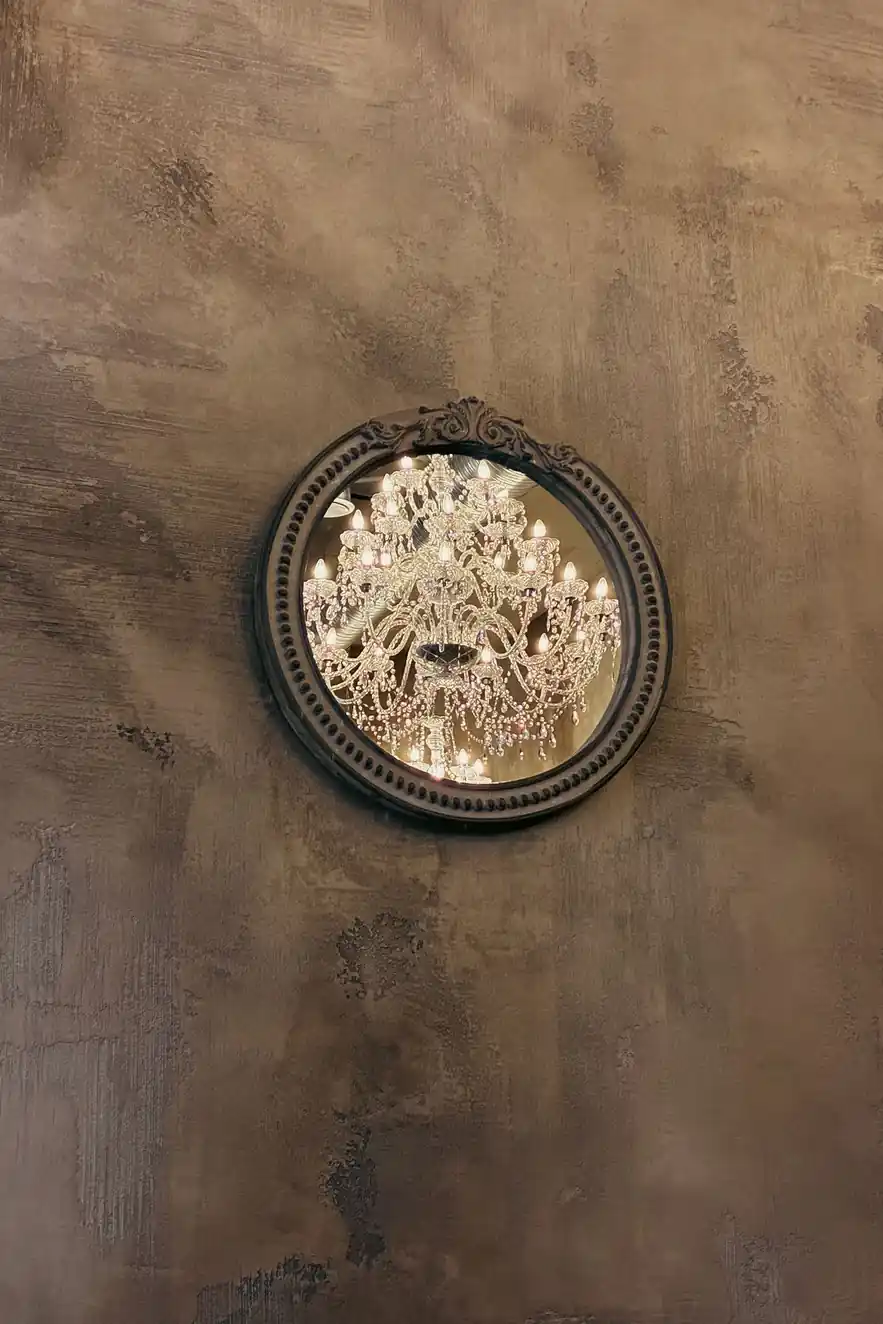
- Metallic pigment rides inside the plaster, so the shimmer never flakes like paint
- A round mirror doubles the candlelight effect across the mottled surface
- Dark bronze tones deepen small rooms instead of shrinking them
- Velvet upholstery in rust or olive answers the metal with softness
- Warm bulbs near 2700K keep the finish golden rather than grey
Metallic coats sit at the dramatic end of Venetian plaster wall finish ideas, and they reward bold pairing: blackened steel, aged brass, and one brave piece of art. Keep the rest of the room matte so the wall keeps its quiet smolder through the evening.
Ivory Plaster Fireplace Surround
Credit : Ksenia Chernaya
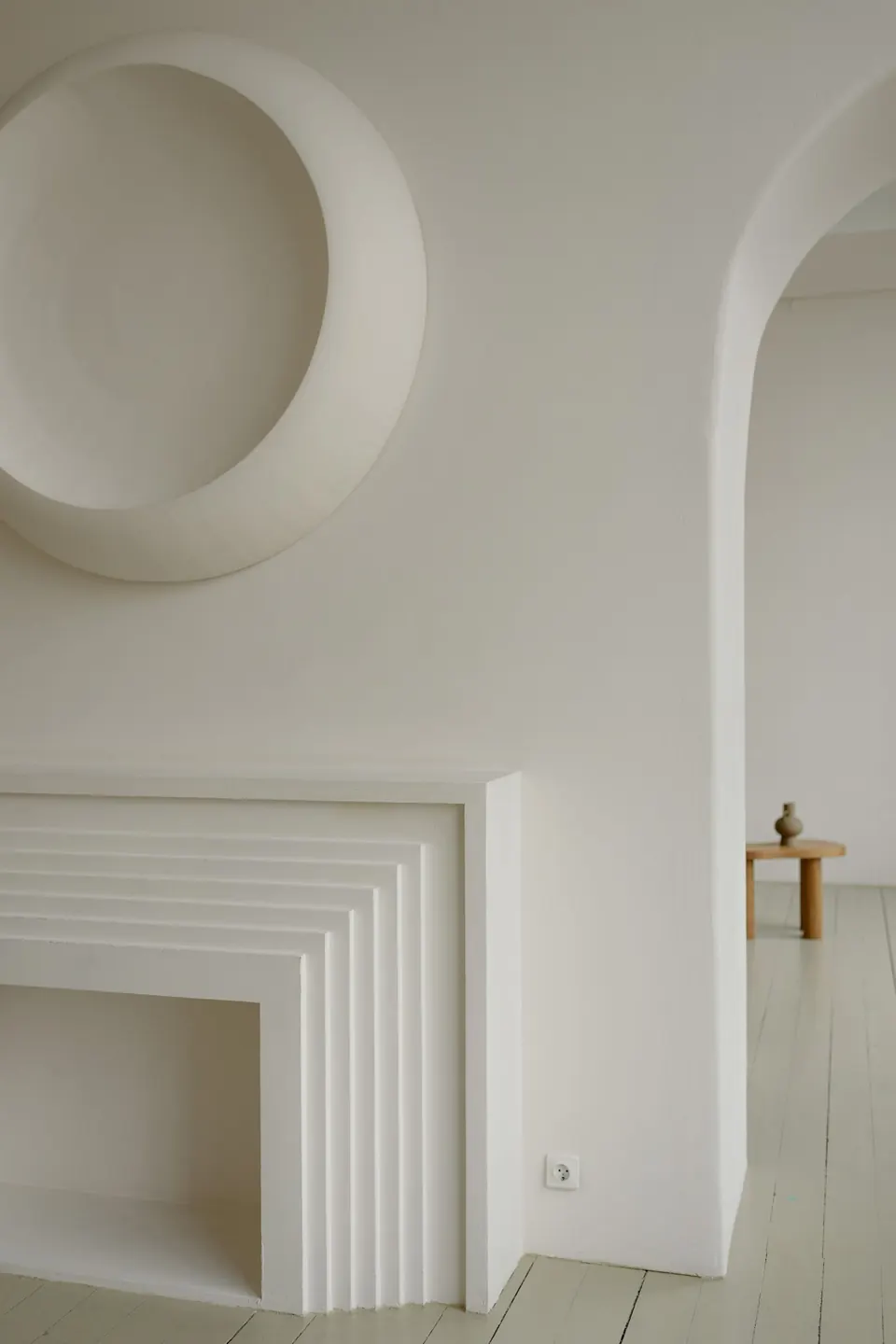
Quick Tip: Run plaster in vertical ribs around a fireplace by dragging a notched trowel through the final coat. The grooves catch firelight in stripes and hide the faint soot shadows that smooth surrounds tend to show within one winter of fires.
An ivory surround keeps the hearth bright even when the fire is out, and the plaster shrugs off heat that would blister paint. Style the mantel with one tall branch or a single candle cluster, then let the ribbed surface carry the whole wall on its own. The finish also deepens slightly near the heat, gaining a lived in gradient that plain paint never earns.
Cold White To Warm

Credit : Pavel Morillo
BEFORE: The room felt rented and chilly, with blue white paint, thin curtains, and a sofa floating in front of a wall that gave nothing back. Guests kept their sweaters on through dinner, and honestly, so did the family.
AFTER: A warm mineral coat and heavier drapes changed the temperature of the whole space without touching the thermostat. The plaster drinks the lamplight at night and returns it as a low, even warmth across the seating.
Color temperature hides inside texture more than paint charts admit. A warm white plaster reads degrees warmer than the same shade in flat paint, because the surface scatters light instead of bouncing it. Test your white at dusk before committing the whole room.
Trowel Technique In Steps
Credit : Polina Tankilevitch
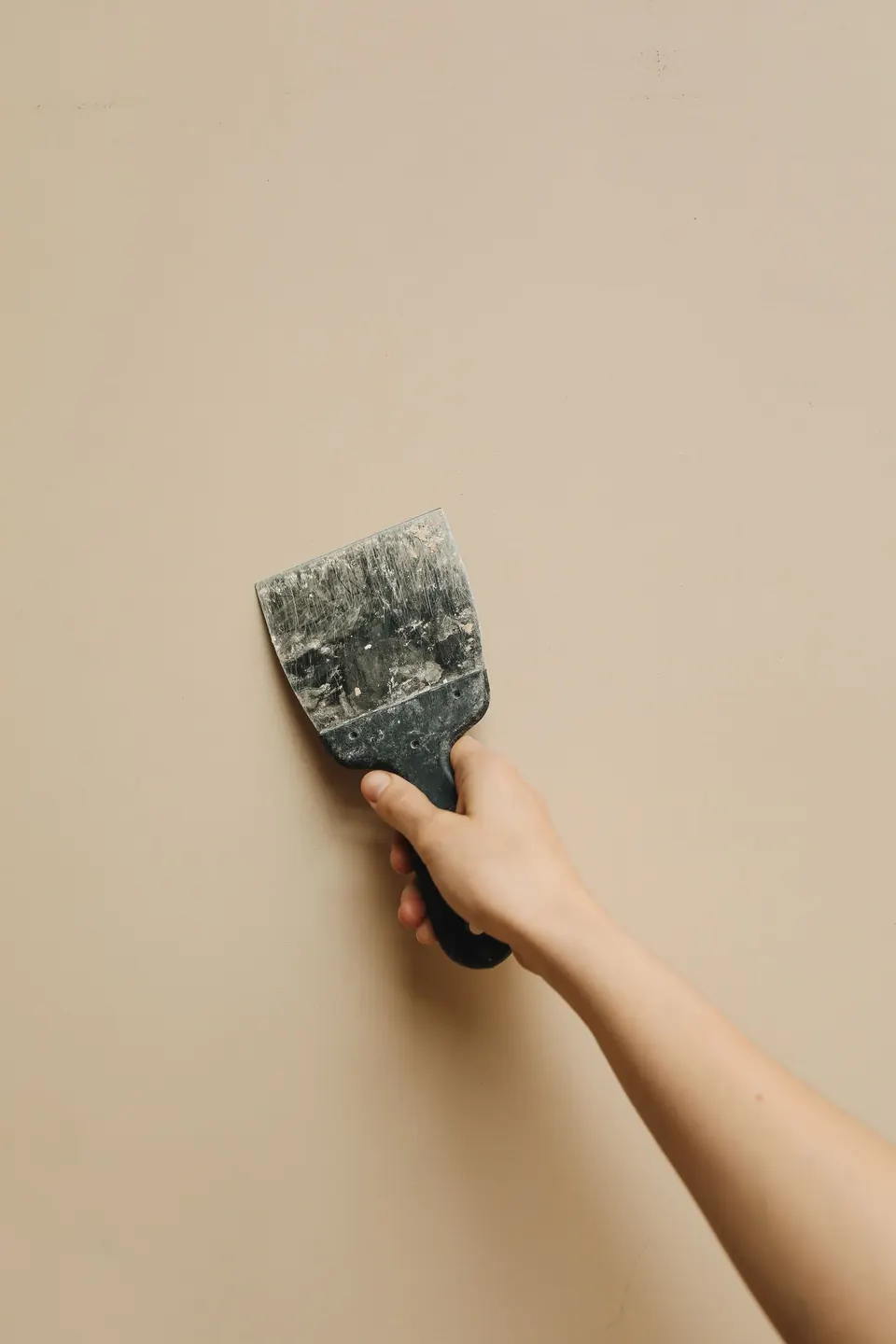
- Load the trowel with a walnut sized ribbon of plaster along one edge
- Hold the blade near fifteen degrees and pull in short, overlapping arcs
- Cross the second pass at an angle to the first to erase long lines
- Clean the blade often, since dried crumbs scratch the fresh coat
- Finish with firm circular burnishing once the surface turns leather hard
Short arcs keep the movement organic, like ripples settling on a pond. Long straight passes print ruler lines that no amount of wax can hide later. Rest your wrist every few minutes; a tired hand presses harder and digs the very ridges you are trying to avoid.
Gloss Versus Matte Sheen
Credit : Julia Filirovska
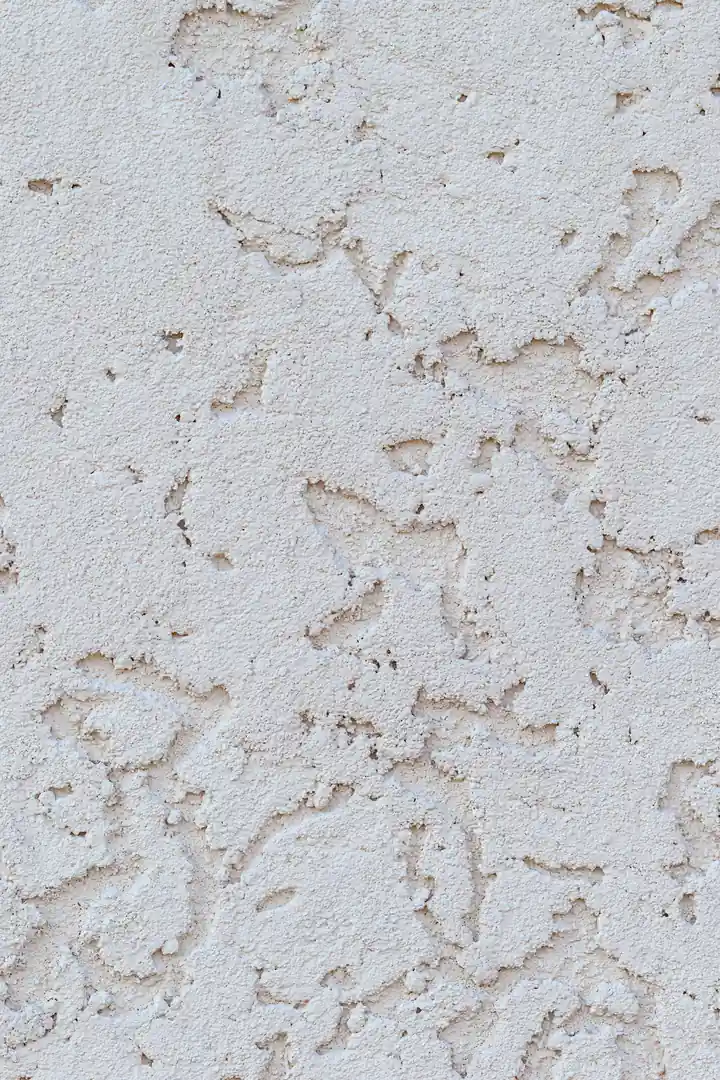
Sheen decides how loud a plaster wall speaks once the lamps come on, so choose it before the first coat ever leaves the bucket.
| Feature | Gloss Finish | Matte Finish |
|---|---|---|
| Light Play | Mirrors lamps and windows softly | Drinks light, stays hushed |
| Fingerprints | Shows marks, needs gentle wiping | Hides everyday smudges well |
| Room Mood | Dressy, evening, dramatic | Calm, daytime, relaxed |
| Upkeep | Wax yearly to hold the shine | Refresh coats every few years |
Most homes land between the two, a satin burnish that glows without glare. Ask your applicator for samples at three sheen levels and check each one at night, since daylight flatters gloss and hides its fingerprints until the lamps take over.
Entryway Plaster Ground Rules
Credit : lumverte
Do:
- Plaster one entry wall so arrivals feel the home’s character fast
- Hang a single bold mirror to bounce hallway light across the texture
- Seal the lower wall well, where bags and boots brush past daily
- Repeat the plaster tone in a runner for a calm first impression
Don’t:
- Paper every entry wall, which makes small halls feel like caves
- Skip the primer on patched drywall with mixed old paints
- Pick a cold grey that fights the front door wood
Entries work hard and show wear first, which makes plaster a practical luxury here: scuffs buff out with a damp cloth instead of demanding a repaint. That’s why many experts recommend a sample patch by the door, lived with for a month of comings and goings.
Bedroom Plaster Durability Facts
Credit : Max Vakhtbovych
Cost: One wall runs close to a quality paint job plus primer.
Time: Two days of coats, one quiet day of curing.
Skill Level: Confident beginner for limewash coats.
Best For: Sleep spaces that need calm texture.
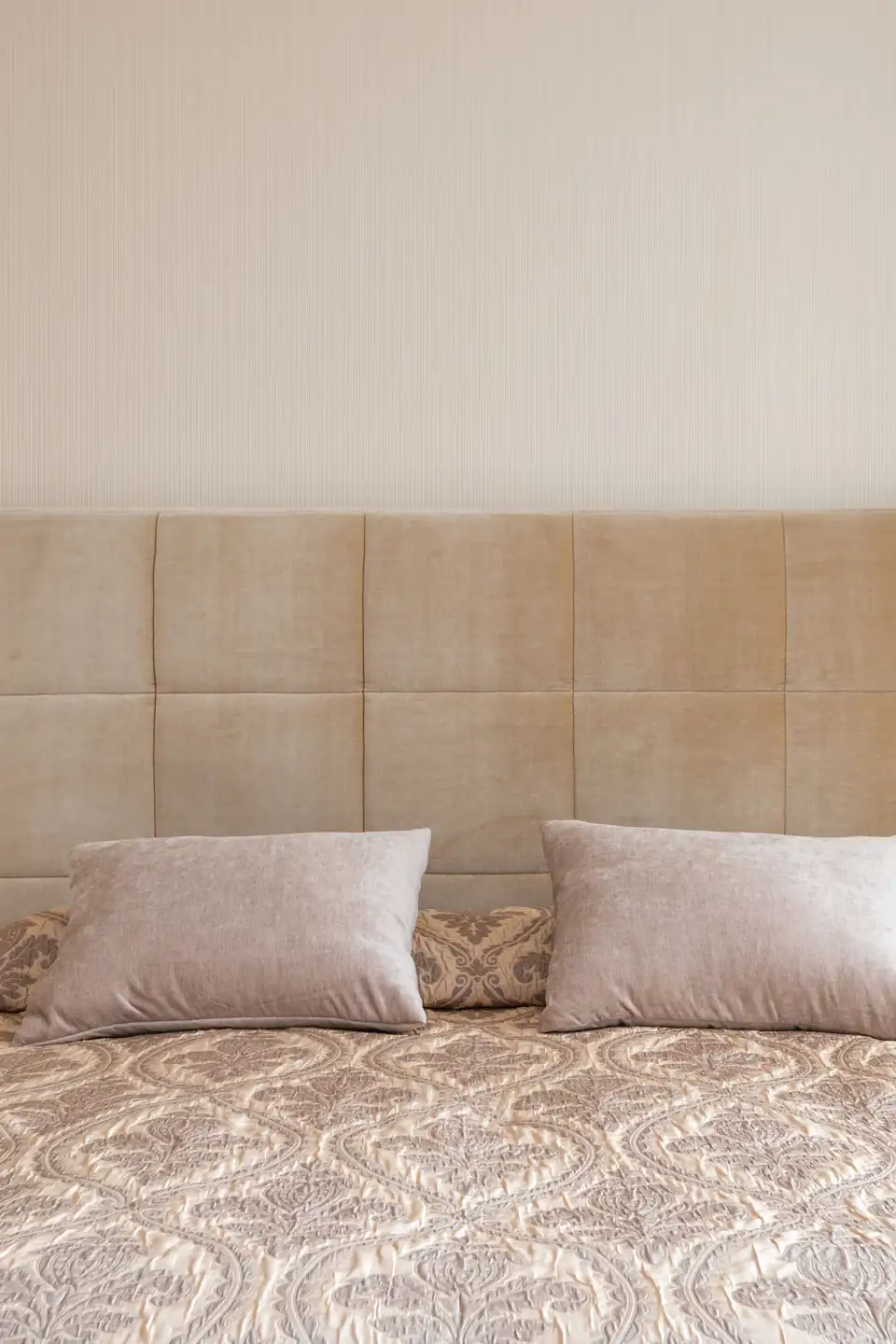
Behind a bed, plaster takes knocks from pillows and headboards without the scuff shine that painted walls develop. Small cracks hairline and honest, and most owners leave them as character rather than patching. A coat of clear wax every few years keeps dust from settling into the pores, and the wall still looks fresh a decade on, even in a busy family home.
Rose Tinted Plaster Walls

Credit : ready made
Rose plaster walks a fine line between sweet and sophisticated, and texture is what keeps it grown up. The rough mineral surface breaks the pink into a hundred small shadows, so the wall reads like stone fruit skin rather than candy.
Brass lamps and walnut furniture steady the color, while white bedding or a cream sofa gives it air. The same softness explains the pull of linen wallpaper living room ideas, where woven flax warms a wall without a trowel. Keep the rose chalky, never glossy, and it flatters skin tones at the dinner table too. The color deepens kindly as it cures, so judge samples after a full week.
Charcoal Plaster Drama Corner

Credit : Aleksander Pedosk
- Charcoal plaster swallows glare, so screens and reading lamps behave
- One pale artwork glows against the dark mineral ground
- Brass and cognac leather keep the corner warm, never cold
- A single tall plant softens the edge where dark meets light
- Matte black switches disappear into the finish for a clean look
Dark plaster suits corners better than whole rooms in most homes, since one moody wall gives depth while the others keep the daylight. I’ve noticed guests settle into a charcoal corner faster, the way people choose the booth at a restaurant: enclosed, calm, and a little private. Add one wool throw and the corner turns into the best seat in the house.
Two Tone Plaster Walls

Credit : Max Vakhtbovych
Quick Tip: Tape a level line at chair rail height and run the darker plaster below it. The deep tone grounds the room, hides scuffs at hand height, and makes the pale upper walls feel taller by contrast.
Two tones let one room hold both moods of plaster, weight below and air above. The line can follow a hallway, wrap a dining space, or stop at a doorway for a tailored break. Keep the two tones within one family, warm stone under warm white, so the seam reads as design rather than indecision. A brass picture light or a long runner can carry the eye along the seam.
Dated Paint To Stone
Credit : Ansel Lee
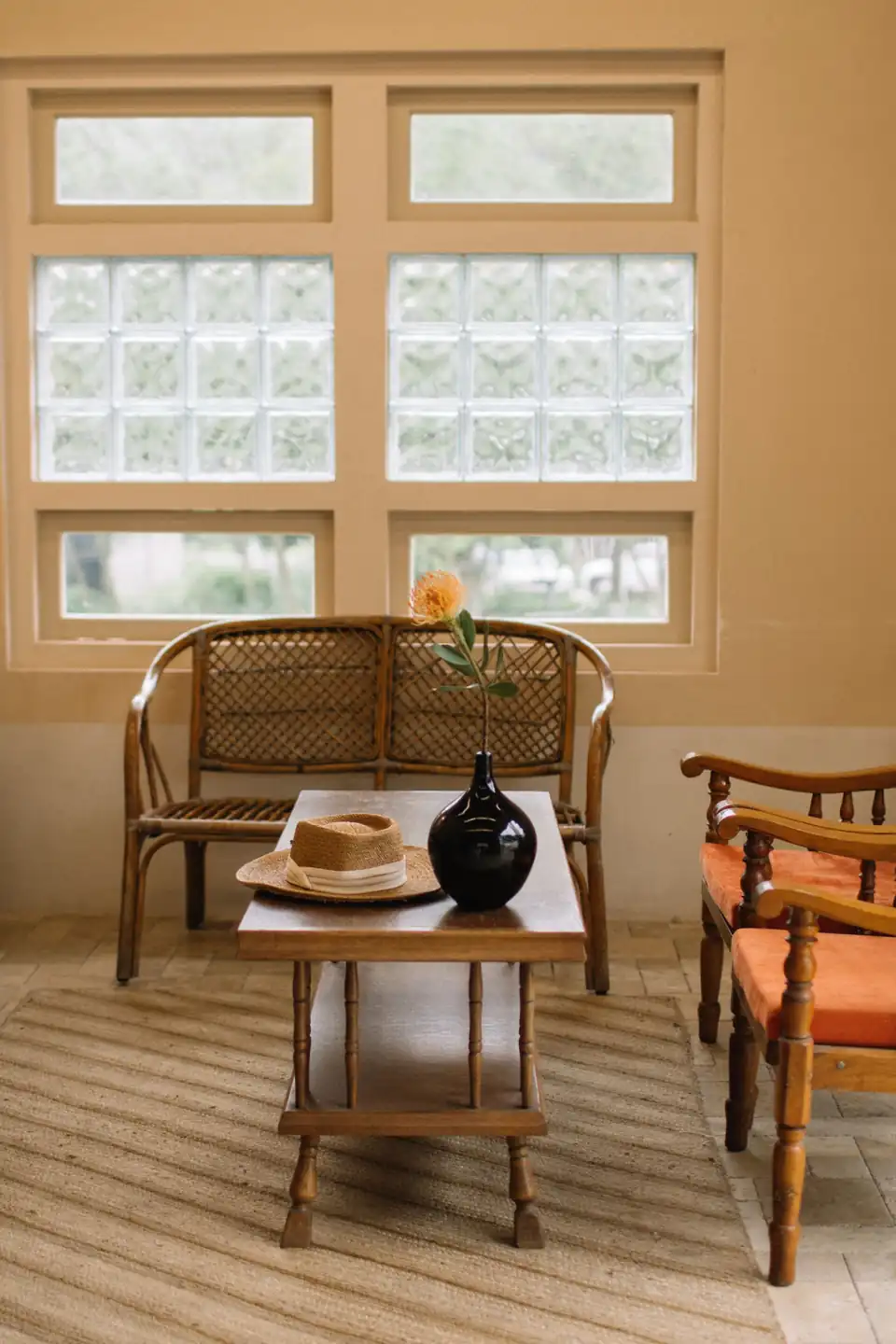
BEFORE: The living room wore a tired coat of builder beige, flat on every wall, with rattan chairs doing their best against a backdrop that photographs forgot instantly. Nothing was broken, yet nothing felt chosen either.
AFTER: A stone toned plaster with ochre depth gave the same furniture a setting worth sitting in. Light from the glass blocks now rakes across the surface and changes it hourly, so the room feels collected rather than decorated.
Stone tones forgive older furniture, since the mineral backdrop flatters wood, cane, and worn leather alike. Start with the wall behind the main sofa, live with it through one season of light, and most families end up booking the rest of the room.
Seal And Wax Steps
Credit : David Antonio Cruz Naira
- Let the final coat cure until it feels room temperature and fully matte
- Wipe the wall with a dry cloth to lift loose lime dust
- Spread natural wax in small circles with a soft cotton pad
- Buff each section within minutes, before the wax turns hazy
- Repeat one thin coat yearly in kitchens and busy halls
Wax is the plaster’s raincoat and its polish at once, deepening the color by half a shade while it seals the pores. Work in arm sized sections and keep a second clean pad for buffing, since a loaded pad smears instead of shining. Two thin coats on day one beat one heavy coat every time.
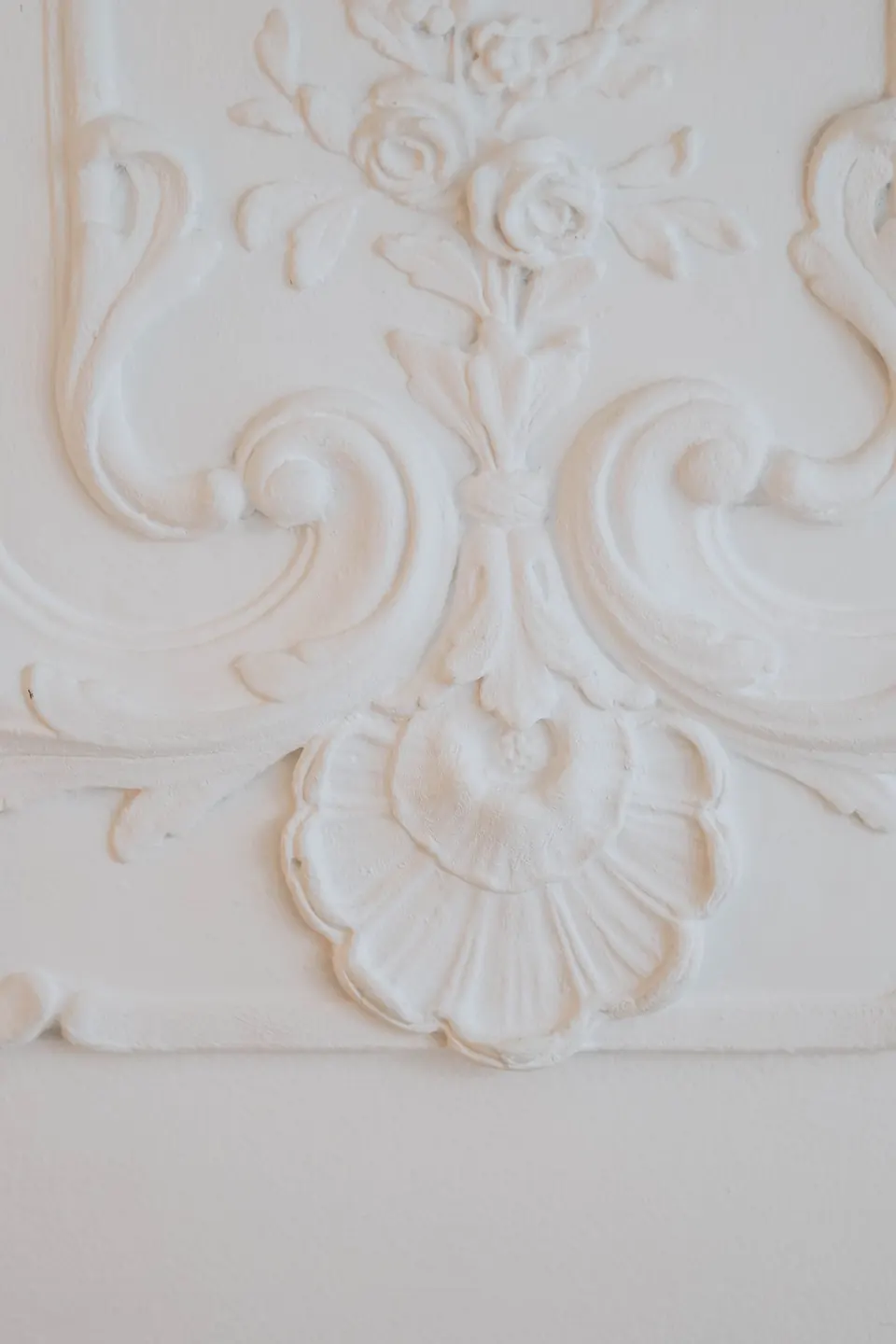
Real Plaster Versus Faux
Credit : Valeria Boltneva
Faux finishes promise the look in a weekend, yet the wall itself tells the truth the first time a hand brushes across it.
| Feature | Real Plaster | Faux Finish |
|---|---|---|
| Feel | Cool stone, real depth in layers | Warm paint film on flat drywall |
| Aging | Mellows, gains character yearly | Chips show paint layers beneath |
| Repair | Patches blend with fresh lime | Touch ups flash under lamplight |
| Value | Counts as a material upgrade | Counts as a paint treatment |
Faux kits still earn a place for renters and quick flips, where the deposit matters more than the decade. Owners planning to stay should price real plaster once; the gap shrinks fast when a faux job needs redoing every few winters.
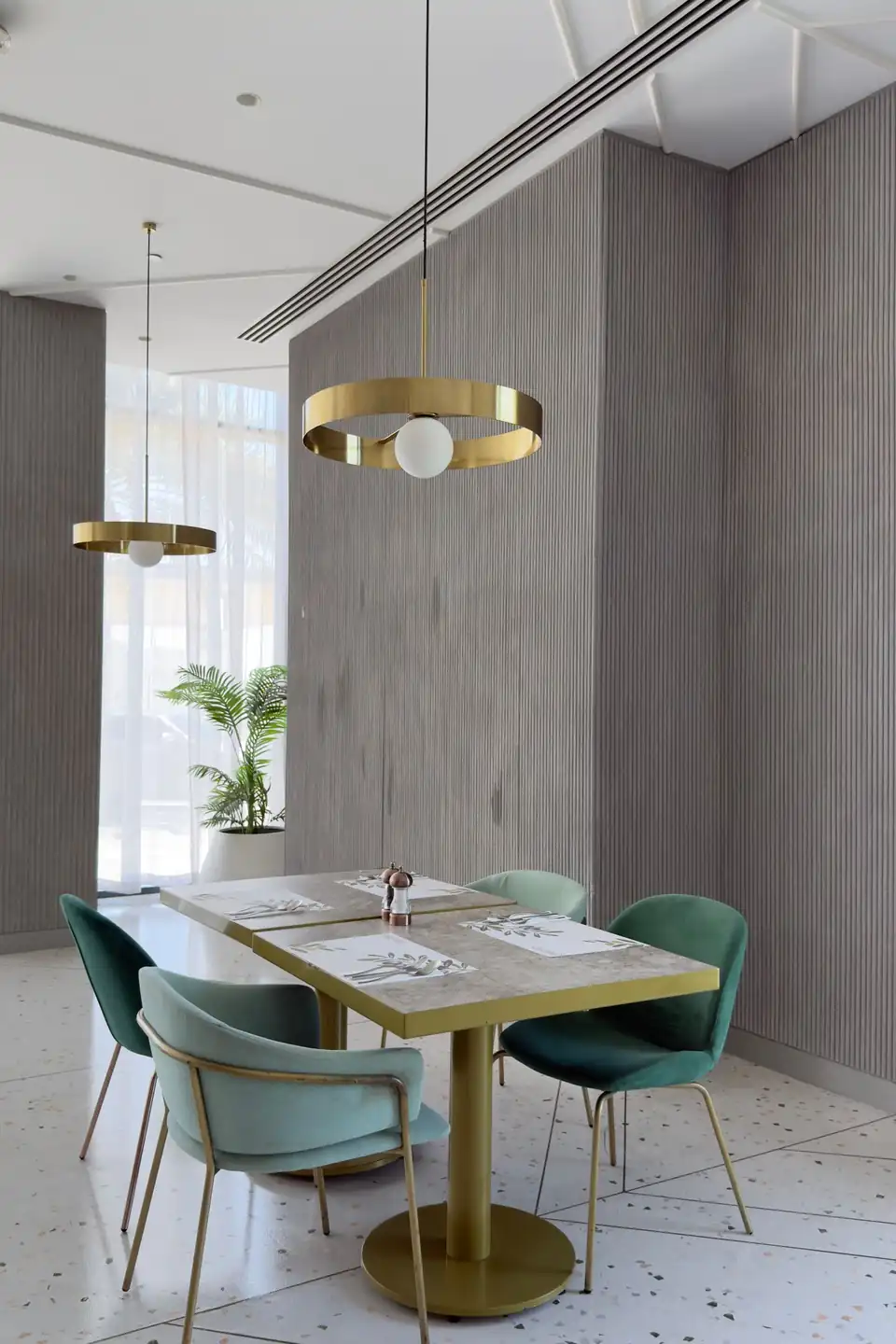
Dining Room Plaster Rules
Credit : Misbaa eri
Do:
- Run plaster behind the sideboard, where candlelight can rake across it
- Pick warm mid tones that flatter food and faces at night
- Wax the chair height band so scuffs from chair backs wipe clean
- Let one wall stay plain to rest the eye between courses
Don’t:
- Choose icy grey tones that drain color from the table
- Hang heavy frames on fresh plaster before it fully cures
- Match the wall exactly to the table wood and lose both
Dining rooms glow under plaster because meals happen by low light, and low light is where mineral walls perform. The finish turns an ordinary Tuesday dinner into something that feels slightly hosted, even when the menu is plain pasta and a green salad.
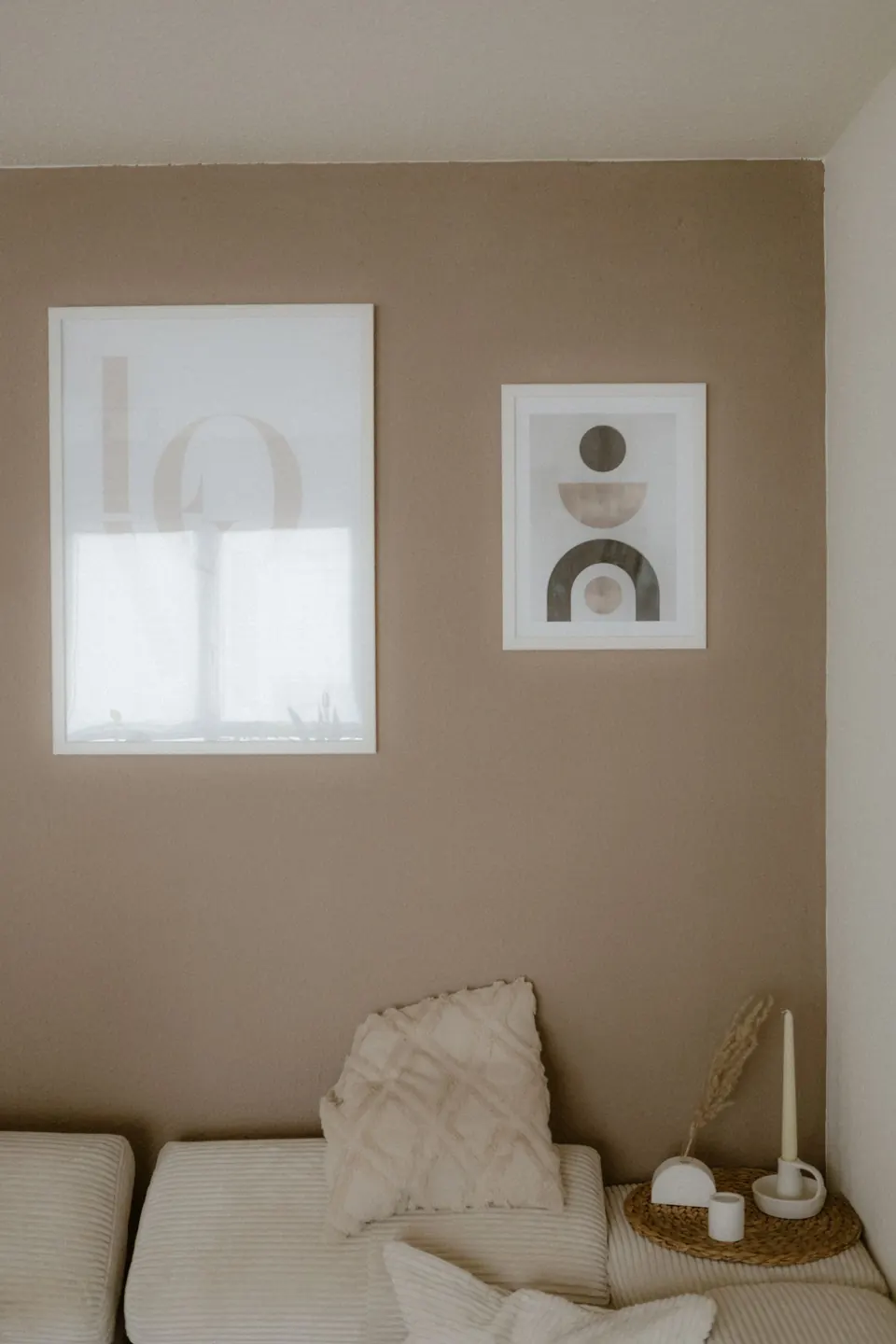
Small Room Plaster Facts
Credit : Andreas Ebner
Cost: Small walls keep material and labor modest.
Time: One weekend for a powder room or nook.
Skill Level: Beginner friendly with thin coats.
Best For: Tiny rooms that feel boxy in flat paint.
Small rooms gain the most from plaster, since texture replaces the art and furniture a tight floor plan cannot hold. A powder room wrapped in warm plaster feels like a jewel box rather than a closet, and guests remember it long after the larger rooms blur together. Keep the tone pale and the sheen low, and even a windowless bath borrows light from the hall. Plaster also warms the acoustics, so small rooms sound softer and kinder.
Conclusion
Twenty four finishes later, one truth holds steady: walls carry more mood than any sofa or rug ever will. Venetian plaster wall finish ideas give that mood a material, lime and marble dust that ages with grace and asks only for wax and patience in return. Start with one wall, live with its light for a season, and let the room argue for the rest. Save these ideas to your Pinterest board before you shop, and share the board with your applicator so the first sample lands close to the wall in your head.