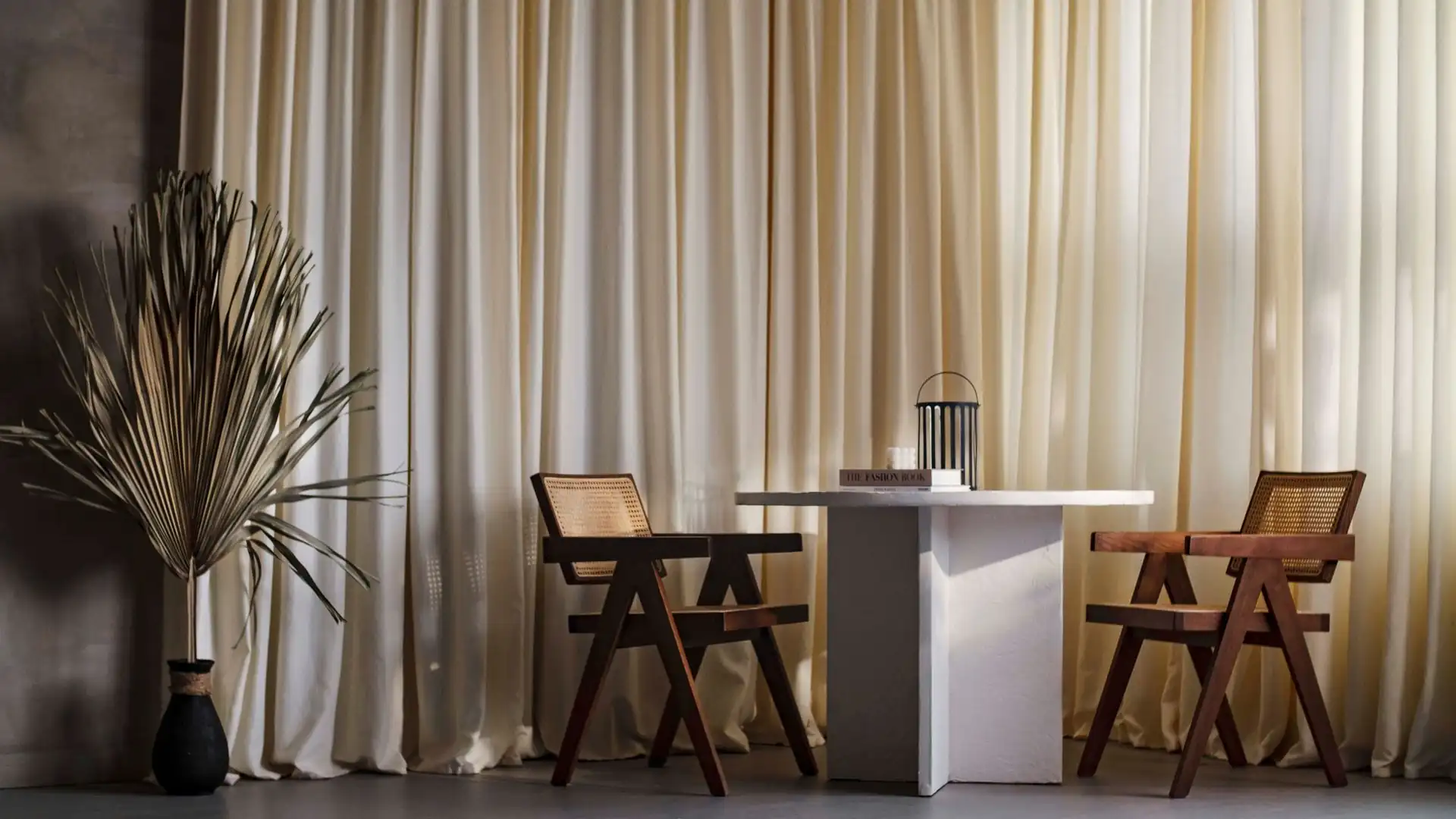
21 Seagrass Wallpaper Interior Design Ideas for Natural Texture
Some walls ask for art, and some ask for texture instead. seagrass wallpaper interior design answers with woven plant fibers that turn flat paint into a calm, ribbed surface full of small shadows. The look suits coastal, Japandi, and warm modern rooms alike, and it asks for little more than dusting in return.
This guide walks through twenty one rooms and details: accent walls, bedrooms, entryways, honest costs, hanging steps, and the humidity rules that keep natural fibers happy. The same respect for woven texture shapes linen wallpaper living room ideas, a close cousin in flax. In my experience, one well chosen wall changes a room more than a season of new cushions ever will.
Natural Weave Accent Wall

Credit : Meyra
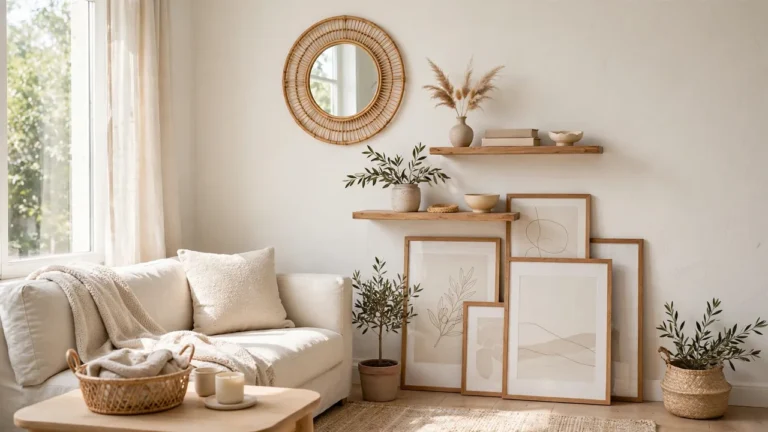
Sunlight rakes across a woven wall and the whole room exhales. Seagrass paper behind the sofa turns a flat backdrop into a landscape of fine ribs and shadow, each strip catching light at a slightly different angle. Terracotta cushions and a pale couch keep the palette grounded while the fibers do the talking above them.
Hang the weave on the wall the seating faces, so the texture stays in view all evening. I’ve noticed the ribbed surface also softens echoes from hard floors, which makes conversation feel closer. One wall is enough; the side walls can stay painted in a warm white pulled from the lightest fiber tone in the roll.
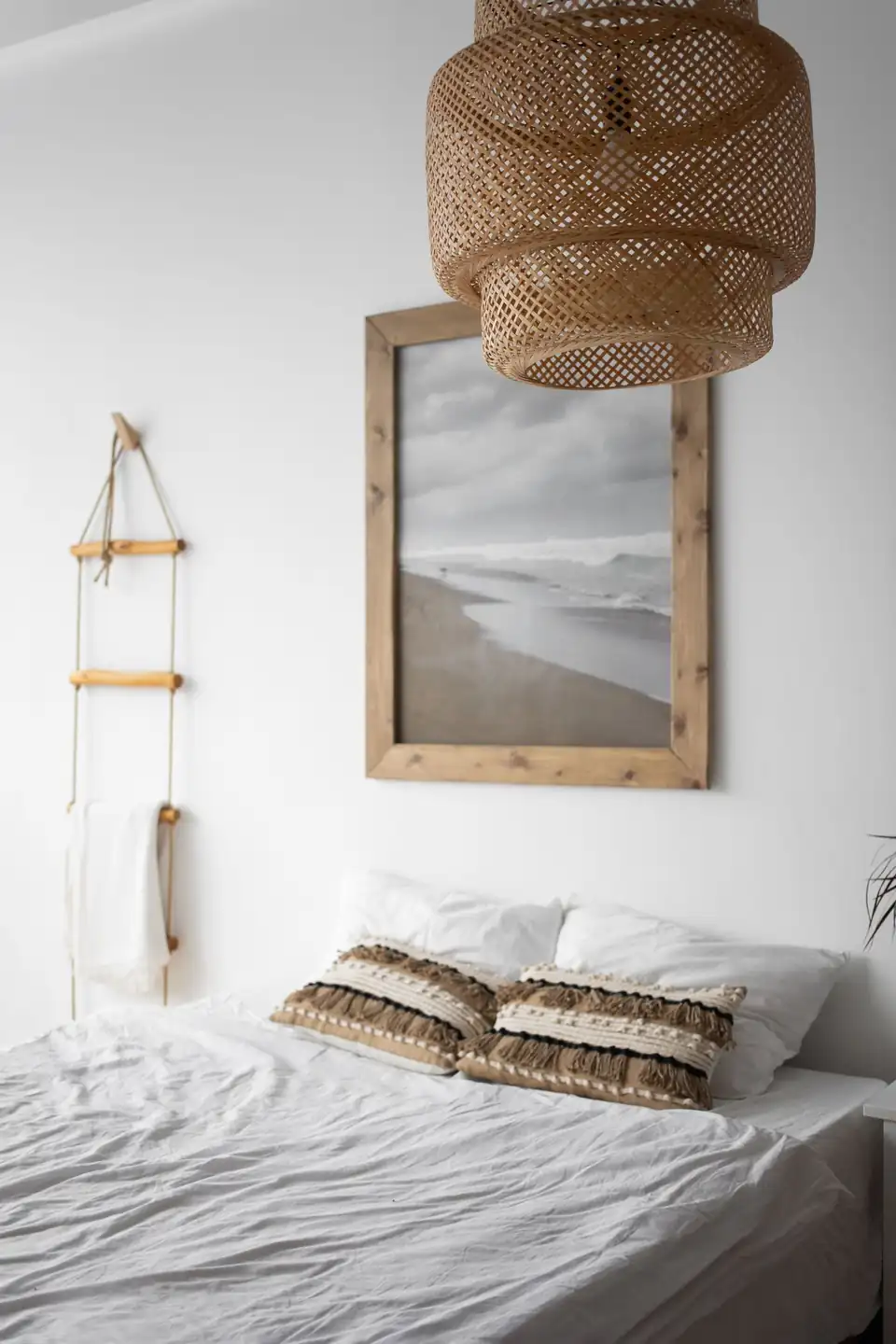
Woven Texture Bedroom Walls
Credit : KATRIN BOLOVTSOVA
- A rattan headboard echoes the woven wall and doubles the texture story
- Crisp white bedding keeps the natural fibers from reading too rustic
- A woven pendant throws soft patterned light across the ceiling at night
- Coastal art in pale blues cools the warm straw tones gently
- Flax shade curtains blur the line between the wall and the window
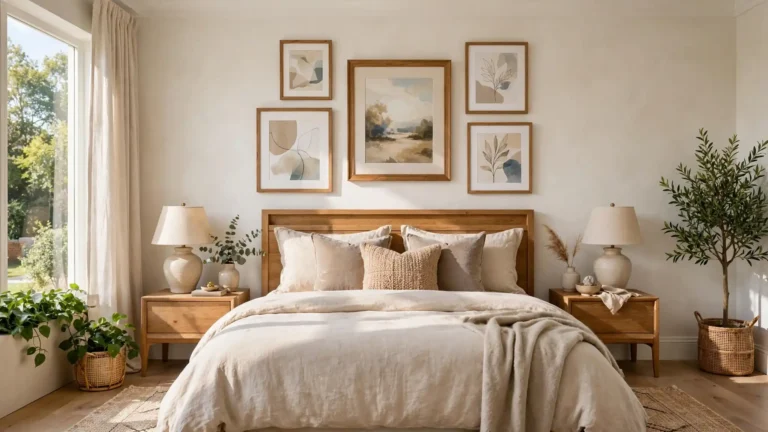
Bedrooms suit seagrass paper better than almost any room, since the fibers mute sound and the matte surface never glares under morning light. Keep the weave behind the bed, where it works as an oversized headboard backdrop, and let the remaining walls stay quiet in warm white paint.
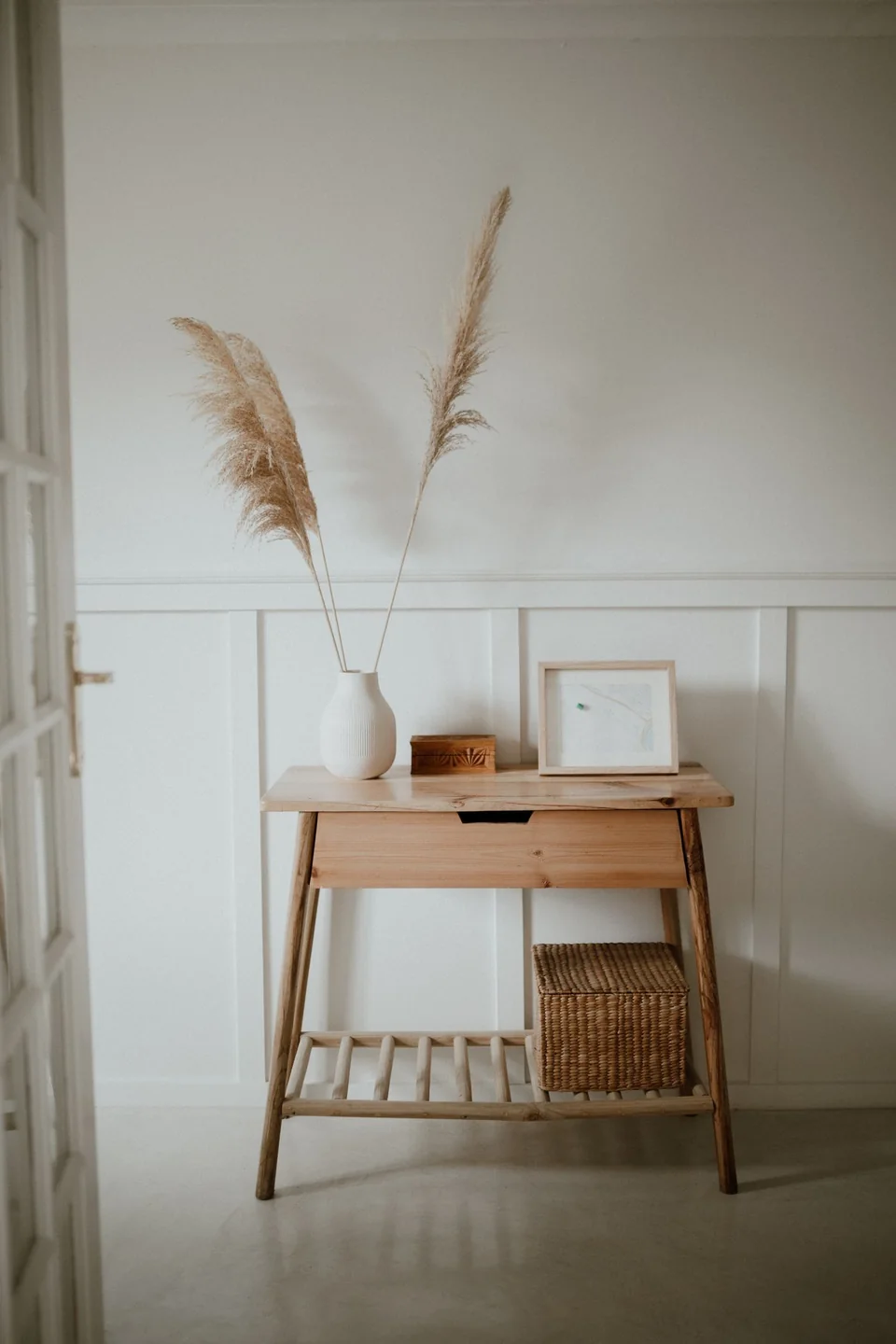
Entryway Grasscloth Welcome
Credit : Taryn Elliott
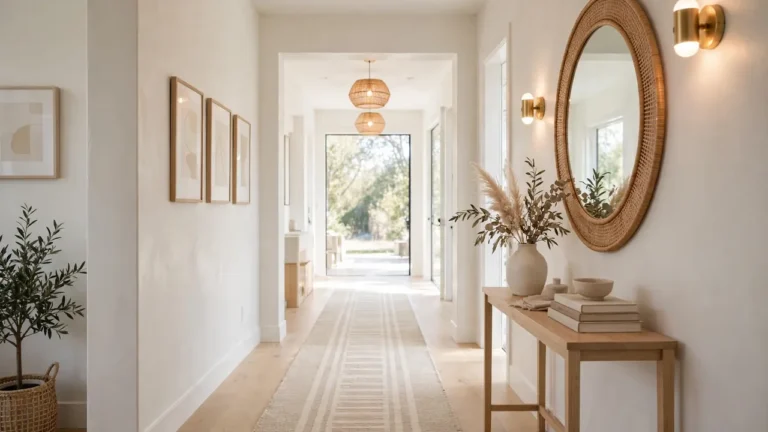
Quick Tip: Run seagrass paper on the entry wall opposite the door, not beside it. Guests meet the texture head on at first glance, and the hallway feels furnished before a single picture hangs. A slim console below gives the weave a purpose and a landing strip for keys.
Entryways set the tone for the whole home, and natural fiber walls promise calm from the first step inside. Pampas stems in a tall vase repeat the grass story at eye level. A woven runner underfoot carries the texture down the hall, so the scheme feels planned from the doorway rather than pasted on.
Dull Walls To Woven Warmth

Credit : Curtis Adams
BEFORE: The family room wore flat gray paint on every wall, and the big sectional floated in a space with no anchor. Afternoon light washed the room out, and even a new rug could not give the walls a job.
AFTER: Seagrass paper now wraps the fireplace wall and the long wall behind the sofa, and the room finally has grain. Lamplight grazes the fibers after dark, the sectional reads deliberate, and guests ask about the walls before the furniture.
Large rooms forgive a full wrap because the weave stays quiet at a distance. The pattern is texture, not print, so it never fights art or upholstery. Start with two walls if four feels brave, then live with the change for a month before ordering more.
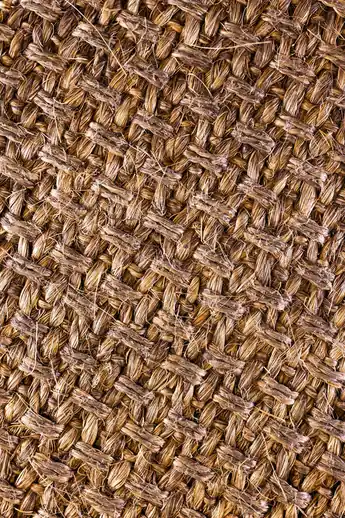
Hang Seagrass Paper Steps
Credit : Jonathan Borba
What You Need: Seagrass rolls, wallpaper paste, a plumb line, a smoothing brush, a seam roller, a sharp snap blade, a damp sponge, and a stepladder.
- Measure each wall and cut drops two inches long, keeping the weave direction identical on every strip.
- Snap a plumb line one roll width from the corner so the first seam starts truly vertical.
- Paste the wall in sections for non woven backings, or book traditional grass rolls for five minutes.
- Smooth from the center outward, roll each seam once, and sponge stray paste off the face quickly.
Natural fibers stain when paste sits on the face, so keep the sponge damp and close at hand. Work in raking daylight, since side light exposes bubbles that ceiling bulbs hide until the room dries.
Seagrass Versus Grasscloth Weave
Credit : Allec Gomes
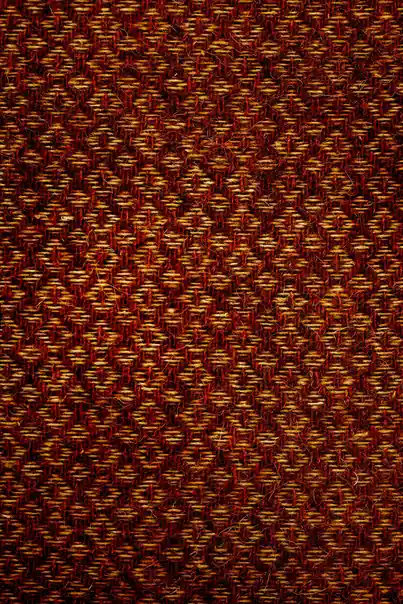
Both names promise woven walls, yet the fibers, seams, and price tags part ways fast once samples land on the table.
| Feature | Seagrass | Grasscloth |
|---|---|---|
| Fiber | Sea plant leaves, fine rib | Mixed grasses, chunkier weave |
| Seams | Subtle, blends at distance | Bold, part of the look |
| Price | Mid range per roll | Premium per roll |
| Best Walls | Living rooms and halls | Bedrooms and studies |
Seagrass reads finer and calmer, which suits modern rooms, while grasscloth brings a rustic honesty that traditional spaces love. Order both samples and tape them side by side for two days. The light in your room picks the winner faster than any review.
Seagrass Care Ground Rules

Credit : Moon
Do:
- Dust the weave monthly with a soft brush or a vacuum brush head
- Tape a large sample up and watch it through one full day of light
- Buy every roll from one dye lot and record the batch number
- Keep spare offcuts safe for patching behind furniture later
Don’t:
- Scrub the surface with water, which can darken raw fibers fast
- Hang panels with a dull blade that tears the loose strands
- Pair the weave with busy prints that fight for attention
Care stays simple because the fibers ask for dry methods only. In my experience, a two minute brush down each month keeps the ribs crisp for years. Sun fading evens out across the wall, so rotate art once a year to avoid pale rectangles behind frames.
Seagrass Paper Cost Facts
Credit : Anna Tarazevich
Cost: Mid range, above vinyl and below silk weaves.
Time: One accent wall hangs in a slow weekend.
Skill Level: Confident beginner with a patient helper.
Best For: Calm rooms that feel flat in paint.
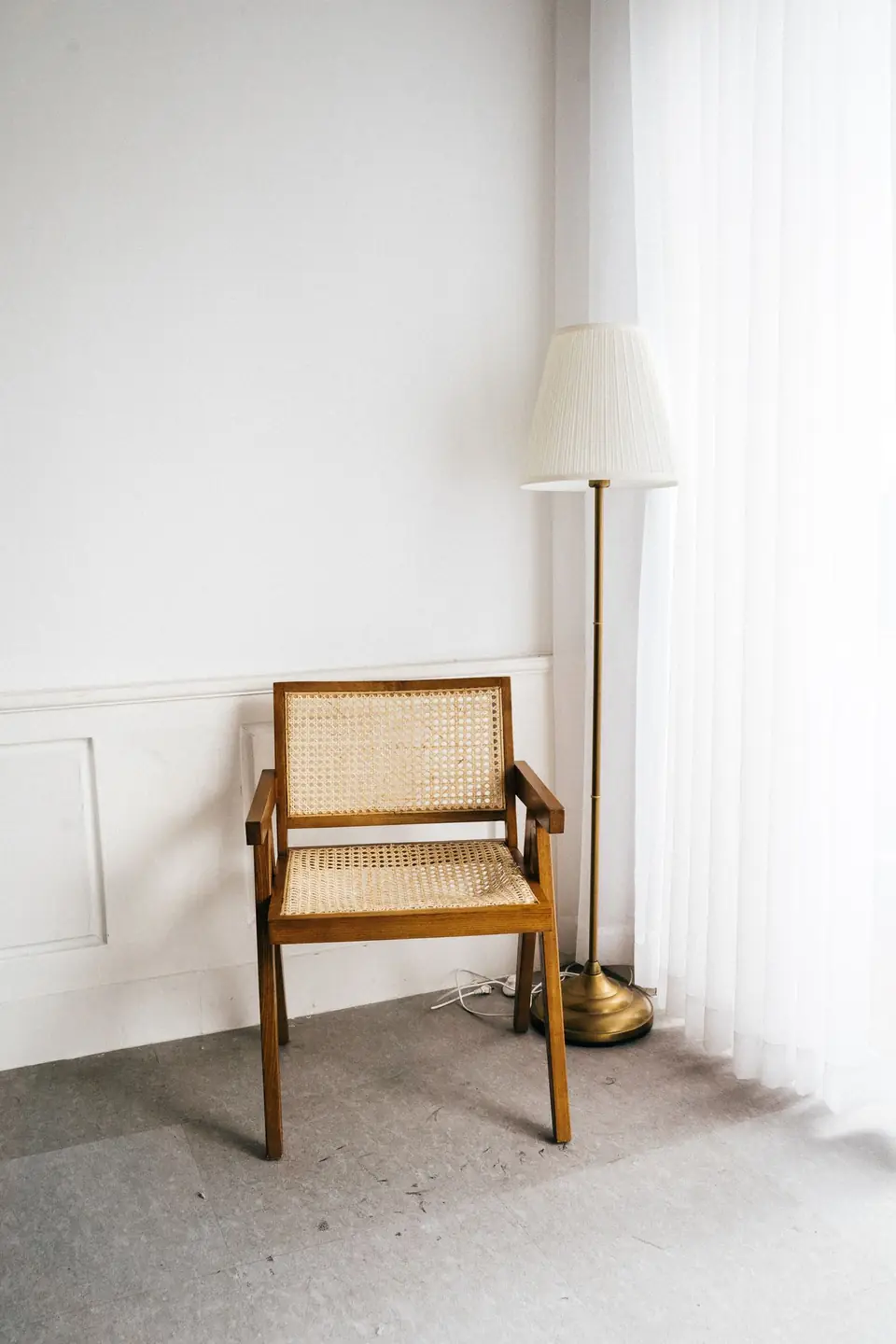
Price swings come from the backing more than the grass itself. Paper backed rolls cost less and hang faster, while cloth backed panels feel richer and resist edge fray. Shipping matters too, since natural rolls travel in tubes that bruise when stacked. Order one extra roll, because dye lots drift between print runs and late reorders rarely match. Ask the supplier for the backing type and seam plan in writing before paying, and the whole order stays honest.
Coastal Weave Living Room
Credit : Ricardo Cacho
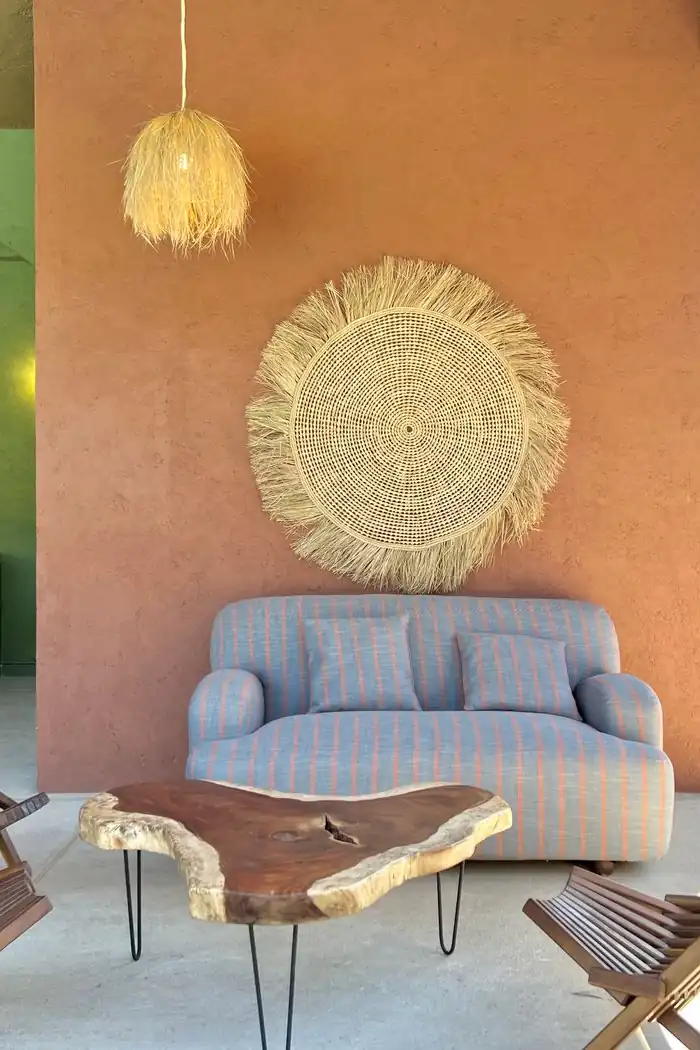
Salt air styling loves a wall that already looks wind combed. Seagrass paper behind the loveseat gives this coastal room its backbone, while rattan chairs and a woven sunburst mirror pull the shoreline indoors. The palette stays sand, shell, and driftwood, so the texture never has to shout over the furniture.
Vivid rooms can still wear natural fiber when the weave stays the only pattern in sight. Solid cushions, plain curtains, and one bold wall color let the ribs read as relief rather than print. I’ve seen this work well in many cases where the furniture stayed simple and the plants did the decorating.
Rattan And Cane Pairings
Credit : Din Aziz
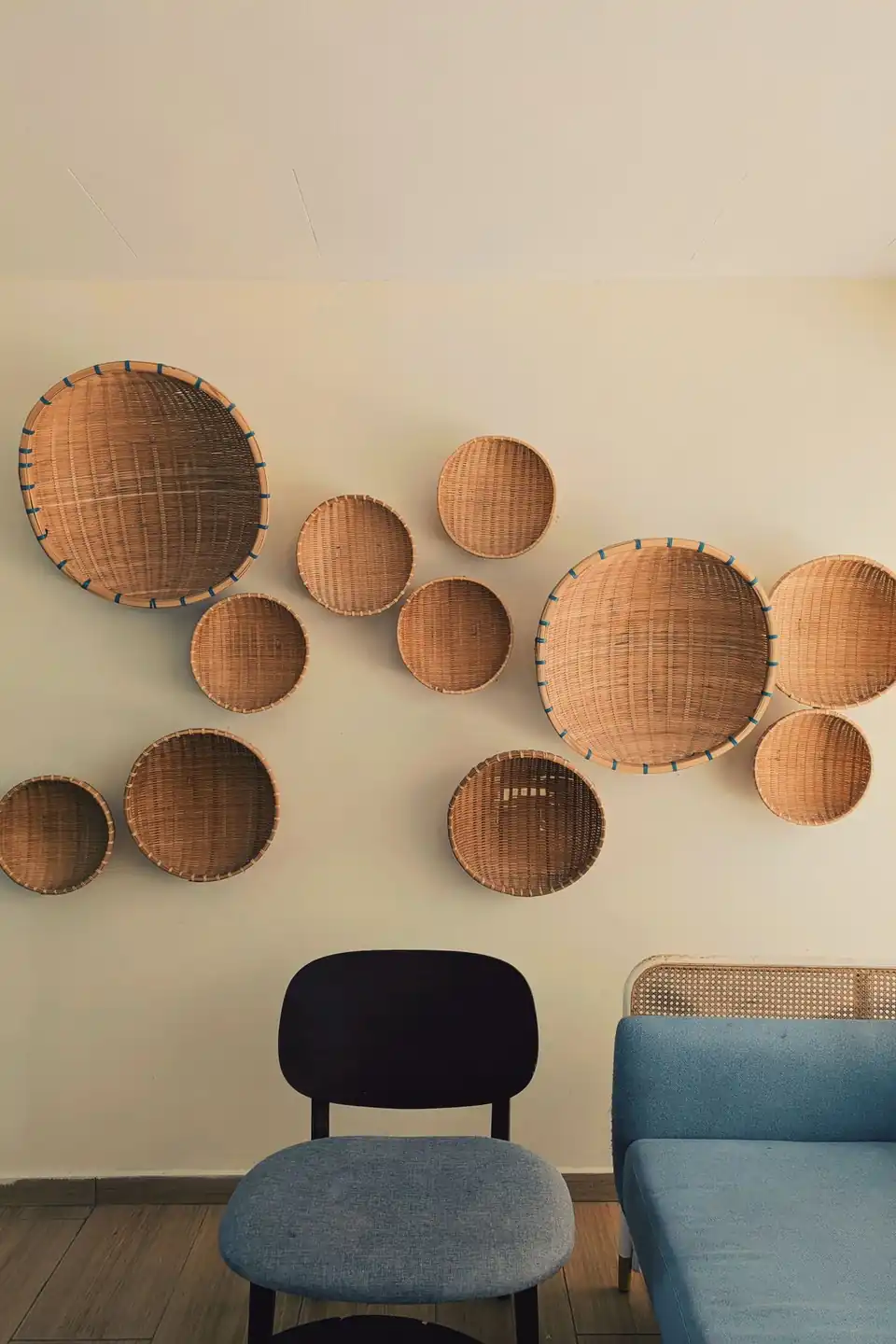
- Rattan armchairs mirror the wall ribs and keep the whole scheme grounded
- Cane webbing on cabinet doors repeats the weave at furniture scale
- A jute rug underfoot extends the fiber story across the floor
- Raw timber side tables echo the grass tones without matching them exactly
- Woven pendants drop the texture from the ceiling into the light
Furniture in natural materials turns a papered wall into a full scheme, and the same logic guides strong seagrass wallpaper interior design in any room of the house. Keep metal accents sparse and warm, since brushed brass flatters straw tones while chrome cools them down.
Small Room Texture Trick
Credit : Luk Sauvage
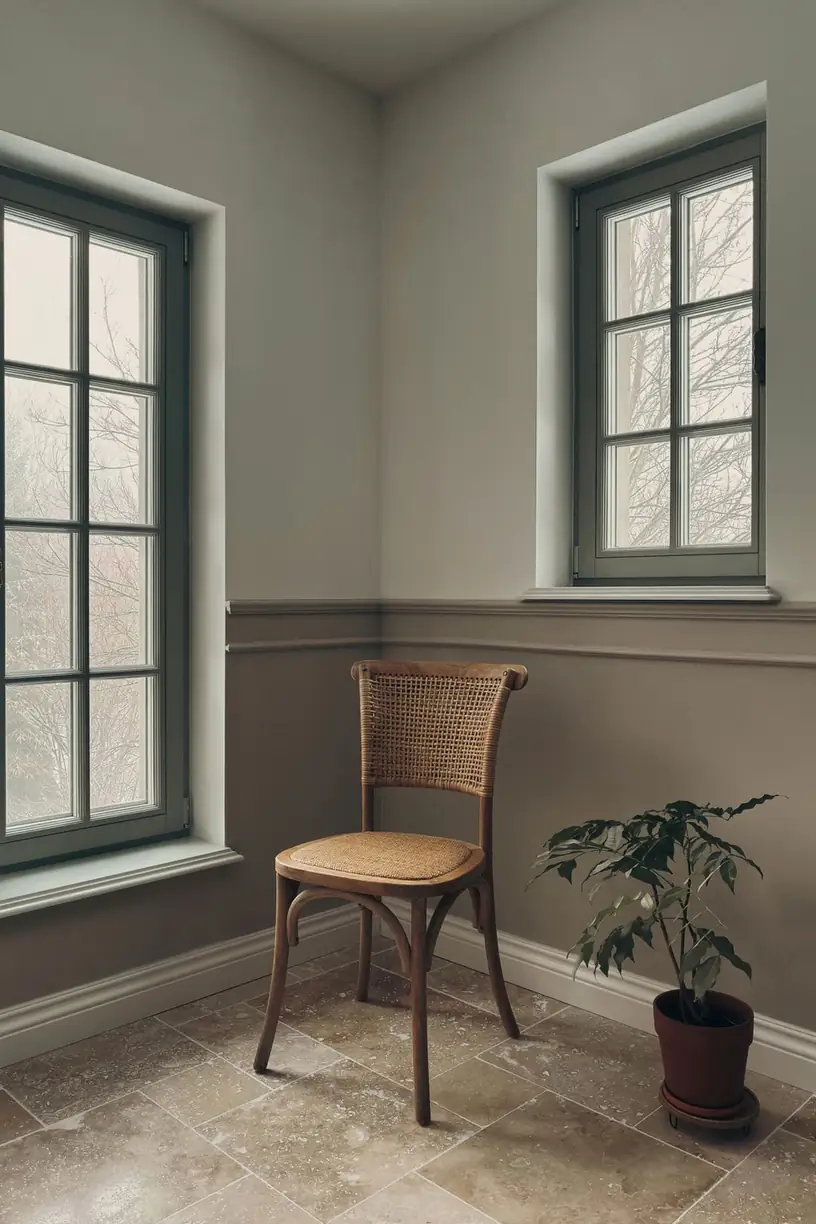
Quick Tip: Paper all four walls of a small room instead of one accent wall. A single woven wall shrinks the box by contrast, while a full wrap reads as one calm envelope and the corners soften. Choose the palest straw shade, since small rooms deepen every color by a step.
Compact corners gain the most from texture because plain paint shows every scuff at close range. A cane chair and two windows do the rest here, bouncing daylight across the ribs from morning to evening. Keep the furniture low and legged, so floor space stays visible and the little room keeps breathing.
Dark Room To Light
Credit : PNW Production
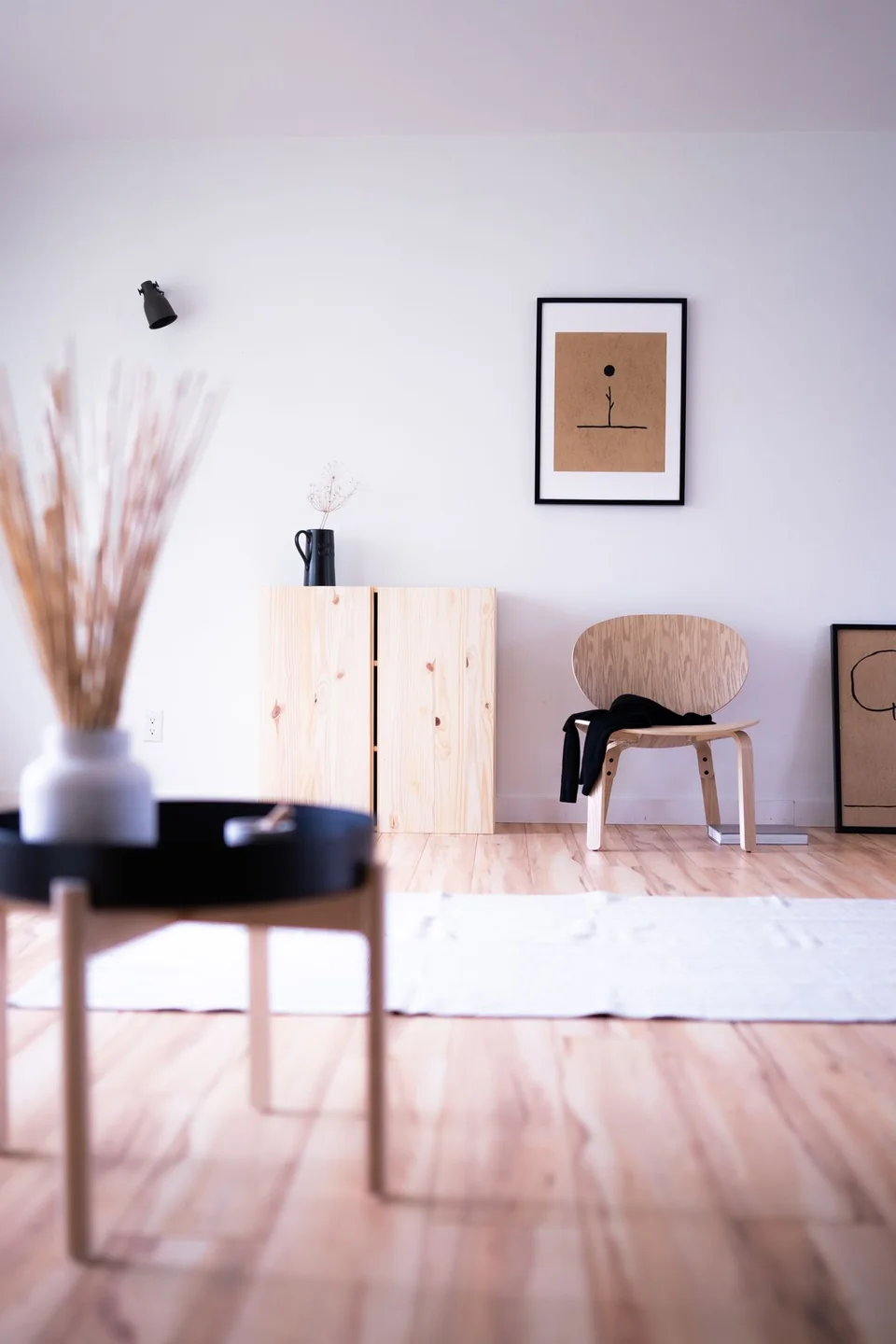
BEFORE: The sitting room had one small window and walls the color of cold tea. Even at noon the corners stayed dim, and guests drifted toward the kitchen where the light felt kinder and the chairs felt warmer.
AFTER: Pale seagrass paper now lines the window wall and both returns, and sheers replaced the heavy drapes. Every stray ray catches on the ribs, the daybed corner glows by breakfast, and evenings feel lamplit rather than shadowed.
The same brightening trick appears in wave tile kitchen backsplash ideas, where rippled glaze bounces light around a cooking wall. Texture, not color, does the lifting in both rooms. Paint the ceiling a clean warm white and the effect doubles.
Seam Matching Made Simple

Credit : Jonathan Borba
What You Need: Cut drops, a straight edge, a seam roller, a snap blade with spare blades, a level, and a soft sponge.
- Hang the first drop plumb, since every later seam inherits its angle from that line.
- Butt each new strip against the last without overlapping the raised ribs at the edge.
- Roll the seam once, firmly, then leave it alone; extra passes crush the natural fibers.
- Trim tops and bottoms with a fresh blade held against the straight edge for clean cuts.
Visible seams belong to natural paper the way knots belong in oak. Panels shift shade slightly from roll to roll, which reads as depth once the furniture returns. Judge the finished wall from the doorway, not from six inches away.
Natural Fiber Versus Vinyl
Credit : Engin Akyurt
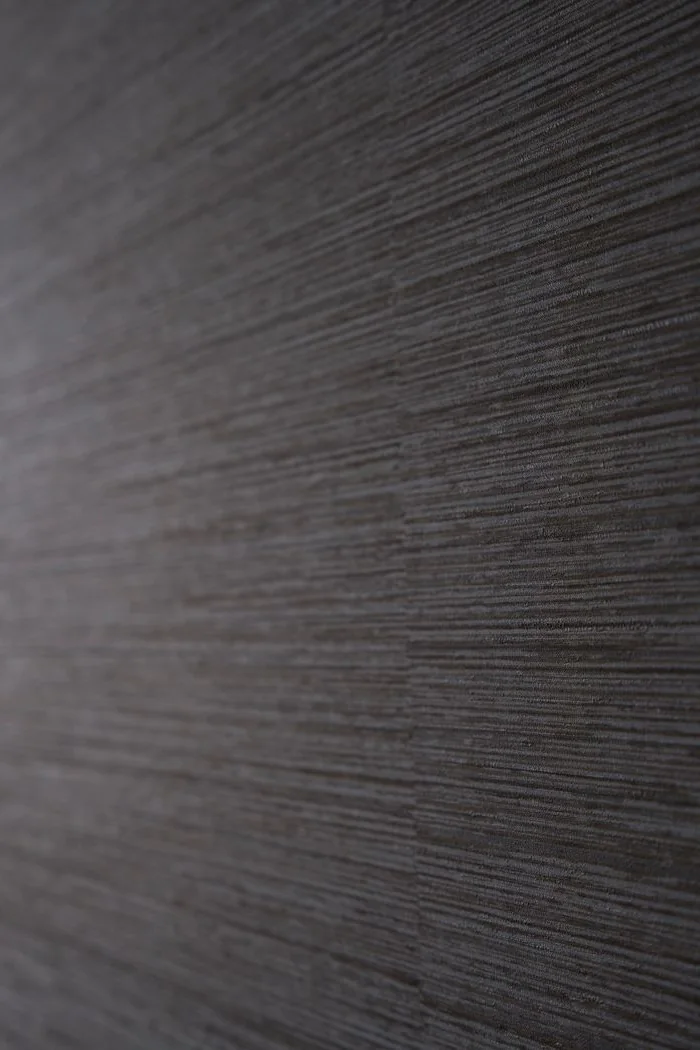
Real grass and printed vinyl both promise texture, yet hands and light tell them apart within seconds of hanging.
| Feature | Natural Fiber | Vinyl Look |
|---|---|---|
| Touch | Raised ribs, dry and matte | Flat print, faint sheen |
| Light | Soft shadow in every rib | Even tone, slight glare |
| Care | Dry dusting only | Wipes clean with water |
| Cost | Premium per roll | Budget per roll |
Vinyl earns its place near sinks, kids, and mudrooms, while real fiber wins where the wall meets fingertips and lamplight. Many homes mix both: natural paper in the living room, the lookalike in the hall where wet coats land after rain.
Bathroom Humidity Ground Rules
Credit : Anna Tarazevich
Do:
- Choose vinyl backed grasscloth for powder rooms fitted with a vent fan
- Keep showers and steam in the main bath, and paper in the dry zone
- Seal the edges near sinks with a neat bead of clear caulk
- Run the extractor during and after every hot shower in the house
Don’t:
- Hang raw seagrass inside a shower enclosure or a daily splash zone
- Let wet towels drip against the papered wall every single day
- Skip ventilation and hope the fibers forgive the steam
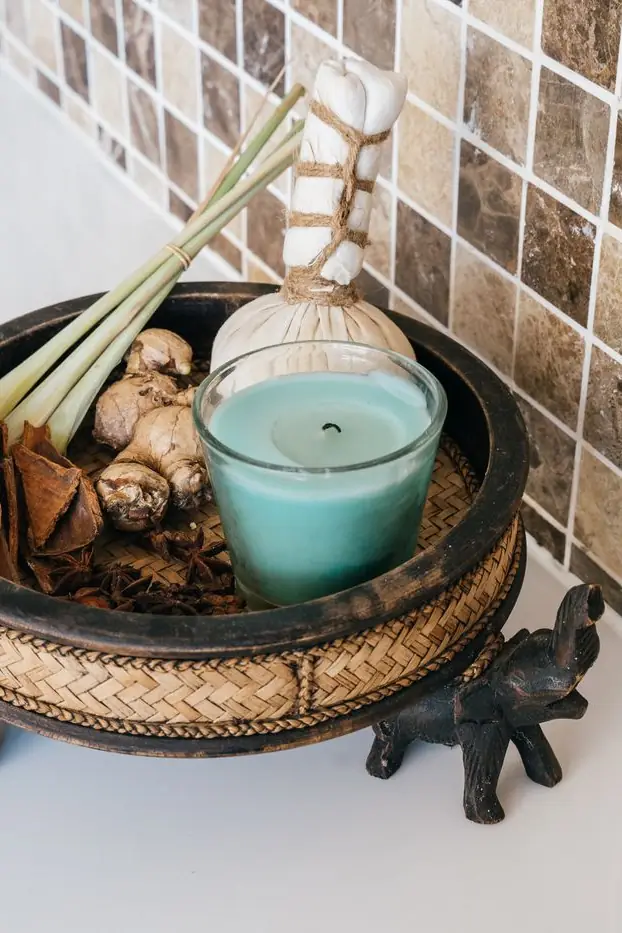
Powder rooms forgive more than family bathrooms because visits stay short and showers stay out. That’s why many experts recommend fiber paper for the guest bath first. One small trial wall teaches more than a season of forum reading ever will.
Seagrass Durability Quick Facts
Credit : Eva Bronzini
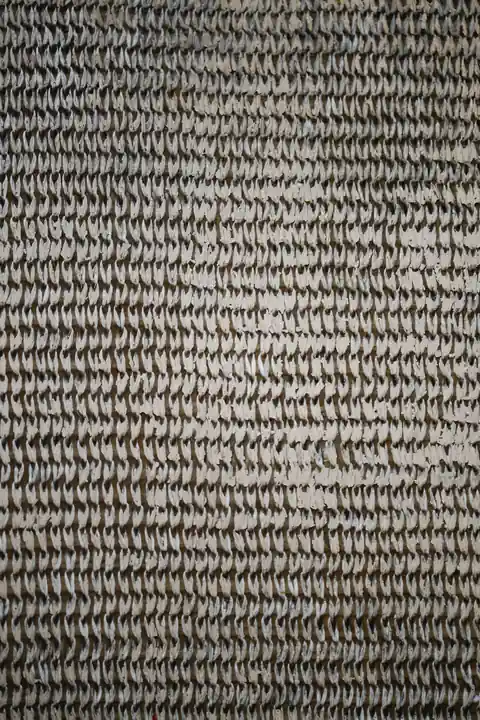
Cost: Repairs stay cheap with saved offcuts.
Time: A careful brush down takes two minutes monthly.
Skill Level: Beginner friendly care, pro level hanging.
Best For: Low traffic walls away from steam.
Natural fibers age gracefully, mellowing to a softer straw tone over the years. Fading stays even when curtains filter the direct sun, and small scuffs hide inside the ribs far better than on flat paint. Expect a decade of calm service in a quiet living room with nothing more than regular dusting and gentle handling. Edge fray stays rare on cloth backed rolls, and a dab of clear craft glue settles any loose strand in seconds flat.
Dining Room Woven Backdrop
Credit : PNW Production
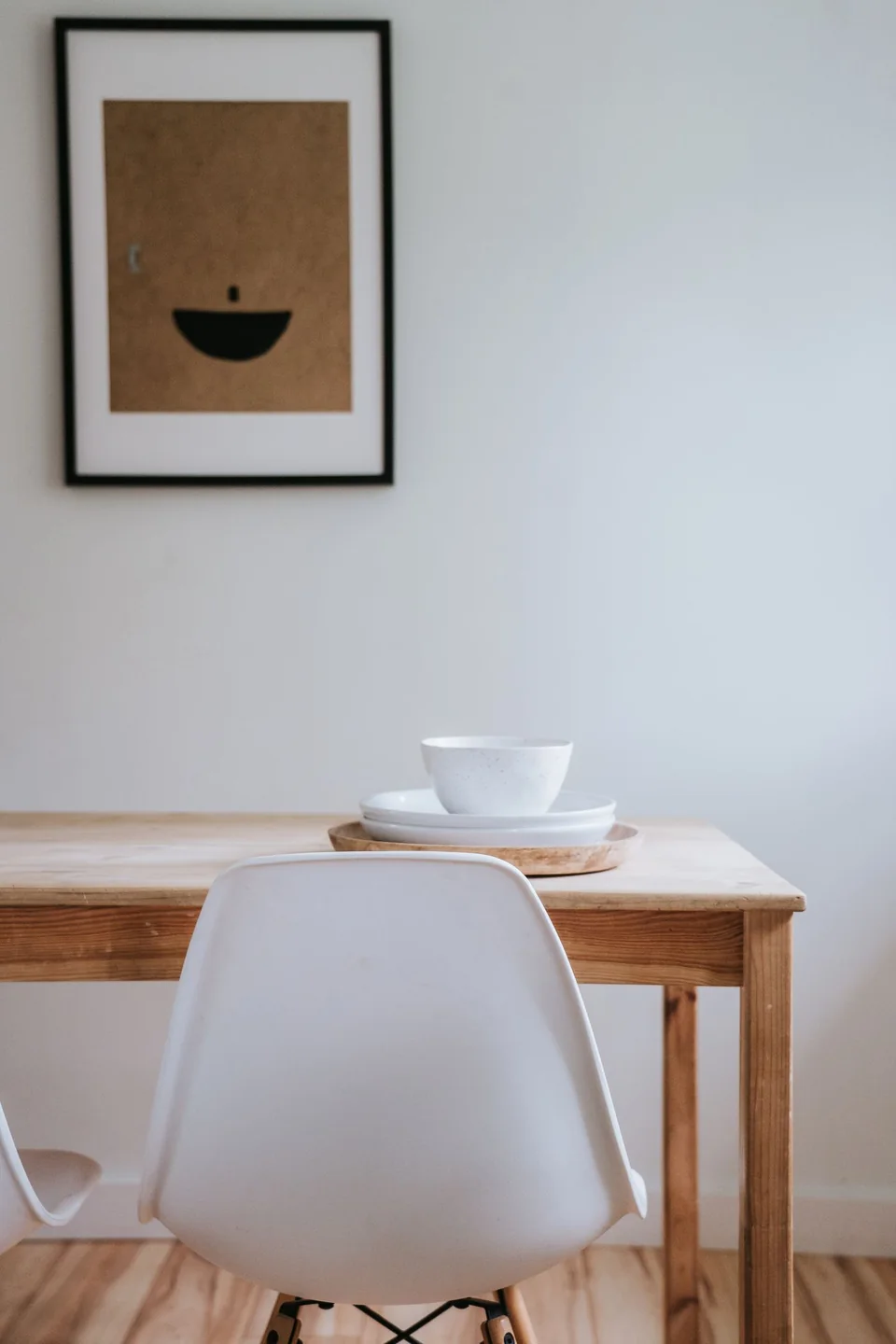
Dinner guests lean back and study the wall behind the table more than any other in the house. A seagrass backdrop gives that long gaze something honest to rest on, while ceramics and framed line art keep the table itself simple. Candlelight turns the fine ribs into soft stripes after dark, and the whole room slows down.
Keep the dining scheme to three materials: grass on the wall, timber underfoot, and linen on the chairs. Repetition reads as confidence. A single pendant with a woven shade ties the ceiling into the story without crowding the sight lines across the table or fighting the food for attention.
Reading Nook Fiber Corner
Credit : Charlotte May
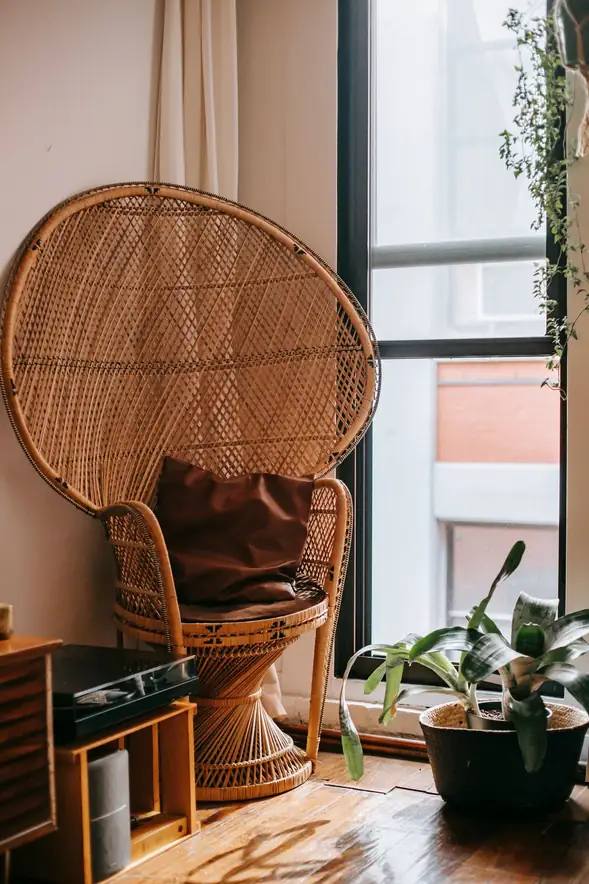
- A peacock rattan chair curves around the reader like a protective shell
- One cushion in washed linen keeps the seat soft through long chapters
- A tall plant filters window glare before it reaches the open page
- A small side table holds tea, glasses, and the next book in line
- A woven wall behind the chair warms the corner without any building
Nooks ask for enclosure, and woven walls supply it without building a thing. The chair faces the light, the paper warms the corner, and the rest of the room can stay plain and quiet. Twenty minutes here with a novel resets the whole evening.
Layer Neutrals With Texture
Credit : PNW Production
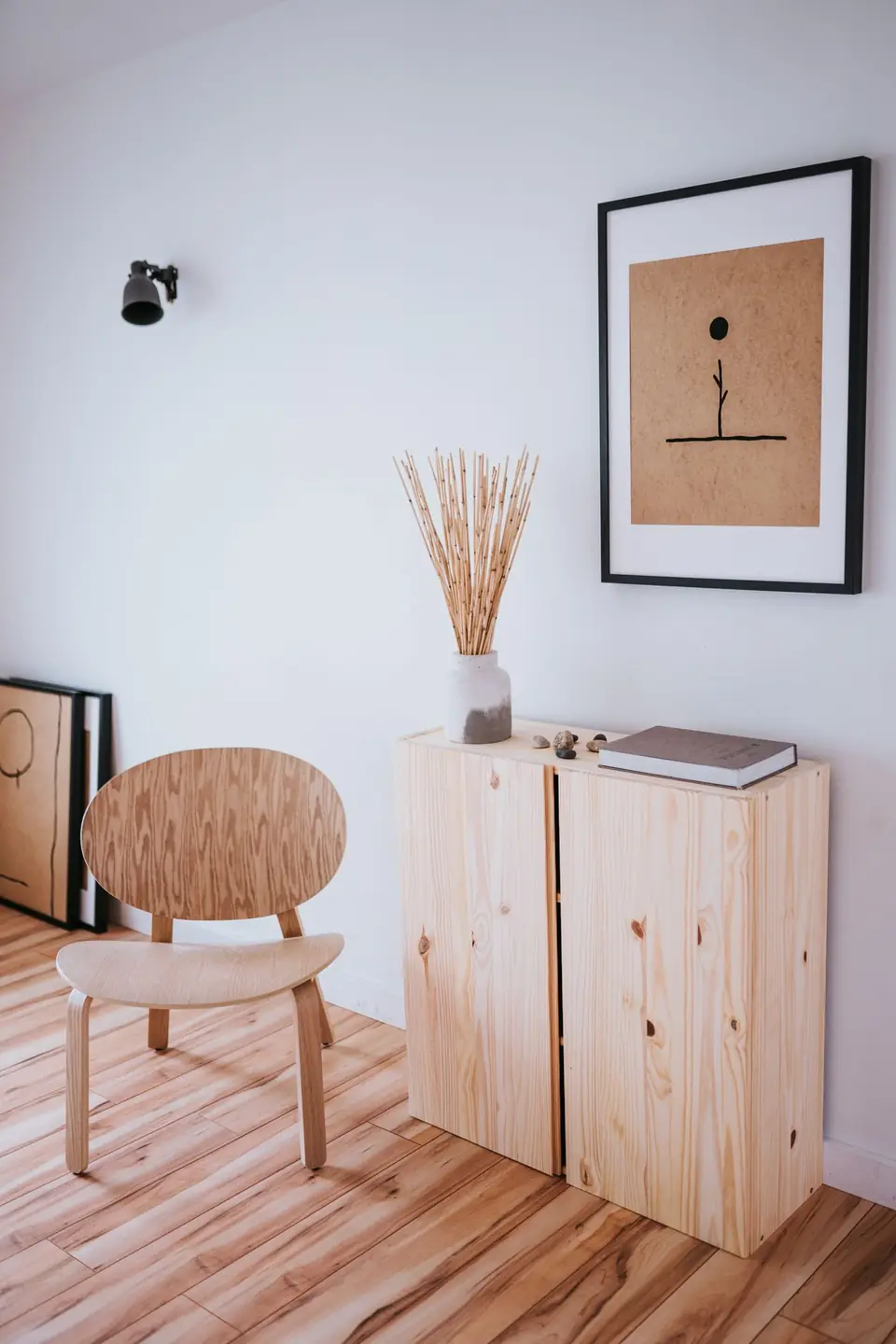
Quick Tip: Layer three neutrals at once: straw on the wall, oatmeal on the sofa, and raw oak on the floor. Tones that sit close together let texture supply the contrast, so the room feels rich without a single loud color anywhere in sight or a print in sight.
Neutral schemes fail when every surface shares one flat finish and one flat tone. The woven wall fixes that by giving the eye a grain to travel across from chair to curtain. Add black only in small doses, a frame here and a lamp stem there, to keep the softness from drifting into bland.
Rental Friendly Weave Switch

Credit : Beyza Kılıçdere
BEFORE: The rental living room came with magnolia walls the lease forbade painting, and the sofa corner felt borrowed. Pictures leaned on shelves because hooks were banned, and the room never settled into anyone’s taste at all.
AFTER: Removable seagrass look panels now line the corner on discreet clips, and the sofa sits inside a woven frame. A leafy plant fills the window side, flax throws soften the arms, and the deposit stays perfectly safe.
Peel and stick grasscloth has improved fast, with printed ribs that fool the eye from a meter away. Panels cut to size also travel to the next home when the lease ends. Renters gain texture now and keep the option to restore the wall in one afternoon.
Plan Panels Before Paste
Credit : Jonathan Borba
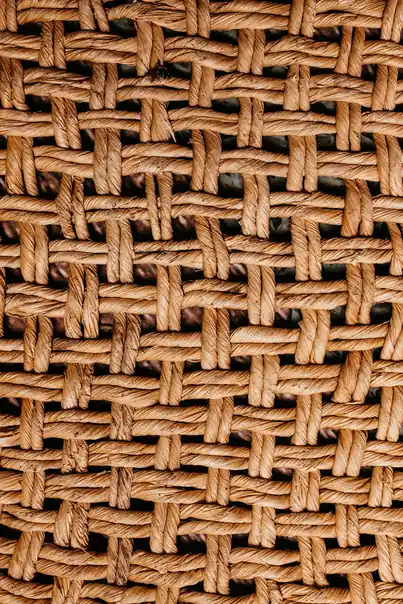
What You Need: Wall measurements, the roll width, a notebook, painter’s tape, and a sketch of each wall with doors and windows marked.
- Sketch every wall and mark sockets, doors, and windows before ordering anything at all.
- Divide each wall width by the roll width to count drops, then add one spare roll.
- Tape panel outlines on the wall at full size and live with them for a day.
- Note the dye lot on the plan and store it safely with the spare roll.
Planning on paper first sounds slow, yet it prevents the classic mid wall shortage that forces a second dye lot. Pros sketch even the walls behind bookcases. The spare roll belongs in a closet, not the garage, where damp air can curl the edges.
Conclusion
Texture is the quiet luxury that never dates. Paint can warm a room, yet only fiber gives walls a grain that light can travel across all day. These seagrass wallpaper interior design ideas prove the weave belongs in living rooms, bedrooms, halls, and dining spaces alike. Start with samples, watch them through one full day of light, and trust the wall that keeps drawing your eye. Save your favorite rooms on Pinterest, order the spare roll, and give one wall its woven weekend. I’ve seen how small changes like these can completely shift the way a space feels.