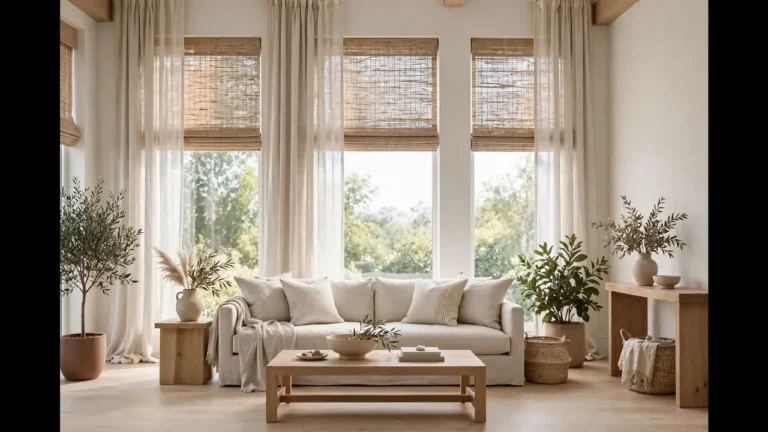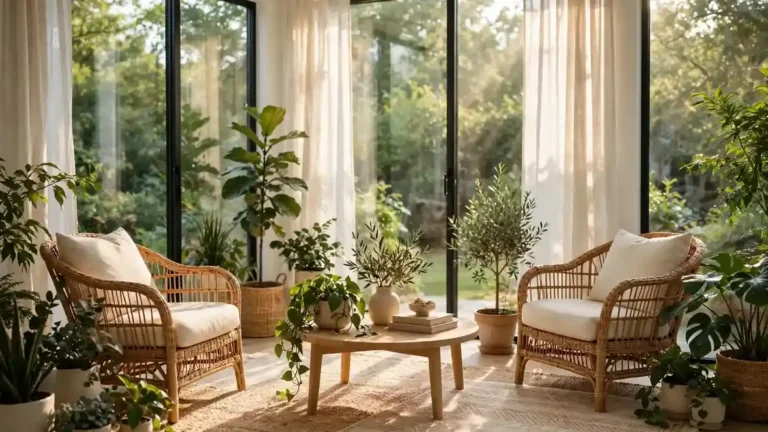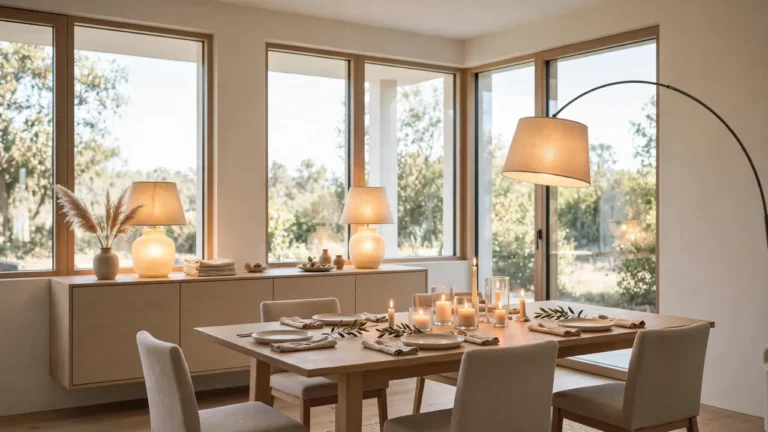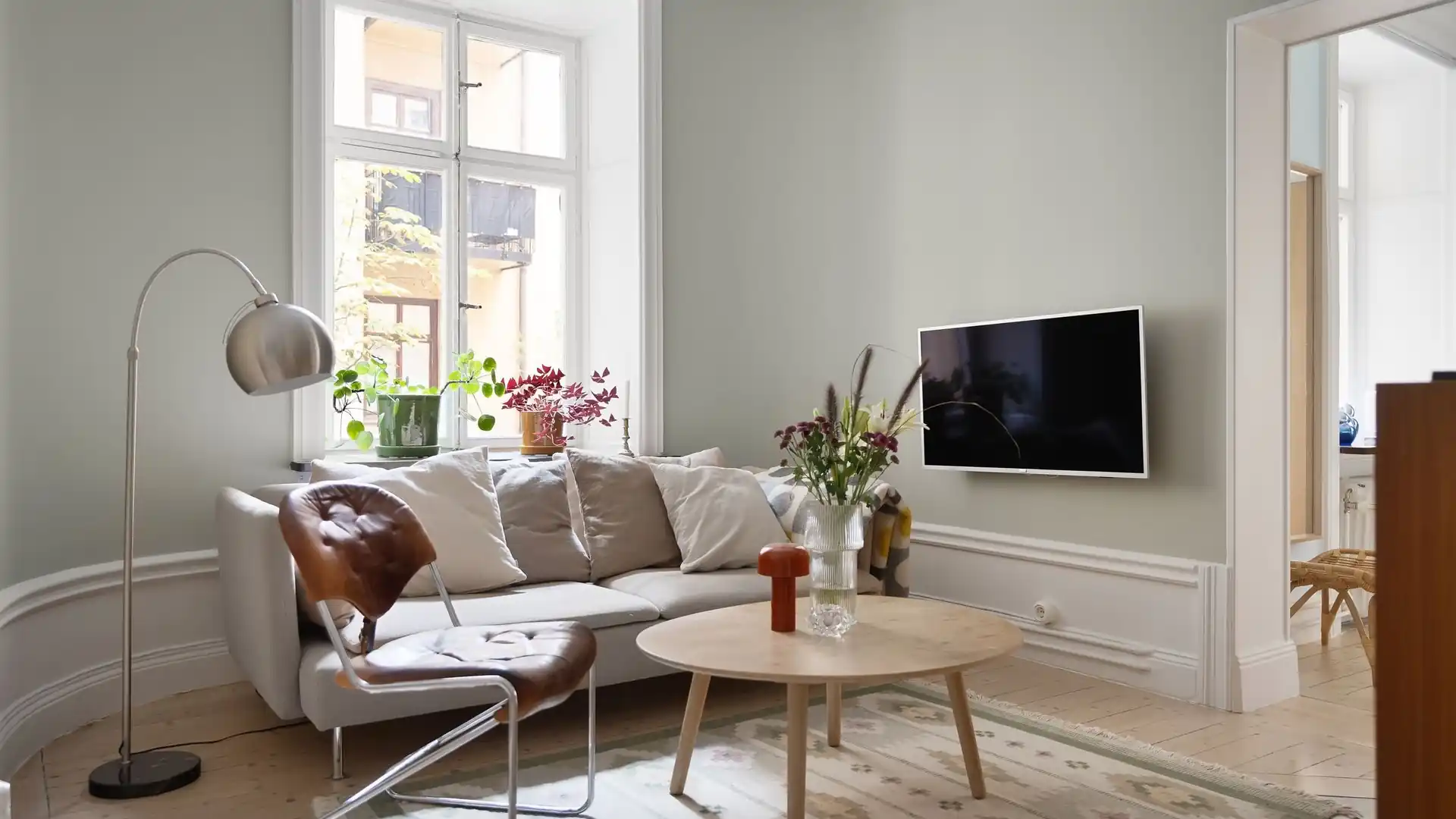
21 Sage Green Interior Color Palette Ideas for Natural Serenity
Certain colors quiet a room the moment you walk in, and soft green sits at the top of that list. A well planned sage green interior color palette borrows its calm from nature: grey softened leaves, garden herbs after rain, and light moving across a painted wall.
Sage flatters cream, warm oak, aged brass, and natural linen without asking any of them to change. Readers drawn to softer neutrals often enjoy mushroom color living room decor as well, since the two palettes share the same gentle warmth. In my experience, sage succeeds where brighter greens fail because it behaves like a neutral. Start with one room, learn how the light treats it, then let the color travel.
Sage Walls, Warm Cream
Credit : Curtis Adams
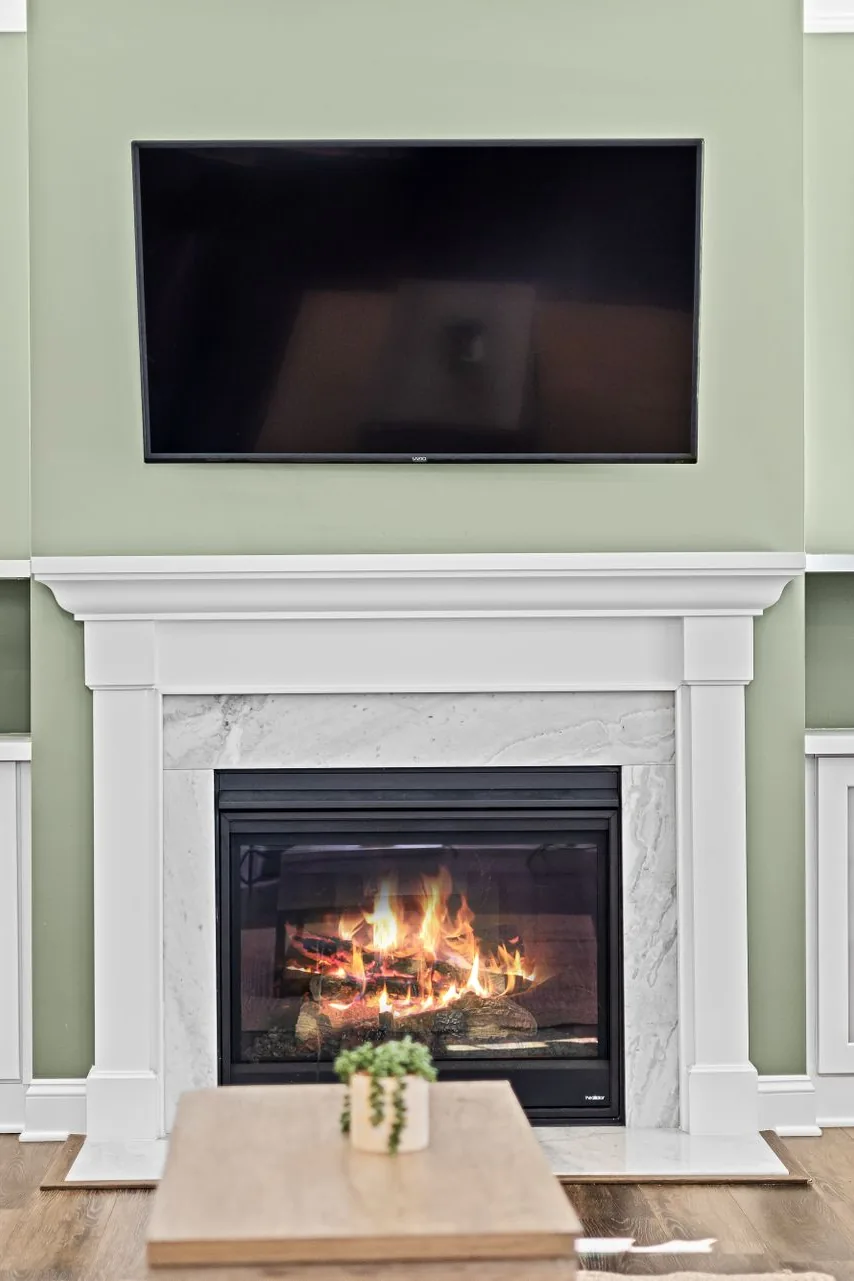
Green walls sound brave until sage enters the conversation. The color carries enough grey to behave like a neutral, so a full room of it feels calm rather than loud. Cream upholstery against the walls keeps the contrast gentle, and the whole space settles into that quiet, leafy mood people chase with far stronger colors.
Warm cream matters more than bright white here. Stark white trim can turn sage chilly, while a creamy edge keeps it sunlit and soft. I’ve noticed north facing rooms benefit most, because sage borrows warmth from lamps and wood tones once the daylight fades in the evening.
Sage Kitchen Cabinet Charm
Credit : Alexander Mass
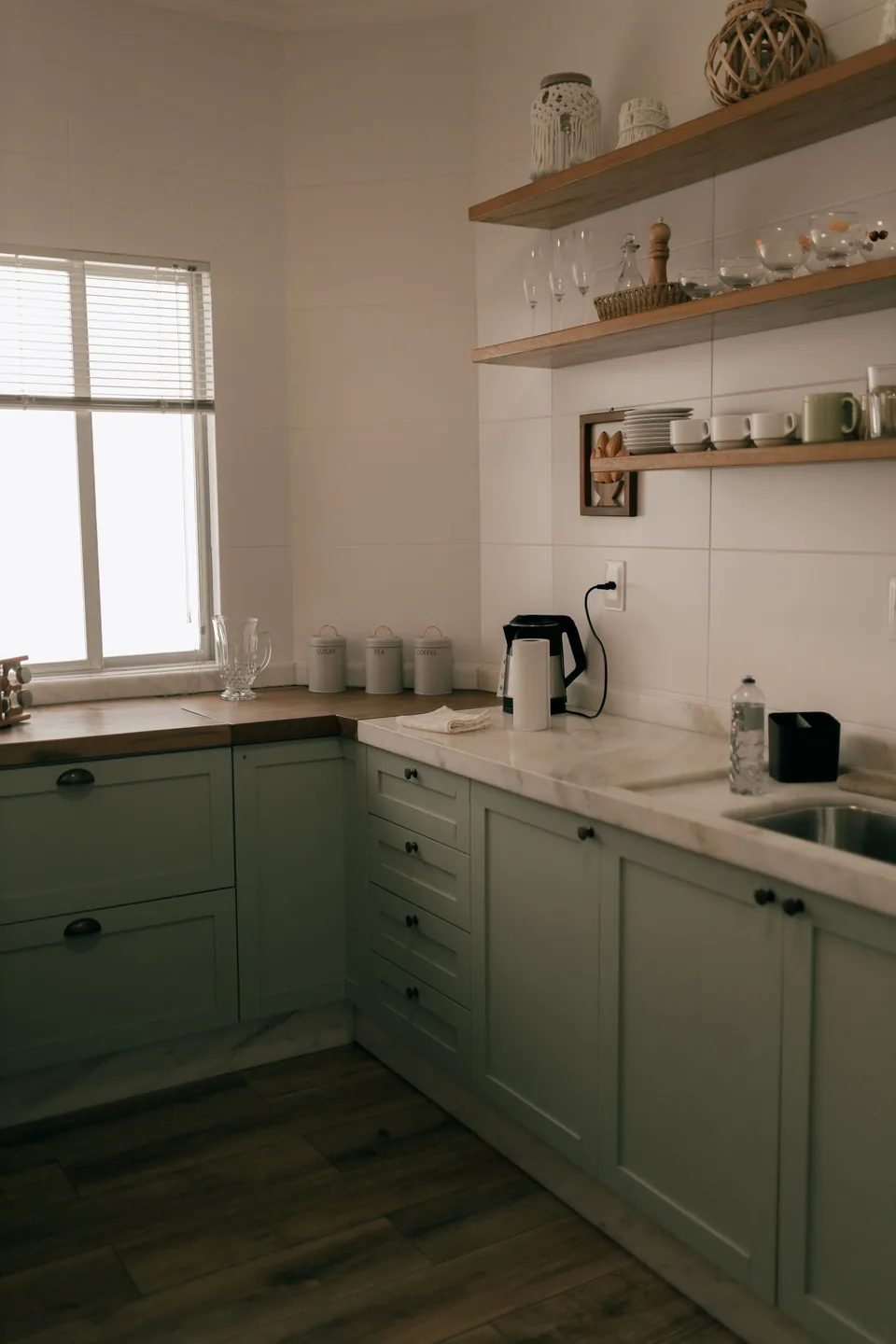
- Paint lower cabinets sage and keep uppers cream for a light, balanced two tone scheme
- Choose aged brass or brushed nickel pulls, since both metals warm the green gently
- Carry the color onto a pantry door or island base for one strong, deliberate moment
- Style open shelves with white dishes and oak boards so the green stays the star
Cabinets cover more visual ground than any wall, so the color choice echoes all day. Sage reads fresh beside food, herbs, and wood boards, and it hides the small scuffs that white doors announce. Kitchens painted this way feel gathered from a garden rather than ordered from a catalog, which is exactly their charm.
Sage Velvet Sofa Moment
Credit : Max Vakhtbovych
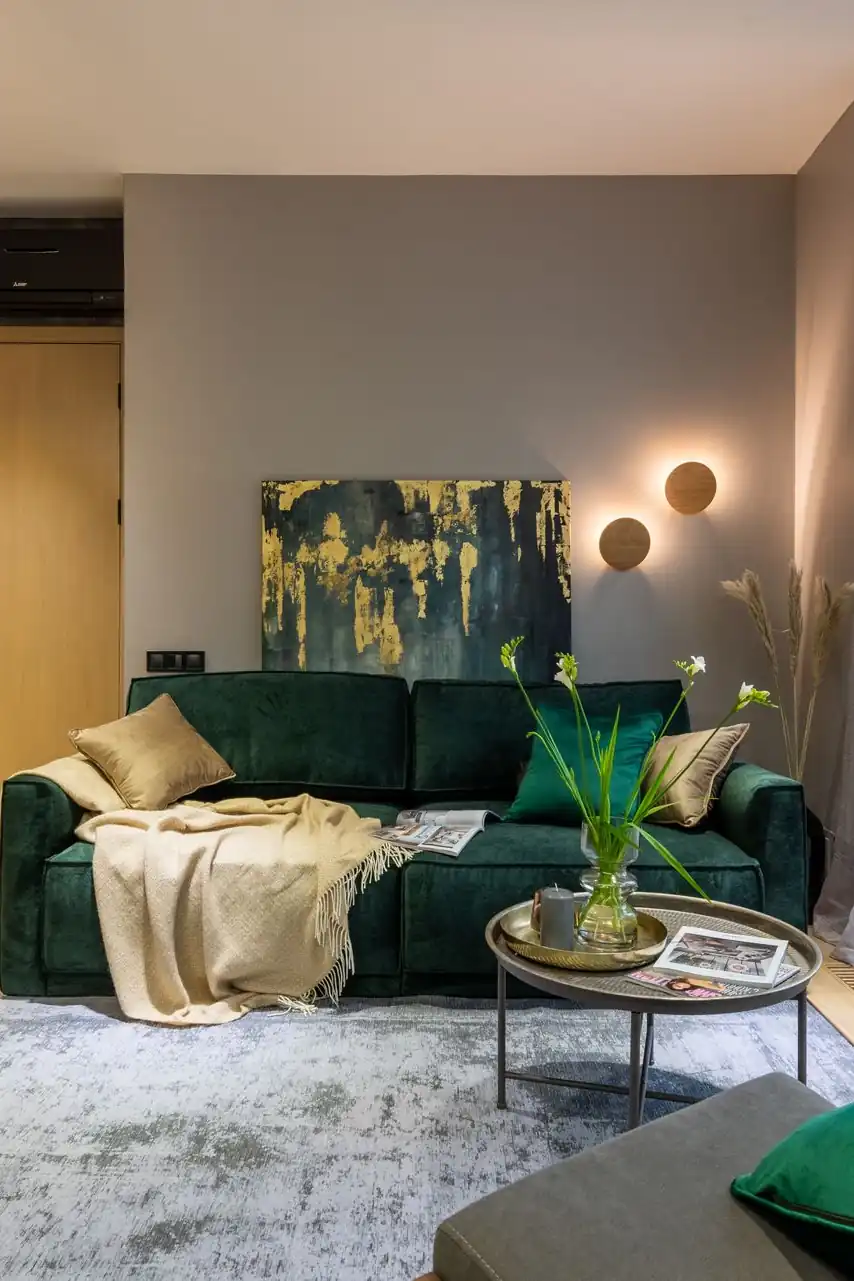
Quick Tip: Order the largest fabric swatch available and tape it to the sofa frame for three full days. Velvet shifts from silvery green at noon to deep moss by lamplight, and that range is the whole point. Check the swatch beside your rug and curtains before committing.
One strong piece carries a palette further than five small ones. A sage sofa anchors cream walls, oak floors, and brass lamps into a single calm story. Keep nearby cushions plain and textured, linen, wool, a single stripe, so the velvet keeps its soft glow instead of competing with patterns for attention on the sofa.
Dull White To Sage Calm

Credit : Curtis Adams
BEFORE: Renters described the room as a white box with good windows. Every wall bounced light back without warmth, the beige sofa floated without an anchor, and the space felt temporary no matter how the furniture was arranged or rearranged on weekends.
AFTER: Two coats of sage changed the temperature of the whole room. The cream sofa suddenly looked chosen, the oak table glowed against the green, and evenings felt slower. Nothing structural moved, yet guests now ask which designer picked the color scheme.
Paint remains the cheapest full room change available, and sage rewards the effort daily. Sample three shades first, since the green deepens as it dries. One shade lighter than your instinct usually lands exactly right once furniture returns.
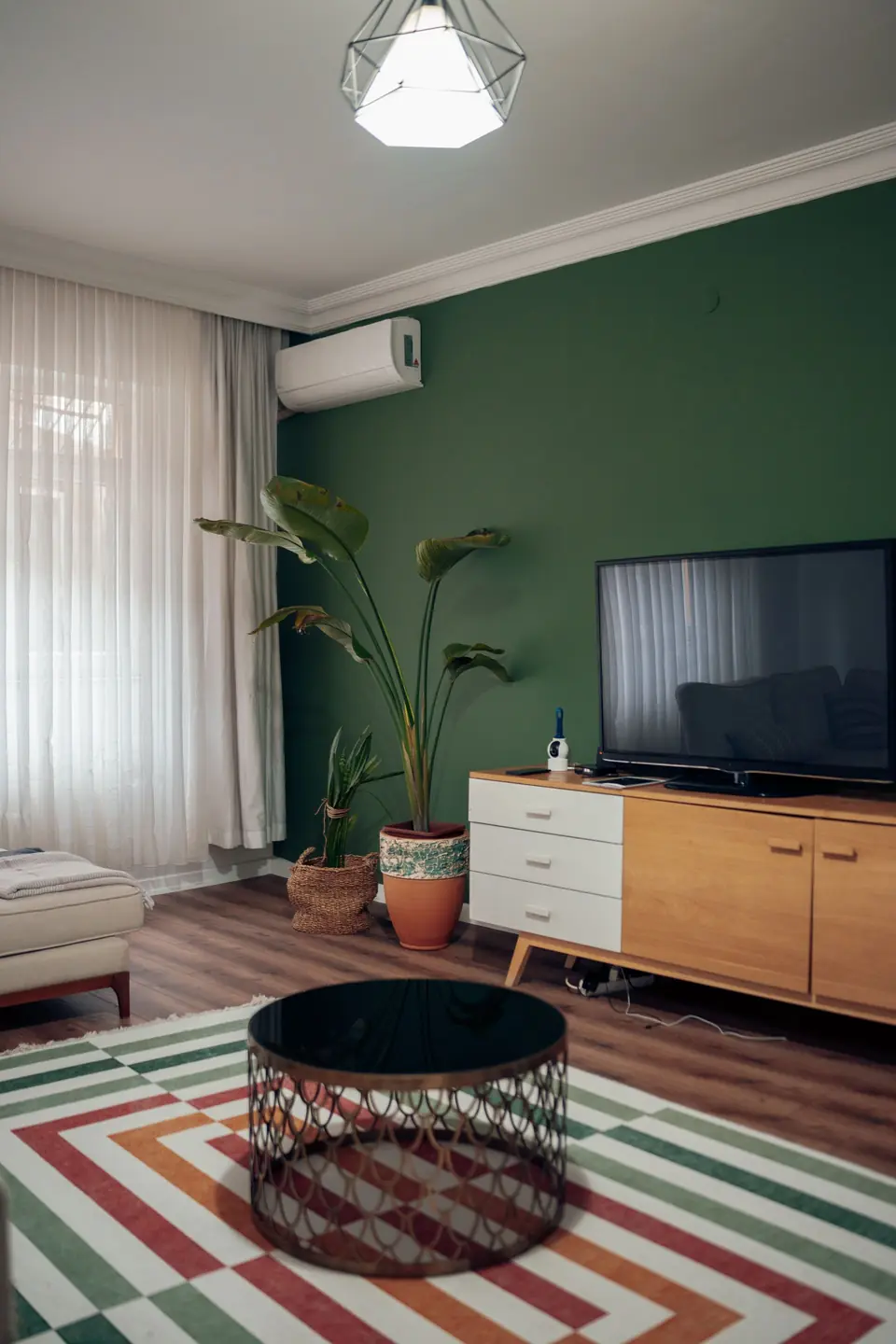
Paint A Sage Accent Wall
Credit : Tahir Osman
What You Need: One gallon of sage paint in eggshell, a roller, painter’s tape, an angled brush, a drop cloth, and a sample pot.
- Paint a large sample board and move it around the room for a day
- Clean the wall, fill small holes, and sand smooth once the filler dries
- Tape trim, ceiling line, and outlets, pressing edges firmly with a bank card
- Cut in edges with the angled brush, then roll the field in a loose W pattern
- Add the second coat after four hours, pulling tape while tacky
Choose the wall the eye meets first from the doorway; that placement gives the color its full effect for the least paint. Renters lean on this trick often, gaining real character without repainting a whole home.
Sage Versus Eucalyptus Green

Credit : Han
| Feature | Sage Green | Eucalyptus Green |
|---|---|---|
| Undertone | Warm grey base | Cool blue base |
| Mood | Soft and earthy | Fresh and crisp |
| Pairs With | Cream, oak, brass | White, chrome, marble |
| Best For | Cozy living rooms | Bright bathrooms |
Both greens come from leaves, yet they heat a room in opposite directions. Sage leans warm and dusty, which suits wood heavy rooms and low evening light. Eucalyptus leans cool and clean, better beside white tile and chrome. Match the undertone to your floors and fixed finishes first; the right choice feels obvious the moment the sample board leans against your own skirting board at home.
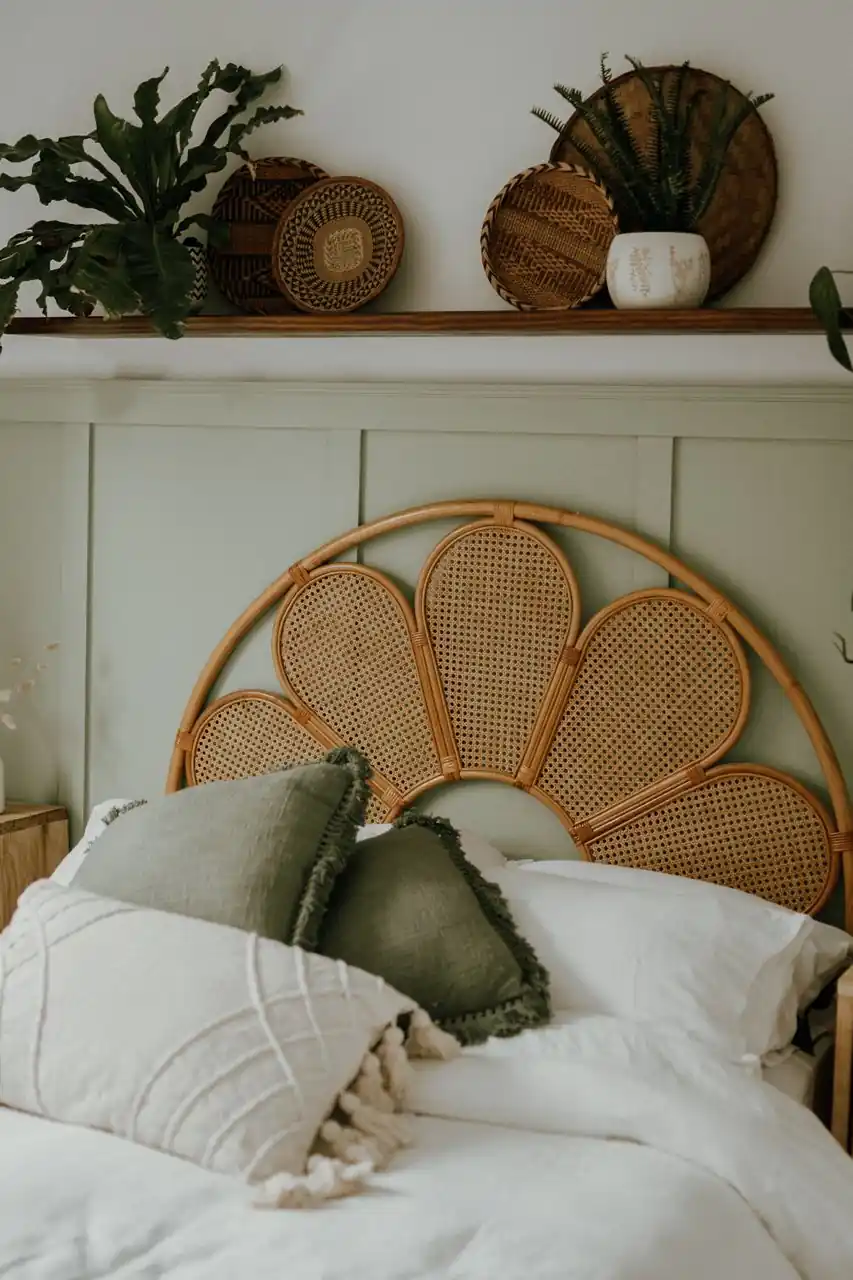
Sage Bedroom Soft Rules
Credit : Taryn Elliott
Do:
- Keep the bed large and central, dressed in cream or white linen against the green
- Repeat sage in two smaller places, a cushion and a plant pot, to tie the room
- Choose warm oak or rattan for nightstands so the palette stays grounded and soft
Don’t:
- Pair sage with icy blue bedding; the clash chills the whole palette instantly
- Overload the room with five greens that argue about which one leads
- Skip warm lighting, because cool bulbs turn sage grey and flat by night
Bedrooms ask the least from color and give back the most. Sage lowers the visual volume at bedtime, and cream bedding keeps mornings bright. That’s why many experts recommend it for light sleepers, restless minds, and anyone whose bedroom doubles as a weekend retreat.
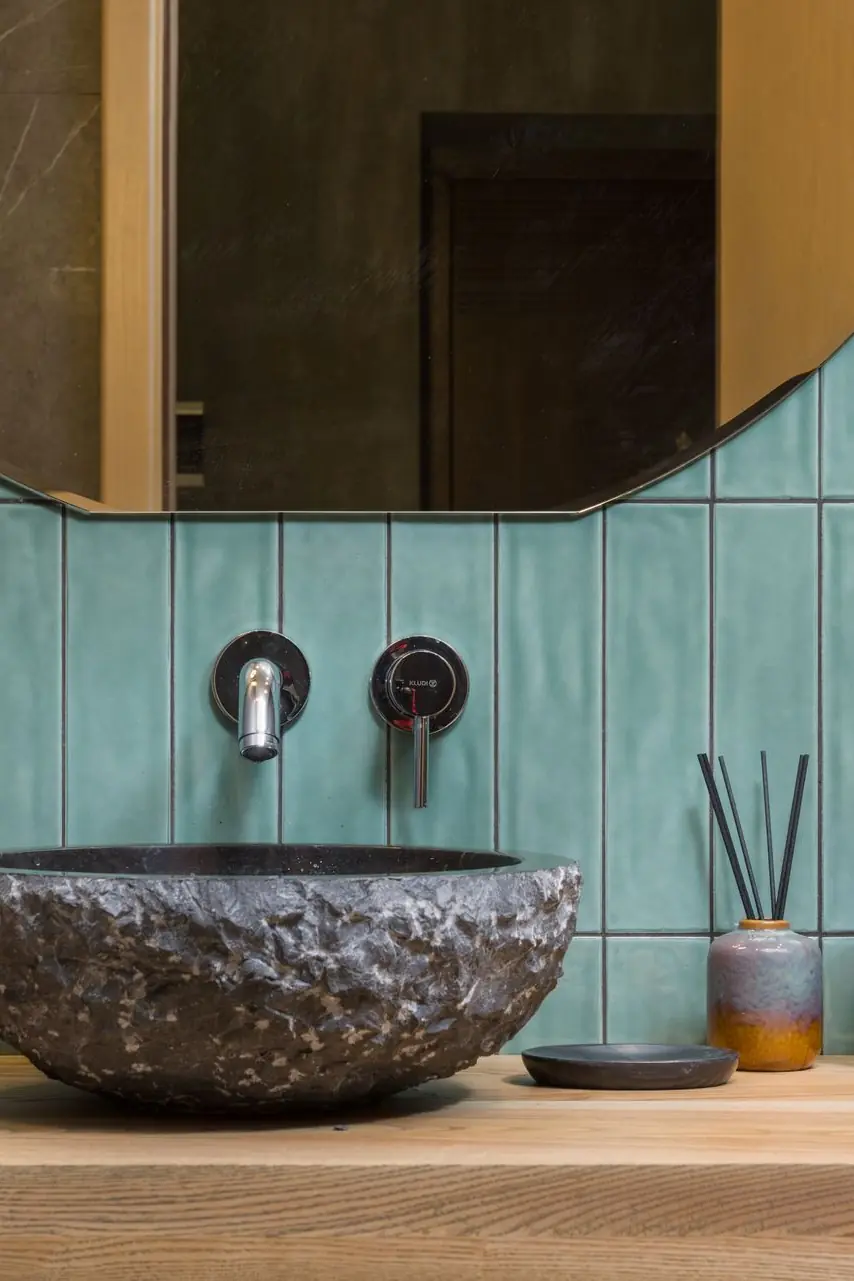
Sage Bathroom Spa Facts
Credit : Max Vakhtbovych
Cost: Paint and accessories refresh a small bathroom for a modest budget.
Time: One weekend covers painting, sealing, and styling.
Skill Level: Beginner friendly with basic tools.
Best For: Small bathrooms needing calm without a full remodel.
Humidity loves to dull strong colors, yet sage holds its composure beside steam and mirror light. Pair it with cream towels and one brass detail, a tap or a mirror frame, and the room reads as a small spa. A eucalyptus bunch in the shower corner finishes the effect for pennies, scents the steam beautifully, and echoes the wall color every single morning.
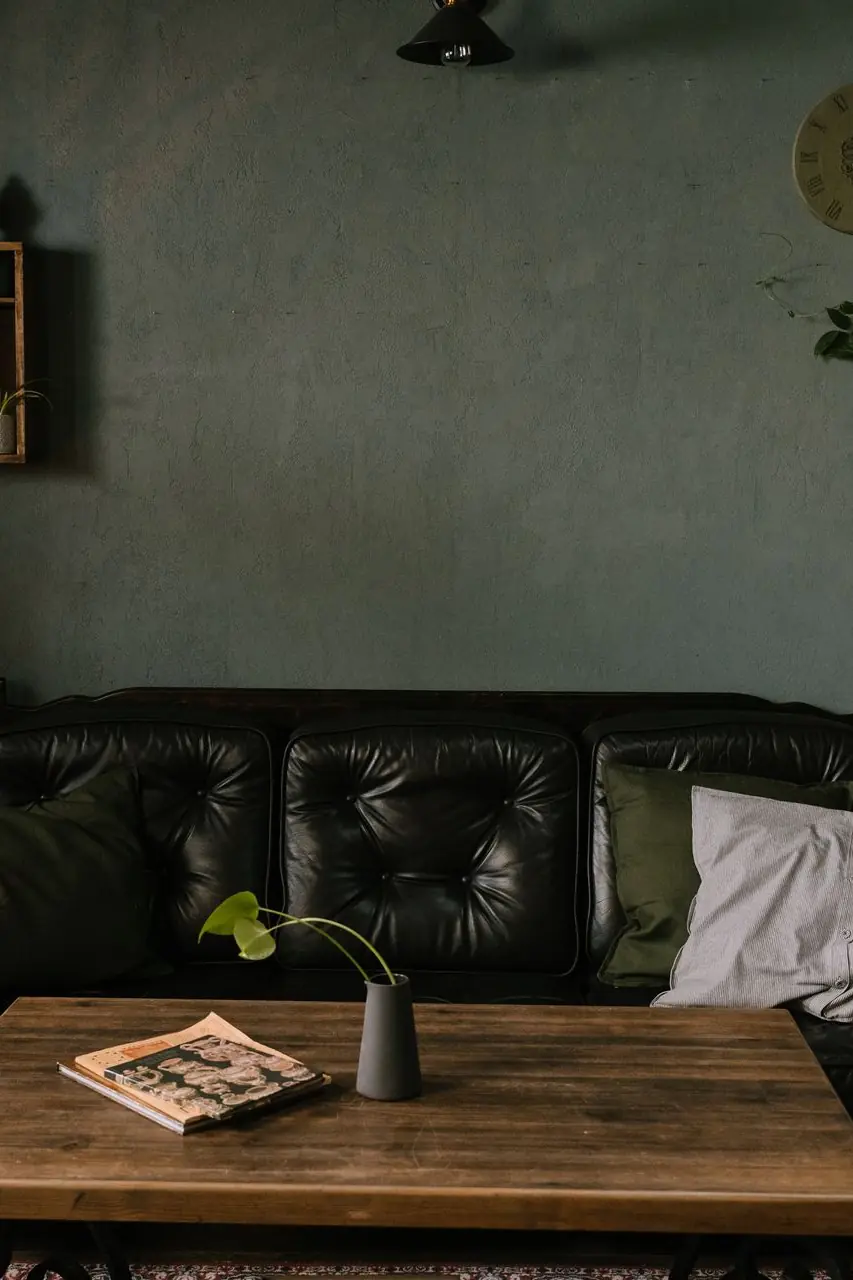
Sage Meets Warm Oak
Credit : cottonbro studio
Oak and sage grew up in the same landscape, so their pairing never needs forcing. The wood brings honey and grain; the green brings shade and rest. Together they make cream upholstery look richer and keep a room feeling collected over years rather than decorated in one hurried weekend of shopping.
Repeat the oak at least three times, shelves, a frame, a stool, so the pairing reads intentional. Building a full sage green interior color palette around this duo keeps decisions simple later: every new piece must flatter the wood or the green. Readers who love even deeper earthy schemes often pair this look with chocolate brown interior design ideas for the adjoining room.
Sage Reading Corner Layers
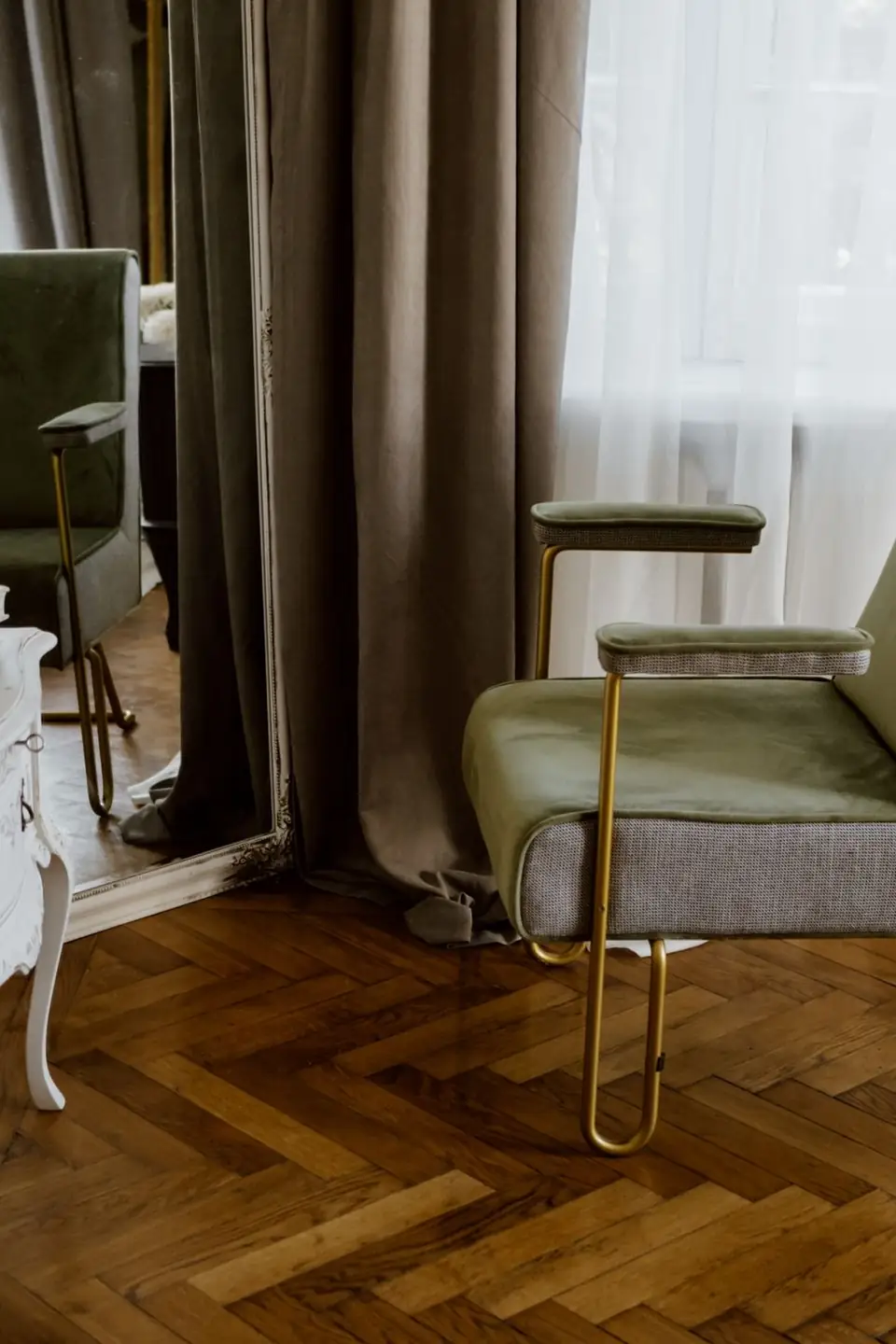
Credit : Polina
- Start with one comfortable chair in sage upholstery or a washable sage slipcover
- Add a cream throw and one textured cushion so the corner feels layered, not bare
- Place a small oak shelf within arm’s reach for books, glasses, and a warm drink
- Finish with a brass lamp at shoulder height for focused, gentle evening light
Corners become favorites when color gives them a boundary. Sage on one chair or a painted half wall tells the eye where the quiet zone begins. I’ve noticed readers return to such corners daily once the lamp, shelf, and throw settle in; the palette makes even twenty minutes feel like a proper pause.
Sage Curtains Filter Light

Credit : Max Vakhtbovych
Quick Tip: Hang sage curtains twelve inches wider than the window frame on each side. The extra width lets the panels stack on the wall, so daylight enters fully while the green frames the view like a picture. Linen blends hold the color softly without a shiny finish.
Curtains move, and moving color changes a room through the day. Morning light through sage linen throws a faint green glow across cream walls, calm and garden like. Choose a shade one step deeper than the walls if both share the color, so the window keeps its definition instead of quietly blending away into the wall.
Cold Grey To Sage Warmth
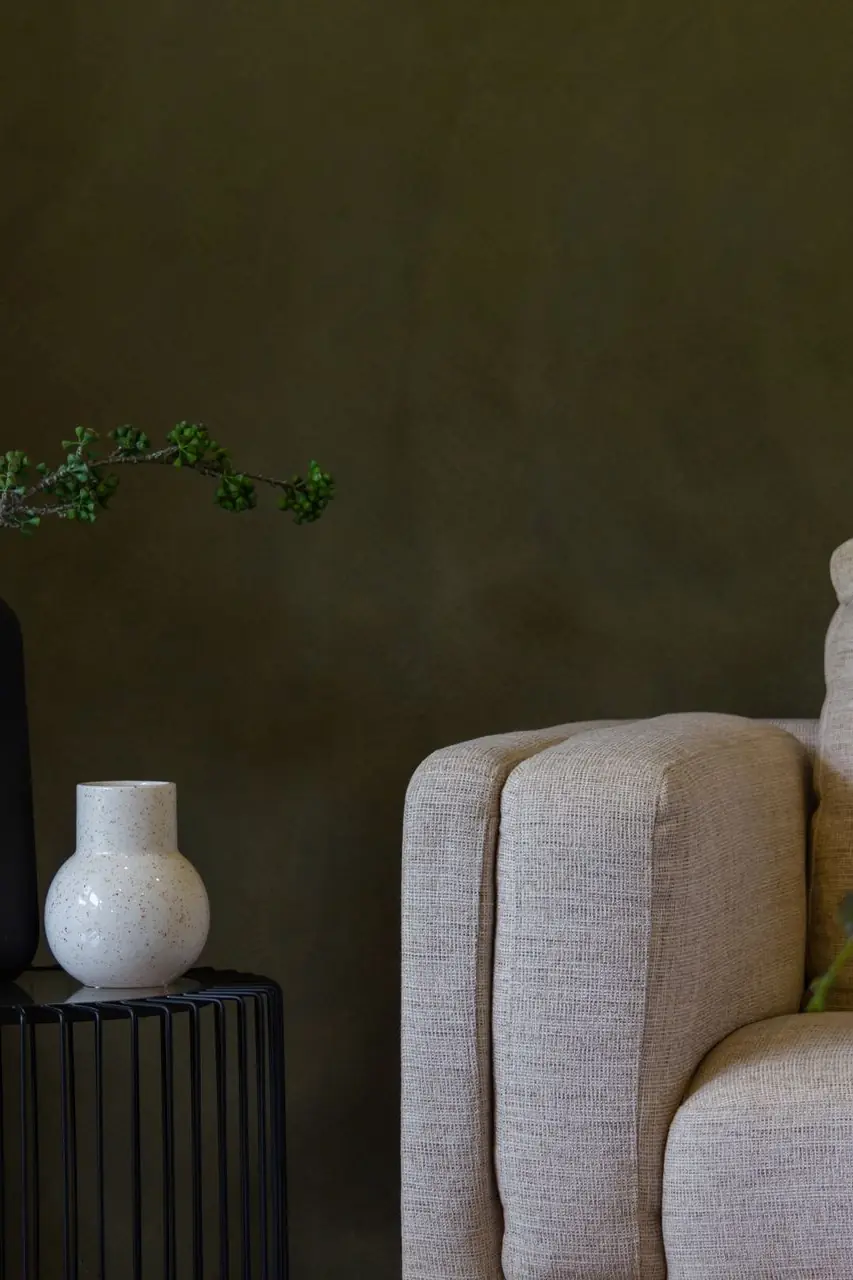
Credit : Martin Lang
BEFORE: Grey walls, a grey sofa, and silver frames made the room feel like a waiting area. Daylight arrived cold, evenings felt colder, and the owners kept buying bright cushions that clashed with everything and fixed nothing about the underlying chill in the room.
AFTER: Sage paint kept the calm they liked in grey but added the warmth it lacked. The same sofa turned welcoming, wood side tables glowed, and lamplight finally looked golden instead of harsh. Even the houseplants appeared healthier against the softer green.
Undertone does the heavy lifting in this change. Grey based sage bridges modern furniture and warm textiles, so older pieces stop looking dated. Start with the wall behind the sofa; that single surface sets the temperature for the whole seating area.
Layer Sage In Five Steps
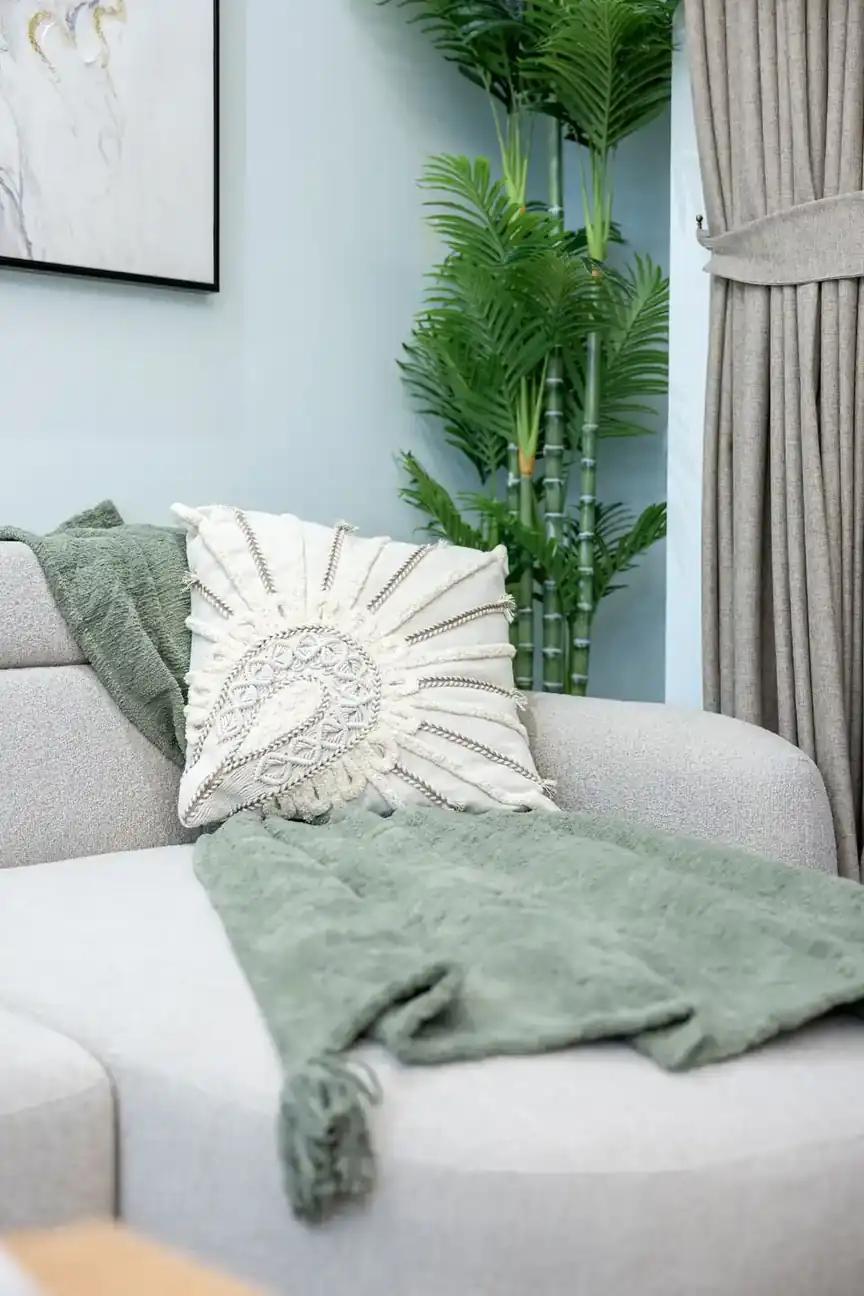
Credit : AJ Ahamad
What You Need: Sage paint, one upholstered piece, cushions in two depths of green, ceramics, and living plants.
- Set the base with sage on the largest surface, walls or a big rug
- Add the anchor piece, a chair or sofa, one shade deeper than the base
- Scatter the lightest sage in cushions and a throw
- Drop in ceramics and books with green covers for small, movable color notes
- Finish with real plants, whose natural greens blend every layer together
Layering by depth keeps a single color interesting for years. Keep the ratio gentle: mostly soft sage, some mid tones, very little of the deepest shade. Photograph the room in daylight before buying more; the camera reveals pile ups the eye forgives at home.
Sage Versus Olive Green
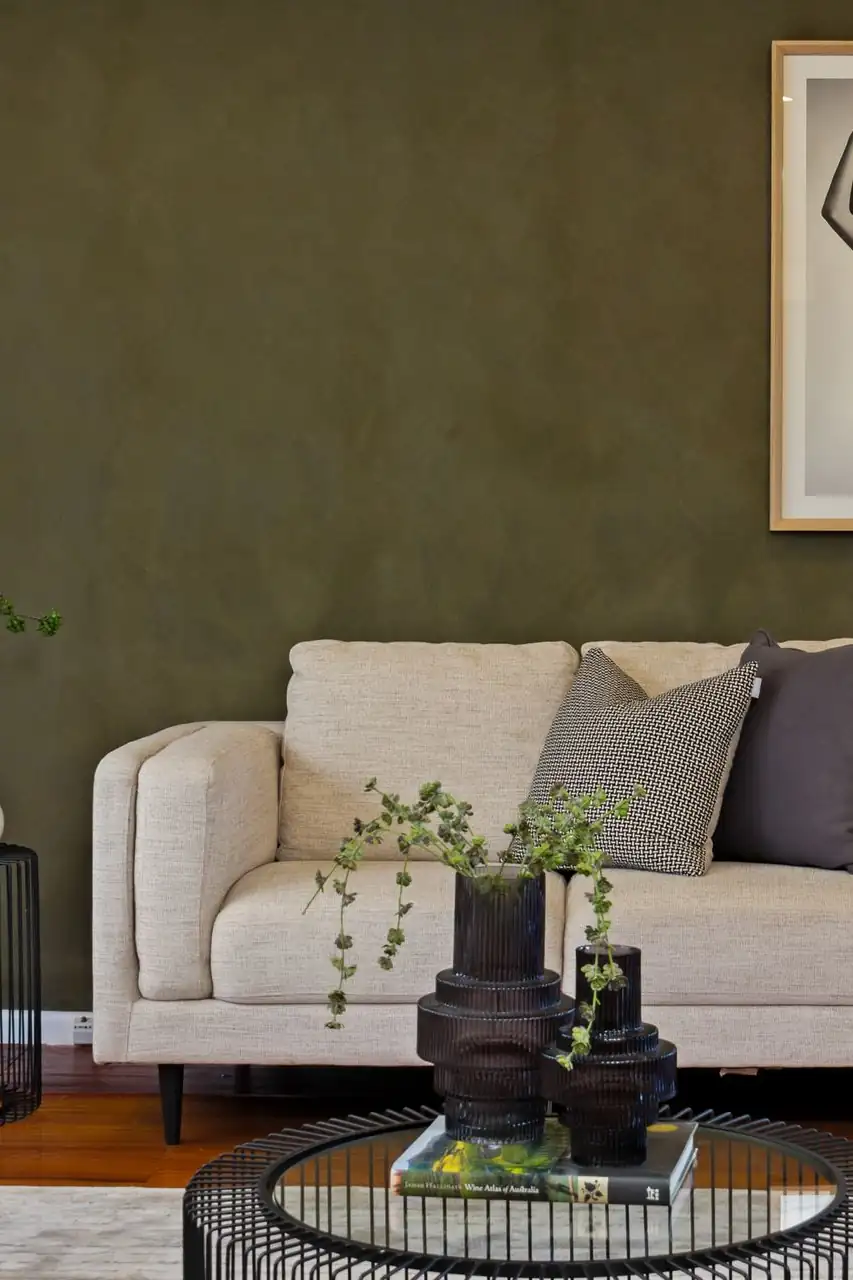
Credit : Martin Lang
| Feature | Sage Green | Olive Green |
|---|---|---|
| Undertone | Grey and silvery | Yellow and earthy |
| Light Behavior | Stays soft all day | Deepens after dark |
| Pairs With | Cream, oak, brass | Tan, leather, black |
| Best For | Calm, airy rooms | Moody, cozy dens |
Olive brings drama; sage brings rest. Choose olive where evenings dominate, a den or dining room lit by candles and lamps. Choose sage where mornings matter, kitchens, bedrooms, and living rooms used all day. Both flatter wood, linen, and brass, so the deciding factor is simply how much visual weight the room should carry from morning through to the quiet evening hours at home.
Brass Accents Love Sage
Credit : isabel ph
Do:
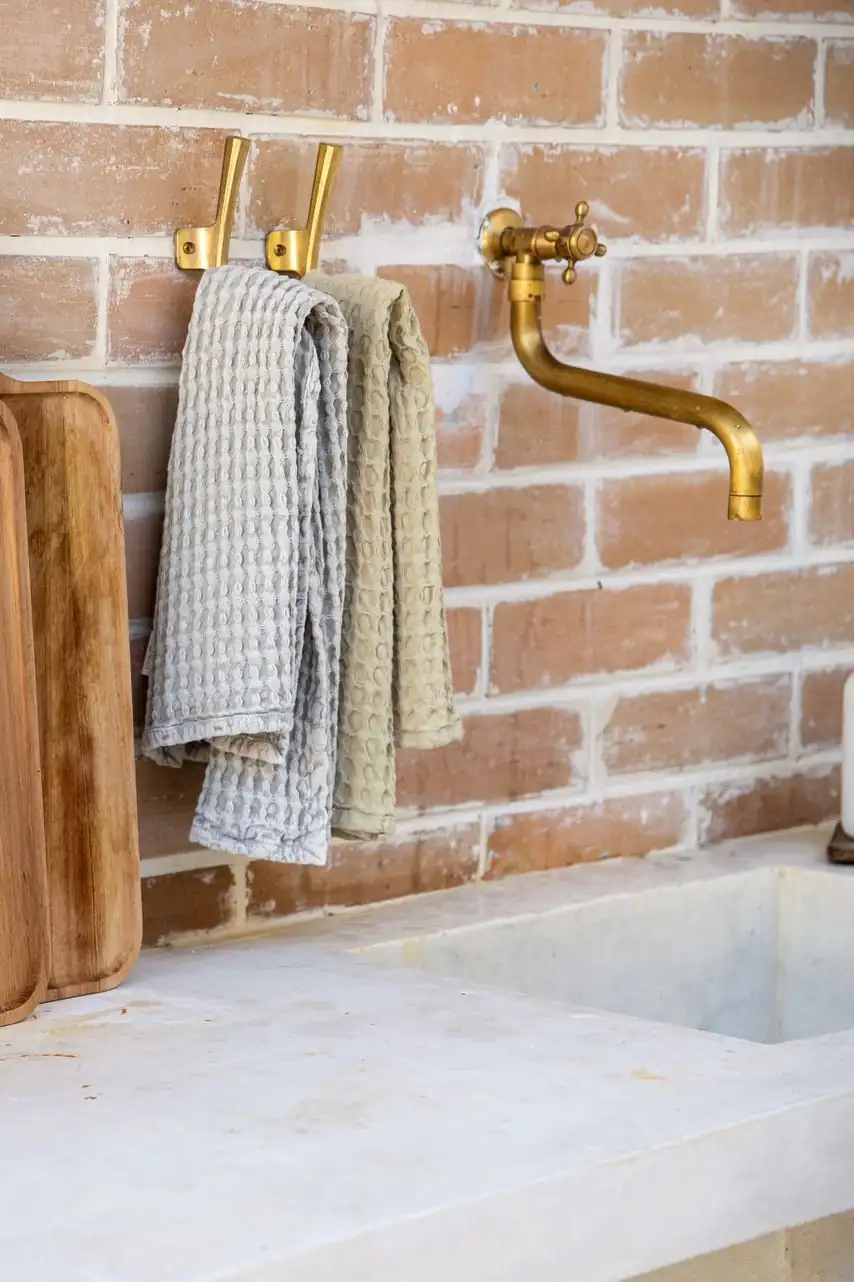
- Repeat brass three times per room, lamp, frame, and handle, for a deliberate rhythm
- Pick aged or brushed finishes that glow softly instead of flashing bright yellow
- Let one larger brass piece lead the smaller details
Don’t:
- Mix chrome and brass in the same view; the metals compete and cheapen both
- Use polished brass everywhere, because the glare fights the calm of the green
- Forget to warm the bulbs, since cool light turns brass dull and sage grey
Brass and sage share an old garden quality, like a gate latch on a weathered fence. The metal gives the muted green a point of light to answer, and rooms gain polish without a single loud color. In my experience, three touches per room is plenty.
Sage Entryway Welcome Facts
Credit : betül nur akyürek
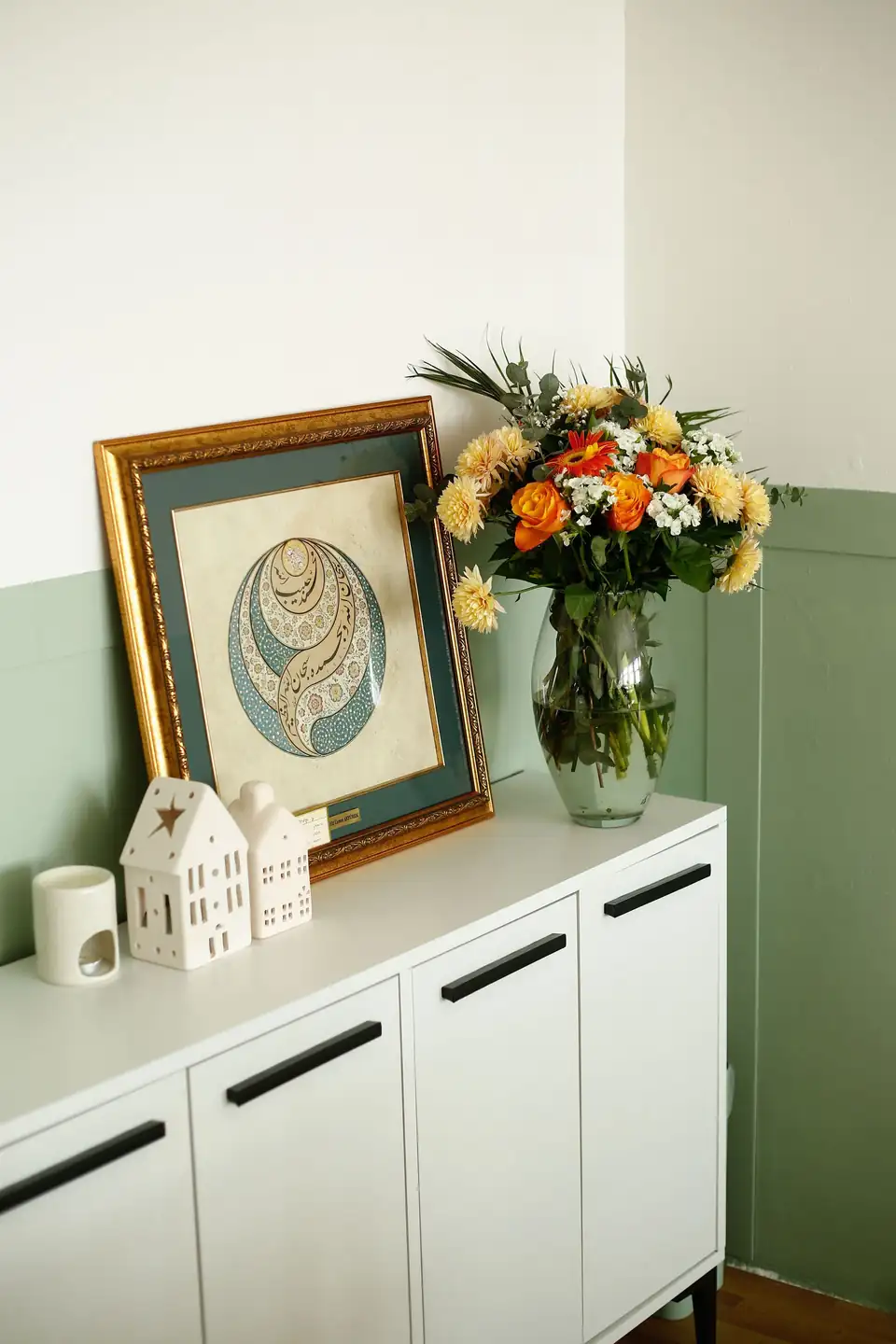
Cost: Paint, a mirror, and a basket transform most hallways affordably.
Time: A single afternoon covers painting and hanging.
Skill Level: Beginner; the space is small and forgiving.
Best For: Renters and narrow halls needing a calm first impression.
Entryways set the emotional temperature of a home. Sage on hallway walls tells arriving guests to slow down, and it hides the scuffs that pale paint advertises. Keep the console oak and the mirror brass, then stop adding. Small spaces reward restraint, and a calm, ordered entrance makes every room beyond it feel more considered by everyone who walks through the front door.
Sage And Cream Contrast
Credit : Curtis Adams
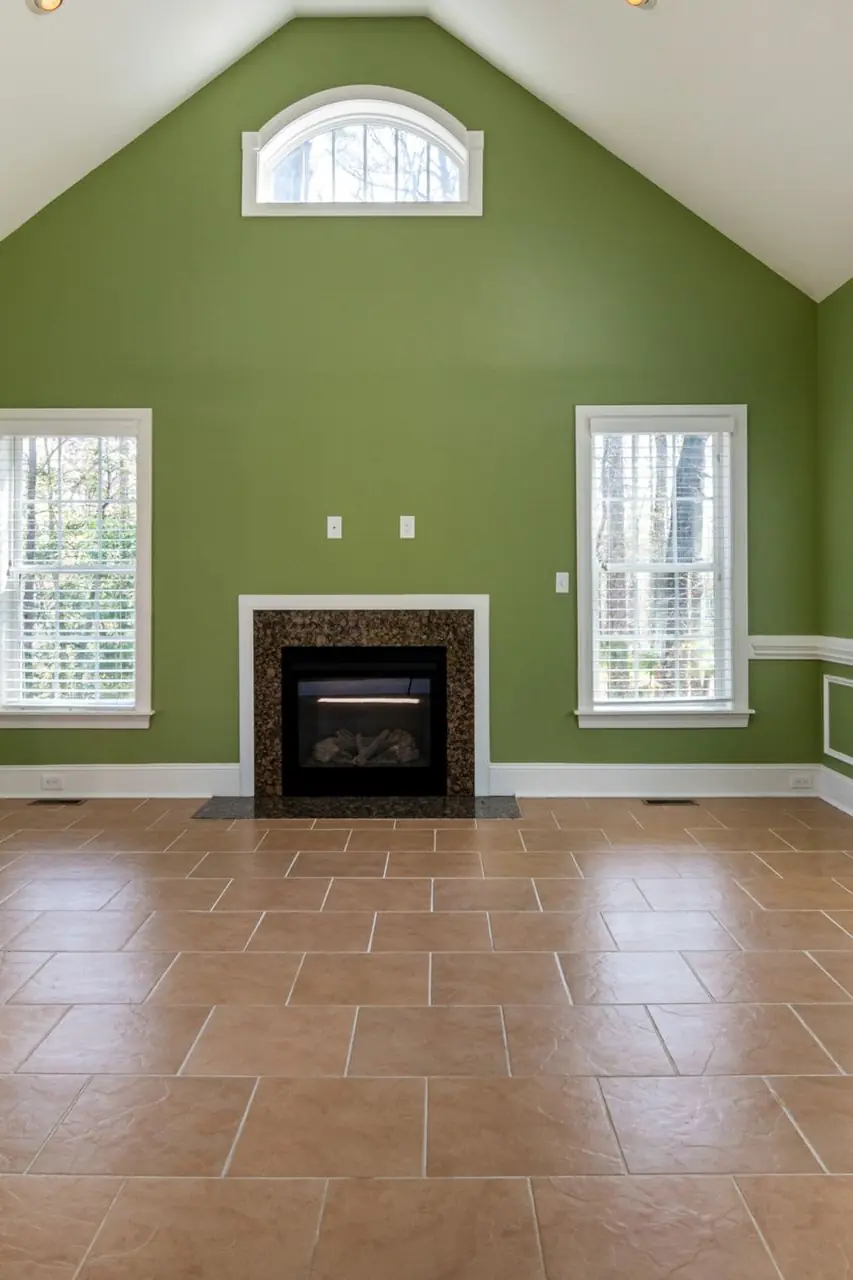
High contrast gets the attention, but low contrast keeps it. Sage below and cream above divide a wall the way horizon divides a field, and the eye rests along that line. The pairing suits rooms with picture rails or wainscoting, though a simple painted split at chair height works nearly as well.
Keep the cream warm, closer to clotted cream than to paper white. The warmth stops the split from feeling like two different rooms stacked together. I’ve seen this work well in many cases in long narrow spaces, where the darker lower band grounds the room and the pale upper half lifts the ceiling.
Botanical Prints On Sage
Credit : Dariusz Duchiewicz
- Hang prints in a tight grid of four or six for a tidy, garden room rhythm
- Choose oak or thin brass frames so the art floats on the green without heaviness
- Keep print backgrounds cream, matching your textiles, so the wall reads as one piece
- Stand one real plant beside the grouping to blur the line between art and life
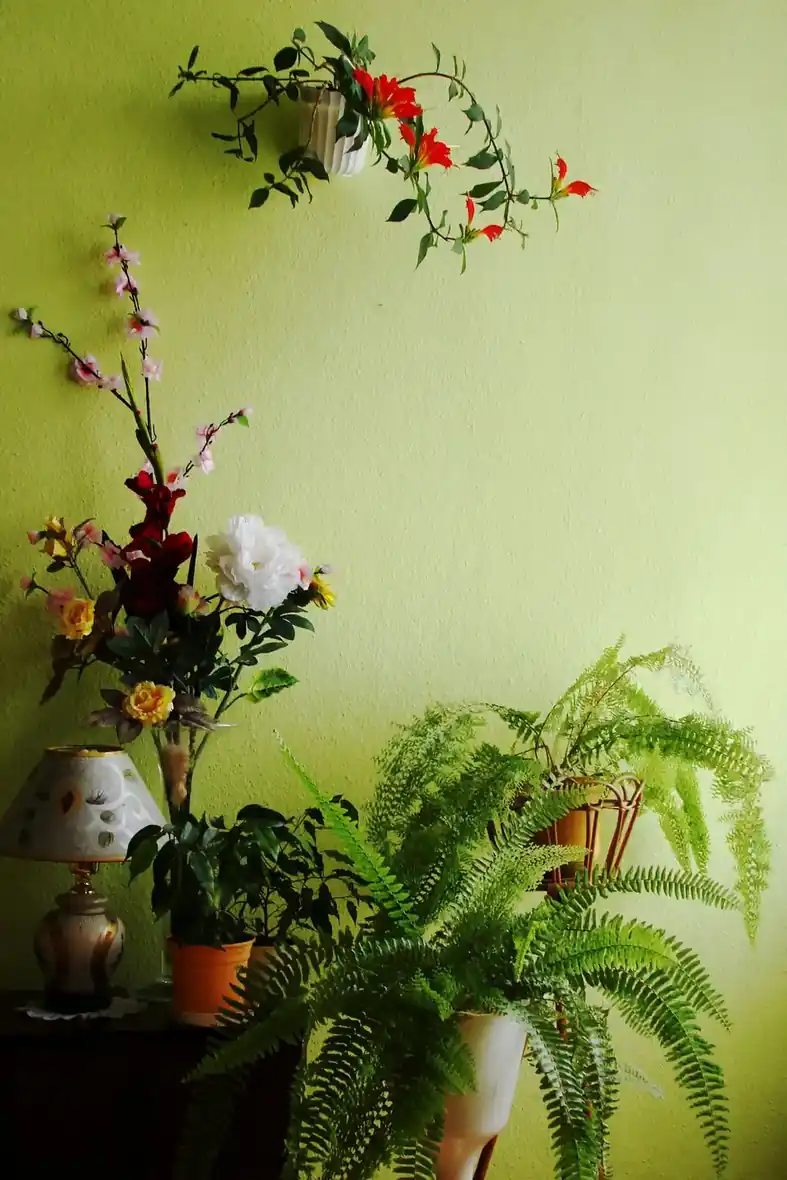
Botanical art on a green wall looks like a garden remembered indoors. The prints repeat the wall’s own story, leaves held still, while frames supply the structure. Choose older style illustrations over photographs; their muted inks sit closer to sage and age gracefully beside plants that grow and change.
Sage Dining Room Glow
Credit : Martin Auge
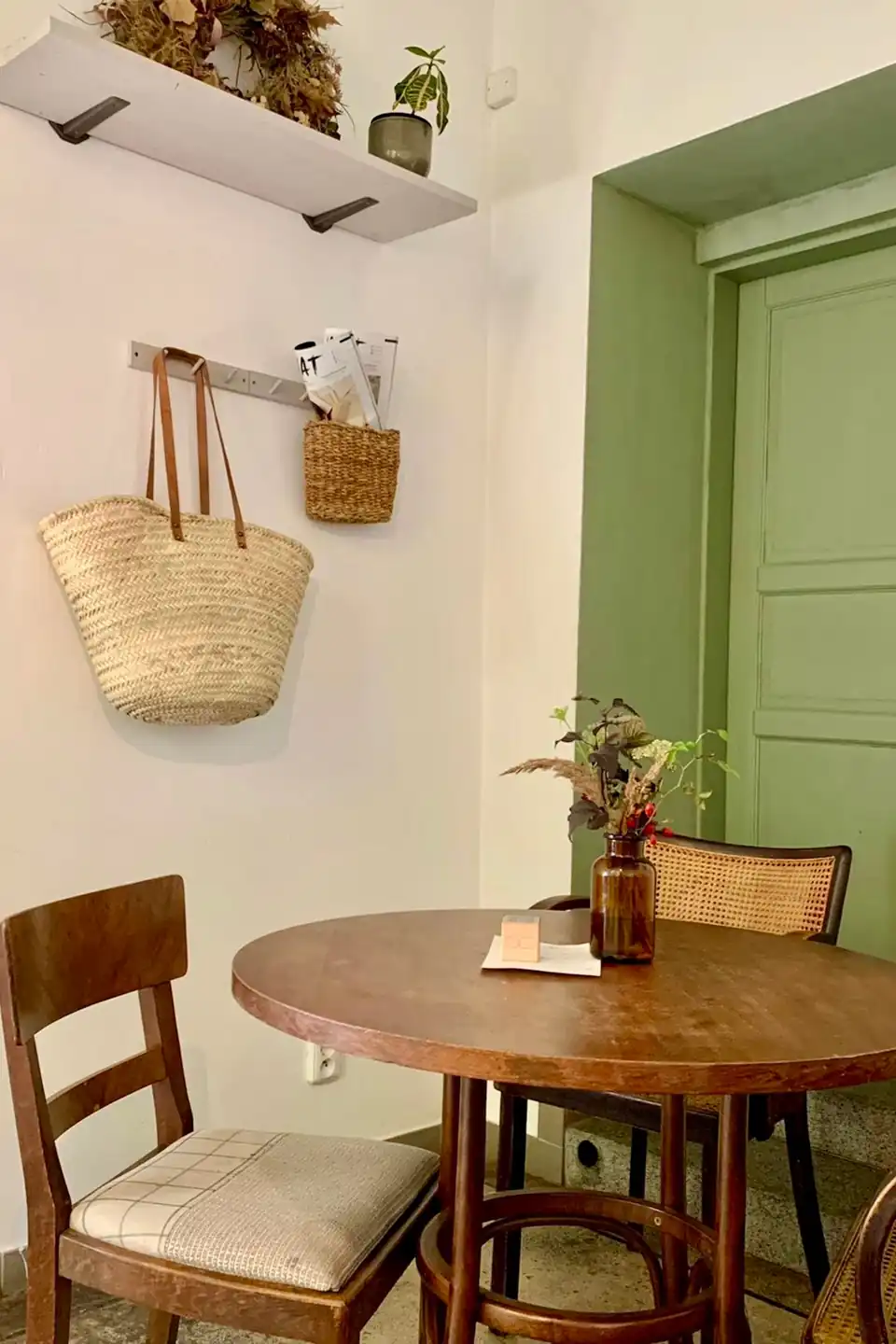
Quick Tip: Paint the dining room ceiling one shade paler than the walls, using the same sage family. The pale lid keeps the room airy at noon, while evenings wrap diners in color on five sides. Candlelight against that envelope looks instantly warmer and more deliberate.
Dining rooms thrive on enclosure, and sage supplies it without heaviness. Food colors look richer against muted green, oak tables glow, and brass pendants earn their keep after dark. Keep chair upholstery cream and the tableware simple, so the shared table setting, not the furniture, becomes the brightest and happiest thing in the whole room.
Beige Box To Sage Depth
Credit : Curtis Adams
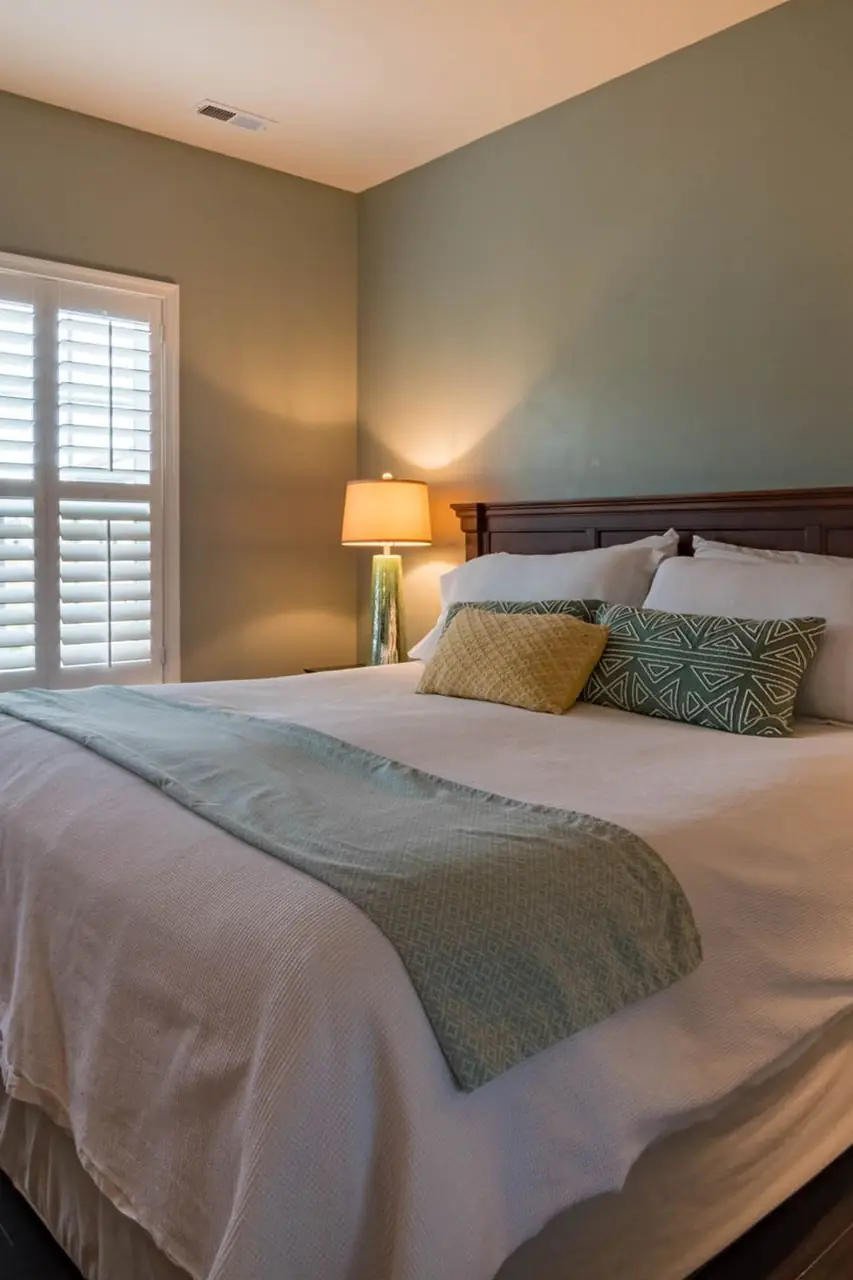
BEFORE: Beige walls, beige carpet, and a beige headboard blended into one flat note. The room photographed like an empty rental listing, and the owners felt oddly tired in it, as if the space gave their eyes nowhere to rest.
AFTER: Sage walls gave the room a horizon. Cream linen bedding stood out crisply, the oak headboard found its grain again, and shadows in the corners turned soft instead of dull. The same furniture suddenly reads as a scheme rather than a storage problem.
Depth comes from contrast in value, not from adding objects. One green wall plane behind the bed supplies all the depth the room needed. If a full room feels bold, begin behind the largest furniture piece; the green border still works.
Painted Sage Versus Accents
Credit : Lisa Anna
| Feature | Painted Sage Walls | Sage Accents Only |
|---|---|---|
| Impact | Full room calm | Gentle green notes |
| Cost | Paint and one weekend | Spread over time |
| Flexibility | Fixed until repainted | Swap pieces anytime |
| Best For | Committed color lovers | Renters and testers |
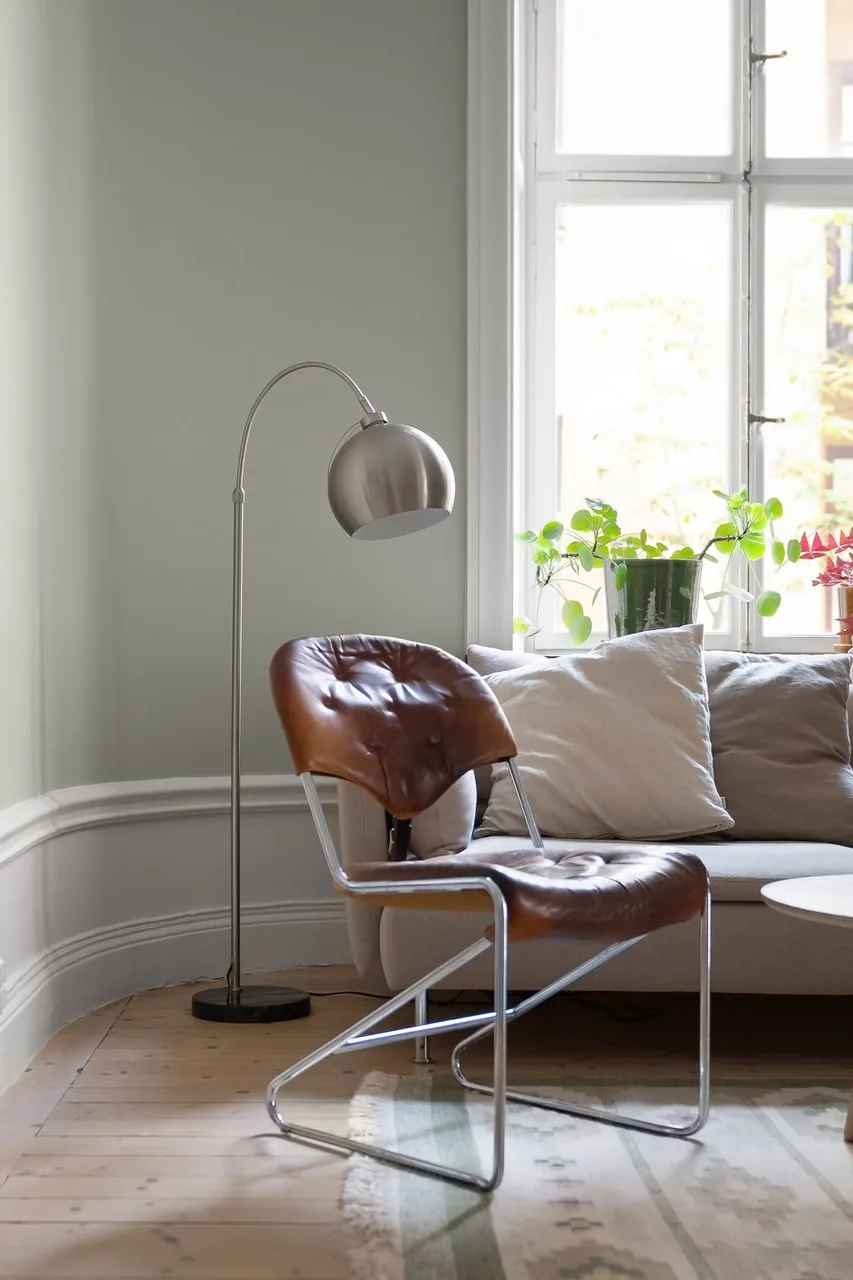
Neither route wins outright; the honest answer depends on how long the room must stay unchanged. Painted walls deliver the deepest calm for the least money, while accents let nervous decorators test the water with cushions and ceramics. Many homes do both in sequence, accents first one season, paint the following spring, and the layered result usually looks richer than either approach managed on its own at the start.
Conclusion
Small choices in color ripple through every hour spent at home, from the first coffee to the last chapter before sleep. A thoughtful sage green interior color palette gives rooms a shared calm that cream, oak, and brass only deepen. I’ve seen how small changes like these can completely shift the way a space feels, turning plain rooms into places people linger. Save these ideas to your Pinterest boards, sample one shade this week, and start with the room where you spend your quietest hour. The green will do the rest, gently and for years.