25 Chocolate Brown Interior Design Ideas for Rich, Cozy Style
Brown is the color of hot cocoa, worn leather, and library shelves, and rooms dressed in it settle the nerves on sight. The strongest chocolate brown interior design ideas treat brown as the main event rather than a safe backup for beige. Handled with confidence, deep cocoa walls and cognac leather warm a home the way good lighting does, quietly and completely.
This collection gathers twenty five ways to live with the shade, from velvet sofas and walnut walls to espresso kitchens and moody bedrooms. The same earthy palette glows underfoot in terracotta flooring kitchen ideas, where fired clay floors carry the warmth. In my experience, brown rewards commitment: one timid cushion looks lost, while layered tones of caramel, umber, and espresso read as pure confidence.
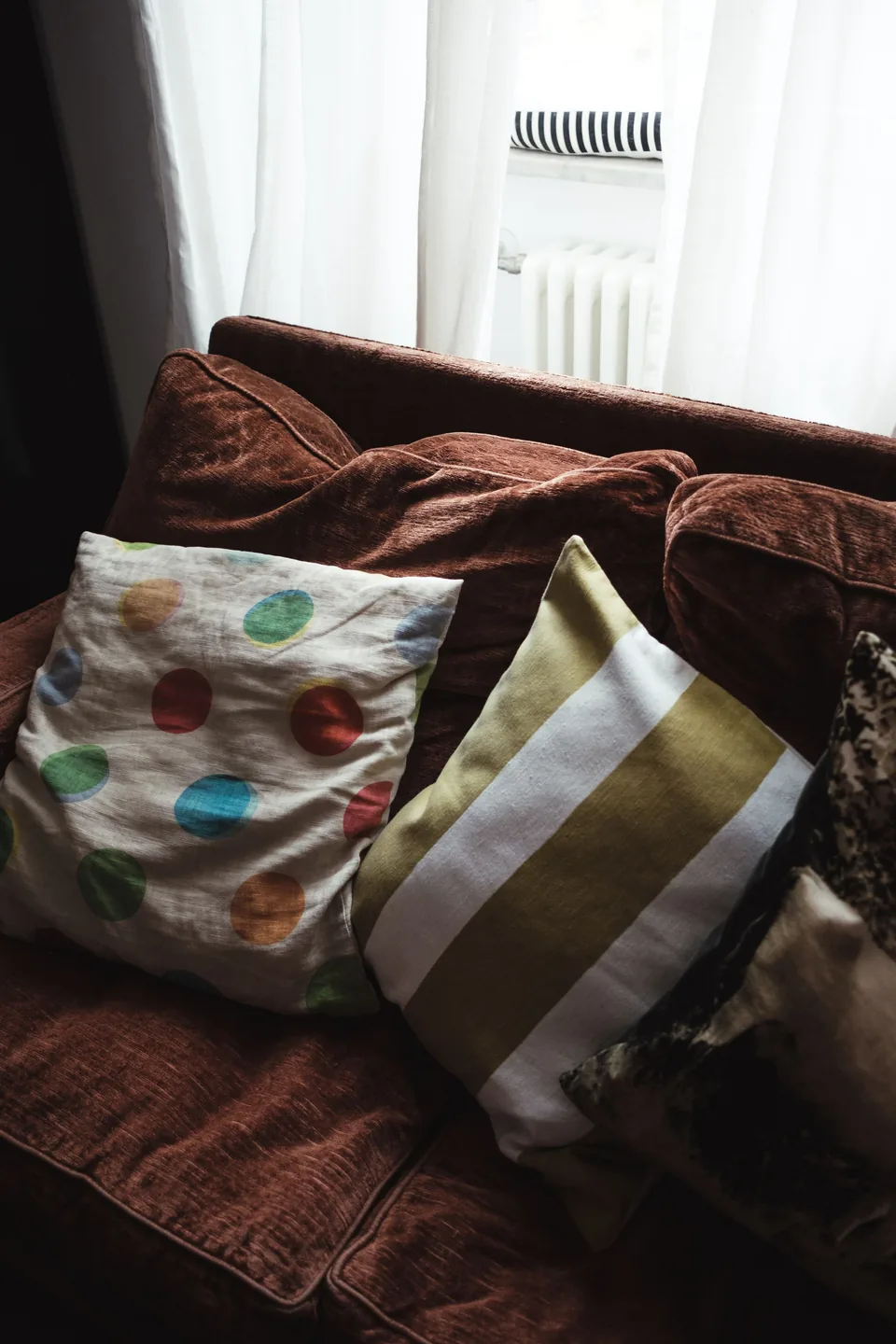
Chocolate Velvet Sofa Statement
Credit : Lena Shekhovtsova
A chocolate velvet sofa drinks in daylight and hands it back as glow. The pile shifts tone as you cross the room, so a single piece of furniture delivers three shades of brown before lunch. Set it on a pale rug and the depth reads deliberate, like the first line of a room that knows its own mind.
Keep the supporting cast quiet: cream cushions, a low walnut table, one brass lamp with a warm bulb. Velvet shows crumbs and pet hair honestly, so pick a tight pile and stash a lint roller in the sideboard drawer. I’ve noticed this shade hides everyday wear far better than black upholstery ever does.
Deep Brown Accent Wall

Credit : Lisett Kruusimäe
- Paint one wall in true chocolate, roughly two shades deeper than the largest sofa
- Carry the color over the skirting and door for a wrapped, tailored finish
- Hang pale art in wide cream mats so each piece floats instead of sinking
- Choose bulbs between 2700 and 3000 Kelvin to keep the brown rich, never muddy
- End the color at an arch or corner, never halfway along a flat wall
One deep wall changes the temperature of an entire room for the price of a single tin of paint. North facing rooms gain the most, because cocoa absorbs the cold blue light that turns lesser neutrals grey and tired by mid afternoon.
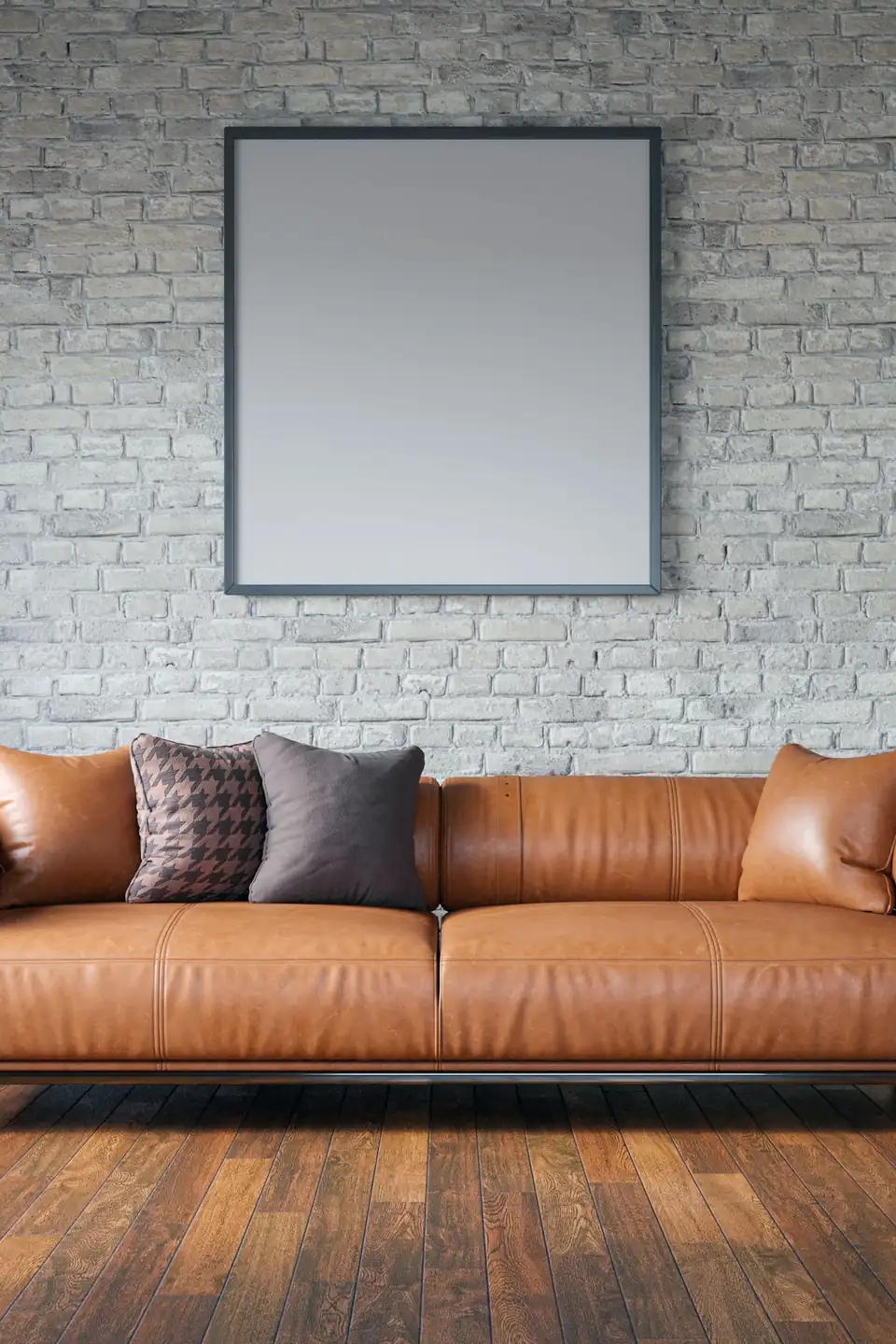
Cognac Leather Layering
Credit : Marko Stojkovic
Quick Tip: Soften stiff new leather with a pea sized dab of conditioner worked in slow circles, then buff after ten minutes. The surface darkens half a shade, drinks in the moisture, and starts building the mellow sheen that makes cognac pieces look inherited.
Leather earns its place beside velvet and linen because it ages in public, collecting scuffs that read as stories rather than damage. Set a cognac sofa over a chocolate rug against cream walls, and the middle tone bridges both ends of the palette while you do nothing at all. Condition the leather twice a year and it will outlast every fabric trend that passes through the room.
Pale Room To Cocoa

Credit : Max Vakhtbovych
BEFORE: The sitting room ran on pale intentions: white walls, a washed out rug, and a beige sofa nobody remembered choosing. Afternoon light bounced everywhere and settled nowhere, so the space felt bigger than it was and colder than it should.
AFTER: Cocoa paint on two walls, a deep brown sofa, and walnut shelves pulled everything into focus. The same windows now pour light across warm surfaces, and evenings here feel like being wrapped in a blanket that somehow has excellent posture.
Nothing structural changed, only the depth of the palette. Darker upholstery and one saturated wall gave the room a center of gravity, proof that contrast matters more than square footage when a space feels unfinished and floaty.
Brown Gallery Wall Steps
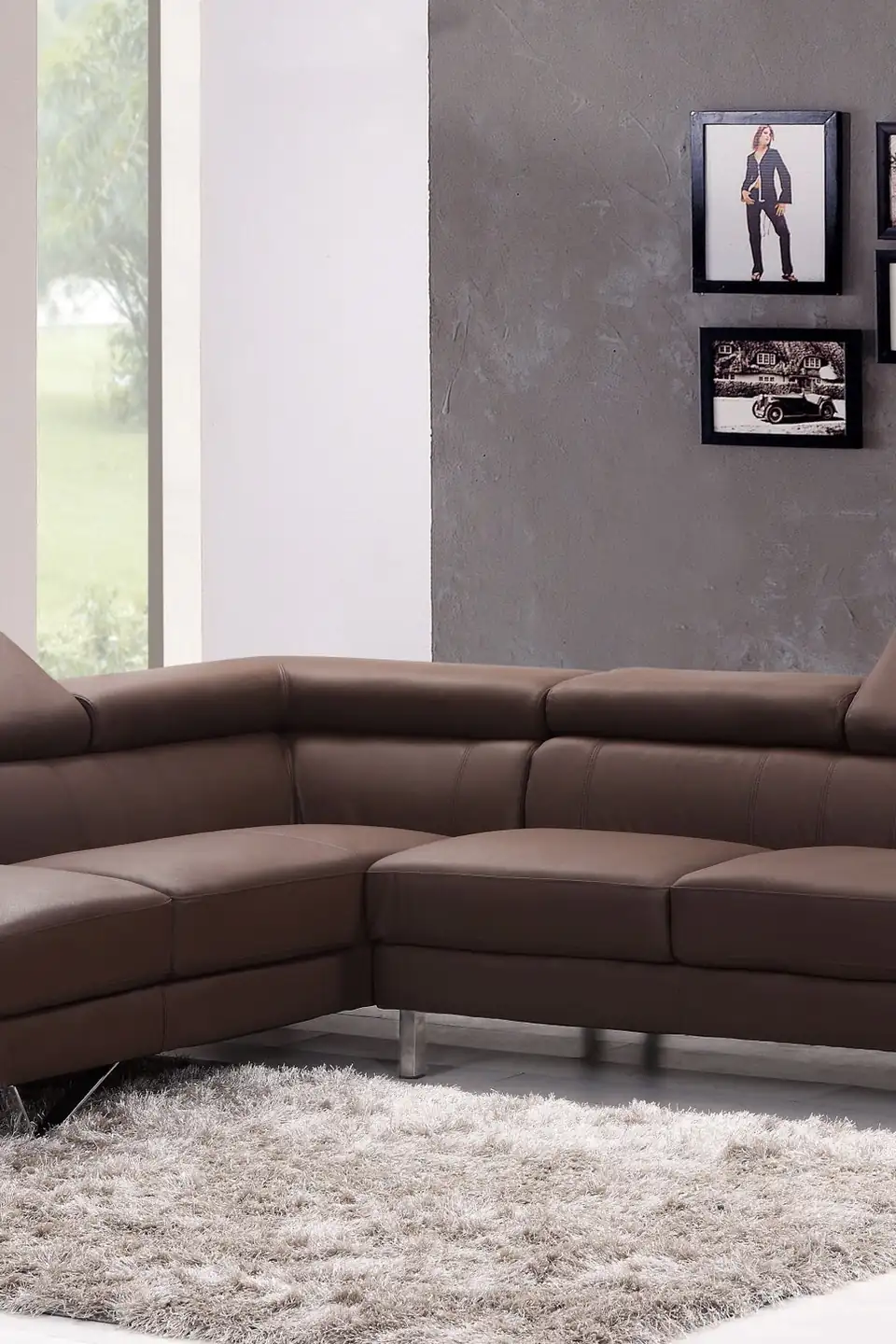
Credit : Pixabay
What You Need: Six to nine frames in mixed sizes, kraft paper, painter’s tape, a tape measure, picture hooks, and one free hour.
- Cut kraft paper templates to match every frame and tape the full layout up first
- Anchor the arrangement around one large central piece, then build outward in loose pairs
- Keep gaps even at two inches so the cluster reads as one artwork
- Mix dark wood frames with thin brass ones for a collected, layered feel
- Hang the center of the group at eye level, around fifty seven inches high
Paper templates save walls from a constellation of regret holes, and they let you live with the layout for a day before committing. Dark frames on a mid tone wall strike the balance: present and confident, never shouty.
Velvet Versus Leather Brown
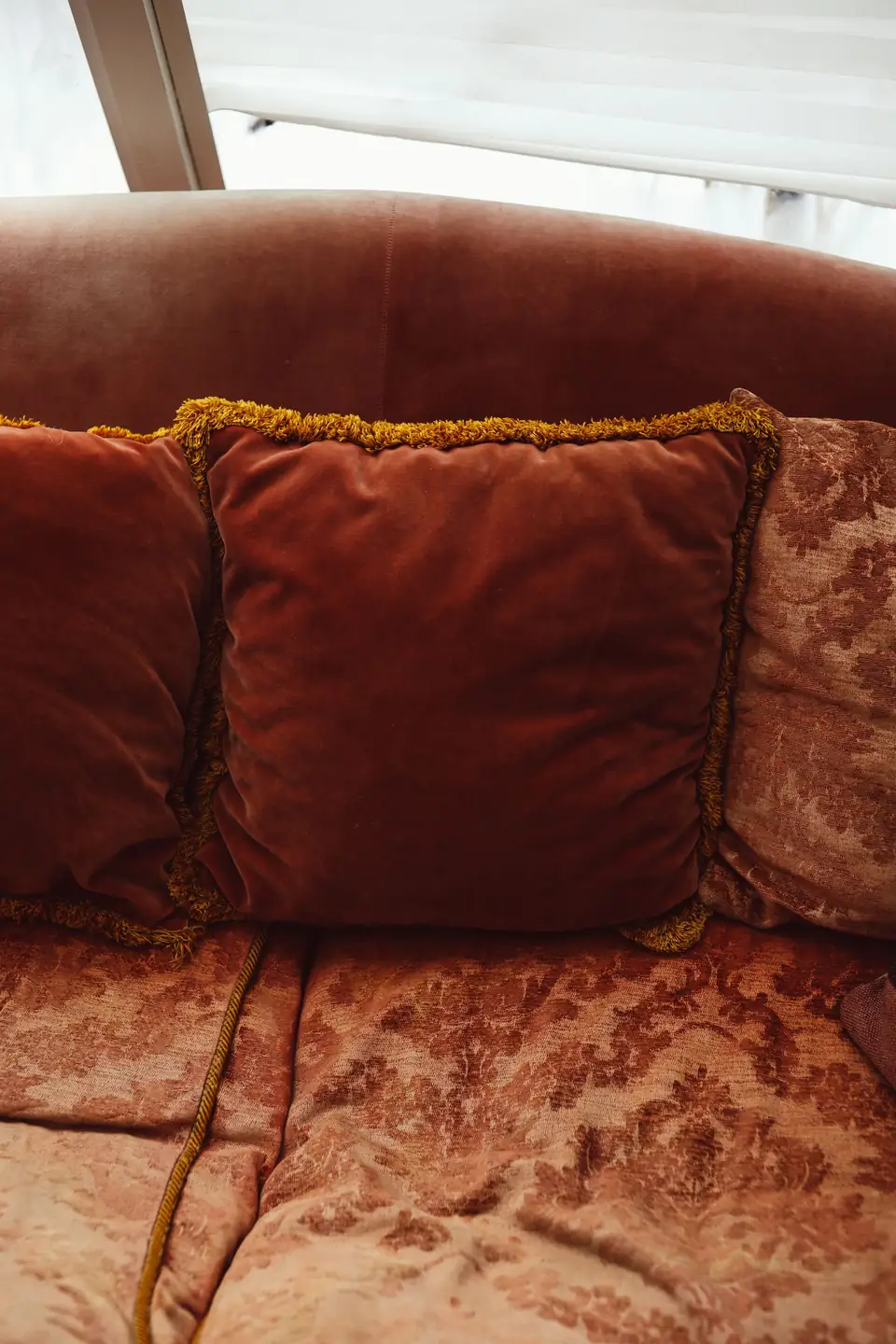
Credit : KoolShooters
| Feature | Chocolate Velvet | Cognac Leather |
|---|---|---|
| Feel | Soft, plush, light absorbing | Smooth, cool, lightly glossy |
| Aging | Pile flattens in favorite spots | Patina deepens with every year |
| Care | Brush weekly, steam to revive | Condition twice a year |
| Best Seat | Statement sofa, reading chair | Family sofa, desk chair |
Choose velvet when the room needs softness and drama, leather when life involves dogs, toddlers, and red wine. Plenty of homes run both: a leather sofa for daily duty and a velvet chair reserved for books, coffee, and the good hour of the day. Order swatches of both and live with them for a week; the right answer usually announces itself by day three.
Brown Bedroom Ground Rules
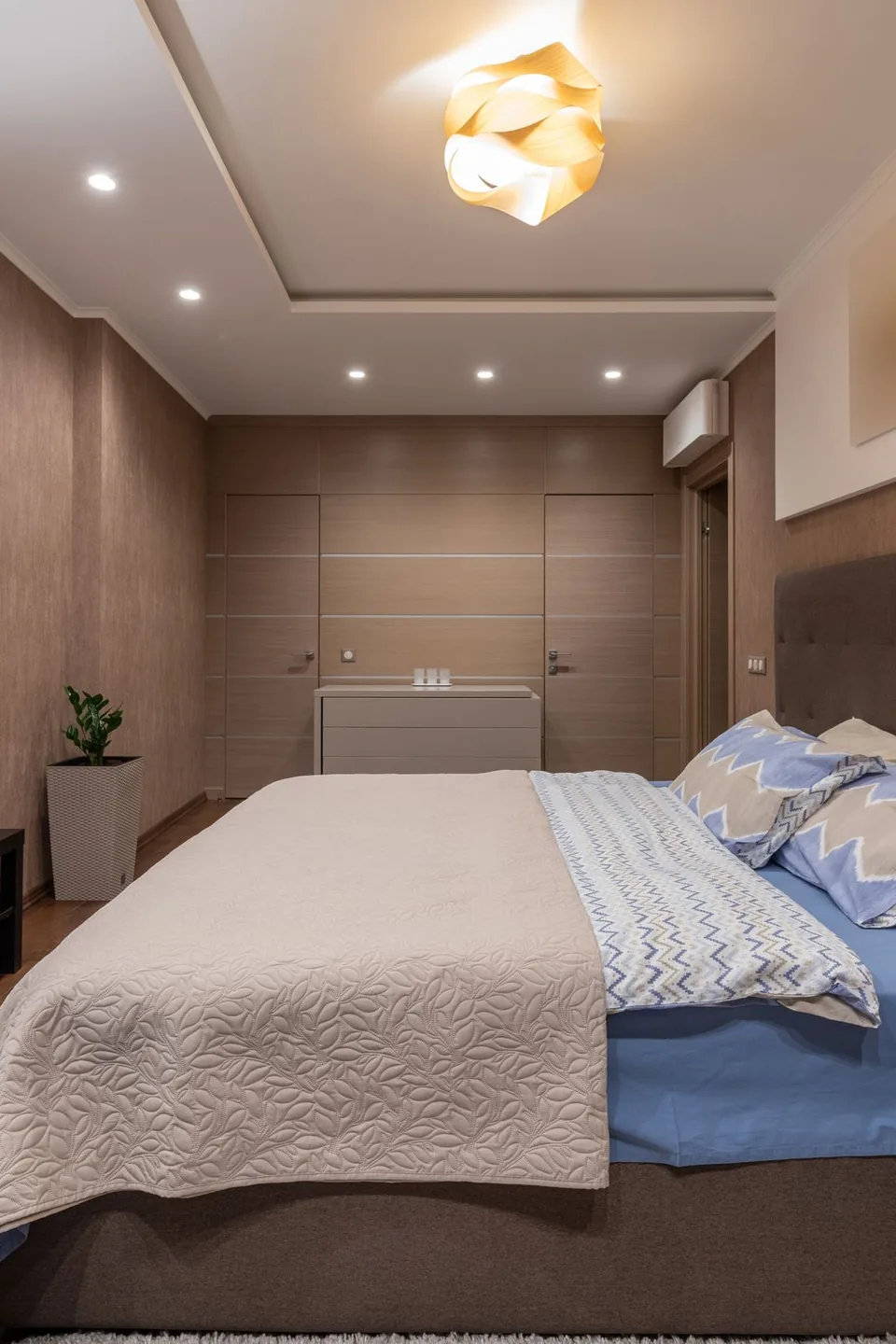
Credit : Max Vakhtbovych
Do:
- Build the bed in layers: cocoa duvet, cream throw, one caramel cushion
- Repeat the wall brown in a smaller dose, like a bench or bedside lamp
- Keep one pale surface, usually the ceiling, so the room can breathe
- Pick warm white bedding to stop deep walls from feeling heavy
Don’t:
- Match every textile to the exact same brown, which flattens the room
- Use cool grey sheets that fight the warm walls all night
- Skip bedside lighting and rely on one harsh ceiling bulb
A brown bedroom works when the bed stays the hero and everything else supports quietly. The same soft mineral mood appears in limewash paint bedroom inspiration, where cloudy walls do the warming. Sleep comes easier in rooms that feel this settled.
Espresso Kitchen Quick Facts
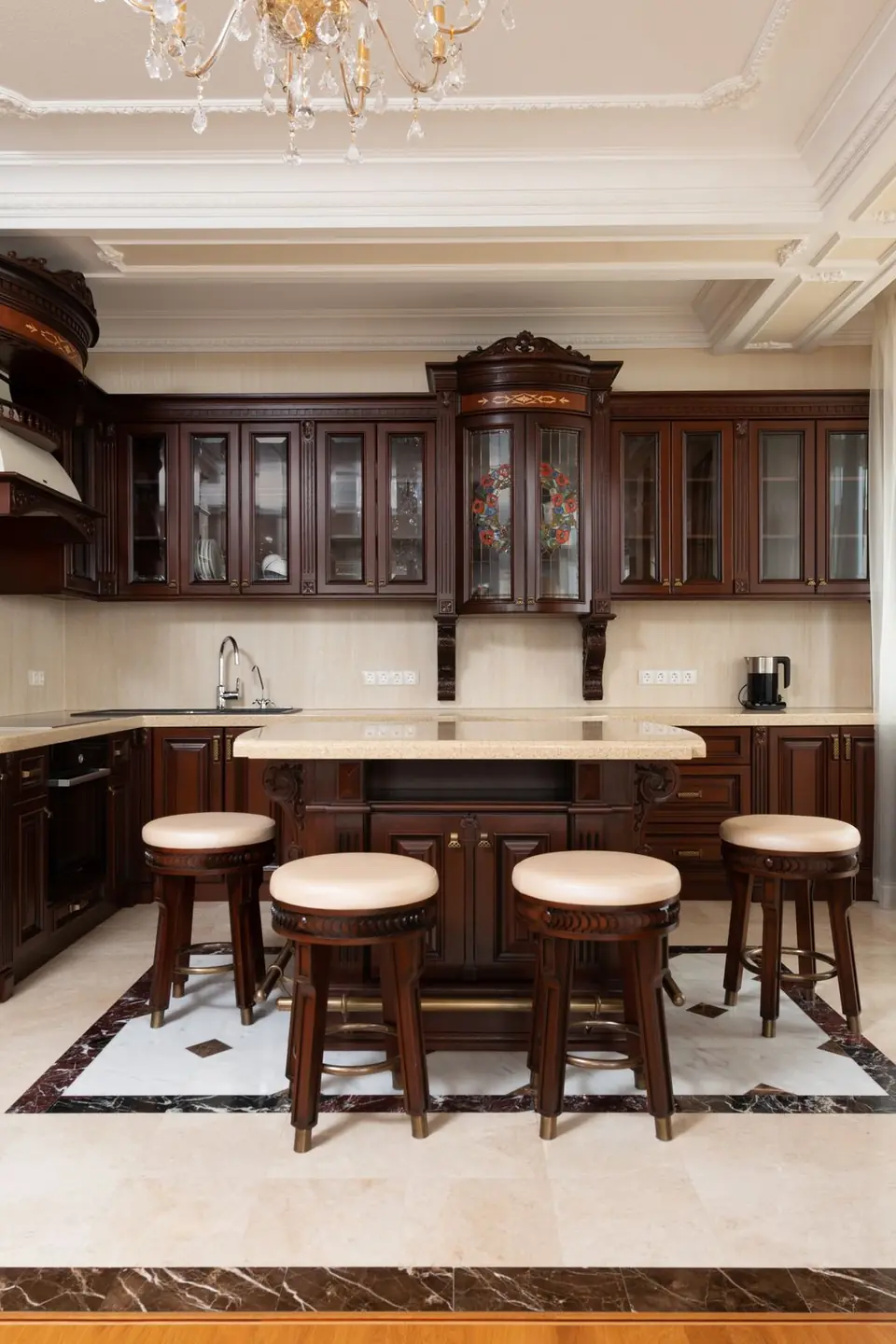
Credit : Max Vakhtbovych
Cost: Paint grade cabinets in espresso run mid range; stained walnut sits at the top.
Time: A cabinet reface in deep brown takes one to two weeks.
Skill Level: Painting suits careful DIY; veneer work belongs to pros.
Best For: Large kitchens with strong daylight and pale stone counters.
Dark cabinets succeed when the room gives them light and contrast to play against. Pale counters, warm metal handles, and one open shelf of cream dishes keep espresso joinery feeling rich rather than cave like, even through winter. Under cabinet strips in a warm tone are the cheapest insurance a dark kitchen can buy.
Cream And Cocoa Contrast
Credit : Max Vakhtbovych
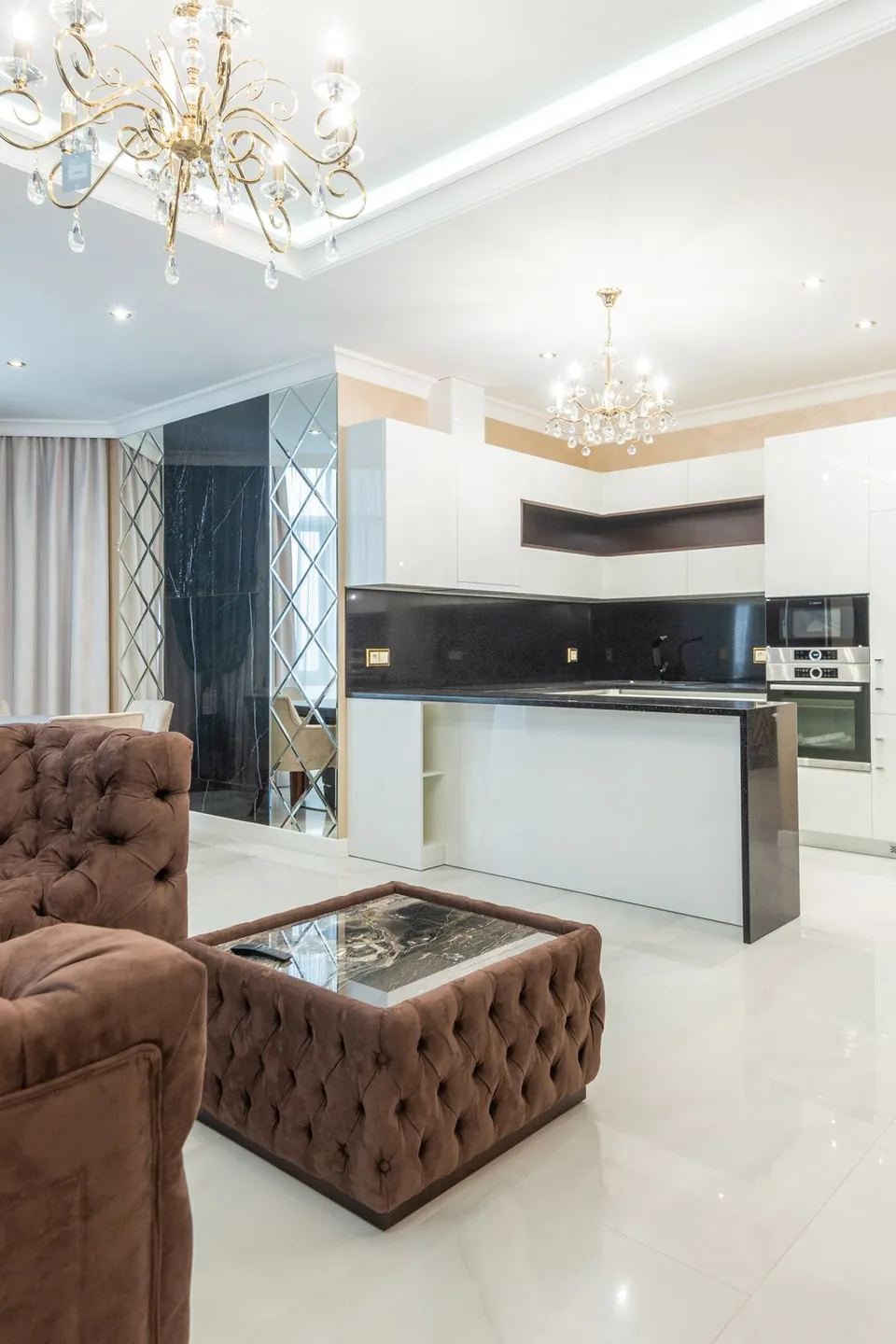
Contrast is the engine that keeps brown rooms awake. Cream walls throw cocoa furniture into relief, so a chocolate sofa reads sculptural instead of shadowy, and every cushion color lands with more punch. The ratio that rarely fails is seventy percent pale to thirty percent deep, spread evenly rather than clumped.
Reverse the pairing in one corner to keep the scheme interesting: a cream chair with a cocoa cushion, a pale rug under a dark table. I’ve seen this work well in many cases where a room felt rich but somehow sleepy, and the fix took one afternoon. The formula travels well from open plan lofts to small cottages.
Walnut Wood Warmth
Credit : Max Vakhtbovych
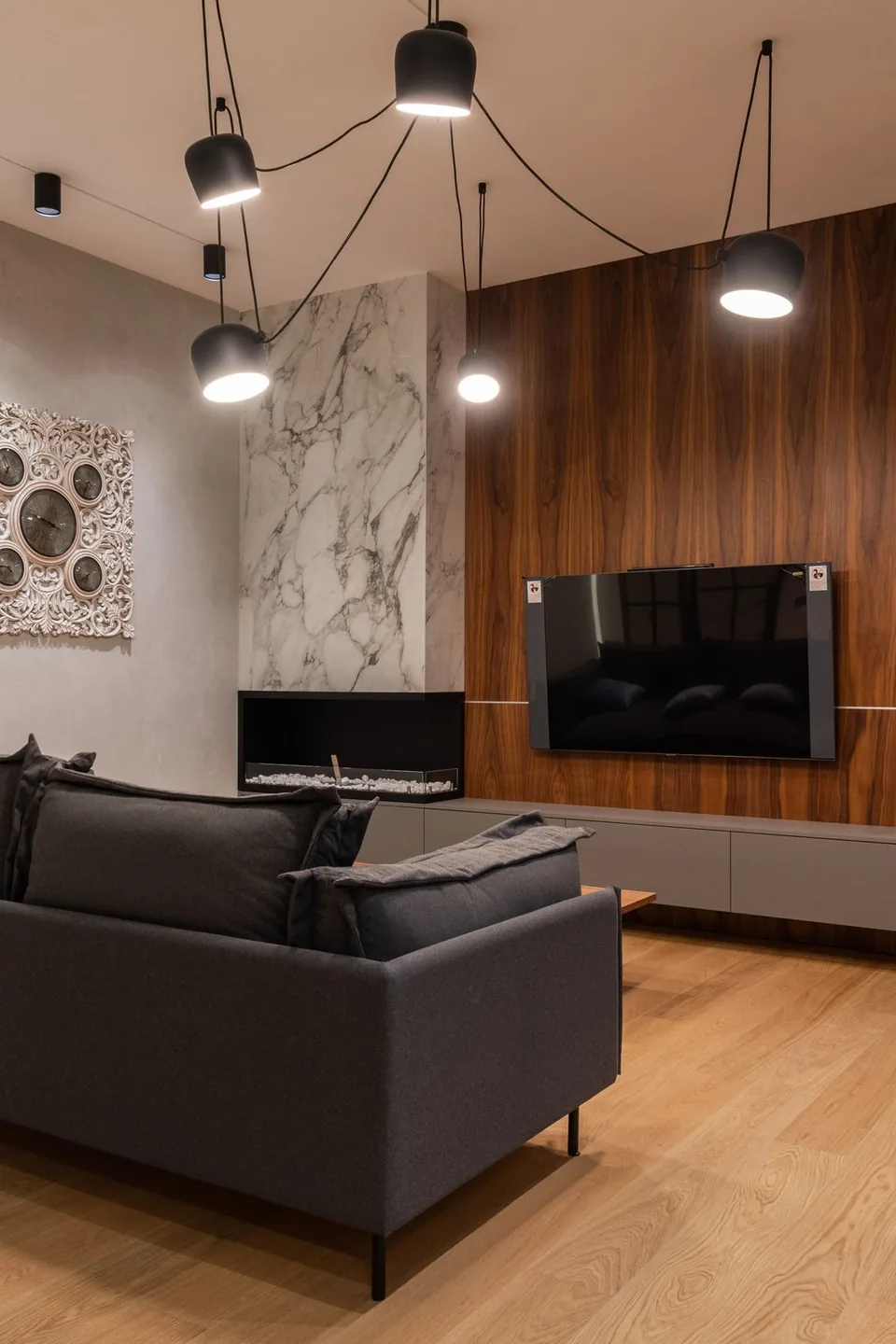
- Run walnut on one full wall and let the other walls stay quiet and pale
- Echo the grain in smaller pieces: a sideboard, frames, a low bench
- Balance the wood’s red notes with cream textiles and black metal accents
- Oil the surface yearly so the grain keeps its depth and glow
- Light it with warm lamps at seating height, not ceiling glare
Walnut carries brown at its most architectural, all grain and shadow. One wall of it can replace a gallery of art, a bank of storage, and most of a room’s personality in a single material decision. Rooms paneled this way need very little art, since the wall itself does the talking.
Brown Reading Nook
Credit : Mehtap Değirmenci Demir
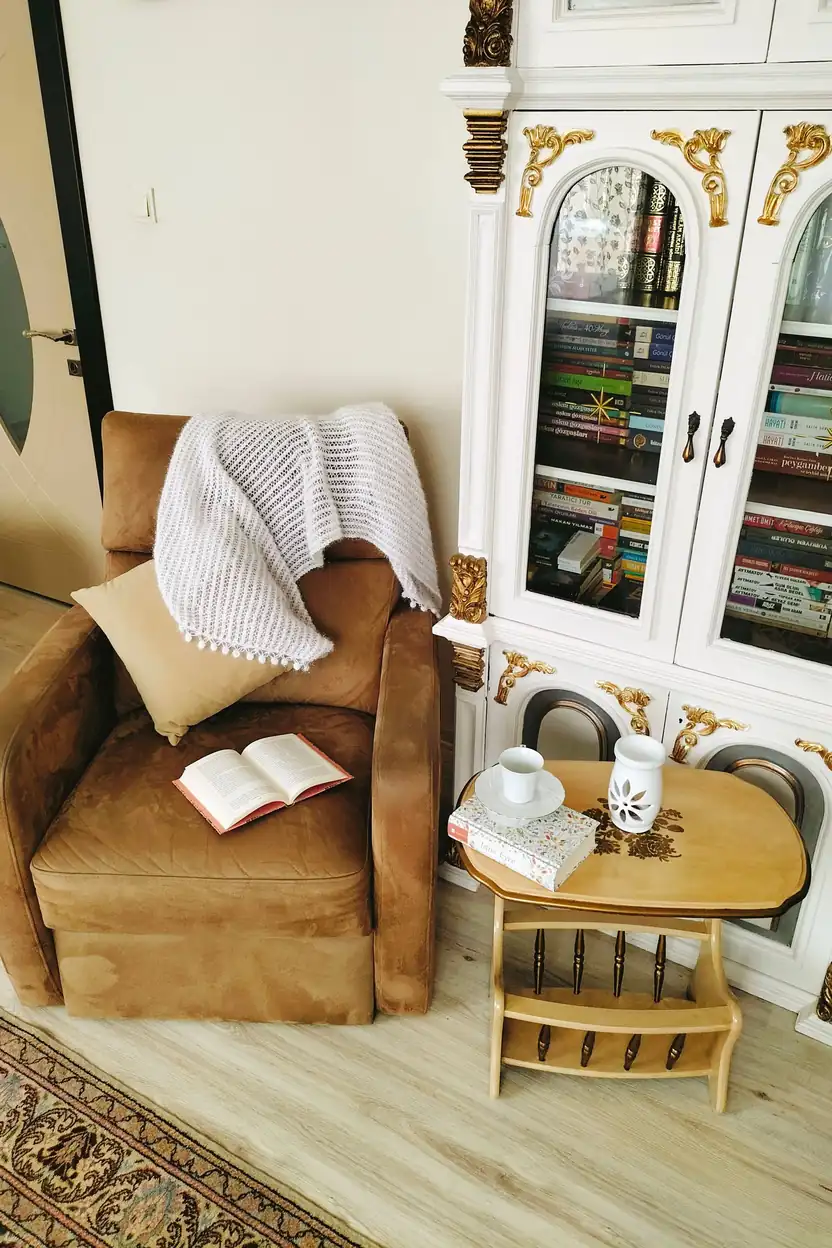
Quick Tip: Angle the chair thirty degrees toward the window instead of flat against the wall. The small turn catches daylight over your shoulder, makes the nook feel claimed rather than parked, and somehow doubles the urge to actually sit down and read.
A reading nook needs only three things: a chair with arms at book height, light that lands on the page, and a surface for a cup. Brown upholstery suits the job because it swallows shadows and makes even a hallway corner feel like a private library. A small rug under the chair marks the territory, and a stocked side table removes every excuse to get up.
Cold Grey To Warm Brown

Credit : Beyzaa Yurtkuran
BEFORE: The grey sofa suite looked sharp in the showroom and stern at home. Cool walls, cool rug, cool light: the room had the personality of a waiting area, and nobody lingered past the evening news.
AFTER: A chunky cocoa throw, two caramel cushions, and a walnut side table thawed the whole arrangement in one shopping trip. The grey stayed, but as a backdrop, the way stone sits behind a fire.
Grey and brown are not enemies; they are seasons. Brown textiles rotate in for autumn and winter, then step back when spring asks for air. Renters love this fix because nothing permanent changes hands except a cushion cover.
Layered Lighting Steps

Credit : Diogo Cacito
What You Need: One ceiling light on a dimmer, two table lamps, one floor lamp, and warm bulbs throughout the room.
- Fit dimmers to every ceiling light so brightness can drop with the evening
- Place table lamps at seated eye height on both sides of the main sofa
- Add a floor lamp behind the reading chair to pool light on the page
- Swap every bulb to 2700 Kelvin so brown tones read warm, not orange
- Test the room at dusk and move one lamp wherever shadows pool
Layered light is the difference between a brown room that glows and one that broods. Three sources at three heights let the walls show their depth gradually, the way candlelight flatters faces in old portraits.
Dark Wood Versus Painted Brown

Credit : Adam Balcombe
| Feature | Dark Stained Wood | Painted Brown |
|---|---|---|
| Look | Grain shows, natural variation | Flat, even, modern color |
| Repairs | Scratches need stain matching | Touch ups blend in minutes |
| Cost | Higher for walnut and oak | Low, works over any timber |
| Best Use | Doors, beams, statement walls | Cabinets, trim, tired furniture |
Stain when the grain deserves an audience; paint when the timber is plain, damaged, or fighting the palette. Many strong rooms use both, stained doors against painted cocoa walls, each finish making the other look more considered. Test both finishes on offcuts in the room’s own light before deciding, because north facing glass cools every brown by half a shade.
Dining In Deep Brown
Credit : Hany Nafady
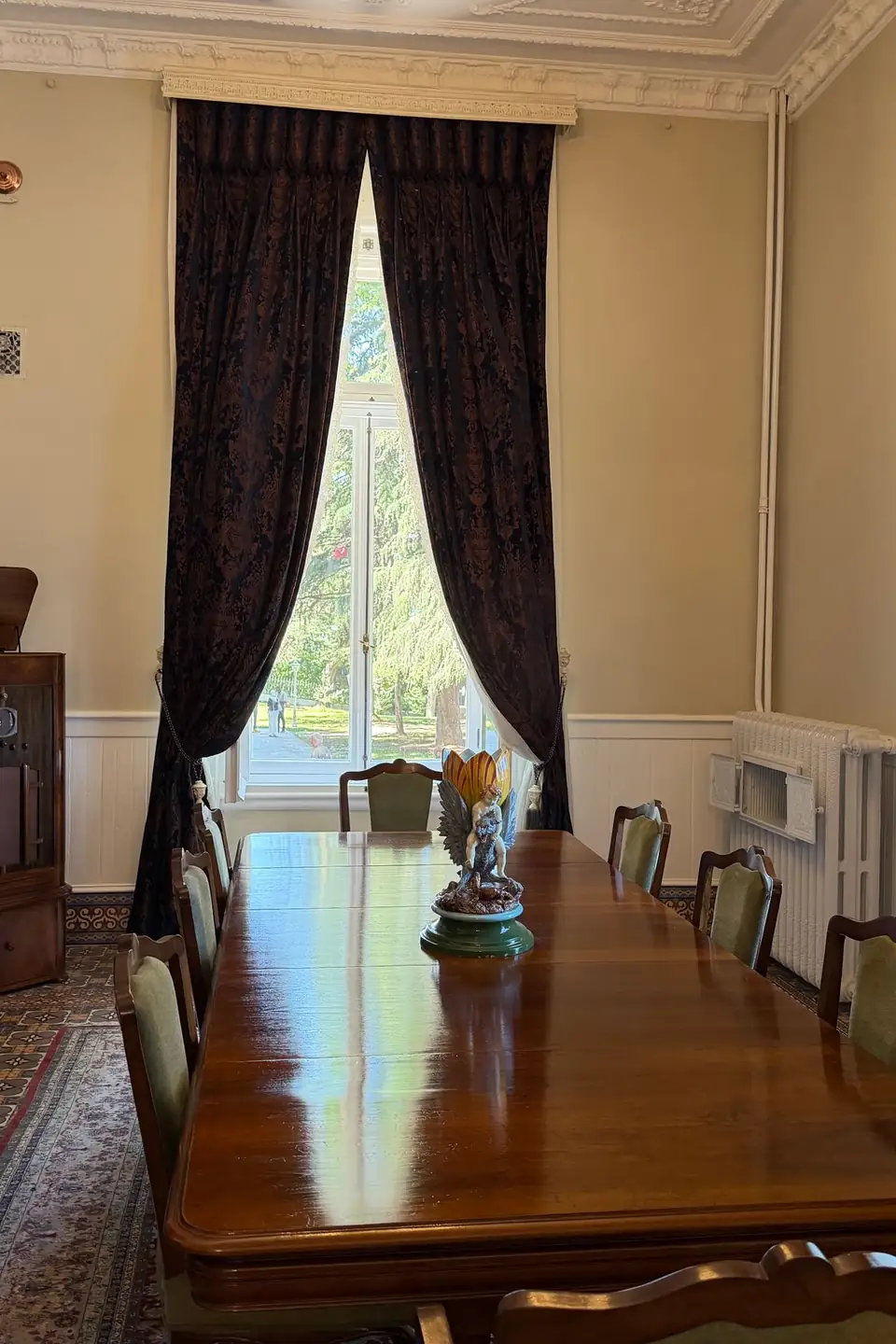
Do:
- Ground the table with a low pile rug in a paler brown than the floor
- Hang one warm pendant low enough to pool light on the tabletop
- Mix chair finishes, like dark wood seats with two upholstered hosts
- Set cream linen and amber glassware to lift the deep palette
Don’t:
- Push the table against a wall in a room built for gathering
- Choose a glossy tabletop that reflects bulbs back at diners
- Let dark curtains and dark walls meet without a pale break
Deep brown dining rooms flatter food and faces in equal measure. Candlelight behaves beautifully here, doubling itself on polished wood, so even a Tuesday supper picks up a little ceremony without any extra effort.
Chocolate Bathroom Facts

Credit : Max Vakhtbovych
Cost: Brown marble tile sits mid to high; porcelain lookalikes halve the bill.
Time: A full tile refresh takes five to eight days with curing.
Skill Level: Professional, since large format stone punishes small errors.
Best For: Ensuite bathrooms craving a calm, hotel grade mood.
Brown stone turns a bathroom into the warmest room in the house, especially underfoot with heating beneath the tiles. White sanitaryware keeps the scheme crisp, and a single plant on the sill stops the luxury from feeling staged. Warm bulbs matter here more than anywhere, since cool light turns brown stone grey and steals the whole effect.
Brown And Brass Pairing
Credit : Tasso Mitsarakis
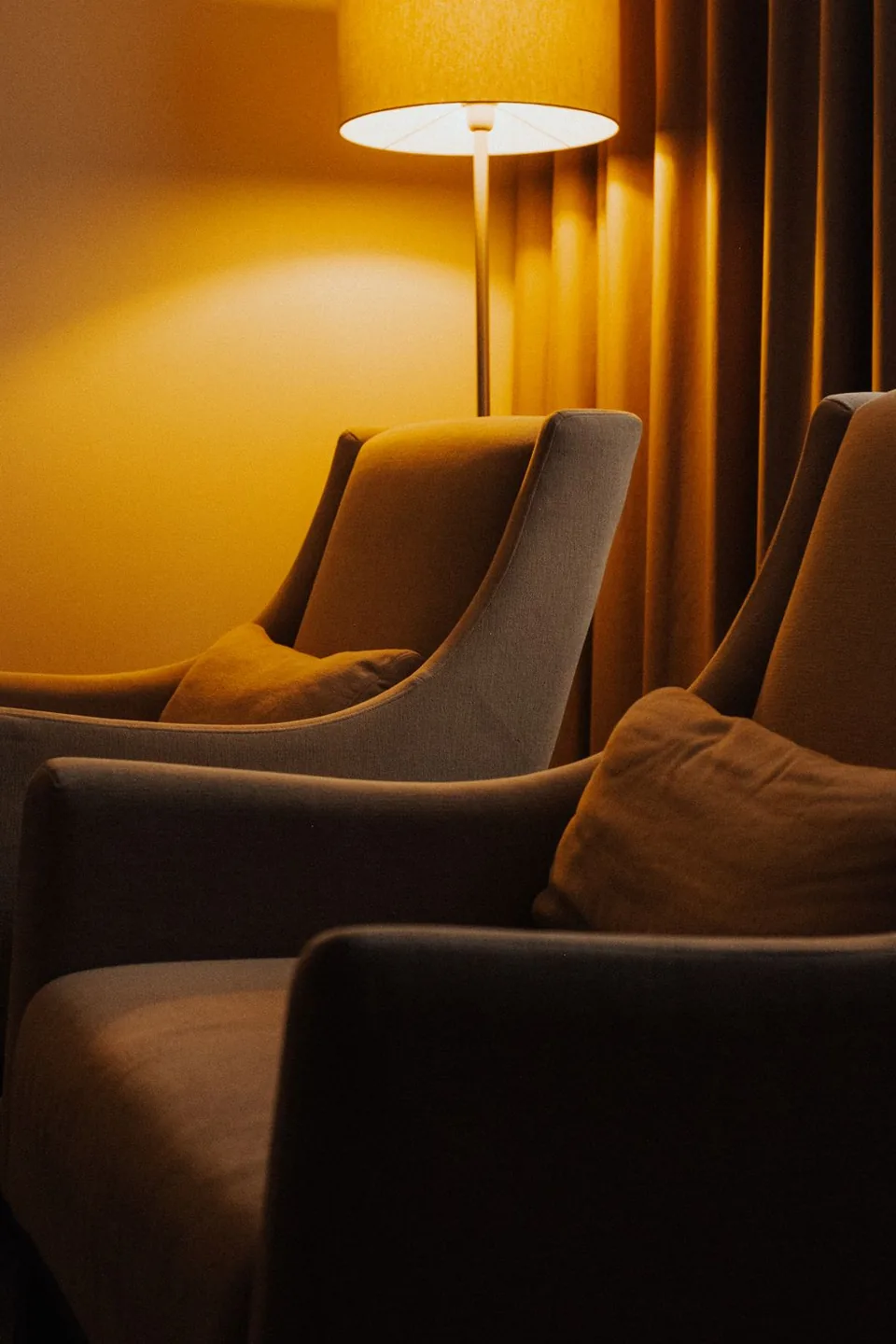
Brass is the jewelry of this palette, the warm metal that keeps deep brown from going flat. Among chocolate brown interior design ideas, the pairing designers reach for first is aged brass: lamp bases, picture lights, cabinet knobs, and mirror frames echoing the golden notes hiding inside cocoa and cognac.
Keep the finish consistent within each sightline, mixing aged brass with polished chrome only when a door closes between them. Two or three brass moments per room are plenty; more than that and the jewelry box starts wearing you. Antique brass with a living finish ages alongside leather and wood, so the room matures as one piece.
Textured Brown Throw Layers
Credit : Alexander Mass
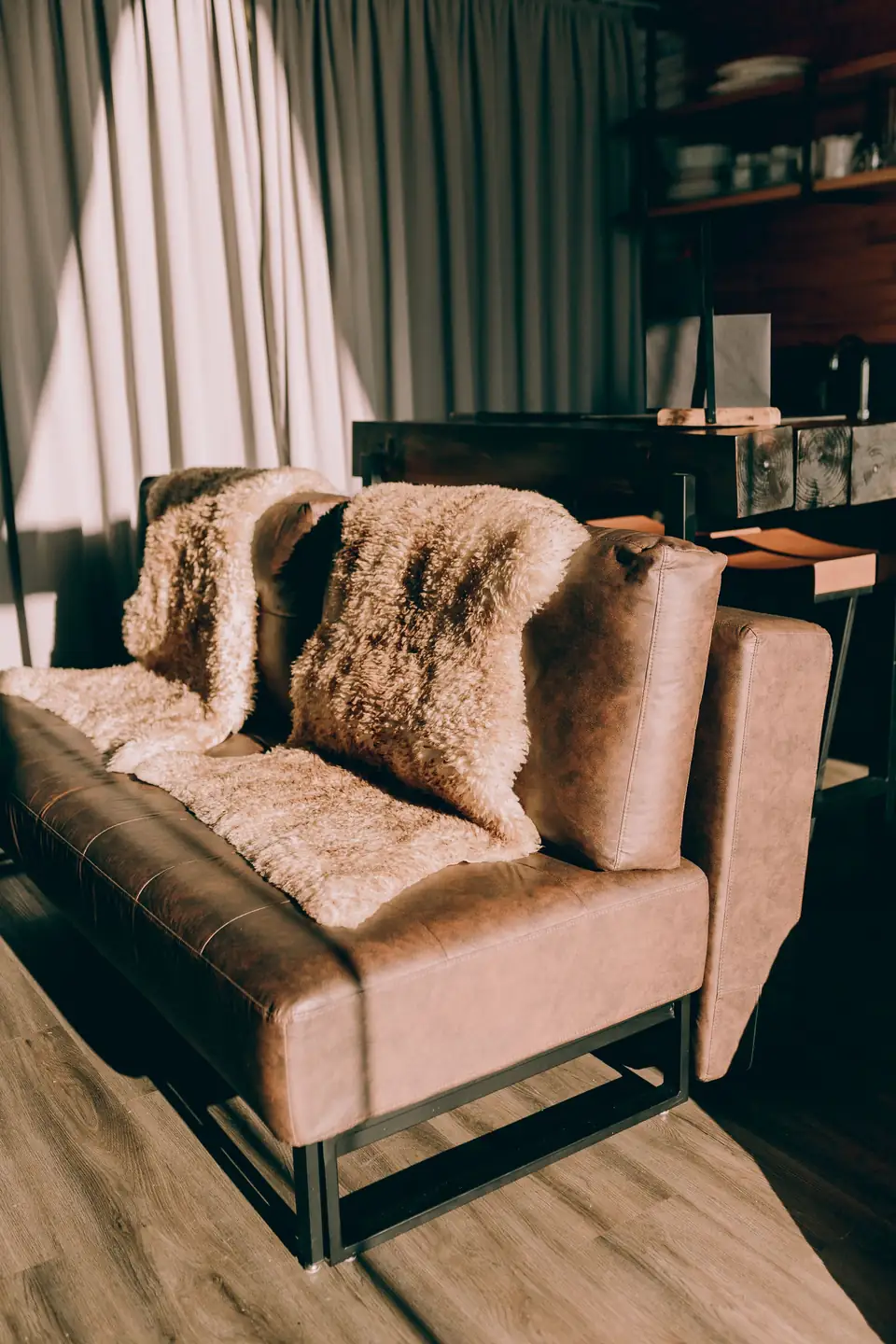
- Fold one chunky knit throw over the sofa arm where hands land first
- Layer a flat woven blanket beneath it for contrast in texture
- Mix three pile heights: smooth velvet, nubby wool, and one faux fur
- Keep every layer inside the brown family, from latte to dark cocoa
- Tuck a spare basket of throws beside the sofa for film nights
Texture does the work that pattern does in brighter rooms. When every layer sits within one color family, the eye reads depth instead of clutter, and the sofa becomes the place everyone quietly competes for after dinner. Rotate the layers with the seasons, heavier knits in January and a single linen throw by June.
Brown Entryway First Impression
Credit : Max Vakhtbovych
Quick Tip: Paint the inside of the front door the same chocolate as your living room sofa. The color handshake links the two spaces instantly, and guests read the whole home as one considered story from the very first step inside.
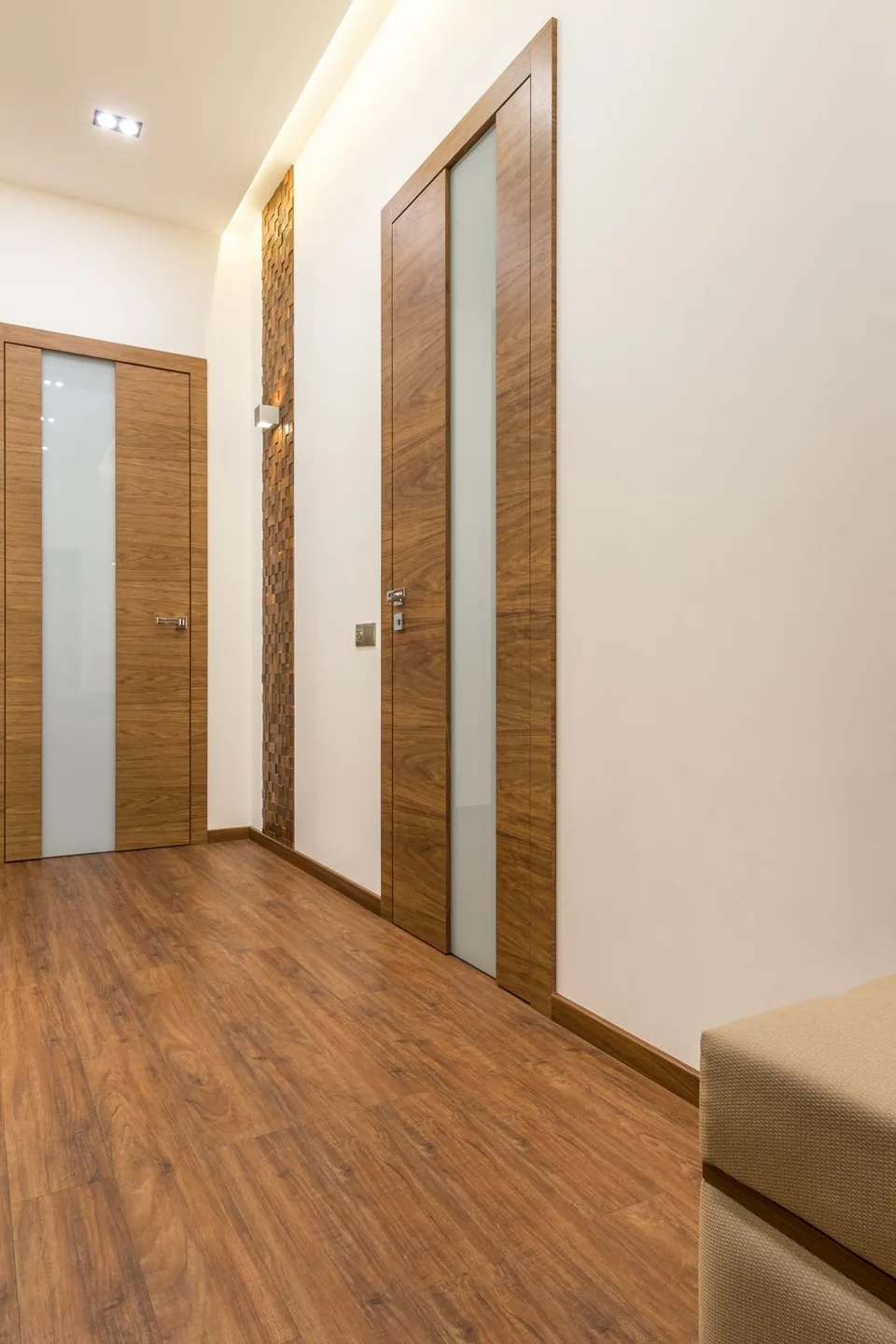
Entryways forgive deep color because nobody lives in them; they only pass through and feel things. A cocoa hallway with a pale runner, one mirror in a dark frame, and a bench in worn leather delivers a welcome that white paint rarely manages. A hook rail in dark wood and one woven basket finish the scene without crowding the narrow passage at all.
Beige Flat To Brown Depth
Credit : Max Vakhtbovych
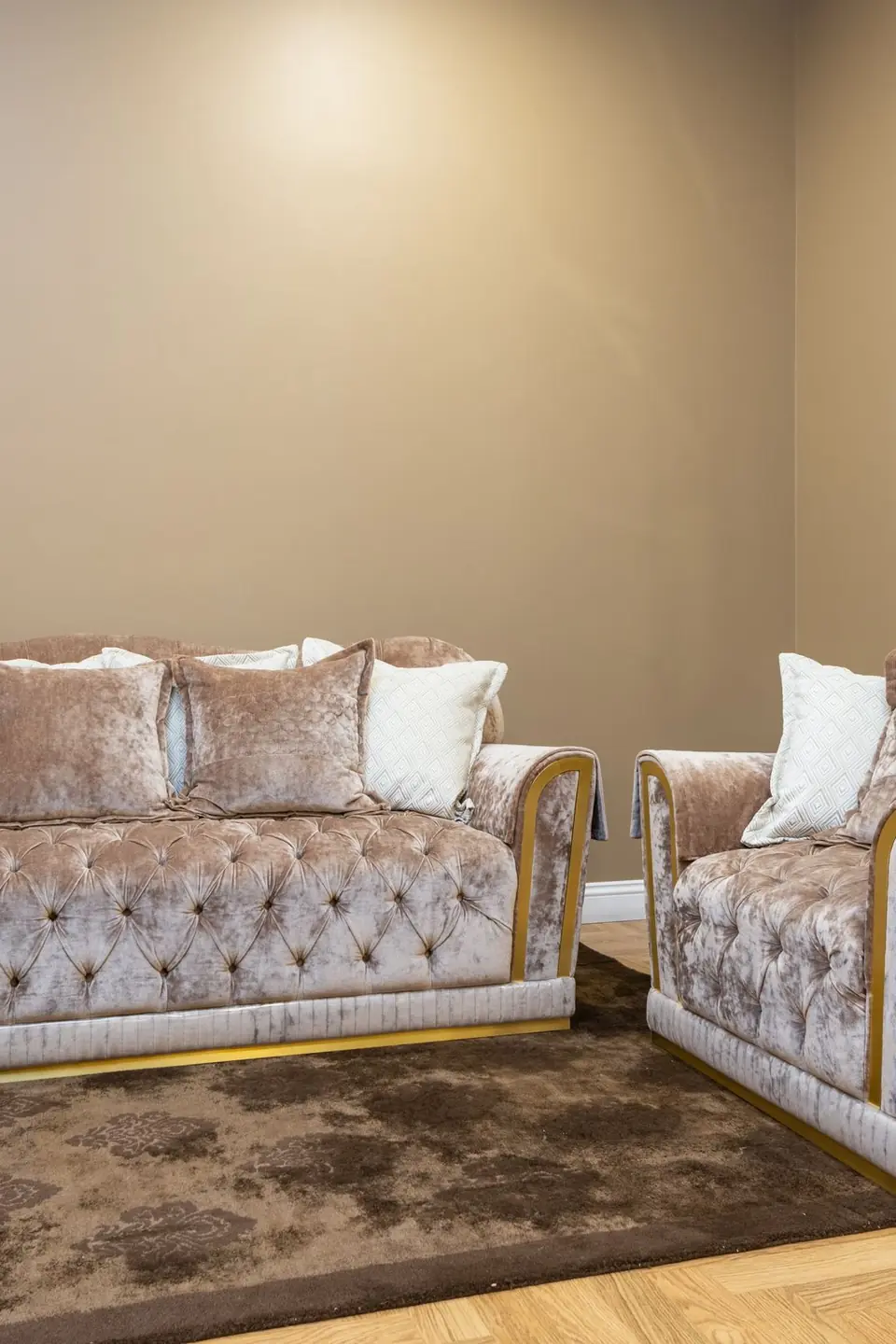
BEFORE: The beige room was perfectly nice and completely forgettable. Sofa, rug, walls, and curtains all shared one sandy note, so the eye slid across the space and out the window without stopping anywhere at all.
AFTER: A deep brown rug, cocoa cushions, and walnut frames gave the same furniture a shadow line to stand against. Nothing new was bought except textiles, yet the room suddenly had foreground, middle, and distance.
Beige is not the problem; beige alone is. Depth arrives the moment one darker tone joins the group, and brown is the gentlest way to add it without changing the calm character that made the room appealing.
Small Room Brown Steps

Credit : The Ghazi
What You Need: One tin of cocoa paint, a pale rug, two slim lamps, and furniture with visible legs.
- Paint the smallest wall, usually the one behind the desk or bed, in cocoa
- Keep the floor pale with a light rug so the room keeps its footprint
- Choose furniture raised on legs to let light travel underneath
- Hang one large mirror to bounce window light into the dark corner
- Limit the palette to three browns and one cream, nothing more
Small rooms do not shrink under dark color; they deepen, like a lined jewelry box. The trick is contrast management: one dark surface, everything else mid or pale, and lighting planned before the paint dries.
Suede Versus Linen Brown

Credit : Natalie Dmay
| Feature | Brown Suede | Brown Linen |
|---|---|---|
| Texture | Dense, matte, nap catches light | Open weave, airy, slubbed |
| Mood | Moody, tailored, library like | Relaxed, coastal, sun washed |
| Upkeep | Brush the nap, guard from water | Machine washable in many weaves |
| Best Use | Headboards, club chairs, cushions | Curtains, slipcovers, bedding |
Suede brings the hush, linen brings the breeze, and the two together cover most of what brown rooms need. A suede headboard behind linen bedding is the pairing I return to most, tailored up top and easy everywhere else. Curtains are where linen wins most easily, since suede at a window would block the light the room is borrowing.
Brown Home Office Balance
Credit : Max Vakhtbovych
Do:
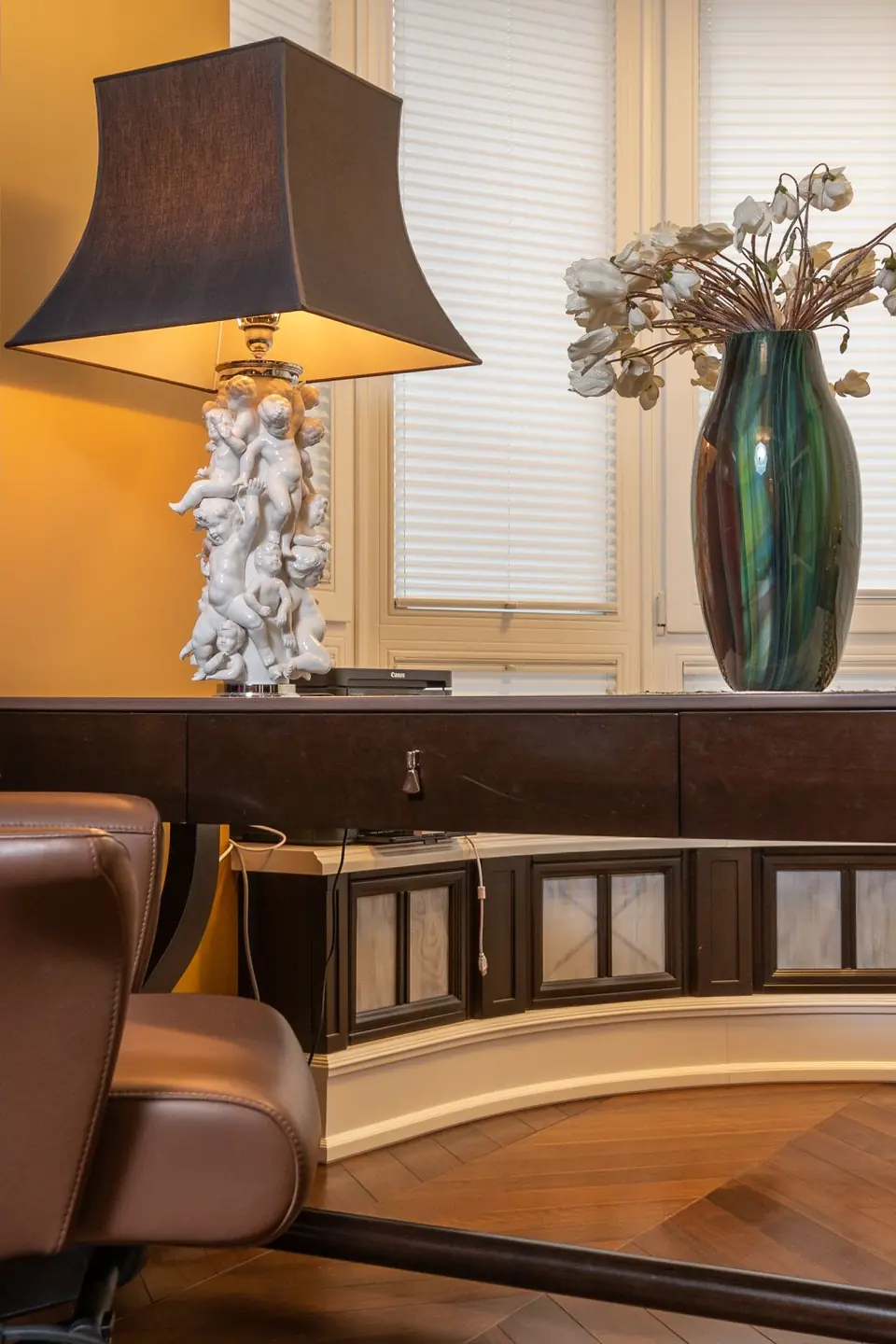
- Face the desk toward the room so calls show bookshelves, not a wall
- Keep the desktop pale, like a leather inset or light wood blotter
- Repeat the desk brown in one shelf or frame across the room
- Warm the task light so screens and faces both look healthier
Don’t:
- Let black electronics multiply until the desk reads as a cockpit
- Paint every wall dark in a room used for eight hour days
- Forget a soft layer; one rug keeps the office from echoing
A brown office borrows the gravity of old libraries while staying kind to modern work. The balance point is simple: dark furniture, light walls, warm light, and exactly one comfortable chair that is not the desk chair.
Brown Color Palette Facts
Credit : Boys in Bristol Photography
Cost: A full palette change with paint and textiles runs low to moderate.
Time: Most rooms shift within one long weekend of work.
Skill Level: Beginner friendly; the palette forgives imperfect edges.
Best For: Homes wanting warmth without a renovation budget.
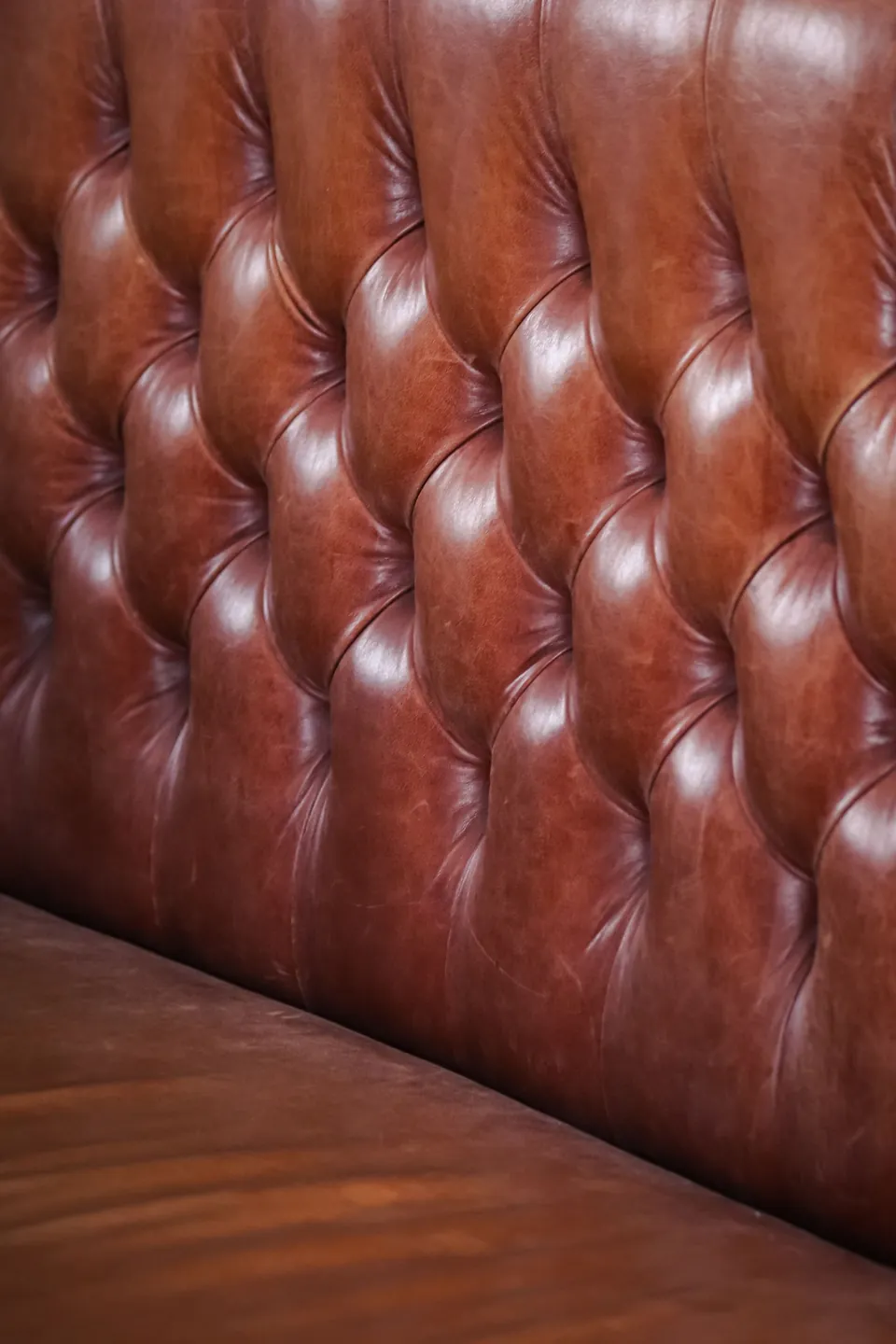
The working palette runs in five stops: cream, latte, caramel, cocoa, and espresso. Keep every purchase inside those stops and pieces bought years apart still agree with each other, which is why brown rooms age so gracefully compared with trend led schemes. Test new pieces against the darkest item you own; if they sit comfortably together, the palette approves the purchase.
Timeless Brown Living Room

Credit : Mikhail Konetski
Some rooms date by their accessories; brown rooms date by almost nothing. Leather, walnut, wool, and linen were handsome a century ago and will be handsome a century from now, which makes this palette the closest thing decorating has to a savings account. Buy the best sofa you can and let time do the styling. Trends will visit and leave; this room will not need to change its clothes for any of them.
Start with one anchor in deep brown, then add a tone a week as budget allows: cushions, a throw, a lamp with a cocoa shade. Rooms built slowly in one family of color rarely need rescuing later, and that patience shows in every photograph.
Conclusion
Deep brown asks for a little courage and returns a great deal of calm. Whether the change is one painted wall, a velvet sofa, or a full palette of cream, caramel, and espresso, chocolate brown interior design ideas share one promise: rooms that feel settled the moment you walk in. Save your favorite ideas to Pinterest, start with the smallest one this weekend, and let the warmth build layer by layer. I’ve seen how a single honest material, repeated with care, can change the way a whole home feels at dusk.