24 Neutral Bathroom Tile Ideas for a Calm, Spa-Like Retreat
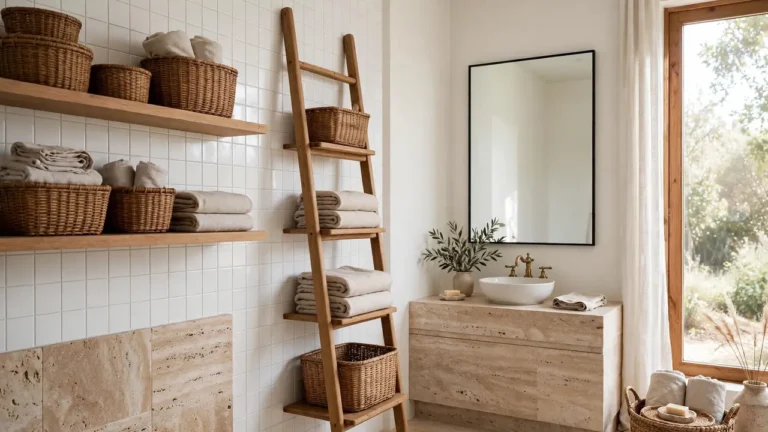
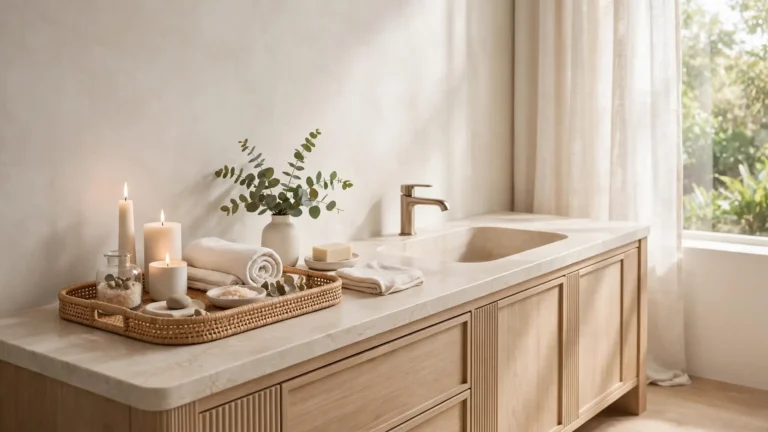
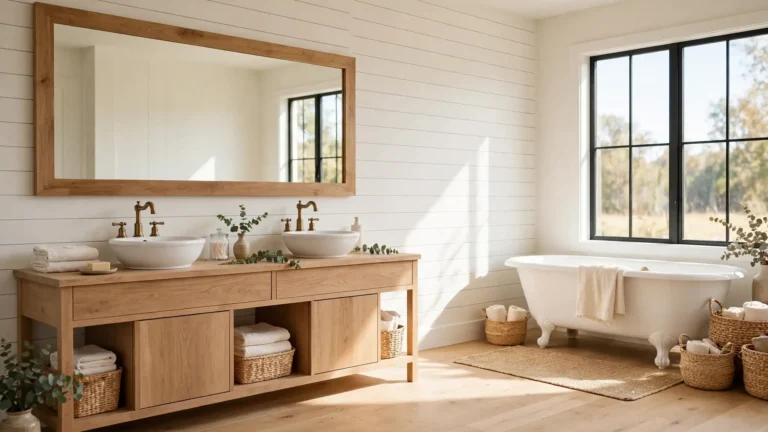
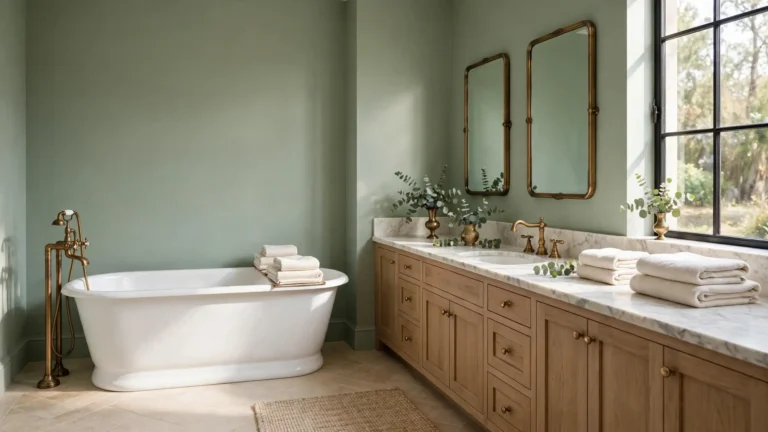
A calm bathroom rarely shouts for attention. It layers soft color, honest texture, and light that flatters everything it touches, and the tile does most of that quiet work. These neutral bathroom tile ideas lean on warm whites, greige, travertine tones, and stone looks that turn a daily shower into a slower, spa like ritual.
Start with the surfaces you see most, the shower walls and the floor, then let smaller moments like niches and backsplashes echo the same palette. Pair these tile directions with the compact storage thinking in small bathroom vanity ideas and the room starts to feel planned rather than pieced together. In my experience, holding one warm undertone across every tile choice is what keeps neutrals serene instead of cold.
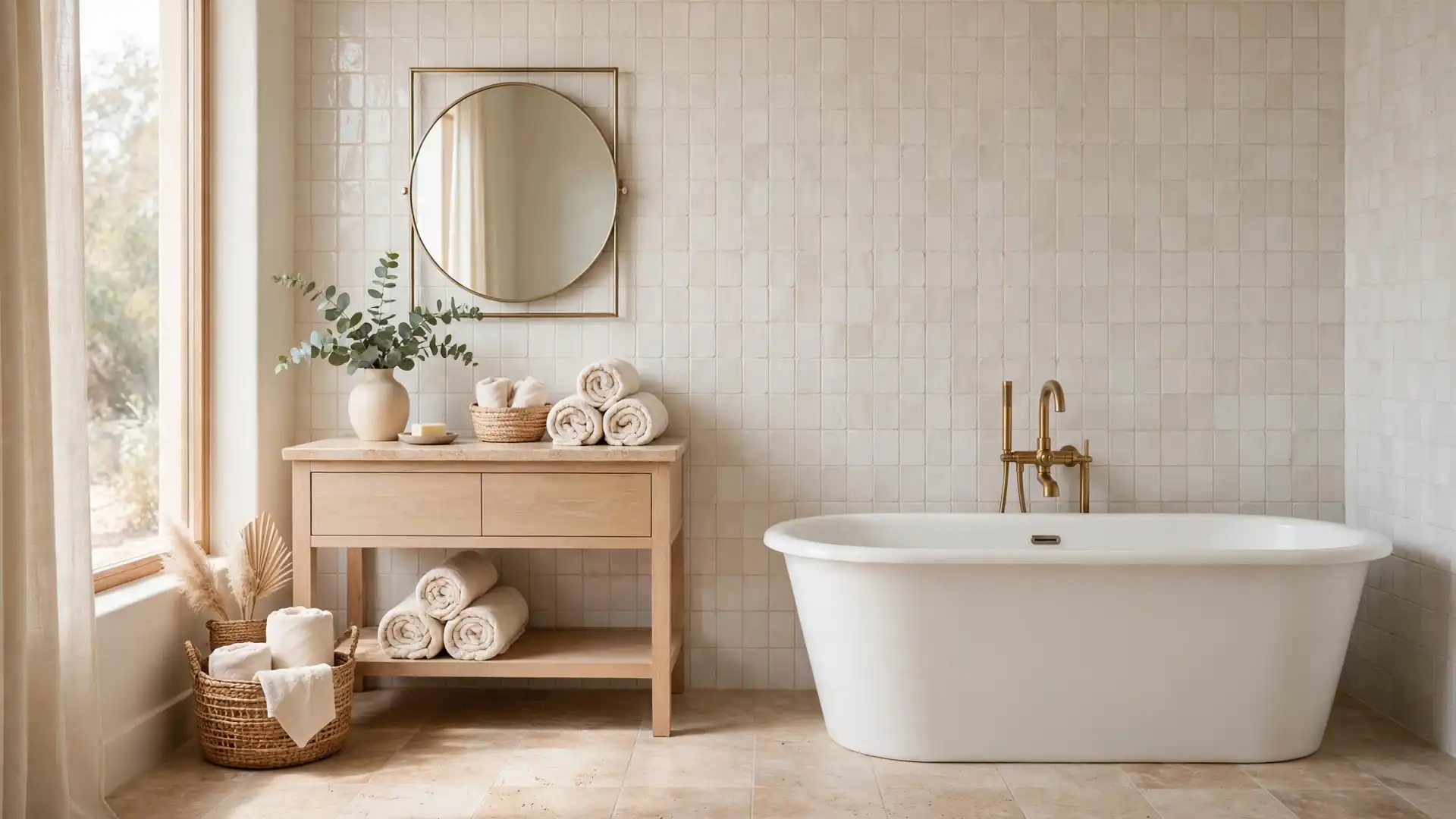
Warm White Zellige Walls
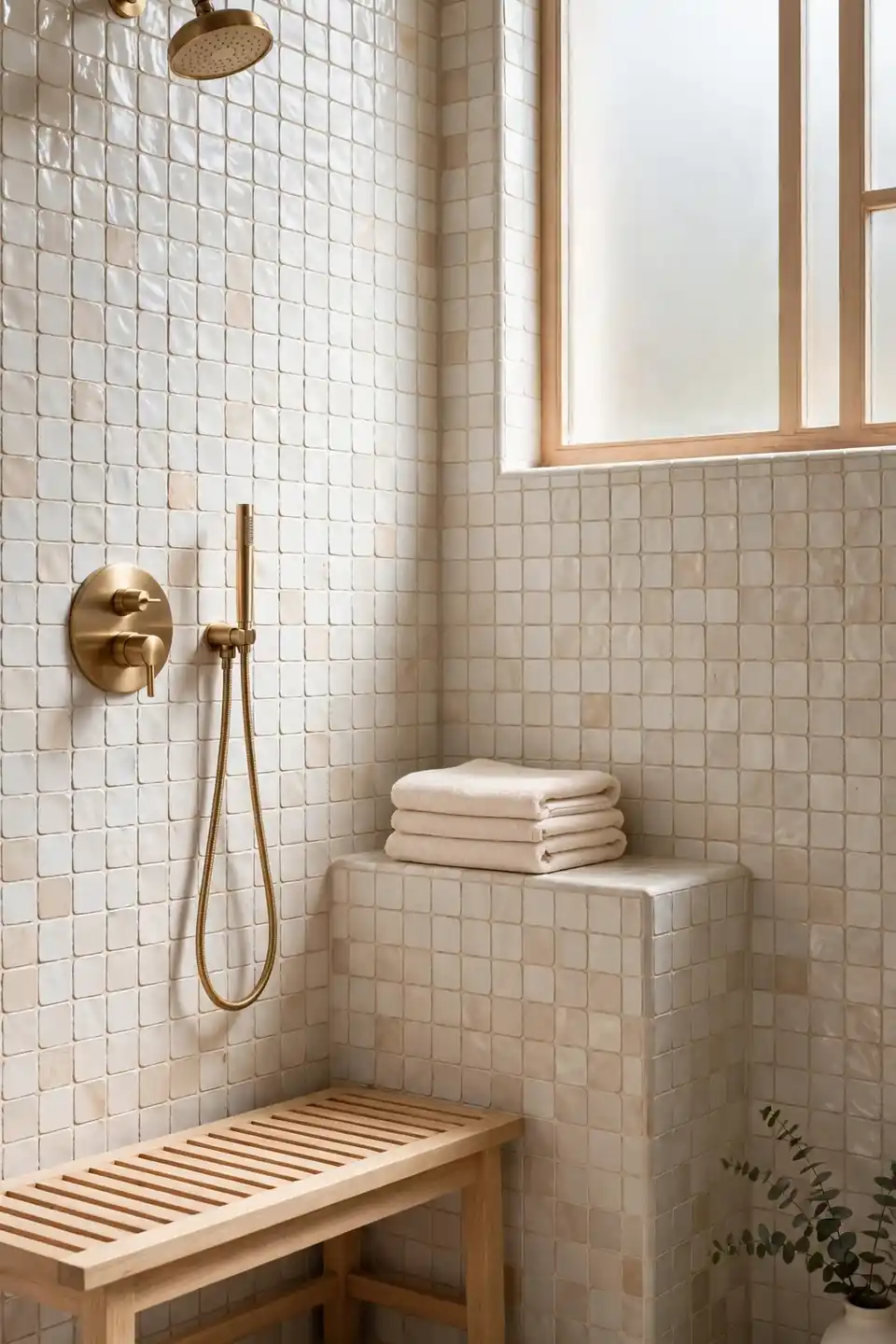
Handmade edges catch light in ways flat machine made tile never can. Each warm white zellige square carries tiny ripples and shade shifts, so a whole shower wall glows softly instead of glaring. The glaze pools a little deeper at the edges, giving every piece a faint halo.
Pair the walls with brushed brass fixtures and a pale oak vanity to keep the palette warm from floor to ceiling. Grout in a soft bone shade lets the tile variation stay the star. I’ve noticed guests always reach out and touch this wall, which says far more than any flat photograph could.
Travertine Look Floor Tiles
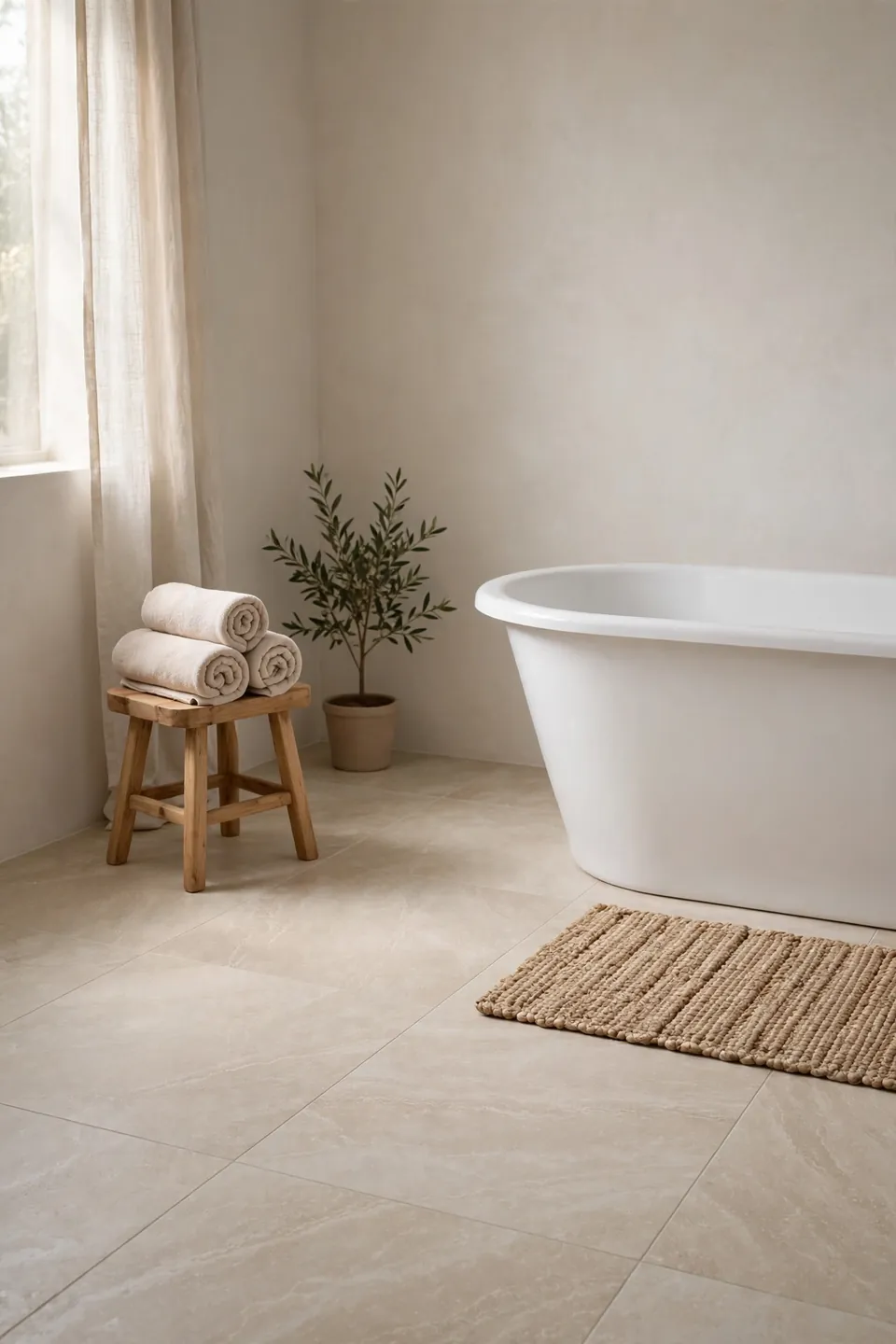
- Porcelain printed with travertine veining gives the stone look without sealing schedules.
- Pitted texture underfoot reads authentic and hides water spots between cleans.
- Large planks laid in a running bond stretch a narrow floor visually.
- Warm beige tones pair with both chrome and brushed brass fixtures.
- Matte finishes keep the surface grippy when the floor gets wet.
Real travertine asks for sealing twice a year and still stains if a bottle leaks overnight. The porcelain version shrugs off bath oils, hair dye, and muddy paw prints with a plain mop. Choose rectified edges and a tight grout joint, and most visitors will never guess the floor is not quarried stone.
Greige Stacked Subway Tile
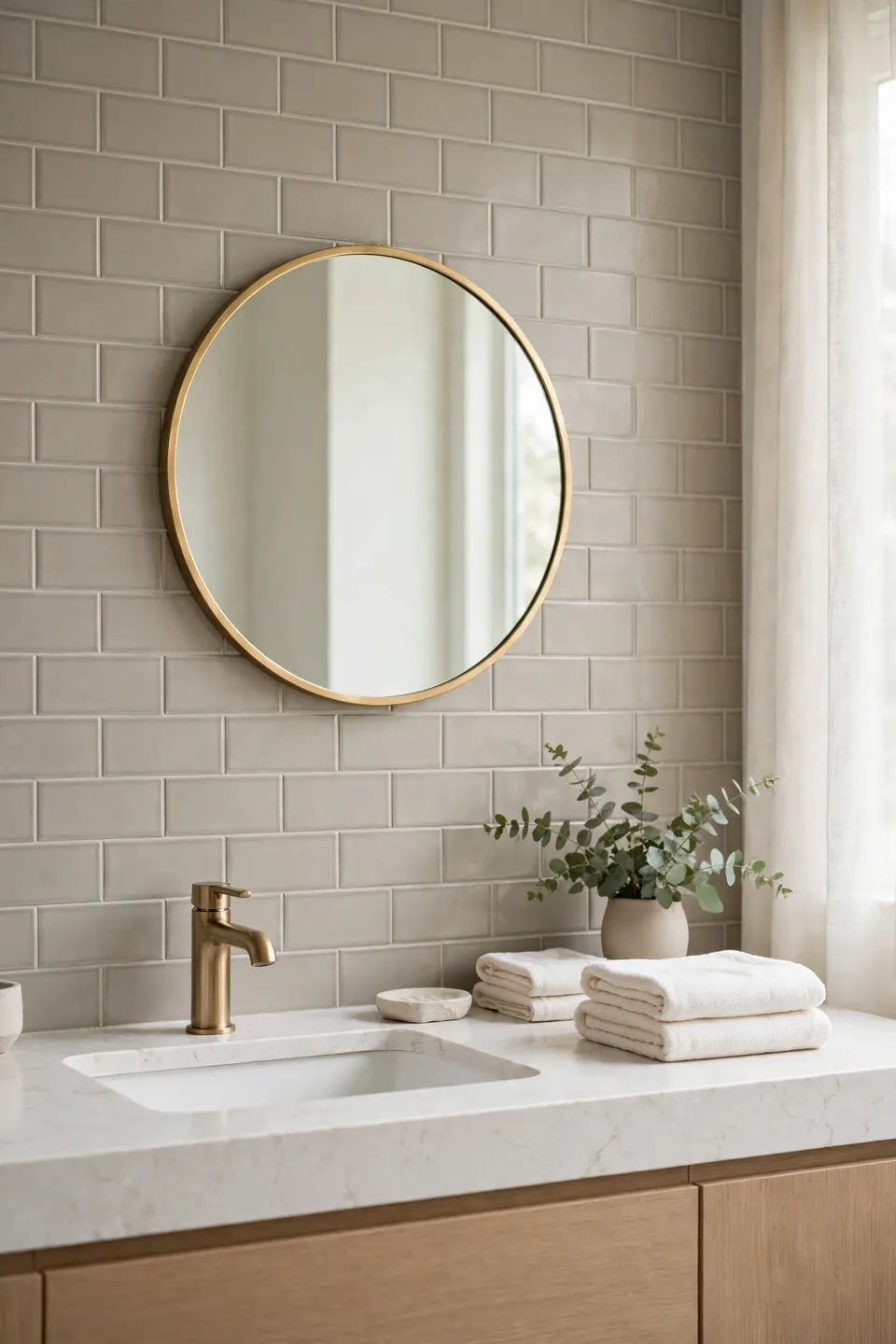
Quick Tip: Order one box of tile in two nearby greige shades and mix them randomly across the wall. The subtle checker of warm and cool pieces adds depth that a single flat shade cannot match, and it hides the batch variation that shows up in budget tile.
Greige sits exactly between grey and beige, which is why it flatters both warm wood and cool chrome in the same room. A straight stacked layout keeps the look modern and calm, letting the color do the talking. Run it floor to ceiling behind the vanity for a tailored, hotel calm finish that never dates.
Limestone Shower Surround
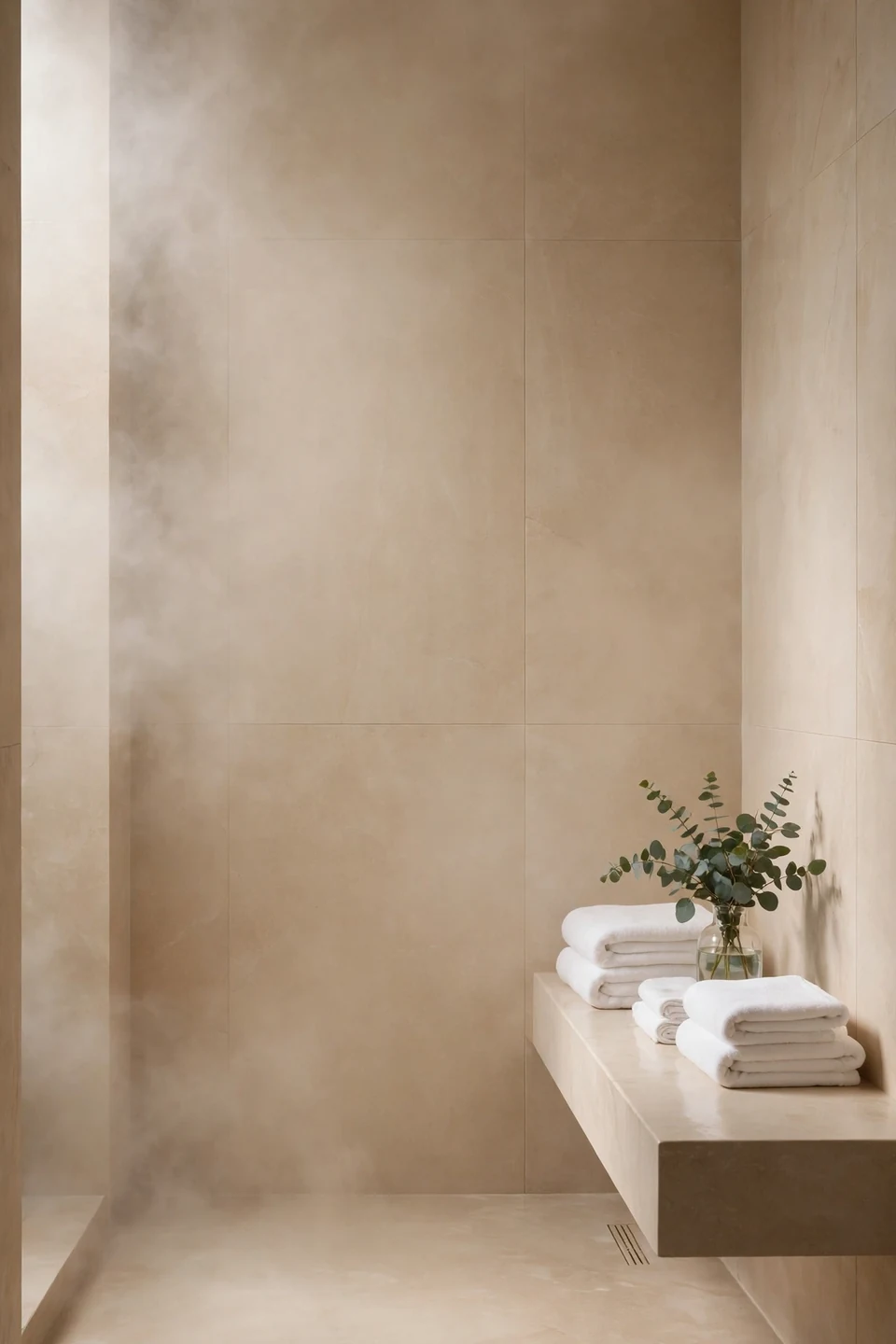
BEFORE: The old shower wore glossy white squares with grey grout that had darkened in patches, and the whole enclosure felt cold under the hard morning light.
AFTER: Honed limestone slabs now wrap the walls in a sandy, even tone, the joints nearly vanish, and steam seems to soften the stone further.
Limestone brings a chalky, quiet surface that suits slow mornings. It does ask for respect: seal it on schedule, wipe standing water, and keep dyed products off the bench. In return the shower ages gracefully, gaining a soft patina instead of the tired shine of ceramic. Choose large pieces to cut grout lines down to a minimum.
Herringbone Marble Look Porcelain
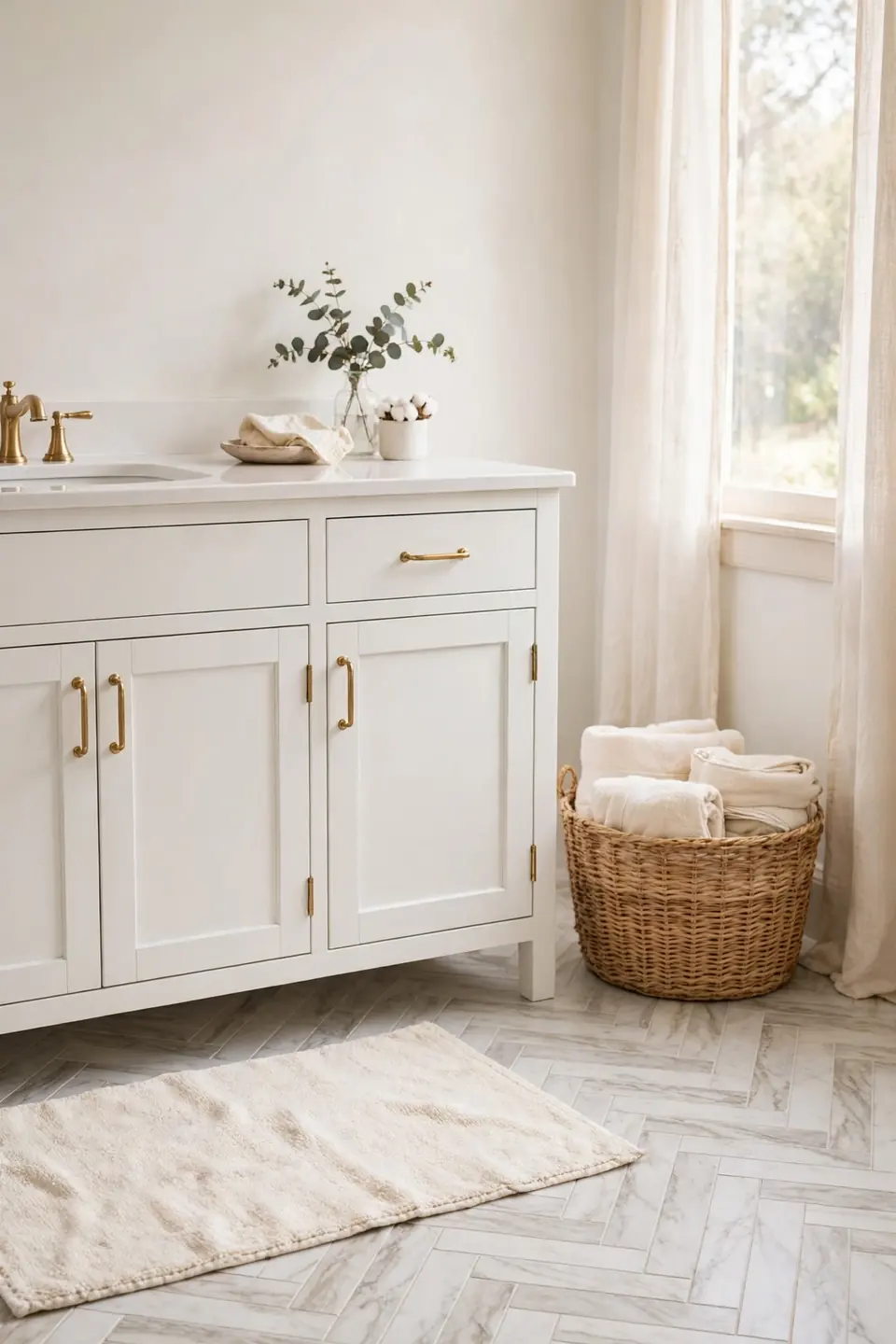
- Dry lay the herringbone pattern on the floor first to balance the veining.
- Snap chalk lines at 45 degrees so the points meet cleanly at the borders.
- Work from the center outward, checking every third row with a long level.
- Cut border pieces in small batches to keep the rhythm unbroken.
- Grout in warm grey, then buff the porcelain well to clear any haze.
Herringbone turns a plain floor into the room’s quiet artwork, and marble look porcelain makes it practical. The pattern hides dust and hair between cleans, a genuine gift in a busy bath. Keep the rest of the room simple so the floor pattern owns the attention it earns.
Large Format Stone Tiles
| Feature | Large Format | Small Tiles |
|---|---|---|
| Grout lines | Very few joints | Many joints to scrub |
| Visual feel | Calm and expansive | Busy and patterned |
| Install time | Faster on flat walls | Slower, piece by piece |
| Best for | Spa style showers | Niches and small floors |
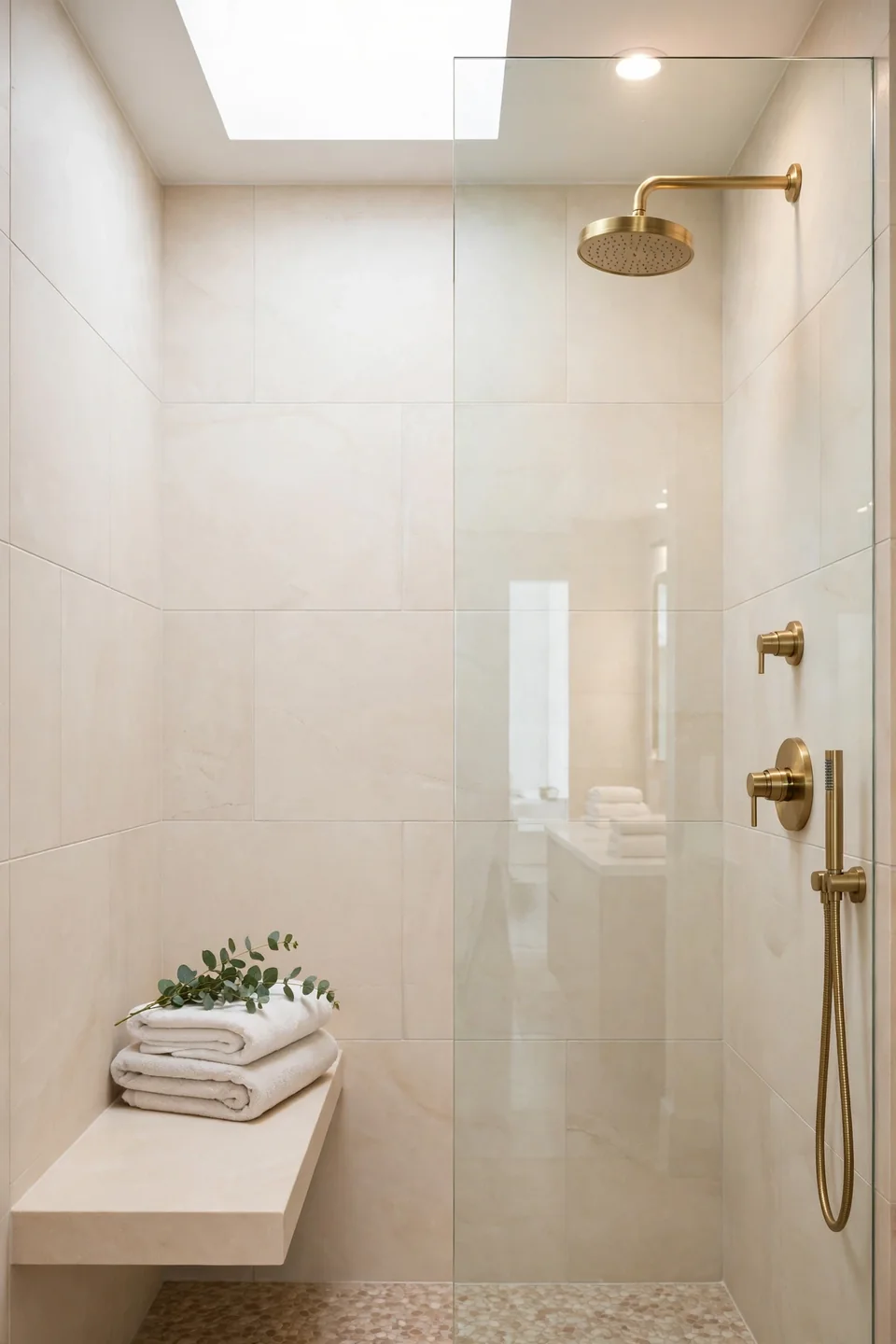
Oversized stone look slabs calm a bathroom faster than almost any other single change. Fewer grout lines mean less scrubbing and a surface the eye reads as one continuous material. The catch is honesty about your walls: large pieces telegraph every bump, so skim and level the substrate first, or hire the install out. Once set, the room feels carved rather than assembled.
Soft Beige Grout Lines
Do:
- Match grout to the tile’s warm undertone for a seamless field.
- Choose sanded grout on floors for grip and durability.
- Seal grout lines yearly to keep the beige tone even.
- Test grout color on a spare tile before committing.
Don’t:
- Reach for bright white grout against warm tile; it reads harsh.
- Let dark grout outline every tile in a pale room.
- Skip sealing and watch soap film grey the lines.
- Mix grout batches; color shifts show across the wall.
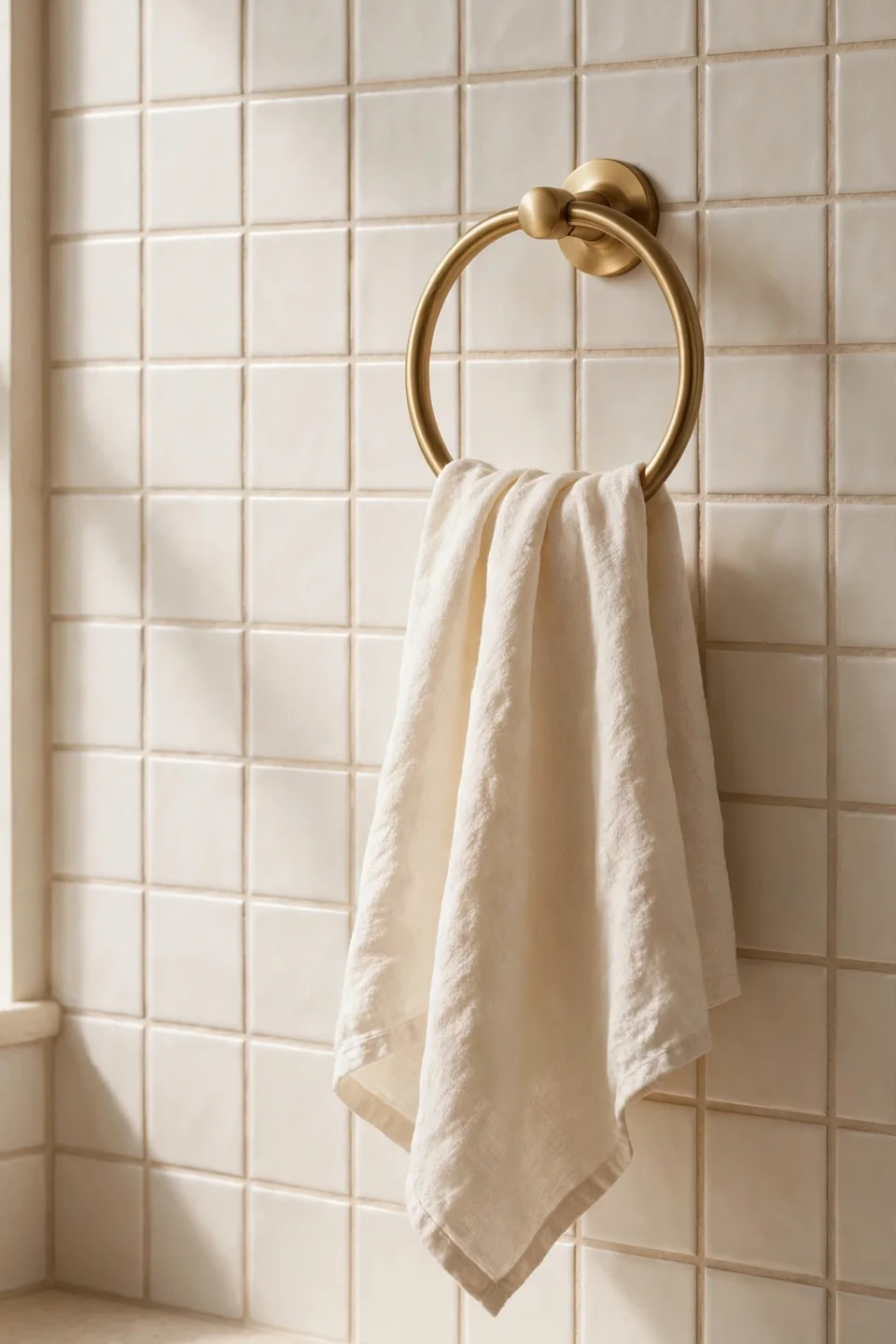
Grout is the quiet frame around every tile choice, and beige keeps that frame gentle. The lines nearly disappear, so the eye reads one warm surface instead of a grid. Most tile regrets trace back to grout picked in a hurry.
Pebble Tile Shower Floor
Cost: Moderate, sheets run mid range | Time: One weekend | Skill Level: Patient DIY | Best For: Shower floors and niches
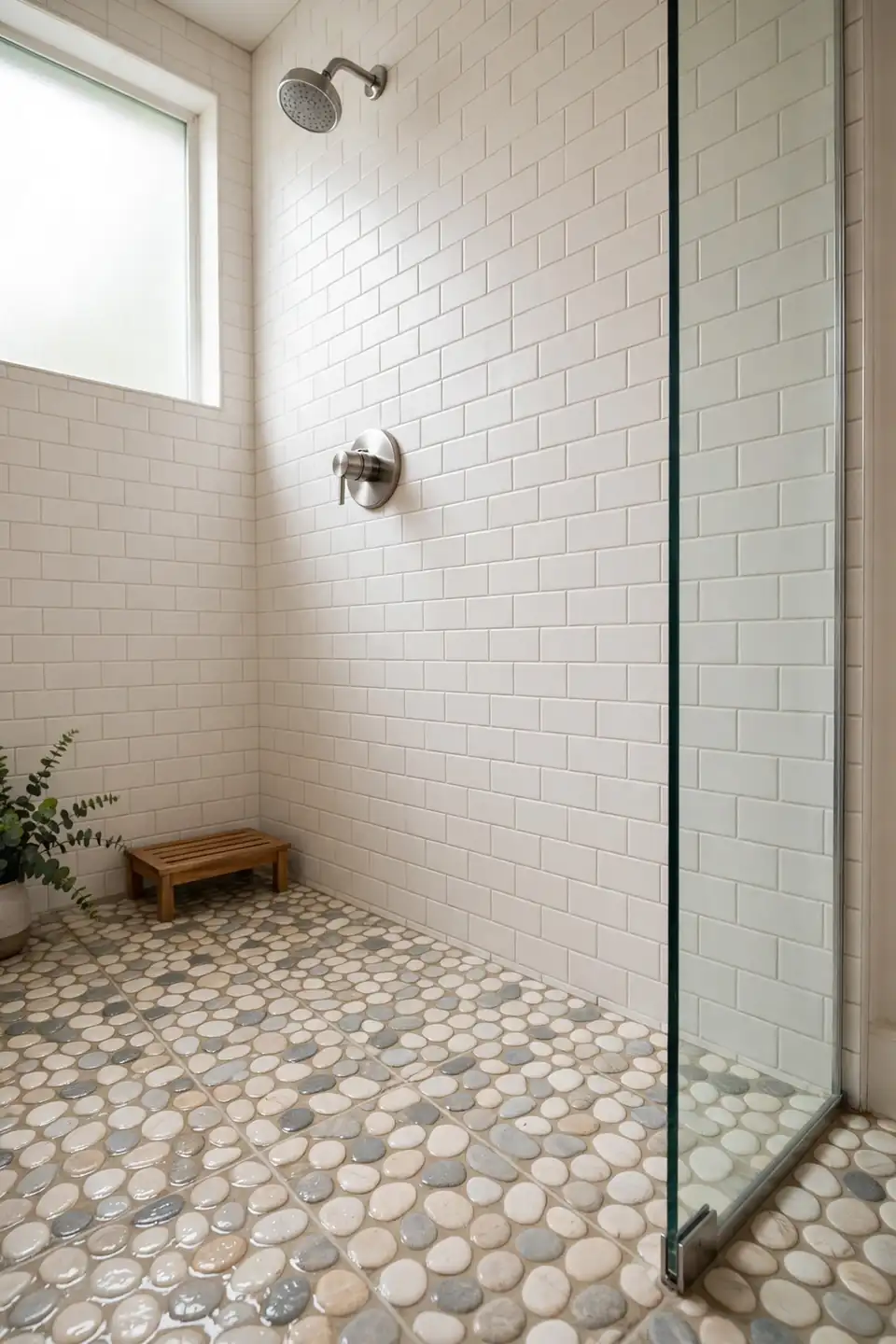
Rounded pebbles massage tired feet in a way flat tile simply cannot, and the many grout joints between stones give real grip under soapy water. Sheet mounted pebbles install like ordinary mosaic, though the grout work takes patience to keep even. Choose flattened stones in mixed cream, sand, and soft grey so the floor reads as one calm surface. A penetrating sealer twice a year keeps the stones rich rather than chalky. This is the floor guests ask about, and the one that turns a plain shower into a small daily ritual worth slowing down for.
Creamy Tumbled Marble Mosaic
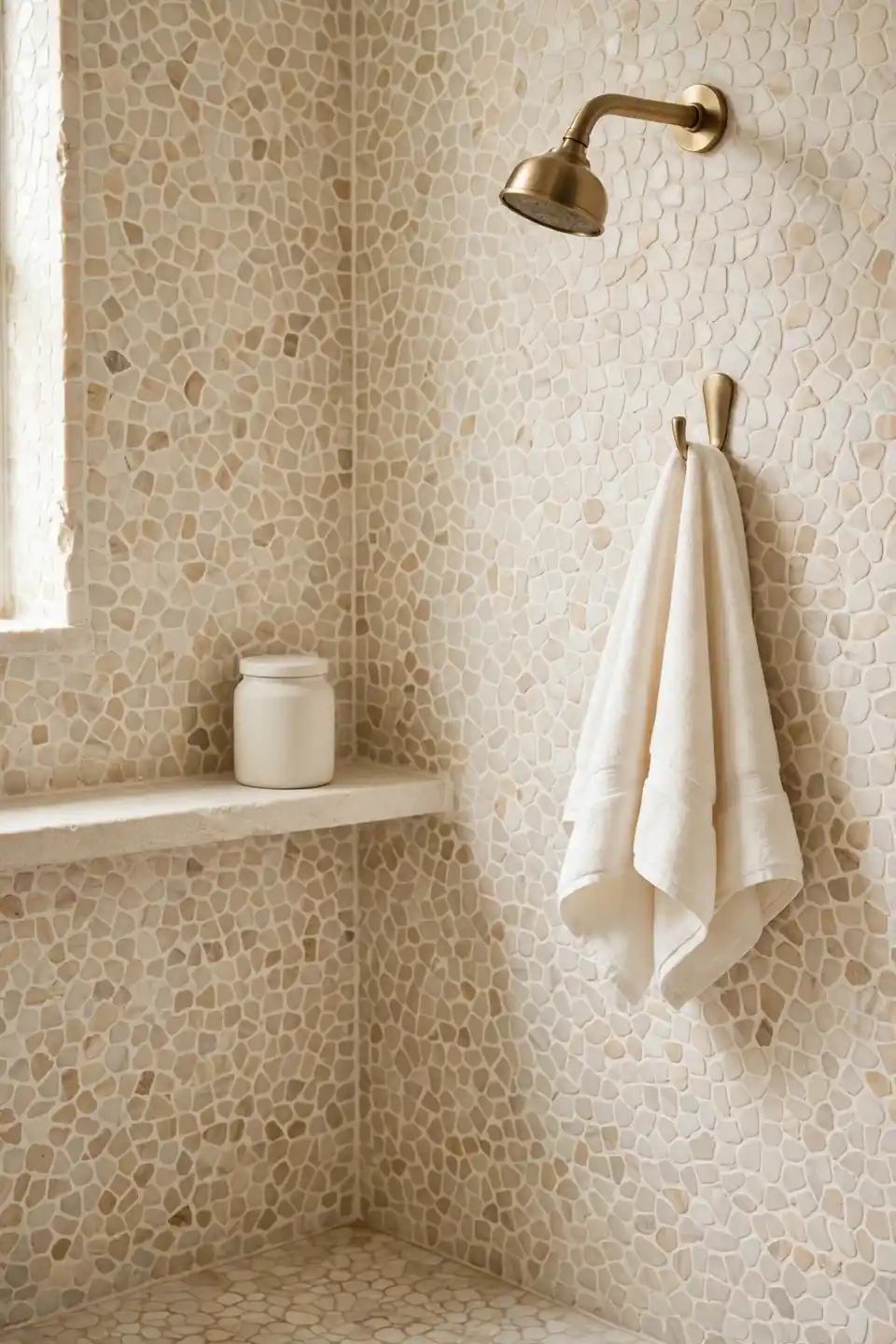
Tumbled edges soften marble until it feels like something found on a quiet beach path. The creamy mosaic pieces vary gently in tone, so the surface shimmers rather than shines. Small hexagons or penny rounds in this finish forgive imperfect subfloors and older homes beautifully, hiding a gentle slope that would telegraph through large tiles.
Carry the mosaic from the shower floor up one wall for a gathered, intentional look. Warm white grout keeps the pattern gentle, and a honed finish means no glare under downlights. Seal the stone twice a year; the routine takes an hour and protects the soft, chalky beauty that makes this tile worth choosing.
Vertical Stacked Tile Layout
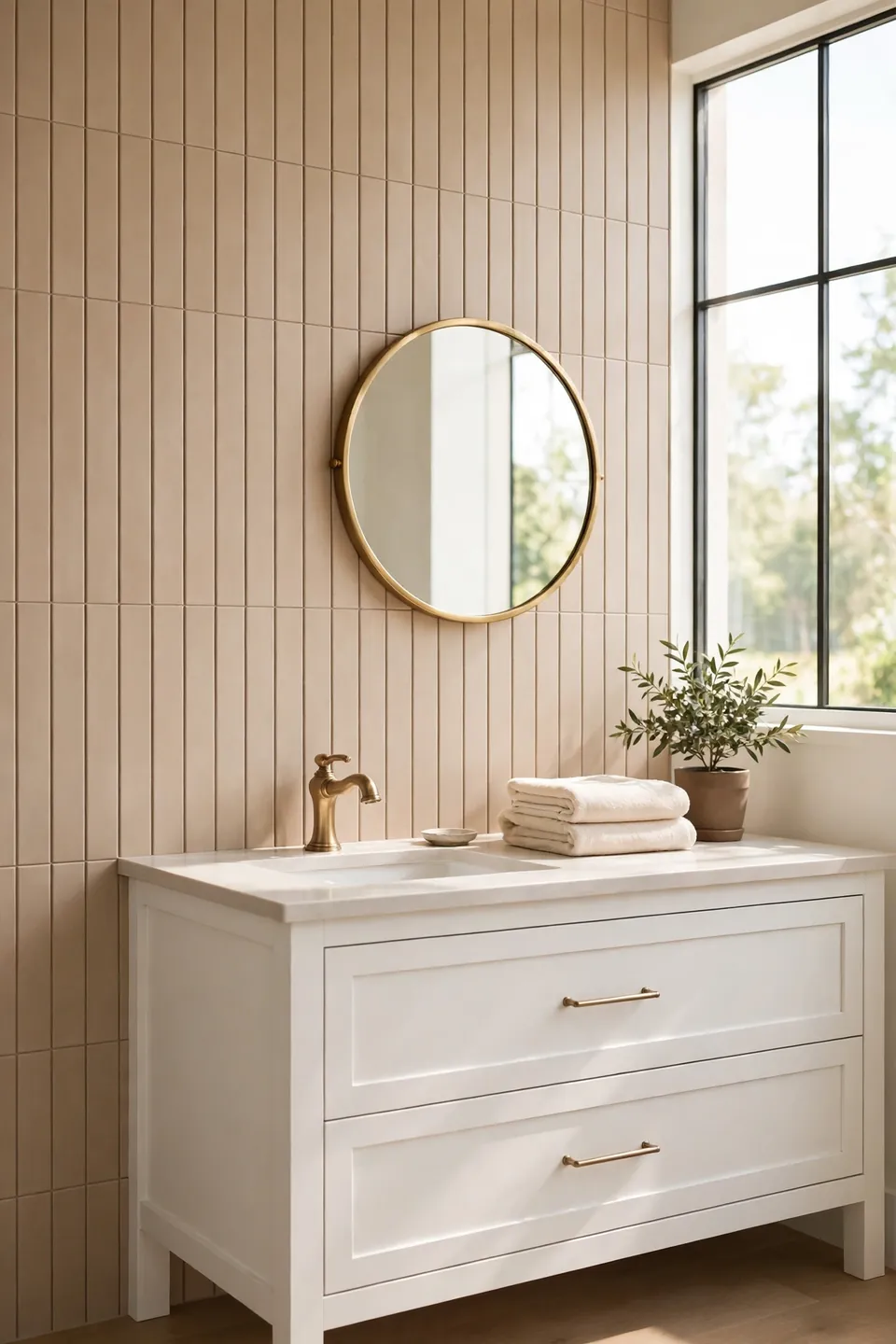
- Vertical stacks draw the eye upward and stretch low ceilings.
- Slim tiles in a warm putty shade keep the lines quiet.
- A straight stack reads modern; a third offset reads tailored.
- Running tile to the ceiling removes the painted band entirely.
- Long format pieces mean fewer horizontal joints to clean.
Height is the one thing most bathrooms lack, and vertical lines lend it freely. The same up and down thinking that stretches a work zone in laundry room upgrades applies here: long lines, few breaks, calm color. Finish the top edge with a slim metal trim in brushed brass for a clean stop.
Honed Sandstone Look Tiles
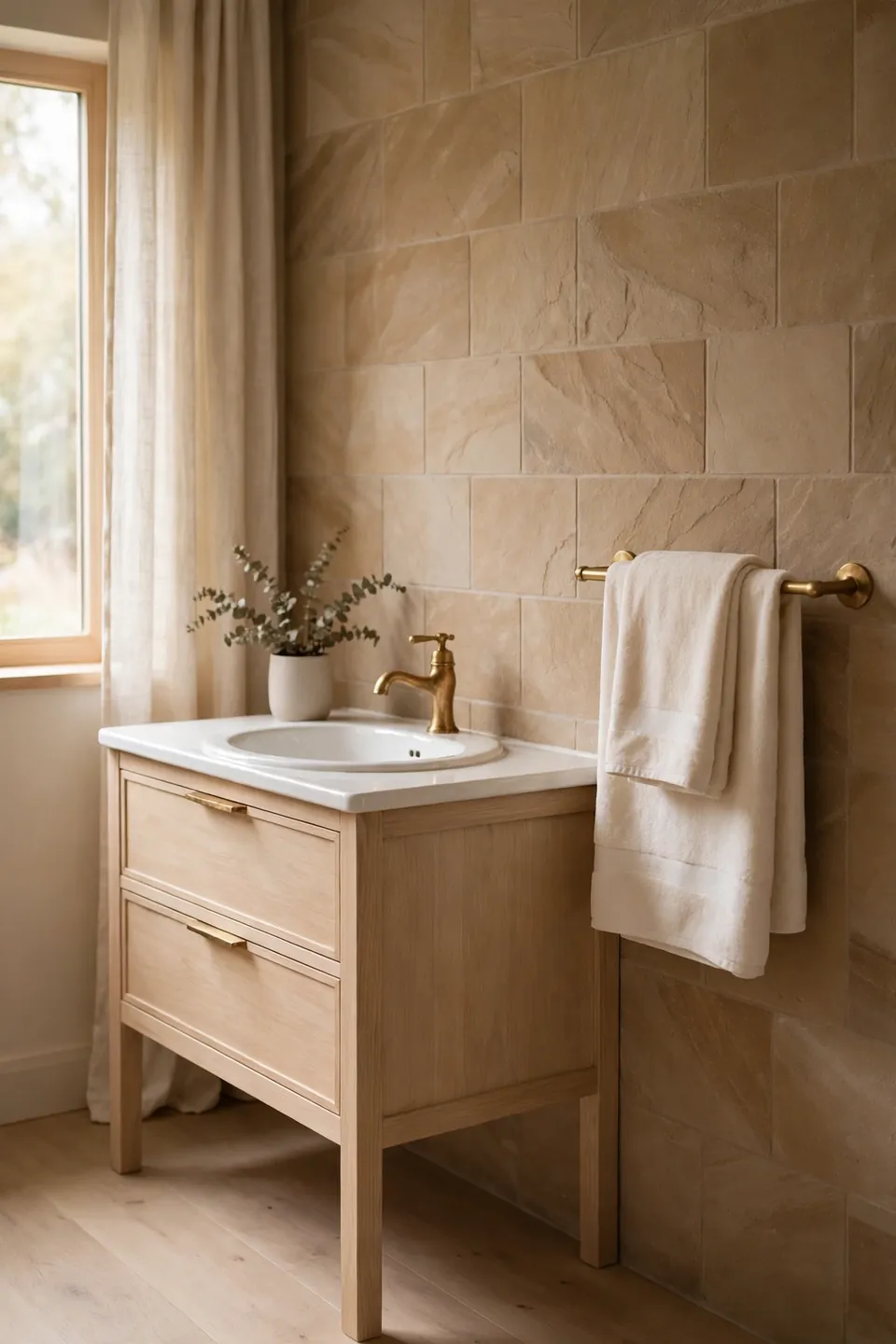
Quick Tip: Hold sandstone look samples against your bathroom’s north and south light before ordering. Warm stone tones shift more than any other neutral, reading golden at noon and almost grey by evening, and the right undertone depends on your window direction.
Sandstone brings a dry, sun warmed character that suits bathrooms short on natural light. The honed porcelain versions shrug off steam and need no sealing, which makes them kinder than the real stone. Pair with pale oak and unlacquered brass, and let the tile’s soft grain be the only pattern in the room. It also pairs calmly with both white and cream sanitaryware, so older suites blend in instead of standing out.
Neutral Checkerboard Floor Pattern
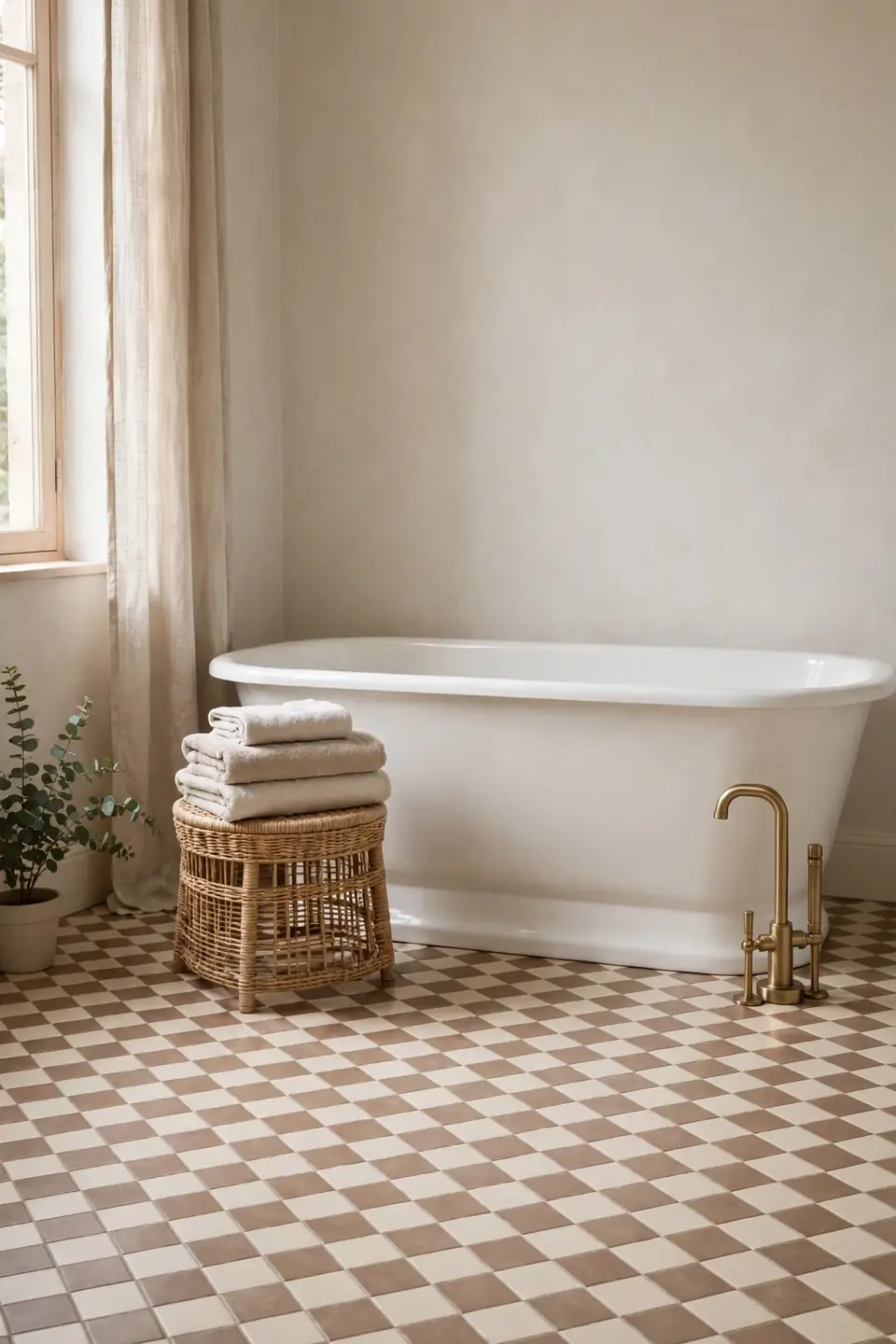
BEFORE: A single sheet of beige vinyl covered the floor, seams lifting at the corners, and the room felt stuck in a rental past.
AFTER: Cream and warm taupe tiles now alternate in a gentle checkerboard, the contrast low enough to stay calm, and the old floor feels deliberate.
Checkerboard sounds bold until the two tones sit close together. Cream with taupe, ivory with sand: the pattern adds rhythm without noise, and it hides dust between cleans better than any solid floor. Lay it on the diagonal in a small room to borrow width, and keep walls plain so the floor can sing quietly.
Floor To Wall Tile Wrap
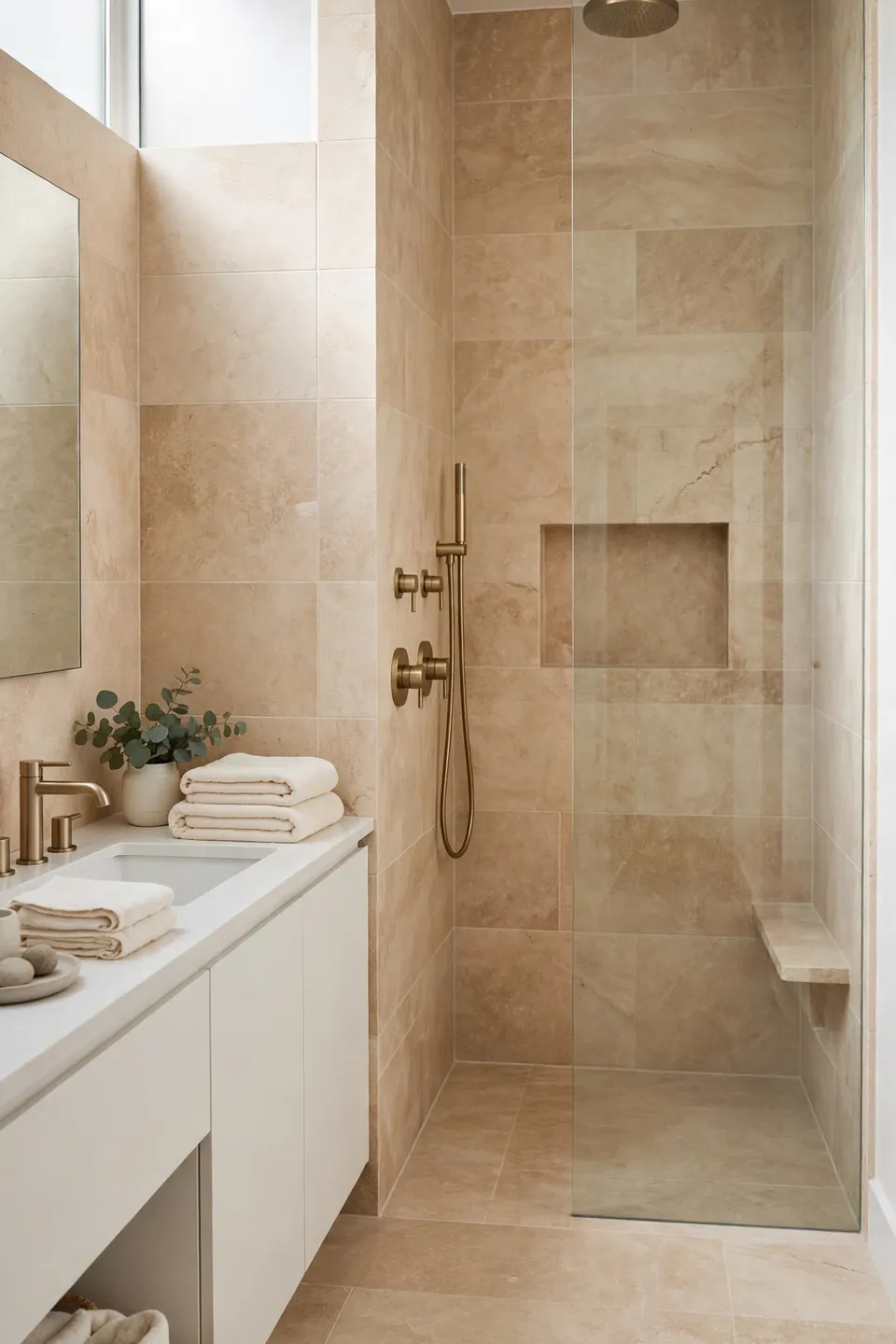
- Pick one tile you love in two sizes, large for the floor, smaller for walls.
- Start the floor at the door line so cuts hide under the vanity.
- Continue the same tile up the shower walls without a border break.
- Align wall joints with floor joints wherever the geometry allows.
- Carry the wrap behind the vanity for a fully tailored finish.
Wrapping one material from floor to wall removes every visual argument in the room. Of all the neutral bathroom tile ideas worth borrowing from boutique hotels, this is the one that changes how a space feels most. Fewer materials also means one order, one grout color, and spare tiles that fit everywhere.
Matte Or Glossy Tile Finish
| Feature | Matte | Glossy |
|---|---|---|
| Light | Soft, no glare | Bright, reflects light |
| Grip | Better under wet feet | Slippery when soapy |
| Upkeep | Shows water spots less | Needs frequent wiping |
| Best for | Floors and big walls | Small backsplash zones |
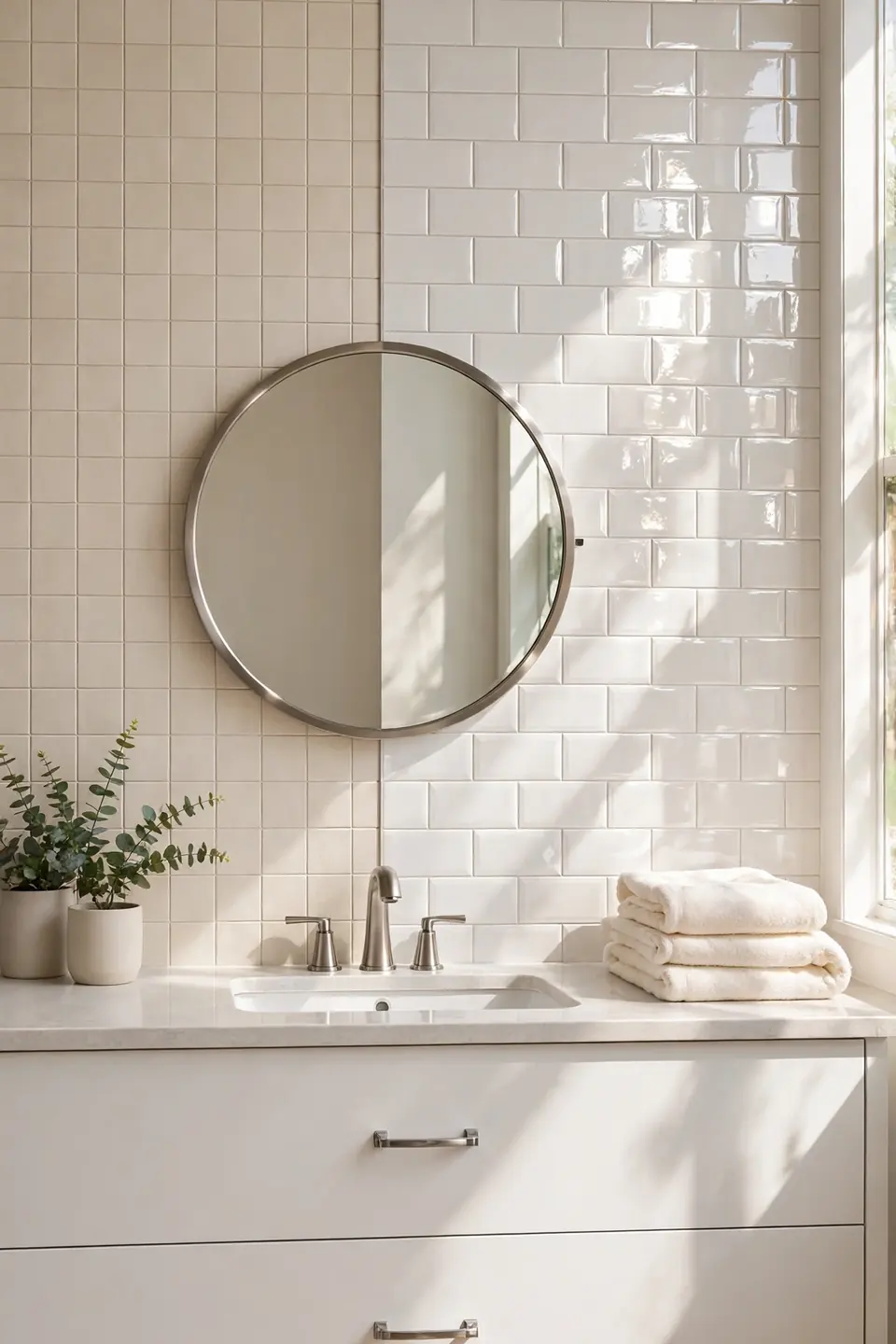
Finish changes a tile as much as color does. Matte surfaces drink in light and feel restful, which is why most spa bathrooms lean that way, while glossy pieces bounce light around a windowless room. A safe pattern many designers repeat: matte on the floor for grip, a gentle satin on the walls, and gloss saved for one small zone like the niche or backsplash where it can sparkle without risk.
Tone On Tone Tile Layers
Do:
- Layer three neutrals within one warm family for depth.
- Vary tile size between zones instead of changing color.
- Repeat the floor tone in the niche for quiet links.
- Let texture, not contrast, mark where zones change.
Don’t:
- Mix warm beige with blue grey tile in one room.
- Give every surface a different pattern at once.
- Forget the ceiling; bright white can jar the palette.
- Choose samples under shop lights only.
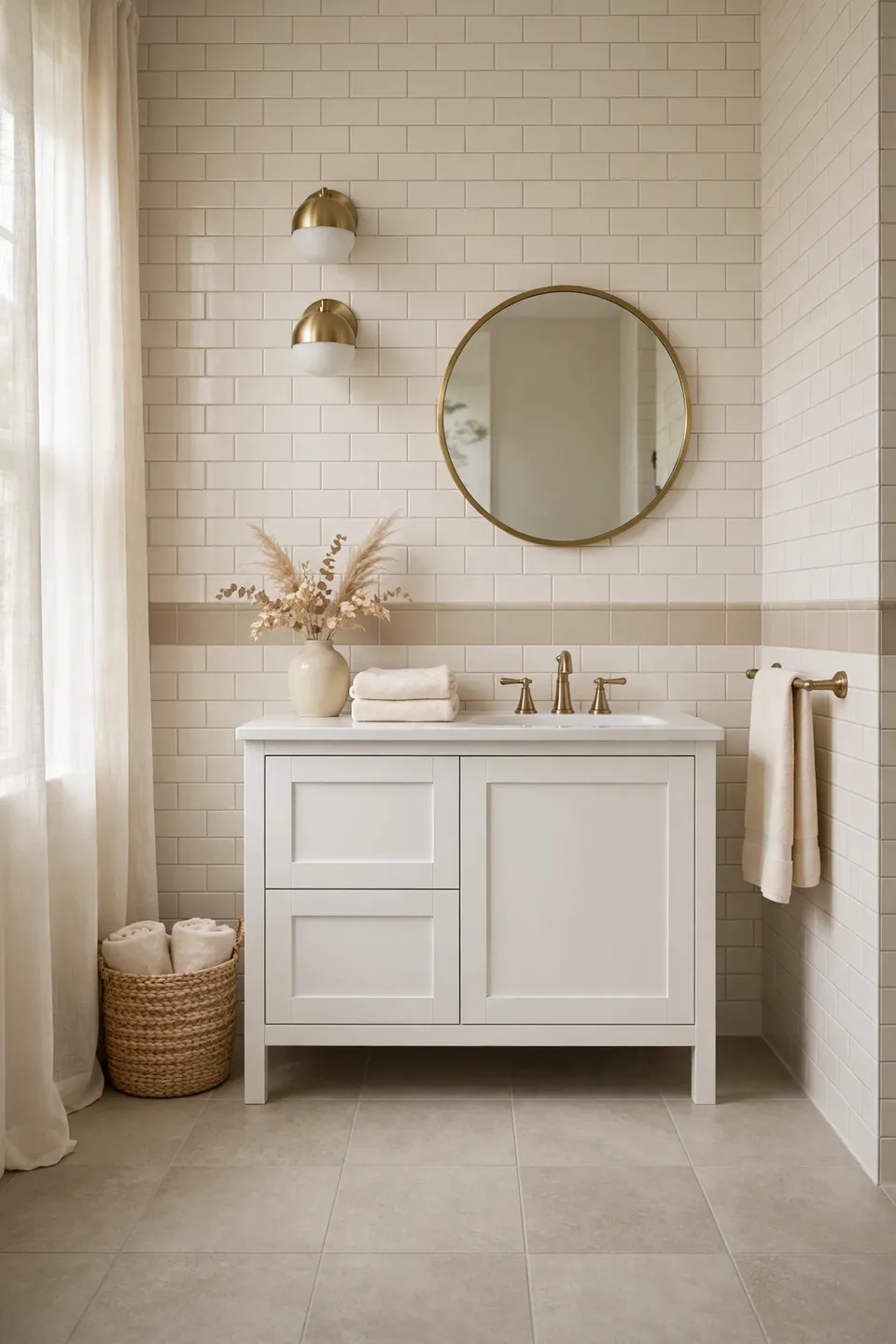
Tone on tone layering is the quiet engine behind most calm bathrooms. Nothing matches exactly, yet everything belongs, because each surface borrows warmth from its neighbour. Start with the floor tone, then choose wall and accent tiles a shade lighter and a shade deeper.
Split Face Stone Accent Wall
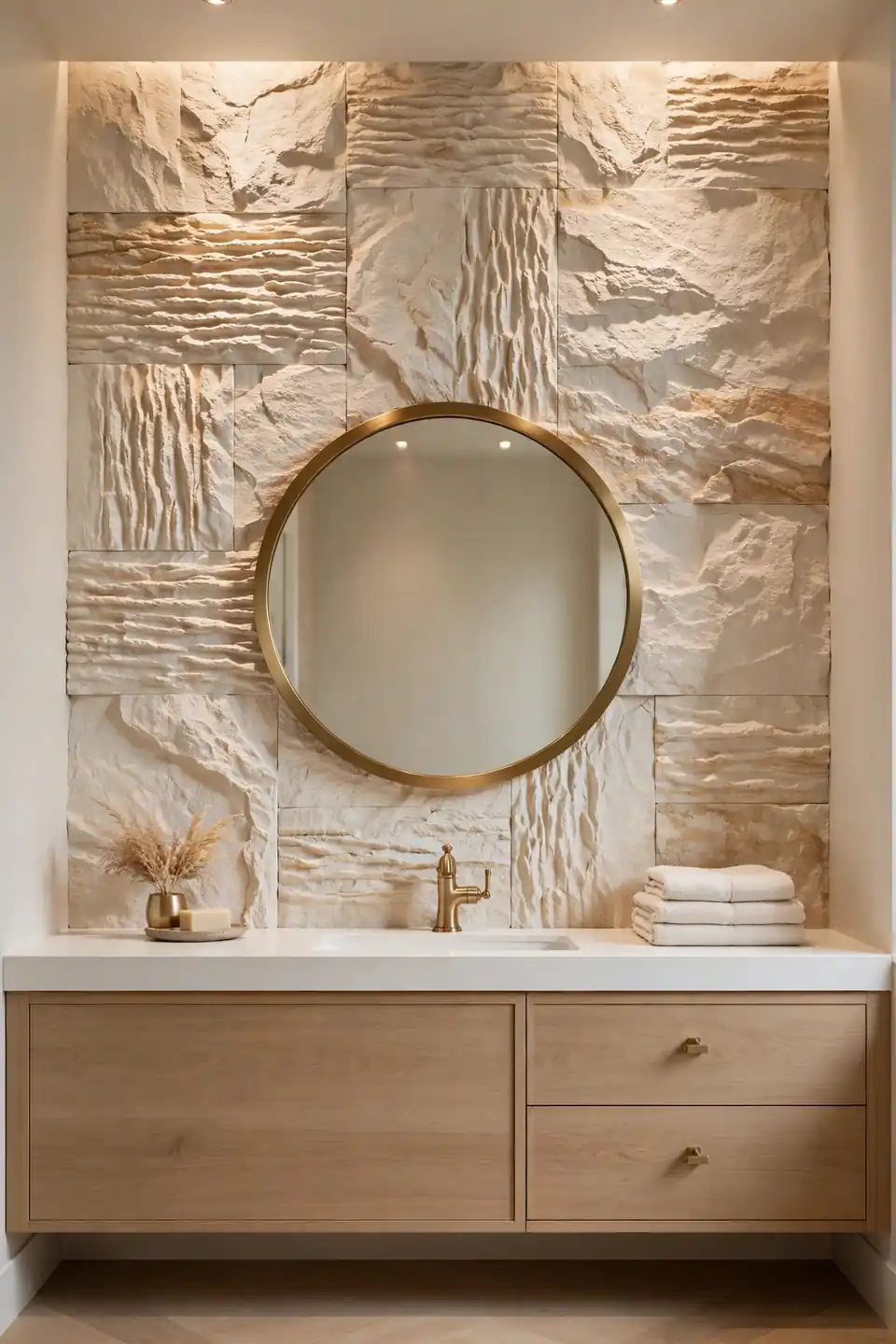
Cost: Higher, natural stone panels | Time: Two to three days | Skill Level: Pro install advised | Best For: One dry feature wall
Stacked stone strips bring shadow and texture that flat tile cannot imitate, turning one wall behind the vanity into the room’s artwork. Keep it on a dry wall, since the ledges collect dust and splash in a shower. Warm ivory and sand panels suit the neutral palette best, and a wash of soft downlight grazes the ridges beautifully at night. Vacuum the surface with a brush attachment monthly, and the wall keeps its crisp relief for years without sealing drama.
Ivory Hexagon Floor Tiles
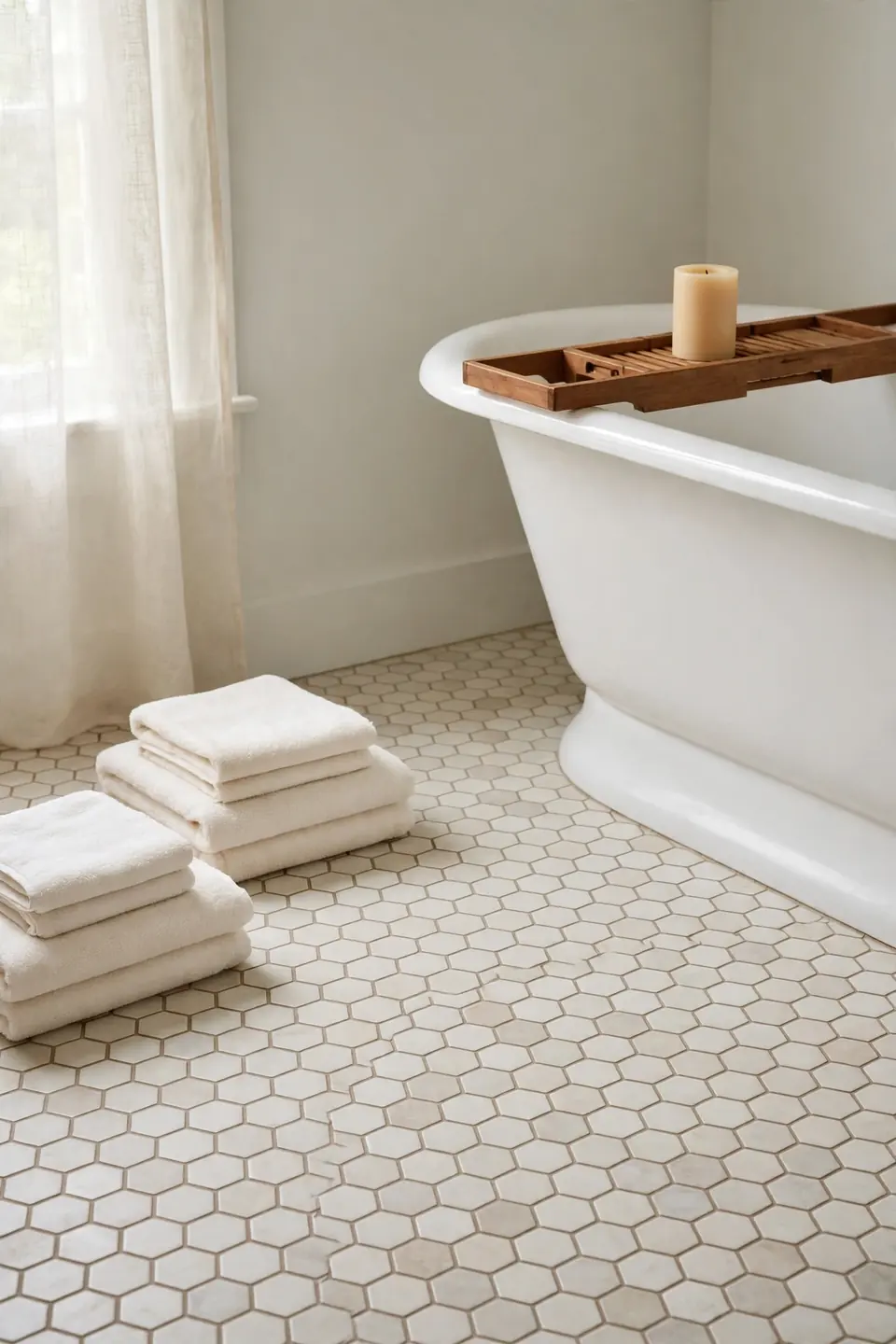
Hexagons have tiled bathroom floors for a century because the shape simply works. Ivory pieces with soft variation read classic without feeling dated, and the many joints give bare feet welcome grip. A warm grey grout outlines each tile just enough to show the pattern without turning the floor busy.
Scale the hex to the room: small one inch pieces for charm in a powder room, larger four inch tiles for a calmer modern read. I’ve seen this work well in many cases where owners wanted character that would never fight future fixture changes. It is the floor equivalent of a white shirt, always right.
Half Height Tile Wainscot
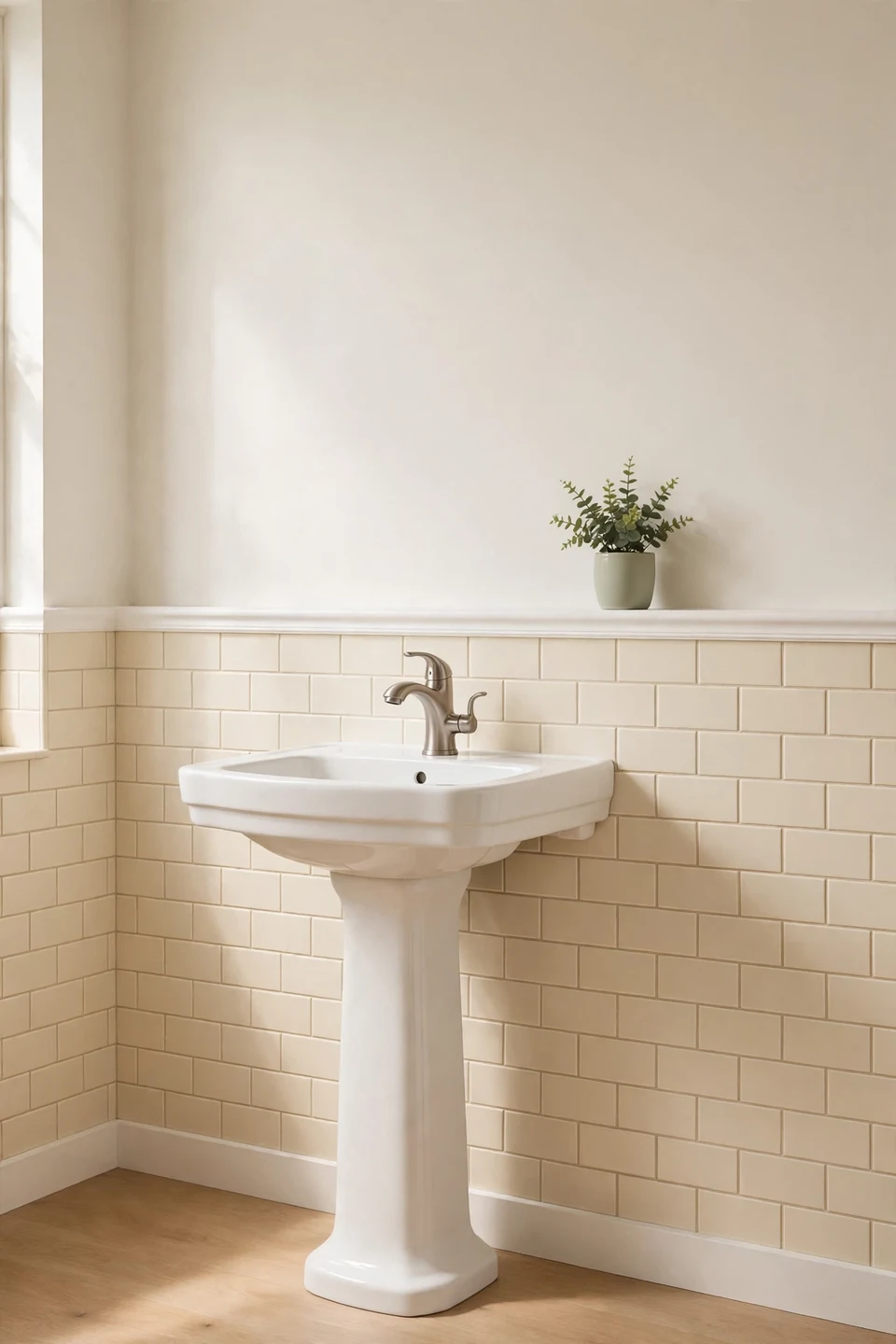
- A tiled wainscot shields plaster from splashes behind the sink.
- Cream subway tile keeps the lower wall bright and washable.
- A bullnose or trim piece finishes the top edge cleanly.
- Paint above in a soft warm white to widen the seam.
- The half wall treatment suits rentals and period homes alike.
Half height tiling borrows from old washrooms, where practicality shaped the prettiest details. The tile takes the splashes, the paint takes the light, and the ledge between them becomes a shelf for a small plant or candle. Keep the tile tone close to the floor color and the room reads taller than it is.
Warm Grey Veined Porcelain
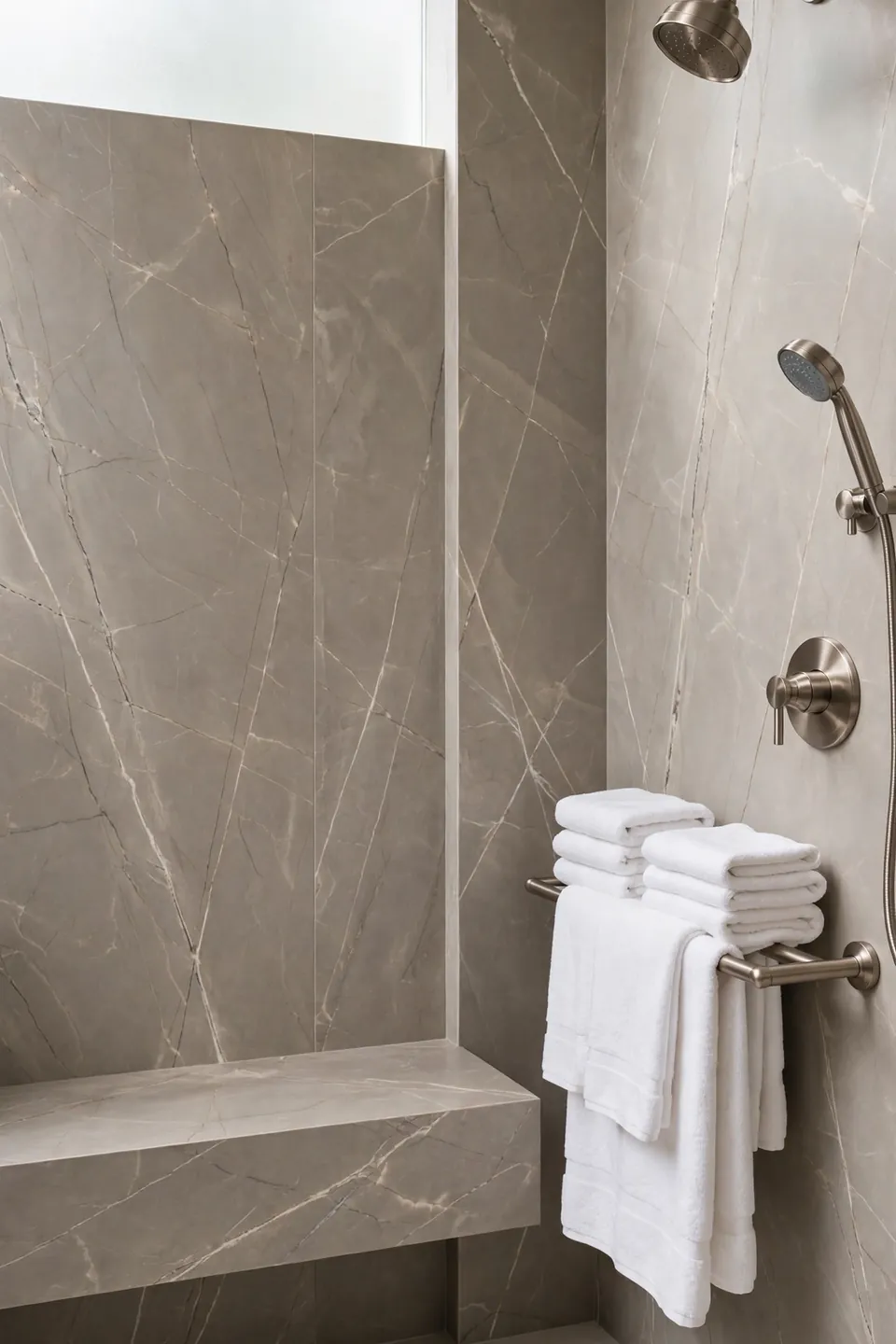
Quick Tip: Lay out veined porcelain in daylight and flip any piece whose veins run against the flow. Ten minutes of sorting before the mortar opens saves the random, quarried look that makes porcelain pass for real stone.
Warm grey veining on an ivory ground is the diplomat of bathroom tiles: it agrees with chrome, brass, nickel, and black alike. Large porcelain planks with soft veins calm a whole shower without the sealing schedule of marble. They also forgive small layout sins gracefully. Choose a matte finish and the veining reads as shadow rather than print, which is exactly where cheaper tiles usually fail.
Arched Niche Tile Detail
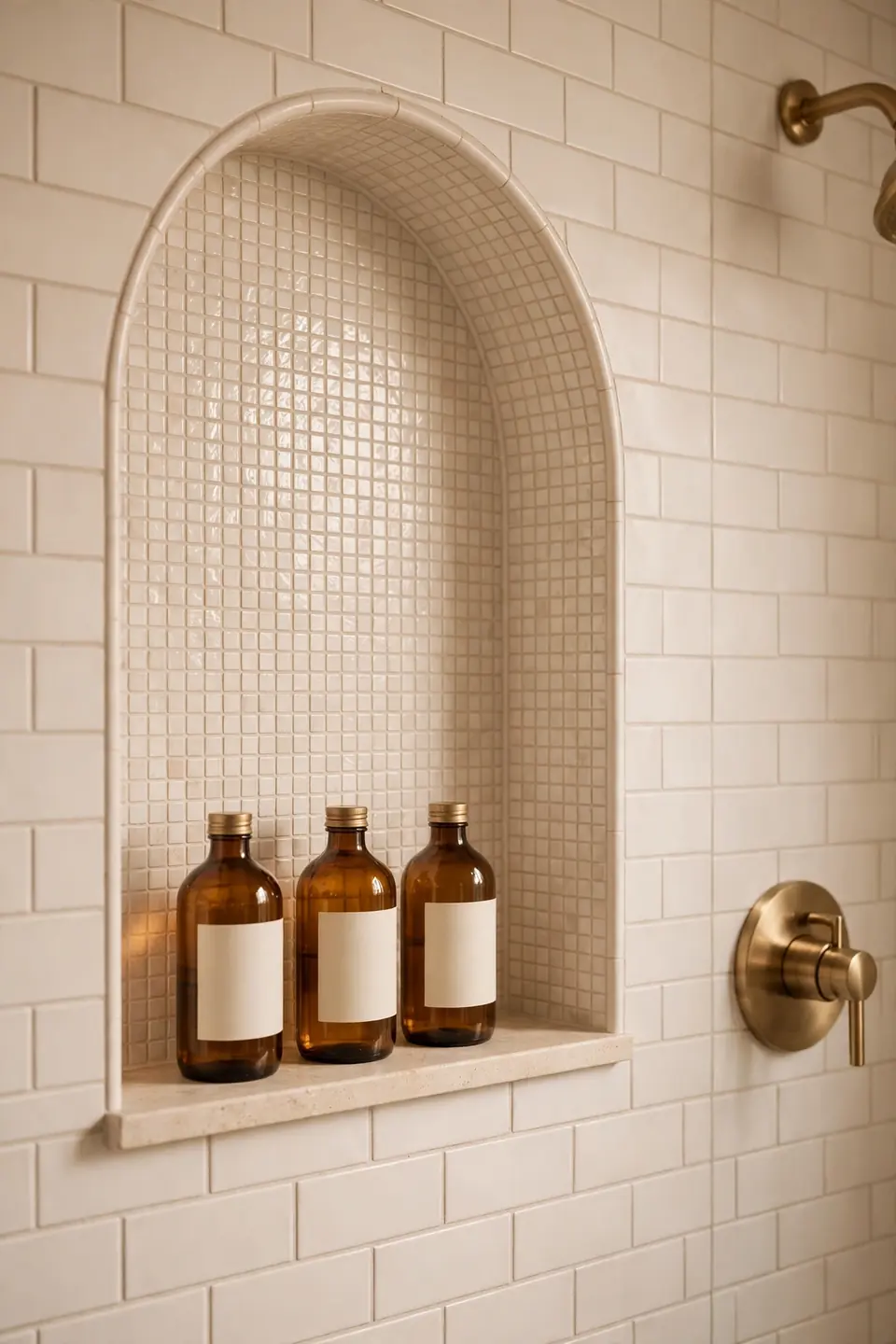
BEFORE: Shampoo bottles lined the tub rim and the shower’s one shelf held a crowded, dripping row that never looked tidy for long.
AFTER: An arched niche tiled in creamy mosaic now holds everything at hand height, its curve echoing the mirror across the room.
A niche costs little during a retile and pays back every single morning. Tile it in a smaller mosaic from the same neutral family so it reads as a detail, not a departure. Add a slim stone shelf inside at chest height, slope it a fraction for drainage, and the arch becomes the shower’s quiet focal point.
Micro Mosaic Vanity Backsplash
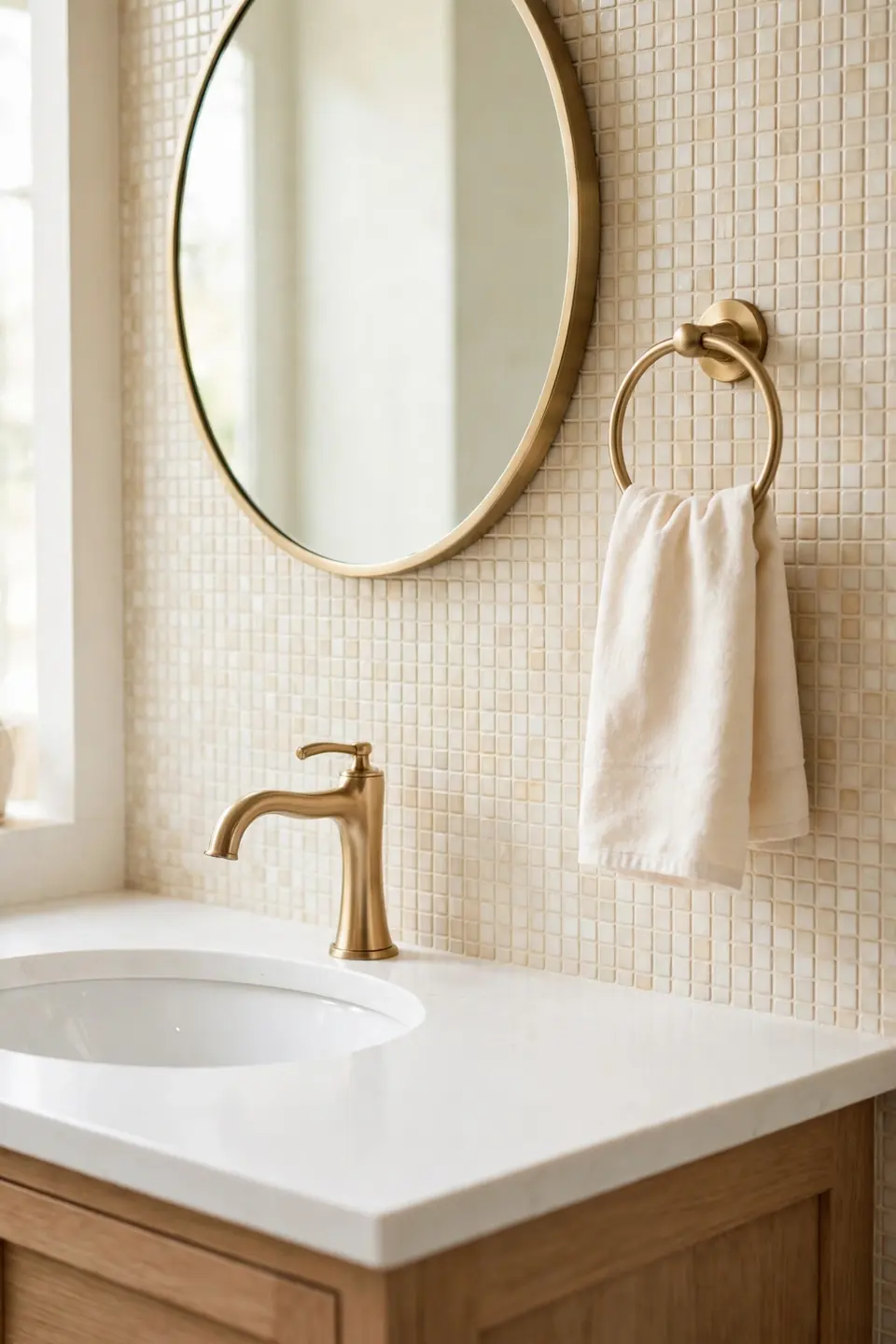
- Measure the splash zone and order sheets with ten percent spare.
- Set the vanity and faucet first so cuts land behind them.
- Butter the wall thinly and press sheets from the center outward.
- Align sheet seams with a toothpick gap for invisible joins.
- Grout, buff, and seal the top edge against the wall paint.
A backsplash is the smallest tile job in the room and the one your eyes meet most often. Micro mosaics in warm ivory add texture at exactly mirror distance, catching light while you wash up. Keep the grout pale, and the tiny pieces read as one soft surface rather than a busy pattern.
Porcelain Or Natural Stone
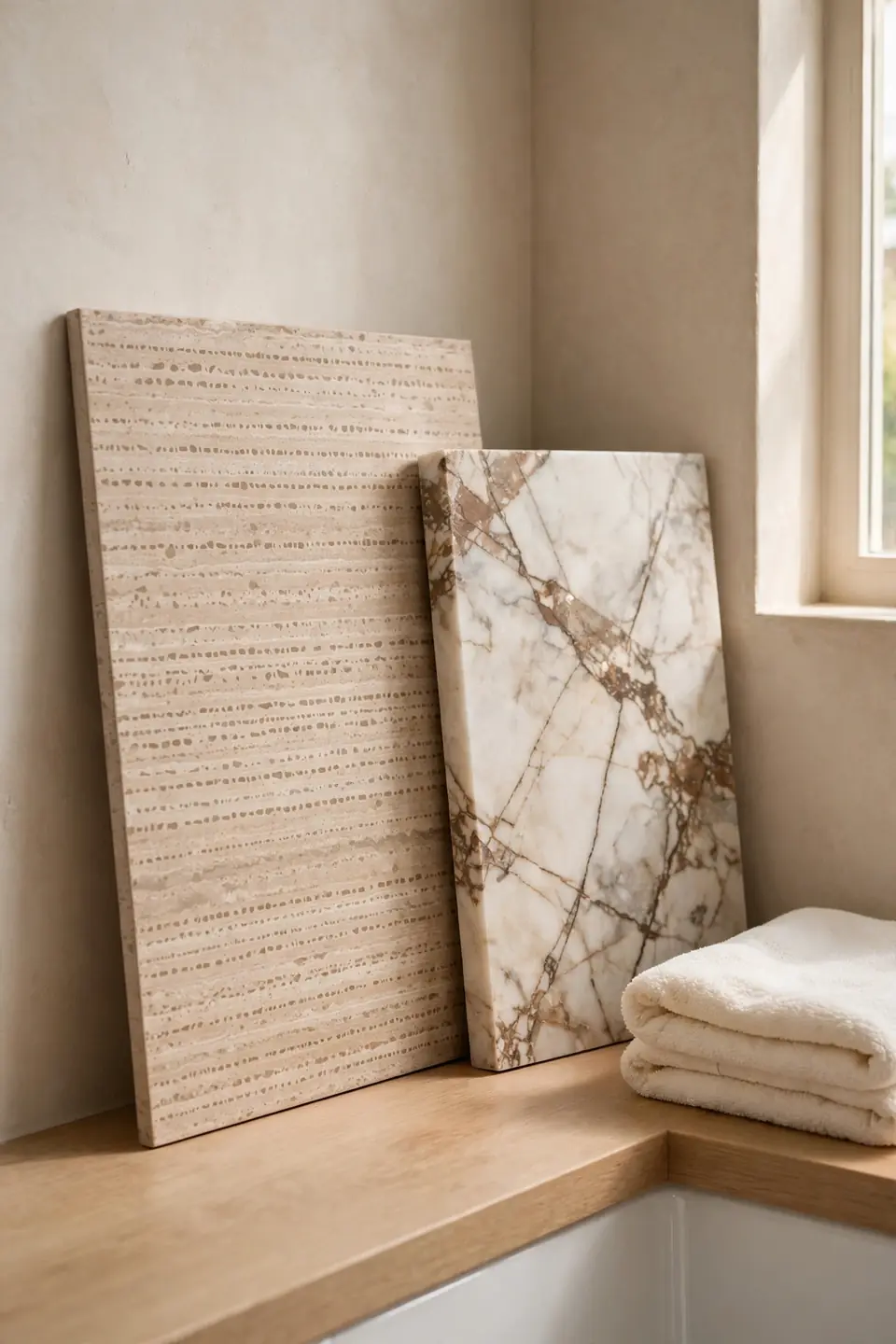
| Feature | Porcelain | Natural Stone |
|---|---|---|
| Sealing | Never needs it | Twice a year |
| Stains | Resists oils and dye | Etches and marks |
| Cost | Lower, steady pricing | Higher, varies by slab |
| Feel | Consistent, printed grain | One of a kind depth |
The honest answer is that both earn their place, in different rooms of the same house. Porcelain wins where water, kids, and hair dye rule the day. Natural stone wins where the ritual matters and someone happily seals it on schedule. Many calm bathrooms mix them: porcelain on the wet walls and floor, one real stone slab on the vanity top where hands meet it daily.
Mixed Neutral Tile Textures
Do:
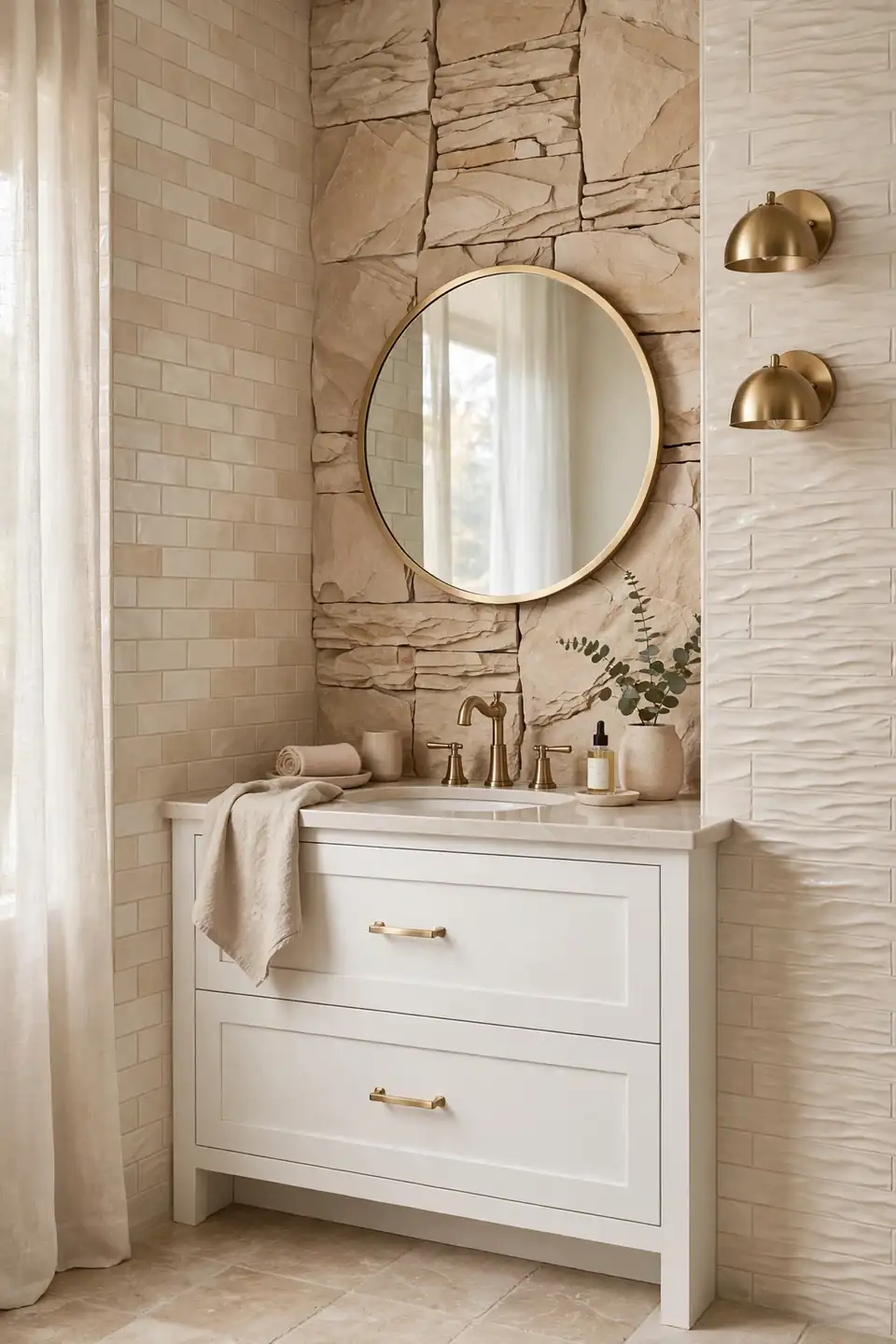
- Combine matte, honed, and handmade finishes in one palette.
- Keep one texture dominant and the others supporting.
- Repeat each texture at least twice across the room.
- Balance rough stone with smooth glazed pieces.
Don’t:
- Stack four loud patterns in a small bathroom.
- Place the roughest tile underfoot in the shower.
- Let grout colors wander between the textures.
- Add a gloss accent that fights the calm scheme.
Texture is how neutral rooms avoid feeling flat. A honed floor, a rippled wall, and one piece of split stone give the eye plenty to do while the color rests. That’s why many experts recommend choosing finishes before shades: get the touch right and the tones nearly choose themselves.
Full Height Tile Feature Wall
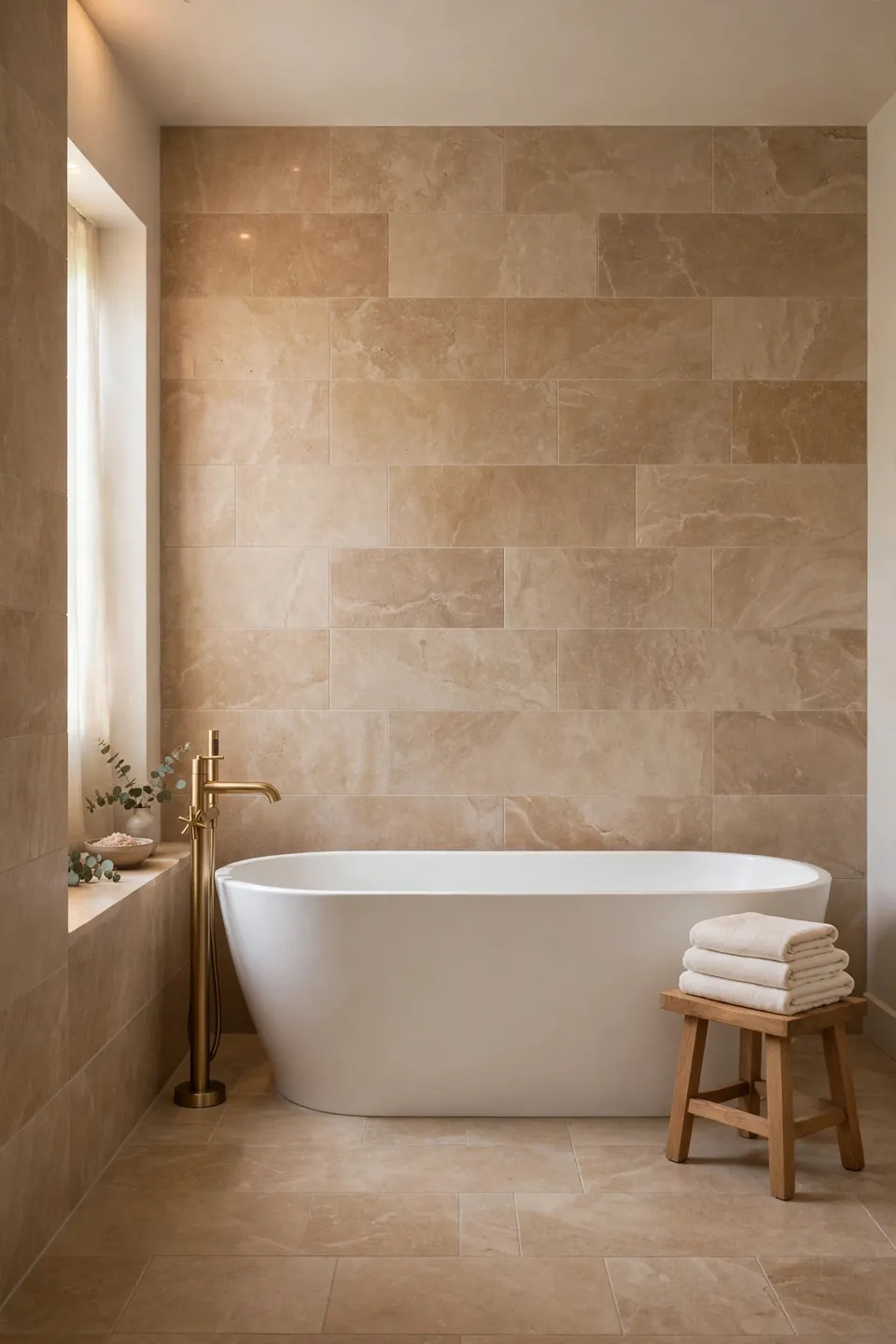
Cost: Mid to high, more material | Time: Two days for one wall | Skill Level: Confident DIY or pro | Best For: The wall behind the tub or vanity
Tiling one wall from floor to ceiling gives a bathroom the poise of a boutique hotel suite. The full height run removes the awkward paint line where steam used to stain, and tall tiles in a warm stone tone stretch the room upward. Keep the other walls quiet in plaster or large plain tile so the feature wall holds the focus. Finish the exposed edge with a matching trim piece, and the wall reads as architecture rather than decoration.
Conclusion
A serene bathroom is rarely an accident. It comes from patient choices: one warm palette, honest materials, and tile that earns its place on every wall. Whether you start with a single shower wall or retile the whole room, these neutral bathroom tile ideas give you a calm base that never fights your fixtures or your mood. Save this pin for the day your renovation starts, try one wall first, and share the before and after with someone planning their own retreat. I’ve seen how small changes like these can completely shift the way a space feels.