23 Kids Bedroom Layouts for Happy, Clever Spaces
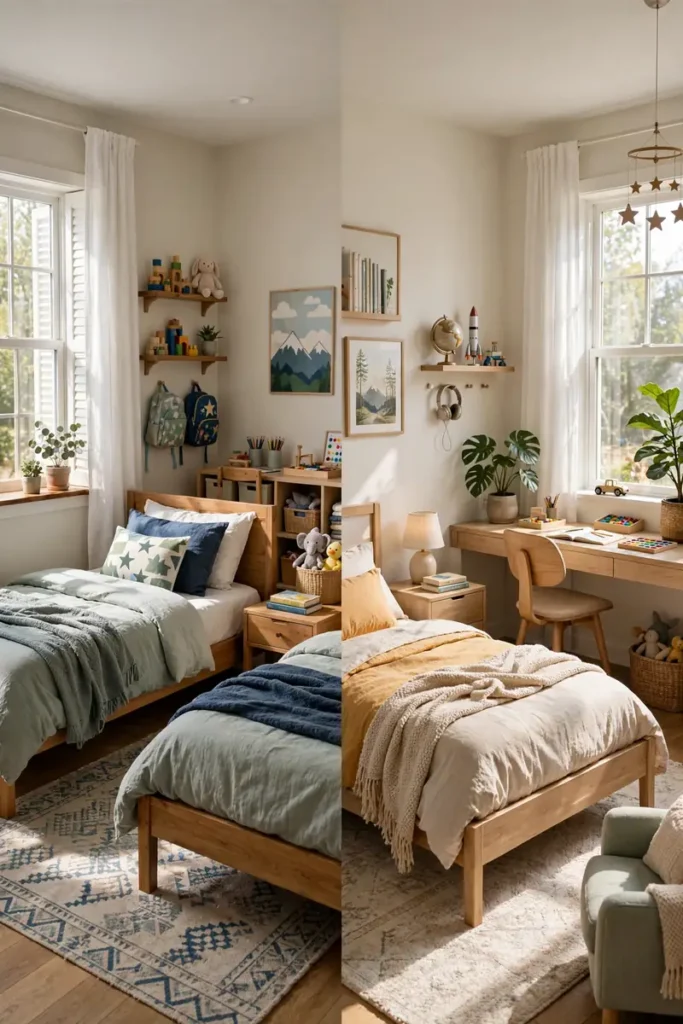
Kids’ rooms work hardest in the house, and these kids bedroom layouts make every square foot count. From sleep to study to play, the right layout keeps childhood organized and fun. I have always believed a well planned kids’ room raises happier children. The environment shapes young minds daily. A thoughtful space teaches order and sparks imagination. The environment shapes young minds daily. These 23 ideas create happy, clever spaces. From the first bunk zone to the final sibling rule, every layout celebrates childhood as the most important design client. Choose the ideas that fit your family, and let your kids’ room grow with them.
Below are 23 playful layouts, from bunk bed zones to sibling rules. For bedroom focal points, see my headboard designs. Let’s make room for childhood.
Bunk Bed Zones

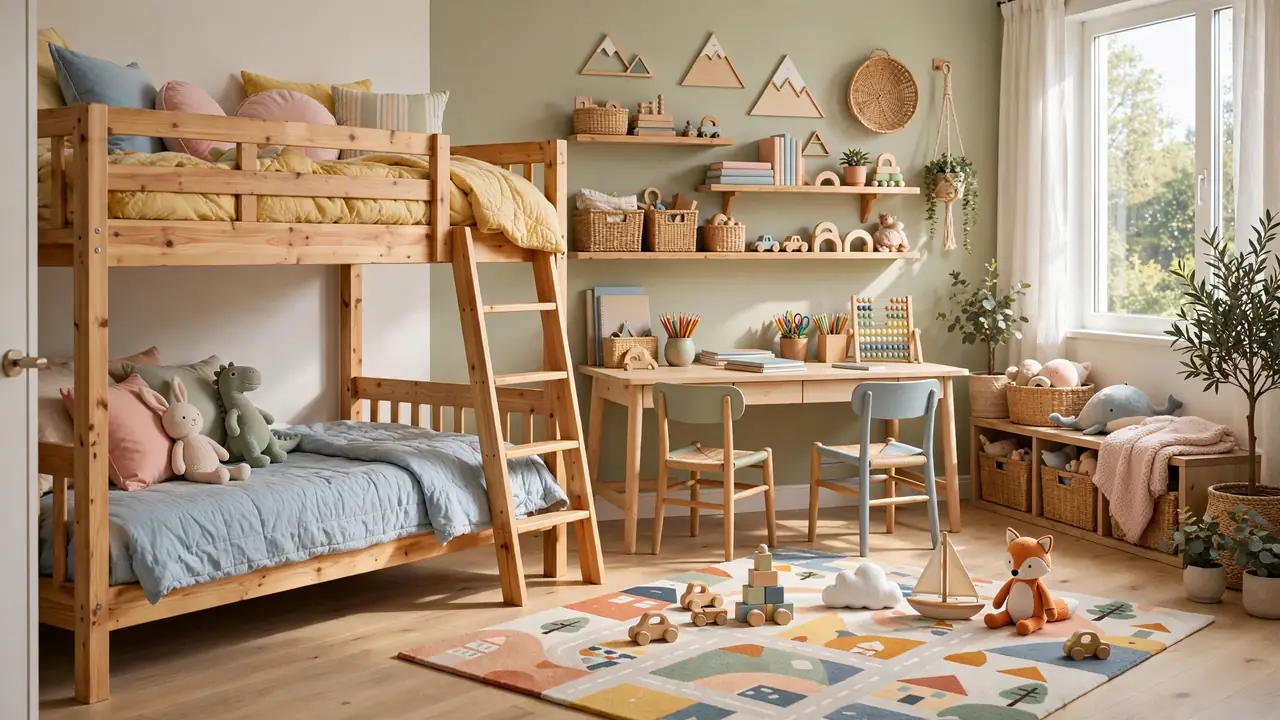
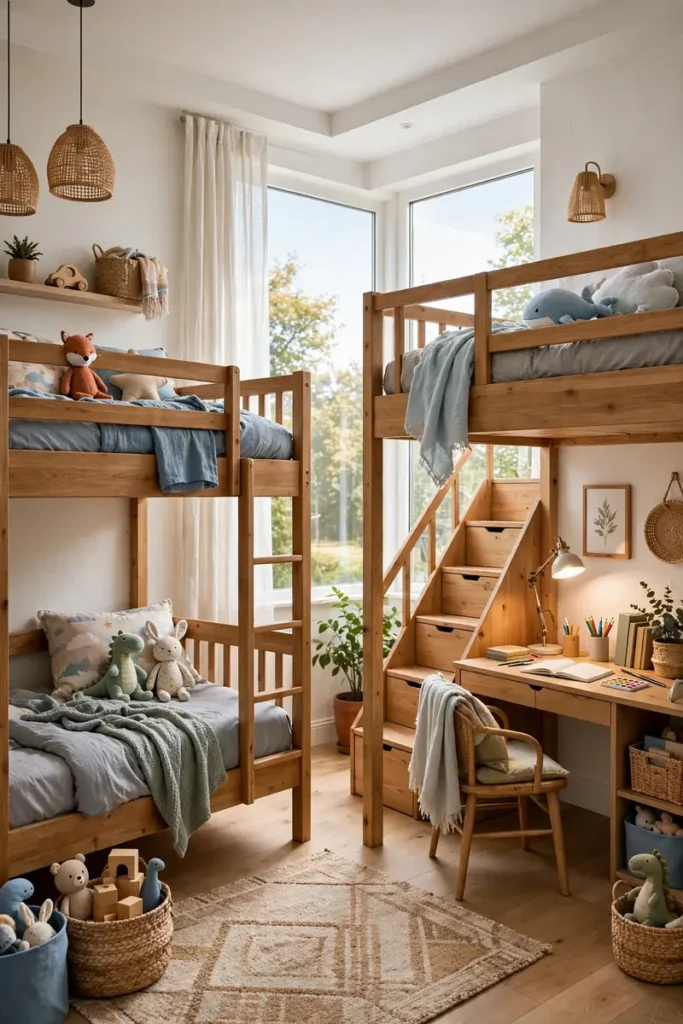
Bunk beds free floor space for play zones. The vertical sleeping arrangement doubles the usable room. Kids love the adventure of climbing up. The top bunk becomes a private fort. Every night feels like camping. The novelty never fades. Siblings bond up top.
Place the bunk against the longest wall. I’ve noticed that corner placement leaves the biggest play area open. The room feels twice as large. Floor space multiplies instantly. Play needs room to roam. Open floor invites imagination. The space feels generous.
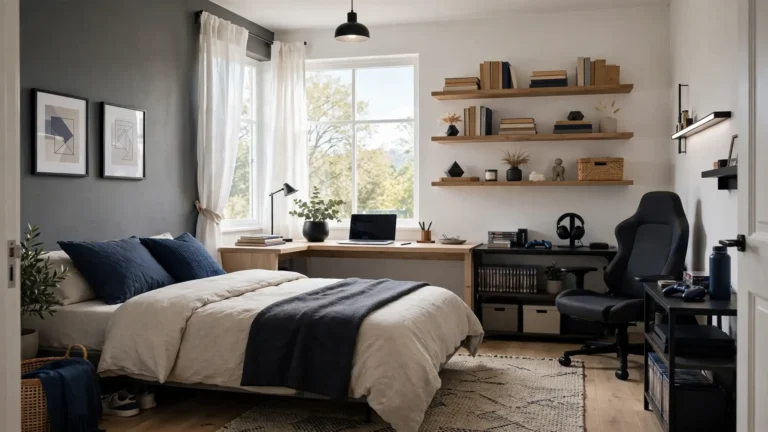
Study Corner Setup

- A dedicated study corner builds homework habits. The desk should face natural light when possible.
- Keep supplies within arm’s reach. Organized tools prevent homework excuses.
- Add a comfortable chair with back support. Growing bodies need proper seating.
- Personalize with their artwork above. Ownership motivates young learners.
Study corners teach focus and responsibility. The ritual of sitting down matters. Consistency builds scholars. The corner becomes sacred. The desk means business. Learning spaces shape young minds. Environment influences effort. The setup speaks volumes. The ritual of sitting down matters. Learning spaces shape young minds.
Playful Color Pops
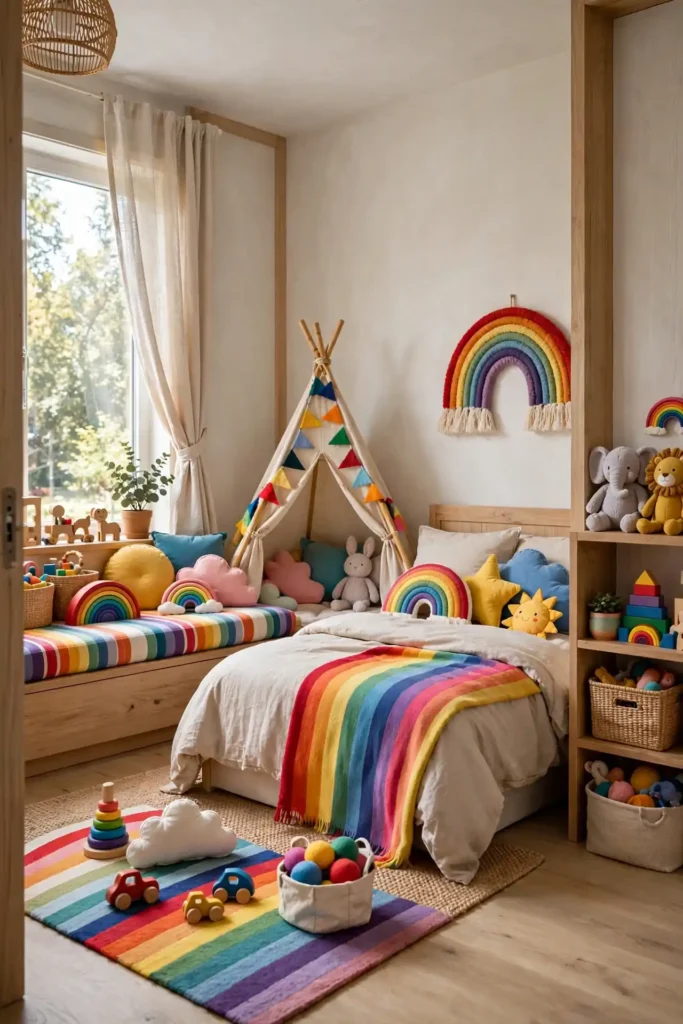
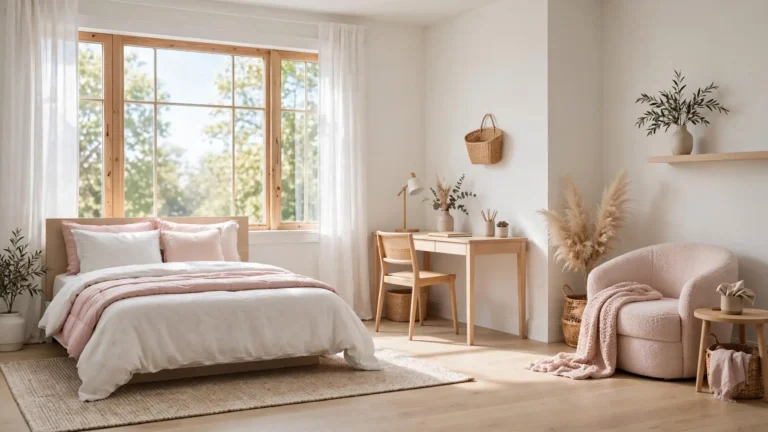
Quick Tip: Keep walls neutral and add color through bedding, rugs, and art. The pops of color bring joy while the calm base keeps the room restful. Swap the accents as tastes change, and the room grows with your child without repainting. Flexibility saves money and time. Repainting costs more than pillows. The smart choice wins. The base stays timeless.
Color pops keep kids’ rooms joyful. The flexibility suits growing tastes. Neutral walls calm busy minds. Bright colors energize in doses. Balance keeps the peace. Too much color overwhelms. Restraint guides the palette.
Shared Room Rescue
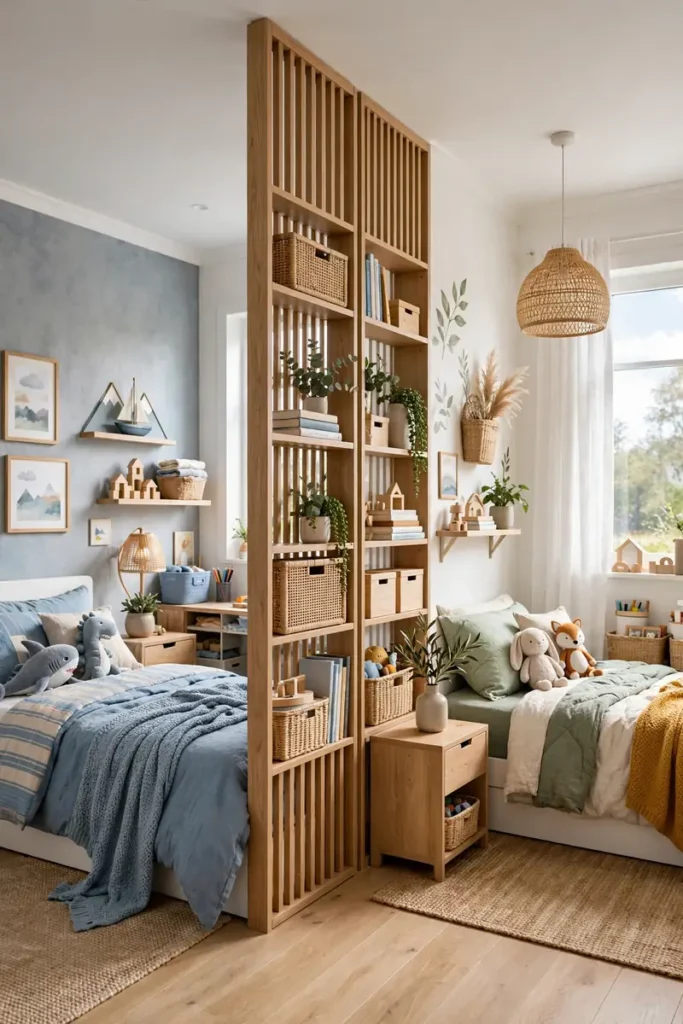
BEFORE: Two kids shared a chaotic room with no boundaries. Fights erupted over space daily. No boundaries meant constant conflict. The room felt like a battlefield. Constant conflict exhausted everyone. Peace seemed impossible.
AFTER: A bookcase divider now creates two personal zones. Each child owns their half. Personal zones end arguments. The divider brings peace. Two zones, two happy kids. The solution is simple.
Dividers rescue shared rooms from chaos. Personal space reduces sibling fights. Boundaries teach respect. The room becomes calmer. Defined spaces soothe. The tension melts. Boundaries bring peace. Defined territory ends disputes. Sharing works with structure. Clear rules guide sharing. The system sustains.
Layout Steps
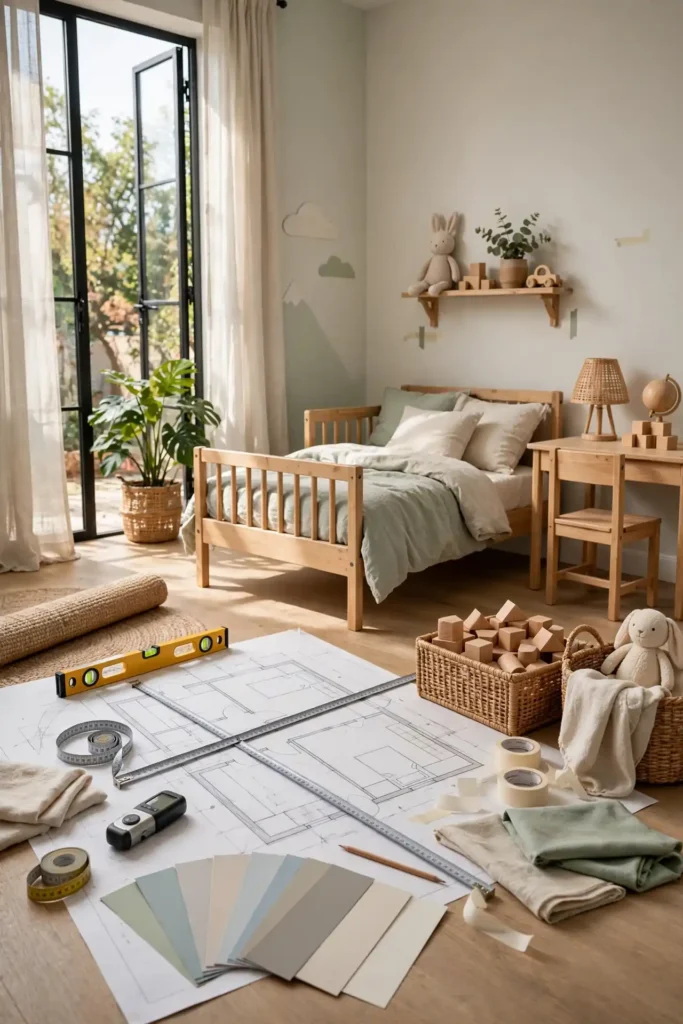
- Measure the room and note windows and doors. The plan starts with facts.
- Place the bed first against the longest wall. Sleep anchors the layout.
- Add the study zone near natural light. Learning needs good light.
- Leave open floor for play. Empty space is the real luxury.
Layout planning prevents costly mistakes. Measure twice, arrange once. Planning prevents regret. The order matters here. Bed first, then zones. Sequence creates flow. Each step builds on the last. The plan unfolds. The order matters here.
Bunk Vs Loft
| Feature | Bunk | Loft |
|---|---|---|
| Sleeps | Two kids | One kid |
| Below | Second bed | Desk or play |
| Best for | Shared rooms | Solo rooms |
| Floor saved | Moderate | Maximum |
Bunks and lofts both save precious floor space. Bunks sleep two while lofts free the zone below. The choice depends on headcount. Match the bed to the need. Headcount decides the frame. The choice is practical. Match the bed to the child’s needs. One child loves lofts. Two children need bunks. The numbers guide you. Two children need bunks.
Safety Rules
Do:
- Anchor all tall furniture to walls.
- Choose rounded corners on furniture.
- Use cordless window coverings.
Don’t:
- Don’t place beds under windows.
- Don’t leave heavy items up high.
- Don’t skip outlet covers.
Safety rules protect what matters most. Secure everything before decorating. Anchors prevent tip overs. Heavy furniture must hold. The brackets save lives. Installation takes minutes. The security is priceless. The wall holds the weight. The precautions bring peace of mind. Safe rooms let parents relax. Prevention beats regret. Safe rooms let parents relax. The effort is minimal.
Kids Room Facts
Zones: Sleep, study, and play need distinct areas. Storage: Every toy needs a labeled home. Growth: Choose furniture that adapts with age. Light: Bright rooms boost mood and focus.
These facts build happy kids’ rooms. The principles work at every age. Toddlers to teens benefit. The zones adapt with age. The design grows. The zones adapt with age. The design grows. The facts stay true. Design for the child you have. Not the child you imagine. Reality guides the layout. Actual habits shape design. The plan serves life.
Reading Nook Corner
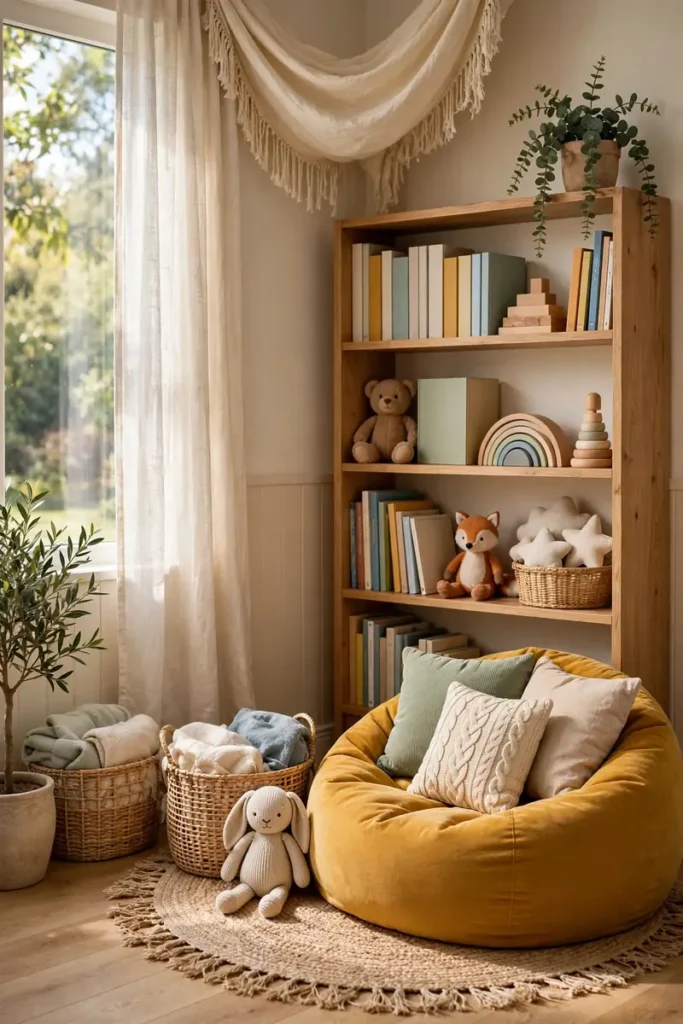
A reading nook turns a corner into a story world. Soft seating and good light invite young readers. Books within reach build the habit. Easy access invites reading. The shelf should overflow. Abundant books invite browsing. The collection grows.
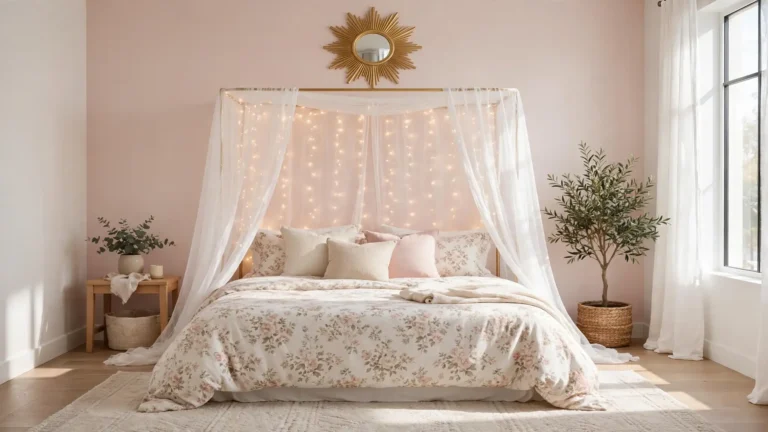
Canopy drapes add magic to the nook. I’ve noticed that cozy corners create lifelong readers. The ritual of story time matters. Cozy corners create memories. Reading bonds families. The nook becomes beloved. Story time bonds families. The nook becomes beloved. Reading bonds families.
Toy Storage Walls
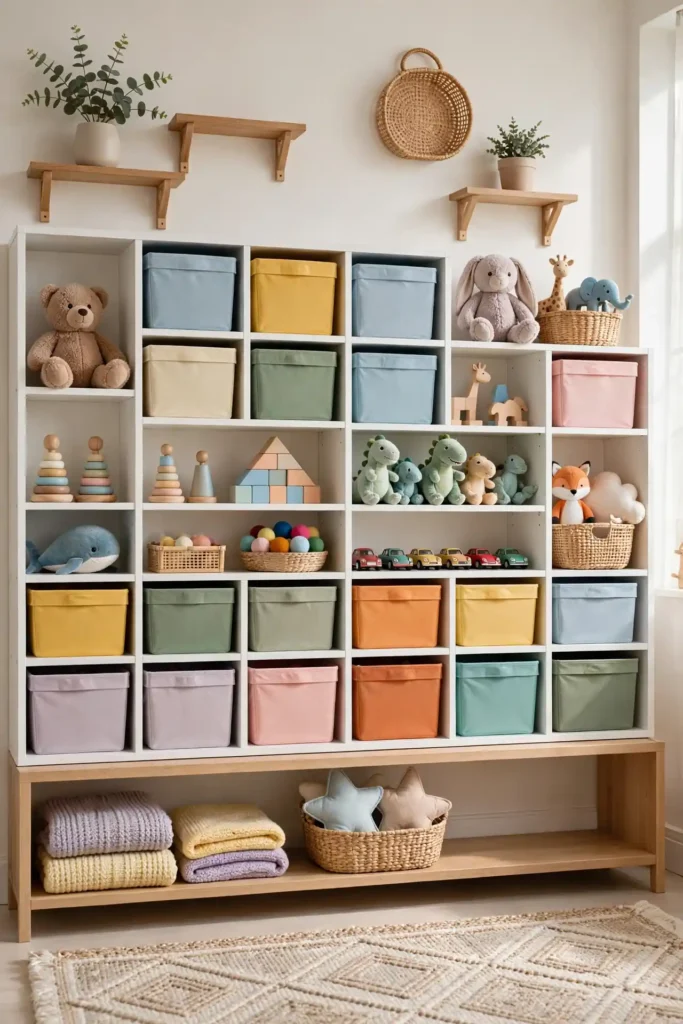
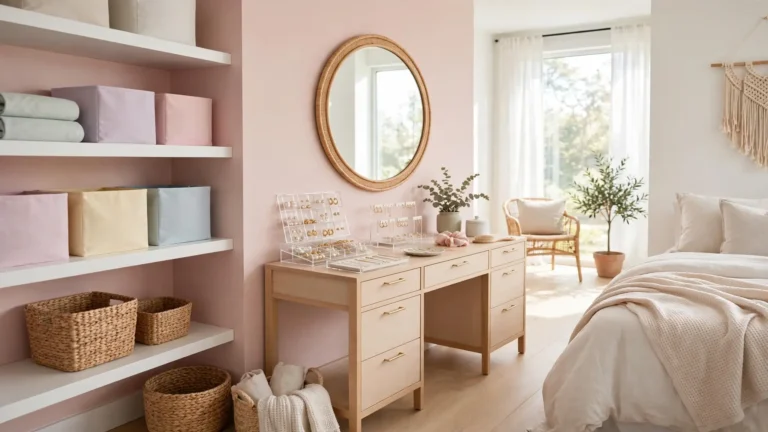
- Wall mounted bins keep toys off the floor. Vertical storage multiplies capacity.
- Label everything with pictures for pre readers. The system teaches independence.
- Rotate toys seasonally to reduce clutter. Fewer choices mean deeper play.
- Use open bins for daily favorites. Easy access encourages cleanup.
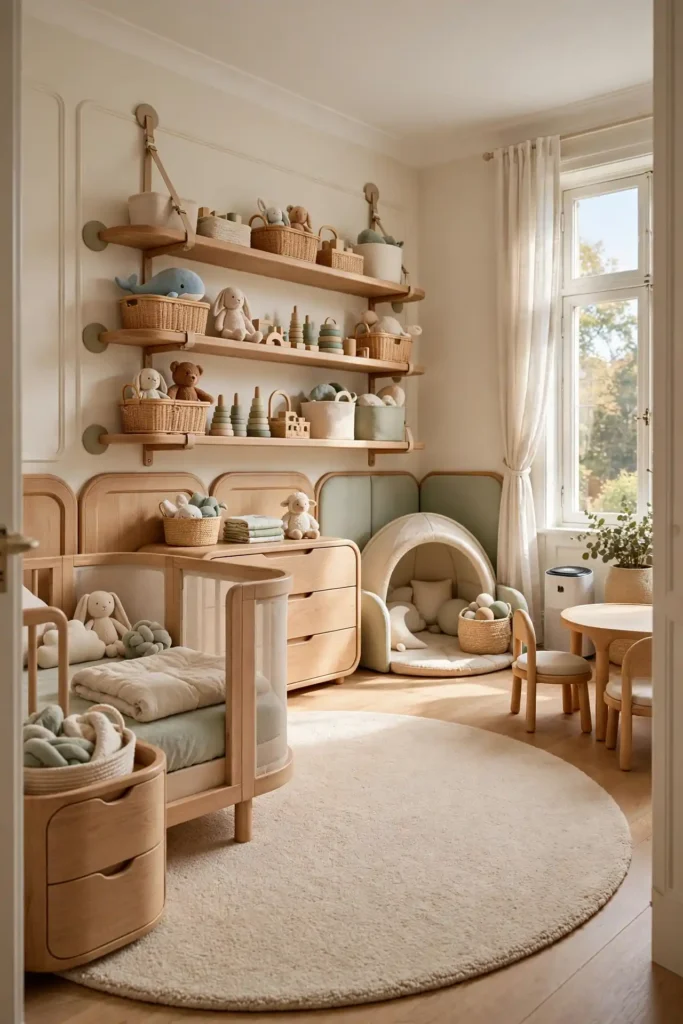
Toy storage walls tame the chaos. Every item earns its labeled home. Homes prevent chaos. The system sustains itself. Homes make cleanup obvious. The order holds. Tidy rooms calm busy minds. Order soothes young brains. Tidy rooms calm busy minds.
Theme Trick
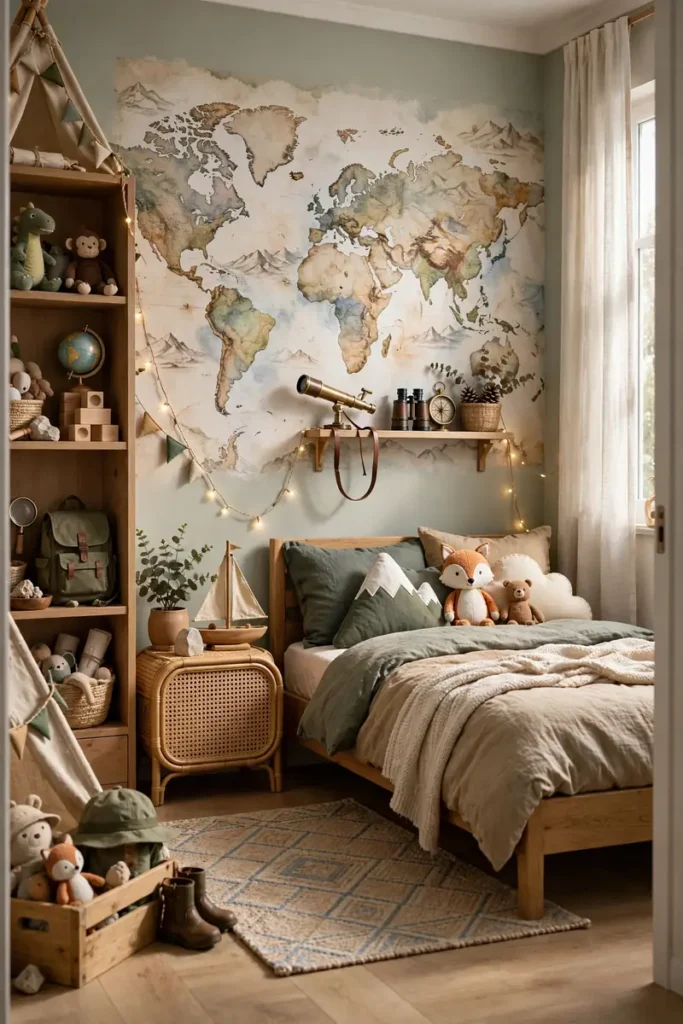
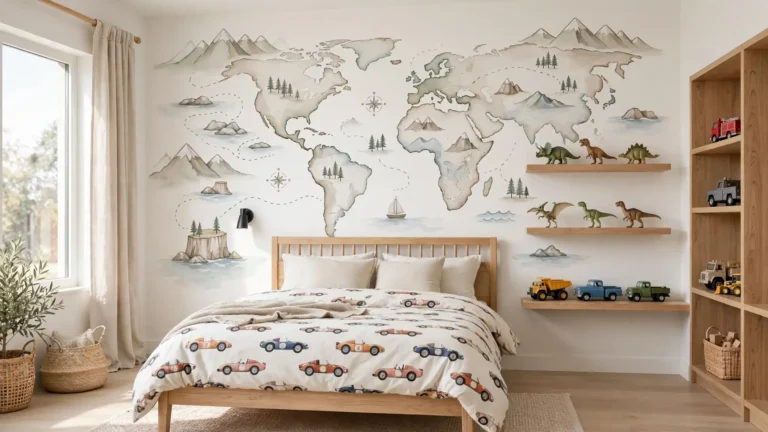
Quick Tip: Choose a loose theme through removable accents, not permanent fixtures. The themed bedding and wall decals create the magic while staying easy to change. Pick themes that inspire imagination, and update them as your child grows without costly overhauls. Removable decals peel off cleanly. No paint damage remains. The walls forgive. The walls stay flexible.
Themes spark imagination beautifully. Removable means reversible. Phases pass without damage. The room adapts. Childhood phases pass quickly. Today’s dinosaur is tomorrow’s space. Flexibility wins. Adaptable rooms last longer. The design bends.
Cluttered Kid Room Rescue
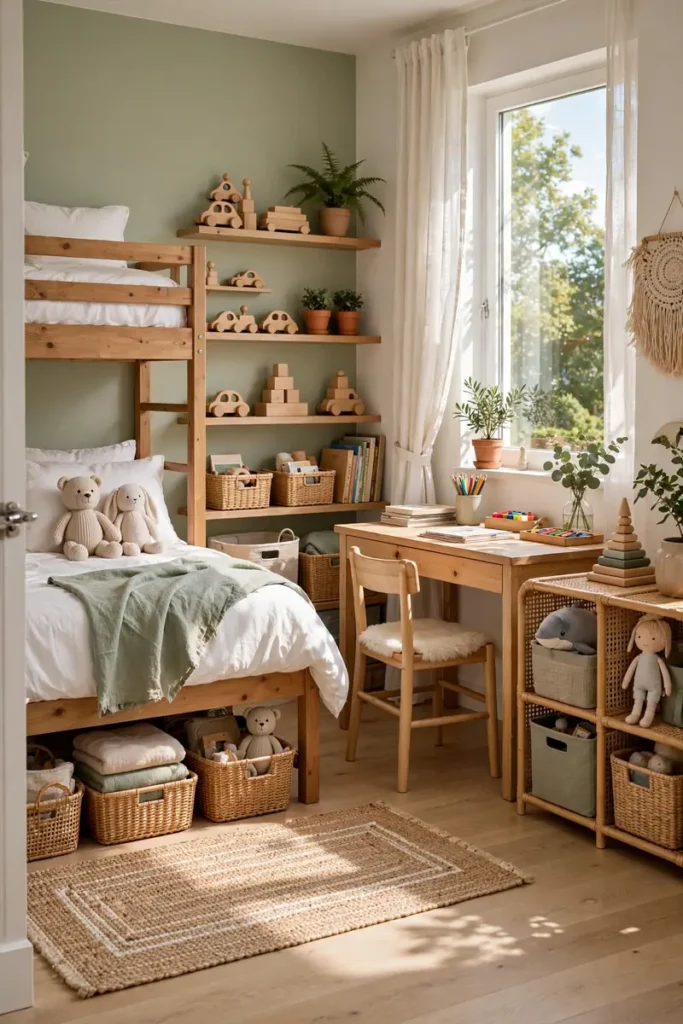
BEFORE: Toys covered every surface and the floor. The chaos stressed everyone. Messy rooms fray nerves. Visual chaos stresses parents. The disorder drains. The disorder felt endless.
AFTER: Zoned storage now keeps everything in place. The room breathes again. Clear surfaces calm the eye. Order returns. Zoned storage restores calm. The rescue works.
Decluttering rescues kids’ rooms fast. Involve the child in sorting. Participation builds ownership. The lesson lasts. Sorting teaches decisions. The skill transfers. For more small space ideas, see my tiny bedroom decor pieces. The calm transforms behavior. Organized rooms soothe kids. Calm spaces settle behavior. The change amazes. The change amazes parents.
Organizing Steps
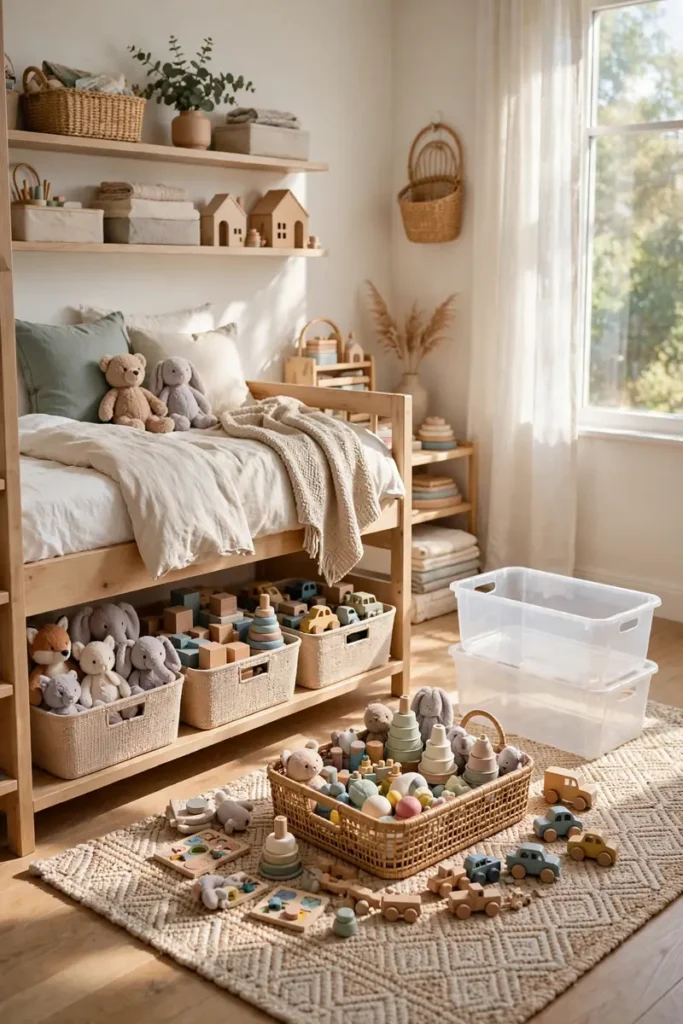
- Sort everything into keep, donate, and trash piles. The purge comes first.
- Assign every kept item a labeled home. Homes prevent future chaos.
- Place daily items at kid height. Accessibility builds independence.
- Schedule a monthly reset together. Maintenance beats big cleanups.
Organizing steps work when kids participate. The system must suit small hands. Low bins work best. Floor level suits toddlers. The reach is natural. Reach determines success. Ownership keeps it tidy. Their system, their pride. Owned order lasts. Ownership keeps it tidy.
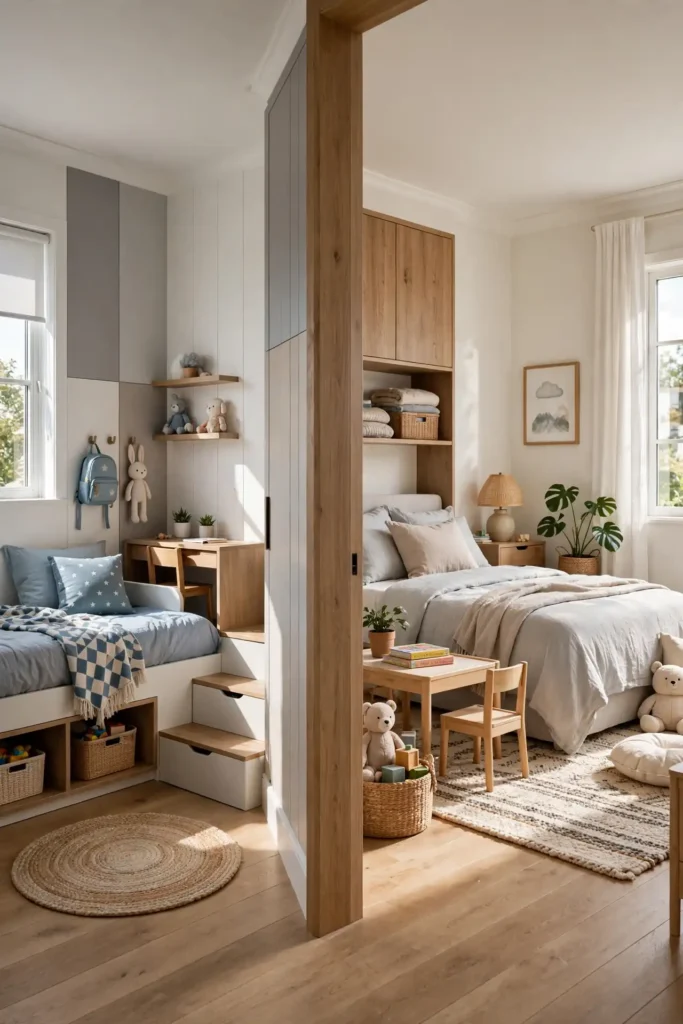
Small Vs Large Rooms
| Feature | Small Room | Large Room |
|---|---|---|
| Bed | Loft or bunk | Standard bed |
| Storage | Vertical walls | Dressers, closets |
| Play | Fold away zones | Dedicated area |
| Zones | Combined | Separated |
Small and large rooms both raise happy kids. Small demands vertical thinking while large allows sprawling zones. Each size has strengths. Small teaches efficiency. Large allows sprawl. Small teaches efficiency. Large allows sprawl. Work with what you have. Constraints spark creativity. The room will shine. Thoughtful layouts succeed anywhere. The design delivers. Work with what you have.
Decor Rules
Do:
- Let kids choose their bedding.
- Display their artwork proudly.
- Keep breakables out of reach.
Don’t:
- Don’t decorate over their heads.
- Don’t choose precious fabrics.
- Don’t forget growth space.
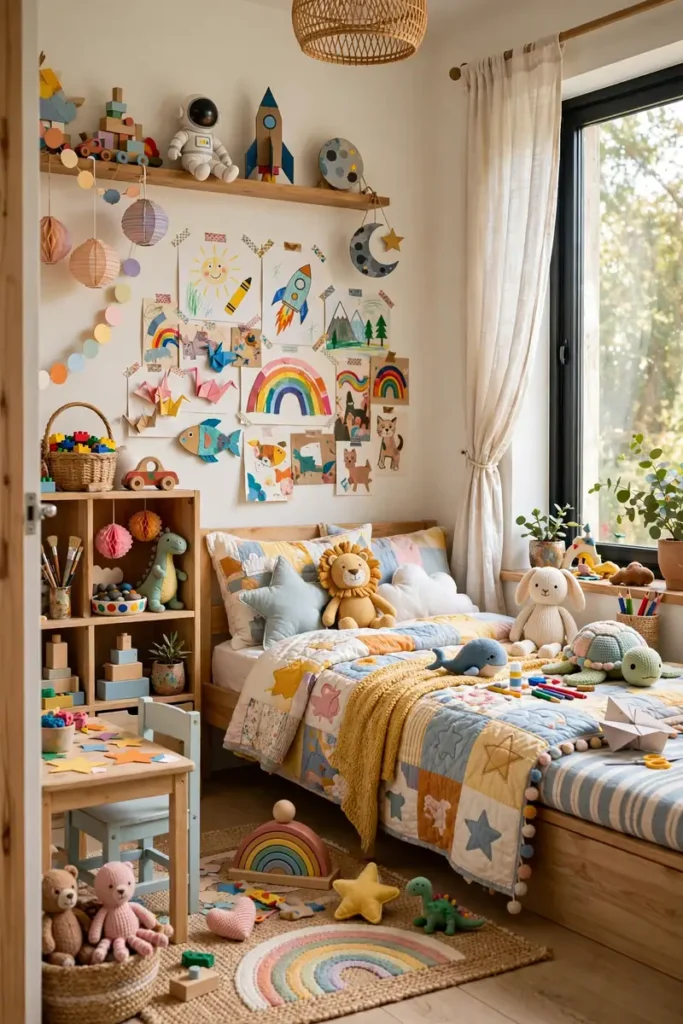
Decor rules honor the child’s voice. Their room should reflect them. Personal touches build identity. The space feels owned. Personal touches mark territory. The space feels owned. Personal touches mark territory. The child belongs. Participation builds pride. Chosen bedding gets loved. Their pick, their pride. The bed becomes theirs. The room becomes theirs.
Growth Facts
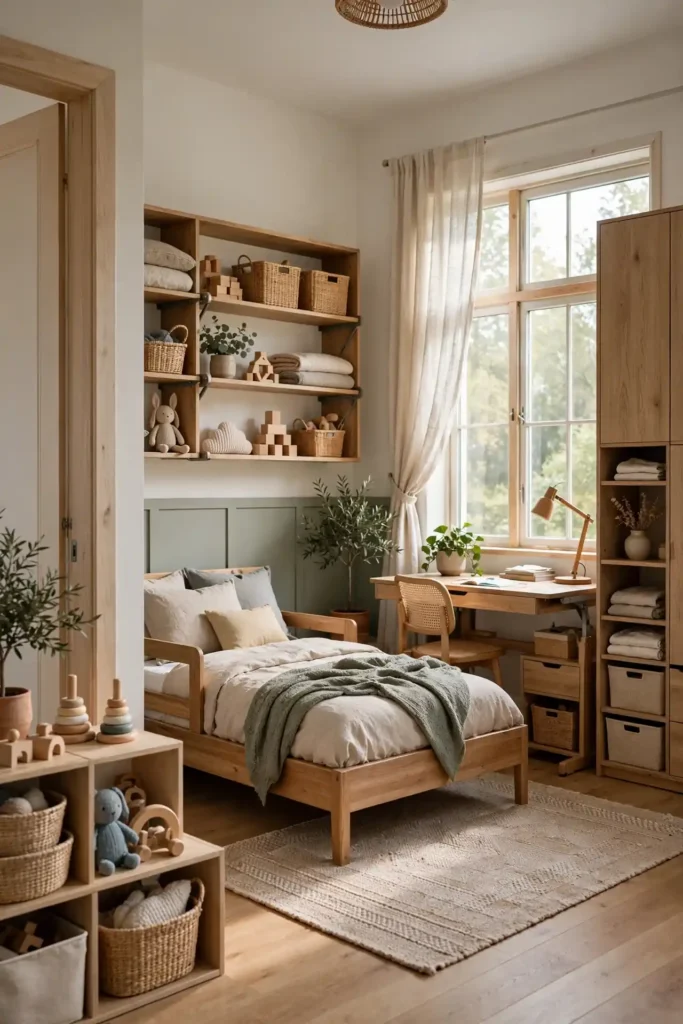
Bed: Full size beds last through teen years. Desk: Adjustable height grows with them. Storage: Modular systems adapt endlessly. Style: Neutral bases accept any phase.
Growth facts save money long term. Buy once for many years. Quality outlasts phases. Solid furniture survives trends. The value compounds. The investment is wise. Quality outlasts phases. Solid furniture survives trends. The value compounds. Solid furniture survives trends. The value compounds. The investment compounds. The room evolves gracefully. Neutral bases accept change. New themes layer easily. The foundation holds. The design adapts.
Desk Height Guide
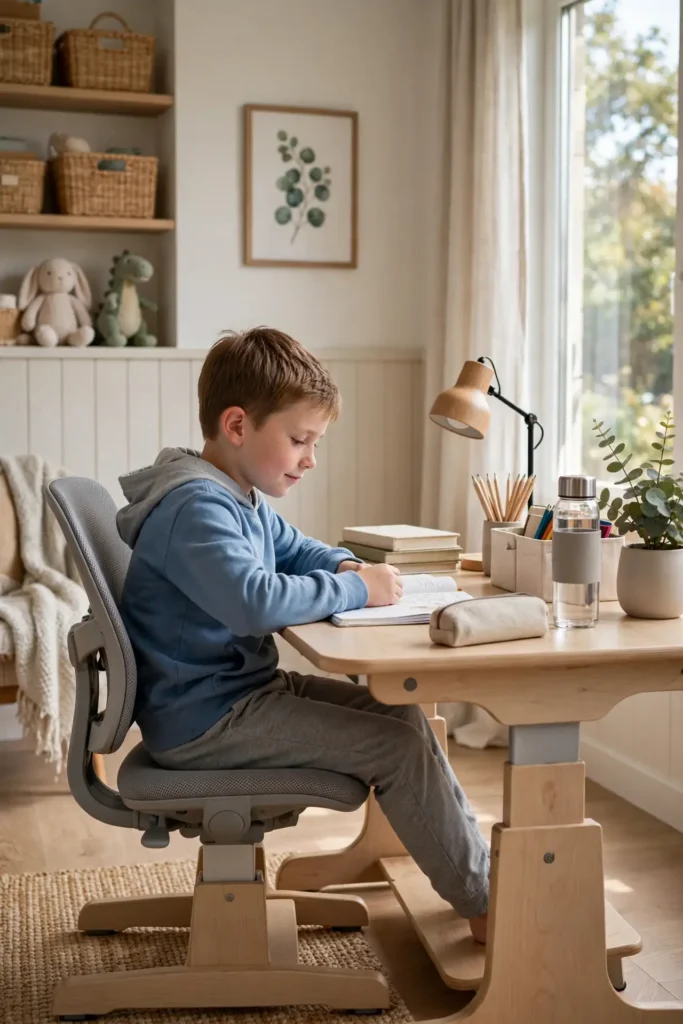
The right desk height protects growing spines. Elbows should rest at ninety degrees. Feet must touch the floor flat. Dangling legs distract learners. Footrests solve the gap. The posture improves. Footrests solve the gap. The posture improves. The posture matters.
Adjustable desks solve the growth problem. The height adapts yearly. Comfort sustains concentration. The back stays straight. The investment pays in posture. I’ve noticed that comfortable kids focus longer. The investment pays in posture. Good habits form young. The spine thanks you. Early habits protect backs. The care shows.
Rug Play Zones
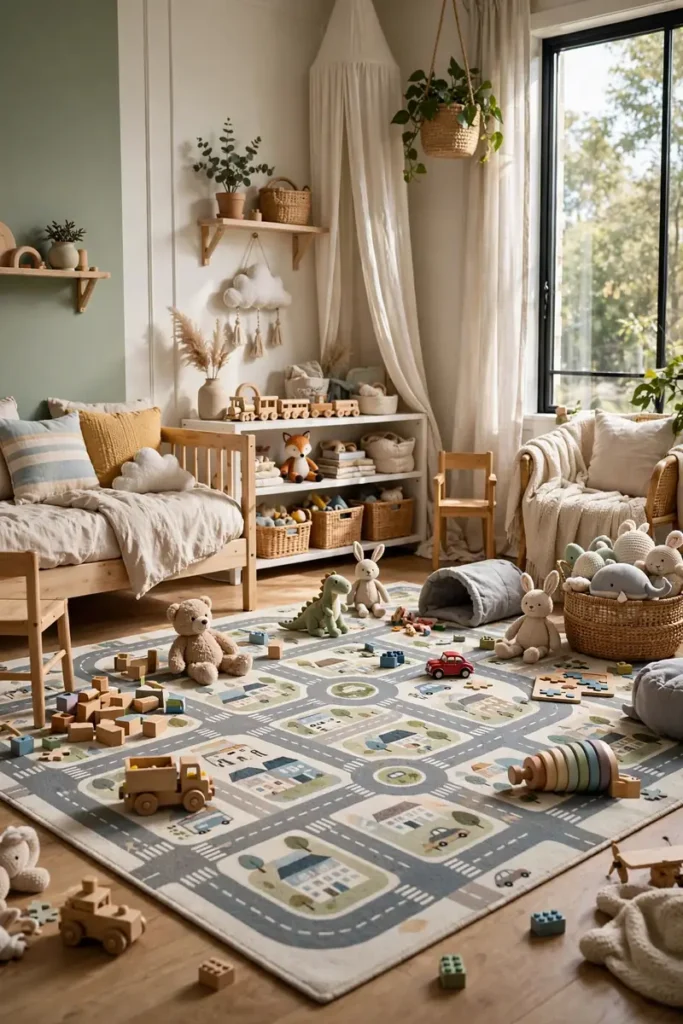
- A large rug defines the play zone clearly. The boundary contains the joyful mess.
- Choose washable low pile rugs. Spills and crafts happen daily.
- Round rugs soften room corners. The shape invites gathering.
- Layer rugs for extra coziness. Soft floors welcome bare feet.
Rug zones organize play beautifully. The soft surface cushions tumbles. Falls happen softly here. Thick pile protects knees. The play feels safe. The rug protects. Play belongs on the rug. The zone defines the activity. Play belongs on the rug.
Night Light Trick
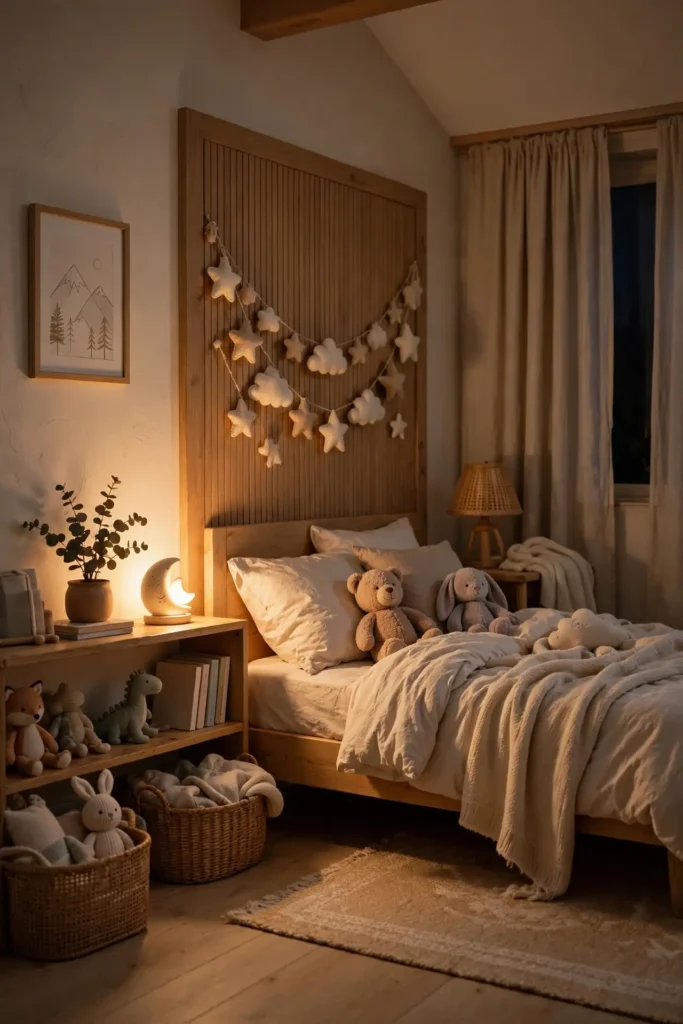
Quick Tip: Place a warm night light on the path to the door, not right by the bed. The gentle glow guides nighttime bathroom trips without fully waking your child. Choose amber tones that protect sleep, and the nights become calmer for everyone. Blue light disrupts rest. Screens stay out of bedrooms. The amber protects. Warm glow soothes.
Night lights ease bedtime fears. The soft glow comforts small children. Darkness feels less scary. A gentle glow reassures. The fear fades. The light watches over. Sleep comes easier in gentle light. Calm rooms invite rest. Bedtime battles fade. Calm routines win nights. The peace spreads.
Closet Upgrade
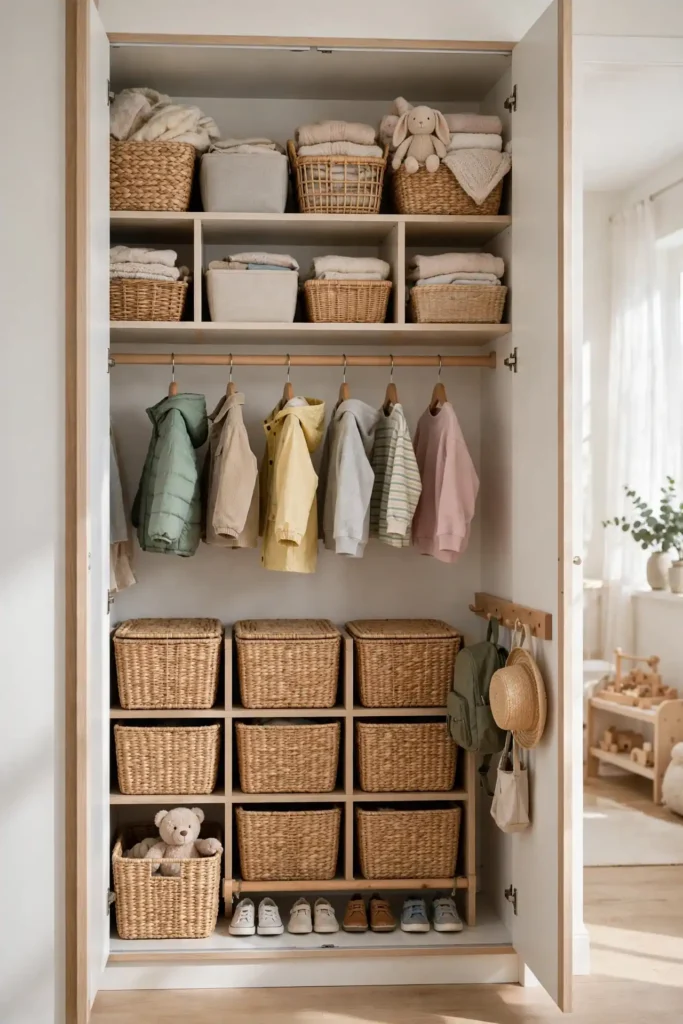
BEFORE: The closet held a jumble of outgrown clothes. Nothing was reachable or organized. High rods frustrated small arms. Out of reach means unused. The design failed. The closet felt useless.
AFTER: Low rods and labeled bins now suit small hands. The child dresses independently. Morning battles end here. Dressed kids start calm. The day begins well. Pride grows daily.
Closet upgrades build morning independence. Kid height systems empower children. Independence builds confidence. Self dressed kids beam. The pride shows. The mornings flow. The mornings run smoother. Dressed kids mean calm starts. The routine flows. The house relaxes. The routine works.
Homework Steps
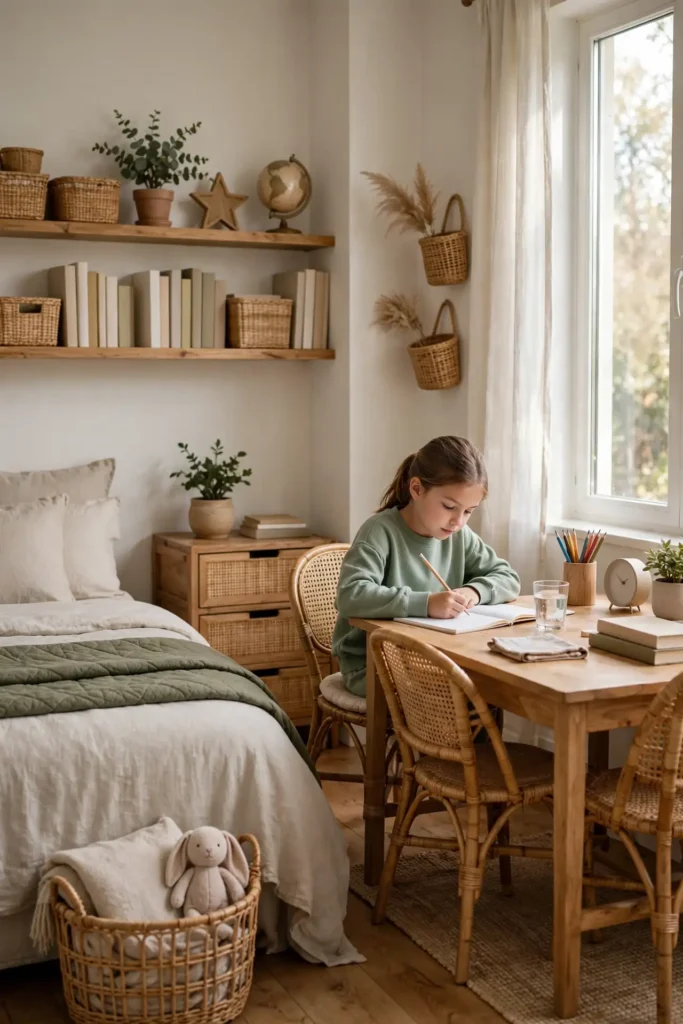
- Set a consistent homework time daily. Routine removes the negotiation. Same time daily ends debates. The clock decides, not parents. The peace holds. The schedule rules.
- Clear the desk before starting. Clean surfaces focus young minds. Clutter distracts learners. The desk invites work. Clean space calls focus. The mind settles.
- Keep a visible timer for tasks. Time awareness builds discipline. Visible timers teach pacing. The ticking guides effort. The skill builds. The skill lasts.
- Celebrate completion with play time. Rewards reinforce the habit. Play after work motivates. Earned fun tastes sweeter. The deal works. The cycle sustains.
Homework steps turn dread into routine. The structure comforts children. Predictability feels safe. Known routines calm. The child trusts. The routine soothes. Consistency builds success. Daily practice compounds. Small efforts accumulate. The mastery grows. The grades follow.
Shared Vs Solo
| Feature | Shared | Solo |
|---|---|---|
| Privacy | Divided zones | Full room |
| Storage | Labeled halves | Personal system |
| Play | Together space | Friend zone |
| Bedtime | Staggered routines | Own schedule |
Shared and solo rooms both work wonderfully. Shared teaches compromise. Solo builds independence. Each arrangement shapes character. Both paths work. Shared teaches compromise while solo builds independence. Each arrangement shapes character. Shared builds empathy. Solo builds self reliance. Shared builds empathy. Solo builds self reliance. Both paths work. Design for the children you have. Their needs guide the plan. Actual children, real rooms. The design serves. The layout serves them.
Sibling Rules
Do:
- Give each child defined territory.
- Respect quiet hours together.
- Share common toys fairly.
Don’t:
- Don’t compare the two sides.
- Don’t allow borrowing without asking.
- Don’t ignore conflict signals.
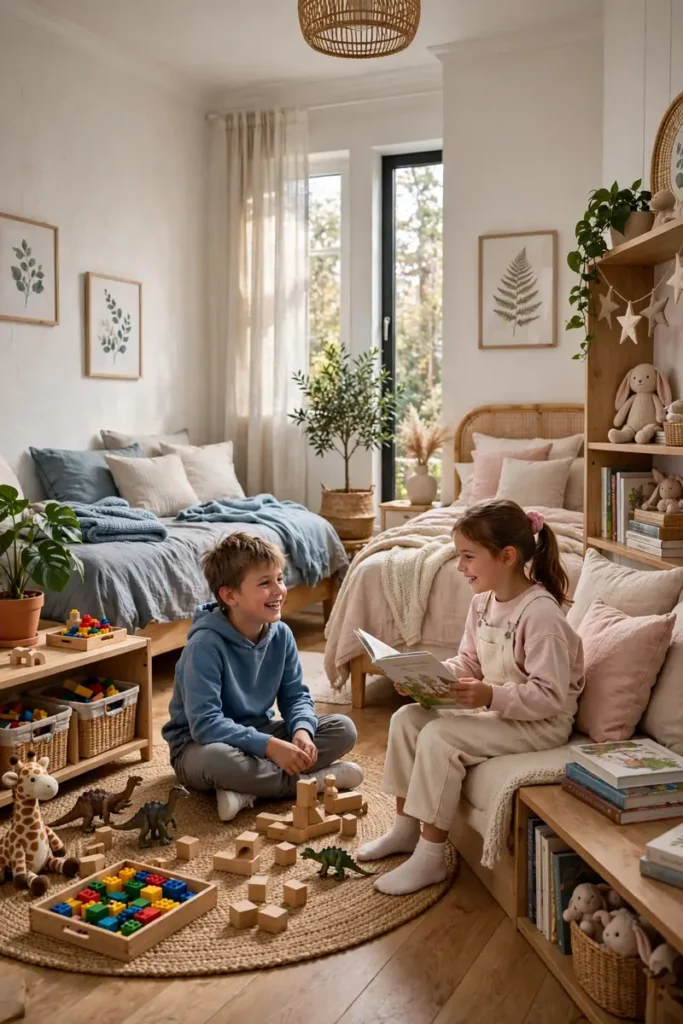
Sibling rules keep shared rooms peaceful. Fair systems prevent resentment. Equal zones feel just. Fairness prevents fights. The balance holds. The room teaches life skills. Equal zones feel just. Fairness prevents fights. The balance holds. Fairness prevents fights. The balance holds. The peace holds. The room teaches life skills. Sharing builds character. Negotiation teaches empathy. The lessons endure. The lessons last.
Conclusion
These kids bedroom layouts prove thoughtful planning raises happier kids. From bunk zones to sibling rules, each idea makes children’s rooms fun and organized. The right layout turns chaos into calm beautifully. Your children deserve rooms that work as hard as they play. Start with one layout idea today and watch the difference. The right layout turns chaos into calm beautifully. Which layout will you try first? Save your favorites on Pinterest, start your kids’ room refresh this weekend, and share this guide with a parent friend. Happy, clever spaces start with one thoughtful layout, so begin yours today.
2 Comments