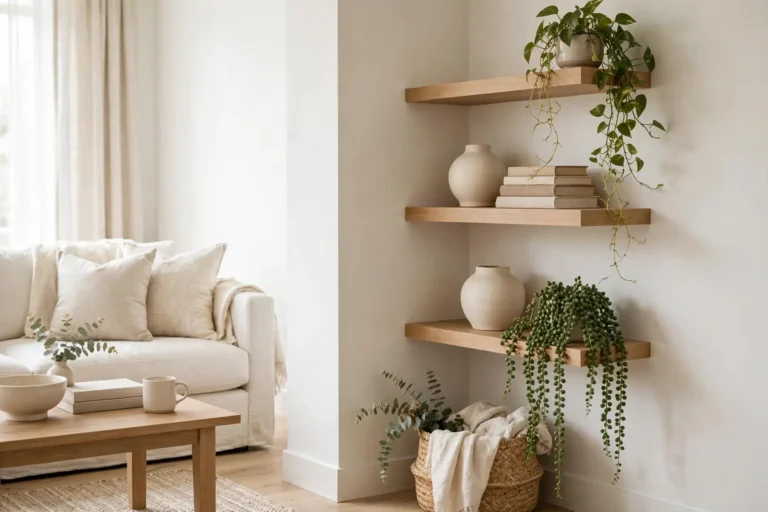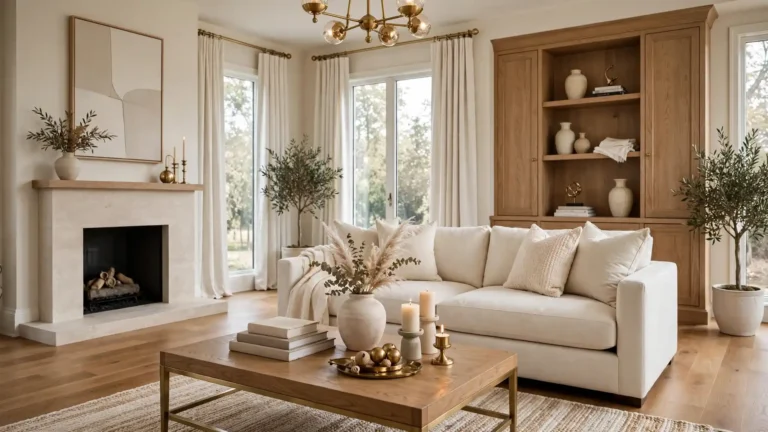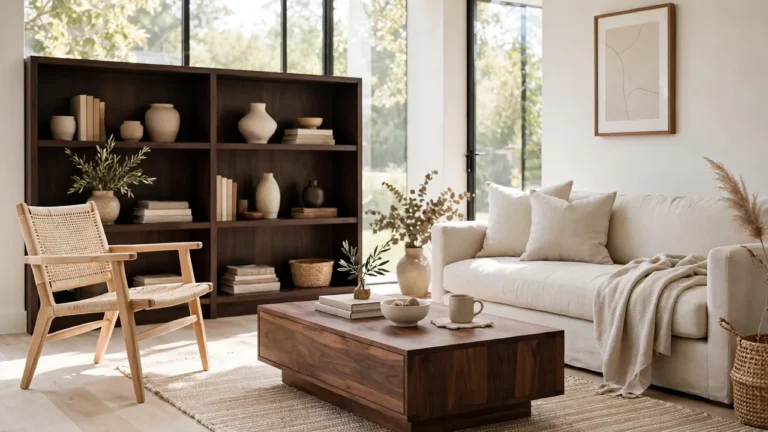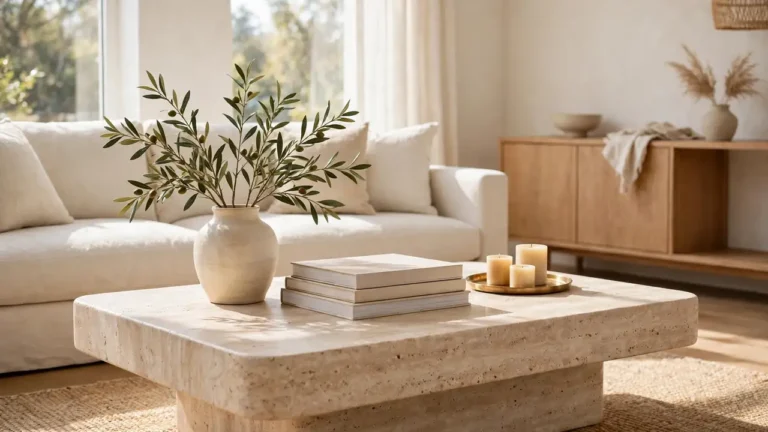
How to Decorate a Living Room With Two Focal Points
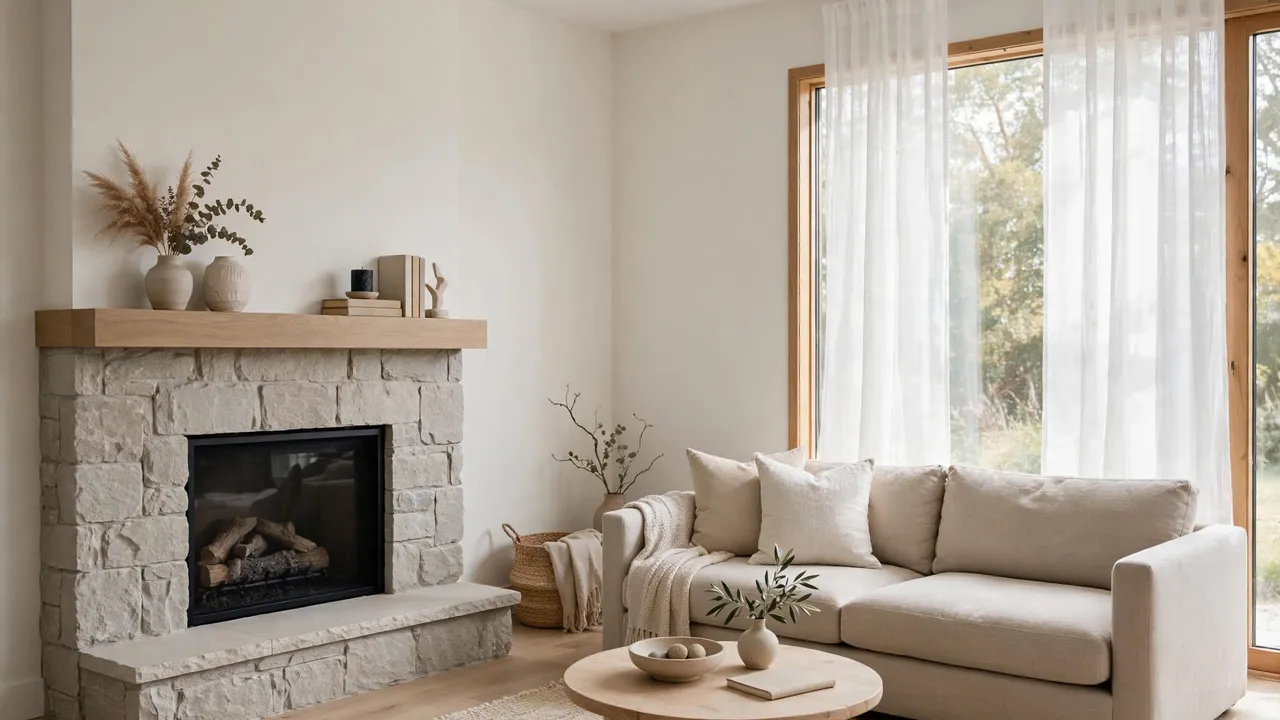
A living room with a fireplace on one wall and a big window on another can feel pulled in two directions. Learning how to decorate a living room with two focal points gives each one a clear role so the room feels calm, not chaotic.
Most rooms have one natural star, but fireplaces, TVs, tall windows, and accent walls often compete. The good news: you do not have to hide one to make the other shine. The same balancing trick appears in guides like how to make a basement bedroom feel brighter and cozier for tricky small rooms.
This guide walks you through ten steps for styling two focal points that look good together. You will learn which one leads, how to balance their weight, and which mistakes to skip.
Name Your Two Focal Points
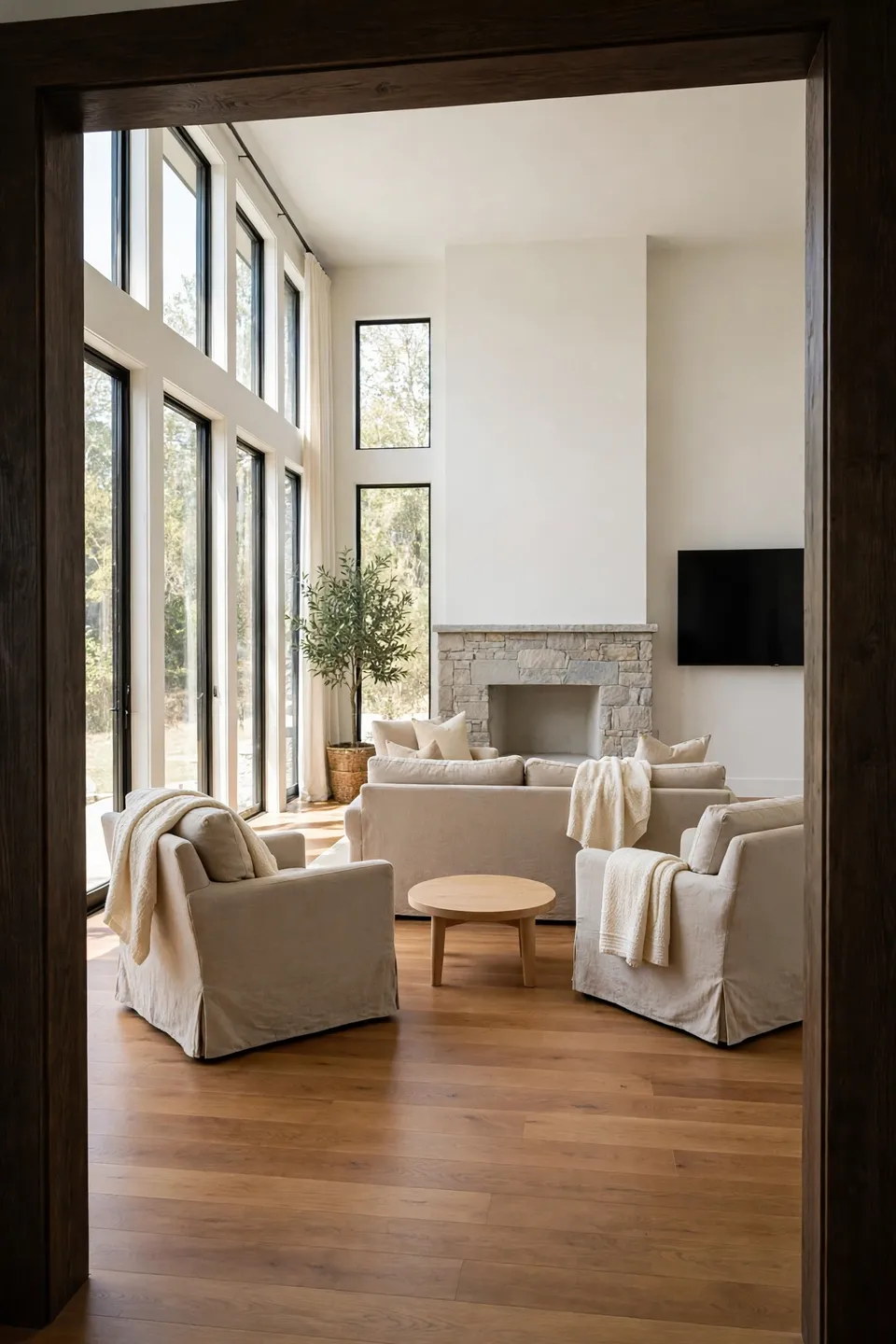
Stand in the doorway and notice where your eyes land first, then second. Those two spots are your focal points: maybe a fireplace and the TV, or a big window and an art-filled wall. Naming them is the starting line for the whole plan.
Write both down on paper before you move a single cushion. A clear list keeps you honest when one feature starts stealing attention later. It also makes every styling choice easier, because you can ask: does this support one of my two stars, or distract from them?
Decide Which Focal Point Leads
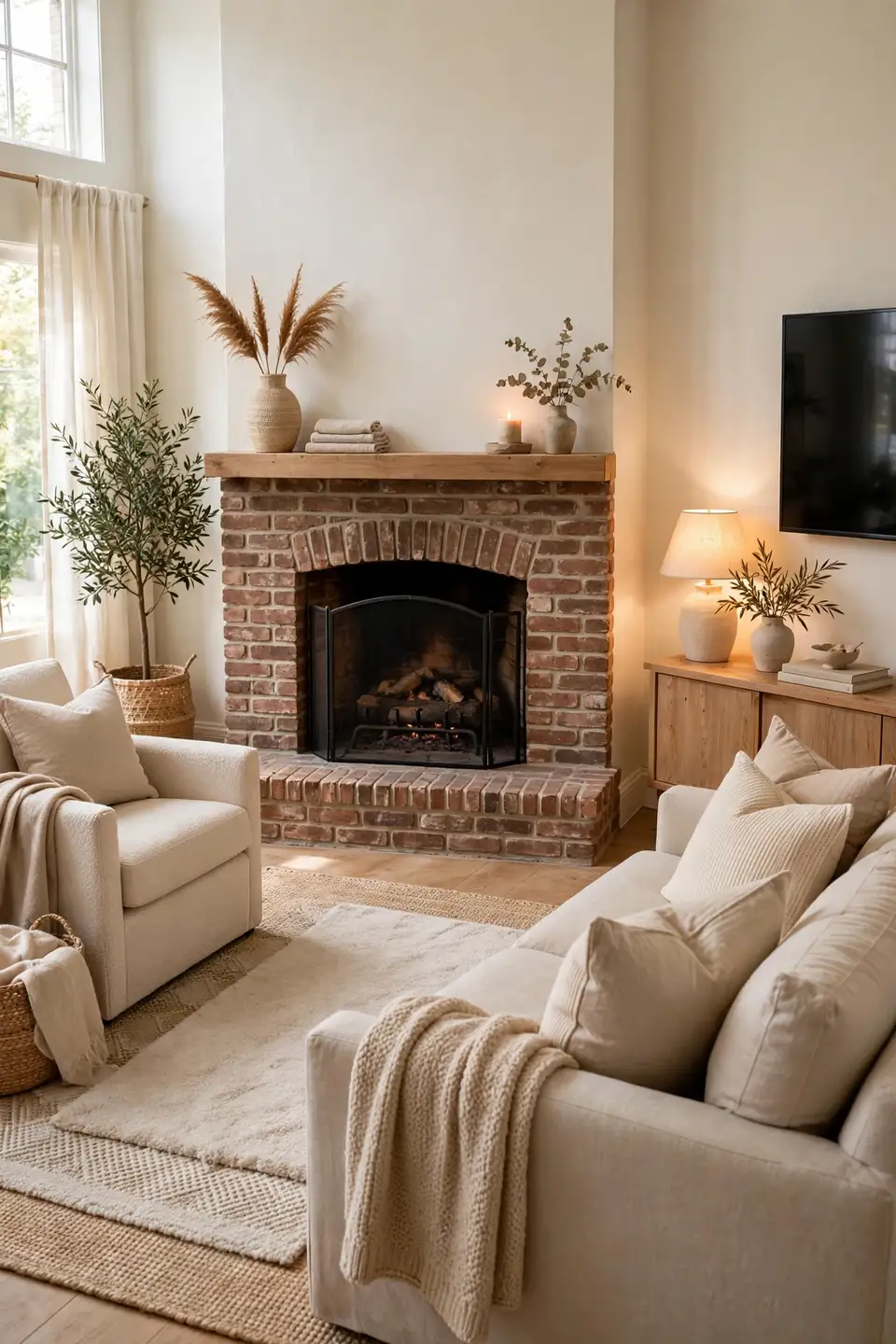
Every room needs a main event. When two features compete equally, nothing feels settled and the eye bounces around. Choosing a lead gives your eye a starting point and assigns the second feature a supporting role that lifts the room.
- Compare the two features by size, light, and daily use. The one you gather around most often usually earns the lead.
- In a room with a fireplace and a TV, pick the fireplace for cooler months and let the TV lead the daily family setup if that is where life happens.
- If two spots still tie, give the win to the feature with better natural light. Daylight keeps attention longer without any extra styling.
- Tell everyone the choice. Saying the window is our star keeps future furniture moves from quietly flipping the hierarchy.
Balance Their Visual Weight
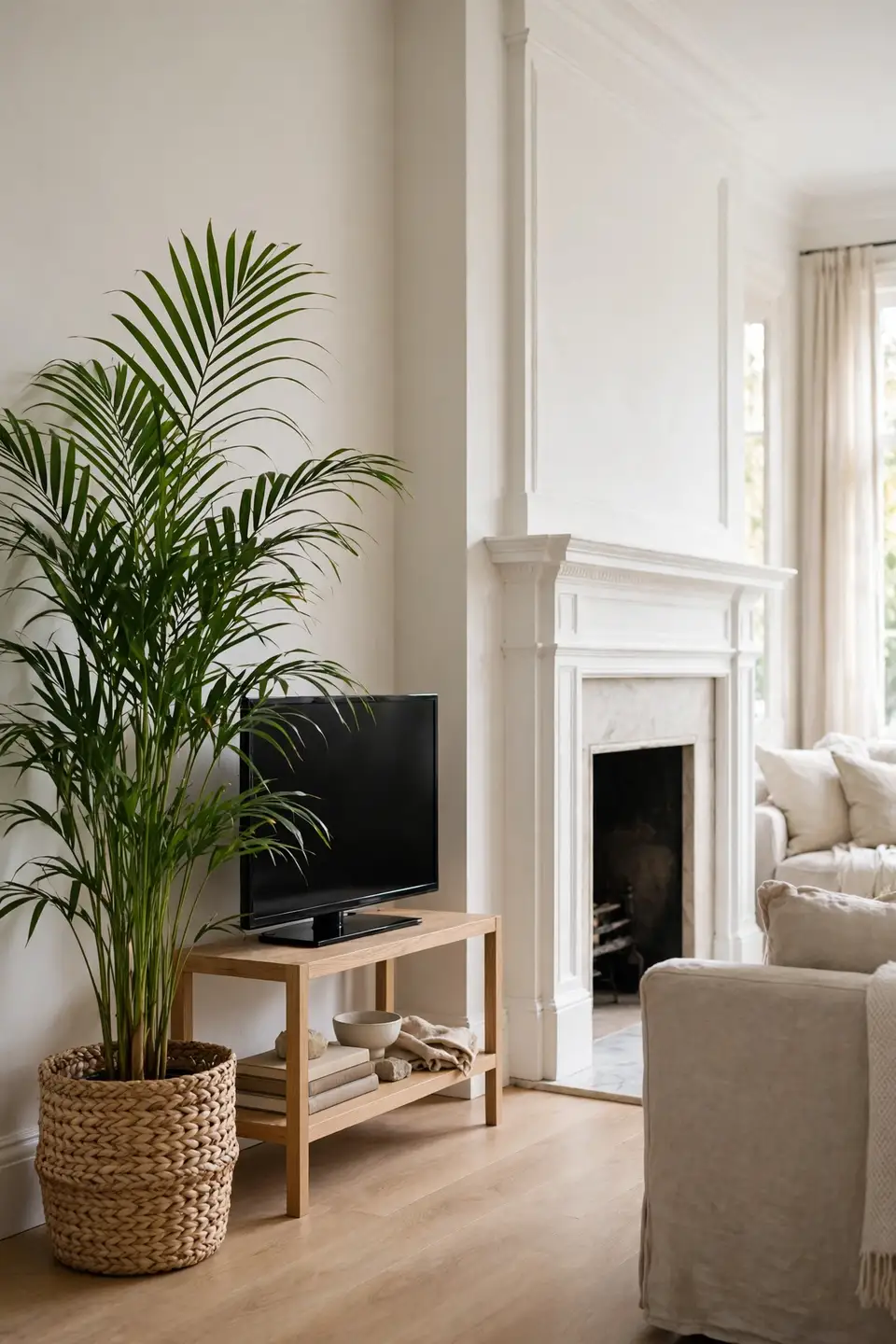
Quick Tip: Visual weight is not about size alone. A small dark fireplace can carry as much weight as a large bright window. Balance comes from pairing heavy with light, so add airy textiles or mirrors near the darker feature and richer color near the lighter one.
Stand back and squint at the room; both focal points should feel equally present. I have noticed that a tall plant beside a modest TV gives it the same pull as a grand fireplace. Check the balance from the doorway and your favorite seat, because each view tells a slightly different story.
Stop Giving Both Features Equal Styling
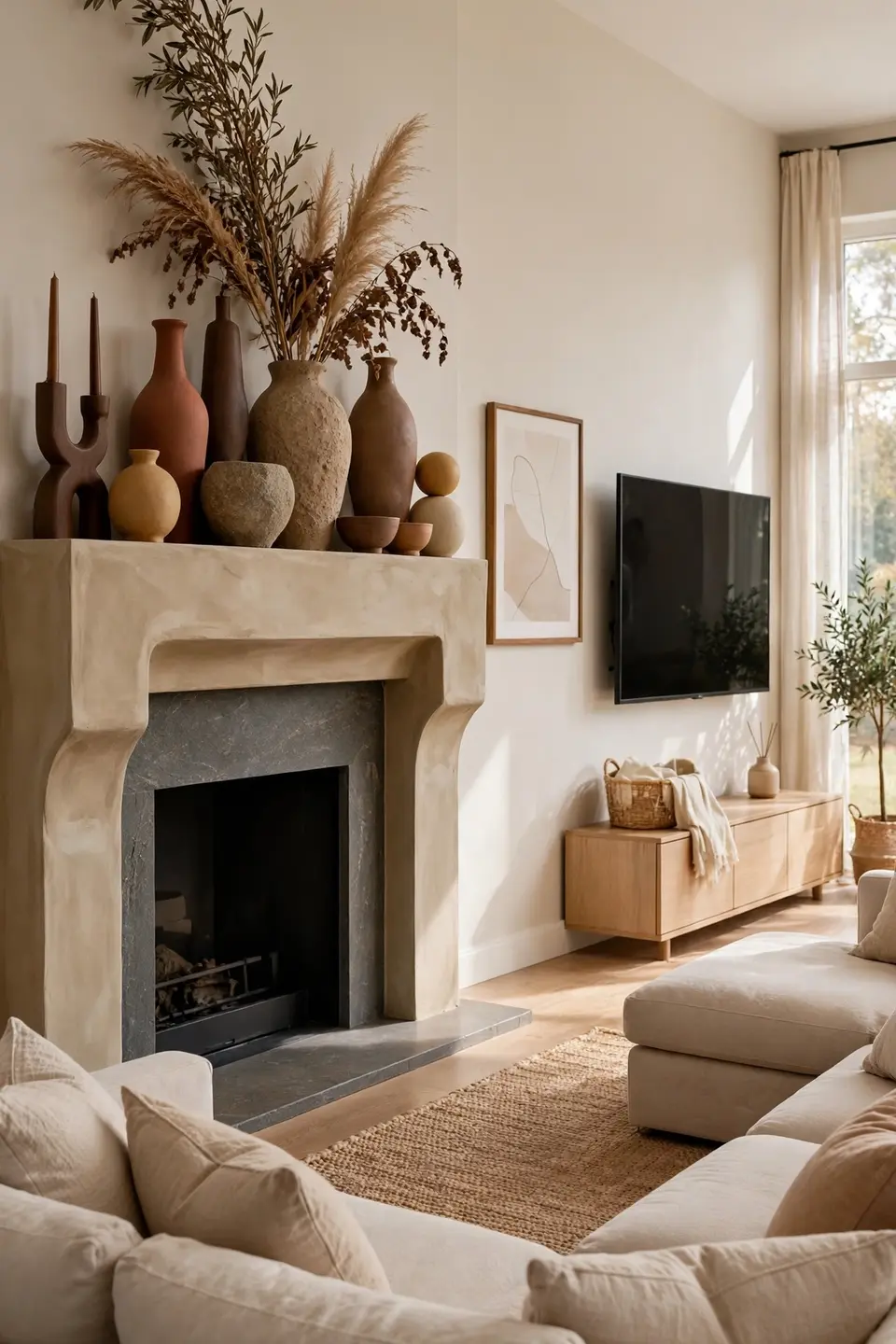
Common Mistake: Most people style both focal points with the same energy: framed art over the fireplace, an equally bold gallery around the TV. The result is a room with two loud voices and no clear story.
The Fix: Let the lead feature carry the drama and give the supporting one quieter styling. A bold mantel display plus simple, calm artwork beside the TV keeps the room interesting without the visual tug of war.
When each feature has its own role, decorating gets simpler. Keep the lead area rich with texture, color, and height. Style the supporting spot with fewer, calmer pieces that echo one color from the lead. The room then reads as one composed space instead of two half-finished ones.
Gather Styling Pieces for Both Spots
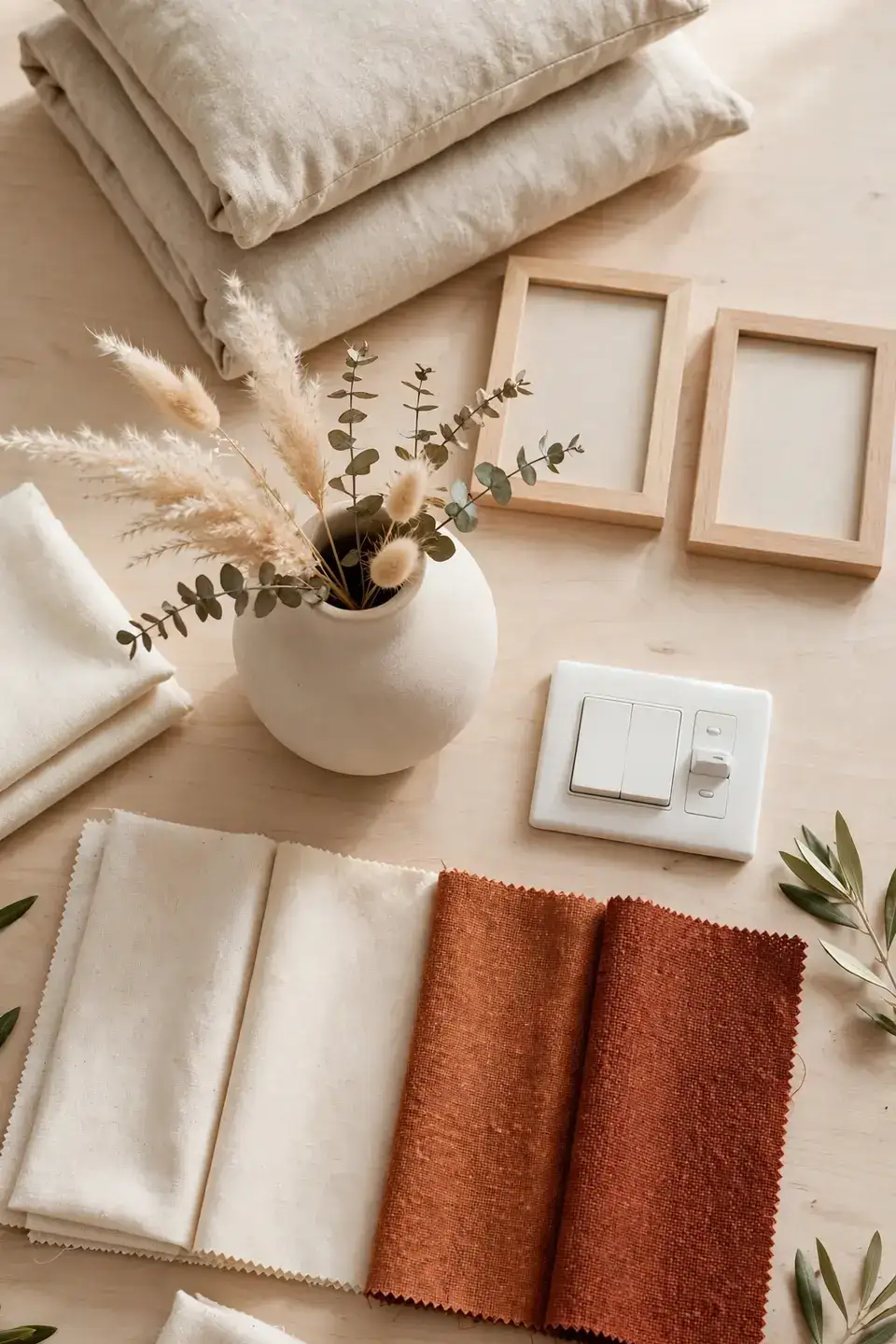
What You Need:
- A tall anchor piece (floor lamp, leaning mirror, or tree) to give the supporting feature height without extra clutter.
- One repeat color used in both focal areas, so the room feels connected instead of split.
- A large rug that touches both zones, grounding the seating and the second feature in one plan.
- Dimmer switches or smart bulbs, so you can turn down one focal point at night and let the other glow.
- Two or three simple frames or small decor items for the supporting area, kept calm and quiet.
Having the right pieces on hand keeps you from buying random decor mid-project. Lay everything out before styling, then place items one at a time and step back between each. The furniture discipline in guides like how to fit a dining table into a small open kitchen works here too: every piece earns its spot.
See the Room Before and After Balancing

BEFORE: The sofa faces the TV while the fireplace sits off to the side, half ignored. Both walls carry bold art, and every seat feels pointed at something different. The room looks busy, and guests never quite settle because their attention keeps splitting.
AFTER: The seating angles toward the fireplace, with the TV mounted on an adjacent wall styled simply beside it. One wall carries the drama, the other supports it. The same furniture now feels like one welcoming room instead of two zones fighting for votes.
That shift happens without buying anything new, just by reassigning roles. Once you see the calm version, it is hard to unsee the chaos of the old layout. Photograph the room from the doorway before and after so you can compare the two moods side by side and trust what you changed.
Angle Furniture Toward the Lead
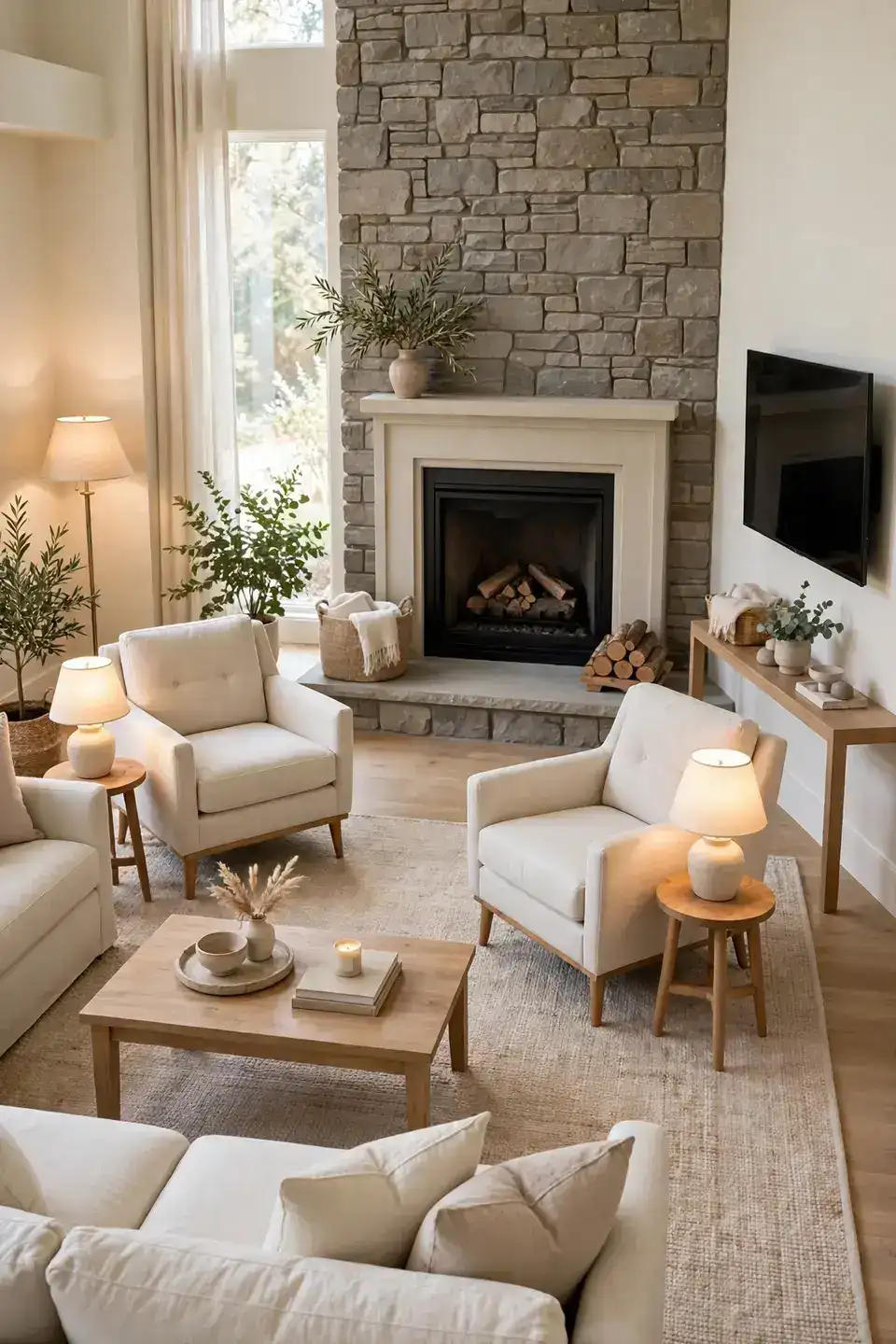
Do This:
- Angle the sofa and chairs toward the lead feature so seating forms a clear conversation zone.
- Place the second feature on an adjacent wall where it reads as a pleasant side view, not a rival.
- Leave breathing room between zones so the eye can rest when traveling from one star to the other.
- Repeat one material or color in both areas to stitch the room together visually.
Avoid This:
- Pointing the sofa dead center between both features so nobody faces either one comfortably.
- Hanging two large statement pieces on opposite walls that shout at equal volume.
- Filling the path between focal points with tall furniture that blocks the visual connection.
- Adding a third competing element, like a bright accent wall, before the first two are settled.
Furniture placement is where the plan becomes real. Test the angles by sitting in each seat for a minute and noticing which feature you face naturally. If your body turns toward the lead feature without effort, the layout is working. Small adjustments to chair angles often fix the room faster than moving the heavy pieces.
Two Focal Points at a Glance
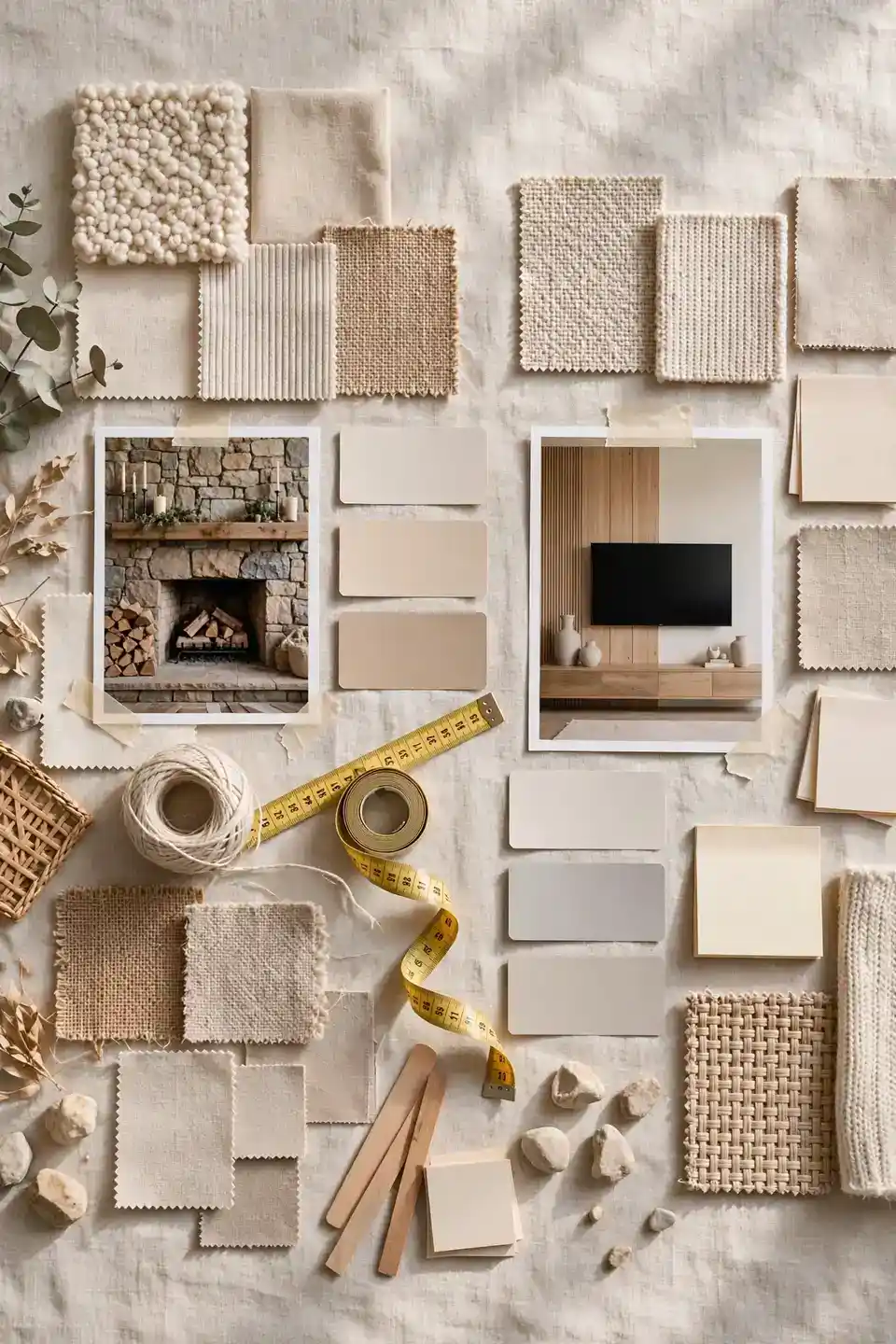
Best Starting Point: Stand in the doorway and note the two spots your eyes hit first.
Effort Level: One afternoon of rearranging plus a styling pass.
Budget: Mostly free; spend only on small styling pieces if needed.
Biggest Win: A room that feels calm and pulled together instead of visually noisy.
Keep these facts in mind when the project feels bigger than it is. Most of the work is deciding roles and angles, not shopping. I have seen single afternoons settle rooms for good. Write your two focal points on a sticky note and keep it visible while you style the room.
Tie Them Together With Color and Light
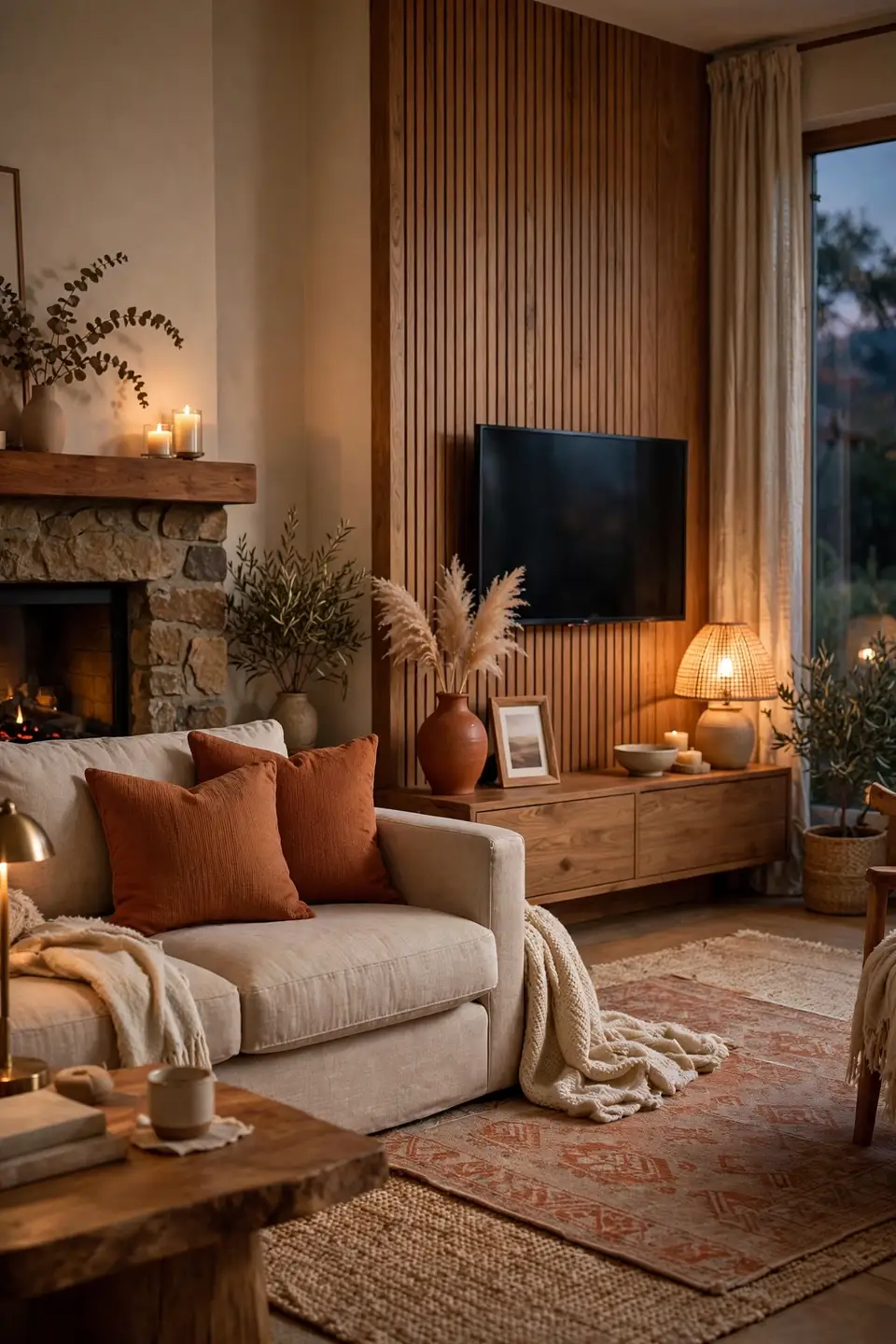
Two focal points need a shared thread or the room splits in half. Pick one color from the lead feature and repeat it quietly near the second one: a throw pillow, a small frame, a vase in the same tone. The eye reads the repetition as connection.
Lighting does the same job after dark. A matching pair of lamps, or dimmers set to the same warm level, makes both areas glow as one room. In my experience, the shared thread matters more than matching styles. A modern lamp and a vintage frame can coexist happily if they share a color.
Do a Final Walk-Through Before You Call It Done

The last step is checking your work from every angle a guest would see. A quick walk-through catches small imbalances that looked fine from the sofa. Give the room one honest review before you relax, and fix anything that pulls your eye for the wrong reason.
- Stand in the doorway and check that the lead feature reads first and the second one supports it.
- Sit in each seat and confirm the view feels intentional, not like you are caught between two rooms.
- Dim the lights in the evening and make sure one area glows as the clear star while the other stays calm.
- Snap photos from three angles. The camera reveals clutter and imbalance your eyes have learned to ignore.
Conclusion
Once you learn how to decorate a living room with two focal points, tricky layouts stop feeling like problems and start feeling like character. Pick a lead, quiet the supporting feature, and tie them together with color and light.
Save this guide to your living room board on Pinterest so you can revisit the steps when you restyle. I have seen how settling the roles of two features can make a whole home feel calmer. Start with the doorway test today, and enjoy a room that finally feels like one.