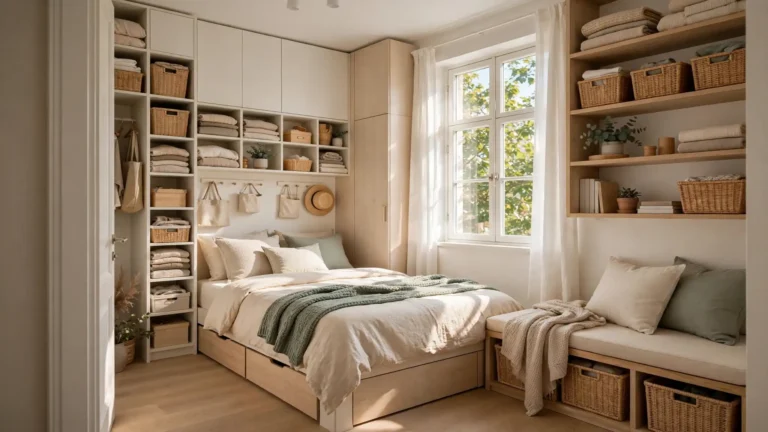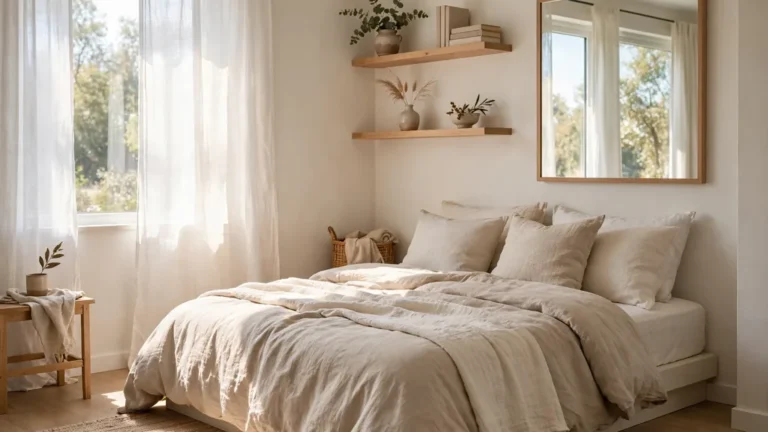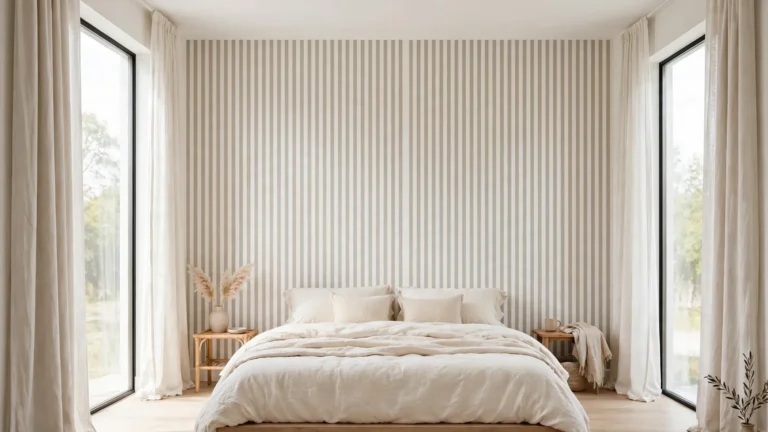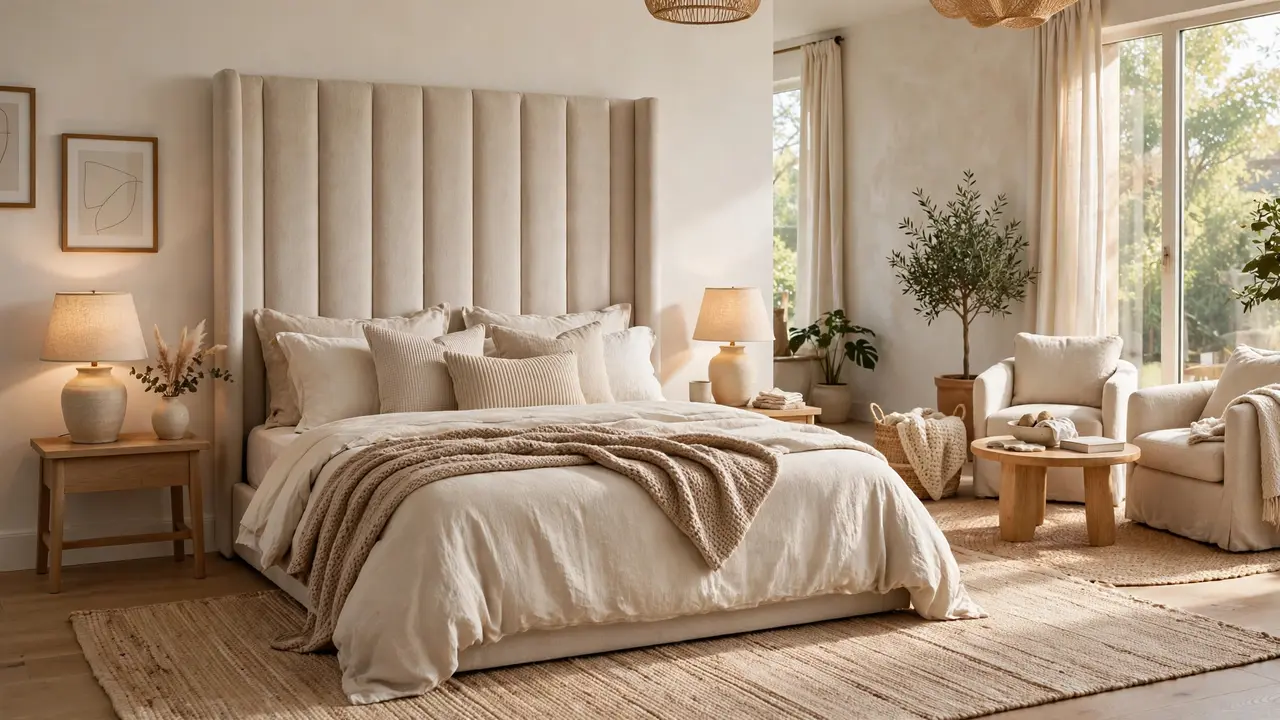
How to Decorate a Large Bedroom Without Making It Feel Empty
A big bedroom should feel like a gift, yet many homeowners stare at the open floor space and wonder why it feels cold. The secret behind how to decorate a large bedroom without making it feel empty is treating the room like several small zones.
When every corner has a purpose, the room feels intentional and warm rather than echoing and bare. This guide walks through ten practical ways to fill the space with balance, starting with the bed and ending with the small details that pull it all together.
Bright white walls can bounce light around and make extra space feel even more cavernous, so pairing these ideas with how to make a room with white walls feel warmer helps the room feel snug from every angle.
Start With a Large Statement Bed
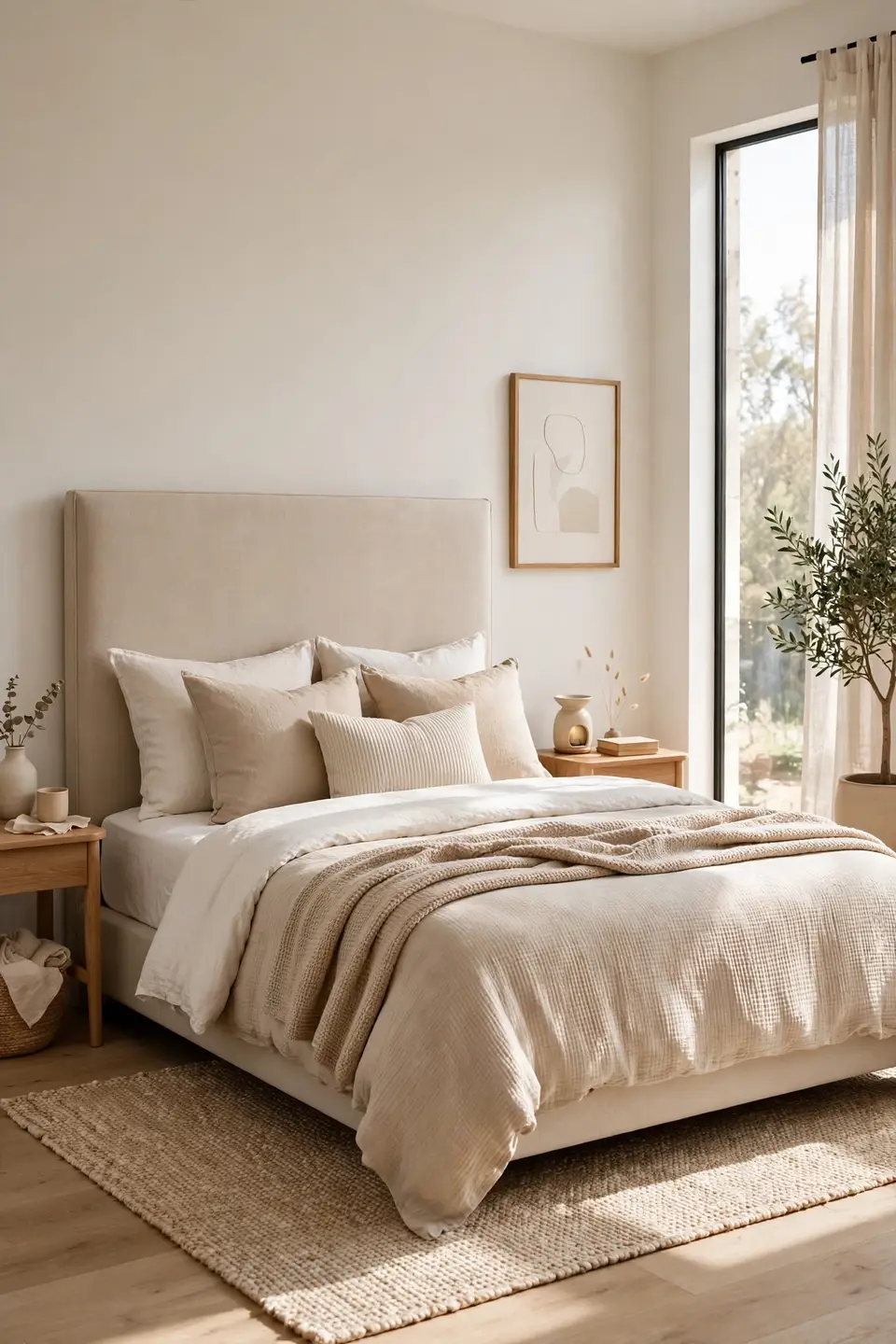
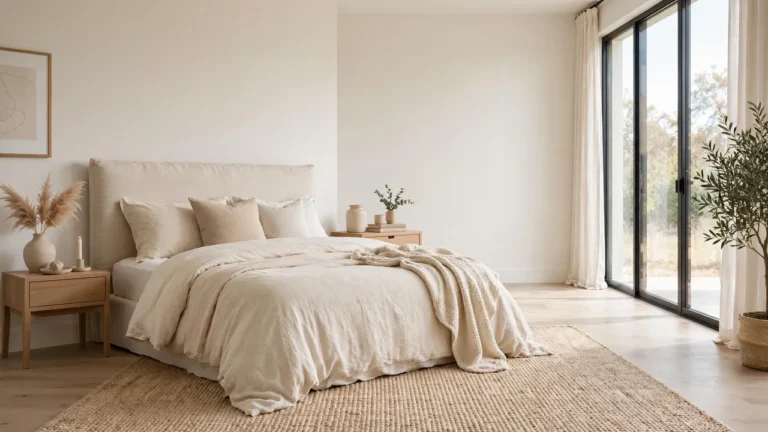
The bed sets the scale for everything else, so choose the biggest one the room can handle without blocking walkways. A king or a grand upholstered queen with a tall headboard gives the eye a clear focal point and instantly makes the space feel proportioned. Small beds disappear in large rooms, leaving the floor to look even emptier.
Layer it generously with a quilt, a folded throw, and four to six pillows in mixed textures. That built-up softness adds visual weight, which is exactly what a big room needs to feel grounded and inviting.
Divide the Room Into Cozy Zones
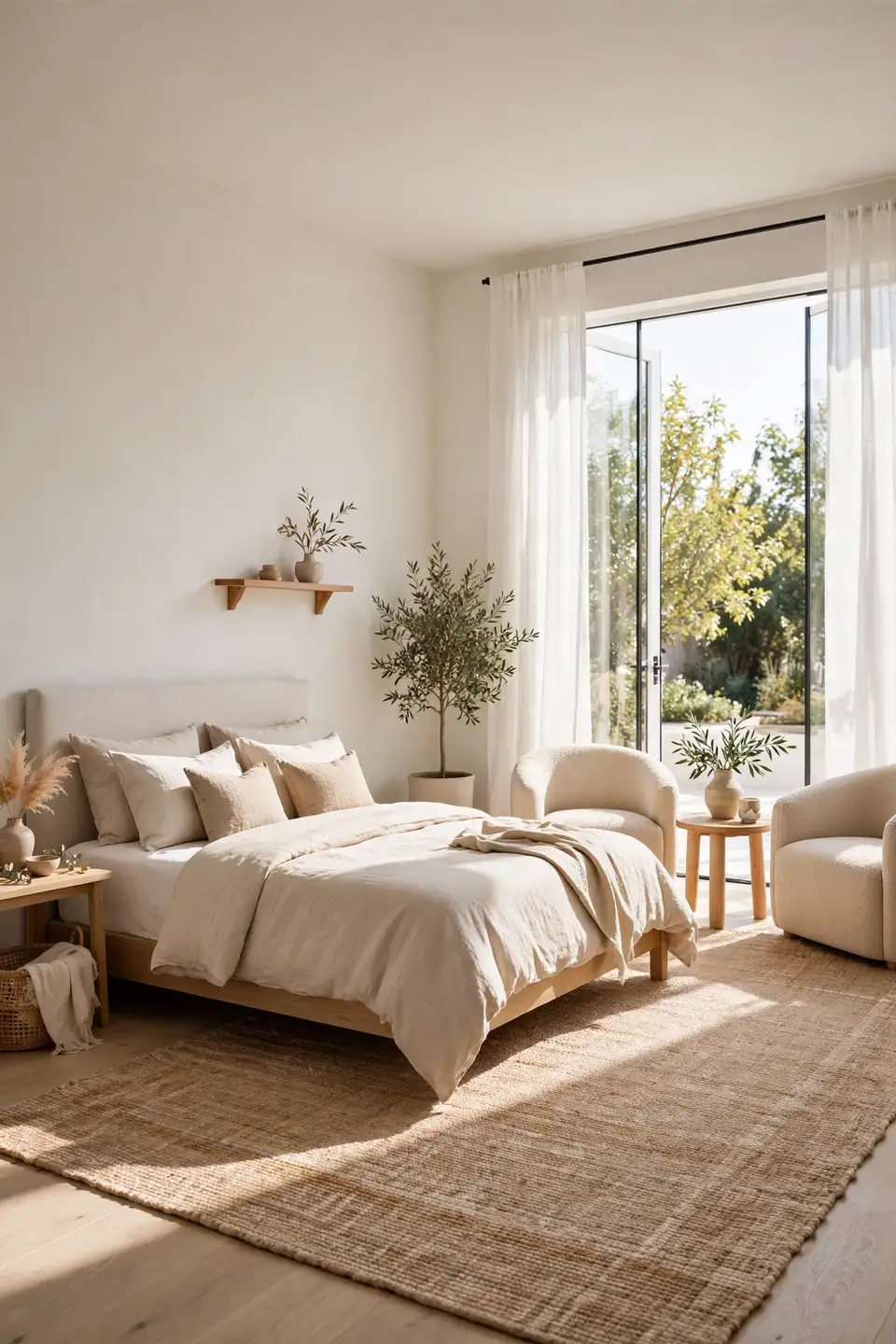
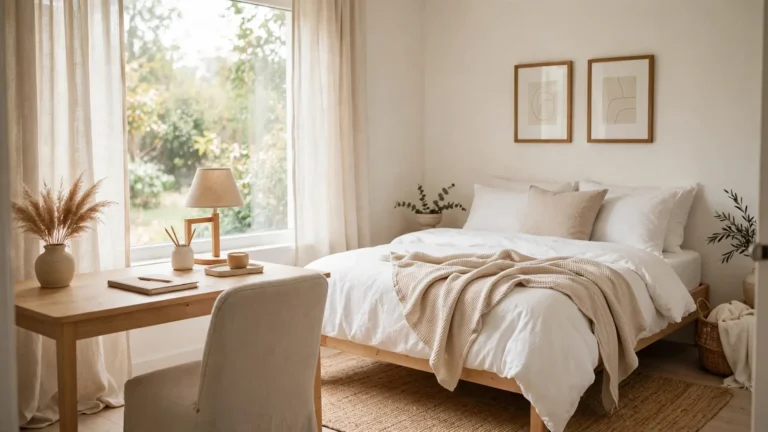
One giant open bedroom feels cavernous, but three small zones feel like a private suite. Mentally split the floor into a sleep zone, a sitting zone, and a dressing or reading corner, then furnish each one like its own little room. Start with the bed, then move outward to chairs, windows, and floors.
- Place the bed against the longest wall to anchor the sleep zone.
- Add two armchairs with a small table near a window for the sitting zone.
- Tuck a bench or a small desk into an empty corner for the third zone.
- Use a large area rug under each zone so the floor reads as connected, not scattered.
Anchor the Floor With an Oversized Rug

Quick Tip: Choose a rug large enough that the bed, nightstands, and the front legs of any nearby chair all sit on it. In a big bedroom, an 8×10 or 9×12 rug pulls scattered furniture into one family. Bare floor between pieces is what makes a room feel empty, so let the rug do the unifying.
Stop Pushing Everything Against the Walls
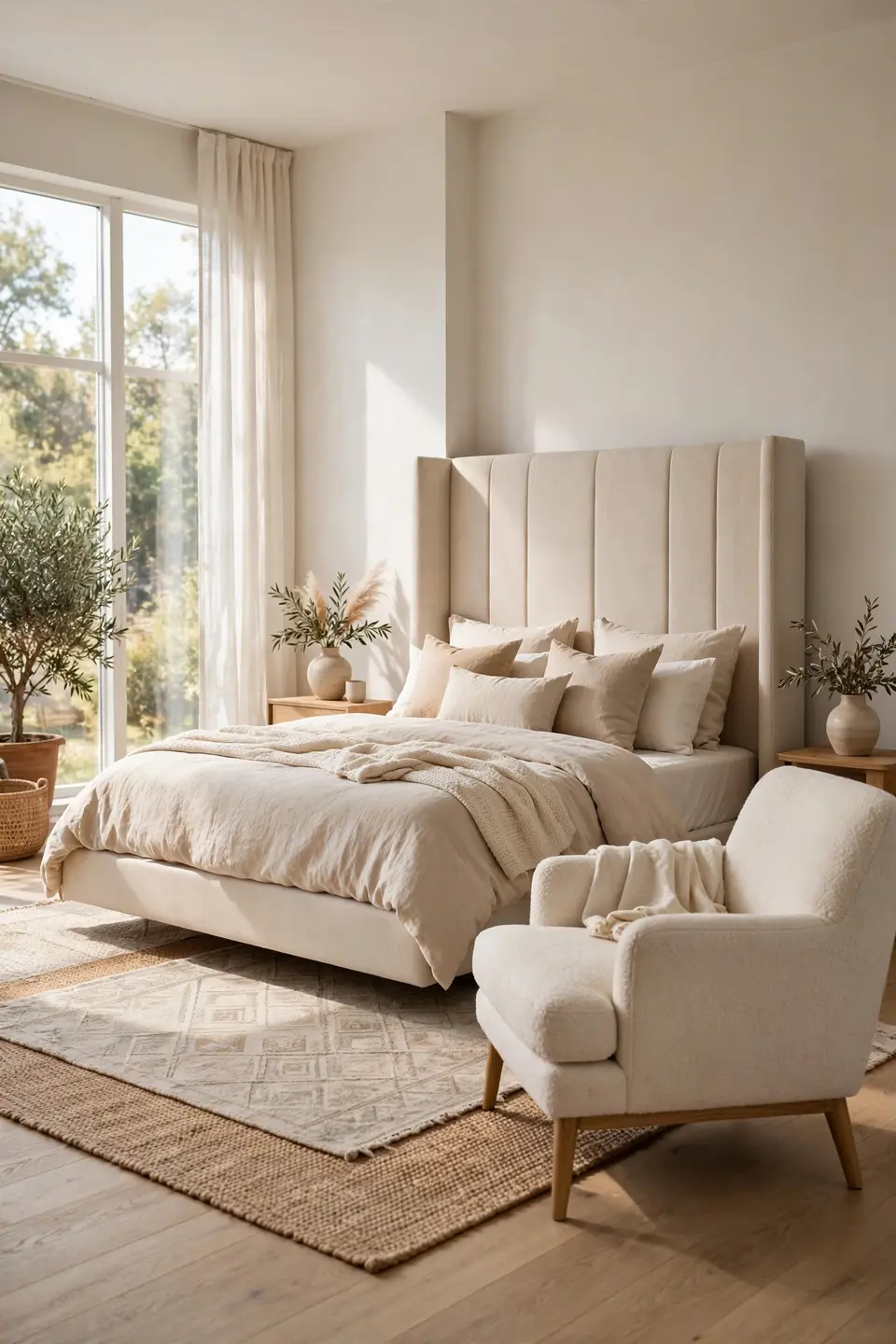
Common Mistake: Lining every piece of furniture along the walls leaves a dead empty pit in the center of the room. Many people do this hoping the space will look bigger, but it only emphasizes how much unused floor sits in the middle.
The Fix: Float the bed a few inches off the wall or angle a chair into the room so furniture occupies the middle ground. Filling the center breaks up the emptiness and makes the layout feel designed rather than abandoned.
This single shift changes the whole feeling of the room. When furniture lives in the middle of the floor instead of hugging the edges, the space reads as layered and intentional. Walk the room after rearranging and notice how the center now feels like part of the design.
Layer Pieces That Add Visual Weight
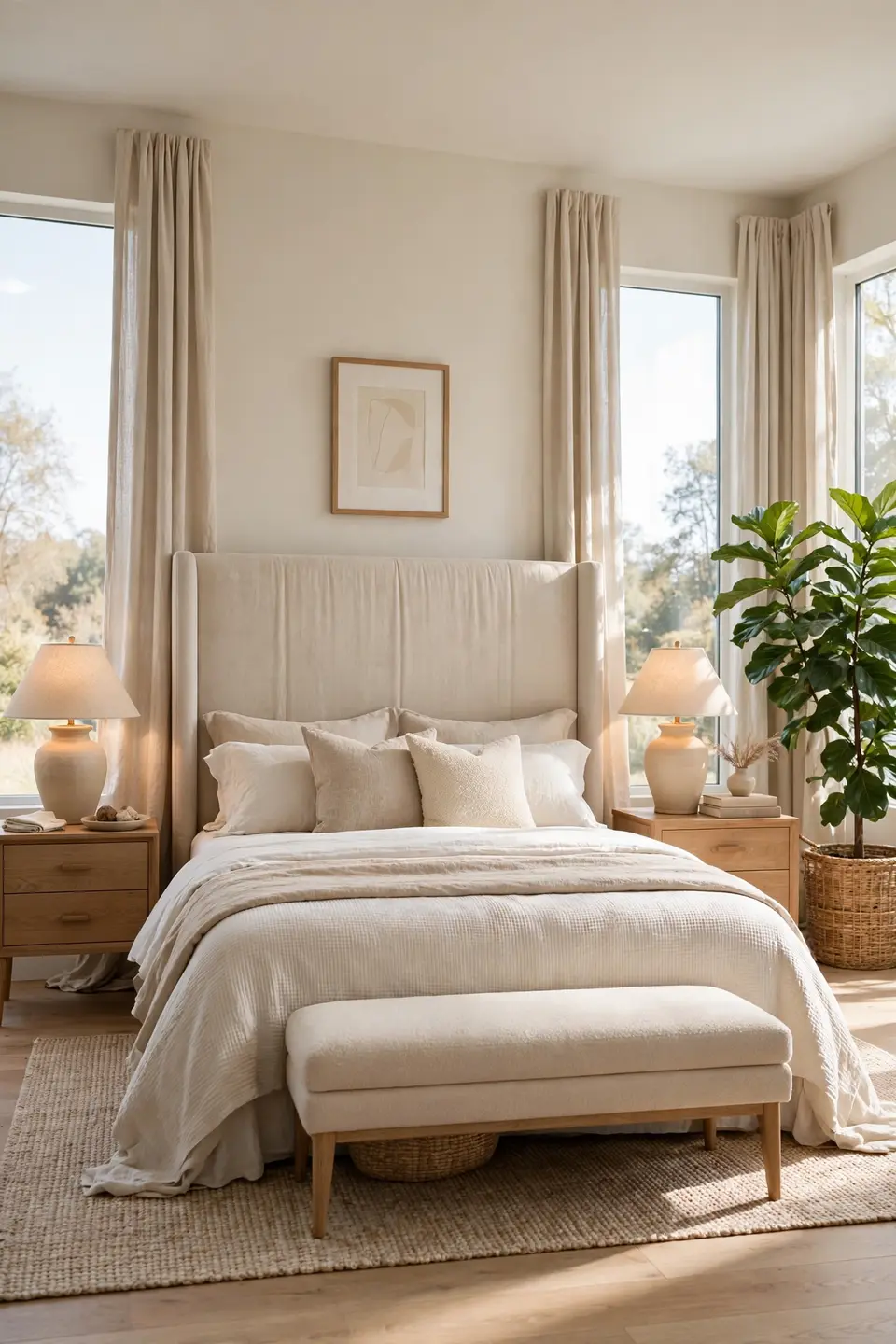
What You Need:
- A tall upholstered headboard
- Two matching nightstands with lamps
- A bench at the foot of the bed
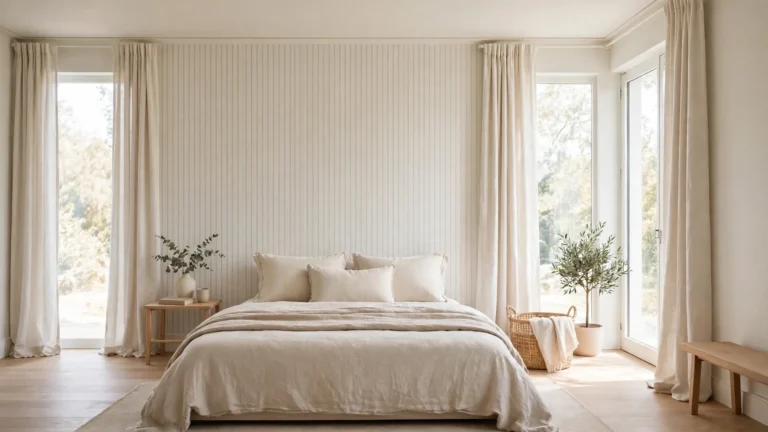
- Floor-length curtains on every window
- One large plant or a pair of medium plants
Each of these pieces fills space that would otherwise sit empty. Tall headboards draw the eye upward, matching nightstands create symmetry, and a bench grounds the foot of the bed. Curtains soften tall walls while plants add life to dead corners, building the layered look that makes large rooms feel complete.
Give Empty Corners a Clear Job
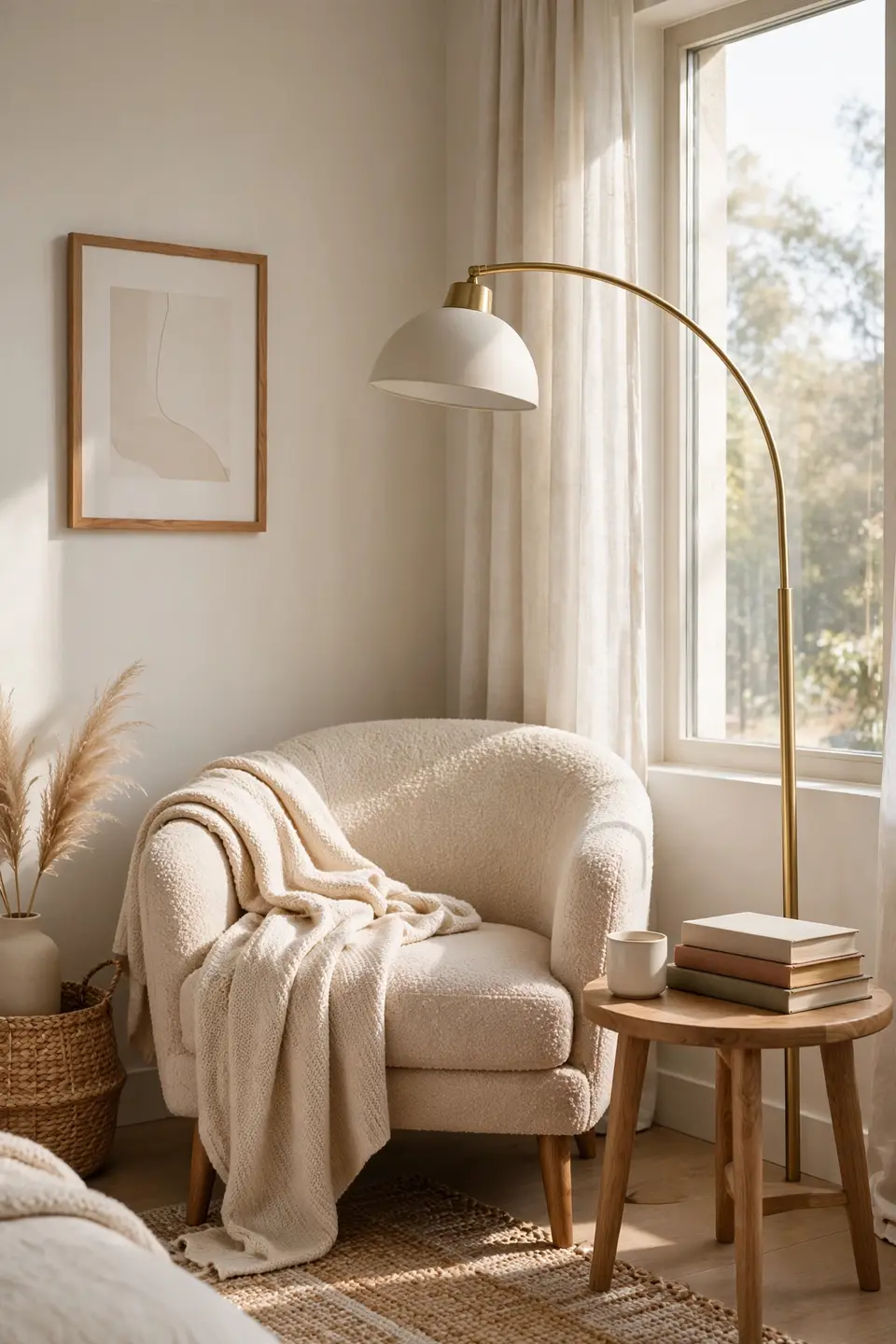
BEFORE: Before, the far corner held nothing but a dusty baseboard and a lonely outlet. Every glance toward that side of the room reminded you how much square footage sat unused, and the emptiness seemed to grow each evening.
AFTER: After, a reading chair with a floor lamp and a small side table turned that corner into the favorite spot in the house. Now the corner has a purpose, and the room feels balanced from wall to wall instead of lopsided and hollow.
Corners are where large bedrooms win or lose their coziness, so never leave one completely bare. For wall color ideas that make big rooms feel warmer, see how to choose wall colors for rooms with dark floors and pair the palette with purposeful corner styling.
Balance Scale in Every Corner
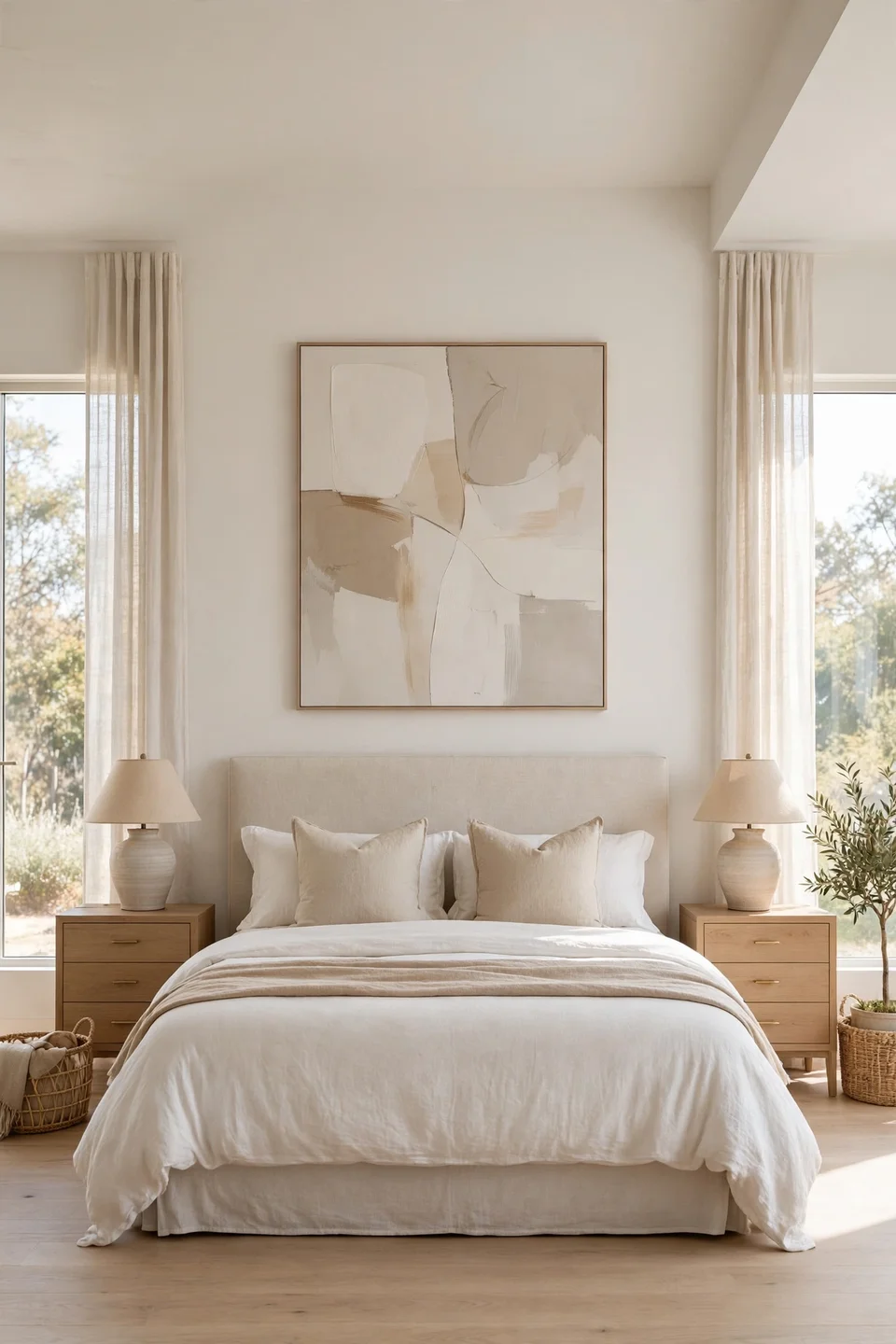
Do This:
- Hang curtains close to the ceiling to fill tall walls
- Use pairs of lamps, pillows, or art to create symmetry
- Add one oversized art piece instead of many tiny frames
- Layer two rugs if one large rug is not available
Avoid This:
- Scattering small decor across big surfaces
- Leaving walls bare above the headboard
- Using only one small light source for the whole room
- Pushing the bed into a corner to save space
Big rooms need big gestures, and small scattered items only highlight the emptiness around them. Pairs and oversized pieces create rhythm that the eye can follow, which makes the space feel thoughtfully filled. When in doubt, choose one size larger than your first instinct suggests.
Scale Rules That Shrink Big Rooms
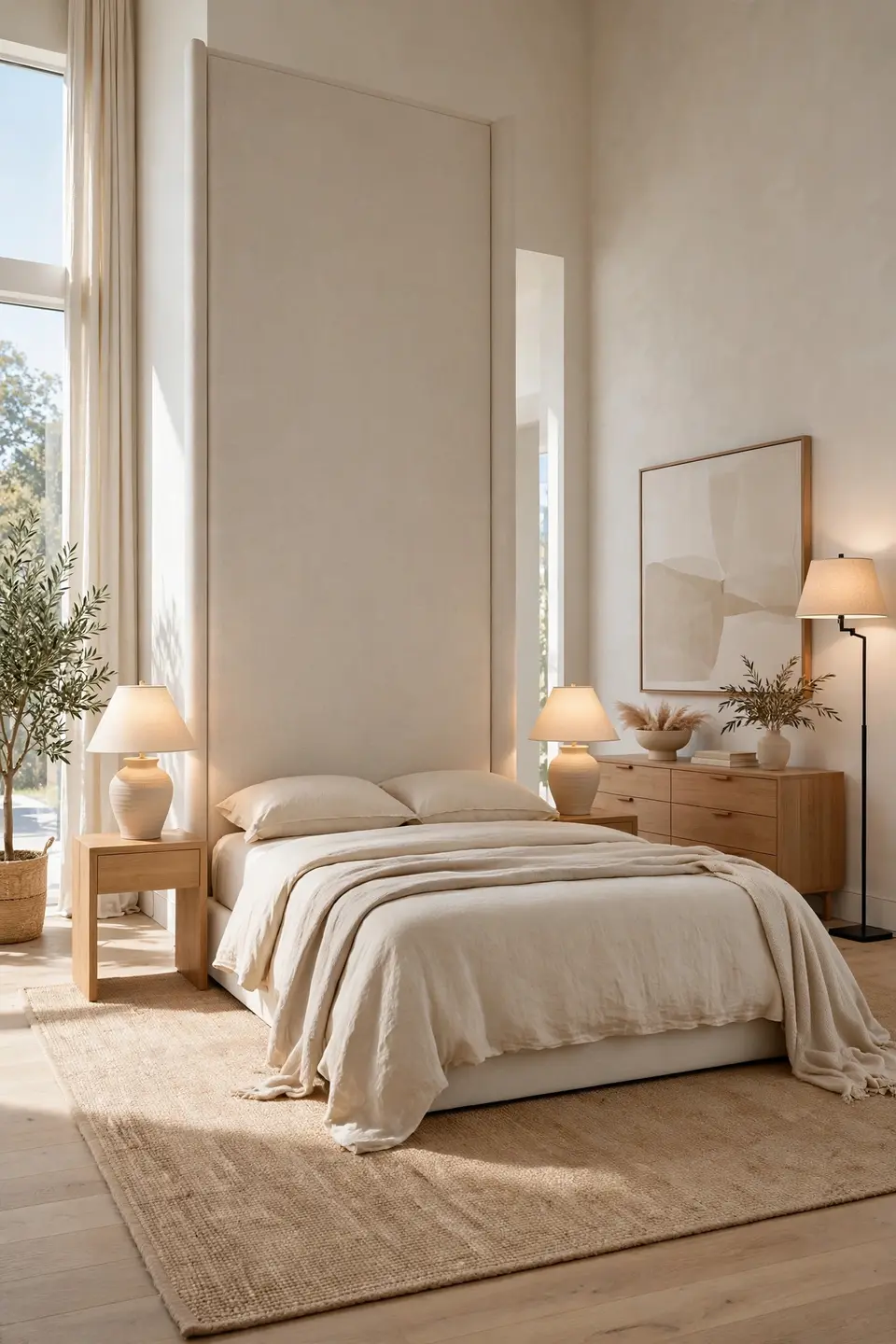
Quick Facts:
Ideal rug size: 9×12 feet for king beds in large rooms
Headboard height: 48 inches or taller fills vertical space best
Lighting layers: aim for at least three sources per large bedroom
Art scale: one piece should span two-thirds of the furniture below it
These numbers take the guesswork out of filling a big bedroom. When the rug, headboard, lighting, and art all match the scale of the room, nothing feels lost or undersized. Keep this list handy while shopping and the room will come together without second guessing.
Warm Up the Walls With Color and Texture
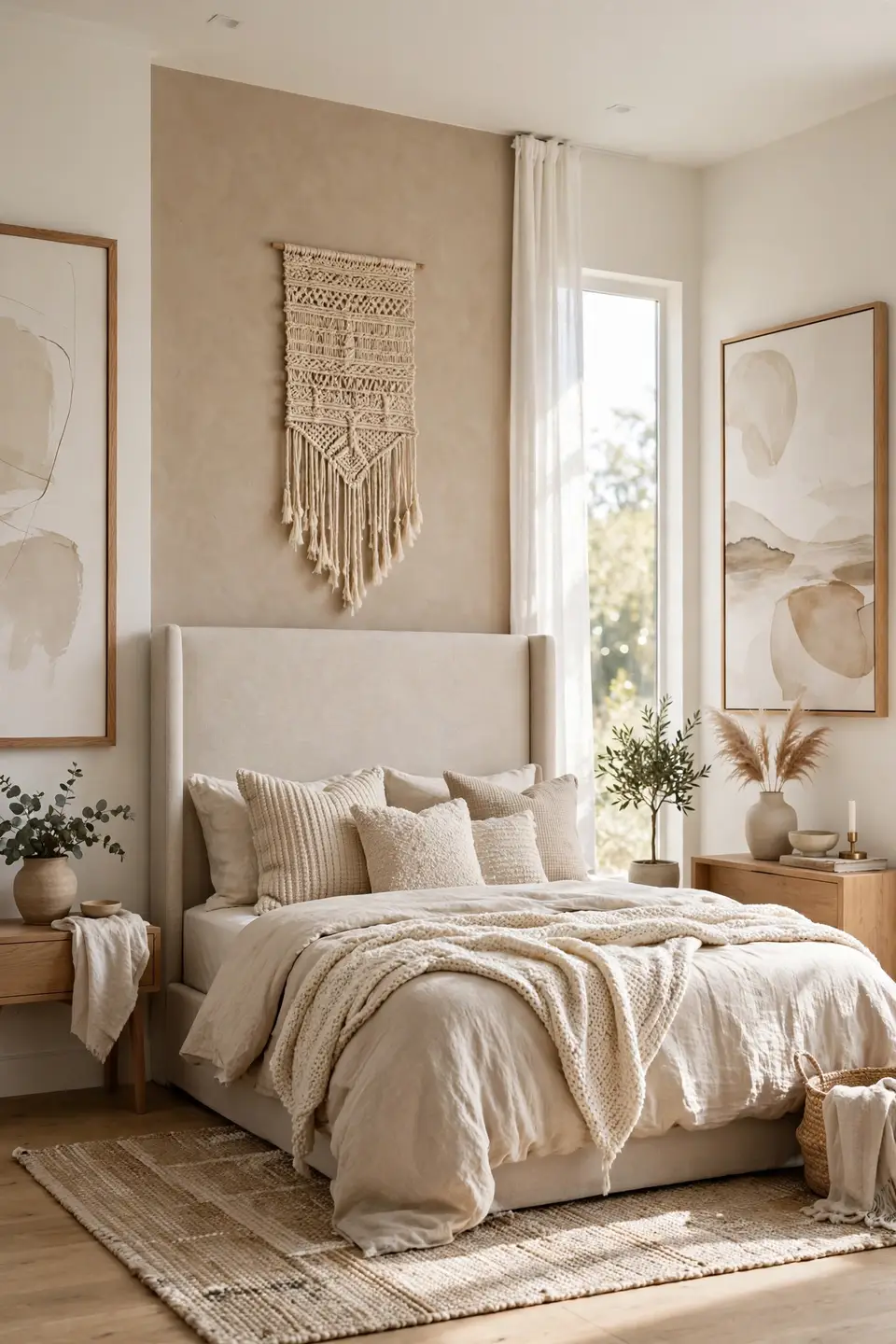
Empty-feeling bedrooms often suffer from flat, pale walls that offer the eye nothing to rest on. A deeper wall color behind the bed, like warm greige or soft sage, immediately makes the room feel wrapped and intimate. If paint feels like too much commitment, try removable wallpaper on one accent wall or hang large-scale art that spans most of the wall width.
Texture matters just as much as color. Woven wall hangings, wood paneling, or even tall upholstered panels behind the bed add the tactile richness that stops a big room from feeling stark.
Finish With Layers That Invite You In
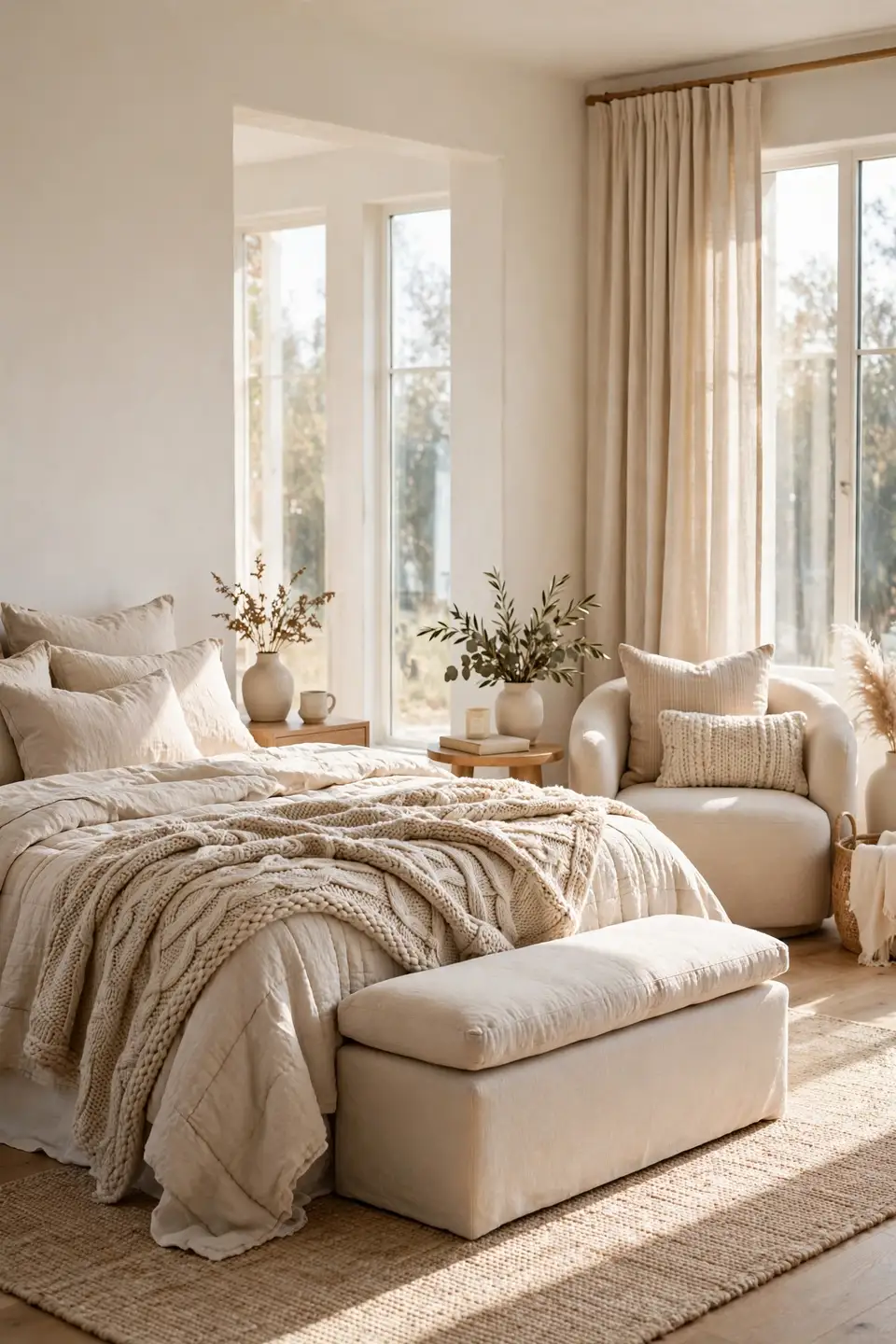
The final layer is all about softness, because nothing says empty like hard bare surfaces everywhere. Add textiles in every zone until the room feels like it wants to be lived in, not just looked at. Start with the bed, then move outward to chairs, windows, and floors.
- Drape a chunky throw across the foot of the bed.
- Add lumbar pillows to chairs in the sitting zone.
- Hang full-length curtains even if blinds already cover the windows.
- Place a soft bench cushion or sheepskin on the reading chair.
Conclusion
Learning how to decorate a large bedroom without making it feel empty comes down to one idea: give every square foot a purpose. Start with a grand bed, divide the floor into zones, anchor everything with an oversized rug, and fill the walls and corners with pieces that match the scale of the room. Small scattered decor will always lose in a big space, so choose fewer, larger pieces and let them breathe. Save this guide to your bedroom board on Pinterest so you can revisit each step while you shop and style.