How to Decorate a Bedroom With an Off-Center Bed
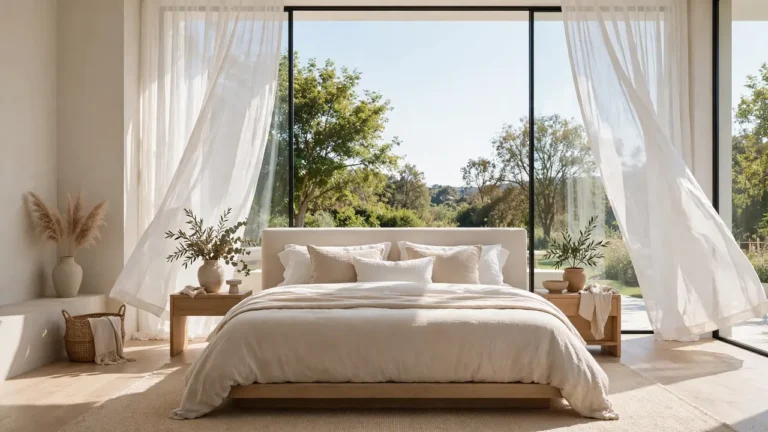
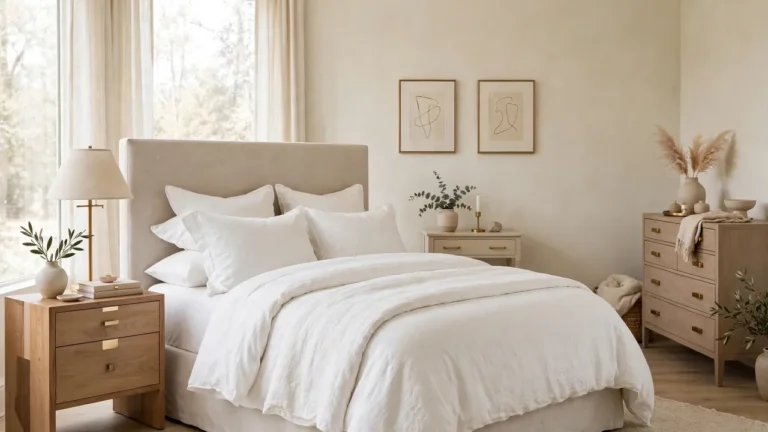
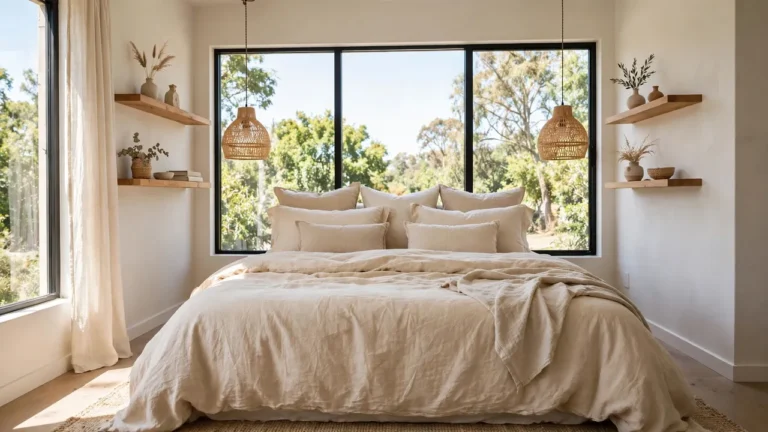
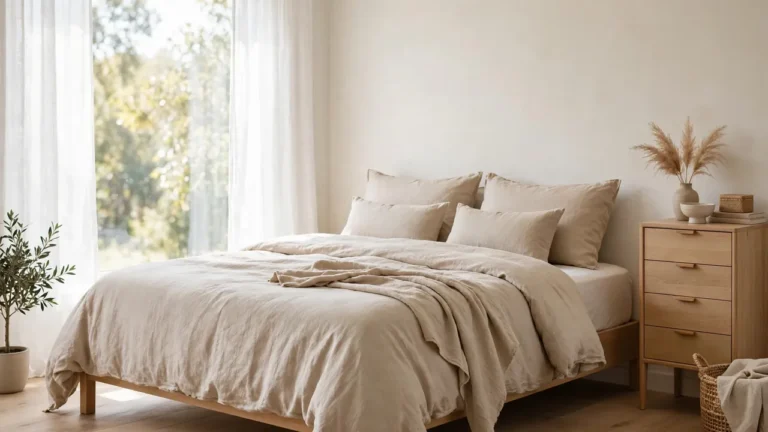
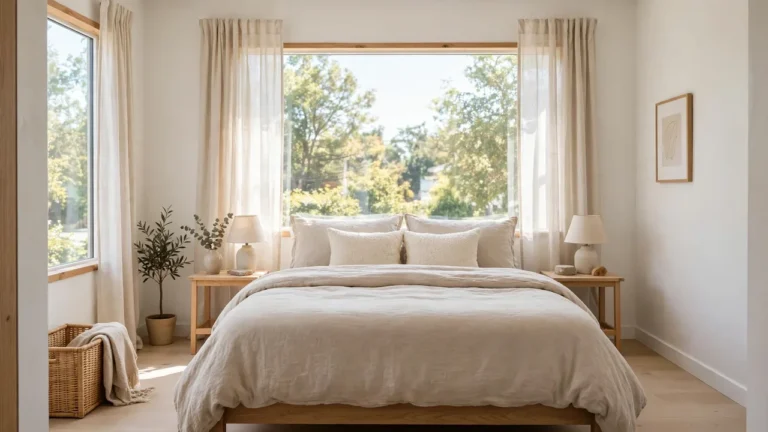
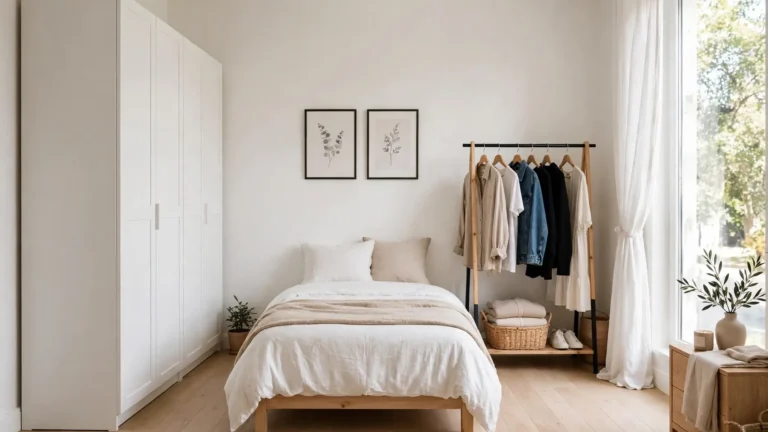
A bed that sits off-center can make the whole bedroom feel slightly wrong, but learning how to decorate a bedroom with an off-center bed turns that awkward layout into a design advantage. Windows, doors, and radiators often force the bed away from the middle of the wall, and fighting that placement usually looks worse.
The secret is treating the off-center position as intentional. When every other element in the room responds to where the bed actually sits, the layout reads as deliberate and balanced instead of accidental. For more ideas on arranging tricky living spaces, see our guide on how to style a living room with a large tv for similar balance tricks.
Anchor the Space With a Strong Backdrop Wall
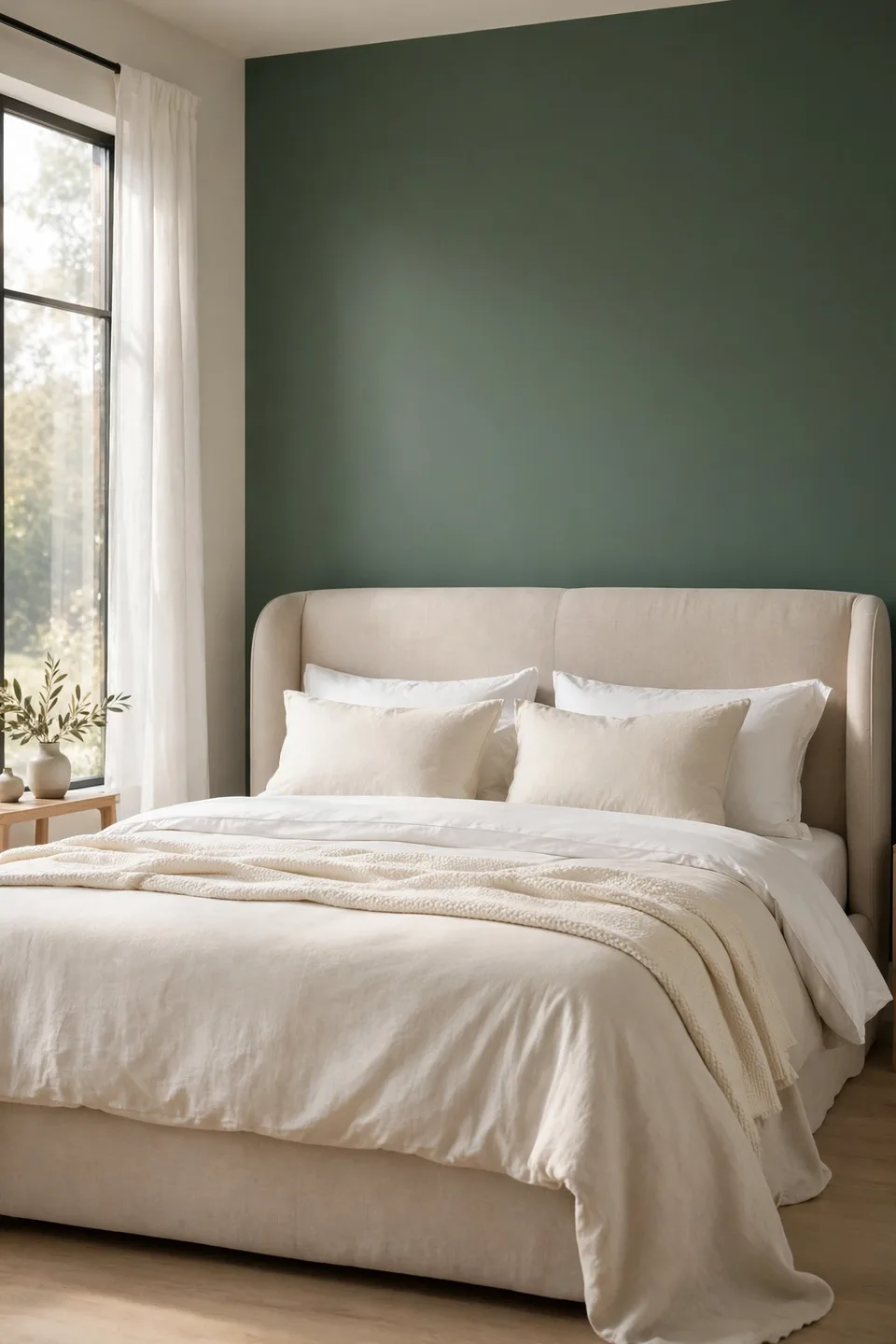
The wall behind an off-center bed needs extra presence to carry the composition. A bold paint color, a large headboard, or a wide piece of art gives the eye a clear anchor, so the bed’s shifted position feels like a choice rather than a compromise. Keep the surrounding walls quieter to let this backdrop lead.
Extend the backdrop slightly past the bed on the shorter side. A headboard that runs wider than the mattress, or art hung a few inches off-center in the opposite direction, fills the visual gap and steadies the whole wall.
Balance the Empty Side With a Statement Piece
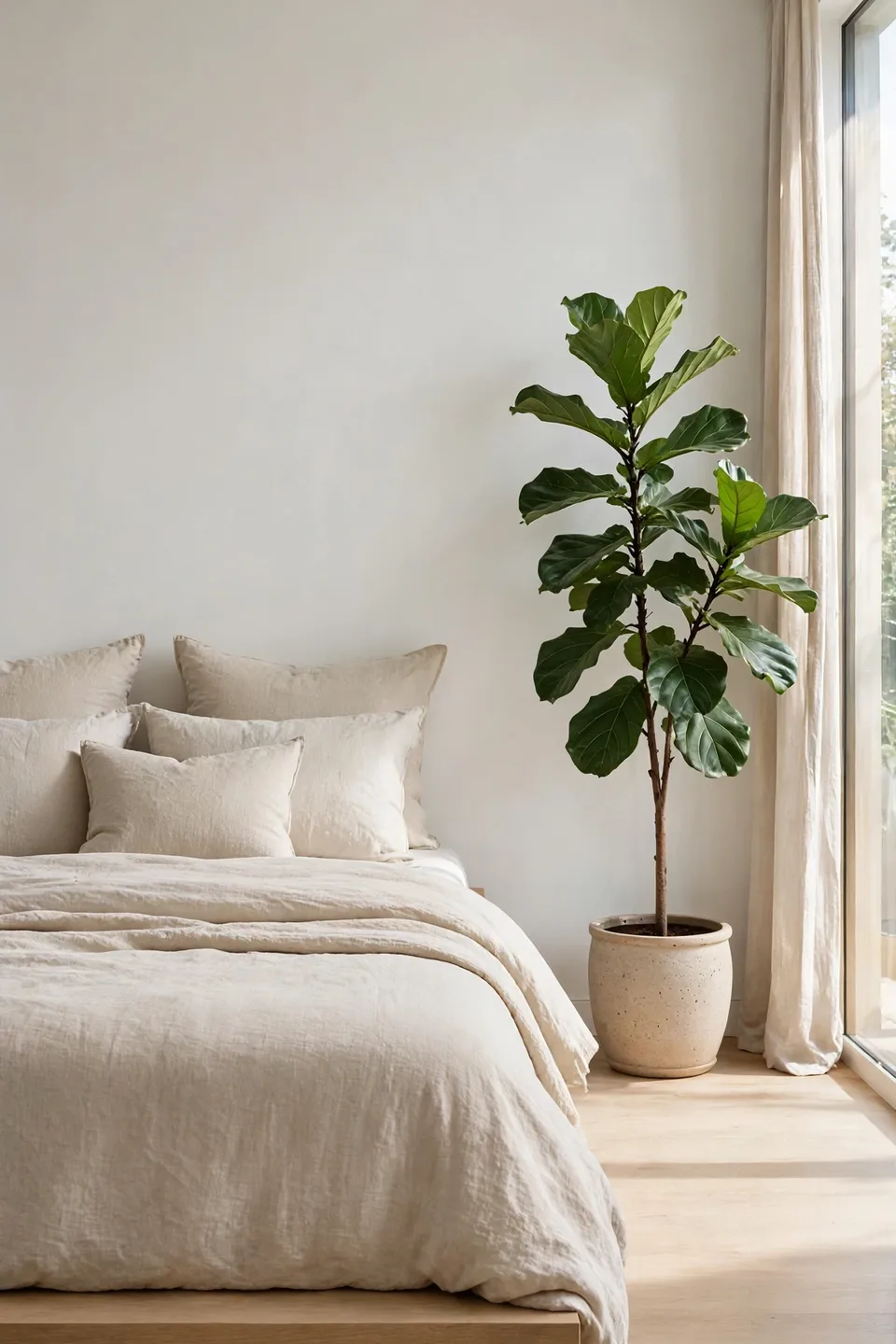
The side with more floor space is your biggest opportunity. One confident piece there restores balance faster than several small ones, and it gives the room a second focal point that draws attention away from the bed’s shifted position. Choose something with real visual weight.
- Place a tall plant, floor lamp, or leaning mirror on the emptier side of the bed.
- Match its visual height to the headboard so the two sides feel equal.
- Keep a clear walkway of at least two feet between the piece and the bed.
- Step back to the doorway and check that both sides feel equally weighted.
Use Rugs to Recenter the Room Visually
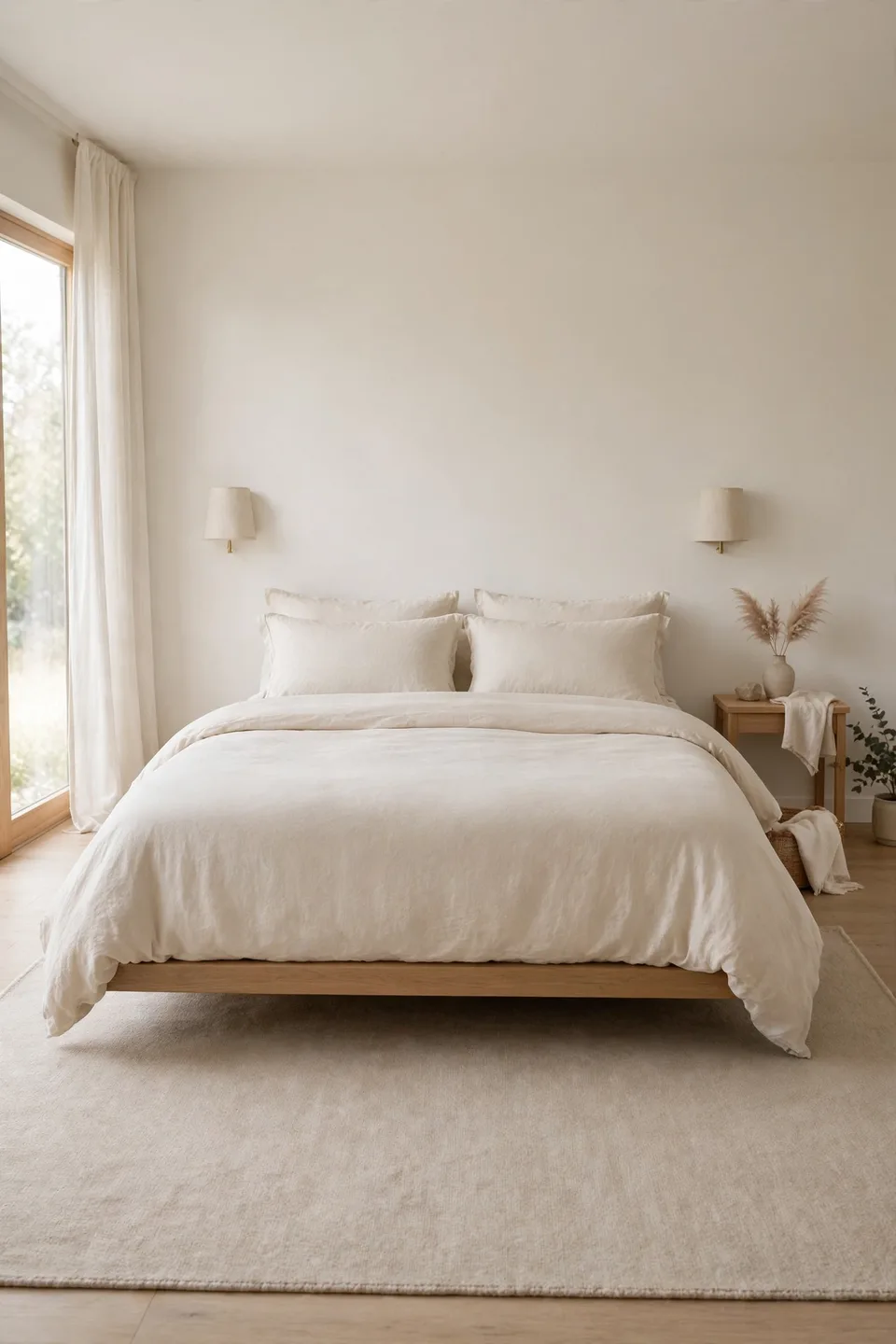
Quick Tip: Center the rug on the ROOM, not on the bed. A rug that follows the bed’s off-center position doubles the lopsided feeling.
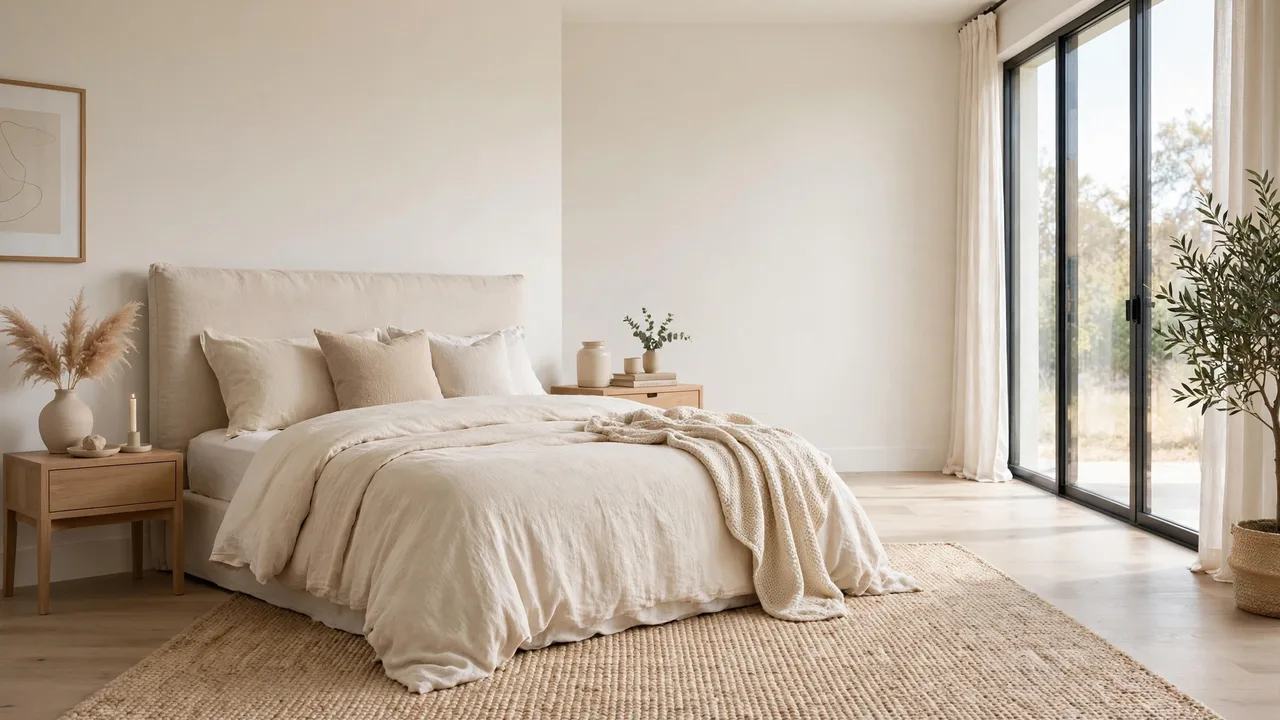
A rug placed squarely in the middle of the room creates a new visual center. Let the front two-thirds of the bed rest on it, with equal margins showing on both sides. The floor pattern then tells the eye where the middle really is, which makes the bed’s position look deliberate.
Stop Pushing the Bed Against the Corner
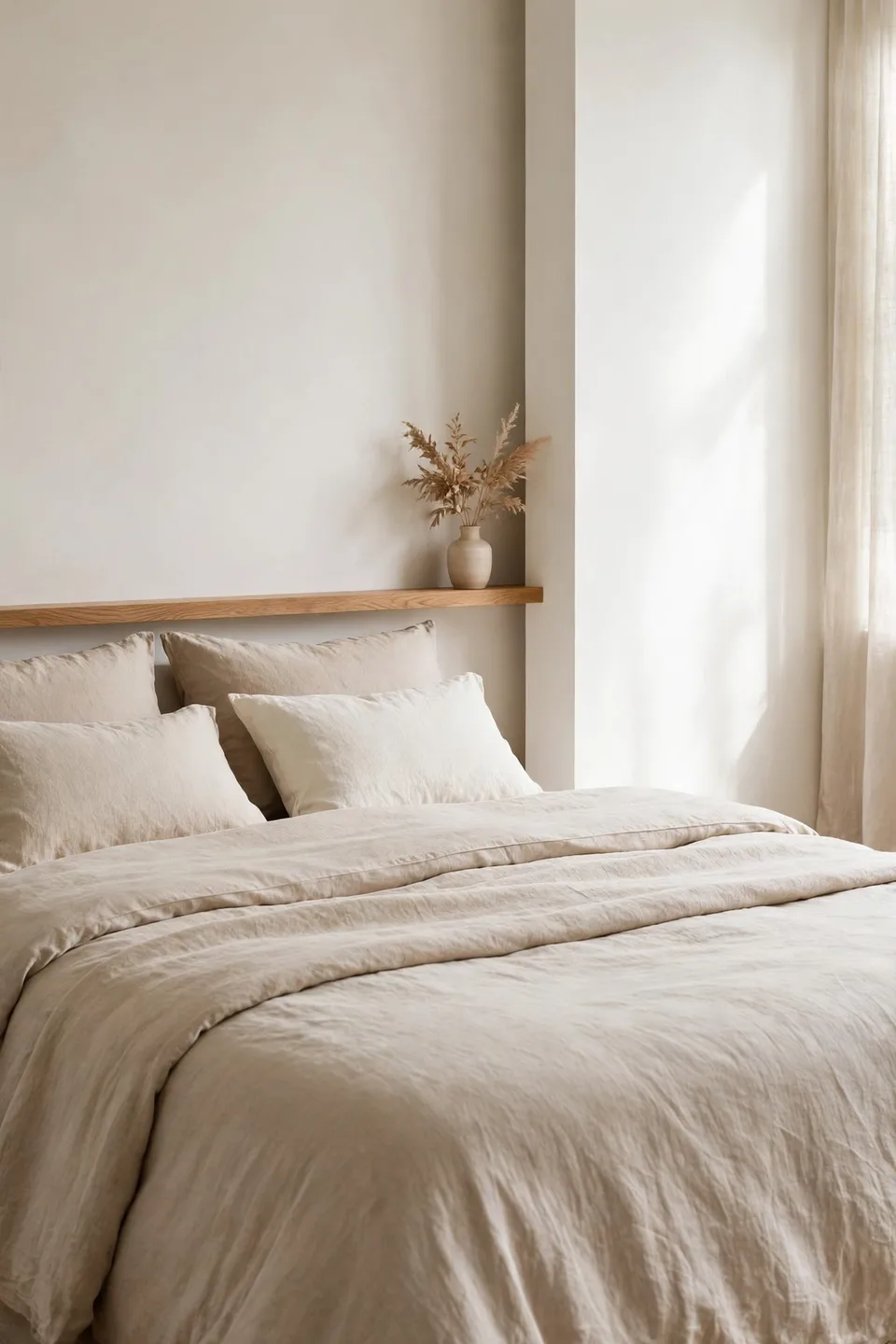
Common Mistake: Shoving the bed tight into the nearest corner to hide the uneven gap.
The Fix: Pull the bed out a few inches and style the gap. A slim floating shelf, a narrow bench, or stacked art turns leftover inches into a feature instead of an eyesore.
Beds jammed into corners collect dust, block airflow, and make bedding changes miserable. A small, styled gap reads as breathing room and gives you space for a wall-mounted lamp or a leaning frame. The room instantly feels more considered when the bed floats slightly instead of wedging itself into the architecture.
Style the Nightstand Side First
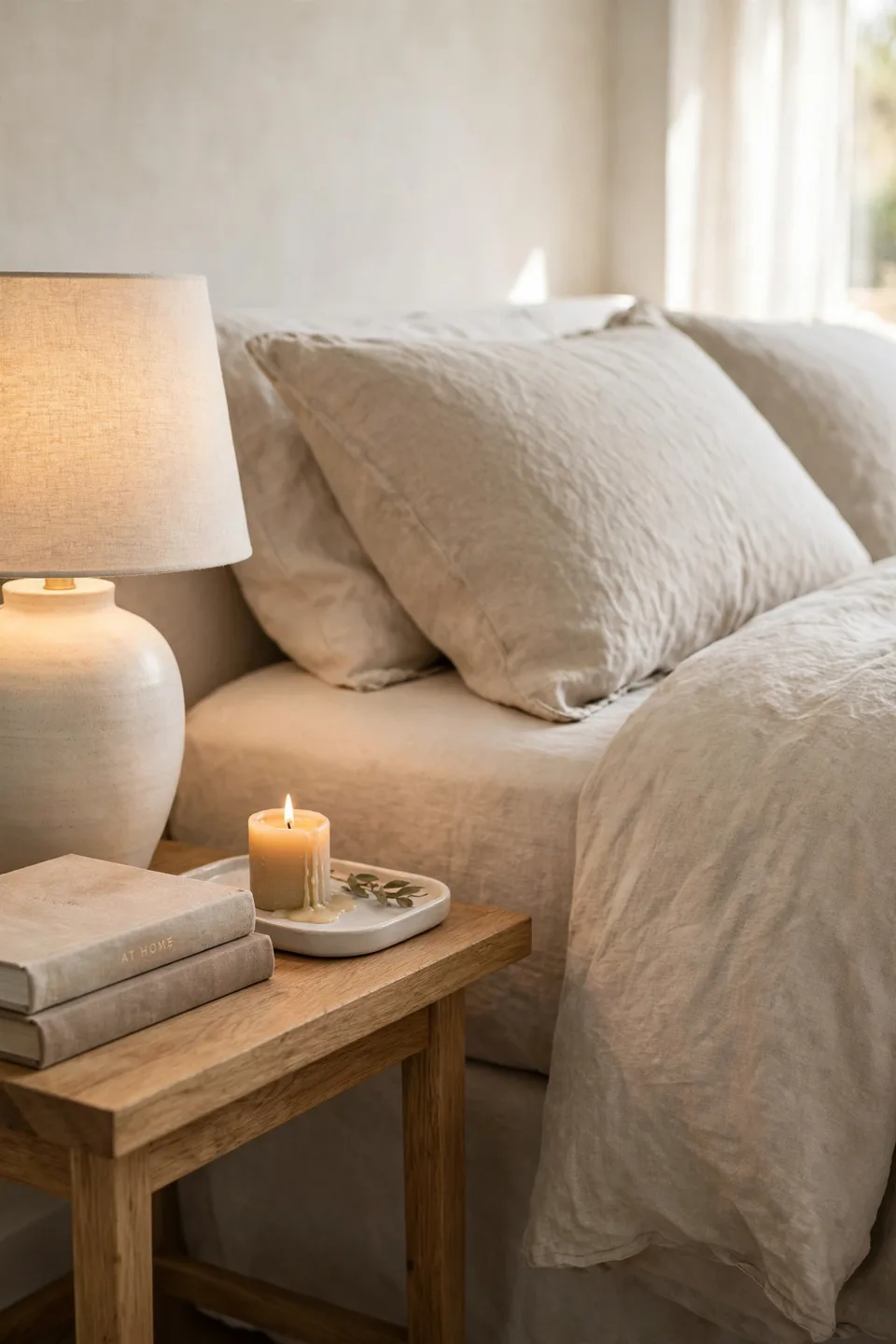
What You Need:
- A nightstand or small table that fits the tighter side
- A lamp with a shade wide enough to cast soft, even light
- One stack of two or three books for height
- A small tray to corral a glass, charger, or candle
- A piece of art or a mirror hung above the table
The tighter side of an off-center bed sets the tone for the whole room, so style it first. Keep the nightstand surface edited: lamp, books, and tray. When the constrained side looks polished, the extra space on the other side feels like a bonus rather than a problem.
Turn the Dead Side Into a Reading Nook
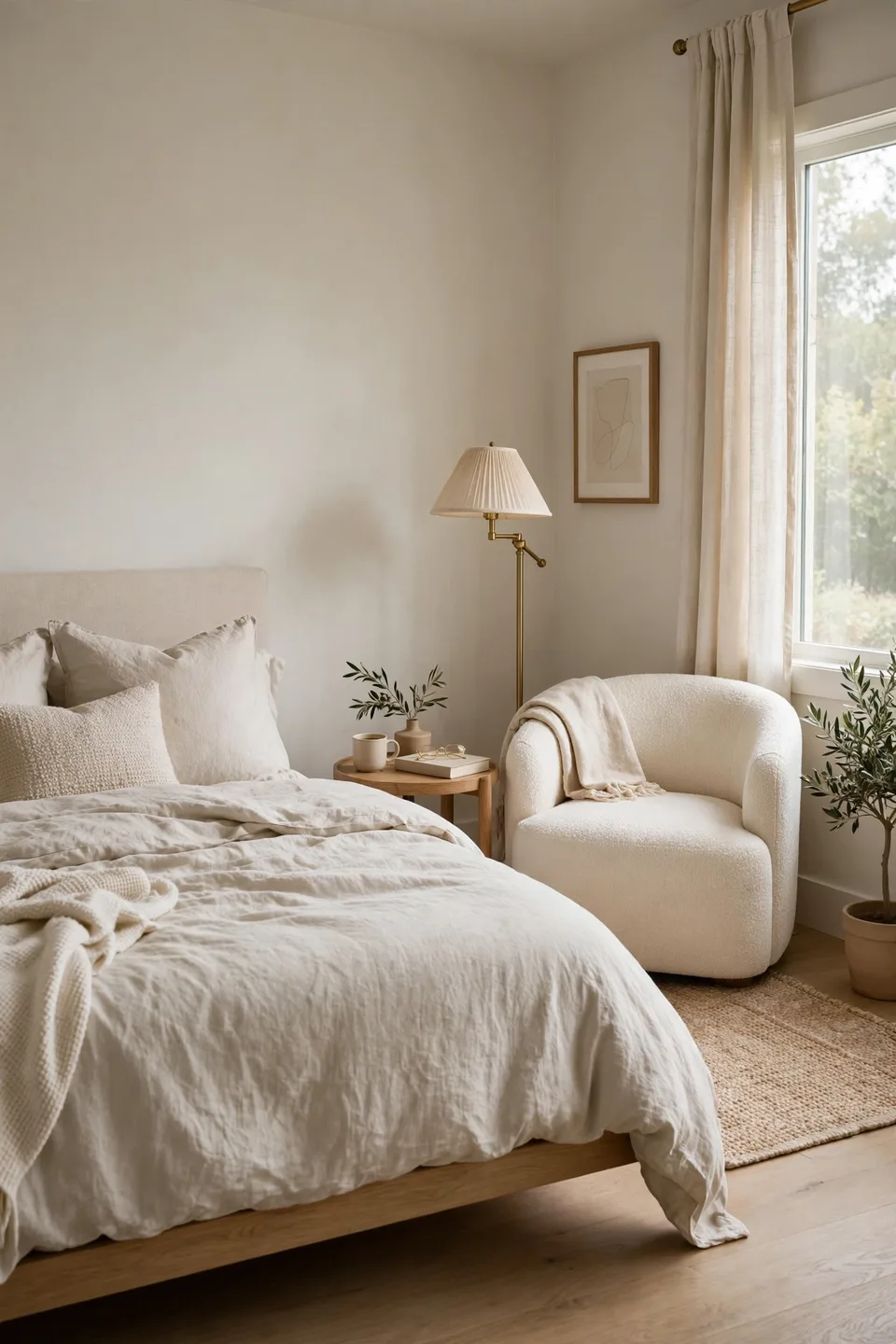
BEFORE: The wide side of the bed sat empty, a blank stretch of floor that made the bed look stranded and the room unfinished.
AFTER: A compact armchair, a floor lamp, and a small side table now fill that stretch, and the off-center bed looks like it was placed to make room for the nook on purpose.
Giving the extra space a clear job removes the sense that something is missing. A chair, a lamp, and a small table change how the whole layout reads. If the wall behind your nook feels bare, our guide on how to make a large open wall feel less empty has ideas that fit perfectly here.
Work With Windows and Doorways
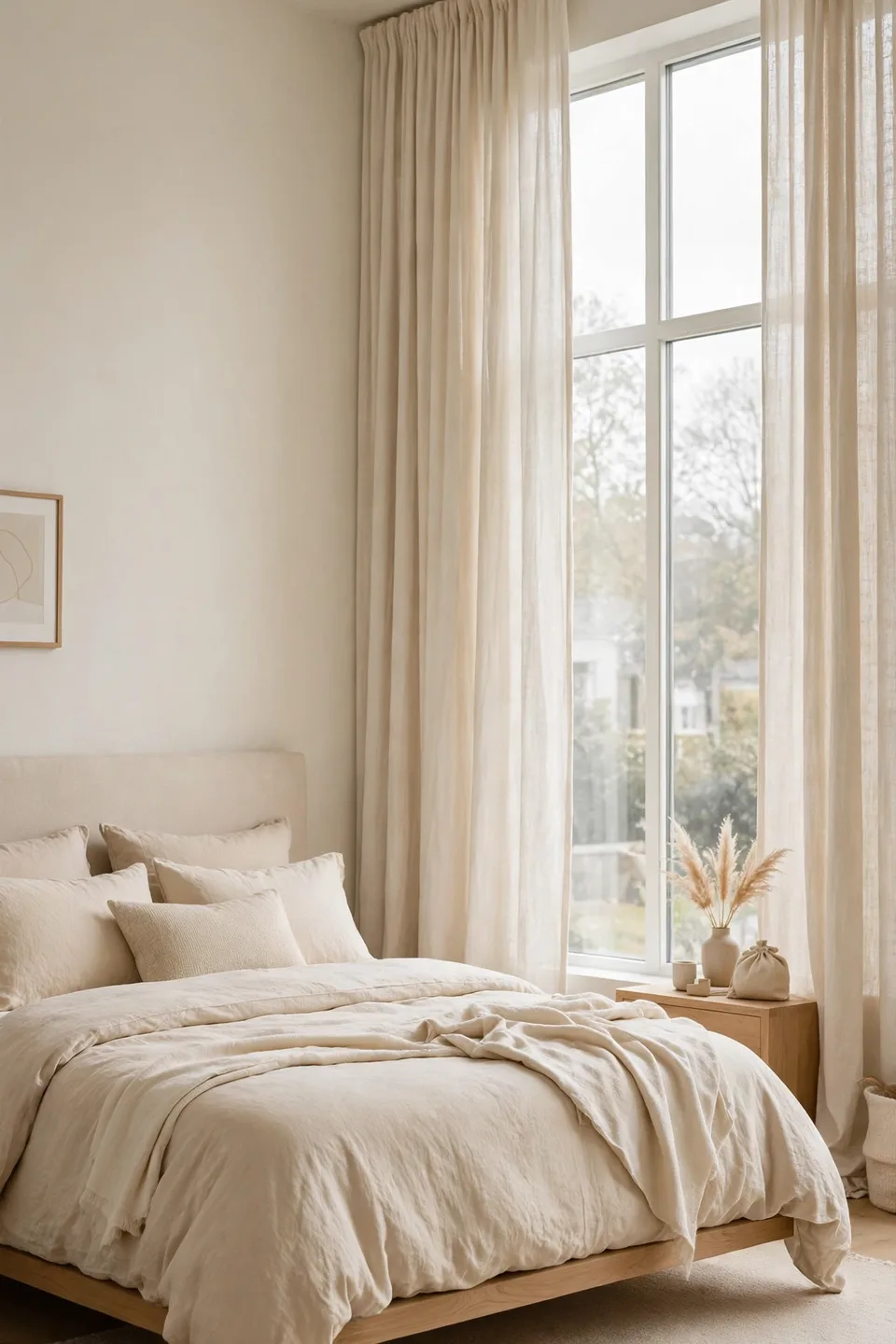
Do This:
- Hang curtains wall to wall so the window wall feels wide and settled.
- Place the headboard on the most solid wall, even if it sits off-center on it.
- Keep door swing paths clear with at least two feet of space.
Avoid This:
- Centering the bed on the wall when a door or window makes that impossible.
- Blocking natural light with a tall dresser on the window side.
- Using tiny rugs that emphasize the bed’s shifted position.
Architecture usually causes the off-center placement, so let the architecture guide the solution. Curtains hung wide make windows feel grand rather than awkward, and clear walkways keep the room functional. When the layout respects doors and light, the bed’s position stops looking like an error.
Quick Facts: Off-Center Bed Layouts
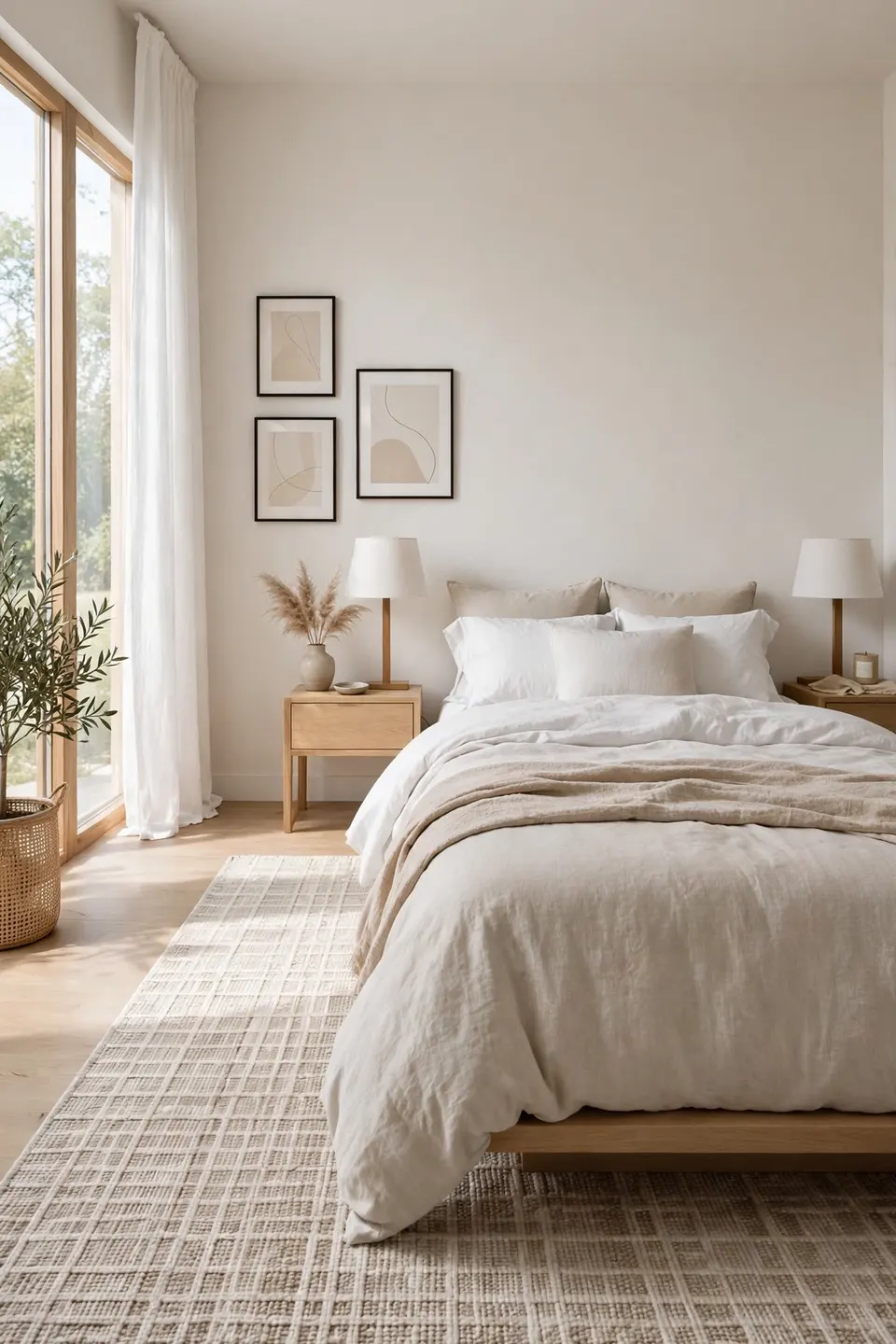
Best rug size: 8×10 feet for queen beds, so the rug can center on the room.
Ideal gap: 2 to 3 inches between bed and wall for a styled, breathable edge.
Lamp height: Nightstand lamps around 24 to 27 inches tall balance a standard headboard.
Art rule: Hang art so its center sits about 57 inches from the floor.
These numbers take the guesswork out of styling around a shifted bed. Measure once before buying anything large, since an off-center layout leaves less room for error than a centered one. Small adjustments, like shifting a rug two inches or raising art slightly, often fix what looks like a big problem.
Layer Lighting to Pull the Room Together
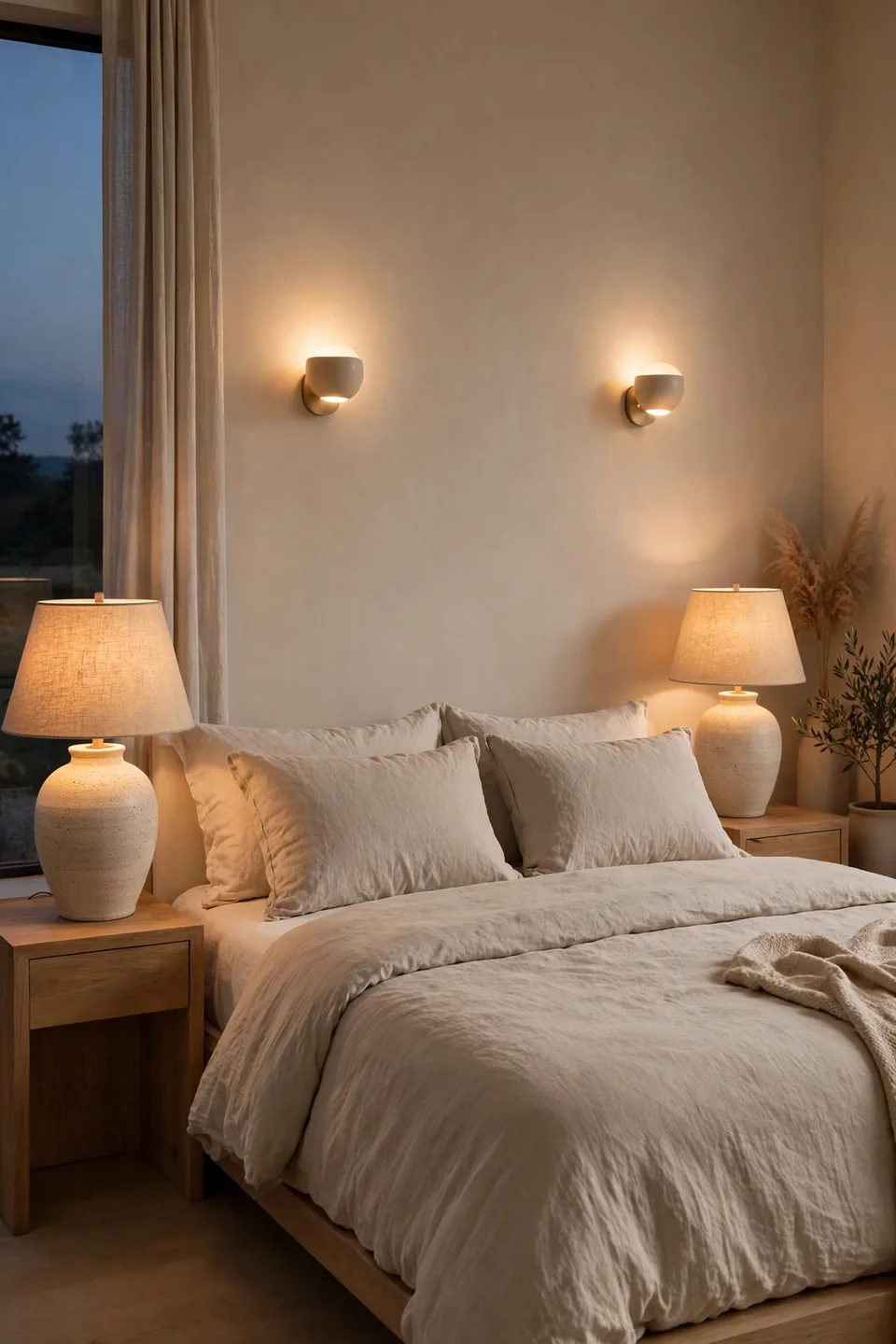
Lighting connects the two sides of an off-center layout better than almost anything else. Matching lamps on both nightstands, or a pair of wall sconces flanking the bed, create a bridge of symmetry that the eye follows instead of noticing the shift. Add one overhead fixture centered on the room to reinforce the true middle.
Keep the color temperature consistent across every bulb. Mixed warm and cool light splits the room visually and exaggerates the imbalance. One warm tone everywhere makes the whole space feel unified, calm, and deliberately designed.
Finish With Art and Symmetry Tricks
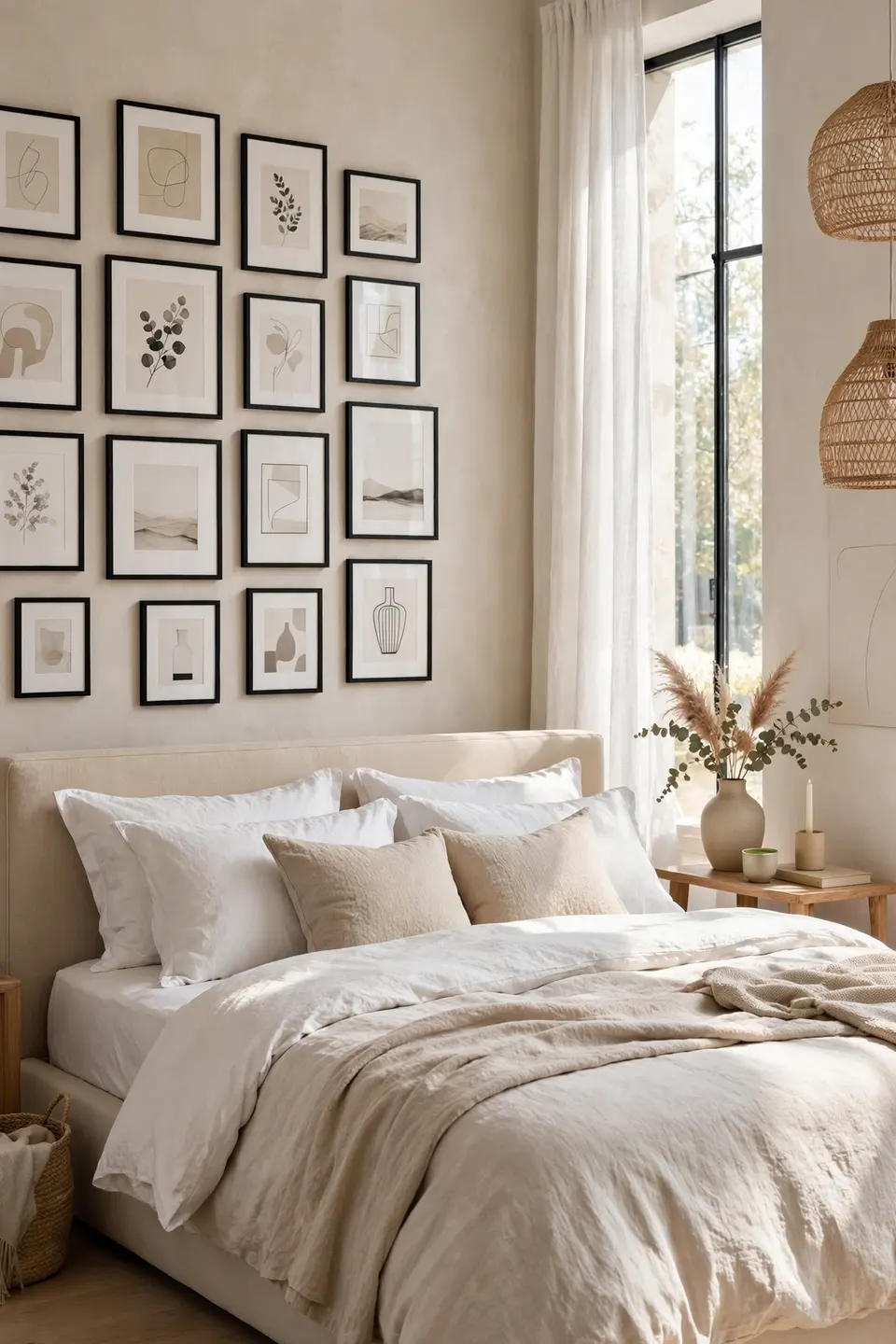
Art is the final tool for correcting visual balance. A gallery wall or a single large frame can add weight exactly where the room needs it, completing the composition around your bed. Hang pieces in relation to the room’s center, not the bed’s edge.
- Hang the largest piece on the emptier side to anchor it.
- Keep frame finishes consistent so the collection reads as one.
- Leave at least six inches between the bed’s edge and the nearest frame.
- Photograph the wall from the doorway to check the balance objectively.
Conclusion
Once you know how to decorate a bedroom with an off-center bed, the layout stops feeling like a flaw and starts feeling like character. A strong backdrop, a centered rug, one confident piece on the roomy side, and layered light are all it takes to make the placement look deliberate. Save this guide to your bedroom board on Pinterest so you can revisit these ideas while you style. Small rooms reward thoughtful choices, and yours is about to look its absolute best. Take it one corner at a time, and trust that balance comes from the whole composition, not from perfect centering.