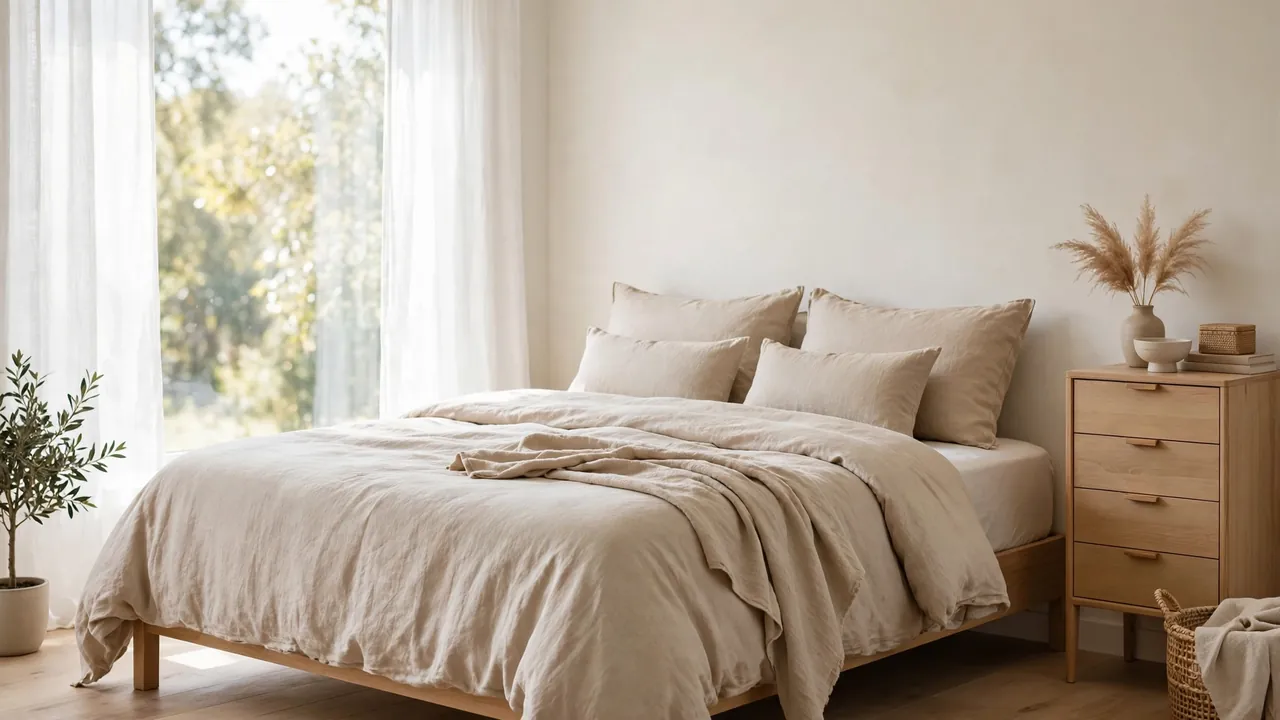
How to Arrange Furniture in a Small Bedroom
Your bedroom feels cramped no matter how many times you shuffle the dresser around the corner. Learning how to arrange furniture in a small bedroom changes everything, because the right layout makes even the tiniest room feel open and restful. In my experience, most people blame the room size when the real problem is placement.
If your main goal is hiding bulky pieces elsewhere, my guide on how to decorate around a wall mounted tv shows how small rooms in other parts of the house handle the same problem. The same thinking applies here: every piece of furniture should earn its place.
By the end of this guide, you will have a clear plan for your bed, storage, and walking space, all measured and arranged to fit your actual room.
Why Small Bedroom Layouts Feel Impossible
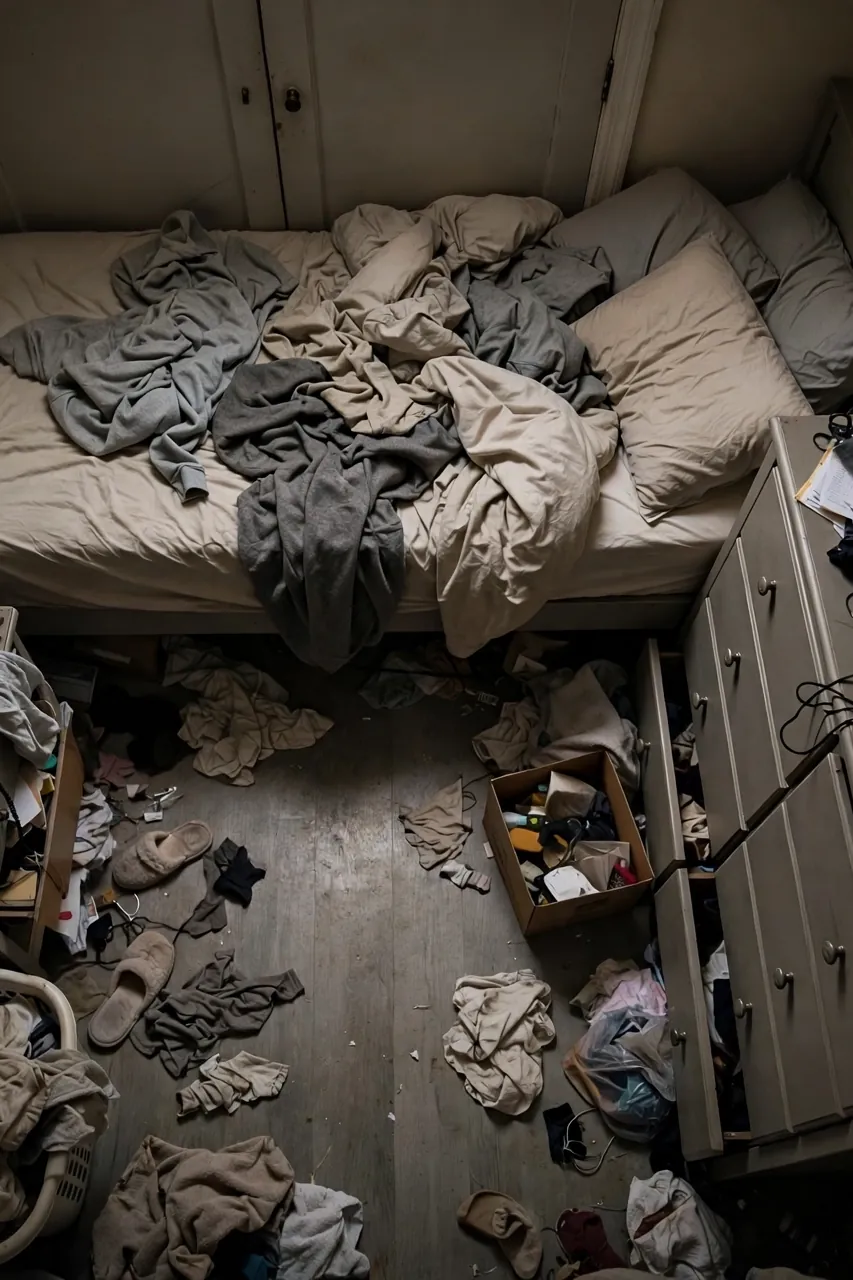
Small bedrooms feel impossible because every piece of furniture seems to fight for the same square feet. The bed takes up the floor, the dresser blocks the closet door, and the nightstand barely fits beside the headboard. You move things around, but each new arrangement creates a new problem.
The frustration builds when you realize that shrinking the furniture does not always help. A tiny nightstand looks lost next to a full-size bed, and a mini dresser still blocks traffic flow. What your room needs is not smaller furniture, but smarter placement that respects how you move through the space.
Measure Your Room First
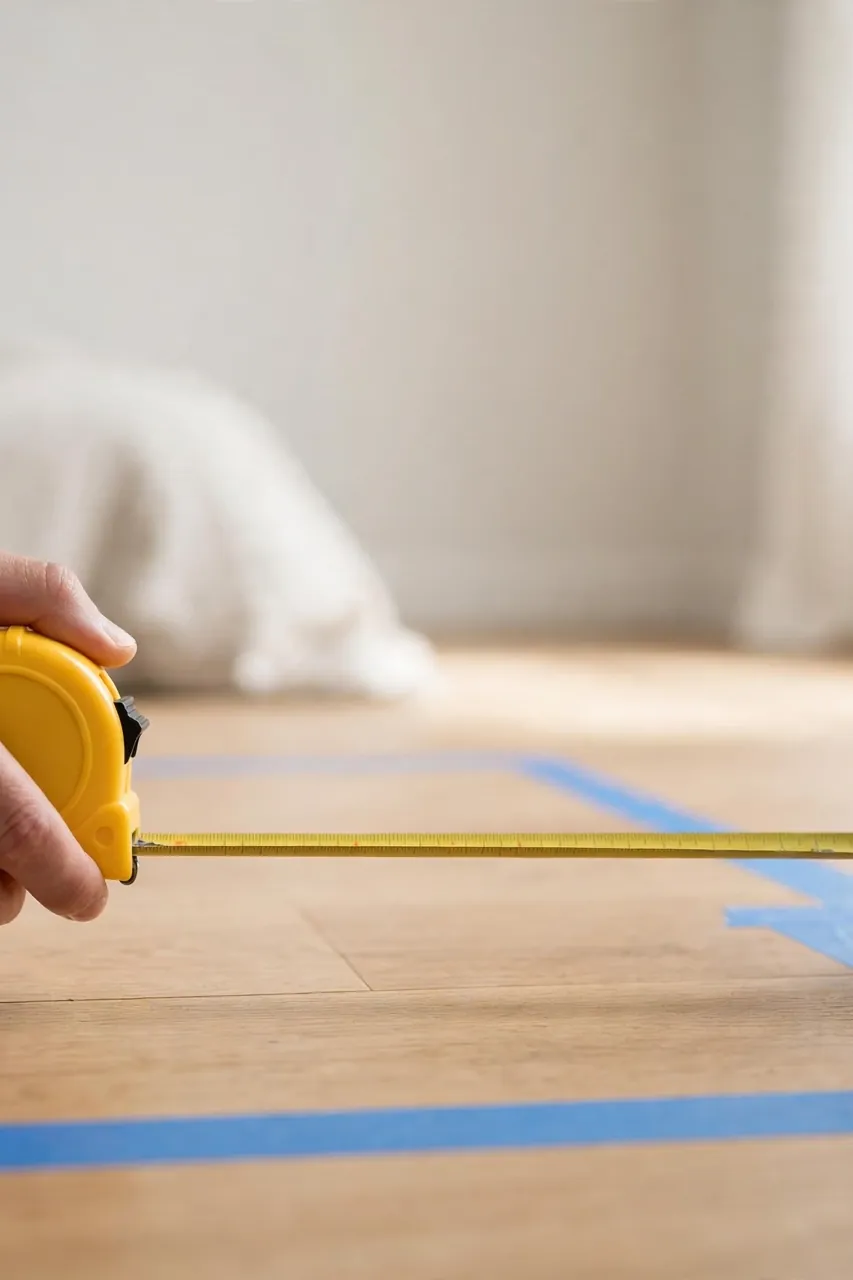
Guessing is the fastest way to waste a weekend on a layout that never worked on paper. Ten minutes with a tape measure saves hours of heavy lifting later. Write down every measurement right now before you move a single piece.
- Measure the length and width of the room, then note the exact position of the door swing, windows, and closet opening.
- Write down the footprint of your bed, dresser, and nightstands so you know what actually fits on paper first.
- Use painter’s tape on the floor to outline each piece in its planned spot before you lift anything.
- Check that doorways and closet doors have at least 24 inches of clear swing space in your new plan.
Start With the Bed Position
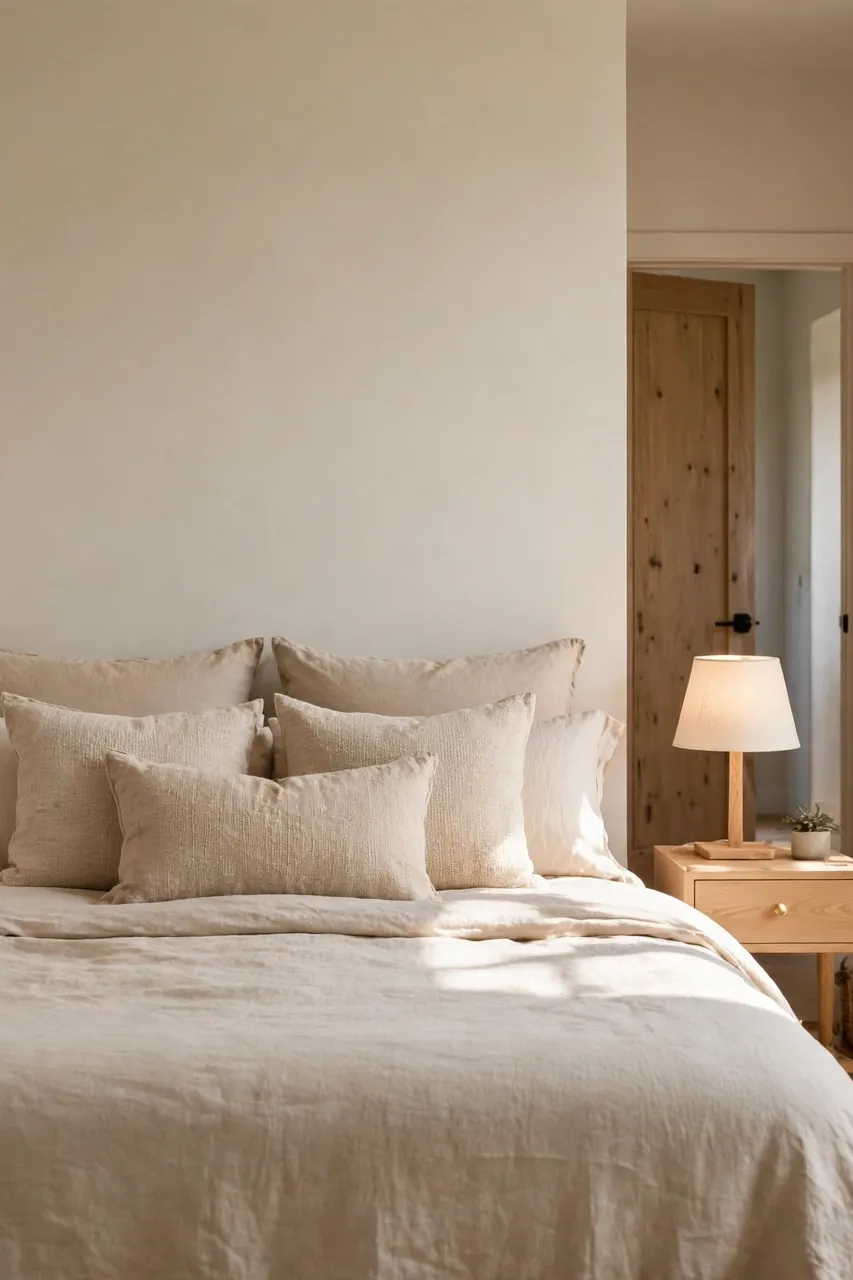
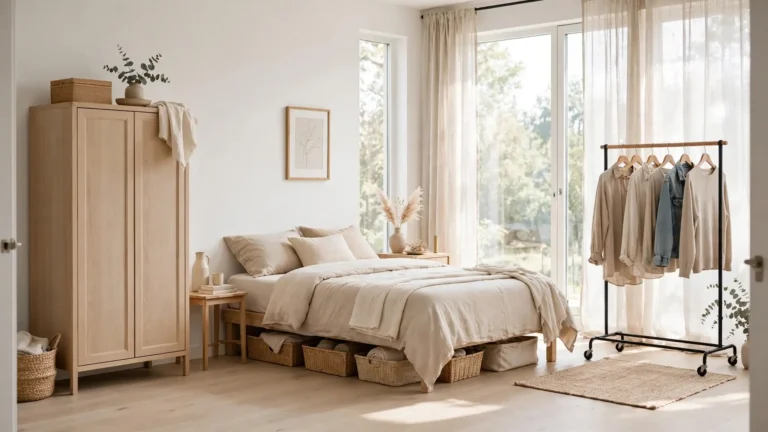
Quick Tip: Place the bed first, because everything else works around it. The wall opposite the door is usually the strongest spot, since the bed becomes the first thing you see. Never start with the dresser or desk, because the bed will end up wherever is left over.
Once the bed sits in its best spot, the rest of the room starts to make sense. You can see exactly how much wall remains for storage and whether a small chair is realistic. Anchor the bed first, and every other decision gets easier from there.
Choose Right-Sized Furniture
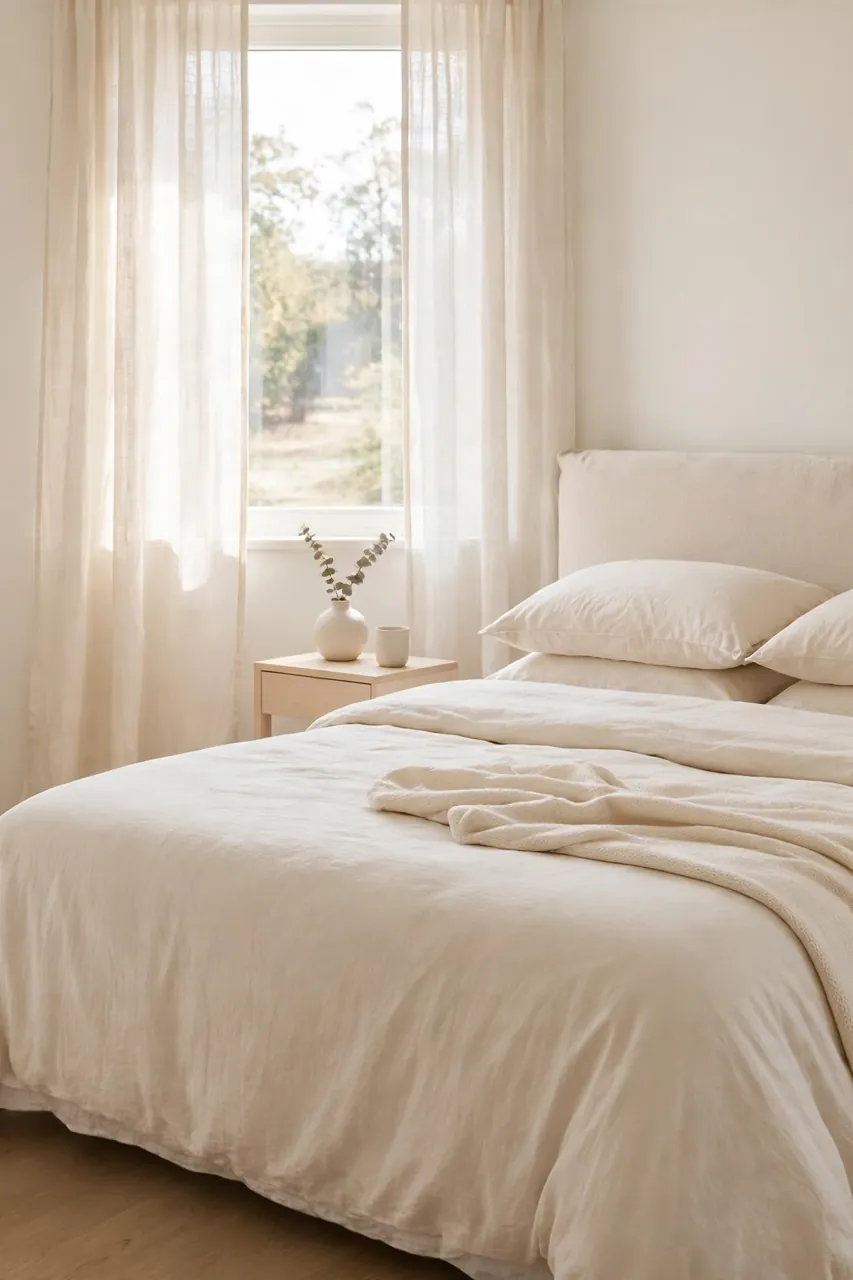
Common Mistake: Most people try to squeeze a full bedroom set into a small room because the pieces came together. An oversized dresser eats up an entire wall and leaves the room with no breathing space. The matching bulky nightstands make the bed feel boxed in on both sides.
The Fix: Scale each piece to the room, not to the set. A slim dresser with deep drawers stores the same clothes while leaving walkway space open. One narrow nightstand, or even a floating shelf, keeps the bed area from feeling crowded.
Right-sized furniture changes how a small bedroom feels more than any paint color can. When each piece leaves a few inches of breathing room, the whole layout looks intentional instead of crammed. Measure twice before you buy, and the room will feel finished instead of stuffed.
Use Vertical Space
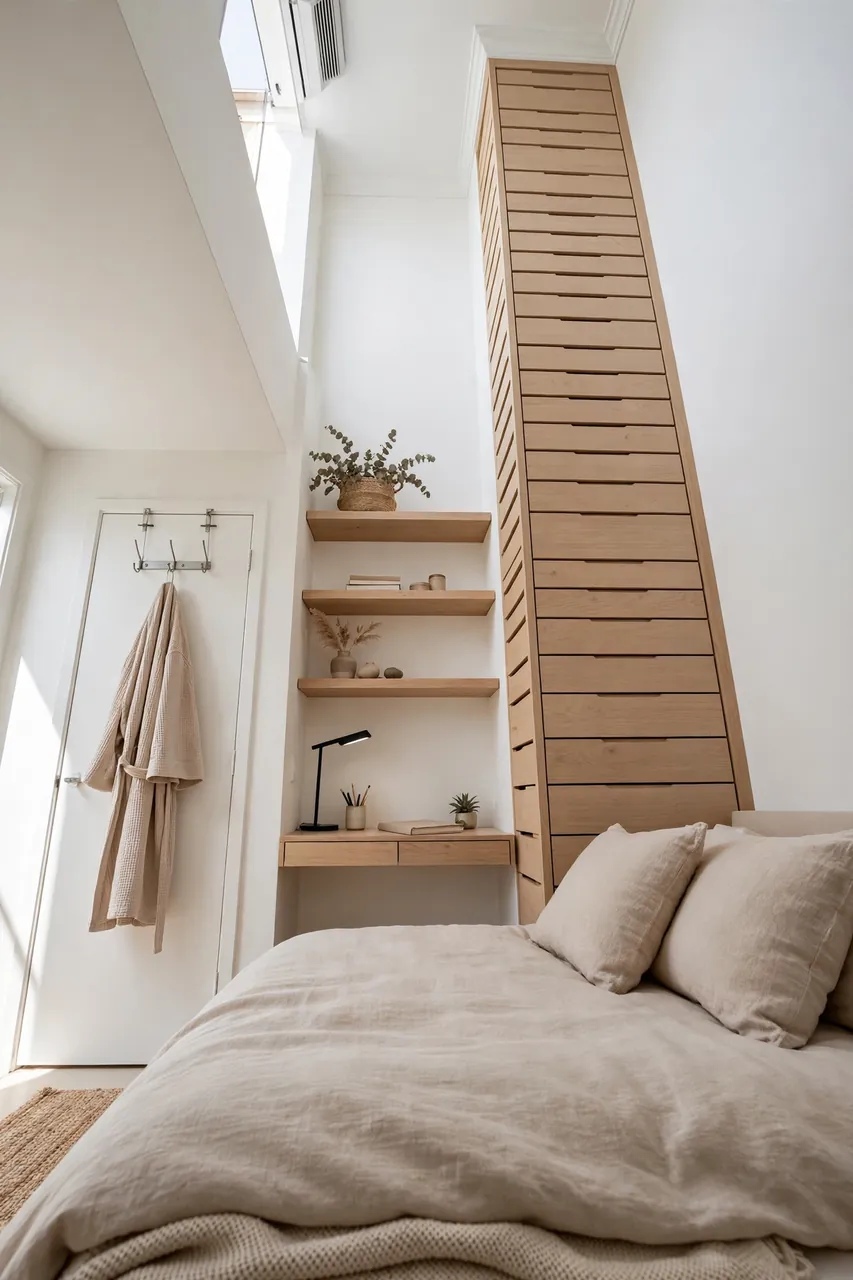
What You Need:
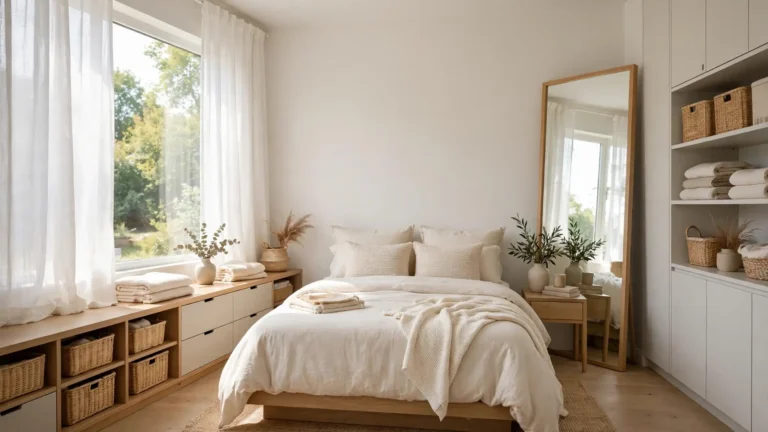
- Tall dresser: A narrow chest of drawers uses wall height instead of floor width, storing more in a smaller footprint.
- Wall shelves: Mounted shelves above the dresser or desk hold books and decor without touching the floor.
- Over-door hooks: The back of the bedroom door adds hanging space for robes, bags, and tomorrow’s outfit.
- Bed risers: Lifting the bed a few inches creates hidden storage space underneath for bins and boxes.
- High curtain rod: Hanging curtains near the ceiling draws the eye upward and makes the room feel taller.
Vertical space is the secret weapon of every small bedroom that feels bigger than it is. Once you start thinking about how to arrange furniture in a small bedroom from floor to ceiling, walls and door backs become free storage. The floor stays clear, the room breathes, and everything still has a home.
Keep Traffic Paths Clear
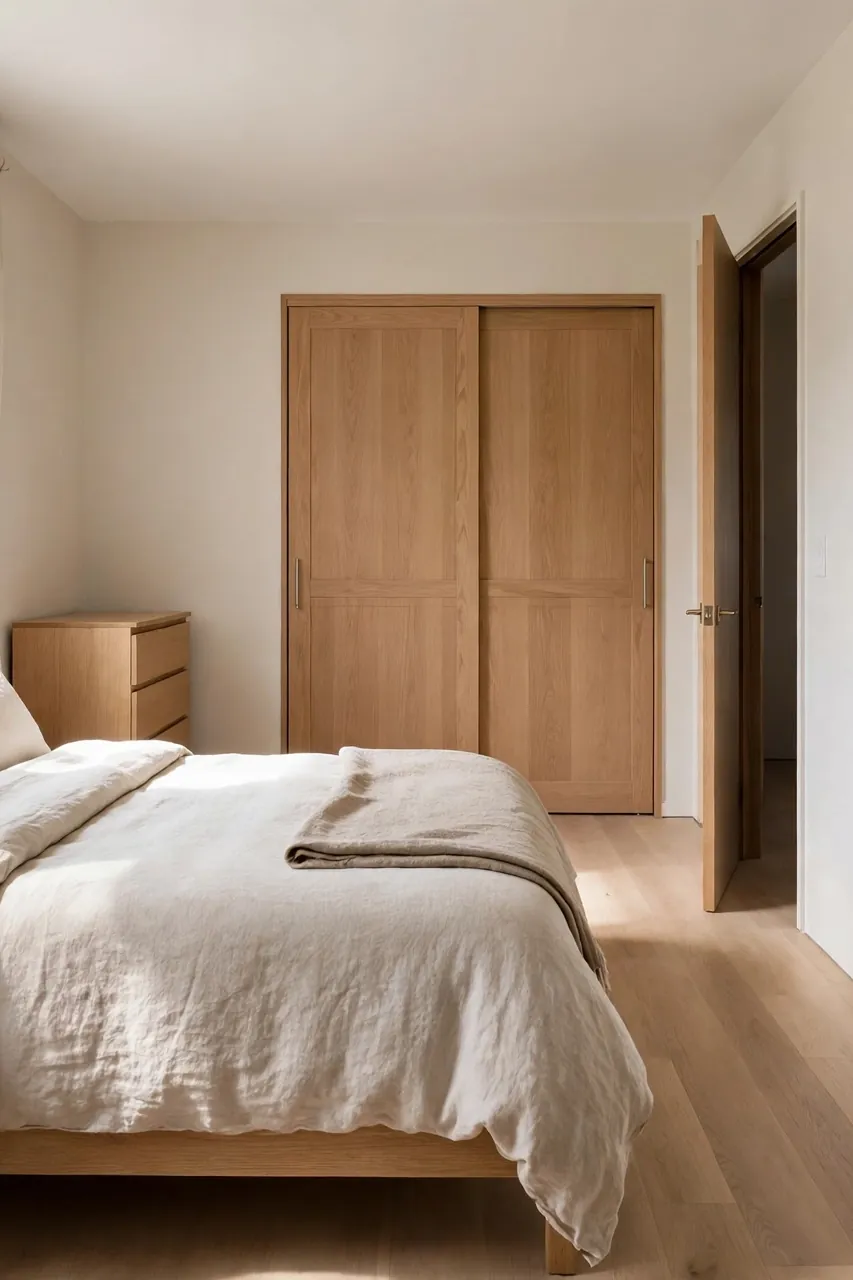
Before: The dresser sat six inches from the bedroom door, so every morning started with a sideways shuffle. Getting to the closet meant climbing over the laundry basket. The room technically had furniture, but it functioned like an obstacle course.
After: Now a clear 30-inch path runs from the door to the closet without touching a single piece. The dresser moved to the long wall, and the laundry basket lives inside the closet. Mornings feel calm instead of clumsy, because nothing blocks the way.
Clear paths are invisible when they work, but you notice them instantly when they do not. Leave at least 24 to 30 inches for every walkway in the room. Your future self, half asleep at midnight, will be grateful. Test each path by walking it with your arms slightly out, like you would carrying laundry.
Try Floating Nightstands
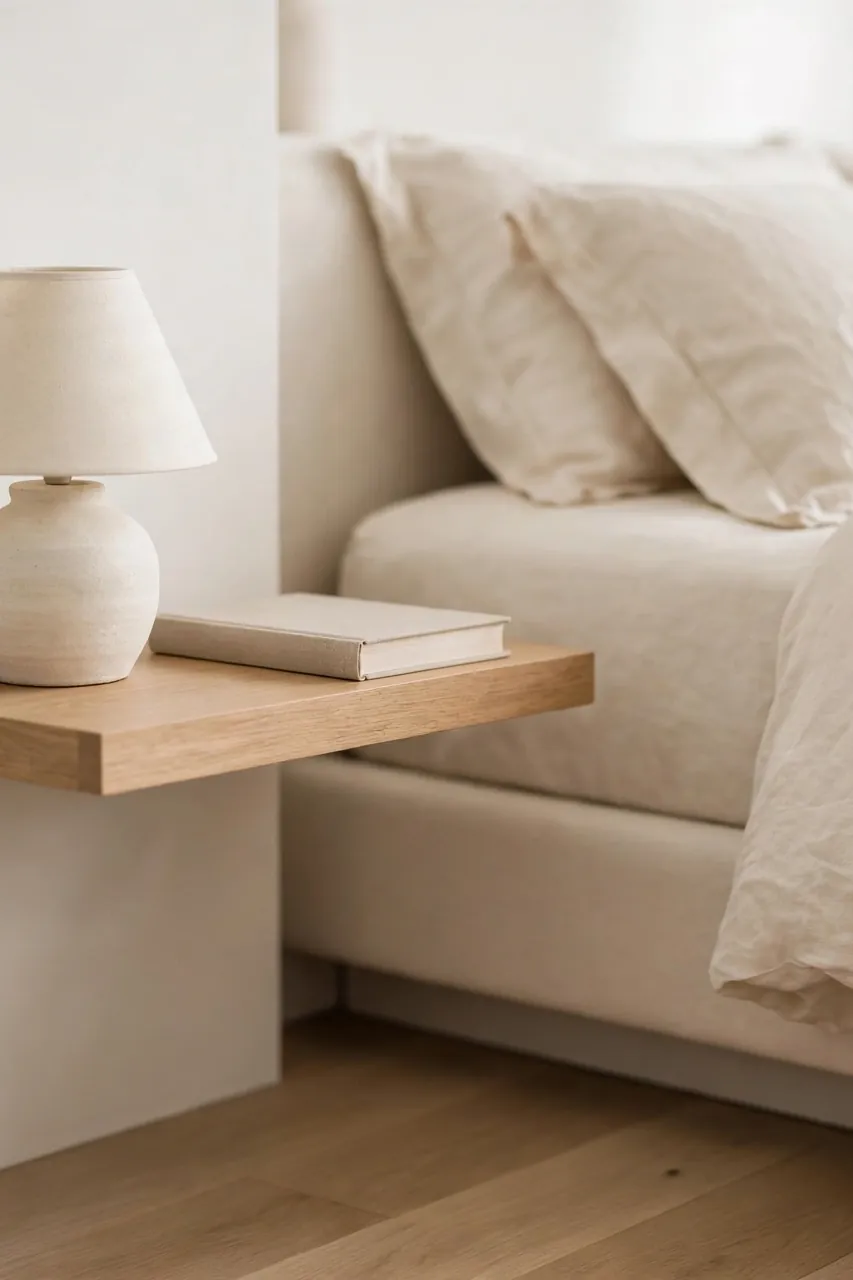
Do This:
- Mount the shelf at mattress height so your lamp and book sit within easy reach.
- Choose a shelf at least 12 inches deep so nothing slides off during the night.
- Anchor into a wall stud or use heavy-duty anchors rated for the weight you will add.
- Leave the floor space below open to make the room feel larger.
Avoid This:
- Do not mount the shelf so high that you have to sit up to reach your water glass.
- Never skip the stud finder, because a nightstand that pulls out of drywall ruins the wall.
- Do not overload the shelf with heavy decor when you still need space for nightly essentials.
- Avoid placing it where the bedroom door swings open and clips the corner.
Floating nightstands are one of the easiest upgrades for a tight bedroom layout. They free up floor space, keep essentials close, and look clean and modern. For a small room where every inch counts, they beat bulky tables every time. Install one this weekend and you will wonder why you waited so long.
Create Zones in One Room
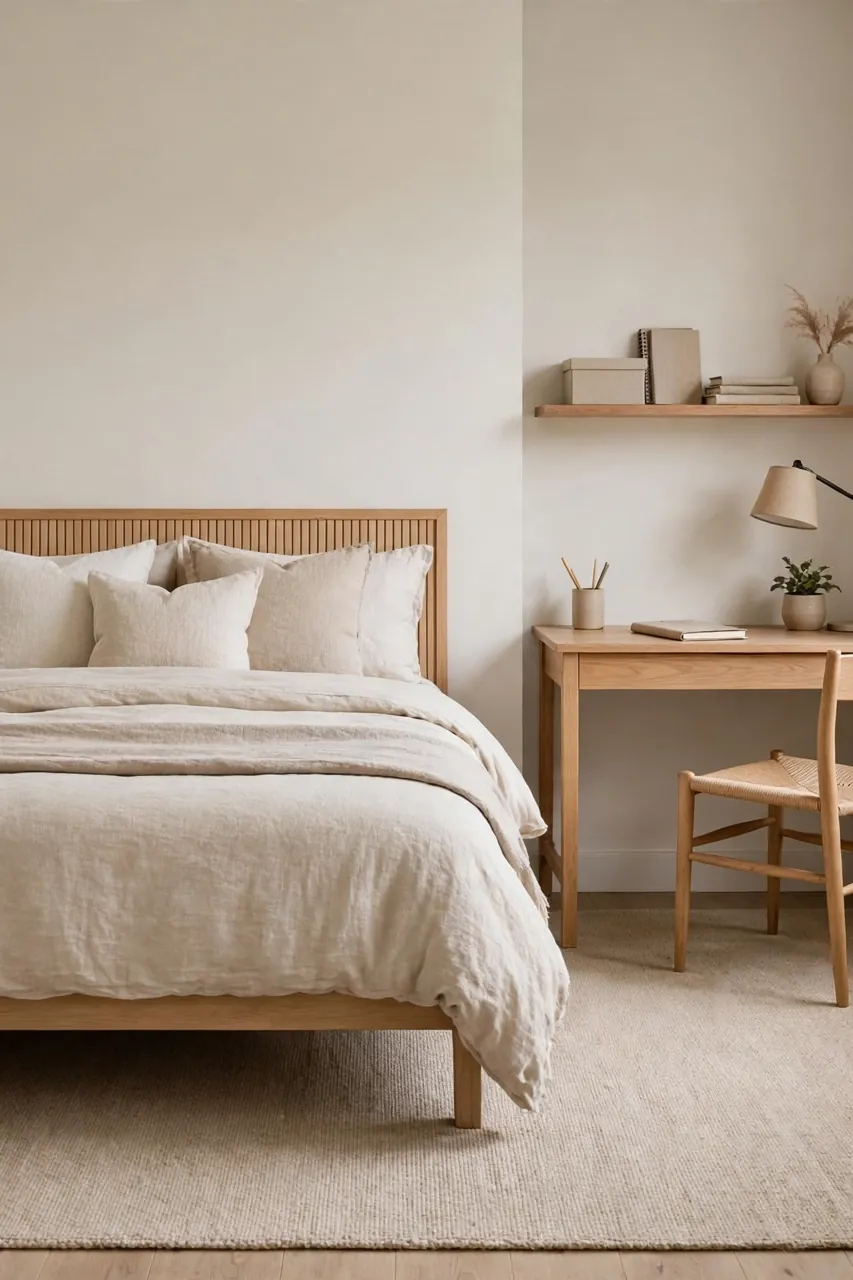
Time Needed: 1 hour | Difficulty: Easy | Cost: Low | Best For: Bedrooms that double as offices or dressing areas
Even one small room can hold two jobs when each zone has a clear purpose. A rug under the bed marks the sleep area, while a small desk in the corner claims the work zone. When zones are defined, the room stops feeling like a jumble and starts feeling like a plan.
Common Layout Mistakes
Pushing every piece of furniture against the wall is the most common small bedroom mistake. It feels logical, but it leaves a dead zone in the middle and makes the walls look crowded. Floating the bed even a few inches from the wall can open up surprising space on the sides.
Another mistake is blocking the window with tall furniture, which steals your best light. Keep window walls low and open so daylight reaches deep into the room. A bright room always feels bigger, no matter how small the floor plan actually is.
Related reading: how to hide a tv in living room shows the same small-space thinking applied to bulky living room pieces.
Pro Tips for Small Bedrooms
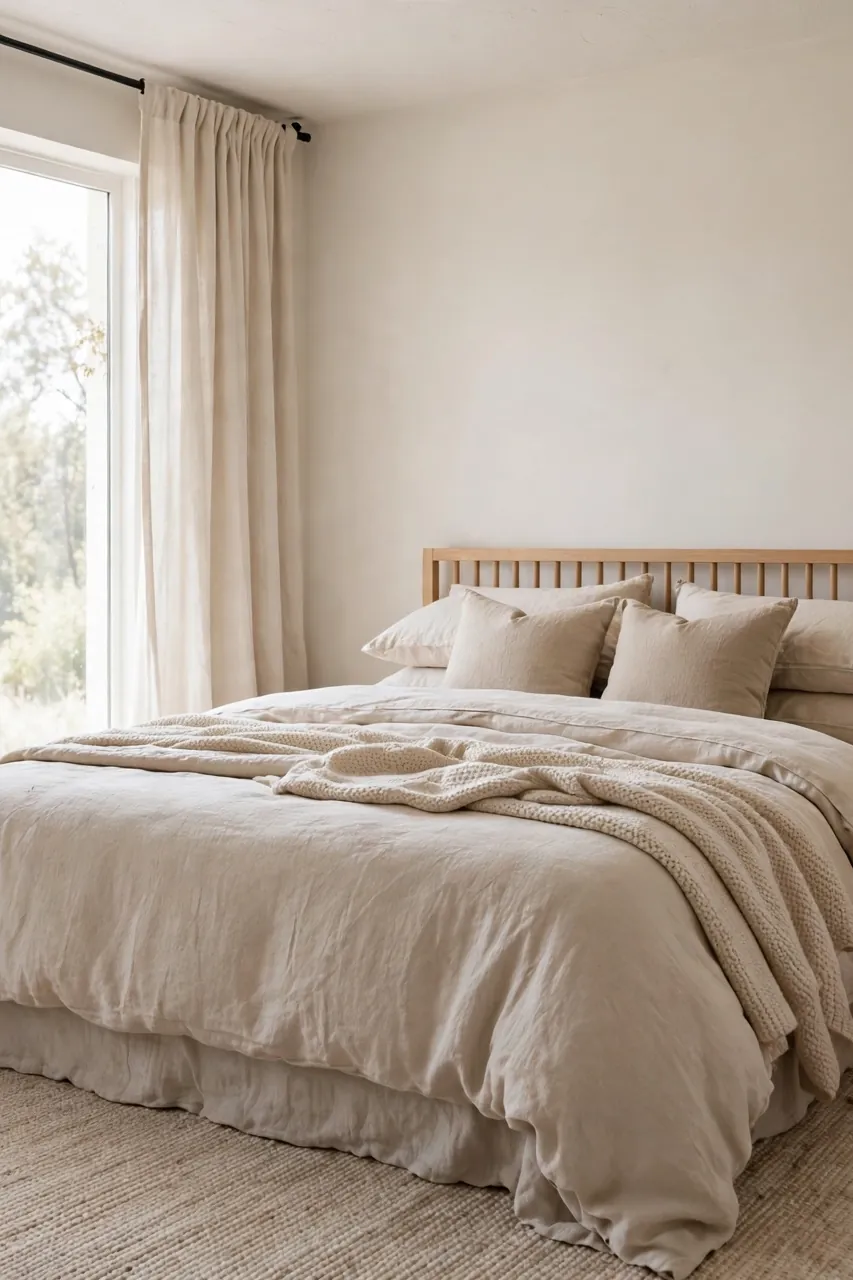
These are the finishing touches that separate a cramped bedroom from a clever one. None of them require buying new furniture. Small adjustments, done in the right order, create the biggest change. Work through them one by one this weekend and watch the room come together.
- Angle the bed slightly if the room is square, because a diagonal line tricks the eye into seeing more floor.
- Use one large rug instead of several small ones, since unbroken flooring reads as a bigger room.
- Keep the top of the dresser mostly clear, with only a lamp and one small tray for daily items.
- Hang curtains from ceiling to floor, even on short windows, to stretch the walls visually.
Conclusion
A well-arranged small bedroom proves that comfort has nothing to do with square footage. When you understand how to arrange furniture in a small bedroom with intention, every inch starts working for you instead of against you. Save this guide to your bedroom board on Pinterest so you can reference the measurements and tips while you rearrange. I have seen tiny rooms feel twice their size after one thoughtful afternoon of moving pieces. Your small bedroom can feel calm, open, and completely yours. Start with the bed, measure twice, and trust the process.
One Comment