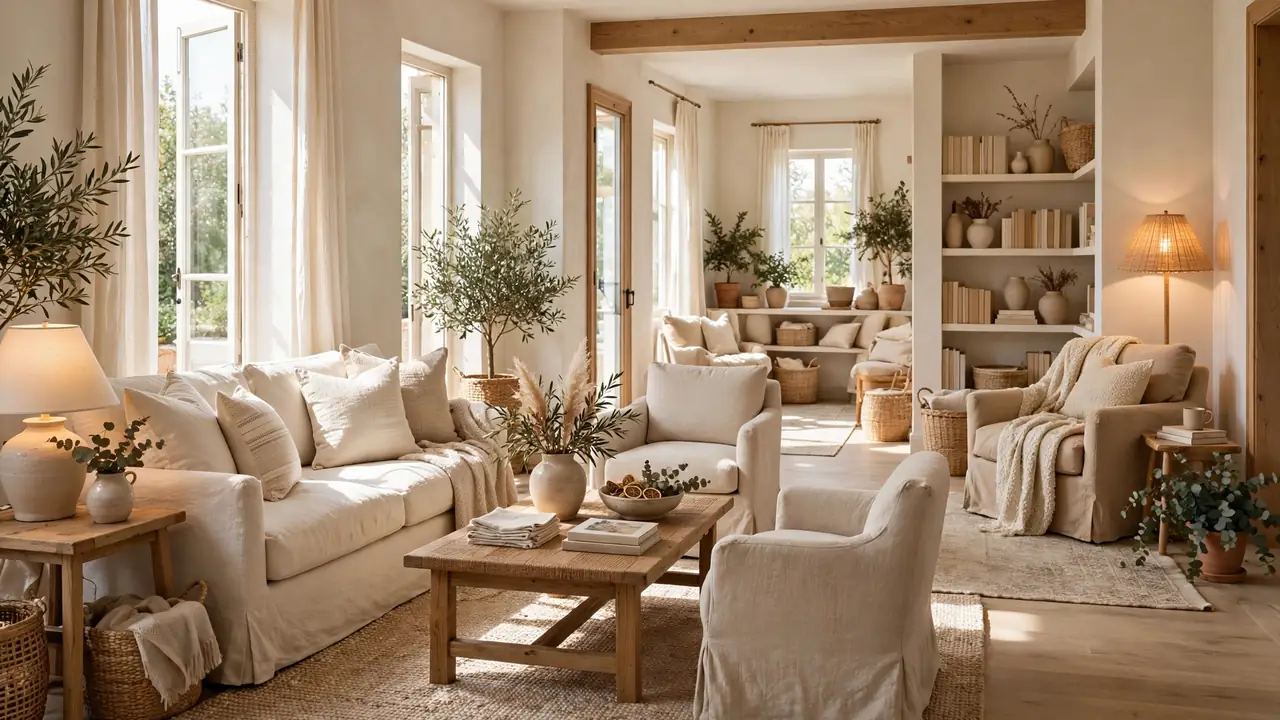
How to Make a Long Open Room Feel More Intimate
A long open room can feel cold and empty without definition, but how to make a long open room feel more intimate comes down to smart zoning and warmer layers. Give every part of the room a job so nothing feels like leftover hallway space.
Small spaces teach big lessons about making every corner work hard. Readers who enjoyed how to decorate a bedroom with a narrow footboard clearance will recognize the same mindset here: measure first, then place pieces where they create comfort instead of clutter.
By the end of this guide, you will know how to divide one long room into cozy zones, pick the right furniture scale, and use light, rugs, and texture to pull everything together.
Start by Breaking the Length Into Zones
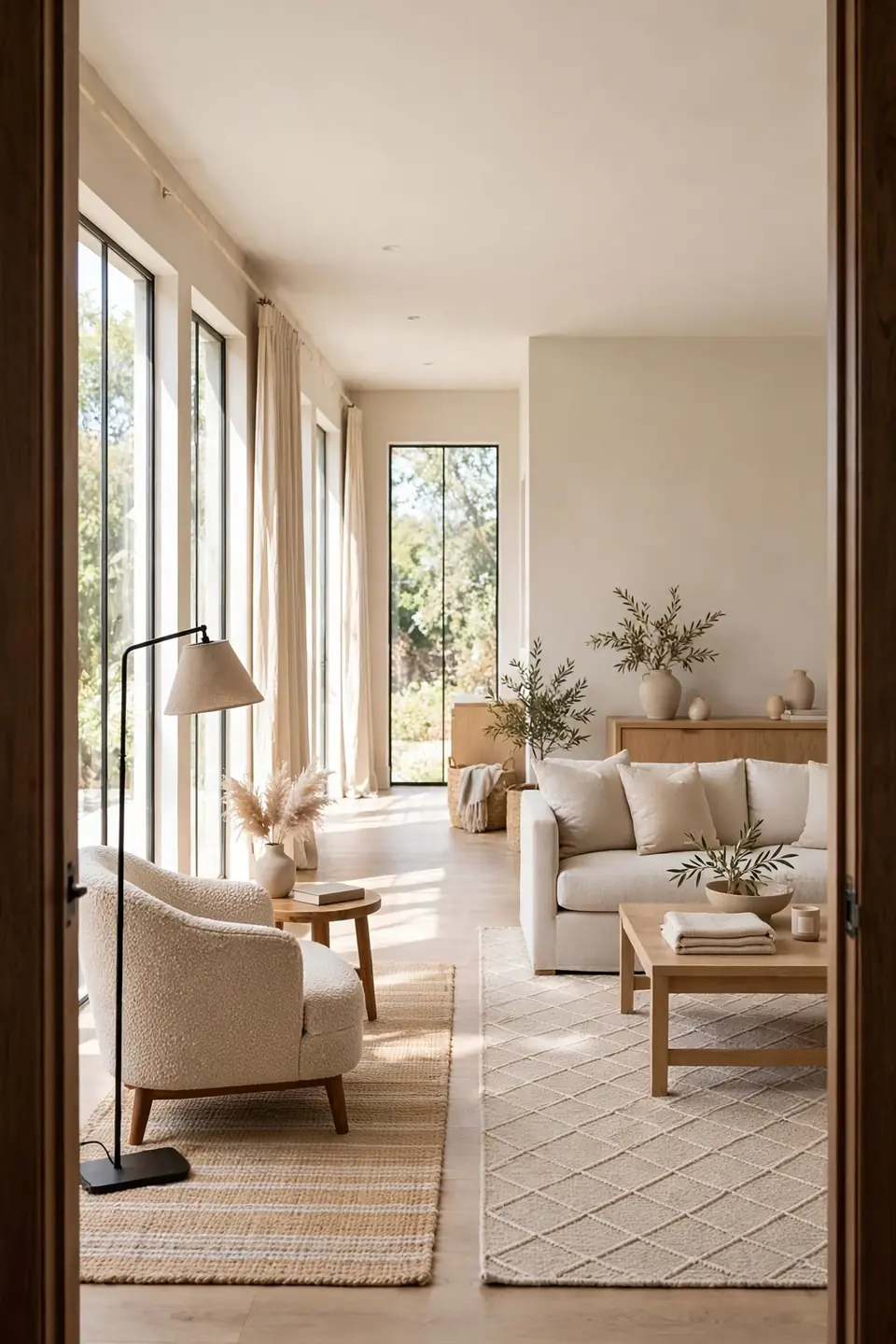
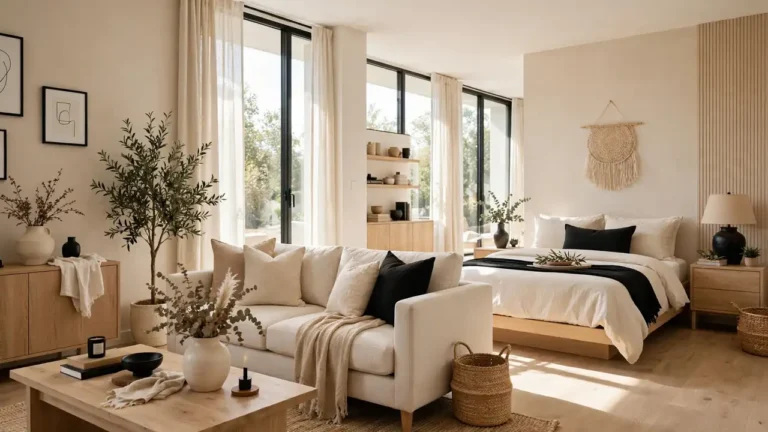
Long rooms feel empty because the eye travels from one end to the other without a reason to stop. Giving the room two or three clear purposes, like a reading corner near the window and a spot for guests, instantly makes it feel smaller and friendlier.
Stand in the doorway and notice where the space naturally splits. A fireplace, a wide window, or even a ceiling beam can mark the boundary between zones. Once each zone has its own purpose, decorating decisions get much easier and the room finally feels like it fits you.
Anchor Each Zone With a Rug
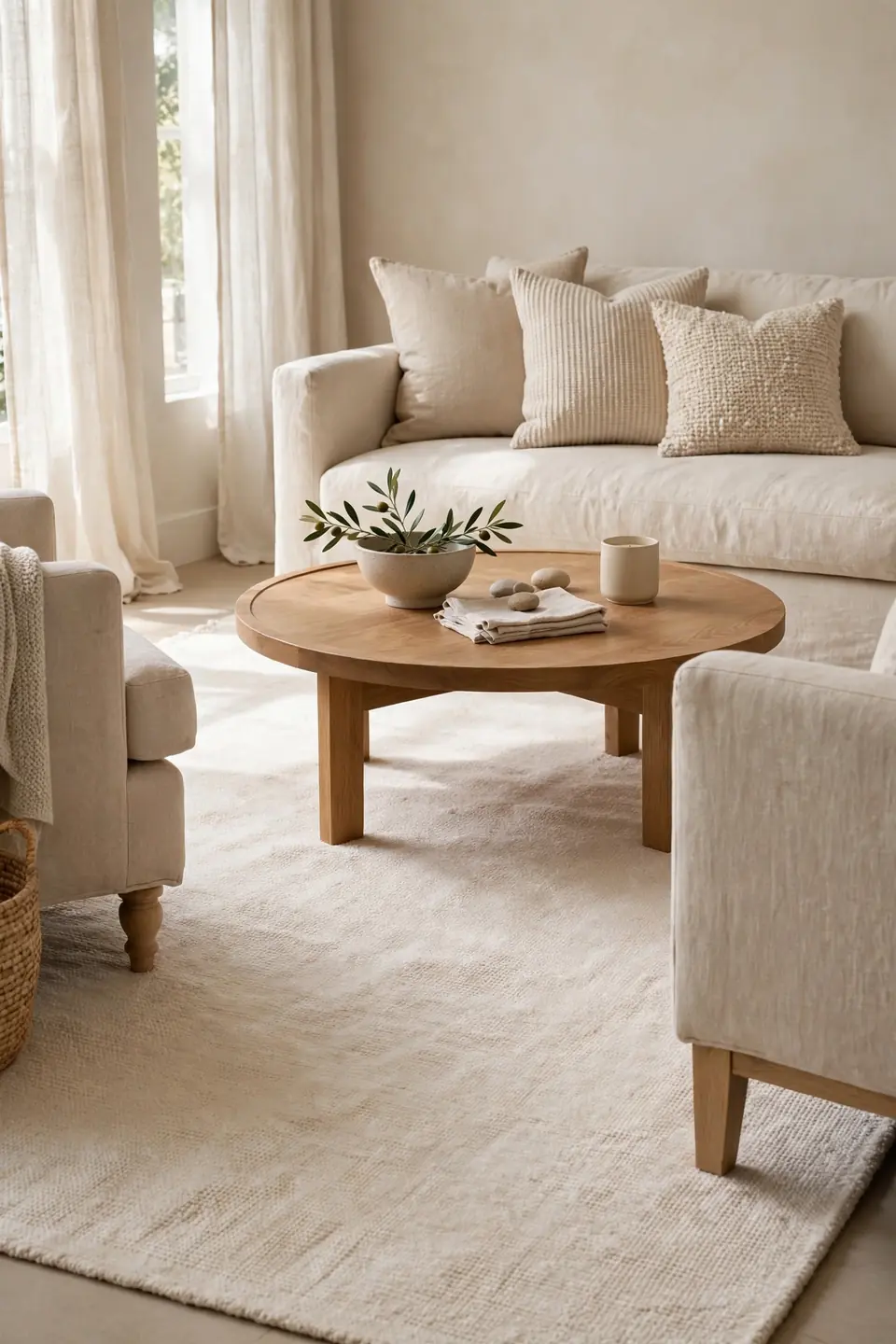
A rug acts like an anchor that tells the eye exactly where one zone ends and the next begins. Without rugs, furniture floats and the whole room reads as one long tunnel. Each zone deserves its own rug, sized generously enough to hold the main pieces.
- Choose a rug large enough that the front legs of sofas and chairs sit on it.
- Leave the same gap between each rug and the walls so the layout feels even.
- Pick rugs in the same color family so the zones feel related, not chopped up.
- Place a rug pad underneath each one to keep things comfortable and in place.
Pull Seating Away From the Walls
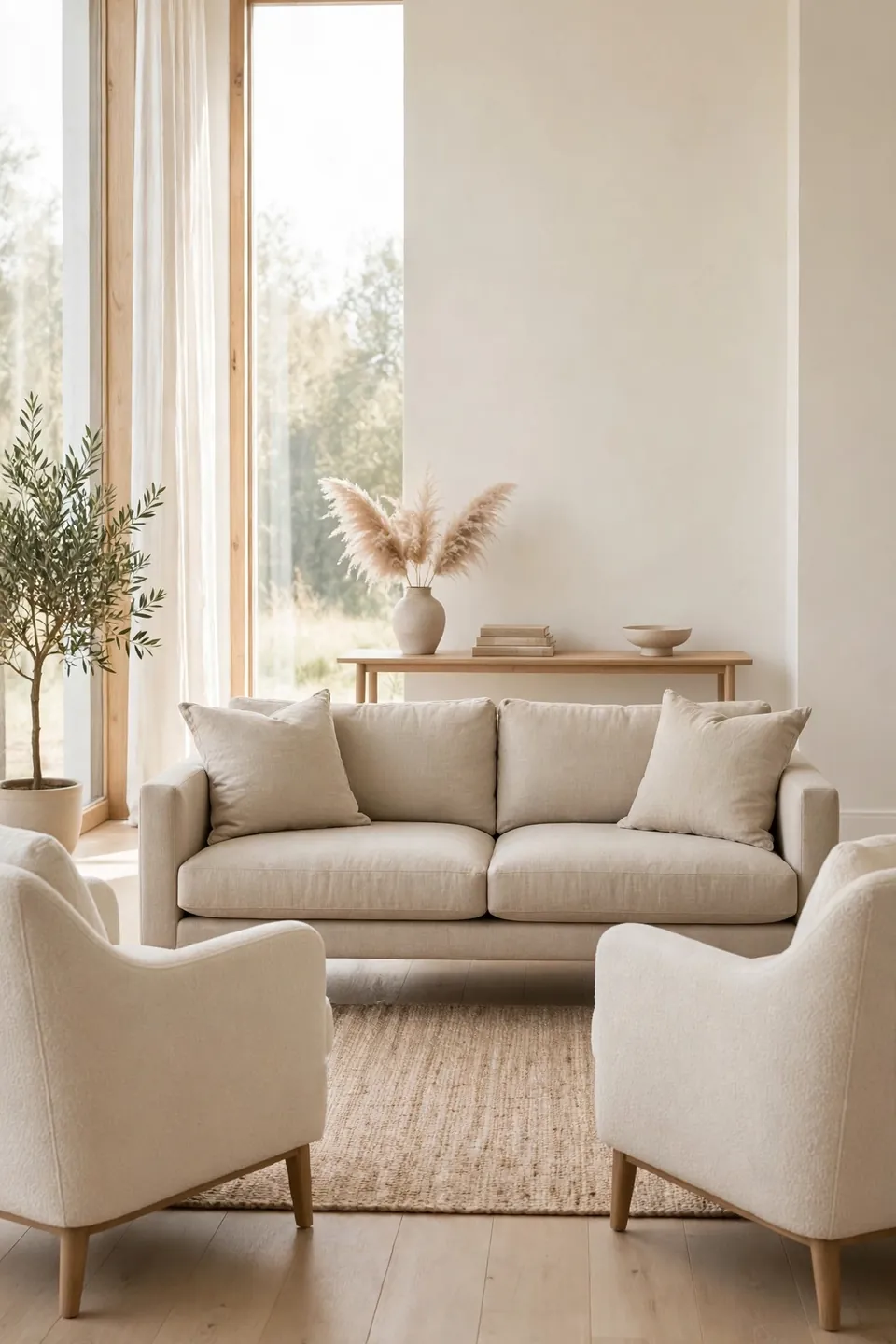
Quick Tip: Move sofas and chairs at least 10 to 15 centimeters off the wall and angle them toward each other. That small gap creates breathing room, and the angled arrangement pulls people into real conversation instead of lining them up like a waiting room.
Floating furniture is the fastest way to make a long room feel connected and full. A sofa pulled forward with a console table behind it fills the dead space that makes rooms echo. The arrangement feels layered and intentional instead of sparse and stretched out.
Stop Hiding Furniture Against Every Wall
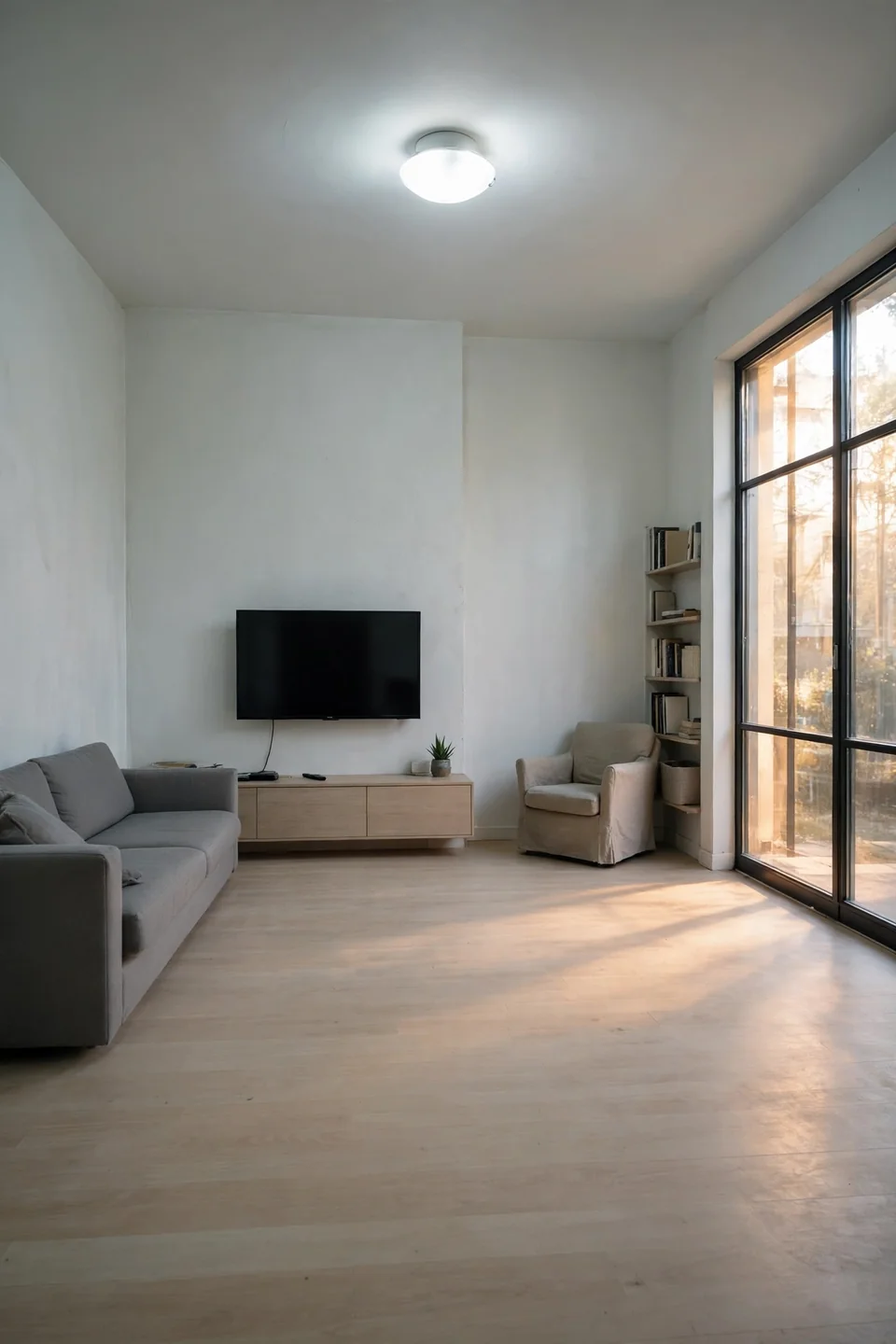
Common Mistake: Pushing every chair, bench, and table flat against the walls in hopes of opening up the middle. This actually makes a long room feel like a hallway, because all the life sits at the edges while the center stays empty and echoey.
The Fix: Let the furniture shape the room instead of tracing its outline. Group seating into a loose circle or L-shape in the center of one zone, and leave the far corners for plants, baskets, or a floor lamp.
Once furniture moves off the perimeter, the room finally gets a center of gravity. Conversation zones feel intentional, walking paths form naturally around the groupings, and each area gets its own warm glow. The space reads as designed rather than simply filled. Guests notice the difference right away.
Build a Three Layer Lighting Plan
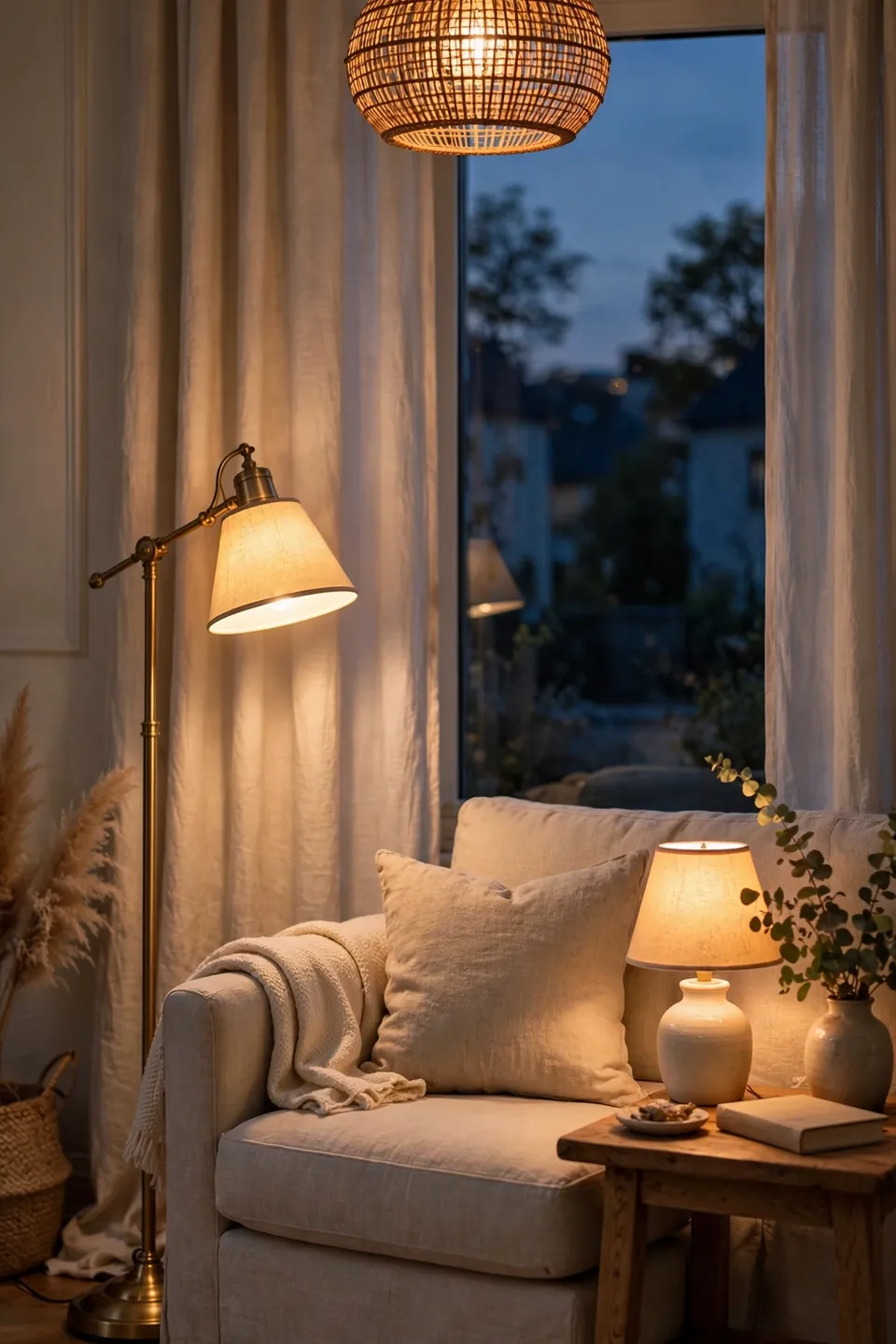
What You Need:
- Ceiling or pendant lights: Provide the base layer that keeps the room bright and even.
- Floor lamps: Drop pools of warm light into seating zones that overhead lighting misses.
- Table lamps: Add low, cozy light at eye level for reading corners and side tables.
- Accent or candle-style lights: Create small glowing moments on shelves, mantels, and consoles.
Harsh overhead light is a top reason long rooms feel flat and cold. Mixing tall, mid, and low light sources gives every zone its own warm glow after dark. The room feels smaller and calmer once shadows have somewhere soft to land. Start with one lamp in your darkest corner and build from there.
Give the Far End Its Own Purpose
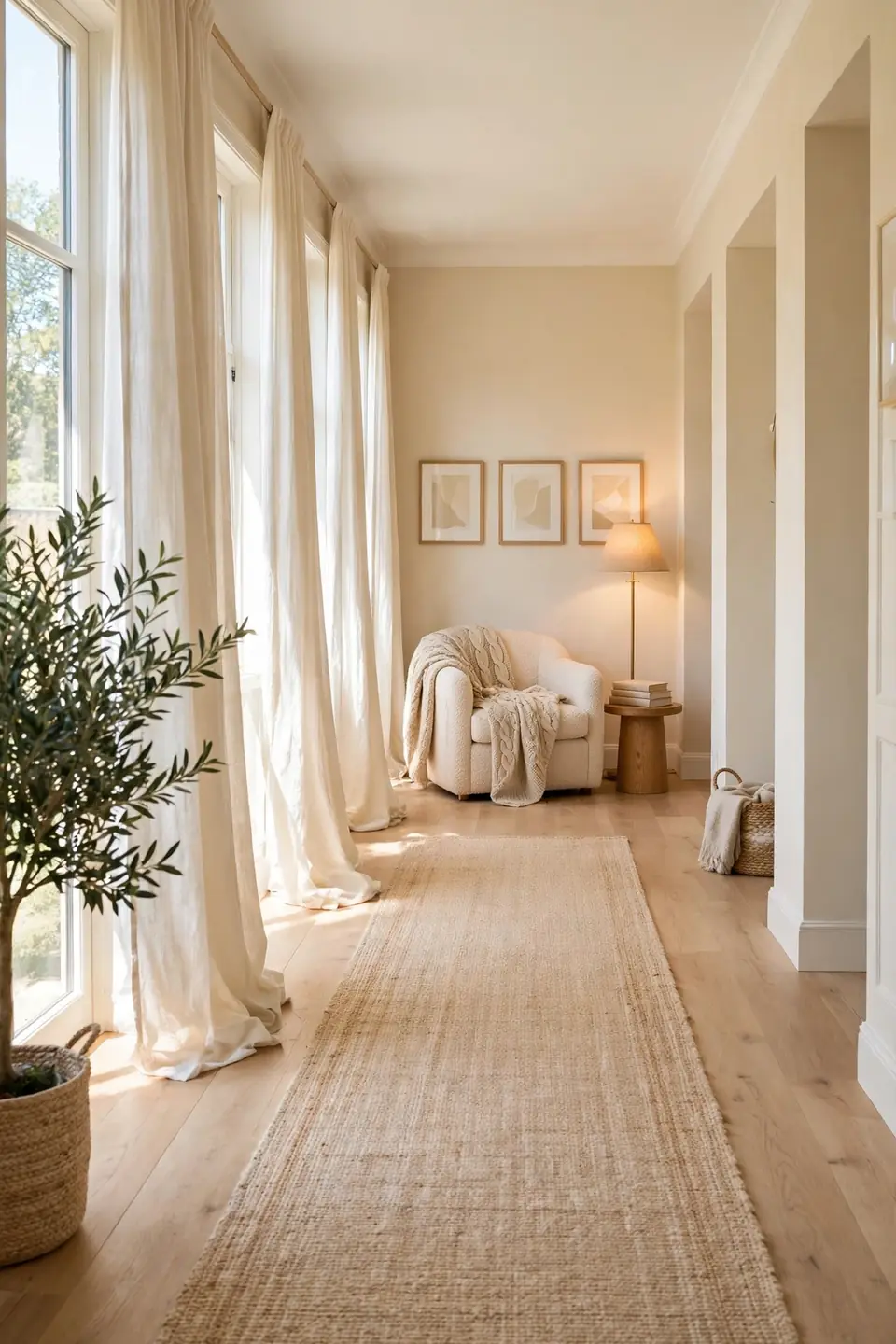
BEFORE: The far end of the room held a lonely armchair nobody used and a bare wall that drew attention to the room’s length. Everything important happened near the entrance, so the back half felt like wasted space you walked past on the way to nowhere.
AFTER: That same end now hosts a small reading nook with a chair, lamp, and basket for books. The wall carries art that rewards the walk across the room, and suddenly the far end feels like a destination instead of a dead end.
A room with a reason to visit both ends feels naturally shorter and much more balanced. For more guidance on anchoring a central feature, this guide to how to arrange furniture in a room with a centered fireplace walks through balanced placement step by step.
Warm Up the Walls With Color and Texture
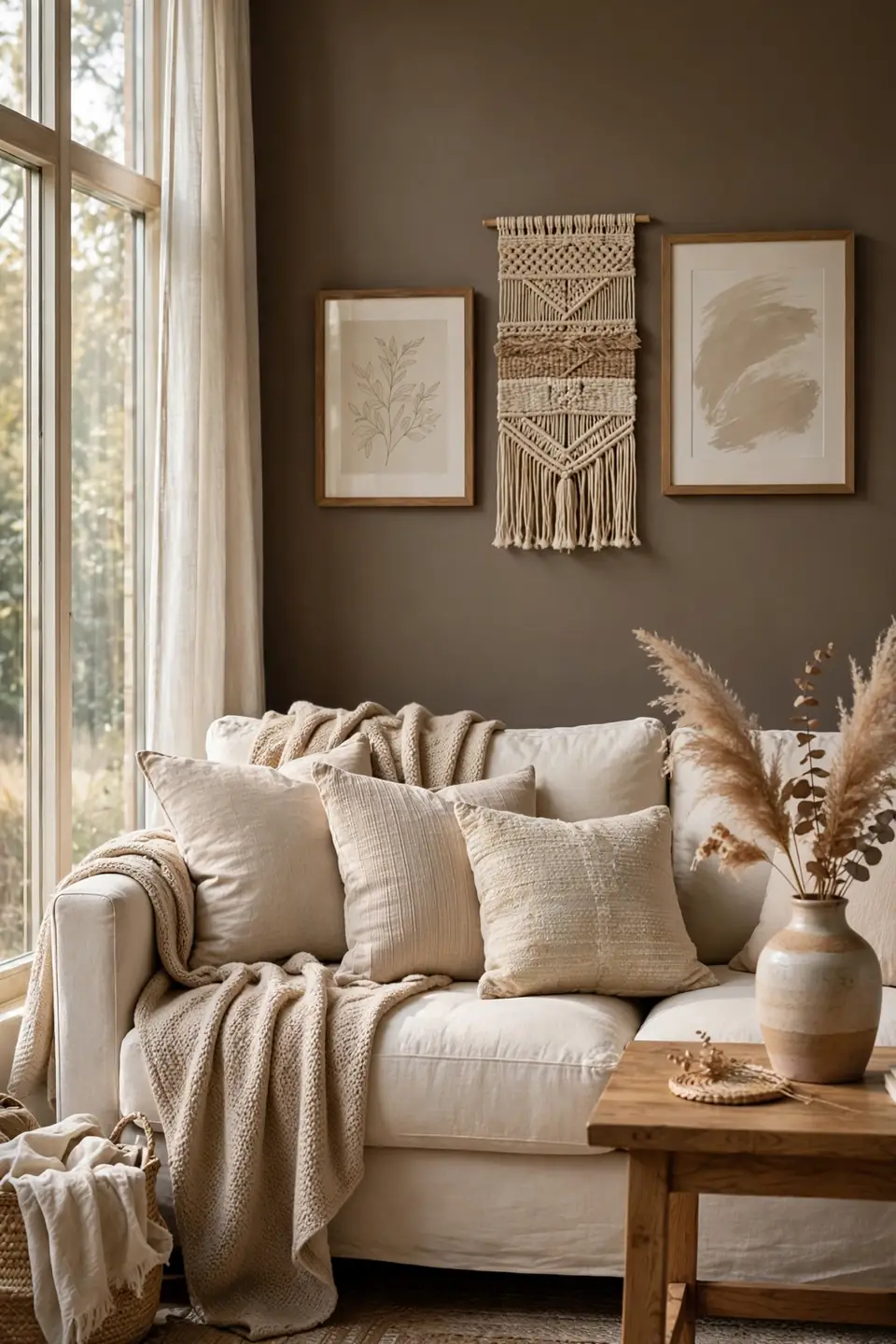
Do This:
- Paint the far wall a slightly deeper shade to pull it visually closer.
- Hang woven wall hangings or fabric art to soften hard, flat surfaces.
- Use wood tones in frames and furniture to add natural warmth.
- Layer curtains in a soft fabric that reaches the floor.
Avoid This:
- Do not paint every wall bright white, which bounces light and feels cold.
- Skip glass and metal finishes that make large rooms feel clinical.
- Avoid tiny artwork that gets lost on big empty walls.
- Do not leave windows bare when softness is the goal.
Warmth comes from what the walls wear, not just their color. Fabric, wood, and art break up long flat runs and give the eye places to rest. The room starts to feel hugged and warm by its surroundings instead of exposed by them on every side.
Choose Furniture With a Friendly Scale
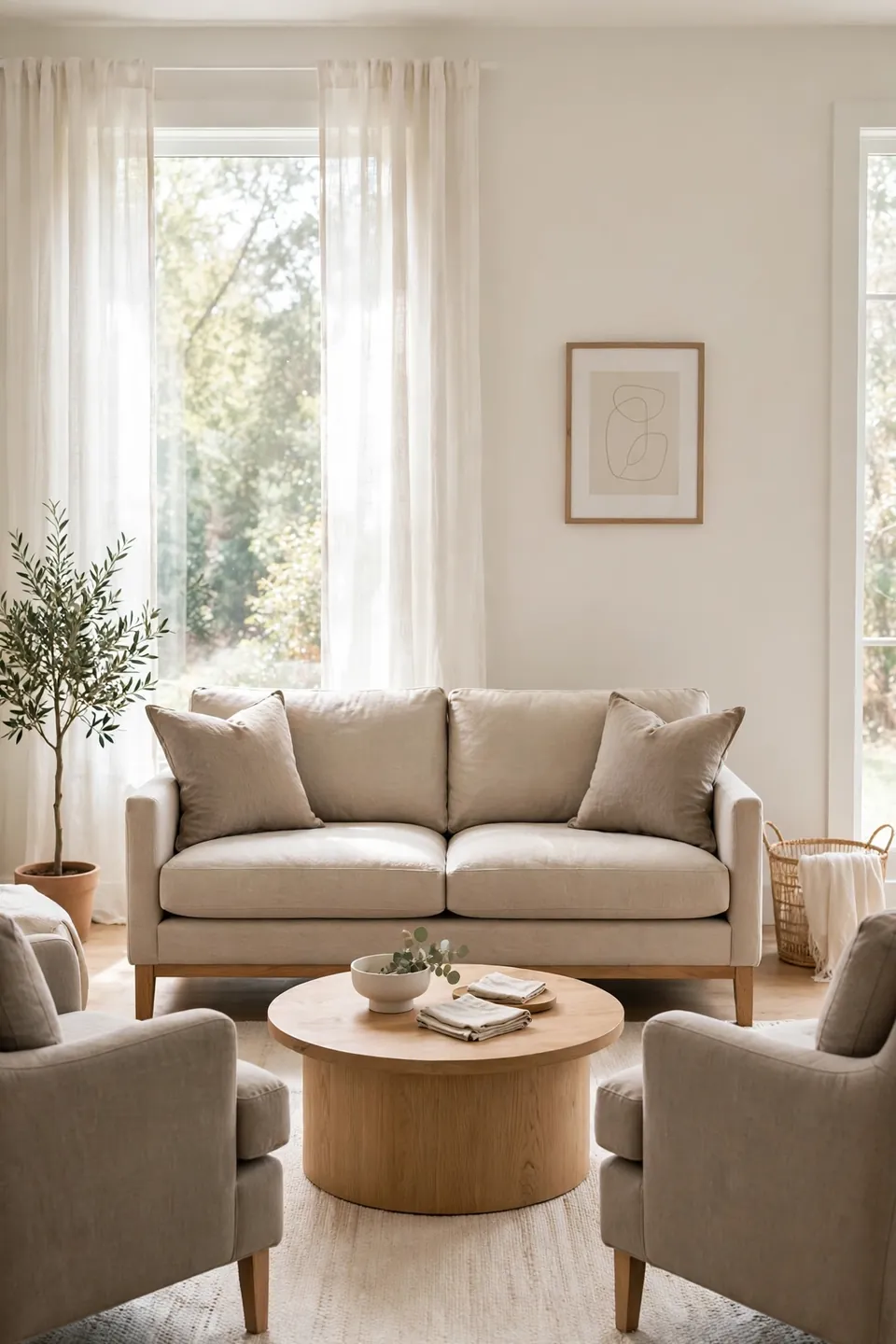
Best Sofa Size: Full-size or apartment sofas seat three without dwarfing the room.
Table Height: Coffee tables around 40 centimeters high keep sight lines open.
Budget: Low to mid; rearranging existing pieces costs nothing.
Time Needed: One afternoon to test a new layout.
Oversized sectionals can swallow a long room, while tiny apartment pieces get lost in it. Aim for medium-scale furniture with visible legs and low backs so light moves under and around each piece. The room feels full and genuinely welcoming without feeling crowded at all.
Soften Sound With Cozy Layers
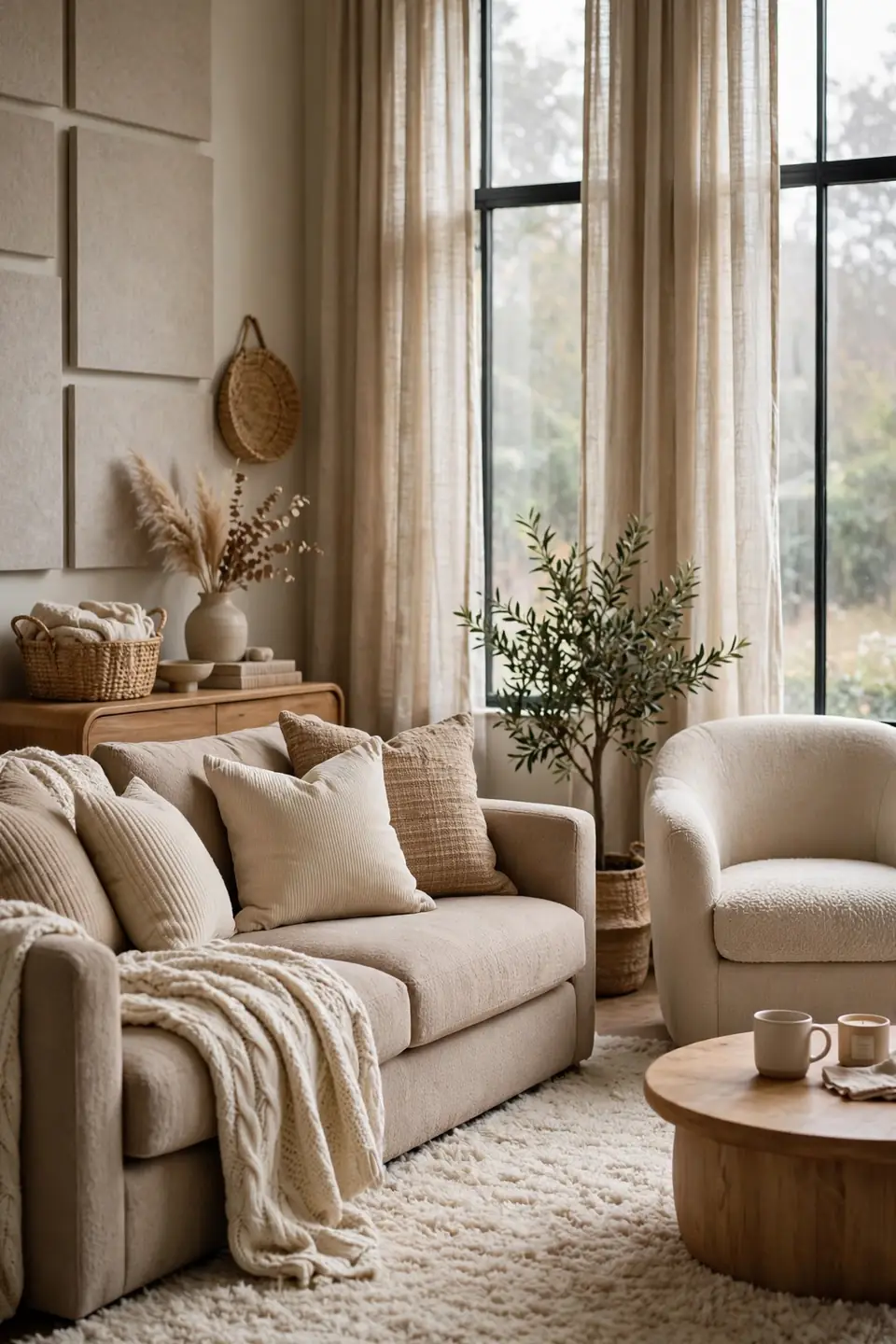
Long rooms echo because hard floors and bare walls bounce sound back and forth across the space. Adding rugs, curtains, and upholstered pieces absorbs that bounce and makes conversation feel easy. A quieter room always feels more intimate than a loud one.
Start with the floor, since it is the largest hard surface in the room. A big rug in each zone plus full-length curtains on every window does most of the work. Pillows and throws on sofas finish the job and invite people to stay longer. Bookshelves along one wall help too, since rows of books break up sound.
Walk the Room and Fine Tune
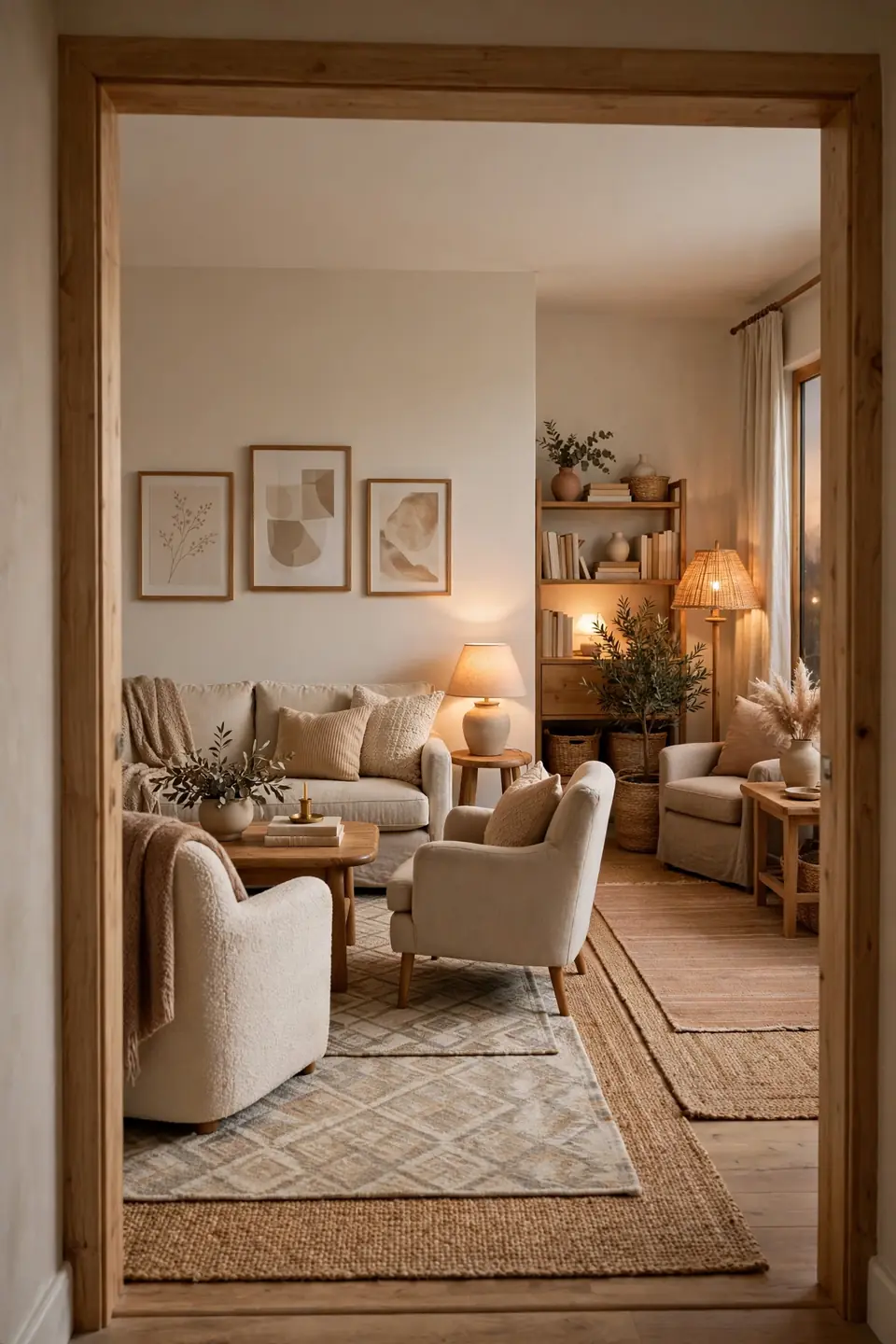
The final pass is where a good layout becomes great. Walk the full length of the room slowly, sit in every seat, and notice what still feels off or cold. Small tweaks at this stage have an outsized impact on comfort.
- Sit in each chair and check that you can see and talk to someone easily.
- Look for dark corners and add a lamp or candle where light is missing.
- Straighten rugs and art so every zone feels cared for, not accidental.
- Take a photo from the doorway to spot anything the eye misses in person.
Conclusion
The biggest takeaway about how to make a long open room feel more intimate is that small choices add up fast. Rugs define zones, layered lighting softens edges, and furniture pulled off the walls creates conversation instead of distance.
In my experience, one changed corner can shift how the whole room feels in a single weekend. Pin this guide to your favorite decor board on Pinterest so you can come back to these steps while you shop and rearrange. Start with one zone today, and the rest will follow naturally. Your room will thank you with warmth every time you walk in.