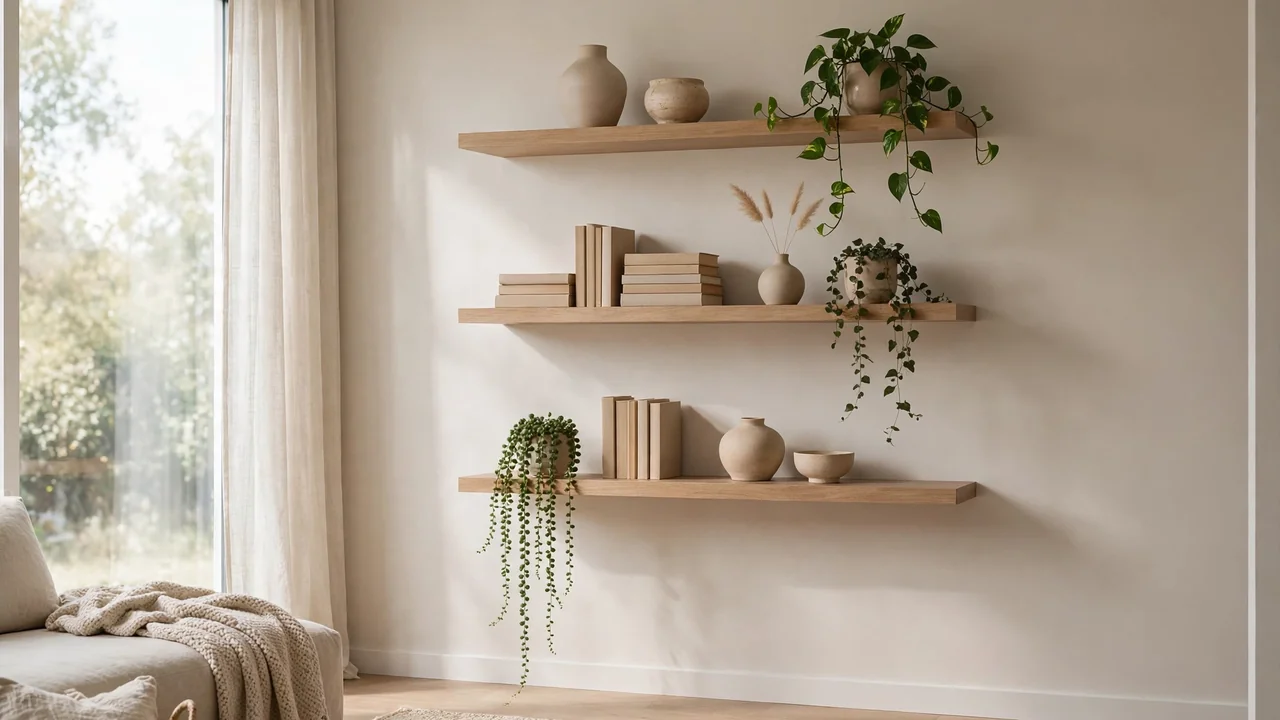
How to Style Shelves Without Making Them Look Cluttered
Shelves should feel styled, not stuffed, and learning how to style shelves without making them look cluttered changes the whole feel of a room. In my experience, most cluttered shelves are not a style problem but a spacing problem. A few small habits make every shelf look calm and intentional.
This guide walks you through each step, from clearing the shelves to placing the last object. If you are tackling other tight spots too, you may enjoy reading about how to create a dining area in a small kitchen for more space-smart ideas.
By the end, you will know exactly what belongs on your shelves and what does not. Your shelves will look styled, breathe easy, and stay that way with a quick weekly reset.
Why Styled Shelves Turn Cluttered
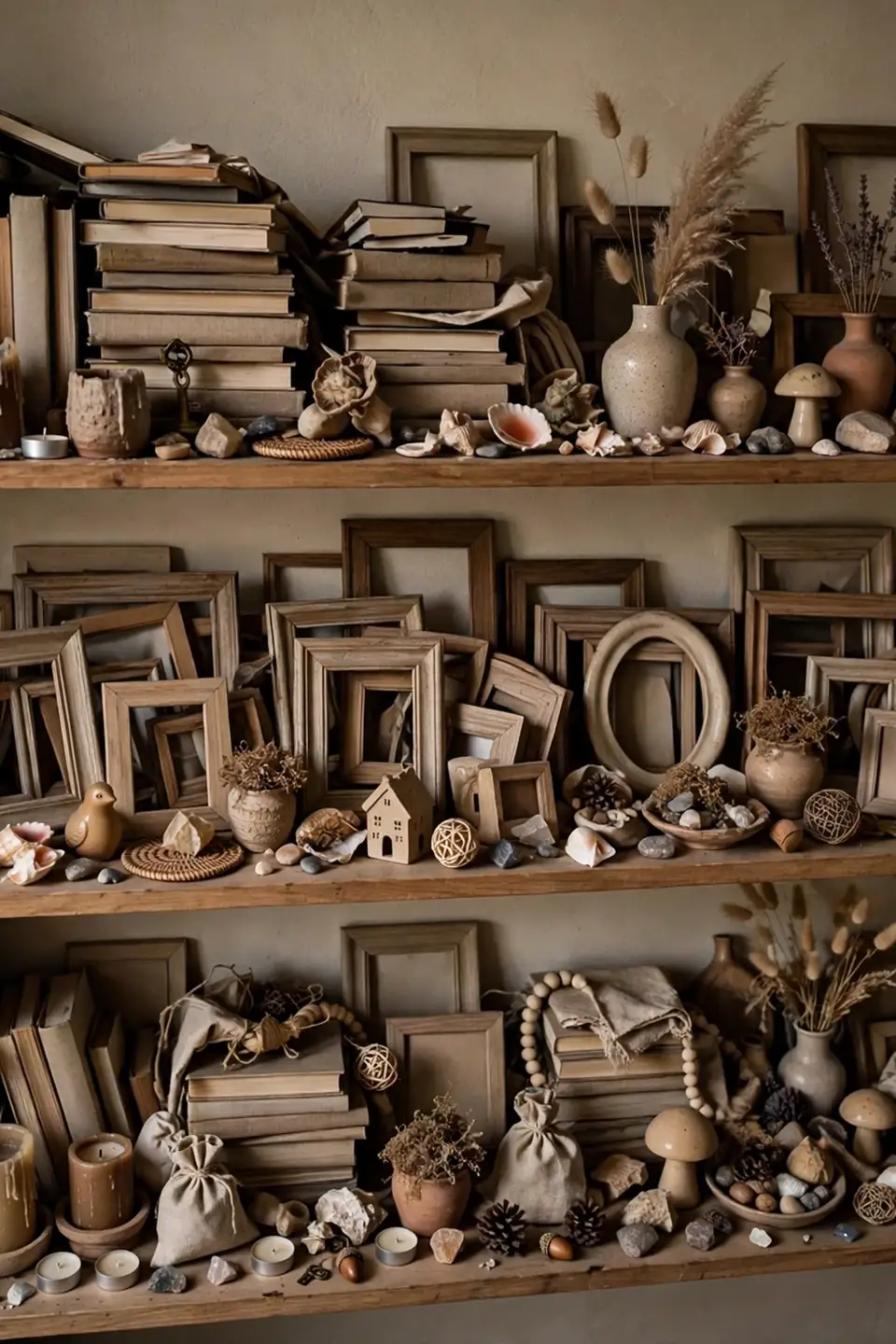
Shelves turn cluttered one innocent object at a time. A candle joins a photo, a souvenir lands beside it, and soon the shelf holds twelve things with no breathing room. Most people keep adding without ever stepping back to look, and the result makes even nice pieces look cheap.
The good news is that clutter is usually a layout issue, not a taste issue. When each shelf has a clear job and a little empty space, everything on it looks better. You do not need new decor for that, just a calmer arrangement of what you already own.
Start With Empty Shelves
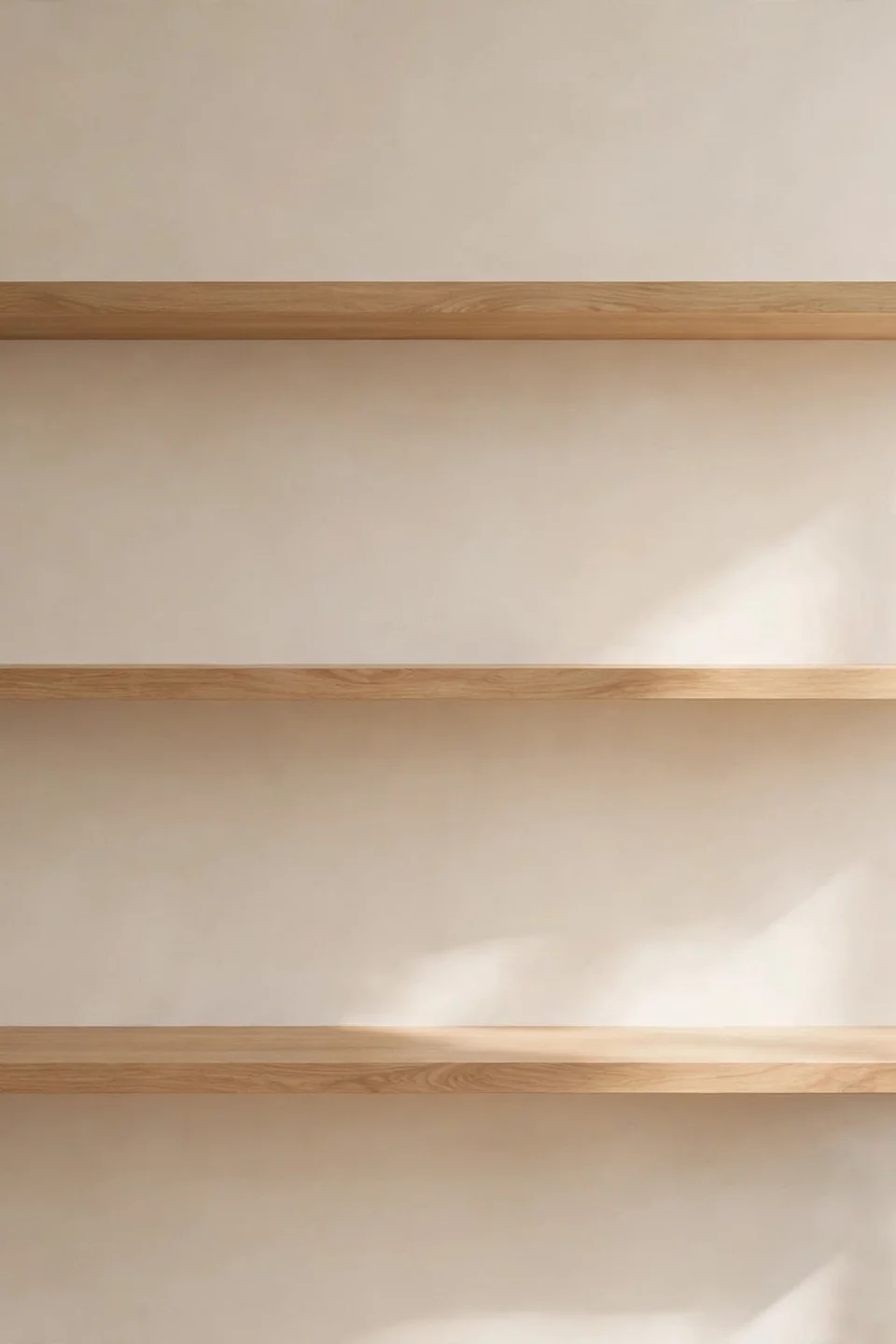
Emptying the shelves feels drastic, but it is the fastest way to reset your eye. A completely blank shelf lets you see its real size, light, and proportions clearly. You stop decorating around old clutter and start fresh with intention.
- Take everything off every shelf, including books, and give each surface a quick dust.
- Sort items into three piles: keep, relocate, and donate, then box the donate pile right away.
- Note which shelves get the most light, since plants and art read best there.
- Photograph the empty shelves from a few steps back so you can plan with fresh eyes.
Follow the Rule of Threes
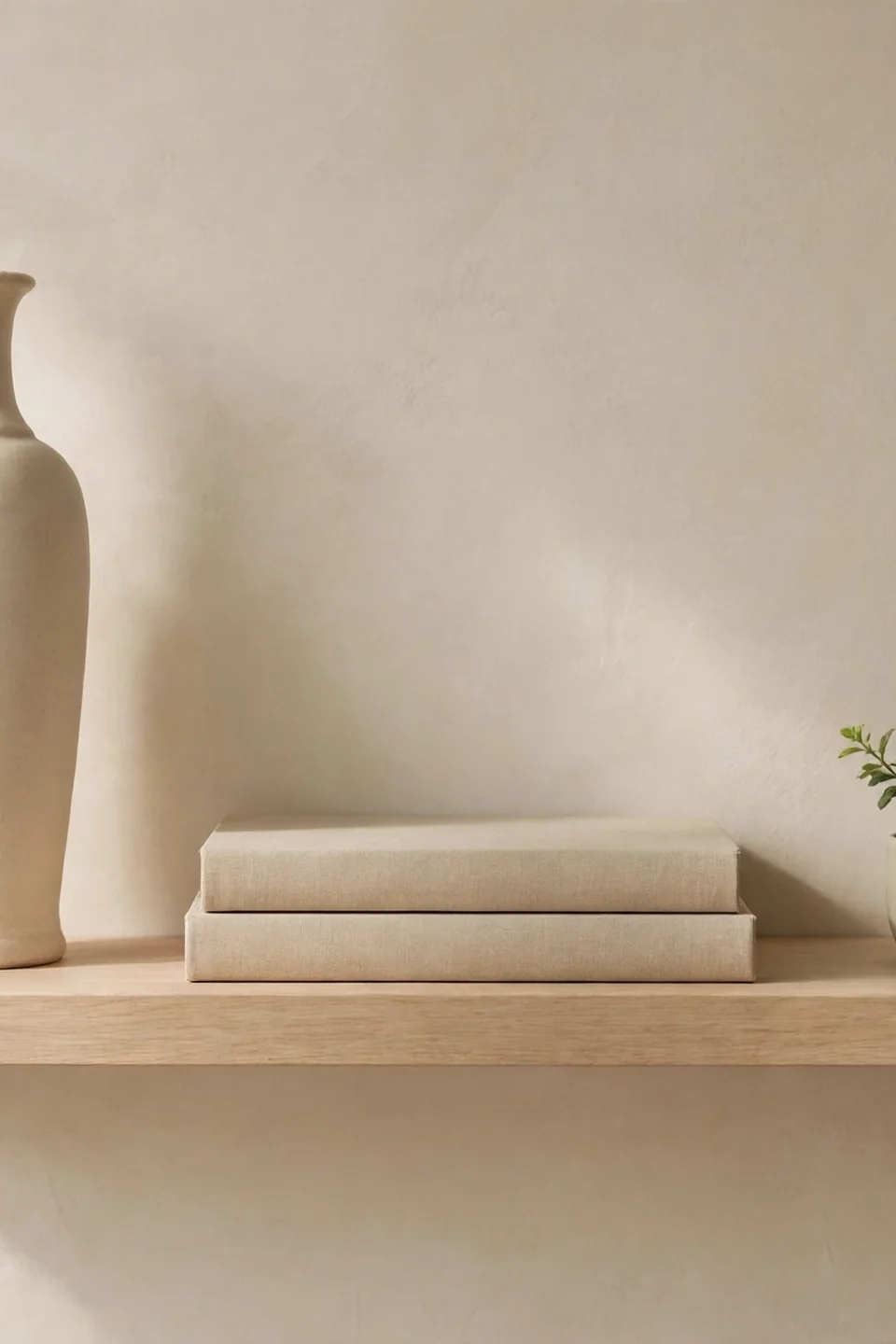
Quick Tip: Groups of three look complete without looking crowded. Odd numbers create gentle movement, so the eye travels instead of stalling. One trio per shelf zone is plenty.
Try a tall vase, a small stack of books, and one small object together. Vary the heights so the group forms a soft triangle, then leave space around it. Repeat the trio idea on other shelves with different objects, and the whole unit starts to feel styled instead of stacked.
Mix Heights and Shapes
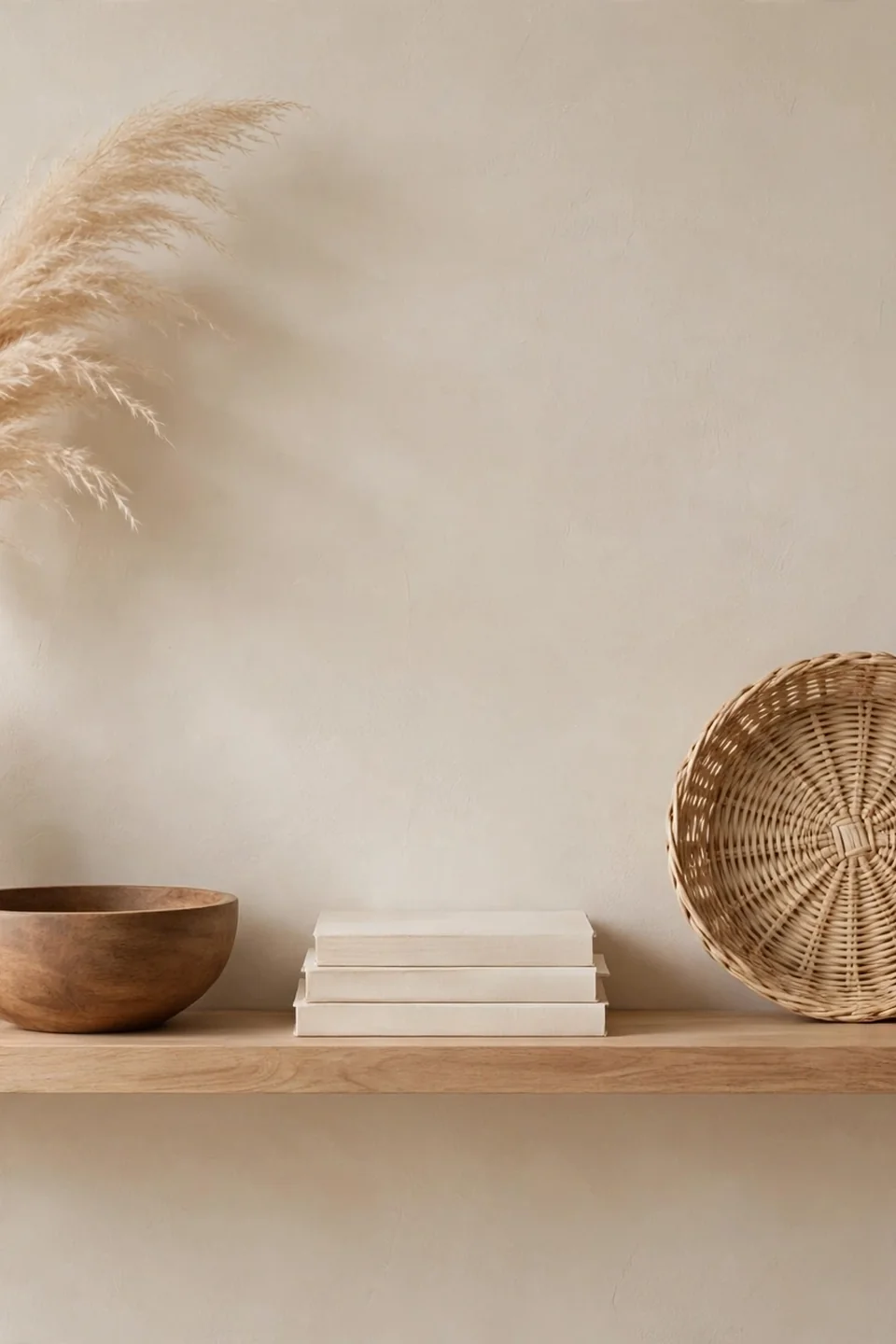
Common Mistake: Most people line up objects that are all the same height, which turns the shelf into a flat, boring row. Equal heights also make the shelf look busier than it is, since nothing leads the eye.
The Fix: Mix tall, medium, and short pieces so the eye moves up and down comfortably. Pair a tall vase with a low bowl, or a standing frame with a short stack of books.
Round objects soften square books, and tall pieces pull the eye upward toward the next shelf. Aim for a gentle wave across each shelf rather than a flat, even line. When heights vary naturally, even a small group of items looks thoughtfully styled and calm.
Leave Breathing Room
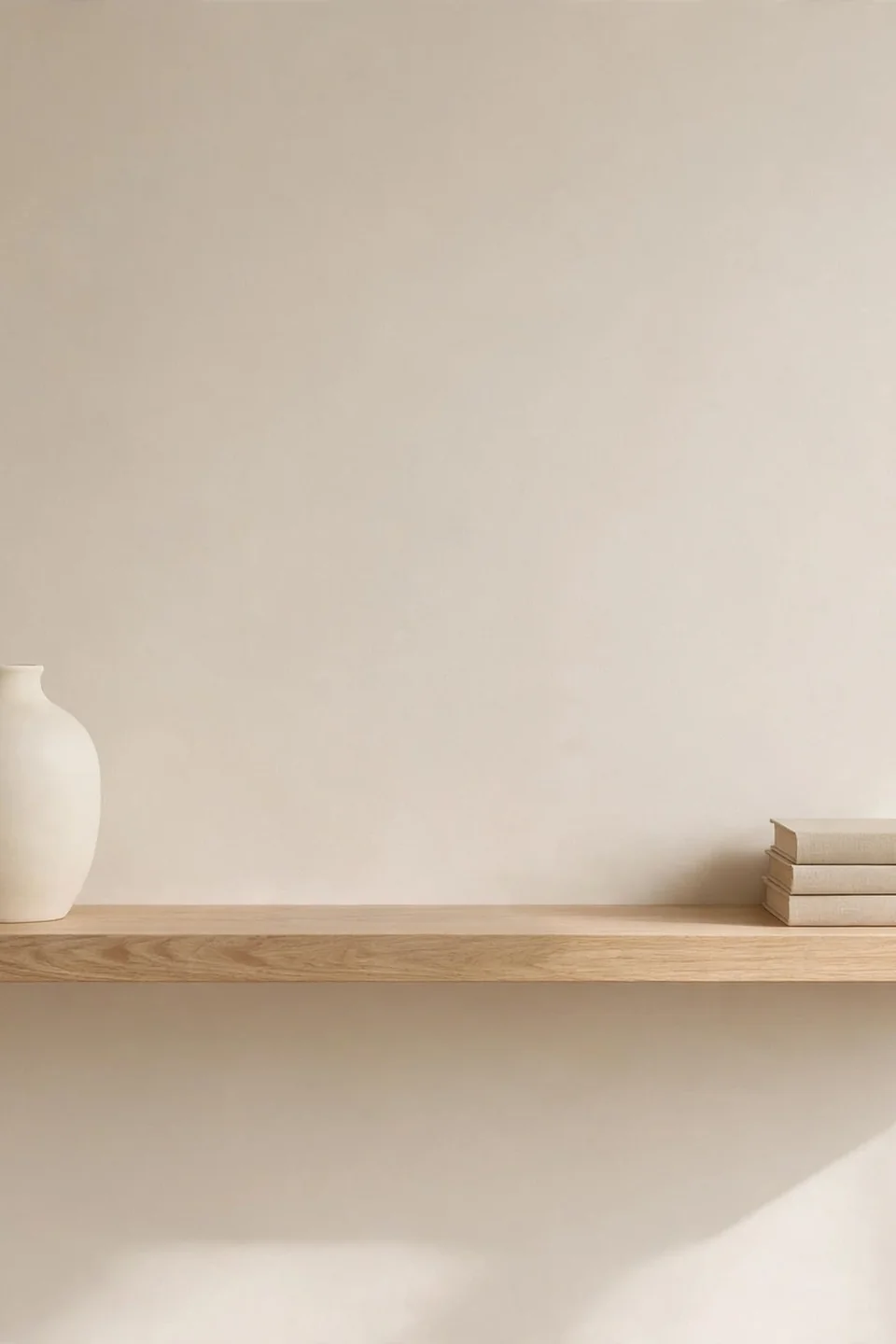
What You Need:
- A few empty inches on every shelf, because negative space is what keeps arrangements calm.
- One clear surface per shelf level, so the eye has somewhere to rest.
- Slimmer bookends or none at all, since bulky ends eat precious space.
- Small trays to group tiny items, which read as one object instead of five.
- The nerve to leave a shelf partly empty, because restraint is the whole trick.
Space is the secret ingredient that makes every shelf look expensive. When you give each group room to breathe, the shelf reads as styled rather than stored. I always remind myself that knowing how to style shelves without making them look cluttered starts with what I leave out, not what I add.
Use a Limited Palette
Before: The shelf holds a rainbow of colors: red spines, a blue vase, a green plant pot, and gold frames all competing. Every color shouts at once, so nothing feels connected. It reads as clutter even when the layout is fine.
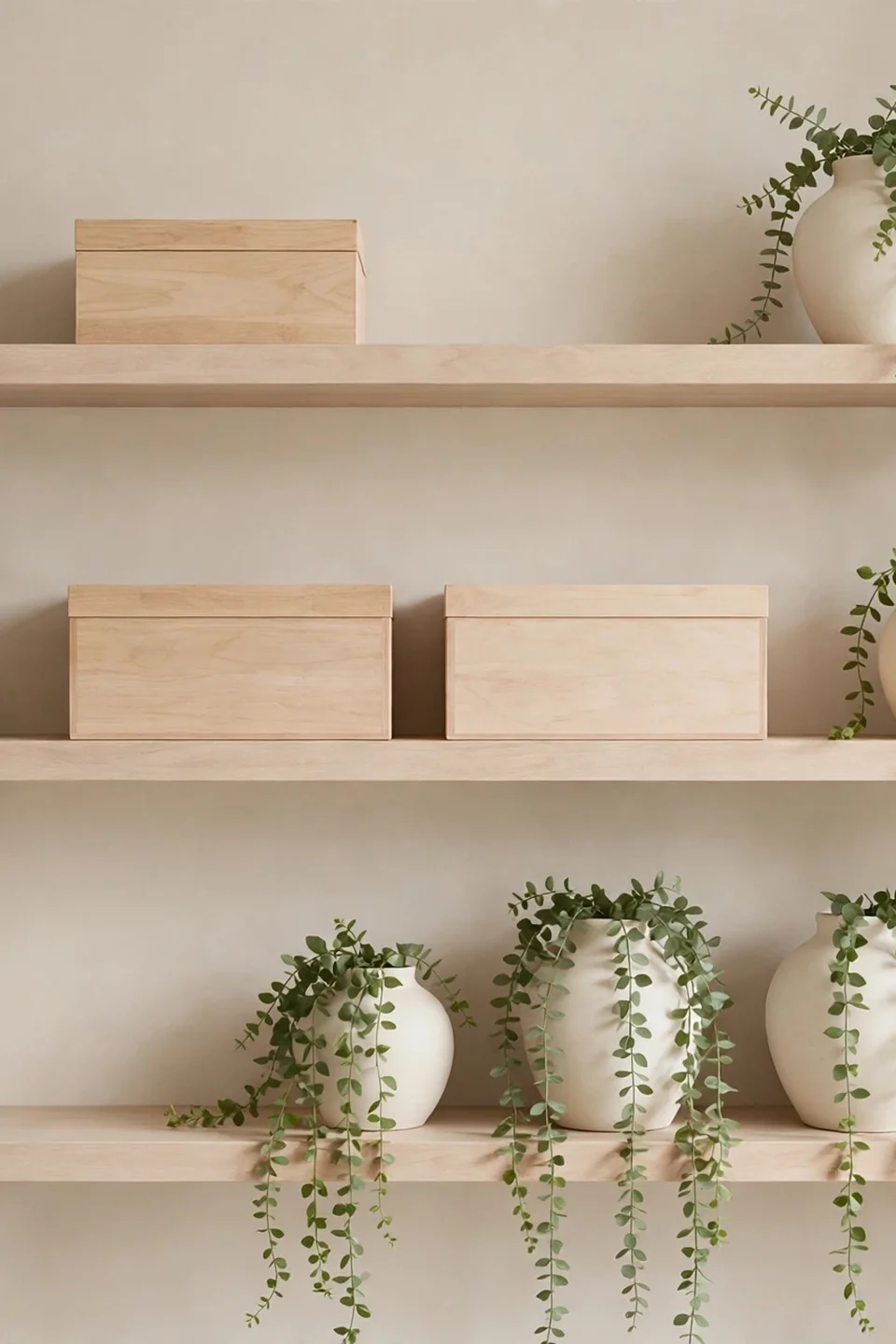
After: The shelf sticks to three tones: warm white, natural wood, and soft green. The same objects now feel like a set, and the eye relaxes. Fewer colors make every piece look more expensive.
Pick two or three colors and let everything on the shelves follow that palette. Book spines that clash can face inward or get simple paper covers in a matching tone. A tight palette pulls random objects together and keeps the whole wall feeling calm and collected.
Add Books and Plants
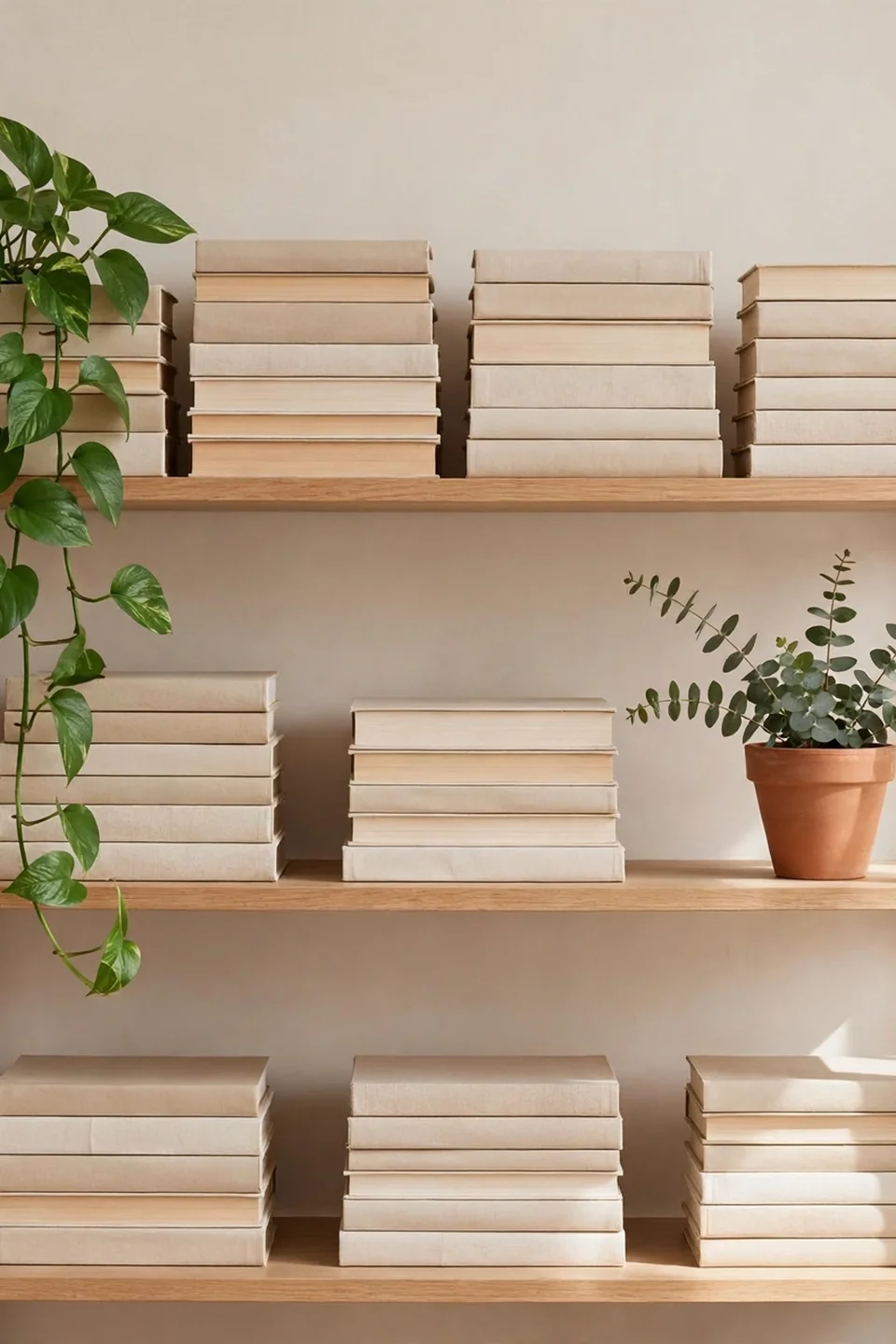
Do This:
- Stack books horizontally to create low platforms for small decor.
- Let one trailing plant soften a shelf corner.
- Group books by color so spines read as texture, not noise.
- Use a small plant to fill a gap that feels empty.
Avoid This:
- Do not cram every shelf with books until they bow.
- Do not place plants where they block light or drip on wood.
- Do not mix five plant types on one small shelf.
- Do not let books pile up without dusting them now and then.
Books and plants are the workhorses of shelf styling because they add life, height, and texture cheaply. One or two plants per unit is plenty, and books work best in small edited groups rather than long crowded rows. Together they make shelves feel collected and personal rather than crowded.
If you are hiding cords and gadgets nearby too, these ideas for how to decorate around a large wall vent show how to keep tech tidy while you style.
Edit Ruthlessly
Time Needed: 20 minutes per shelf
Difficulty: Easy, just requires honesty
Cost: Free, since you use what you own
Best For: shelves that collect random items
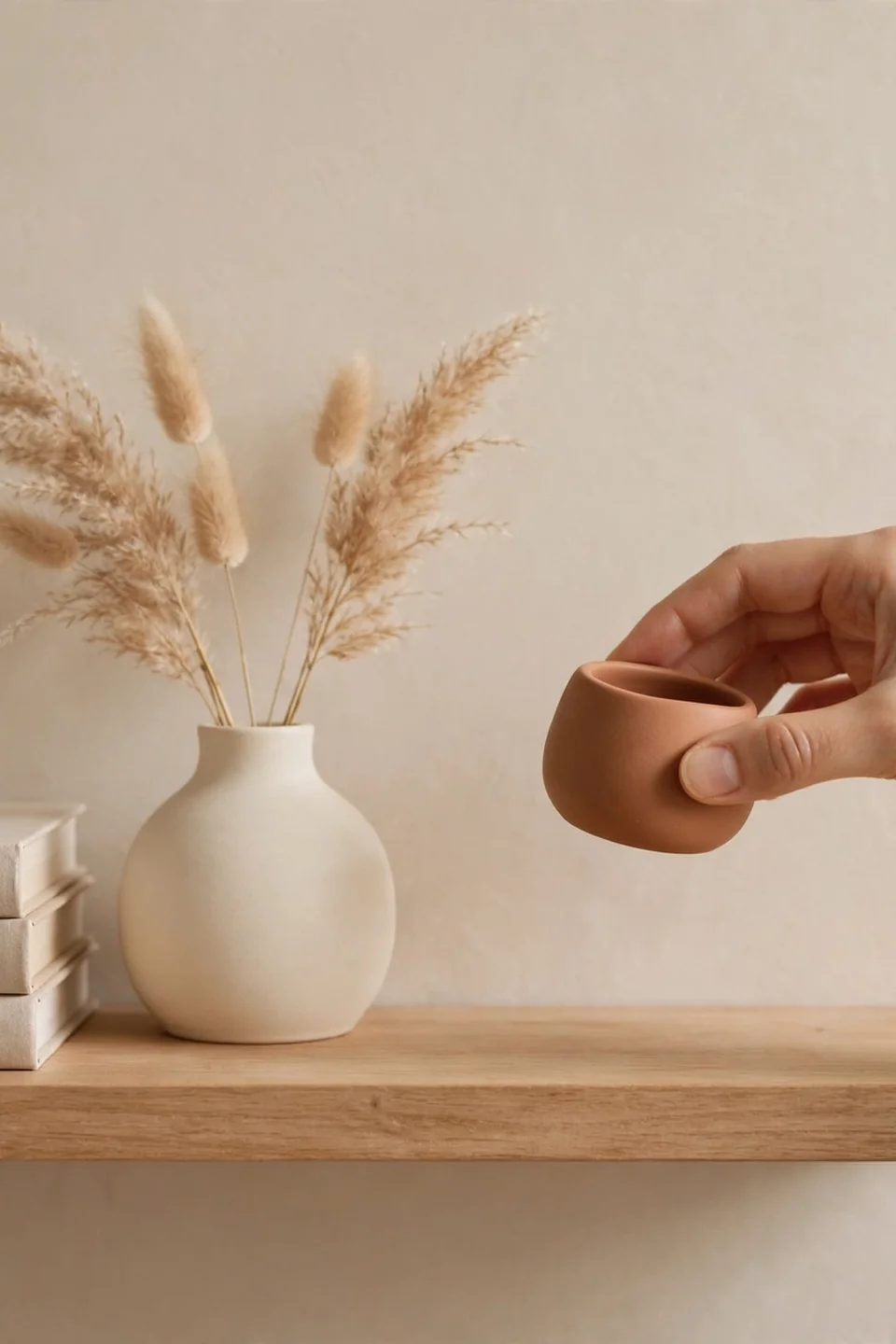
Editing is where good shelves become great ones, so do not skip this step. Remove one item from every shelf and live with the change for a full day. You will be surprised how often the shelf looks better with less, and you can always add pieces back slowly if something feels missing.
Common Shelf Styling Mistakes
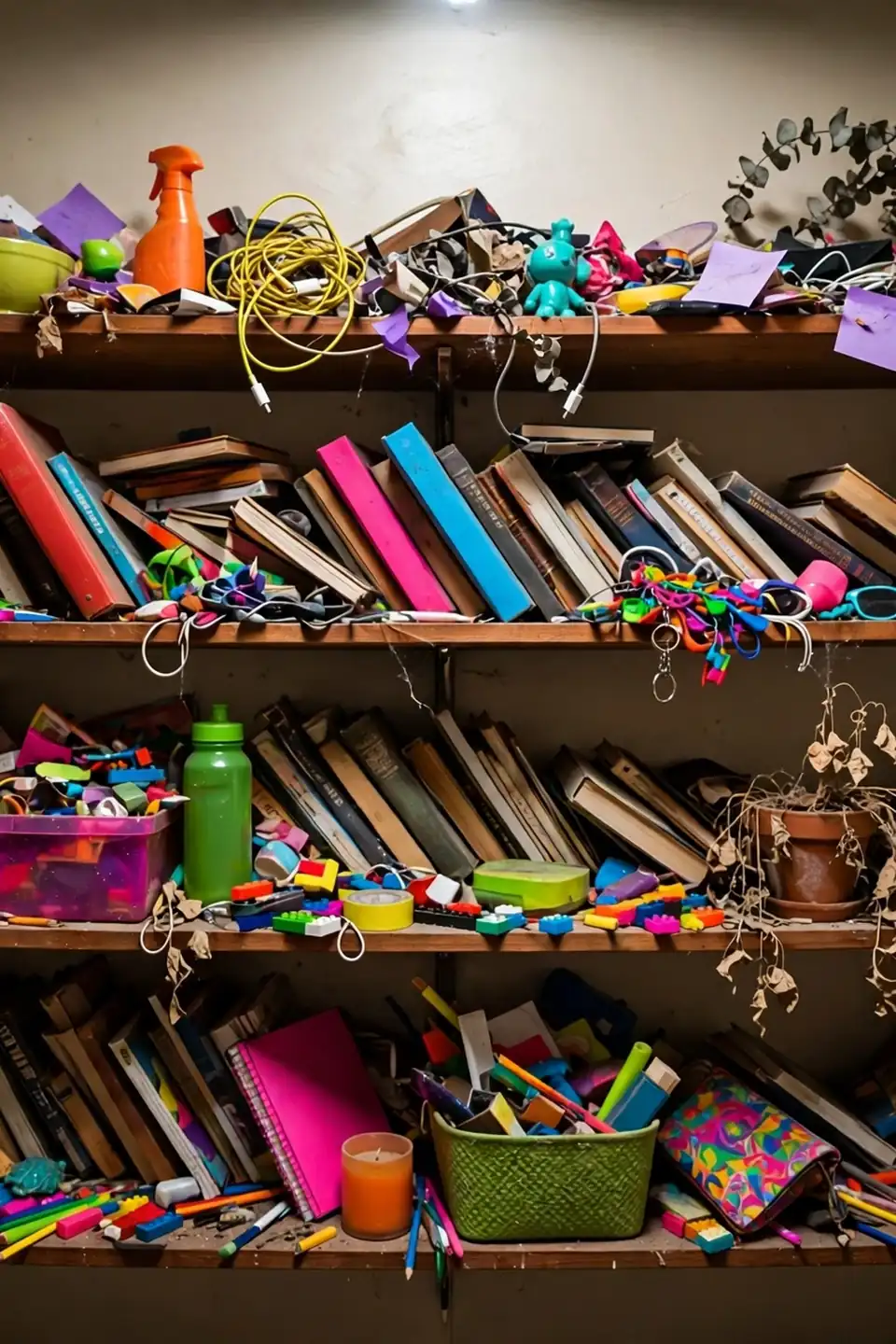
The most common mistake is filling every inch, as if empty space were a flaw. Another is pushing everything to the front edge, which flattens the whole display. People also mix too many styles at once, and the shelf ends up telling five stories instead of one.
The fix for all of these is simpler than you think. Pull a few things off, push key pieces back a little, and stick to one mood per shelf. When each shelf has a single story, the whole wall feels calm and intentional.
Pro Tips for Clean Shelves
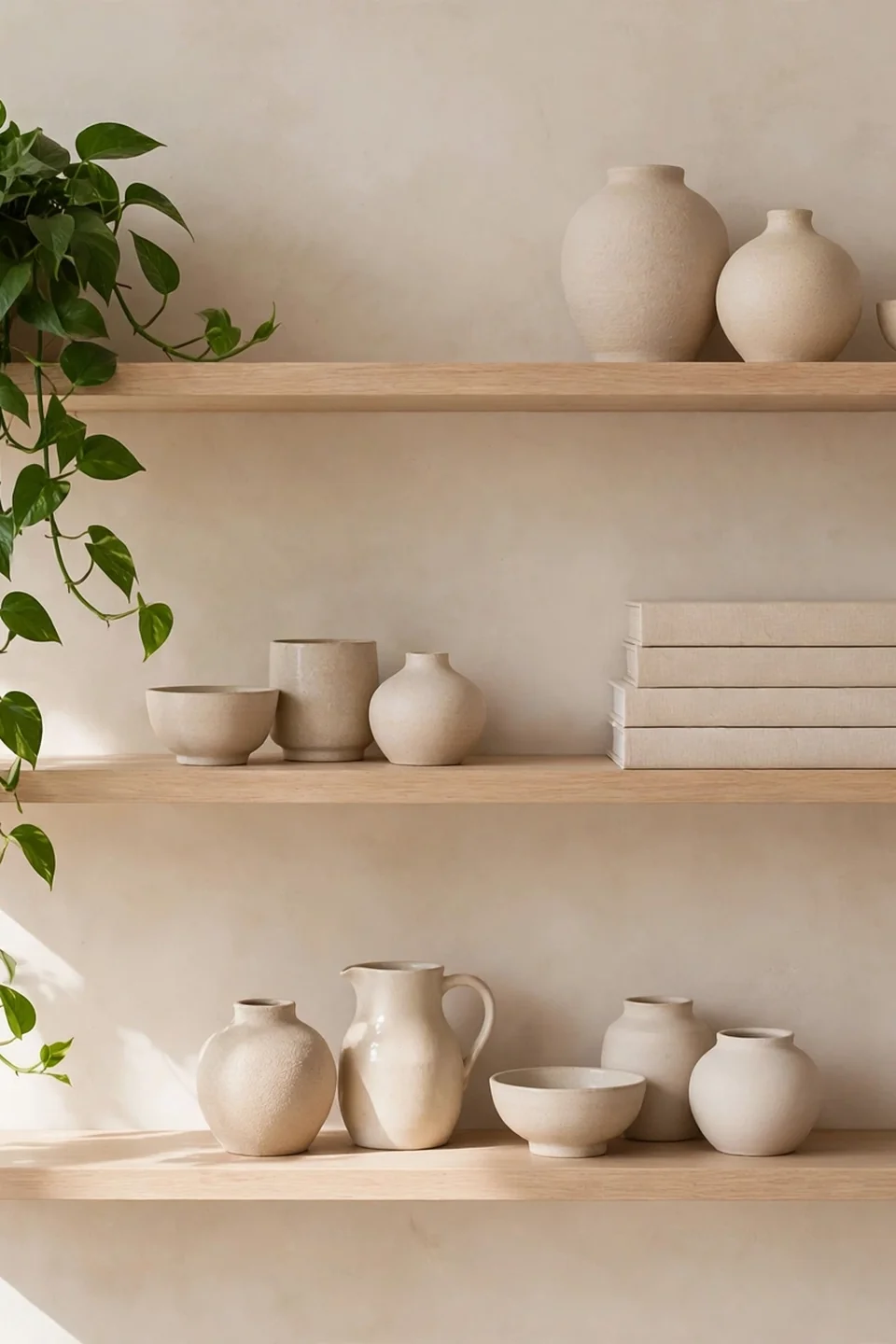
These small habits keep shelves looking styled long after the first reset, and they take only minutes. A little regular attention stops clutter from creeping back onto your shelves. Pick the two or three tips that fit your routine and repeat them.
- Dust and edit one shelf each week so the job never feels big.
- Keep a small donate box nearby for items that no longer fit.
- Photograph shelves you love so you can recreate the layout later.
- Give every new item a home before it lands on a shelf.
Conclusion
Styled shelves are really about restraint more than rules, and now you know how to style shelves without making them look cluttered in your own home. Start with one shelf, clear it fully, give each group room to breathe, and watch how calm the whole room feels. Save this guide on Pinterest so you can revisit it during your next reset or share it with a friend who needs it. Small changes stack up fast. I’ve seen how one edited shelf can inspire a whole room refresh, and yours is next.
One Comment