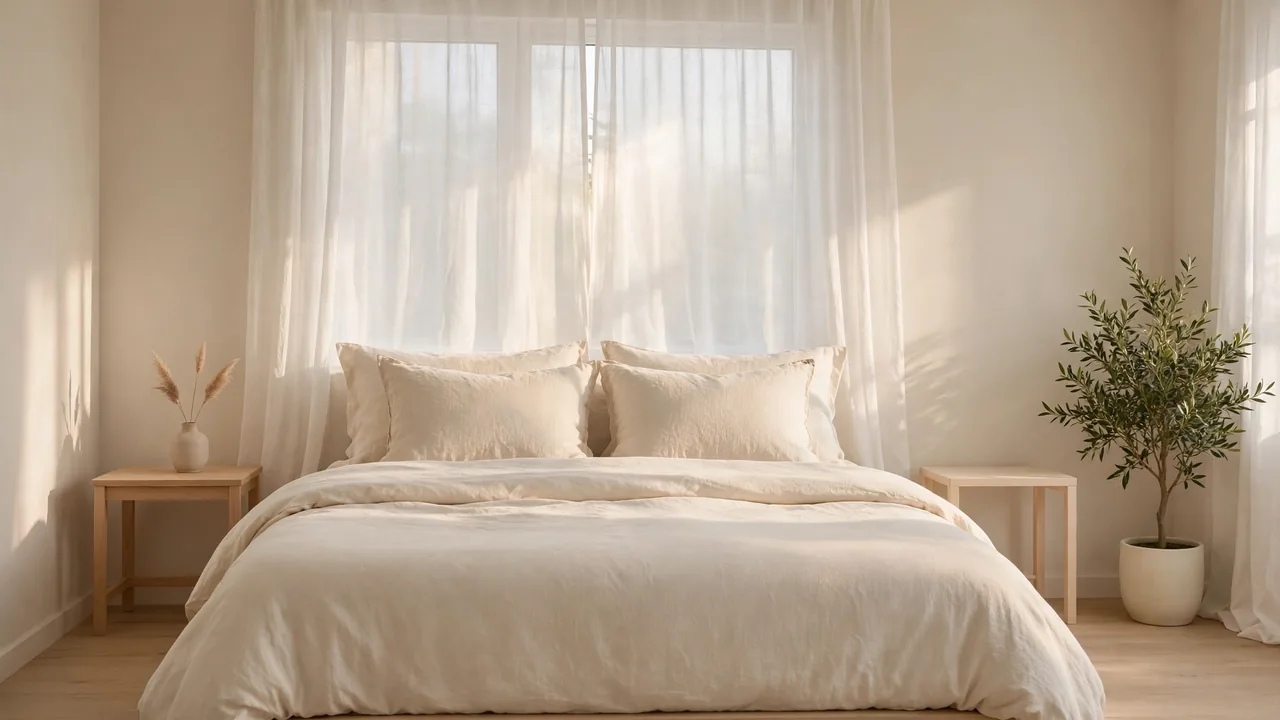
How to Make a Small Room Feel Less Cluttered
Clutter has a way of shrinking a room faster than anything else. Once you learn how to make a small room feel less cluttered, even the tiniest space can breathe again. Most people blame the size of the room when the real problem is too much stuff in the wrong places.
A clear room changes how you feel the moment you walk in. If your bedroom also struggles with darkness, how to decorate a bedroom with no windows pairs well with these fixes. Small rooms reward simple systems.
In this guide, you will find practical steps to sort, store, and simplify your room without spending a fortune. By the end, you will know exactly where to start and how to keep it that way.
Why Small Rooms Get Cluttered Fast
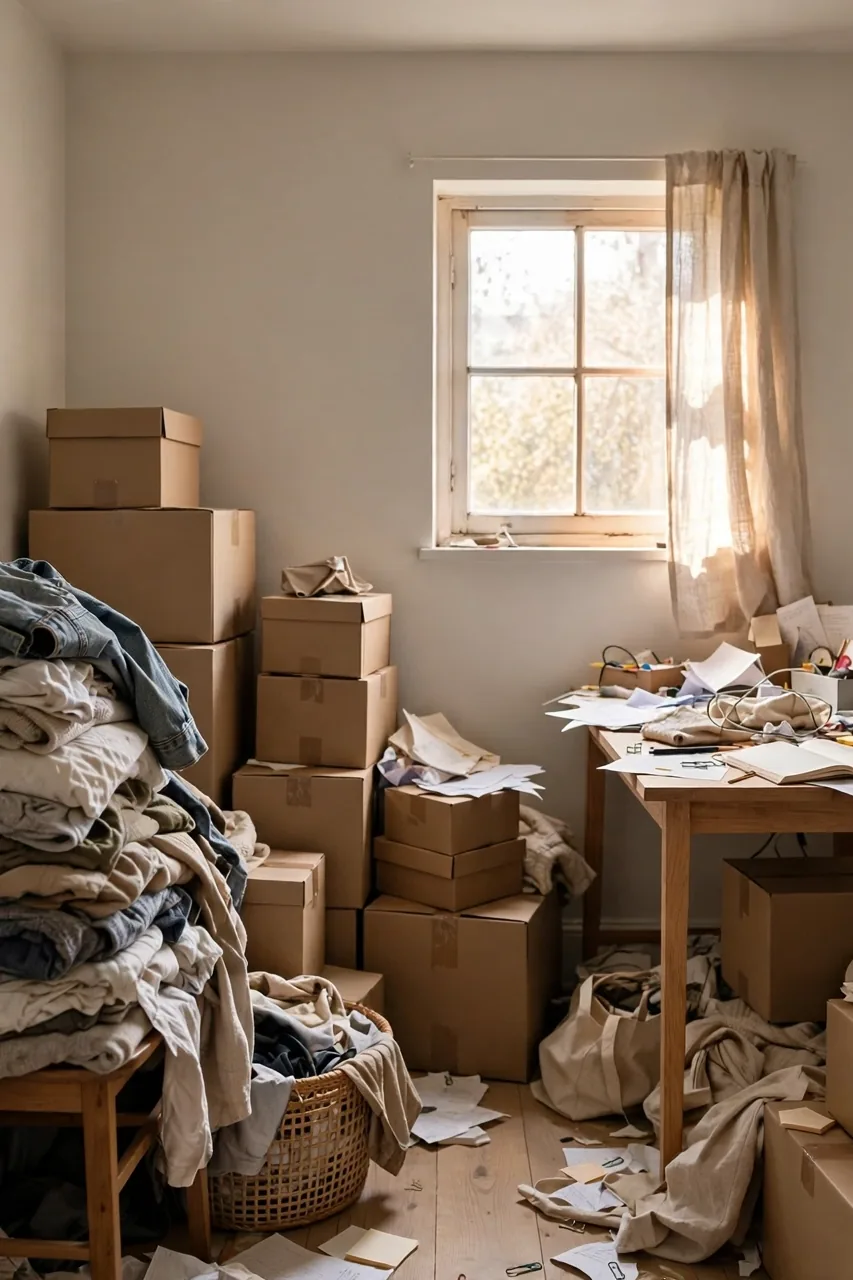
Every small room has the same math problem. A few extra items on a table do not look like much, but in a tight space they block walkways and make walls feel closer. Mail piles up on the dresser, shoes gather by the door, and suddenly the room feels half its size.
Clutter grows because small rooms lack spare corners to absorb it. In a large room, a box disappears behind furniture. In a small one, that box becomes the focal point. Once you see the pattern, you can stop fighting the room and start giving every item a place.
Declutter Ruthlessly

Decluttering is the fastest way to open up a small room. Before buying organizers or rearranging furniture, clear out what does not belong. Start with one corner and work outward so the task never feels overwhelming. This step alone can make a room feel twice as big.
- Pull everything out of one zone, like a shelf or drawer, and sort items into keep, donate, and trash piles.
- Be honest about duplicates. You do not need three phone chargers or five half-used notebooks in a small room.
- Let go of anything broken or unused for a year. If it has no job in your life, it has no place in your room.
- Return only the keepers to their spots, and notice how much breathing room appears instantly.
Give Everything a Home
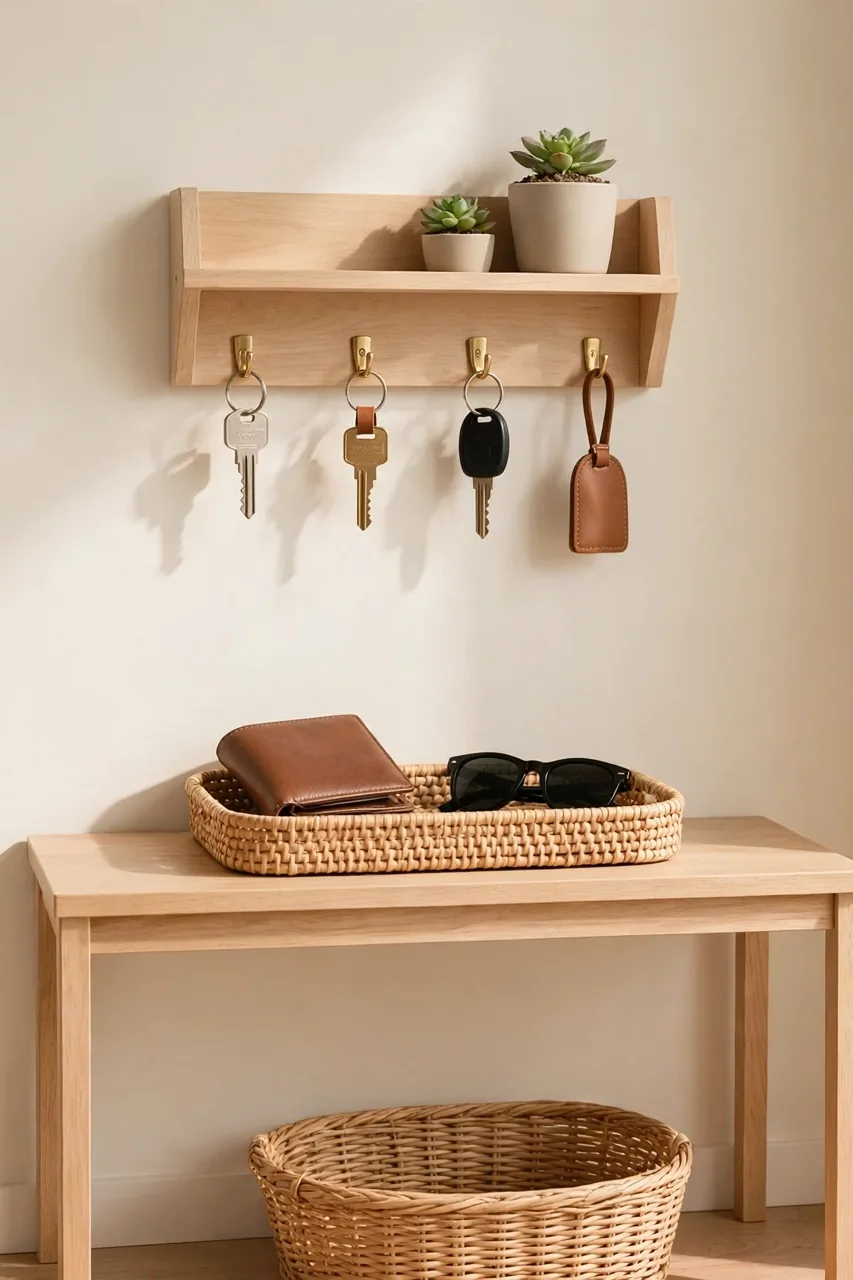
Quick Tip: Assign every single item a specific spot, even small things like keys and remotes. When each object has a home, putting things away takes seconds instead of feeling like a project.
Rooms get cluttered when items have no designated place. Create a landing spot for daily things near the door, a tray for small items on the dresser, and a basket for things in transit. The goal is simple: you should always know exactly where something belongs.
Use Hidden Storage
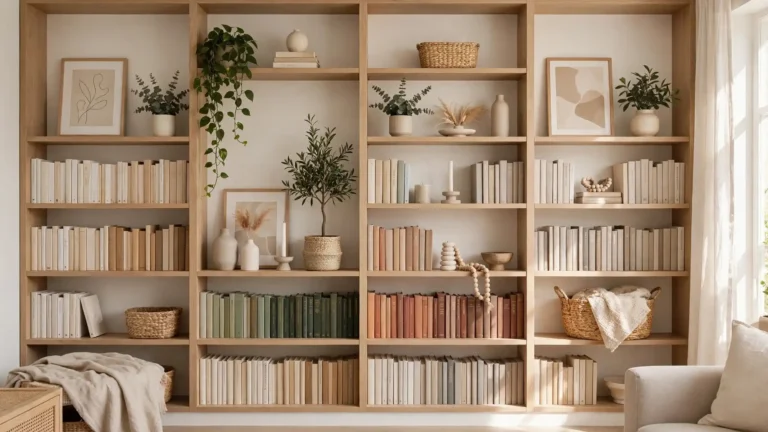
Common Mistake: Most people buy open shelves and decorative baskets, then wonder why the room still looks messy. Open storage displays every item, which adds visual noise to an already small space.
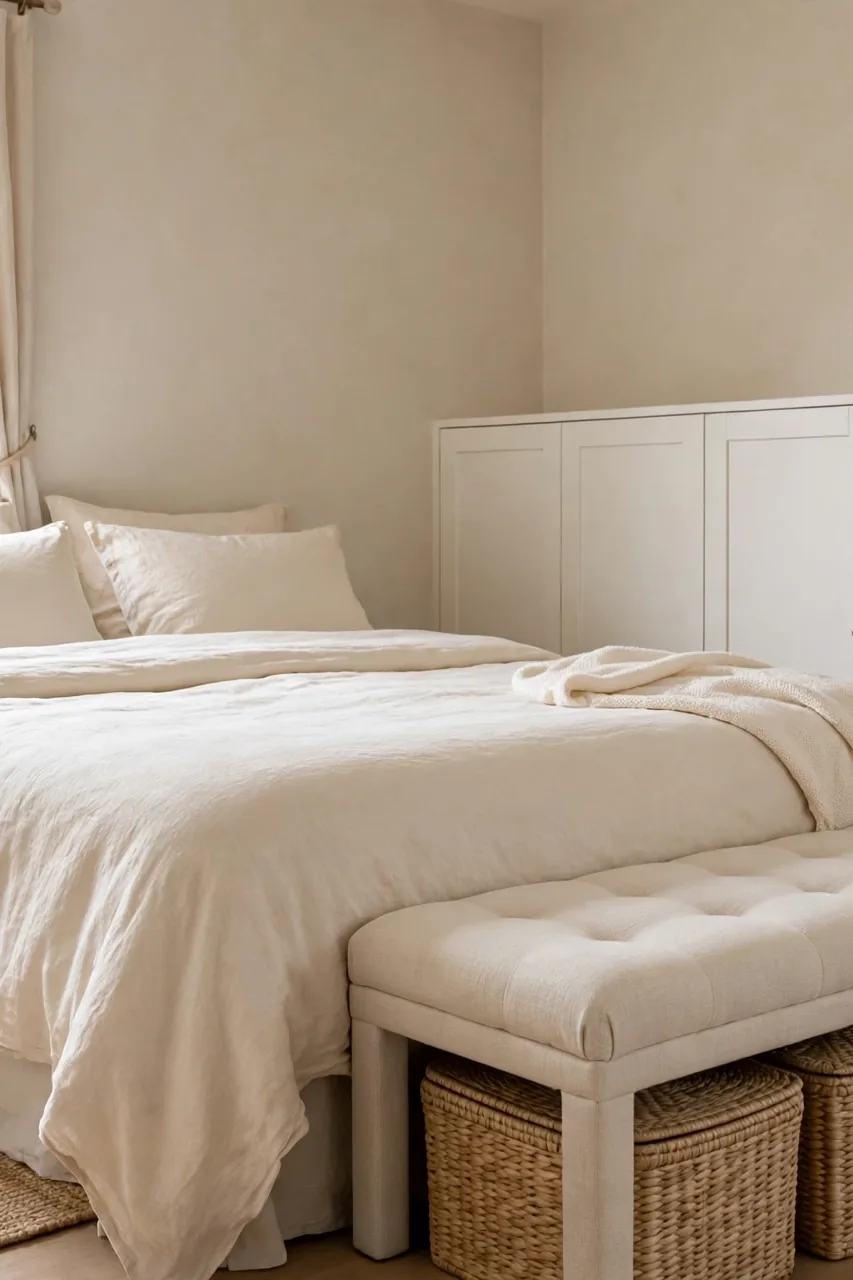
The Fix: Choose storage that hides the mess instead. Lidded bins under the bed, ottomans with hidden compartments, and closed cabinets keep clutter out of sight so the room reads as calm.
Hidden storage is the secret weapon of small rooms. When supplies live inside furniture instead of on top of it, surfaces stay clear and the eye moves freely. Pick pieces that do double duty, and your room will look bigger without losing a single bit of function.
Clear the Surfaces
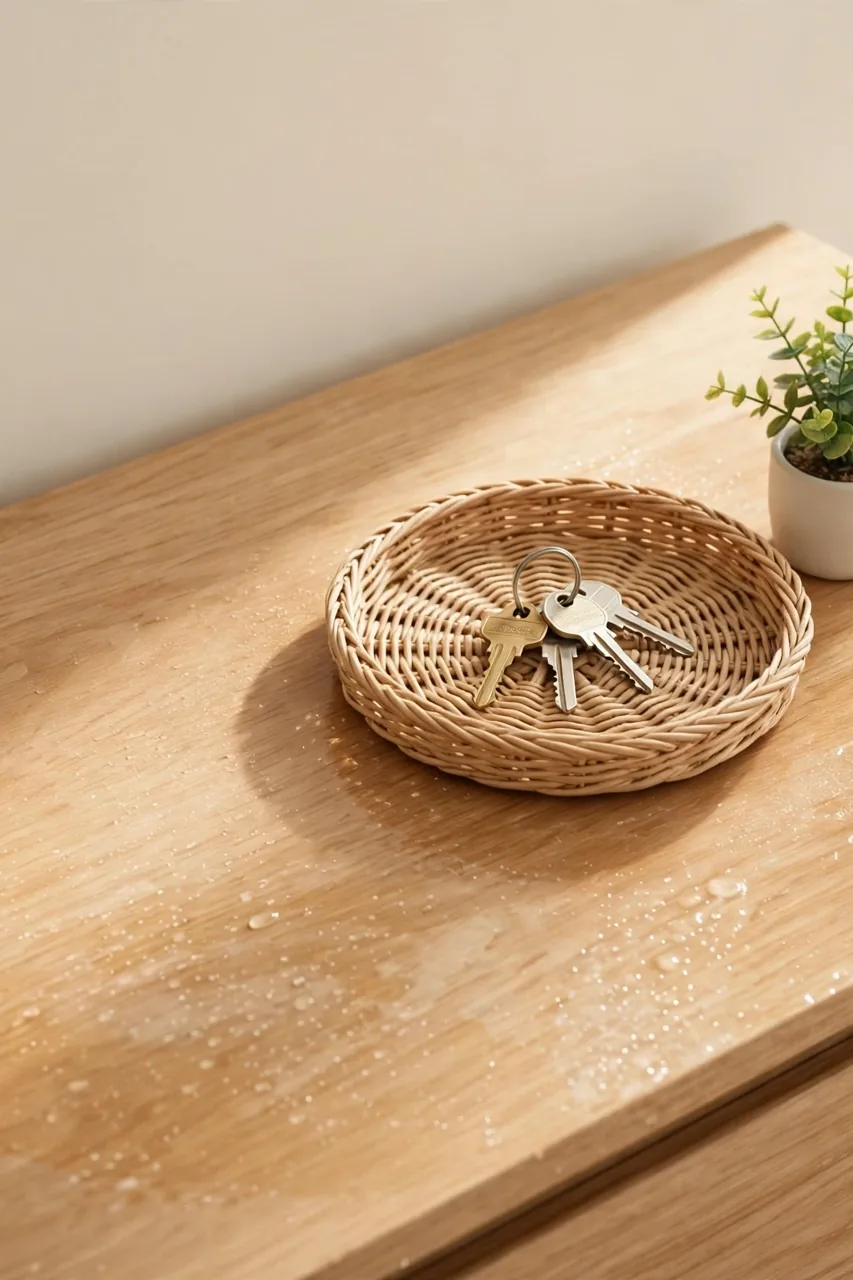
What You Need:
- A catch-all tray: corrals keys, coins, and small items so they look intentional instead of scattered.
- A small lidded box: swallows remote controls, chargers, and other daily gadgets out of sight.
- A donation bag: keeps a permanent spot for items leaving the room so they never pile up again.
- Microfiber cloth: wipes dust while you clear, so each surface looks fresh and inviting afterward.
Clear counters are the simplest way to learn how to make a small room feel less cluttered, because open surfaces trick the eye into seeing more space. Remove everything from one surface, clean it, and return only what you use every day. The rest belongs in drawers or baskets.
Go Vertical
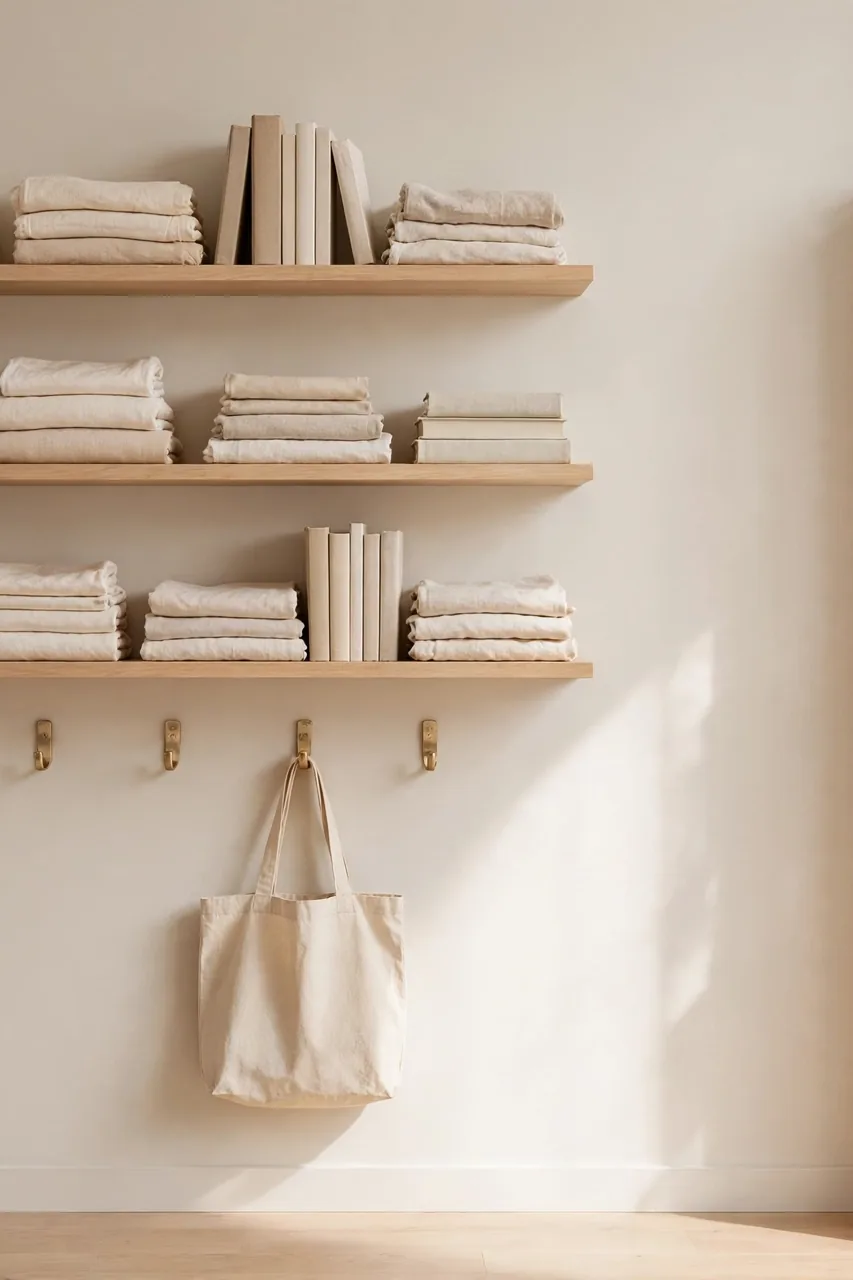
Before: Floor space is precious in a small room, yet most people stack boxes and piles at ground level. The walls sit empty while the floor disappears under clutter, and the room feels smaller every week.
After: Tall shelves, wall hooks, and over-door organizers lift storage off the floor. The same items now live on the walls, the walkways stay open, and the room suddenly feels taller and airier.
Walls are the most underused square footage in any small room. Mount a few floating shelves above the desk, hang hooks behind the door, and use the full height of your closet. Going up frees the floor, and a clear floor always makes a room feel larger.
Limit Decor
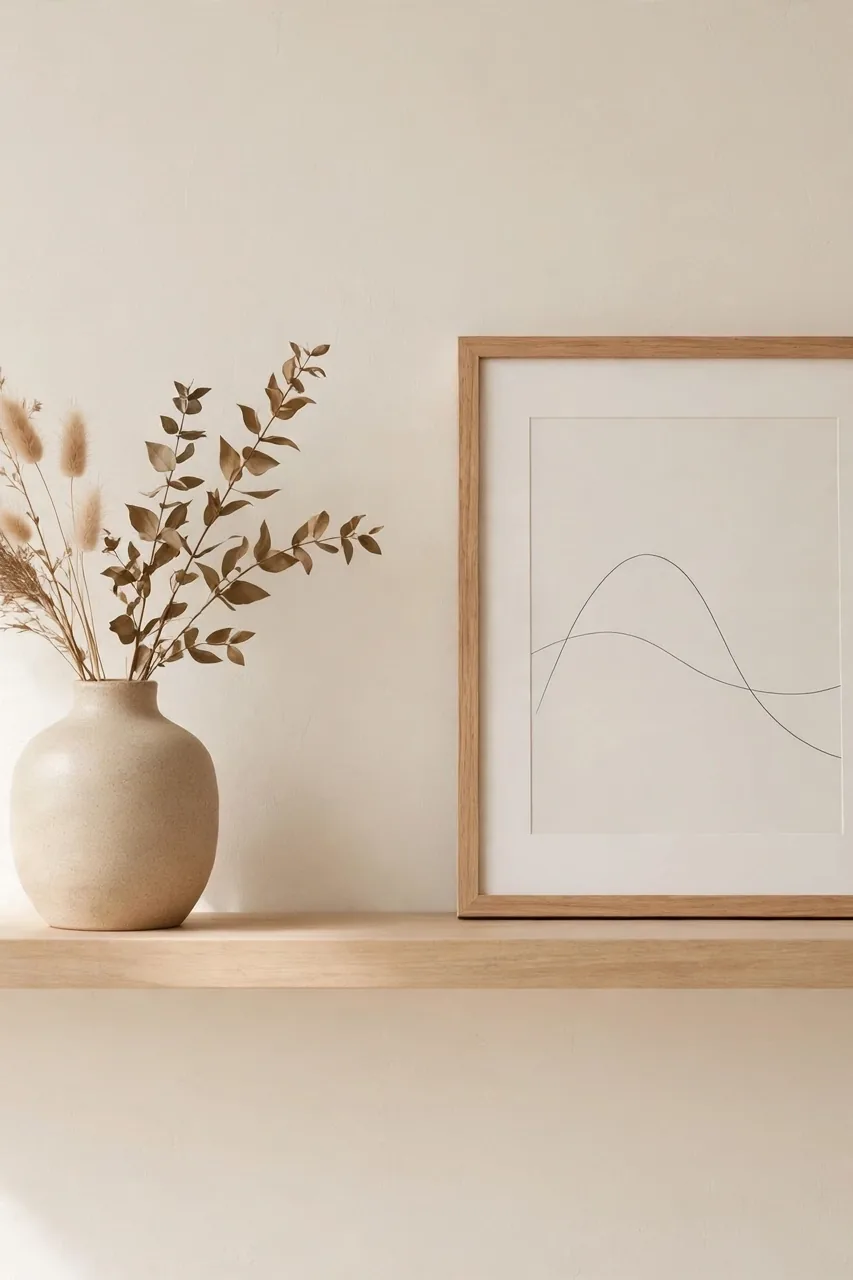
Do This:
- Keep two or three favorite decor pieces on display and store the rest.
- Choose one larger statement piece instead of many tiny knickknacks.
- Repeat two or three colors so the room looks pulled together.
Avoid This:
- Do not cover every shelf with souvenirs and photos.
- Avoid busy patterns on bedding and curtains in a small room.
- Never let seasonal decor overstay its welcome past the holiday.
Decor should add personality, not visual weight. In my experience, small rooms look best with a few well-chosen pieces and plenty of empty space around them. Edit your shelves the way you edited your closet, keeping only what you truly love. Less on display means more room to breathe.
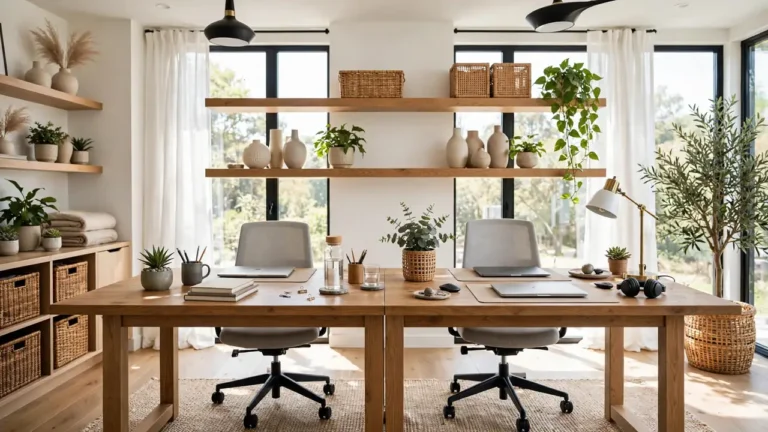
Tiny work corners need the same discipline. See how to create a functional home office in a small space for smart storage ideas that keep desks clear.
Maintain Daily
Time Needed: 10 minutes each evening
Difficulty: Easy, no special skills required
Best For: anyone whose room re-clutters within days
Result: a room that stays calm with almost no effort
A small room only stays uncluttered with a tiny daily reset. Spend ten minutes each night returning items to their homes, tossing trash, and clearing one surface. This small habit prevents the slow pileup that makes rooms feel cramped again. Consistency beats weekend marathons every time.
Common Clutter Mistakes
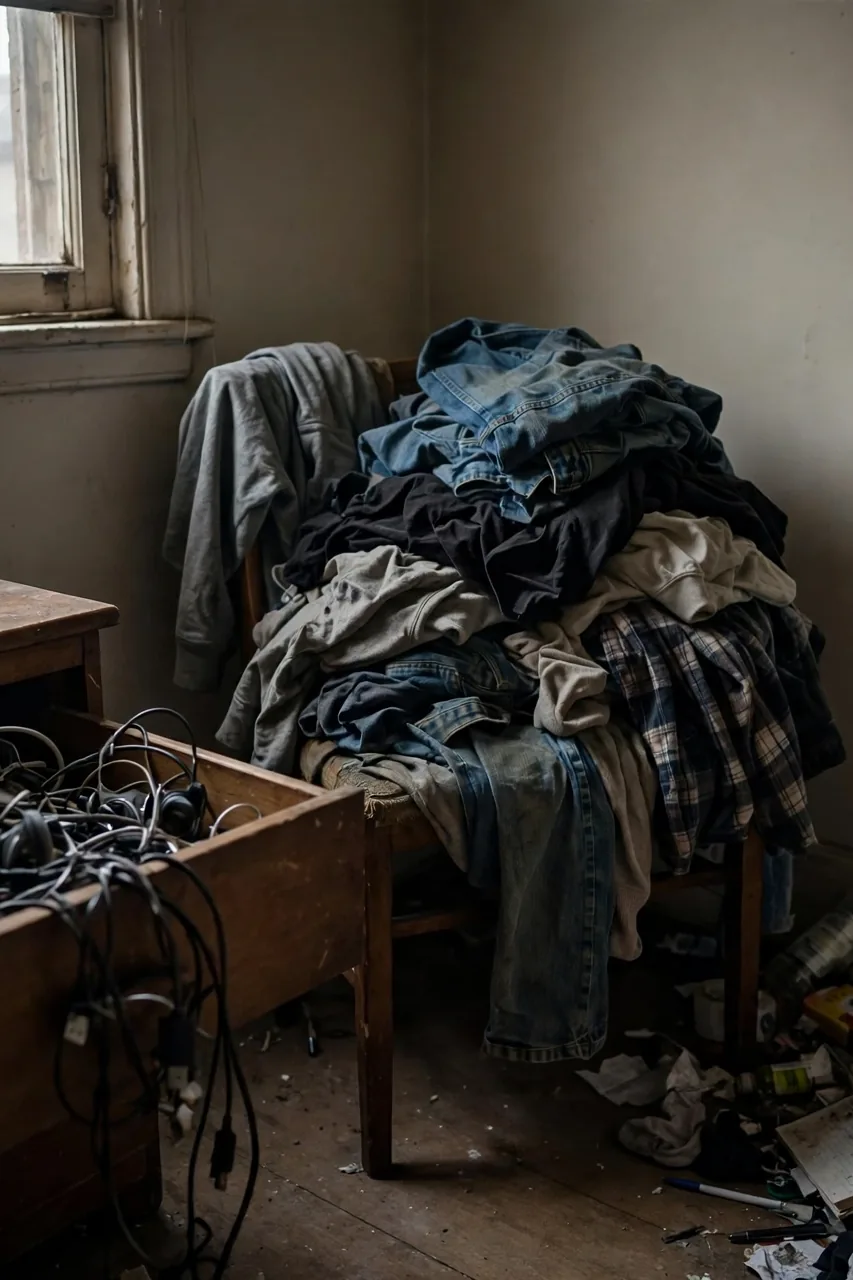
One classic mistake is buying storage before decluttering. Pretty bins and baskets cannot fix a room stuffed with things you do not need or use. Sort first, measure your space, then buy only what fits the plan. A quick purge costs nothing and buys real space.
Another trap is the maybe later pile that never leaves the corner. That chair of half-worn clothes and the drawer of mystery cables quietly steal space for months. Decide fast, donate fast, and watch the room open up. I have seen this one change make the biggest difference of all.
Pro Tips for Calm Rooms
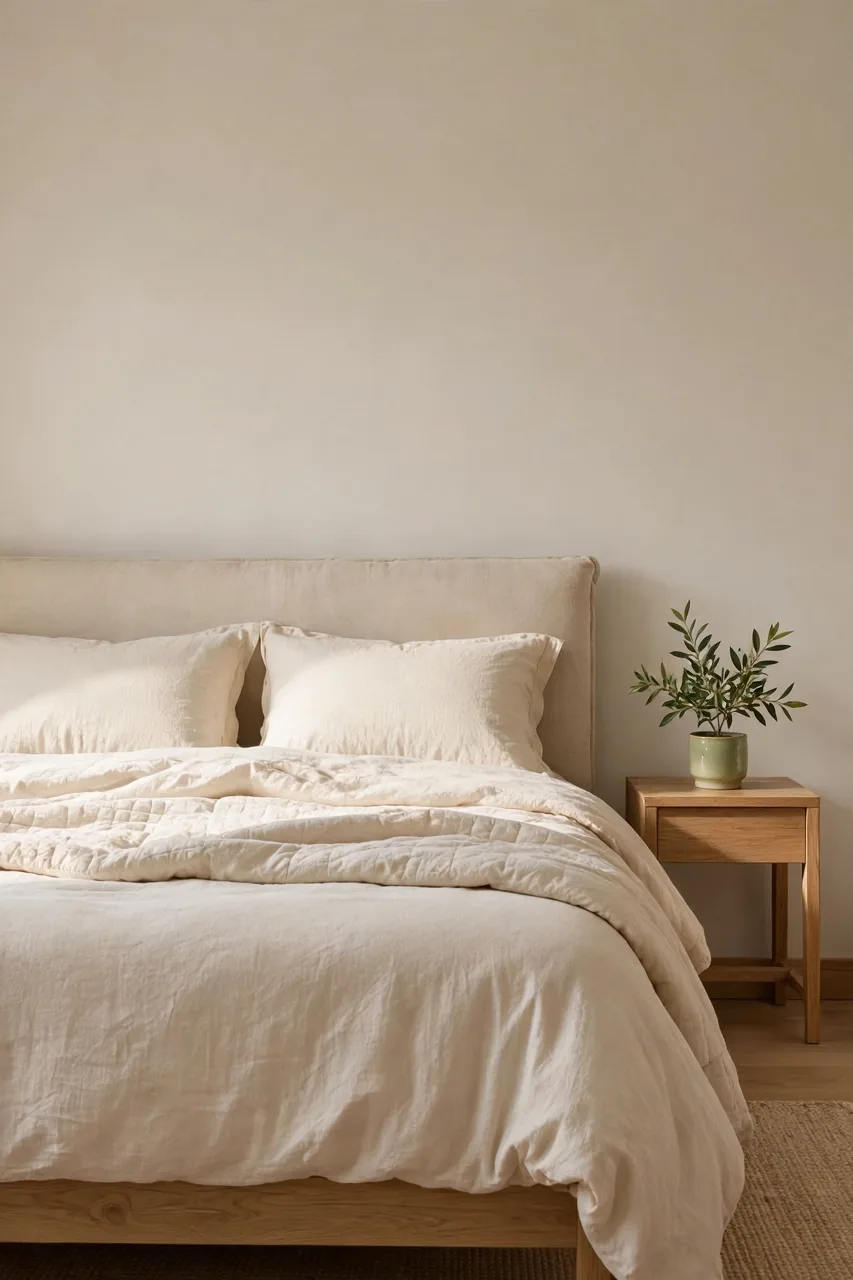
These final tips keep small rooms feeling open for the long run. They take little effort but protect all the work you just did. Pick the two that fit your life and start today. Small habits compound into a permanently calmer space.
- Follow the one-in-one-out rule. Every new item that enters the room means one old item leaves.
- Take a quick photo of the room when it looks perfect. Use it as your reset target each evening.
- Keep a small donation box in the closet at all times so purging stays simple.
- Do a five-minute Sunday scan for anything that drifted out of place during the week.
Conclusion
A calmer room is closer than you think. Once you know how to make a small room feel less cluttered, the whole space starts working for you instead of against you. Declutter boldly, give everything a home, and protect your progress with a quick daily reset.
Save this guide on Pinterest so you can revisit these steps whenever the clutter creeps back. Share it with a friend whose small room could use some breathing room too. I have seen how making this one change can completely shift how a room feels, and yours is next.
One Comment