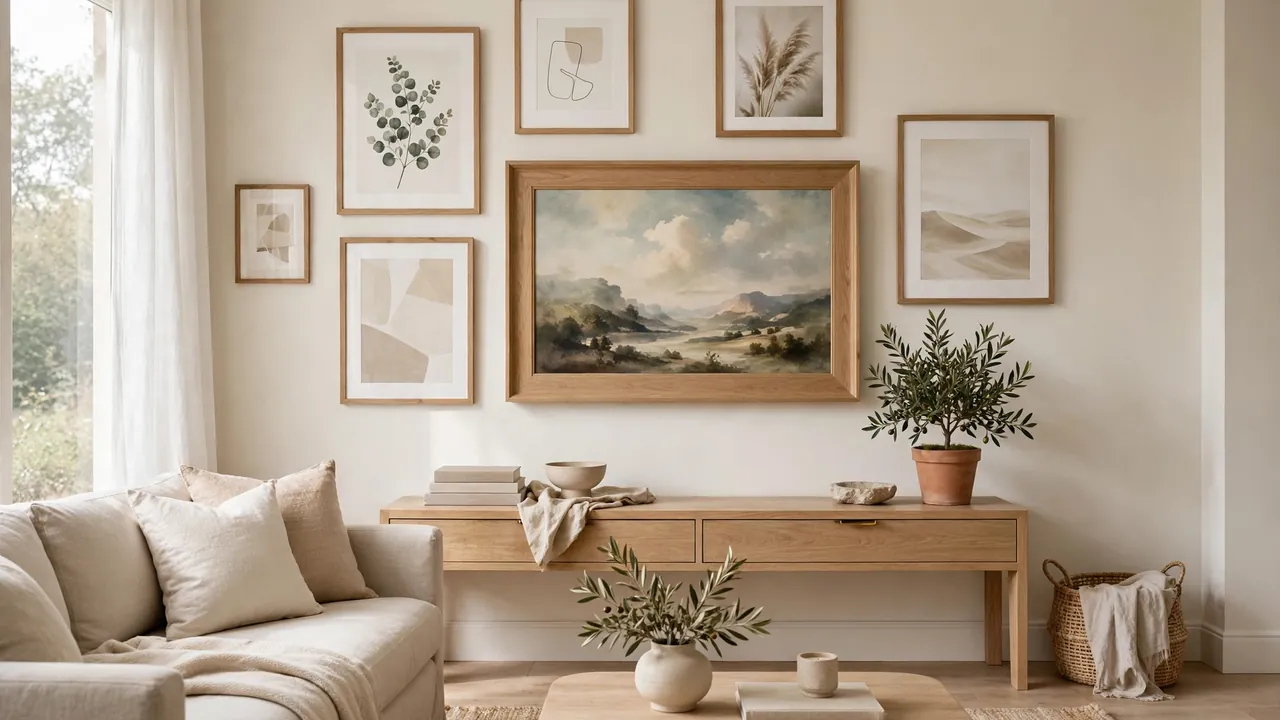
How to Hide a TV in Living Room
That big black rectangle on the wall is hard to love. In my experience, even a beautifully styled room loses its charm when how to hide a tv in living room becomes your daily frustration. The good news is you do not have to choose between movie nights and a polished space.
This guide walks you through simple, beginner-friendly ideas that make your screen disappear when you are not watching. Some use furniture you already own, others take one weekend afternoon. If your kitchen could use the same magic, our guide on how to organize a small pantry applies the same hide-it-well thinking to clutter.
Read through, pick the approach that fits your room and budget, and enjoy a living room that looks intentional around the clock.
Why TVs Dominate Living Rooms
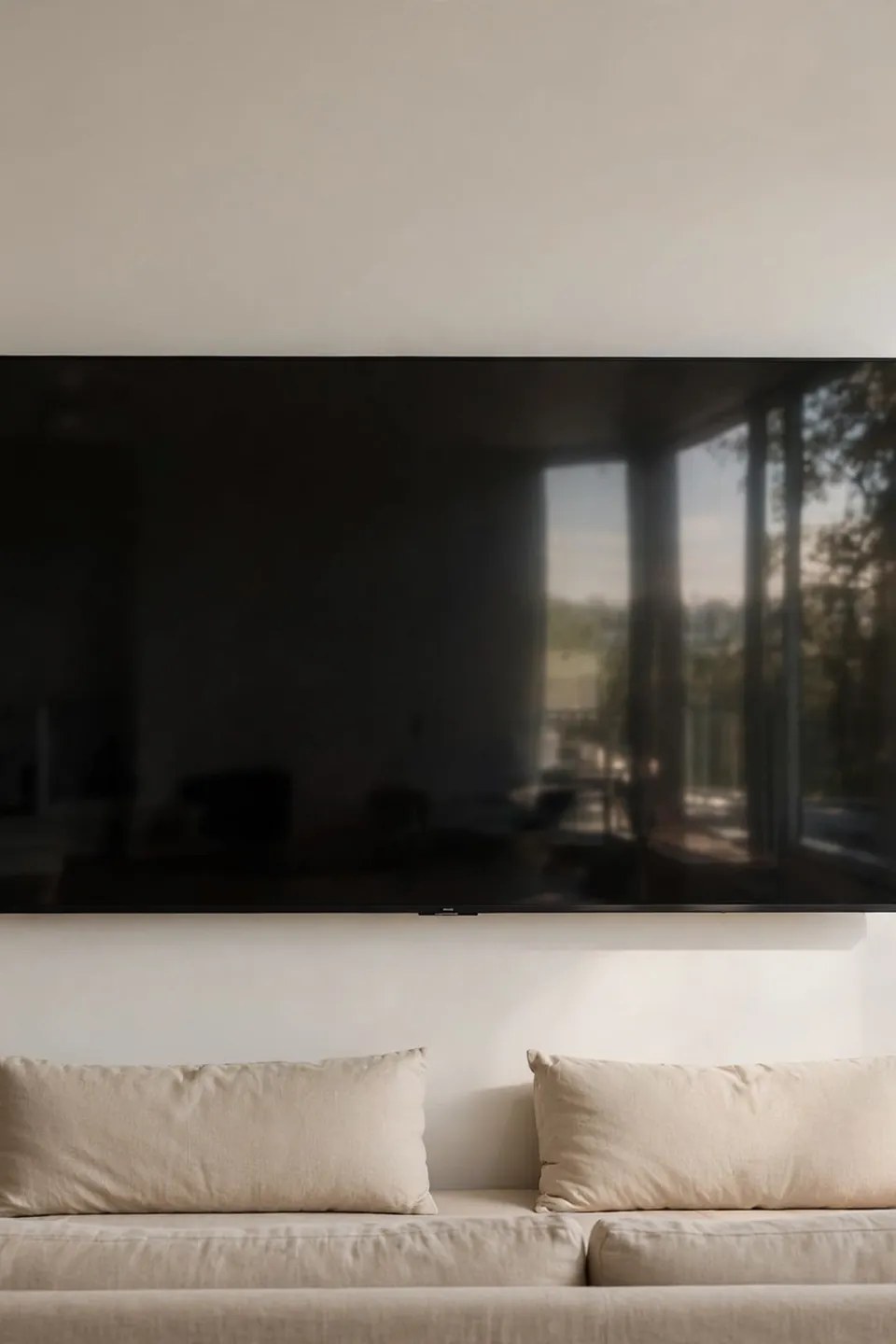
Modern televisions keep getting bigger while living rooms stay the same size. A 55-inch screen becomes the visual anchor of the entire room, whether you want it to or not. When the set sits off, its dark surface pulls every eye like a blank hole in the wall.
Mounting habits make it worse. Most people hang the TV too high or leave a wide empty border around it, so the screen floats alone and looks even larger. With a few styling choices, the same television blends into a wall that looks designed rather than dominated.
Assess Your TV Situation
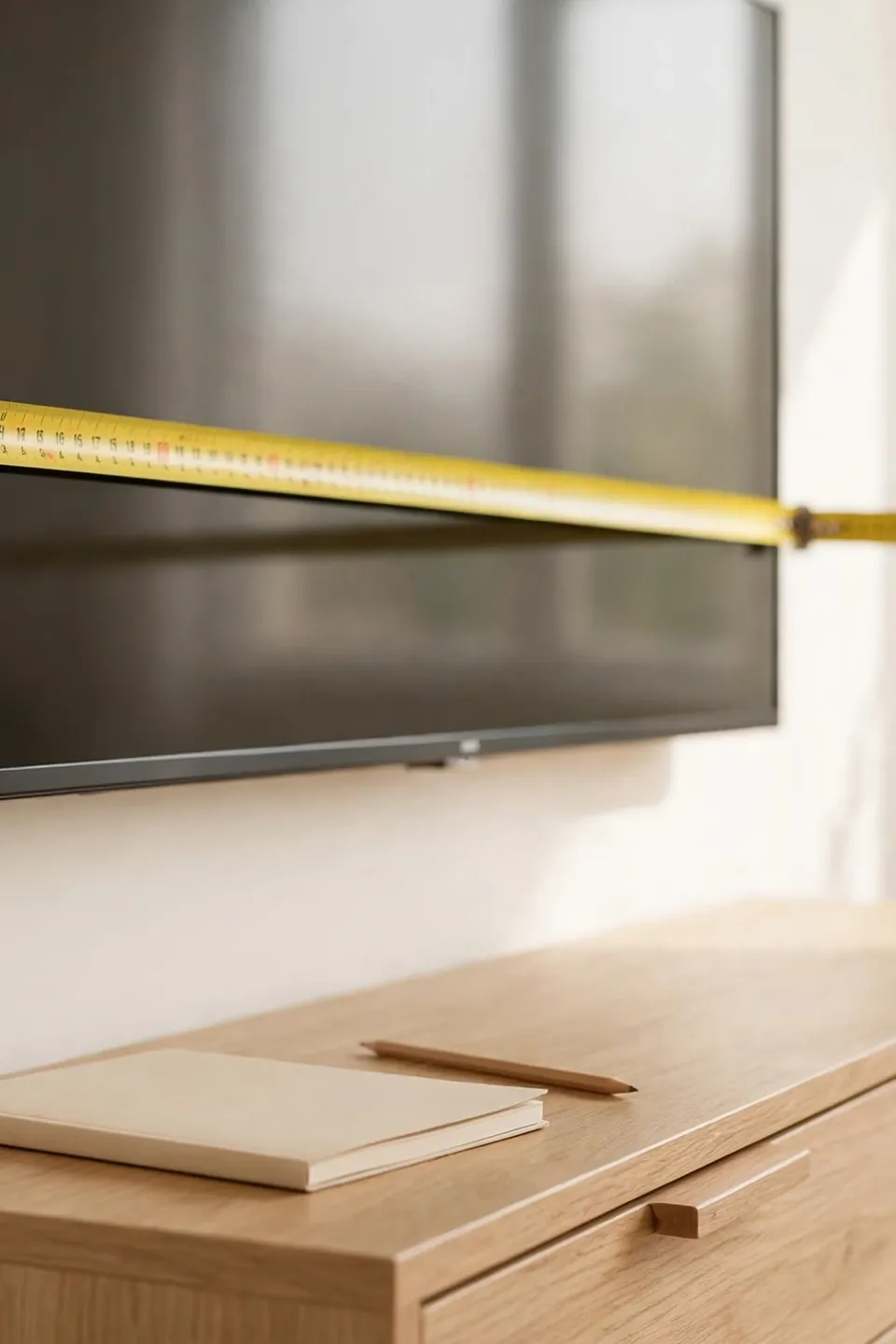
Before you spend anything, take stock of your setup. Your viewing distance, wall type, wiring situation, and daily habits decide which hiding method will work for your room. A fast assessment saves you from buying covers or cabinets that fail to fit your space.
- Measure your screen diagonally and note the width with any frame or soundbar, so every cabinet or cover you consider fits on the first try.
- Check what sits behind the wall. Studs, brick, and concrete each need different anchors, and knowing your wall type keeps a heavy screen safe.
- Track when and how you watch. A TV that runs all evening needs a one-second reveal, while a weekend movie screen can live behind doors you open by hand.
- Look at the room in daylight. Glare, window placement, and seating angles all shape which camouflage option will look natural instead of forced.
Hide It in a Cabinet
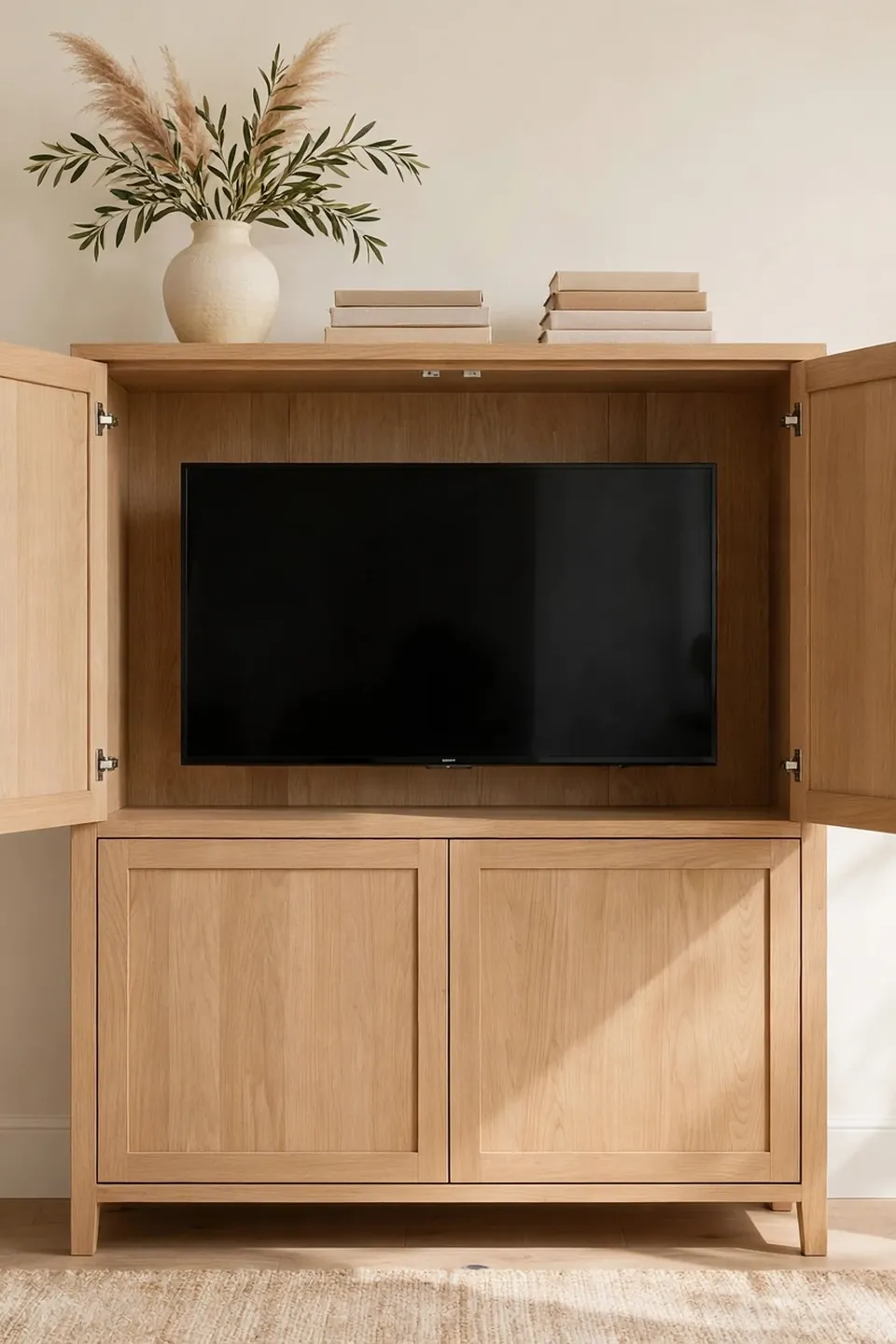
Quick Tip: The simplest hide is a TV armoire or media cabinet with doors. Close them when the show ends and the room reads as a styled living space again. Look for cabinets at least four inches wider than your screen on each side so doors close without squeezing cables.
Cabinet doors do more than conceal. They protect the screen from dust and curious little hands, and the top surface becomes a styling stage for lamps, books, or a small plant. Choose a finish that matches your other furniture so the piece feels built in rather than bulky.
Use Art Covers
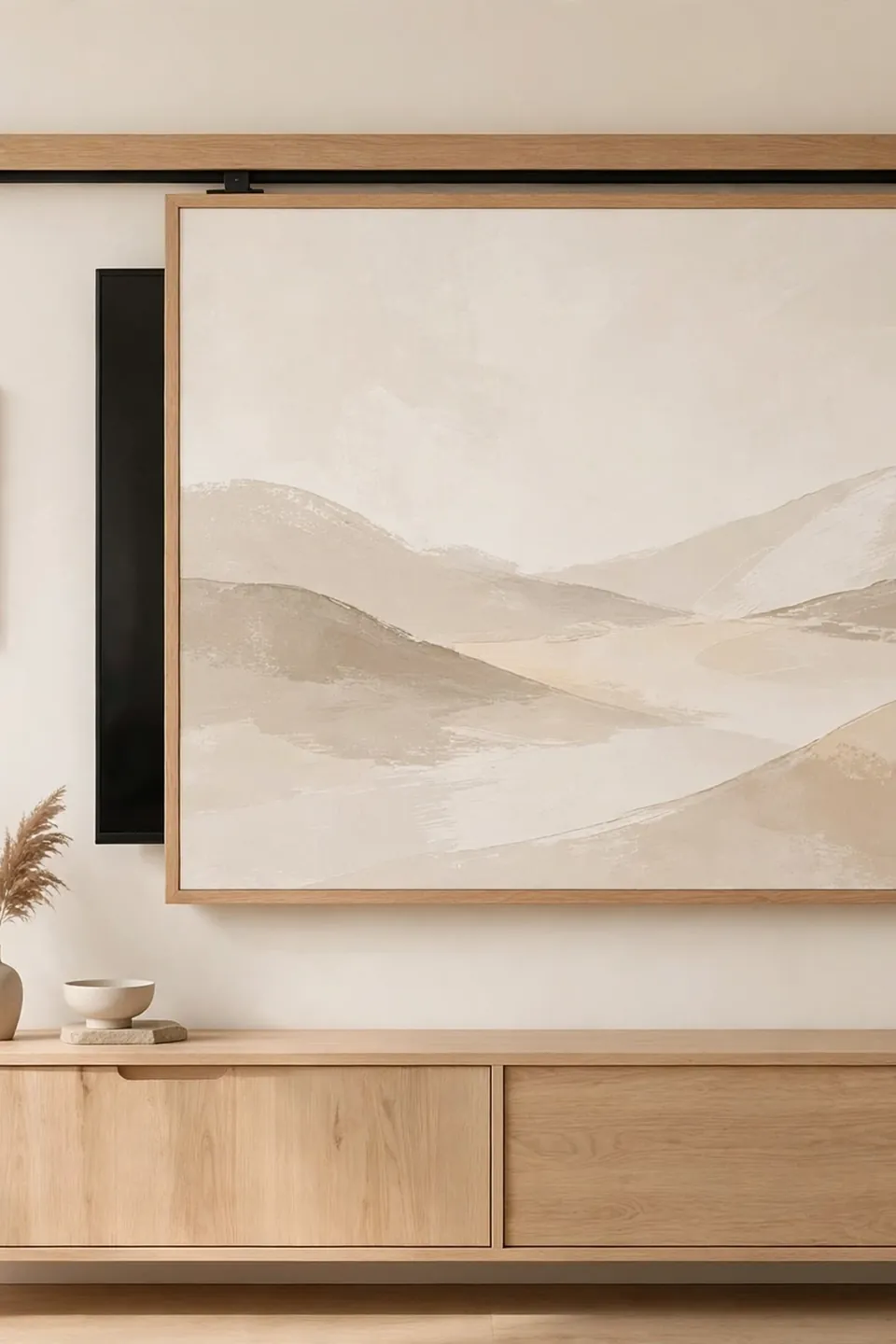
Common Mistake: Most people buy a generic screen cover that never matches the room. A stretched canvas print in the wrong colors or scale draws more attention than the black screen ever did. The result is a wall that looks busier, not calmer.
The Fix: Choose art that belongs in your room. Match the frame style and palette to nearby pieces so the cover reads as one more artwork. Many covers slide up or roll away in seconds, so movie night never suffers.
Art covers work best on wall-mounted screens in rooms where you already hang framed pieces. Keep the surrounding frames similar in tone and the TV disappears into a gallery instead of shouting from it. Swap the art seasonally if you truly enjoy a fresh look.
Mount and Frame It
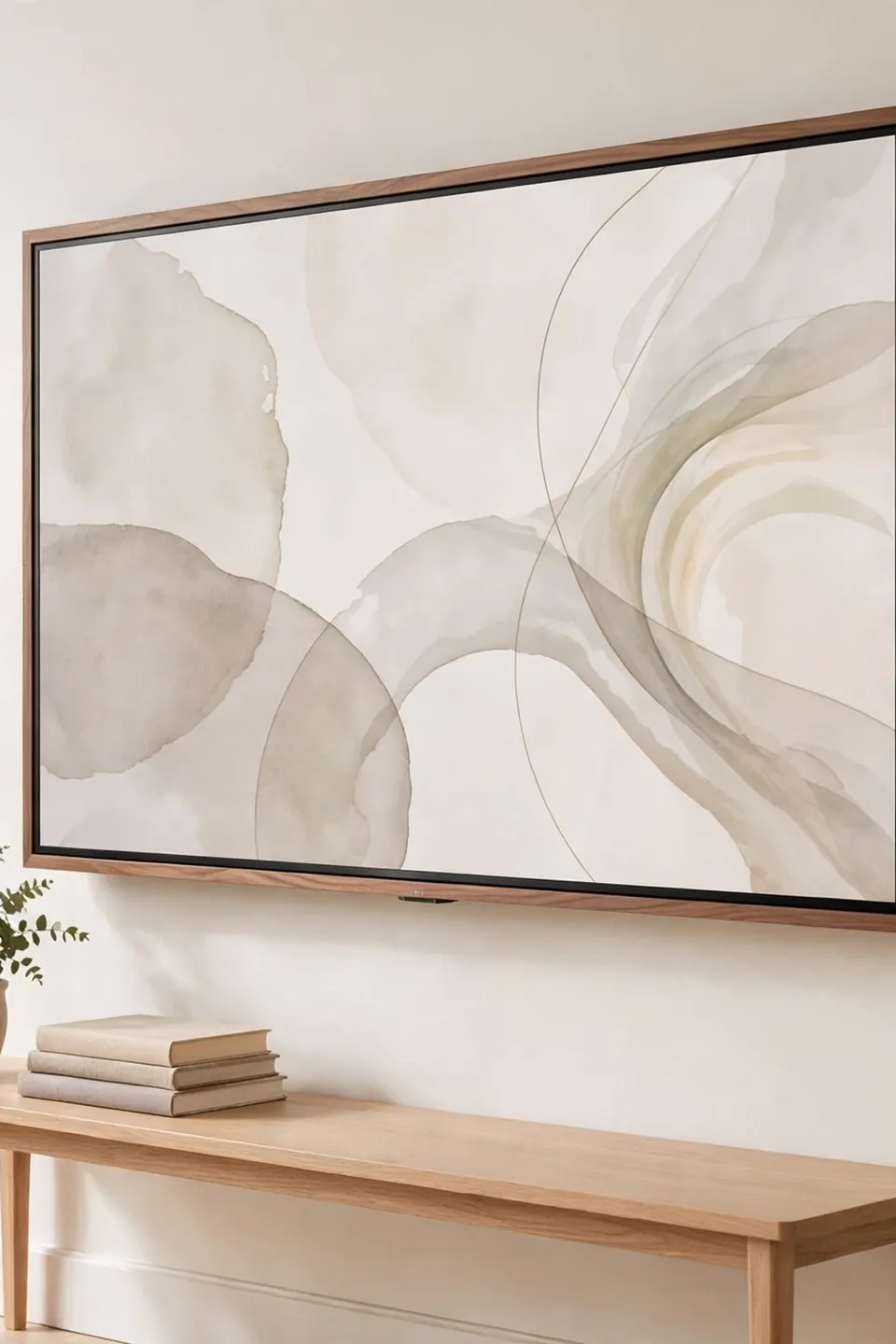
What You Need:
- A slim wall mount rated for your screen size, which holds the TV nearly flush against the wall for a picture-like profile.
- A decorative frame kit made for televisions, which snaps around the bezel and turns the screen into framed wall art.
- A cable raceway or in-wall kit, which routes cords out of sight so nothing dangles below the screen.
- A stud finder and level, which keep the mount anchored and perfectly straight on the first attempt.
- An art-mode display setting or screensaver, which shows paintings or photos when you are not watching.
A framed, flush-mounted screen changes the whole feel of the wall. Guests stop seeing a gadget and start seeing decor, which is exactly what learning how to hide a tv in living room spaces is about. Finish the look with a slim console below to ground the composition.
Blend With Gallery Walls
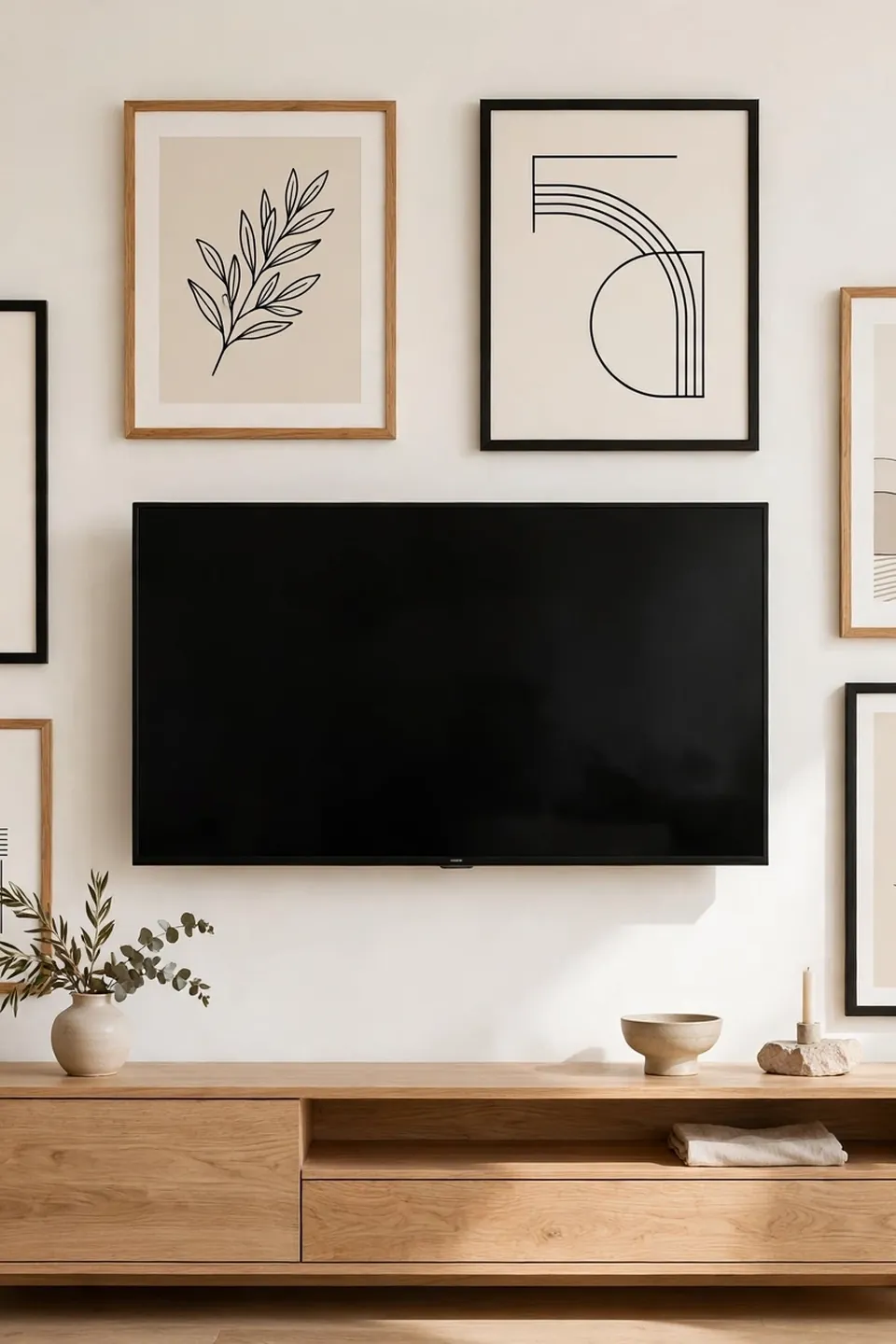
Before: The TV hangs alone on a big empty wall, and every visitor’s eyes land on the black screen first. The rest of the room’s decor fades into background noise. The wall feels unfinished, like the television is waiting for the room to catch up.
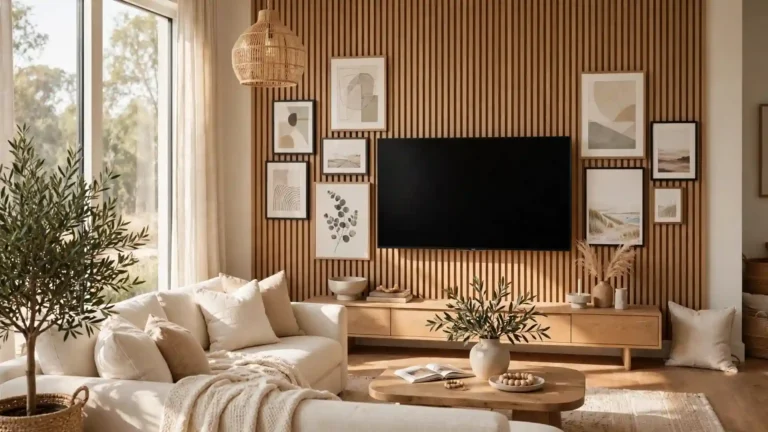
After: The same screen sits centered inside a thoughtful grid of framed art and photos. Eyes move across the whole arrangement instead of locking onto one rectangle. The TV becomes one tile in a larger mosaic, and the wall finally feels complete and personal.
Match frame finishes and keep spacing even, about two to three inches between pieces. Keep the art around the TV similar in scale to the screen so nothing looks accidental. A gallery wall forgives a large television better than any single trick, and it adds personality at the same time.
Try a Sliding Panel
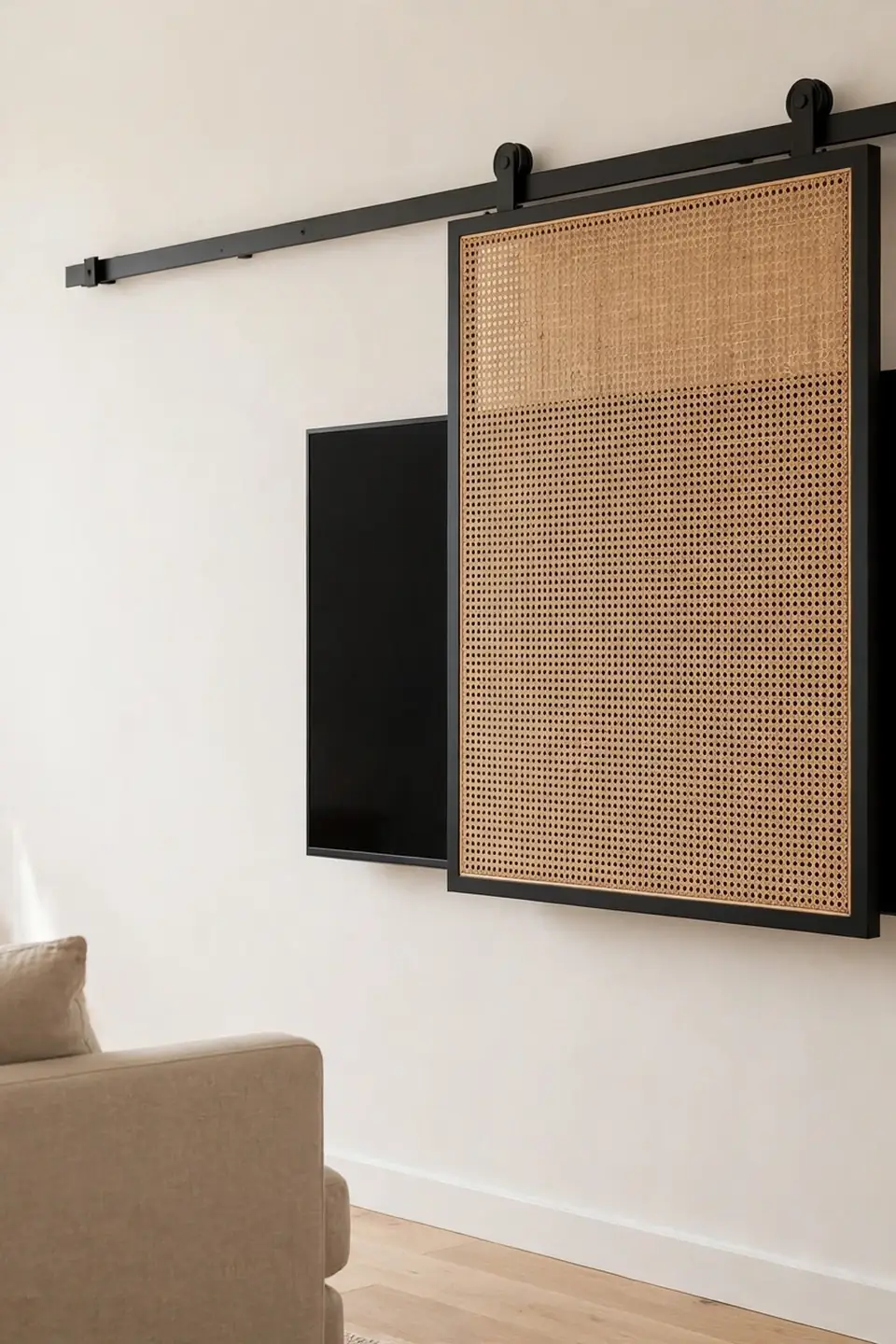
Do This:
- Mount a barn-door style panel on a smooth track so it glides aside with one hand.
- Choose a panel material that echoes your room, like painted wood or woven cane.
- Leave enough clearance on one side for the panel to rest fully open.
- Add soft-close hardware so the panel never slams during quiet evenings.
Avoid This:
- Do not hang a panel heavier than your track rating, or it will sag within months.
- Avoid dark heavy panels in small rooms, where they shrink the space visually.
- Never block vents or outlets behind the panel, since heat buildup harms electronics.
Sliding panels suit renters who cannot rebuild walls but can hang a track. They add architectural interest even when closed, doubling as a design feature. Test the glide several times before finalizing the mount so daily use feels perfectly easy for everyone in the home.
Style Around the TV
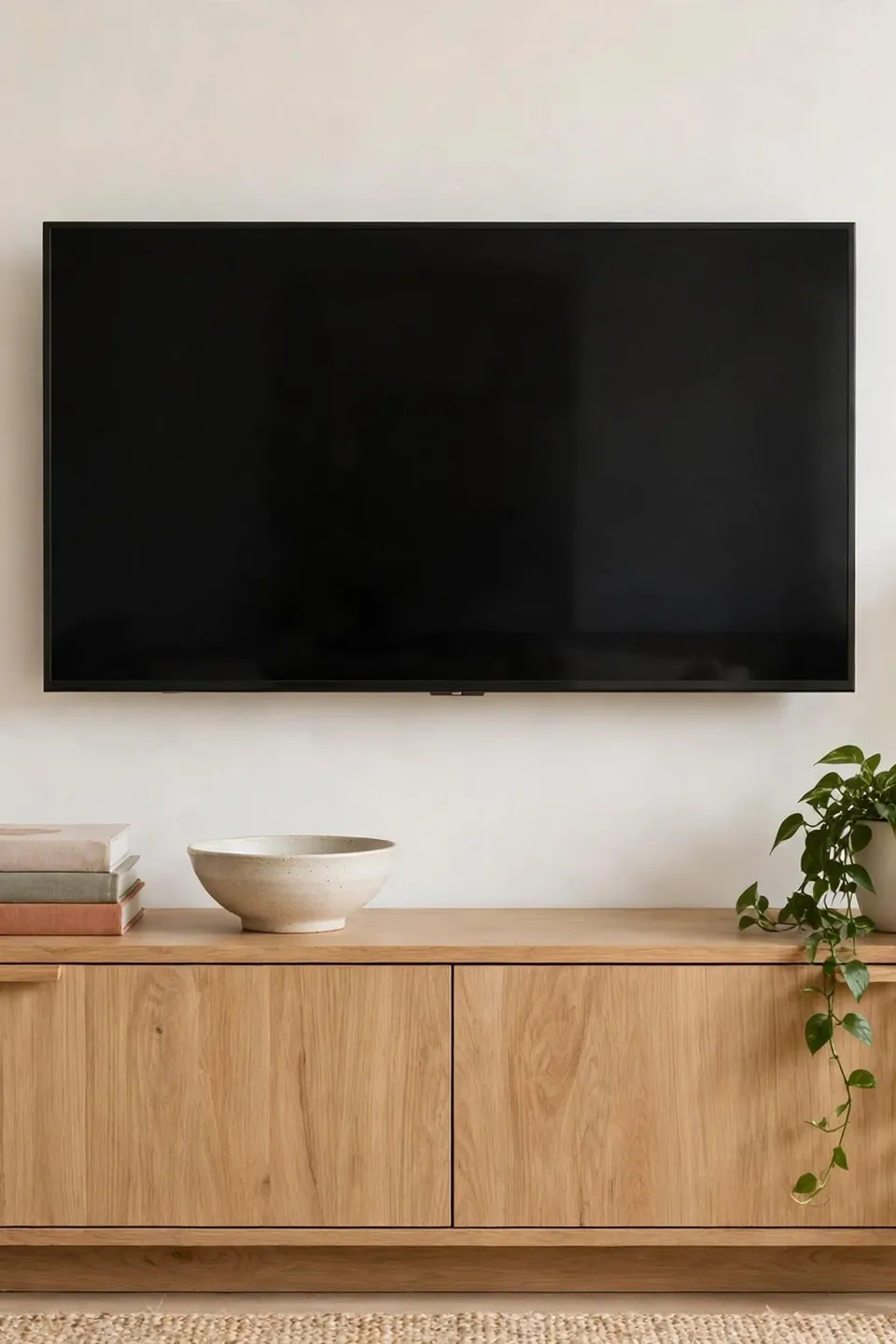
Time Needed: 30 to 45 minutes | Difficulty: Easy | Cost: Low to medium | Best For: Wall-mounted screens that stay visible
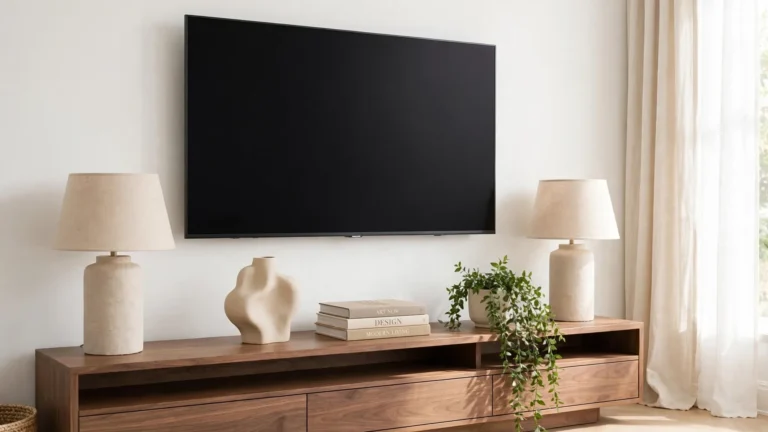
Even a visible TV looks intentional when the console below is styled well. Stack coffee table books, add a low plant, and keep cords hidden behind the furniture. Symmetry helps: matching lamps or baskets on each side calm the whole arrangement and draw the eye outward.
For more ways to warm up the whole space around your screen, see our guide on how to make a living room cozy.
Common TV Hiding Mistakes

The most common mistake is hiding the TV so well that watching becomes a chore. Heavy doors that stick and panels that need two people lead to one outcome: the screen stays out all the time. Convenience decides whether any solution survives the first month.
Another mistake is ignoring ventilation and cable access behind a hidden screen. Televisions generate real heat, and sealed cabinets without airflow shorten their working life. Leave breathing room behind the set, keep a clear path for cables, and pick solutions you will honestly use every single day.
Pro Tips for Seamless TVs
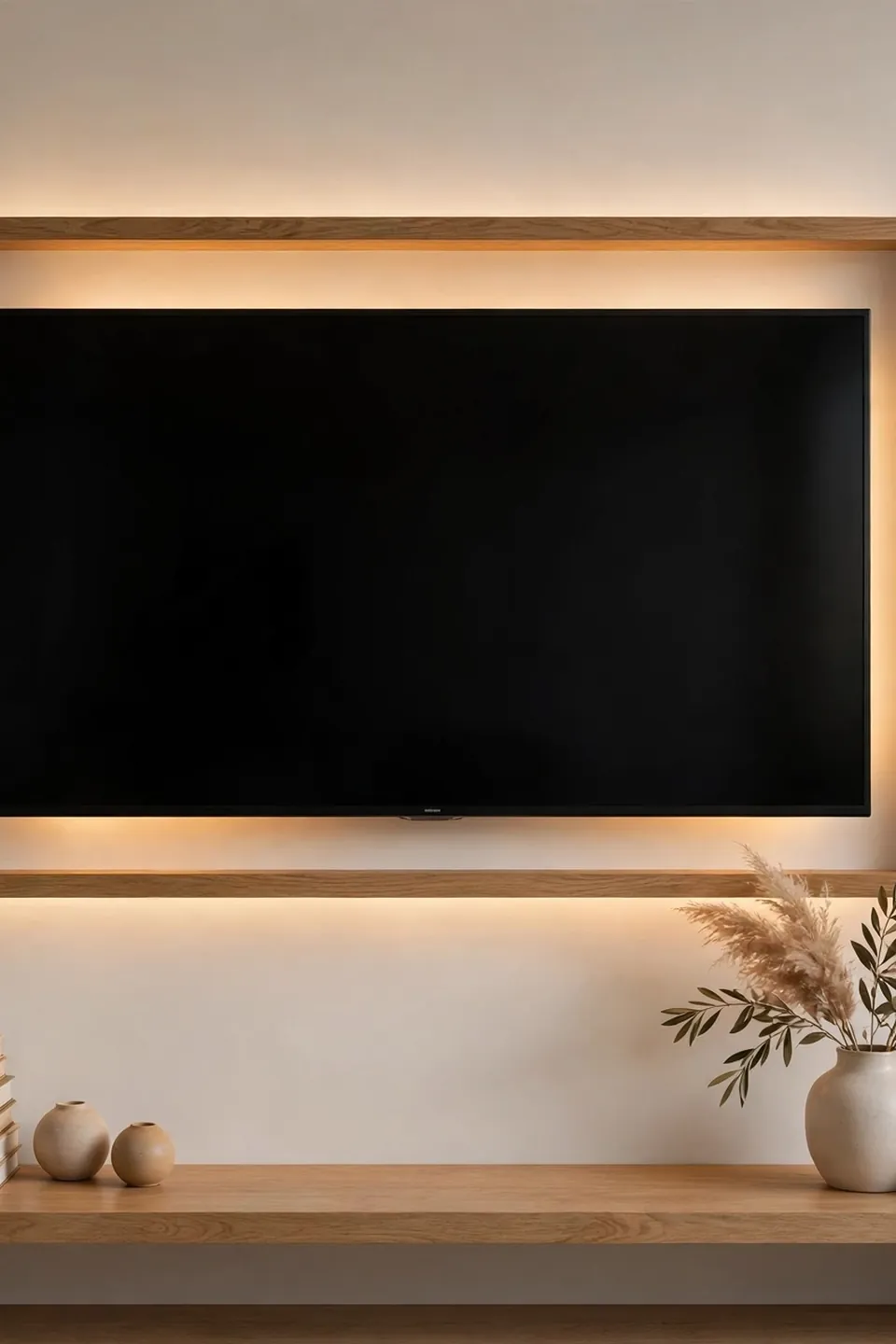
These final touches make every hiding method look professional instead of improvised. They take minutes, cost very little, and separate a good setup from one that looks truly built in and intentional. Small finishing details always do the heavy lifting here.
- Paint any visible mount or raceway the same color as your wall so hardware melts away instead of outlining the screen.
- Keep the wall around the TV slightly darker than the rest of the room if you want the screen to recede when off.
- Store the remote in a small tray on the console so the coffee table stays clear and the setup looks tidy at all times.
- Dim the bias light behind the TV in the evening; a soft glow reduces eye strain and makes the screen feel like part of the decor.
Conclusion
Your living room can be both a great movie spot and a beautiful space. Once the screen blends into the wall, the whole room feels calmer and more put together. The best part is that learning how to hide a tv in living room design takes less effort than most people expect. Save this guide on Pinterest so you can revisit the ideas when you are ready for a weekend refresh. Try one method, live with it for a week, and notice how differently the room feels. I have seen a single framed screen change how proud someone feels of their space.

One Comment