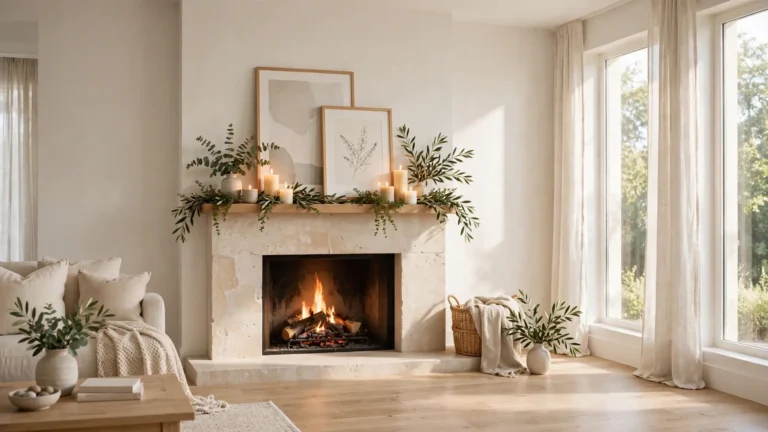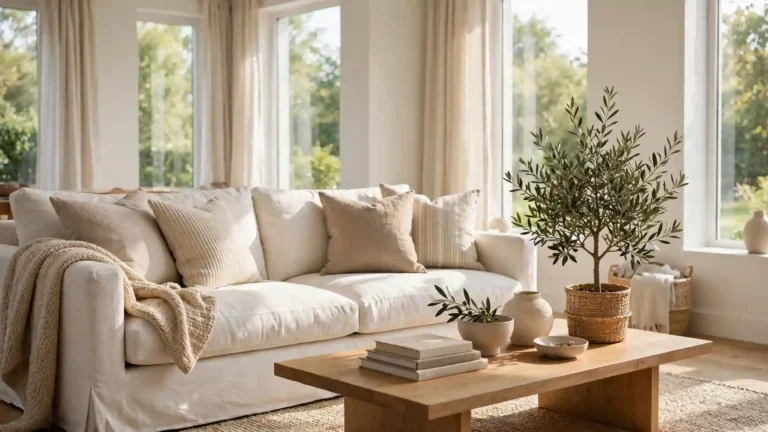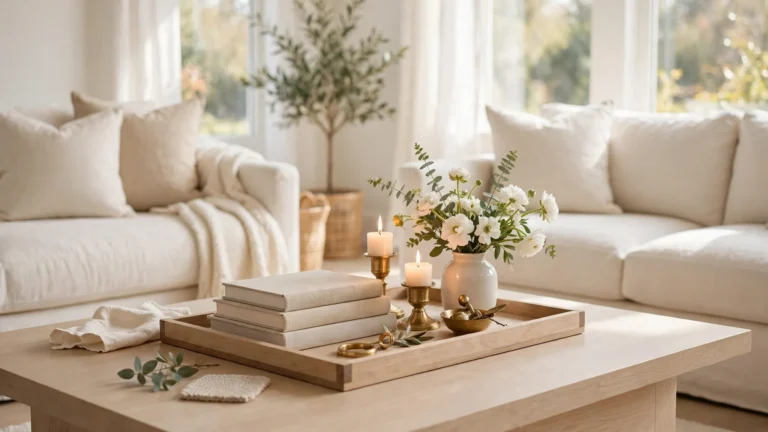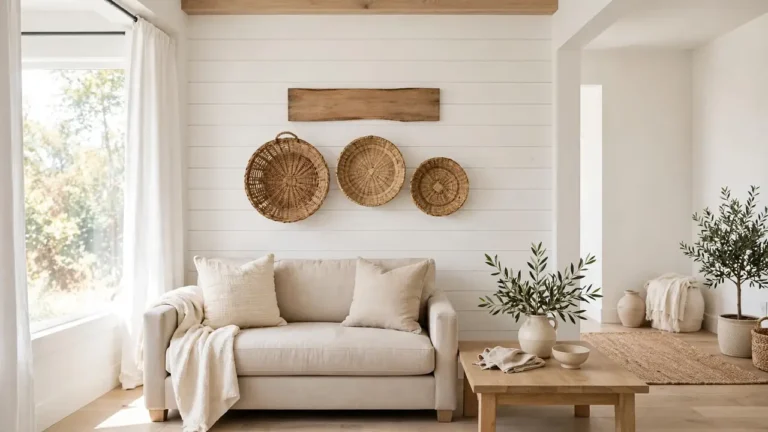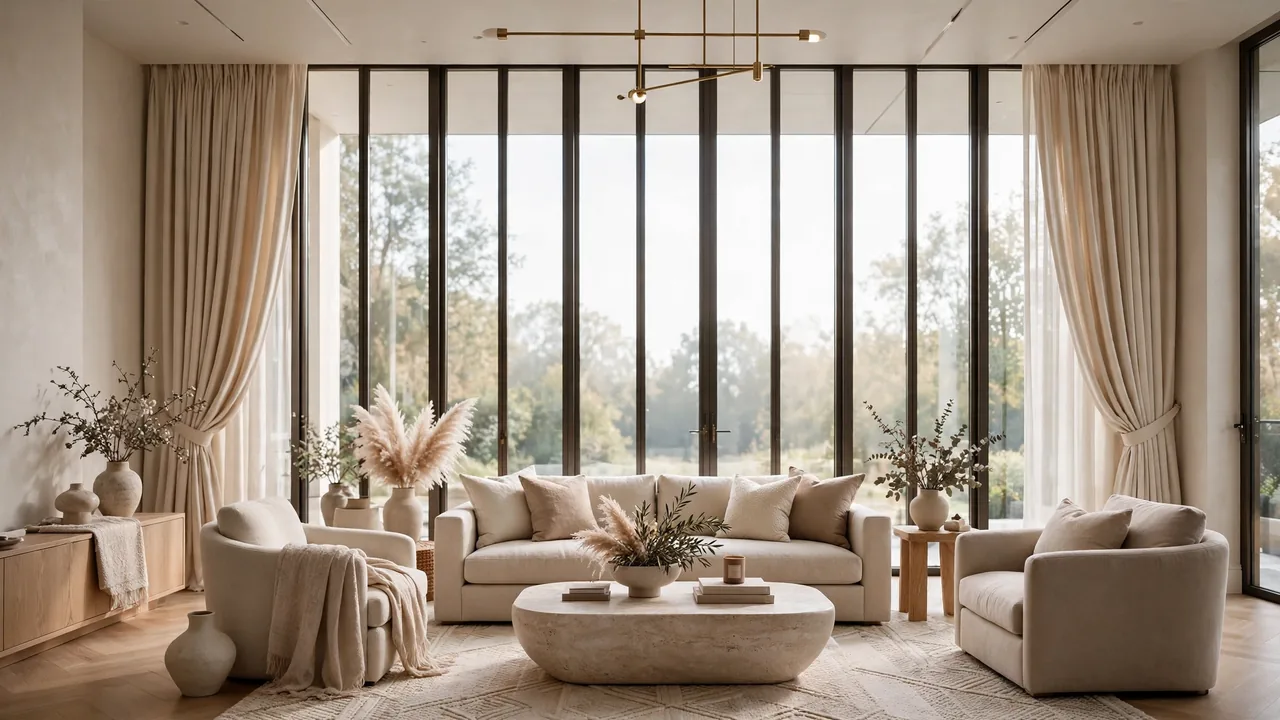
21 Living Room Curtains for Large Windows That Feel Luxurious
Large windows deserve dressing that matches their drama. When you choose living room curtains for large windows with real intention, the entire room changes character. Glass walls become architecture instead of empty space, and daylight turns into the most flattering light source you own. In my experience, fabric is the single fastest way to make a big window wall feel finished rather than bare.
The right curtains balance light control, privacy, and softness without hiding the view you paid for. Below you will find 21 distinct approaches, from airy sheers to dramatic velvets, each with practical guidance on hanging, fabric, and styling. Whether your taste runs modern or traditional, there is a treatment here that fits your space. For pattern inspiration in another room, browse these bedroom wallpaper ideas behind bed.
Linen Sheer Panels
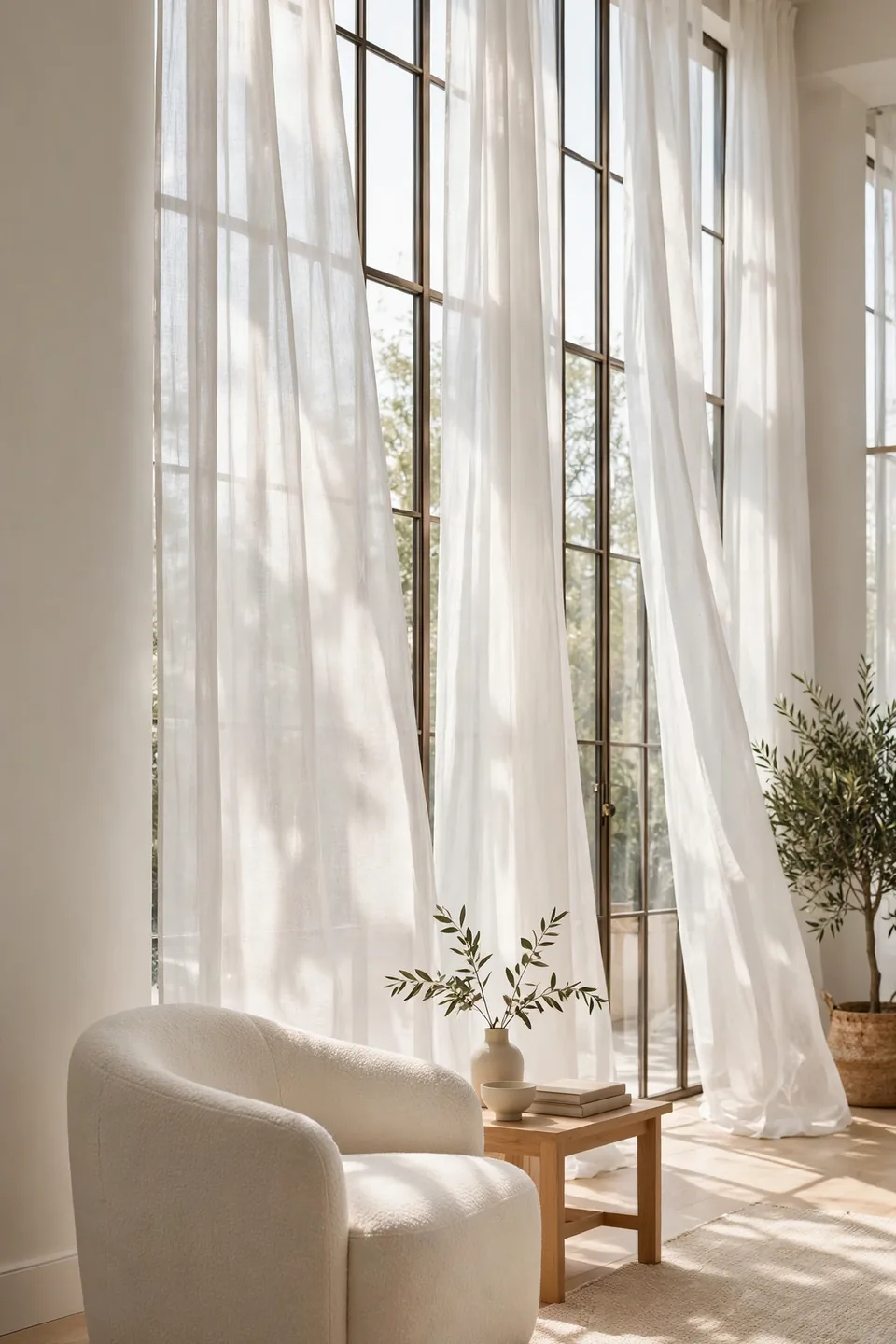
Nothing softens a wall of glass like washed linen. These panels filter harsh midday sun into a gentle glow that flatters the sofa fabric and floor finish. Hang them on a slim rod mounted close to the ceiling, letting them fall to the sill or the floor. Linen wrinkles gracefully, so let the wrinkles read as relaxed charm. Warm white or natural flax blends with most wall colors.
Sheers keep the view while cutting glare, which matters most in bright living rooms. I have seen this work well where heavy drapes would overwhelm the architecture. Wash them gently twice a year to keep the weave fresh. They pair well with a second layer for evening privacy. This look suits modern, coastal, and farmhouse interiors equally.
Floor Puddle Drapes
- Order panels 4 to 6 inches longer than the floor measurement for a relaxed puddle
- Choose a medium-weight fabric so the excess fabric folds rather than bunches
- Steam the hem lightly after hanging to set the puddle shape
- Keep the floor beneath clean, since the fabric rests directly on it
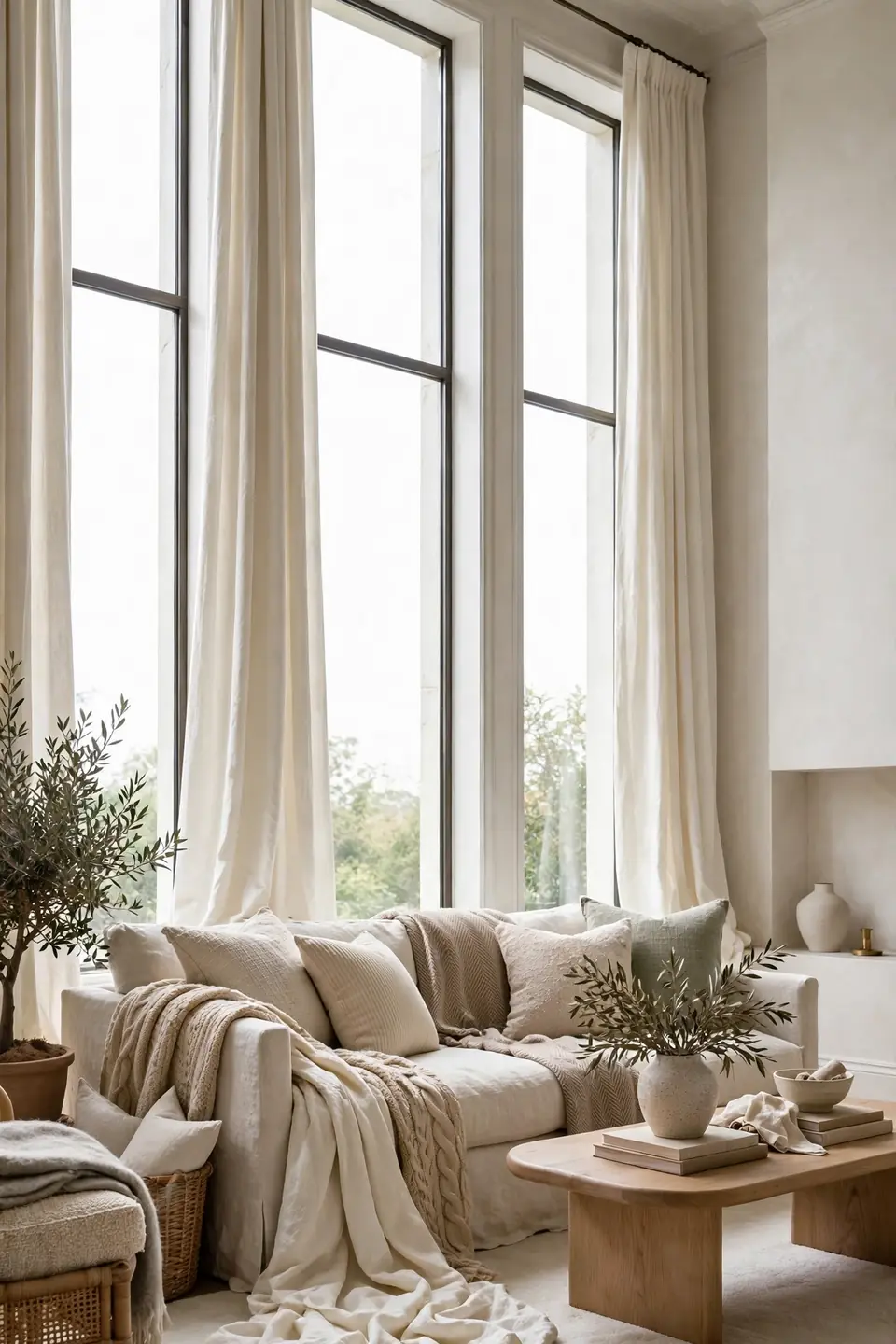
Puddling adds instant romance to large windows, turning simple panels into something that looks custom and considered. The extra fabric softens hard window lines and makes the ceiling feel higher. This treatment works best in formal or low-traffic living rooms, since the hems collect dust. Shake panels out monthly to keep them fresh. It is the easiest luxury upgrade with the least effort.
Double Layer Panels
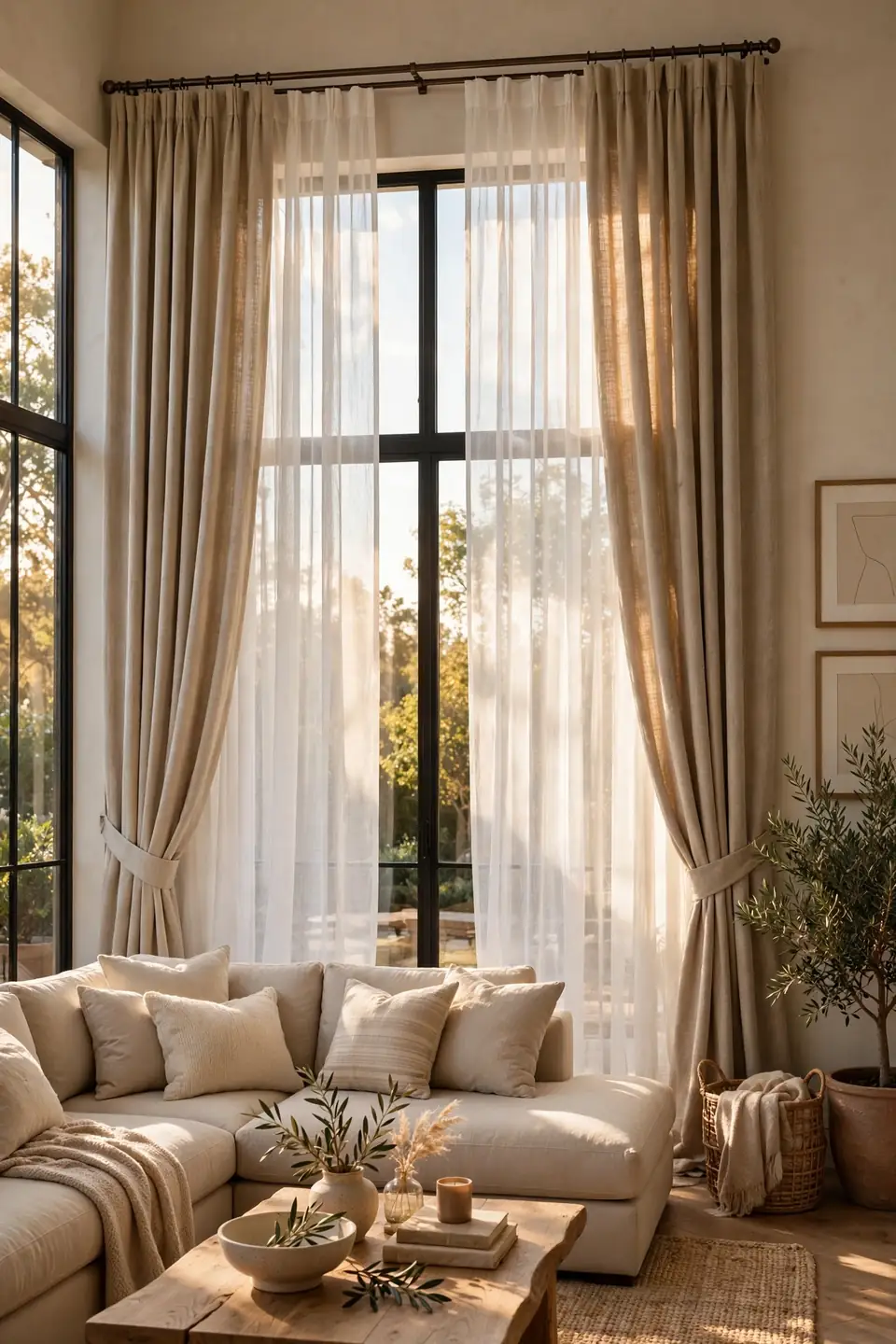
Layering sheers behind heavier drapes solves the classic large-window dilemma of light versus privacy. During the day, close only the sheer layer for soft filtered light that keeps the room bright. At night, draw the outer drapes for warmth and seclusion. The visible depth between layers adds richness that single panels cannot match. Coordinate the two fabrics in the same color family for a calm, designer result.
Tailored Pinch Pleats
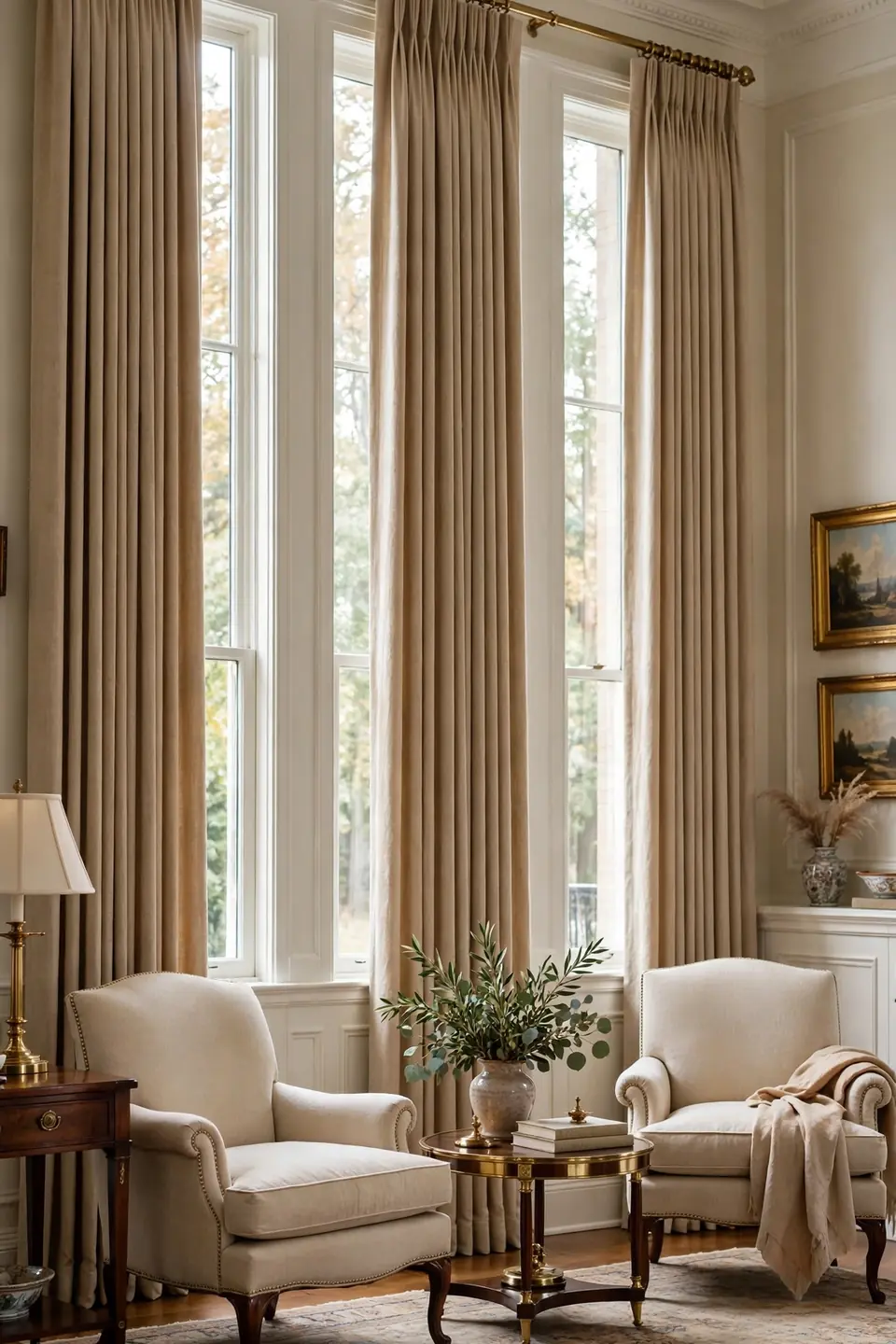
BEFORE: The window wall looked unfinished, with flat panels that hung limply and slid unevenly on a cheap rod. The pleats never held their shape, and the whole treatment read as an afterthought against the tall windows.
AFTER: Crisp pinch pleats now fall in even, architectural folds from ceiling to floor. The tailored header gives the window wall structure, and the drapes stack neatly to the sides without bunching.
Pinch pleats remain the gold standard for a polished look on large windows. The sewn-in folds distribute fabric evenly, so wide spans look intentional rather than improvised. Choose a medium-weight woven fabric that holds a crease. This header style suits traditional and transitional living rooms where a crisp finish matters most.
Velvet Statement Drapes
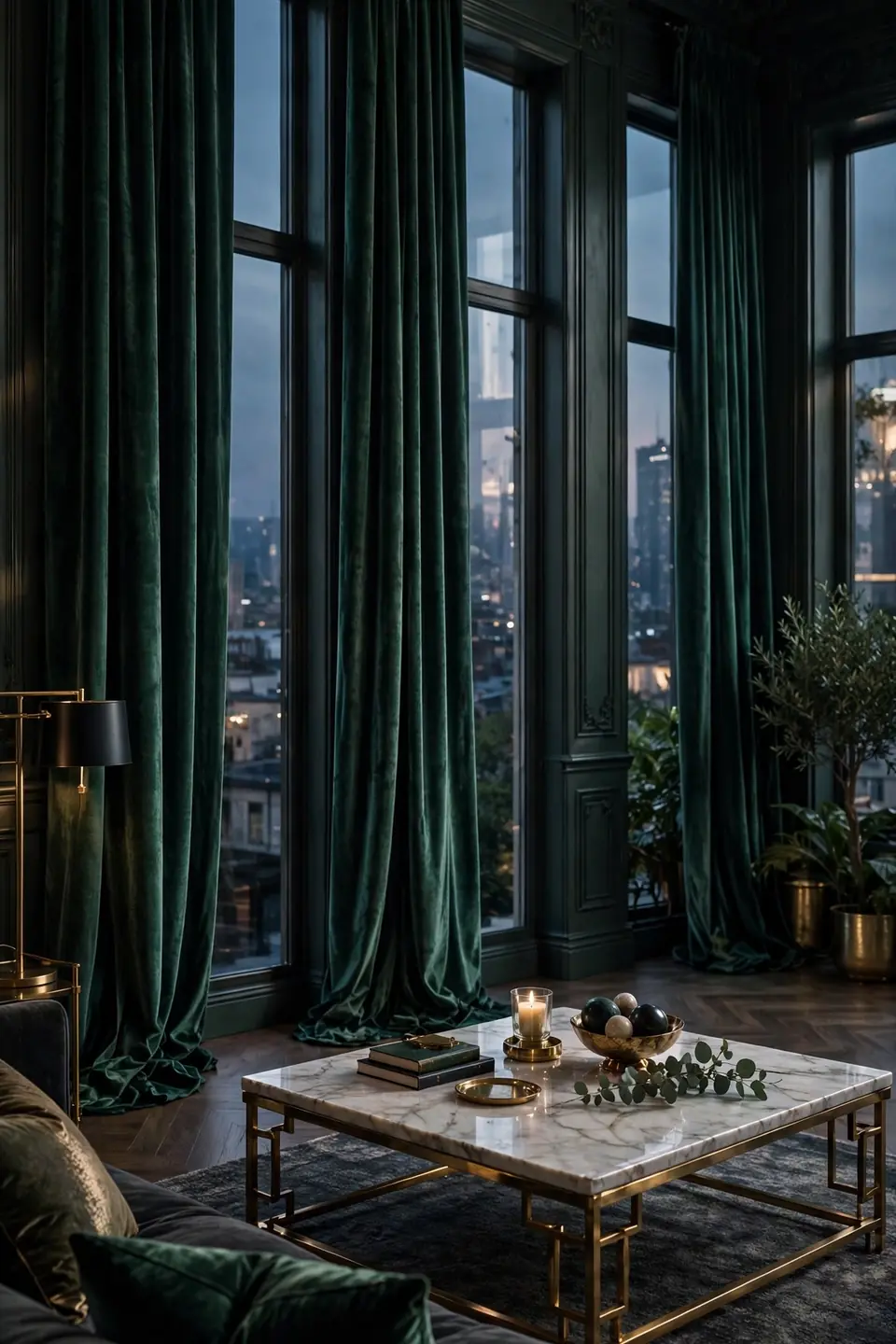
- Measure the full window width and multiply by 2.5 for proper velvet fullness
- Select cotton velvet over polyester for a richer hand and better drape
- Hang panels on sturdy rings so the heavy fabric glides smoothly
- Brush the nap downward after hanging for an even sheen
- Steam gently from the back to release packing creases
Velvet turns large windows into a focal point that rivals any artwork. The fabric absorbs and reflects light at once, giving the wall depth and a soft glow after dark. Deep tones like emerald, navy, or rust feel especially luxurious beside pale walls. Keep furniture lines simple so the drapes carry the drama. This is the boldest move on the list, and the payoff is enormous.
Natural Fiber Weaves
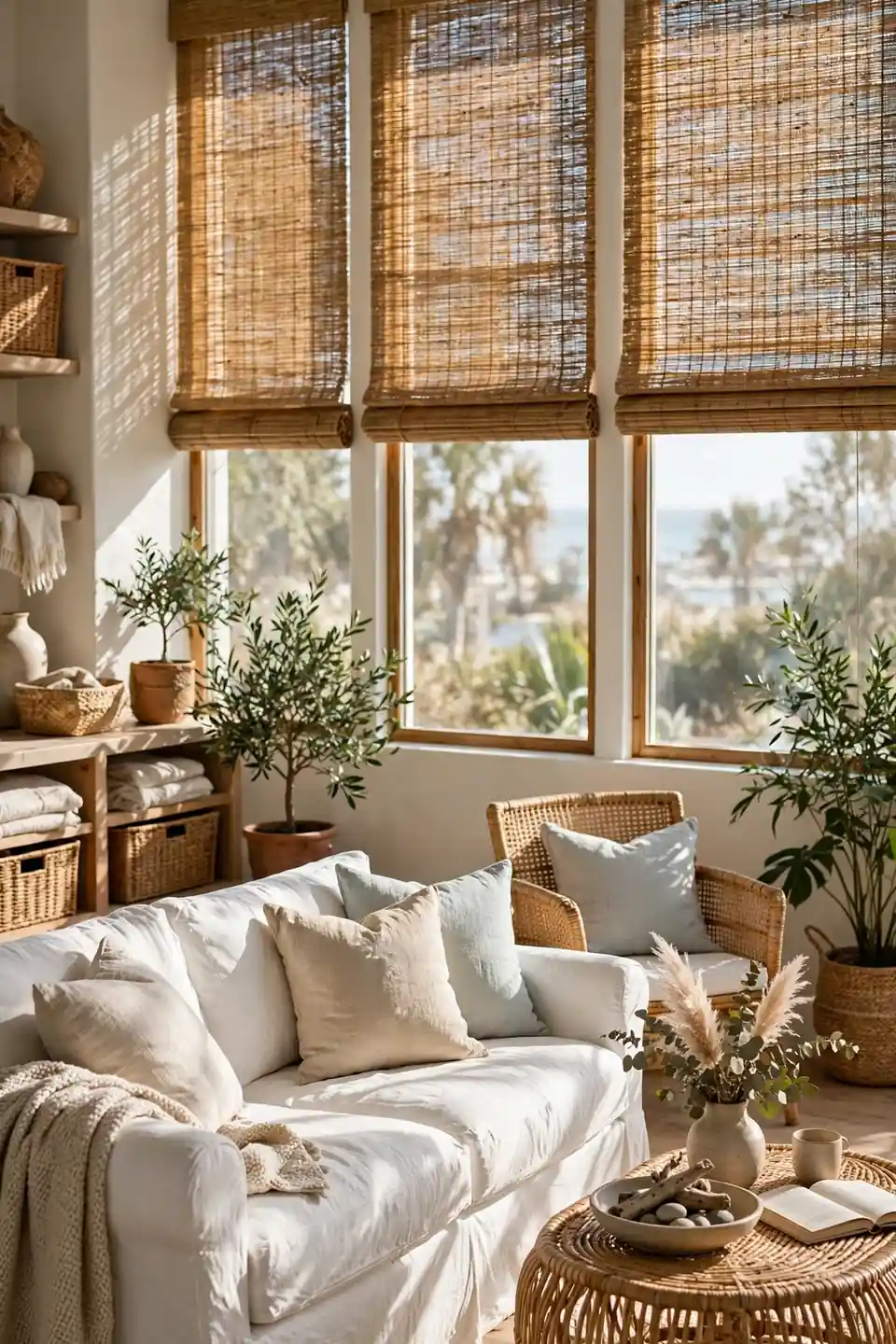
| Fiber | Look | Best For |
|---|---|---|
| Jute | Chunky, rustic texture | Casual coastal rooms |
| Bamboo | Smooth, warm strips | Modern organic spaces |
| Rattan weave | Open, airy pattern | Bright sunrooms |
Woven fiber shades bring organic texture that softens the hard lines of big glass expanses. They filter sunlight into warm, dappled patterns while keeping the room connected to the outdoors. Natural fibers suit relaxed and coastal living rooms especially well. Choose a tight weave for more privacy or an open weave for maximum light. Dust them monthly with a soft brush to keep the fibers fresh. A cordless lift keeps the look clean and safe for homes with kids and pets.
Warm Ivory Layers
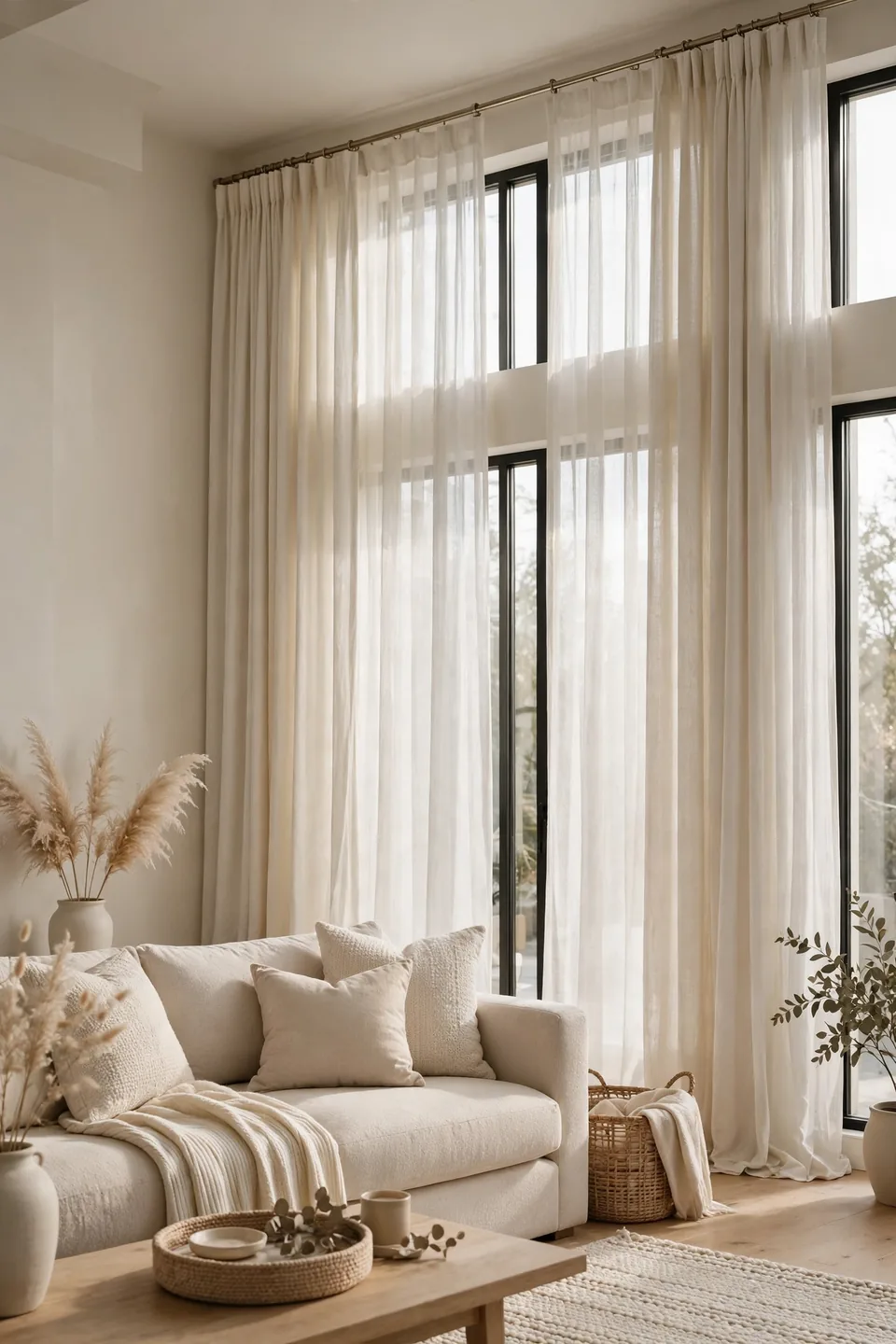
Do:
- Do mix three ivory tones for depth.
- Do vary fabrics, pairing matte linen with subtle silk.
- Do extend rods 12 inches past the frame to widen the window.
- Do keep hardware in warm brass for a soft finish.
Do not:
- Do not use pure white, which looks cold beside ivory.
- Do not match layers exactly, or the look turns flat.
- Do not skip lining on the outer panels in sunny rooms.
Layering warm ivories creates a cocoon-like calm that suits large windows beautifully. The tonal approach adds richness through texture rather than color, keeping the palette serene. This scheme works in almost any interior style, from modern to classic. I’ve noticed warm neutral rooms photograph especially well.
Bold Pattern Panels
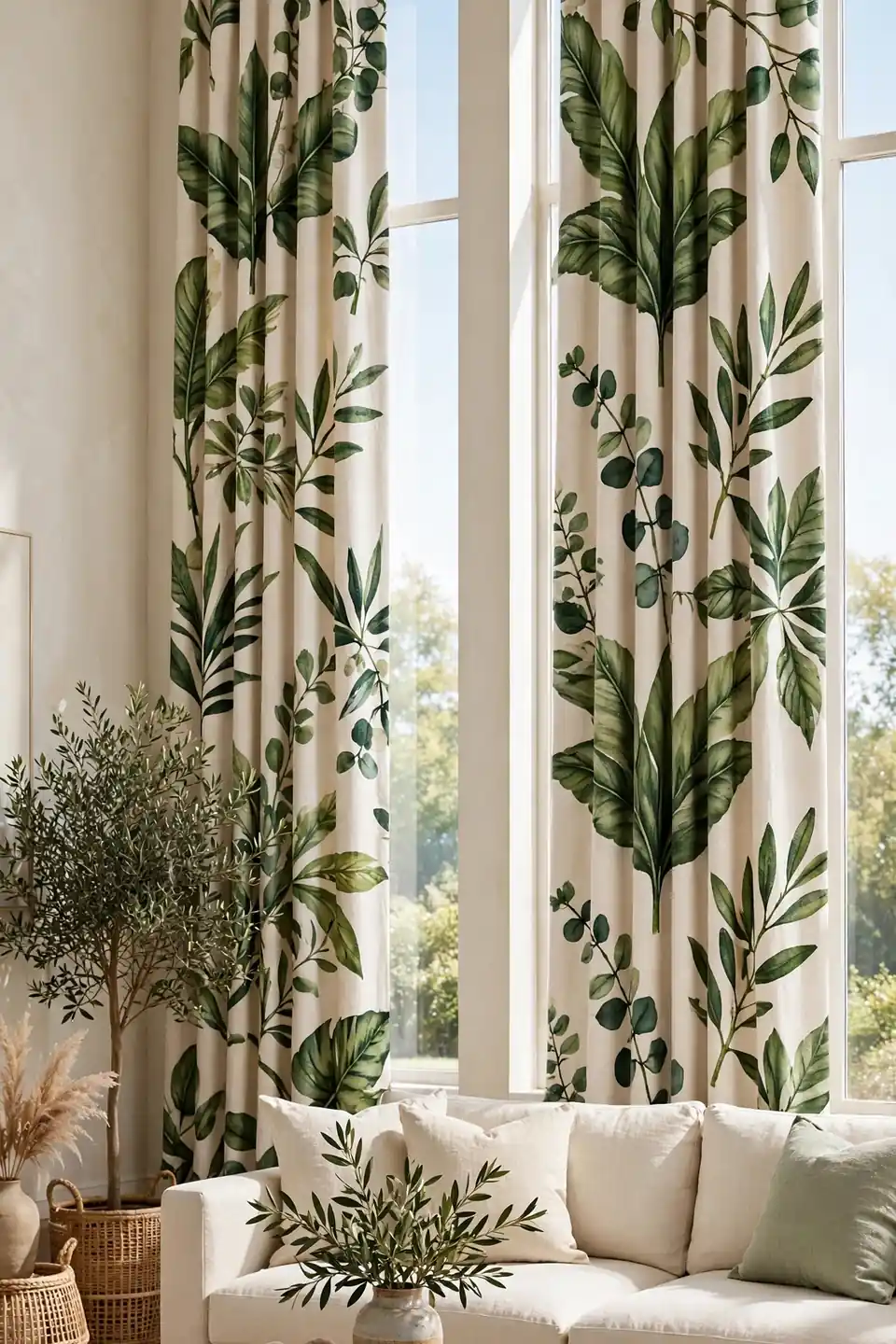
Best for: plain rooms that need one confident focal point without new furniture.
Cost: moderate, since patterned yardage costs more than solids.
Scale rule: match the print size to the window height for balance.
Pairing: keep upholstery solid so the pattern breathes.
Large-scale patterns earn their keep on tall windows, where small prints would disappear. A bold botanical or geometric motif turns the curtain wall into the room’s artwork, saving you the cost of large art pieces. Choose a design with your wall color in the background so it feels connected. That’s why many experts recommend sampling the fabric at full drop height before committing.
Slim Track Systems
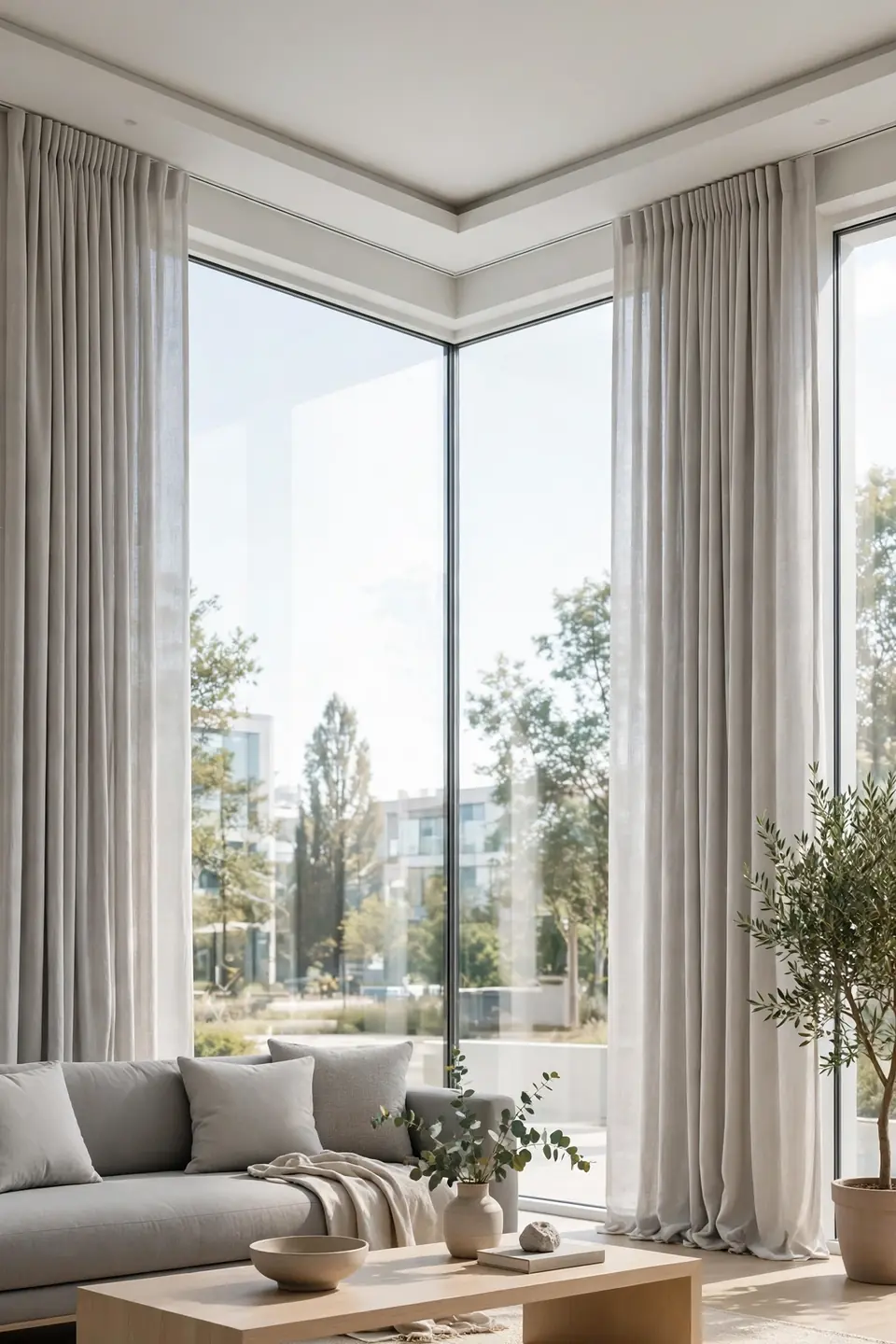
Ceiling tracks disappear into the architecture, letting fabric float from the ceiling line in one continuous sweep. This system suits large windows perfectly because a single track can span the entire wall without visible breaks or brackets. Ripple-fold carriers create even, modern waves that stack tightly to the sides when open. The result feels architectural rather than decorative.
Installation takes more planning than a rod, since the track mounts to the ceiling or inside a recess. Measure twice and confirm the ceiling can hold the weight of wide fabric spans. I’ve seen this work well in many cases where homeowners wanted a hotel-like finish. Tracks also handle curved window walls better than any rod ever could.
Oversized Roman Shades
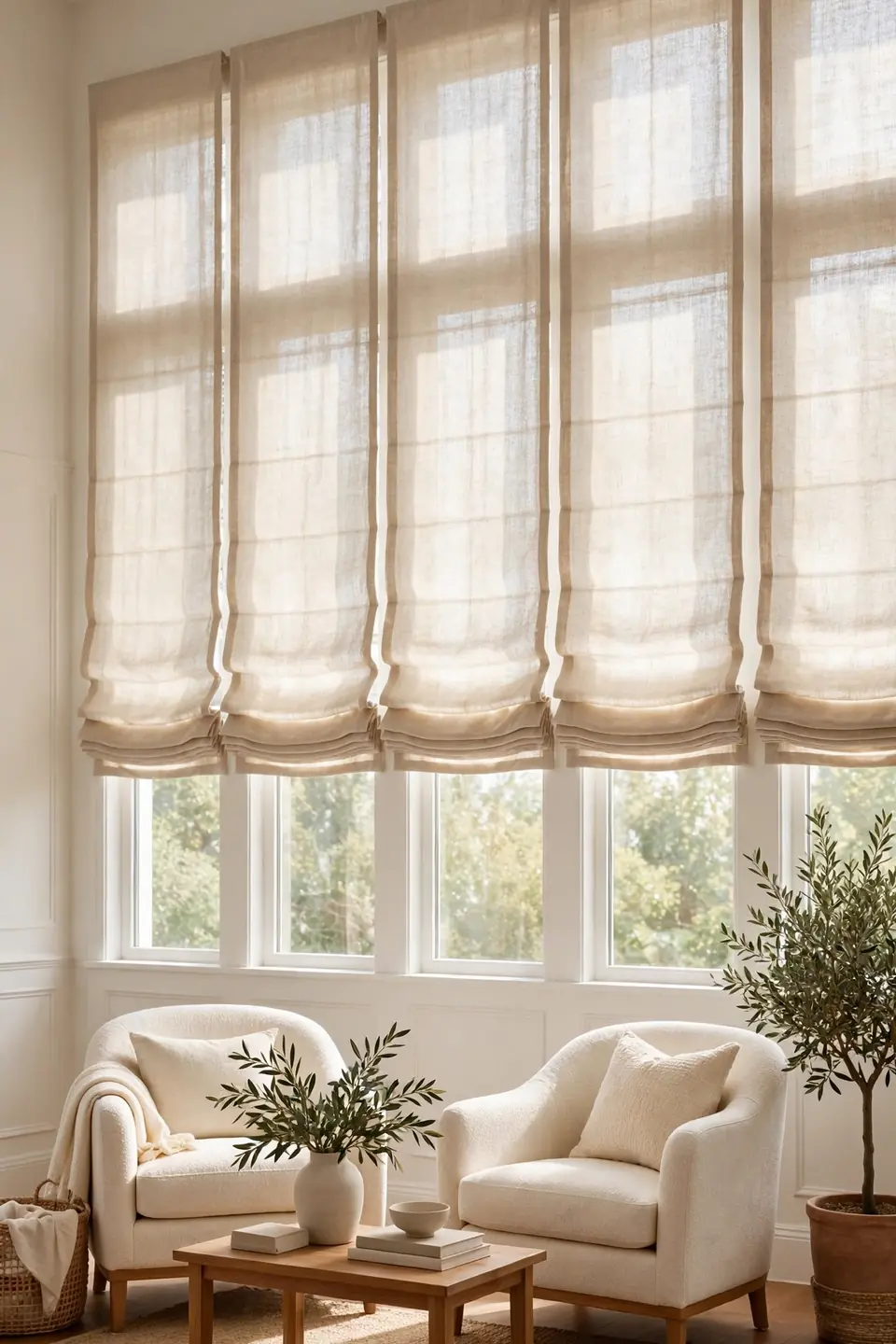
- Specify one wide shade per window section instead of many narrow ones
- Choose a relaxed fold style for softness or a flat fold for crisp lines
- Add a light-filtering liner to protect fabric from sun damage
- Motorize wide shades, since manual cords strain on large spans
Oversized roman shades give large windows a tailored look without the fabric volume of drapes. The horizontal folds add architectural interest while keeping the wall feeling clean. This treatment suits transitional and modern rooms where simplicity matters. Keep the fabric light in color so the shades glow softly when the sun hits them from behind.
Layered Sheer Overlays
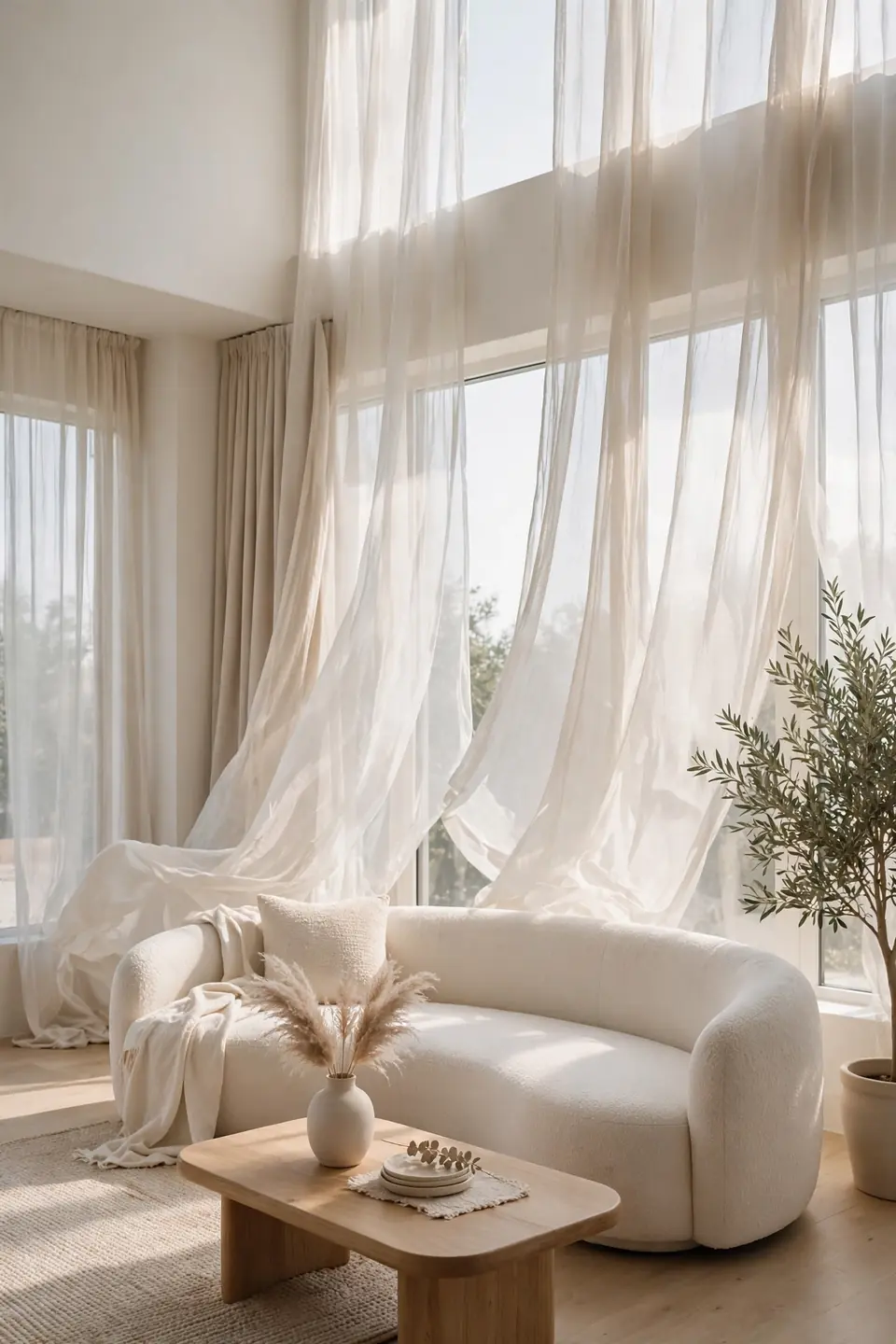
Sheer overlays placed in front of solid drapes create an ethereal effect that flatters big window walls. The gauzy front layer diffuses daylight into the room while the hidden blackout panel handles night privacy. This trick works beautifully with living room curtains for large windows, giving open-plan spaces both softness and real function. Keep the overlay in a tone slightly lighter than the drape for the prettiest glow.
Smoky Gray Drapes
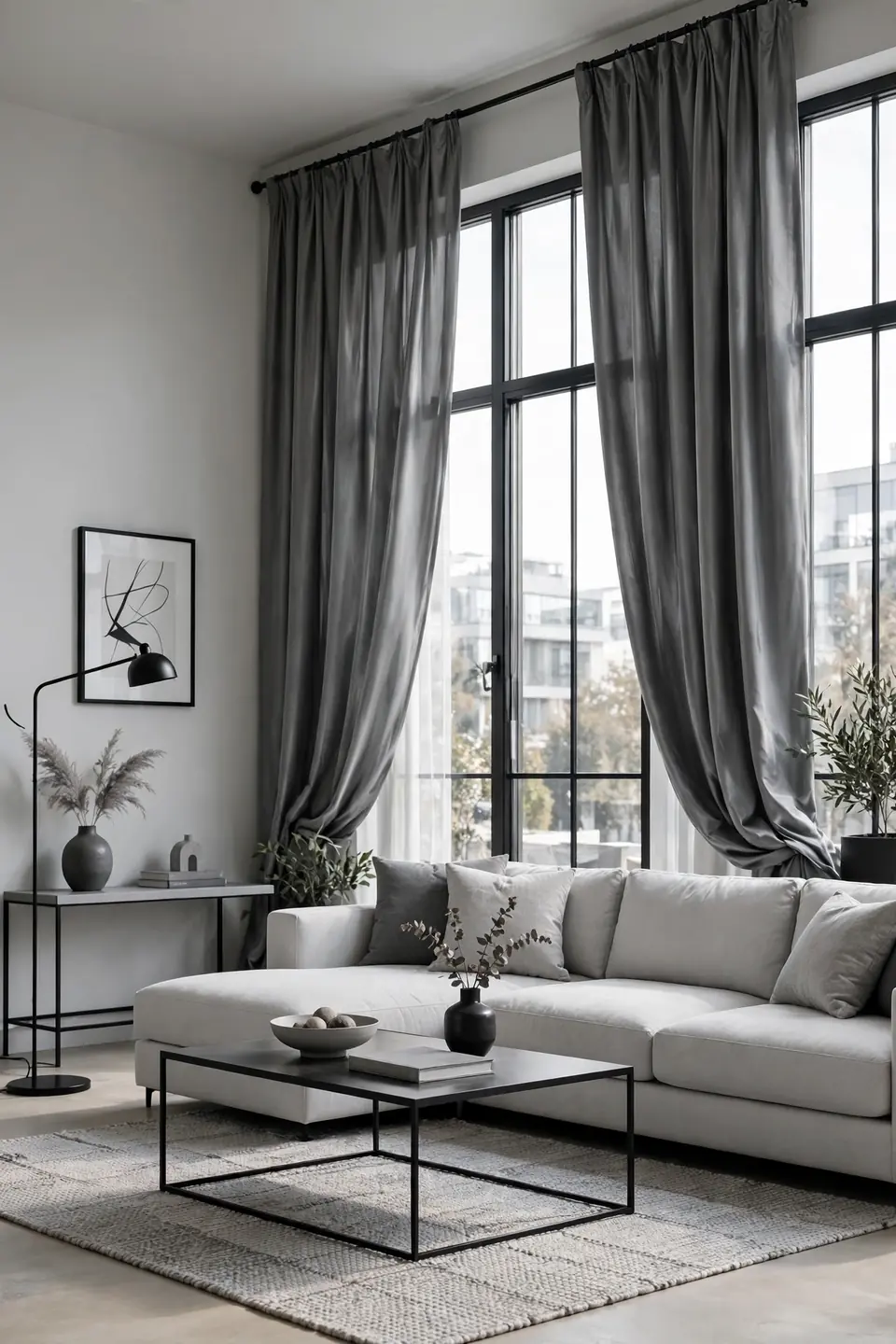
BEFORE: The living room felt washed out, with pale curtains that disappeared against white walls. The large windows dominated the space, and nothing anchored the seating area or gave the room any weight.
AFTER: Smoky gray drapes now frame the windows with quiet confidence. The mid-tone fabric grounds the room, defines the window wall, and makes the white trim pop by contrast.
Gray remains the most forgiving curtain color for large windows because it works with nearly every palette. Smoky tones add depth without the heaviness of charcoal or black. Choose a fabric with a slight sheen to keep the look refined. This color bridges warm and cool schemes, making future redecorating wonderfully simple.
Flowing Chiffon Curtains
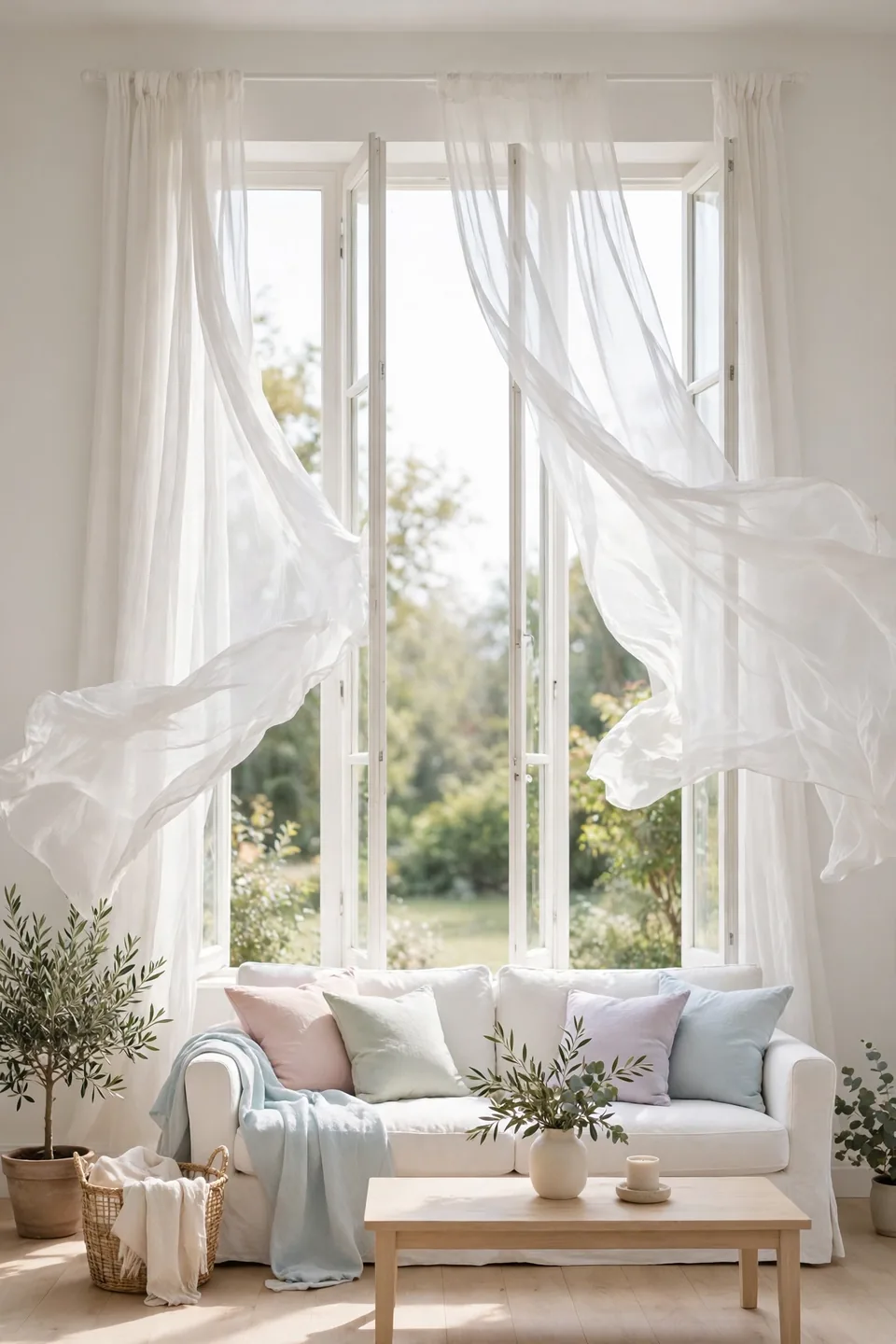
- Buy panels twice the window width, since chiffon needs fullness to look right
- Mount the rod high and wide to maximize the airy effect
- Let panels kiss the floor rather than puddle, to keep the look fresh
- Layer two panels per side for extra softness on very tall windows
Chiffon brings movement that heavier fabrics cannot match. On large windows, the featherlight panels catch every breeze and shift the mood of the room from moment to moment. This fabric suits romantic and coastal interiors where softness matters more than structure. For lighting that complements the airy feel, consider these small dining room chandelier ideas to complete the glow.
Classic Linen Blends
| Blend | Feel | Care |
|---|---|---|
| Linen cotton | Soft, breathable | Machine washable |
| Linen polyester | Crisp, wrinkle resistant | Low maintenance |
| Linen rayon | Silky, fluid drape | Dry clean only |
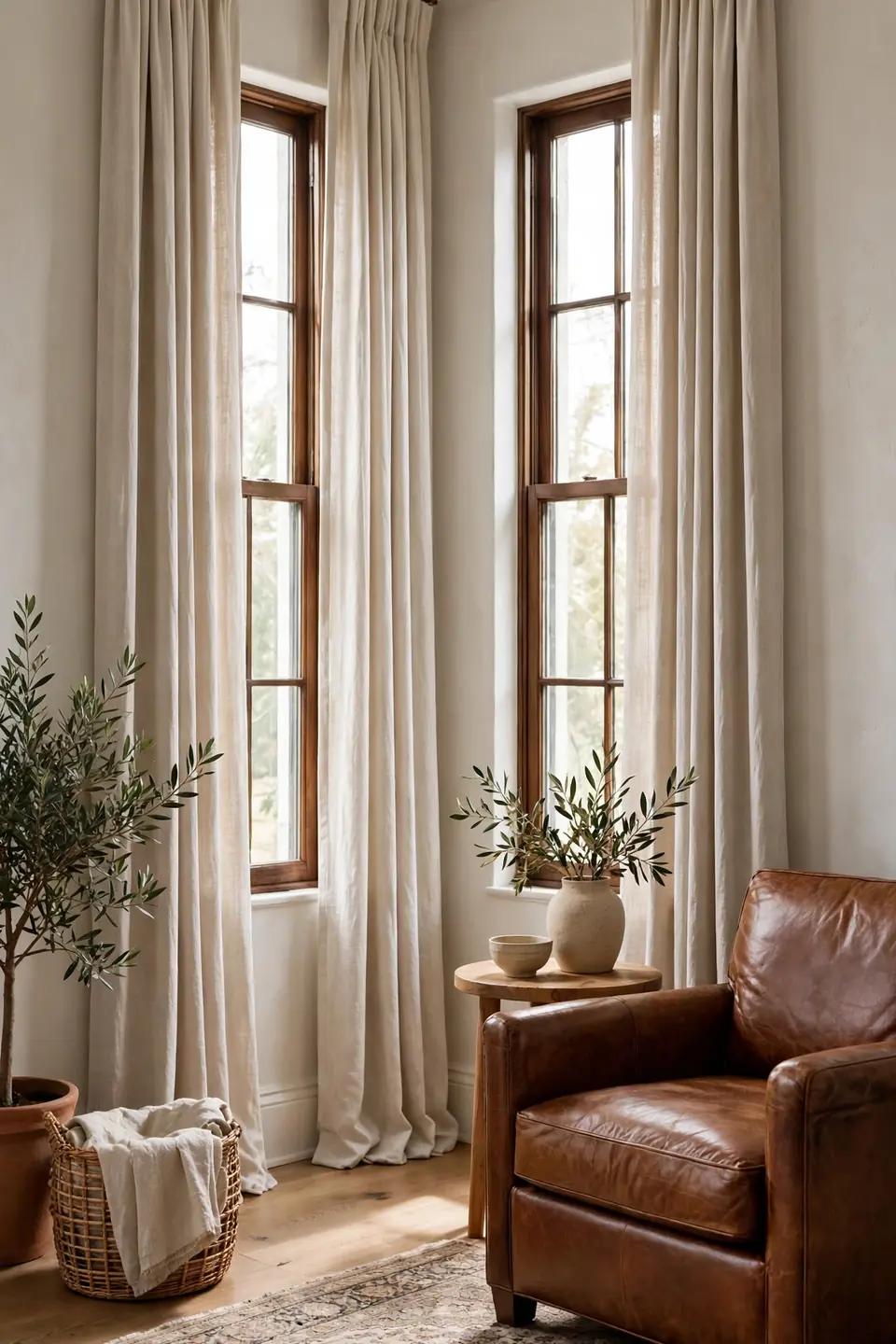
Pure linen wrinkles and shrinks, but blends solve both problems while keeping the beloved texture. A linen cotton mix washes easily and softens with age, making it the practical family choice. Linen polyester resists creases for a crisper look on tall spans. Match the blend to your lifestyle, and the drapes will look better in year five than on day one. For very sunny exposures, add a lining to protect the fibers and deepen the color.
Rich Jewel Tones
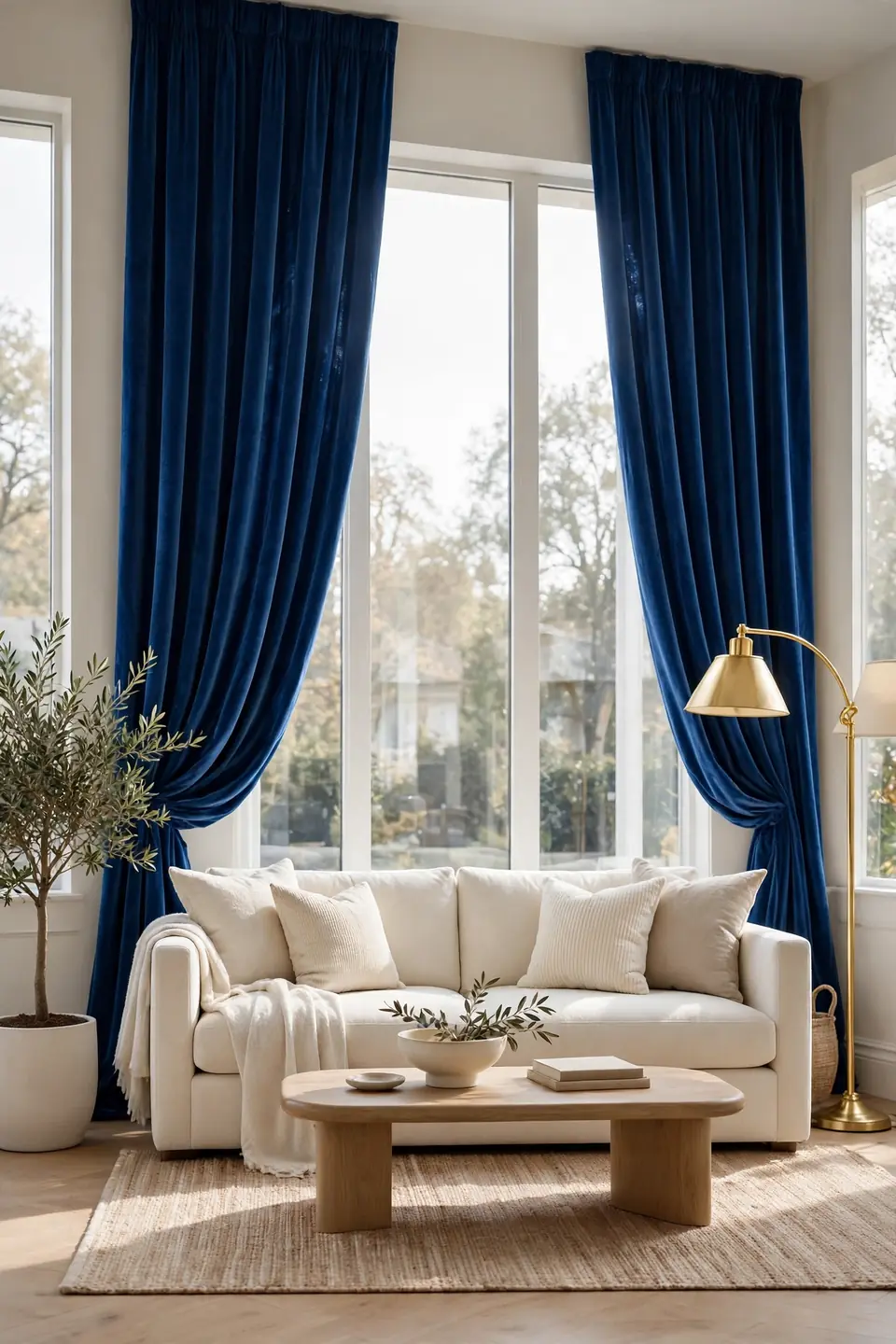
Do:
- Do anchor jewel tones with neutral walls and simple furniture.
- Do choose one saturated color instead of mixing several.
- Do repeat the tone in small accents like cushions or art.
- Do test a fabric swatch in evening light before ordering.
Do not:
- Do not pair jewel drapes with busy wallpaper nearby.
- Do not use shiny finishes that cheapen deep colors.
- Do not forget lining, since saturated fabrics fade faster.
Jewel tones like sapphire, emerald, and garnet turn a window wall into a statement. On large windows, the scale lets deep color feel intentional rather than heavy. Keep the rest of the room quiet so the drapes shine. In my experience, one bold fabric choice lifts the whole space more than a dozen small accessories ever could.
Textured Slub Cottons
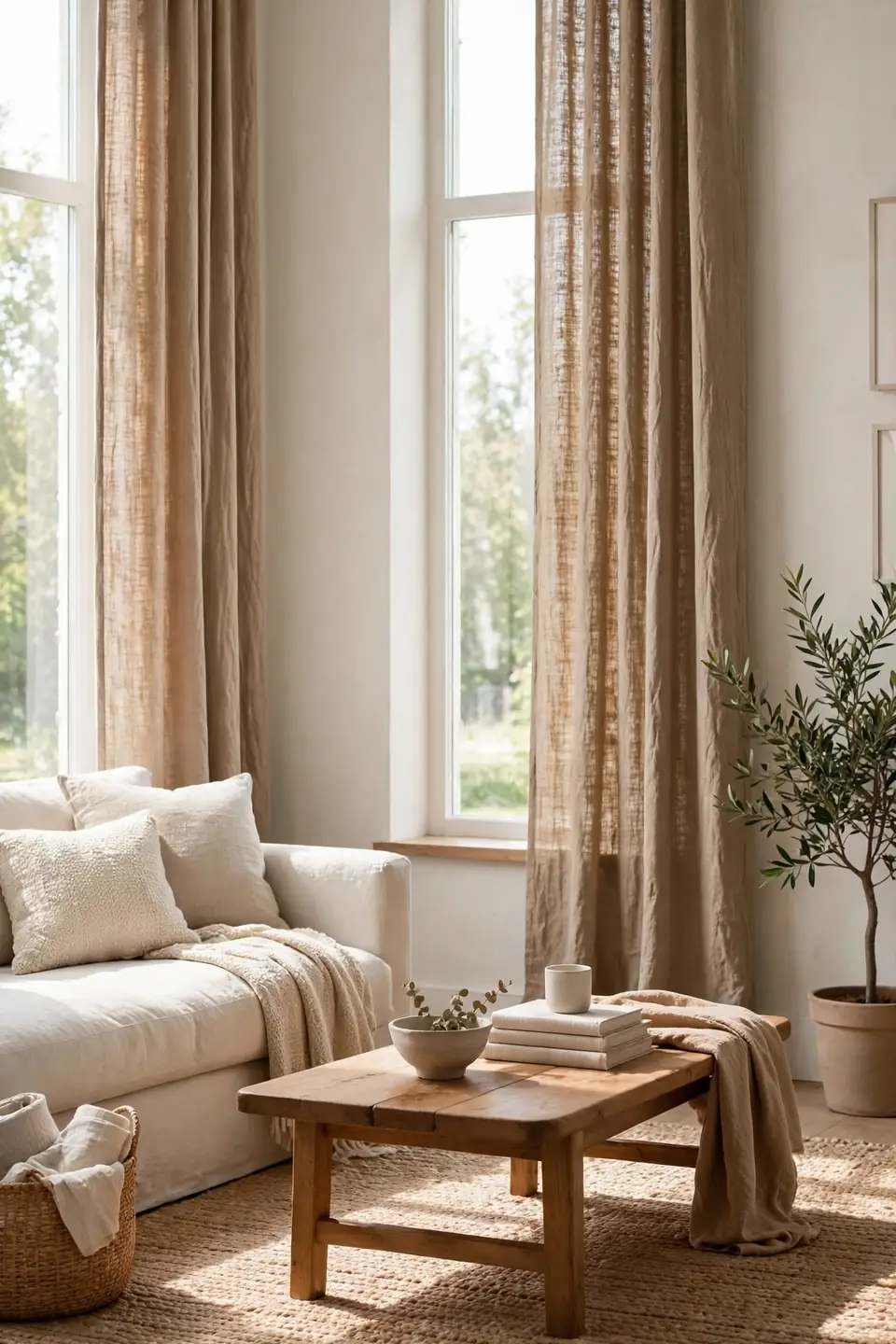
Best for: relaxed interiors that want texture without formality.
Cost: budget friendly, widely available in ready-made sizes.
Durability: high, since cotton weaves handle sun well.
Styling: pair with natural rugs and wood for warmth.
Slub cotton has an irregular weave that adds visual interest without any pattern. The nubby texture catches light beautifully across wide window spans, giving the fabric a handcrafted feel. It hangs with a soft structure that suits casual and modern farmhouse rooms. That’s why many experts recommend it as the easiest upgrade for renters on a budget too, since ready-made panels come in generous lengths.
Minimal Roller Shades
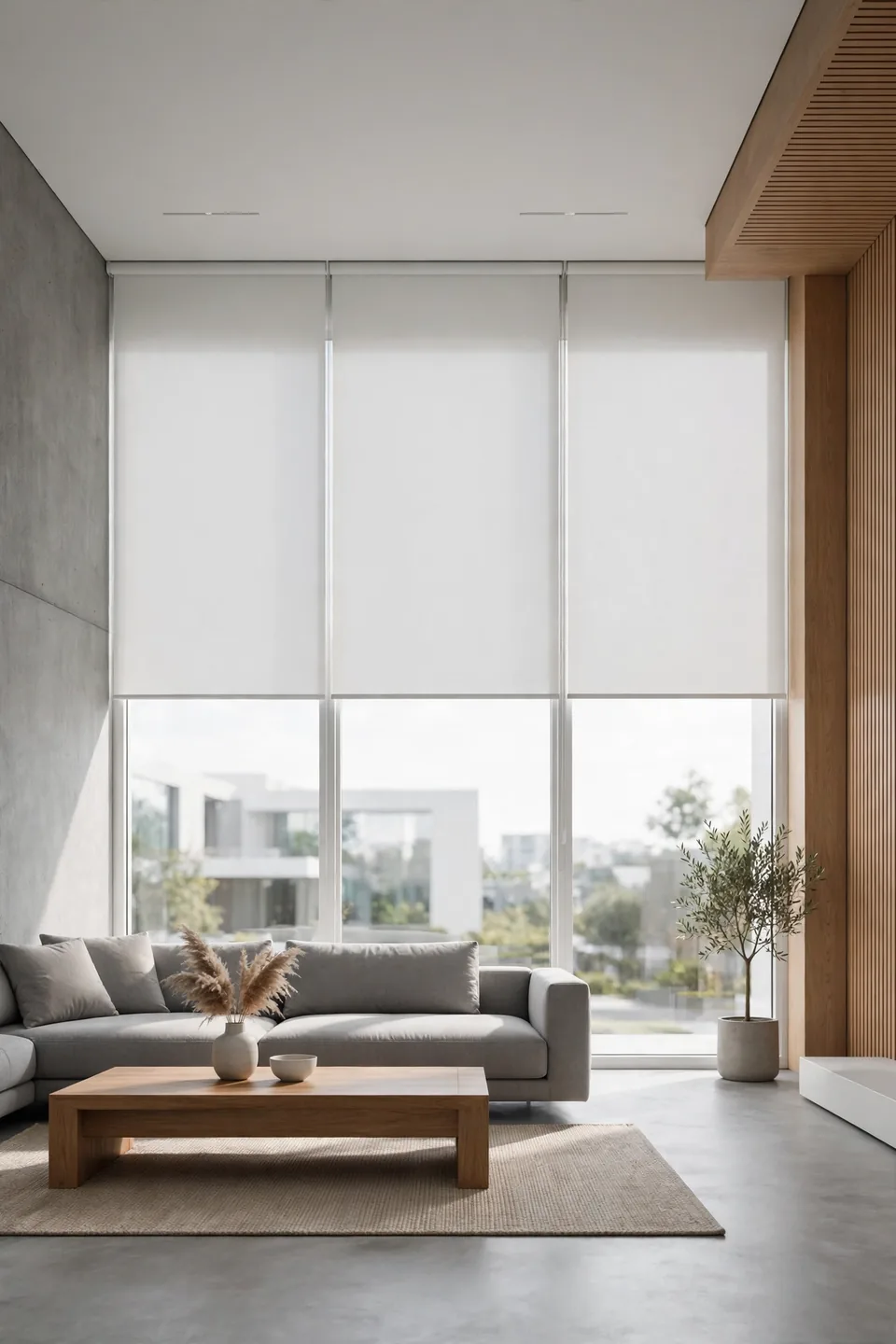
Sometimes the most luxurious choice is restraint. Slim roller shades vanish into a slim cassette at the top of the window, leaving the architecture completely visible. Choose a light-filtering fabric that glows softly when backlit, or a screen weave that preserves the view while cutting glare. The clean lines suit modern and minimalist living rooms perfectly.
Motorization transforms this treatment from simple to spectacular. One remote raises every shade in unison across a whole window wall, which feels genuinely luxurious. I’ve noticed that homeowners who automate their shades use them far more often. Keep the fabric color close to the wall tone for a seamless, built-in appearance.
Dramatic Floor Length
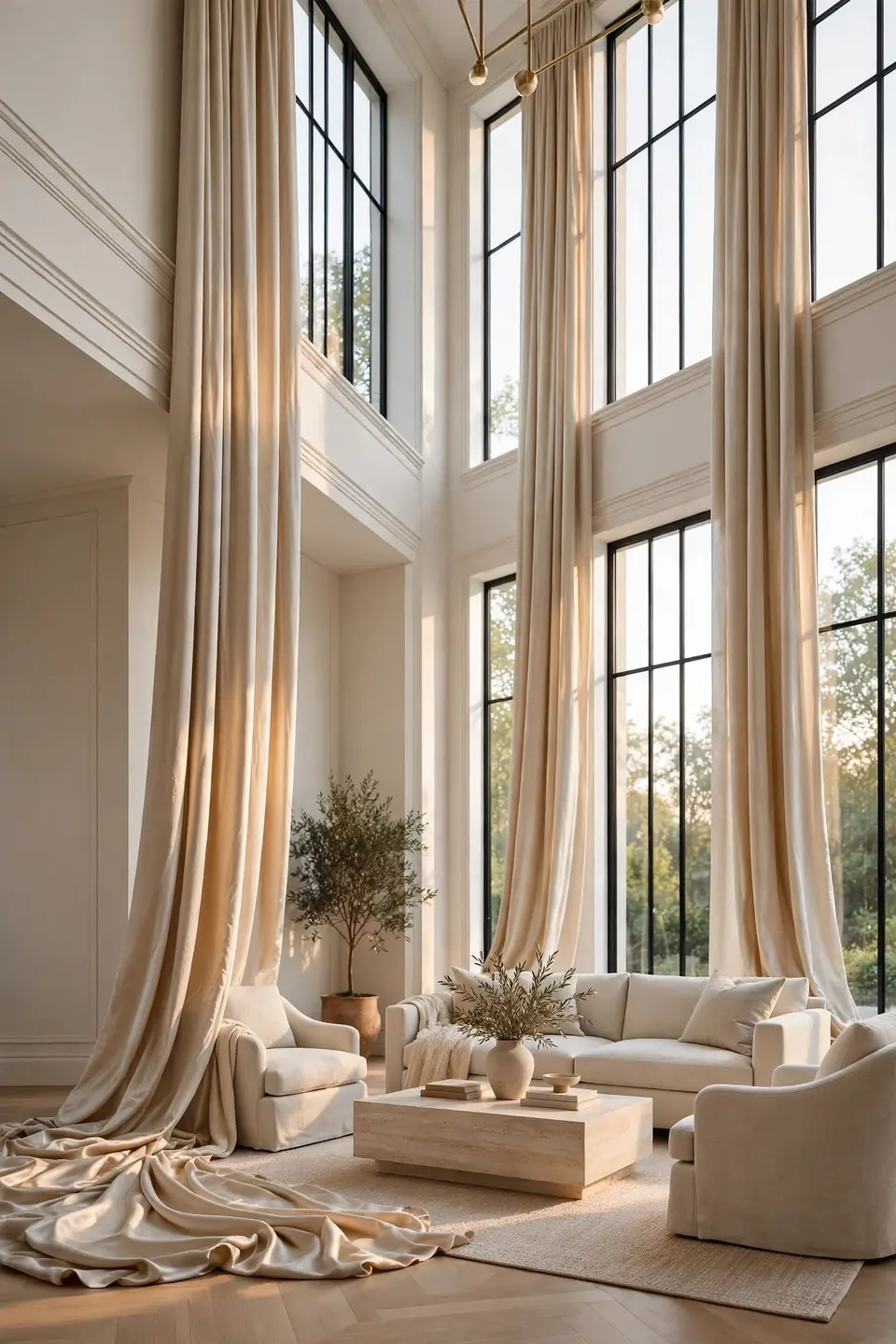
- Mount hardware at least 6 inches above the frame to add height
- Extend the rod 10 to 14 inches beyond each side of the window
- Choose panels that break slightly at the floor for softness
- Use a single wide panel per side to avoid a chopped look
Extra-long panels that just kiss the floor make ceilings feel taller and windows grander. On large windows, the added length creates a sense of occasion that standard lengths cannot match. This treatment suits formal living rooms and spaces with high ceilings best. Keep the fabric flowing and unadorned, since the length itself provides all the drama you need.
Soft Beige Neutrals
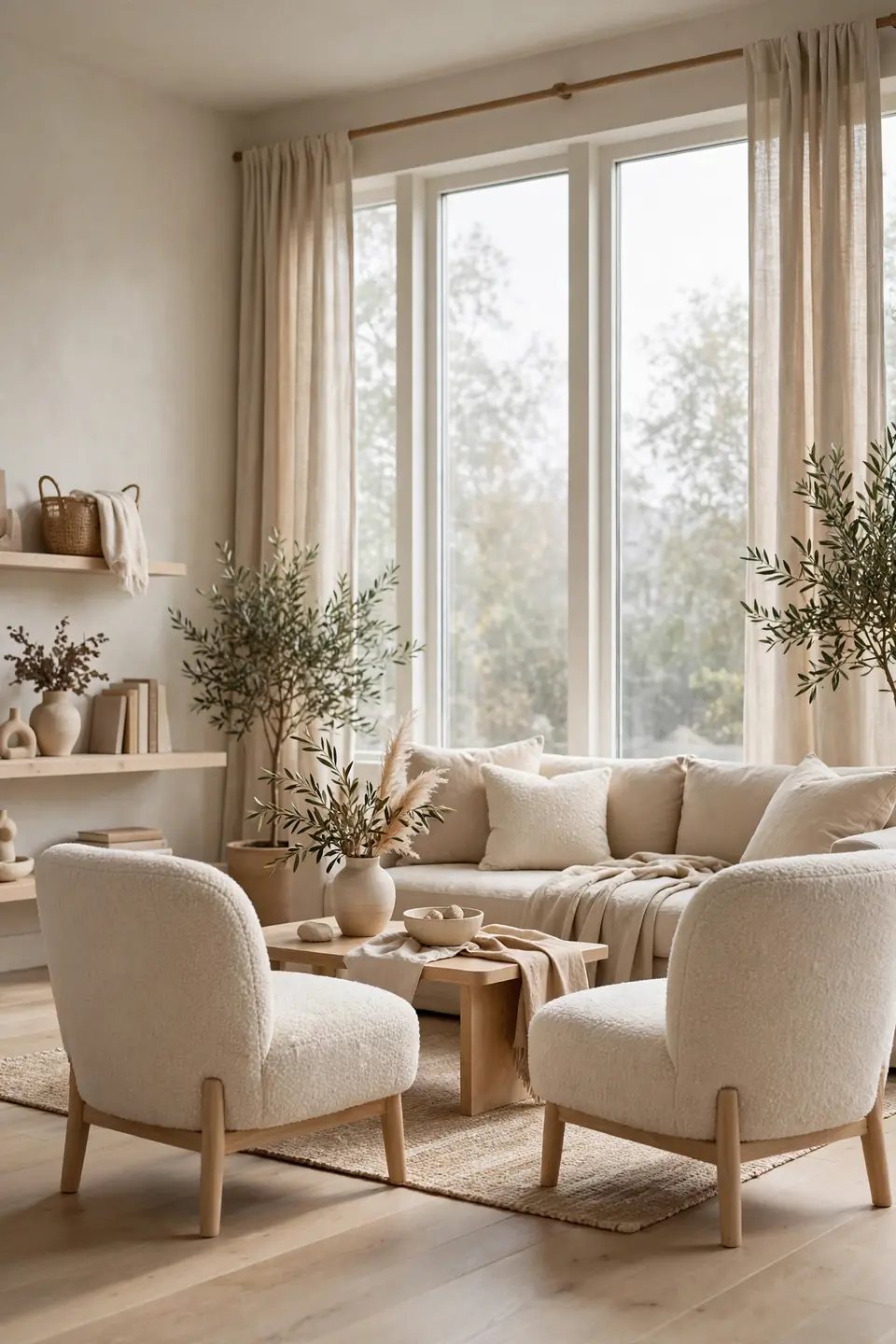
Soft beige drapes are the quiet achievers of window treatments. They warm up large glass walls without competing with furniture or art, and they flatter every skin tone in the room. Choose a warm greige that bridges gray and tan for maximum versatility. This neutral backdrop lets you change cushions and accessories seasonally while the curtains stay put for years.
Elegant Tie Backs
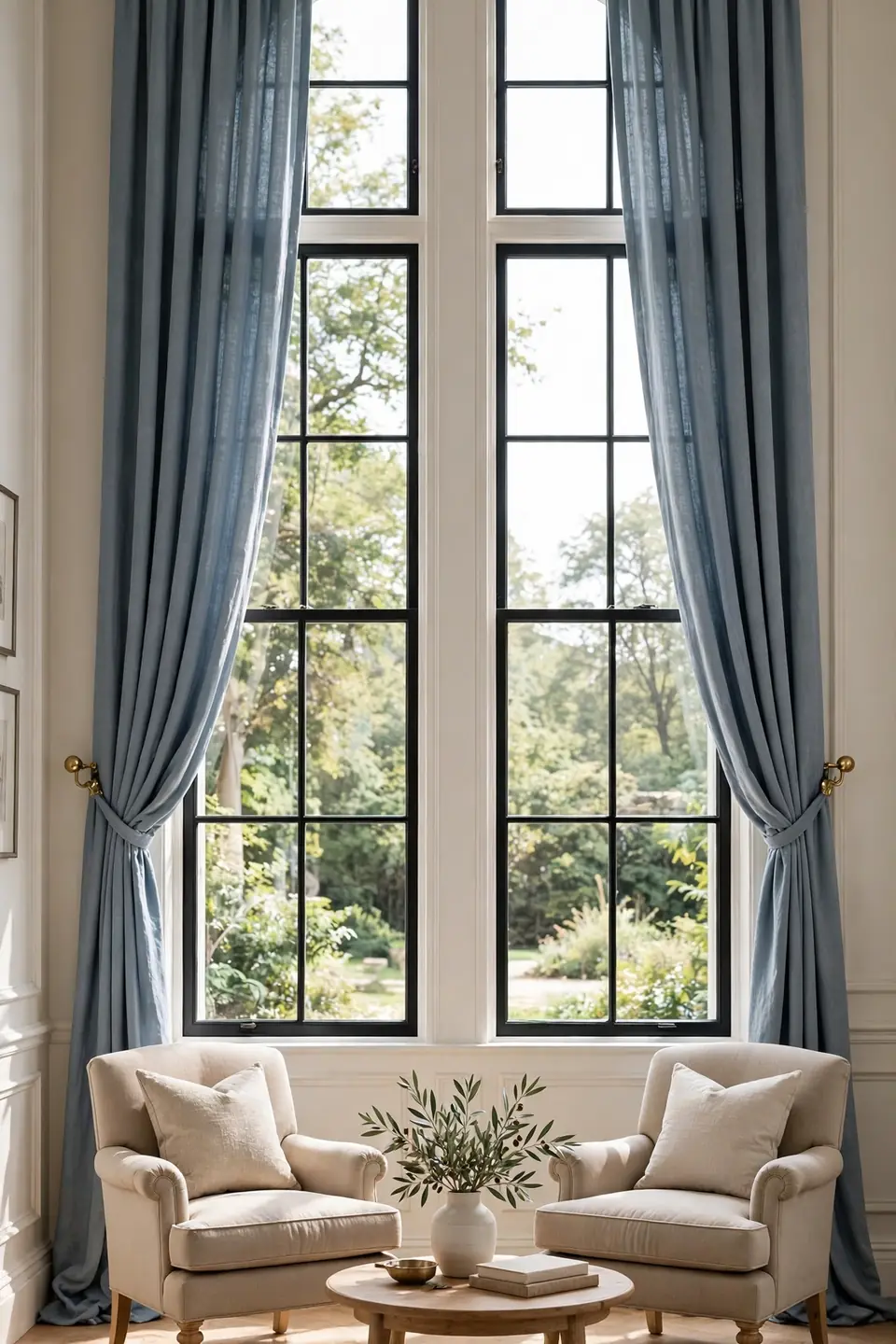
BEFORE: The drapes hung straight and closed off the window wall, blocking light and hiding the garden view. The room felt smaller than it was, and the beautiful windows contributed nothing to the space.
AFTER: Brass holdbacks now sweep the panels into graceful curves that frame the view. Light floods in around the shaped fabric, and the window wall feels like a picture frame for the outdoors.
Tie backs turn functional drapes into a styled feature. Position holdbacks at about two-thirds of the panel height for the most flattering drape. This trick works best on medium-weight fabrics that hold a fold. Choose holdbacks that match your other hardware for a pulled-together, intentional finish.
Pleated Silk Panels
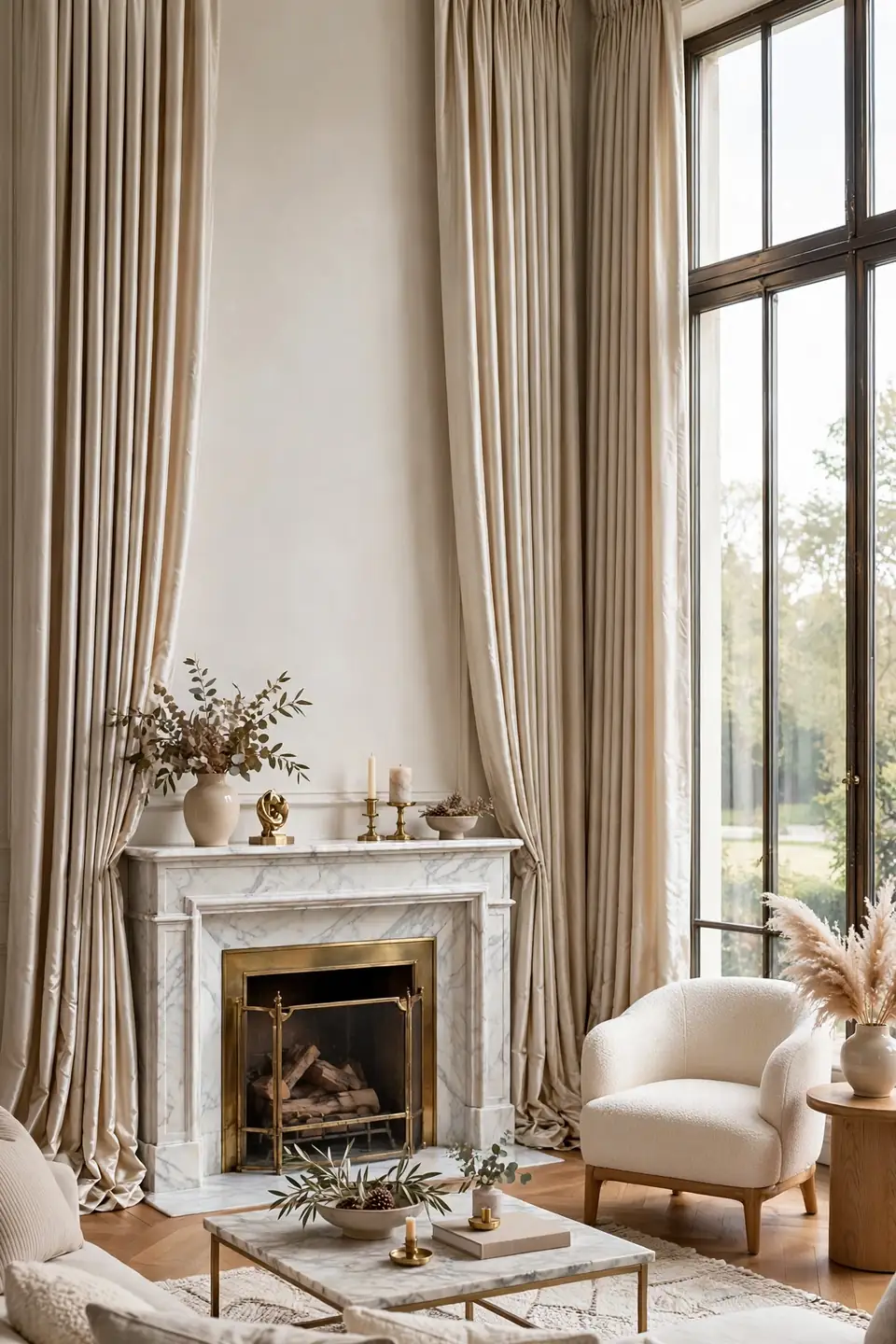
- Choose a silk-look polyester for the sheen without the sun damage
- Order panels with sewn-in pleats for even, lasting folds
- Line every panel to protect the fabric and add body
- Hang on rings so the lustrous fabric moves smoothly
- Steam the pleats into shape after installation
Silk-look panels bring a luminous quality that makes large windows glow. The subtle sheen reflects daylight softly, adding a layer of light no paint color can achieve. Champagne and pearl tones feel timeless beside both warm and cool palettes. This is the most refined treatment on the list, perfect for living rooms that host guests often. The investment pays off every single day.
Conclusion
Great windows deserve great dressing, and now you have 21 ways to make yours feel truly luxurious. Whether you fell for airy linen sheers, dramatic velvet, or tailored pinch pleats, the right fabric will change how your whole living room feels. Start by measuring carefully, then order swatches and live with them for a few days before committing. The best living room curtains for large windows are the ones that make you pause and smile every time you enter the room. Save your favorites on Pinterest, try one idea this weekend, and share your results. Small changes like these can completely shift the way a space feels.