
How to Hide Cords in Living Rooms
Nothing ruins a beautifully styled living room faster than a tangle of black cables snaking across the floor. If you have ever wondered how to hide cords in living rooms without calling an electrician, you are in the right place.
Cords are one of those small details that make a big difference. Once they are tucked away, the whole room feels calmer, cleaner, and more put together. The fixes below are simple, renter friendly, and most take less than an hour.
In my experience, people notice cords most after they finish decorating, when everything else looks perfect. For a full refresh, you might also like ideas on how to decorate walls without drilling, which pairs well with a cord-free setup.
Why Visible Cords Ruin the Look
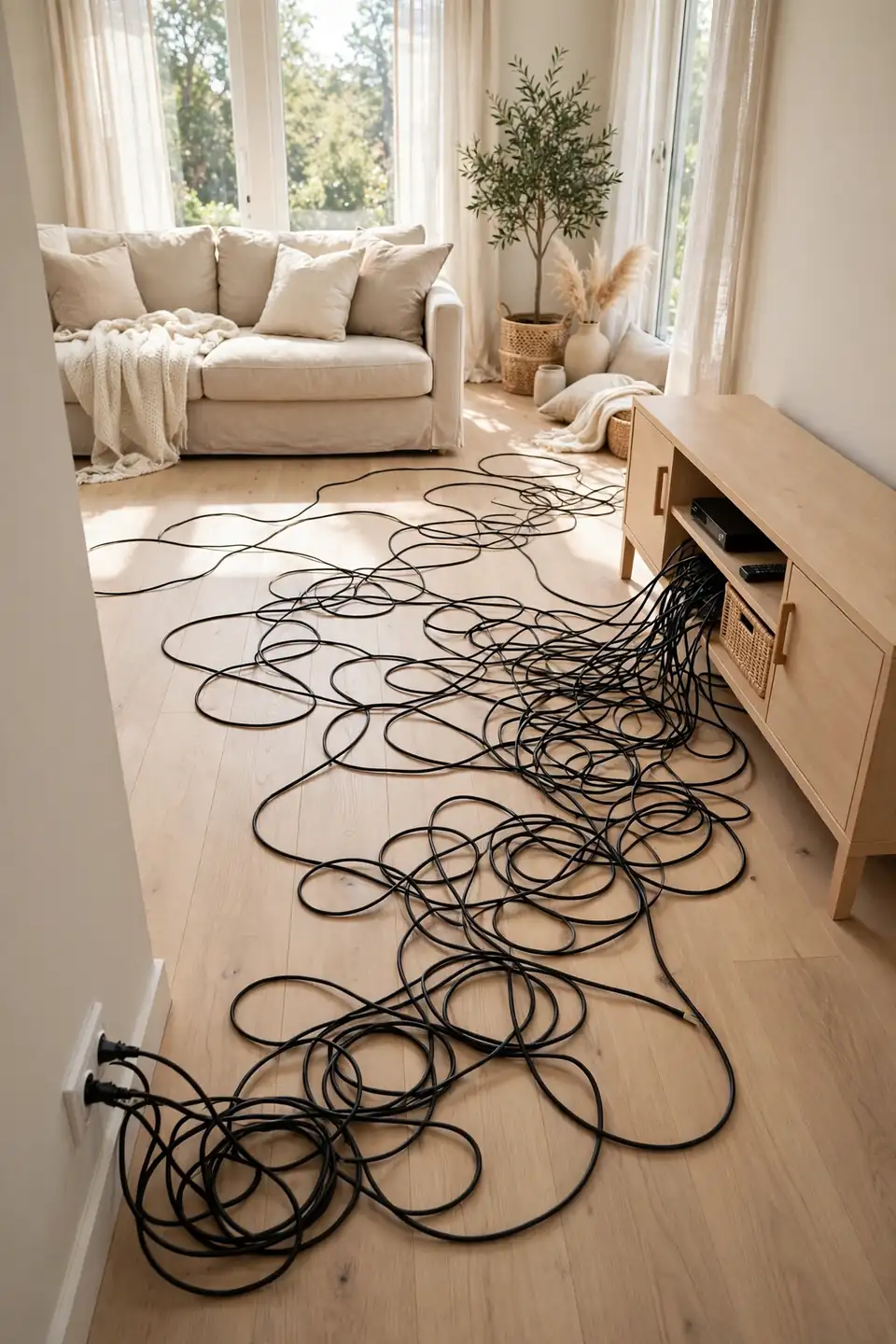
Your eye is naturally drawn to contrast, and dark cables stretched across light floors or pale walls create exactly that kind of visual noise. Even a single charging cord can pull attention away from your sofa, your artwork, and every styling choice you made with care.
There is also a safety and stress angle most people forget. Tangled cords collect dust, trip bare feet, and make cleaning day harder than it needs to be. Once cables disappear from sight, the whole room feels calmer the moment you walk through the door.
Map Out Your Cord Problem Areas
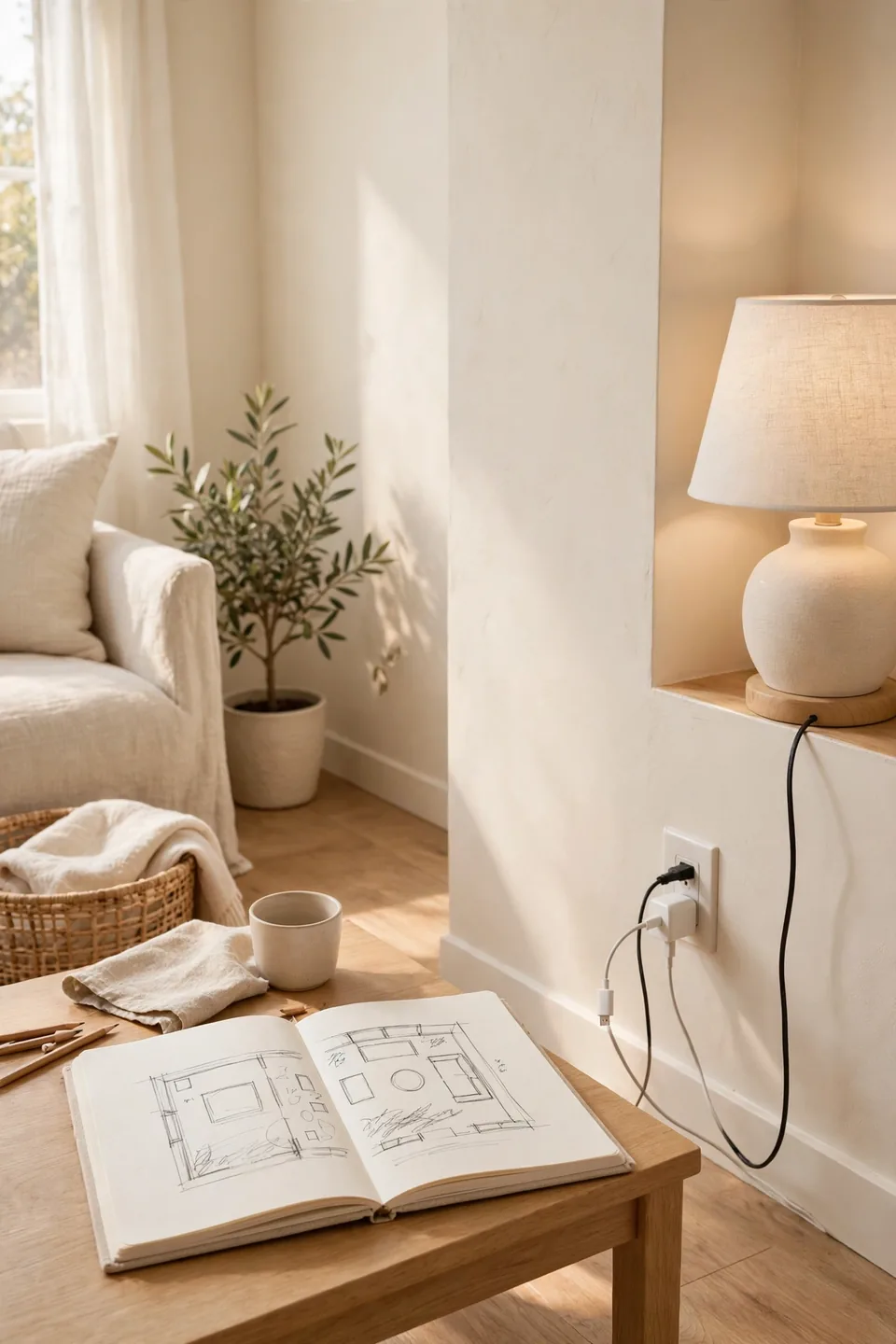
Before buying a single product, take ten minutes to walk your living room and spot every visible cable. Knowing exactly where cords start, travel, and plug in saves money and keeps you from buying organizers you do not need. A quick map on paper works perfectly.
- Stand in the doorway and photograph the room from two angles so you can spot cords you have stopped noticing.
- Trace each visible cable back to its outlet and note which ones cross open floor or run up walls.
- Group cords by zone, such as the TV wall, the reading lamp corner, and the charging station.
- Measure the longest runs so you buy cord covers in the right lengths the first time.
Use Cord Covers Along Walls
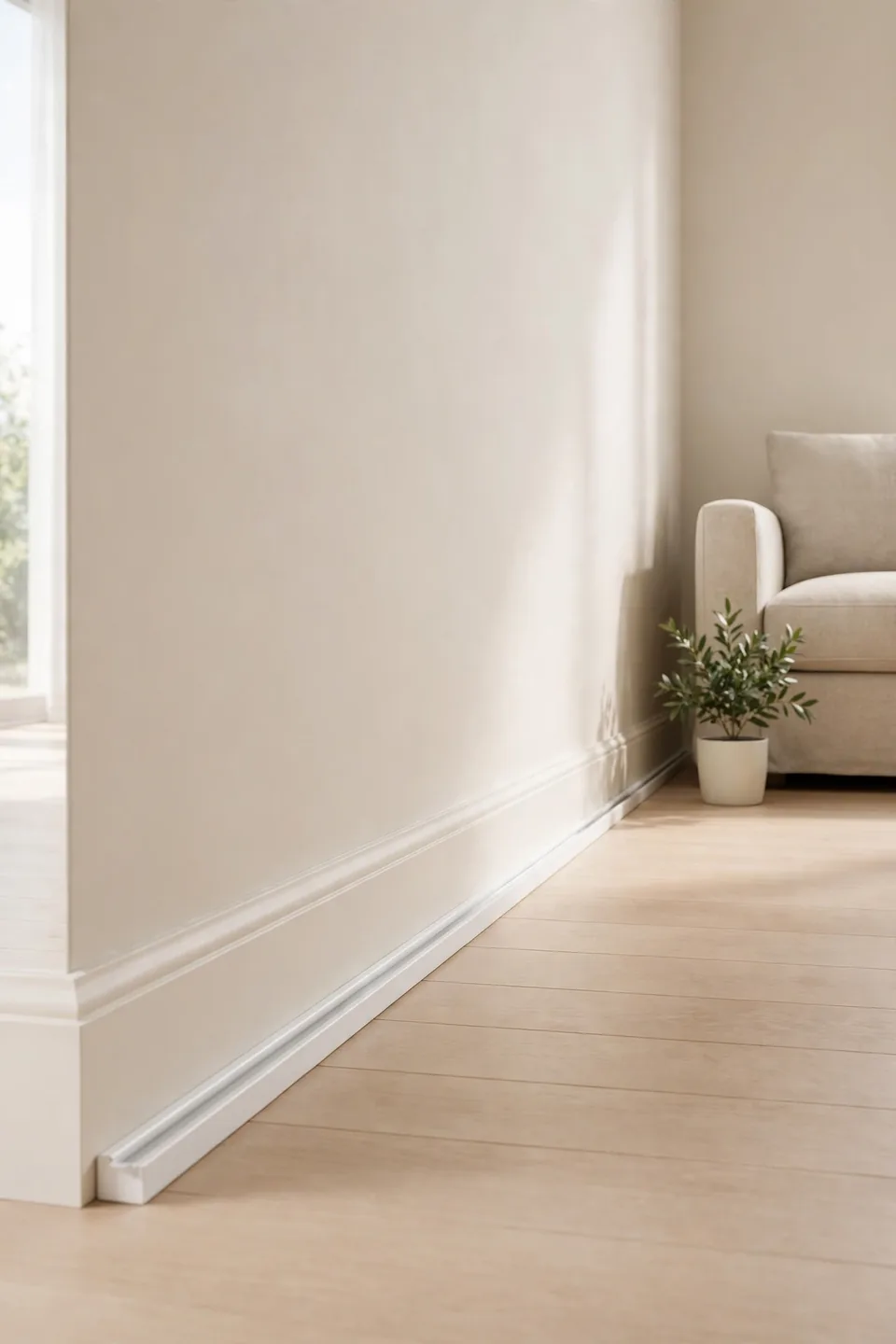
Quick Tip: Paintable cord covers are the secret weapon here. Snap them over cables running along baseboards, paint them your wall color, and they practically vanish. Most install with adhesive backing, so no tools are needed.
Cord covers come in flat profiles that hug the wall and rounded ones for thicker cable bundles. Cut them to length with a simple hand saw, press them into place, and route cords from outlet to device in one clean line. The result looks built in, even in a rental.
Hide Cords Behind Furniture
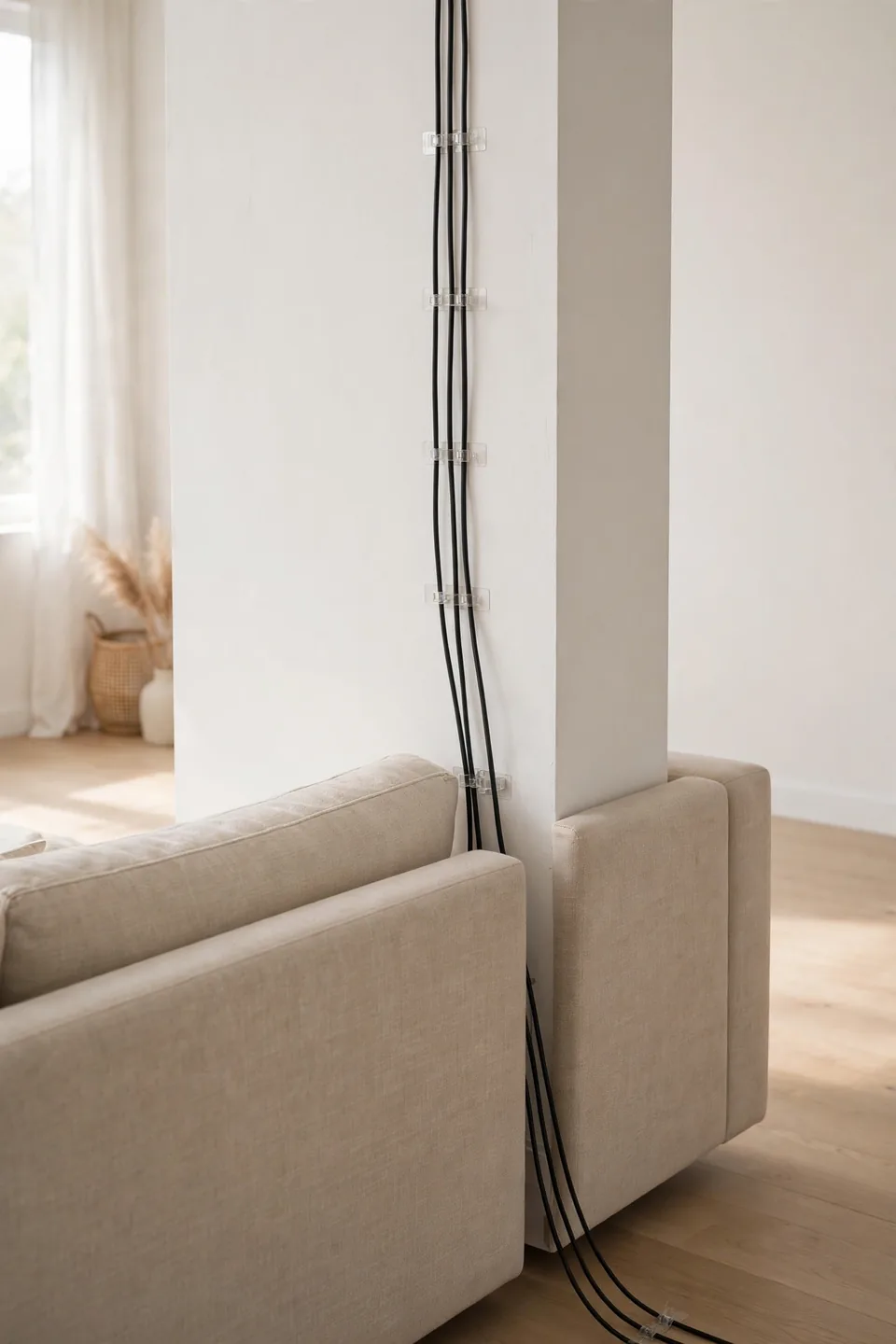
Common Mistake: Most people push the sofa or console tight against the wall and hope cords stay hidden. The cables end up pinched, overheating, and popping out every time you plug something in. It also makes dusting behind furniture nearly impossible.
The Fix: Pull furniture two to three inches off the wall to create a breathing channel for cables. Run cords loosely through that gap and secure them with adhesive clips so they drop straight to the outlet. You get airflow, easy access, and nothing visible from the front.
This trick works especially well behind media consoles and sideboards where power strips live. Keep the strip itself off the floor on a small riser or mounted to the furniture back. Everything stays reachable, yet from the doorway the wall looks completely clean and calm.
Try Cable Management Boxes
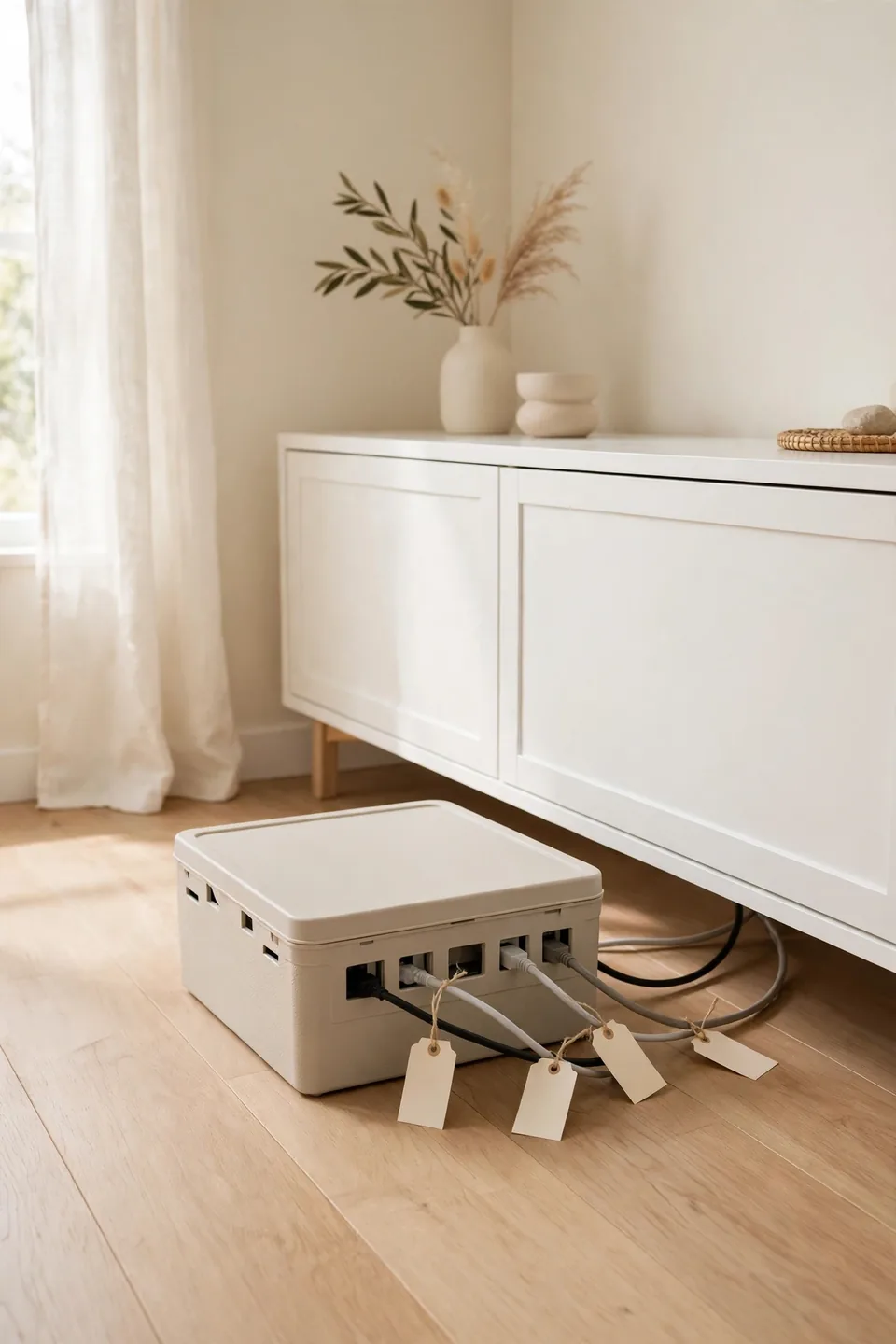
What You Need:
- A lidded cable box: Hides the power strip and excess cord length in one ventilated container.
- Short extension cords: One-foot cords connect devices to the strip without extra slack.
- Adhesive cable clips: Stick inside the box lid to route each cord to its own slot.
- A label maker or tape: Mark each cord so you never unplug the wrong device.
- A small surge protector: Protects your TV and console while keeping everything in one spot.
Set the box on the floor behind your media console or beside the sofa, feed cords through the side slots, and close the lid. Learning how to hide cords in living rooms usually means containing the mess in one tidy box instead of fighting each cable. Dust it monthly and the setup stays neat.
Route Cords Under Rugs Safely

Before: Cords stretched across open floor are an eyesore and a tripping hazard. You step over them daily, the vacuum catches them, and guests notice the clutter before they notice your decor. It makes even a tidy room feel unfinished.
After: With cables routed flat under a low-profile rug, the floor reads as one smooth surface. Foot traffic passes safely over them, cleaning gets easier, and the room instantly looks more polished. The fix takes minutes once you have the right flat cord protector.
Use only flat, rug-rated cord covers designed to sit under rugs without creating bumps. Never run standard extension cords under rugs, since trapped heat is a fire risk. For a permanent path, consider a floor cord channel that sits flush against the baseboard instead here.
Mount and Conceal TV Cables
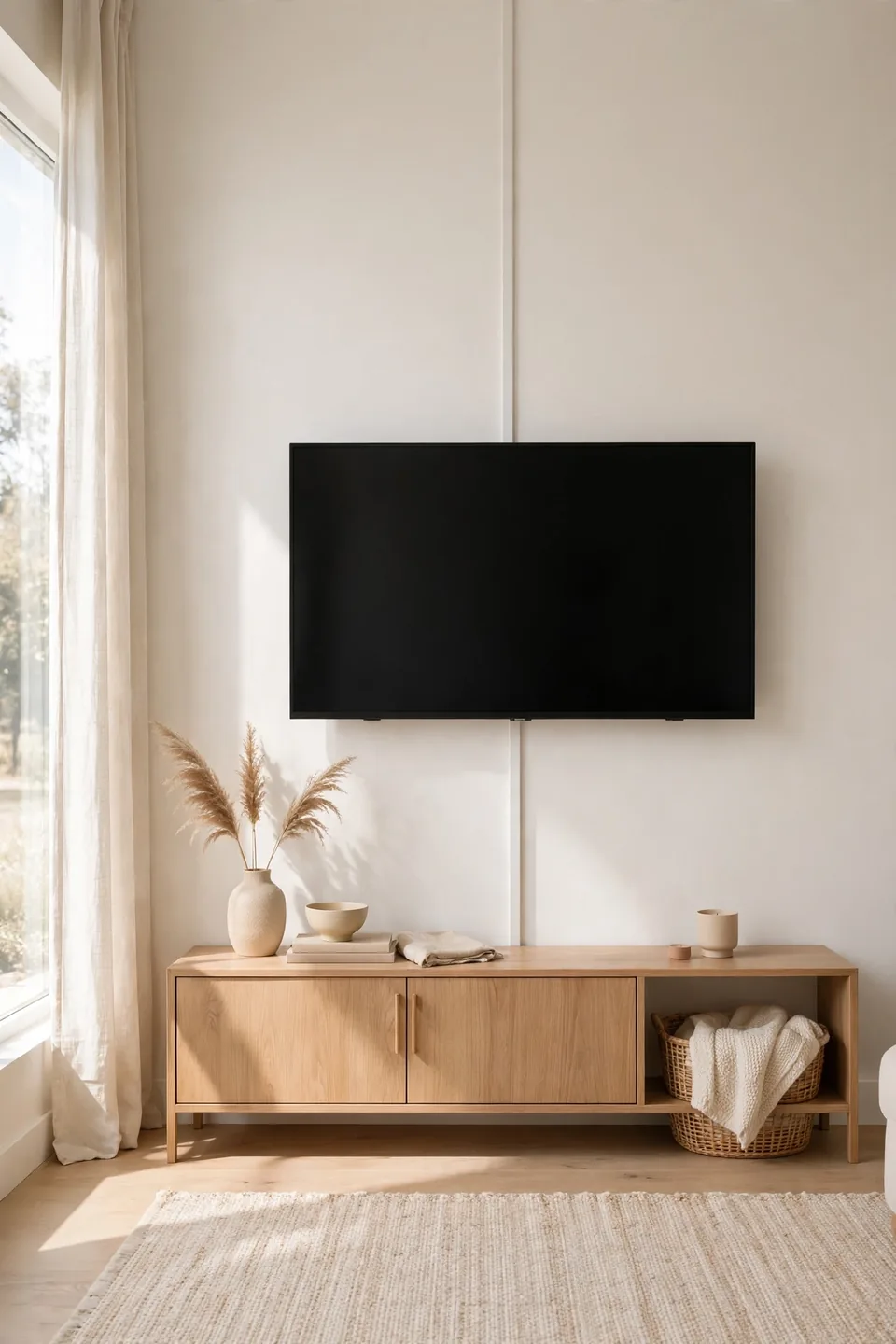
Do This:
- Mount the TV and run cables straight down inside a paintable wall channel.
- Bundle HDMI and power separately with Velcro ties to reduce bulk.
- Plug everything into one surge protector hidden behind the console.
- Label each cable at both ends before you tuck them away.
Avoid This:
- Do not let cables dangle freely behind a wall-mounted TV.
- Do not mix power and signal cables in one tight bundle without spacing.
- Do not drill into walls if you rent; use adhesive channels instead.
- Do not forget to leave a little slack for future device swaps.
A wall-mounted TV with zero visible cables is the single biggest upgrade for a living room wall. If your layout feels tricky, ideas from how to arrange furniture in narrow rooms can help you position the TV wall first. Finish by stepping back to the doorway for a final check.
Go Wireless Where You Can

Time Needed: 30 minutes | Difficulty: Easy | Cost: Low
Best For: Chargers, speakers, and streaming devices
Pro Tip: Start with the cords you touch daily for the biggest payoff
Every cable you eliminate is one less to hide. Swap wired chargers for a single charging pad, choose Bluetooth speakers over wired ones, and use a streaming stick instead of a cable box. You will be surprised how many cords simply disappear from the room.
Common Mistakes to Avoid
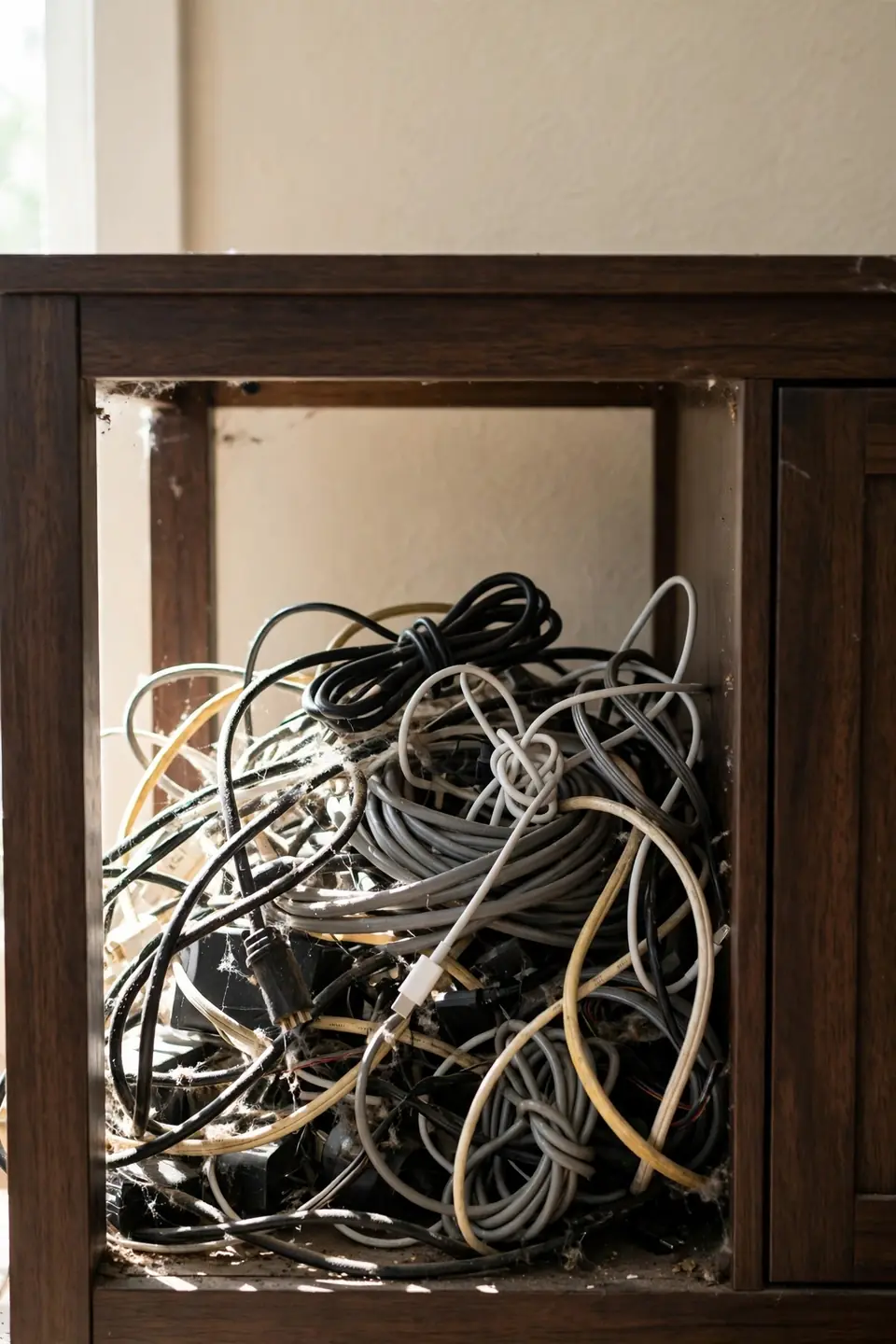
The biggest mistake is buying organizers before mapping the problem, which leaves you with boxes and clips that do not fit your actual cords. Another common one is taping cables directly to walls or floors, since adhesive residue damages paint and finishes over time.
People also forget about heat, stuffing power strips into sealed boxes with no ventilation. And many skip labeling, then unplug the router instead of the lamp during a hurried moment. In my experience, a labeled, ventilated setup saves more headaches than any fancy organizer. Take the extra five minutes now.
Pro Tips for a Clean Finish

These finishing touches separate a decent cord-hiding job from a truly invisible one. Work through them after the main fixes are in place, and do a final walkthrough from every doorway. Small details are what guests actually notice. Here is how to nail them.
- Match cord cover paint to your exact wall color using a sample chip from the hardware store.
- Vacuum behind furniture after routing cords so dust does not outline the cables.
- Take a photo of the finished setup to remember where each cord runs.
- Recheck everything after a week, since cables tend to shift with daily use.
Conclusion
Hidden cables change how a living room feels more than most decor updates. Once you know how to hide cords in living rooms, the skill pays off in every room of the house. Save this guide on Pinterest so you have it handy for your next refresh, then tackle one cord zone this weekend. Share it with a friend whose TV wall needs rescue. I have seen how clearing visual clutter like this can make a whole home feel calmer, and your living room deserves that quiet finish. Start today and enjoy the calm.






2 Comments