25 Transitional Living Room Decorating Ideas for Timeless Appeal
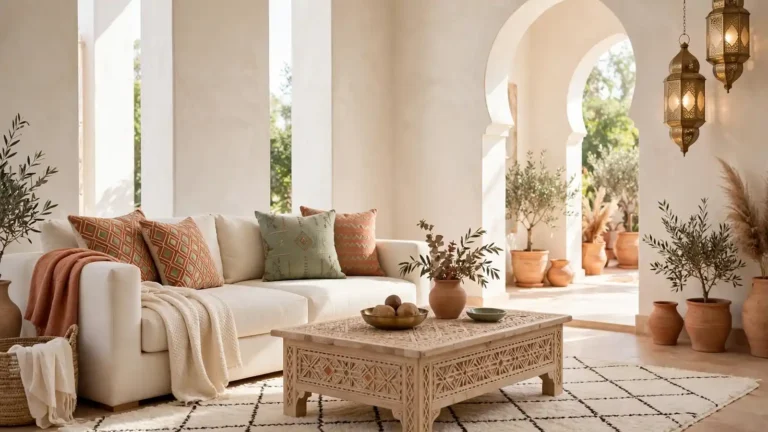
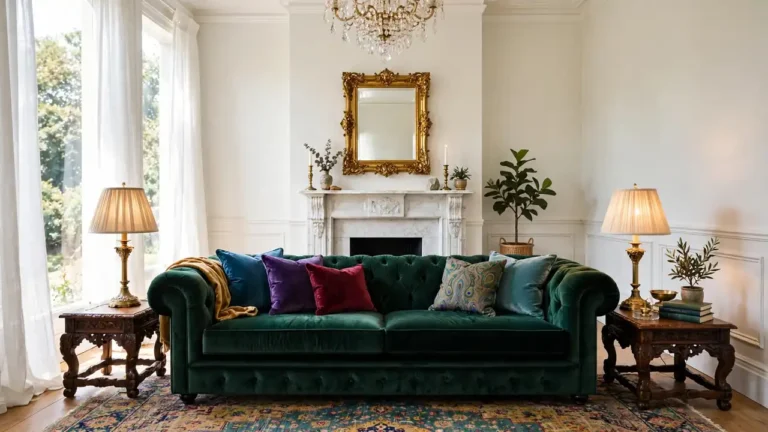
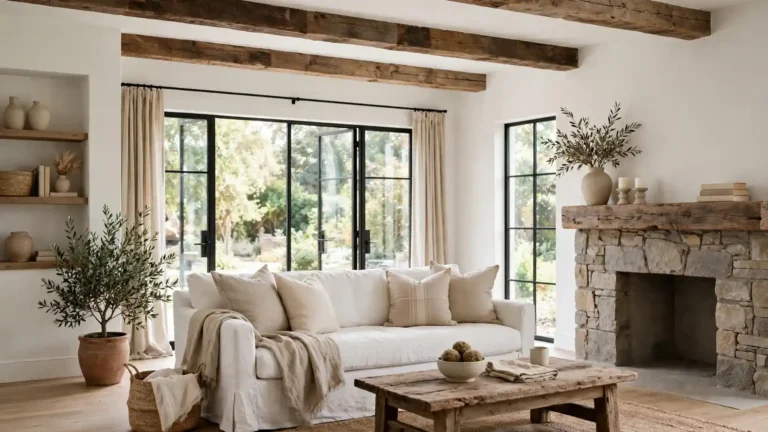
Some rooms feel finished the moment you walk in, calm and pulled together without trying too hard. That quiet balance is exactly what transitional living room decorating ideas do best: classic shapes, clean lines, warm neutrals, and nothing that shouts. A rolled arm sofa sits happily beside a sleek glass lamp, and honey oak floors ground it all. Rooms borrowing from modern Mediterranean home interiors share the same love of light and natural texture.
Start where the eye lands first, usually the sofa and the rug, then build outward in layers: wood, metal, fabric, light. In my experience, the style forgives slow decorating, because each piece is chosen to last rather than to chase a trend. Swap one accent at a time, keep the palette tight, and the room settles into that timeless middle ground between traditional comfort and modern calm.
Cream Sofa, Clean Lines

Credit : Sarazh Izmailov
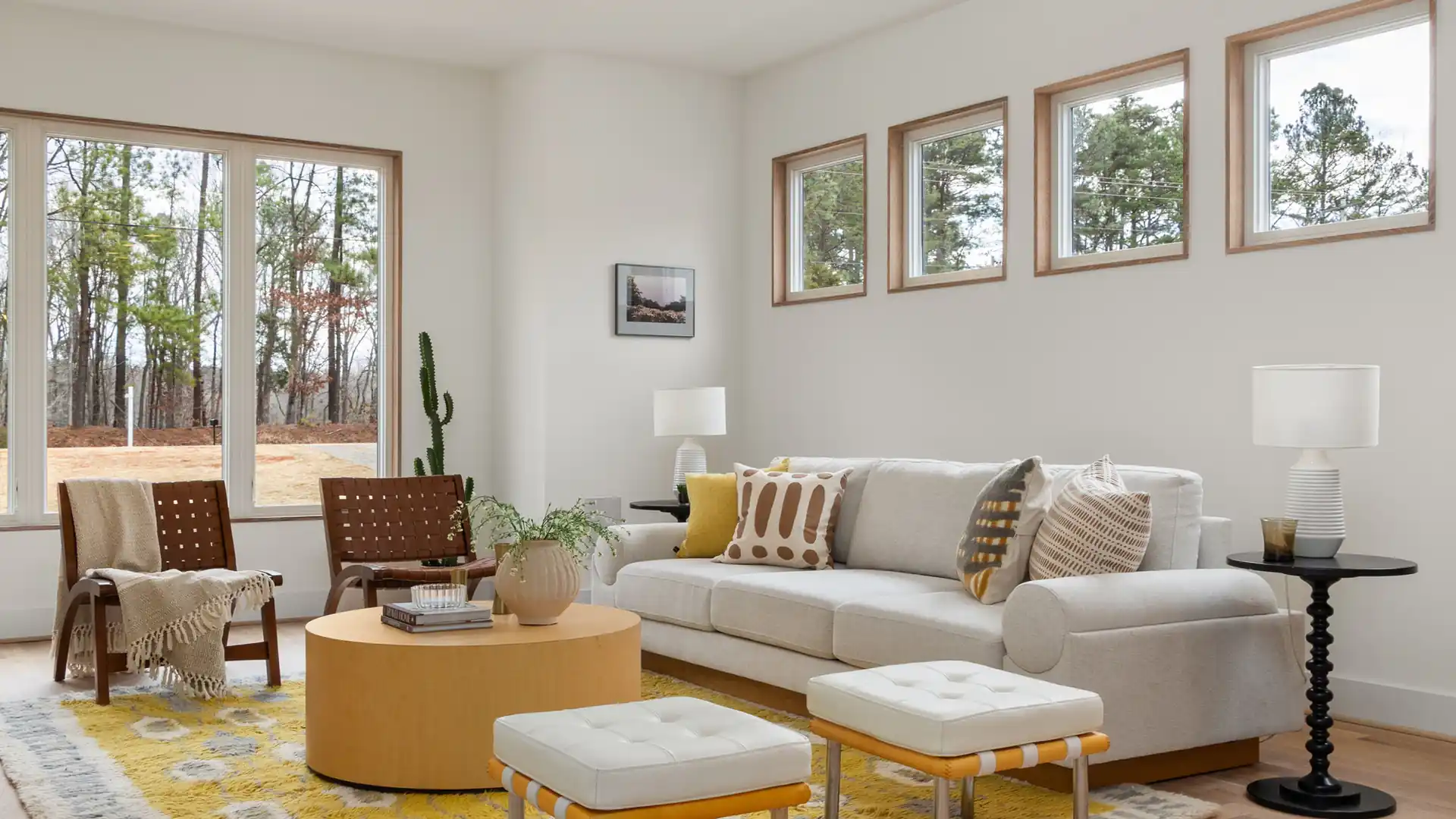
A cream sofa is the hardest working seat in a transitional room. The pale fabric brightens the whole palette, while classic details like rolled arms or a skirted base keep the shape familiar. Clean tailoring stops it from reading fussy, so the sofa feels current and comfortable at the same time.
Performance linen blends shrug off spills and fade slowly in sunny rooms, which matters when the sofa is this light. Ground the pale upholstery with a medium tone rug and darker wood legs or side tables. Two cushions in a muted stripe or small check add pattern without raising the volume.
Mixed Wood Tones
Credit : Max Vakhtbovych
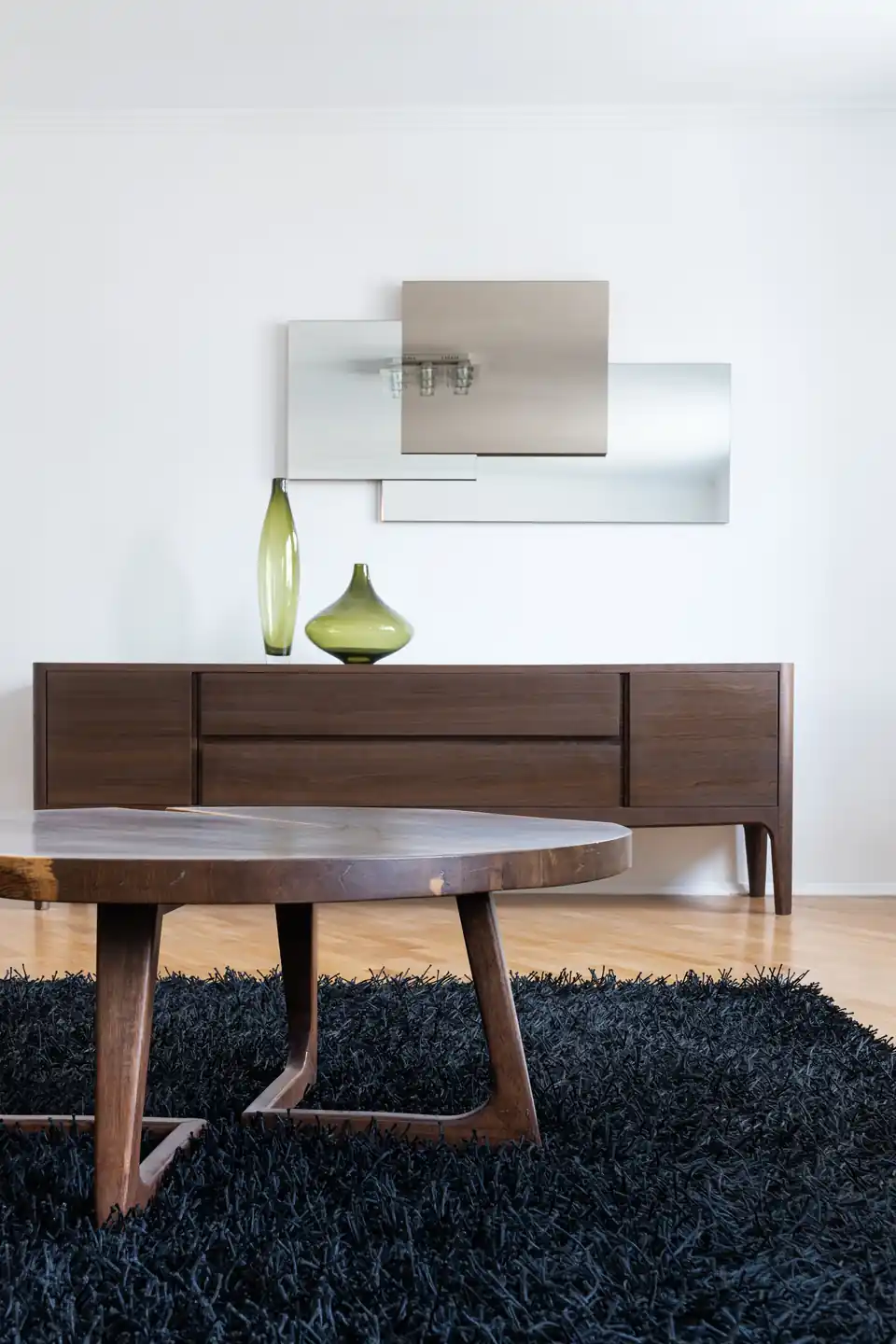
- Pair honey oak floors with a walnut coffee table; the contrast reads collected, not matched from a set.
- Repeat each wood tone at least twice in the room so every piece feels placed on purpose.
- Keep undertones in one family, all warm or all cool, so different woods never fight.
- Bridge dark and light pieces with a mid tone wood tray, frame, or side table.
- Let one hero piece, like a vintage armoire, carry the darkest stain in the room.
Matched furniture sets date a room faster than any other choice. Mixed woods tell a slower story, as if the pieces arrived over years of birthdays, moves, and flea market finds. In my experience, warm undertones are the glue; keep those consistent and nearly any combination settles in.
Brass Table Lamp Glow
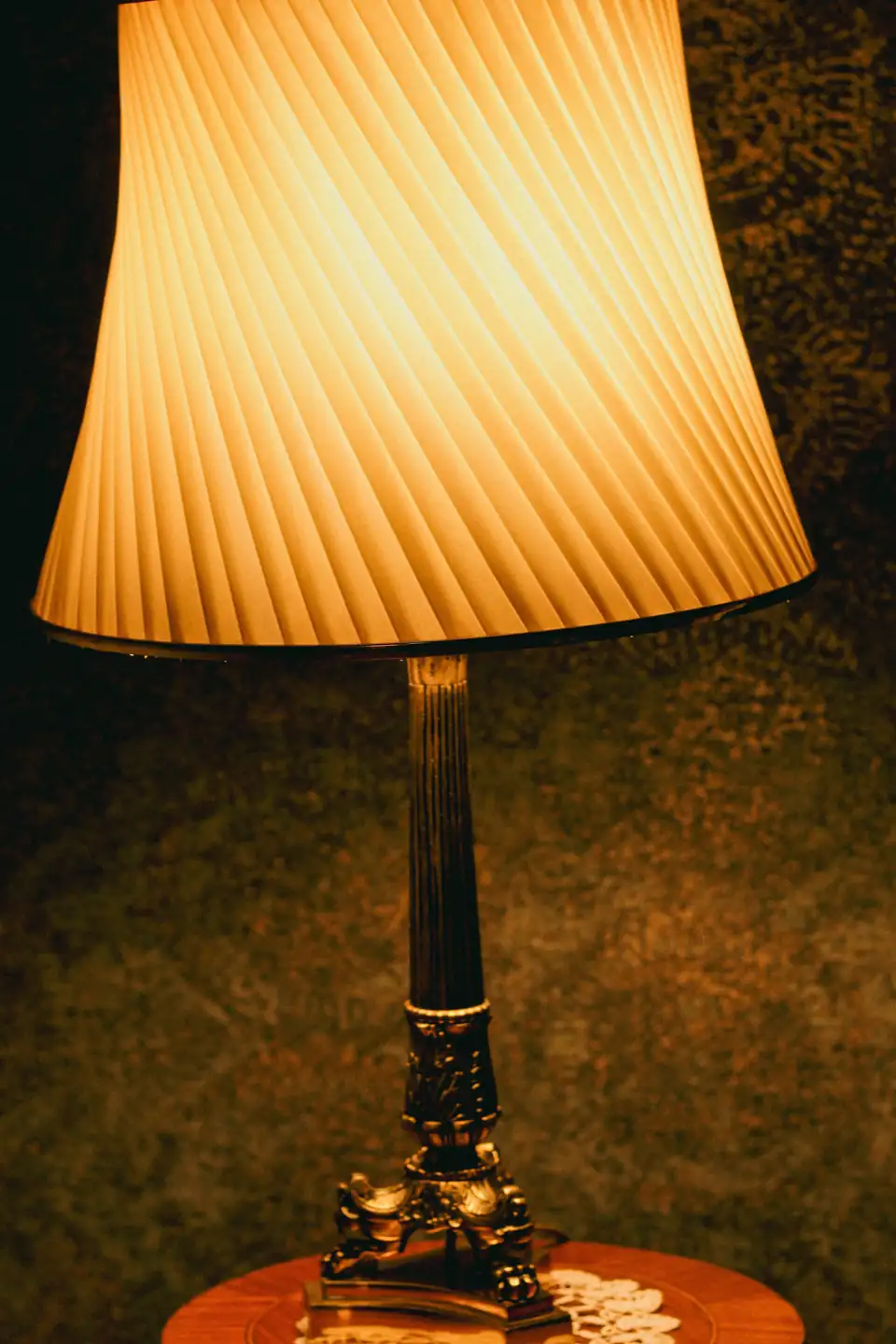
Credit : Esra Erdem
Quick Tip: Choose lamp shades in warm white linen and bulbs around 2700K. Cool white bulbs turn brass icy and grey, while warm light makes the metal glow like candlelight and flatters every neutral fabric nearby. Rings and clips give the same tailored fall as pinch pleats for less money.
Brass earns its place in transitional rooms because it bridges both worlds: traditional in shape, simple in finish, warm against cool greys and creams. One lamp on a console and a second across the room create a low triangle of light that makes evenings feel settled. Unlacquered brass slowly deepens in color, which suits a room built to age gracefully. Keep metals mostly brass, then repeat it in small doses on frames and hardware.
Bare Corners, Layered Comfort
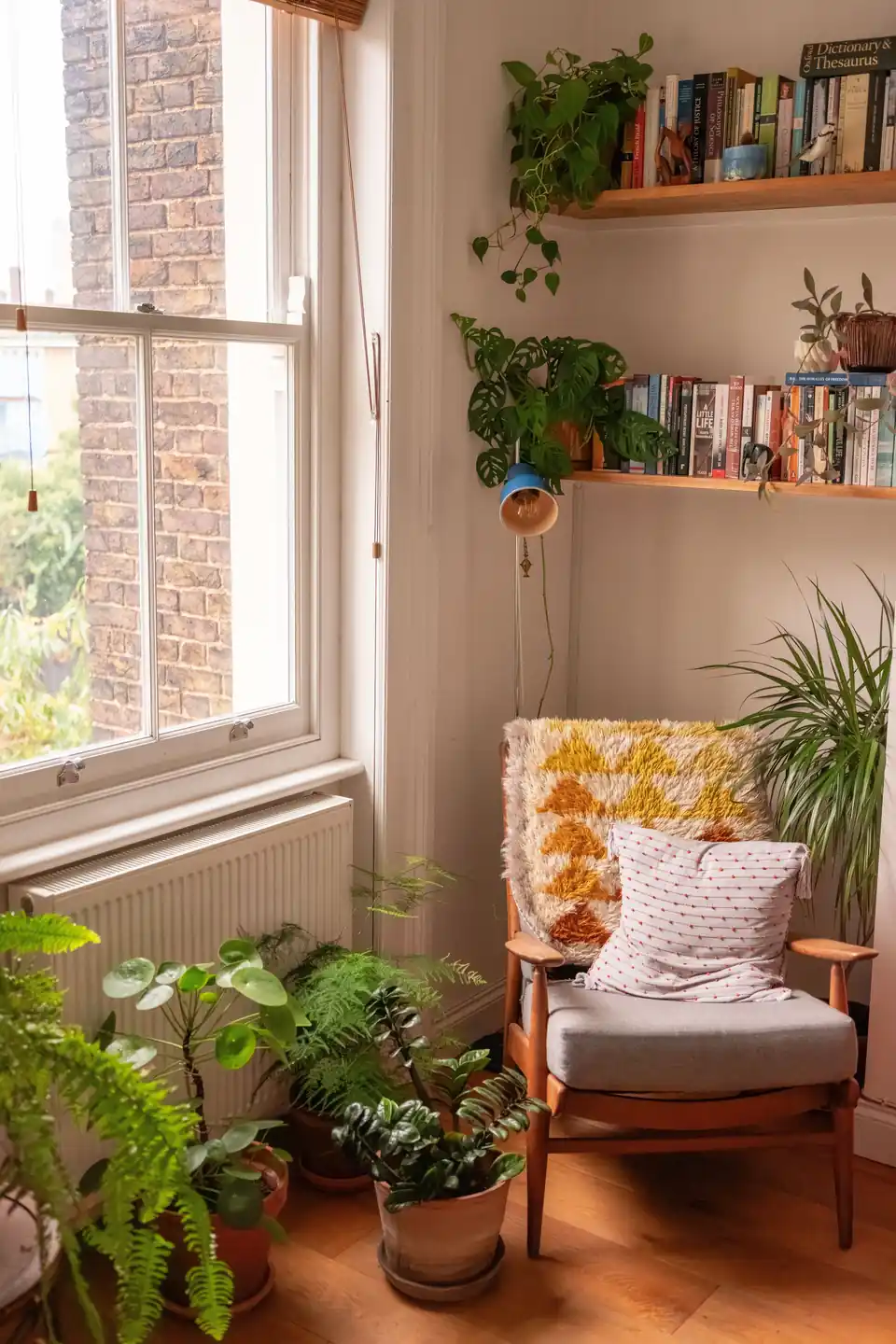
Credit : Alec Doualetas
BEFORE: The corners sat empty and the room echoed a little. One sofa faced the television, the windows wore no curtains, and every surface felt hard, flat, and slightly cold.
AFTER: A reading chair and floor lamp claim one corner, a tall olive tree softens the other, and linen curtains pool slightly at the floor. The room now has layers at every height, and the corners pull the seating into a warm circle.
Corners decide whether a room feels collected or temporary. Fill them at different heights, tall plant, mid chair, low basket, and the eye travels happily instead of stopping at bare skirting boards.
Gallery Wall In Steps
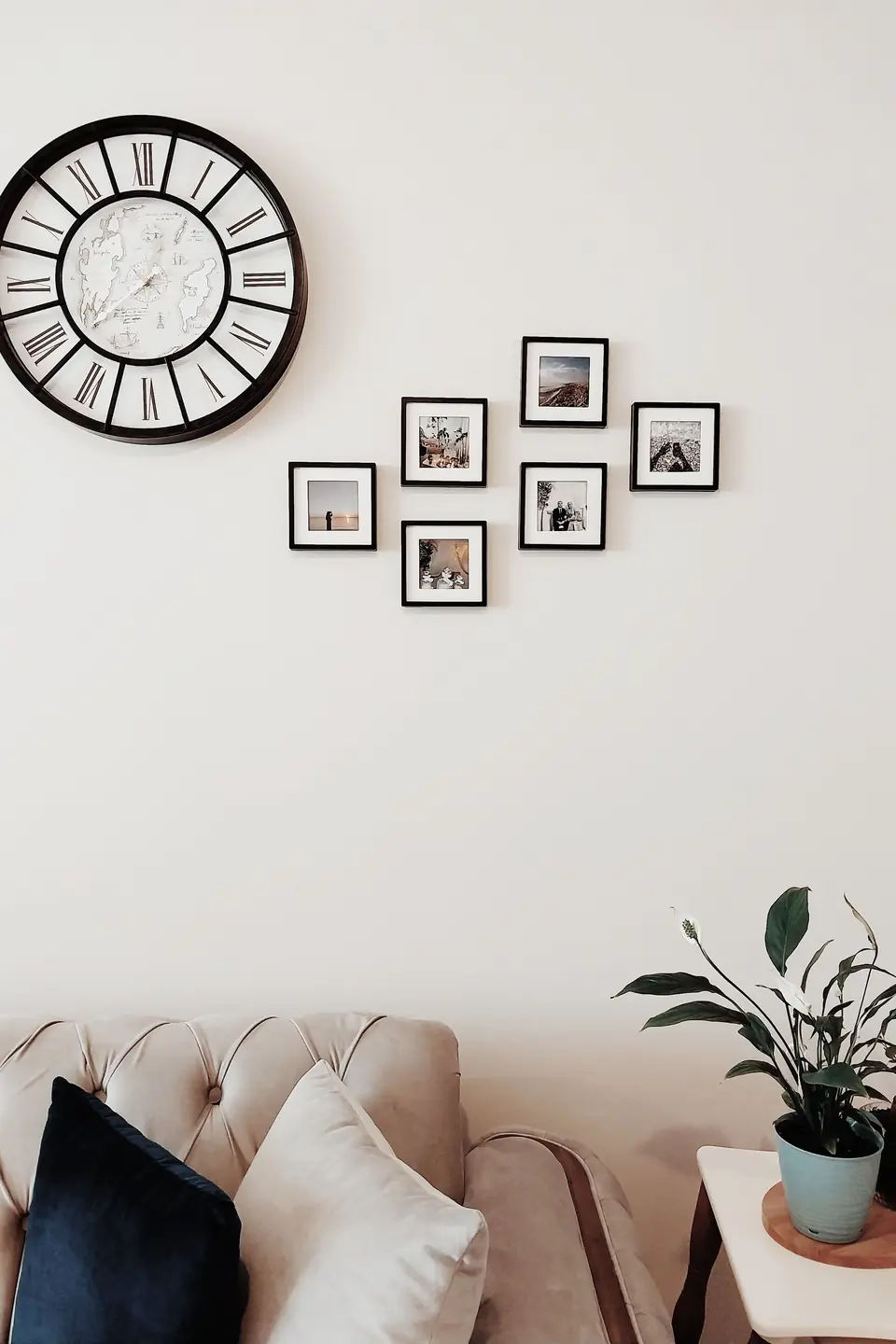
Credit : Hanife Altan
- Lay the whole arrangement on the floor first, biggest frame in the middle, smaller pieces stepping outward.
- Keep frames in one finish family, warm wood and antique brass, with mat sizes matching across the set.
- Hang the center of the group at eye level, about 145 centimeters from the floor in most rooms.
- Hold spacing tight and even, five centimeters between frames, so the wall reads as one artwork.
- Mix art subjects, one landscape, one sketch, one abstract, so the wall feels gathered over time.
A gallery wall suits transitional rooms because it honors classic art while the grid keeps things modern. Paper templates taped to the wall save nail holes and arguments. Start the layout above a sofa or console, where furniture anchors the bottom edge.
Linen Versus Velvet Upholstery
Credit : Charlotte May
| Detail | Linen | Velvet |
|---|---|---|
| Feel | Breezy, textured, relaxed | Plush, formal, light catching |
| Care | Slipcovers wash at home | Brush weekly, steam gently |
| Cost | Low to moderate | Moderate to high |
| Light | Fades gracefully in sun | Shows shading and wear sooner |
| Best For | Sofas and slipper chairs | Accent chairs and cushions |
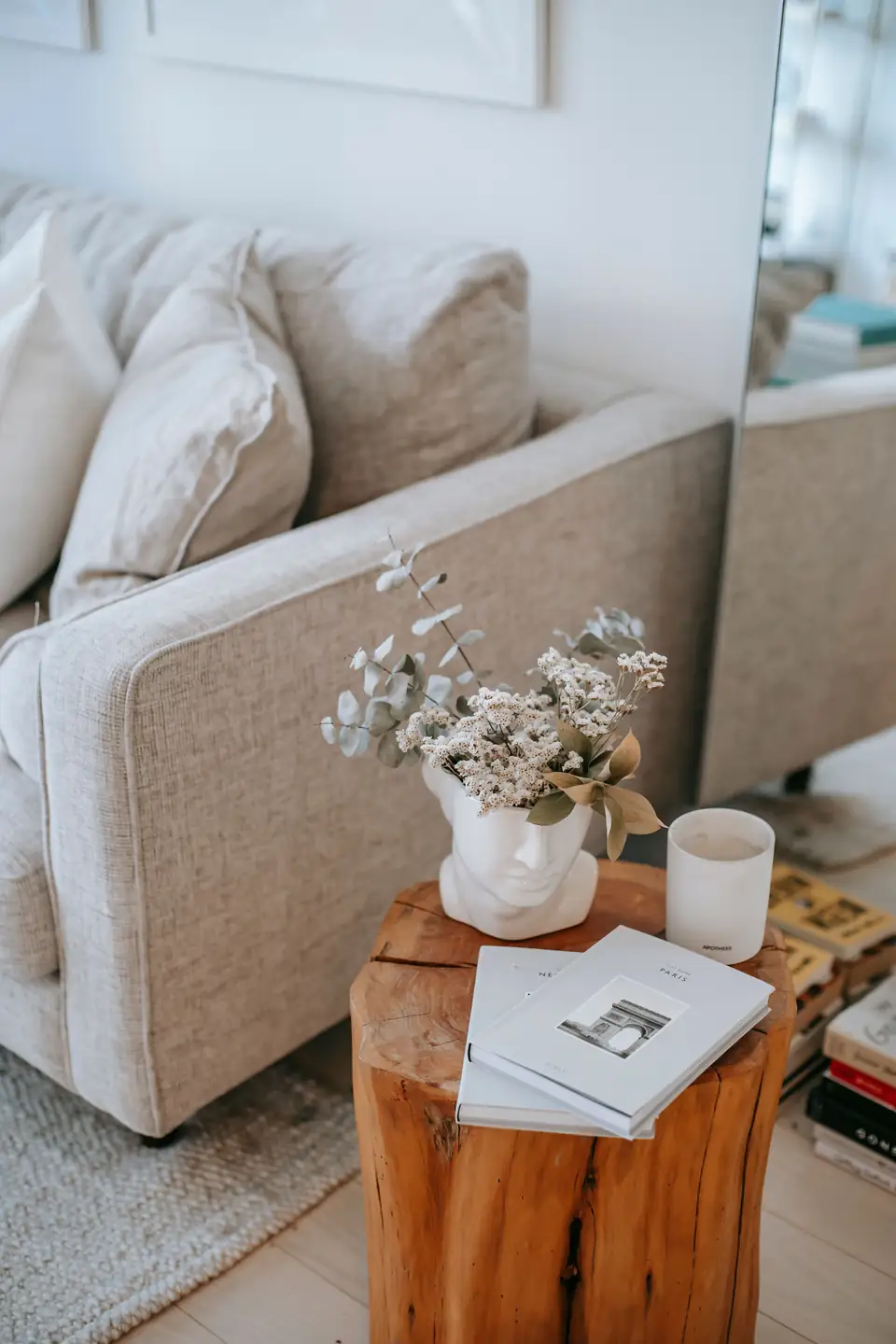
The smartest transitional rooms rarely pick a side. A linen sofa keeps the base calm and washable, while two velvet cushions or a single velvet chair add the evening richness the style is known for. Velvet in muted tones, sage, camel, dusty blue, never shouts the way jewel brights can. Order fabric swatches and live with them for a week before committing.
Symmetry With A Twist
Credit : Luk Sauvage
Do:
- Set matching lamps on the console for a classic anchor.
- Center the rug and sofa on the fireplace they serve.
- Balance a tall bookcase with wide art opposite it.
- Repeat one cushion fabric at both ends of the sofa.
Don’t:
- Mirror every item; doubled rooms feel like showrooms.
- Line every seat against the walls for balance.
- Float one tiny artwork in a wide empty space.
- Force pairs into rooms with off-center windows.
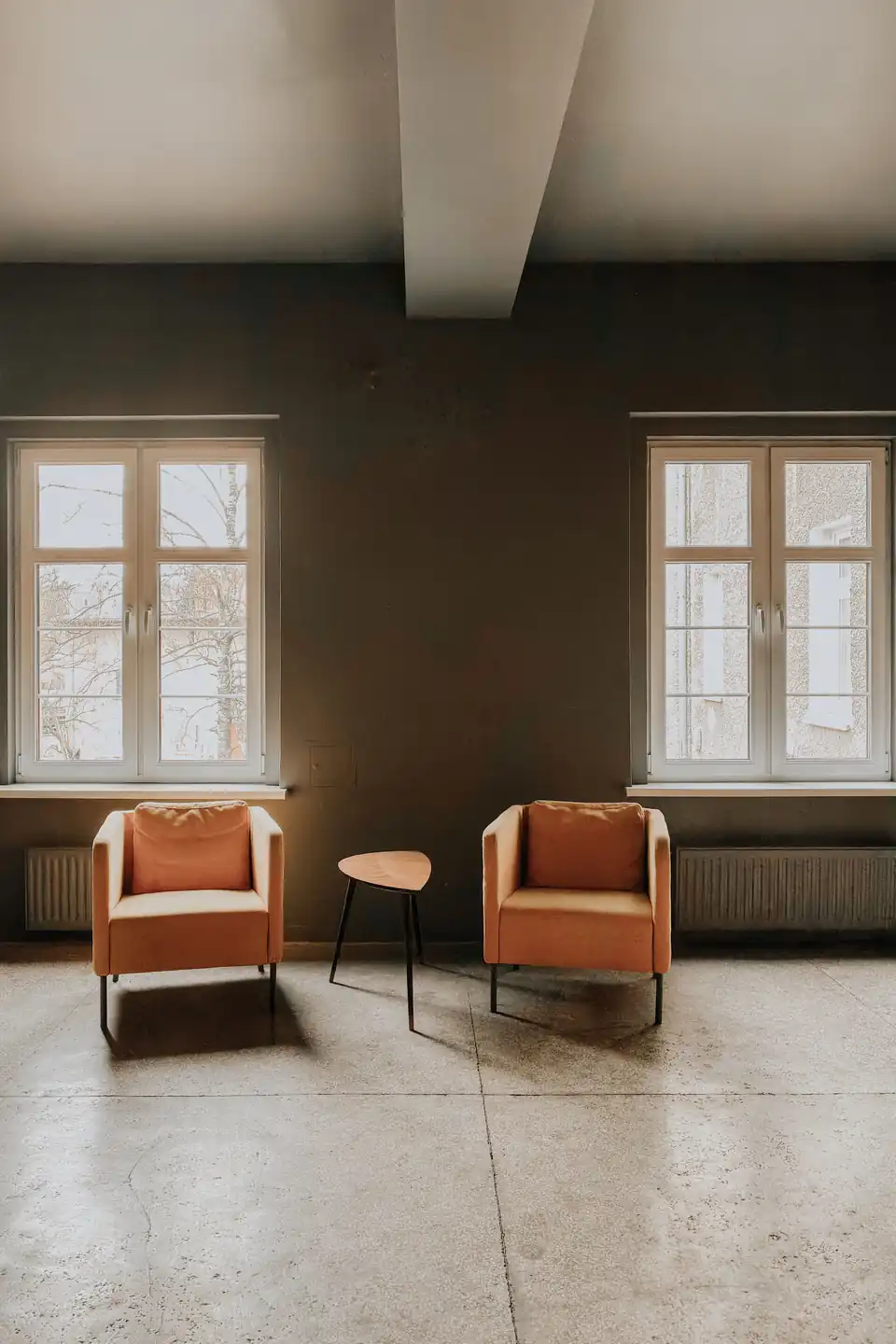
Symmetry gives transitional rooms their calm, traditional backbone, while one deliberate mismatch keeps the calm from turning stiff. A single sculptural chair or an off-center plant breaks the mirror just enough. In my experience, that small twist is what guests remember.
Transitional Room Quick Facts

Credit : Jonathan Borba
Cost: Moderate; classic shapes hold value and rarely need replacing.
Time: A weekend for paint and textiles, longer for furniture swaps.
Skill Level: Beginner friendly; most changes are placement, not construction.
Best For: Families who want calm rooms that still welcome daily mess.
Works In: Living rooms, open plans, and rental spaces alike.
Quick facts help because the style is a recipe, not a shopping list. Roughly sixty percent classic bones, forty percent modern ease, and a tight neutral palette will land almost any room in transitional territory. Measure your sofa and rug sizes before buying anything. Start with the biggest pieces and let small accents follow.
Neutral Rug, Subtle Pattern
Credit : Atul Mohan
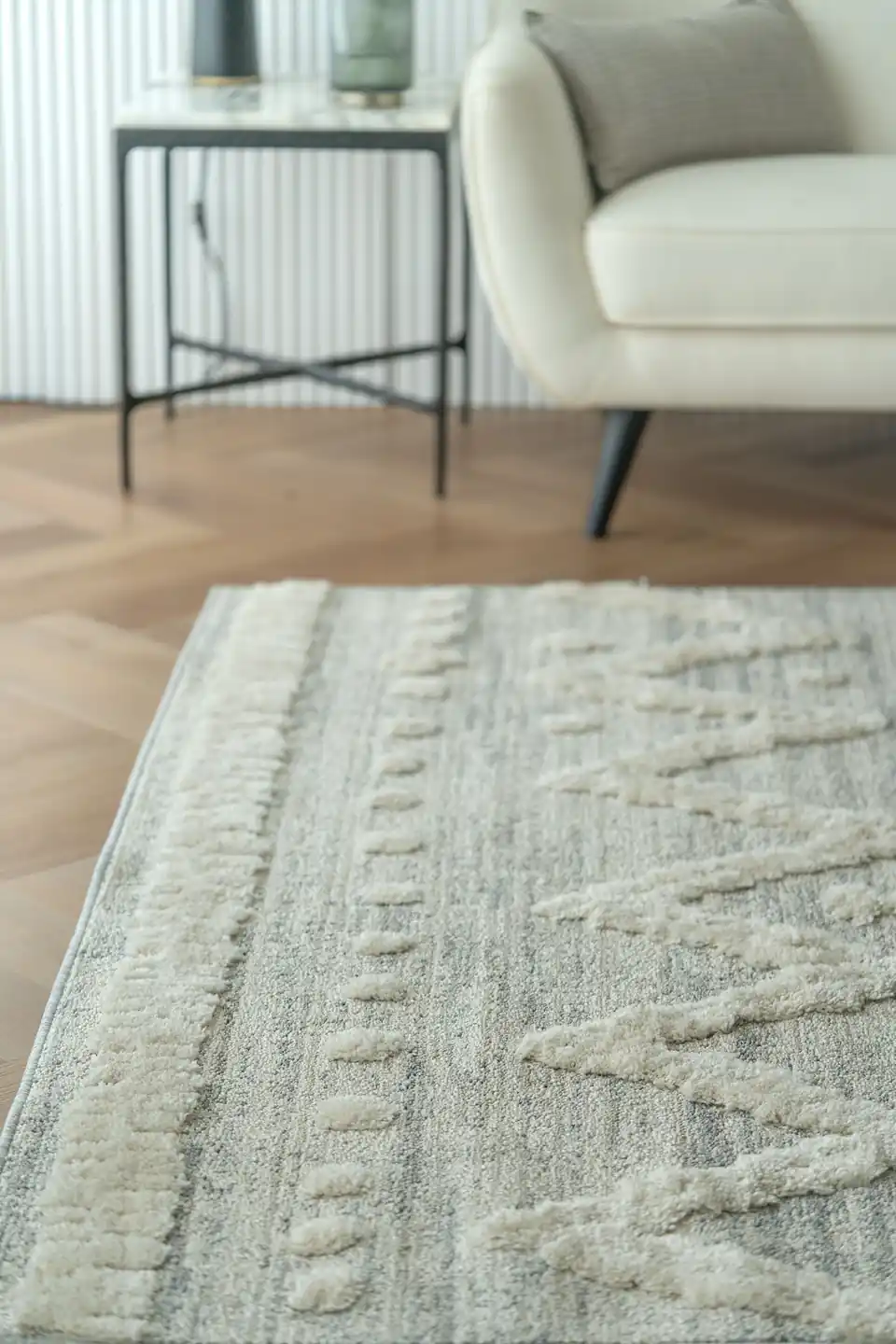
A neutral rug is the quiet floor plan of the whole room. Wool in oatmeal, stone, or soft greige grounds the seating without competing with it, and a faint pattern, herringbone, trellis, or worn medallion, hides crumbs and paw prints between vacuums. The rug also sets the palette ceiling, so choose it before cushions and art.
Size matters more than pattern here. Front legs of every seat should rest on the rug, which usually means going one size larger than feels safe in the store. Natural fibers wear honestly and suit the style; a low pile keeps doors swinging and chairs sliding.
Curved Accent Chairs
Credit : Pavel Morillo
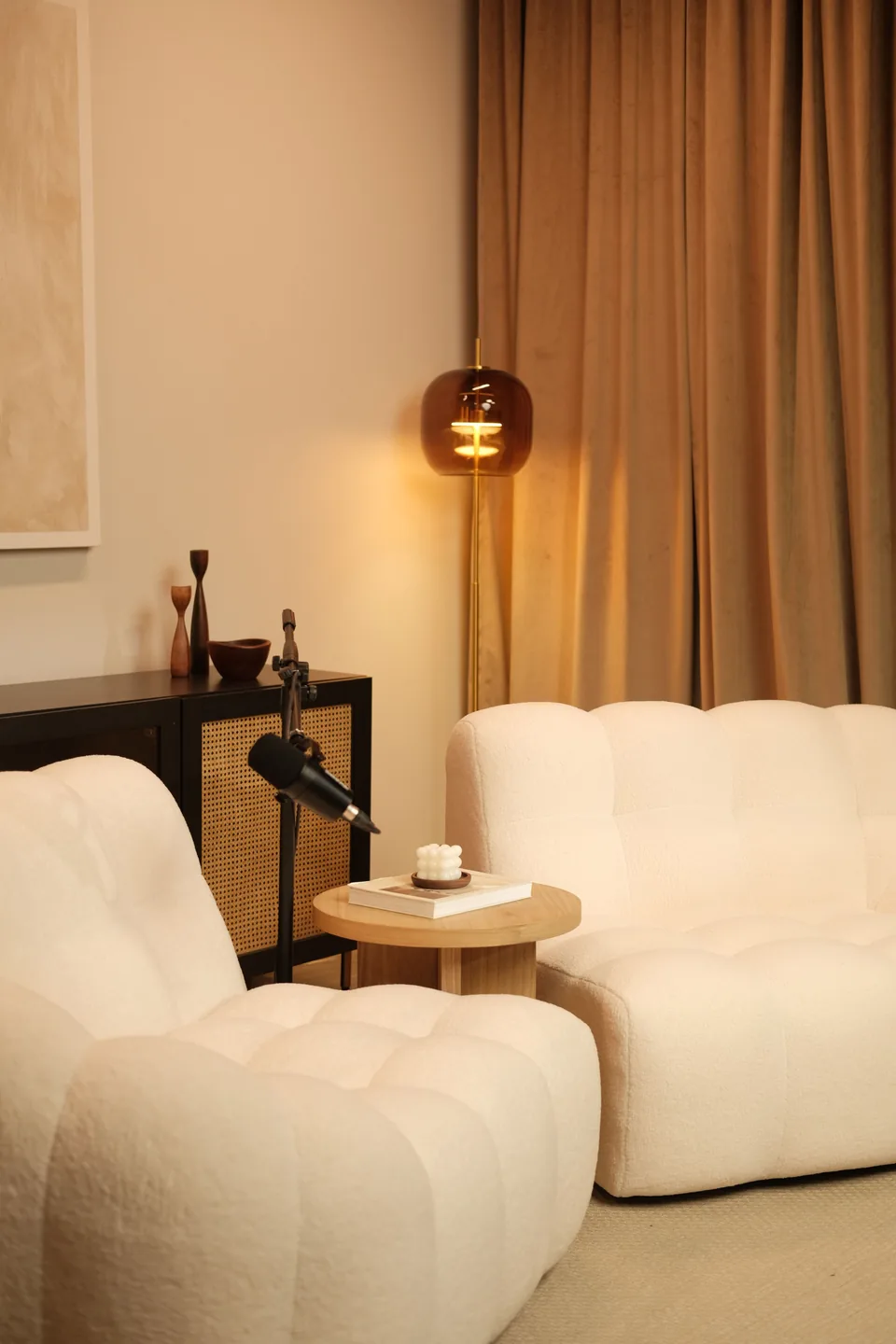
- Barrel chairs echo classic club shapes while their clean upholstery stays modern.
- A gentle curve softens all the straight lines of sofas, shelves, and screens.
- Swivel bases add quiet function for conversation and television alike.
- Boucle or woven wool in cream keeps the curve calm and timeless.
- Angle a pair toward each other and the room instantly invites talk.
Hard rectangles stack up fast in modern rooms: screens, consoles, coffee tables. One curved chair breaks the grid and gives the eye a place to rest. Place it where a corner feels sharp, and the whole layout breathes easier. It is the cheapest architecture a room can get.
Floor Length Linen Curtains
Credit : Bacho Grigolia
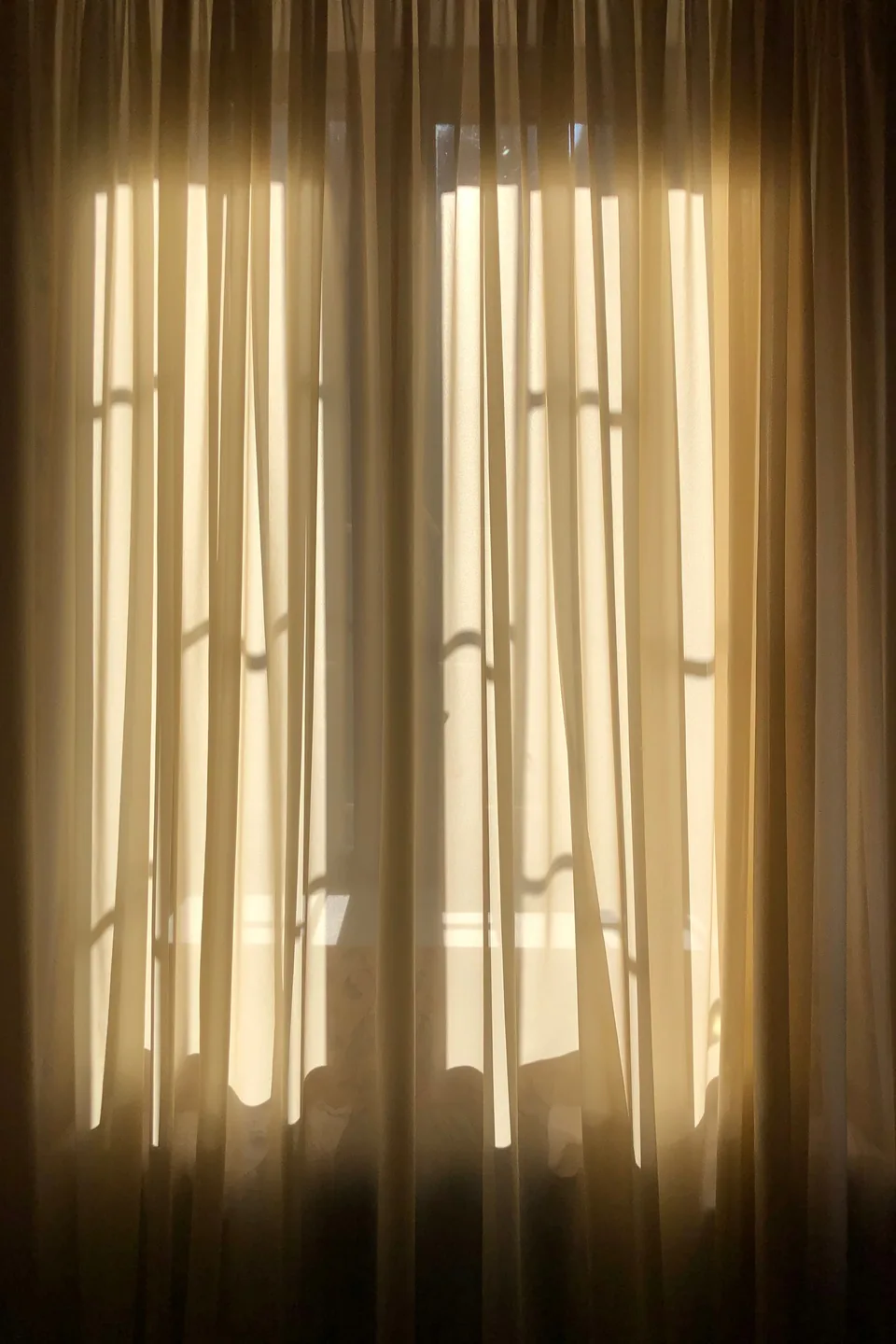
Quick Tip: Hang the rod fifteen centimeters above the frame and let panels kiss the floor. Short curtains chop a wall visually, while full length panels make ceilings feel taller and windows grander. Sheer linen behind the main panels keeps privacy without losing the glow.
Linen curtains filter light the way transitional rooms like it: soft, warm, and slightly informal. The fabric moves a little in a breeze, which keeps formal window walls from feeling stiff. Choose a tone one shade deeper than the walls so the panels read as part of the architecture, and line them only where street lamps or early sun demand it. Wash panels gently and hang them damp so the wrinkles fall out on their own.
Builder Beige, Warm White
Credit : Vidit Goel
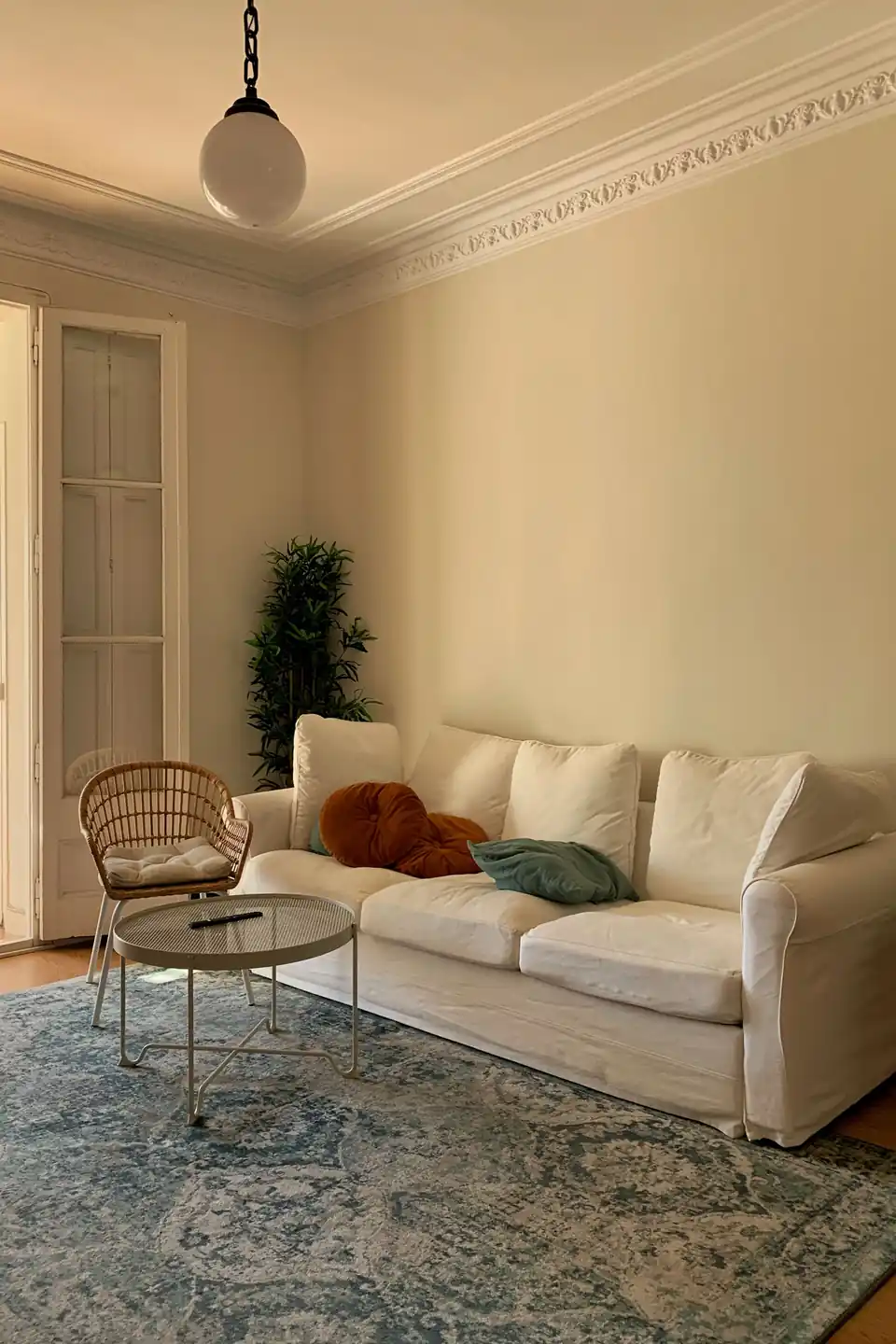
BEFORE: Flat builder beige covered every wall, the ceiling, and somehow the mood. Afternoon light turned it orange, the white sofa disappeared into it, and the room felt smaller than its measurements.
AFTER: Two coats of warm white lifted the whole room. Wood tones read richer against it, the rug pattern finally shows, and shadows in the corners look soft instead of dingy.
Warm white is the transitional paint sweet spot, bright like modern rooms yet soft enough for classic furniture. Test large swatches on two walls and watch them at breakfast and dusk before committing. Whites with a drop of yellow or greige behave best beside wood.
Coffee Table Styling Steps
Credit : Philip Warp
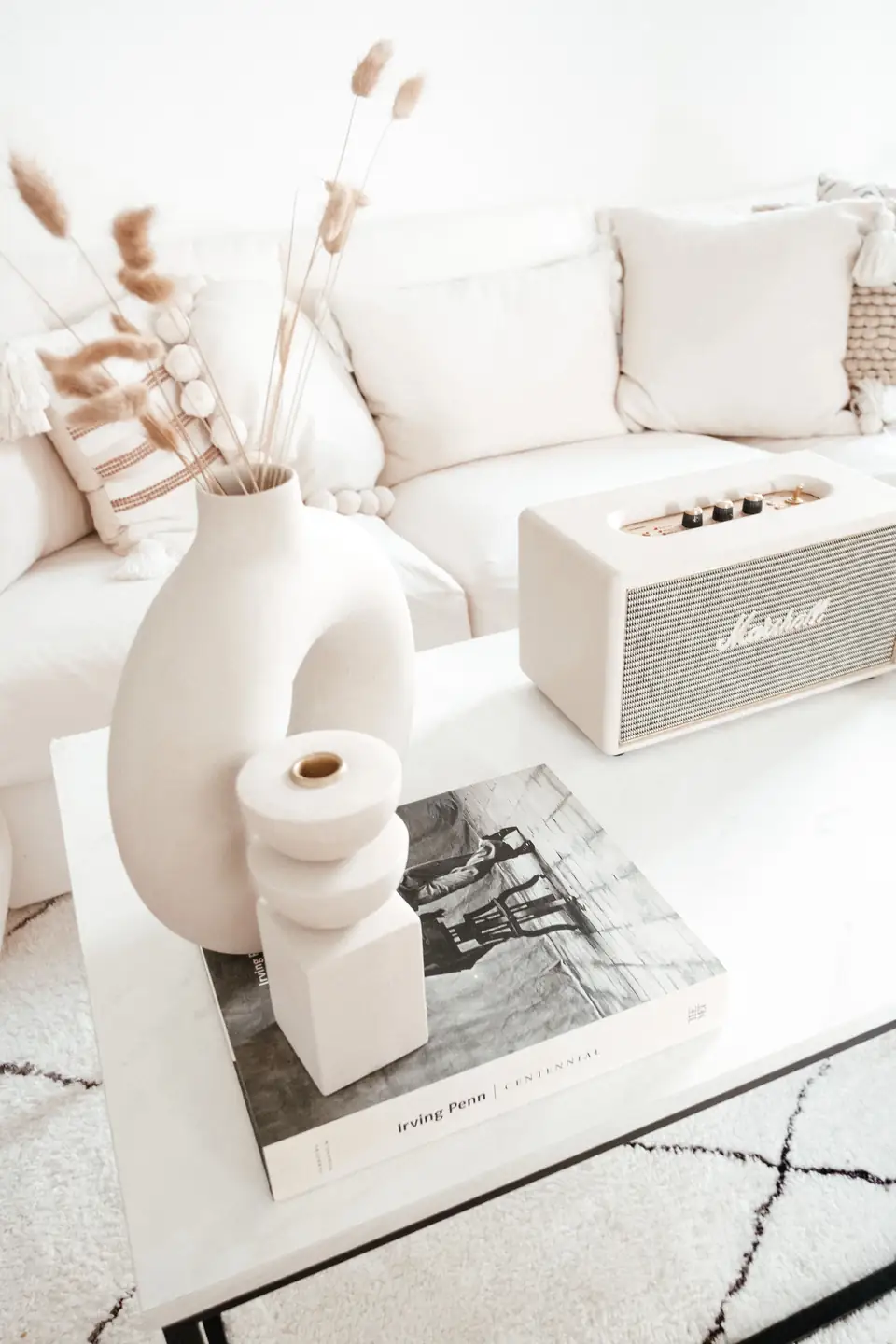
- Anchor the center with a tray that corrals smaller pieces and keeps the table usable.
- Stack two or three large books with the biggest at the bottom and covers in calm colors.
- Add one organic shape, a small plant, a bowl of spheres, or a piece of coral.
- Leave a third of the surface empty for cups, feet, and board games.
- Finish with one tall note, candlesticks or a vase, kept clear of sightlines to the screen.
A styled coffee table proves the transitional point in miniature: order with a soft edge. The tray gives modern structure, the books give classic weight, and the plant keeps both honest. Restyle seasonally with what the garden and shelves already own.
Oak Versus Walnut Finishes

Credit : PNW Production
| Detail | White Oak | Walnut |
|---|---|---|
| Tone | Pale, airy, Scandinavian leaning | Deep, rich, traditional leaning |
| Grain | Subtle, straight, quiet | Bold swirls, natural drama |
| Pairs With | Cream, brass, black accents | Cream, leather, warm metals |
| Aging | Stays pale for decades | Lightens slowly toward honey |
| Cost | Moderate and widely stocked | Higher, sold as premium |
Neither wood wins; the room decides. Pale oak opens small or north facing rooms, while walnut anchors big sunny ones and flatters traditional shapes. Mixing both works when each appears twice and a rug or textile bridges the tones between them. Order sample boards and live with both in your own light.
Layered Lighting Ground Rules

Credit : cottonbro studio
Do:
- Combine ceiling light, table lamps, and one floor lamp in every room.
- Put lamps at seated eye level so faces glow, not ceilings.
- Fit dimmers on overheads; brightness control is the cheapest mood upgrade.
- Repeat one metal finish across lamps so the layers feel planned.
Don’t:
- Rely on a single ceiling fixture to carry the whole room.
- Mix cool and warm bulbs from lamp to lamp.
- Block window light with tall furniture or heavy drapes.
- Choose statement pendants that hang below sightlines.
Layered light is where transitional rooms win their evenings. Overhead light handles tasks, lamps handle faces, and candlelight handles the rest. Rooms lit at three heights feel finished even before the art goes up.
Seating Layout Quick Facts
Credit : Max Vakhtbovych
Cost: Low; the best layout changes need no purchases at all, just patience and sliders.
Time: One afternoon to test two or three arrangements.
Skill Level: Beginner; a furniture slider and a friend suffice.
Best For: Long narrow rooms, open plans, and rentals that feel drifty and undefined.
Works In: Rentals, since nothing mounts to walls.
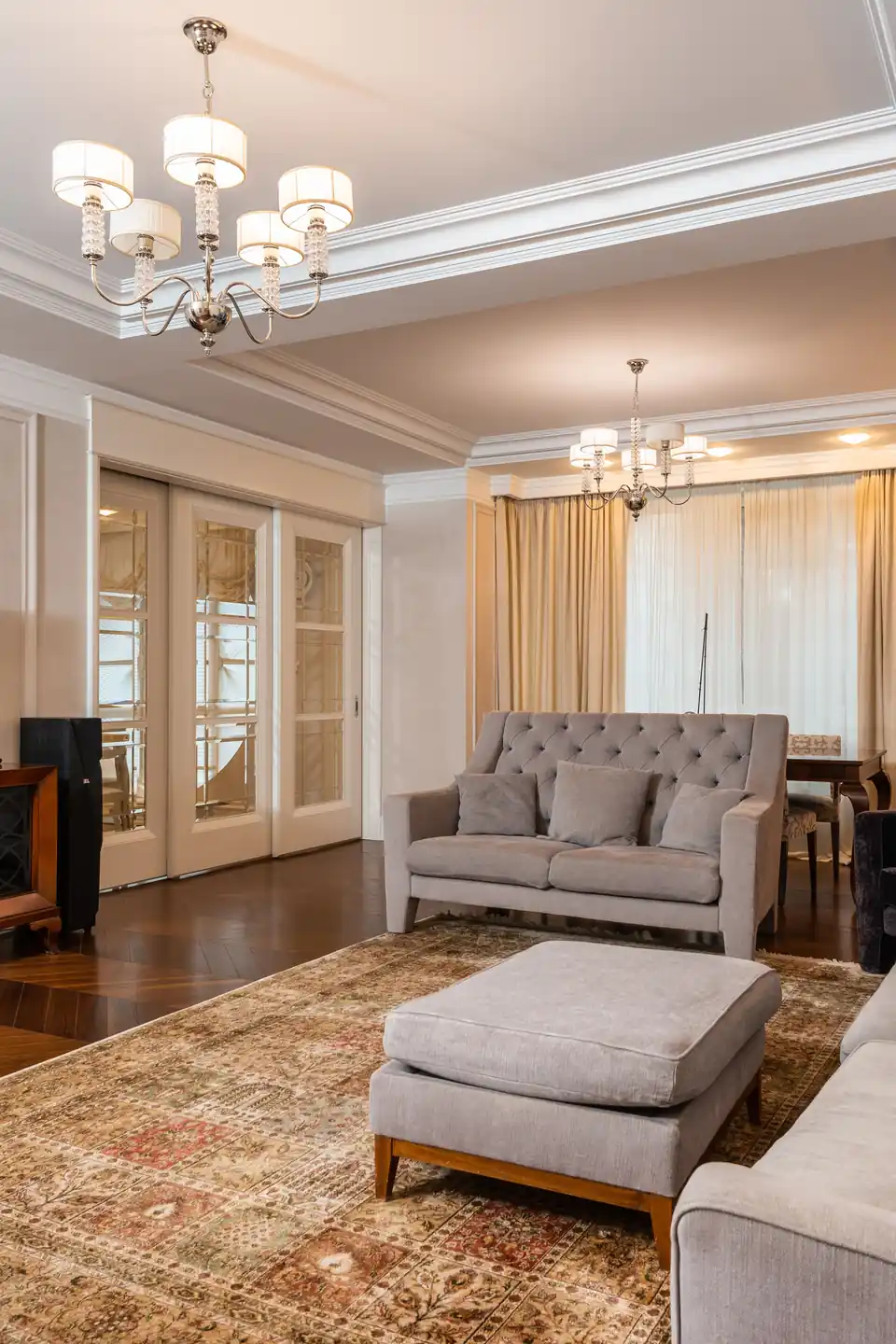
Seating decides whether a transitional room hosts conversation or just passage. Pull chairs and sofas into a loose rectangle around the rug, close enough for talk, open enough for traffic. Leave ninety centimeters behind the sofa where the room allows it. Test the layout for one full evening before judging it.
Stone Fireplace, Soft Surround
Credit : Curtis Adams
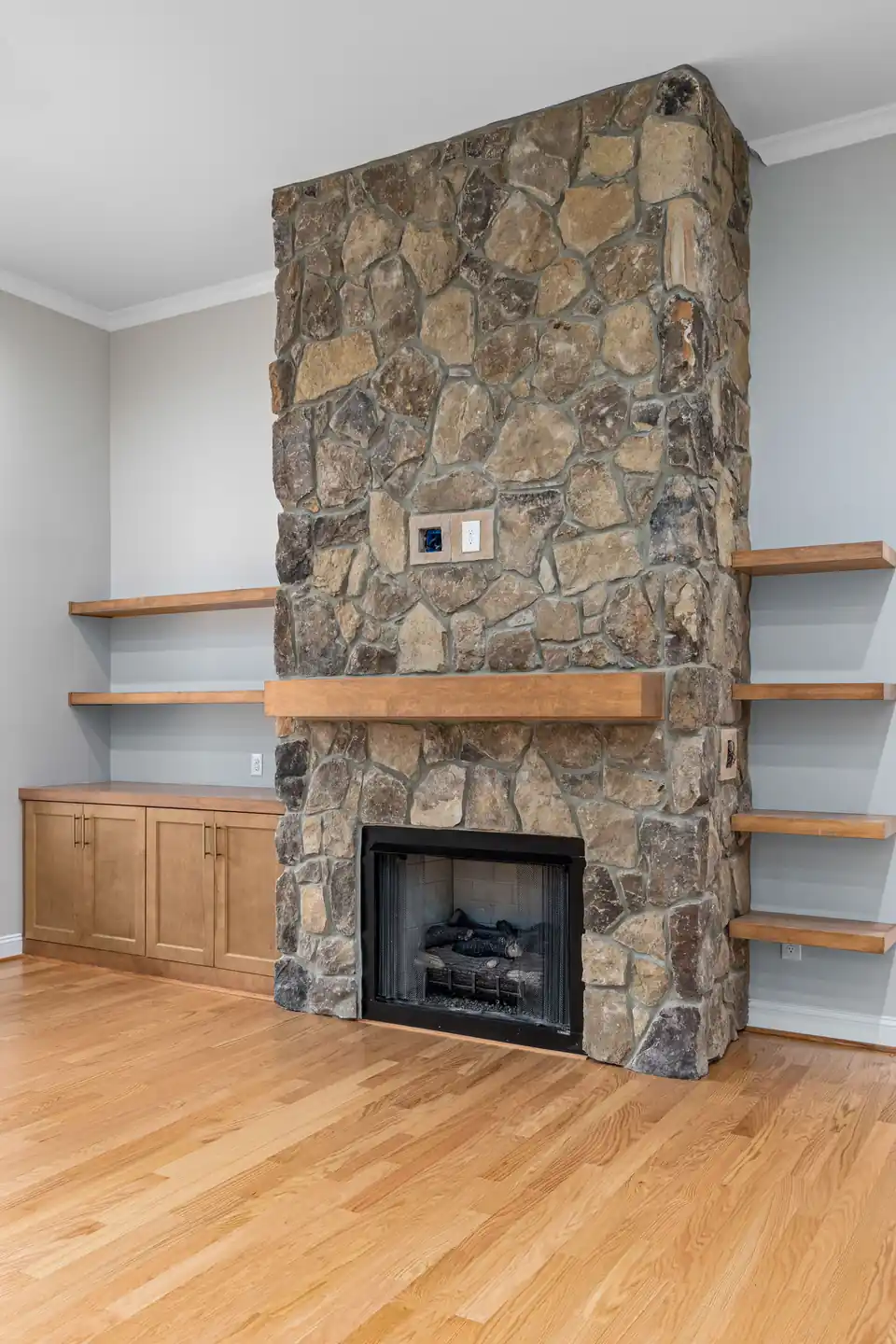
Stone gives a fireplace the classic gravity a transitional room loves. Rough ledgestone or smooth limestone both work; the trick is keeping the surround simple and letting the material speak. A plain wood mantel shelf warms the stone without competing carvings or corbels.
Soften the stone with what sits near it: a linen armchair, a woven basket of logs, a brass fireside tool set. That mix of rugged and refined sums up the best transitional living room decorating ideas in one corner of the room. Keep the hearth styling low and wide, so flames stay the picture and everything else plays frame.
Styled Shelves, Breathing Room
Credit : Max Vakhtbovych
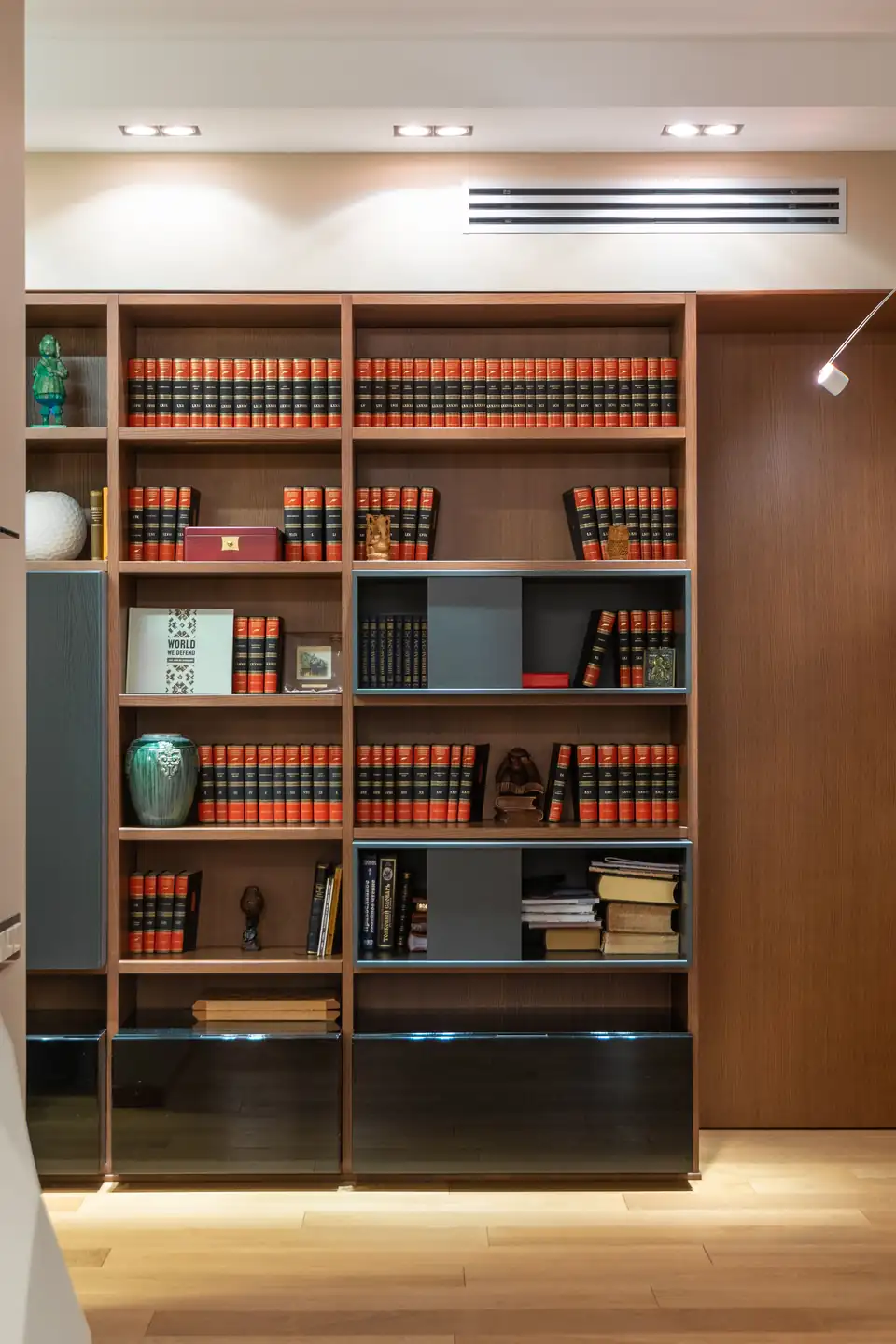
- Group books by size and lay some stacks flat as risers for objects.
- Leave a third of every shelf empty; air is a styling material too.
- Repeat one material, brass, glass, or ceramic, across all shelves for rhythm.
- Place the largest pieces first, then fill gaps with smaller finds.
- Keep everyday items, remotes and coasters, inside one lidded box per shelf zone.
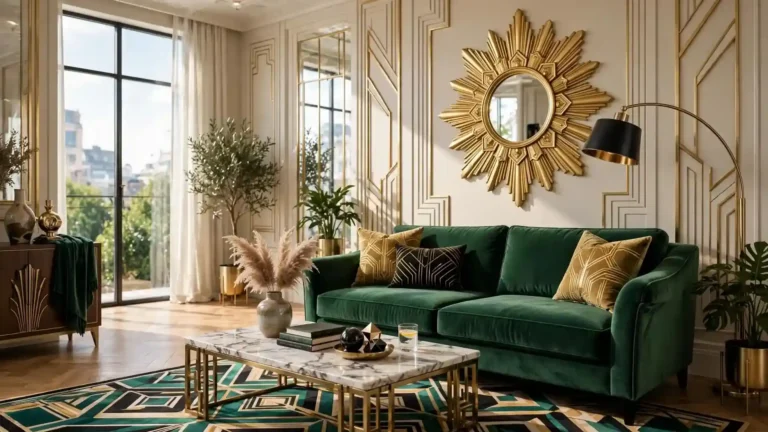
Shelves show the transitional bargain clearly: traditional collections, modern restraint. Books supply the classic weight while empty space keeps the display current. Shelves near a reading chair can borrow the glow of Art Deco interior design ideas, where one brass lamp turns stored books into a display. Edit twice a year and the shelves stay a feature instead of storage that happens to be visible.
One Statement Mirror
Credit : Flávia Vicentini
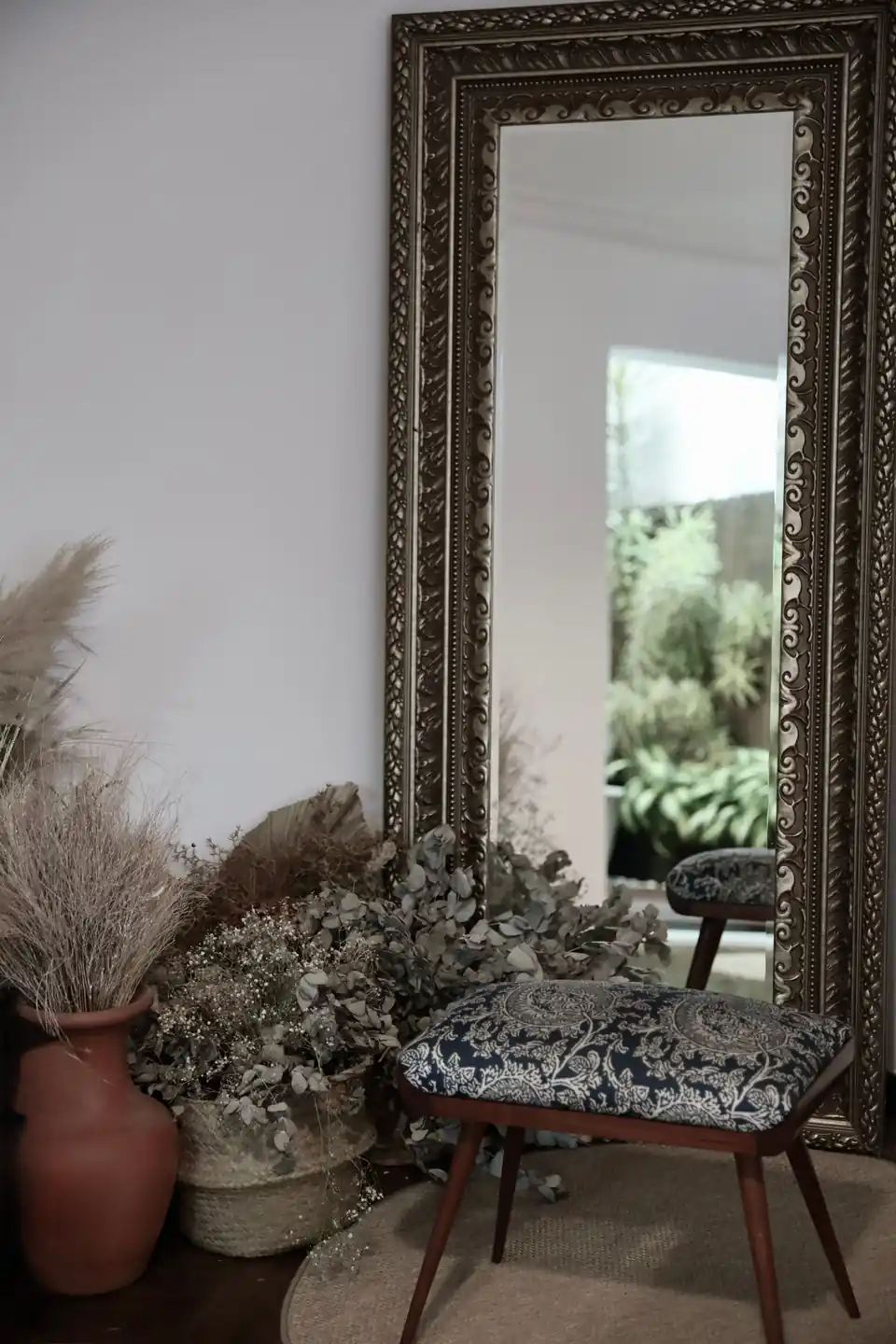
Quick Tip: Hang a round or arched mirror opposite a window. The reflection doubles daylight and borrows the garden view, and the curve softens a wall of straight lines and rectangles. Keep the mirror’s center near eye level for the kindest reflection.
One generous mirror does the work of three small ones in a transitional room. The frame finish matters: warm wood or aged brass ties the mirror to classic furniture, while the oversized scale keeps it modern. Lean a large mirror on a console for a relaxed version that avoids new holes in plaster. Mirrors also rescue dark hallways that open off the living room.
Busy Mantel, Calm Display
Credit : Max Vakhtbovych
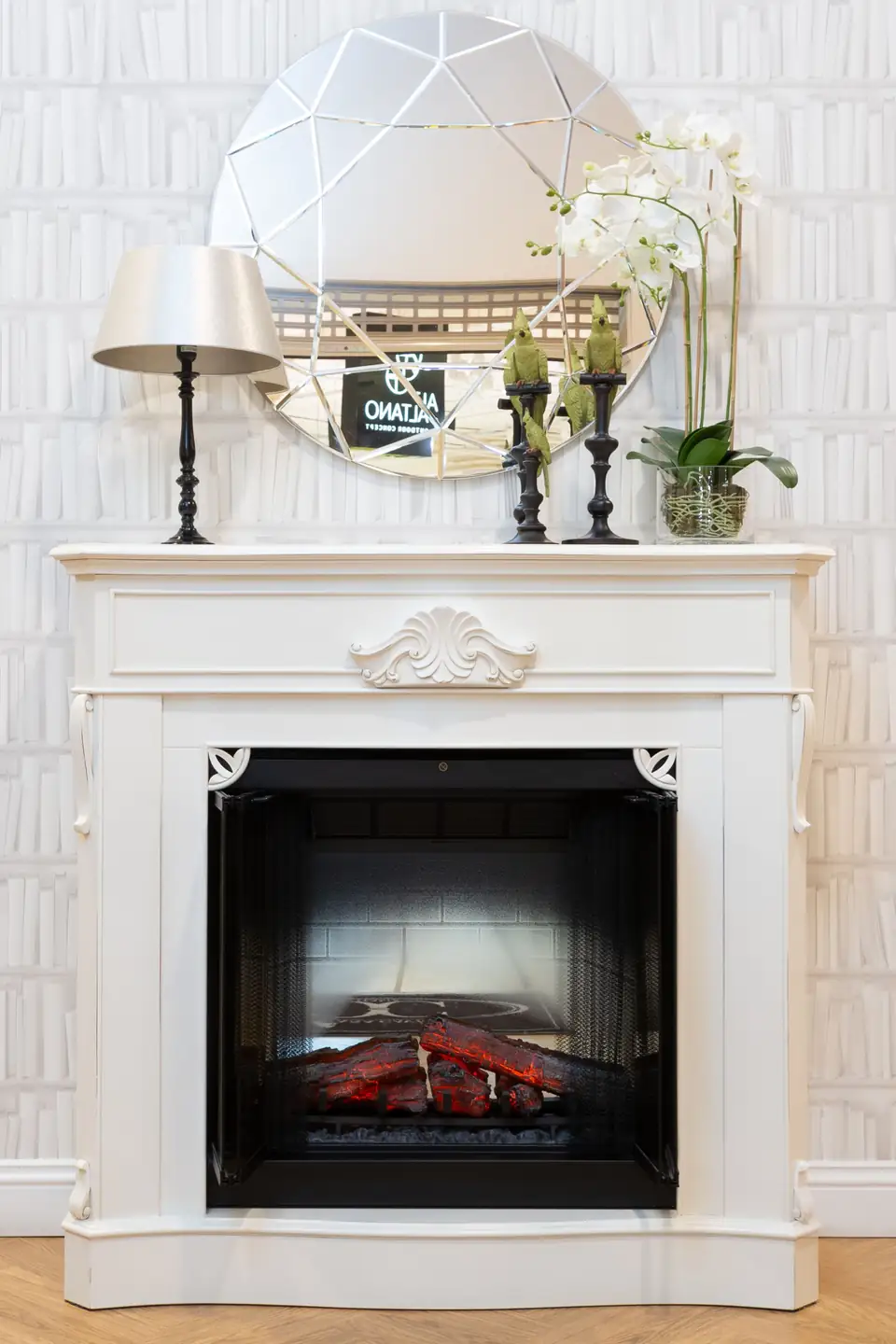
BEFORE: The mantel held eleven small frames, two clocks, a tangle of fairy lights, and last year’s holiday cards. Every object competed, so the eye skipped the whole shelf and the fireplace lost its presence.
AFTER: Three pieces remain: one wide landscape print, a pair of brass candlesticks, and a low bowl. The stone and the flames breathe again, and guests finally look at the fireplace first.
Mantels collect objects the way pockets collect coins. A strict edit, one anchor piece, one pair, one soft accent, restores the fireplace as the room’s classic centerpiece. Store the rotated pieces and swap them seasonally instead of crowding them back.
Pillow Mixing In Steps
Credit : cottonbro studio
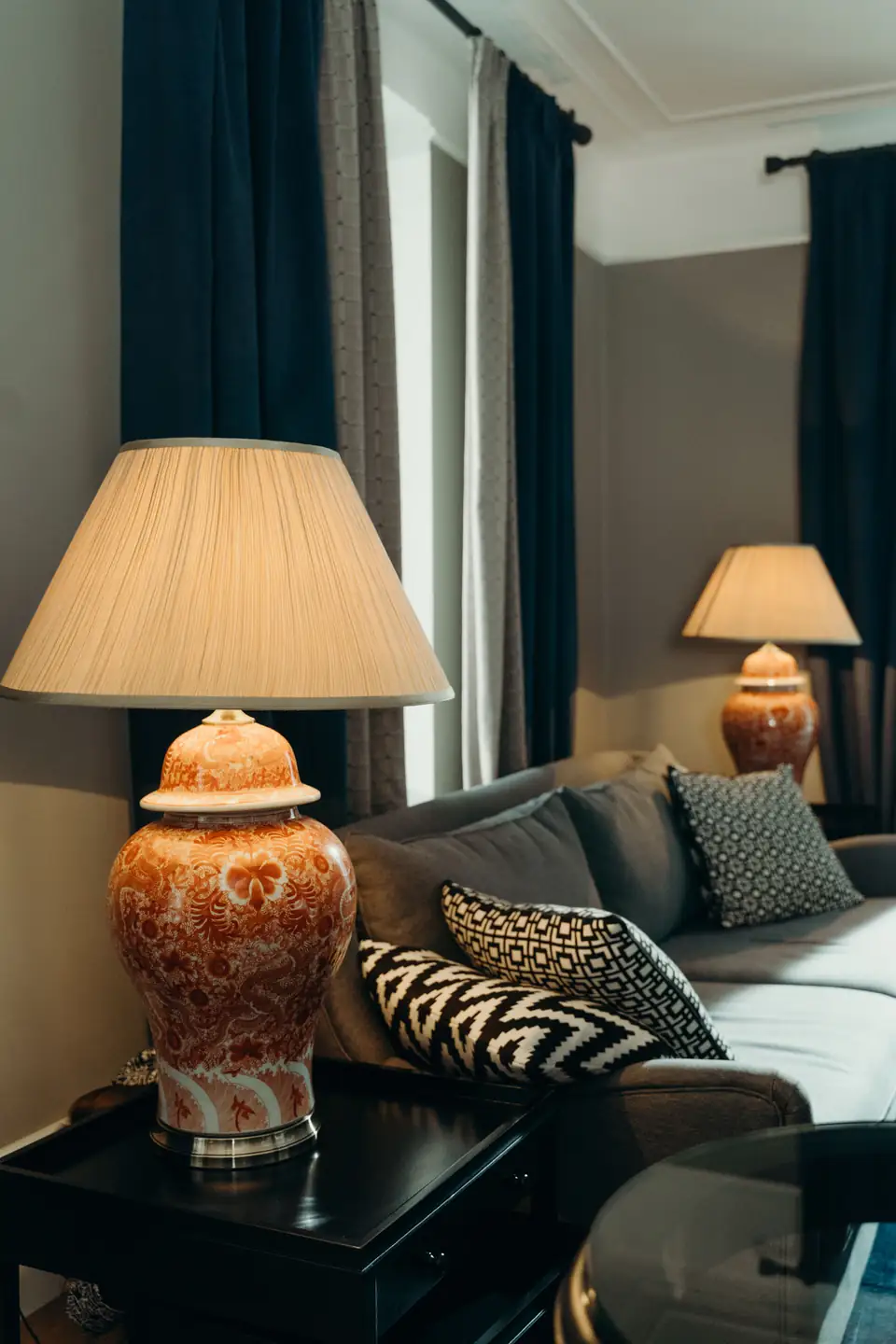
- Start with a pair of large solids in the sofa’s own neutral family.
- Add one classic pattern per side, a stripe, a check, or a small floral.
- Drop in a single modern geometric for the contrast the style needs.
- Mix textures as much as prints: linen, velvet, and one woven wool.
- Finish with an odd number total, five on a standard three seat sofa.
Pillows are the fastest style dial a living room owns. Classic patterns keep the mix grounded, one modern print keeps it awake, and texture does the quiet work in photographs. Karate chop the tops or leave them plump; just keep the recipe steady.
Glass Versus Wood Tables
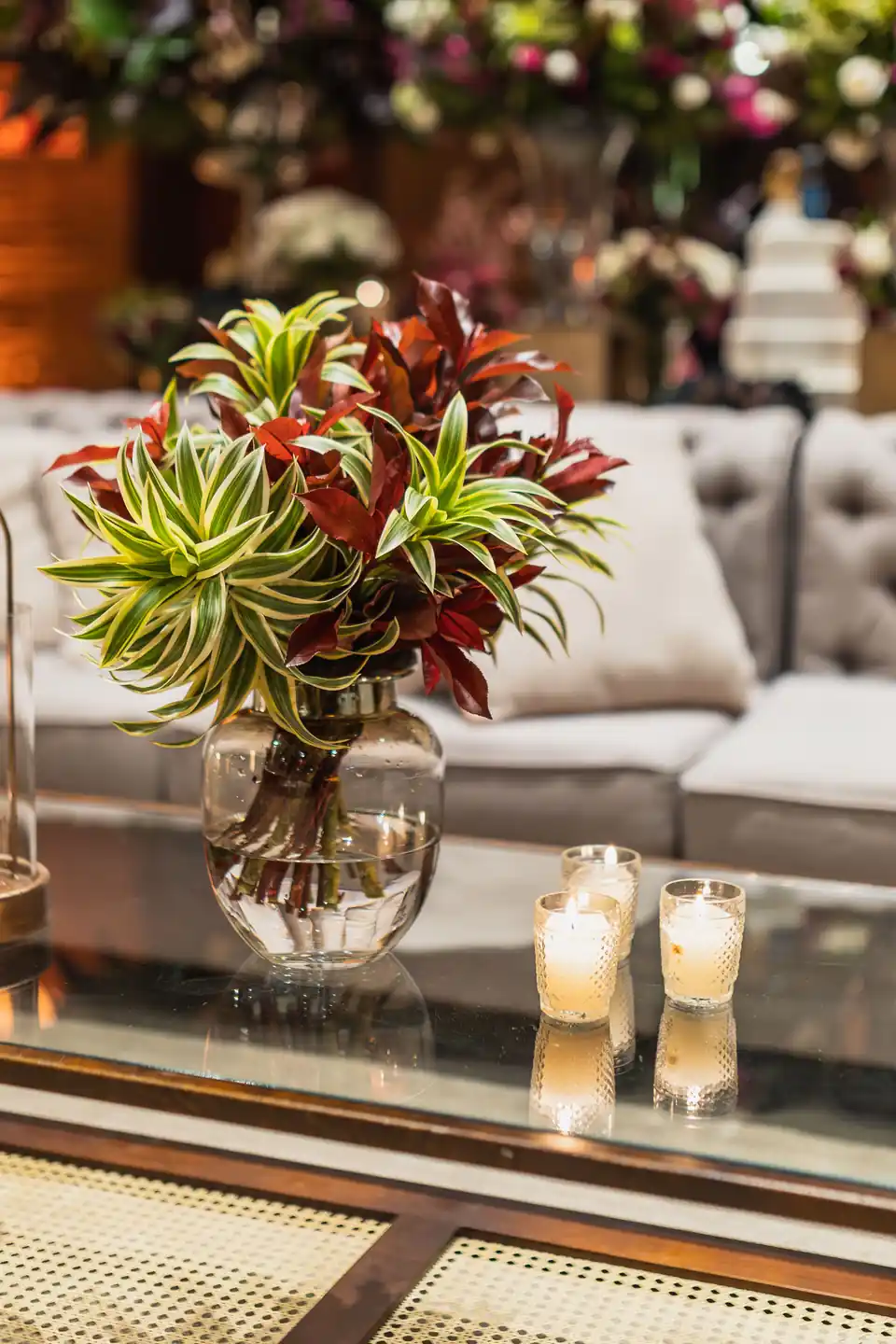
Credit : Matheus Bertelli
| Detail | Glass Top | Solid Wood |
|---|---|---|
| Cleaning | Shows every fingerprint and ring | Wipes clean, hides daily wear |
| Weight | Feels light, suits small rooms | Feels grounded, anchors big rooms |
| Style | Modern lean, opens sightlines | Classic lean, adds warmth |
| Kids | Edges need corner guards | Dents become honest patina |
| Cost | Moderate, frames vary widely | Moderate to high, lasts decades |
Glass suits small transitional rooms where sightlines matter more than storage, while solid wood suits family rooms that host games, feet, and homework. Either choice works when the legs echo another finish already in the room, brass with the lamps or oak with the floors. Choose once, choose solidly.
Pattern Mixing Ground Rules
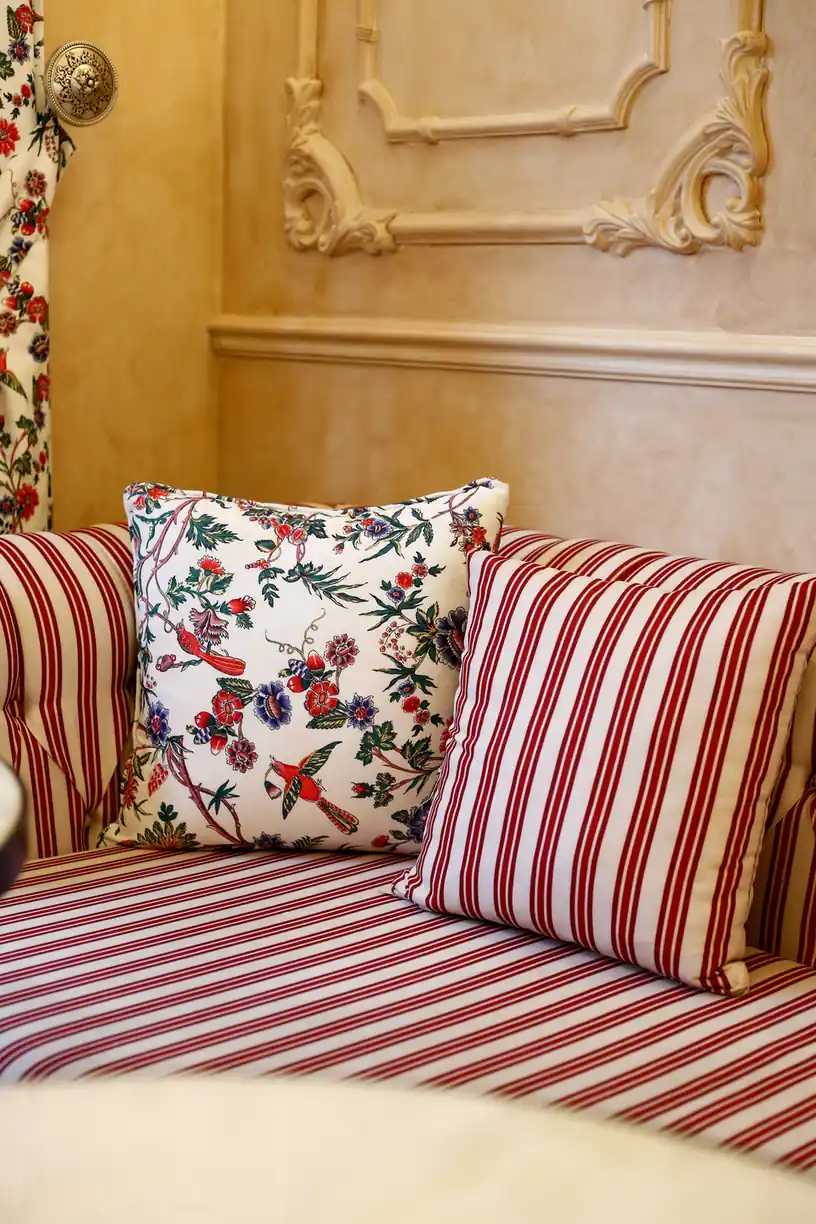
Credit : betül nur akyürek
Do:
- Keep every pattern inside the room’s existing color palette.
- Mix one large scale print with one small scale print.
- Separate busy patterns with a solid cushion or throw.
- Repeat each pattern at least twice so it looks planned.
Don’t:
- Stack three bold patterns on one sofa.
- Mix warm and cool versions of the same color.
- Let a patterned rug and patterned curtains share one wall.
- Forget texture; flat prints need woven neighbors.
Pattern is where transitional rooms show their personality without losing their calm. The palette does the policing: inside it, a floral, a stripe, and a check can share one sofa happily. Step across the room and squint; the mix should read as texture, not noise.
Neutral Paint Quick Facts
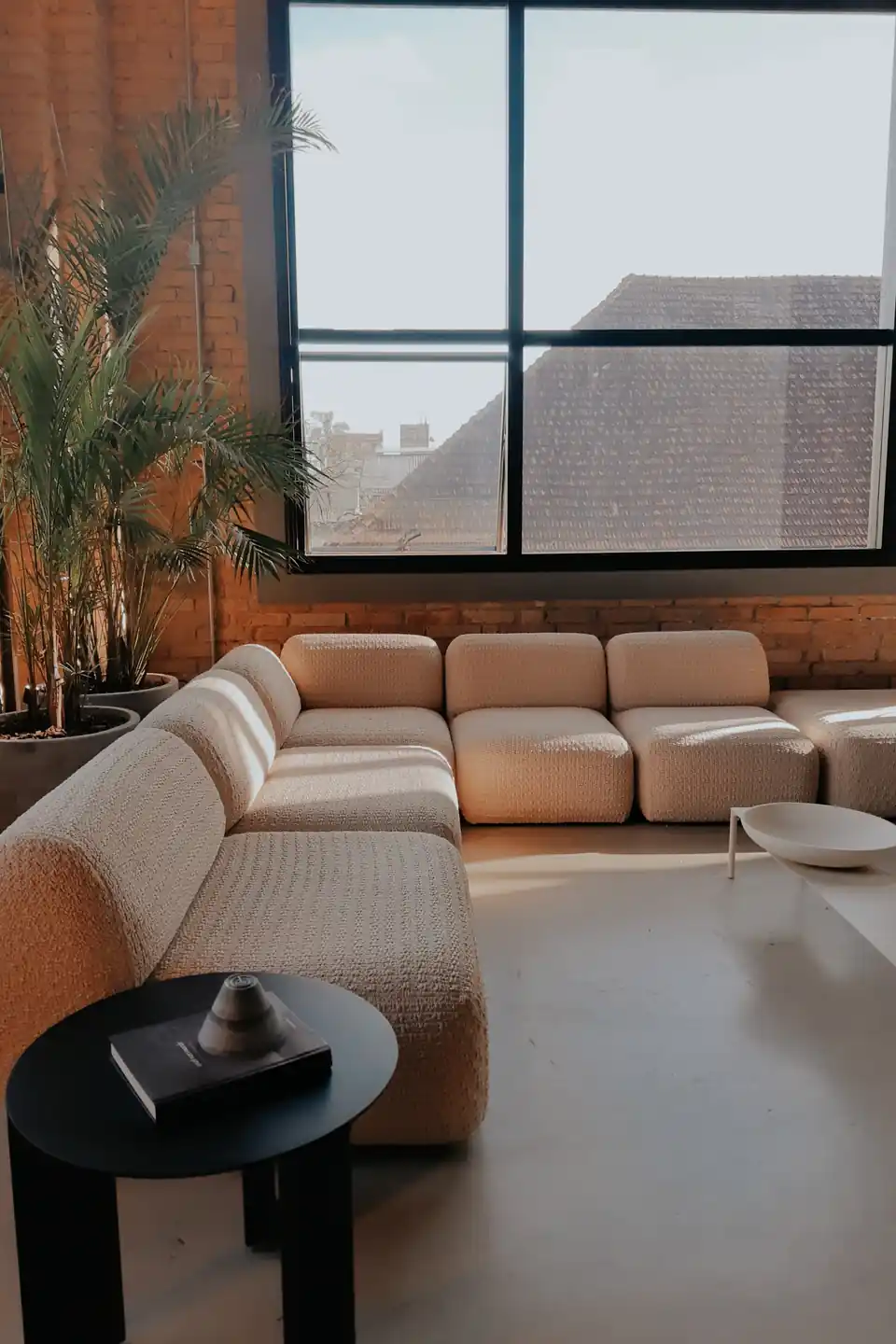
Credit : tiago alves
Cost: Moderate; quality paint covers in two coats and lasts.
Time: Two days for an average room including drying.
Skill Level: Beginner friendly with tape, patience, and drop cloths.
Best For: Rooms that must suit changing furniture and art.
Result: A calm shell that lets wood and fabric carry the color.
Neutral paint is the least glamorous and most important transitional choice. It forgives furniture swaps, flatters north and south light at once when the undertone stays warm, and never dates the way trend colors do. Paint the largest wall first and live with it for two days. Then commit to the whole room.
Timeless Pieces, Fresh Accents
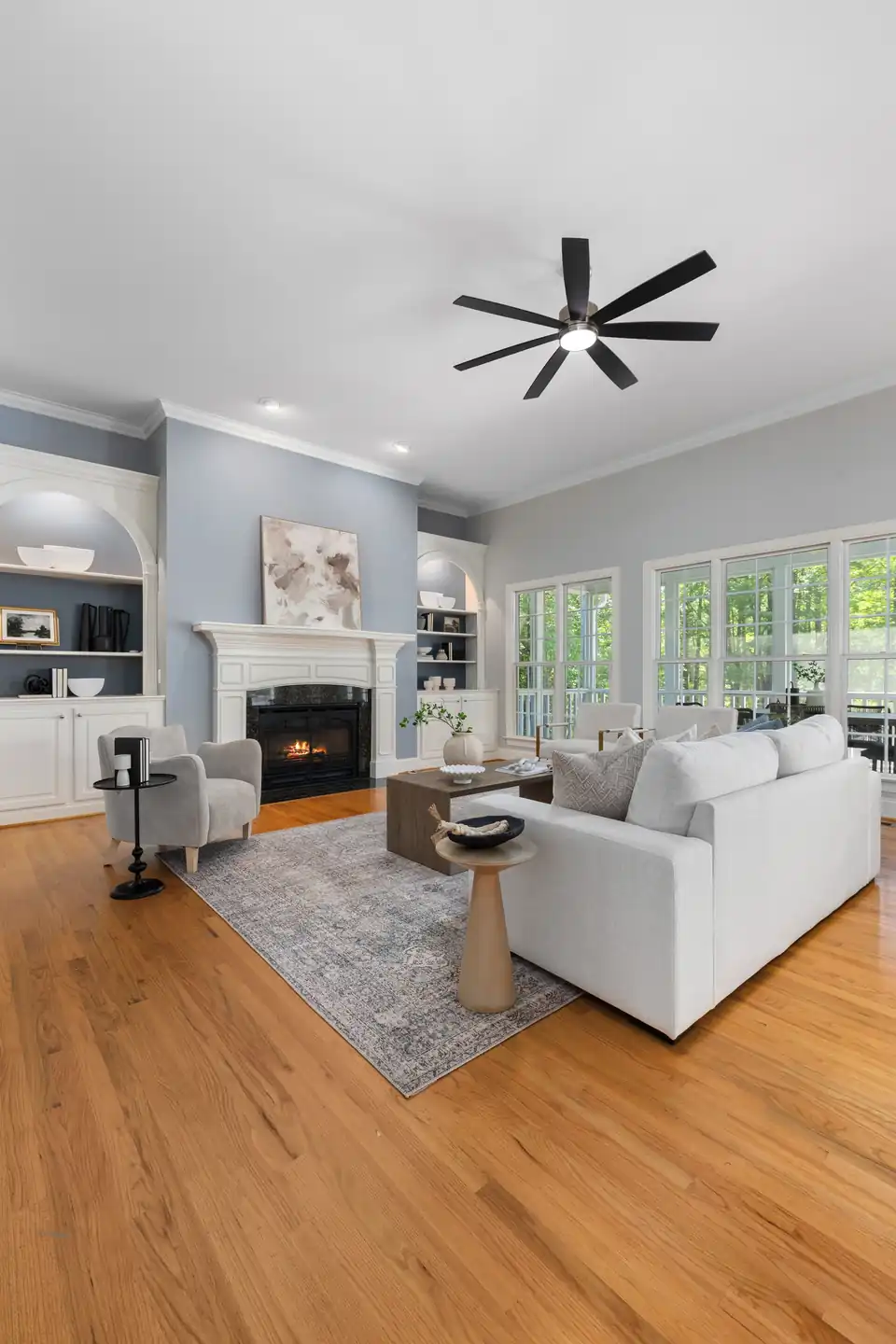
Credit : Curtis Adams
The last move in a transitional room is restraint with a pulse. Invest in the timeless pieces, a well made sofa, a solid wood table, classic lamps, and let the accents stay fresh and cheap: a new plant, a striped throw, a print found on holiday. Those bones change slowly, if ever.
Rooms built this way survive trends and toddlers alike. When a corner feels tired, swap the accents before blaming the furniture; nine times out of ten the bones are still right. In my experience, that patience is the whole secret behind rooms that look good in every decade. Start with one corner this weekend.
Conclusion
Twenty five ideas later, the pattern is simple: classic bones, modern ease, warm neutrals, and light at every level. None of these changes demand a renovation, and most fit inside a weekend and a modest budget. Start with the sofa wall, then let rugs, lamps, and layers follow one at a time. Save these transitional living room decorating ideas to your Pinterest board before you shop, and share the board with anyone who thinks timeless means boring. I’ve seen how small changes like these can completely shift the way a space feels, and your room is closer than you think.