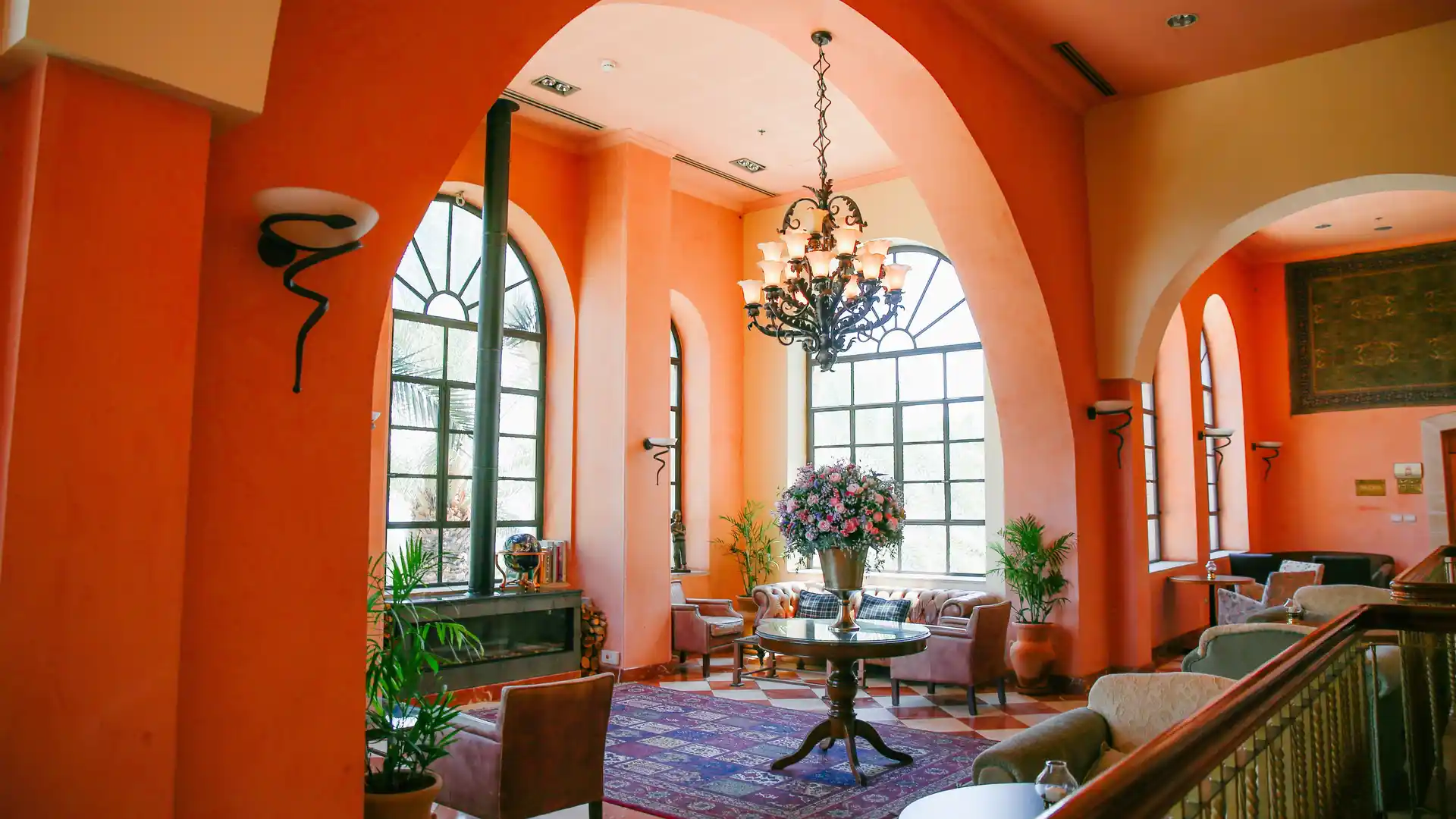
20 Modern Mediterranean Home Interiors for Sunlit Elegance
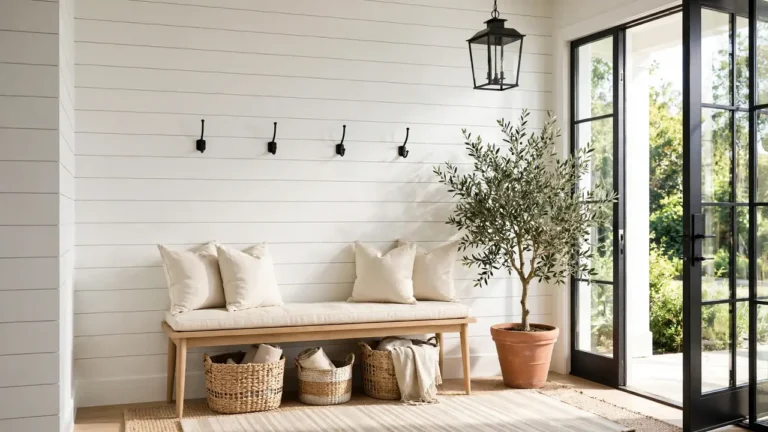
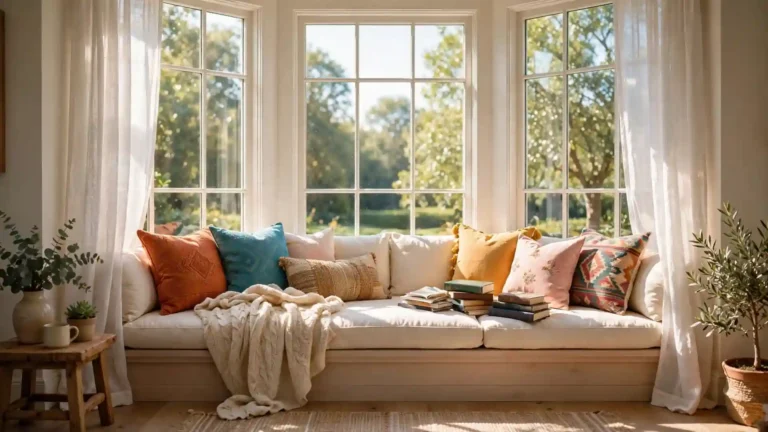
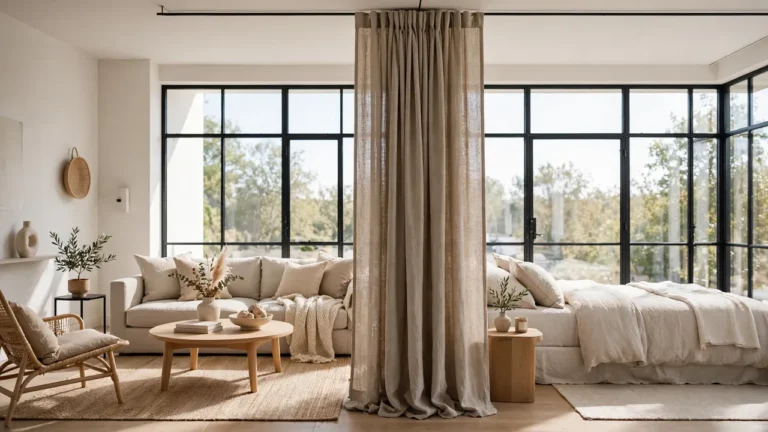
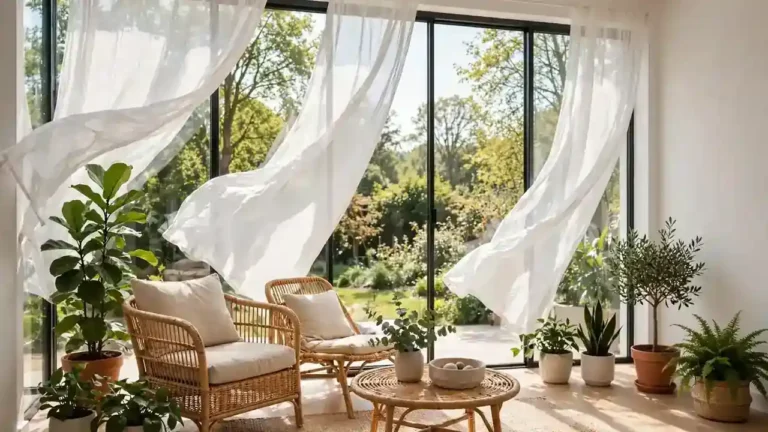
Sunlight does half the decorating in a Mediterranean home. White walls bounce it around, stone and terracotta hold the warmth, and every room feels like a slow afternoon near the sea. The best modern Mediterranean home interiors borrow that old coastal recipe and clean it up for real life: fewer ornaments, honest materials, and colors pulled from the shore. This guide pulls its ideas from real rooms, and a few borrow tricks from Art Deco interior design ideas where bold shapes meet natural texture.
Expect arches that soften doorways, floors that stay cool underfoot, and shelves lined with pottery made by hand. In my experience, the style works in city apartments just as well as in stone houses, because it leans on light, texture, and a tight color palette instead of square footage. Start with one room, repeat the same few materials, and let the sunshine finish the job.
Whitewashed Walls, Warm Light

Credit : Надежда Мустафаева
Morning light hits a whitewashed wall differently. The surface is never flat white; limewash and chalky paint leave soft clouds of cream and bone that shift as the sun moves. That gentle movement is the whole point, and it makes even a plain box room feel hand finished.
Two coats of limewash over a warm white base give the effect without a full replaster. Keep trim the same color so the walls read as one calm shell, then let wood, clay, and woven fibers supply the contrast. Harsh overhead bulbs fight the look, so swap them for warm lamps at seated height.
Arched Doorways and Niches
Credit : Agung Pandit Wiguna
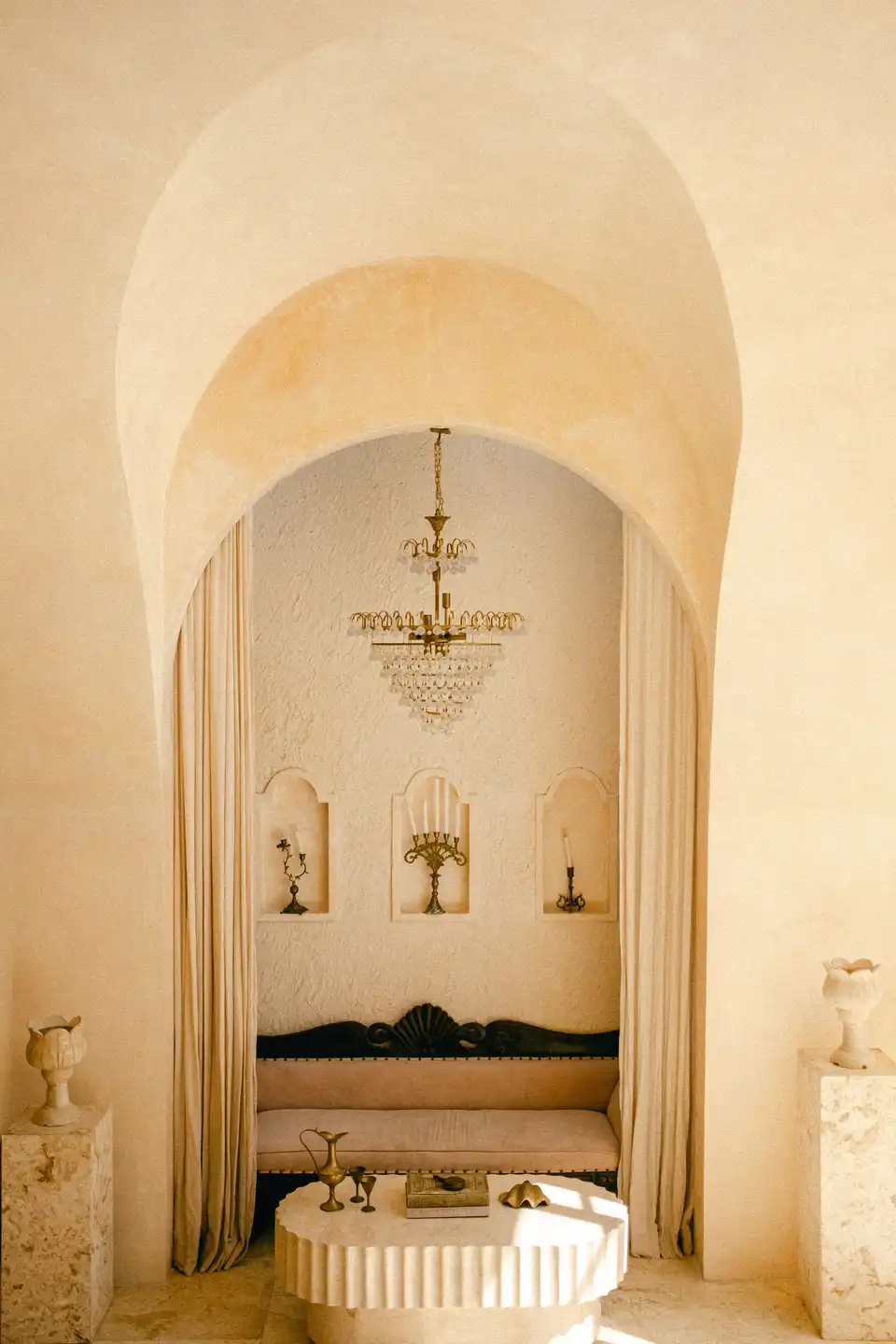
- Soften a square doorway with an arch kit or a curved plaster finish at the top corners.
- Turn a shallow wall recess into a niche for pottery, books, or a small lamp.
- Repeat the arch shape in a mirror or headboard so the curve feels planned, not random.
- Paint the inside of the arch a shade deeper than the wall for quiet depth.
- Keep arch edges crisp; wobbly lines read as damage, not charm.
Arches are the signature curve of the coast, borrowed from old farmhouses and seaside chapels. Even one arch over a hallway entrance changes how a home flows, because the eye follows the curve and the room feels calmer. Start with the doorway people see first.
Terracotta Tile Floors
Credit : Tima Miroshnichenko
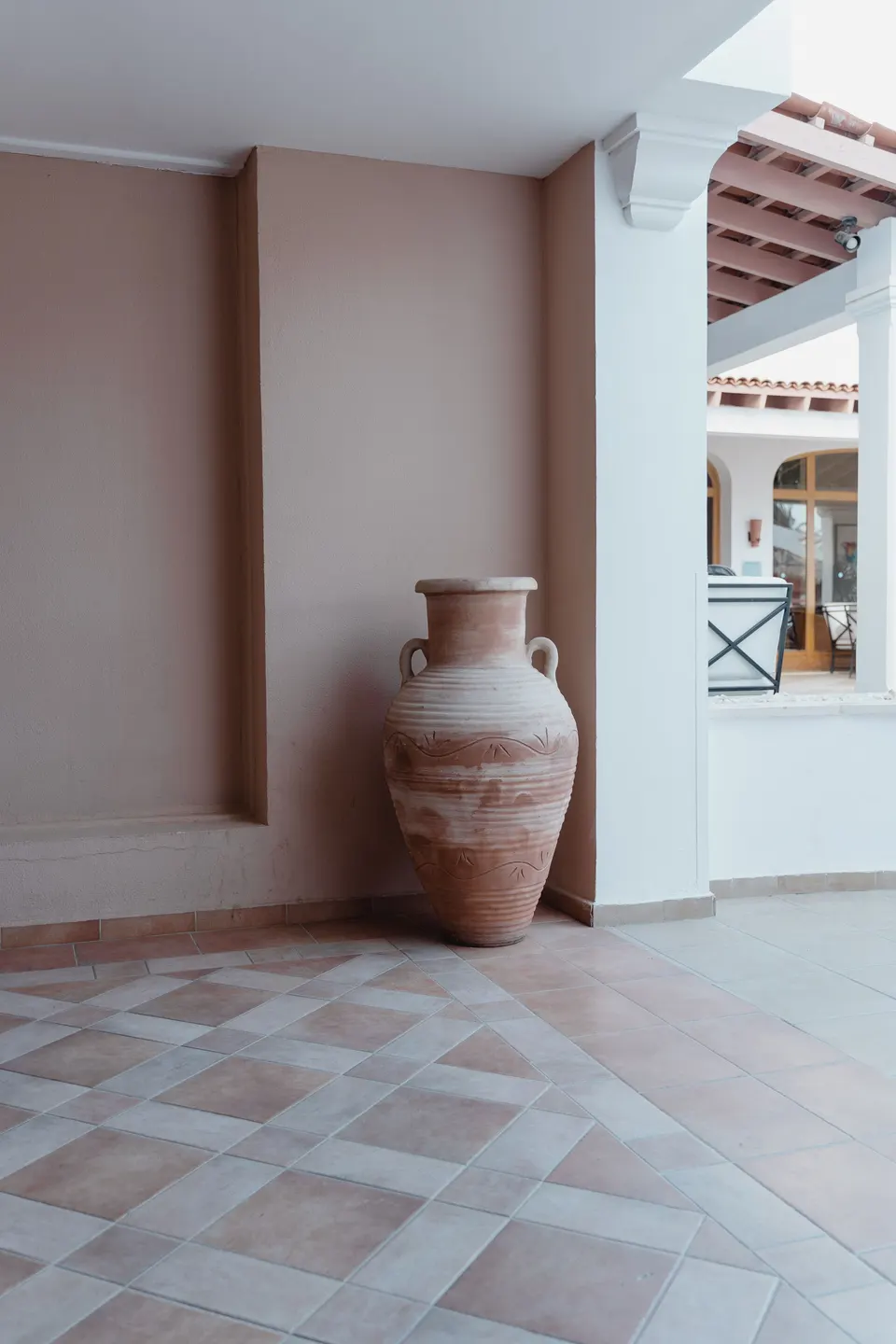
Quick Tip: Seal terracotta twice before grouting and once after. Raw clay drinks up spills, and a good sealer keeps the warm color from going blotchy around kitchens and entries.
Few floors say Mediterranean faster than terracotta underfoot. The tiles stay cool in summer, hide dust between cleanings, and deepen in color with age. Large squares feel calm and rustic; smaller hexagons suit baths and entries. Pair them with white walls and dark wood, and the floor becomes the main pattern in the room. In kitchens, a slightly rougher finish grips wet feet; in living areas, a smoother honed face feels better barefoot in every season.
Rustic Wood Ceiling Beams
Credit : Maria Orlova
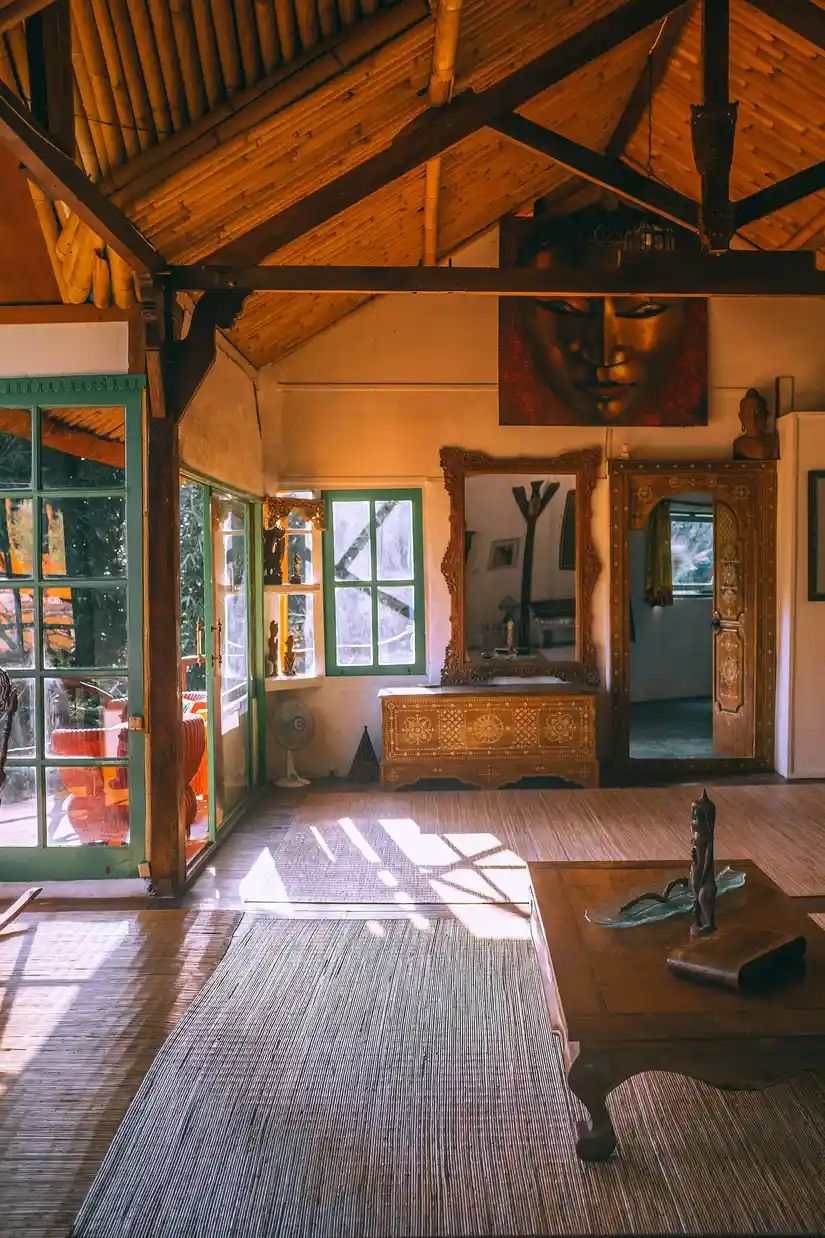
BEFORE: The ceiling was a blank white lid. Nothing drew the eye up, the tall room felt cold, and the furniture seemed to float without an anchor.
AFTER: Three dark beams now cross the room, echoing the coffee table and door frames. The ceiling feels lower in the best way, the light pools warmer at night, and the whole space reads as one story.
Real beams are heavy, but hollow faux beams weigh little and fix straight to the ceiling. Space them evenly, match the stain to your darkest wood, and stop one beam short of busy corners. In my experience, beams work hardest in plain rooms that need one strong gesture.
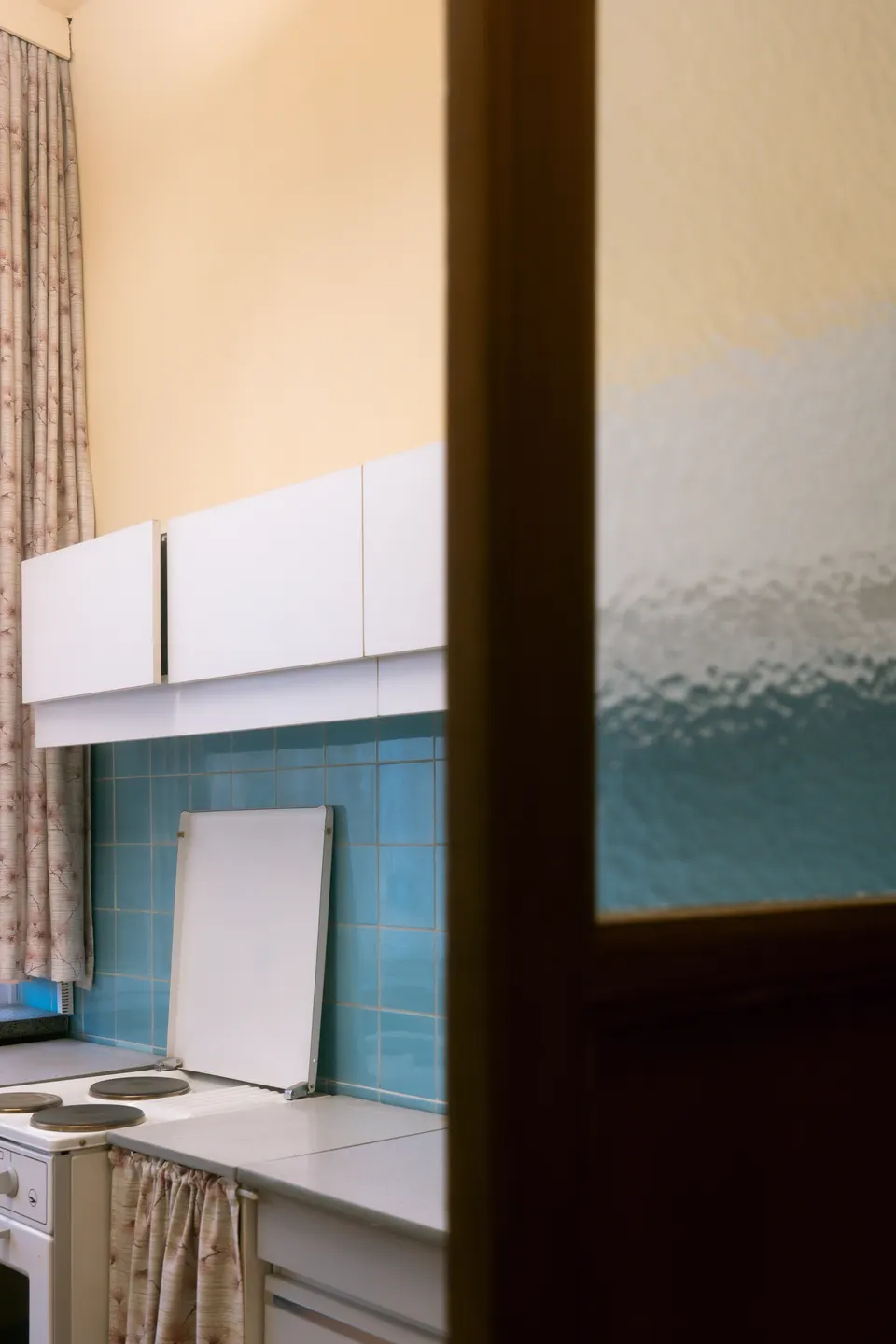
Blue Tile Kitchen Backsplash
Credit : Van Anh Nguyen
- Pick a blue with grey in it, like sea glass or dusty azure, so it sits calmly beside white cabinets.
- Choose handmade-look tiles with soft edges; small variations catch light like water.
- Run the tile to the ceiling behind open shelves for a taller, finished wall.
- Use warm white grout to keep the pattern soft, or matching blue grout for a seamless wash.
Blue tile is the color accent Mediterranean kitchens trust most, a nod to the sea outside the window. Glossy finishes bounce daylight around small kitchens, while matte tiles feel older and quieter. Keep counters plain stone or wood so the blue stays the star.
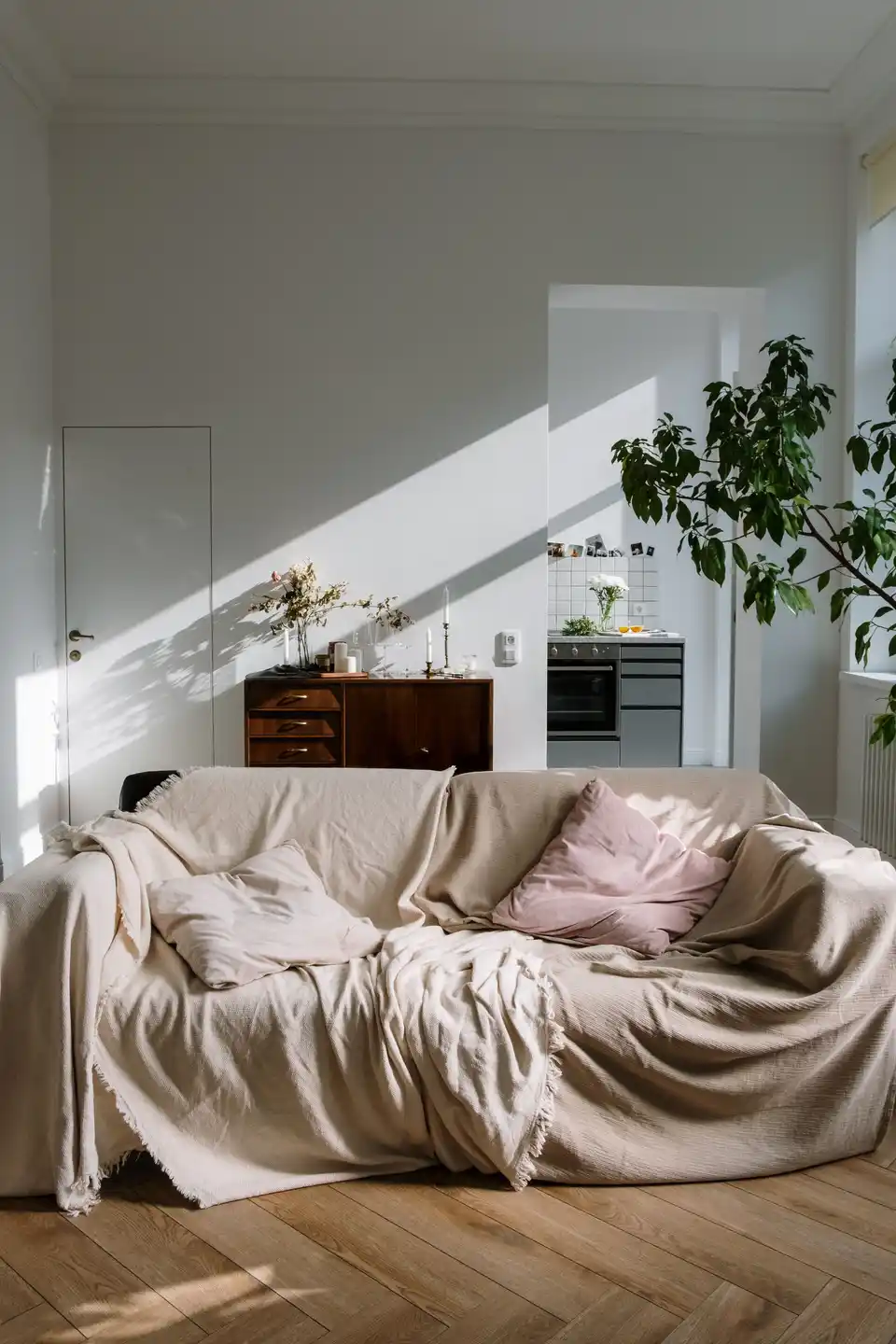
Linen Versus Cotton Layers
Credit : cottonbro studio
| Detail | Linen | Cotton |
|---|---|---|
| Feel | Cool, textured, softly rumpled | Smooth, neat, lighter drape |
| Warmth | Breathes in summer heat | Cozy for cool evenings |
| Care | Washes soft, wrinkles welcome | Irons crisp, holds a crease |
Sofas and beds in these homes wear natural cloth, nothing shiny or stiff. Linen suits the loose, sun faded mood and improves with every wash, while cotton percale keeps guest beds tidy. Mix both: linen on the sofa, cotton on the bed, and the palette stays calm. Neither fabric needs ironing to look right, which suits the unhurried mood of these rooms. Wash covers gently and dry them in shade so whites stay warm, never grey.
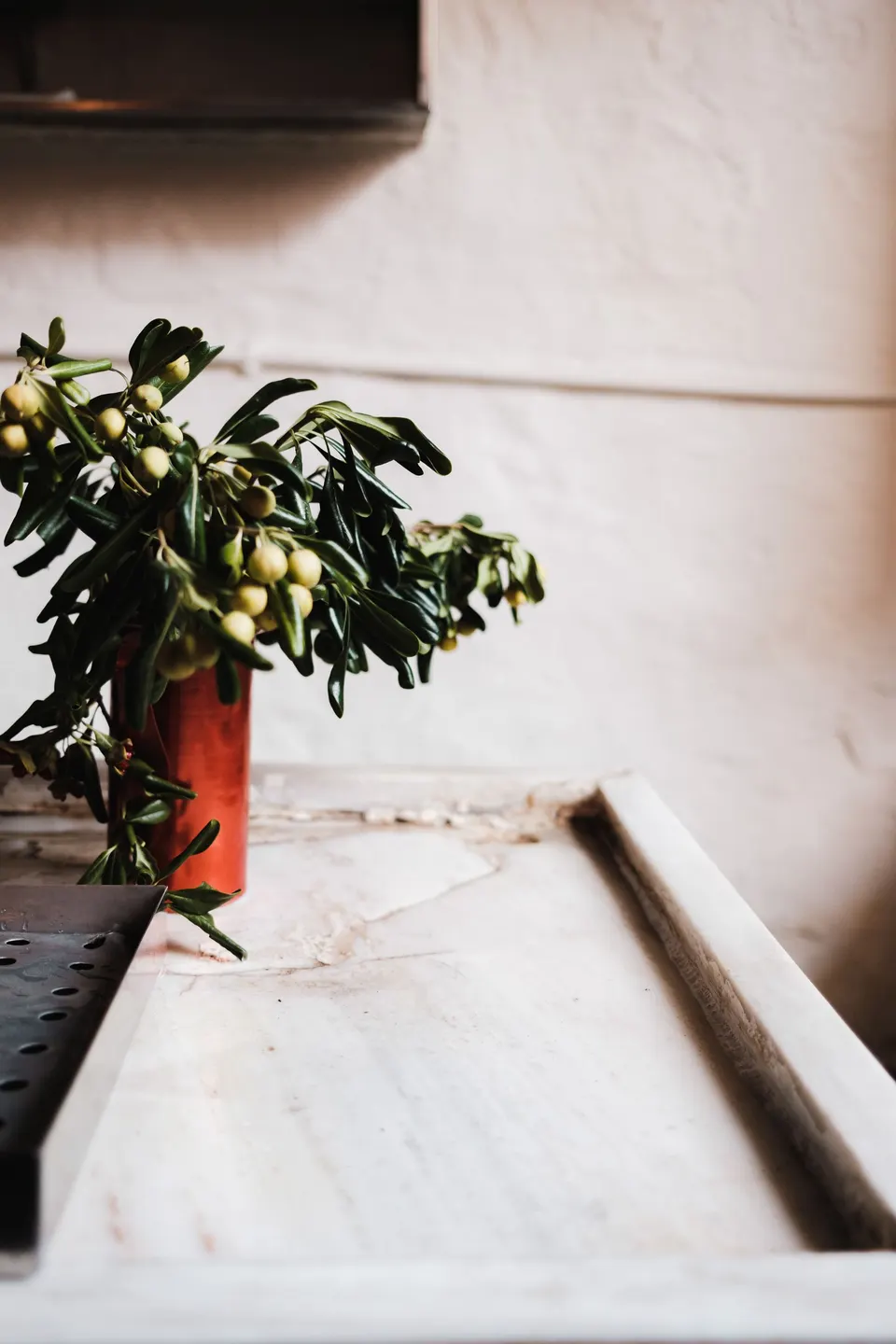
Olive Branches Everywhere
Credit : Airam Dato-on
Do:
- Stand a tall branch in a clay or stone vase and let it lean.
- Mix one real branch with dried stems so the arrangement lasts for months.
- Repeat small olive sprigs on shelves and tables to tie rooms together.
Don’t:
- Skip plastic olives with shiny fruit; they cheapen the whole vignette.
- Avoid crowding the vase; three to five stems show the shape best.
- Never place branches where direct sun fades them within weeks.
Olive branches bring the grove indoors: silvery green leaves, soft movement, and a shape that reads Mediterranean from across the room. In my experience, one tall arrangement on a console does more for the theme than a dozen small themed objects.
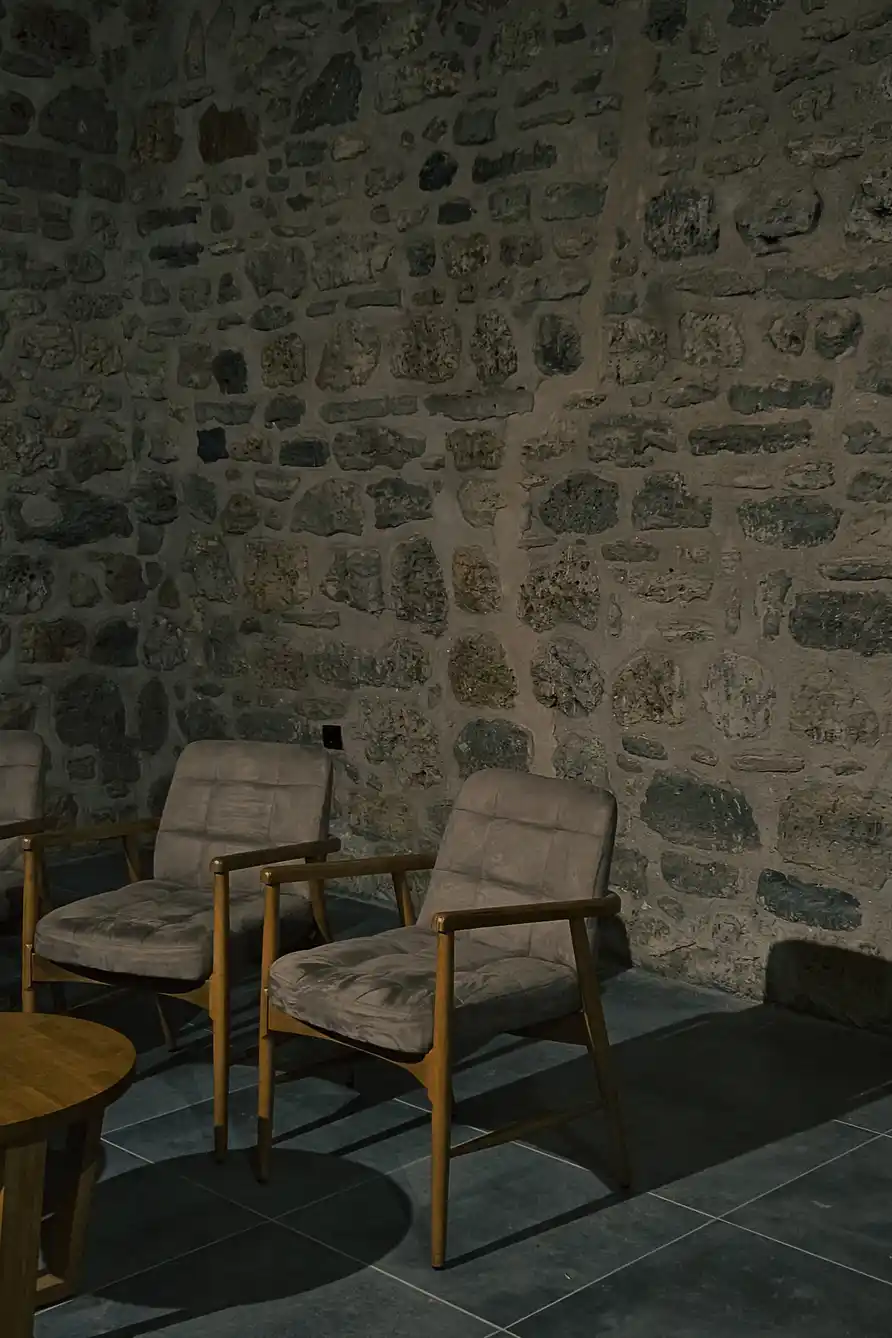
One Honest Stone Wall
Credit : gökçe erem
Cost: Moderate for veneer panels, high for real masonry.
Time: A weekend for veneer, a week for full stone.
Skill Level: Confident DIY for panels, pro for structural work.
Best For: Fireplace walls, entries, and dining rooms that need weight.
Stone gives these rooms their anchor. Rough, uneven faces catch raking light and make white plaster around them look even fresher. One wall is plenty; stone everywhere turns a home into a cave. Stop the stone at a clean edge and let painted walls carry the rest. Veneer panels give the same texture at a fraction of the weight, a fair option for apartments. A thin limewash over dark rock softens it without hiding its shape.
Rattan and Wicker Warmth
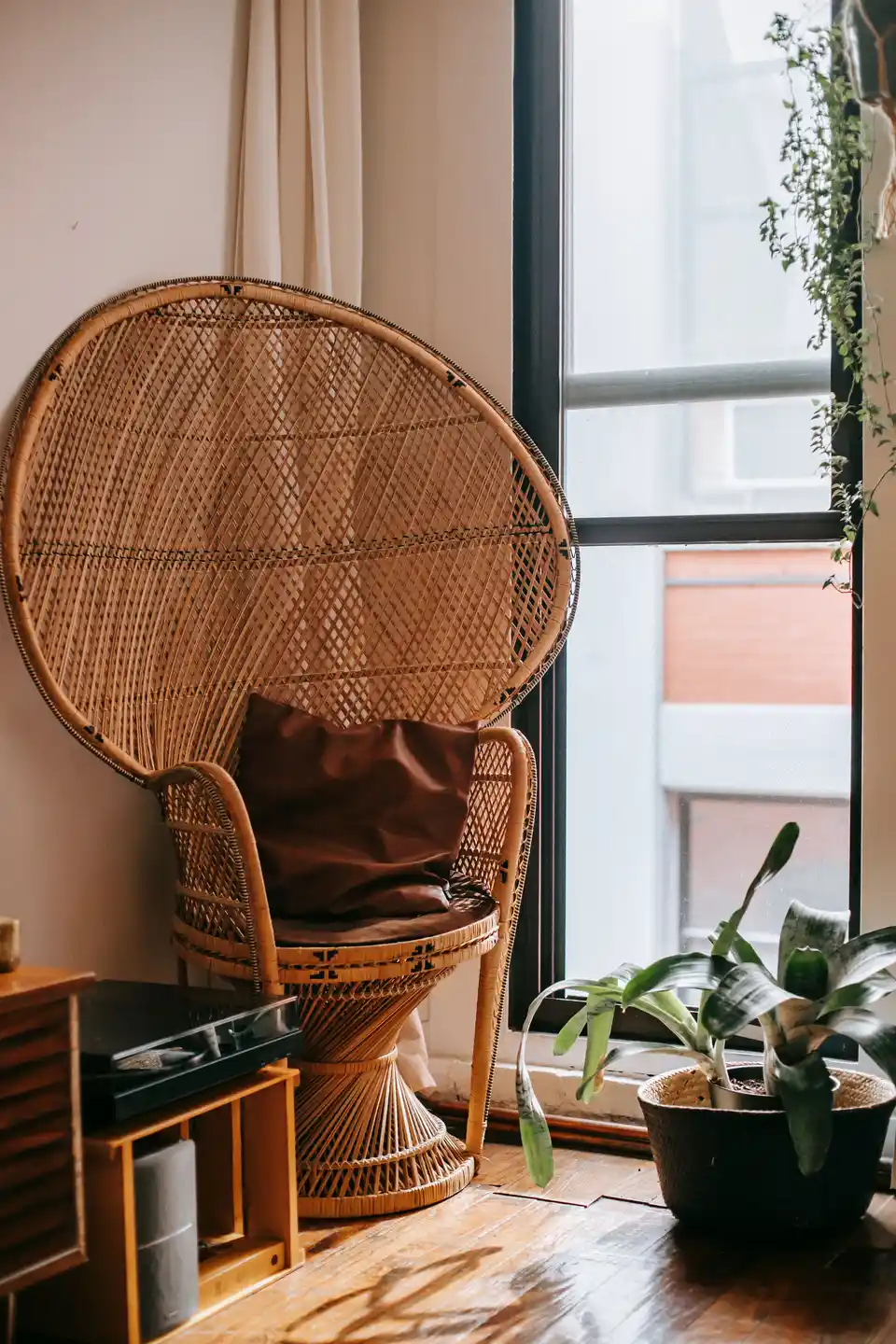
Credit : Charlotte May
Woven furniture keeps Mediterranean rooms from feeling stiff. A peacock chair by the window, a wicker pendant over the table, or baskets lined along a bench add the handmade texture that plaster and stone need beside them. The open weave also swallows echo, a quiet gift in rooms built from hard surfaces.
Natural rattan ages gracefully, darkening slightly and gaining sheen where hands touch it. Balance its rustle with smooth partners: a stone side table, a linen cushion, a plain ceramic lamp. Outdoorsy pieces indoors also blur the line between room and terrace, which is exactly the coastal habit. A weekly dust and one sunny hour outdoors each season keep the fibers fresh and free of musty smells.
Iron and Bronze Accents

Credit : Erik Mclean
- Hang a black iron lantern or sconce where its shadow can play on plaster.
- Choose bronze cabinet pulls and faucets for warmth without shine.
- Set an iron bistro table indoors; it hints at terrace life all year.
- Mix one dark metal with pale wood so neither looks heavy.
- Frame the mirror in thin black steel to echo lantern lines across the room.
Dark metal is the punctuation in modern Mediterranean home interiors. A little iron at the door, bronze at the sink, and black steel around a mirror sharpen the soft palette and stop it drifting into bland. Keep finishes matte, and repeat each metal at least twice in a room.
Sun-Washed Bedroom Retreat
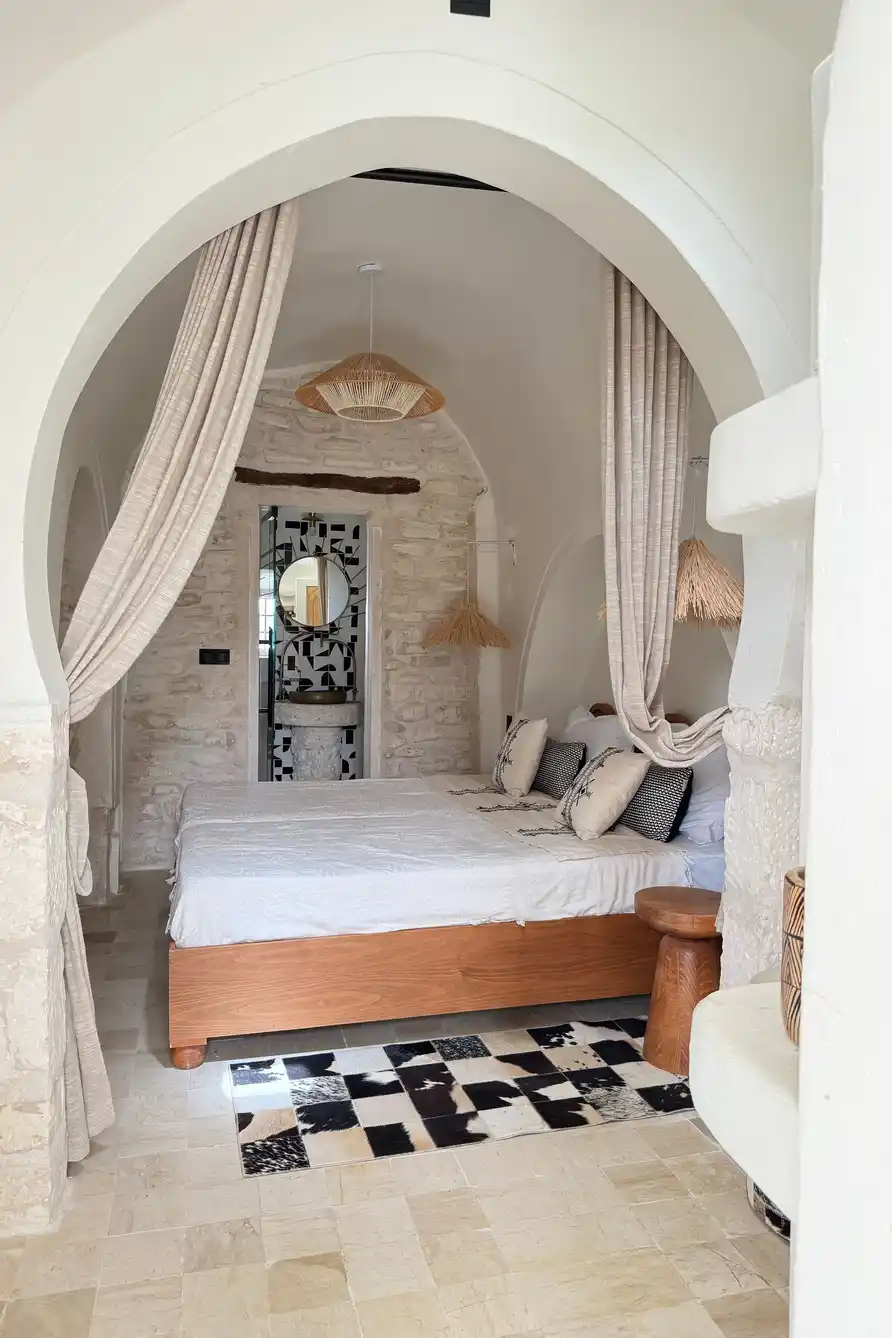
Credit : wael belkahla
Quick Tip: Hang sheer linen curtains a hand’s width wider than the window. They filter glare into a soft glow and keep the bed bright without waking you at dawn.
The Mediterranean bedroom runs on white, wood, and air. A low wooden bed dressed in rumpled white linen, a woven pendant, and bare floors keep nights cool and mornings calm. Paint walls warm white, rest one blue or clay accent at the foot of the bed, and let the room stay almost empty. Sleep comes easier in a room that holds so little noise. One woven basket by the door catches the day’s clutter before it ever reaches the bed.
Bring the Courtyard Indoors
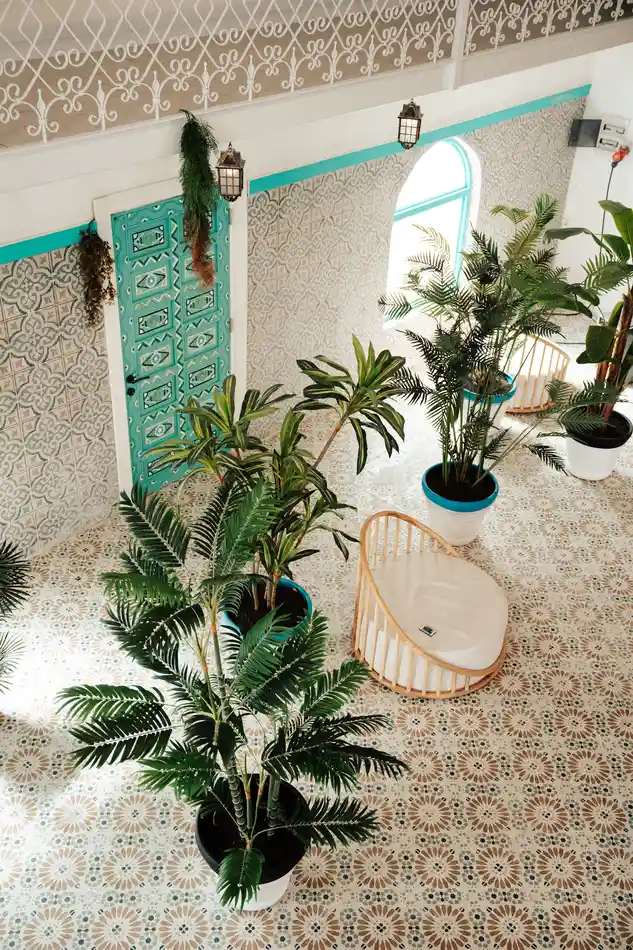
Credit : Sueda Dilli
BEFORE: The spare room collected boxes and old chairs. Its one window faced a wall, the corners stayed dark, and nobody crossed the doorway for weeks.
AFTER: Patterned tile now runs under a small bistro set, palms lean toward the light, and a turquoise door panel leans on the wall like art. Coffee happens out there every morning, indoors.
A courtyard corner needs three things: tile underfoot, plants at two heights, and a seat that invites lingering. Homes without a real patio can copy the mood from French courtyard design inspiration and shrink it to one sunny corner. The greenery softens every hard surface around it.
Handmade Pottery on Display
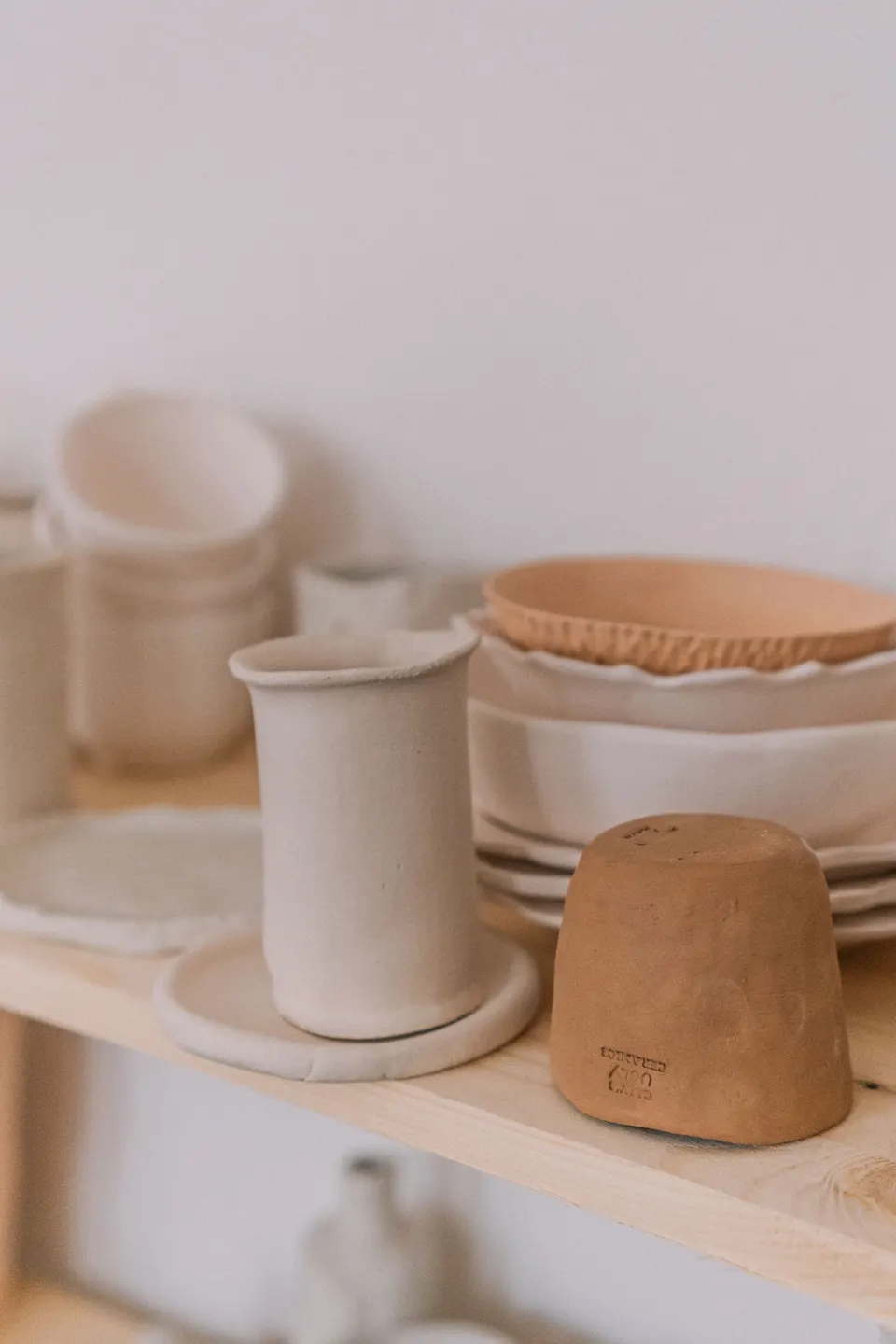
Credit : Oleg Prachuk
- Group pots by family: all clay, all cream glaze, or all blue, never a mixed rainbow.
- Set the tallest piece at the back and step heights down like a skyline.
- Leave breathing room between groups; empty shelf is part of the display.
- Rest one bowl on stacked books to lift it into the light.
Handmade pottery carries the human touch these rooms depend on. Slight wobbles, thumbprints, and uneven glaze prove a person shaped each piece, and open shelves show them off better than closed cabinets. Buy slowly at markets and studios, and the collection will tell your travel story.
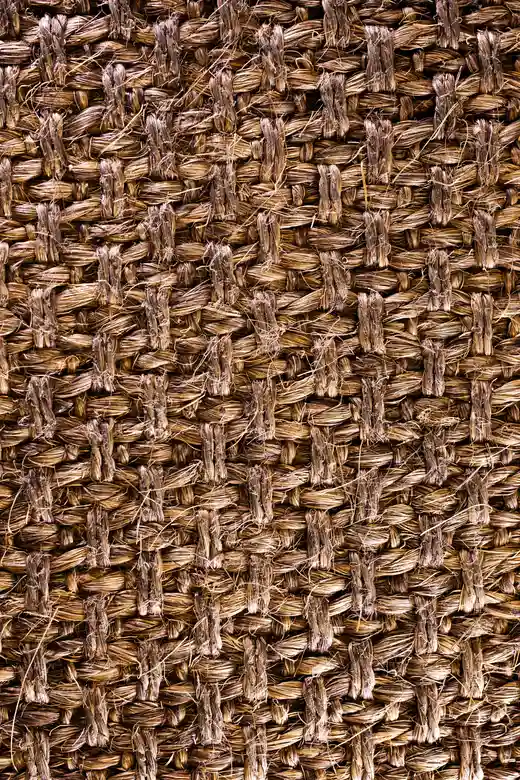
Jute Versus Wool Rugs
Credit : Jonathan Borba
| Detail | Jute | Wool |
|---|---|---|
| Texture | Coarse, nubby, clearly handmade | Soft, dense, quietly plush |
| Care | Shake out, spot clean only | Vacuum weekly, washes well |
| Best Room | Entries and dining rooms | Bedrooms and living rooms |
Bare tile and wood floors need one soft layer, and natural fibers keep the palette honest. Jute brings the most texture for the least money, while wool adds warmth where feet land first in the morning. Layer a small wool rug over a big jute base for both. If the budget stretches to one splurge, put wool beside the bed and jute everywhere else. Both fibers age honestly, fraying softly at the edges instead of wearing bald, shiny paths.
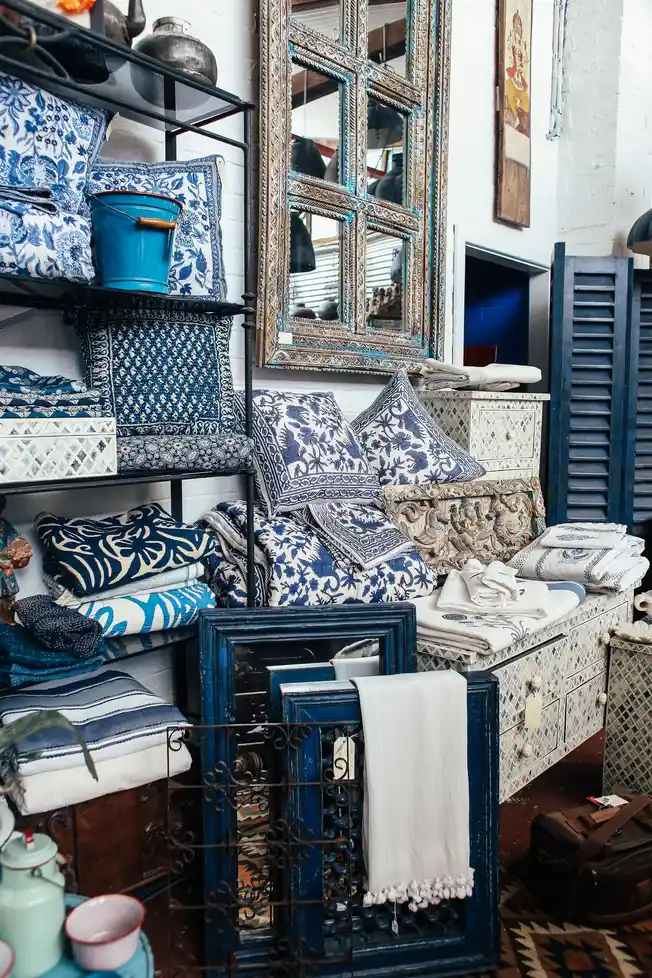
Sea-Glass Blues and Whites
Credit : Rachel Claire
Do:
- Layer three blues at once: pale sea glass, dusty azure, and deep marine.
- Ground the blues with warm white, never blue-white, so rooms stay sunny.
- Repeat blue in cloth, tile, and pottery so it reads as a palette.
Don’t:
- Skip navy everywhere; too much turns coastal into nautical theme.
- Avoid matching sets of blue decor that arrive all at once.
- Never pair blue with stark black; bronze and dark wood sit softer.
Blue and white is the shoreline translated into a palette. Kept dusty and greyed, it feels grown up rather than beachy, and it flatters every skin tone of wood and stone in the house. That’s why many experts recommend starting color here.
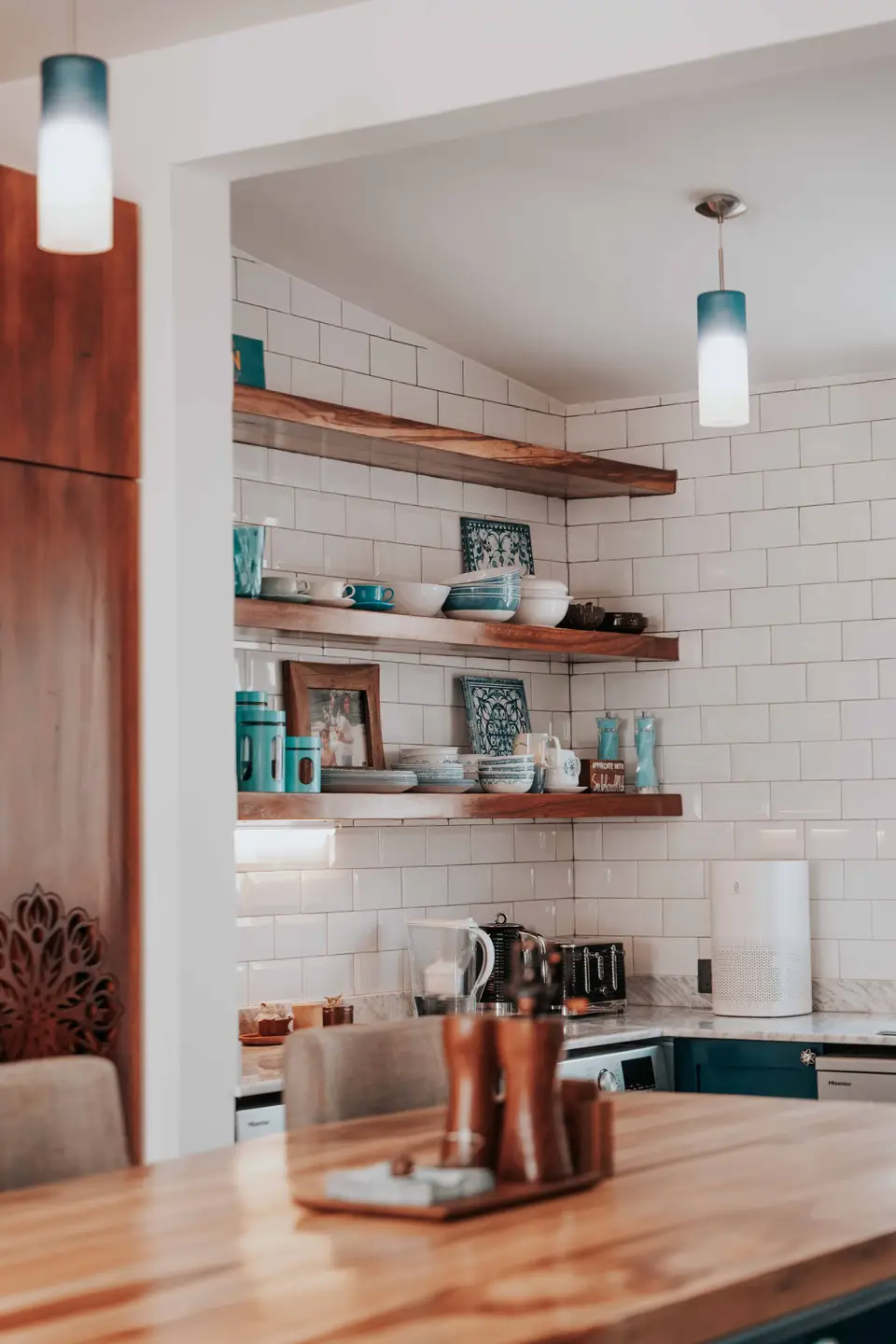
Open Shelves, Honest Materials
Credit : Keegan Checks
Cost: Low; two thick boards and brackets per wall.
Time: One afternoon to hang and style.
Skill Level: Beginner with a level and a drill.
Best For: Small kitchens that need storage without upper cabinets.
Open shelves suit the Mediterranean habit of keeping daily things visible and beautiful. Thick wood boards, handmade bowls, olive oil tins, and stacked white plates become the decor. Edit weekly, because dust shows fast; what remains should earn its place by being used every day. Glass jars keep flour, beans, and pasta visible at a glance, while ceramic canisters hide the rest. Keep the styling loose; shelves that look used get loved, shelves that look staged get ignored.
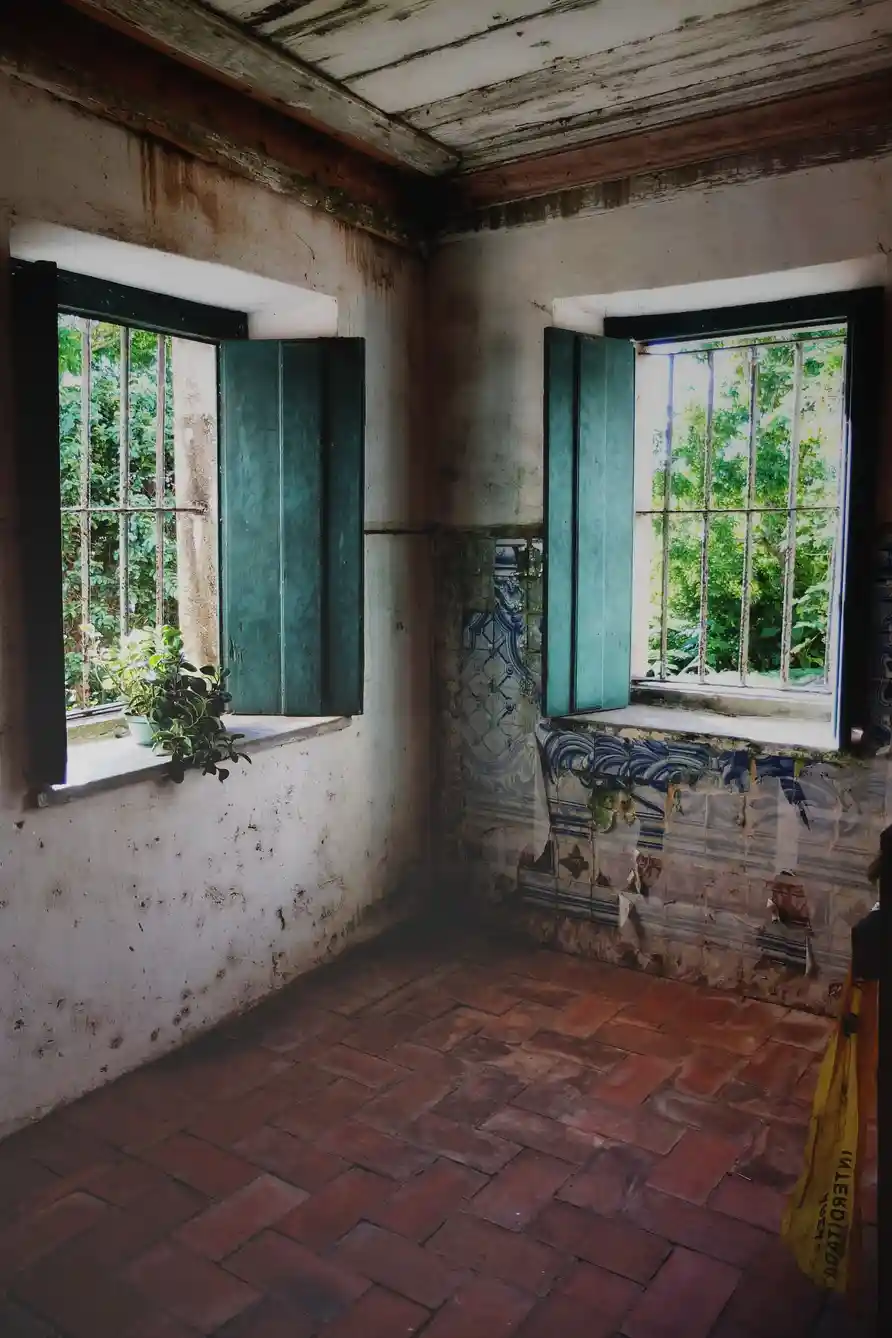
Shuttered Windows, Soft Shade
Credit : Daniel Wander
Interior shutters change the quality of light more than any curtain can. Slats tilted at breakfast angle throw striped shadows across plaster and tile, and the room feels cooler before the air even changes.
Paint shutters a soft color, sage, dusty blue, or clay, and the window becomes a feature instead of a hole in the wall. In bedrooms, pair them with sheers for privacy at night. Wood suits old houses; simple composite panels work in new builds and cost far less. Shutters also guard privacy without killing the breeze, a trick older than air conditioning. On street-facing rooms, close the lower slats and leave the top open for sky.
Marble and Travertine Touches
Credit : Rachel Claire
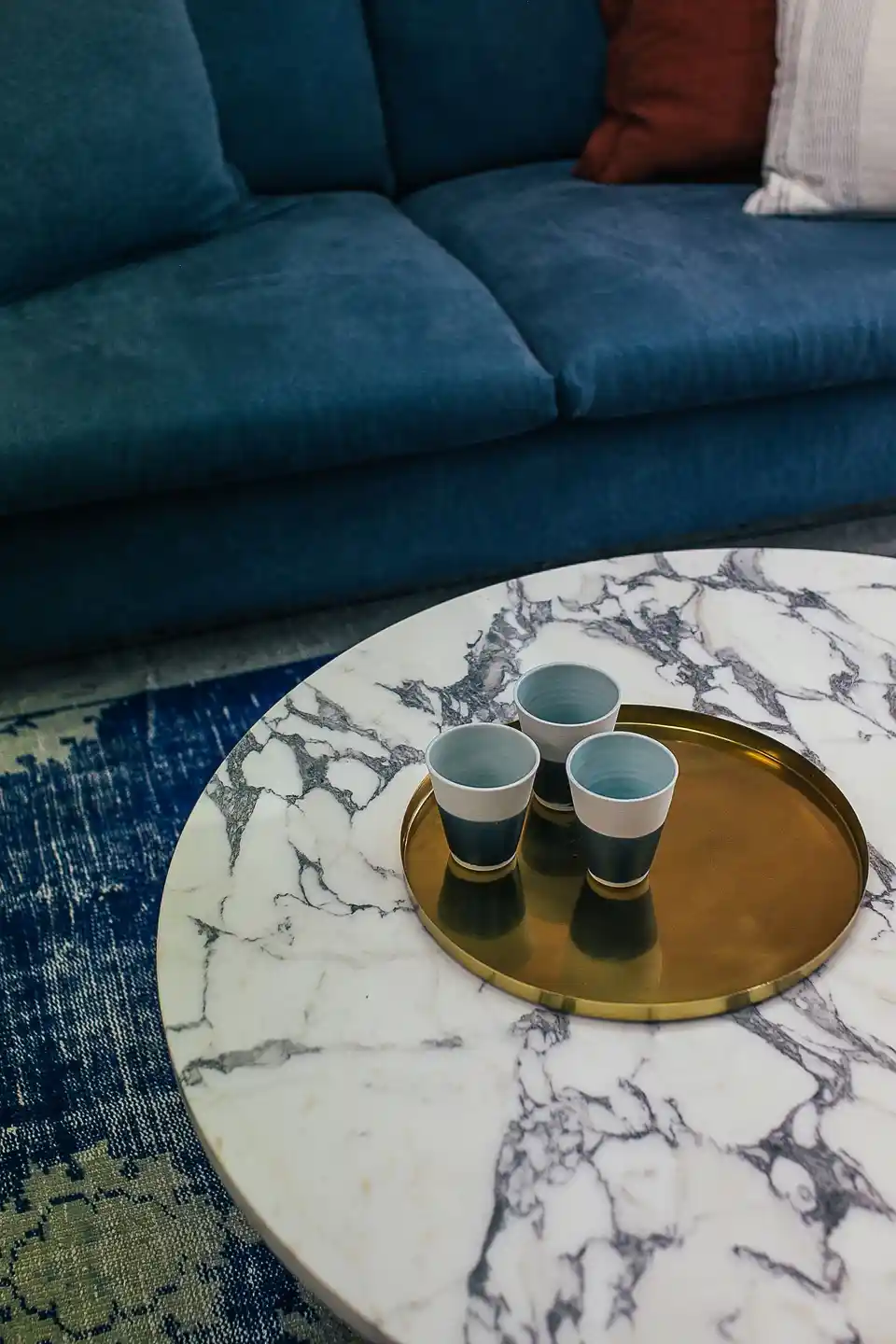
- Set a marble tray on the coffee table to gather cups, books, and remotes.
- Choose travertine side tables; their pitted faces echo old stone floors.
- Run a marble splashback only behind the stove to save money and weight.
- Seal stone twice a year in kitchens, once in living rooms.
- Prop a small travertine board behind the sink as a splash guard and soap rest.
Stone with soft veining brings quiet luxury that glossy granite never does. Travertine and marble both formed around Mediterranean quarries, so they sit naturally beside clay and lime plaster. Small doses read as refinement; full stone rooms can feel cold. Warm them with wood and cloth.
Woven Baskets That Work

Credit : Mehmet Turgut Kirkgoz
Quick Tip: Line laundry and throw baskets with a washable cotton bag. The basket keeps its shape for years, and the liner handles the dirt, spills, and pet hair instead of the weave.
Baskets are the storage workhorse of the coast: throws by the sofa, towels in the bath, kindling by the hearth, onions in the kitchen. Woven seagrass and palm soften hard floors and hide clutter behind texture. Buy the biggest size you can carry; small baskets multiply into clutter of their own. Match the weave tone to your floors and the baskets blend into the scheme while doing heavy work. Handles matter more than looks, so test the one-handed lift before buying a set.
Golden Hour Dining Corner
Credit : Joe Chiaro
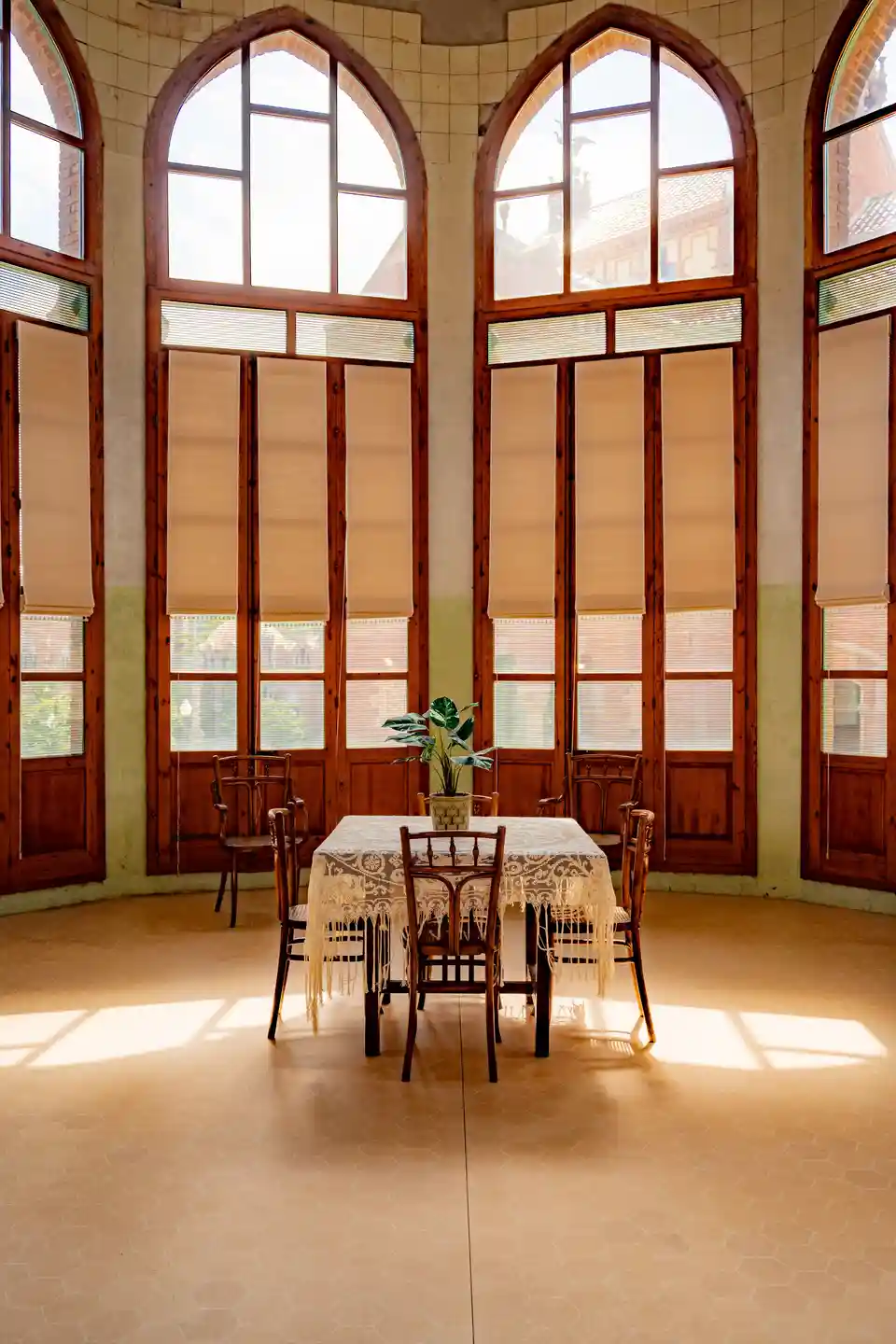
BEFORE: The dining corner faced a blank wall under flat ceiling light. Meals felt rushed, the table collected mail, and guests drifted to the kitchen counter instead.
AFTER: The table now sits under tall windows where evening sun lands on wood and linen. A low pendant warms faces after dark, and dinners stretch an extra hour without anyone noticing.
Place the table where the day ends, not where the floor plan dictates. West light, a natural fiber rug, and chairs you can sit in for hours turn weeknight suppers into the slow ritual these homes are famous for. Add one plant in the corner and stop.
Conclusion
Small changes carry this style: one arch, one stone, one honest material repeated with care. The charm of modern Mediterranean home interiors is how little they ask, just light, texture, and room to breathe. Save your favorite ideas to Pinterest, begin this weekend with a single shelf or corner, start with the room you live in most, and let each change settle before adding the next. Your home does not need a sea view to feel like a holiday. I’ve seen how a calmer palette and a few handmade pieces can completely shift the way a home feels at the end of the day.