21 Summer Porch Planter Ideas for a Colorful Outdoor Oasis
Your porch deserves a burst of summer color, and summer porch planter ideas make it simple to create. A few well chosen planters can turn a plain entry into the prettiest spot on the block. I love how a single morning of planting keeps paying off all season long, with blooms that greet you every time you walk through the door. Whether your porch is tiny or wide, the right mix of plants brings it to life. For year round inspiration, see our front porch planter ideas too.
The secret is choosing plants that love heat and arranging them with a little rhythm. Mix heights, repeat colors, and leave breathing room so everything looks full but never crowded. In my experience, grouping planters in odd numbers reads more natural than matching pairs. Water in the morning, deadhead spent blooms weekly, and your porch will stay colorful from June through September with very little fuss.
Citrus Pop Pots
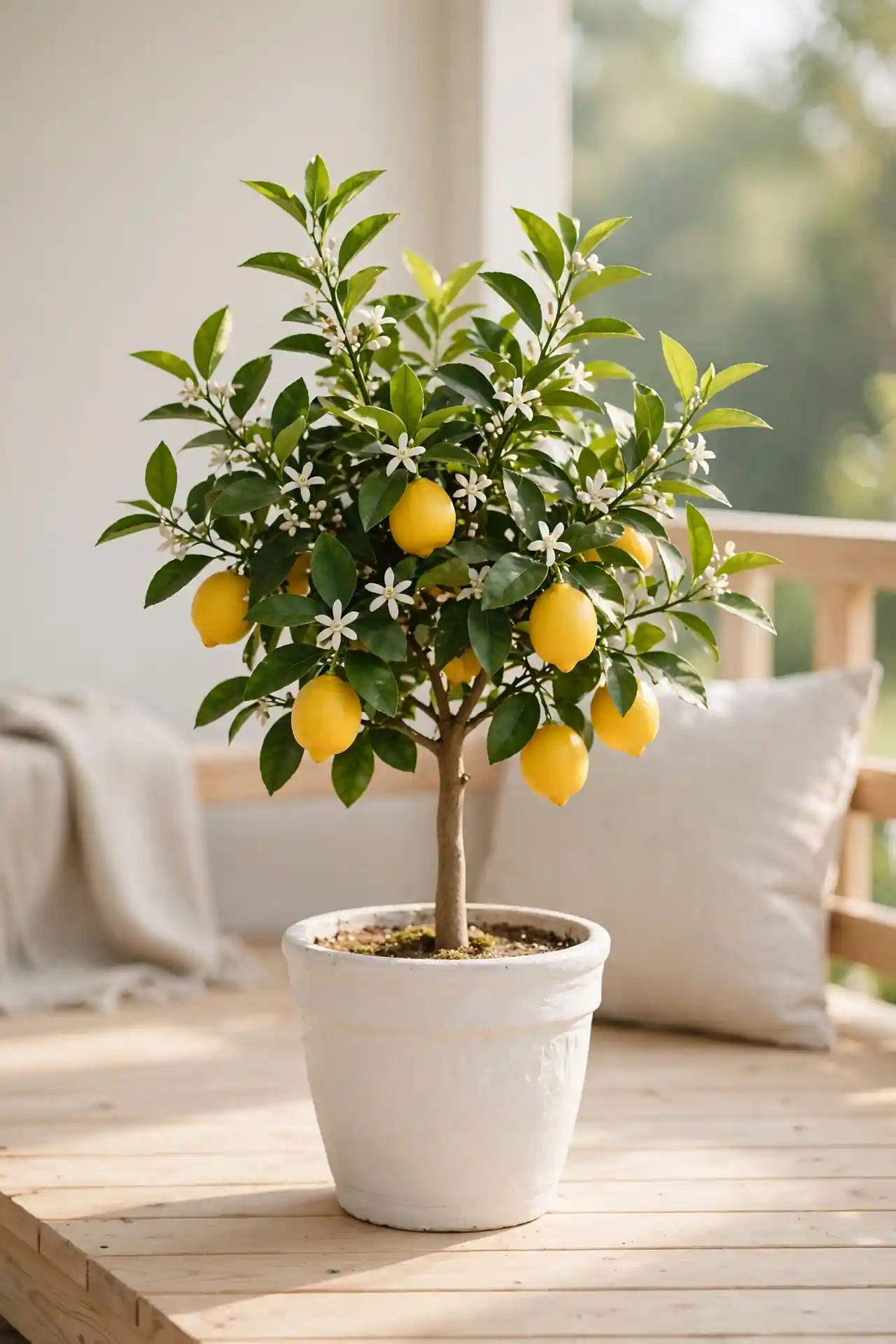
Lemons and limes do more than flavor summer drinks. A dwarf citrus tree in a simple white pot brings glossy green leaves and bright pops of yellow to any porch corner. The fruit hangs like ornaments, and the blossoms smell incredible in warm evening air. I’ve noticed citrus thrives in containers as long as it gets six hours of sun and well draining soil.
Pair your citrus with trailing white bacopa or soft blue lobelia around the base. The contrast makes the yellow fruit glow. Water deeply when the top inch feels dry, and bring the pot indoors before the first frost. One healthy tree can produce fruit for years with this easy routine.
Trailing Bloom Cascades
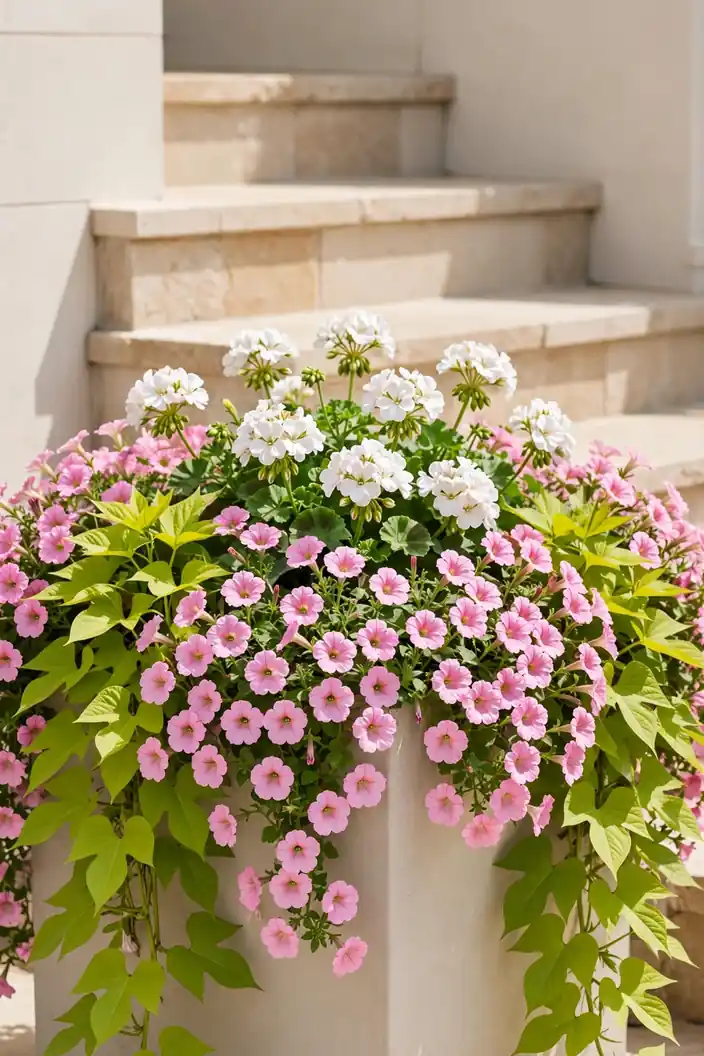
- Choose trailing petunias, calibrachoa, or sweet potato vine for fast spill over pot edges.
- Plant tall upright blooms like geraniums in the center for height and structure.
- Use a thriller, filler, spiller mix so every angle looks full from day one.
- Water hanging planters daily in heat; trailing plants dry out faster than you expect.
- Pinch back leggy stems in midsummer to spark a fresh wave of flowers.
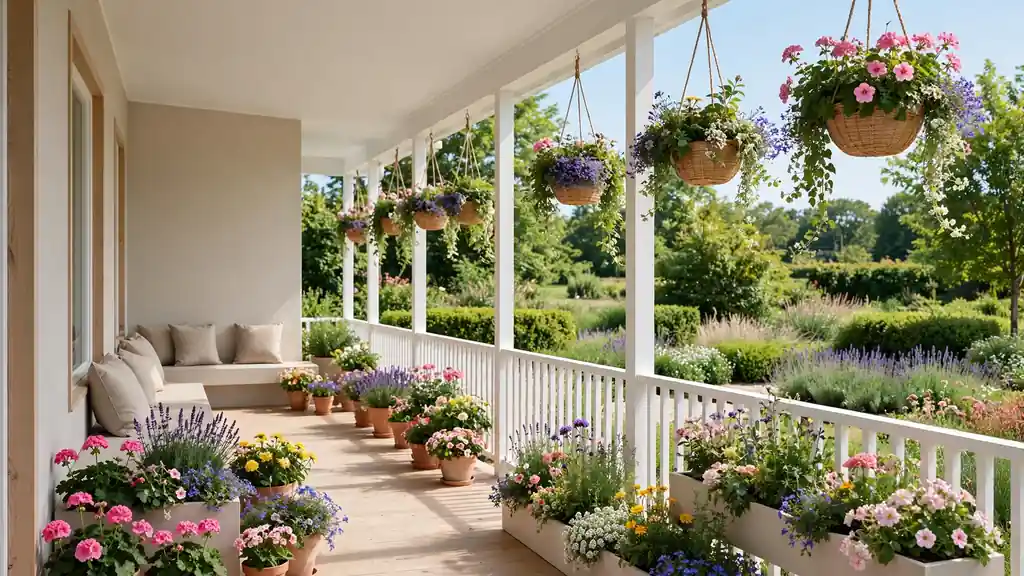
Cascading planters soften hard porch edges like railings and steps. I hang one beside the door and set a matching pair flanking the stairs for a pulled together look. In my experience, trailing blooms make even a small porch feel lush and welcoming without taking up floor space.
Sunny Succulent Rows
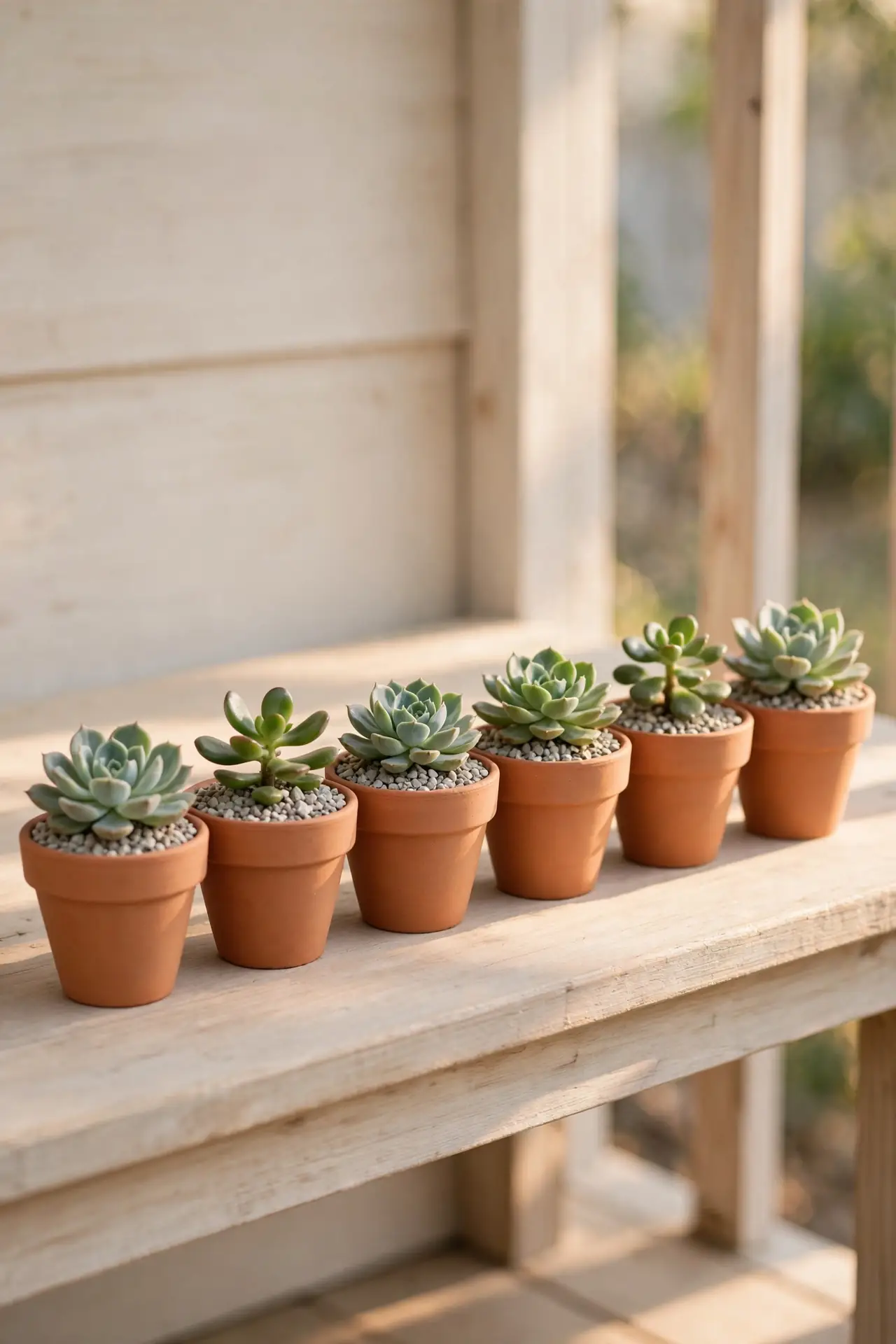
Quick Tip: Group succulents with similar water needs together. Echeveria, jade, and sedum all sip slowly, while cacti want even less. One shared watering schedule keeps every rosette plump and happy through the hottest weeks. Top the soil with light gravel to keep leaves dry and give each pot a polished finish.
Succulents suit busy people and scorching porches alike. Their sculptural shapes look modern in a row of matching clay pots, and they forgive a missed watering or two. I’ve seen this work well in many cases where flower planters would fry by August. Rotate pots weekly so each side gets even light.
Herbs on Display
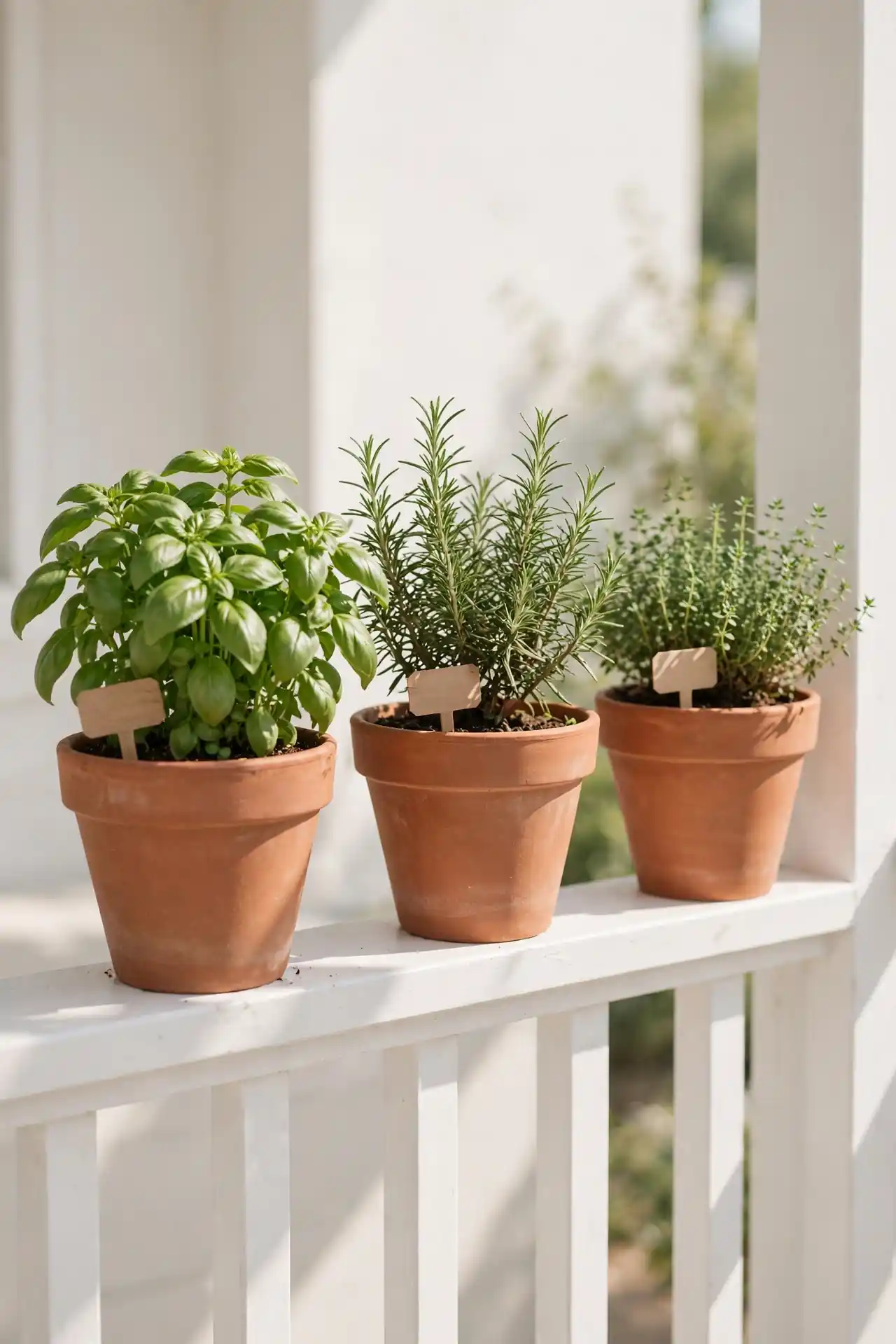
BEFORE: My porch herbs used to hide in a dark kitchen corner, leggy and pale. I rarely remembered them, and they rarely thrived.
AFTER: Now they line the porch rail in terracotta pots, bushy and fragrant. Snipping basil for dinner takes ten seconds, and the scent greets every guest.
Herbs earn their spot because they work hard and look good doing it. Rosemary, thyme, and mint handle heat well and need only regular snipping to stay full. I water mine each morning and harvest often, which keeps growth tender. A row of labeled herb pots turns a plain rail into something both pretty and useful.
Bold Tropical Layers
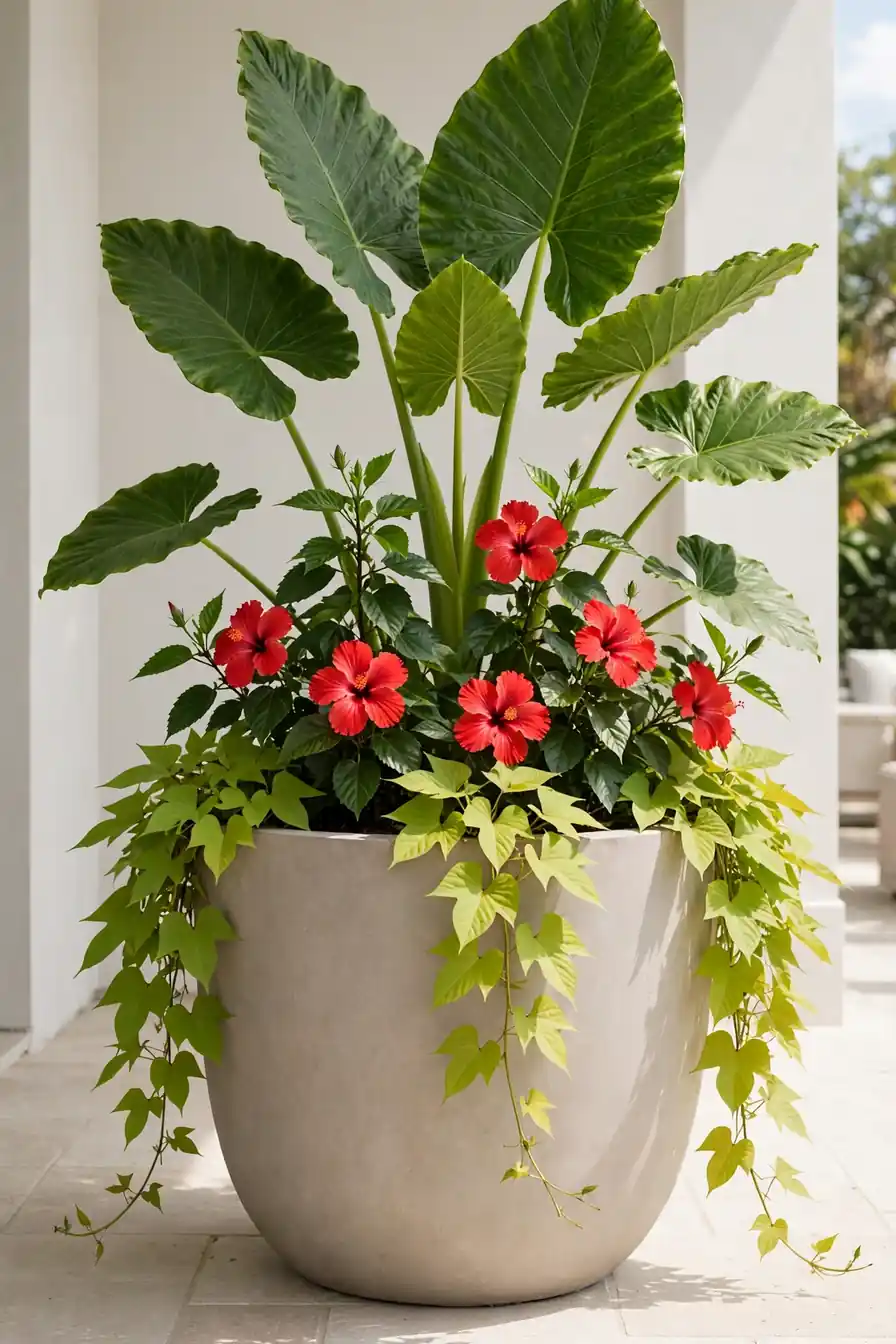
- Start with a large pot and a tall canna or elephant ear as the centerpiece.
- Ring the middle with bright hibiscus or mandevilla for bold color.
- Tuck low sweet potato vine around the edges to spill over the rim.
- Water daily and feed every two weeks for nonstop summer growth.
- Mulch the top with bark chips to hold moisture and keep roots cool.
Tropical planters bring vacation energy to an ordinary porch. The big leaves and hot colors read festive from the street, and hummingbirds love the blooms. I’ve tried this on a shady north porch too, swapping in caladiums and impatiens. One oversized tropical pot can anchor the whole entry.
Clay vs White Planters
| Feature | Classic Clay | Crisp White |
|---|---|---|
| Look | Warm, earthy, traditional | Clean, modern, bright |
| Heat | Breathes, keeps roots cooler | Reflects sun, stays bright |
| Best For | Herbs and Mediterranean plants | Flowers and modern porches |
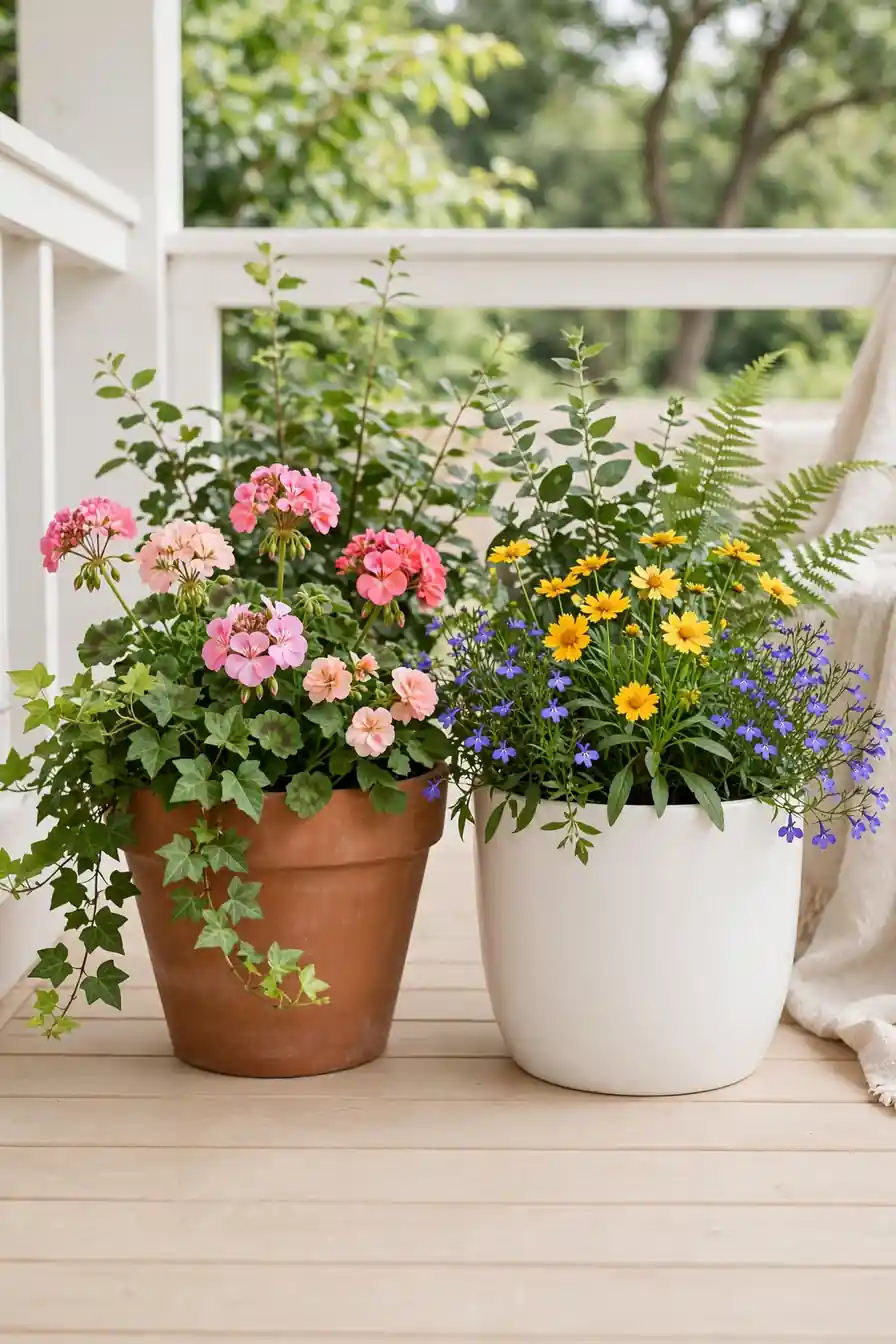
The pot matters as much as the plant. Clay brings warmth and ages beautifully, while white keeps a porch feeling fresh and open in harsh sun. I mix both on my own porch, clay for herbs near the kitchen door and white for flowers by the steps. Either choice looks intentional when the planting inside is healthy. Match your pots to your house trim for a cohesive look that ties the whole entry together.
Butterfly Garden Pots
DO:
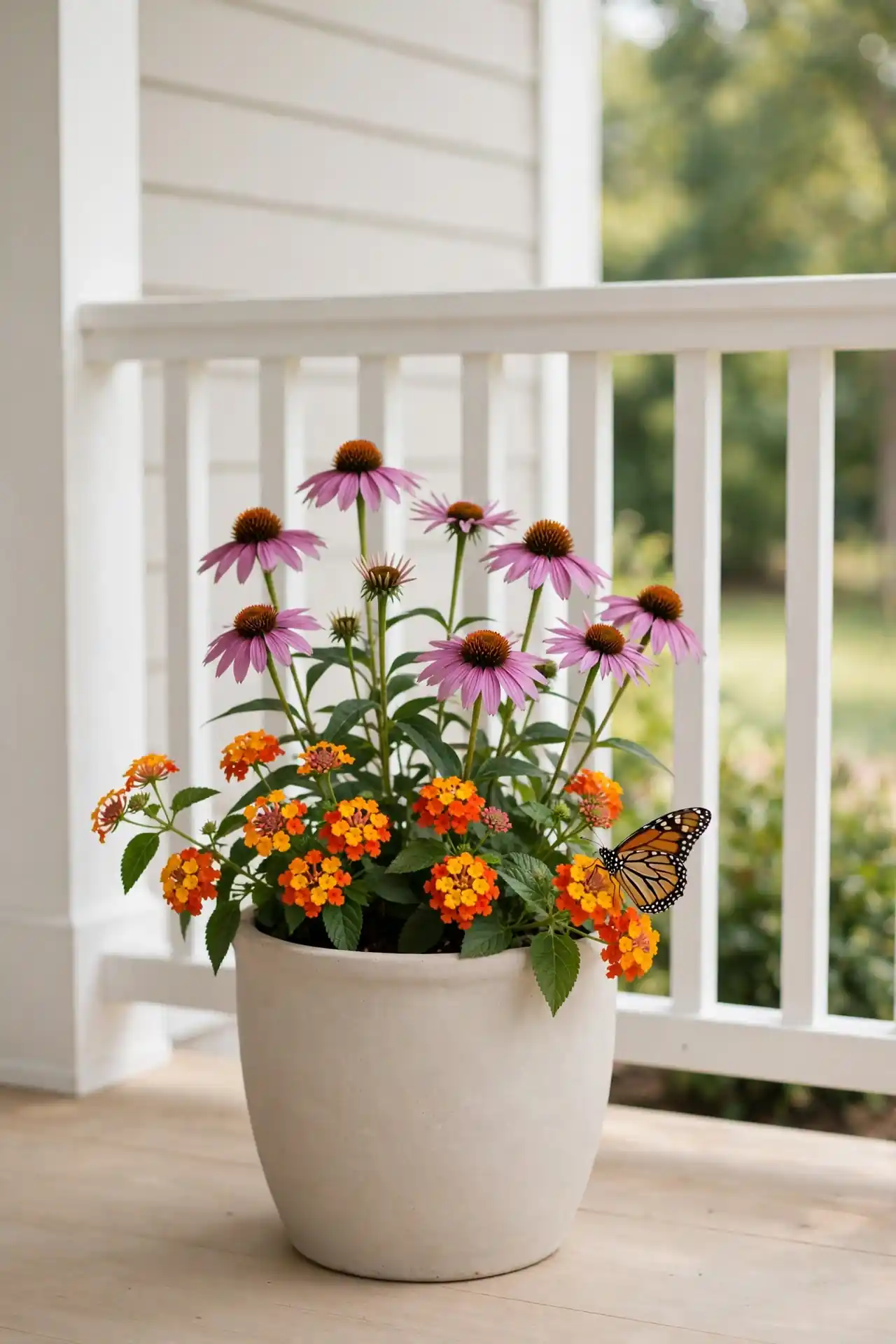
- Plant native milkweed, coneflower, and lantana that butterflies actually visit.
- Include a shallow dish of water with pebbles for safe sipping.
- Leave some spent blooms standing; caterpillars need host plants too.
DON’T:
- Spray pesticides anywhere near pollinator planters.
- Choose double petal blooms; butterflies cannot reach their nectar.
- Tidy every stem; a little wildness feeds more wings.
A butterfly pot turns your porch into a tiny nature show. On warm afternoons I watch swallowtails drift from bloom to bloom while I drink my coffee. That’s why many experts recommend skipping chemicals and planting natives first. Your porch becomes a rest stop on their journey, and that feels pretty special.
Mini Veggie Patches
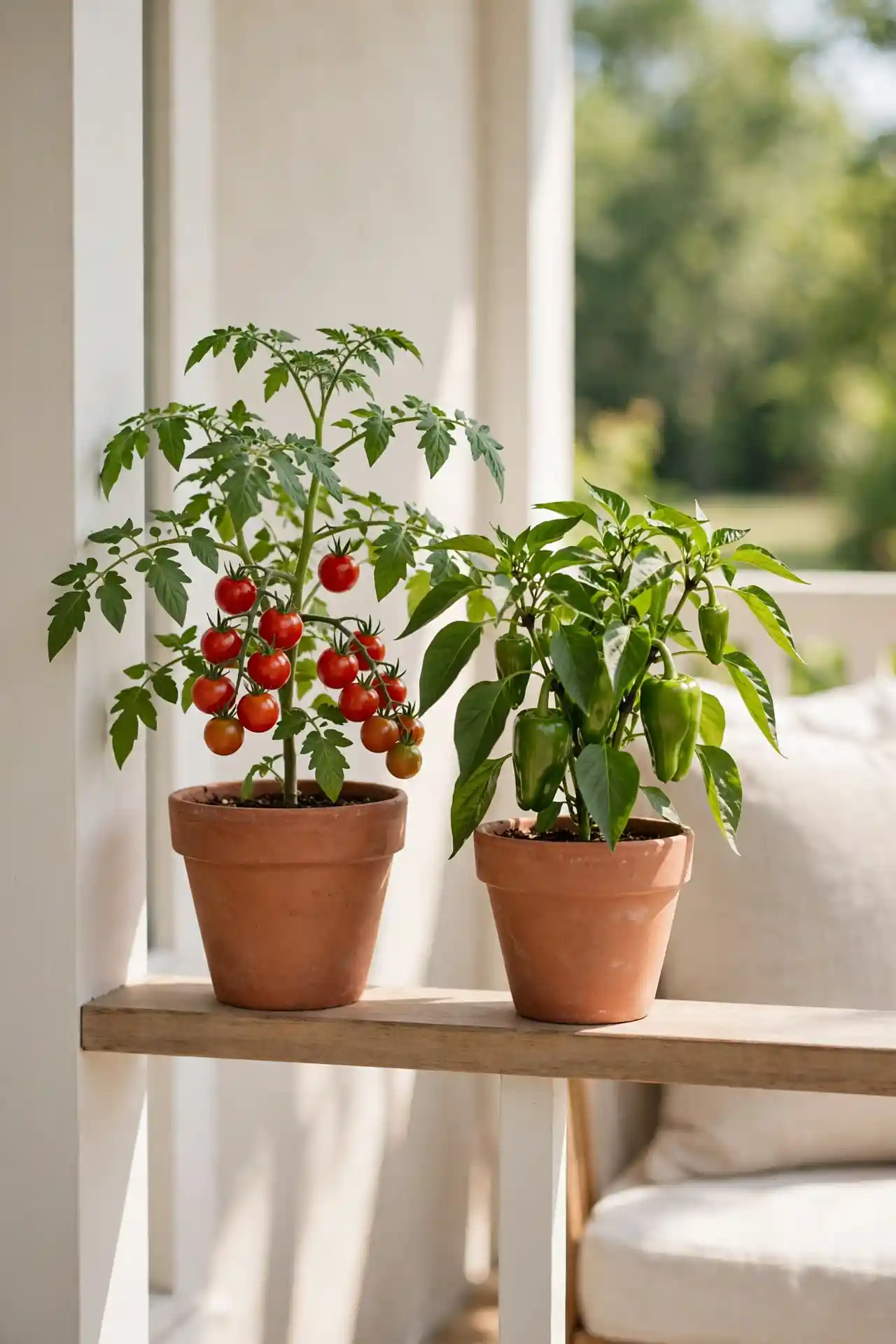
Cost: Low, just pots and soil | Time: One weekend to plant | Skill Level: Beginner friendly | Best For: Sunny south facing porches
Cherry tomatoes, peppers, and bush beans all grow happily in porch planters. I started with one tomato pot three summers ago and now run a whole rail of edibles along my sunny rail. Harvesting dinner steps from the kitchen never gets old, and the kids love hunting for ripe cherry tomatoes after school. Pick compact varieties labeled for containers, feed lightly every two weeks, and water consistently so fruits stay sweet. Mulch the soil surface to hold moisture on scorching days.
Sunset Flower Combos
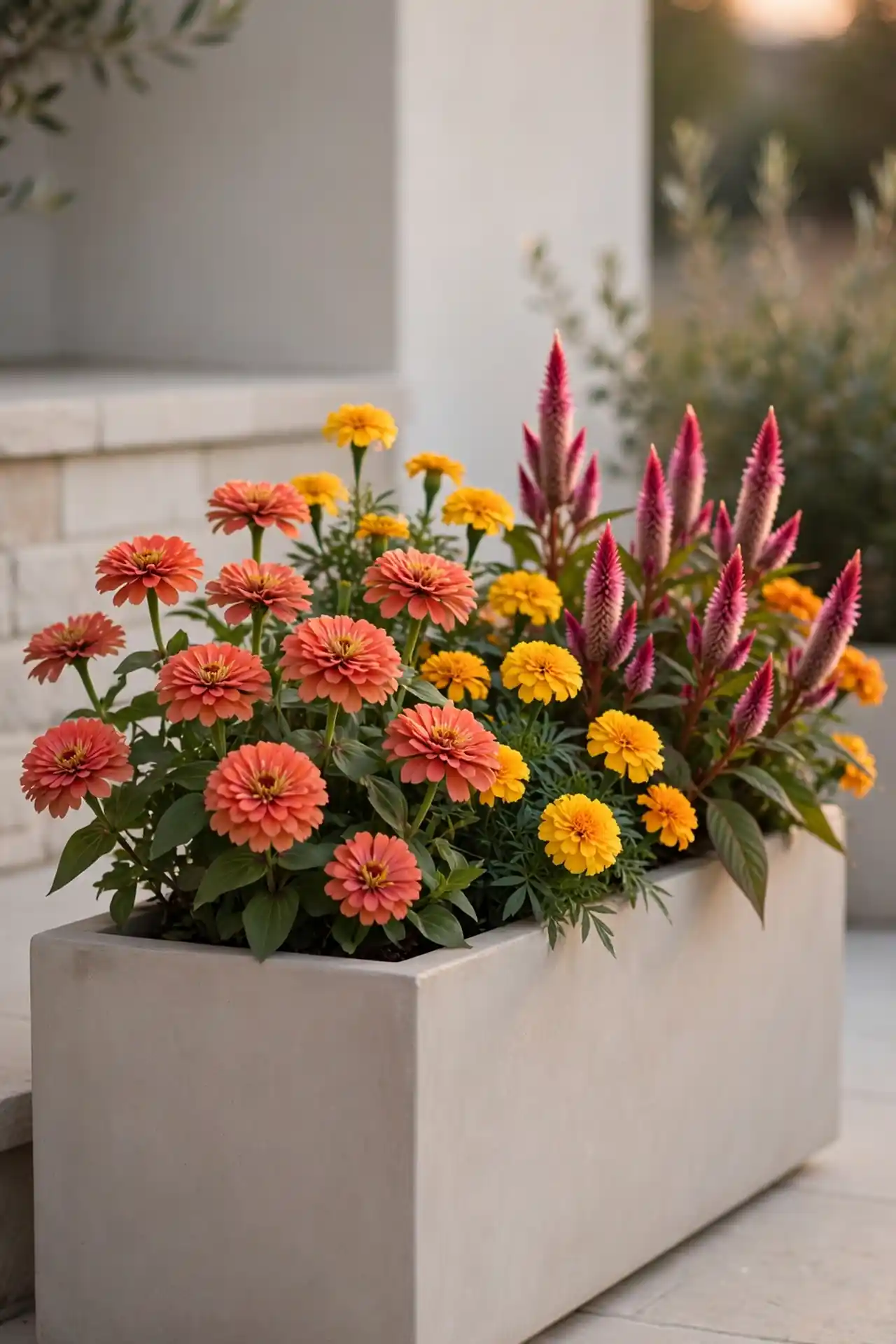
Nothing says summer like petals in sunset shades. Blend coral zinnias, golden marigolds, and deep pink celosia in one wide planter for a gradient that glows at golden hour. The warm tones pull the eye from across the street and photograph beautifully for Pinterest, which makes this combo a favorite for curb appeal.
Keep the palette tight, three or four shades max, so it reads rich instead of chaotic. I repeat the same combo in two smaller pots to frame my door, and the repetition makes the entry feel designed. Deadhead weekly and the show runs straight through September without missing a beat.
Hanging Basket Fillers
- Line wire baskets with coco fiber to hold soil while letting roots breathe.
- Pack plants tightly; hanging baskets look best stuffed full from the start.
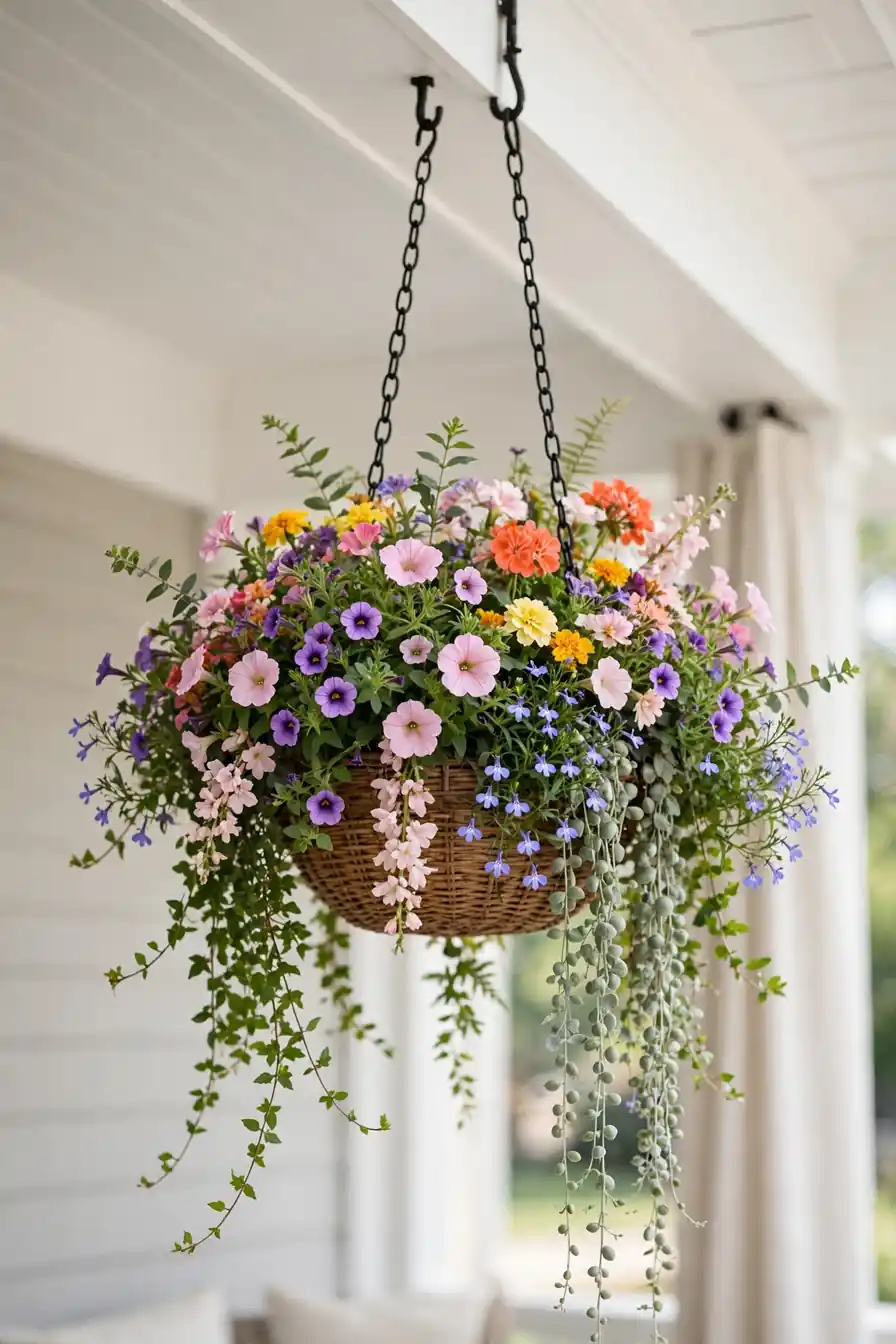
- Mix one upright thriller with trailing fillers for a balanced waterfall shape.
- Hang baskets where you will see them daily so watering never gets forgotten.
- Feed with liquid fertilizer every two weeks to keep blooms coming strong.
Hanging baskets lift color to eye level and free up every inch of floor. I hang a pair flanking my porch light, and they frame the door like living curtains. In my experience, the key is daily watering, since baskets dry out fast in summer wind. A quick morning soak keeps them lush for months.
Coastal Grass Accents
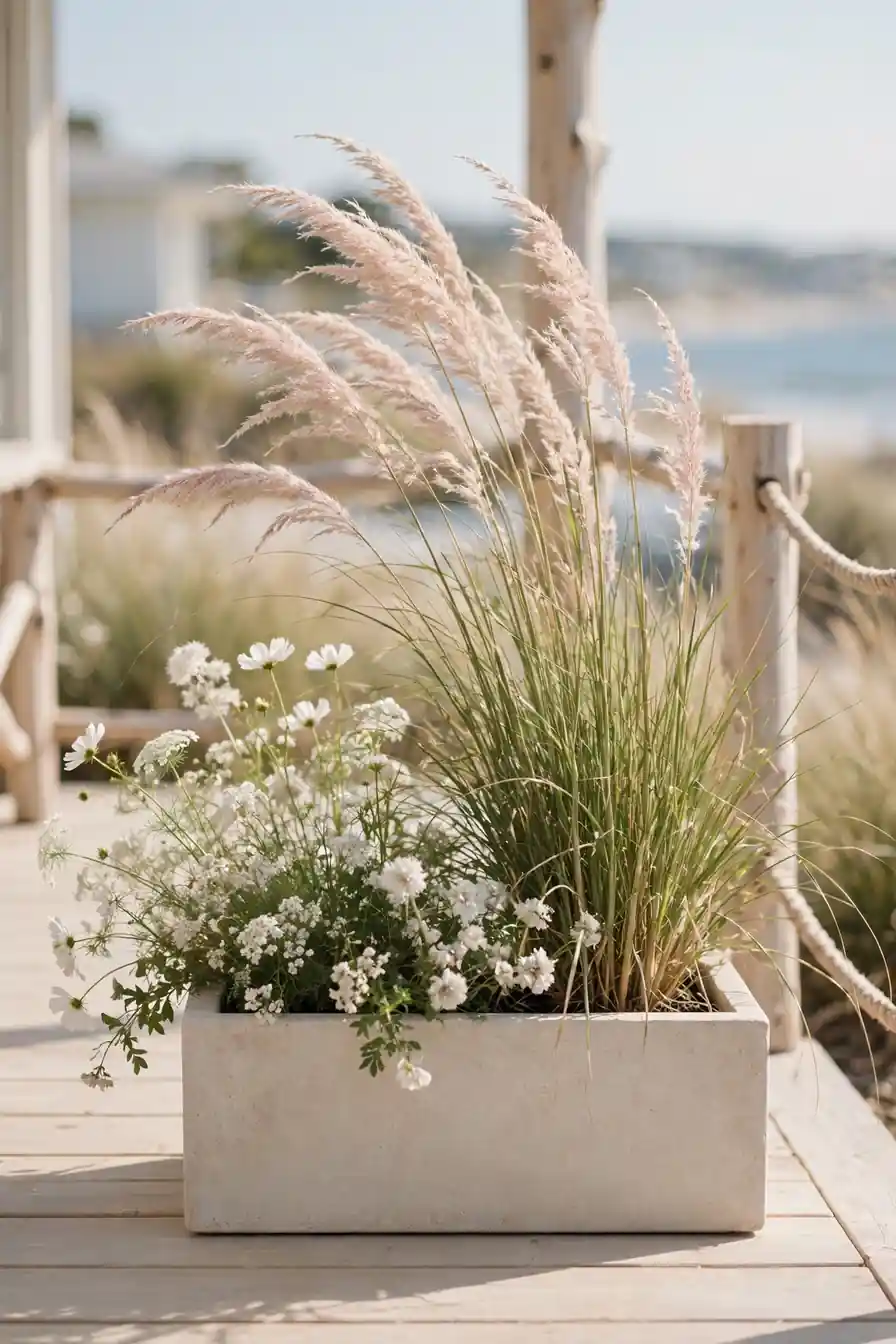
Quick Tip: Ornamental grasses need almost no care once established. Fountain grass and blue fescue handle heat, wind, and missed waterings with ease. Cut them back hard in early spring and they return fuller every single year. Divide overgrown clumps every two to three years to keep them vigorous and share extras with neighbors.
Grasses bring movement and a breezy coastal feel to summer planters. Their fine blades catch the light and sway in warm wind, which makes a still porch feel alive. I’ve seen this work well in many cases where flowers alone looked flat. Tuck one grass into each large pot as a soft backdrop for bright blooms.
Waterwise Cactus Corners
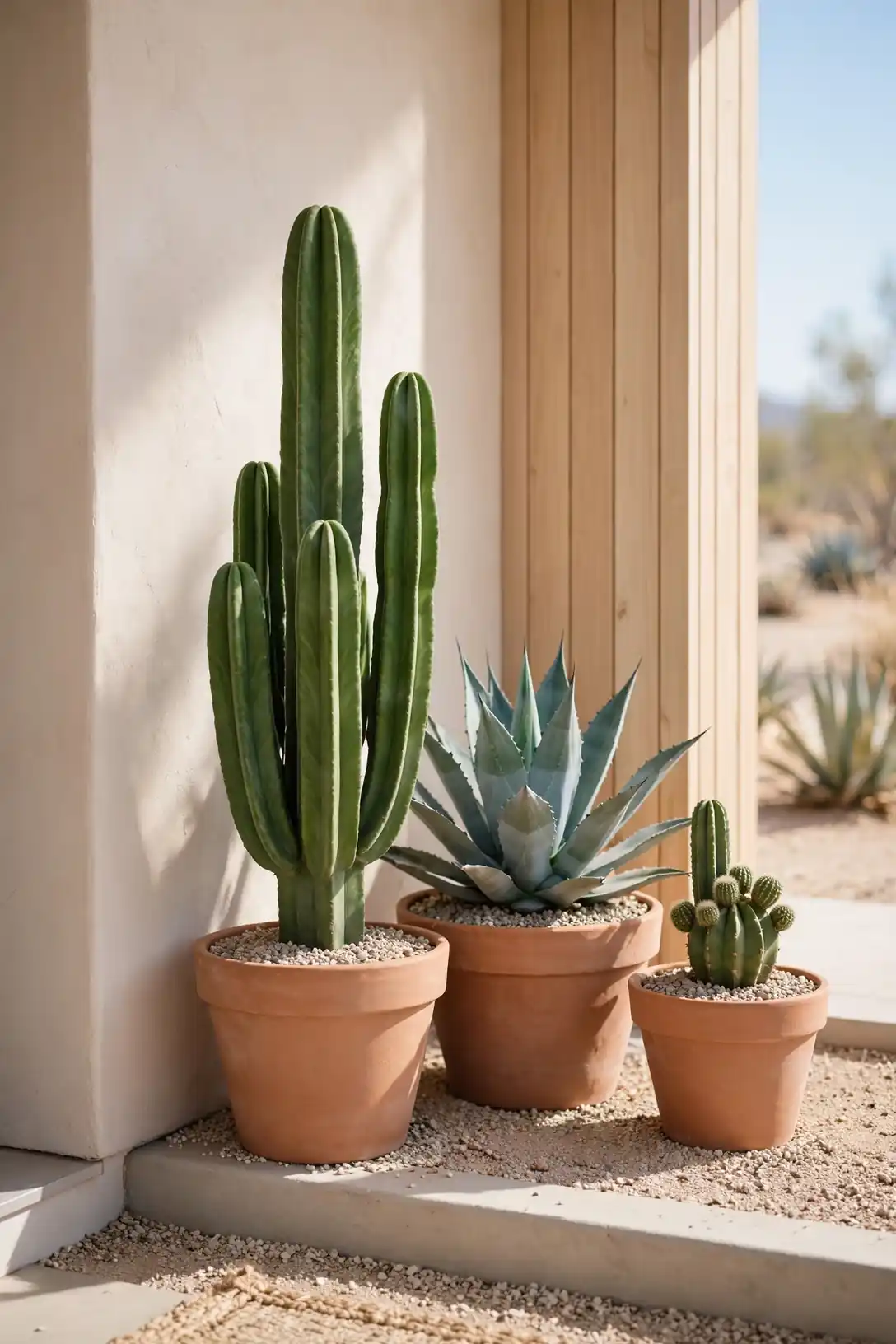
BEFORE: My sun blasted porch corner killed every flower I tried. Pots dried out by noon, and I felt guilty every time I walked past the crispy leaves.
AFTER: Now cacti and agave own that corner, sculptural and unbothered. They ask for almost nothing and still look striking all summer long.
Desert plants turn a problem spot into a design feature. Their bold shapes and blue green tones contrast beautifully with softer planters nearby. I water mine deeply once a week and otherwise leave them alone. Use gritty cactus mix and pots with drainage holes for the happiest plants. A gravel mulch finishes the desert look and keeps the soil surface tidy.
Color Block Planting
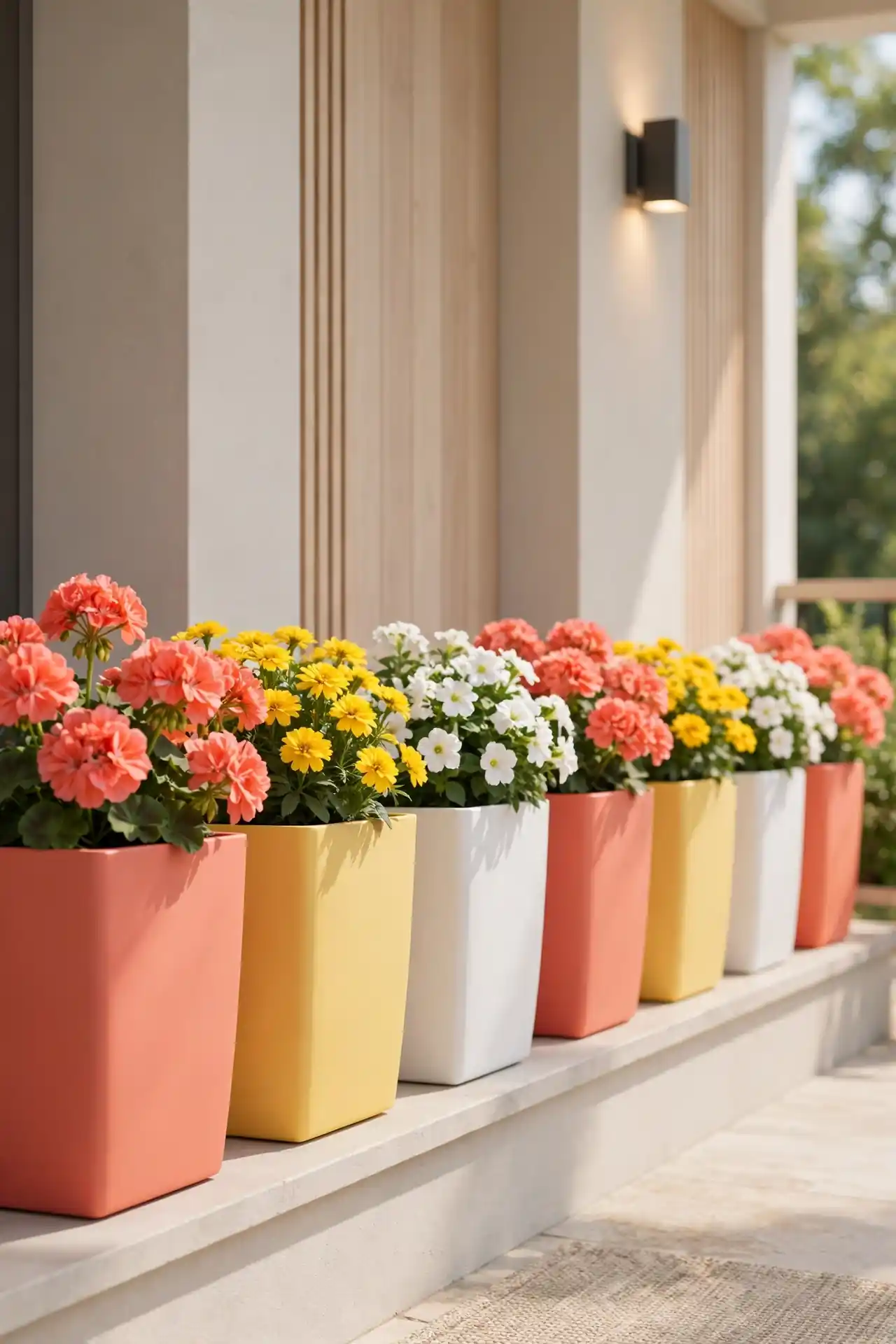
- Pick two or three bold colors, like coral, yellow, and white, and commit fully.
- Fill each pot with a single color for strong graphic blocks.
- Arrange pots in a repeating pattern along the porch for rhythm.
- Keep foliage green and simple so the color blocks stay the stars.
Color blocking looks modern and intentional with very little effort. Each pot becomes a bold brushstroke, and together they read like art from the sidewalk. I use this trick when my plantings look messy; unifying by color hides a multitude of sins. Swap one color midseason for a fresh look without replanting everything.
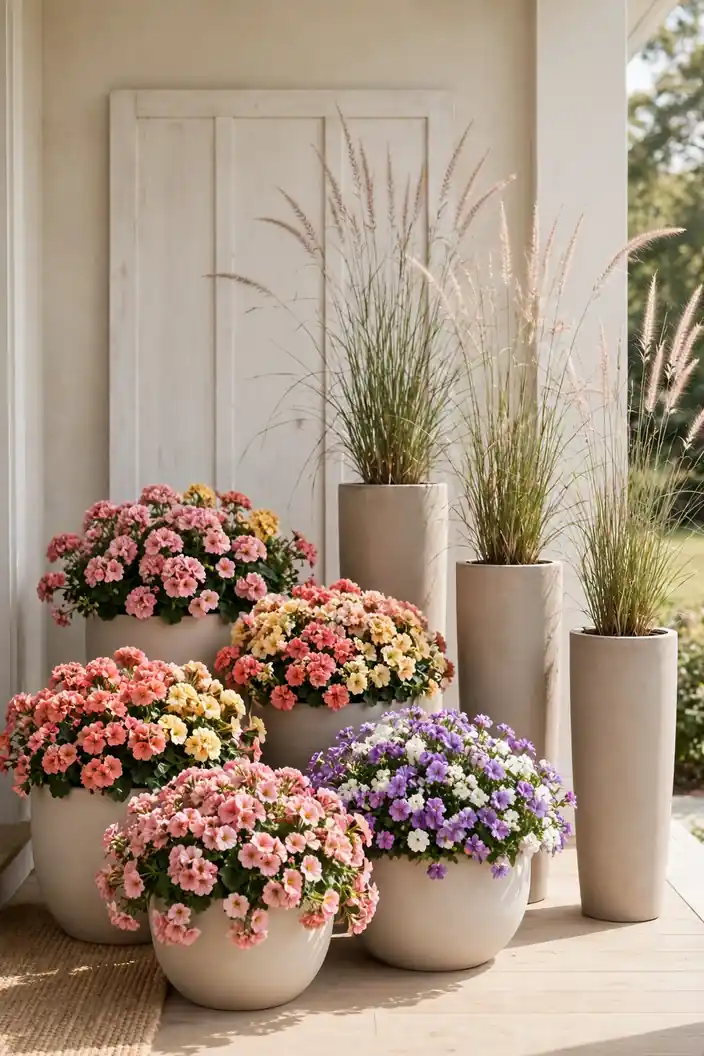
Round vs Tall Pots
| Feature | Round Pots | Tall Pots |
|---|---|---|
| Shape | Wide, soft, welcoming | Slim, dramatic, vertical |
| Plants | Mounding flowers and herbs | Grasses and trailing vines |
| Placement | Steps and wide rails | Corners and beside doors |
Mixing pot shapes keeps a porch from looking flat. Round pots feel friendly and full, while tall ones add height where the eye needs lifting. I place tall planters at my door corners and round ones along the steps. The contrast creates a natural flow that guides guests right to the welcome mat. Repeat each shape at least twice so the mix looks deliberate instead of random. Odd groupings of three read most natural to the eye.
Fragrant Lavender Lines
DO:
- Plant English or French lavender in full sun for the strongest scent.
- Shear spent flower spikes to encourage a second flush of blooms.
- Brush the foliage as you pass; the fragrance releases on touch.
DON’T:
- Overwater lavender; soggy roots kill faster than drought.
- Plant in heavy shade and expect flowers; sun is nonnegotiable.
- Skip pruning; woody stems get leggy without yearly shaping.
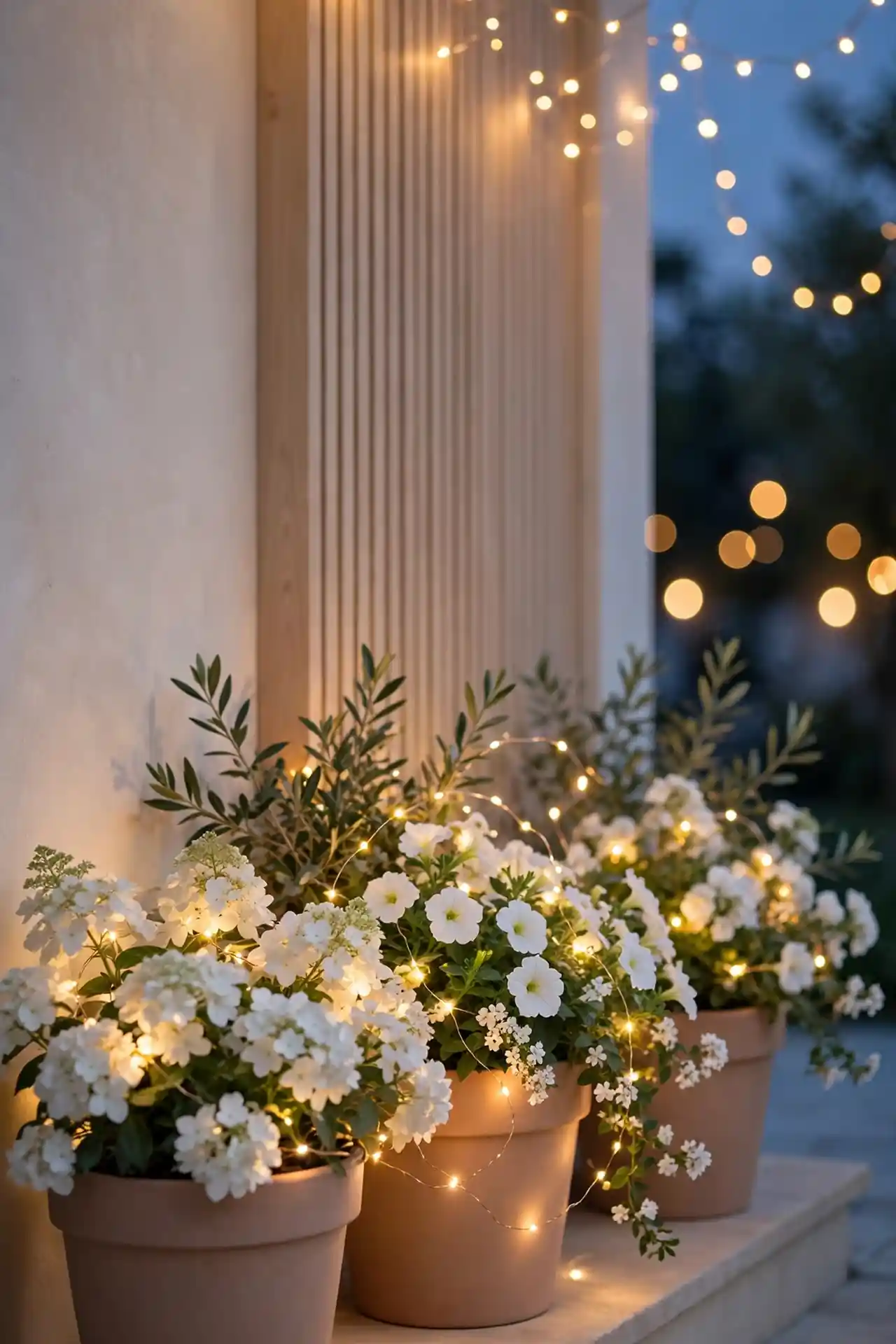
Lavender lines the edge of my porch like a fragrant welcome mat. Bees hum through it all afternoon, and the scent drifts inside whenever the door opens. That’s why many experts recommend lavender for entry plantings; it pleases people and pollinators at once. Harvest bundles in July to dry for winter sachets.
Shade Corner Greens
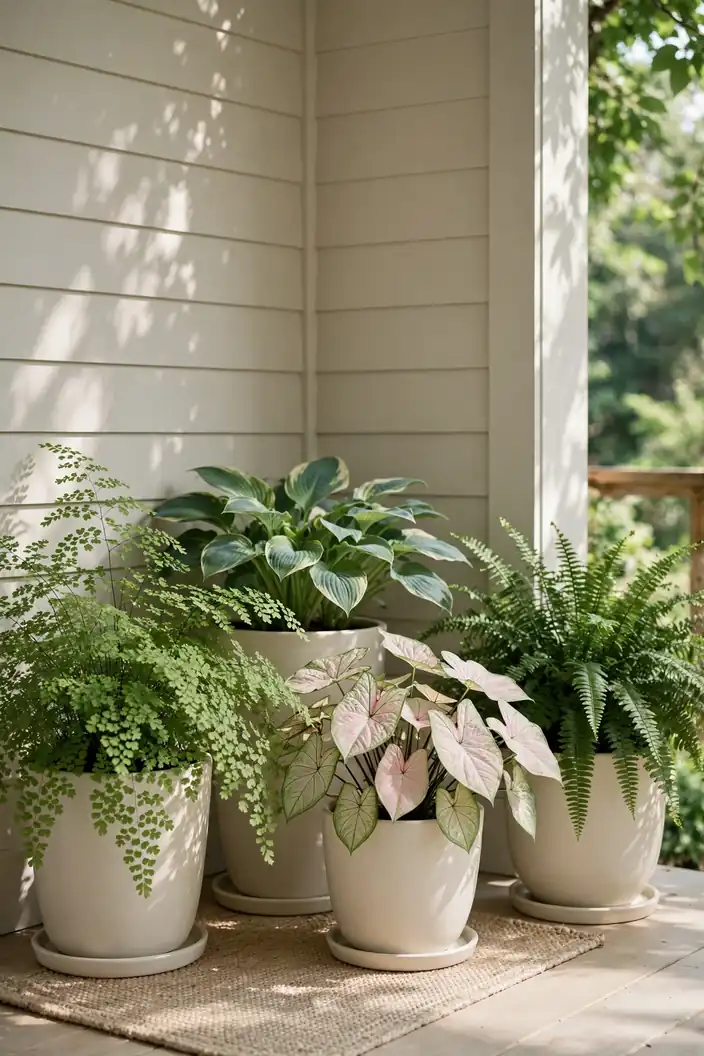
Cost: Low | Time: One afternoon | Skill Level: Beginner | Best For: Shady north facing porches
Ferns, hostas, and caladiums glow in shade where sun lovers fade. I fill my dark porch corner with layered greens in cream pots, and it stays handsome all summer with almost no effort. Water when the top inch dries, mist on brutal days, and skip the fertilizer after midsummer. Shade planters prove you do not need blazing sun for a beautiful porch; texture and leaf color carry the whole look. Tuck in a few white impatiens for brightness that reads like dappled light. A small mirror behind the pots can bounce light into the darkest corner.
Petal Rainbow Arcs
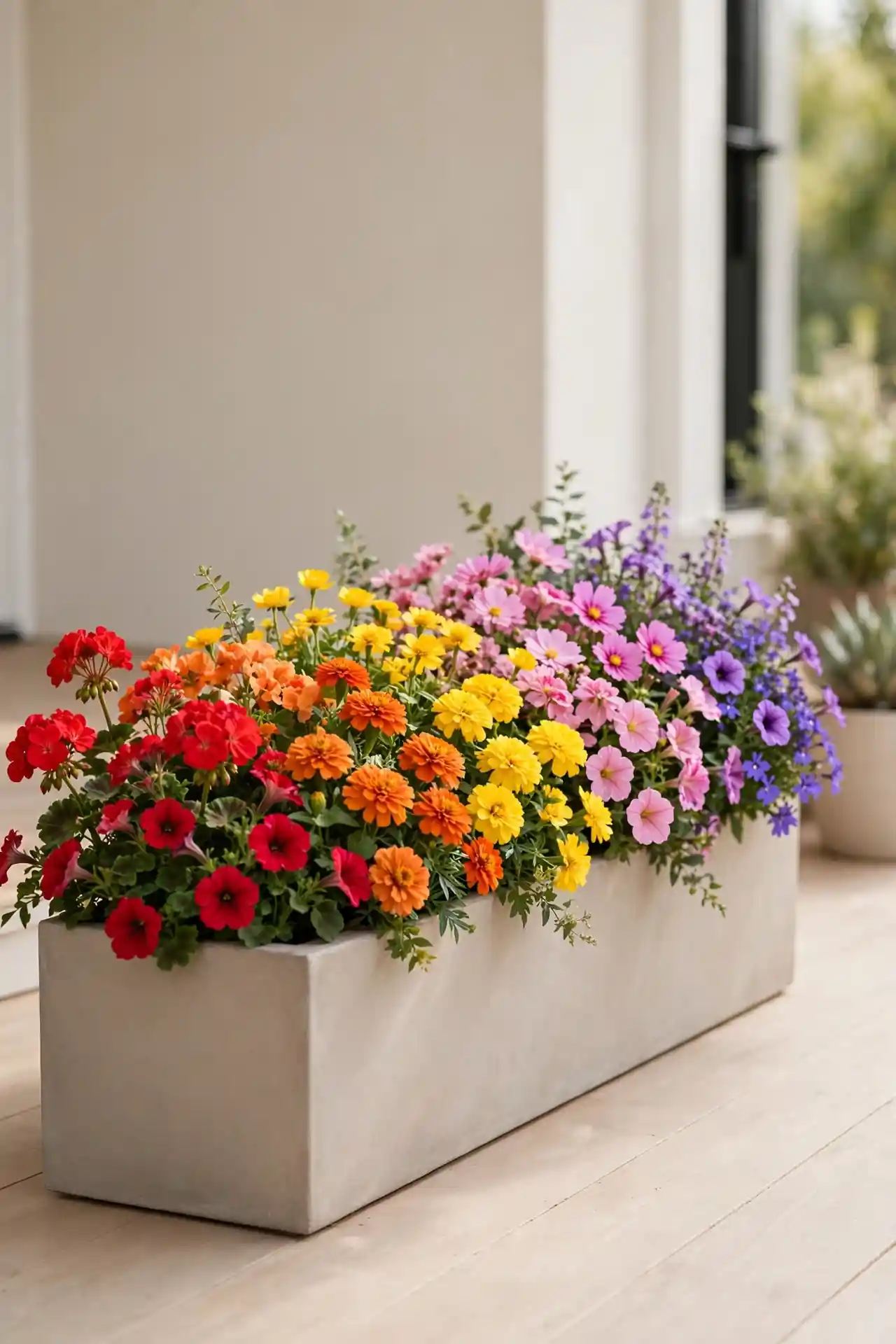
Arrange blooms in rainbow order and your planter becomes pure joy. Red geraniums flow into orange marigolds, then yellow coreopsis, pink petunias, and purple verbena. The gradient catches the eye from down the block and makes every passerby smile, which is exactly what a summer porch should do.
This works best in a long rectangular planter where the arc can stretch out fully. I plant mine left to right like a painter’s palette, tallest in the middle for a gentle arc. Keep heights even so no color hides behind another, and water the whole row evenly for an unbroken ribbon of color.
Kitchen Window Boxes
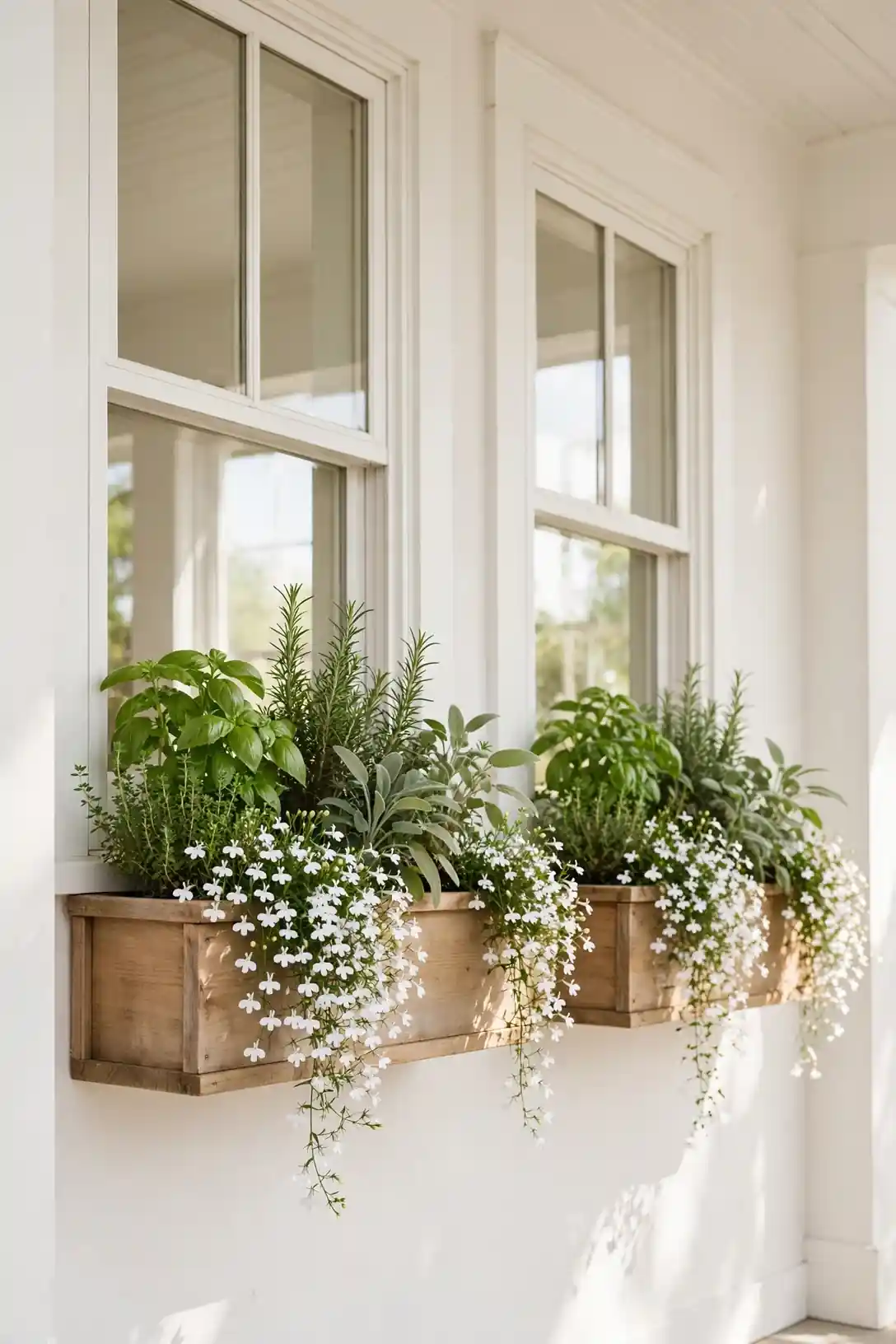
- Mount boxes securely under windows with brackets rated for wet soil weight.
- Choose compact trailing plants so boxes never block your view inside.
- Mix edible herbs with flowers for beauty you can actually cook with.
- Water window boxes twice daily in heat; shallow soil dries out fast.
- Refresh tired boxes in August with fresh mums for a fall preview.
Window boxes frame your porch like a picture. I grow thyme, chives, and trailing lobelia in mine, so every window opens onto something pretty and useful. In my experience, the trick is not overfilling; leave room for growth and air. A tidy box beats a crowded one every single time.
Pollinator Welcome Mats
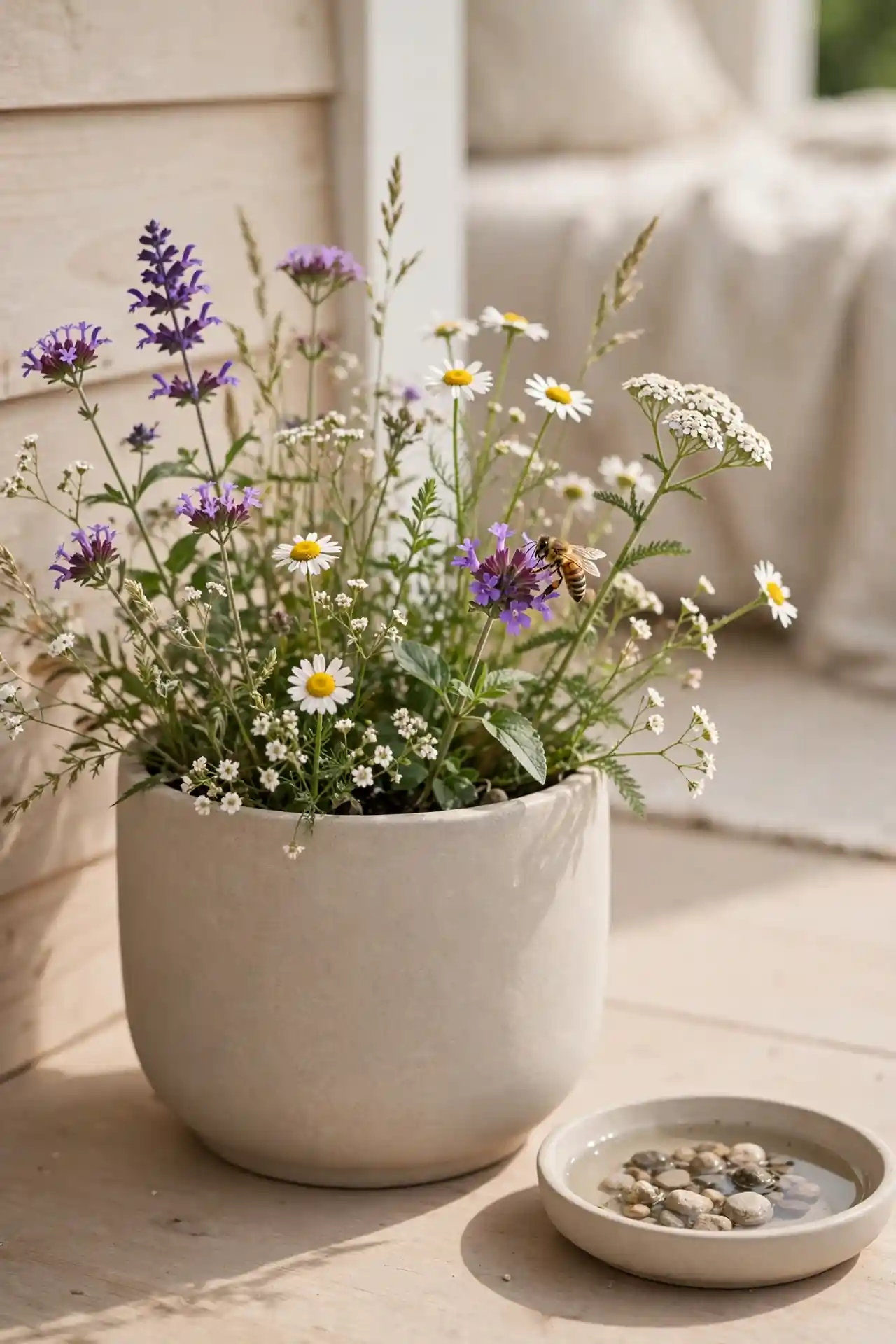
Quick Tip: Place a flat stone or shallow saucer near your planters as a landing pad for bees. Fill a dish with water and marbles so thirsty pollinators can drink safely. These tiny touches turn a pretty porch into a working habitat. Avoid tidying every corner; a little wildness shelters beneficial insects.
Pollinators do the quiet work behind every bloom, so give them a reason to stay. I cluster nectar rich flowers near my seating area and watch the show all summer. For more outdoor inspiration, browse our summer patio ideas for pairing planters with furniture. A porch that feeds bees feels alive in the best way.
Evening Glow Planters
BEFORE: My porch went dark and lifeless after sunset. All that daytime color disappeared, and the entry felt abandoned by eight o’clock.
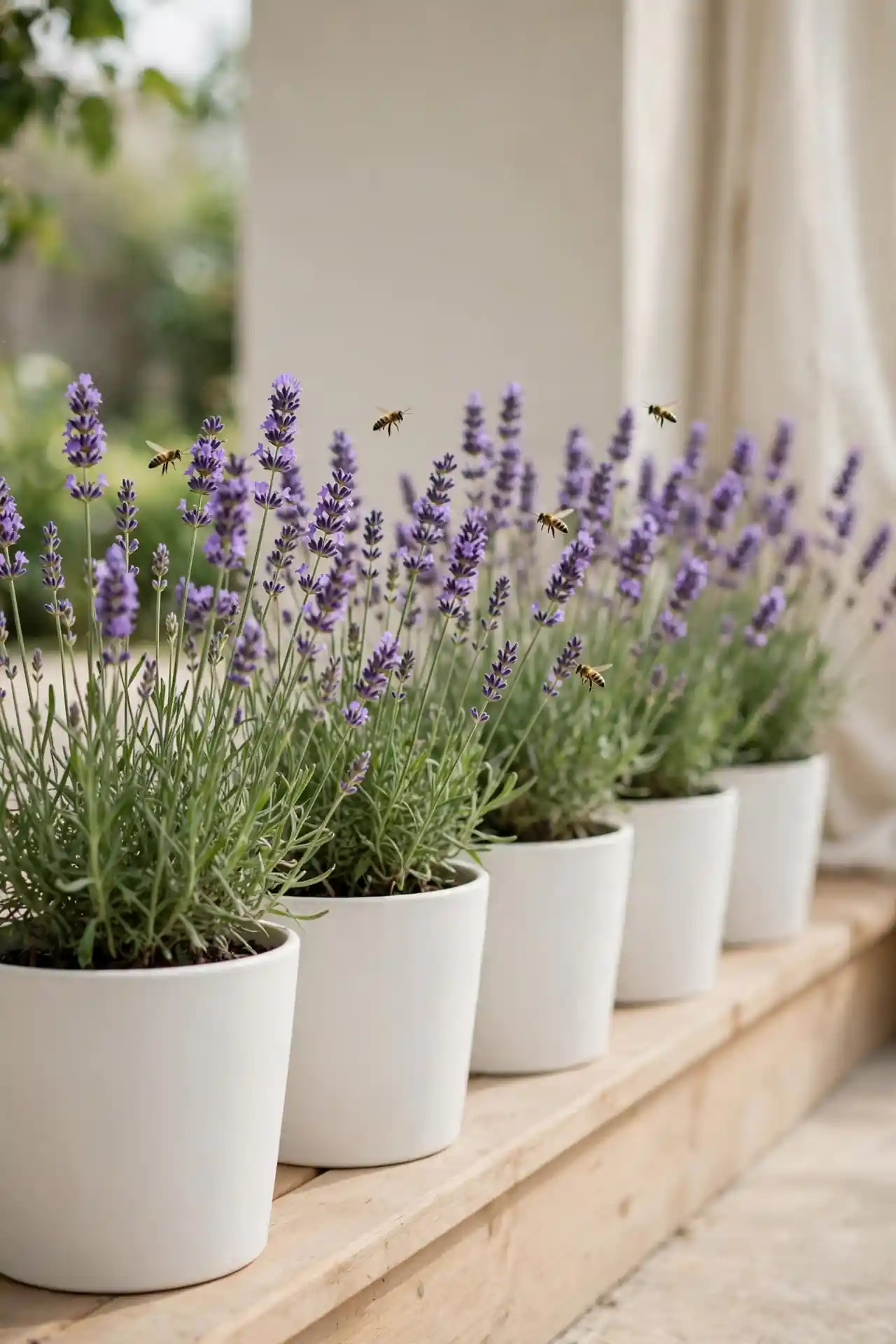
AFTER: Now solar fairy lights twinkle through the planters, and white blooms glow softly. The porch feels magical on warm nights, and I linger outside longer.
Light stretches your planter enjoyment past sunset. White and pale flowers reflect even a little glow, so they shine brightest after dark. I tuck solar stakes into three large pots and let them charge all day. Come evening, the whole porch hums with a gentle golden light. Guests always comment on the glow before they notice the flowers.
Neutral Stone Jars
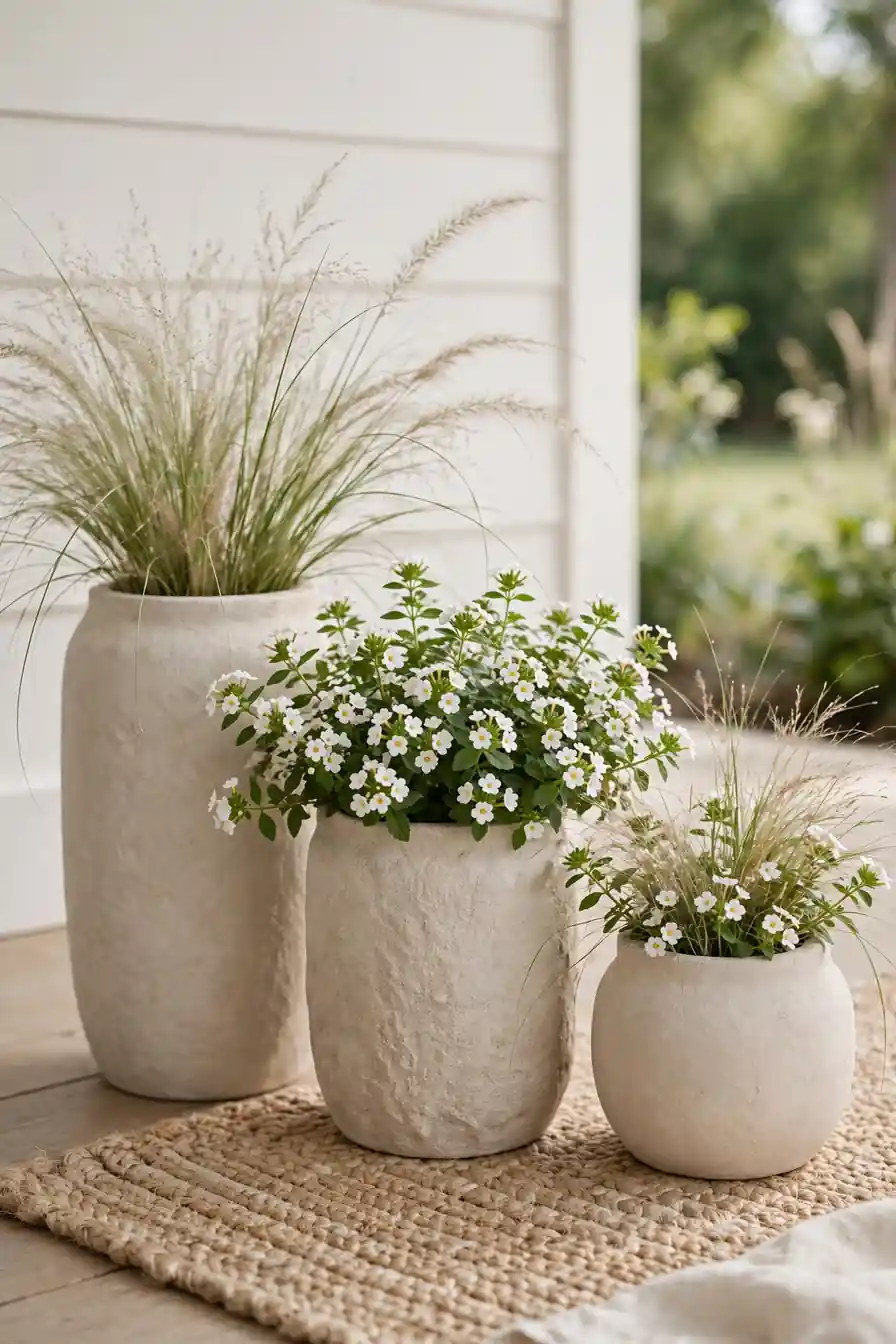
- Choose unglazed stone or concrete jars for an earthy modern base.
- Plant soft grasses or silvery dusty miller for quiet texture.
- Add one white bloom, like bacopa, for a gentle focal point.
- Group jars in threes at varied heights for a styled look.
- Top with light pebbles to finish the modern earthy look.
Neutral planters calm a colorful porch and suit any house style. Their quiet tones let the plants do the talking while the containers fade into the background. I’ve noticed stone jars age beautifully, developing character with every season. They cost little, last for years, and never clash with your door color.
Conclusion
These summer porch planter ideas prove that a little color goes a long way. Pick the combinations that fit your light and your schedule, then enjoy watching them thrive all season. I’ve seen how small changes like these can completely shift the way a space feels, turning an ordinary entry into the happiest corner of the house. Save your favorites to Pinterest, grab a watering can, and start planting this weekend. Share your finished planters with friends and neighbors; summer color is contagious in the best way. Tag us when you share; we love seeing reader porches bloom. Happy planting!