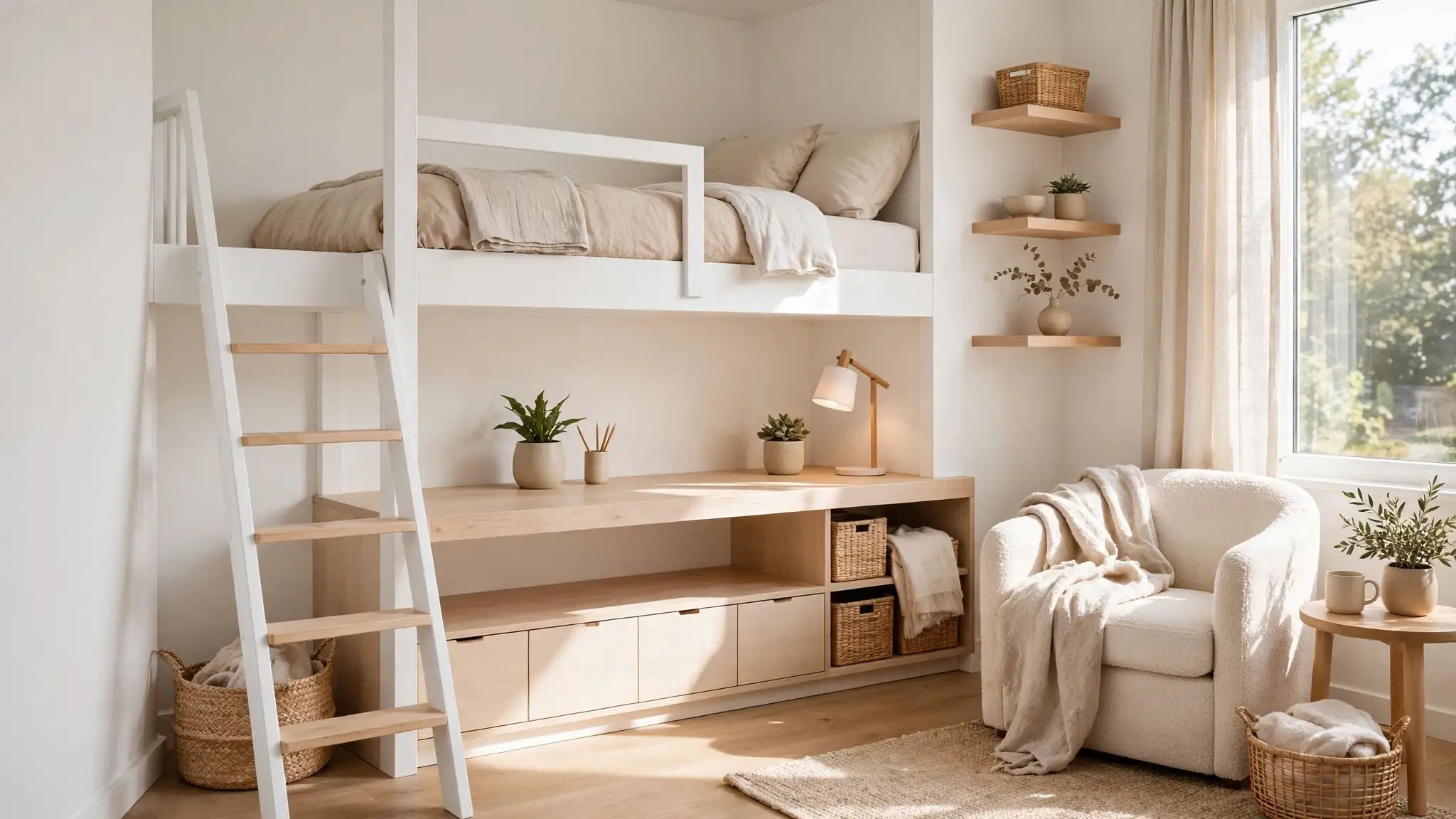
25 Small Bedroom Ideas Space Saving for Stylish Comfort
A cramped bedroom makes every morning feel harder than it should. These small bedroom ideas space saving layouts prove that smart planning beats square footage every time. Most people push a full-size bed against the first free wall, then live around whatever floor space survives. In my experience, the rooms that feel twice their size start with one honest question: what does this room actually need to do? The 25 ideas below answer that with hidden storage, clever zones, and furniture that works twice as hard. Every hack is budget friendly, most are renter safe, and each one frees up real breathing room fast.
Planning matters more than shopping in a tight room. If your spare bedroom also hosts overnight guests, skim these guest bedroom ideas first for comfort tricks that pair well with saving space. Measure your walls and door swings before buying anything, then work through the list one idea at a time.
Loft Bed Zone
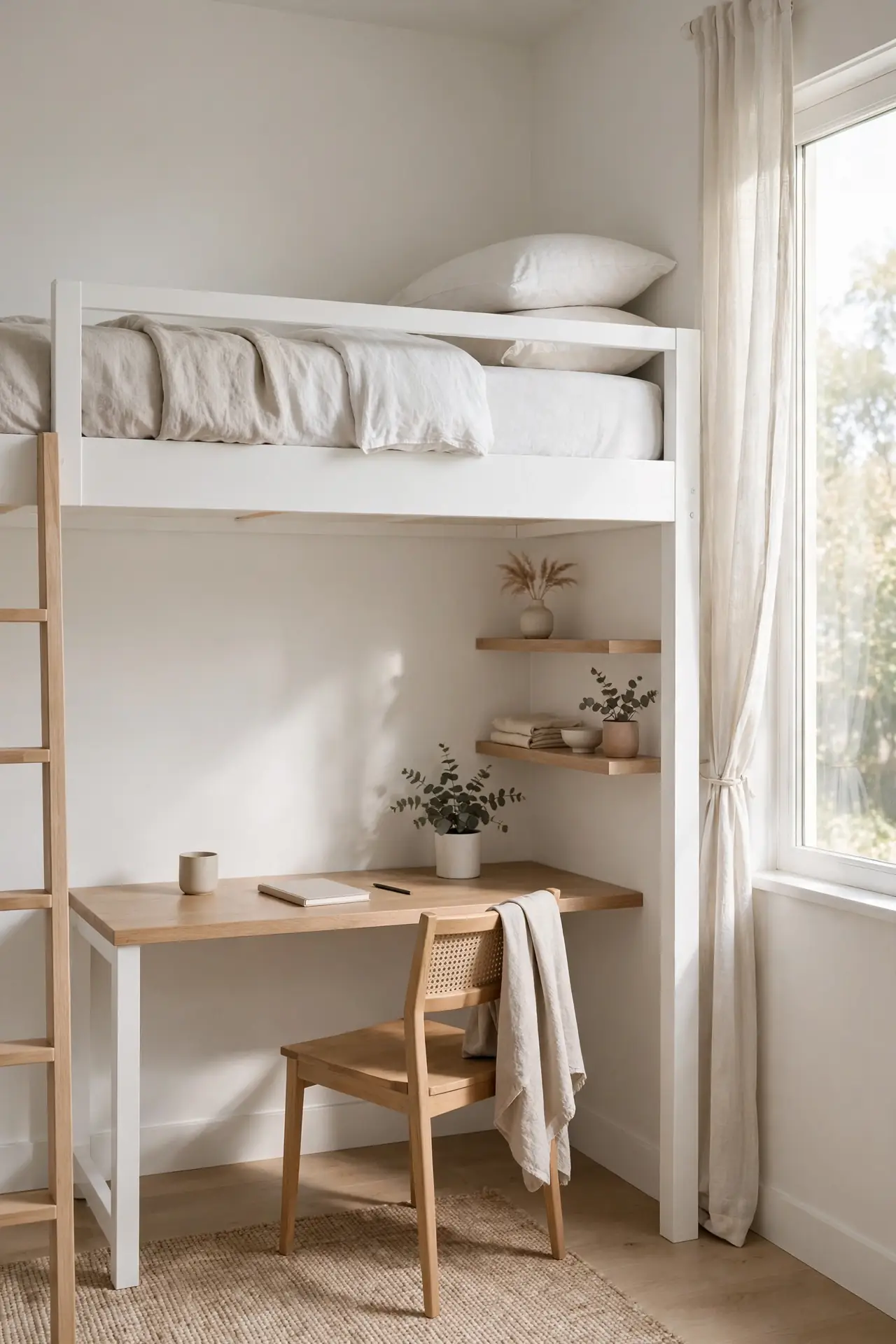
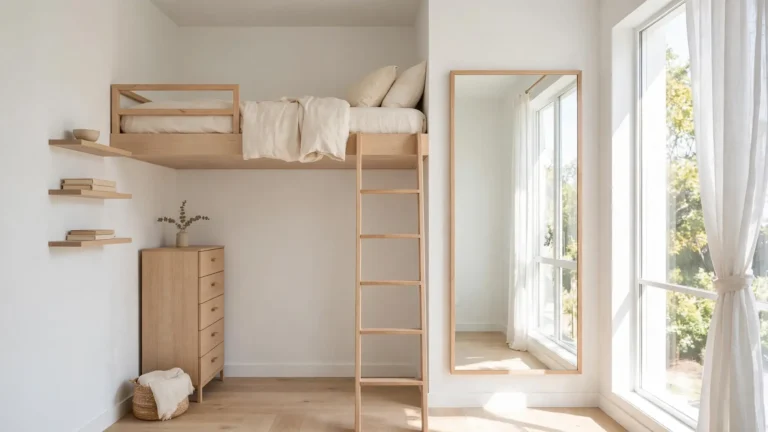
Raising the bed changes the entire math of a small room. A loft frame lifts your sleeping surface about five feet up, handing you a full desk or lounge zone underneath. Choose a sturdy frame rated for your mattress weight and anchor it to wall studs.
Style the space below with a slim desk, a floor cushion, and one bright lamp. Keep the palette light so the under-loft zone never feels like a cave. I have seen this work well in many cases where renters needed both a bedroom and an office in one small box. Add a small rug to mark the zone and hide cables behind the desk.
Under Bed Drawers
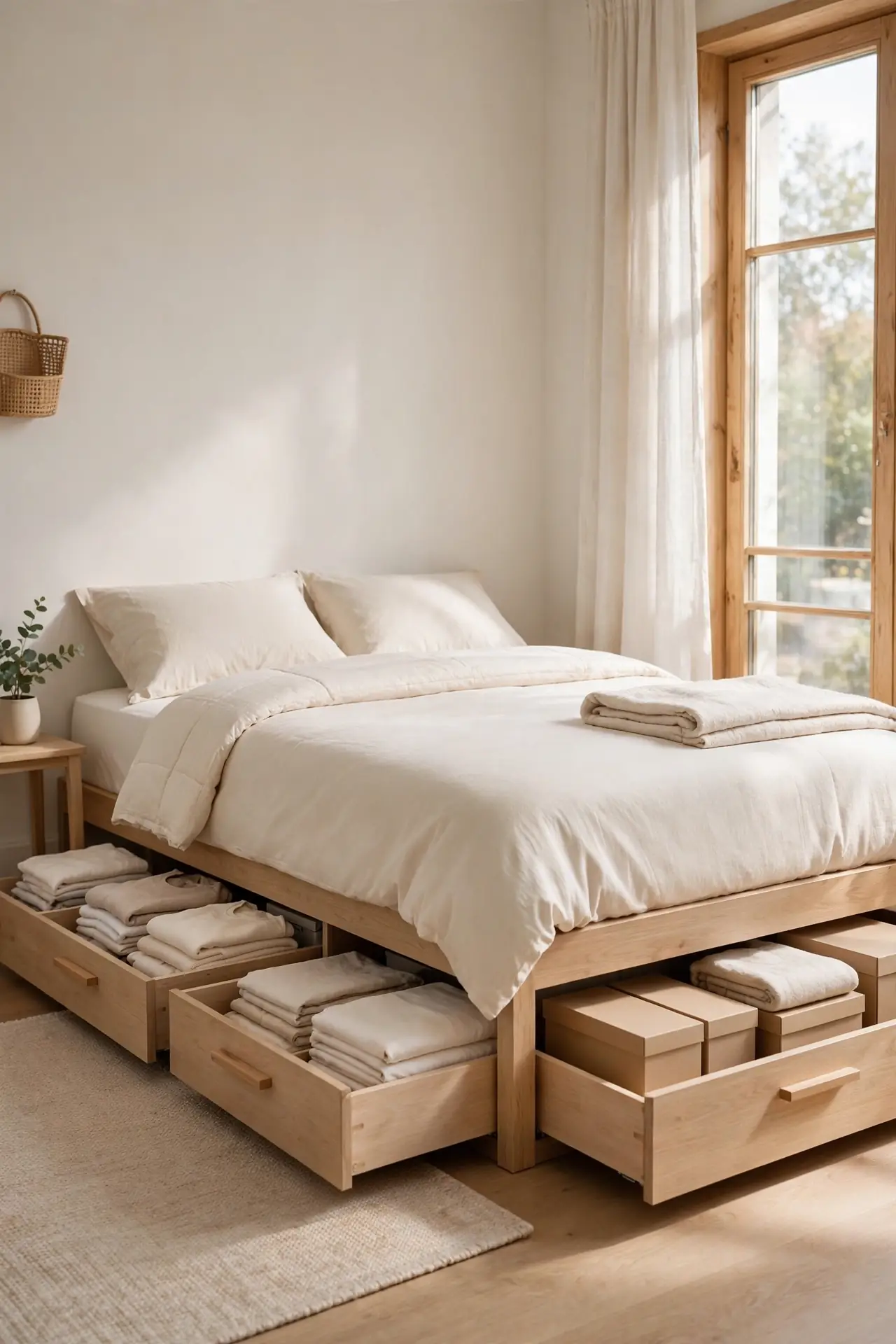
- Slide low rolling drawers under the bed to swallow out-of-season clothes, spare linens, and extra pillows.
- Measure the clearance first so every drawer glides smoothly without catching on the bed frame.
- Choose shallow fabric boxes on casters when the bed sits too low for rigid wooden drawers.
- Label each drawer clearly so you can grab what you need without digging through deep piles.
Dead space under the bed is the easiest storage win in a small room. I have noticed people double their usable storage with one afternoon of organizing down there. Keep daily items near the edges and seasonal things toward the middle. This single move can clear an entire dresser out of the room.
Fold Down Desk
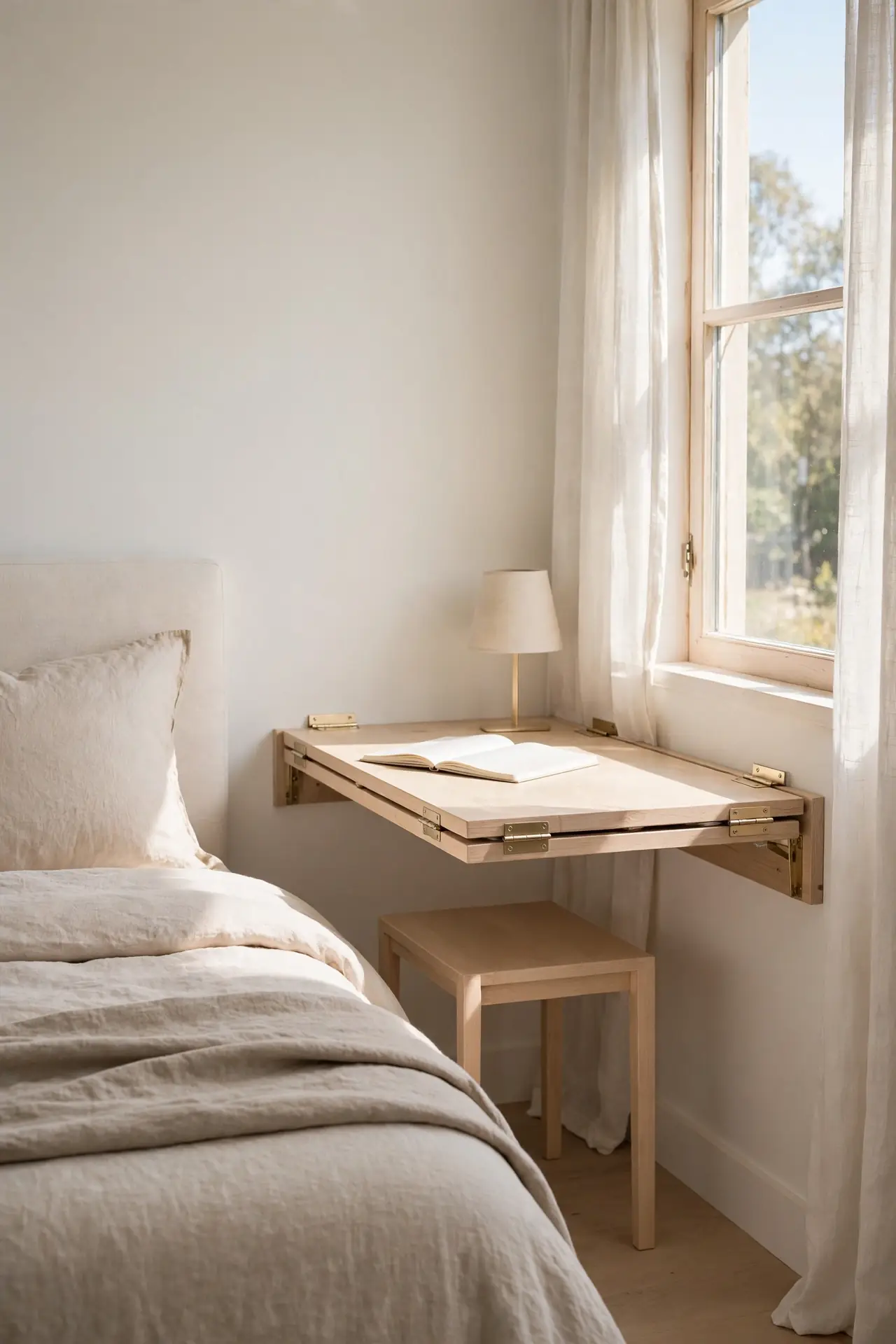
Quick Tip: Mount a wall-hung drop-leaf table at desk height beside the bed. Fold it flat against the wall when you sleep, then flip it down for laptop work or breakfast in bed. Choose brackets rated for at least 50 pounds so the surface feels completely rock solid.
A fold-down desk gives you a real workspace without surrendering a permanent footprint. Pair it with a slim stool that tucks underneath or hangs on a wall hook nearby. Keep only a lamp and laptop on the surface so folding it away takes seconds. Small rooms stay calm when every piece earns its floor space.
Vertical Shelf Wall
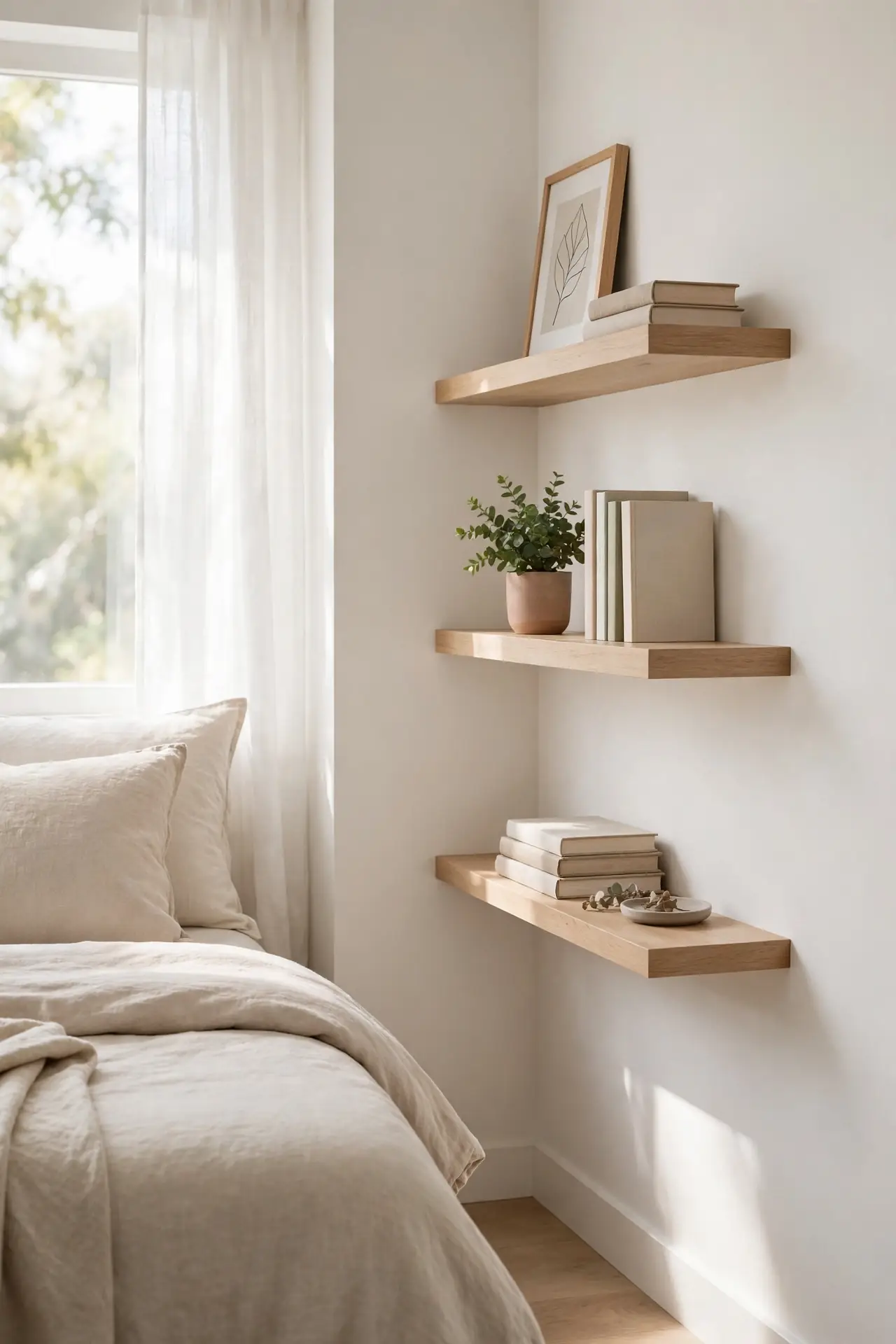
BEFORE: Books, framed photos, and small plants crowded the dresser top and both nightstands in this ten by twelve room. Every flat surface filled within a week, dusting took forever, and the room always looked one laundry pile away from chaos.
AFTER: Three floating shelves now run up the wall beside the bed, holding the same items at eye level. The dresser top holds only a lamp, the floor reads wider, and the whole corner feels styled instead of stuffed.
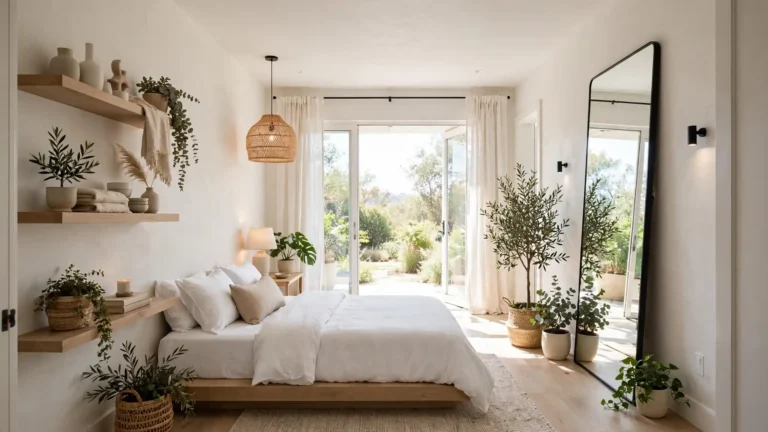
Going vertical is the fastest way to buy back floor space. Mount shelves into studs or use strong drywall anchors rated for the load. Keep heavier books on the lowest shelf and lighter decor up high. Leave one shelf partly empty so the display breathes instead of bulging.
Floating Nightstands
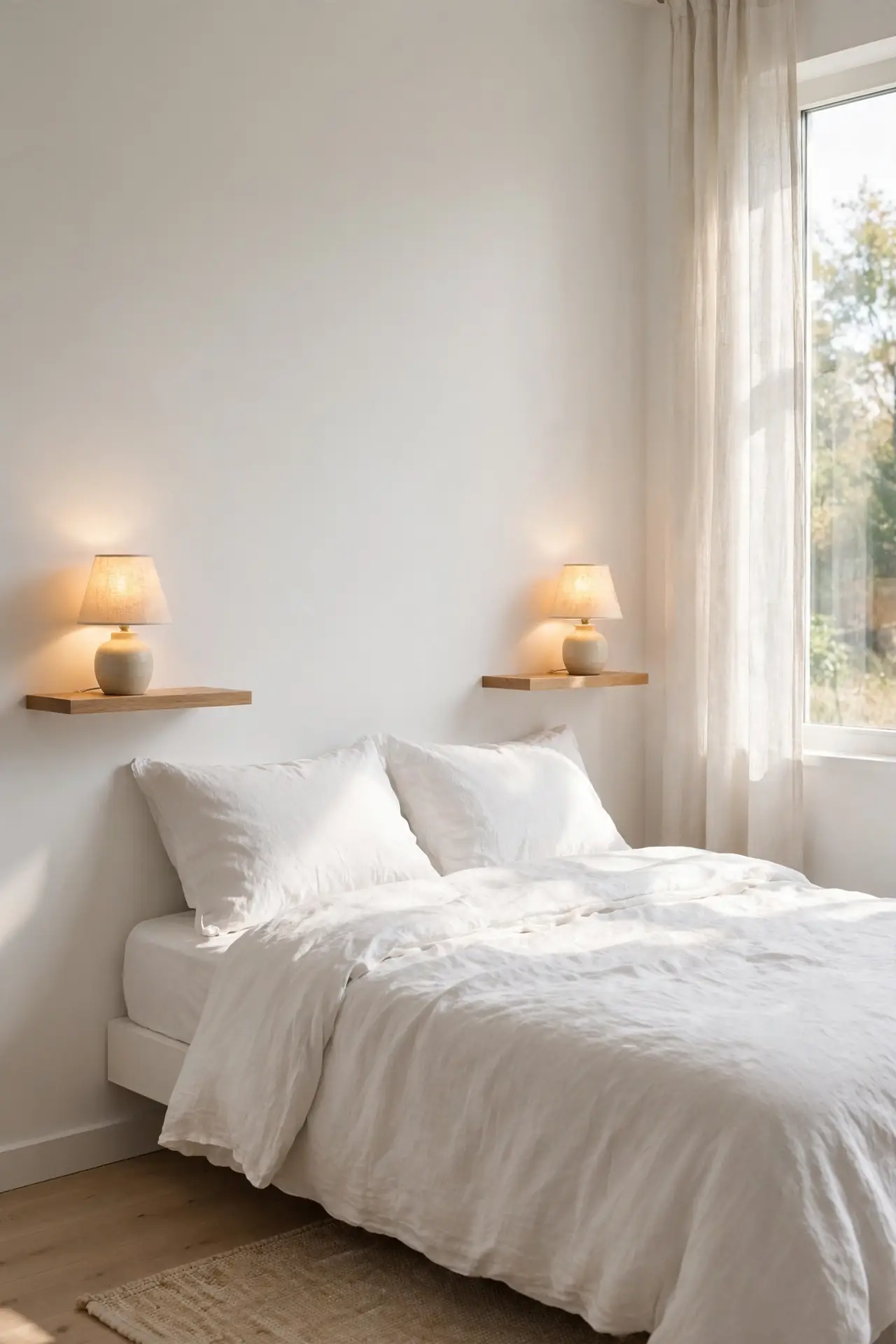
- Mark the wall at mattress height plus two inches on each side of the bed.
- Drill into studs and mount a slim floating shelf or a compact drawer unit.
- Run a small lamp or a plug-in wall sconce above each shelf for reading light.
- Style each surface with one book and a tiny tray for glasses or a phone.
Floating nightstands free the floor underneath for baskets or shoes. They also make a small bedroom easier to vacuum and visually lighter. Choose shelves at least eight inches deep so a phone and water glass sit safely. The room feels less crowded the moment the floor runs clear under both sides.
Storage Ottoman Bench
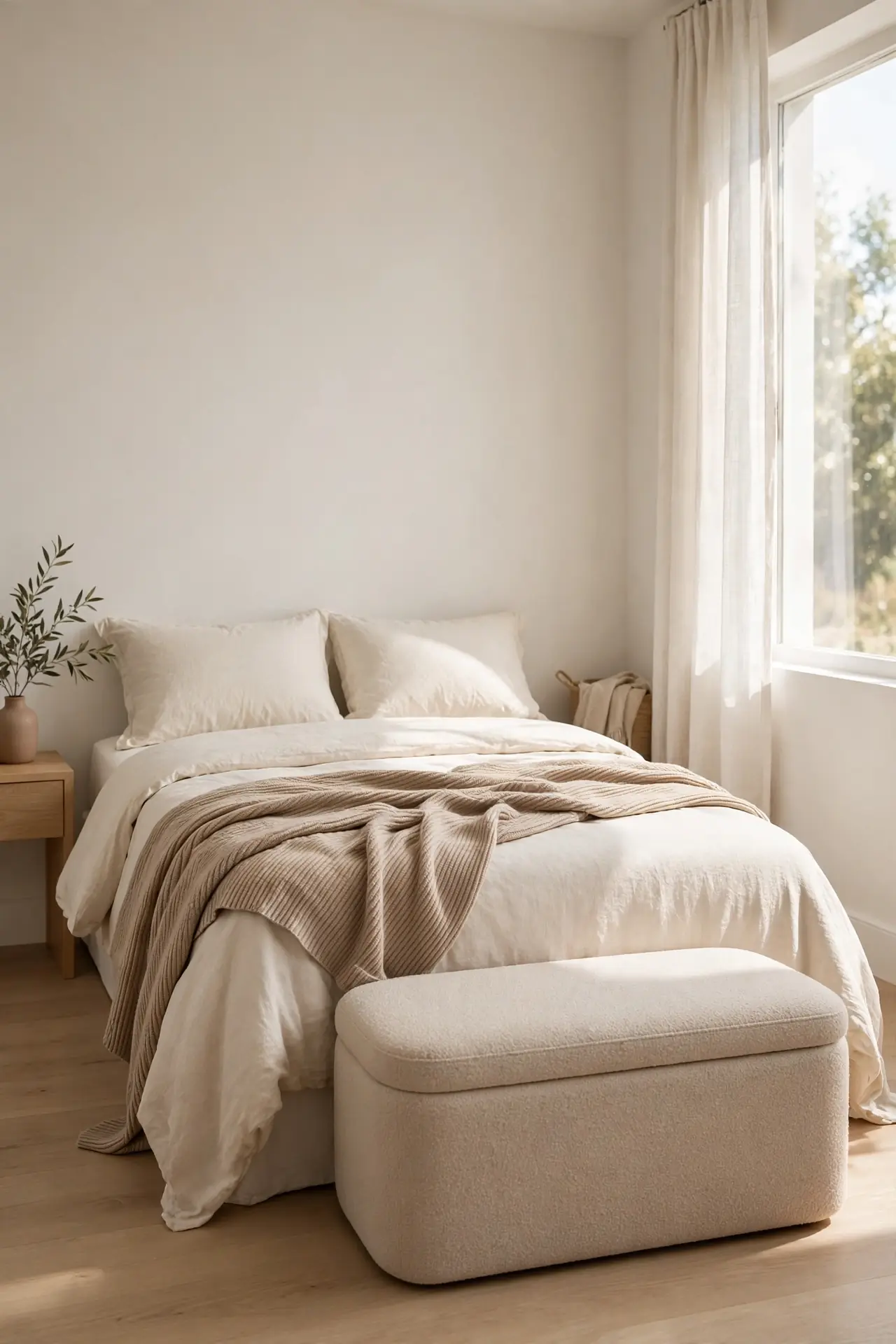
| Piece | Stores | Bonus |
| Storage ottoman | Blankets, pillows, throws | Doubles as extra seating |
| Bench with cubbies | Shoes, bags, laundry | Open access, easy sorting |
| Lift-top trunk bench | Keepsakes and spare linens | Sturdy top, vintage look |
An ottoman at the foot of the bed hides bulky bedding while giving you a perch for getting dressed. Look for a hinged lid that stays open on its own and interior dividers that stop piles from sliding sideways. Pick a washable fabric in a light neutral so it blends with the bedding. Measure the bed foot first so the bench never blocks drawers or doors. Anchor it against the bed so it never drifts into the walkway.
Corner Wardrobe Fit
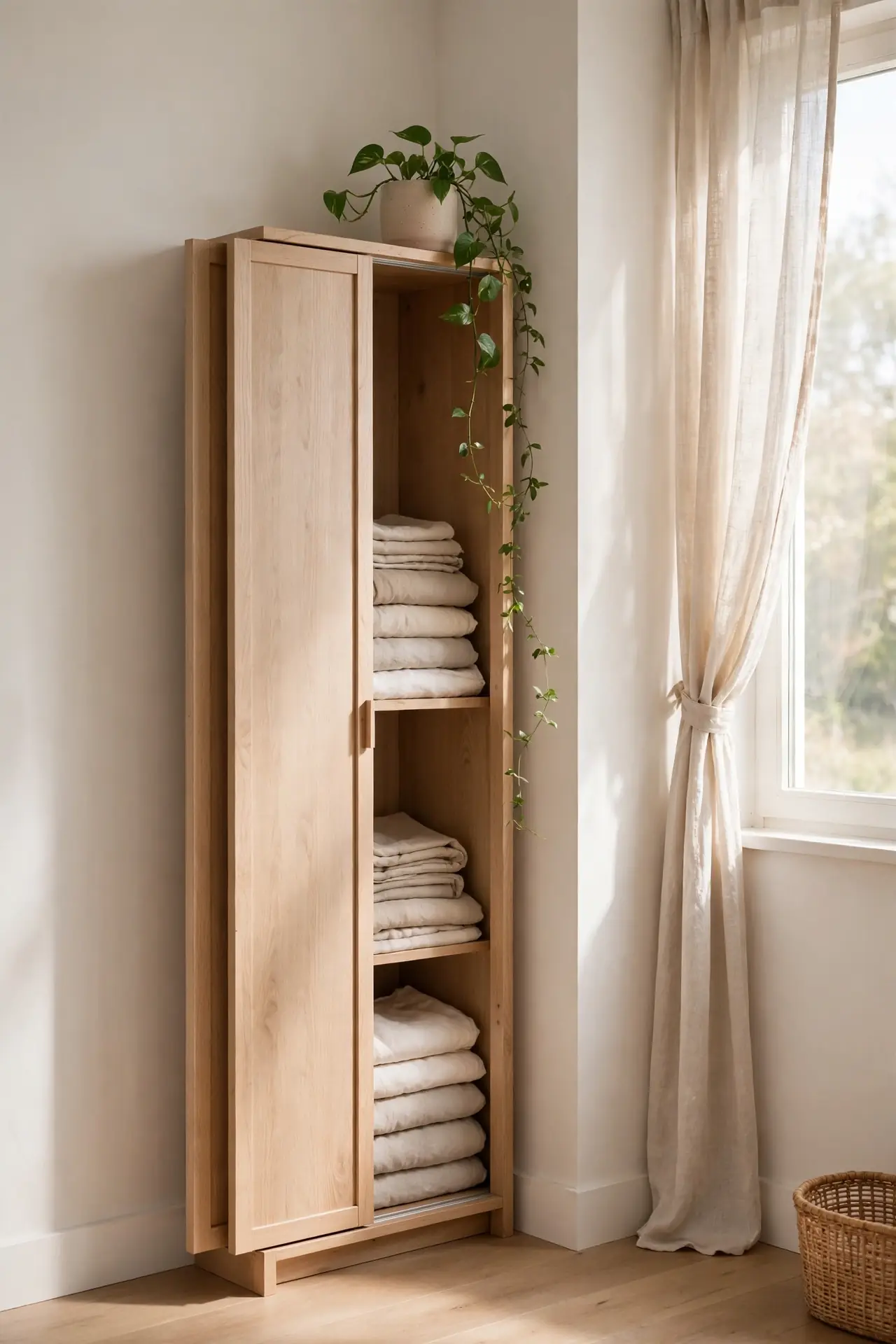
DO: Measure the corner twice, including baseboards and the full door swing.
DO: Choose a tall narrow wardrobe that reaches near the ceiling for maximum storage.
DO: Add motion-sensor lights inside so the dark corners stay fully usable.
DON’T: Buy a deep unit that juts past the bed and blocks the walking path.
DON’T: Skip the top shelf, since high storage holds seasonal items perfectly.
DON’T: Forget airflow for shoes and gym gear stored inside closed doors.
Corners hold the most wasted square footage in small bedrooms. A slim wardrobe turns dead corner space into a full closet without eating the room’s center. Angle the doors or pick sliding ones so nothing swings into your path. That is why many experts recommend treating corners as prime storage real estate first.
Over Door Hooks
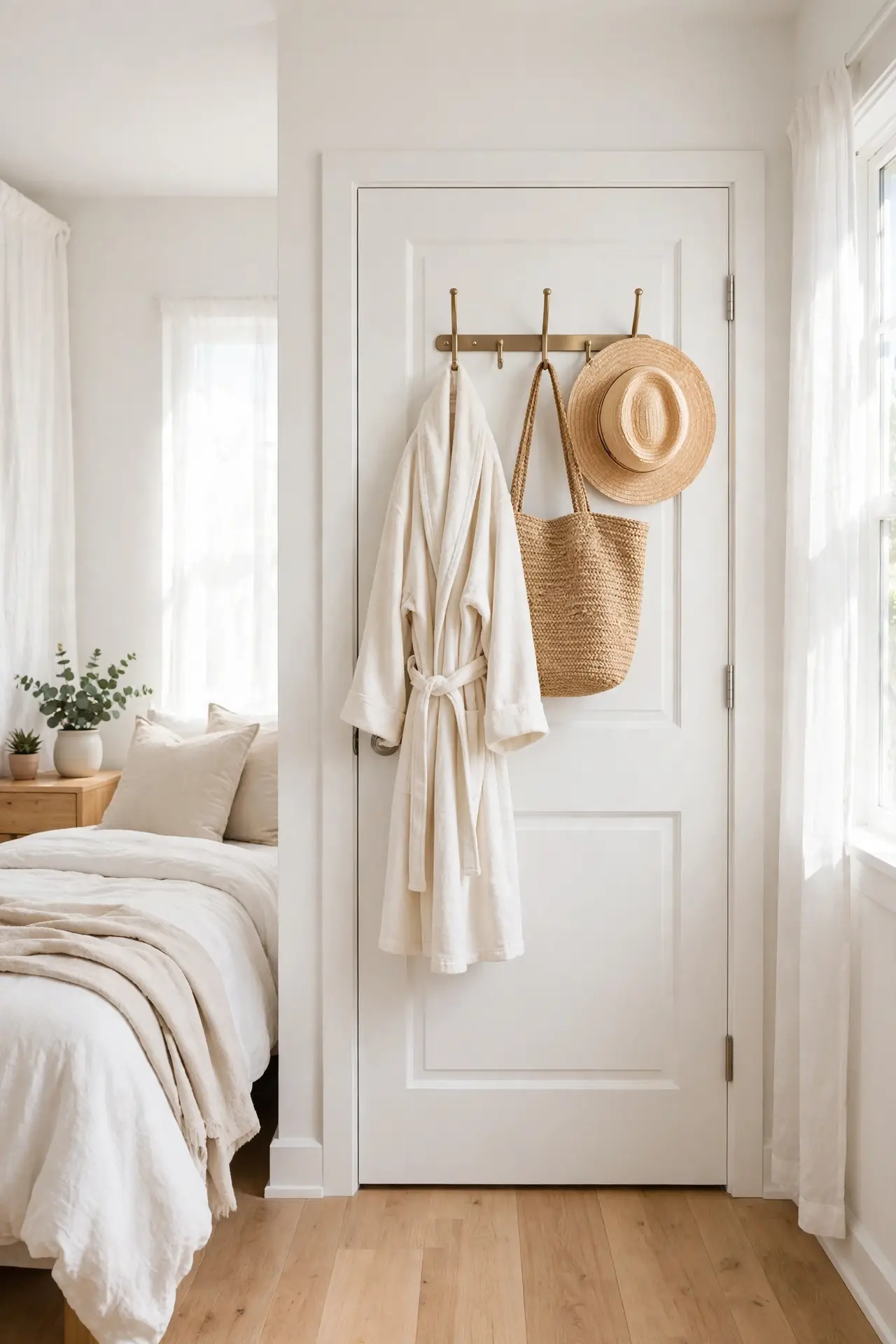
Cost: Under twenty dollars for a sturdy multi-hook over-door rack with foam backing. Time: About ten minutes to hang it and load it up. Skill Level: Beginner, since no tools or drilling are needed. Best For: Robes, bags, hats, and laying out tomorrow’s outfit the night before.
The back of the door holds more than most people realize. A wide over-door rack turns that flat surface into a valet station for robes, bags, and tomorrow’s outfit. Pick a model with foam backing so it never scratches the paint or rattles. Keep it edited to five or six items so the door still closes smoothly and quietly every time.
Hidden Headboard Storage
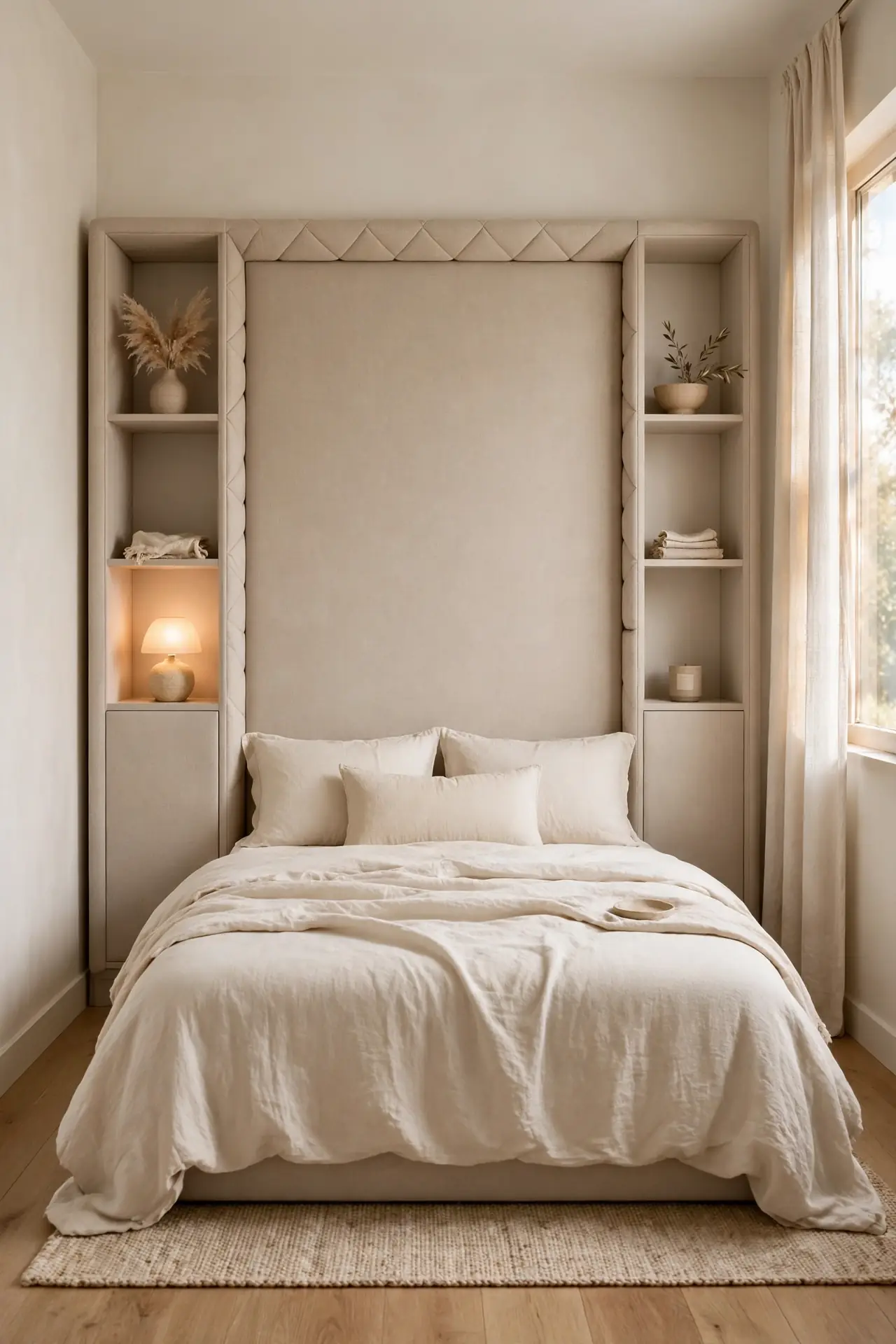
Headboards with hidden compartments turn the most ignored inches of the bedroom into storage. Deep cubbies behind sliding panels swallow books, chargers, and nighttime essentials without a nightstand in sight. Choose a unit as wide as the mattress so the proportions stay balanced and calm. Sliding panels glide quietly, so midnight access never wakes a partner.
Built-in side shelves keep water, glasses, and a phone within arm’s reach. Paint or stain the headboard to match the walls so it reads as architecture rather than furniture. Style the top edge with one framed print to keep the look intentional. This trick removes two bulky nightstands at once, which is a huge win when every inch counts.
Slim Rolling Cart
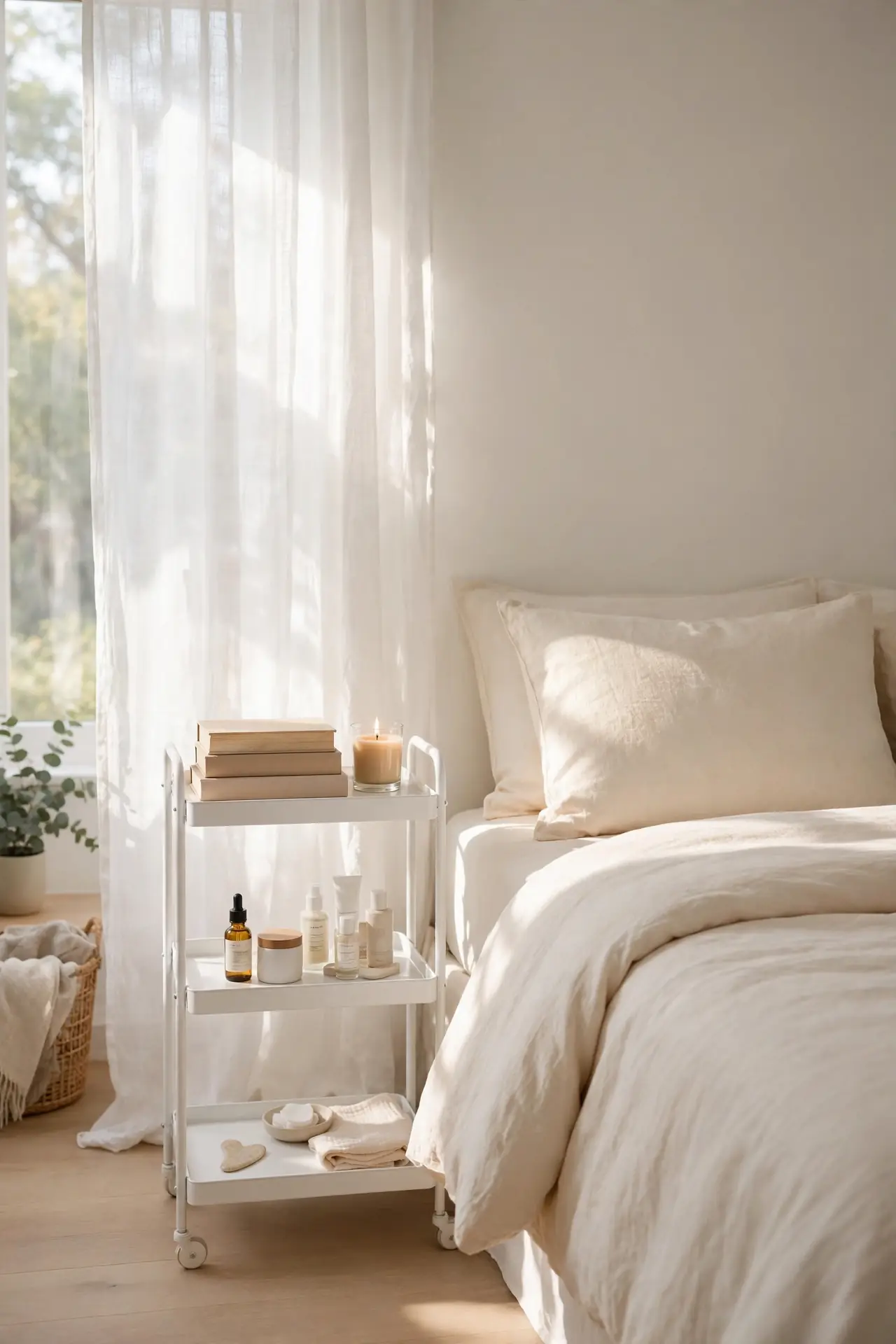
- Park a narrow three-tier cart in the gap between the bed and the wall for instant storage.
- Stock the top tier with nighttime essentials like water, lip balm, and a reading light.
- Use the middle tier for books, journals, or a small charging station with a power strip.
- Roll it out for cleaning day, then tuck it back into its slim slot in seconds.
A rolling cart turns a useless six-inch gap into a working nightstand. The casters mean it never traps dust bunnies behind it, and the tiers keep small items sorted instead of piled. Pick a cart under eight inches wide so it slides anywhere. When guests visit, roll it into the closet and the room opens up.
Wall Mounted Lighting
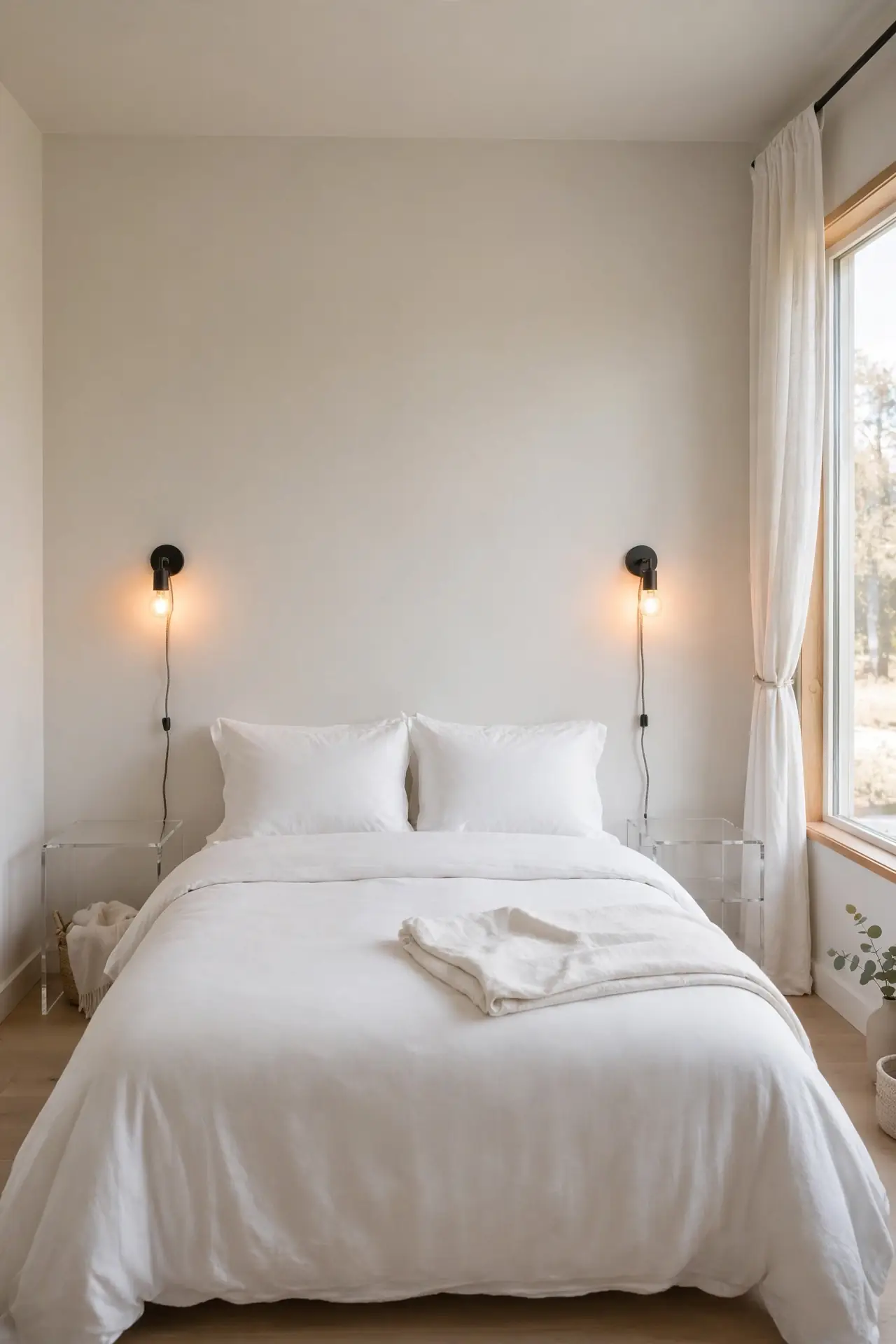
Quick Tip: Swap table lamps for plug-in wall sconces and reclaim both nightstands overnight. Mount them at shoulder height when you sit up in bed, with cords hidden behind a slim cord cover painted to match the wall. Pick warm 2700K bulbs so reading light feels soft, never clinical. Choose a shade that aims light downward to cut glare on screens.
Wall-mounted lighting clears surfaces faster than almost any other swap. Sconces with swing arms pull close for reading, then fold flat against the wall by day. Renters can use plug-in styles with adhesive cord channels and zero drilling. The freed nightstand space holds books, water, and a plant instead.
Compact Vanity Corner
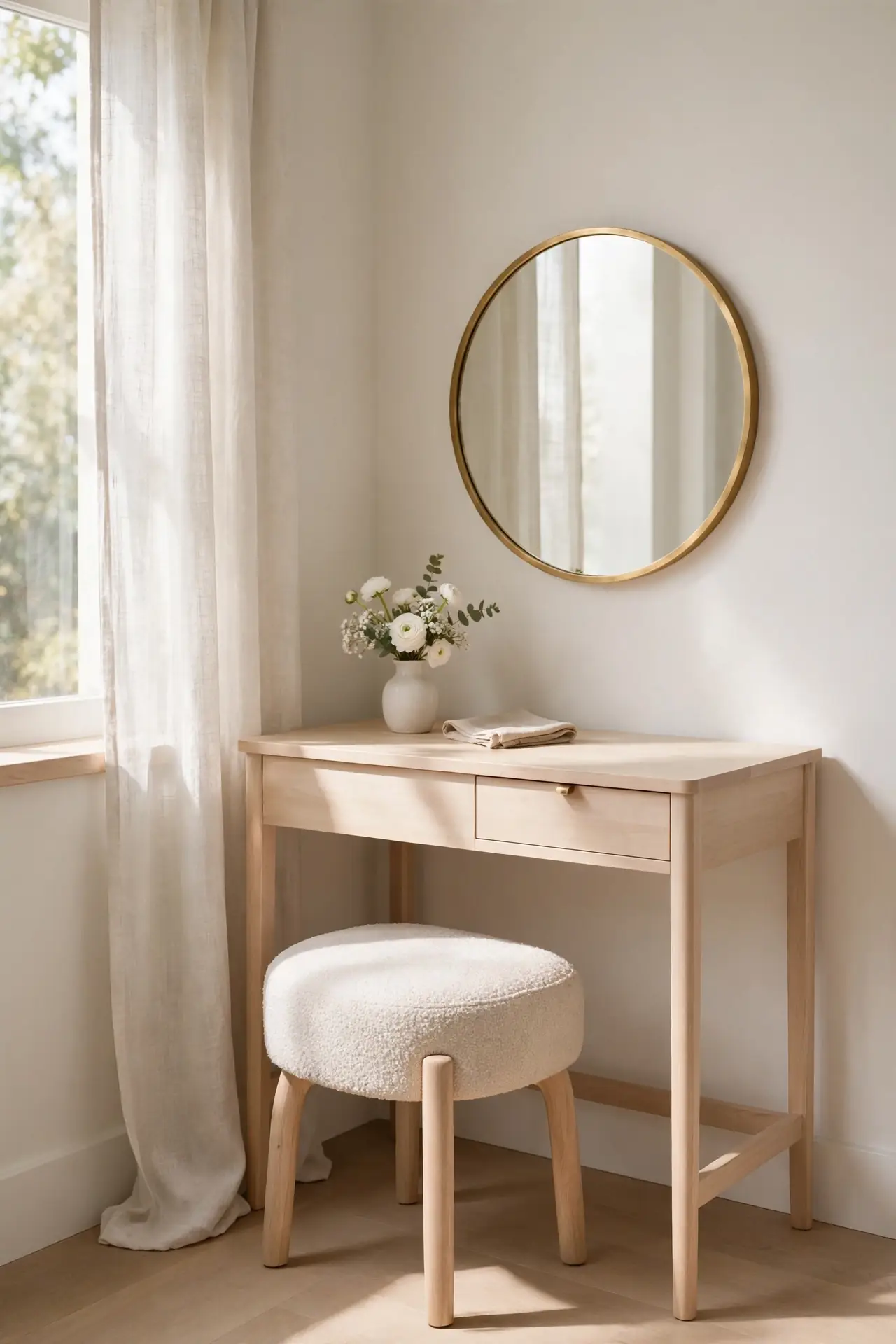
BEFORE: Makeup, brushes, and jewelry sprawled across the dresser and bathroom counter in this studio bedroom. Getting ready meant clearing a workspace first, and small items vanished into drawers daily.
AFTER: A twenty-inch vanity tucks into the window corner with a round mirror above it. Everything has a tray or drawer now, the stool slides fully underneath, and mornings run on autopilot.
A compact vanity stops your morning routine from colonizing the whole room. Choose a wall-mounted or narrow-leg style so the floor stays visible beneath it. Add a magnetic strip inside a drawer for bobby pins and tweezers. Keep the mirror round to soften the corner and bounce light around.
Bed Risers Boost
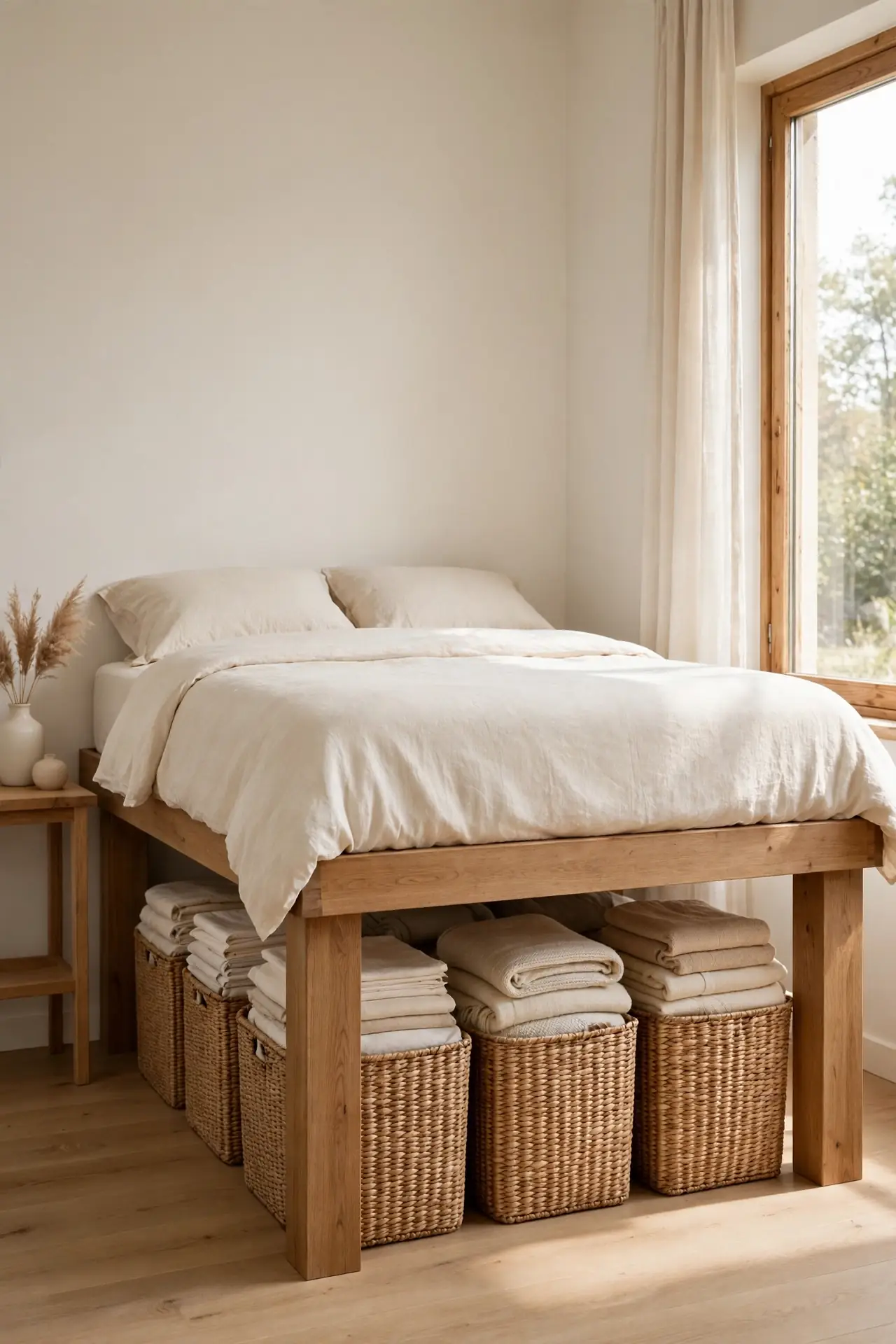
- Lift each bed leg with sturdy risers rated for the full weight of bed plus sleepers.
- Measure the new clearance and buy bins that use every inch of the added height.
- Sort stored items by season, keeping the least-used boxes in the center.
- Drape a bed skirt or long coverlet to hide the bins and keep the look tidy.
Four inches of extra clearance can hide an entire wardrobe’s worth of off-season clothes. Risers cost little and install in minutes, yet they open up the biggest hidden cavity in the room. Use clear bins with lids so dust stays out and contents stay visible. The bed looks exactly the same, only smarter.
Pegboard Organizer Wall
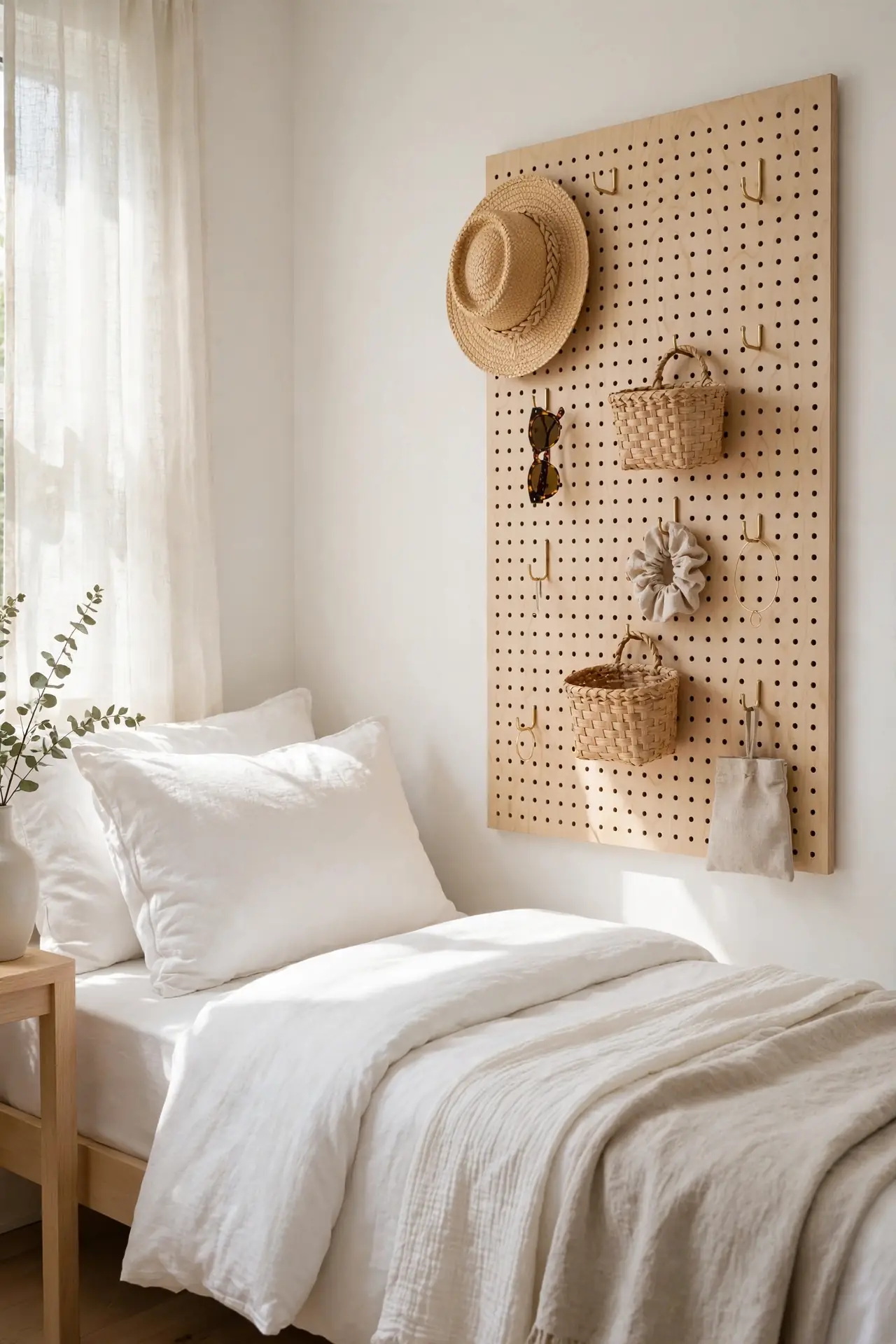
| Hook Type | Stores | Best Spot |
| Small wire baskets | Sunglasses, chargers, remotes, lip balm | Beside the bed |
| Long wooden pegs | Hats, tote bags, scarves, robes | Near the closet door |
| Mini wood shelves | Small plants, framed photos, candles | Above the desk area |
A pegboard turns one blank wall into endlessly flexible storage. Hooks and baskets rearrange in seconds as your needs change, which fixed shelves never allow. Paint the board the same color as the wall so it fades into the background. Group similar items together so the board reads as organized zones rather than random hooks. Keep the layout airy, since a crowded pegboard reads as clutter from across the room.
Nesting Side Tables
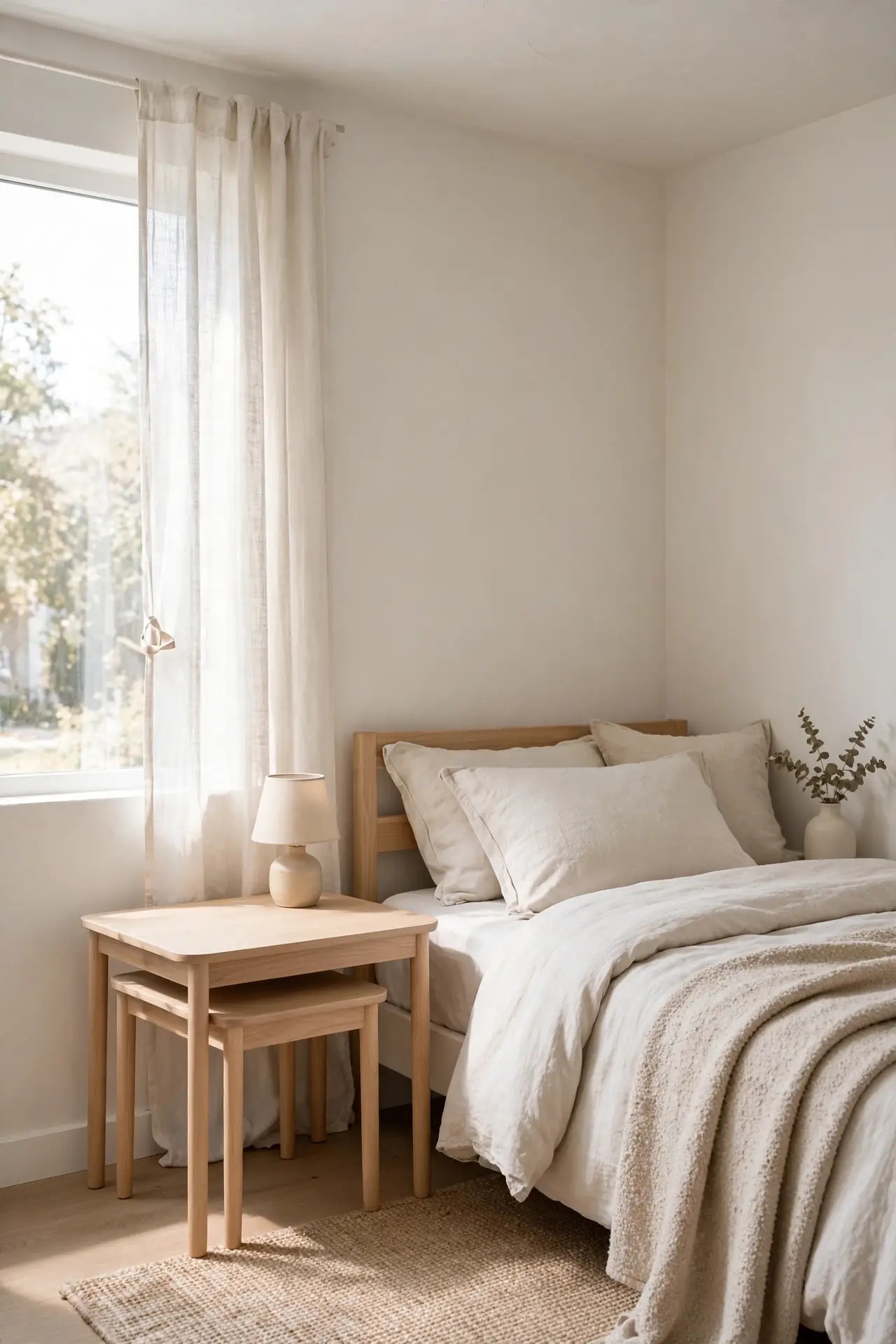
DO: Pull the smaller table out when you need a laptop perch or breakfast tray.
DO: Keep the pair matched in wood tone so they read as one piece.
DO: Use the lower table for a basket of current books or magazines.
DON’T: Let both tables collect random clutter that defeats their purpose.
DON’T: Buy oversized nests that refuse to slide fully underneath each other.
DON’T: Place them where the pulled-out table blocks the closet door.
Nesting tables give you two surfaces for the footprint of one. They expand for guests, projects, or lazy breakfasts, then collapse back into a tidy stack. Look for sets where the smaller table clears at least twelve inches of height underneath the larger. This is small-space furniture at its most honest and useful.
Clear Storage Bins
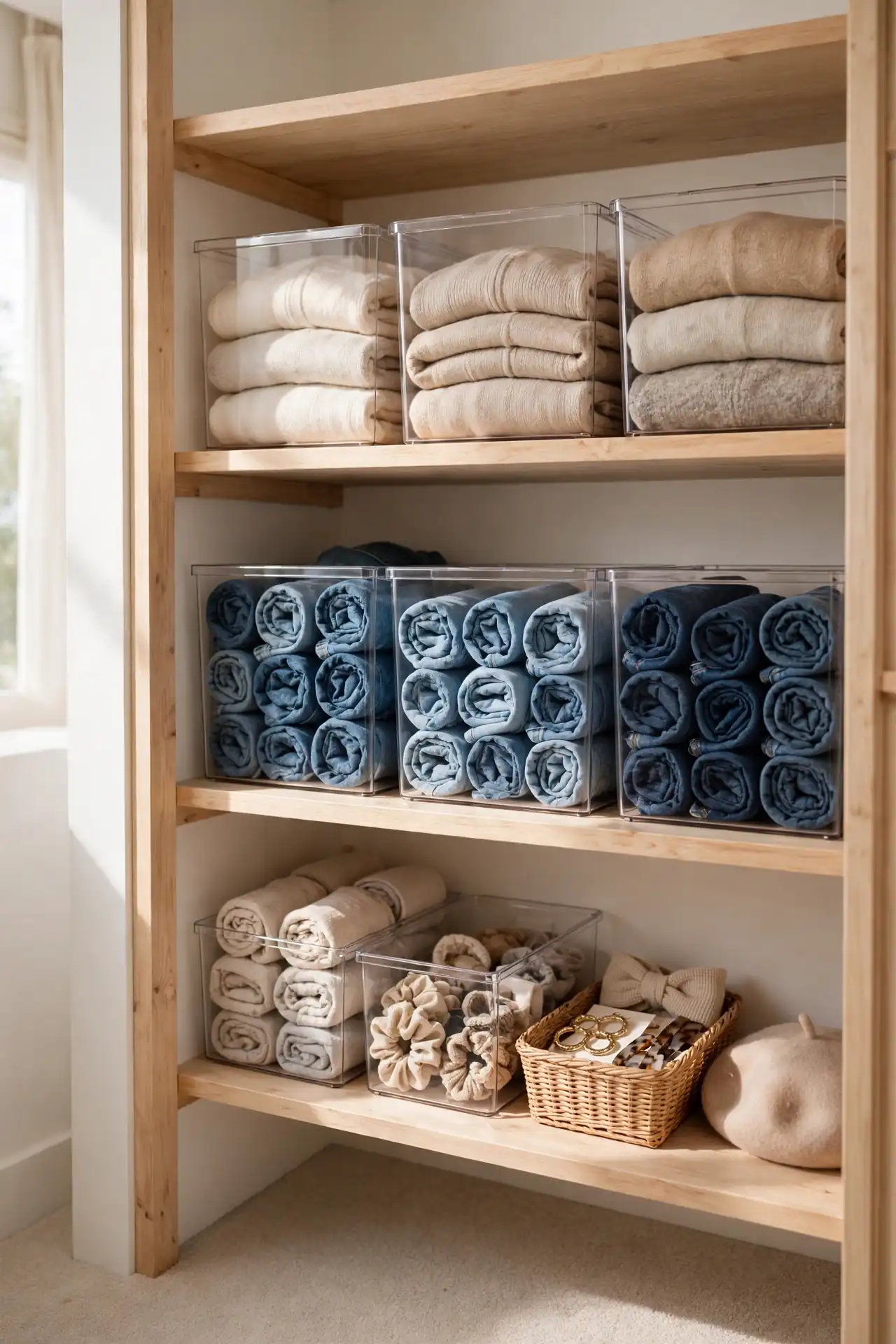
Cost: Around five to ten dollars per bin, depending on size and lid style. Time: One focused hour to sort, label, and stack a full closet shelf. Skill Level: Beginner, since it only takes sorting and a label maker. Best For: Closet tops, under-bed zones, and any shelf too high to see into easily.
Clear bins end the mystery-box problem that plagues small closets. When you can see the contents, you stop buying duplicates and start using what you own. Choose bins with lids for dusty top shelves and open ones for daily reach zones. Label the short end facing out so every bin reads at a glance.
Foldable Guest Bed
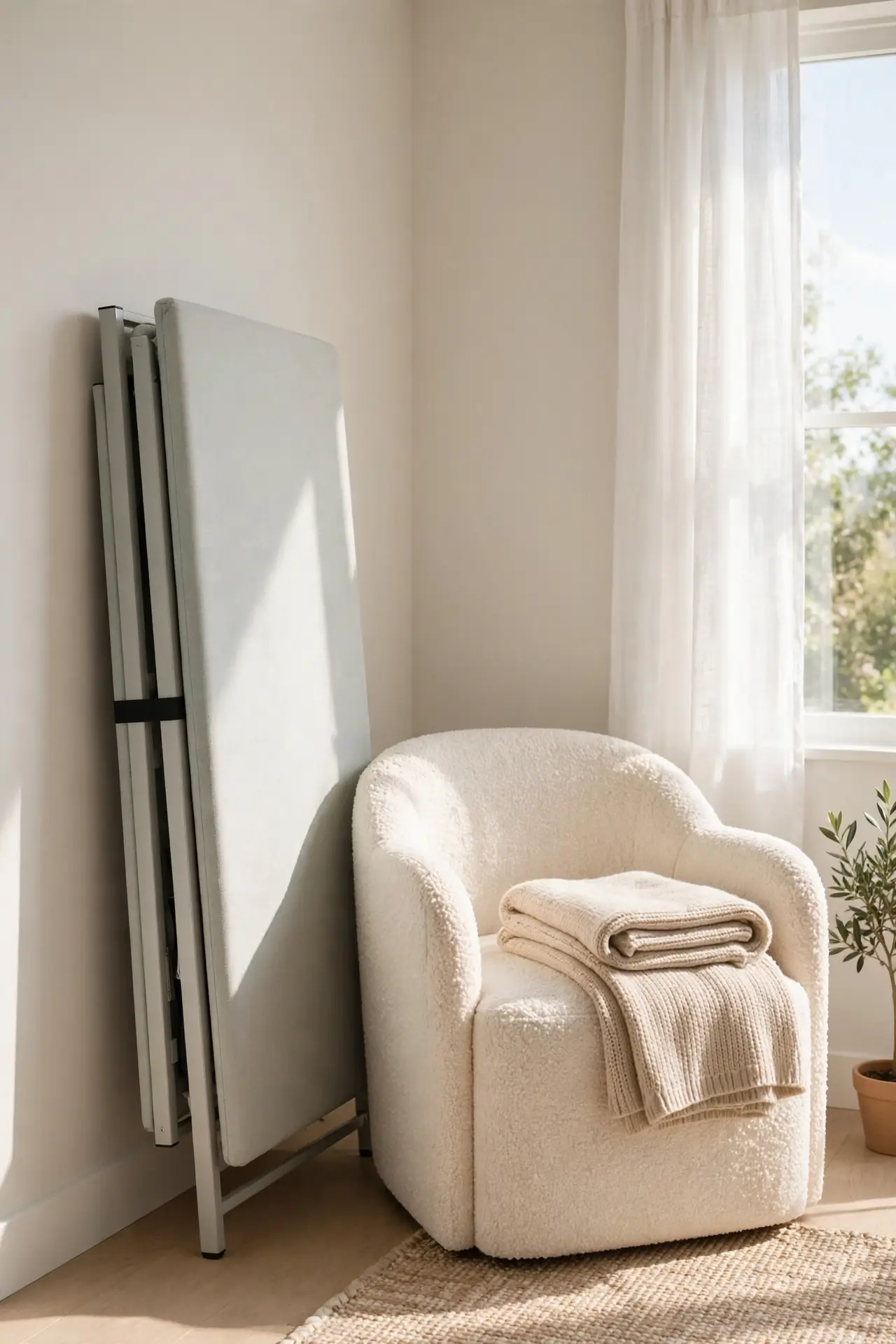
A spare bed does not need a permanent footprint to welcome guests well. Modern folding beds unfold in under a minute and sleep as comfortably as many guest-room mattresses. Look for a tri-fold design with a real five-inch mattress, not a thin pad. Test the fold mechanism in person, since weight and ease vary widely.
Store it upright in the closet or flat under your own bed between visits. Dress it with real sheets and a spare duvet so guests never feel like an afterthought. I have noticed hosts relax more too, since the room stays fully theirs on the other 360 days of the year.
Built In Window Seat
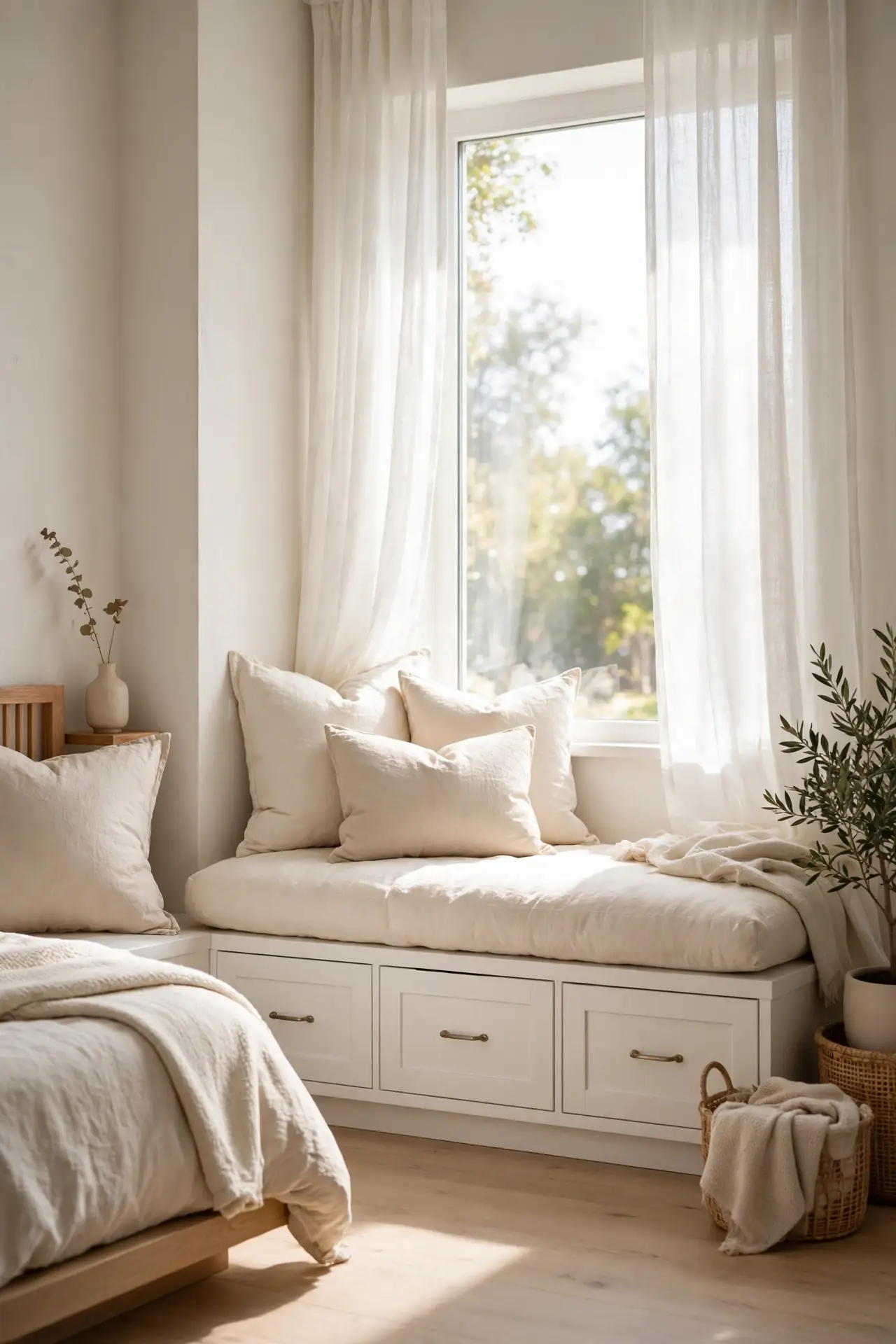
- Build or buy a low bench that fits the full window width to create a reading perch.
- Choose a model with deep drawers or a lift-up lid for blanket and pillow storage.
- Top it with a three-inch foam cushion in washable cream fabric for daily comfort.
- Hang sheer curtains behind it so daylight pours in without harsh glare.
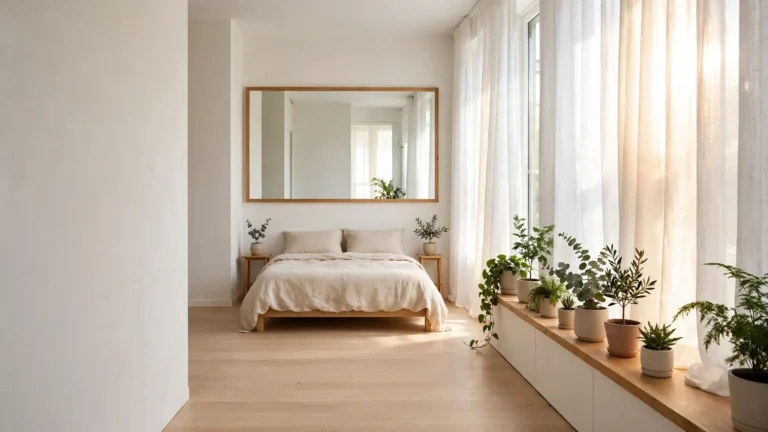
A window seat turns dead space under the sill into the best seat in the house. The storage base swallows bulky bedding while the cushion invites slow mornings with coffee. If a full built-in feels like too much, a sturdy storage bench in front of the window works too. For styling ideas that keep the look soft, browse these small bedroom decor touches that pair beautifully with a cozy window perch.
Slim Console Desk
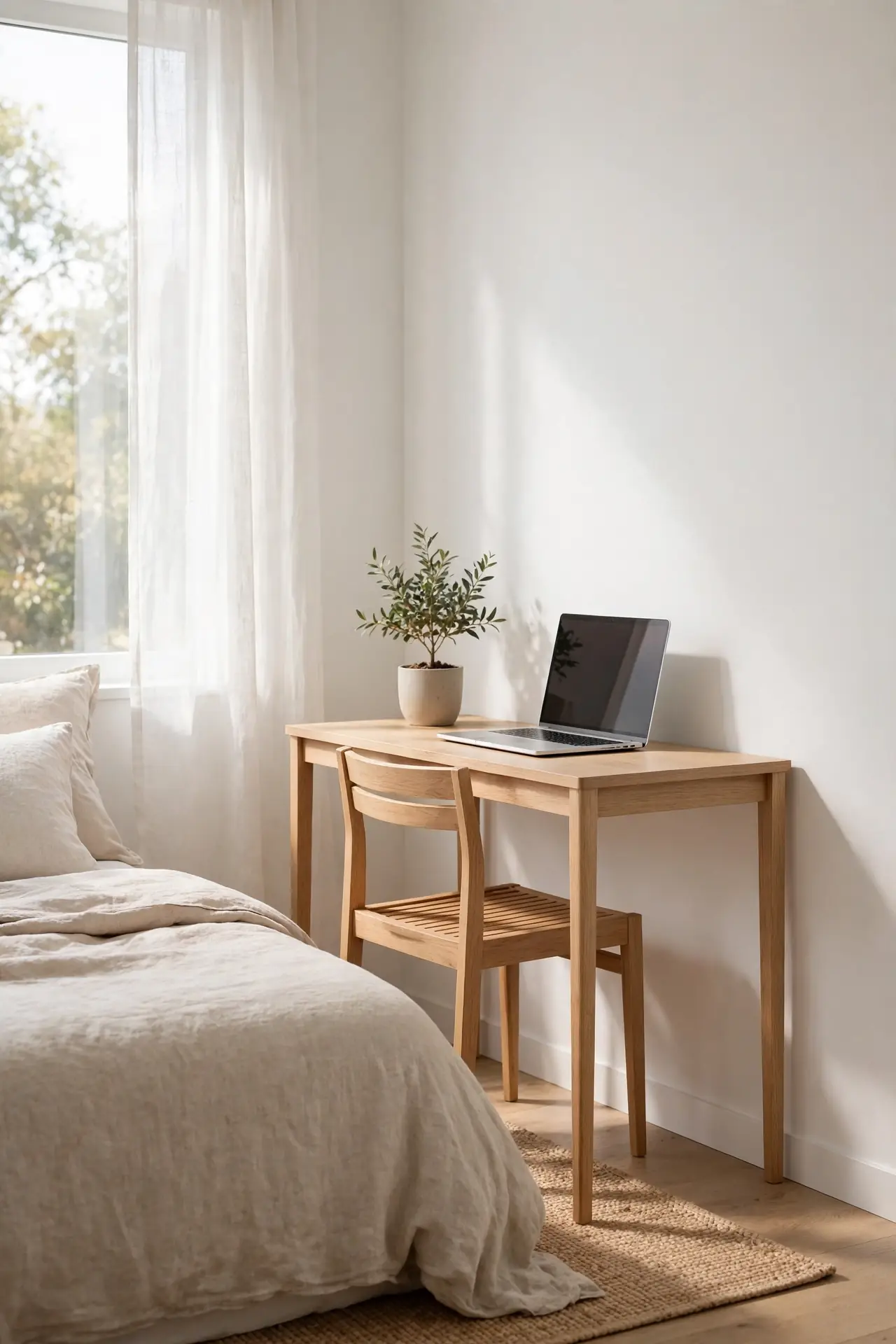
Quick Tip: Hunt for a console table just ten to twelve inches deep and claim it as your desk. It holds a laptop, a lamp, and a notebook without stealing walking space. Add a slim drawer unit or a hanging organizer underneath for supplies, and the setup disappears visually against the wall.
A console desk proves a workspace can live in a hallway-wide strip of room. Keep the surface ruthlessly edited so work feels calm instead of cramped. Use a chair that tucks fully underneath when the workday ends. The room reads as a bedroom again within seconds of pushing the chair in.
Mirror Wardrobe Doors
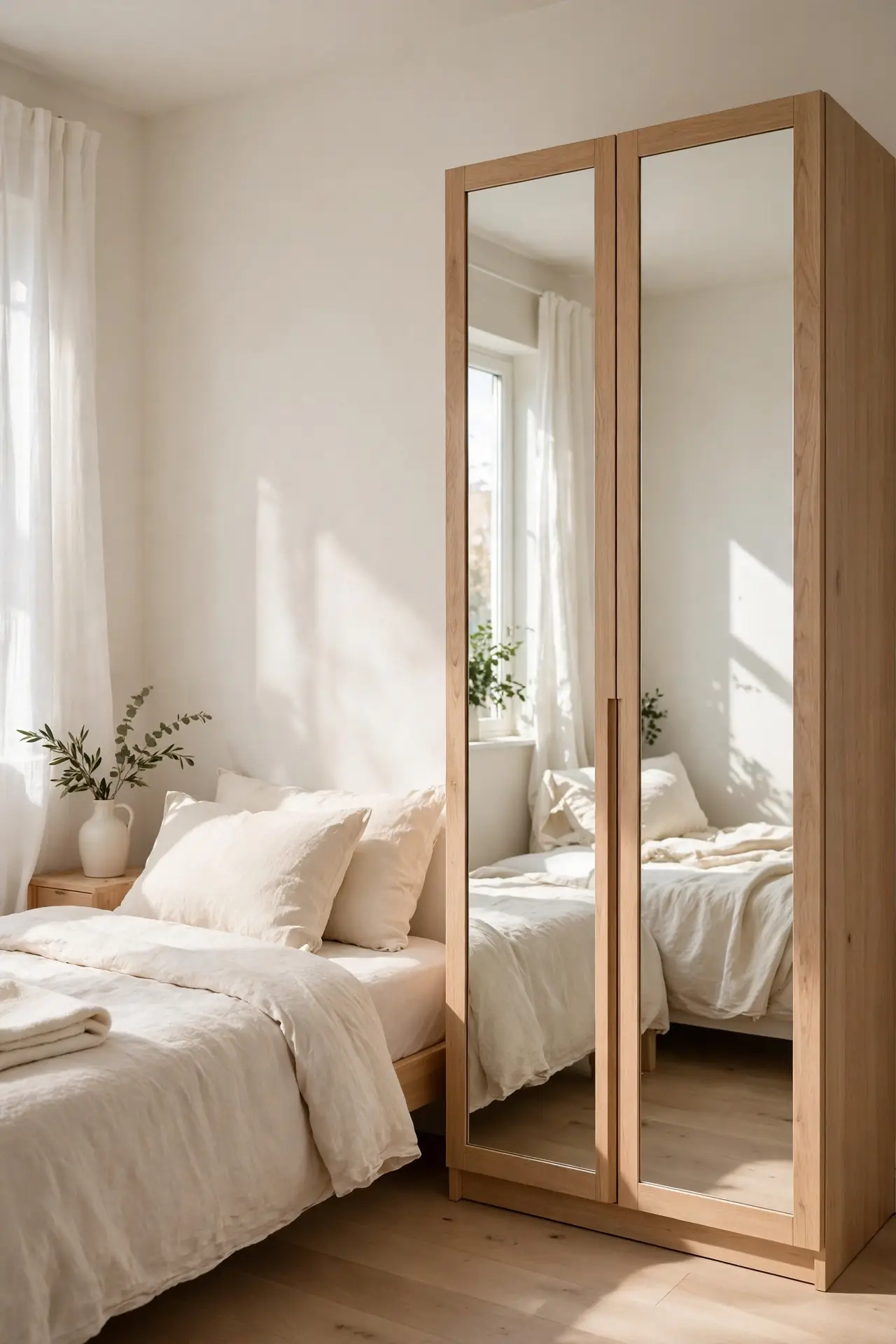
BEFORE: A dark wooden wardrobe loomed over this narrow bedroom like a wall. It swallowed light, made the room feel half its size, and forced outfit checks in the hallway mirror.
AFTER: Mirrored doors replaced the solid fronts, and the room visually doubled overnight. Light bounces from the window across the whole space now, and getting dressed happens in one spot.
Mirrors on wardrobe doors do double duty as storage and light amplifiers. Full-length panels remove the need for a separate standing mirror, which saves precious floor space. Keep the mirrors clean with a weekly wipe so they keep bouncing light. Choose frames that match your other wood tones for a built-in look.
Hanging Closet Shelves
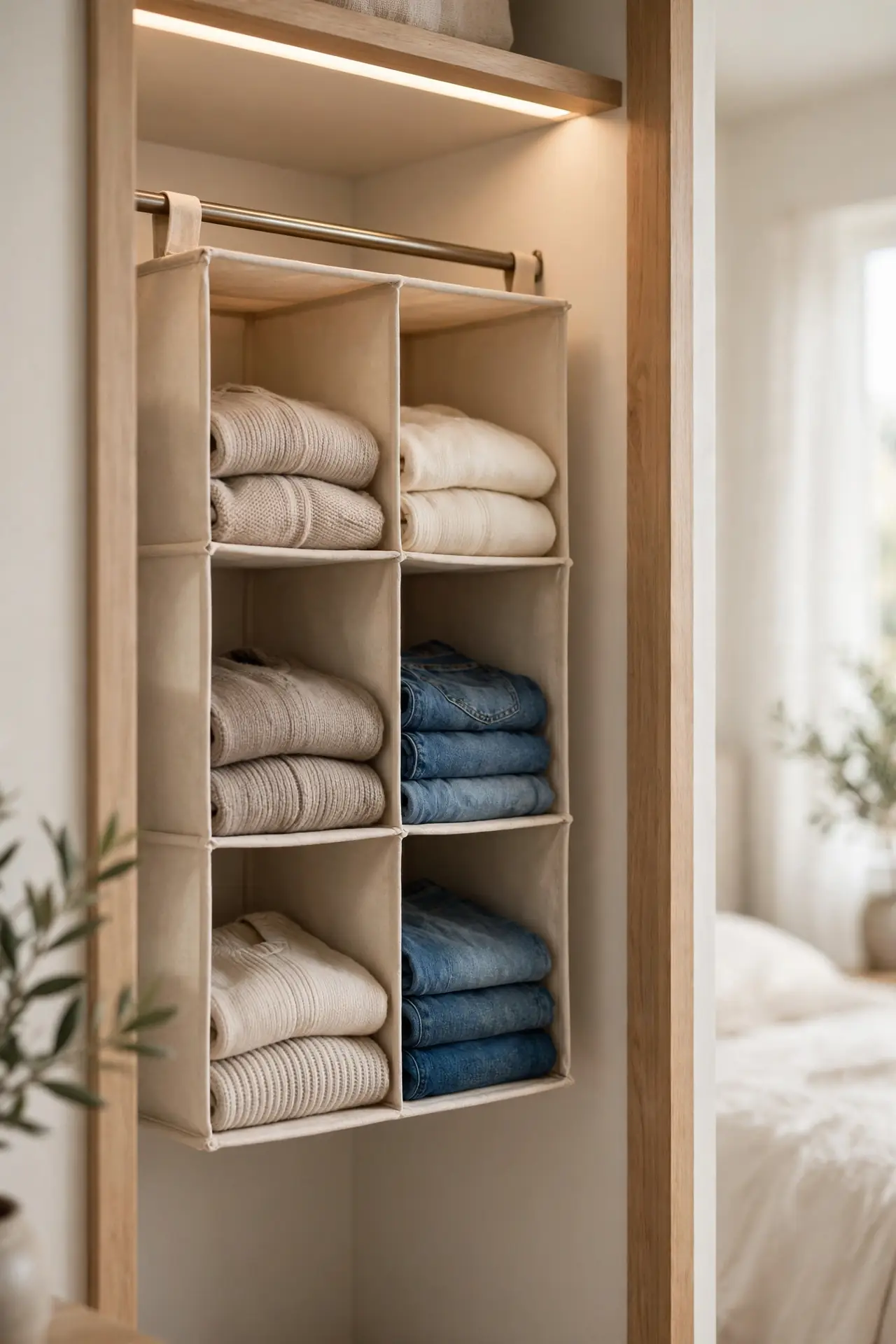
- Clear one section of the closet rod and hang a six-cubby fabric organizer.
- Fold knits and jeans using the file-fold method so every item shows its edge.
- Assign each cubby a category: tops, bottoms, gym wear, and accessories.
- Add small labels to the cubby fronts for the first month until it becomes habit.
Hanging shelves multiply a single rod into six usable compartments. They are perfect for renters who cannot drill, since they need nothing but the existing rod. File-folded clothes stay visible and unwrinkled, which ends the dig-through-the-pile mornings. The whole setup costs little and installs in about five minutes flat.
Multipurpose Daybed Setup
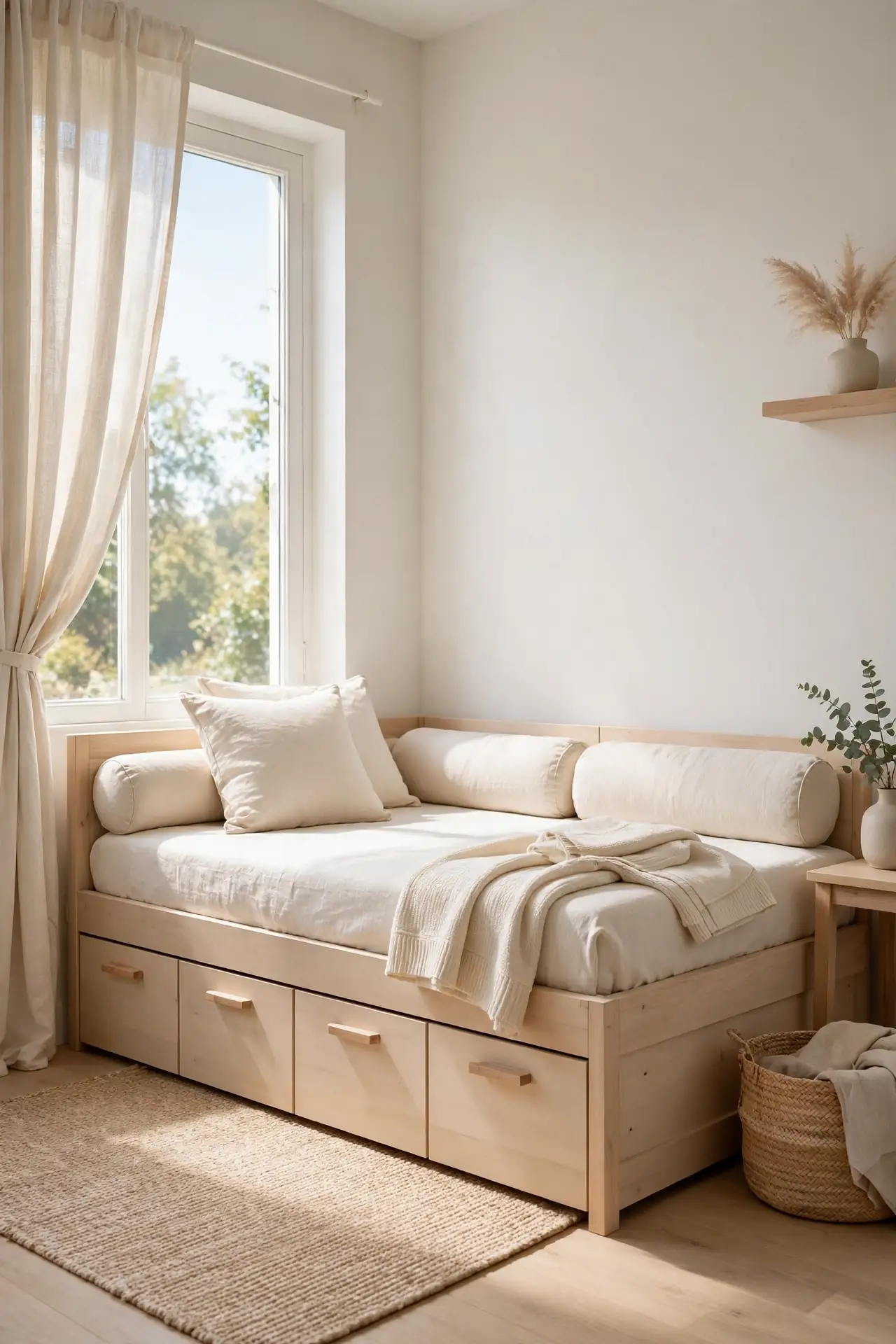
| Mode | Setup | Use |
| Day sofa mode | Bolster pillows lined along the back wall | Lounging, reading, working |
| Night bed mode | Pillows laid flat, throw folded at foot | Sleeping comfortably nightly |
| Guest ready mode | Trundle pulled out with fresh sheets | Two sleepers at once |
A daybed works as a sofa by day and a bed by night, which is ideal for studio living. Add a pop-up trundle underneath to sleep two without a second bed’s footprint. Dress the back with firm bolster pillows so daytime lounging feels intentional. Choose a twin XL mattress if you are tall, since standard twins run short for adults.
Pocket Door Swap
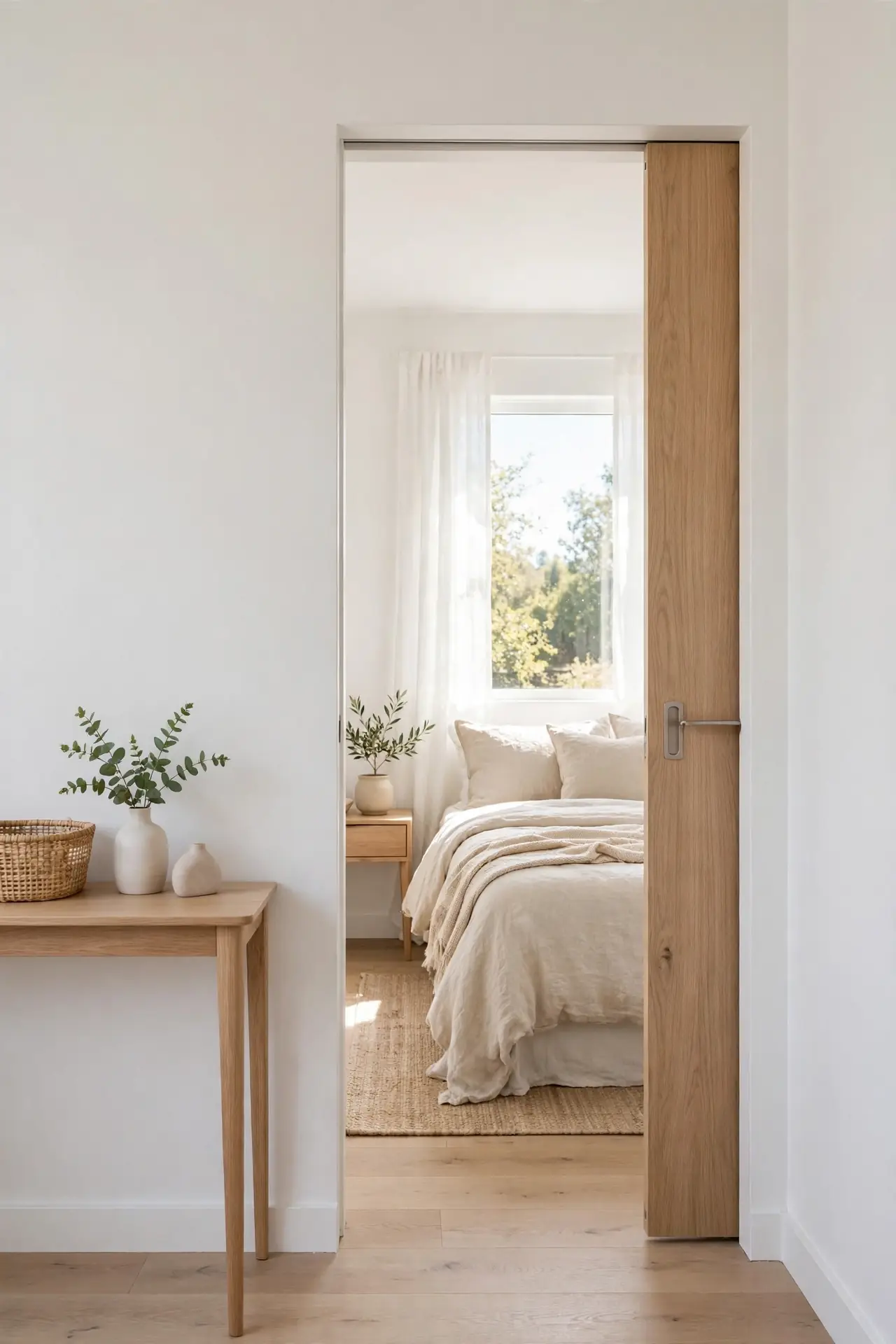
DO: Hire a carpenter if the wall hides plumbing or wiring you cannot move.
DO: Choose soft-close hardware so the door glides silently every time.
DO: Paint the door the wall color so it vanishes when open.
DON’T: Attempt this on a load-bearing wall without professional advice.
DON’T: Skip the recessed pull, since pocket doors need one to close easily.
DON’T: Hang heavy art on the pocket wall, because the cavity sits hollow.
A swinging door eats up to ten square feet of usable floor. A pocket door gives every inch back, freeing wall space for furniture on both sides. Renters can mimic the effect with a sliding barn door on an exterior track. The room gains layout options that a hinged door simply never allowed.
Tension Rod Dividers
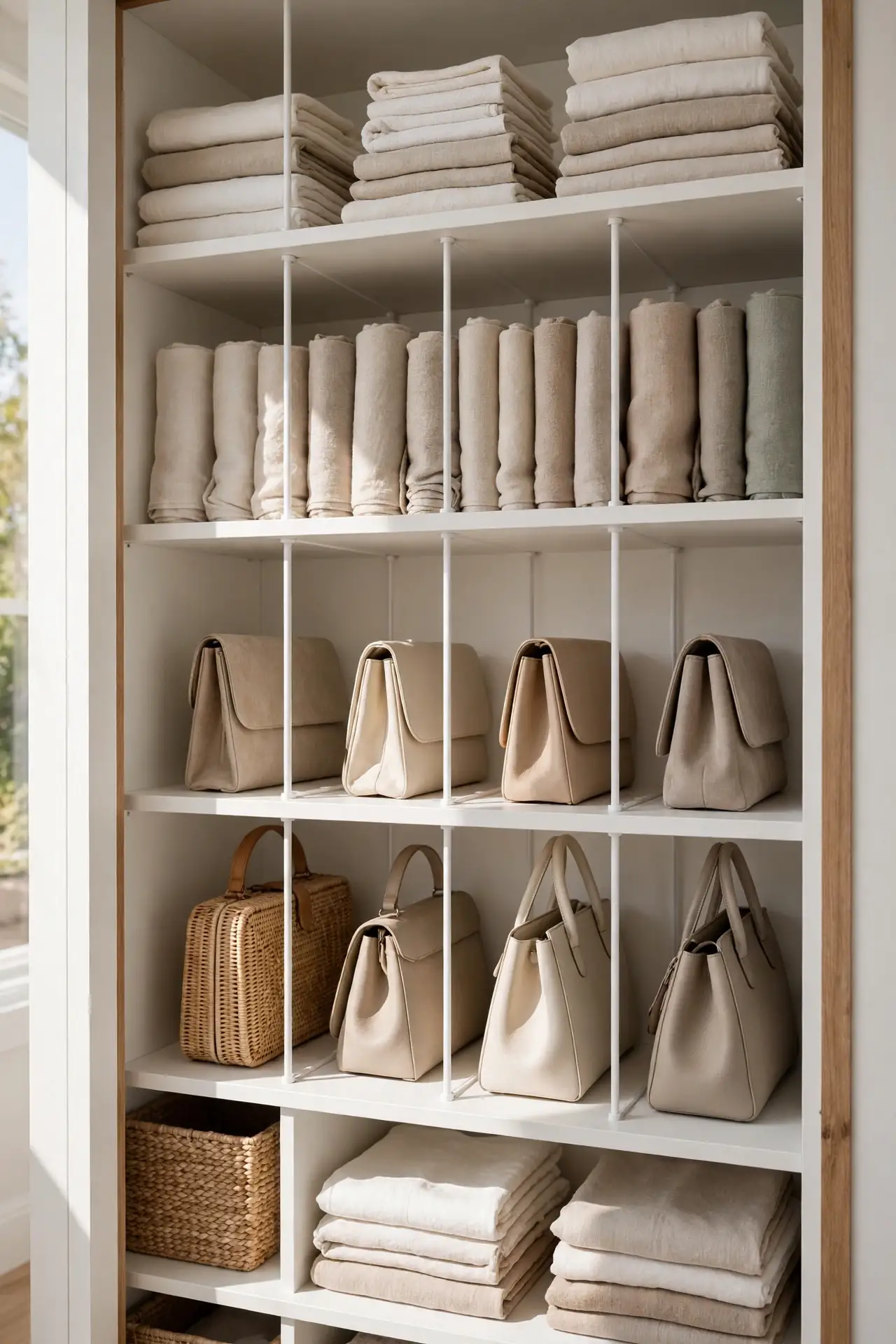
Cost: Three to eight dollars per rod, with most projects needing only two or three. Time: Fifteen minutes to measure, twist, and load them up. Skill Level: Beginner, since tension rods install with zero tools or damage. Best For: Dividing deep shelves, upright clutches, and stacking sheet sets neatly.
Tension rods are the unsung heroes of small-space organizing. Stand them vertically inside deep shelves to create dividers that stop stacks from toppling. Use them horizontally under a shelf to hang spray bottles or add a curtain that hides open storage. They leave no marks, which makes landlords happy too. Stack them in pairs when holding heavier loads like folded denim.
Ceiling Hung Storage
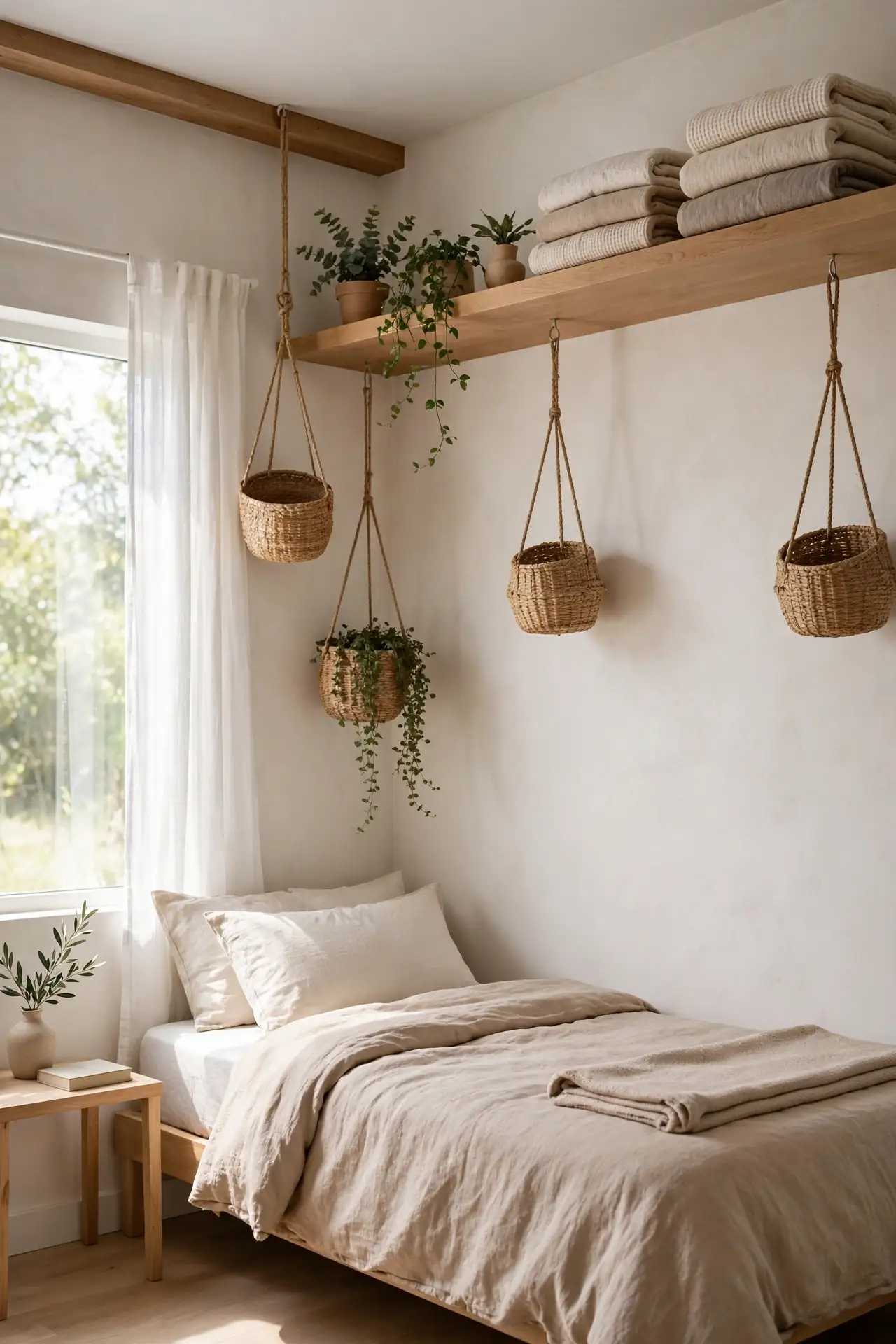
The ceiling is the last frontier of unused space in most small bedrooms. Hanging baskets, pendant shelves, and ceiling-mounted racks store plants, hats, and seasonal gear overhead. Screw hooks into ceiling joists so every hanging point holds real weight safely.
Keep hung items above head height along the room’s edges so the center stays open and airy. A row of hanging planters draws the eye upward, which makes ceilings feel taller. Use matching baskets or planters so the overhead display looks deliberate, not improvised. This trick adds storage without touching a single square inch of floor, and that is the whole game.
Conclusion
Small rooms reward the clever, and now you have 25 ways to outsmart yours. These small bedroom ideas space saving strategies work best when you start with just one change this weekend, then build from there. I have seen how small changes like these can completely shift the way a space feels, from cramped to calm. Save this post to your bedroom board on Pinterest so the ideas are waiting when you need them. Try two or three hacks, live with them for a week, then come back for more. Your stylish, comfortable small bedroom is closer than you think.
One Comment