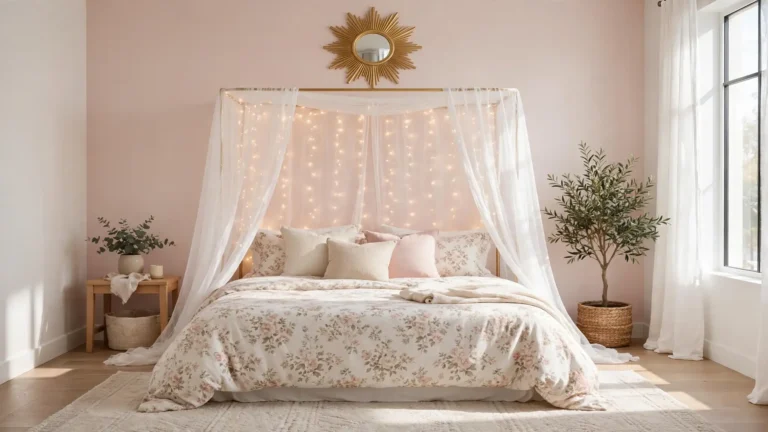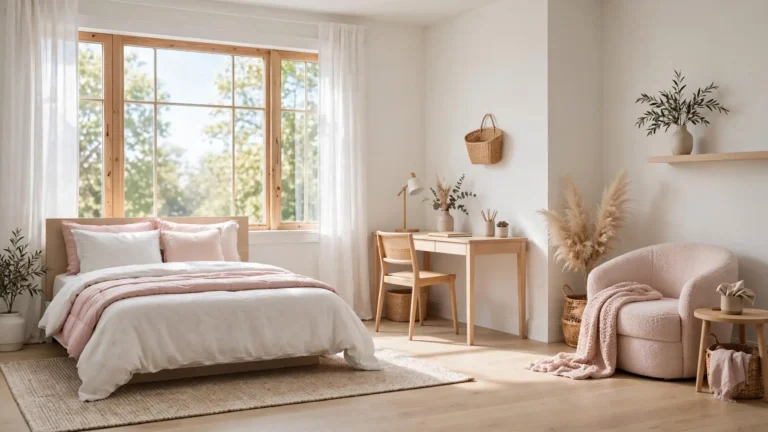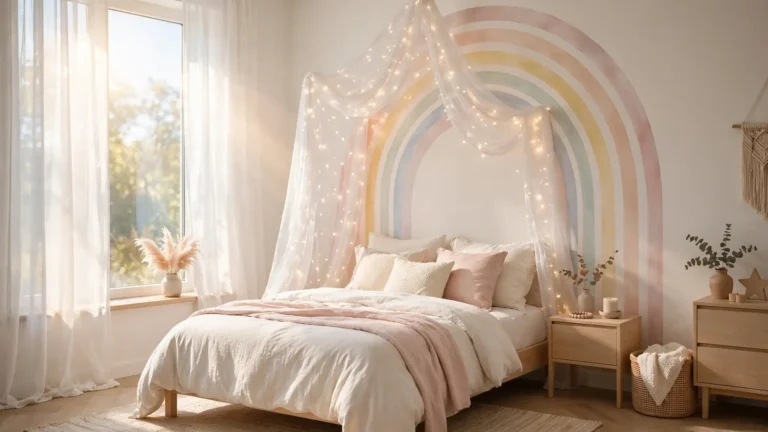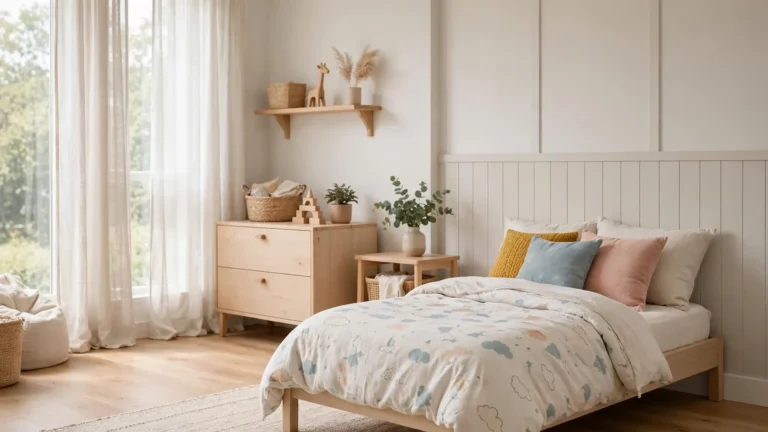
24 Shared Bedroom Ideas for Siblings to Create Harmony
Two kids, one room, and a daily negotiation over every single inch. These shared bedroom ideas for siblings turn that familiar tension into genuine teamwork with fair zones and smart storage. I have watched brothers and sisters go from constant bickering to proud roommates once each child had space that felt truly theirs. The secret is not a bigger room, only a smarter plan that respects both kids equally.
You do not need a designer budget to make sharing work beautifully. For small footprints, borrow layout tricks from these tiny bedroom ideas with queen bed plans that squeeze function from every corner. Below you will find twenty-four practical ideas, from split zones to shared schedules, that bring calm to chaotic shared rooms. Each one works in real family homes with real laundry piles. Let us build a room both kids love coming home to.
Split Zone Layout
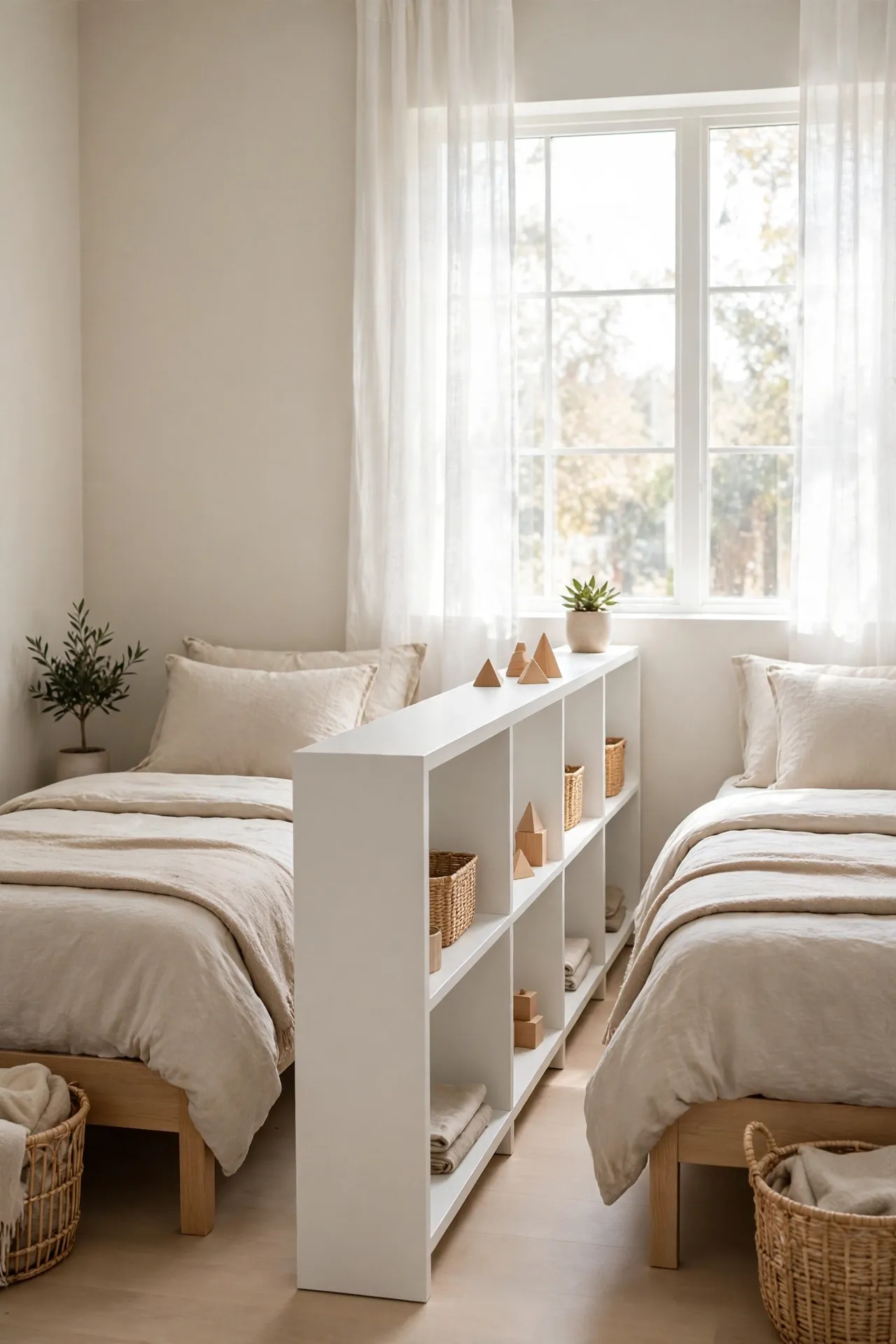
Draw an invisible line down the middle of the room and give each child a true half. A low bookshelf or a rug border marks the boundary without building a wall. I have noticed kids respect zones they helped design, so let them pick their side’s color accent. Each half holds a bed, a small storage spot, and a personal corner. Fair division ends most territory fights before they start.
Keep shared items like the closet and reading lamp on neutral ground between the zones. A simple floor plan sketch helps everyone agree on the split before you move furniture. Revisit the layout every few months as kids grow and needs shift. The clearest rooms I have seen all started with this one fair line.
Matching Bedding Sets for shared bedroom ideas for siblings
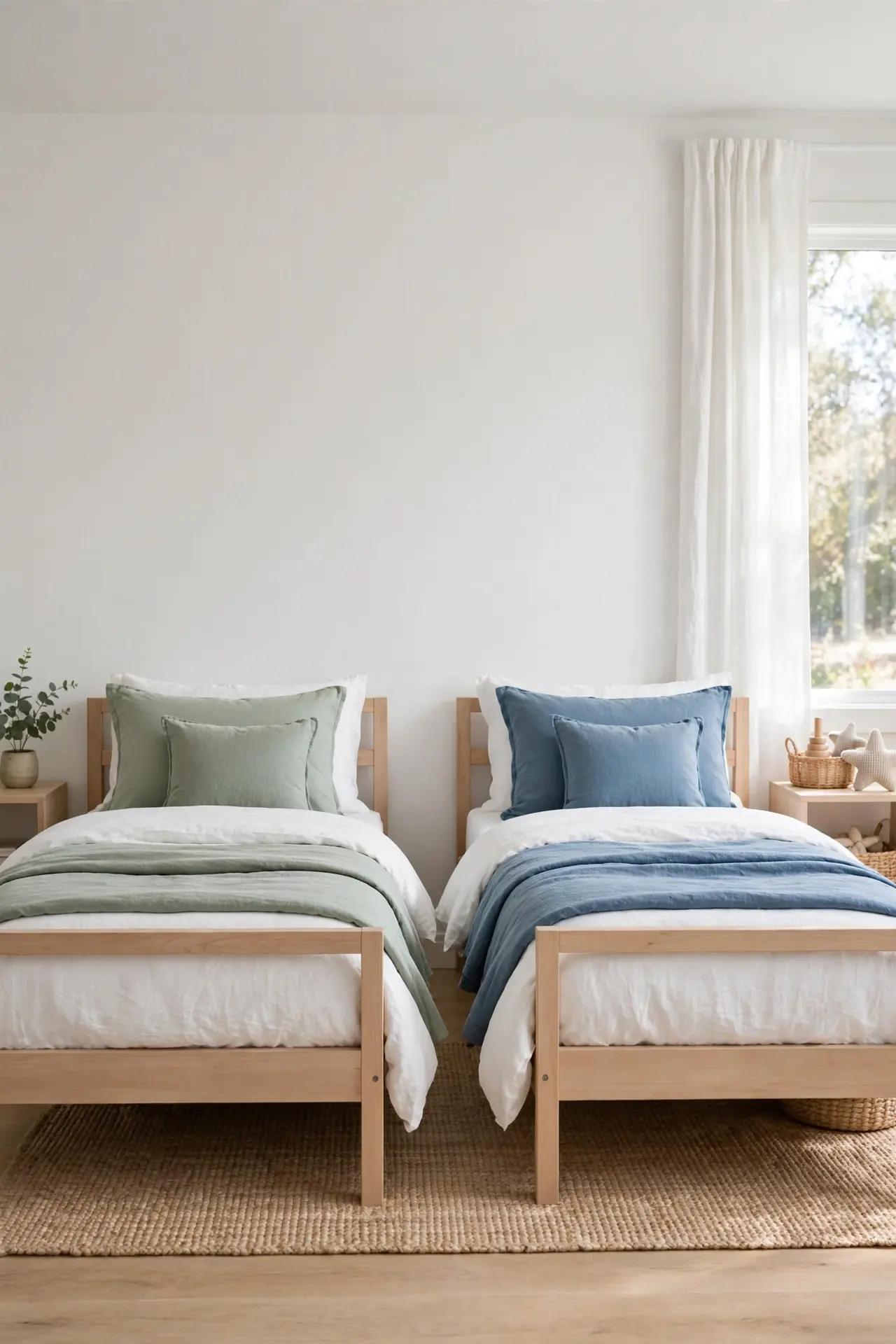
- Choose the same bedding pattern in two different colors so the beds look united but personal.
- Reversible duvets give each child two looks to flip between without buying extra sets.
- Wash both sets together so colors fade evenly and the pair always matches.
- Add one unique throw pillow per bed for a personal touch within the matched set.
Matching bedding makes a shared room look intentional instead of chaotic. I have tried this with siblings close in age and the visual unity calms the whole space. Pick durable cotton that survives weekly washes. This works best for kids who want sameness with a twist. Your room feels like one design, not two colliding ones.
Name Label Storage
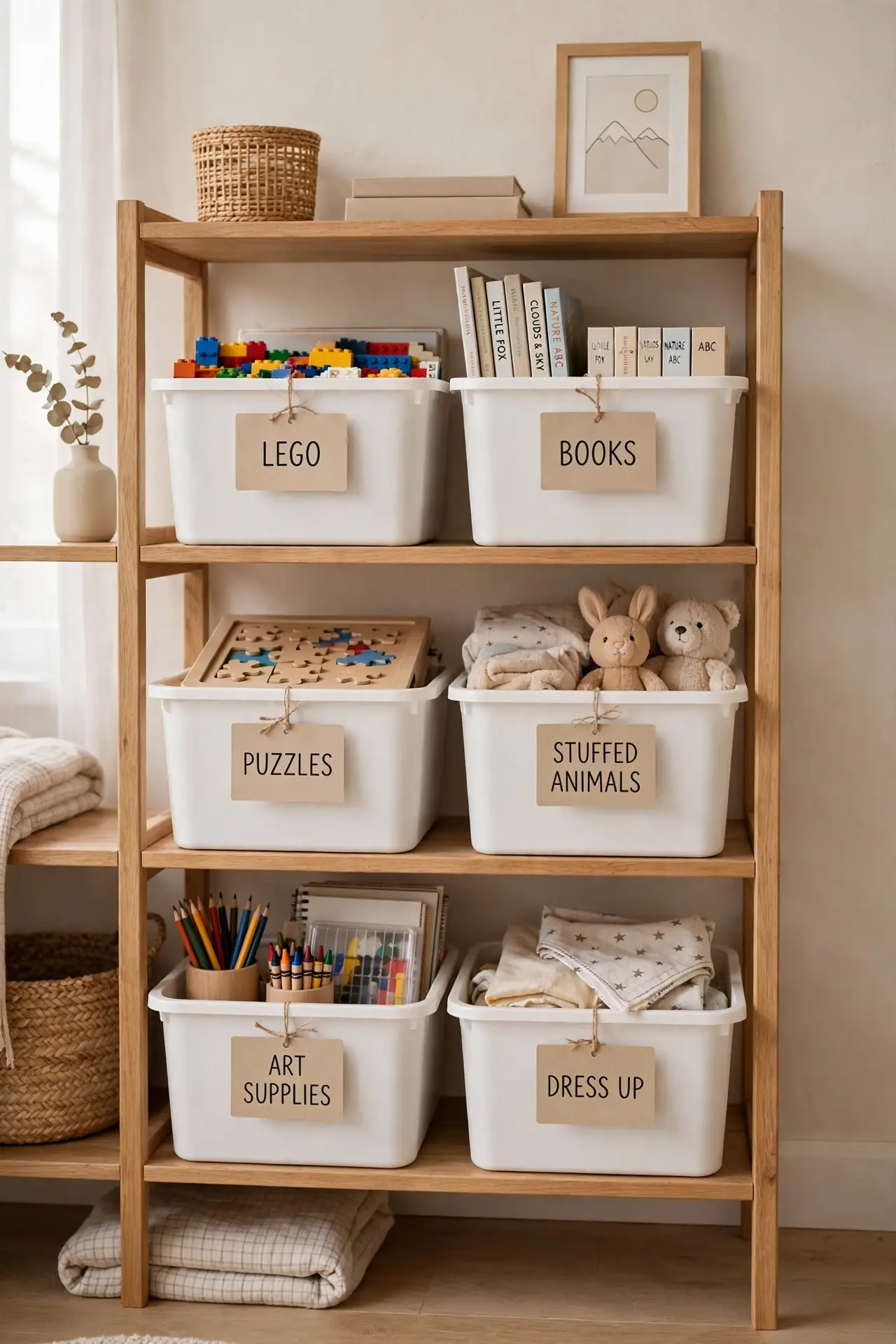
Quick Tip: Label every bin, drawer, and shelf with each child’s name in big clear letters. Use matching label holders so the system looks tidy, not messy. When everything has a named home, cleanup takes minutes and blame games stop. Review labels each season and update them as interests change.
Named storage teaches responsibility without daily nagging. I have seen labeled systems cut morning arguments in half because each child knows exactly where their things belong. Use picture labels for younger kids who cannot read yet. This suits any shared room, big or small. Your shelves stay organized because the system runs itself.
Loft Bed Duo
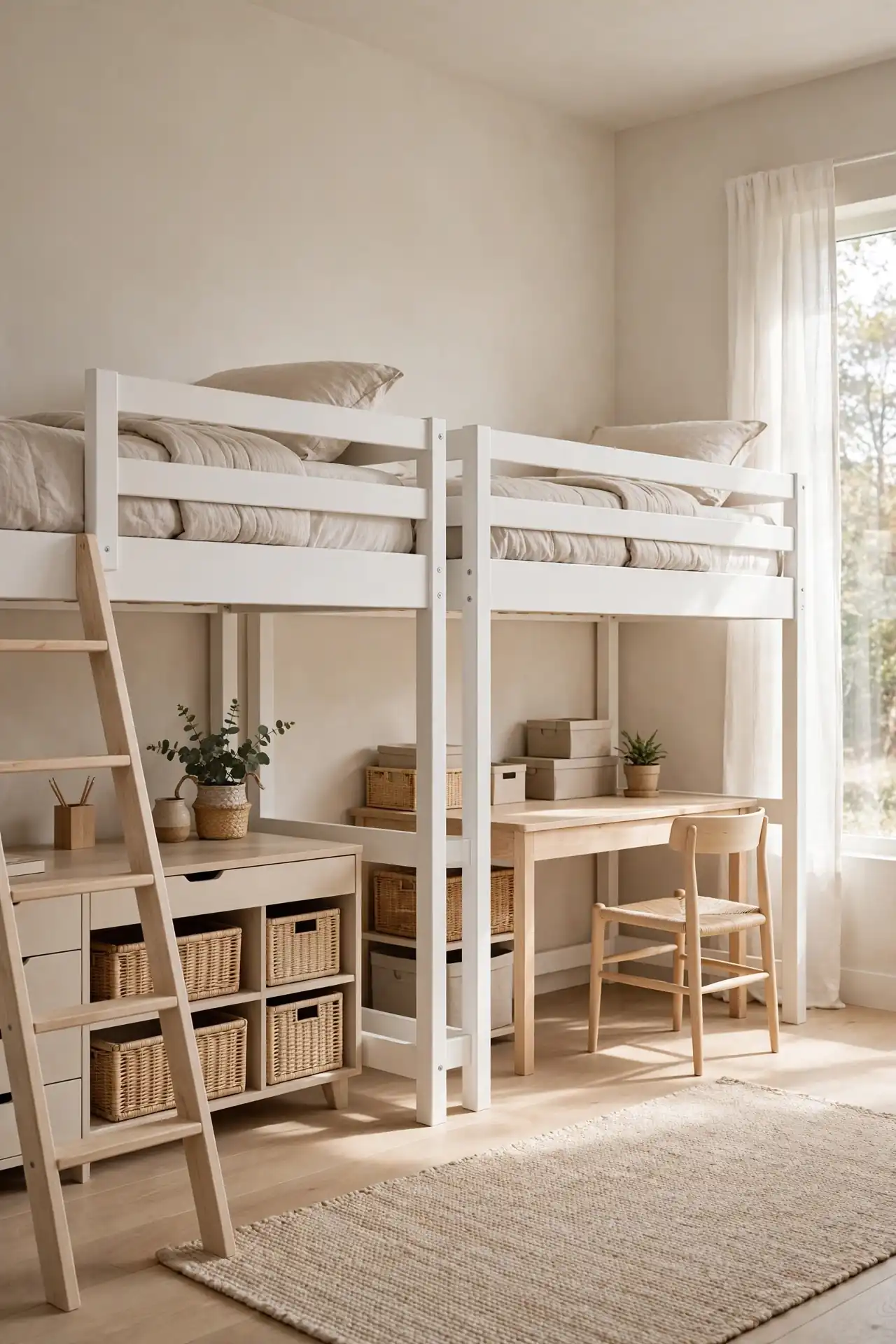
BEFORE: Two beds on the floor eat every inch of play space. The room feels cramped, toys have nowhere to go, and siblings bump into each other constantly.
AFTER: Two loft beds free the entire floor for desks, play, and storage underneath. The room breathes, each child gains a private nook below, and mornings run smoother.
Loft beds are the biggest space win for shared rooms. I have seen this work well in many cases, especially in rooms under 120 square feet. Choose sturdy frames with guard rails and easy ladders. This suits kids over six who climb safely. Your floor space doubles overnight with this single change.
Color Coded Corners
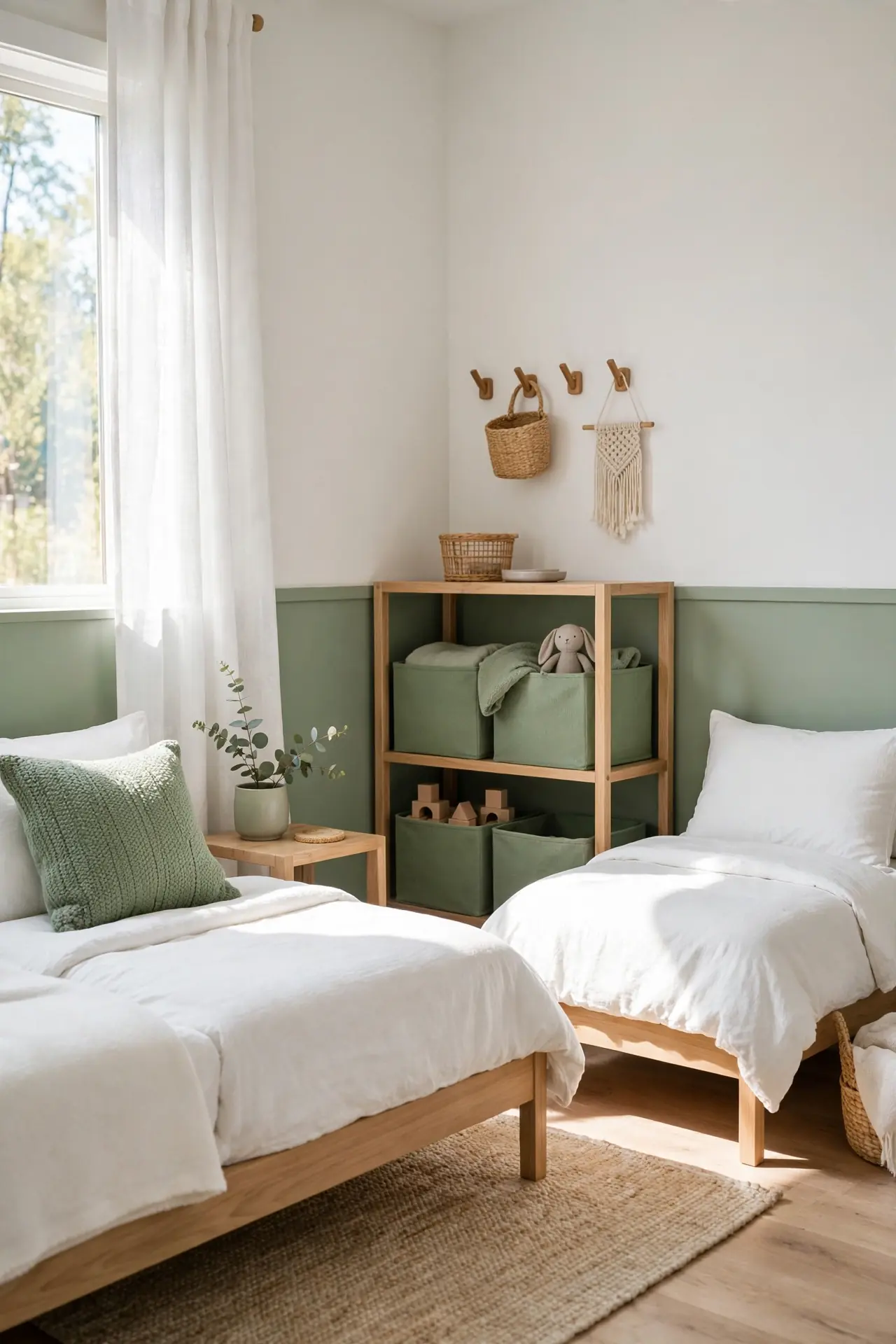
- Pick one accent color per child, like sage green and dusty blue.
- Use that color for their bedding trim, storage bins, and one wall art piece.
- Keep big furniture neutral so the colors never clash.
- Let each child choose their shade from three parent-approved options.
- Repeat the accent on small items like bookends and lamp shades for a pulled-together feel.
Color coding gives each child identity inside a shared space. I have noticed kids take better care of things marked in their color. Stick to muted tones so the room stays calm. This works for any age gap. Your room looks coordinated while each corner feels personal.
Curtain Divider for shared bedroom ideas for siblings
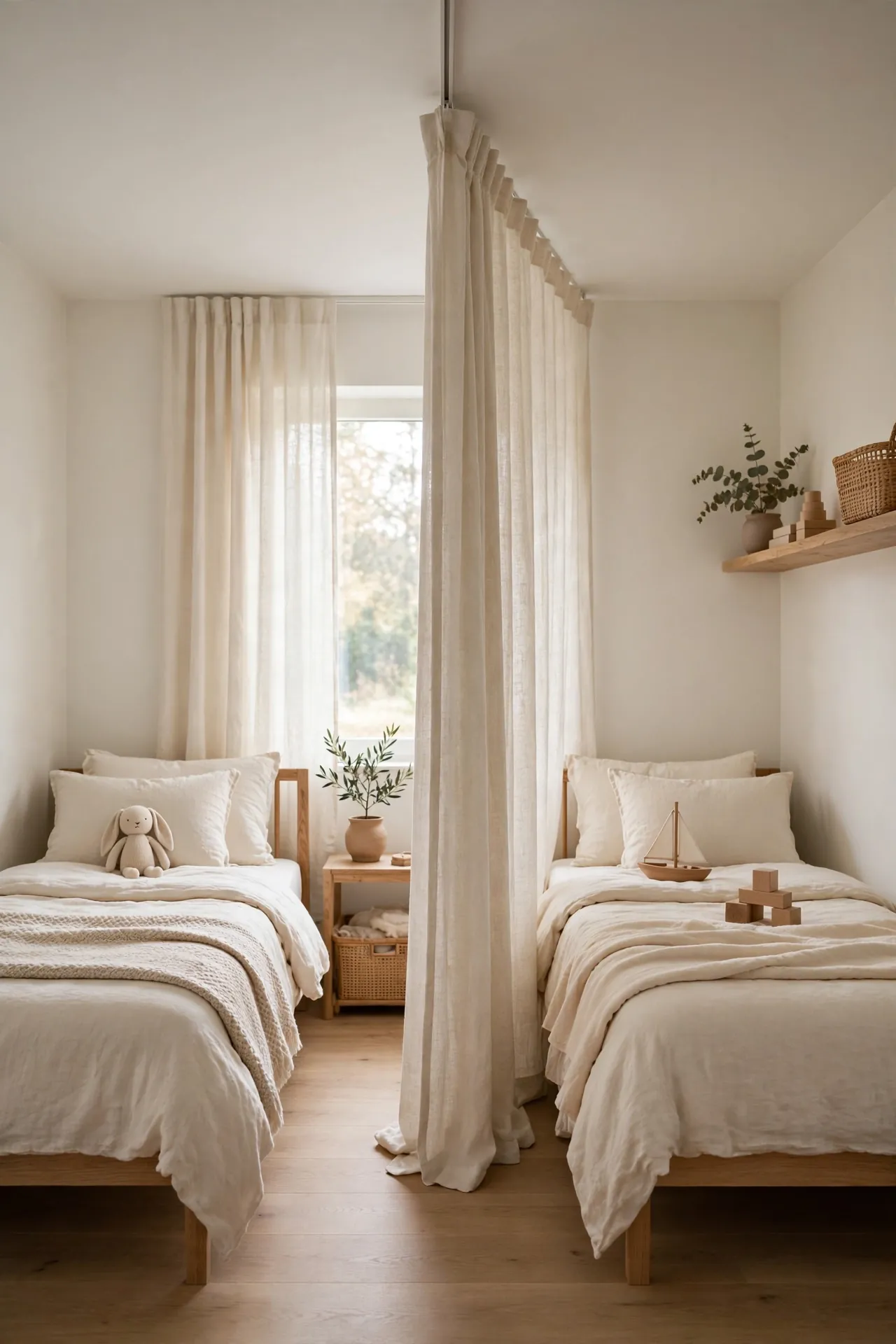
| Ceiling Curtain | Folding Screen |
| Installs in an afternoon | Needs floor space |
| Softens noise a little | Blocks sight lines fully |
| Costs very little | Costs more |
| Kids can open or close it | Stays put once placed |
| Washable fabric options | Wipeable surfaces only |
A curtain divider gives each sibling privacy on demand without permanent walls. I have tried ceiling-mounted curtains in shared rooms and the ability to close off a corner ends most bedtime arguments. Use blackout fabric if one child reads later than the other. Hang the track securely into ceiling joists for safety. Choose a neutral curtain color so it blends with the room when open. Your kids gain personal space that appears and disappears in seconds.
Shared Nightstand
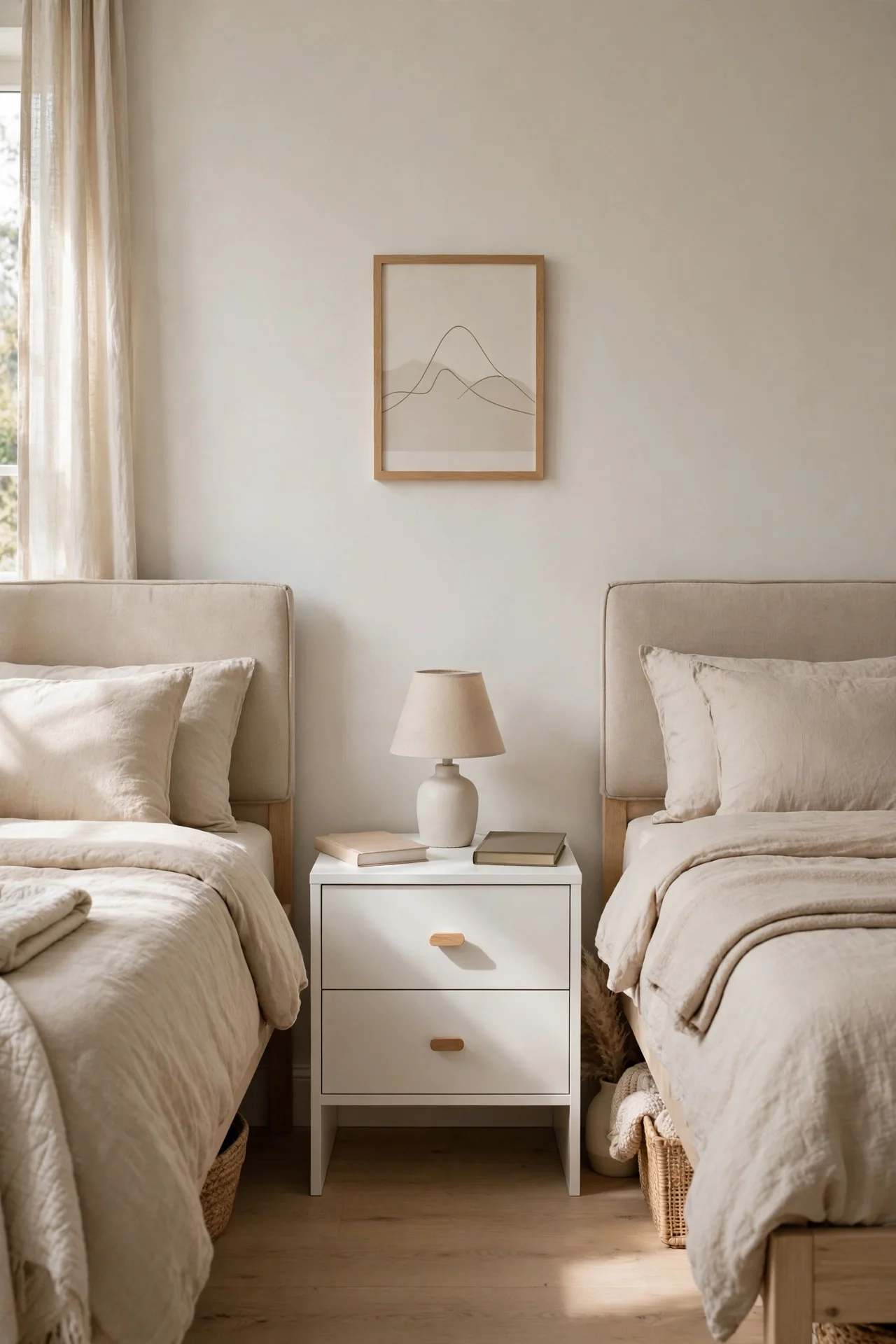
DO: Give each child one drawer or shelf on the shared nightstand. Add a small divider tray inside shared drawers. Place a lamp both kids can reach from either bed. Keep a shared charging spot on the middle shelf.
DON’T: Let one child claim the entire surface for their things. Stack both kids’ books into one messy pile. Put the lamp where only one bed can reach it. Store snacks that invite midnight arguments.
One nightstand between two beds works when the split is explicit. In my experience, a simple drawer divider prevents ninety percent of nightstand wars. Label each side if needed. This suits twin beds placed close together. Your bedtime routine stays calm with everything in its place.
Bedside Caddies
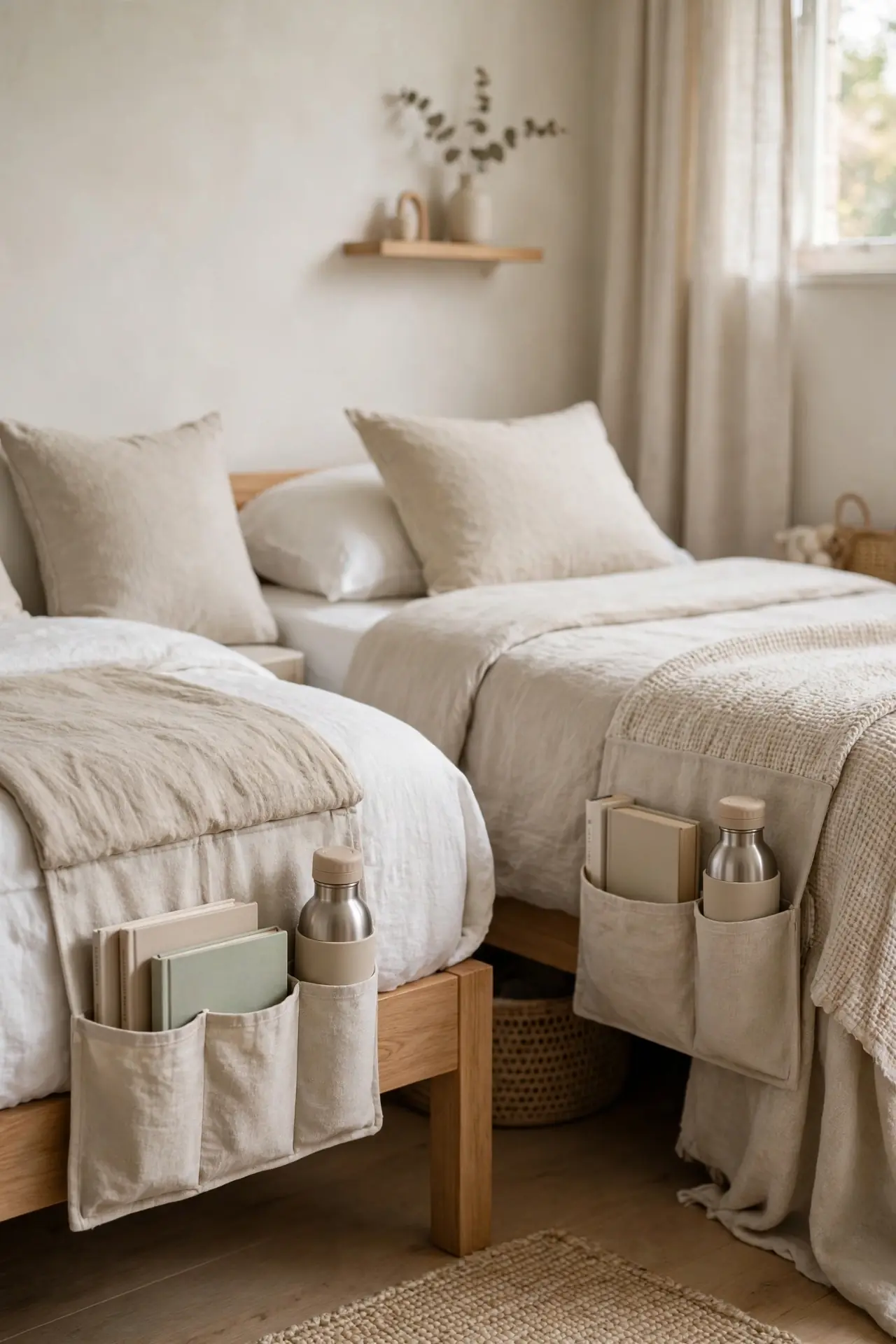
Cost: Low | Time: Fifteen minutes | Skill Level: Beginner | Best For: Bunk beds
Bedside caddies hang over the mattress edge and hold books, glasses, and water bottles within arm’s reach. I have seen this ten-dollar fix end fights over nightstand space completely. Each child gets their own caddy in their own color, which makes ownership obvious. Choose caddies with at least three pockets and sturdy dividers. They work on any bed frame with a mattress lip. This suits bunk beds best, where nightstands cannot fit. Your kids keep essentials close without touching each other’s space. Wipe the fabric caddies monthly to keep them fresh and dust-free.
Twin Book Nooks
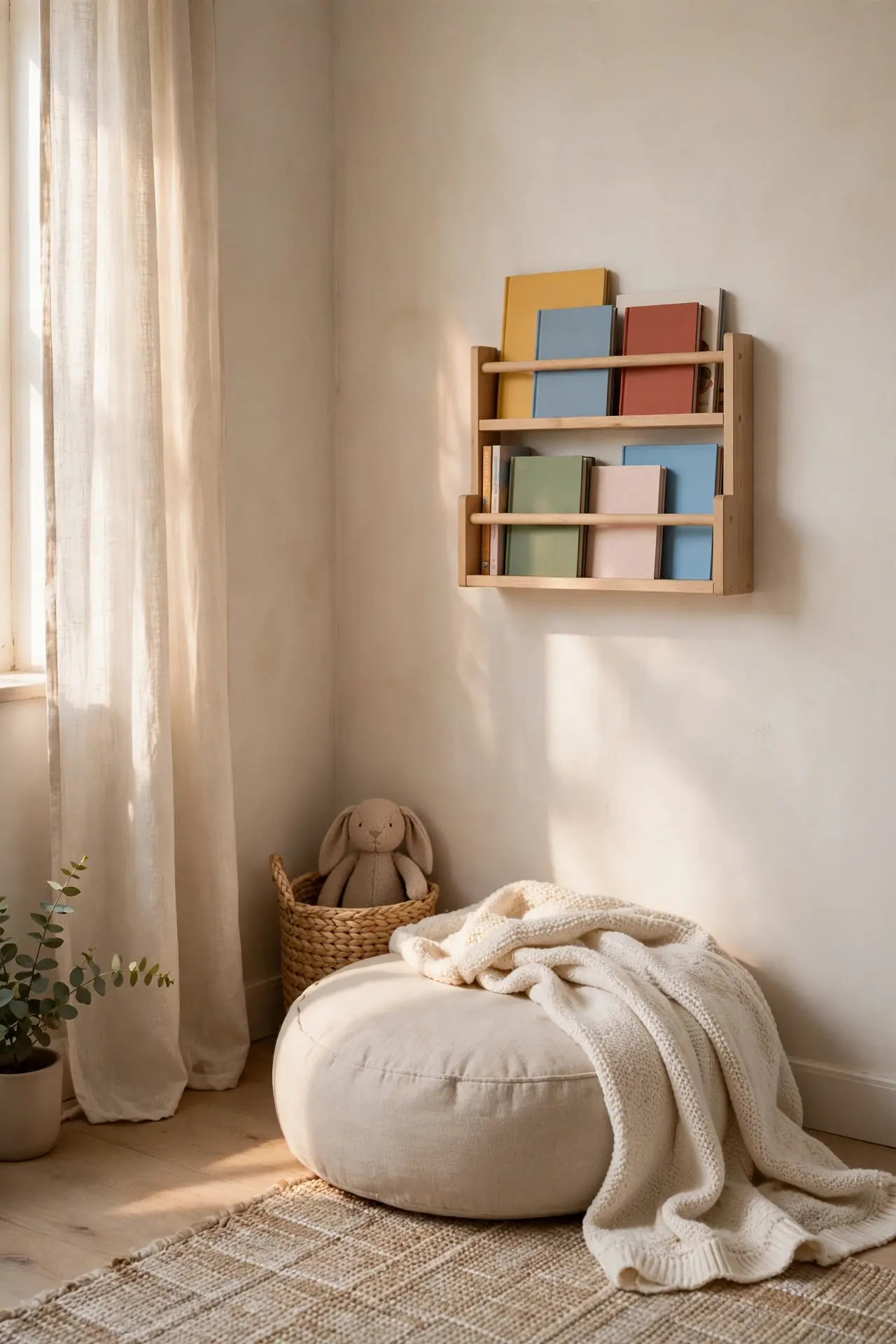
Carve a tiny reading corner for each child, even if it is just a floor cushion and a wall-mounted book rack. I have seen shared bedroom ideas for siblings succeed most when each kid owns a cozy spot that is truly theirs. A small sconce or clip light makes the nook usable after lights-out. Keep the book selection rotating so the corner stays exciting.
Place the nooks on opposite sides of the room to give each reader quiet. A simple curtain panel can close off the nook for extra coziness. Let each child pick one pillow and one blanket for their spot. These small personal zones build the habit of independent quiet time.
Under Bed Drawers
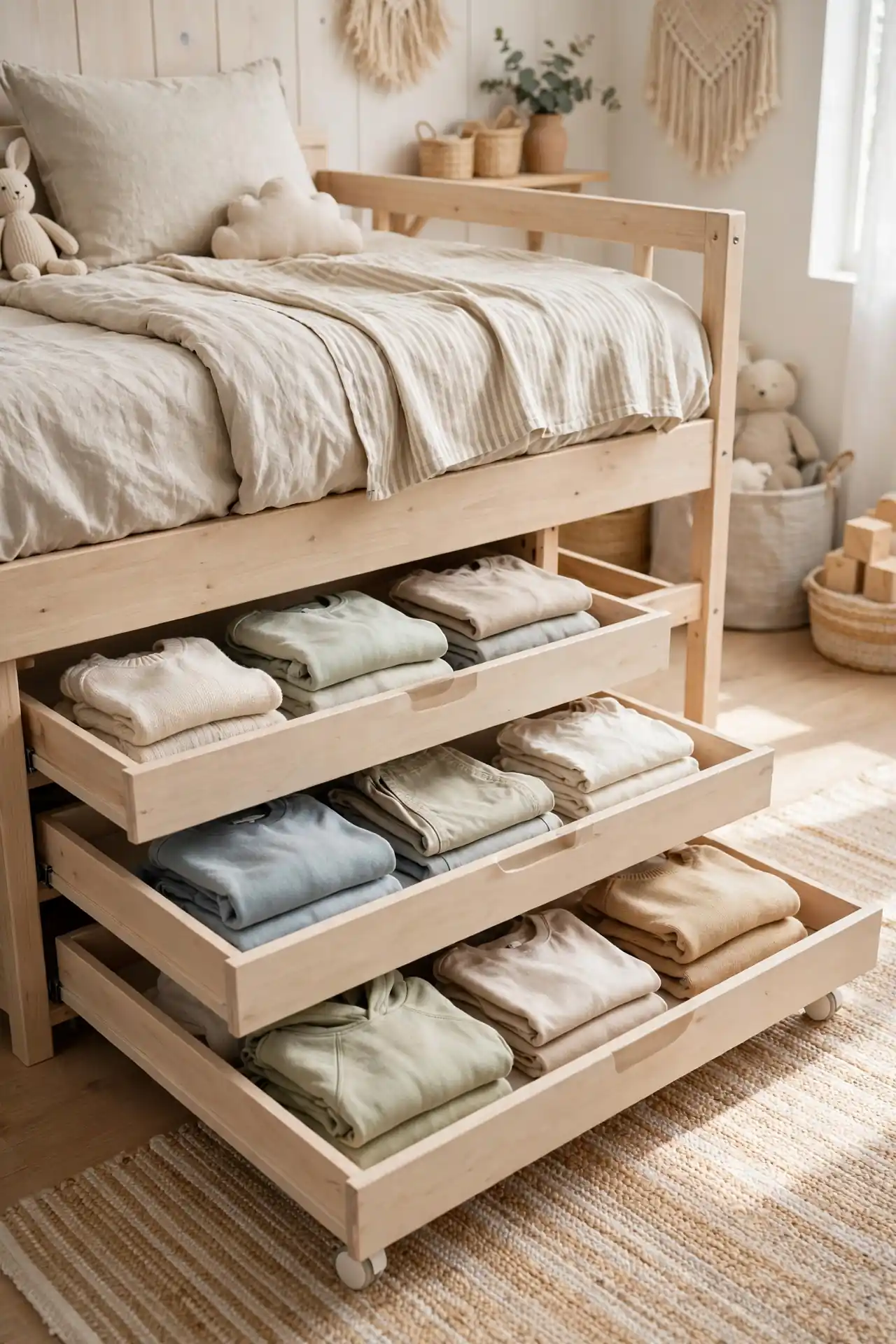
- Slide flat rolling drawers under each bed for off-season clothes and extra bedding.
- Assign one drawer per child and label them to prevent mix-ups.
- Use clear bins so kids can find things without dumping everything out.
- Store bulky items like winter coats in vacuum bags to save even more space.
- Keep everyday items in the most reachable drawer for quick mornings.
Under-bed drawers turn dead space into each child’s private storage. I have noticed kids guard their own drawer fiercely, which keeps the rest of the room cleaner. Measure clearance before buying. This works under any bed with at least six inches of space. Your room gains storage without adding a single piece of furniture.
Quiet Homework Zone
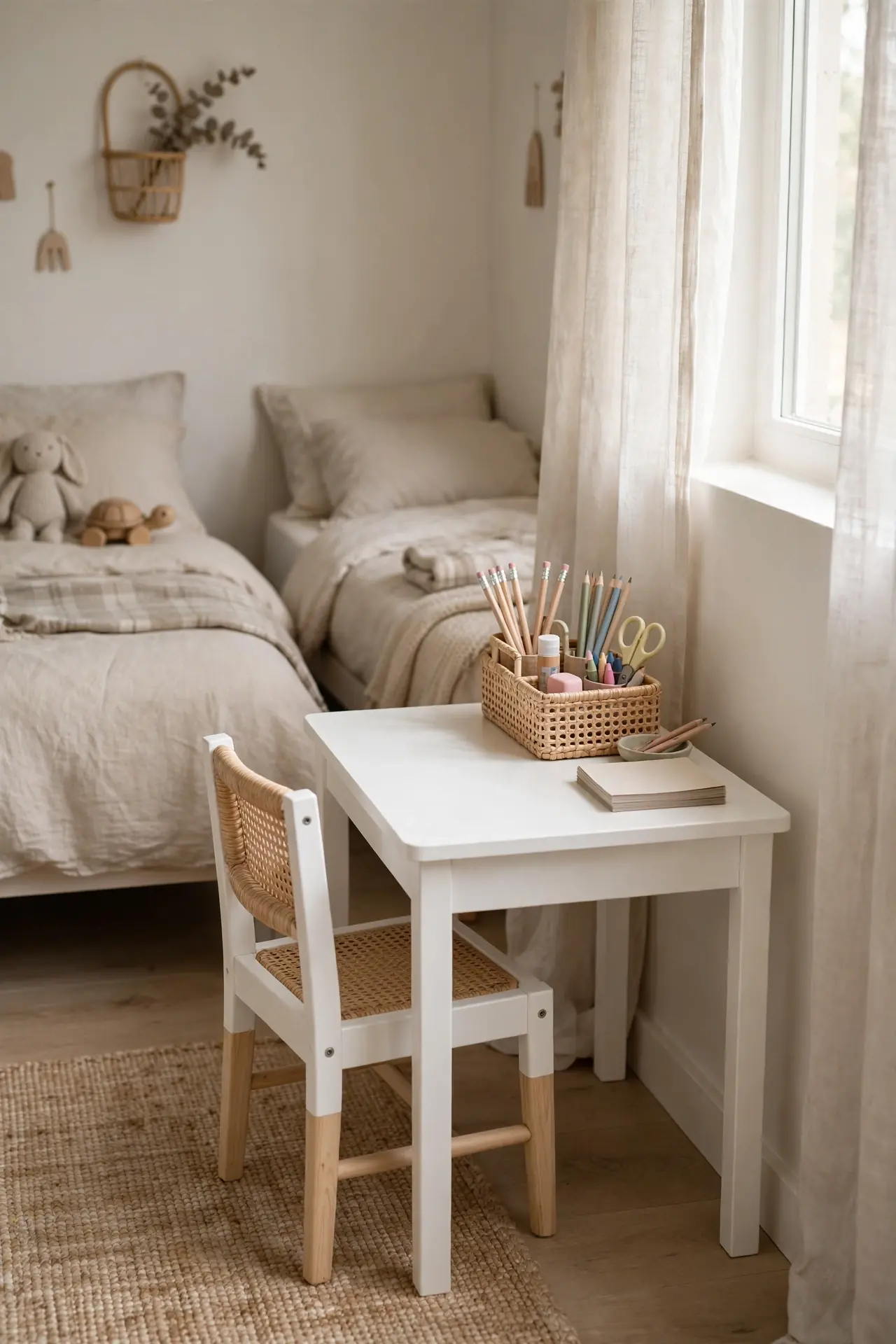
Quick Tip: Set up one small desk in the quietest corner for homework, with a simple schedule for who uses it when. A pair of noise-reducing earmuffs helps the non-studying sibling play quietly nearby. Keep supplies in a caddy that moves with each child. The zone stays peaceful when the rules are clear.
One shared desk works when time is shared fairly. I have tried a simple timer system and it ended every argument about desk hogging. Post the schedule on the wall where both kids can see it. This suits school-age siblings best. Your evenings stay calm with homework handled in turns.
Rug Defines Space for shared bedroom ideas for siblings
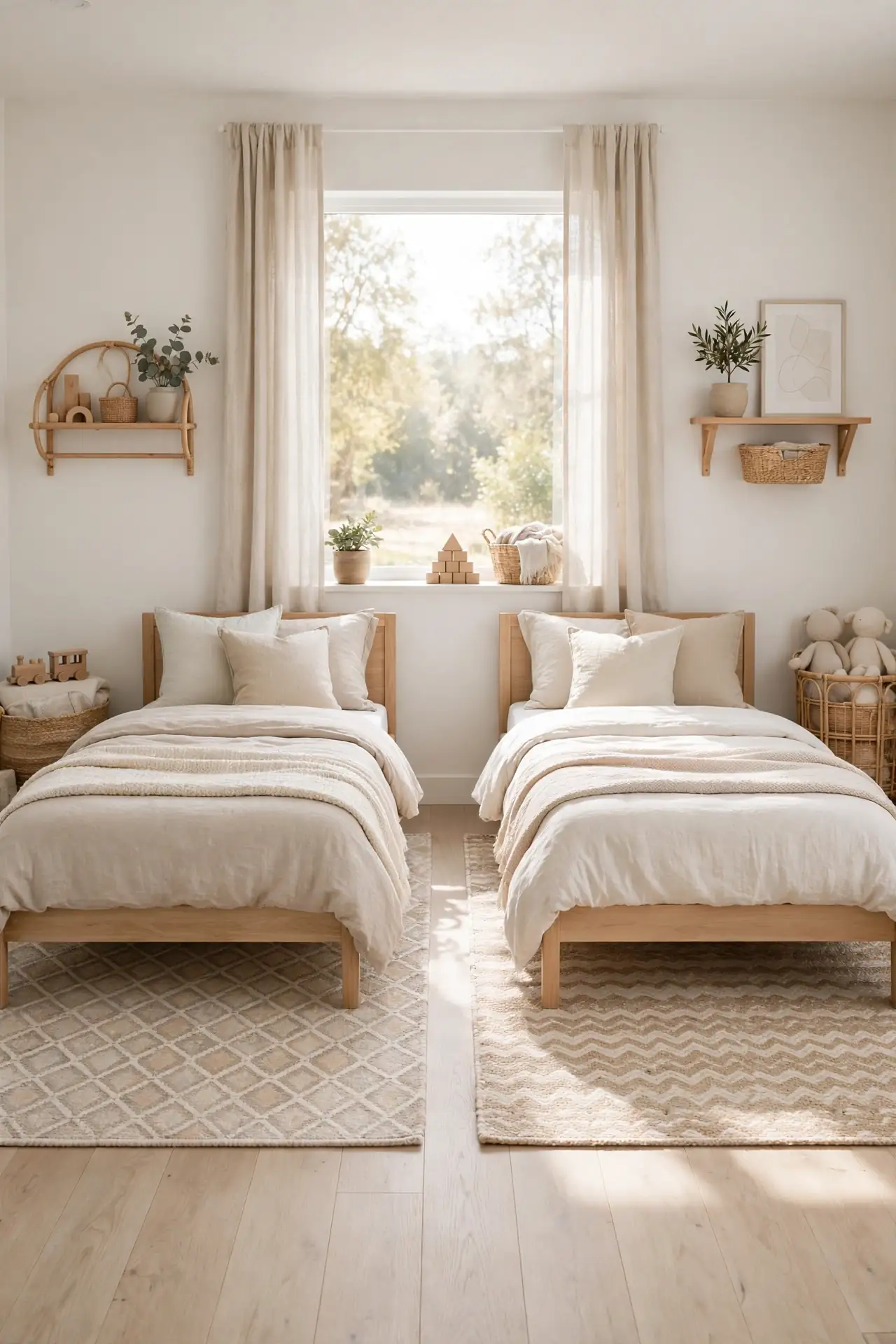
BEFORE: Bare floors make the room feel like one chaotic shared mess. Toys drift everywhere and neither child feels ownership of any spot. Arguments start over whose toy is on whose side.
AFTER: Two rugs in coordinating colors give each child a defined territory. The floor reads as two cozy zones, and cleanup has clear boundaries. Each rug anchors a bed and a small play area beautifully.
Rugs are the simplest way to draw territory lines. I have seen two rugs do more for sibling peace than any furniture rearrangement. Choose low-pile rugs that clean easily and stay put with rug tape. This works in rentals since nothing is permanent. Your floor becomes a map both kids understand.
Personalized Wall Art
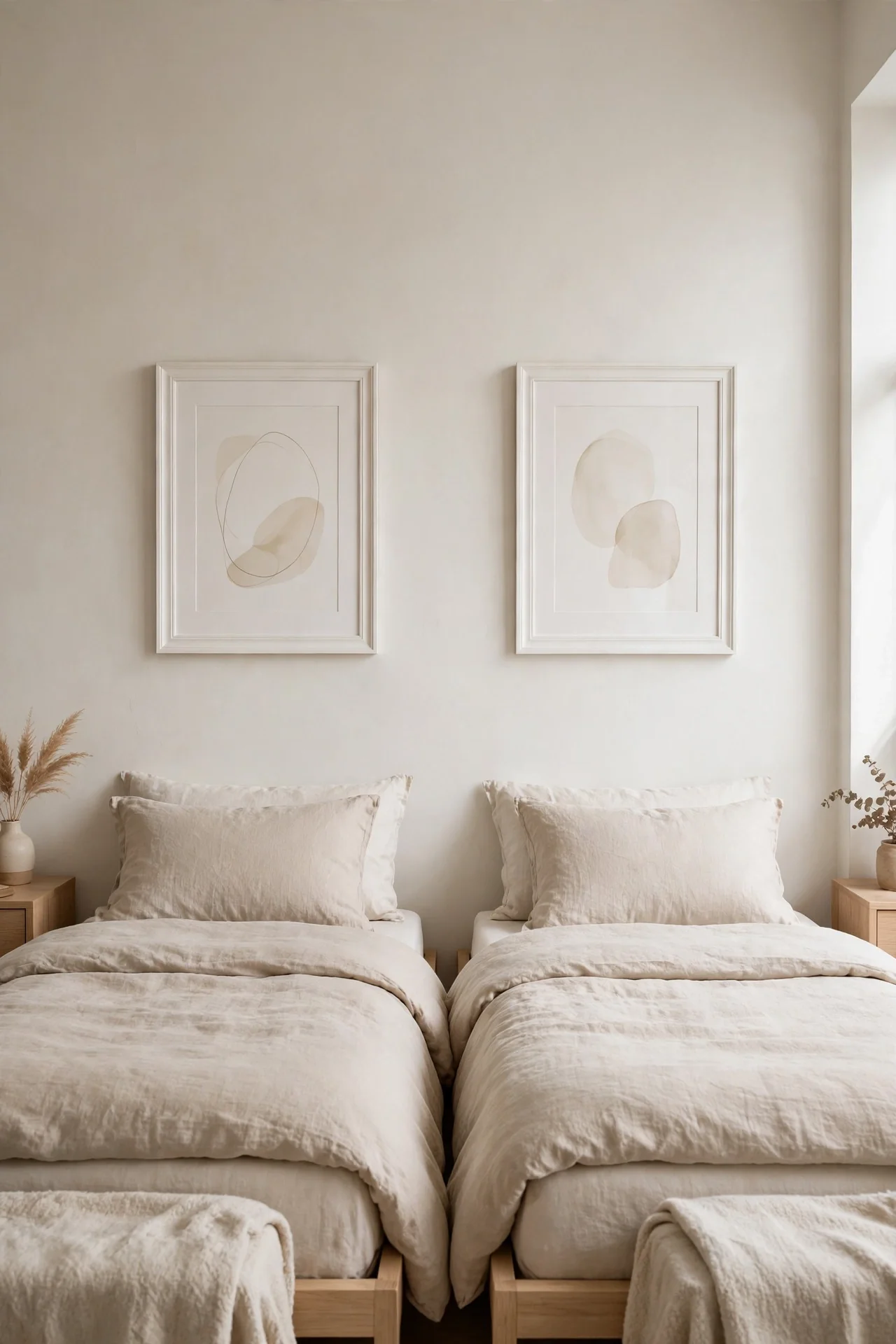
- Give each child one framed piece they chose themselves.
- Hang art at each child’s eye level above their own bed.
- Use matching frames so the wall still looks unified.
- Swap pieces yearly as tastes change and kids grow.
- Add a small floating shelf under each frame for rotating treasures.
Personal art makes each side of the room feel owned and loved. I have noticed kids point out their art to every visitor with real pride. Keep frames lightweight and secure for safety. This suits all ages, from toddlers to teens. Your walls tell two stories that still look like one design. For a bolder backdrop behind the frames, try these bedroom accent wall ideas with wallpaper that add pattern without paint.
Bunk Bed Makeover
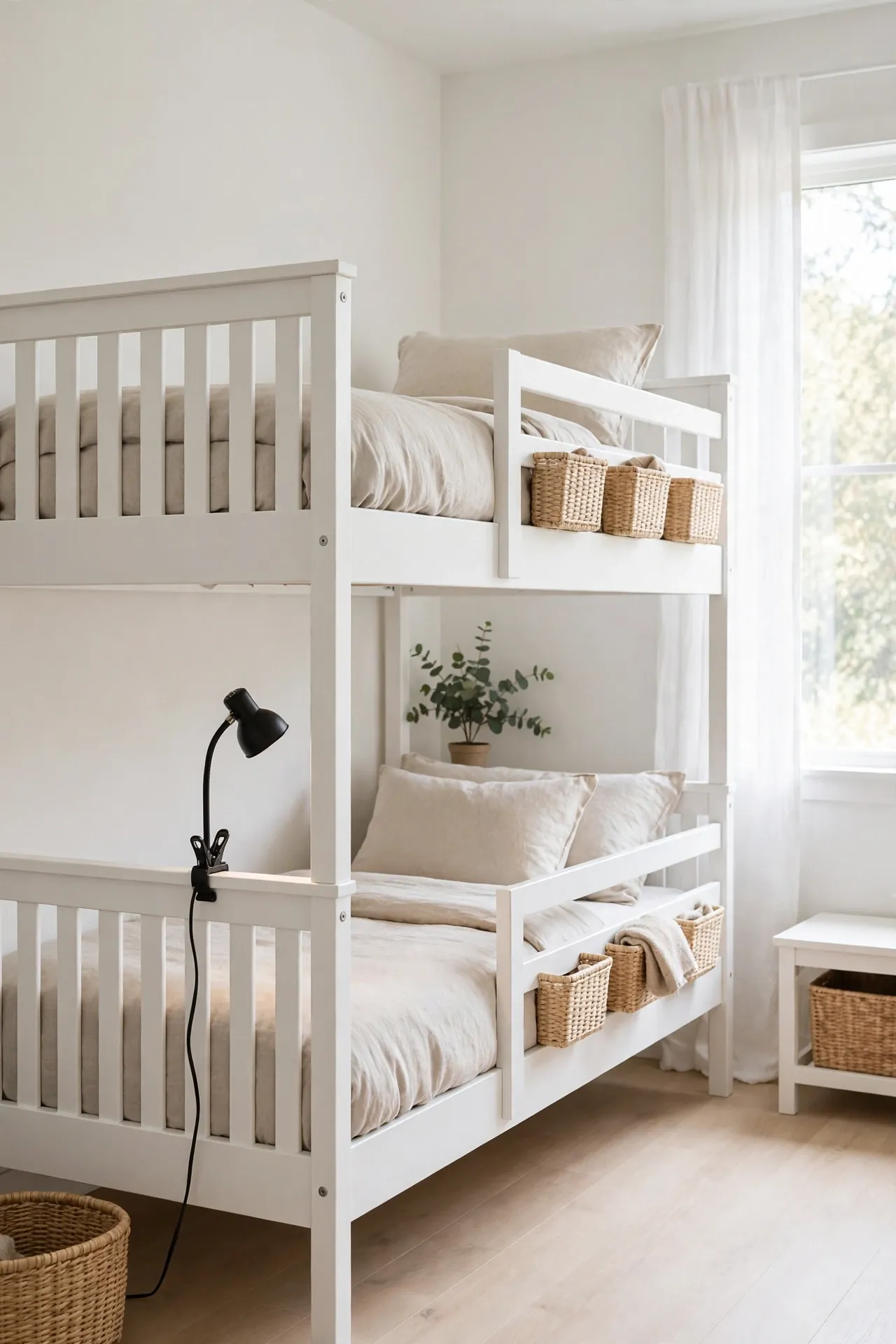
| Old Bunk | Styled Bunk |
| Wobbly and squeaky | Sturdy with tight bolts |
| Bare and boring | Dressed with matching bedding |
| Dark lower bunk | Clip light for the bottom sleeper |
| Cluttered ladder | Baskets hung on each rail |
| No privacy | Curtain panel for the lower bunk |
| Shared everything | Personal caddy per sleeper |
A bunk bed makeover makes the classic sibling solution feel fresh and fair. Among all shared bedroom ideas for siblings, this one delivers the most sleeping space per square foot. Tighten every bolt, add matching bedding, and give the bottom bunk a clip light. Let kids trade top and bottom monthly to keep things fair. Your vertical space finally works as hard as your floor.
Toy Rotation Baskets
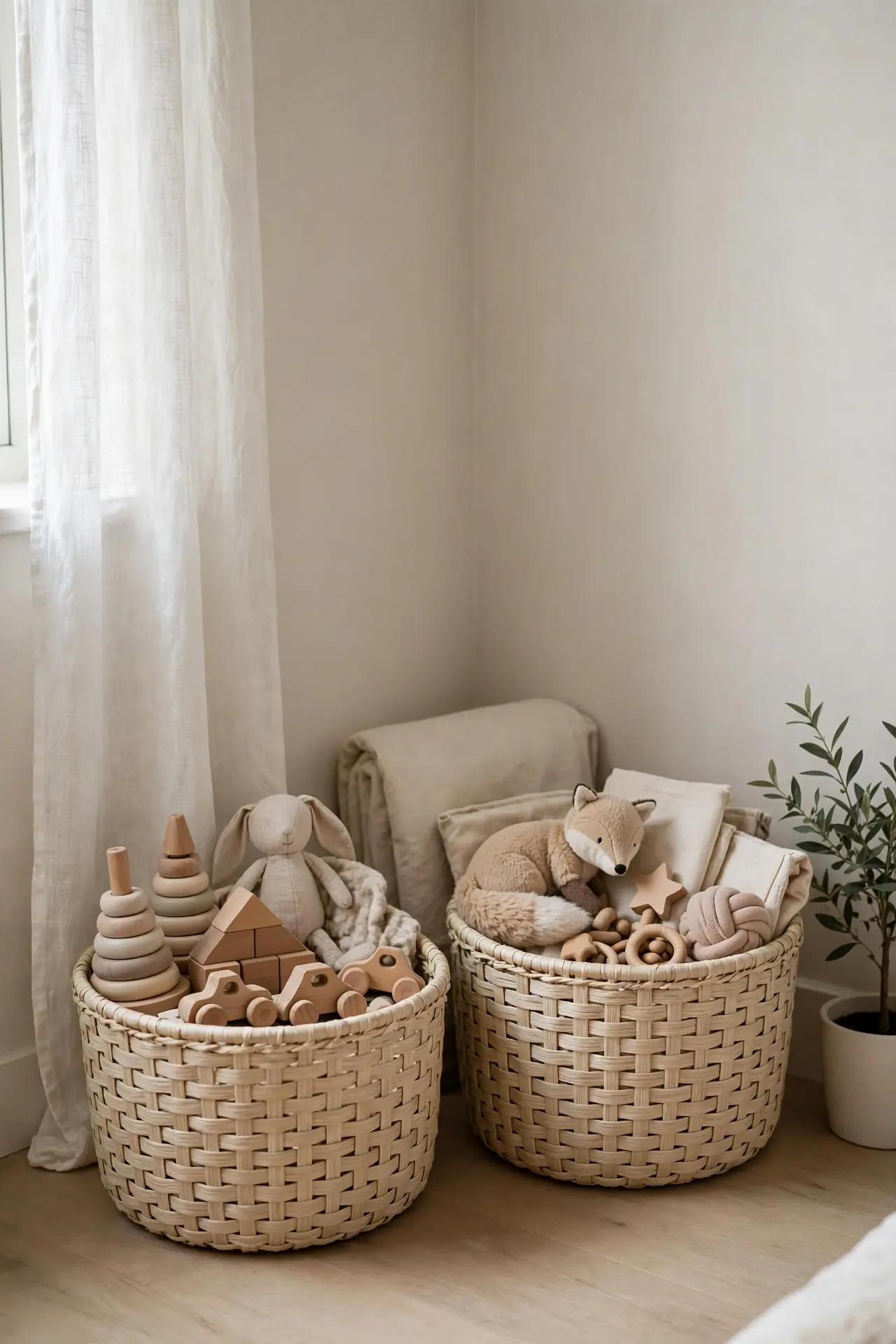
DO: Keep two baskets of toys out and store the rest in a closet. Rotate the baskets every two weeks for fresh excitement. Let each child pick one basket’s contents per rotation. Label stored bins so kids know a favorite will return soon.
DON’T: Dump every toy on the floor at once. Let one child hoard the best toys permanently. Skip rotations until boredom causes chaos. Buy new toys before rotating the forgotten ones back in.
Toy rotation keeps a shared room playable instead of overwhelming. In my experience, fewer toys out means longer, calmer play sessions. Use clear bins for stored toys so kids remember what is waiting. This suits younger siblings best. Your floor stays visible and cleanup takes minutes.
Cozy Reading Tent
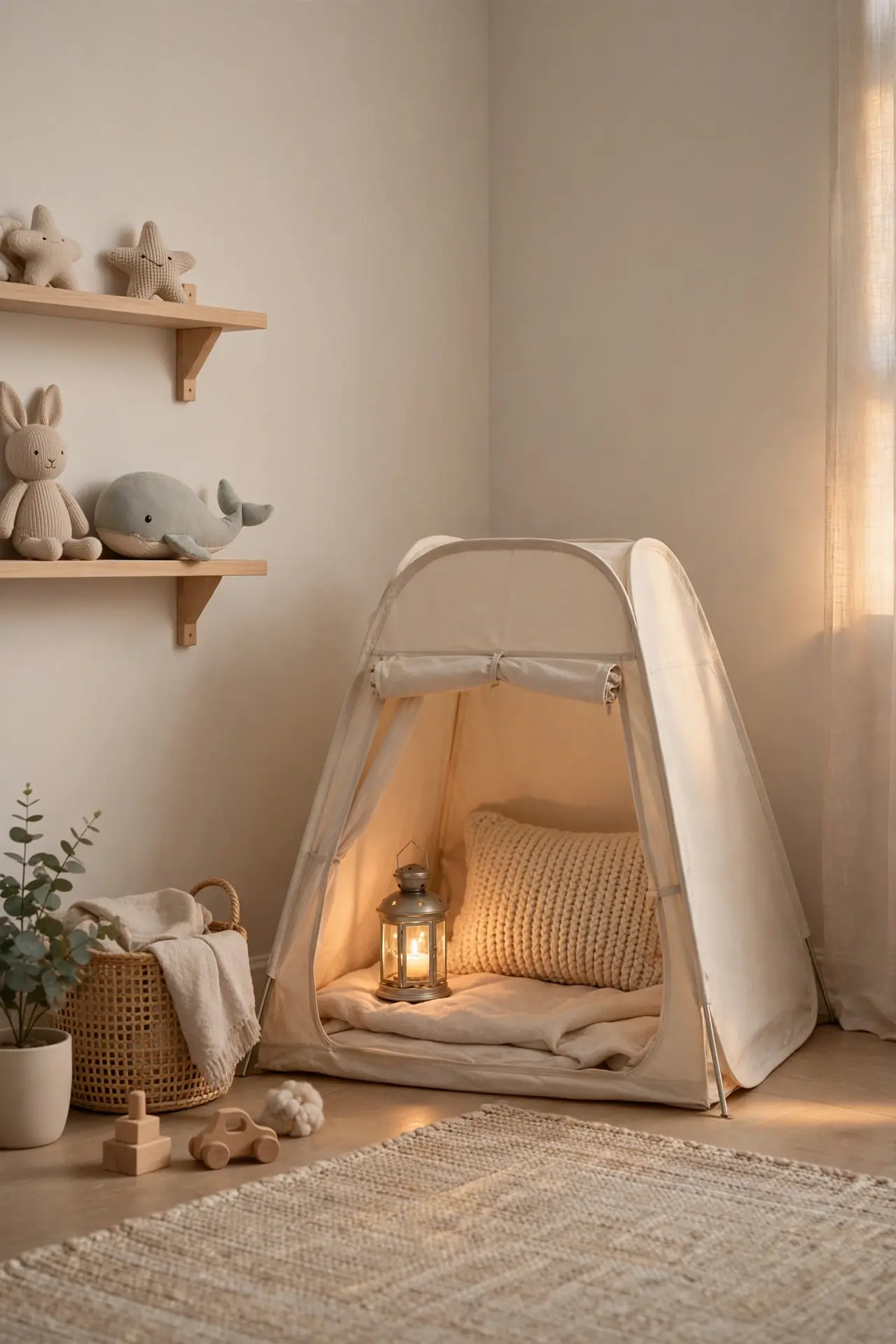
Cost: Low | Time: One hour | Skill Level: Beginner | Best For: Quiet time
A small pop-up tent in the corner becomes each child’s private retreat for reading or calming down. I have seen tents defuse more sibling standoffs than any lecture ever could. One tent shared on a schedule works, or get two small ones if space allows. Add a cushion, a blanket, and a battery lantern inside. The tent gives big feelings a small safe place to land. Set a simple schedule so each child gets fair tent time every day. Your kids learn to take space instead of taking it out on each other.
Matching Wall Color
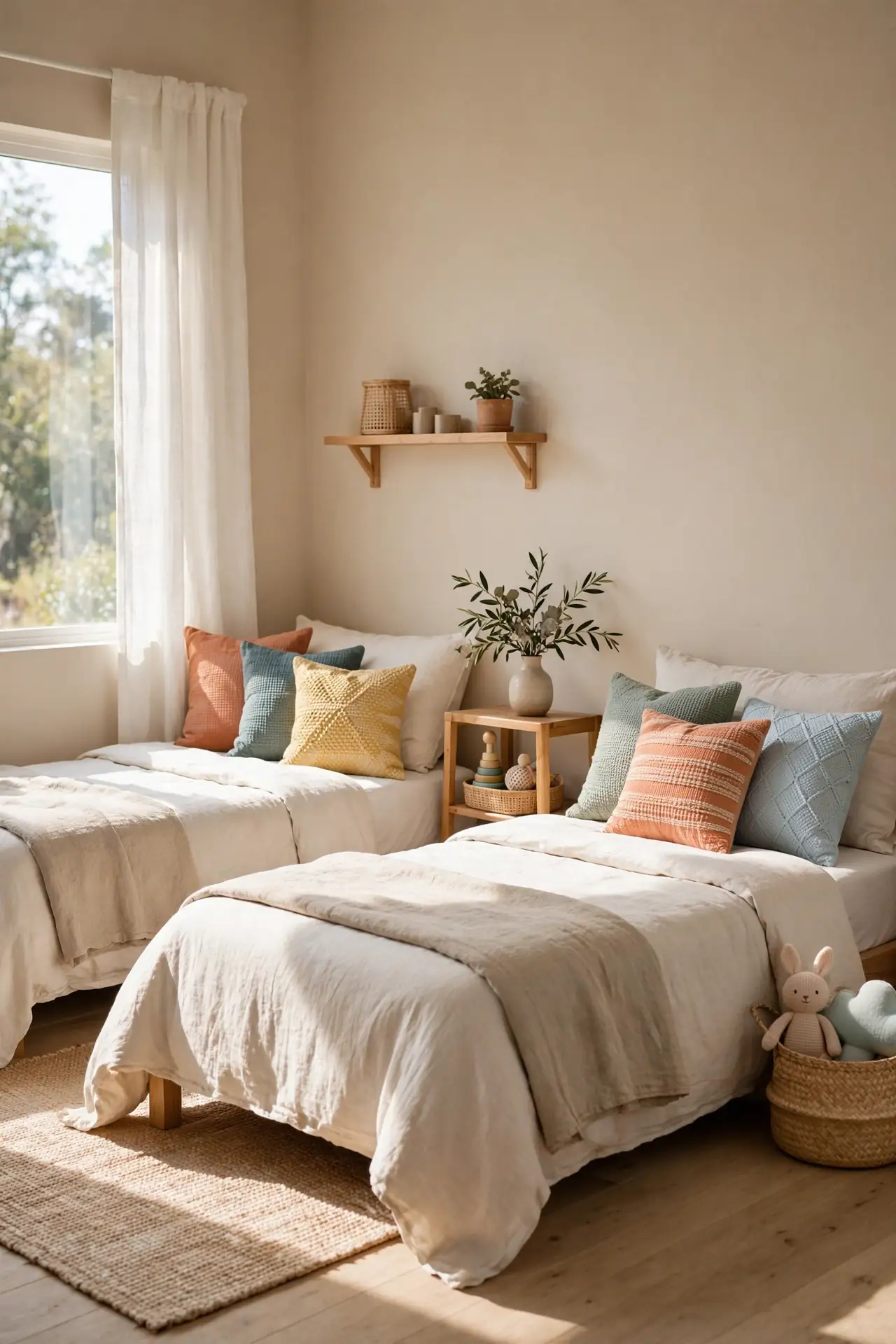
Paint the room one calm color that both kids agree on, then let personality shine through bedding and art. I have noticed the calmest shared bedroom ideas for siblings start with neutral walls that end color wars before they begin. Soft whites, warm beiges, and pale grays keep the room feeling bigger and brighter. Save bold colors for removable items like pillows and posters.
If each child wants an accent wall, paint them the same color on opposite walls for symmetry. Test large swatches before committing since light changes everything. Involve both kids in the final choice so nobody feels overruled. A shared decision on walls sets the tone for sharing everything else.
Separate Toy Bins for shared bedroom ideas for siblings
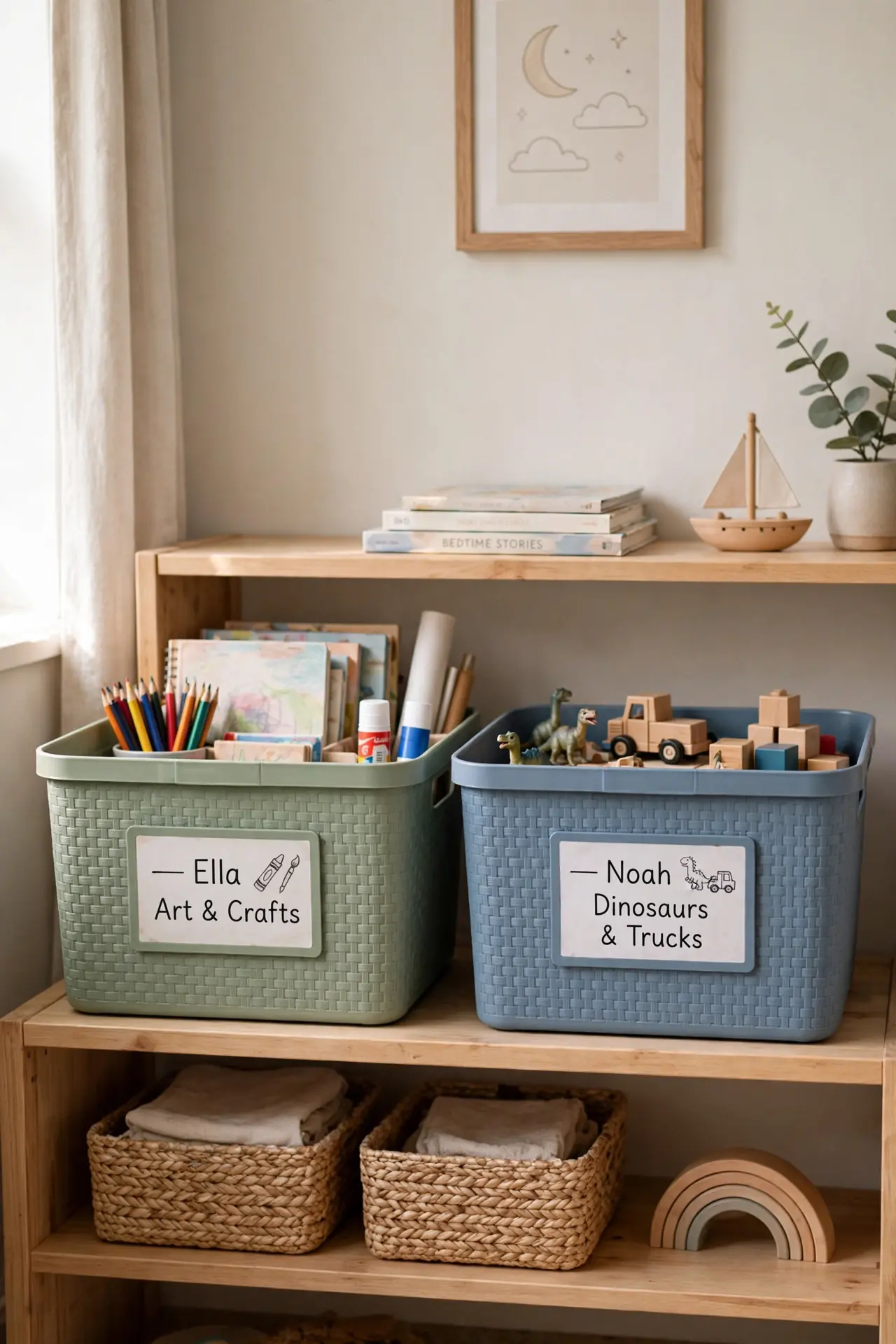
- Give each child their own lidded bin for personal toys and treasures.
- Use different colored bins so ownership is obvious at a glance.
- Set a size limit so collections stay manageable and rooms stay tidy.
- Keep one shared bin for toys both kids play with together.
- Review bins monthly and donate what no longer gets played with.
Separate bins respect each child’s property while teaching sharing. I have tried color-coded bins with siblings and the mine versus ours line becomes wonderfully clear. Keep bins the same size for fairness. This works from toddler age upward. Label the shared bin clearly so nobody claims its contents during arguments. Your toy chaos shrinks to three neat containers.
Nightlight for Both
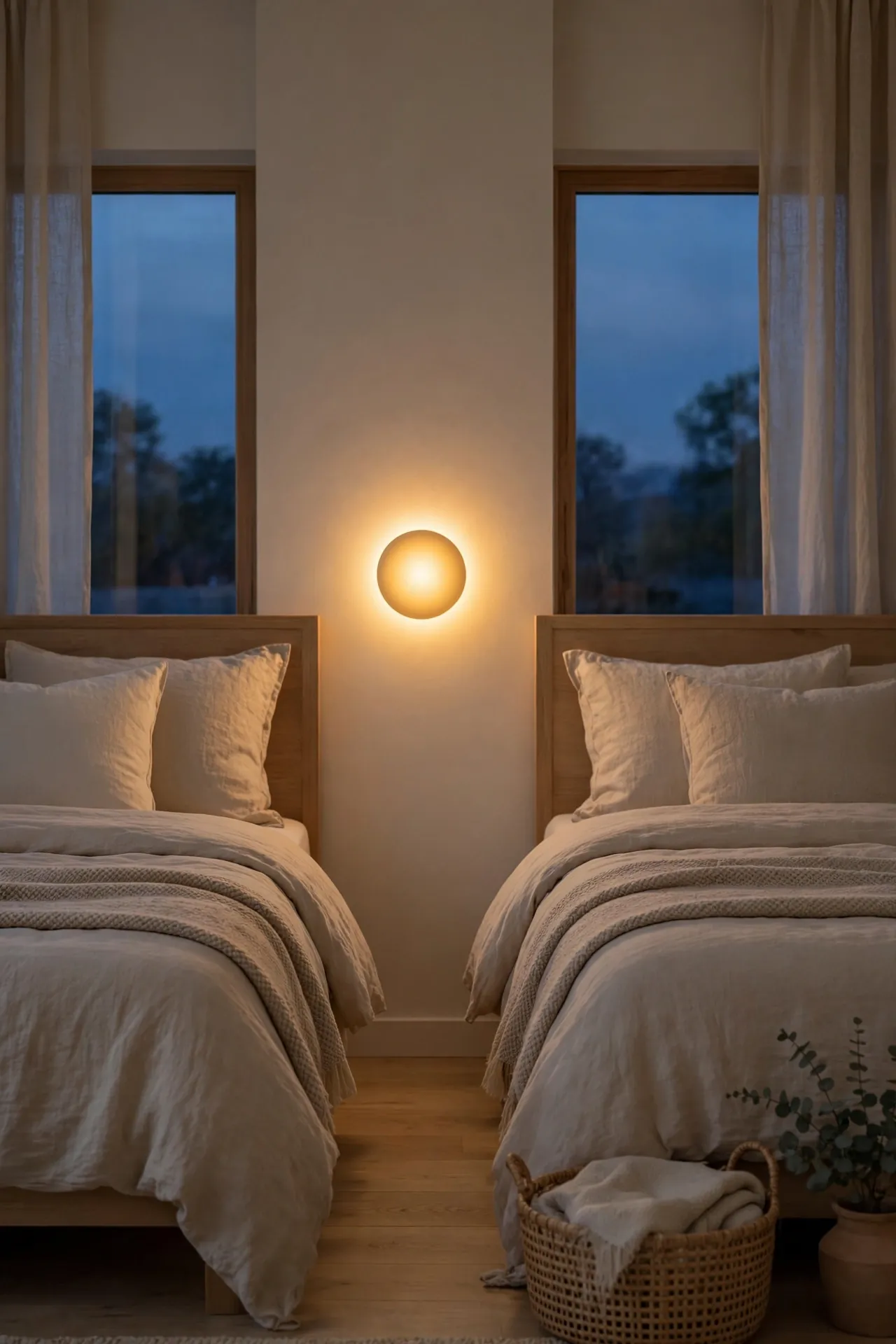
Quick Tip: Place one nightlight where both beds can see it instead of giving each child their own. A warm dimmable plug-in light keeps the room cozy without disturbing sleep. Choose a light with a timer so it turns off after everyone drifts off. One shared light means one less thing to argue about. Mount it on the wall between the beds at a low height.
A single shared nightlight simplifies bedtime for everyone. I have noticed two competing nightlights cause more arguments than darkness ever did. Pick a warm color temperature around 2700K. This suits younger siblings who fear the dark. Your bedtime routine gets one step simpler.
Shared Closet Split
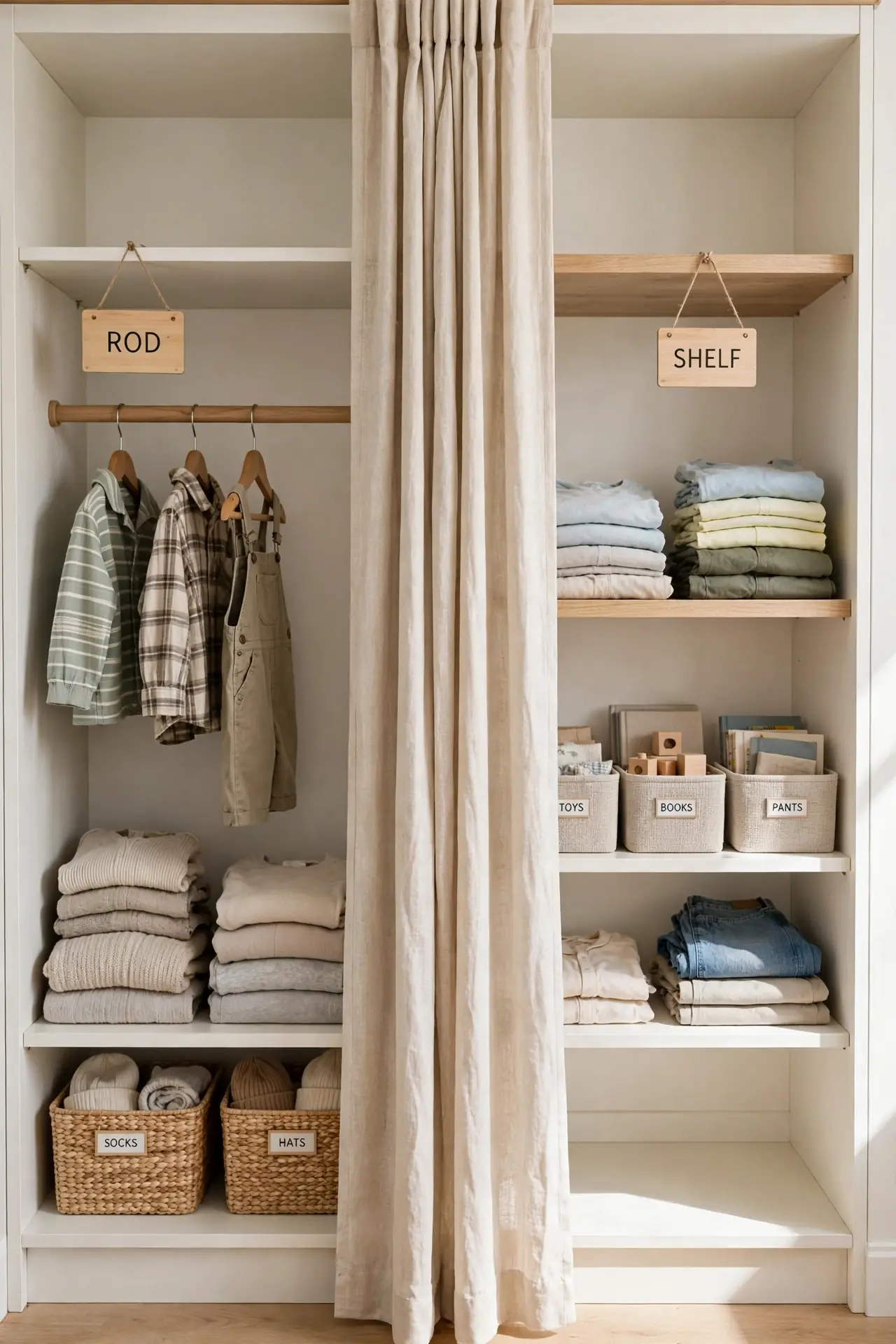
BEFORE: One chaotic closet swallows both kids’ clothes into a single mess. Mornings mean digging through piles and blaming each other for missing socks. Laundry lands in one heap that nobody claims.
AFTER: A divided closet gives each child a labeled half with their own rod and shelf. Mornings run on autopilot and nothing goes missing. Each half holds a week’s outfits, ready to grab.
Split the closet down the middle with a simple divider or curtain. I have seen this work well in many cases, especially with a double hanging rod on each side. Give each child matching hangers in their accent color. This suits any age. Your mornings get faster and far less dramatic.
Desk Sharing Schedule
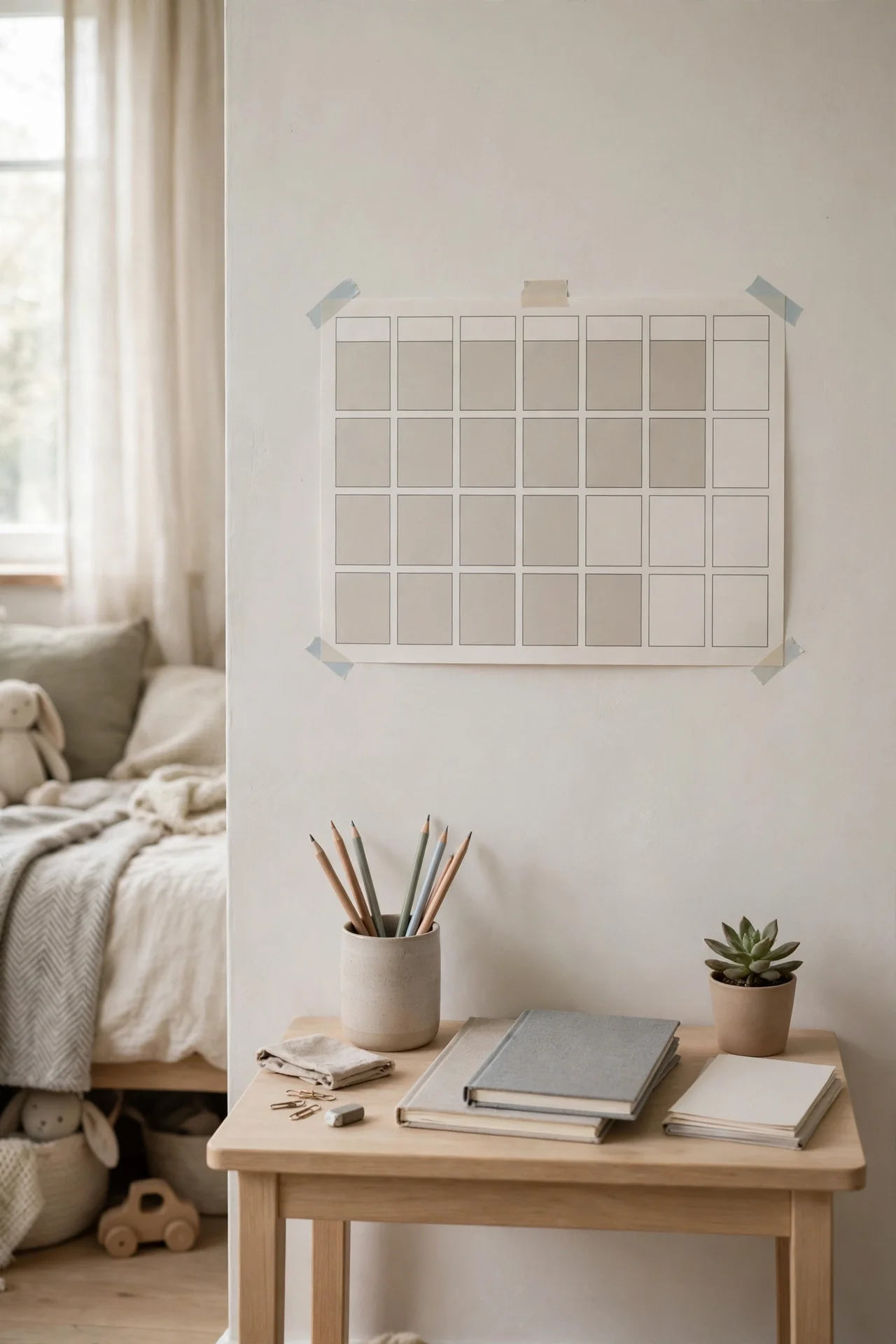
- Post a weekly schedule showing each child’s desk time slots.
- Set a timer for thirty-minute turns during busy homework hours.
- Keep a shared supply caddy that moves with whoever is working.
- Review the schedule monthly and adjust for changing homework loads.
- Add a quiet signal like headphones on the desk to show it is occupied.
The most peaceful shared bedroom ideas for siblings include a fair plan for shared furniture. I have tried posted schedules and they work because the rules are visible to everyone. Laminate the schedule so it survives the school year. This suits school-age kids best. Your homework battles end the day the schedule goes up.
Gallery Wall Both
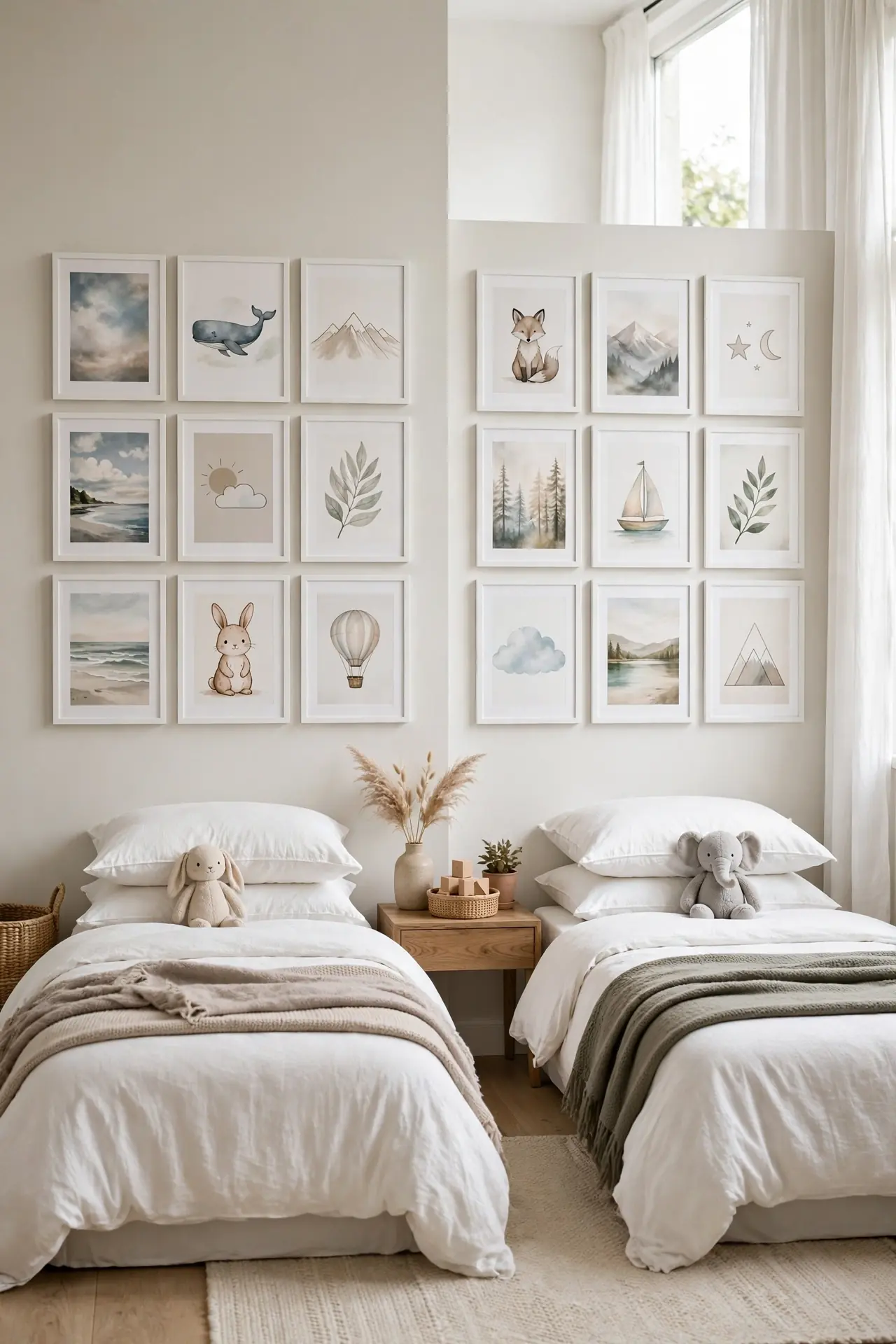
| Left Gallery | Right Gallery |
| Same frame style | Same frame style |
| Their own photos | Their own photos |
| Three frames each | Three frames each |
| Hung at their height | Hung at their height |
| Mix of art and photos | Mix of art and photos |
| One shared family photo | One shared family photo |
A split gallery wall lets both kids shine without either dominating. I have noticed matching frames keep the wall looking like one design instead of two competing ones. Hang each child’s frames above their own bed zone. Let them choose their photos and update them yearly. Keep the layout symmetrical so the wall feels balanced and intentional. Your walls celebrate both kids equally.
Headboard Display Shelf
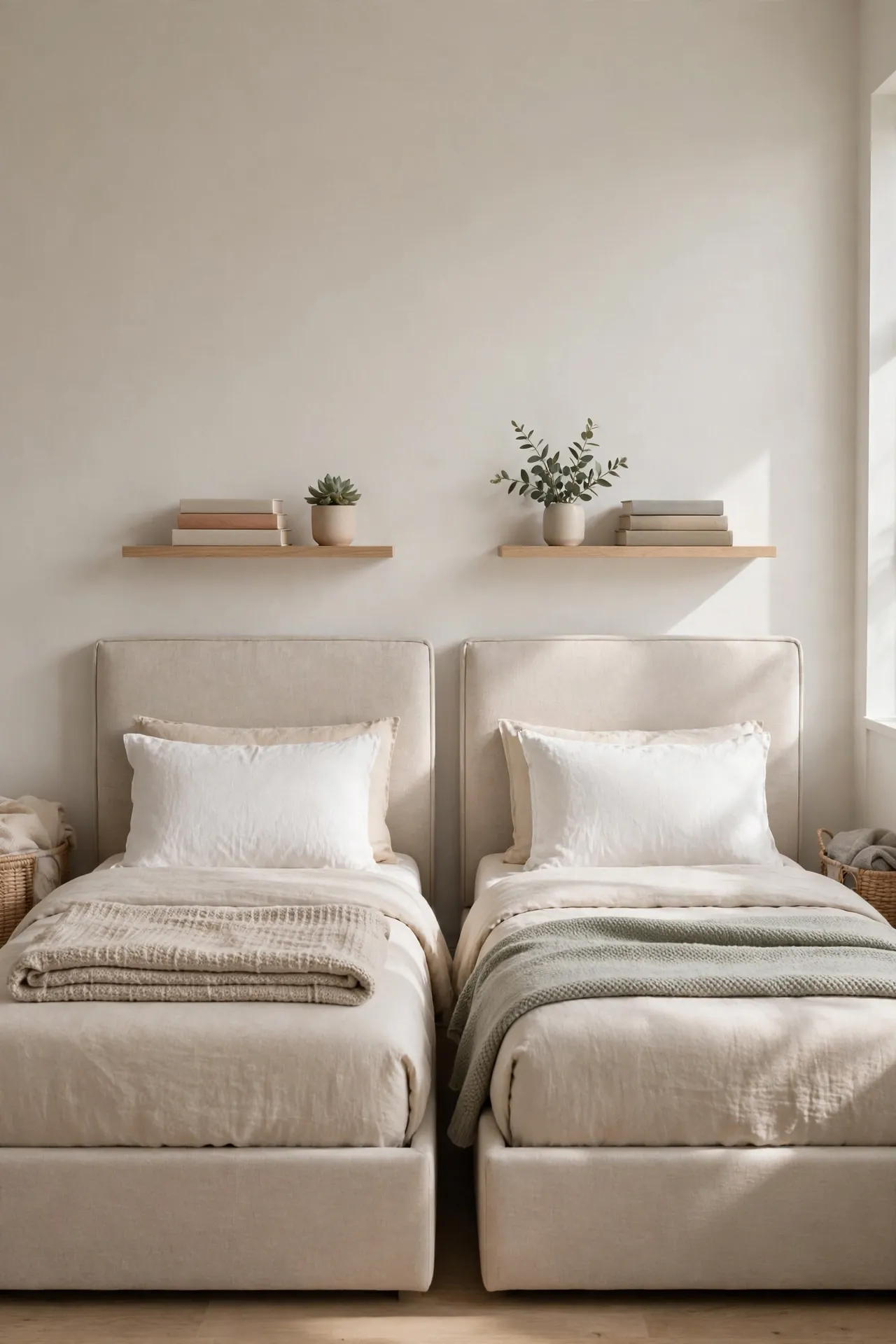
DO: Mount a narrow shelf above each headboard for books and small treasures. Keep shelf depth under eight inches for safety. Secure every shelf into wall studs. Let each child style their own shelf freely.
DON’T: Overload shelves until they look cluttered and unsafe. Hang heavy objects above sleeping heads. Use deep shelves that jut into the room. Skip the stud finder during installation.
Headboard shelves give each child display space without using floor area. In my experience, a personal shelf reduces the urge to spread belongings everywhere else. Style with books, plants, and one framed photo. This suits kids over five. Your walls work harder while floors stay clear.
Peace Corner Rules
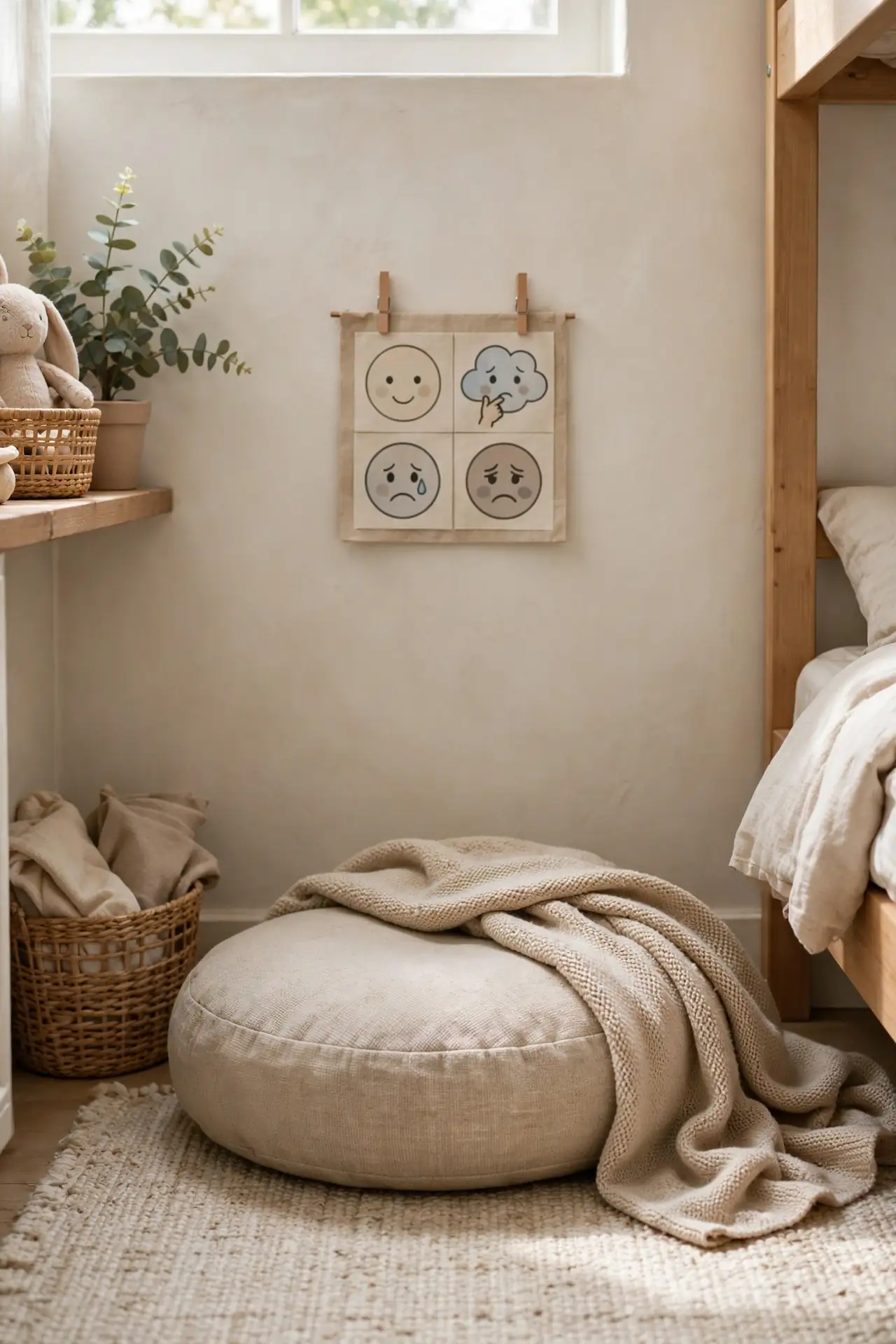
Cost: Free | Time: Twenty minutes | Skill Level: Beginner | Best For: All ages
A peace corner with a cushion and a feelings chart gives kids a place to cool down instead of lashing out. I have seen this work well in many cases, turning meltdowns into quiet minutes. Write three simple rules together: use words, take turns, and apologize after. Post the rules where both kids can see them daily. The corner is never punishment, only a reset button. Practice using the corner during calm moments so kids remember it when emotions run high. Your home gains a tool that builds emotional skills for life.
Conclusion
Sharing a room teaches siblings negotiation, patience, and generosity in ways nothing else can. These shared bedroom ideas for siblings prove that harmony comes from fairness, not square footage. Start with one or two changes, like labeled storage or a split closet, and watch the bickering fade. I have seen small shifts completely change how a shared room feels. Save your favorite ideas on Pinterest, try them this weekend, and share the results with other parents. Remember that the goal is progress, not perfection, and every family finds its own rhythm. Small fair changes today build lifelong sibling bonds tomorrow. Your kids will thank you every peaceful morning.